Interviews are more than just a Q&A session—they’re a chance to prove your worth. This blog dives into essential Motorcycle Manufacturing interview questions and expert tips to help you align your answers with what hiring managers are looking for. Start preparing to shine!
Questions Asked in Motorcycle Manufacturing Interview
Q 1. Explain the difference between lean manufacturing and traditional manufacturing in the context of motorcycle production.
Traditional motorcycle manufacturing often relies on a push system, where large batches of parts are produced and pushed through the assembly line regardless of immediate demand. Think of it like baking a hundred loaves of bread before knowing how many will be sold. This leads to high inventory costs, potential for waste due to unsold inventory, and longer lead times. Lean manufacturing, on the other hand, emphasizes a pull system, responding directly to customer demand. It’s more like baking only the loaves of bread ordered, minimizing waste and maximizing efficiency. In motorcycle production, this means using techniques like just-in-time inventory management, minimizing work-in-progress, and focusing on continuous improvement (Kaizen). For example, instead of producing thousands of identical handlebars, a lean manufacturer might only produce the quantity needed for immediate assembly, reducing storage space and potential for damage or obsolescence.
In practice, lean manufacturing in motorcycle production might involve implementing Kanban systems to visually manage inventory flow, using value stream mapping to identify and eliminate waste, and empowering assembly line workers to identify and solve problems proactively.
Q 2. Describe your experience with Six Sigma or other quality improvement methodologies in a manufacturing setting.
Throughout my career, I’ve extensively utilized Six Sigma methodologies, particularly DMAIC (Define, Measure, Analyze, Improve, Control), to enhance quality control in motorcycle manufacturing. For instance, at a previous company, we faced a high defect rate in the chrome plating process of motorcycle exhaust pipes. Using DMAIC, we first defined the problem (high defect rate), then measured the current defect rate and identified contributing factors (temperature fluctuations, inconsistent chemical concentration). The analysis phase involved statistical process control (SPC) to pinpoint the root cause. In the improvement phase, we implemented process controls like automated temperature regulation and a more precise chemical dispensing system. Finally, in the control phase, we established monitoring procedures and regular SPC checks to prevent future problems.
This project resulted in a significant reduction in defects, cost savings from reduced waste, and ultimately, improved customer satisfaction. My experience also extends to other quality tools like Pareto charts to prioritize improvement efforts and FMEA (Failure Mode and Effects Analysis) to proactively identify and mitigate potential problems before they impact production.
Q 3. What are the common challenges in motorcycle assembly line optimization?
Optimizing motorcycle assembly lines presents several challenges. One major hurdle is balancing the line. Ensuring that each workstation has a consistent workload to avoid bottlenecks is crucial. Variations in part arrival times, worker skill levels, and equipment reliability can disrupt this balance. Another challenge is minimizing changeovers. Frequent changes in production models require setup time, reducing overall efficiency. Further complicating the issue is maintaining high quality while increasing speed. Rushing the process risks errors and defects. Finally, integrating new technologies into existing lines can be complex and costly, requiring significant planning and expertise.
Effective solutions involve using sophisticated software for line balancing, implementing lean principles to reduce waste and improve flow, investing in reliable and flexible equipment, and providing comprehensive training for workers. A well-defined production schedule that anticipates demand fluctuations is also critical.
Q 4. How do you ensure consistent quality control throughout the motorcycle manufacturing process?
Consistent quality control throughout motorcycle manufacturing relies on a multi-layered approach. It starts with rigorous incoming inspection of raw materials and components. This is often done using automated inspection systems and sampling methods to ensure they meet specifications. Throughout the manufacturing process, Statistical Process Control (SPC) charts monitor key process parameters in real-time. This allows for early detection of any deviation from established standards. Regular audits of the production line and workstations help identify potential issues and ensure adherence to established procedures. Finally, extensive final inspection and testing are conducted on each completed motorcycle before shipment to ensure that all components are correctly assembled and the motorcycle functions flawlessly.
The use of standardized work instructions and well-trained personnel are also pivotal for maintaining consistent quality. Furthermore, a robust system for tracking and resolving defects, and a culture of continuous improvement are crucial for long-term quality maintenance.
Q 5. Explain your understanding of different welding techniques used in motorcycle frame construction.
Motorcycle frame construction utilizes various welding techniques, each suited for specific applications. MIG (Metal Inert Gas) welding is widely used due to its speed and relatively high quality. It’s excellent for joining thinner gauge materials commonly found in motorcycle frames. TIG (Tungsten Inert Gas) welding, while slower, offers superior precision and control, making it ideal for intricate joints and welding dissimilar metals. Resistance spot welding is efficient for joining overlapping sheet metal sections, commonly used in mass production of certain frame components. Laser welding is an increasingly popular method due to its high speed, precision, and ability to create narrow, deep welds, reducing distortion.
The choice of welding technique depends on factors like the materials being joined, the complexity of the joint, the desired weld quality, and the required production speed. Proper weld preparation and skilled welders are essential regardless of the method used, ensuring the strength and safety of the motorcycle frame.
Q 6. Describe your experience with CNC machining and its application in motorcycle part production.
CNC (Computer Numerical Control) machining plays a vital role in motorcycle part production, allowing for high precision and repeatability. I’ve extensively used CNC milling and turning machines to create intricate parts such as engine components, transmission gears, and chassis components. The ability to program complex geometries ensures accuracy and consistency, which is crucial for performance and reliability. CNC machining allows for the production of parts with extremely tight tolerances, leading to improved assembly and functionality.
For example, we used CNC machining to create custom-designed engine cylinder heads with optimized porting for improved airflow, resulting in a noticeable increase in horsepower and torque. Furthermore, CNC machining allows for rapid prototyping, enabling quicker iteration and improvement of designs during the development process.
Q 7. What are the key considerations in selecting materials for motorcycle components?
Selecting materials for motorcycle components is a critical decision impacting performance, durability, weight, and cost. The choice depends on the specific component and its function. For example, engine parts often require materials with high strength, thermal resistance, and wear resistance, such as high-strength aluminum alloys, cast iron, or specialized steels. Frames typically use high-strength steel alloys or aluminum alloys to balance strength and weight. Body panels often utilize plastics and composites for their lightweight properties and design flexibility.
Key considerations include material properties (strength, stiffness, ductility, fatigue resistance, corrosion resistance), manufacturing process compatibility, cost, and environmental impact. Testing and analysis play a vital role in verifying material selection and ensuring the components meet performance requirements. The development of advanced materials, such as carbon fiber composites, is constantly pushing the boundaries of performance in motorcycle design, but the cost and manufacturing complexity must be factored into the equation.
Q 8. How would you address a production bottleneck on the motorcycle assembly line?
Addressing a production bottleneck on a motorcycle assembly line requires a systematic approach. Think of it like unclogging a pipe – you need to identify the blockage, understand its cause, and then implement the right solution. First, we meticulously analyze the assembly line’s workflow using techniques like Value Stream Mapping to pinpoint the exact stage causing the slowdown. This could be anything from insufficient supply of a particular component (e.g., a shortage of carburetors) to a malfunctioning machine (e.g., a faulty welding robot) or even a poorly designed work process leading to bottlenecks.
Once the root cause is identified, we can deploy targeted solutions. For example, if it’s a supply issue, we might expedite deliveries from our supplier, explore alternative suppliers, or increase our safety stock of that component. If it’s a machine malfunction, we’d prioritize repairs or replacements and potentially implement preventative maintenance programs. If it’s a process issue, we could redesign the workflow to optimize efficiency, perhaps by rearranging the assembly stations or retraining workers on improved techniques. Sometimes, a temporary solution like overtime or cross-training workers might be necessary to alleviate the immediate pressure, while long-term solutions are implemented.
For instance, in a previous project, a bottleneck was caused by a slow-performing engine installation station. By analyzing the process, we found that the ergonomic design of the station was flawed, causing fatigue and slower work. We redesigned the station, incorporating ergonomic principles, which resulted in a 15% increase in productivity.
Q 9. What are your strategies for managing inventory and supply chain risks in motorcycle manufacturing?
Managing inventory and supply chain risks in motorcycle manufacturing is crucial for maintaining production flow and profitability. We use a combination of strategies, thinking of it as a delicate balancing act between having enough parts on hand and avoiding excessive storage costs. This involves careful forecasting of demand, using historical sales data and market trends to predict future needs.
We implement a robust inventory management system, often leveraging software like ERP (Enterprise Resource Planning) systems. This allows us to track inventory levels in real-time, triggering automatic re-orders when stocks fall below a predetermined threshold. We also utilize Just-in-Time (JIT) inventory management principles, striving to receive components only when they are needed on the assembly line, reducing storage costs and minimizing waste.
To mitigate supply chain risks, we diversify our supplier base, reducing our reliance on a single source. We also build strong relationships with key suppliers, fostering open communication and collaboration. Regularly reviewing supply contracts and assessing supplier performance are crucial. Moreover, we incorporate risk assessment into our supply chain planning, identifying potential disruptions (e.g., natural disasters, geopolitical instability) and developing contingency plans to mitigate their impact. For instance, having backup suppliers or stockpiling crucial components for high-risk items could prove vital.
Q 10. Explain your experience with robotic automation in a manufacturing environment.
My experience with robotic automation in manufacturing is extensive. I’ve overseen the integration of robotic systems in several motorcycle assembly plants, improving efficiency and safety significantly. Robotics are particularly valuable in tasks that are repetitive, dangerous, or require high precision, such as welding, painting, and parts handling.
The implementation process involves careful planning and consideration of various factors. Firstly, we conduct a thorough assessment to identify which processes are most suitable for automation. This involves evaluating the cost-effectiveness, considering factors like the initial investment, ongoing maintenance, and the potential return on investment (ROI). We also assess the need for retraining existing workforce to maintain and operate the robotic systems, ensuring smooth transition and minimizing disruption.
For example, in one plant, we integrated robotic welding arms for the motorcycle frames. This resulted in a significant improvement in welding quality and consistency, reducing defects and increasing production speed. Safety also increased as workers were no longer exposed to the hazards of manual welding. However, successful implementation also requires ongoing maintenance and software updates to optimize performance and prevent malfunctions.
Q 11. Describe your understanding of different engine assembly processes.
Understanding engine assembly processes is fundamental in motorcycle manufacturing. The process generally follows a sequential approach, with variations depending on the engine type (e.g., single-cylinder, V-twin, etc.). It usually starts with the assembly of the bottom end, which includes the crankshaft, connecting rods, and pistons. Each component needs precise fitting and alignment. Highly trained technicians and specialized tools are essential here.
Next comes the assembly of the cylinder head, involving the camshafts, valves, and other related components. The precision of this stage is paramount to engine performance and reliability. Once the cylinder head is in place, the engine block is carefully sealed, usually using gaskets, to prevent oil leaks. Following this, the lubrication and cooling systems are integrated, including the oil pump, oil filter, and coolant hoses.
Finally, various sensors, ignition components, and other peripherals are attached. Throughout the entire process, rigorous quality checks are implemented at each stage, ensuring that the engine meets specified tolerances and performance standards. Automated assembly lines are used extensively to enhance speed and consistency, but the need for skilled technicians to monitor and maintain the equipment remains crucial.
Q 12. How do you ensure the safety of workers on a motorcycle assembly line?
Ensuring worker safety on a motorcycle assembly line is paramount. We approach this with a multi-layered strategy, prioritizing prevention over reaction. This starts with a comprehensive safety training program for all employees, covering topics such as the proper use of machinery, personal protective equipment (PPE), and hazard identification. Regular safety drills and refresher courses are also crucial.
Ergonomic design is central to preventing workplace injuries. Workstations are designed to minimize repetitive strain and awkward postures, while using tools and equipment that are ergonomically sound. This also includes providing adjustable work surfaces and seating arrangements. The factory environment itself is designed to be safe and organized, minimizing potential hazards through appropriate lighting, clear walkways, and proper storage of materials.
We also use safety monitoring systems including machine guarding, emergency stop buttons, and regular equipment inspections to prevent accidents. Regular safety audits and hazard assessments help to identify and address potential risks proactively. This involves documenting the findings and implementing corrective actions, ensuring the continuous improvement of our safety procedures.
Q 13. What are the key performance indicators (KPIs) you would monitor in motorcycle manufacturing?
Key Performance Indicators (KPIs) are essential for monitoring the efficiency and effectiveness of motorcycle manufacturing. These are metrics that allow us to track our progress against our targets and identify areas for improvement. Some of the key KPIs we monitor include:
- Production Output: Units produced per day/week/month, measured against the planned production schedule.
- Defect Rate: The percentage of defective motorcycles or components produced, indicating the quality of our manufacturing process.
- Inventory Turnover: How quickly we sell our inventory, representing efficiency in inventory management.
- Lead Time: The time it takes to manufacture a motorcycle from start to finish.
- On-Time Delivery: The percentage of orders delivered on time, highlighting supply chain efficiency.
- Worker Safety Rate: Number of accidents and injuries per worker hour, showing effectiveness of safety programs.
- Overall Equipment Effectiveness (OEE): Measures the effectiveness of our equipment in producing quality goods, considering speed, quality, and availability.
By monitoring these KPIs, we gain valuable insights into our operations and can make data-driven decisions to enhance efficiency and quality.
Q 14. How do you manage and resolve conflicts among team members in a manufacturing setting?
Managing and resolving conflicts among team members is a critical aspect of running a successful manufacturing operation. A harmonious work environment is essential for productivity and morale. We use a multi-pronged approach to address conflicts, prioritizing open communication and early intervention. Our approach emphasizes creating a culture of respect and trust among team members.
If conflicts arise, we encourage open dialogue between the involved parties, facilitating a discussion where each individual can express their perspectives. We aim to create a safe space for airing concerns without fear of reprisal. If necessary, we mediate the discussion, guiding the individuals towards a mutually acceptable solution. We help identify the root causes of the conflict and strive to implement preventive measures to avoid similar issues in the future.
In situations where direct conflict resolution is not effective, we may use more formal procedures. This could include involving human resources, potentially conducting investigations, or implementing disciplinary action if necessary. However, our approach always prioritizes maintaining a positive and productive work environment where everyone feels valued and respected. The goal is not just to resolve the immediate conflict, but to improve the underlying relationships and processes within the team.
Q 15. Describe your experience with preventative maintenance in a manufacturing facility.
Preventative maintenance is crucial in a manufacturing environment like motorcycle production to minimize downtime, extend equipment lifespan, and ensure consistent product quality. It involves proactively identifying and addressing potential issues before they escalate into major problems. In my experience, this includes a robust schedule of inspections, lubrication, and cleaning for all machinery, from robotic welders to engine assembly lines. We implement a Computerized Maintenance Management System (CMMS) to track maintenance activities, schedule preventative tasks, and generate reports. For example, we might schedule a weekly inspection of conveyor belts for wear and tear, preventative lubrication of robotic arms every month, and a complete overhaul of the engine testing dynamometers every six months. A well-executed preventative maintenance program reduces unexpected breakdowns, improves operational efficiency, and ultimately saves the company significant costs in the long run.
Career Expert Tips:
- Ace those interviews! Prepare effectively by reviewing the Top 50 Most Common Interview Questions on ResumeGemini.
- Navigate your job search with confidence! Explore a wide range of Career Tips on ResumeGemini. Learn about common challenges and recommendations to overcome them.
- Craft the perfect resume! Master the Art of Resume Writing with ResumeGemini’s guide. Showcase your unique qualifications and achievements effectively.
- Don’t miss out on holiday savings! Build your dream resume with ResumeGemini’s ATS optimized templates.
Q 16. What are the environmental considerations in motorcycle manufacturing?
Environmental considerations are paramount in motorcycle manufacturing. We must minimize our impact on the environment at every stage, from sourcing raw materials to disposal of waste. This involves careful selection of suppliers committed to sustainable practices; using eco-friendly materials whenever possible, such as recycled aluminum or bio-based plastics; implementing waste reduction strategies through efficient production processes and recycling programs; minimizing water and energy consumption through energy-efficient equipment and optimized production processes; and managing hazardous waste properly, complying with all local and national environmental regulations. For instance, we utilize water-based paints to reduce volatile organic compound (VOC) emissions. We also actively invest in renewable energy sources to power the facility and minimize our carbon footprint.
Q 17. Explain your understanding of Just-in-Time (JIT) inventory management.
Just-in-Time (JIT) inventory management is a lean manufacturing approach that aims to reduce waste by receiving materials only when needed for production. This minimizes storage costs, reduces the risk of obsolescence, and frees up valuable warehouse space. In the context of motorcycle manufacturing, this means carefully coordinating the delivery of parts with the production schedule. We use sophisticated software to predict demand, manage supply chains, and schedule deliveries precisely. For example, engine components arrive just as the assembly line needs them, eliminating the need for large inventories of these parts. JIT requires close collaboration with suppliers, reliable logistics, and a robust production planning system. While it offers significant advantages, it also demands a high degree of precision and flexibility to handle unexpected disruptions.
Q 18. How do you ensure compliance with relevant safety and regulatory standards in motorcycle manufacturing?
Ensuring compliance with safety and regulatory standards is not just a legal requirement; it’s a moral imperative. We adhere strictly to all relevant national and international standards, including those related to emissions, noise pollution, and workplace safety. This involves regular safety audits, employee training programs, and rigorous quality control procedures. We maintain detailed records of all safety inspections and certifications. Our motorcycles undergo stringent testing to meet all safety regulations before they’re released to the market. We use quality control systems that check for issues throughout the production process, regularly calibrating equipment and using statistical process control (SPC) charts to identify potential problems early. Failure to comply can result in serious legal consequences, reputational damage, and even harm to consumers.
Q 19. Describe your experience with root cause analysis and problem-solving in a manufacturing context.
Root cause analysis (RCA) is a systematic approach to identifying the underlying cause of a problem, not just the symptoms. I have extensive experience using various RCA methodologies, including the ‘5 Whys’ technique and Fishbone diagrams. For example, if we experience a high rate of defective welds on motorcycle frames, we wouldn’t just replace the defective parts. Instead, we would use RCA to determine the root cause: perhaps the welding machine needs recalibration, or operator training is inadequate, or there’s a problem with the material quality. This step-by-step investigation leads to a permanent solution rather than a temporary fix. The solution is then implemented, and we monitor the effects to ensure the problem is truly resolved. This ensures sustainable improvement and avoids recurrence.
Q 20. How would you improve the efficiency of a motorcycle painting process?
Improving the efficiency of the motorcycle painting process involves optimizing several aspects. Firstly, automation can significantly increase speed and consistency. Robotic painting systems can apply paint more evenly and precisely than manual methods, reducing waste and improving the quality of the finish. Secondly, lean manufacturing principles can be applied to minimize waste and streamline the process. This includes reducing the number of paint coats needed by improving surface preparation, optimizing the paint mixing process to minimize overspray, and using advanced technologies such as powder coating, which is more efficient and environmentally friendly. Thirdly, implementing a comprehensive preventative maintenance program on the painting equipment is vital to minimize downtime and ensure consistent quality. Finally, regular training for painting personnel can enhance their skills and efficiency. This holistic approach results in improved throughput, reduced costs, and a higher-quality product.
Q 21. What are the different types of testing performed on a finished motorcycle?
Finished motorcycles undergo a series of rigorous tests to ensure they meet our quality and safety standards. These tests cover various aspects of the bike’s performance and durability.
- Performance Tests: Engine performance, including horsepower and torque measurements, is checked on a dynamometer. Acceleration and top speed are also assessed.
- Durability Tests: The bike undergoes stress tests to simulate various road conditions, ensuring the chassis, suspension, and other components can withstand harsh usage.
- Safety Tests: Brake performance is thoroughly evaluated, including stopping distances and responsiveness. The motorcycle’s lighting system is tested for visibility and compliance with regulations.
- Emission Tests: Exhaust emissions are measured to ensure compliance with environmental regulations.
- Quality Control Checks: A visual inspection checks for any defects in the paint, assembly, and overall finish.
Q 22. Explain your understanding of CAD/CAM software and its application in motorcycle design and manufacturing.
CAD/CAM software is the backbone of modern motorcycle design and manufacturing. CAD, or Computer-Aided Design, allows engineers to create detailed 3D models of motorcycle components and the entire vehicle. Think of it as a sophisticated digital sculpting tool, enabling precise design and modification before any physical prototyping. CAM, or Computer-Aided Manufacturing, takes these designs and translates them into instructions for manufacturing equipment like CNC machines (Computer Numerical Control), 3D printers, and robotic welders. This ensures that the physical product accurately reflects the digital design.
In motorcycle manufacturing, CAD is used for everything from designing the engine’s intricate internal components and the chassis’s complex geometry to shaping the fuel tank and fairings for optimal aerodynamics and aesthetics. CAM then guides the manufacturing process, optimizing material usage and minimizing waste. For example, a CAD model of a motorcycle frame would be used to program a CNC milling machine to precisely cut the frame from aluminum billets. This precision and automation result in high-quality, consistent products, significantly reducing manufacturing time and costs.
I’ve personally used software packages like SolidWorks and CATIA extensively, working on projects ranging from designing new engine configurations to optimizing the ergonomics of a motorcycle’s rider interface. The ability to simulate stresses, vibrations, and fluid dynamics within the CAD environment allows us to identify and correct potential design flaws before they reach the production stage, saving time and money.
Q 23. How do you manage project timelines and budgets in motorcycle manufacturing projects?
Managing project timelines and budgets in motorcycle manufacturing requires a structured approach. We use project management methodologies like Agile or Scrum, breaking down the project into smaller, manageable tasks with clearly defined deliverables and deadlines. This allows for continuous monitoring and adaptation. Critical Path Method (CPM) analysis helps identify the most time-sensitive tasks, allowing us to prioritize resources and mitigate potential delays.
Budget management involves meticulous cost estimation at the outset, considering material costs, labor, manufacturing overhead, testing, and marketing. We regularly track actual spending against the budget, using software like MS Project or specialized ERP systems. Regular project status meetings and detailed reporting mechanisms are crucial for transparency and accountability. If deviations from the plan occur, we analyze the causes and implement corrective actions, which may involve re-allocating resources or adjusting the timeline. For instance, if a supplier delays a crucial component, we might expedite other tasks or explore alternative suppliers while negotiating a revised delivery schedule. This proactive approach ensures we deliver the project within budget and on time.
Q 24. Describe your experience with implementing new manufacturing technologies.
Implementing new manufacturing technologies is a continuous process in the dynamic motorcycle industry. My experience includes the introduction of additive manufacturing (3D printing) for prototyping and the production of low-volume, customized parts. This technology drastically reduced lead times and allowed for greater design flexibility. We also integrated advanced robotics into our welding and assembly lines, improving productivity and consistency while reducing labor costs and improving worker safety.
The implementation process involves a thorough feasibility study, considering factors such as cost, compatibility with existing infrastructure, training requirements for personnel, and potential ROI. We developed detailed implementation plans, including timelines, resource allocation, and risk mitigation strategies. A crucial aspect is thorough employee training on the new technologies to ensure smooth operation and maximize efficiency. We also established rigorous quality control procedures to ensure the new technologies meet or exceed our quality standards. For example, when introducing automated inspection systems, we conducted extensive validation tests to confirm their accuracy and reliability before full deployment.
Q 25. How do you handle unexpected equipment failures on the production line?
Unexpected equipment failures on a production line are addressed through a multi-pronged approach emphasizing speed, efficiency and minimizing downtime. We maintain a well-stocked inventory of critical spare parts. A robust preventative maintenance program minimizes the likelihood of failures. When a failure does occur, we have a dedicated team of technicians trained to diagnose and repair equipment quickly. The team follows standardized troubleshooting procedures, supported by detailed technical documentation and remote diagnostics capabilities.
Our priority is to rapidly restore production. If the repair time is extensive, we might implement contingency plans such as shifting production to backup equipment, outsourcing part of the production run, or rescheduling the affected production tasks. Following the repair, a thorough root cause analysis is conducted to prevent similar failures in the future. This might involve upgrading components, improving maintenance protocols, or even replacing the faulty equipment with a more reliable model. Data from these analyses is used to refine our maintenance schedules and improve the overall resilience of the production line.
Q 26. What are the key differences between different motorcycle engine types (e.g., V-twin, inline-four)?
Different motorcycle engine types offer unique characteristics influencing performance, cost, and maintenance. A V-twin engine, like those found in Harley-Davidsons, features two cylinders arranged in a V-shape. They offer strong low-end torque, a characteristic rumble, and relatively simple construction, but can be heavier and less fuel-efficient than other designs.
An inline-four engine, common in sportbikes, has four cylinders arranged in a straight line. These engines produce high horsepower and rev smoothly, offering excellent performance but are more complex and expensive to manufacture and maintain. The arrangement impacts the engine’s overall size and weight, influencing the motorcycle’s handling characteristics. Other engine types include single-cylinder engines (often found in smaller motorcycles, offering simplicity and light weight) and parallel-twin engines (offering a balance between V-twins and inline-fours in terms of power and complexity). The choice of engine type depends on the intended application and target market characteristics of the motorcycle.
Q 27. Explain your understanding of the different materials used in motorcycle body construction.
Motorcycle body construction utilizes a variety of materials, each with its own advantages and disadvantages. Steel remains a popular choice for its strength, durability, and relatively low cost, although it can be heavier than other options. Aluminum offers a good balance of strength and lightness, often used in high-performance motorcycles. Plastics, including ABS (Acrylonitrile Butadiene Styrene) and various composites, are increasingly prevalent due to their flexibility in design, ease of molding, and relative lightweight.
Carbon fiber composites are used in high-end motorcycles for their exceptional strength-to-weight ratio, enabling lighter and more agile vehicles. However, these materials are expensive and require specialized manufacturing processes. The selection of materials depends on factors such as the motorcycle’s intended use (e.g., racing, touring, off-road), target cost, and desired performance characteristics. The design often incorporates a combination of materials to optimize performance and cost, leveraging the strengths of each. For example, a motorcycle frame might use a steel backbone for strength and aluminum subframes for reduced weight.
Q 28. How would you assess the quality of a supplier’s motorcycle parts?
Assessing supplier quality is critical for ensuring consistent product quality and reliability. Our process begins with a rigorous supplier selection procedure, evaluating their capabilities, certifications (like ISO 9001), and past performance records. We conduct thorough audits of their facilities, examining their manufacturing processes, quality control systems, and testing procedures. This includes evaluating their raw material sourcing, inspection methods, and traceability systems.
Once a supplier is chosen, we implement a robust quality control program, including incoming inspection of parts. This involves verifying dimensions, material properties, and surface finishes using various quality control instruments such as CMM (Coordinate Measuring Machines) and visual inspections. We also monitor the supplier’s performance through regular quality reports, addressing any identified issues promptly and proactively. Collaboration with suppliers is key, with open communication channels to address potential problems and continuously improve quality. We regularly evaluate supplier performance using metrics like defect rates, on-time delivery, and responsiveness to quality concerns. This ensures we maintain a high standard of quality throughout our supply chain.
Key Topics to Learn for Your Motorcycle Manufacturing Interview
- Manufacturing Processes: Understanding assembly line operations, lean manufacturing principles, and quality control methodologies. This includes knowledge of various joining techniques (welding, riveting, bonding) and surface finishing processes.
- Materials Science and Engineering: Familiarity with the properties of metals (steel, aluminum, titanium), composites, and plastics used in motorcycle manufacturing. Consider how material selection impacts performance, durability, and cost.
- Engine Technology: Basic understanding of internal combustion engines, including different engine types (e.g., single-cylinder, V-twin), fuel systems, and emission control technologies. Think about the practical implications of engine design choices.
- Design and Engineering Principles: Knowledge of CAD software, design for manufacturing (DFM), and understanding of engineering drawings and specifications. Consider how design choices affect manufacturing processes and costs.
- Safety and Regulations: Familiarity with relevant safety standards and regulations in motorcycle manufacturing, including quality control and workplace safety procedures. Think about how these regulations influence production processes.
- Supply Chain Management: Understanding the flow of materials and components from suppliers to the manufacturing facility. Consider the challenges of managing inventory and optimizing the supply chain for efficiency.
- Quality Control and Testing: Knowledge of various quality control methods and testing procedures used to ensure the quality and reliability of motorcycles. This includes understanding statistical process control (SPC) and other quality assurance techniques.
- Problem-solving and Troubleshooting: Demonstrate your ability to identify, analyze, and solve problems related to manufacturing processes, product quality, and supply chain issues. Prepare examples from your experience to showcase your problem-solving skills.
Next Steps
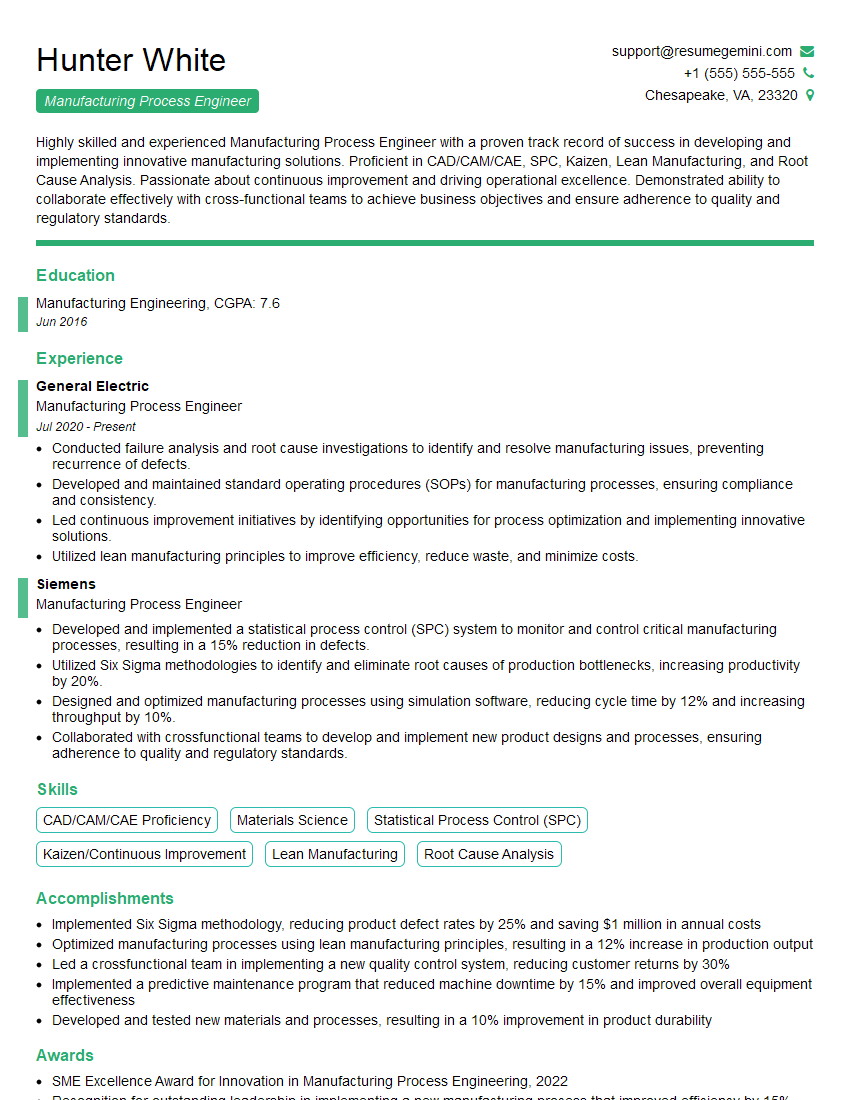
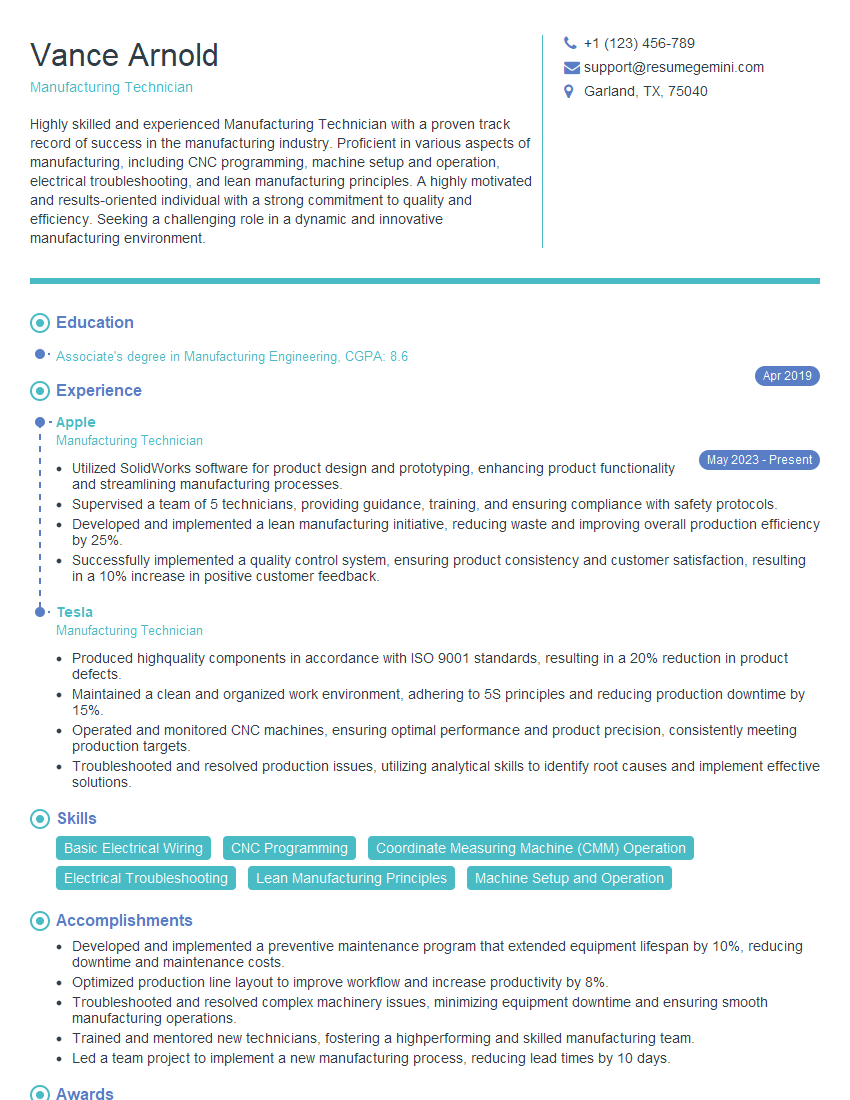
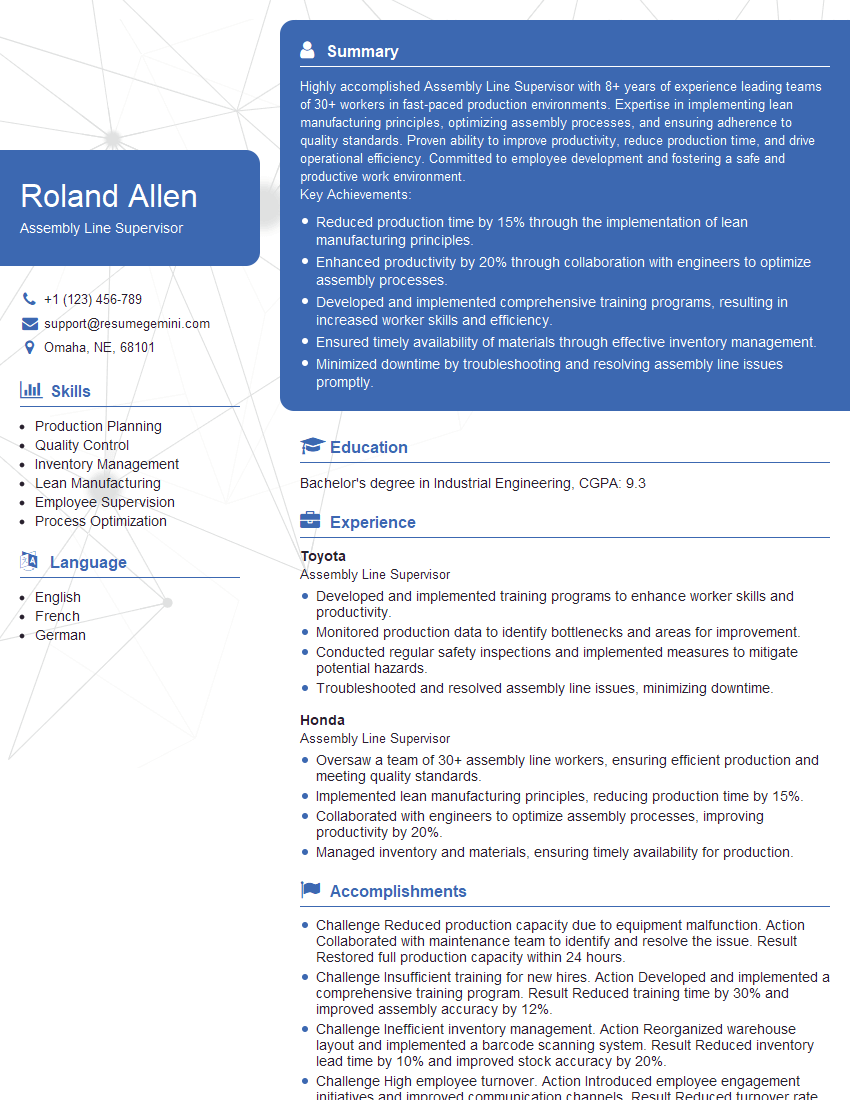
Mastering the intricacies of motorcycle manufacturing opens doors to exciting career opportunities, offering diverse roles with significant growth potential. To maximize your chances of landing your dream job, focus on crafting an ATS-friendly resume that effectively highlights your skills and experience. ResumeGemini is a trusted resource that can significantly enhance your resume-building experience, helping you present your qualifications in the most compelling way. We provide examples of resumes tailored specifically to the Motorcycle Manufacturing industry to help you get started.

Explore more articles
Users Rating of Our Blogs
Share Your Experience
We value your feedback! Please rate our content and share your thoughts (optional).
What Readers Say About Our Blog
Very informative content, great job.
good