Are you ready to stand out in your next interview? Understanding and preparing for Motorcycle Safety Education interview questions is a game-changer. In this blog, we’ve compiled key questions and expert advice to help you showcase your skills with confidence and precision. Let’s get started on your journey to acing the interview.
Questions Asked in Motorcycle Safety Education Interview
Q 1. Explain the different stages of motorcycle rider development.
Motorcycle rider development isn’t a linear progression, but rather a cyclical process of learning, practicing, and refining skills. We can broadly categorize it into stages:
- Stage 1: Beginner/New Rider: This stage focuses on fundamental controls – clutch, throttle, brakes, gear shifting – and basic maneuvers like slow speed riding, turning, and stopping. Riders at this stage are learning the very basics of operating the motorcycle safely and confidently within a controlled environment.
- Stage 2: Intermediate Rider: Once basic control is established, intermediate riders progress to more advanced maneuvers like cornering techniques (proper line selection, counter-steering), hazard avoidance, and riding in varying conditions (light traffic). They begin to understand risk assessment and develop a heightened awareness of their surroundings.
- Stage 3: Advanced Rider: This stage involves refined techniques in all areas, including emergency maneuvers, advanced cornering strategies (e.g., trail braking), and riding in challenging environments (heavy traffic, adverse weather). Advanced riders have a deep understanding of motorcycle dynamics and possess highly developed skills in hazard perception and risk management. They often continue to develop their skills through advanced training and practice.
- Stage 4: Expert Rider: Expert riders are those who have years of experience and exceptional skills across all areas. They’ve likely participated in advanced training programs or competitions and possess an intuitive understanding of motorcycle behavior and rider dynamics. They excel in any conditions and react effectively to unexpected events.
It’s crucial to remember that riders can regress to previous stages if they encounter prolonged periods without riding or face unexpected challenging situations. Regular practice and ongoing training are vital for maintaining and improving skills at any level.
Q 2. Describe the braking techniques for various riding conditions (wet, dry, emergency).
Braking techniques differ significantly depending on riding conditions:
- Dry Conditions: In ideal conditions, utilize both front and rear brakes simultaneously, applying progressively more pressure to the front brake (typically 70-80% of braking power) while using the rear brake to help stabilize the motorcycle. Smooth and controlled application is key, avoiding abrupt or jerky movements.
- Wet Conditions: Reduce braking force significantly. The reduced traction means a greater risk of skidding. Apply the brakes gradually and smoothly, focusing on controlled deceleration rather than rapid stopping. Avoid sudden braking or sharp maneuvers. Engine braking can help supplement the braking power without significantly increasing the risk of a skid.
- Emergency Braking: In emergencies, the goal is to stop as quickly and safely as possible. Use both front and rear brakes firmly but progressively. Avoid locking up the wheels – if the wheels start to skid, ease off the brakes slightly to regain traction, then reapply. Practice this technique in a safe, controlled environment until it becomes instinctive.
Remember, proper braking requires practice and a feel for your motorcycle. Avoid panic; maintaining control is paramount.
Q 3. Outline the components of a comprehensive motorcycle safety course curriculum.
A comprehensive motorcycle safety course should cover several key components:
- Classroom Instruction: This includes motorcycle laws, safe riding practices, risk management, hazard perception, and first aid.
- Motorcycle Operation: This part covers basic controls, starting and stopping, shifting gears, maneuvering at low speeds, and emergency maneuvers.
- Pre-Ride Inspection: Students learn how to perform a thorough pre-ride inspection to check the motorcycle’s mechanical condition.
- Riding in Traffic: This segment focuses on safe lane positioning, turns, merging, and passing maneuvers in varied traffic situations.
- Defensive Riding: Students learn to anticipate potential hazards, react safely to other drivers’ actions, and maintain a safe following distance.
- Riding in Adverse Conditions: If feasible, instruction on wet, cold or night riding will help build rider confidence and skill in less-than-ideal conditions.
- Practical Assessment: A supervised practical assessment evaluates the rider’s ability to apply the learned techniques and skills in real-world scenarios.
The curriculum’s effectiveness hinges on a blend of theoretical knowledge and practical application, emphasizing rider development through consistent practice and feedback.
Q 4. How would you assess a rider’s skill level during a practical assessment?
Assessing a rider’s skill level during a practical assessment involves a structured approach:
- Observation of Basic Skills: I would assess their control of the motorcycle at slow speeds, smooth gear changes, and confident braking techniques.
- Maneuverability Assessment: This involves evaluating their ability to execute turns, lane changes, and other maneuvers smoothly and safely.
- Hazard Perception and Reaction Time: I’d observe their awareness of their surroundings, their ability to anticipate potential hazards, and their reaction times to unexpected events.
- Traffic Riding Skills: Observing their ability to ride safely and confidently in traffic, maintaining proper lane positions, following distances, and signaling intentions.
- Emergency Maneuvers: Evaluating their response in simulated emergency situations such as sudden braking or evasive maneuvers.
- Risk Management: I would assess the rider’s decision-making skills, their ability to manage risks, and their overall safety consciousness.
The assessment should be graded using a standardized rubric, allowing for objective evaluation and clear feedback to the rider. It’s important to provide constructive feedback, focusing on areas for improvement to help the rider advance their skills.
Q 5. What are the common causes of motorcycle accidents, and how can these be mitigated?
Common causes of motorcycle accidents include:
- Driver Error: This is the leading cause, encompassing speeding, drunk driving, inattention, improper lane changes, and failure to yield. Many of these errors stem from lack of training or experience.
- Road Hazards: Poor road conditions, potholes, gravel, debris, and other obstacles can contribute to accidents.
- Other Vehicle Collisions: Cars failing to yield the right of way, or blind spots are common causes of motorcycle accidents.
- Mechanical Failure: Tire failure, brake failure, or other mechanical issues can lead to accidents.
Mitigation strategies include:
- Rider Training: Comprehensive rider education programs are crucial to building safe riding habits.
- Defensive Driving: Emphasize constant scanning of the environment, planning ahead, and anticipating potential hazards.
- Motorcycle Maintenance: Regular maintenance will prevent potential mechanical issues from causing accidents.
- Protective Gear: The use of helmets, jackets, gloves, and boots significantly reduces injuries in the event of an accident.
- Visibility: Wearing bright clothing or using additional lighting increases a motorcycle’s visibility to other drivers.
Addressing these causes through education, improved road infrastructure, and rider responsibility can significantly reduce motorcycle accidents.
Q 6. Describe effective strategies for teaching defensive riding techniques.
Teaching defensive riding involves several key strategies:
- Hazard Perception Training: Teach riders to constantly scan their surroundings, looking ahead, to the sides, and behind, anticipating potential hazards like cars pulling out, pedestrians, or road debris.
- Space Management: Emphasize maintaining adequate following distances, choosing safe lane positions, and leaving sufficient space around the motorcycle.
- Risk Assessment and Management: Train riders to evaluate potential risks associated with various riding situations and make informed decisions to minimize those risks.
- Smooth Control Techniques: Stress the importance of smooth throttle, brake, and clutch control to maintain stability and control, especially in unpredictable situations.
- Counter-Steering Techniques: Teach riders to use counter-steering effectively for smooth cornering and maneuvering.
- Simulation and Scenarios: Use simulations, videos, or real-world scenarios (in a controlled environment) to practice reacting to unexpected events.
Effective teaching involves a combination of theoretical knowledge, practical exercises, and real-world application to develop riders’ ability to react safely and effectively to hazards.
Q 7. How do you adapt your teaching methods for riders of varying skill levels and experience?
Adapting teaching methods to different skill levels requires a flexible approach:
- Beginner Riders: Focus on building fundamental skills with plenty of repetition and clear, concise instructions. Provide ample opportunities for practice in a controlled environment.
- Intermediate Riders: Introduce more advanced maneuvers and techniques, gradually increasing the complexity of riding situations. Provide regular feedback and opportunities for skill refinement.
- Advanced Riders: Challenge them with more complex scenarios, focusing on fine-tuning skills and refining techniques. Encourage critical thinking and problem-solving approaches to riding challenges.
I use various teaching techniques, including demonstration, one-on-one instruction, group exercises, and feedback sessions, adapting the pace and content to the specific needs of each rider or group. Understanding the individual’s learning style and adapting the teaching strategy is key to successful instruction.
Q 8. Explain the importance of risk management in motorcycle safety training.
Risk management in motorcycle safety training is paramount because it teaches riders to anticipate and mitigate hazards. It’s not about avoiding risk entirely – that’s impossible – but about making informed decisions to reduce the likelihood and severity of accidents. We teach riders to identify potential hazards, assess the level of risk, and then choose appropriate actions to control the risk. This involves a constant cycle of observation, analysis, and response.
For example, we might discuss approaching an intersection. A rider needs to scan for oncoming traffic, pedestrians, and cyclists; assess the speed and distance of other vehicles; and then decide on a safe speed, lane position, and braking technique. Poor risk management might lead a rider to speed into an intersection without fully assessing the situation, resulting in a collision. Good risk management, on the other hand, means taking the time to ensure a safe passage. We use real-world scenarios and simulations to practice this skill.
Q 9. What are some common misconceptions about motorcycle safety?
Several common misconceptions about motorcycle safety hinder rider development. One prevalent myth is that only inexperienced riders crash. In reality, accidents can happen to any rider, regardless of skill level, due to unexpected events or lapses in judgment. Another misconception is that larger motorcycles are inherently safer. While larger bikes may offer some advantages, rider skill and safe riding practices are far more critical.
Many also believe protective gear is optional. This is simply false. Proper gear, including a helmet, jacket, gloves, and boots, is crucial to minimizing injuries in a crash. Finally, some riders underestimate the importance of rider training. Many believe they can learn everything from reading a manual or watching videos. Formal training provides structured learning, expert feedback, and practical skill development that is far more effective than self-teaching.
Q 10. How would you handle a rider who is struggling to master a particular skill?
When a rider struggles with a particular skill, I employ a patient and structured approach. I start by identifying the specific area of difficulty. Is it clutch control, cornering techniques, or emergency braking? Once the problem is pinpointed, I break down the skill into smaller, manageable components. We might use progressively challenging drills or exercises focusing on that specific component.
I then provide positive reinforcement and constructive feedback, focusing on what they’re doing well and offering suggestions for improvement. We might use video analysis to show them their form and identify areas for adjustment. I avoid overwhelming them with too much information at once and adjust the difficulty level based on their progress. If the struggle persists, I might suggest additional practice sessions or recommend further professional guidance, possibly with a more specialized instructor.
Q 11. Describe your experience with different types of motorcycle training aids and equipment.
I’ve extensive experience with various training aids. These include cones for setting up obstacle courses, which help develop spatial awareness and precision. Slow-speed maneuvers, such as figure-eights and U-turns, are key to honing clutch control and bike balance. We use braking exercises to reinforce emergency stopping techniques. We also incorporate simulators to practice reactions in dangerous situations without risk.
Furthermore, we use video analysis systems to provide riders with immediate feedback on their technique. These systems allow us to objectively evaluate their posture, line selection, and overall riding style. I also utilize various types of motorcycles during training, offering riders diverse experiences with different handling characteristics. The goal is to provide a comprehensive and well-rounded training program, maximizing effectiveness and safety.
Q 12. What are the legal requirements for motorcycle riders in your state/region?
(Note: This answer will need to be tailored to a specific state/region. The example below is illustrative and should be replaced with accurate information.)
In [State/Region Name], riders must obtain a motorcycle license or endorsement. This usually involves passing a written exam demonstrating knowledge of traffic laws and safe riding practices, followed by a practical riding test. The specific requirements, such as minimum age, vision standards, and required documentation, vary. Riders are generally required to wear helmets and comply with traffic laws, and the use of certain equipment may also be mandated. It’s crucial to consult the local Department of Motor Vehicles for the most up-to-date and accurate information.
Q 13. How would you address a rider who is exhibiting unsafe riding habits?
Addressing unsafe riding habits requires a careful and professional approach. I begin by privately discussing the concerns, creating a safe space where the rider feels comfortable. I avoid judgmental language and instead focus on explaining the potential risks associated with the specific behavior. I’ll use examples of accidents caused by similar habits to illustrate the severity of the potential consequences.
I then offer specific, constructive feedback on how to correct the unsafe behavior. This may involve breaking down the riding skill into smaller parts or focusing on improving specific techniques. If necessary, I might arrange additional practice sessions or recommend further professional training. The ultimate goal is to empower the rider with the knowledge and skills to adopt safer riding practices, without creating a negative or intimidating experience.
Q 14. Describe your experience with providing feedback to riders.
Providing effective feedback is a cornerstone of my teaching philosophy. I use a combination of methods, including verbal feedback given immediately after an exercise, written feedback summarizing key observations, and video analysis to highlight specific areas for improvement. I focus on delivering the feedback constructively, emphasizing both strengths and areas for development.
For instance, I might say, “Your braking technique was excellent in that emergency stop, but you could improve your lane positioning before entering the turn.” I avoid generalizations and focus on specific, observable behaviors. My aim is to help the rider understand not just what they did wrong, but also how to correct it and improve their overall riding skills. Positive reinforcement is critical; I always start by highlighting what the rider did well before addressing areas needing work. Regular check-ins ensure the rider is progressing and to further tailor my instruction.
Q 15. Explain the importance of proper motorcycle maintenance and its role in safety.
Proper motorcycle maintenance is paramount to rider safety; it’s not just about keeping your bike running, but about preventing accidents. Think of it like this: a well-maintained bike is a predictable bike. A neglected bike is a ticking time bomb.
Tire Pressure: Improper tire pressure leads to reduced traction, increasing the risk of skids and loss of control, especially in corners or during emergency maneuvers. Regularly checking and adjusting tire pressure to the manufacturer’s recommendations is crucial.
Brake System: Worn brake pads or a leaky brake line can drastically reduce braking power, leading to longer stopping distances and potentially collisions. Regular inspections and timely replacements are essential.
Steering and Suspension: Loose steering components or worn-out shocks can compromise handling, making the bike unstable and difficult to control. Regular checks for play and proper adjustment are vital.
Chain/Belt Drive: A properly lubricated and adjusted chain or belt ensures smooth power transfer and prevents premature wear. A neglected chain can snap, causing a serious accident.
Lighting and Signals: Functional lighting is crucial for visibility, especially at night or in low-light conditions. Faulty lights or signals can lead to miscommunication with other road users.
Regular maintenance not only prevents accidents but also extends the life of your motorcycle, saving you money in the long run. Think of it as an investment in your safety and your wallet!
Career Expert Tips:
- Ace those interviews! Prepare effectively by reviewing the Top 50 Most Common Interview Questions on ResumeGemini.
- Navigate your job search with confidence! Explore a wide range of Career Tips on ResumeGemini. Learn about common challenges and recommendations to overcome them.
- Craft the perfect resume! Master the Art of Resume Writing with ResumeGemini’s guide. Showcase your unique qualifications and achievements effectively.
- Don’t miss out on holiday savings! Build your dream resume with ResumeGemini’s ATS optimized templates.
Q 16. How would you respond to a rider who is experiencing fear or anxiety?
Fear and anxiety are common among new riders, and it’s crucial to address them with empathy and understanding. I would start by acknowledging their feelings and validating their concerns. It’s okay to be scared – motorcycles are powerful machines.
My approach would involve:
Active Listening: Let them express their fears without interruption. Understanding the source of their anxiety is the first step.
Progressive Exposure: Start with basic exercises in a controlled environment, gradually increasing the challenge as their confidence grows. This could involve slow-speed maneuvers, controlled braking, and cornering exercises.
Positive Reinforcement: Celebrate their successes, no matter how small. Focus on their progress and build their confidence incrementally.
Skill Building: Address the specific skills that are causing anxiety. For example, if they’re afraid of braking, we’d spend extra time on controlled braking techniques.
Mental Strategies: Teach relaxation techniques like deep breathing to help manage anxiety in challenging situations.
Remember, learning to ride a motorcycle is a process. Patience, understanding, and a supportive environment are key to helping riders overcome their fears.
Q 17. What are the key elements of effective communication in motorcycle safety training?
Effective communication is the cornerstone of successful motorcycle safety training. It’s a two-way street, requiring clear instruction from the instructor and active participation from the student.
Clear and Concise Instructions: Instructions should be simple, easy to understand, and free of jargon. Use visual aids, demonstrations, and analogies where appropriate.
Active Listening and Feedback: Instructors should actively listen to students’ questions and concerns and provide constructive feedback on their performance. This requires careful observation and a non-judgmental approach.
Demonstrations: Show, don’t just tell. Demonstrating proper techniques allows students to visualize and understand the concepts more effectively.
Positive and Encouraging Approach: Create a supportive and encouraging learning environment. Positive reinforcement helps build confidence and motivates students.
Open Communication Channels: Ensure students feel comfortable asking questions and expressing concerns throughout the training.
By utilizing these methods, instructors can effectively convey safety practices and foster rider confidence, leading to safer riding habits.
Q 18. Describe your experience developing and implementing motorcycle safety programs.
Over the past [Number] years, I’ve been involved in developing and implementing various motorcycle safety programs, targeting diverse rider groups from beginners to experienced riders. My experience includes curriculum design, instructor training, and program evaluation.
For example, I developed a comprehensive beginner course that uses a phased approach, starting with classroom instruction followed by practical exercises in a controlled environment. The curriculum covers basic riding skills, traffic laws, risk management, and emergency procedures. I also created an advanced rider training program focusing on skill refinement, hazard perception, and advanced riding techniques.
In addition to curriculum development, I’ve conducted numerous instructor training sessions, emphasizing effective communication, risk management strategies, and the importance of creating a positive learning environment. I’ve also been involved in evaluating the effectiveness of our programs using various methods, such as pre- and post-tests, rider feedback surveys, and accident data analysis. This iterative process helps us continuously improve our training methods.
Q 19. How do you ensure the safety of both riders and instructors during training sessions?
Ensuring the safety of both riders and instructors during training sessions is paramount. My approach involves a multi-layered safety strategy:
Controlled Environment: Training is conducted in a safe, designated area, preferably a closed course or a low-traffic area. This minimizes the risk of collisions with other vehicles or pedestrians.
Proper Equipment: All riders are required to wear appropriate safety gear, including helmets, jackets, gloves, and riding boots. Instructors also wear high-visibility safety gear. Motorcycles are inspected before each session to ensure they are in safe working order.
Progressive Training: Skills are taught progressively, starting with basic maneuvers and gradually increasing the complexity. This allows riders to develop their skills and confidence before tackling more challenging exercises.
Instructor Supervision: Instructors maintain constant supervision over riders during all exercises, providing guidance and intervention when necessary. The student-to-instructor ratio is kept low to ensure adequate attention to each rider.
Emergency Procedures: Emergency procedures, including first aid and communication protocols, are established and practiced regularly.
Regular safety briefings and ongoing risk assessments are conducted to identify and mitigate potential hazards.
Q 20. What are the latest advancements in motorcycle safety technology and how can they be incorporated into training?
Advancements in motorcycle safety technology offer exciting opportunities to enhance training. These include:
ABS (Anti-lock Braking Systems): Training should include instruction on how ABS functions and how to effectively utilize it during emergency braking situations.
Traction Control Systems: These systems help prevent wheel spin, improving stability and control. Instruction should cover the benefits and limitations of these systems.
Rider Aids (e.g., cornering ABS, lean angle sensors): These advanced systems provide riders with enhanced stability and control. Training should incorporate the use of these systems to maximize their benefits.
Smart Helmets: Some helmets include features like heads-up displays, emergency communication systems, and collision detection. These technologies can enhance rider awareness and safety, and their integration into training can improve rider safety.
Motorcycle simulators: Simulators provide a safe and controlled environment to practice various riding scenarios and improve rider skills without the risks associated with real-world riding.
Incorporating these technologies into training enhances the realism and effectiveness of the program, preparing riders for real-world riding challenges.
Q 21. How would you assess the effectiveness of a motorcycle safety training program?
Assessing the effectiveness of a motorcycle safety training program requires a multi-faceted approach:
Pre- and Post-Tests: These tests assess changes in knowledge and skill levels before and after the training. This data can indicate the effectiveness of the curriculum in imparting knowledge and skills.
Rider Feedback Surveys: Collecting feedback from participants provides valuable insights into the program’s strengths and weaknesses. This allows for improvements in curriculum design, instruction methods, and overall program quality.
Observation of Riding Skills: Direct observation of riders during practical exercises provides a qualitative assessment of their skills and identifies areas for improvement.
Accident Data Analysis: Tracking the accident rates among program graduates provides long-term data on the program’s effectiveness in reducing real-world riding risks. This is a crucial metric for assessing the program’s impact on road safety.
Instructor Feedback: Instructors can provide valuable feedback based on their experience delivering the training. Their observations can identify areas where the program could be improved.
By using a combination of quantitative and qualitative data, we can gain a comprehensive understanding of the program’s effectiveness and make necessary adjustments to optimize its impact.
Q 22. Describe your experience working with diverse populations of motorcycle riders.
My experience encompasses a wide spectrum of motorcycle riders, from novice teenagers taking their first safety course to experienced professionals looking to refine their skills. I’ve worked with individuals from diverse socioeconomic backgrounds, cultural heritages, and riding styles. This diversity enriches the learning environment, fostering a sense of camaraderie and mutual respect. For example, I once worked with a group of veteran riders who had extensive experience on dirt bikes but needed to adapt their skills to road riding. By tailoring my instruction to their specific needs and experiences, I was able to bridge the gap and ensure everyone felt comfortable and confident.
I believe in creating inclusive learning environments where everyone feels valued and supported. This involves understanding different learning styles, communication preferences, and cultural sensitivities. I actively seek feedback from participants to ensure that my teaching methods are effective and respectful of individual differences.
Q 23. How do you maintain your own riding skills and knowledge?
Maintaining proficiency in motorcycle safety education requires continuous learning and practice. I regularly participate in advanced rider training courses to stay abreast of the latest techniques and technologies. This includes attending workshops focusing on specific areas like advanced braking, hazard perception, and low-speed maneuvers. Furthermore, I maintain a personal riding log to track my riding habits, which allows me to identify areas for improvement. Beyond formal training, I regularly ride my motorcycle in varied conditions—from open highways to challenging city traffic—to keep my skills sharp. Reading industry publications, such as the Motorcycle Safety Foundation’s materials, helps me stay updated on best practices and evolving safety standards.
Q 24. How do you handle conflict resolution situations amongst riders during a course?
Conflict resolution is a crucial skill in motorcycle safety education. I approach such situations with empathy and a focus on de-escalation. My strategy typically involves:
- Active listening: I start by allowing each rider to express their perspective without interruption.
- Identifying the root cause: I aim to pinpoint the underlying issue driving the conflict, whether it’s a misunderstanding, differing opinions, or a personality clash.
- Facilitated discussion: I guide a constructive conversation, encouraging participants to find common ground and reach a mutually acceptable solution. This often involves re-emphasizing the principles of safe riding and teamwork.
- Setting clear expectations: I reiterate the course rules and expectations, emphasizing respectful communication and collaboration.
- Separate conversations if necessary: If a situation requires it, I’ll have separate, private conversations with the involved parties to help them de-escalate and understand each other’s viewpoints better.
For example, I once had a conflict arise between two riders who had differing opinions on the best way to approach a curve. Through facilitated discussion, we clarified the principles of safe cornering and identified the strengths of each approach, ultimately leading to a better understanding and improved teamwork.
Q 25. What are your salary expectations for this position?
My salary expectations are commensurate with my experience and qualifications, and align with the industry standard for experienced motorcycle safety instructors with my level of expertise and certification. I am open to discussing a competitive compensation package that reflects the value I bring to your organization.
Q 26. Describe your experience with accident reporting and incident management.
I have extensive experience in accident reporting and incident management. I am proficient in documenting incidents thoroughly and accurately, following established protocols. This includes collecting detailed information from all involved parties, taking photographs, and completing comprehensive incident reports. My experience extends to analyzing incident data to identify trends and potential areas for improved safety training. I understand the importance of adhering to all relevant regulations and legal requirements concerning accident reporting. Furthermore, I’m skilled in providing support to riders involved in incidents, offering comfort and guidance during a stressful time.
Q 27. What professional development activities have you undertaken to enhance your skills in motorcycle safety education?
I continually invest in my professional development to maintain my edge in motorcycle safety education. I regularly attend advanced training workshops offered by organizations such as the Motorcycle Safety Foundation (MSF). These workshops cover the latest advancements in riding techniques, instructional methodologies, and safety technologies. I also actively participate in industry conferences and seminars to network with other professionals and learn about emerging trends. In addition, I regularly review and update my knowledge of motorcycle safety regulations and best practices. Recently, I completed a course on effective adult learning strategies, enhancing my ability to design and deliver engaging and impactful training programs.
Q 28. How do you ensure compliance with all relevant safety regulations and licensing requirements?
Ensuring compliance with all relevant safety regulations and licensing requirements is paramount in motorcycle safety education. I am intimately familiar with all applicable state and national regulations pertaining to motorcycle licensing, training standards, and safety protocols. Before conducting any training, I carefully review and confirm that all course materials, equipment, and procedures adhere to these regulations. I maintain up-to-date certifications and licenses required for instruction, and actively seek opportunities for professional development to stay abreast of any changes in the legal landscape. For example, I ensure all motorcycles used in my courses are properly maintained and equipped with the necessary safety features, and that all instructors are properly qualified and certified.
Key Topics to Learn for Motorcycle Safety Education Interview
- Motorcycle Dynamics and Control: Understanding how motorcycles handle in various conditions (curves, braking, acceleration), including the effects of rider input and environmental factors. Practical application: Explain how to properly execute a controlled stop on a slick surface.
- Risk Management and Hazard Perception: Identifying and mitigating potential hazards on the road, developing defensive riding strategies. Practical application: Describe a scenario requiring evasive maneuvers and explain your decision-making process.
- Motorcycle Maintenance and Inspection: Knowledge of basic motorcycle maintenance, including tire pressure, fluid levels, and brake checks. Practical application: Explain the importance of regular maintenance checks and how they impact rider safety.
- Riding Gear and Safety Equipment: Understanding the importance of appropriate riding gear (helmets, jackets, gloves, boots) and its role in injury prevention. Practical application: Discuss the different types of helmets and their safety ratings.
- Laws and Regulations: Comprehensive understanding of local and state traffic laws pertaining to motorcycles. Practical application: Explain the rules of right-of-way for motorcycles.
- Instructional Techniques and Curriculum Design: For those with teaching experience, articulate your approach to teaching motorcycle safety, including lesson planning and adapting to different learning styles. Practical application: Describe a successful teaching method you have used.
- Accident Investigation and Prevention: Analyzing motorcycle accidents to identify contributing factors and develop strategies for accident prevention. Practical application: Discuss the common causes of motorcycle accidents and how to mitigate them.
Next Steps
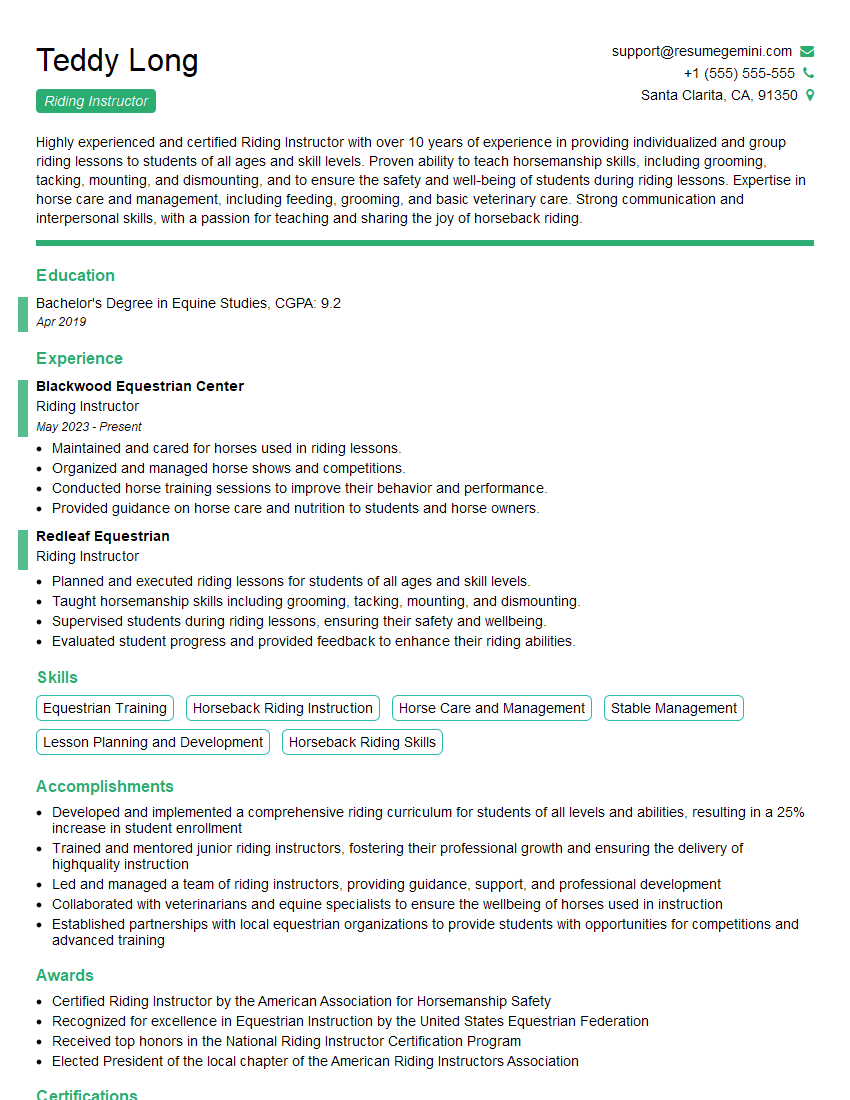
Mastering Motorcycle Safety Education opens doors to a rewarding career dedicated to improving rider safety and saving lives. To maximize your job prospects, creating a strong, ATS-friendly resume is crucial. ResumeGemini can help you build a compelling resume that highlights your skills and experience effectively. They provide examples of resumes tailored to Motorcycle Safety Education to guide you through the process. Invest time in crafting a professional resume – it’s your first impression with potential employers.
Explore more articles
Users Rating of Our Blogs
Share Your Experience
We value your feedback! Please rate our content and share your thoughts (optional).
What Readers Say About Our Blog
Very informative content, great job.
good