The thought of an interview can be nerve-wracking, but the right preparation can make all the difference. Explore this comprehensive guide to MSA Smoke Density Chamber interview questions and gain the confidence you need to showcase your abilities and secure the role.
Questions Asked in MSA Smoke Density Chamber Interview
Q 1. Explain the principle of operation of an MSA Smoke Density Chamber.
The MSA Smoke Density Chamber operates on the principle of measuring the attenuation of a light beam as it passes through a smoke plume generated by a burning material. Essentially, it measures how much the smoke obscures the light. A light source emits a beam that travels through a chamber containing the smoke. A light detector on the other side measures the intensity of the light that passed through. The greater the smoke density, the more light is absorbed or scattered, resulting in a lower light intensity at the detector. This reduction in light intensity is directly proportional to the smoke density, which is then quantified and displayed as a measurement, often expressed in optical density (OD) or percent obscuration.
Think of it like shining a flashlight through fog. The thicker the fog (higher smoke density), the less light reaches your eyes (detector). The chamber provides a controlled environment to ensure consistent and repeatable measurements.
Q 2. Describe the different types of smoke obscuration measurements.
MSA Smoke Density Chambers primarily use two types of smoke obscuration measurements:
- Optical Density (OD): This is the most common measurement. It’s a logarithmic scale that expresses the ratio of the incident light intensity to the transmitted light intensity. A higher OD value indicates greater smoke obscuration. The formula is often expressed as OD = log10(I0/It), where I0 is the initial light intensity and It is the transmitted light intensity.
- Percent Obscuration (% Obs): This measurement expresses the percentage of light that is blocked by the smoke. It’s calculated as % Obs = 100 * (1 – (It/I0)). This is a more intuitive measure, directly showing the percentage of light that doesn’t reach the detector.
The choice between OD and % Obs depends on the specific application and reporting requirements. OD is often preferred for its logarithmic nature, which is useful for comparing a wide range of smoke densities, while % Obs is simpler to understand and interpret.
Q 3. How do you calibrate an MSA Smoke Density Chamber?
Calibrating an MSA Smoke Density Chamber is crucial for ensuring accurate measurements. The process typically involves using a known standard, often a series of calibrated neutral density filters that simulate different levels of smoke obscuration. These filters are placed in the light path, and the chamber’s readings are compared against the known values of the filters. Any discrepancies indicate the need for adjustments to the chamber’s settings (zeroing and span adjustments).
A step-by-step calibration typically includes:
- Zeroing: With no smoke or filters in the chamber’s path, the instrument should read zero obscuration or a specified baseline value. Adjust the zero control if necessary.
- Span Calibration: Introducing the calibrated neutral density filters allows the verification of the instrument’s readings across its entire operating range. Adjust the span control to match the chamber’s readings to the known filter values.
- Verification: After adjustments, recheck zero and span calibrations to ensure stability and accuracy.
Calibration procedures and frequency are usually detailed in the manufacturer’s instructions and should be followed meticulously for reliable results.
Q 4. What are the common sources of error in MSA Smoke Density testing?
Several factors can introduce errors in MSA Smoke Density testing:
- Dirty optics: Dust or smudges on the chamber’s lenses or mirrors can significantly affect light transmission and lead to inaccurate readings.
- Improper sample preparation: The size, shape, and positioning of the burning material can impact the consistency and homogeneity of the smoke plume.
- Ambient light interference: External light entering the chamber can interfere with the detector’s readings, especially in poorly-lit environments.
- Temperature and humidity fluctuations: Changes in temperature and humidity can alter the properties of the smoke and affect the light’s transmission.
- Calibration drift: Over time, the chamber’s calibration might drift, resulting in inaccurate measurements. Regular calibration is essential to mitigate this.
- Operator error: Improper handling of samples, incorrect settings, or inaccurate data recording can lead to errors.
Careful attention to detail and adherence to standardized procedures are crucial to minimize these errors.
Q 5. How do you ensure the accuracy and precision of results in MSA Smoke Density testing?
Ensuring the accuracy and precision of MSA Smoke Density testing involves a multi-pronged approach:
- Regular calibration: Frequent calibration using certified neutral density filters ensures the instrument’s accuracy. Calibration frequency should follow manufacturer guidelines and depend on usage frequency.
- Proper maintenance: Regular cleaning of the chamber’s optical components prevents dust buildup and other issues affecting light transmission.
- Standardized procedures: Adhering to standardized testing protocols ensures consistency and repeatability of results across different tests and operators.
- Environmental control: Maintaining a stable temperature and humidity in the testing environment reduces the impact of environmental factors on the smoke’s properties.
- Quality control checks: Regular quality control checks, including repeated measurements of the same sample, help identify and correct potential errors.
- Proper operator training: Thorough operator training ensures correct usage of the chamber, proper sample handling, and accurate data recording.
By implementing these measures, you can significantly improve the reliability and accuracy of the test results.
Q 6. Explain the importance of maintaining the MSA Smoke Density Chamber.
Maintaining the MSA Smoke Density Chamber is critical for ensuring the longevity of the equipment, the accuracy of test results, and the safety of the operator. Regular maintenance includes:
- Cleaning the optical components: Regularly cleaning the lenses, mirrors, and windows with appropriate cleaning solutions and lint-free cloths prevents dust and smudges from interfering with light transmission.
- Checking for leaks: Ensuring the chamber is airtight prevents external air from affecting the smoke plume and readings.
- Inspecting the light source and detector: Regularly inspecting the light source and detector for any signs of damage or degradation ensures proper functioning.
- Calibration: As mentioned earlier, regular calibration is crucial for maintaining the accuracy of the instrument.
- Following manufacturer’s guidelines: Adhering to the manufacturer’s recommendations for maintenance and troubleshooting ensures optimal performance and longevity.
A well-maintained chamber will deliver accurate and reliable results for years to come, significantly reducing the risk of inaccurate test data and unexpected downtime.
Q 7. What safety precautions are necessary when operating an MSA Smoke Density Chamber?
Safety precautions when operating an MSA Smoke Density Chamber are paramount due to the use of potentially hazardous materials and equipment:
- Proper ventilation: Adequate ventilation is crucial to remove any smoke or fumes generated during testing, preventing inhalation hazards. A well-ventilated testing area is essential.
- Personal protective equipment (PPE): Use appropriate PPE, including safety glasses, gloves, and a respirator, especially when handling potentially hazardous materials.
- Fire safety: Ensure that a fire extinguisher is readily available in the testing area. Follow fire safety protocols and be aware of potential ignition sources.
- Electrical safety: Use appropriate grounding and electrical safety measures to prevent electrical shock hazards.
- Material Safety Data Sheets (MSDS): Familiarize yourself with the MSDS for all materials used in the testing process. Understand potential hazards and necessary precautions.
- Follow operating instructions: Carefully read and follow the manufacturer’s instructions for the chamber’s operation and maintenance.
By adhering to these safety precautions, you can minimize risks and maintain a safe working environment.
Q 8. Describe the procedure for conducting a smoke density test according to a specific standard (e.g., ASTM E662).
Conducting a smoke density test, typically following ASTM E662, involves a series of precise steps to ensure accurate and reliable results. First, you need to properly prepare the sample. This often involves cutting the material to the specified dimensions and ensuring it fits snugly within the chamber’s sample holder. The chamber itself must be meticulously cleaned to prevent any residue from affecting the readings. Next, the chamber is sealed, and the specified ignition source (often a Bunsen burner or a specified radiant heat source) is activated. The smoke generated is then monitored via the chamber’s photometer, which measures the obscuration of a light beam. The optical density (OD) is continuously measured and recorded as a function of time. This data provides the crucial smoke density curve, usually plotted as OD versus time. The entire process is carefully controlled for temperature and other environmental factors to ensure consistency. Specific procedures in the standard will dictate the exact time and method of data collection, including when to stop the test (often after a set duration or after reaching a certain OD threshold). For example, the sample might be ignited for 30 seconds and readings taken every 10 seconds for a predetermined time. After the test, thorough cleaning is critical for maintaining the instrument’s accuracy.
Q 9. How do you interpret and report the results of a smoke density test?
Interpreting and reporting smoke density test results focuses on the optical density (OD) values over time. The OD is a logarithmic measure of how much the smoke obscures the light beam; a higher OD signifies denser smoke. The data is typically presented graphically as a smoke density curve, showing the OD as a function of time. This curve helps assess the material’s flammability and its propensity to produce significant smoke. Key metrics reported often include the maximum OD value (ODmax) and the specific optical density (SOD), which represents the area under the smoke density curve and accounts for the total smoke produced over time. These values are usually compared against established standards to determine if the material meets the required fire safety specifications. For example, a building material might have a maximum allowable ODmax according to building codes, and exceeding this threshold would indicate a potential fire safety hazard. The report should clearly state the test method used (e.g., ASTM E662), the sample details, the test conditions (temperature, humidity), and the complete set of measurements, including tables and graphs of the OD values against time. Any deviations from standard procedures should also be documented.
Q 10. What are the limitations of using an MSA Smoke Density Chamber?
While MSA Smoke Density Chambers are valuable tools, they do have limitations. The most significant is the inherent limitation of simulating real-world fire conditions in a controlled environment. The chamber’s controlled environment may not fully represent the complex airflow and ventilation conditions of an actual fire scenario. The size and shape of the sample within the chamber can also affect the results, influencing the airflow patterns and smoke dispersal. Another limitation is the potential for calibration drift, necessitating regular calibration checks using certified reference materials. The test itself is destructive; the sample is consumed during the test. Also, the test only assesses smoke density; it doesn’t provide information on the toxicity or other hazardous byproducts of combustion. Finally, the materials tested need to be compatible with the chamber’s environmental conditions; certain materials might react unexpectedly within the chamber, potentially affecting the test’s accuracy.
Q 11. How do you troubleshoot common problems encountered during MSA Smoke Density testing?
Troubleshooting MSA Smoke Density Chamber issues requires a systematic approach. Common problems include inaccurate readings, inconsistent results, and calibration errors. Begin with a thorough inspection of the instrument. Check for any debris in the light path, ensure the chamber is clean and properly sealed, and verify that the ignition system is functioning correctly. Check the calibration and perform a recalibration if necessary, using certified reference materials. Inconsistent results may indicate a problem with the sample preparation (uneven sample, incorrect dimensions) or inconsistent ignition conditions. Carefully repeat the steps for sample preparation and ignition, ensuring consistency in these aspects. If calibration issues persist, it could indicate a malfunctioning photometer or other internal component, requiring professional service or repair. Finally, always keep detailed records of each test to pinpoint potential sources of errors, comparing results to previous tests of similar materials.
Q 12. What are the key differences between different models of MSA Smoke Density Chambers?
Different MSA Smoke Density Chamber models vary primarily in their size, capacity, and features. Smaller models are suited for testing smaller samples, while larger chambers accommodate larger specimens. Some models offer advanced features like automated data logging and software integration for easier data analysis and report generation. Another significant difference could be in the type of ignition system used – some utilize radiant heat while others might use a flame. The precision of the photometer also varies across models, influencing the accuracy and resolution of the optical density readings. Advanced models might include features like improved temperature control and enhanced safety mechanisms. The choice of model depends on specific testing requirements, the size of the samples being tested, and the budget available. For example, a laboratory testing a large variety of materials would choose a larger chamber with advanced data acquisition capabilities, whereas a smaller testing facility might opt for a more compact, basic model.
Q 13. Explain the significance of the optical density readings obtained.
Optical density (OD) readings are crucial because they directly quantify the amount of smoke produced by a material during combustion. A higher OD value indicates denser smoke, implying a greater potential fire hazard in terms of visibility reduction and potential for rapid fire spread. The OD values, when plotted against time, create a smoke density curve. The shape and peak values of this curve provide critical information about the material’s burning characteristics and the rate at which it generates smoke. This data is essential for assessing the material’s compliance with fire safety regulations and codes. For example, building codes may specify maximum permissible OD values for various materials used in construction. By analyzing the OD readings, we can determine whether a material meets these safety standards and contributes to a safer built environment.
Q 14. What factors influence smoke density measurements?
Several factors influence smoke density measurements. The inherent properties of the material being tested are paramount, including its chemical composition, density, and the presence of any additives. Environmental factors such as temperature and humidity within the chamber also play a significant role. The sample’s geometry and size affect airflow and smoke dispersion patterns within the chamber. The ignition source and its intensity also influence the rate and amount of smoke produced. The condition and proper calibration of the MSA Smoke Density Chamber itself are also essential. Any inconsistencies in the calibration, cleanliness of the optical path, or proper sealing of the chamber will directly affect the accuracy of the readings. Finally, the procedure followed, including the precise steps for sample preparation and ignition, significantly impacts the reproducibility and reliability of the results. All these factors need careful consideration to ensure the accuracy and reliability of the smoke density measurements.
Q 15. Describe the process of sample preparation for MSA Smoke Density testing.
Sample preparation for MSA Smoke Density testing is crucial for obtaining reliable and reproducible results. The process depends heavily on the material being tested – whether it’s a building material, a cable, or a piece of furniture. However, some general principles apply.
- Specimen Selection: Carefully select representative samples, ensuring they are free from damage or defects that could skew the results. For example, if testing a carpet, multiple samples from different areas should be taken to account for variations in manufacturing.
- Specimen Conditioning: Before testing, specimens are often conditioned to a standard temperature and humidity. This ensures consistent moisture content, preventing variations in smoke production. This conditioning might involve placing the samples in a controlled environment for a specified duration, often outlined in relevant standards.
- Specimen Preparation: This step involves carefully cutting or shaping the sample to fit the dimensions required by the MSA smoke density chamber. The specific dimensions are determined by the chamber’s specifications and the relevant test standards. Precise measurements and careful handling are crucial to avoid introducing bias.
- Specimen Weighting: Accurately weighing the sample before and after testing allows for normalization of the results, accounting for variations in sample size or material density. This is particularly important for comparisons between different materials or batches.
For instance, in a recent project involving testing the flammability of electrical insulation, we meticulously conditioned the samples in a climate chamber for 24 hours before carefully weighing them and placing them in the MSA chamber following the manufacturer’s instructions and relevant ASTM standards. Failing to properly prepare the samples could have led to inaccurate and inconsistent data.
Career Expert Tips:
- Ace those interviews! Prepare effectively by reviewing the Top 50 Most Common Interview Questions on ResumeGemini.
- Navigate your job search with confidence! Explore a wide range of Career Tips on ResumeGemini. Learn about common challenges and recommendations to overcome them.
- Craft the perfect resume! Master the Art of Resume Writing with ResumeGemini’s guide. Showcase your unique qualifications and achievements effectively.
- Don’t miss out on holiday savings! Build your dream resume with ResumeGemini’s ATS optimized templates.
Q 16. How do you handle outliers or unexpected results in your data?
Outliers and unexpected results are inevitable in any experimental work, including MSA Smoke Density testing. Our approach involves a multi-step process to identify and handle such anomalies:
- Data Review: We meticulously examine the raw data for any points significantly deviating from the general trend. Visual inspection of graphs and charts is often the first step.
- Root Cause Analysis: If outliers are identified, we investigate the potential causes. This could include reviewing the sample preparation process, checking the chamber’s calibration and functionality, or assessing the testing procedure. For example, a sudden spike in smoke density might be due to a malfunction in the chamber’s ignition system.
- Repeatability Testing: If the root cause is identified and addressed, we repeat the test to verify the results. If the outlier persists, the data point is carefully considered; further tests may be necessary to ensure confidence in the results.
- Statistical Analysis: We apply statistical methods, such as Grubbs’ test or Dixon’s Q test, to determine if an outlier is statistically significant enough to warrant exclusion from the analysis. We always maintain a full record of the data, including any outliers and the rationale for handling them.
- Documentation: All outlier investigations, decisions made and justifications are rigorously documented in the test report for complete transparency and traceability.
In one case, we found an outlier during cable testing. Investigation revealed a manufacturing defect in that particular sample. Removing the data point after carefully documenting our findings, was essential for accurate reporting.
Q 17. What software or data analysis techniques do you use to process the results?
We employ a range of software and techniques for processing MSA Smoke Density Chamber results. Our workflow involves:
- Data Acquisition Software: The MSA chamber often interfaces with dedicated software that records the smoke density readings over time. This software typically provides data export capabilities in formats compatible with spreadsheet software.
- Spreadsheet Software (e.g., Excel, Google Sheets): We use spreadsheets to organize and manipulate the raw data, including calculating averages, standard deviations, and other relevant statistics. This allows us to present the data in a clear and concise manner.
- Statistical Software (e.g., Minitab, R): For more in-depth analysis, we might use statistical software to perform regression analysis, ANOVA, or other statistical tests to identify trends or correlations in the data.
- Data Visualization Software (e.g., Tableau, Power BI): This software is used to create graphs and charts that effectively communicate the results, helping to visualize trends and patterns in the data.
For example, we regularly use Excel to calculate the average smoke density and standard deviation for multiple samples, and R to perform statistical tests for determining significant differences between different materials.
Q 18. How do you ensure the traceability of your measurements?
Traceability of measurements is paramount in ensuring the reliability and integrity of our MSA Smoke Density testing. We achieve this through a comprehensive system:
- Calibration Records: The MSA chamber undergoes regular calibration using traceable standards, and all calibration records are meticulously maintained. These records ensure that the chamber’s readings are accurate and reliable.
- Chain of Custody: A detailed chain of custody is maintained for all samples, tracking their handling and movement from the time of collection through to the completion of testing. This includes unique sample identification numbers.
- Detailed Test Procedures: We follow standardized test procedures, including those outlined in relevant industry standards (e.g., ASTM, ISO). These procedures document the entire process and provide clear guidelines for each step.
- Electronic Data Logging: The use of electronic data logging systems provides a complete record of the test parameters, including temperature, humidity, and smoke density readings. This data is automatically stored and time-stamped, enhancing traceability.
- Test Reports: Comprehensive test reports include all relevant data, including sample details, test parameters, results, and calibration records. These reports provide a clear and complete audit trail.
This ensures that any measurement can be traced back to its origin, confirming its validity and allowing for reproducibility of the test results. This is particularly crucial for regulatory compliance and dispute resolution.
Q 19. What are the regulatory requirements related to MSA Smoke Density testing?
Regulatory requirements related to MSA Smoke Density testing vary depending on the jurisdiction and the application of the tested material. However, many regulations refer to internationally recognized standards such as those from ASTM International (e.g., ASTM E662) and ISO (e.g., ISO 5659-2). These standards outline specific procedures for the testing, the reporting of results, and the acceptable ranges for smoke density. In many cases, regulatory compliance requires adherence to these standards. Furthermore, building codes and fire safety regulations often specify limits on smoke production for specific materials used in construction.
It is crucial to understand the relevant regulations before conducting the tests. A failure to meet these requirements could result in material rejection or legal issues. Staying up-to-date with changes in regulations is an ongoing process, requiring continuous attention to updates in relevant codes and standards.
Q 20. How do you maintain the chamber’s environmental controls (temperature, humidity)?
Maintaining the chamber’s environmental controls (temperature and humidity) is vital for accurate and repeatable results. Precise control of these parameters ensures consistent conditions throughout the testing process. Failure to maintain these parameters can lead to discrepancies between tests and inaccurate conclusions.
- Calibration and Monitoring: The chamber’s temperature and humidity sensors are regularly calibrated using traceable standards. Continuous monitoring of temperature and humidity is performed throughout the test using the chamber’s built-in sensors, which typically display readings on a screen and/or log data for later review. Deviations are immediately addressed.
- Environmental Control System: Modern MSA chambers are equipped with sophisticated environmental control systems, including heating, cooling, and humidification units. These systems automatically adjust to maintain the set temperature and humidity levels. Regular preventative maintenance is essential to maintain the efficiency of these systems.
- Pre-conditioning Period: Before starting a test, a pre-conditioning period is often employed to allow the chamber to reach and stabilize at the desired temperature and humidity. This reduces the impact of environmental variations during the testing process itself.
- Emergency Shut-Down Procedures: Clear procedures are established in the event of a system malfunction or power outage. This ensures the safety of personnel and the integrity of the samples.
For example, in our lab, we have a detailed checklist for daily pre-test chamber checks to ensure optimal temperature and humidity conditions. This includes reviewing sensor calibration certificates and reviewing the environmental control system’s operational logs to assess performance.
Q 21. Describe your experience with data logging and reporting systems used with the MSA chamber.
My experience with data logging and reporting systems used with the MSA chamber is extensive. We utilize sophisticated software that integrates with the chamber’s hardware, allowing for automated data acquisition, processing, and reporting.
- Automated Data Acquisition: The software automatically records the smoke density readings at pre-defined intervals, along with relevant environmental parameters such as temperature and humidity. This eliminates manual data entry, reducing errors and improving efficiency.
- Data Export and Import: The system allows for easy export of data to various formats (e.g., CSV, Excel) for further analysis using spreadsheet or statistical software. Conversely, it can also import data from other sources, integrating results from different tests into a single platform.
- Real-time Monitoring: The software enables real-time monitoring of the test parameters and results, providing immediate feedback during the testing process. This is useful for identifying potential issues early on, preventing unnecessary repetitions.
- Report Generation: The software automatically generates comprehensive test reports, incorporating the acquired data, environmental conditions, and calculated results. These reports typically include charts and graphs that provide a clear and concise visualization of the results.
- Data Storage and Archiving: The system securely stores and archives the collected data, ensuring long-term accessibility. This is crucial for traceability and potential future reference or audits.
The software we commonly use provides a user-friendly interface, with a variety of customizable features. This allows us to tailor the data logging and reporting process to specific project requirements. A comprehensive and auditable data trail is crucial, ensuring compliance and allowing for detailed analysis.
Q 22. Explain your experience with different types of test specimens.
My experience encompasses a wide range of test specimens, from rigid plastics and flexible foams to textiles and wood composites. Understanding the material’s properties is crucial for accurate testing. For instance, rigid materials like acrylics require precise sample preparation to ensure consistent burning characteristics, while flexible materials like foams need to be carefully handled to prevent deformation during testing. I’ve worked extensively with materials intended for various applications, including building construction, aerospace, and automotive interiors, each demanding specific testing protocols to accurately reflect their real-world performance.
- Plastics: I’ve tested various types, including ABS, PVC, and polycarbonate, focusing on sample thickness and pre-conditioning to achieve consistent results.
- Textiles: Fabric samples require special attention to ensure consistent weight and fiber orientation, impacting smoke density measurements significantly.
- Wood Composites: Testing plywood or particleboard requires considering the density and moisture content of the material and its impact on burn rate and smoke production.
Q 23. How do you determine the appropriate test parameters for a given material?
Determining appropriate test parameters is a critical step, ensuring the accuracy and relevance of the results. It depends heavily on the material’s intended use and relevant safety standards. Factors like sample size and thickness, ignition source type and intensity, and chamber atmosphere all need careful consideration. For example, a material intended for use in a high-traffic area might require a larger sample size to accurately reflect the smoke produced in a real-world fire scenario. I typically refer to standards like ASTM E662 and ISO 5659-2 to guide parameter selection and ensure compliance. This ensures that the results are meaningful and comparable to other industry data.
Furthermore, understanding the material’s thermal properties, such as its ignition temperature and heat release rate, are essential for choosing an appropriate ignition source and ensuring a controlled burn. I often conduct preliminary small-scale tests to optimize parameters before full-scale chamber testing, ensuring efficient use of the expensive chamber time.
Q 24. What are the potential hazards associated with operating an MSA Smoke Density Chamber and how do you mitigate them?
Operating an MSA Smoke Density Chamber presents several potential hazards, primarily related to fire, toxic gases, and high temperatures. These need rigorous mitigation strategies. The chamber operates at high temperatures during testing, requiring appropriate personal protective equipment (PPE), including heat-resistant gloves and eye protection. The combustion process generates potentially hazardous gases, necessitating a well-ventilated area and a proper exhaust system to prevent their accumulation. Regular inspections of the chamber’s safety features, including emergency shutoff mechanisms and fire suppression systems, are essential. A detailed safety checklist is followed before each test to minimize risks. Thorough training for personnel is paramount, ensuring awareness of emergency procedures and proper handling of materials and equipment.
- Fire Safety: Always ensure that a fire extinguisher and emergency shutoff are readily accessible and personnel are trained on their use.
- Gas Hazards: Proper ventilation and an effective exhaust system are critical to remove combustion byproducts.
- High Temperature Hazards: Heat-resistant gloves and appropriate protective clothing should be worn at all times when operating the chamber.
Q 25. Describe a situation where you had to troubleshoot a problem with the MSA Smoke Density Chamber. What was the problem, and how did you solve it?
During a test on a novel polymer composite, the chamber’s optical system experienced erratic readings. The smoke density values were fluctuating wildly, hindering accurate data acquisition. My initial troubleshooting involved verifying the cleanliness of the optical windows. After cleaning, the problem persisted. I then systematically checked the air flow, verifying the integrity of the air filters and ensuring proper exhaust ventilation. The issue was eventually traced to a loose connection within the optical sensor itself. After tightening the connection, the readings stabilized, producing consistent and reliable data. This experience highlighted the importance of systematic troubleshooting, starting with the most probable causes and progressively investigating more complex possibilities.
Q 26. How would you train a new technician on the proper use and maintenance of the MSA Smoke Density Chamber?
Training a new technician involves a phased approach combining theoretical knowledge with hands-on experience. The training begins with a comprehensive review of the theory behind smoke density testing, covering relevant standards (ASTM E662, ISO 5659-2), safety procedures, and data interpretation. Following the theoretical sessions, practical training includes supervised operation of the chamber, covering sample preparation, parameter setting, data acquisition, and post-test analysis. This is complemented by simulated troubleshooting exercises to build problem-solving skills. Competency is evaluated through practical assessments and a demonstration of independent operation. Continuous mentoring is provided during their initial independent tests, building their confidence and proficiency.
Q 27. Explain your experience with preventative maintenance procedures for the MSA Smoke Density Chamber.
Preventative maintenance is critical for ensuring the accurate and safe operation of the MSA Smoke Density Chamber. My routine includes regular cleaning of the optical windows, ensuring clear visibility for accurate readings. I also inspect all electrical connections, checking for any loose wires or signs of damage. The chamber’s exhaust system is inspected for proper function and cleaned regularly to prevent blockage. Furthermore, calibration checks of the optical density sensor are conducted according to the manufacturer’s recommendations to ensure accuracy. A comprehensive logbook meticulously tracks all maintenance activities, facilitating efficient scheduling and early problem detection.
Q 28. What are some common mistakes that can be made when using an MSA Smoke Density Chamber, and how can they be avoided?
Common mistakes include incorrect sample preparation, leading to inconsistent results. Another frequent error is neglecting proper calibration, resulting in inaccurate measurements. Failure to maintain cleanliness, particularly of optical windows, can significantly affect the data’s reliability. Inadequate ventilation can lead to hazardous gas buildup. Finally, overlooking safety procedures can lead to accidents and injuries. These errors can be avoided through proper training, meticulous adherence to protocols, and regular maintenance checks.
Key Topics to Learn for MSA Smoke Density Chamber Interview
- Understanding Smoke Density Chamber Principles: Grasp the fundamental principles behind smoke density chamber testing, including the generation and measurement of smoke obscuration.
- MSA Smoke Density Chamber Operation: Familiarize yourself with the specific operational procedures and safety protocols associated with the MSA Smoke Density Chamber model you’ll be working with. This includes pre-test setup, calibration, test execution, and post-test analysis.
- Data Interpretation and Analysis: Learn how to interpret the results generated by the MSA Smoke Density Chamber, including understanding smoke density units and identifying potential sources of error or variability in the data.
- Material Testing and Standards Compliance: Understand the types of materials commonly tested using smoke density chambers and the relevant industry standards and regulations (e.g., fire safety codes).
- Troubleshooting and Maintenance: Develop an understanding of common troubleshooting procedures for the MSA Smoke Density Chamber and routine maintenance tasks to ensure its continued accuracy and reliability.
- Safety Procedures and Regulations: Become proficient in all relevant safety protocols and regulations related to operating a smoke density chamber. This includes proper ventilation, personal protective equipment (PPE) usage, and emergency procedures.
- Report Generation and Documentation: Understand the requirements for generating accurate and complete test reports based on the data obtained from the MSA Smoke Density Chamber. This includes proper data presentation, interpretation of results, and clear documentation of the testing process.
Next Steps
Mastering the principles and applications of the MSA Smoke Density Chamber significantly enhances your expertise in fire safety and materials testing, opening doors to exciting career opportunities in research, manufacturing, and regulatory compliance. To maximize your job prospects, creating a strong, ATS-friendly resume is crucial. ResumeGemini is a trusted resource that can help you build a professional resume that highlights your skills and experience effectively. Examples of resumes tailored to MSA Smoke Density Chamber expertise are available to help guide you through this process.
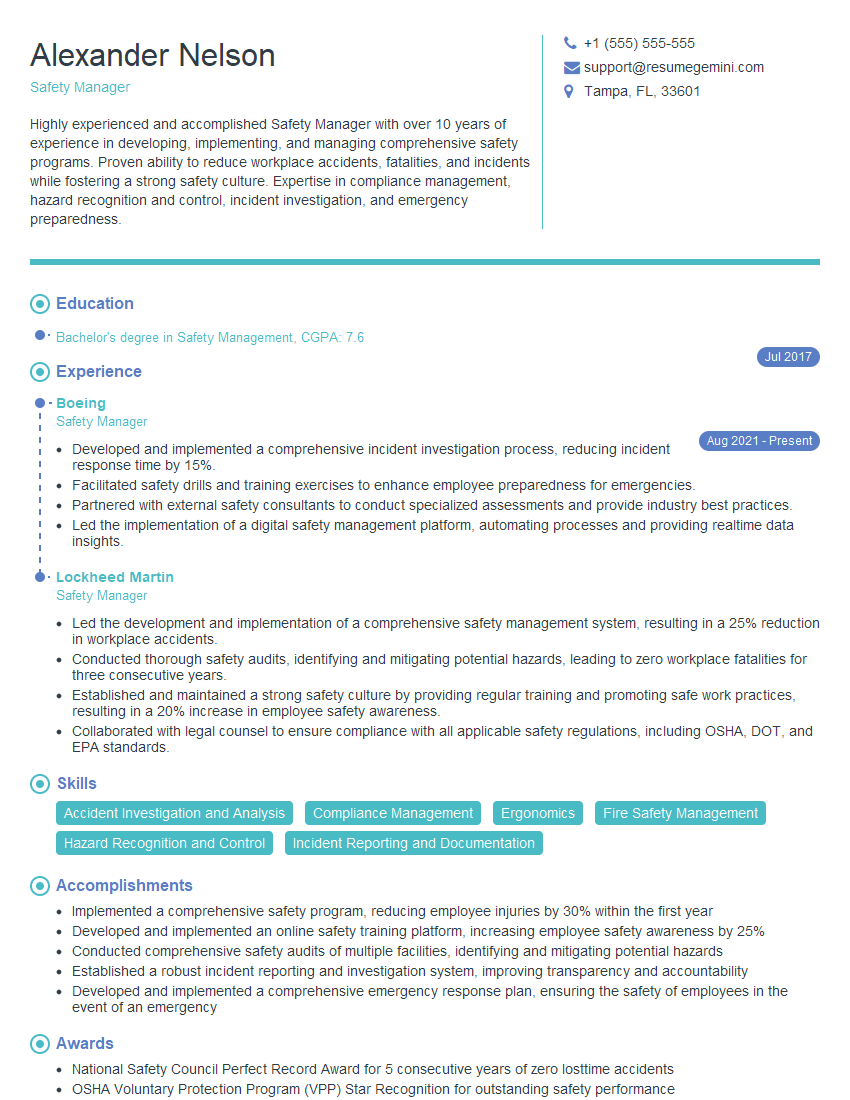
Safety Manager Resume Sample

Operations Manager Resume Sample
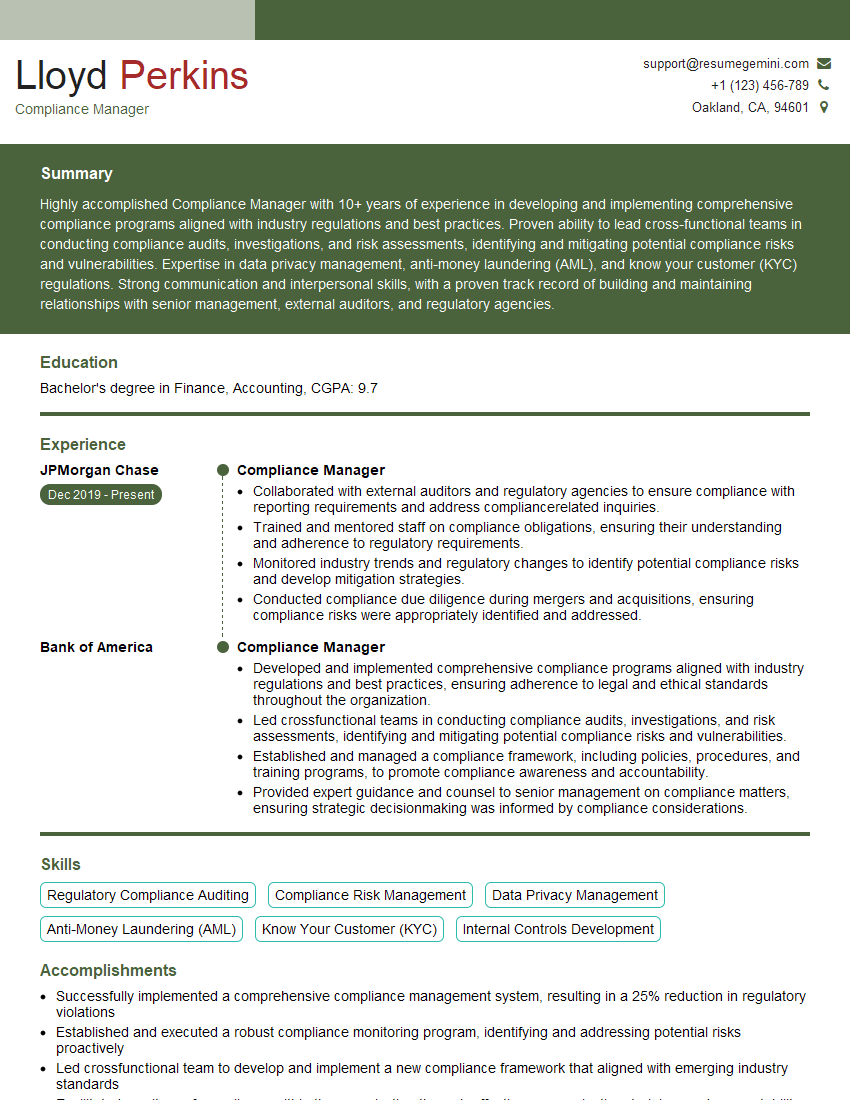
Compliance Manager Resume Sample
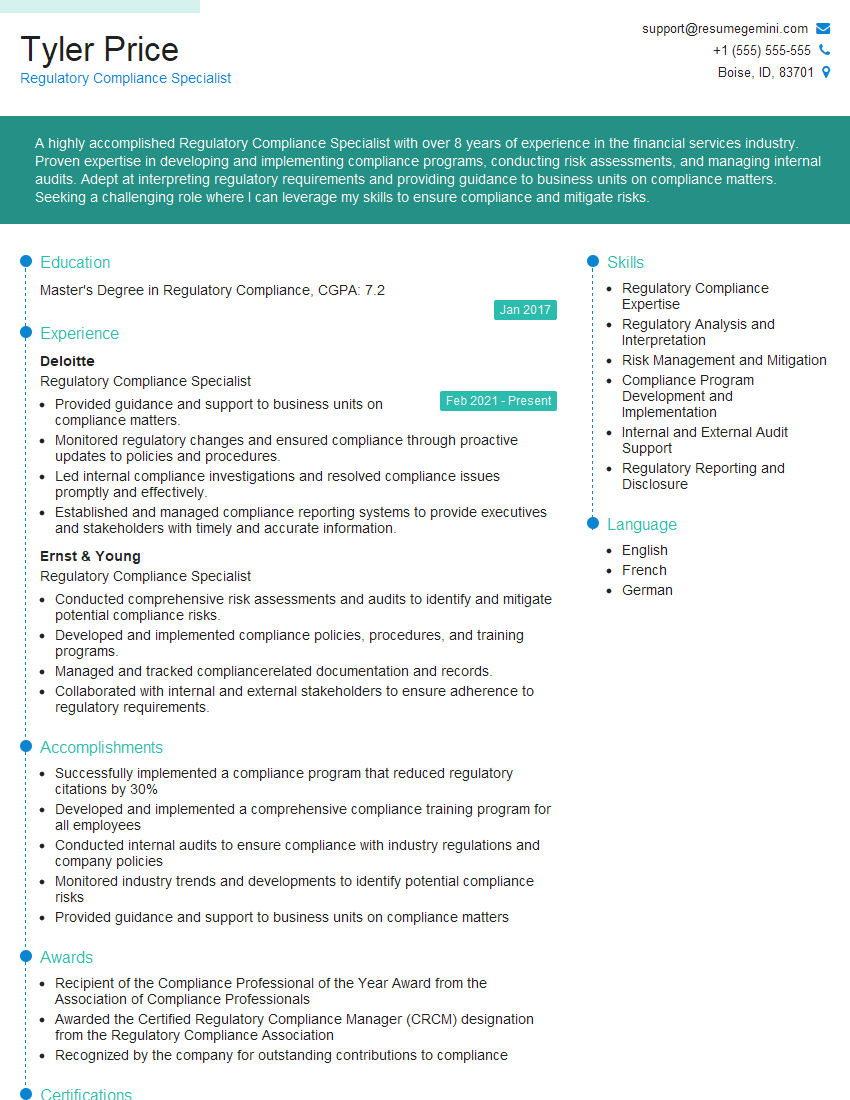
Regulatory Compliance Specialist Resume Sample
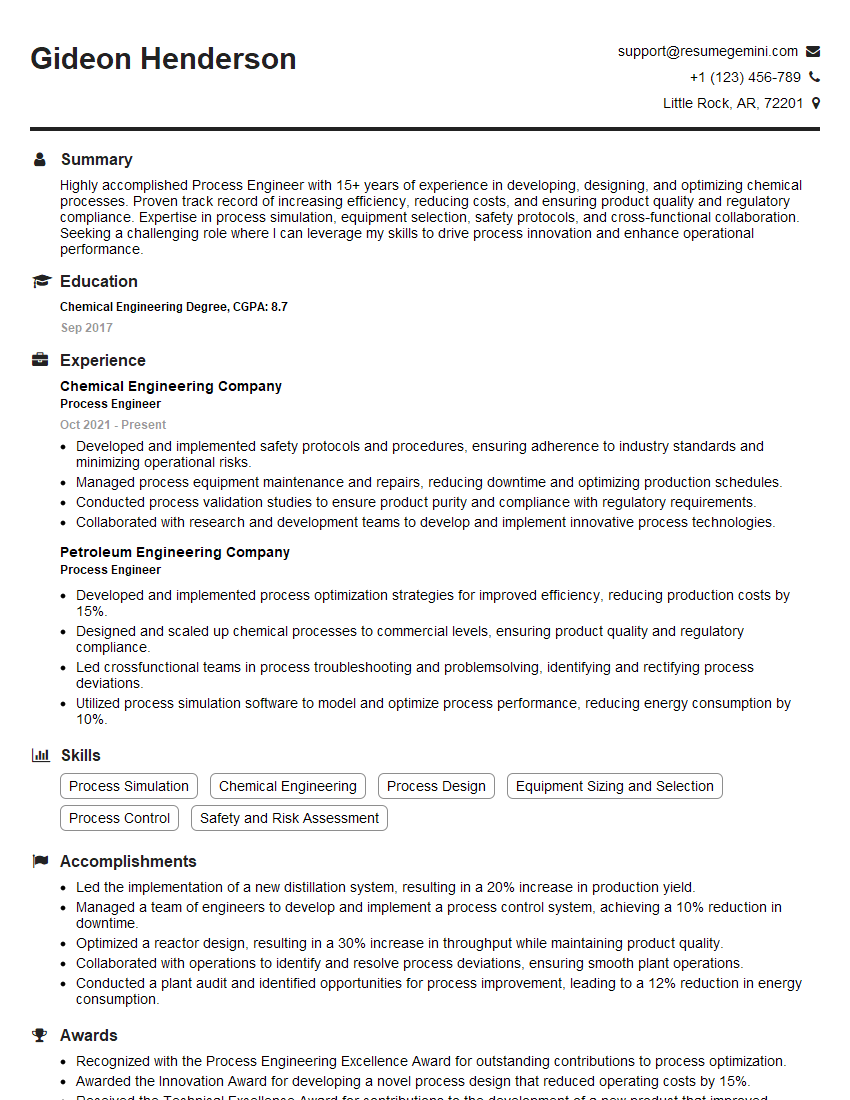
Process Engineer Resume Sample
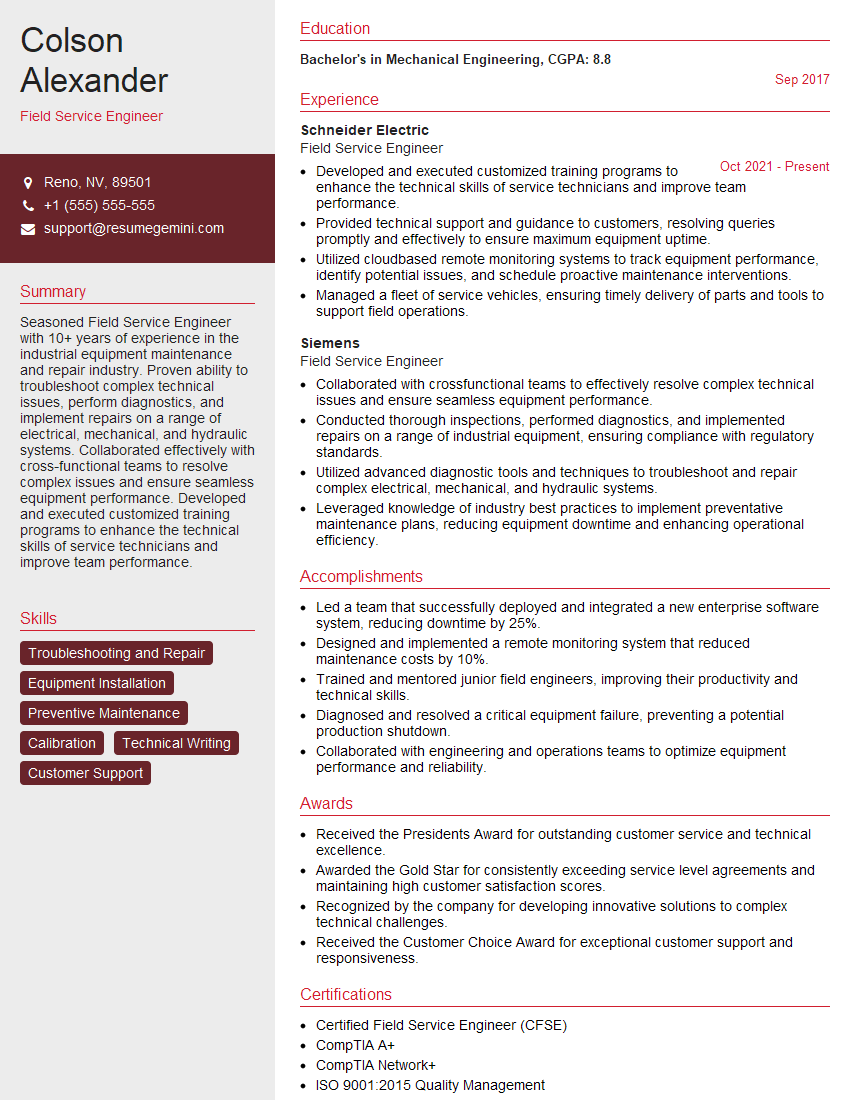
Field Service Engineer Resume Sample
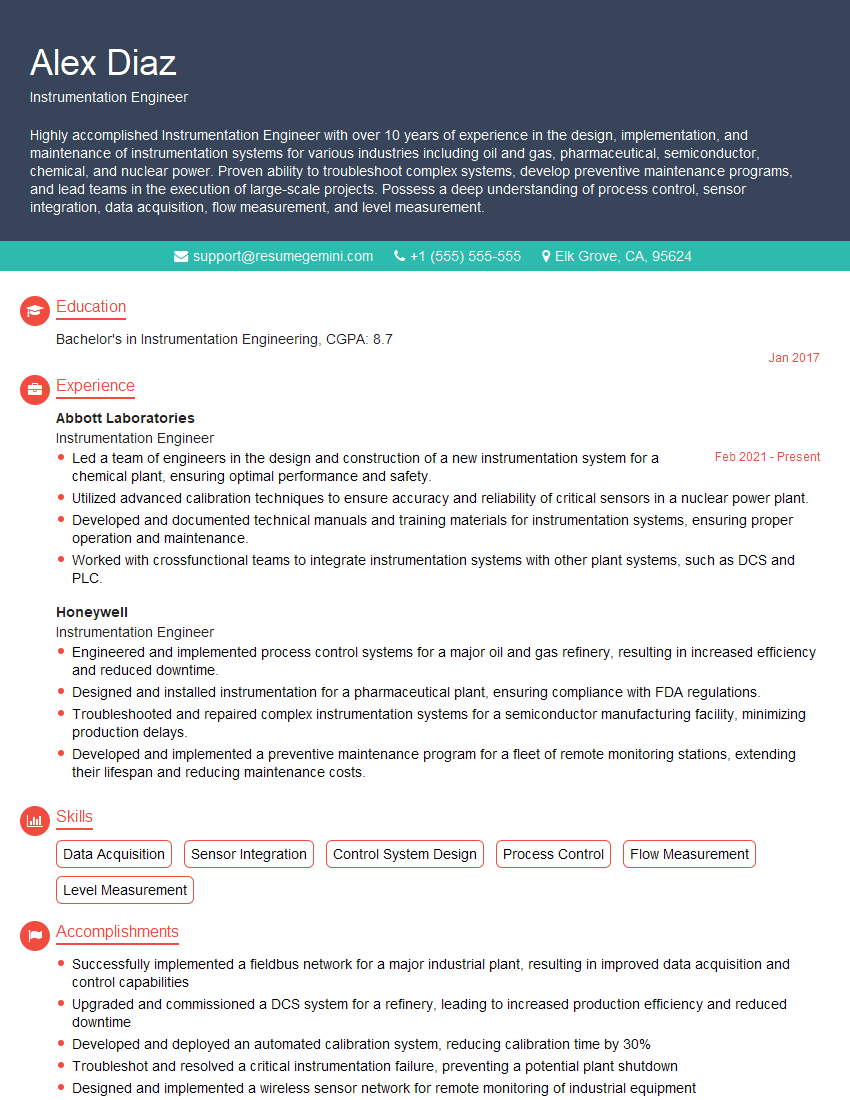
Instrumentation Engineer Resume Sample
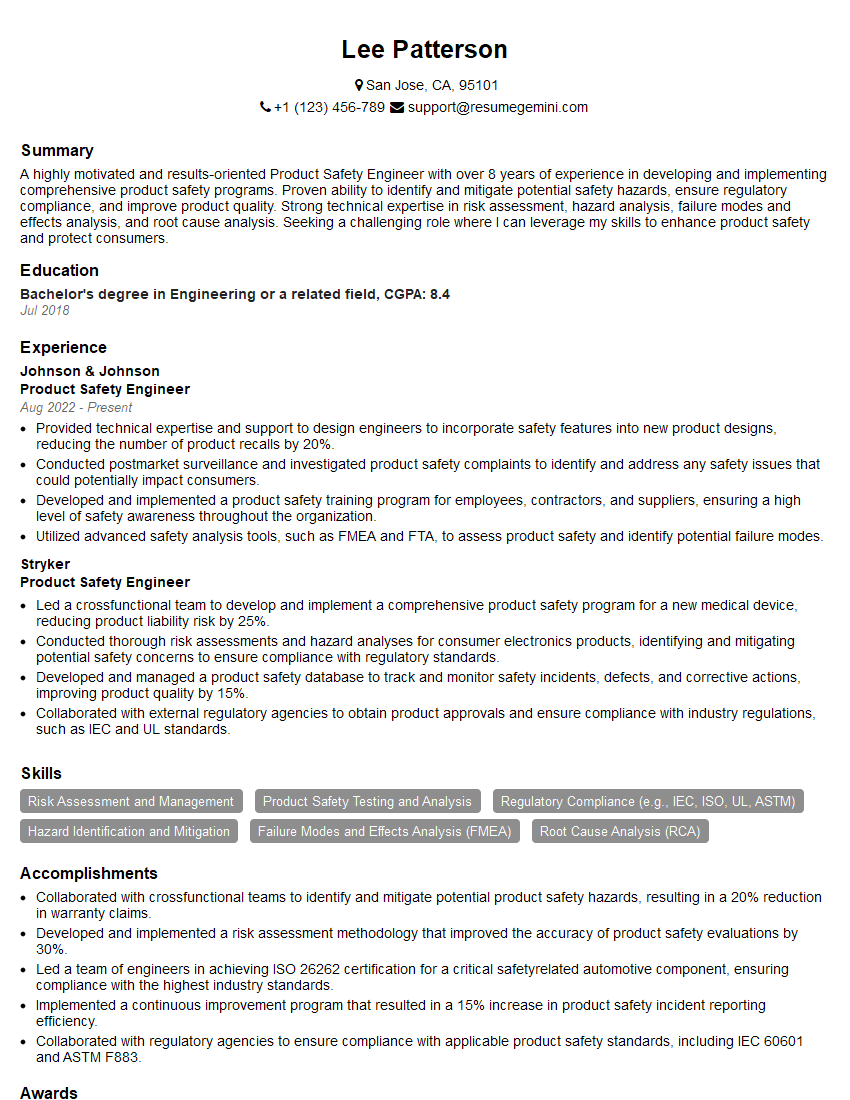
Product Safety Engineer Resume Sample

Metrologist Resume Sample

Quality Assurance Engineer Resume Sample
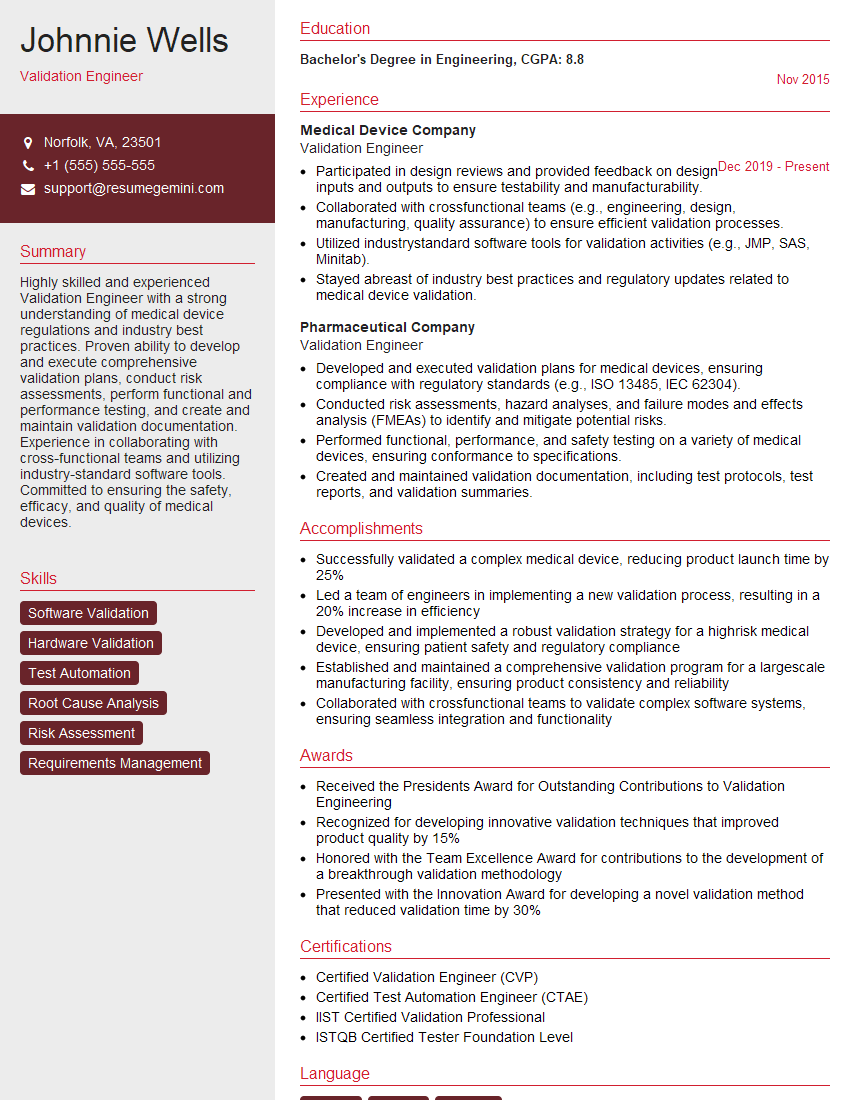
Validation Engineer Resume Sample

Laboratory Supervisor Resume Sample
Explore more articles
Users Rating of Our Blogs
Share Your Experience
We value your feedback! Please rate our content and share your thoughts (optional).
What Readers Say About Our Blog
Very informative content, great job.
good