Every successful interview starts with knowing what to expect. In this blog, we’ll take you through the top MSDS (Material Safety Data Sheets) interview questions, breaking them down with expert tips to help you deliver impactful answers. Step into your next interview fully prepared and ready to succeed.
Questions Asked in MSDS (Material Safety Data Sheets) Interview
Q 1. What are the key sections of an MSDS?
An MSDS, or Safety Data Sheet, provides comprehensive information about the hazards of a chemical and how to work safely with it. While the exact sections and their order might vary slightly depending on the country and specific regulations, key sections consistently include:
- Identification: This section details the product name, manufacturer’s information, and emergency contact details. Think of it as the chemical’s identity card.
- Hazard Identification: This is crucial; it lists all the known hazards associated with the chemical, including physical hazards (flammability, reactivity), health hazards (toxicity, carcinogenicity), and environmental hazards.
- Composition/Information on Ingredients: This section reveals the chemical’s makeup, listing each component and its concentration. This is vital for understanding potential health effects and proper disposal.
- First-aid Measures: This provides step-by-step instructions on what to do in case of accidental exposure, including eye contact, skin contact, ingestion, or inhalation. It’s a quick reference guide for emergency response.
- Fire-fighting Measures: This section details appropriate extinguishing agents and specific fire-fighting procedures. It tells you what to do if a fire involves the chemical.
- Accidental Release Measures: This explains how to contain and clean up spills, including personal protective equipment (PPE) required. It’s your spill-response plan.
- Handling and Storage: This section outlines safe handling practices, including appropriate PPE, ventilation requirements, and storage conditions to prevent accidents and degradation.
- Exposure Controls/Personal Protection: This details specific measures to limit exposure, like engineering controls (ventilation), administrative controls (work practices), and PPE (gloves, respirators).
- Physical and Chemical Properties: This provides essential physical data like boiling point, melting point, density, and solubility, helping you understand the chemical’s behavior.
- Stability and Reactivity: This section explores the chemical’s stability under various conditions, potential hazards from decomposition, and incompatible materials to avoid.
- Toxicological Information: This section goes into detail about the potential health effects of exposure, including acute and chronic effects.
- Ecological Information: This explains the environmental impacts of the chemical, its potential to harm aquatic life, and proper disposal methods.
- Disposal Considerations: This section provides guidance on safe disposal methods, adhering to local, state, and federal regulations.
- Transport Information: This outlines the proper transportation methods for the chemical, complying with regulations like DOT (Department of Transportation).
- Regulatory Information: This lists relevant regulations and legal requirements for handling, storage, and transportation.
- Other Information: This might include additional information relevant to the chemical or its use.
Understanding each section is crucial for safe handling and responsible use of chemicals in any workplace or laboratory setting.
Q 2. Explain the Globally Harmonized System of Classification and Labelling of Chemicals (GHS).
The Globally Harmonized System of Classification and Labelling of Chemicals (GHS) is an internationally agreed-upon system for classifying chemicals according to their health, environmental, and physical hazards. Its goal is to ensure consistent hazard communication across the globe, making it easier to understand the risks associated with chemicals regardless of where they’re manufactured or used. Imagine trying to decipher safety information from different countries – GHS provides a common language for safety.
Key aspects of GHS include:
- Hazard Classification: Chemicals are categorized into different hazard classes based on their inherent properties (e.g., flammable, toxic, corrosive).
- Hazard Communication: GHS standardizes how hazard information is communicated through labels and Safety Data Sheets (SDSs), formerly known as MSDSs. This ensures clarity and consistency in safety messaging.
- Pictograms: GHS uses standardized pictograms (symbols) to quickly convey the major hazard classes.
- Signal Words: Standardized signal words like ‘Danger’ (more severe hazard) and ‘Warning’ (less severe hazard) are used to emphasize the level of risk.
- Precautionary Statements: These statements provide specific instructions on how to handle the chemical safely to minimize risks.
GHS has significantly improved chemical safety by providing a globally recognized framework for hazard communication, preventing misunderstandings and promoting a safer working environment.
Q 3. How do you identify hazards associated with a chemical based on its MSDS?
Identifying hazards from an MSDS is straightforward, but it requires careful reading and understanding. The key section is ‘Hazard Identification’. This section lists the hazards, but you should also cross-reference this with the ‘Composition/Information on Ingredients’ section to understand which specific components are contributing to each hazard.
Step-by-step process:
- Locate the ‘Hazard Identification’ section: This section will clearly state the hazards associated with the chemical. Look for phrases like ‘Flammable,’ ‘Toxic,’ ‘Corrosive,’ ‘Carcinogen,’ etc.
- Identify the Hazard Classes: Note the specific hazard classes identified (e.g., Acute Toxicity, Skin Corrosion/Irritation, etc.). These are typically categorized according to GHS.
- Review the ‘Composition/Information on Ingredients’ section: This will indicate the chemical components and their concentrations. This helps you link specific components to identified hazards.
- Examine the Hazard Statements: Look for hazard statements associated with each hazard class. These statements provide detailed descriptions of the potential effects.
- Consider the Pictograms: Pay close attention to the pictograms present, as they visually represent major hazard classes.
For example, an MSDS might indicate that a chemical is ‘Flammable’ (Hazard Class: Flammable Liquids) and ‘Toxic’ (Hazard Class: Acute Toxicity). This means the chemical poses both fire and health risks, requiring specific precautions during handling and storage.
Q 4. Describe the different hazard classes and their associated pictograms.
GHS uses various hazard classes, each represented by a specific pictogram. These pictograms are universally understood, improving safety communication. Here are some key hazard classes and their associated pictograms (note that the actual pictograms are visual images, and I can’t represent them here as text):
- Flammable: Indicates the substance is easily ignited and may burn rapidly. (Pictogram: A flame)
- Oxidizing: Indicates the substance can cause or enhance the burning of other materials. (Pictogram: A circle with a flame)
- Toxic/Acute Toxicity: Indicates the substance is poisonous and can cause death or serious health effects if inhaled, swallowed, or absorbed through the skin. (Pictogram: A skull and crossbones)
- Harmful/Health Hazard: Indicates that the substance can cause less severe but still significant health effects. (Pictogram: An exclamation mark)
- Corrosive: Indicates the substance can destroy living tissues or materials. (Pictogram: A hand and a surface being corroded)
- Environmental Hazard: Indicates the substance can cause harm to aquatic organisms or the environment. (Pictogram: A water droplet with a dead tree)
- Gas Cylinder: Indicates compressed gas hazard.
- Explosive: Indicates potential for explosion.
Remembering the pictograms is crucial for quick hazard identification. They are visual cues that help alert anyone handling the chemical to the potential dangers.
Q 5. What is the difference between acute and chronic health effects?
The difference between acute and chronic health effects lies in the timing and duration of exposure.
- Acute Health Effects: These occur rapidly after a single exposure or short-term exposure to a chemical. Think of it as an immediate reaction. Examples include skin irritation, eye irritation, nausea, and dizziness. The effects are usually noticeable shortly after exposure.
- Chronic Health Effects: These develop slowly over a long period of time due to repeated or prolonged exposure to a chemical. These are long-term effects. Examples include cancer, liver damage, kidney damage, and respiratory diseases. These effects might not manifest for years or even decades after exposure.
Imagine a small cut on your hand (acute) versus slowly developing lung disease after years of inhaling dust particles (chronic). Both are health effects, but the timescale and nature of the damage differ significantly.
Q 6. How do you interpret the signal words ‘Danger’ and ‘Warning’ on an MSDS?
The signal words ‘Danger’ and ‘Warning’ are used on MSDSs and labels to immediately indicate the severity of the hazard. They are a crucial part of hazard communication. Think of them as ‘severity levels’ for a chemical.
- Danger: This indicates a highly hazardous substance or a mixture presenting severe hazards. This signifies a high risk of serious injury or death from even brief exposure. It requires immediate attention and stringent safety precautions.
- Warning: This indicates a hazardous substance or a mixture presenting hazards which could cause less serious, but still significant, health effects. While still hazardous, the risk is lower than with a ‘Danger’ classification. Still requires careful handling and appropriate safety precautions.
For example, a chemical labeled ‘Danger’ might require a full respirator and specialized protective suit, whereas a chemical labeled ‘Warning’ might only require gloves and eye protection. The signal word guides the level of precaution needed.
Q 7. Explain the importance of proper handling and storage of hazardous materials as outlined in the MSDS.
Proper handling and storage of hazardous materials, as described in the MSDS, are paramount for preventing accidents, injuries, and environmental damage. The ‘Handling and Storage’ section is your guide to safe practices.
Importance of proper handling and storage:
- Prevent Accidents: Proper handling prevents spills, leaks, and accidental exposure, minimizing the risk of acute injuries. Incompatible materials should never be stored together. Imagine storing a flammable chemical next to an oxidizing agent – the result could be disastrous!
- Protect Health: Safe handling minimizes exposure to hazardous substances, reducing the risk of both acute and chronic health effects. Proper ventilation is critical for many chemicals.
- Preserve Chemical Integrity: Incorrect storage can lead to chemical degradation, compromising the product’s quality and potentially creating new hazards. Temperature and humidity can affect certain chemicals.
- Environmental Protection: Proper handling and storage prevent spills and leaks from contaminating the environment, protecting ecosystems and groundwater.
- Comply with Regulations: Following MSDS guidelines ensures compliance with OSHA (Occupational Safety and Health Administration) and other relevant regulations, avoiding potential penalties and legal issues.
The ‘Handling and Storage’ section typically includes specific recommendations on storage temperature, ventilation requirements, compatible and incompatible materials, and appropriate PPE. Always follow these instructions meticulously.
Q 8. How do you determine the appropriate Personal Protective Equipment (PPE) based on an MSDS?
Determining the appropriate Personal Protective Equipment (PPE) is crucial for ensuring worker safety. The MSDS provides the key information. Look for sections detailing the health hazards of the material, such as flammability, toxicity, or corrosivity. These sections will indicate the necessary PPE. For instance, if the MSDS lists a substance as highly corrosive, it will specify the need for chemical-resistant gloves, eye protection, and potentially a lab coat or apron. If it’s a flammable liquid, you’ll need to consider fire-resistant clothing and potentially respiratory protection. It’s vital to understand that the choice of PPE isn’t just about the material’s inherent hazards; it also depends on the type of work being done. Spilling a small amount of a mildly corrosive substance requires less PPE than handling large quantities in a manufacturing process.
For example, an MSDS for concentrated sulfuric acid would specify the need for acid-resistant gloves (e.g., nitrile or neoprene), safety goggles or a face shield, a lab coat, and possibly a respirator depending on the concentration and exposure potential. Always select PPE that offers a higher level of protection than the minimum recommended by the MSDS.
Q 9. Describe the procedures for handling spills and leaks of hazardous materials according to MSDS information.
Handling spills and leaks requires a methodical approach guided by the MSDS. First, always prioritize personal safety; ensure you have the appropriate PPE before proceeding. The MSDS will detail the specific hazards involved—flammability, reactivity, toxicity—and dictate the necessary precautions. The cleanup procedure is often outlined in the ‘First Aid Measures’ or ‘Accidental Release Measures’ sections. This section generally describes the steps involved, such as containment, cleanup, and waste disposal. Containment might involve using absorbent materials like spill pads or diatomaceous earth to prevent spread. Cleanup procedures might involve neutralising agents for acids or bases, or simply careful sweeping and disposal in accordance with local regulations.
For instance, if a corrosive chemical spills, the MSDS might recommend neutralizing it with a specific substance (such as sodium bicarbonate for acids) before cleanup. It will also detail appropriate disposal methods, which may include contacting a hazardous waste disposal company.
Remember, the emergency response plan must be readily available and easily accessible, and all personnel should be thoroughly trained on the proper procedures.
Q 10. How do you update and maintain MSDS information in your organization?
Maintaining updated MSDS information requires a robust system. We typically use a dedicated software system designed for chemical inventory and MSDS management. These systems allow for electronic storage, easy searching, and automated updates. The system sends notifications when an MSDS is revised by the manufacturer. We verify that the updated version aligns with our internal procedures and then replace the old version. Regular audits ensure that all MSDS are current and accessible to all relevant personnel. We also have a designated individual responsible for overseeing the entire process.
Manually, we’d need a system of regular checking with manufacturers, a detailed filing system (either physical or digital), and a protocol for distributing updates. This can be prone to error, so automated systems are significantly preferable.
Q 11. What are the legal requirements for MSDS compliance in your region?
Legal requirements vary by region; however, they generally align with globally recognized standards like Globally Harmonized System of Classification and Labelling of Chemicals (GHS). This means providing accurate and readily accessible SDS (Safety Data Sheets – the updated term for MSDS) for all hazardous materials used, stored, or handled within the workplace. Penalties for non-compliance can be severe, ranging from significant fines to legal action. These penalties can vary depending on the severity of the violation and any resulting harm to employees or the environment. Regular inspections by regulatory bodies ensure compliance.
In many jurisdictions, employers are legally obligated to train employees on the safe handling and use of hazardous materials based on the information contained within the SDS.
Q 12. Explain the role of SDS in emergency response planning.
SDS are foundational in emergency response planning. They provide crucial information – first aid measures, fire-fighting techniques, and spill response procedures – necessary for emergency responders. First responders can use the SDS to quickly identify the hazards of the material involved, the potential health effects of exposure, and the appropriate emergency response procedures. This information is essential for protecting the health and safety of emergency personnel and preventing further damage or injury.
For example, knowing the flammability of a substance helps determine the appropriate fire-fighting agent; understanding its toxicity helps determine the need for respiratory protection.
The SDS should be readily available to emergency responders, ideally through a readily accessible database or physical copies in a central location at the facility.
Q 13. How do you ensure accuracy and consistency of MSDS information across your organization?
Ensuring accuracy and consistency requires a centralized management system, preferably a dedicated software solution, to store and manage SDS. This system should be accessible to all relevant personnel and have built-in version control to prevent outdated information from being used. Regular audits ensure accuracy and that all SDS are current and accessible. Employees are trained on proper SDS interpretation and usage, and the system should have a clear update protocol to ensure consistency across the organization.
Periodic training ensures everyone understands how to access, interpret, and apply the information within the SDS effectively. This ensures that everyone is on the same page when it comes to the management and usage of hazardous materials.
Q 14. How do you manage MSDS for multiple locations or facilities?
Managing SDS for multiple locations requires a centralized system, such as a cloud-based SDS management software. This allows for a single point of access to all SDS, regardless of location. The system should allow for assigning SDS to specific locations and users, ensuring that only relevant SDS are available at each facility. This system offers efficient updates and ensures consistency in SDS information across all facilities.
A robust system will have features for assigning responsibilities, managing updates, tracking access, and generating reports on SDS usage and compliance. This is vital for efficient management across multiple locations.
Q 15. Describe your experience with SDS authoring or management software.
My experience with SDS authoring and management software spans several years and various platforms. I’ve worked extensively with both standalone software solutions and integrated systems within larger Enterprise Resource Planning (ERP) software. I am proficient in using software to create, update, and manage SDSs, including features such as template creation, hazard classification, regulatory compliance checks, and version control. For example, I have used Chemwatch and ehsDB to generate SDSs for numerous chemical products, ensuring compliance with GHS (Globally Harmonized System) regulations. My experience includes not only authoring but also the management aspects; this involves ensuring data accuracy, timely updates reflecting changes in formulations or regulations, and efficient dissemination of information to relevant stakeholders. I am comfortable working with different data import and export formats, ensuring seamless integration between our SDS management system and other company databases.
Career Expert Tips:
- Ace those interviews! Prepare effectively by reviewing the Top 50 Most Common Interview Questions on ResumeGemini.
- Navigate your job search with confidence! Explore a wide range of Career Tips on ResumeGemini. Learn about common challenges and recommendations to overcome them.
- Craft the perfect resume! Master the Art of Resume Writing with ResumeGemini’s guide. Showcase your unique qualifications and achievements effectively.
- Don’t miss out on holiday savings! Build your dream resume with ResumeGemini’s ATS optimized templates.
Q 16. What are the key differences between an MSDS and an SDS?
The terms ‘MSDS’ (Material Safety Data Sheet) and ‘SDS’ (Safety Data Sheet) are often used interchangeably, but there’s a key distinction. ‘MSDS’ was the older terminology, primarily used before the globally harmonized system (GHS) was adopted. The SDS is the current, globally standardized format for conveying safety information about hazardous chemicals. The core difference lies in the structure and content. MSDS documents varied considerably in format and content from country to country and even from company to company, leading to inconsistencies and potential misunderstandings. The SDS, on the other hand, follows a standardized 16-section format mandated by GHS regulations. This ensures that regardless of the manufacturer or location, the information is presented consistently and comprehensibly, improving safety across industries. Think of it like transitioning from different local dialects to a common global language for chemical safety information.
Q 17. How do you handle inconsistencies or missing information on an MSDS?
Handling inconsistencies or missing information on an MSDS/SDS requires a methodical approach, prioritizing safety. First, I would immediately flag the document as needing revision and notify the supplier. My next step is to identify the source of the inconsistency. Is it a data entry error, outdated information, or a genuine gap in testing? I would carefully review other available resources such as the supplier’s website, technical documentation, or relevant scientific literature to try and fill in missing data. If the information remains unavailable or unreliable after thorough investigation, I would apply a conservative approach – this might involve treating the substance as more hazardous than initially indicated until further information is obtained. Ultimately, documentation of the issue, the steps taken, and the rationale for any assumptions made is crucial for maintaining a comprehensive and auditable record. For example, if a crucial toxicity parameter is missing, I’d treat the substance as potentially highly toxic until that parameter is tested and verified.
Q 18. What is your approach to training employees on the safe handling of hazardous materials based on MSDS information?
Training employees on safe handling of hazardous materials based on MSDS information is critical for workplace safety. My approach is multifaceted and includes several key components. First, training should be tailored to the specific hazards of the chemicals used in the workplace. I would focus on explaining the key sections of the SDS relevant to their tasks, emphasizing the hazard statements, precautionary measures, and emergency procedures. Secondly, the training should be interactive and include hands-on demonstrations whenever possible. Visual aids, including videos and diagrams, are very helpful. Thirdly, regular refresher courses and updates are essential to ensure continued compliance with evolving regulations and best practices. Finally, I’d incorporate practical exercises and quizzes to test understanding and retention. For instance, for employees handling a specific solvent, we would focus on the flammability section, proper storage, ventilation requirements, and personal protective equipment (PPE) needed. We’d also simulate scenarios like spills and demonstrate appropriate cleanup procedures. Regular quizzes ensure the employees remain aware of this crucial safety information.
Q 19. Explain the concept of ‘SDS Authoring’.
SDS Authoring is the process of creating or updating Safety Data Sheets (SDSs) for hazardous chemicals. This involves gathering and compiling all necessary safety information, organizing it according to the globally harmonized system (GHS) guidelines, and formatting it into a compliant SDS document. It’s a complex procedure requiring expertise in chemistry, toxicology, occupational safety, and regulatory compliance. The author needs to understand various hazard classifications, proper labeling requirements, and appropriate safety precautions. The author must also be meticulous and detail-oriented, as inaccuracies can have severe consequences. The process typically involves utilizing SDS authoring software to manage data, ensure consistency, and help maintain regulatory compliance. The entire process, from gathering data to final approval and distribution, needs robust version control and quality assurance.
Q 20. What are the different formats in which SDS documents can exist?
SDS documents primarily exist in two formats:
- PDF (Portable Document Format): This is the most common format for distributing SDSs, due to its broad compatibility and ability to maintain the formatting and layout of the document.
- Electronic Databases: Increasingly, organizations are storing SDSs in electronic databases. These databases offer enhanced search and retrieval capabilities, version control, and easier management of large numbers of SDSs. They often also integrate with other safety management systems. Software that facilitates database management can leverage XML, or other structured data formats for easy searching, sorting and integration into other business systems.
While other formats might be used internally during the creation process, PDF is the standard for external distribution and archival purposes.
Q 21. How do you verify the accuracy and reliability of MSDS information obtained from a supplier?
Verifying the accuracy and reliability of MSDS information from a supplier is crucial for safety. I employ a multi-step verification process. First, I verify the supplier’s reputation and credentials. Do they have established quality management systems in place? Then, I examine the SDS itself for completeness and consistency. Does it adhere to the GHS format? Are all sections properly filled? Are the hazard classifications and precautionary statements consistent with the known properties of the chemical? Next, I cross-reference the data with other credible sources, such as the manufacturer’s website, scientific literature, or reputable databases like PubChem. If discrepancies arise, I contact the supplier directly to clarify the inconsistencies. Finally, maintaining a robust audit trail of all verification efforts is essential. This would include documenting the sources consulted, the nature of any discrepancies identified, and the steps taken to resolve them. Essentially, treating the supplier’s data as a starting point, but not the final word, is crucial for ensuring accurate and reliable safety information.
Q 22. Describe a time when you had to resolve a conflict regarding MSDS information or compliance.
In a previous role, we had a discrepancy regarding the classification of a chemical used in our manufacturing process. One team believed the MSDS categorized it as a less hazardous material, while another contended it needed stricter handling procedures due to its potential flammability. This created a conflict because different teams had different safety protocols based on their interpretation of the MSDS.
To resolve this, I initiated a collaborative effort. First, we reviewed the original MSDS document thoroughly, verifying the manufacturer’s data and comparing it to other reputable sources. This involved contacting the supplier directly to clarify any ambiguities. Next, we convened a meeting with representatives from all involved teams. We presented our findings, highlighting the relevant sections of the MSDS pertaining to flammability, and discussed the necessary safety precautions. Finally, we agreed on a revised safety procedure that aligned with the most accurate and conservative interpretation of the MSDS, ensuring the safety of all personnel. The outcome was a uniformly understood and implemented safety protocol, and a strengthened cross-departmental communication process.
Q 23. Explain the role of the employer and employee in MSDS usage and compliance.
Employers and employees share responsibility for MSDS usage and compliance. The employer is legally obligated to provide readily accessible, accurate, and up-to-date MSDSs for all hazardous materials used in the workplace. This includes ensuring that employees receive training on the proper handling, storage, and disposal of these materials, based on the information contained in the MSDS. The employer must also maintain a system for tracking MSDS updates and ensuring all employees understand the potential hazards associated with their work. Think of the employer as the steward of safety.
Employees, in turn, are responsible for utilizing the provided MSDS information responsibly. This means reading and understanding the safety data related to the chemicals they handle, following the recommended safety precautions, and reporting any discrepancies or concerns regarding MSDS accuracy or completeness to their supervisors. Their responsibility is to protect themselves and their colleagues by adhering to the guidelines.
Q 24. How do you ensure MSDS compliance in a multi-lingual workplace?
Ensuring MSDS compliance in a multi-lingual workplace requires a multifaceted approach. Simply providing MSDSs in multiple languages is insufficient. The quality of the translation is paramount; inaccuracies can lead to serious consequences.
My strategy involves using professional translation services specializing in technical documentation to ensure accuracy and consistency. We would then verify the translations against the original English (or primary language) version for consistency. Beyond translation, effective training is crucial. We conduct comprehensive safety training sessions in each employee’s native language, ensuring everyone understands the information in the translated MSDS and how it applies to their daily tasks. It’s about ensuring everyone speaks the same safety language. Visual aids, demonstrations, and interactive exercises can supplement verbal instruction for increased understanding and retention.
Q 25. What is your understanding of the Globally Harmonized System of Classification and Labelling of Chemicals (GHS)?
The Globally Harmonized System of Classification and Labelling of Chemicals (GHS) is an internationally agreed-upon system designed to create a consistent approach to classifying chemicals according to their health, environmental, and physical hazards. This harmonization aims to prevent misunderstandings and inconsistencies in how hazardous materials are identified and handled globally. Essentially, it creates a common language for chemical safety.
GHS provides standardized criteria for classifying chemicals, including hazard statements and precautionary measures. This allows for the creation of Safety Data Sheets (SDSs), which replace the older Material Safety Data Sheets (MSDSs), with a consistent format worldwide. The use of pictograms, signal words (such as ‘Danger’ or ‘Warning’), and hazard statements ensures a clear and readily understandable communication of chemical hazards across language barriers. This system significantly improves workplace safety and facilitates international trade by ensuring consistent safety standards worldwide.
Q 26. What are the potential consequences of non-compliance with MSDS regulations?
Non-compliance with MSDS regulations carries significant consequences, ranging from minor infractions to severe penalties. These consequences can include:
- Fines and penalties: Regulatory bodies can impose substantial fines for violations. The amount can vary significantly depending on the severity and number of violations.
- Legal repercussions: In cases of accidents or injuries caused by inadequate handling of hazardous chemicals due to lack of or incorrect MSDS information, employers can face lawsuits and legal action.
- Reputational damage: Non-compliance can damage a company’s reputation, affecting its credibility and ability to attract clients and employees.
- Worksite shutdowns: In extreme cases of severe non-compliance, regulatory agencies might order temporary or permanent shutdowns of a workplace until safety measures are rectified.
- Insurance issues: Failure to comply with MSDS regulations could invalidate insurance policies, leaving the company financially vulnerable.
Ultimately, the most significant consequence is the risk to human health and the environment.
Q 27. How do you manage the transition to a new SDS format or software?
Managing the transition to a new SDS format or software involves a structured and phased approach. Firstly, it’s vital to thoroughly assess the current system to understand its strengths and weaknesses and how they map to the new system’s capabilities. This involves identifying all the chemicals used in the workplace and reviewing the existing MSDSs.
Next, we establish a clear timeline and allocate responsibilities within the team. We develop a training program for all employees to familiarize them with the new SDS format and the new software. It’s crucial to conduct thorough testing of the new system to prevent data loss or errors during the migration. This includes parallel processing of both old and new systems to ensure data accuracy. Then, we implement the new system in stages, starting with a pilot program before a complete rollout. During this transition, we provide ongoing support to address employee queries and concerns. This approach minimizes disruption and ensures a smooth transition to the new system. Regular audits help ensure continued compliance.
Q 28. Describe your experience with conducting MSDS audits.
My experience with conducting MSDS audits involves a multi-step process that begins with a comprehensive review of the company’s chemical inventory. This includes verifying that an SDS exists for every hazardous chemical used on-site and confirming that these are current and readily accessible to all employees.
The next phase is checking the accuracy of the SDS information against supplier-provided documentation. This step includes verifying the chemical identification, hazard classifications, and associated safety precautions. I then assess the company’s training programs to ensure that employees receive adequate instruction on handling the materials. I then check the workplace’s storage and handling practices to ensure they conform to SDS recommendations. Finally, I look at waste disposal procedures to ensure they adhere to legal and safety standards. The audit culminates in a comprehensive report with observations, recommendations for improvement, and a timeline for implementing corrective actions. This thorough approach ensures continuous improvement in MSDS management and workplace safety.
Key Topics to Learn for MSDS (Material Safety Data Sheets) Interview
- Understanding the Structure of an MSDS: Learn to navigate the 16 sections of a standard MSDS, identifying key information within each section.
- Chemical Hazards Identification: Practice identifying and interpreting hazard statements, pictograms, and signal words to assess the risks associated with various chemicals.
- Safety Precautions and Handling Procedures: Understand how to apply the information provided in an MSDS to develop safe handling, storage, and disposal procedures for chemicals in a workplace setting.
- Emergency Response Procedures: Familiarize yourself with the emergency response information contained within an MSDS, including first aid measures and spill response protocols.
- Regulatory Compliance: Learn about the legal requirements and regulations surrounding the use, handling, and storage of hazardous materials, and how MSDSs contribute to compliance.
- Practical Application: Case Studies: Analyze real-world scenarios involving chemical incidents and apply your MSDS knowledge to determine appropriate responses and preventative measures.
- Interpreting and Applying Data: Practice interpreting complex chemical data within an MSDS and applying that information to make informed safety decisions.
- Communicating MSDS Information: Develop your skills in effectively communicating MSDS information to colleagues, supervisors, and potentially emergency responders.
- Differences between Global MSDS formats (e.g., GHS): Understand the variations in MSDS formatting and information across different regions and standards.
Next Steps
Mastering MSDS interpretation is crucial for career advancement in many industries, demonstrating your commitment to workplace safety and regulatory compliance. A strong understanding of MSDSs will significantly enhance your job prospects and make you a highly valuable asset to any team. To increase your chances of landing your dream job, creating an ATS-friendly resume is essential. ResumeGemini is a trusted resource to help you build a professional and impactful resume that highlights your skills and experience effectively. Examples of resumes tailored to MSDS expertise are available through ResumeGemini, providing valuable templates and guidance for your job search.

Compliance Manager Resume Sample
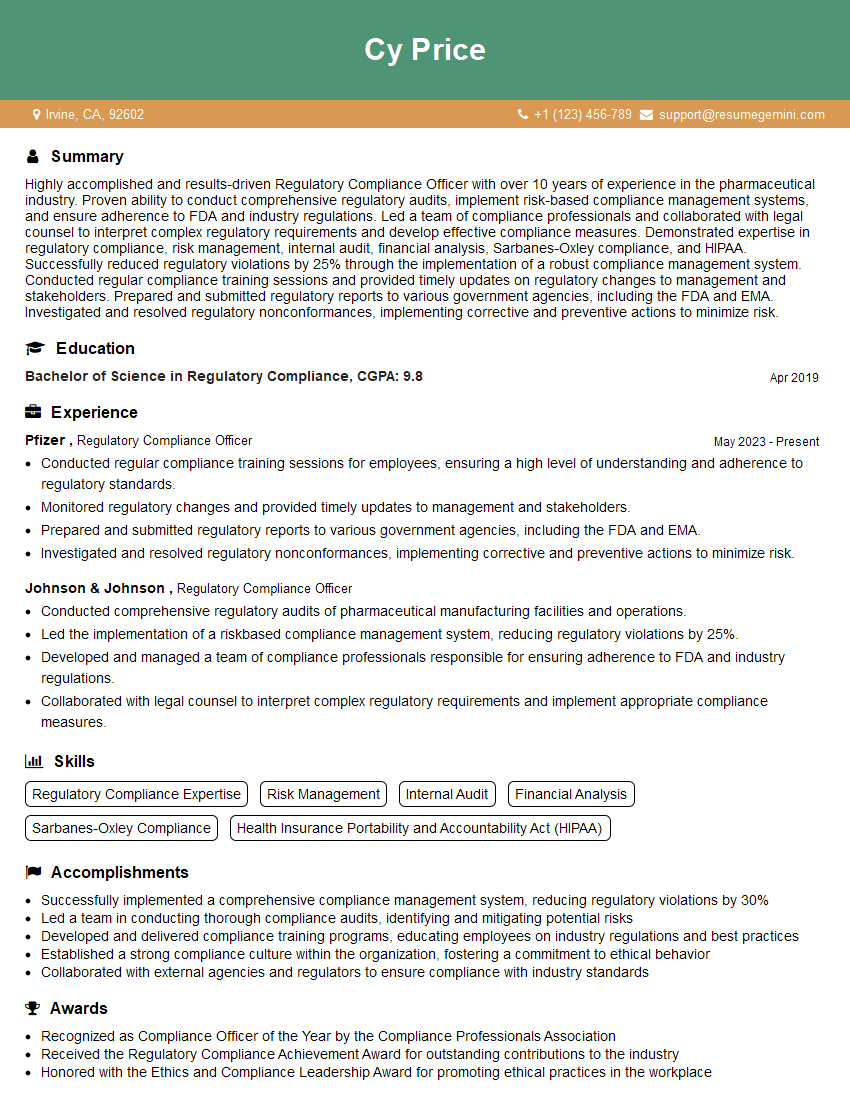
Regulatory Compliance Officer Resume Sample
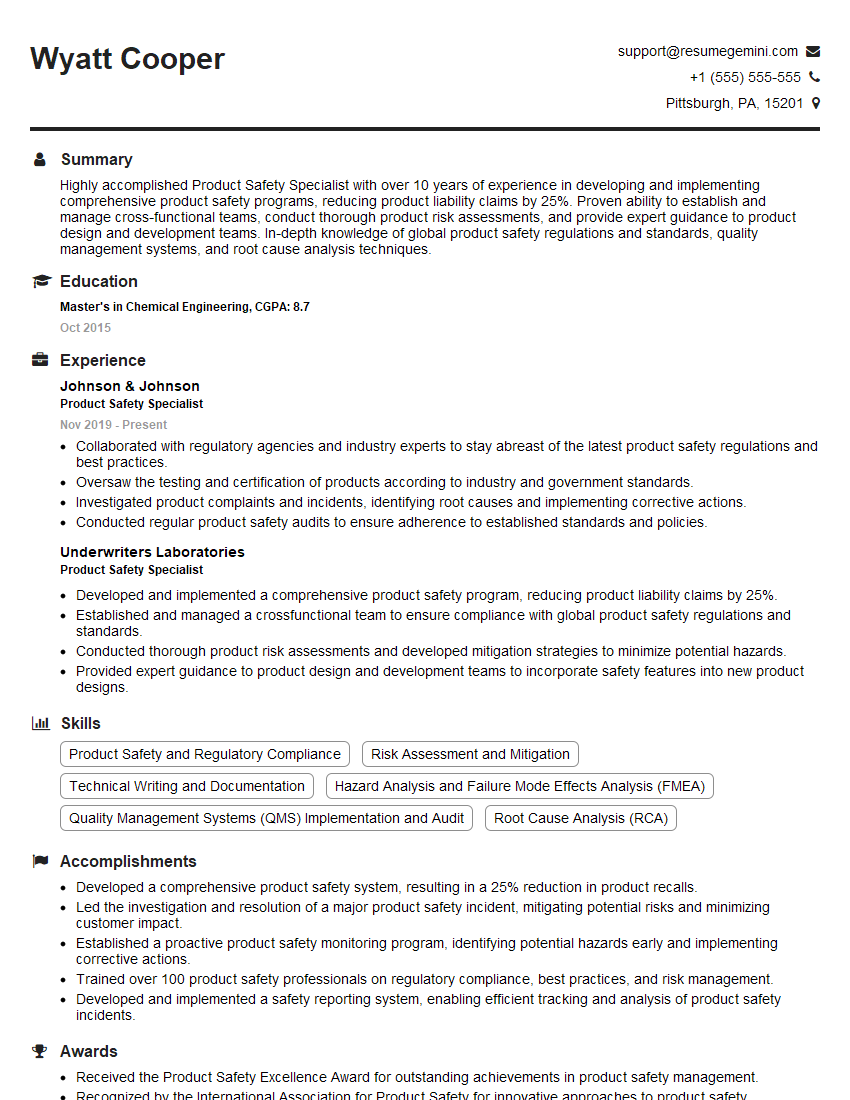
Product Safety Specialist Resume Sample
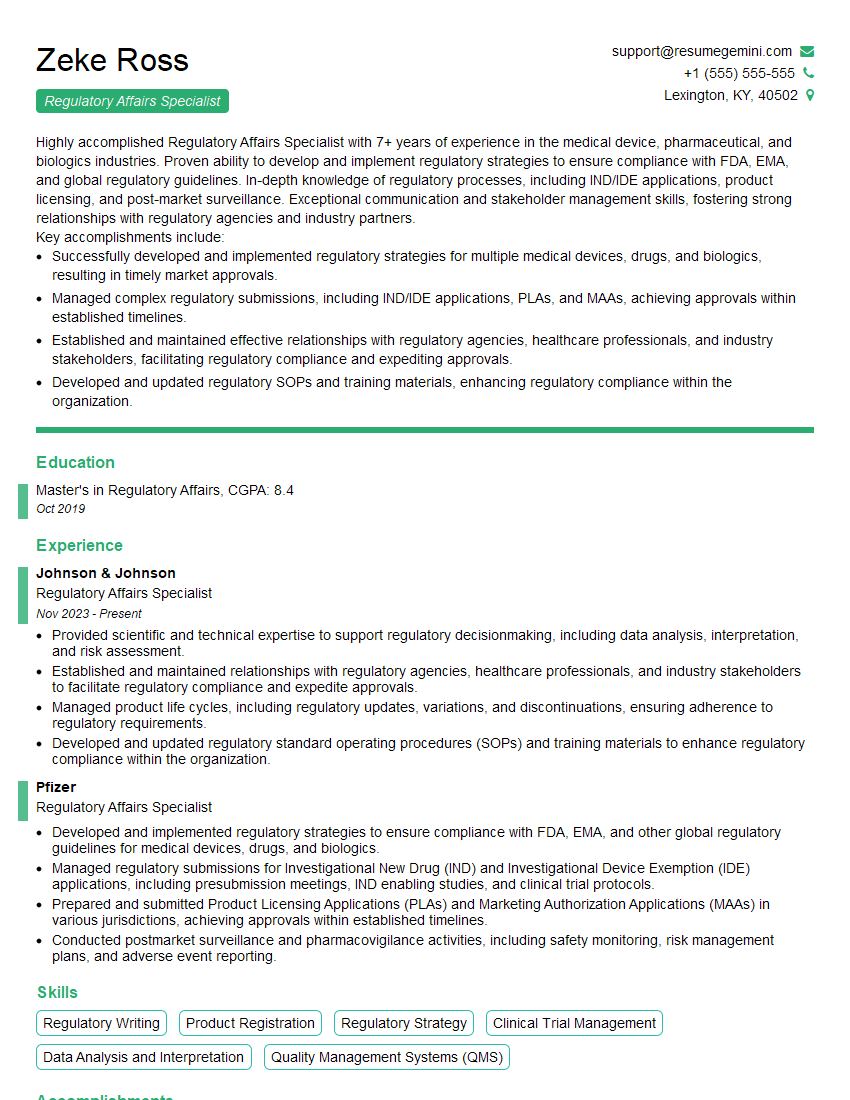
Regulatory Affairs Specialist Resume Sample
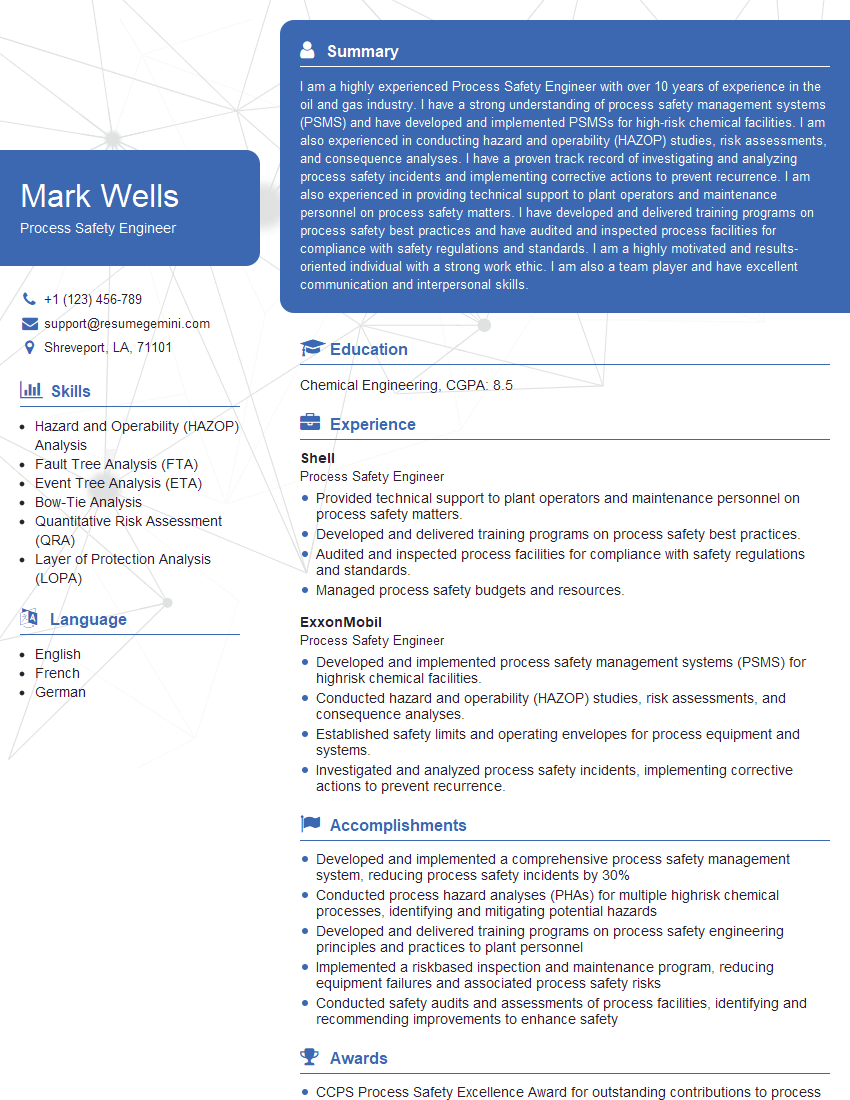
Process Safety Engineer Resume Sample
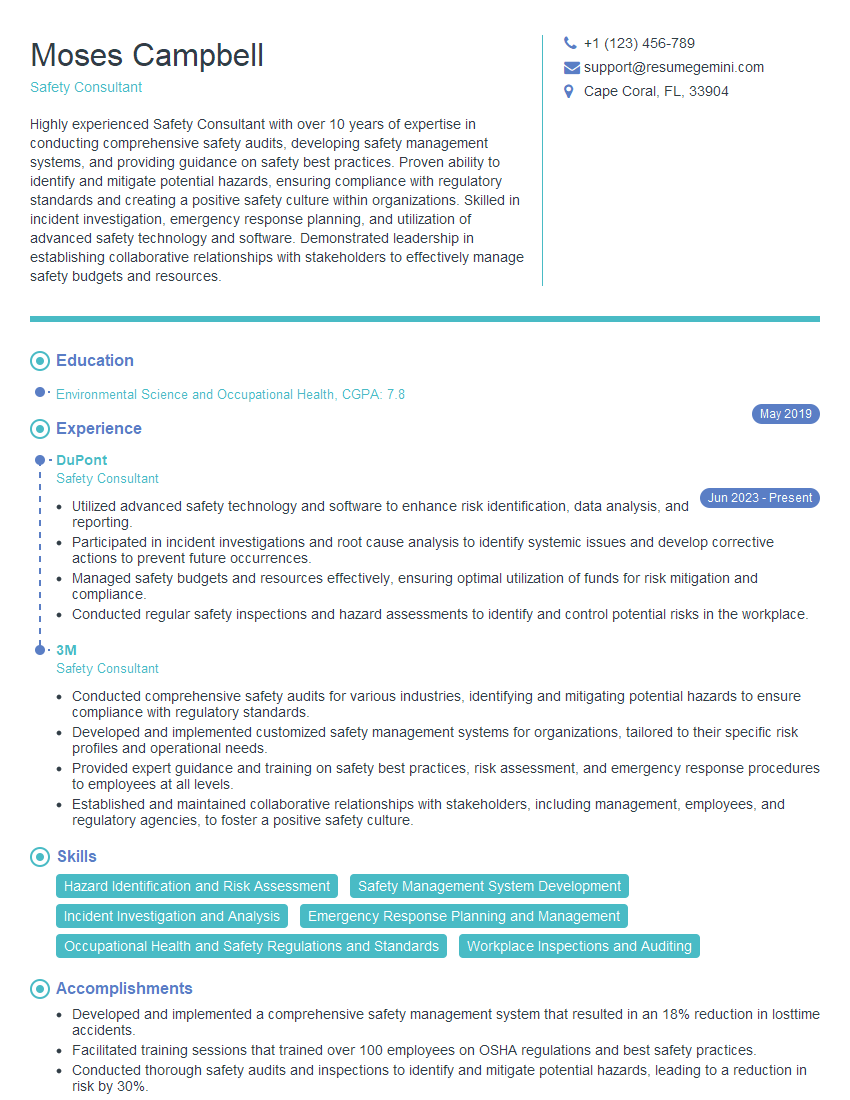
Safety Consultant Resume Sample

Safety Engineer Resume Sample
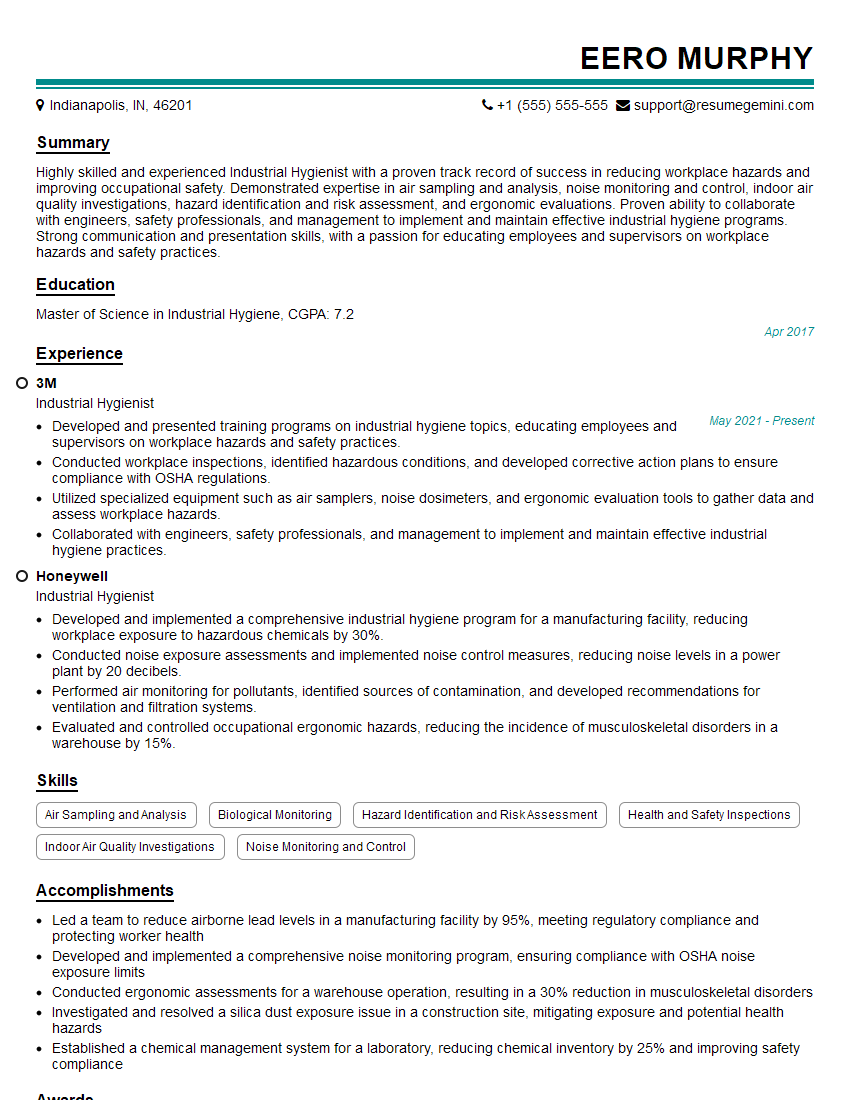
Industrial Hygienist Resume Sample
Explore more articles
Users Rating of Our Blogs
Share Your Experience
We value your feedback! Please rate our content and share your thoughts (optional).
What Readers Say About Our Blog
Very informative content, great job.
good