Are you ready to stand out in your next interview? Understanding and preparing for Museum Relations interview questions is a game-changer. In this blog, we’ve compiled key questions and expert advice to help you showcase your skills with confidence and precision. Let’s get started on your journey to acing the interview.
Questions Asked in Museum Relations Interview
Q 1. Describe your experience in building and maintaining relationships with key stakeholders in a museum setting.
Building and maintaining relationships with key stakeholders in a museum is crucial for its success. It requires a multifaceted approach, focusing on consistent communication, understanding individual needs, and demonstrating mutual value. My experience encompasses collaborating with diverse groups, including board members, donors, staff, volunteers, community leaders, and government officials.
Board Members: I foster open communication, providing regular updates on museum performance and strategic initiatives. I actively solicit their feedback and involve them in decision-making processes, ensuring their investment feels valued.
Donors: I cultivate strong relationships by acknowledging their contributions, providing personalized updates on how their donations are impacting the museum, and inviting them to exclusive events. This builds loyalty and encourages continued support.
Staff and Volunteers: I prioritize clear communication and appreciation, fostering a collaborative and supportive environment. Regular team meetings, recognition programs, and opportunities for professional development are essential.
Community: I actively engage with the community through public programs, outreach initiatives, and partnerships with local organizations, ensuring the museum remains relevant and accessible.
For example, at the City Museum, I successfully spearheaded a campaign to increase community engagement by partnering with local schools, resulting in a 25% increase in family visits.
Q 2. Explain your understanding of the different fundraising strategies employed by museums.
Museum fundraising employs a diverse range of strategies tailored to specific goals and audience segments. These strategies can be broadly categorized as:
Individual Giving: This involves cultivating relationships with individual donors, ranging from small gifts to major donations. Strategies include direct mail solicitations, email campaigns, personal outreach, and donor cultivation events.
Corporate Sponsorship: Securing funding from corporations in exchange for branding opportunities and recognition. This often involves crafting tailored proposals demonstrating the mutual benefits of the partnership.
Foundation Grants: Applying for grants from private and public foundations. This requires meticulous research, compelling proposals, and a deep understanding of the foundation’s priorities.
Government Funding: Seeking funding from local, state, or federal government agencies. This often involves navigating complex application processes and demonstrating alignment with government objectives.
Membership Programs: Creating tiered membership programs that offer varying benefits in exchange for annual dues. This provides a sustainable stream of income and strengthens community engagement.
Special Events: Organizing fundraising events such as galas, auctions, and benefit concerts. These events provide opportunities for networking, donor cultivation, and revenue generation.
Endowment Building: Developing an endowment fund that generates a steady stream of income to support museum operations and programs. This involves long-term strategies for attracting and managing major gifts.
A successful fundraising strategy requires a diversified approach, leveraging multiple channels to maximize income and minimize reliance on any single source.
Q 3. How would you measure the success of a museum’s public relations campaign?
Measuring the success of a museum’s public relations campaign requires a multi-pronged approach, focusing on both quantitative and qualitative metrics. Key indicators include:
Increased website traffic and social media engagement: Monitoring website analytics and social media metrics (likes, shares, comments) to gauge audience reach and interest.
Improved media coverage: Tracking the number and tone of media mentions, assessing the overall positive sentiment towards the museum.
Increased visitor attendance: Comparing attendance figures before and after the campaign to assess its impact on visitor numbers.
Enhanced brand awareness and reputation: Conducting surveys or focus groups to measure changes in public perception and brand awareness.
Growth in membership and donations: Analyzing membership applications and donation levels to determine the campaign’s effect on revenue generation.
For instance, a successful campaign might demonstrate a 20% increase in website traffic, a 15% rise in visitor attendance, and a positive shift in media sentiment, reflecting improved public perception.
Q 4. What is your experience with grant writing and proposal development for museums?
My experience in grant writing and proposal development for museums involves extensive research, strategic planning, and compelling storytelling. I’m adept at identifying relevant funding opportunities, crafting persuasive narratives that highlight the museum’s mission and impact, and meeting stringent grant application requirements.
Research: I meticulously research potential funding sources, aligning the museum’s needs with grant-maker priorities.
Proposal Development: I craft compelling proposals that clearly articulate the museum’s mission, project goals, budget, evaluation plan, and anticipated impact.
Budgeting: I develop detailed and accurate budgets, demonstrating responsible fiscal management.
Collaboration: I work collaboratively with museum staff to gather necessary information and ensure alignment with organizational goals.
Follow-up: I maintain consistent communication with grant-makers, submitting required reports and maintaining strong relationships.
In my previous role, I secured a $500,000 grant from the National Endowment for the Humanities to support a major exhibition on American art.
Q 5. Describe your experience in managing museum memberships and donor databases.
Managing museum memberships and donor databases requires proficiency in database management systems, data analysis, and customer relationship management (CRM). My experience includes:
Database Management: Utilizing CRM software (e.g., Raiser’s Edge, DonorPerfect) to maintain accurate records of members and donors, track engagement, and segment audiences for targeted communications.
Data Analysis: Analyzing data to identify trends, assess the effectiveness of membership and fundraising programs, and inform strategic decision-making.
Membership Recruitment and Retention: Developing and implementing strategies to attract new members, retain existing members, and upgrade membership levels.
Donor Cultivation: Cultivating relationships with donors through personalized communications, recognition programs, and exclusive events.
Reporting and Analytics: Generating regular reports to track key performance indicators (KPIs) such as membership growth, donor retention, and fundraising revenue.
For example, by implementing a new CRM system and targeted marketing campaigns, I improved membership retention by 15% at the Art Museum.
Q 6. How do you cultivate relationships with corporate sponsors and foundations?
Cultivating relationships with corporate sponsors and foundations requires a strategic approach that emphasizes mutual benefit and transparency. My experience involves:
Identifying Potential Partners: Researching corporations and foundations whose missions and values align with the museum’s objectives.
Developing Compelling Proposals: Crafting proposals that clearly articulate the value proposition for potential sponsors, highlighting the benefits of partnership.
Building Relationships: Establishing personal connections with key decision-makers through networking events, meetings, and ongoing communication.
Negotiating Partnerships: Negotiating mutually beneficial agreements that define the scope of sponsorship, deliverables, and recognition.
Managing Relationships: Maintaining consistent communication, providing regular updates, and acknowledging sponsors’ contributions.
A successful approach emphasizes creating win-win scenarios, showcasing how a partnership can enhance the sponsor’s brand image while supporting the museum’s mission. At the Science Museum, I successfully secured a multi-year sponsorship from a technology company, resulting in a significant contribution to our educational programs.
Q 7. How would you manage a crisis situation involving negative media coverage of the museum?
Managing a crisis situation involving negative media coverage requires a swift, decisive, and transparent response. My approach involves:
Rapid Assessment: Quickly assess the situation, identifying the source of the negative coverage and its potential impact on the museum’s reputation.
Crisis Communication Team: Assemble a crisis communication team composed of key personnel to coordinate the response.
Damage Control: Develop a communication strategy to address the negative coverage, correcting inaccuracies and providing a clear and concise explanation of the situation.
Media Engagement: Proactively engage with the media, providing accurate information and cooperating with journalists’ requests for comment.
Transparency: Be open and honest about the situation, acknowledging mistakes and outlining steps taken to address the issue.
Monitoring: Continuously monitor media coverage and public sentiment, adjusting the communication strategy as needed.
The goal is to mitigate damage, restore public trust, and prevent further negative consequences. In a past role, I successfully managed a crisis involving an accidental damage to a valuable artifact, minimizing reputational damage through quick action and open communication with stakeholders and the media.
Q 8. How familiar are you with different museum accreditation standards?
Museum accreditation standards are crucial for ensuring quality and maintaining public trust. My familiarity encompasses the standards set by organizations like the American Alliance of Museums (AAM) in the US, and similar bodies internationally. These standards typically cover areas like collections care, governance, financial stability, education programs, and community engagement. The AAM’s standards, for example, are a comprehensive framework that assesses a museum’s overall operations, demanding rigorous documentation and adherence to best practices across multiple departments. I understand the meticulous nature of the application process, including the self-study phase and the on-site peer review. I’ve been involved in supporting several museums through various stages of accreditation, advising on policy revisions, developing documentation systems, and conducting internal reviews to ensure compliance. This includes helping institutions address areas needing improvement and strategizing for long-term success in meeting and exceeding these crucial standards.
Q 9. Describe your experience in planning and executing museum special events.
Planning and executing museum special events requires a blend of creative vision and meticulous logistical management. My experience spans a wide range of events, from gala dinners and fundraising auctions to family festivals and educational workshops. For instance, I orchestrated a highly successful fundraising gala for a historical society, securing sponsorships, managing guest lists, overseeing catering and entertainment, and ensuring smooth logistical flow throughout the evening, resulting in a significant increase in donations. Another project involved the development and implementation of a series of family-friendly events to increase community engagement. This involved crafting engaging themes, coordinating with various departments, managing volunteers, and carefully tracking attendance and feedback to measure success. I approach each event with a structured planning process, encompassing budget management, risk assessment, marketing & promotion, volunteer coordination, and post-event evaluation, ensuring every detail contributes to a memorable and impactful experience.
Q 10. What is your understanding of museum best practices for community engagement?
Museum best practices for community engagement emphasize building meaningful relationships and creating inclusive experiences. It goes beyond simply attracting visitors; it’s about fostering a sense of ownership and relevance within the community. This involves actively seeking feedback from diverse groups, adapting programs to reflect community needs and interests, and offering accessible and equitable opportunities for participation. Effective community engagement might include developing partnerships with local schools and community organizations, creating participatory exhibitions, offering bilingual programs, implementing inclusive accessibility measures, and hosting community forums for dialogue. I’ve witnessed firsthand the transformative power of collaborative projects, such as a museum exhibit developed in partnership with a local immigrant community, showcasing their history and culture. This participatory approach enhanced authenticity, deepened community connections, and significantly increased visitation from under-represented groups.
Q 11. Explain your experience with developing marketing materials for museums.
Developing effective marketing materials for museums requires a keen understanding of the target audience and a creative approach to storytelling. My experience includes creating brochures, website content, social media campaigns, press releases, and email newsletters. I’ve developed materials for diverse audiences, from children to adult academics, focusing on clear messaging, compelling visuals, and effective calls-to-action. For example, I designed a social media campaign for a science museum that used captivating images and videos to highlight interactive exhibits, attracting younger audiences and boosting engagement. I’m adept at leveraging digital platforms to reach broader audiences, and I always prioritize data-driven decision making, tracking website analytics and social media engagement to optimize marketing efforts. I believe in a multi-channel strategy that effectively combines traditional and digital tactics to maximize reach and impact.
Q 12. How would you assess the effectiveness of a museum’s educational programs?
Assessing the effectiveness of museum educational programs requires a multi-faceted approach. It’s not enough to simply count attendees; we need to measure learning outcomes and assess impact. This involves using a mix of quantitative and qualitative methods. Quantitative data might include pre- and post-program assessments, attendance records, and satisfaction surveys. Qualitative data can come from observations, focus groups, interviews with educators and participants, and informal feedback. For instance, I’ve worked with museums to develop robust evaluation frameworks that incorporate both pre- and post-tests to measure knowledge gain in specific subject areas. Analyzing this data helps pinpoint areas of strength and weakness, providing valuable insights for program improvement and future planning. Ultimately, the goal is to understand how well the program is meeting its learning objectives and contributing to the overall mission of the museum.
Q 13. Describe your experience working with volunteers in a museum setting.
Working with volunteers is an essential aspect of museum operations, and I have extensive experience in this area. Successful volunteer management involves clear communication, effective training, and appreciation for their contributions. I’ve developed comprehensive volunteer training programs covering various roles and responsibilities, from docents and educators to event support staff. Creating a welcoming and supportive environment is critical, so I prioritize regular communication and opportunities for feedback. In one instance, I led a team of volunteers who assisted with a major exhibition installation. I organized them into smaller, well-defined teams, provided comprehensive training, and ensured clear lines of communication. This resulted in a smooth and efficient installation process. I also always recognize and appreciate their contributions to ensure their continued engagement and dedication.
Q 14. How do you manage competing priorities and deadlines in a fast-paced museum environment?
Managing competing priorities and deadlines in a fast-paced museum environment requires strong organizational skills and a proactive approach. I utilize project management techniques like prioritization matrices and Gantt charts to visualize timelines and allocate resources effectively. I focus on clear communication, ensuring everyone on the team understands priorities and deadlines. Proactive problem-solving is crucial; I anticipate potential challenges and develop contingency plans to minimize disruptions. For example, during a major renovation project, I successfully managed multiple contractors and timelines, using a collaborative project management approach to resolve conflicts and ensure the project stayed on track. Flexibility and adaptability are essential to navigate unexpected events, so I always stay open to adjusting plans when necessary to meet the overall goals.
Q 15. What is your approach to building relationships with museum trustees and board members?
Building strong relationships with museum trustees and board members is crucial for securing funding, advocating for the institution, and ensuring its long-term success. My approach is multifaceted and centers around consistent, transparent communication and demonstrating a deep understanding of their interests and priorities.
- Proactive Communication: I regularly brief trustees on key initiatives, upcoming projects, and the museum’s overall performance, utilizing various communication channels like email updates, quarterly reports, and in-person meetings.
- Personalized Engagement: I strive to understand each trustee’s individual passions and areas of expertise, tailoring my communication to resonate with their specific interests. For example, a trustee passionate about conservation might receive detailed updates on preservation projects, while another interested in community outreach might be briefed on education program successes.
- Seeking Input and Collaboration: I actively solicit feedback and input from trustees on strategic decisions, ensuring they feel valued and invested in the museum’s direction. This collaborative approach fosters trust and mutual respect.
- Building Trust Through Transparency: Open and honest communication, including both successes and challenges, is essential in building strong, lasting relationships. This transparency helps create a sense of shared purpose and strengthens the bond between the museum and its board.
- Strategic Relationship Building: I would plan regular social events and meetings, both formal and informal, to strengthen connections and cultivate relationships beyond the confines of board meetings. This could include museum events, dinners, or even casual coffee chats to foster a more personal connection.
For instance, during my time at the City Museum, I cultivated a close relationship with a trustee passionate about local history by involving her in the development of a new exhibit on the city’s founding. Her insights proved invaluable, and her subsequent advocacy secured significant funding for the project.
Career Expert Tips:
- Ace those interviews! Prepare effectively by reviewing the Top 50 Most Common Interview Questions on ResumeGemini.
- Navigate your job search with confidence! Explore a wide range of Career Tips on ResumeGemini. Learn about common challenges and recommendations to overcome them.
- Craft the perfect resume! Master the Art of Resume Writing with ResumeGemini’s guide. Showcase your unique qualifications and achievements effectively.
- Don’t miss out on holiday savings! Build your dream resume with ResumeGemini’s ATS optimized templates.
Q 16. How would you manage conflict between different departments within a museum?
Managing conflict between museum departments requires a diplomatic, solutions-oriented approach focused on collaboration and clear communication. Ignoring conflict rarely resolves it; instead, it often festers and impacts productivity and morale. My strategy involves:
- Identifying the Root Cause: The first step is to understand the underlying issue fueling the conflict. This often requires active listening to all parties involved and seeking to understand their perspectives, rather than immediately jumping to conclusions.
- Facilitating Dialogue: I would organize a facilitated meeting involving all relevant parties to encourage open discussion and identify common ground. The goal is not to assign blame, but to find mutually acceptable solutions.
- Establishing Clear Roles and Responsibilities: Conflicts sometimes stem from unclear departmental boundaries or overlapping responsibilities. Clarifying roles and expectations can mitigate future disputes.
- Implementing Conflict Resolution Strategies: Depending on the nature of the conflict, I might utilize mediation techniques, encourage compromise, or implement collaborative problem-solving strategies. For example, if the conflict stems from resource allocation, I’d facilitate a discussion around priorities and budget reallocation.
- Documenting Agreements: Once a solution is reached, it’s crucial to document it in writing to ensure clarity and accountability. This could be a simple email summary or a more formal agreement depending on the complexity of the situation.
In a past role, a conflict arose between the education and curatorial departments over the use of artifacts for a new children’s program. Through facilitated discussions, we found a compromise that allowed the use of certain artifacts while ensuring their preservation. The outcome was a successful program and improved interdepartmental relationships.
Q 17. How familiar are you with museum collections management best practices?
I am deeply familiar with museum collections management best practices, encompassing all aspects from acquisition and cataloging to preservation and access. These practices are essential for ensuring the long-term survival and accessibility of museum collections. My knowledge covers:
- Acquisition Policies and Procedures: Understanding ethical sourcing, due diligence, and proper documentation processes for new acquisitions.
- Cataloging and Documentation: Proficiency in using collections management software (such as PastPerfect, TMS, or CollectionSpace) to create comprehensive and accurate records of each artifact, including detailed descriptions, provenance information, and condition reports.
- Preservation and Conservation: Knowledge of environmental controls, storage techniques, and preventative conservation methods to protect collections from deterioration.
- Disaster Preparedness and Recovery: Developing and implementing plans to protect collections during emergencies and efficiently recover artifacts after a disaster.
- Access and Deaccessioning: Understanding policies and procedures for providing appropriate access to collections for research, exhibitions, and loans, as well as responsible deaccessioning practices.
For example, I implemented a new digital cataloging system at a previous museum, significantly improving access to collection information for researchers and staff. This involved training staff, data migration, and ongoing system maintenance.
Q 18. Explain your experience with developing budgets for museum projects.
Developing museum project budgets requires careful planning, detailed cost analysis, and a deep understanding of funding sources. My experience involves:
- Needs Assessment: Clearly defining project goals, scope, and deliverables to accurately estimate resource needs.
- Cost Estimation: Breaking down project costs into detailed line items, including personnel, materials, equipment, travel, and contingency funds.
- Funding Strategy: Identifying potential funding sources, such as grants, sponsorships, individual donations, and government funding, and developing compelling grant proposals.
- Budget Monitoring and Reporting: Tracking project expenditures, comparing them against the budget, and providing regular reports to stakeholders on progress and financial performance.
- Contingency Planning: Building in contingency funds to address unexpected costs or delays.
For example, I successfully secured a $500,000 grant for a major exhibition by developing a meticulously detailed budget and a persuasive grant proposal that clearly articulated the project’s value and impact. This involved demonstrating a clear understanding of the grant’s requirements and presenting the proposal in a compelling and easy-to-understand format.
Q 19. How would you evaluate the impact of a museum’s outreach programs?
Evaluating the impact of a museum’s outreach programs requires a multi-pronged approach that goes beyond simple attendance figures. It involves a combination of quantitative and qualitative data to gain a comprehensive understanding of the programs’ effectiveness.
- Quantitative Data: This includes tracking attendance numbers, website traffic, social media engagement, program participation rates, and pre- and post-program surveys to measure changes in knowledge, attitudes, or behaviors.
- Qualitative Data: Gathering feedback through focus groups, interviews, and open-ended survey questions to gain deeper insights into participants’ experiences and perceptions.
- Community Impact Assessment: Measuring the programs’ contribution to community development, social inclusion, or economic growth. This could involve conducting interviews with community stakeholders or analyzing media coverage.
- Long-Term Impact: Monitoring the sustained effects of outreach programs over time. Did increased program attendance translate into future museum visits or support?
For instance, we evaluated the impact of a new school program by measuring student knowledge gain through pre- and post-tests, assessing teacher feedback through surveys, and analyzing changes in student visits to the museum over the following year. These combined measures gave us a clear picture of the program’s success.
Q 20. What software and technologies are you proficient in for museum relations?
Proficiency in various software and technologies is crucial for effective museum relations. I am proficient in:
- Collections Management Systems (CMS): Such as PastPerfect, TMS, and CollectionSpace for managing museum collections, including cataloging, inventory control, and condition reporting.
- Customer Relationship Management (CRM) Software: Such as Salesforce or DonorPerfect for managing donor information, tracking donations, and facilitating communication with stakeholders.
- Data Analysis Software: Such as Microsoft Excel and SPSS for analyzing data from outreach programs and other museum initiatives to assess impact and effectiveness.
- Project Management Software: Such as Asana or Trello for coordinating projects, managing tasks, and tracking progress.
- Communication Platforms: Email marketing platforms (Mailchimp, Constant Contact), social media management tools (Hootsuite, Buffer), and video conferencing software (Zoom, Google Meet).
My experience in leveraging these technologies has enabled me to streamline processes, enhance communication, and improve decision-making within the museum setting.
Q 21. How would you handle a situation where a donor is unhappy with the museum?
Handling an unhappy donor requires a calm, empathetic, and proactive approach centered on understanding their concerns and finding a mutually satisfactory resolution. My strategy would involve:
- Active Listening: First and foremost, I would listen attentively to the donor’s concerns without interruption. This demonstrates respect and shows I am taking their feedback seriously.
- Empathy and Validation: I would acknowledge their feelings and validate their concerns, even if I don’t agree with them. This builds trust and shows I understand their perspective.
- Investigation and Clarification: I would investigate the situation thoroughly to understand the root cause of their dissatisfaction. This might involve reviewing relevant documents, talking to staff involved, and gathering information.
- Proposed Solutions: Based on the investigation, I would propose a range of solutions to address the donor’s concerns, from offering a sincere apology to implementing changes in museum practices.
- Follow-Up: Following the resolution, I would maintain regular communication with the donor to ensure their satisfaction and rebuild the relationship.
In a previous situation, a donor was unhappy with the lack of recognition for their contribution. By actively listening, acknowledging their concerns, and implementing a revised recognition policy, I was able to repair the relationship and regain their trust. A thoughtful response, even if it only involves a simple explanation, can go a long way.
Q 22. Describe your experience in managing media inquiries related to museum exhibitions.
Managing media inquiries for museum exhibitions requires a proactive and organized approach. It’s about building relationships with journalists and crafting compelling narratives that highlight the exhibition’s significance and attract public interest. My experience involves developing media kits with high-resolution images, press releases tailored to different media outlets, and establishing clear communication channels for timely responses.
For example, during the launch of a major Impressionist exhibition, I proactively pitched stories to art critics, lifestyle magazines, and local news channels, emphasizing different aspects relevant to each audience. One story focused on the historical context, another on the conservation efforts, and a third on the exhibition’s family-friendly activities. This multi-pronged strategy resulted in broad media coverage across various platforms, significantly boosting attendance.
Furthermore, I’m adept at handling sensitive inquiries, ensuring accuracy and maintaining the museum’s reputation. I understand the importance of responding quickly and professionally, even to negative press, always striving for open communication and transparency.
Q 23. What strategies would you employ to increase museum attendance?
Increasing museum attendance requires a multifaceted strategy focusing on audience engagement and accessibility. It’s not just about attracting visitors; it’s about creating a compelling experience that keeps them coming back. My approach involves several key strategies:
- Targeted Marketing Campaigns: Utilizing social media, email marketing, and collaborations with local businesses to reach specific demographics. For example, a family-focused campaign might highlight children’s programs, while an art enthusiast campaign would emphasize exclusive events and workshops.
- Enhanced Visitor Experience: Improving website accessibility, offering diverse programming (lectures, workshops, film screenings), and ensuring a welcoming and user-friendly environment within the museum itself. This might include improved signage, comfortable seating, and interactive exhibits.
- Community Engagement: Building partnerships with community organizations, schools, and local businesses to create a sense of ownership and belonging. This fosters a strong local support base, bringing in new audiences through outreach and collaborative events.
- Special Exhibitions and Events: Organizing temporary exhibitions that generate buzz and draw large crowds, coupled with special events like gala evenings or themed nights, enhances the museum’s appeal and provides unique experiences.
The key is data-driven decision making. Tracking website analytics, social media engagement, and visitor feedback allows for continuous improvement and optimization of these strategies.
Q 24. Explain your approach to creating an effective museum communications plan.
An effective museum communications plan is a roadmap for conveying the museum’s mission, exhibitions, and programs to diverse audiences. It requires a thorough understanding of the target audiences, their needs, and preferred communication channels. My approach is to develop a plan based on the following:
- Audience Segmentation: Identifying key audiences (e.g., families, students, art enthusiasts) and tailoring messaging to resonate with each group.
- Key Messaging: Crafting compelling narratives that highlight the museum’s unique selling points and engage the target audience. This includes a clear articulation of the museum’s mission and vision.
- Channel Strategy: Choosing the most effective communication channels (website, social media, email, press releases, public relations) based on the audience and campaign goals.
- Content Calendar: Developing a schedule for releasing content, ensuring consistency and relevance. This also includes planning for potential crises and how to address them.
- Measurement and Evaluation: Establishing metrics to track the success of the communications plan, allowing for adjustments and improvements based on data analysis.
For instance, a communications plan for a new archaeology exhibition might involve targeted social media campaigns using relevant hashtags, collaborations with local history groups, and press releases highlighting unique artifacts. The success of this plan would then be measured by website traffic, social media engagement, and ultimately, exhibition attendance.
Q 25. How would you develop a strategic plan for museum fundraising?
Developing a strategic fundraising plan for a museum requires a comprehensive understanding of its financial needs and potential funding sources. It’s a long-term strategy involving diverse approaches.
- Needs Assessment: Defining specific fundraising goals, outlining the museum’s financial needs (e.g., operational costs, capital projects, endowment building), and identifying potential funding gaps.
- Diversification of Funding Sources: Exploring a variety of funding avenues, including individual giving (annual fund, major gifts), corporate sponsorships, grants (government, private foundations), and endowment growth.
- Donor Cultivation and Stewardship: Building strong relationships with existing and potential donors through personalized communication, recognition events, and meaningful engagement opportunities. This includes thanking donors appropriately and providing regular updates on how their contributions are being used.
- Grant Writing and Proposal Development: Crafting compelling grant proposals that clearly articulate the museum’s mission, the project’s goals, and the impact of the funding. This requires meticulous research and adherence to specific grant guidelines.
- Fundraising Events: Organizing high-profile fundraising events (e.g., galas, auctions) to engage donors and generate substantial revenue.
A successful plan involves regular review and adaptation based on the results of fundraising activities and changes in the museum’s needs and the overall funding landscape.
Q 26. How familiar are you with the legal and ethical considerations related to museum collections?
I am very familiar with the legal and ethical considerations surrounding museum collections. This includes understanding and adhering to laws related to the acquisition, ownership, care, and loan of artifacts. Ethical considerations are paramount.
- Provenance Research: Thoroughly investigating the history of an object to ensure its legal acquisition and ethical handling. This includes verifying the object’s chain of ownership and identifying any potential issues related to cultural heritage repatriation.
- Repatriation: Understanding and adhering to international and national laws and ethical guidelines regarding the return of cultural artifacts to their countries of origin.
- Collection Management Policies: Implementing robust collection management policies that address conservation, access, storage, and ethical display practices. This includes documenting each object properly and ensuring its secure storage.
- Intellectual Property Rights: Respecting and protecting the intellectual property rights of artists, creators, and communities associated with the museum’s collections. This is crucial in areas like photography and digital reproductions.
- Transparency and Accountability: Maintaining transparency regarding the museum’s collection practices, including acquisitions, loans, and disposal of objects, and being accountable for any ethical breaches.
Ignorance of these legal and ethical considerations can lead to serious legal consequences and damage the museum’s reputation. Proactive measures are crucial.
Q 27. How would you approach creating a successful museum annual fund?
Creating a successful museum annual fund involves building a broad base of consistent support. It’s not just about raising money; it’s about building a community of engaged donors who believe in the museum’s mission.
- Donor Segmentation: Identifying different donor groups based on their giving history and potential. This allows for tailoring communications and solicitations.
- Compelling Case for Support: Articulating a clear and concise explanation of how the annual fund supports the museum’s core programs and its impact on the community.
- Multi-Channel Communication: Using various communication channels (mail, email, social media) to reach different donor segments with tailored messages.
- Donor Recognition and Stewardship: Regularly acknowledging and thanking donors for their contributions through personalized communication and recognition events.
- Cultivation and Solicitation Strategies: Developing specific strategies for cultivating relationships with potential donors and soliciting gifts at various levels.
An effective annual fund emphasizes the impact of individual gifts, highlighting how small contributions collectively contribute to the museum’s success. Building personal relationships with donors is key to fostering long-term support.
Q 28. Describe your experience in working with diverse teams and communities within a museum context.
Working with diverse teams and communities is fundamental to a successful museum. My experience involves fostering inclusive environments where everyone feels valued and respected. This includes active listening, creating opportunities for participation, and ensuring equitable representation.
For example, in developing a new exhibition on indigenous art, I worked closely with indigenous communities, ensuring their voices were central to the storytelling and exhibition design. This involved collaborative workshops, community consultations, and active participation in decision-making processes. It’s not just about displaying artifacts; it’s about creating authentic and respectful representations of cultures.
Furthermore, I believe in building a diverse team reflecting the community the museum serves. This creates a richer environment for collaboration, innovation, and the development of more inclusive and impactful programs. Providing opportunities for professional development and mentorship ensures all team members can reach their full potential and contribute their unique perspectives.
Key Topics to Learn for Museum Relations Interview
- Museum Audience Engagement: Understanding diverse visitor demographics, their needs and expectations, and crafting engaging experiences to foster connection and loyalty.
- Developing and Implementing Outreach Strategies: Creating and executing effective communication plans across multiple channels (social media, email marketing, public relations) to reach target audiences and promote museum programs and events. This includes measuring campaign success and adjusting strategies based on data analysis.
- Building and Maintaining Relationships: Cultivating strong relationships with community stakeholders, donors, sponsors, and media outlets to enhance the museum’s visibility and support.
- Fundraising and Grant Writing: Understanding fundraising principles, identifying potential funding sources, and crafting compelling grant proposals to secure financial resources for museum operations and initiatives.
- Event Planning and Management: Planning and executing successful museum events, from small gatherings to large-scale exhibitions, considering logistics, budgeting, and risk management.
- Marketing and Communications: Developing and executing effective marketing and communication strategies to promote the museum’s brand, exhibitions, and programs. This includes brand management, content creation, and media relations.
- Digital Museum Relations: Utilizing digital platforms and technologies to enhance visitor engagement, expand reach, and manage online presence effectively. This includes website management and social media strategies.
- Crisis Communication and Management: Developing and implementing strategies to address and mitigate potential crises that may impact the museum’s reputation or operations.
- Data Analysis and Reporting: Tracking key metrics to measure the effectiveness of museum relations initiatives and using data-driven insights to inform future strategies.
Next Steps
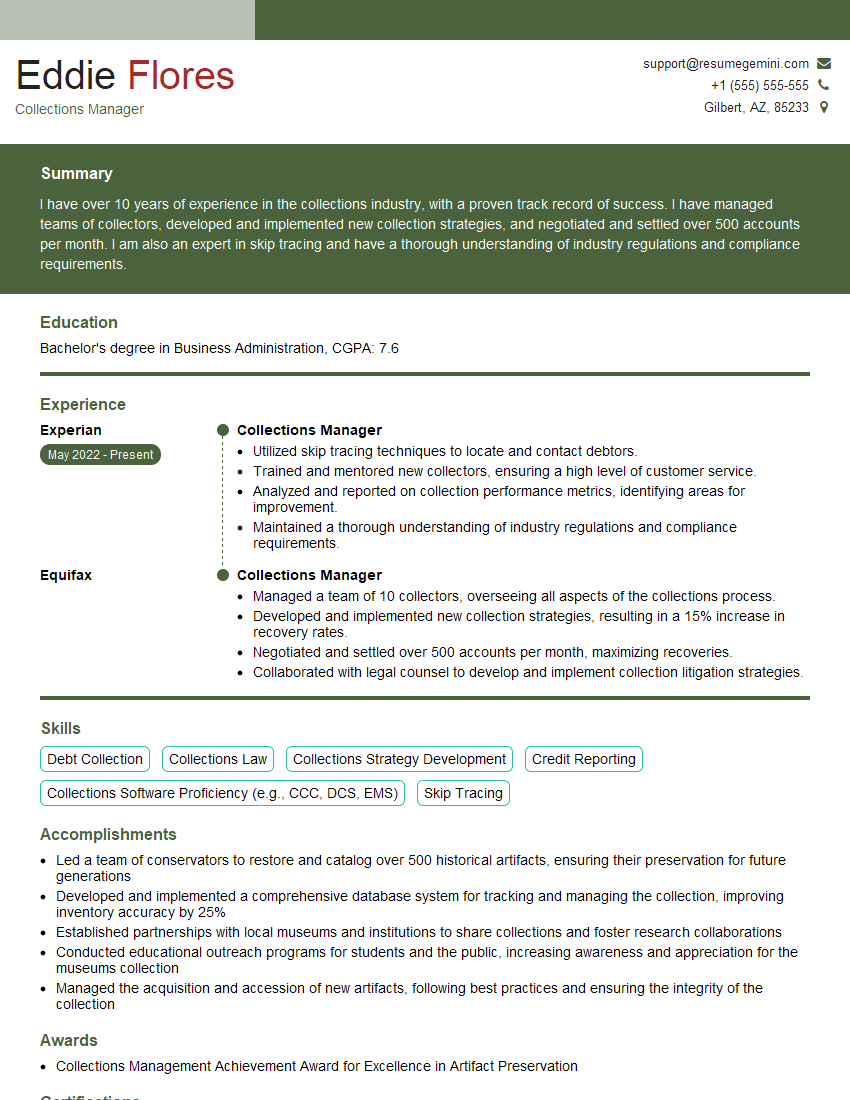
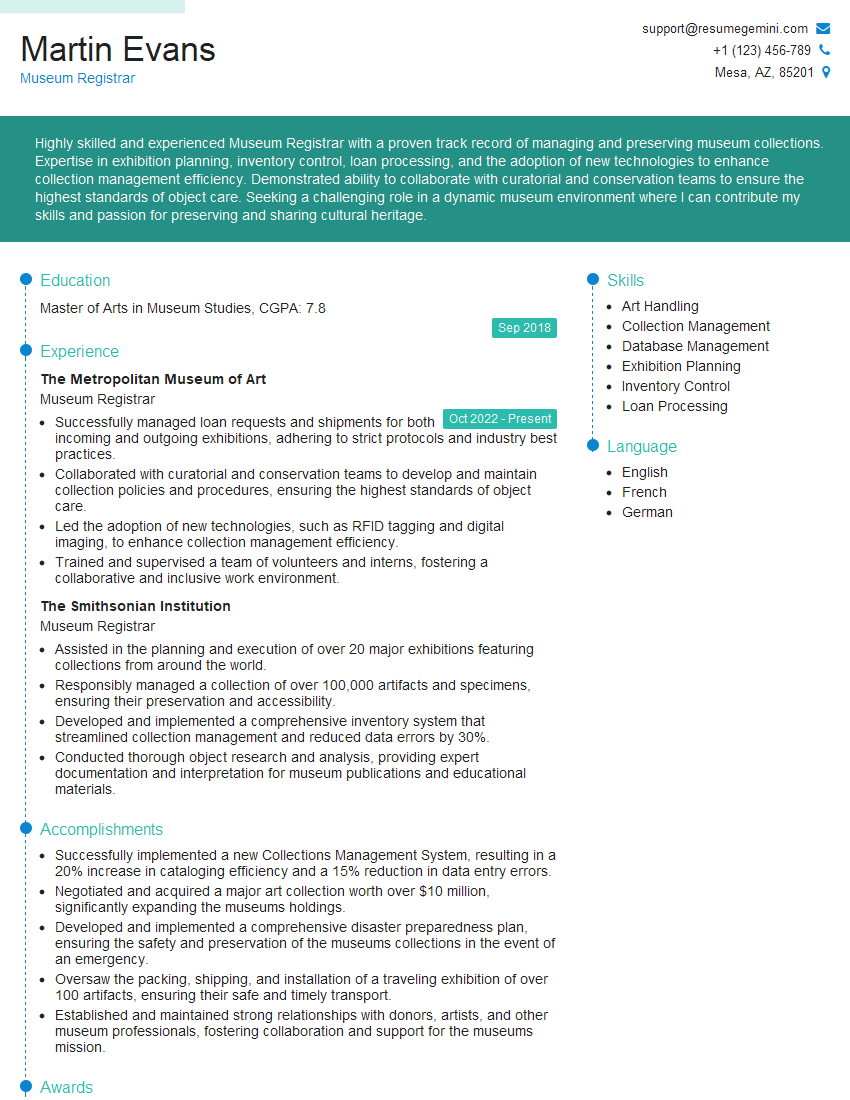
Mastering Museum Relations is crucial for career advancement in the cultural sector, opening doors to leadership roles and impactful contributions. A well-crafted, ATS-friendly resume is your key to unlocking these opportunities. To ensure your resume effectively showcases your skills and experience, we strongly encourage you to utilize ResumeGemini. ResumeGemini offers a powerful platform to build professional, impactful resumes, and we provide examples specifically tailored to Museum Relations to help you get started. Invest in your future – create a resume that makes you stand out!
Explore more articles
Users Rating of Our Blogs
Share Your Experience
We value your feedback! Please rate our content and share your thoughts (optional).
What Readers Say About Our Blog
Very informative content, great job.
good