The right preparation can turn an interview into an opportunity to showcase your expertise. This guide to National Fire Protection Association (NFPA) 704 interview questions is your ultimate resource, providing key insights and tips to help you ace your responses and stand out as a top candidate.
Questions Asked in National Fire Protection Association (NFPA) 704 Interview
Q 1. Explain the purpose and application of the NFPA 704 standard.
The NFPA 704 standard, also known as the Standard System for the Identification of the Hazards of Materials for Emergency Response, provides a standardized system for communicating the potential hazards of materials to emergency responders and other personnel. It uses a diamond-shaped label with four colored sections to quickly convey information about the material’s health, flammability, reactivity, and specific hazards. This allows first responders to quickly assess the risks involved in handling or encountering a hazardous material, improving their safety and effectiveness in emergency situations.
This system is applied to a wide range of materials, including chemicals, gases, and other hazardous substances, and is typically found on storage containers, transportation vehicles, and safety data sheets (SDS). The labels are crucial for emergency planning and response at industrial facilities, transportation hubs, and other locations where hazardous materials are handled.
Q 2. Describe the four diamond sections of the NFPA 704 label and their significance.
The NFPA 704 label is divided into four diamond-shaped sections, each representing a different hazard category:
- Blue (Health): This section indicates the potential health hazards associated with the material. A higher number means a greater health risk.
- Red (Flammability): This section describes the material’s flammability, or how easily it ignites and burns. A higher number indicates a greater fire hazard.
- Yellow (Instability/Reactivity): This section signifies the material’s instability or reactivity – its tendency to undergo hazardous chemical changes, such as explosions or decomposition.
- White (Special Hazards): This section uses symbols to indicate specific hazards not fully captured by the numerical ratings, such as oxidizers, water reactivity, or radioactivity.
Each section’s color and the number or symbol within it provide a quick visual assessment of the material’s hazards, aiding in immediate decision-making during emergencies.
Q 3. What are the numerical ratings within each diamond section of the NFPA 704 label, and what do they represent?
Each section of the NFPA 704 diamond uses a numerical rating scale from 0 to 4, with 0 representing no hazard and 4 representing the most severe hazard. Let’s break down each rating:
- 0: Minimal hazard
- 1: Slight hazard
- 2: Moderate hazard
- 3: Serious hazard
- 4: Severe hazard
For example, a ‘3’ in the red (flammability) section means the material is easily ignited and burns vigorously, requiring significant firefighting resources. A ‘1’ in the blue (health) section signifies a slight hazard to health, while a ‘4’ indicates a severe health risk, potentially fatal.
Q 4. How do you interpret a NFPA 704 label with a rating of 2-3-1-W?
A NFPA 704 label with a rating of 2-3-1-W indicates the following:
- 2 (Blue – Health): Moderate health hazard. Exposure may cause temporary incapacitation or residual injury unless prompt medical attention is given.
- 3 (Red – Flammability): Serious fire hazard. Liquids and solids can be ignited under almost all ambient temperature conditions.
- 1 (Yellow – Instability): Slight instability. Normally stable, but can become unstable at elevated temperatures and pressures.
- W (White – Special Hazard): Indicates that the material reacts violently with water. This is a critical piece of information for firefighters, as using water to extinguish a fire involving this material could worsen the situation.
This label warns responders of a moderate health hazard, a serious fire risk, slight instability issues, and a crucial warning about water reactivity. It requires a careful and informed response.
Q 5. Explain the meaning of the special hazard symbols used in NFPA 704.
The white diamond in the NFPA 704 system utilizes various symbols to denote specific hazards. Some common examples include:
- OX (Oxidizer): Indicates a material that readily yields oxygen to stimulate combustion.
- SA (Simple Asphyxiant): Signals a material that can displace oxygen, leading to asphyxiation.
- W (Water Reactive): Warns of a material’s violent reaction with water.
- COR (Corrosive): Denotes materials that cause visible destruction or irreversible alterations in living tissue.
These symbols, in conjunction with the numerical ratings, provide a comprehensive hazard profile. For instance, seeing ‘OX’ alongside a high flammability rating indicates an exceptionally dangerous fire hazard because the oxidizer intensifies the burning process.
Q 6. What are the limitations of the NFPA 704 system?
While invaluable, the NFPA 704 system has some limitations:
- Simplified Representation: It provides a simplified representation of complex hazards and doesn’t account for all potential risks. Specific chemical properties or toxicological effects may not be fully captured.
- Material Specificity: The rating applies to the specific material in its pure form. Mixtures or different concentrations of the same material can have varied hazard profiles.
- Contextual Dependence: The hazard posed by a material can change depending on the environment, temperature, pressure, and other conditions. The NFPA 704 label is a snapshot, not a complete picture.
- Lack of Detailed Information: It does not provide detailed information about safe handling procedures, first aid measures, or specific control measures.
Therefore, it should always be used in conjunction with a Safety Data Sheet (SDS) for a complete understanding of the material’s hazards and proper handling protocols.
Q 7. How does NFPA 704 relate to other safety standards or regulations?
NFPA 704 is integral to a broader safety framework, complementing other standards and regulations. It works in concert with:
- Safety Data Sheets (SDS): NFPA 704 labels provide a quick visual summary, while SDS documents offer detailed information about the material’s properties, hazards, and safe handling practices.
- OSHA (Occupational Safety and Health Administration) Regulations: OSHA regulations mandate the proper handling and labeling of hazardous materials, making NFPA 704 labels a key component in meeting these requirements.
- Emergency Response Plans: NFPA 704 labels are crucial for emergency planning and response, helping responders quickly identify and address hazards during incidents.
- Transportation Regulations (e.g., DOT): NFPA 704 labels frequently appear on shipping containers to inform transportation personnel about potential hazards during transit.
Essentially, NFPA 704 acts as a quick reference point integrated within a larger system of safety standards and procedures, contributing to a comprehensive approach to hazardous material management.
Q 8. How is the NFPA 704 system used in emergency response planning?
The NFPA 704 Standard, also known as the “Fire Diamond,” is crucial for emergency response planning because it provides a quick, visual summary of a material’s hazards. First responders can instantly identify the primary dangers – health, flammability, reactivity, and specific hazards – associated with a substance, allowing for swift and informed decision-making during an incident. This immediate information is critical in determining appropriate protective equipment, evacuation strategies, and containment procedures.
For example, seeing a high flammability rating (a large number in the red quadrant) would immediately alert firefighters to the need for aggressive fire suppression techniques and potentially greater distances for safe operation. Similarly, a high reactivity rating (yellow quadrant) might dictate a different approach to handling the material to prevent an uncontrolled reaction.
Q 9. Describe a scenario where you would use NFPA 704 information in your work.
In my work as a safety consultant, I frequently use NFPA 704 information during facility inspections. Recently, I assessed a chemical storage facility. By reviewing the NFPA 704 diamonds on each container, I could quickly identify potential hazards and assess the adequacy of current safety protocols. One particular chemical had a high reactivity rating and was stored too close to incompatible substances. This immediate visual assessment allowed me to recommend a significant rearrangement of the storage area to mitigate the risk of a dangerous reaction, a potentially life-threatening scenario.
Q 10. What are the differences between NFPA 704 and other hazard communication systems?
While both NFPA 704 and the Globally Harmonized System of Classification and Labelling of Chemicals (GHS) address chemical hazard communication, they serve different purposes and have distinct characteristics. NFPA 704 is a concise, visual system primarily intended for emergency responders and first aid providers. It uses a diamond-shaped symbol with four quadrants and numerical ratings for quick hazard identification. In contrast, GHS is a more comprehensive system designed for broader worker protection. It relies on detailed Safety Data Sheets (SDS) and standardized labels providing detailed information on hazards, safe handling procedures, and protective measures. NFPA 704 might offer a quick overview, while GHS offers a detailed description of all identified hazards.
Think of it like this: NFPA 704 is a quick glance at the main danger points, while GHS provides a detailed instruction manual.
Q 11. How can NFPA 704 information contribute to risk assessment?
NFPA 704 data is a fundamental component of any comprehensive risk assessment. The numerical ratings in each quadrant directly inform the likelihood and severity of potential incidents. For instance, a high health hazard (blue quadrant) rating might indicate the need for stringent personal protective equipment (PPE) and robust emergency response protocols. Similarly, a high flammability rating (red quadrant) necessitates implementing fire prevention measures, such as adequate ventilation and fire suppression systems. By combining NFPA 704 data with other risk factors like quantity, location, and handling procedures, a complete and accurate picture of the potential risk can be developed.
Q 12. Explain how you would use NFPA 704 data for employee training.
When training employees, I incorporate NFPA 704 as a visual aid to communicate chemical hazards effectively. I start with a basic explanation of the diamond’s meaning, focusing on the four quadrants: health, flammability, reactivity, and special hazards. I then use real-life examples from our workplace, displaying the NFPA 704 diamonds of the materials they handle regularly. Interactive exercises, such as identifying hazards from sample diamonds, reinforce understanding and help assess the effectiveness of the training. Finally, I always emphasize the importance of consulting the SDS for detailed information beyond the quick summary provided by NFPA 704.
Q 13. How would you communicate NFPA 704 information to non-technical personnel?
Communicating NFPA 704 to non-technical personnel requires a clear and simple approach, avoiding jargon. I would use visual aids, such as large, color-coded diagrams of the diamond, and explain each quadrant in everyday terms. For example, instead of “health hazard,” I would describe it as the potential for the material to cause harm if it touches skin or is inhaled. Real-life scenarios and analogies can also help. For example, explaining flammability by comparing it to how easily different materials catch fire (e.g., paper vs. steel). The goal is not just understanding the numbers but understanding the real-world implications of those numbers in terms of safety.
Q 14. Describe how NFPA 704 applies to different types of hazardous materials.
NFPA 704’s application across different hazardous materials is consistent, despite the material’s nature. The diamond’s four quadrants evaluate the inherent hazards, regardless of whether it’s a flammable liquid, a corrosive acid, or a reactive chemical. However, the specific hazards noted in the white quadrant (special hazards) will vary depending on the specific chemical. For instance, a flammable liquid might have a “W” (water reactive) in the white quadrant, while a toxic gas might have a symbol indicating its toxicity. The numerical rating in each quadrant reflects the intensity of the hazard; a higher number indicates a greater risk in that category. This standardized approach ensures that regardless of the material, first responders and facility personnel can quickly understand the primary risks involved.
Q 15. What resources do you utilize to stay up-to-date on NFPA 704 updates and changes?
Staying current with NFPA 704 updates is crucial for safety. I utilize several key resources. Primarily, I subscribe directly to NFPA’s updates and publications, receiving notifications about revisions and new editions. This ensures I have access to the most accurate and up-to-date information. I also actively participate in relevant professional organizations and attend industry conferences and webinars focused on hazardous materials handling and safety. These events often feature presentations and discussions on NFPA 704 changes and best practices. Finally, I regularly consult reputable online databases and journals that specialize in fire safety and chemical handling, ensuring a comprehensive understanding of the latest developments.
Career Expert Tips:
- Ace those interviews! Prepare effectively by reviewing the Top 50 Most Common Interview Questions on ResumeGemini.
- Navigate your job search with confidence! Explore a wide range of Career Tips on ResumeGemini. Learn about common challenges and recommendations to overcome them.
- Craft the perfect resume! Master the Art of Resume Writing with ResumeGemini’s guide. Showcase your unique qualifications and achievements effectively.
- Don’t miss out on holiday savings! Build your dream resume with ResumeGemini’s ATS optimized templates.
Q 16. What is the significance of the W (Water Reactive) symbol in NFPA 704?
The W (Water Reactive) symbol in NFPA 704 indicates that the material is capable of reacting violently or explosively with water. This is a significant hazard because even seemingly innocuous actions, like using water to extinguish a fire involving a water-reactive substance, could dramatically worsen the situation. Think of it like adding gasoline to a fire – it’s counterintuitive but highly dangerous. The reaction can produce flammable gases, toxic fumes, or even cause an explosion. For instance, sodium metal reacts violently with water, releasing hydrogen gas which is highly flammable. This means firefighting strategies must be carefully chosen to avoid making the situation worse. Special extinguishing agents and procedures are usually required.
Q 17. Explain the OX (Oxidizer) symbol in NFPA 704 and its implications.
The OX (Oxidizer) symbol signifies a material that readily yields oxygen to support combustion. Oxidizers don’t necessarily burn themselves, but they intensify the burning of other materials. Imagine them as the accelerant in a fire. They can cause fires to burn more intensely and rapidly, making them much harder to control. Common examples include hydrogen peroxide and potassium nitrate. The implications are serious: materials labeled with OX require careful storage and handling to prevent accidental ignition. They need to be kept away from incompatible materials, such as combustibles, and appropriate safety precautions, including personal protective equipment, must be followed to minimize risks.
Q 18. What are the implications of a 4 rating in the health section of NFPA 704?
A 4 rating in the health section of NFPA 704 signifies a severe health hazard. Exposure to this material can cause death or major irreversible health effects with very short exposure times. This is the highest level of hazard on the scale. It implies that even brief contact can have devastating consequences. Think of highly toxic substances like some nerve agents or certain poisonous gases. Emergency response plans should always include very strict precautions for materials with a 4 health hazard rating. Personnel handling these materials require extensive training, specialized protective equipment, and a robust emergency response system.
Q 19. What is the significance of a 0 rating in any section of the NFPA 704 diamond?
A 0 rating in any section of the NFPA 704 diamond indicates a minimal hazard under normal conditions. This means that the material presents little or no risk to health, flammability, or reactivity. While this might seem straightforward, it’s important to remember that ‘minimal’ doesn’t mean ‘no risk’. Even materials with a 0 rating can pose dangers under certain circumstances, like at high concentrations or under unusual conditions. A 0 rating provides a baseline for relative safety, but it doesn’t eliminate the need for proper handling and safety precautions.
Q 20. Explain the difference between reactivity and instability as it relates to NFPA 704.
While both reactivity and instability relate to a material’s tendency to undergo a chemical change, they represent different aspects of hazard. Reactivity refers to a material’s potential to undergo a chemical reaction with other substances, particularly under specific conditions. This encompasses reactions with water, acids, bases, or other chemicals. Instability, on the other hand, focuses on a material’s inherent tendency to decompose, polymerize, or otherwise change spontaneously, often releasing energy in the process. A material can be highly reactive with certain substances but relatively stable on its own, or vice-versa. For instance, a material might have high reactivity with water (W) but be relatively stable unless exposed to water. Understanding both aspects is crucial for safe handling and storage.
Q 21. How would you handle a situation where an NFPA 704 label is missing or damaged?
A missing or damaged NFPA 704 label is a serious issue because it compromises critical safety information. My first step would be to immediately isolate the material and prevent any further handling until the label is replaced. I would then attempt to locate the Safety Data Sheet (SDS) for the material. The SDS provides detailed hazard information, including the NFPA 704 rating. If the SDS is unavailable, I would contact the supplier of the material or a qualified hazardous materials specialist for assistance. Meanwhile, I would treat the material with extreme caution, assuming the highest level of hazard possible, and apply appropriate safety measures until the situation is resolved. This ensures that personnel are protected from any potential hazards until a clear identification of the substance is made.
Q 22. How does the NFPA 704 standard contribute to workplace safety?
NFPA 704, the Standard System for the Identification of the Hazards of Materials for Emergency Response, is crucial for workplace safety because it provides a standardized, readily understandable system for communicating the inherent hazards of various materials. This instantly recognizable diamond-shaped symbol, found on containers and in safety data sheets (SDS), allows workers and emergency responders to quickly assess the risks involved before handling or interacting with a substance. It eliminates the guesswork and potential for misinterpretations that could lead to accidents.
Think of it like a traffic light: red means stop, yellow means caution, and green means go. NFPA 704 provides a similar, universally understood system for chemical hazards, enabling proactive risk mitigation and minimizing potential exposure.
Q 23. How would you use NFPA 704 information to select appropriate PPE?
NFPA 704 information is paramount in selecting appropriate Personal Protective Equipment (PPE). Each quadrant of the diamond – Health, Flammability, Instability, and Special Hazards – dictates specific PPE needs. For example:
- A high health hazard rating (e.g., 4) would necessitate a respirator, possibly a self-contained breathing apparatus (SCBA), protective gloves and eye protection.
- A high flammability rating (e.g., 4) demands flame-resistant clothing and potentially specialized fire-resistant suits.
- High instability (e.g., 4) indicates a risk of explosive reactions, requiring protective barriers and potentially remote handling procedures.
By carefully reviewing the NFPA 704 diamond, we can choose PPE that adequately protects workers from the specific hazards presented by a particular substance, ensuring their safety and wellbeing.
Q 24. Explain how NFPA 704 helps in emergency response planning and mitigation.
NFPA 704 is essential for effective emergency response planning and mitigation. During an incident involving hazardous materials, first responders can quickly identify the potential dangers using the NFPA 704 diamond. This information is critical for:
- Rapid hazard assessment: Immediate understanding of the risks allows for efficient resource allocation and deployment.
- Strategic decision-making: The information guides the choice of appropriate response tactics, such as evacuation procedures, containment strategies, and the type of equipment needed.
- Improved safety for responders: Knowing the hazards beforehand reduces the risks to emergency personnel involved in the incident.
Effective pre-planning, incorporating NFPA 704 data into emergency response protocols, dramatically reduces response time and potential casualties.
Q 25. What are the legal ramifications of failing to comply with NFPA 704 guidelines?
Failure to comply with NFPA 704 guidelines can lead to significant legal ramifications, varying based on jurisdiction and the severity of the incident. This could include:
- Fines and penalties: Companies and individuals may face substantial fines for non-compliance.
- Criminal charges: In cases resulting in injury or death, criminal negligence charges could be filed.
- Civil lawsuits: Individuals injured due to non-compliance can sue for damages.
- Loss of licenses or permits: Businesses may lose their operating licenses or permits.
Maintaining compliance is not just a matter of safety, but also a legal imperative that protects both individuals and organizations.
Q 26. How would you ensure that your team understands and follows NFPA 704 procedures?
Ensuring my team understands and follows NFPA 704 procedures involves a multi-faceted approach:
- Initial training: Comprehensive training on interpreting the NFPA 704 diamond, including hands-on exercises and scenario-based learning.
- Regular refresher courses: Periodic training sessions to reinforce knowledge and address any changes in regulations or best practices.
- Accessible resources: Providing readily available material, like quick reference guides and online training modules.
- Integration into safety programs: Incorporating NFPA 704 interpretation into routine safety inspections and audits.
- Open communication: Fostering a culture where employees feel comfortable asking questions and reporting any concerns related to hazardous materials.
By implementing these steps, a strong safety culture is established, reducing potential accidents and legal issues.
Q 27. Discuss the importance of proper training related to the interpretation and use of NFPA 704.
Proper training on the interpretation and use of NFPA 704 is paramount. It’s not enough to simply display the diamond; personnel must understand what each rating means and how to use that knowledge to make safe decisions. Inadequate training can lead to misinterpretations, causing unnecessary risks and potential accidents.
For example, a worker might mistakenly assume a low hazard rating means a material is completely harmless, leading to inadequate PPE use. Comprehensive training, including practical exercises and real-world scenarios, ensures personnel understand the significance of each hazard rating and how to react accordingly.
Q 28. Describe a situation where your understanding of NFPA 704 prevented a safety incident.
During a routine inspection of a chemical storage area, I noticed a container with an NFPA 704 diamond indicating a high health hazard (4) and a significant reactivity hazard (3). The labeling was incomplete, missing key details about the specific chemical. My understanding of NFPA 704 allowed me to immediately identify the potential danger.
We immediately halted operations in that area, contacted the supplier for complete SDS information, and implemented stricter handling protocols and updated the labeling. This prevented potential exposure and a possible serious incident resulting from the inadequately identified chemical.
Key Topics to Learn for National Fire Protection Association (NFPA) 704 Interview
- Understanding the NFPA 704 Diamond: Master the interpretation of the diamond’s four sections (health, flammability, instability, and special hazards) and their respective numerical ratings.
- Hazard Identification and Classification: Learn how various chemicals and materials are classified according to their inherent hazards and how this classification translates into the NFPA 704 diamond.
- Practical Application in Workplace Safety: Explore real-world scenarios where NFPA 704 is used for hazard communication, emergency response planning, and safe handling procedures. Consider how you would explain the diamond’s meaning to a non-technical person.
- Special Hazards Recognition: Focus on understanding the various special hazard symbols and their implications (e.g., W for water reactivity, OX for oxidizer). Be prepared to explain their significance in detail.
- Regulatory Compliance and Best Practices: Discuss the importance of adhering to NFPA 704 standards for regulatory compliance and maintaining a safe workplace. Consider potential consequences of non-compliance.
- Interpreting and Applying Data: Practice interpreting complex NFPA 704 labels and applying that information to make informed safety decisions. This includes understanding the limitations of the system.
- Emergency Response Procedures: Understand how NFPA 704 information informs emergency response planning and the actions taken during hazardous material incidents.
Next Steps
Mastering NFPA 704 demonstrates a strong commitment to safety and regulatory compliance, making you a highly valuable asset in various industries. This knowledge is highly sought after, significantly boosting your career prospects in roles requiring a deep understanding of hazardous materials handling and workplace safety. To maximize your job search success, creating an ATS-friendly resume is crucial. ResumeGemini is a trusted resource to help you build a professional and effective resume that highlights your NFPA 704 expertise. Examples of resumes tailored to NFPA 704 are available on ResumeGemini to guide you in crafting your own compelling application materials.
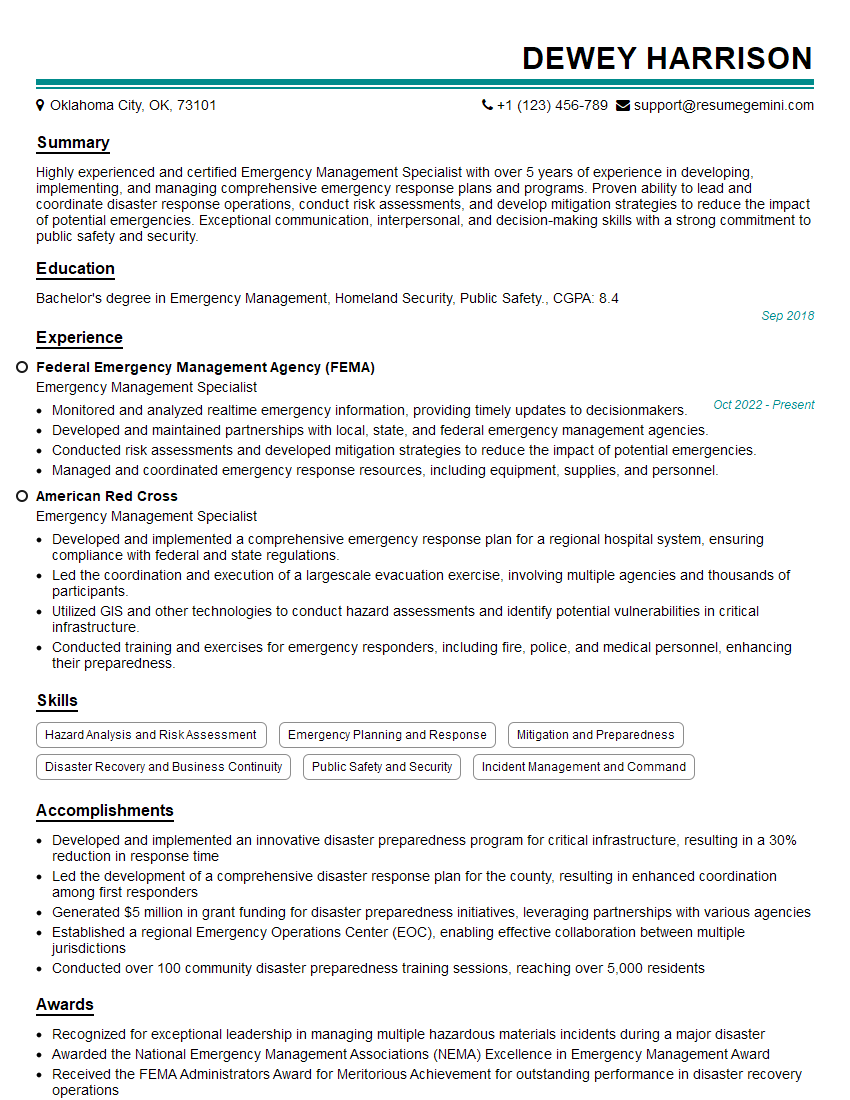
Emergency Management Specialist Resume Sample

Environmental Health and Safety Manager Resume Sample
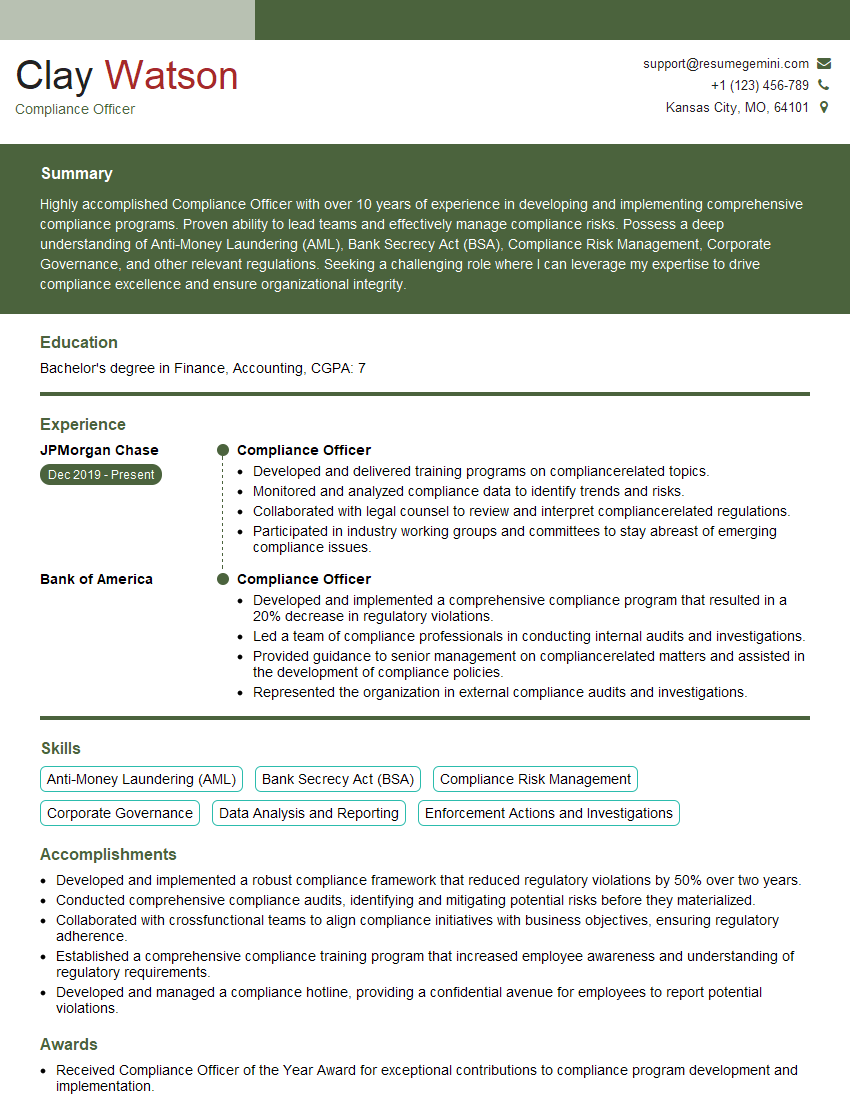
Compliance Officer Resume Sample
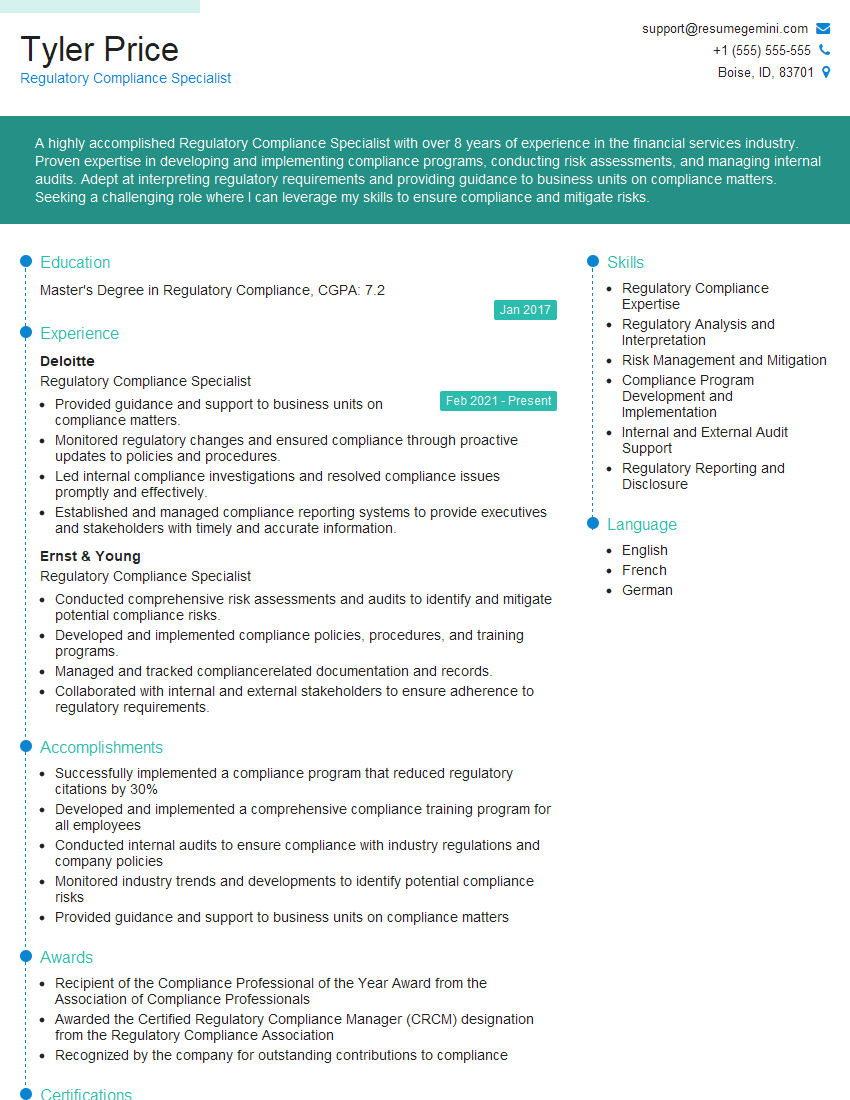
Regulatory Compliance Specialist Resume Sample

Security Manager Resume Sample

Fire Protection Engineer Resume Sample
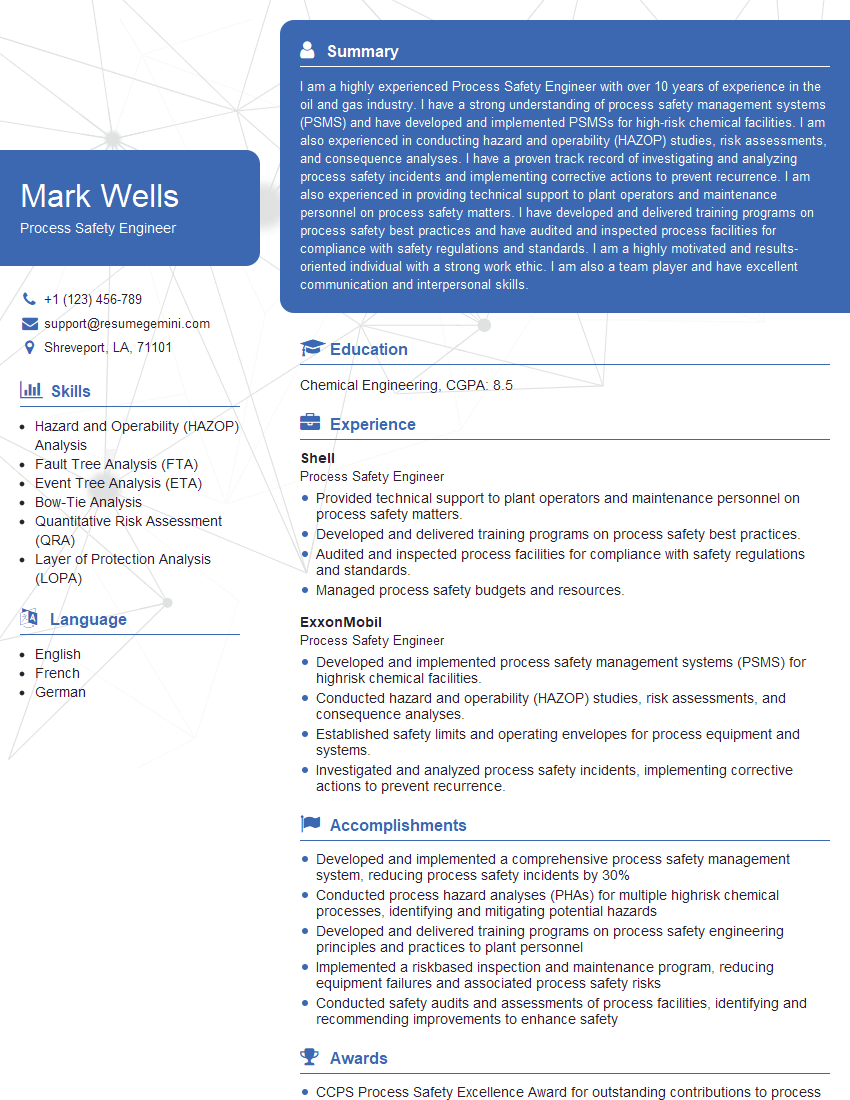
Process Safety Engineer Resume Sample
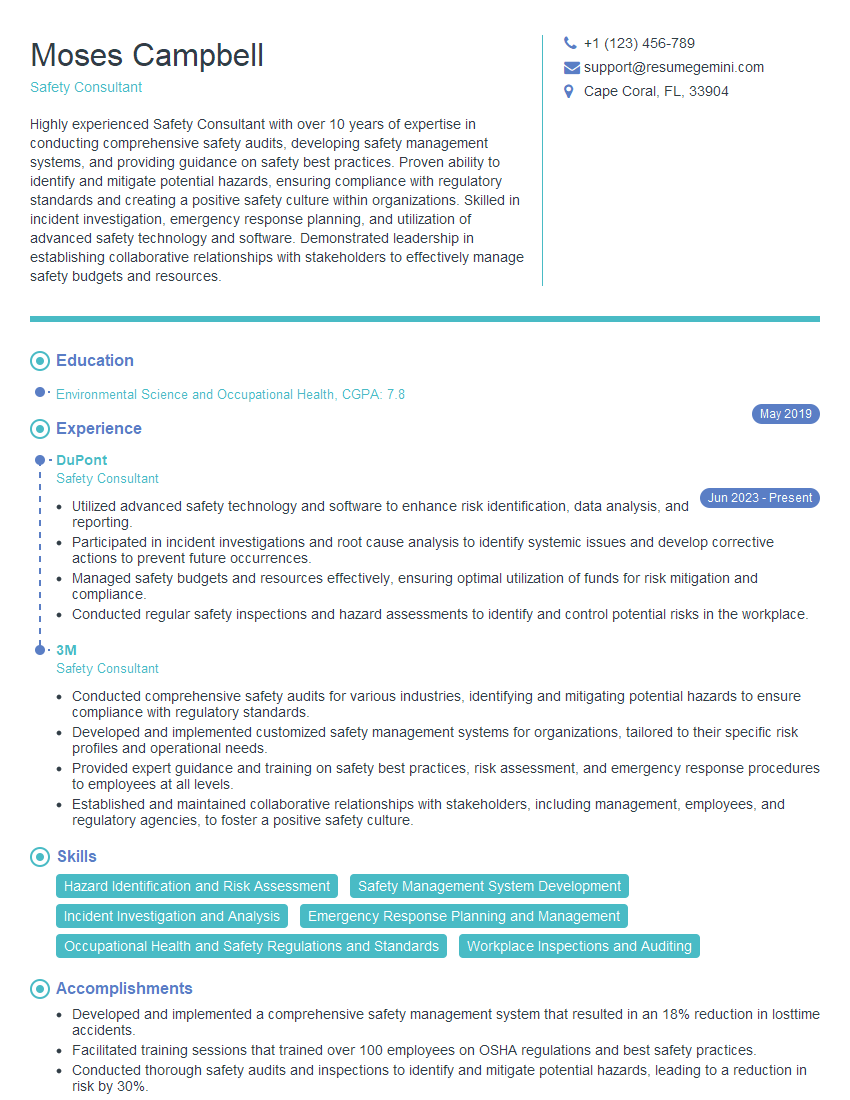
Safety Consultant Resume Sample

Risk Assessor Resume Sample
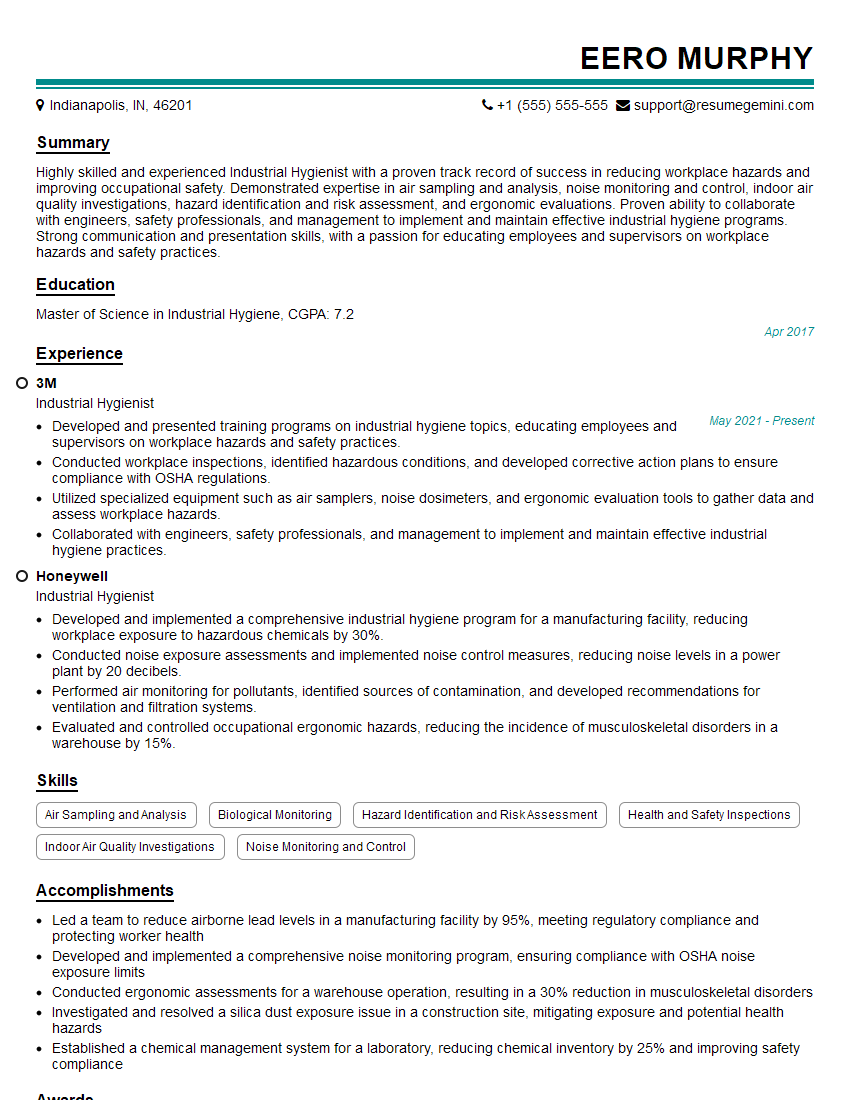
Industrial Hygienist Resume Sample
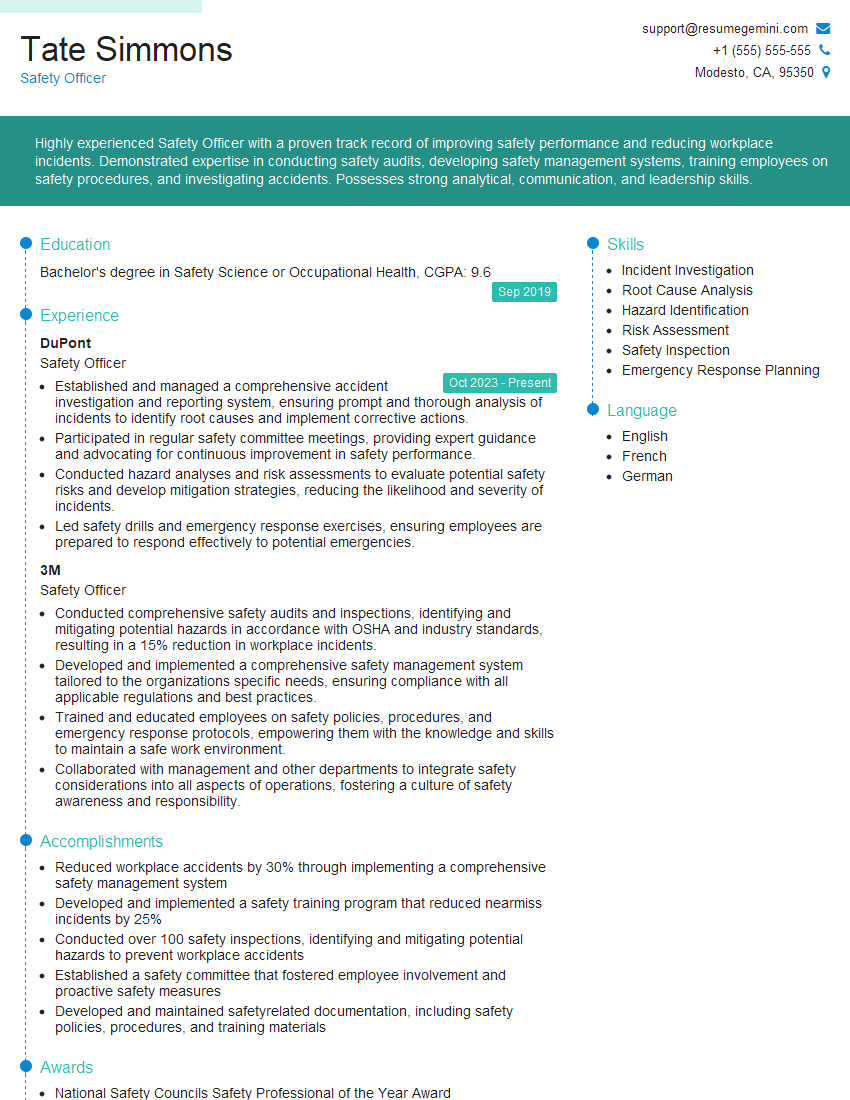
Safety Officer Resume Sample
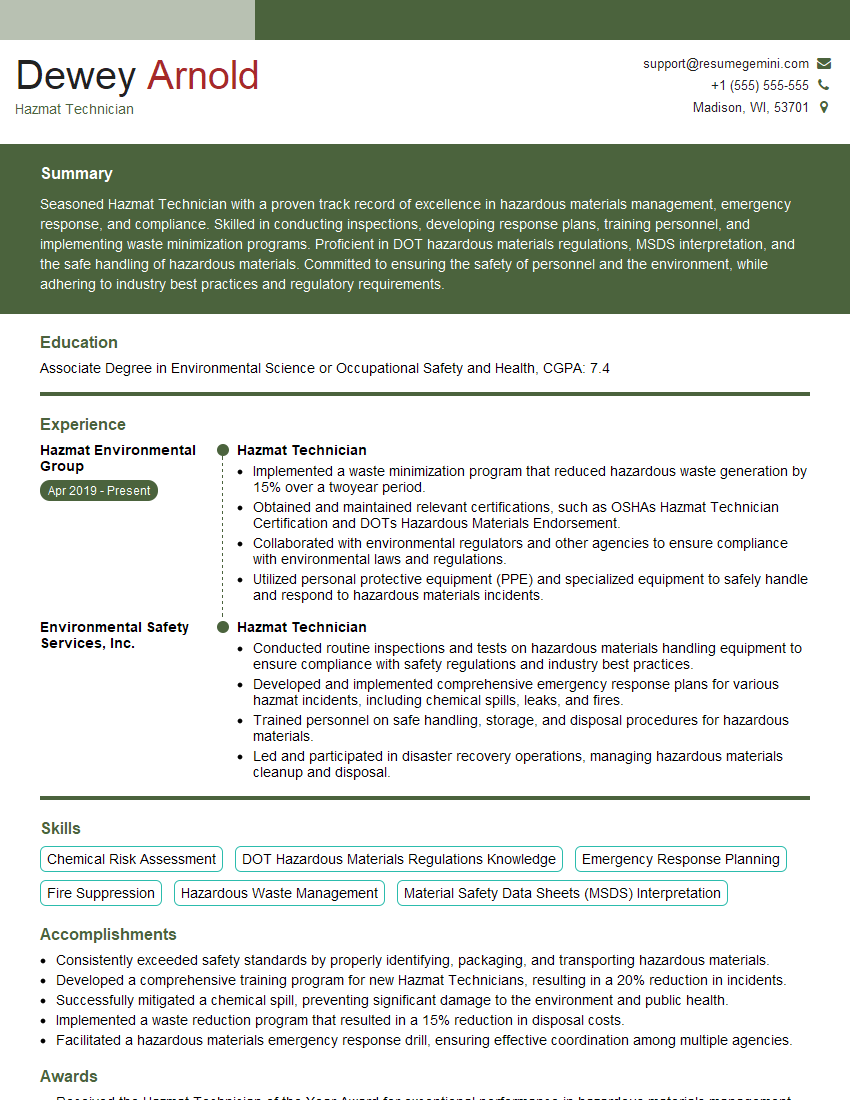
Hazmat Technician Resume Sample
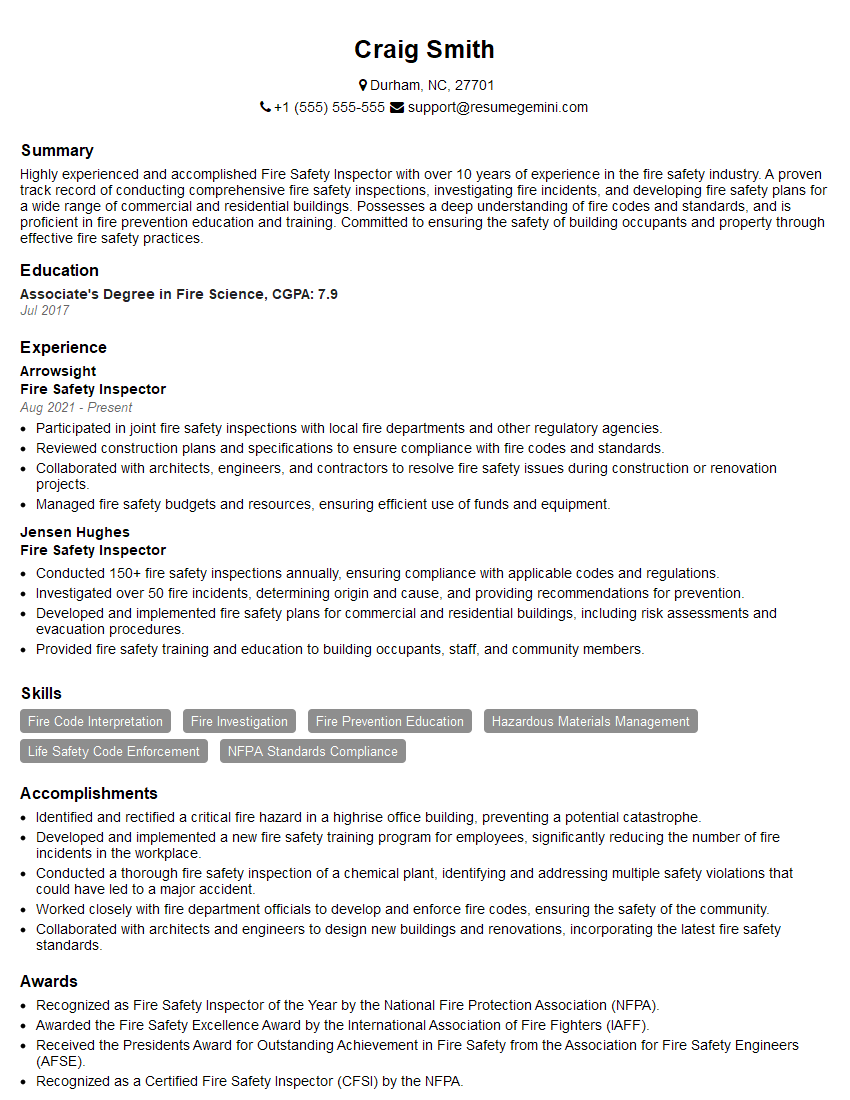
Fire Safety Inspector Resume Sample
Explore more articles
Users Rating of Our Blogs
Share Your Experience
We value your feedback! Please rate our content and share your thoughts (optional).
What Readers Say About Our Blog
Very informative content, great job.
good