The right preparation can turn an interview into an opportunity to showcase your expertise. This guide to NCCER Certified interview questions is your ultimate resource, providing key insights and tips to help you ace your responses and stand out as a top candidate.
Questions Asked in NCCER Certified Interview
Q 1. Describe your experience with OSHA safety regulations.
OSHA safety regulations are the cornerstone of any safe construction site. My experience encompasses a thorough understanding and practical application of these regulations, focusing on hazard identification, risk assessment, and preventative measures. I’m familiar with OSHA’s general industry standards (29 CFR 1910) and the construction standards (29 CFR 1926), which are critical for ensuring worker safety. This includes, but is not limited to, fall protection, lockout/tagout procedures, hazard communication, personal protective equipment (PPE) usage, and emergency response plans. For instance, I’ve been involved in implementing and auditing fall protection plans on various projects, ensuring proper use of harnesses, lanyards, and anchor points. I’ve also directly participated in training programs on hazard recognition and communication, making sure all team members are well-versed in recognizing and avoiding potential hazards. My approach is proactive; I don’t just follow regulations, I actively seek opportunities to improve safety procedures.
Q 2. Explain the different types of welding processes you are familiar with.
I’m proficient in several welding processes, each suited to different applications and materials. These include:
- Shielded Metal Arc Welding (SMAW): Also known as stick welding, this is a versatile process using a consumable electrode to create the weld. It’s relatively simple, portable, and suitable for various materials. I’ve used SMAW extensively on structural steel projects.
- Gas Metal Arc Welding (GMAW): Often referred to as MIG welding, this process uses a continuous wire electrode fed into a welding gun. It’s efficient, produces high-quality welds, and is commonly used in automotive and fabrication work. My experience with GMAW includes working on stainless steel components.
- Gas Tungsten Arc Welding (GTAW): Also known as TIG welding, this process uses a non-consumable tungsten electrode to create the weld. It’s known for its precision and ability to produce high-quality welds on thin materials. I’ve utilized GTAW for intricate welding tasks, such as aluminum welding.
Understanding the nuances of each process, including the types of filler metals, shielding gases, and amperage settings, is crucial for producing strong, reliable welds. I always prioritize correct welding parameters to ensure the integrity and safety of the final product.
Q 3. What are the common causes of electrical hazards on a construction site?
Electrical hazards are a significant concern on construction sites. Common causes include:
- Damaged or frayed wiring: Exposed wires, damaged insulation, and improper connections can lead to shocks, fires, or electrocution.
- Improper grounding: Inadequate grounding can cause voltage surges and increase the risk of electric shock. This is often seen with portable power tools.
- Overhead power lines: Contact with energized power lines is a serious hazard, leading to fatalities. Maintaining a safe distance and following proper procedures is critical.
- Wet conditions: Water is a conductor of electricity, making wet environments particularly dangerous. This necessitates the use of GFCI (Ground Fault Circuit Interrupter) protected outlets and careful handling of electrical equipment.
- Improper use of extension cords: Overloaded extension cords, using damaged cords, or using incorrect gauge cords can cause overheating and fire hazards.
Regular inspections, proper grounding techniques, use of GFCIs, and training are essential in mitigating these risks. A simple example is the importance of using a Ground Fault Circuit Interrupter (GFCI) protected outlet, which can detect ground faults and quickly shut off the power to prevent electrical shock.
Q 4. How do you ensure proper pipefitting techniques to prevent leaks?
Proper pipefitting techniques are essential for preventing leaks and ensuring the integrity of plumbing systems. This involves several key steps:
- Selecting the right fittings: Choosing fittings appropriate for the pipe material, size, and pressure is crucial. Incorrect fittings can lead to weak joints and leaks.
- Preparing the pipe ends: Ensuring clean, square cuts is vital for a proper seal. Deburring the pipe ends removes sharp edges that can damage gaskets and weaken the joint.
- Applying proper sealant/lubricant: Using the correct sealant or lubricant, as specified by the manufacturer, ensures a watertight seal.
- Tightening fittings correctly: Over-tightening can damage fittings, while under-tightening can lead to leaks. Following manufacturer’s torque specifications is paramount.
- Visual inspection: A thorough visual inspection after installation confirms the absence of leaks and ensures the stability of the joint.
For example, when working with threaded fittings, using Teflon tape or pipe dope correctly is important, and ensuring the threads are clean and fully engaged prevents leakage. Always follow the manufacturer’s instructions for each type of fitting.
Q 5. Explain your understanding of blueprint reading and interpretation.
Blueprint reading is a fundamental skill in construction. My understanding includes interpreting various drawing types, such as floor plans, elevations, sections, and details. I can identify dimensions, symbols, notations, and specifications to understand the project’s scope. I’m proficient in using scales to determine actual dimensions from drawings. For example, I can accurately interpret a drawing’s scale of 1/4″=1′ to calculate real-world measurements. I understand how different views (plan, section, elevation) provide comprehensive information about a structure. Furthermore, I can interpret specifications related to materials, finishes, and construction methods as outlined within the blueprint. This knowledge is crucial for accurate construction and avoids costly mistakes on a project.
Q 6. Describe your experience with troubleshooting HVAC systems.
My experience with troubleshooting HVAC systems involves a systematic approach. It starts with identifying the problem, such as lack of cooling or heating, unusual noises, or poor air quality. Then, I systematically check components like the thermostat, compressor, condenser coils, blower motor, and filters. Using diagnostic tools such as multimeters and pressure gauges, I can pinpoint the malfunctioning part. For example, if a unit isn’t cooling efficiently, I might check refrigerant levels, condenser coil cleanliness, and the operation of the compressor. Based on the diagnosis, I’m able to replace faulty components, recharge refrigerant, or clean/repair existing parts. This requires a sound understanding of thermodynamics and HVAC principles.
Q 7. What safety precautions do you take when operating heavy equipment?
Safety is paramount when operating heavy equipment. My approach always begins with a pre-operation inspection, checking fluid levels, tires, and other critical components for any damage or defects. I always wear appropriate PPE, including hard hats, safety glasses, and hearing protection. I ensure that the area around the equipment is clear of obstructions and personnel before starting work. I adhere strictly to the manufacturer’s operating instructions and follow all site-specific safety regulations. Before moving the equipment, I conduct a 360-degree visual sweep to avoid collisions. Smooth and controlled operation is key to prevent accidents. For example, when operating an excavator, I’m mindful of swing radius and potential obstacles, and I always use signals or spotters when necessary. Regular maintenance also plays a crucial role in preventing malfunctions and ensuring safety.
Q 8. Explain your experience with different types of hand and power tools.
My NCCER training and years of experience have provided me with extensive familiarity with a wide range of hand and power tools. I’m proficient in using tools for various tasks, from basic carpentry to more complex metal fabrication.
- Hand Tools: I’m comfortable using measuring tools like tape measures and levels, along with various saws (hand saws, hacksaws, reciprocating saws), hammers, chisels, screwdrivers (both standard and impact), wrenches (socket, open-end, adjustable), and pliers. For example, I’ve used a combination of hand saws and chisels to carefully cut and shape wood for intricate joinery work on a recent project.
- Power Tools: My experience encompasses a broad spectrum of power tools, including drills (both corded and cordless), impact drivers, circular saws, miter saws, routers, grinders (angle grinders and bench grinders), and various types of sanders (belt sanders, orbital sanders). Safety is paramount; I always follow proper safety protocols, including wearing appropriate personal protective equipment (PPE) such as safety glasses and hearing protection. For instance, I recently used a router to create custom decorative edges on a countertop, carefully adjusting the depth and speed to achieve the desired results without damaging the material.
I understand the nuances of different tool types and know when to select the most appropriate tool for a given task, maximizing efficiency and safety.
Q 9. How do you handle conflicts or disagreements within a team?
Conflict resolution is a critical skill on any job site. My approach is centered on open communication and finding mutually beneficial solutions. I believe in addressing issues directly and respectfully.
- Active Listening: I start by carefully listening to all perspectives involved in the disagreement, ensuring everyone feels heard and understood. This helps to de-escalate tensions and fosters a collaborative environment.
- Identifying the Root Cause: Once everyone has expressed their views, I focus on identifying the underlying cause of the conflict. Is it a misunderstanding, a scheduling issue, or a difference in opinion about the best approach to a task?
- Collaborative Problem-Solving: Together with the team, I work to brainstorm solutions. This often involves finding compromises and considering alternative approaches. The goal is to create a solution that satisfies everyone’s needs as much as possible.
- Documentation (if necessary): If the conflict is more serious or involves safety concerns, I make sure to properly document the incident and communicate it to the appropriate supervisor.
For example, on a previous project, a disagreement arose regarding the best method for installing some ductwork. By facilitating open communication and collaborative problem-solving, we found a solution that utilized the strengths of everyone involved and ultimately saved both time and resources. The outcome strengthened team cohesion and improved efficiency.
Q 10. Describe your experience with different types of concrete.
My experience includes working with various types of concrete, each with unique properties and applications. Understanding these differences is key to successful construction.
- Ready-Mix Concrete: This is the most common type, delivered to the job site in a truck mixer. The strength and workability depend on the mix design, which includes the water-cement ratio, aggregate size, and type of cement used. I’ve worked with various ready-mix strengths, from low-strength concrete used for footings to high-strength concrete for structural elements.
- Precast Concrete: Precast elements, such as beams, columns, and wall panels, are manufactured off-site and then transported to the construction site. Their quality control is typically higher than that of poured-in-place concrete, and they offer increased speed and efficiency in construction. I’ve been involved in the installation and placement of precast components.
- Self-Consolidating Concrete (SCC): This type of concrete is designed to flow easily under its own weight and fill complex forms without vibration. This reduces the need for vibration, which saves time and reduces noise pollution. I’ve had experience working with SCC in projects requiring precise placement in confined areas.
- High-Performance Concrete (HPC): This type of concrete is engineered for high strength, durability, and other specific properties. Its use is often tailored to specialized applications, such as high-rise buildings or structures exposed to aggressive environments.
Understanding the properties of each concrete type allows me to select the most appropriate concrete for any specific project and to ensure proper placement and finishing techniques.
Q 11. What are your strategies for effective time management on a job site?
Effective time management is essential on a job site. My strategy is built around planning, prioritization, and efficient execution.
- Planning and Prioritization: Before starting a task, I carefully review the project plans and identify critical path activities, prioritizing those that have the most significant impact on the overall schedule.
- Task Breakdown: I break down complex tasks into smaller, more manageable units, making them easier to track and complete. This also helps to identify potential bottlenecks early on.
- Realistic Scheduling: I work with the project manager to create a realistic schedule, accounting for potential delays or unforeseen circumstances. I avoid overcommitting to unrealistic deadlines.
- Efficient Execution: I utilize lean construction principles to minimize waste and maximize efficiency. This includes using the right tools, planning tool placement, minimizing movement, and collaborating effectively with teammates.
- Regular Progress Checks: I regularly monitor my progress against the schedule and make adjustments as necessary, flagging potential problems early to prevent delays.
For example, on a recent project, by proactively identifying potential delays in the delivery of materials, I was able to adjust the schedule and ensure that the project remained on track. Proactive planning and problem solving allow me to make the best use of the available time.
Q 12. How do you ensure quality control in your work?
Quality control is a fundamental aspect of my work. I implement a multi-faceted approach to ensure the highest standards of workmanship.
- Understanding Specifications: Before starting any task, I thoroughly review project specifications and blueprints to clearly understand the requirements.
- Regular Self-Checks: Throughout the process, I frequently check my work against the specifications to identify and rectify any deviations early. This proactive approach prevents errors from accumulating and requiring costly rework.
- Use of Measuring Tools: I utilize precise measuring tools (levels, squares, and measuring tapes) to ensure accuracy in all aspects of the work.
- Proper Material Handling: I handle materials carefully to prevent damage or defects. This includes storing materials properly and protecting them from environmental factors.
- Collaboration and Communication: I collaborate with other team members to ensure consistency in quality and address any potential issues promptly. Open communication helps prevent conflicts and ensures the project meets quality expectations.
- Documentation: I keep detailed records of my work, including any adjustments made, challenges encountered, and solutions implemented. This documentation is valuable for future reference and for demonstrating adherence to quality standards.
For instance, on a recent project involving precise welding, I meticulously checked each weld for proper penetration and bead formation using visual inspection techniques. I maintained a clean workspace to ensure that the quality of work remained at its highest. This attention to detail was crucial for a successful outcome.
Q 13. Explain your experience with different types of metal fabrication.
My NCCER certification and on-the-job experience have equipped me with skills in various metal fabrication techniques.
- Cutting: I’m proficient in using various cutting tools, including shears, saws (hacksaws, reciprocating saws, abrasive saws), and plasma cutters, selecting the most appropriate method for the type and thickness of the metal.
- Welding: I’m skilled in various welding processes, including SMAW (Stick), GMAW (MIG), and GTAW (TIG). I understand the importance of proper weld preparation, technique, and post-weld inspection to ensure strong and reliable joints. I am familiar with different welding codes and specifications.
- Forming and Bending: I have experience using various methods for forming and bending metal, such as press brakes, hand brakes, and bending tools. I understand how to properly set up and operate these machines to achieve the desired shape and tolerances.
- Finishing: I am familiar with metal finishing techniques, such as grinding, sanding, and polishing, to achieve the desired surface finish.
For example, I recently fabricated custom metal brackets using a combination of cutting, welding, and bending techniques. Precision and attention to detail were critical to ensure the brackets met the required specifications. My knowledge of metal properties allowed me to choose the appropriate material and fabrication method for the application.
Q 14. Describe your experience with industrial maintenance procedures.
Industrial maintenance procedures are crucial for ensuring the safe and efficient operation of industrial equipment. My experience encompasses various aspects of preventive and corrective maintenance.
- Preventive Maintenance: I’m experienced in performing regular inspections, lubrication, cleaning, and adjustments to equipment to prevent breakdowns and prolong its lifespan. This often involves following established checklists and procedures.
- Corrective Maintenance: I’m skilled in diagnosing and repairing equipment malfunctions. This involves troubleshooting, identifying faulty components, and replacing or repairing them. I understand the importance of using the correct parts and following safety regulations when making repairs.
- Troubleshooting: I have developed strong troubleshooting skills, using a systematic approach to identify and solve problems. This often involves checking electrical systems, hydraulic systems, pneumatic systems, and mechanical components.
- Safety Procedures: Safety is my top priority. I follow all relevant safety procedures and wear appropriate PPE when performing maintenance tasks. I’m familiar with lockout/tagout procedures to prevent accidental energization of equipment during maintenance.
- Record Keeping: I maintain accurate and detailed records of all maintenance activities, including date, type of work performed, parts used, and any issues encountered. This information is valuable for tracking equipment performance and identifying potential problems.
For example, I recently diagnosed and repaired a malfunctioning conveyor system by systematically checking each component, ultimately identifying a faulty motor bearing. Proper documentation of this repair ensured future maintenance could be scheduled accordingly.
Q 15. What are the different types of scaffolding and their appropriate uses?
Scaffolding is a temporary structure used to support workers and materials during construction. Different types are chosen based on the project’s needs and the height and complexity of the work.
- Frame Scaffolding: This is a very common type, made of metal frames that are easily assembled and disassembled. It’s versatile and suitable for a wide range of projects, from simple repairs to large-scale construction. I’ve used this extensively on projects involving building facades and interior renovations.
- System Scaffolding: This is a more advanced, pre-engineered system that offers superior strength and safety features. The components are designed to fit together precisely, reducing the risk of errors during assembly. I’ve found this especially helpful on high-rise buildings where safety is paramount.
- Tube and Clamp Scaffolding: This highly adaptable system allows for bespoke configurations, using tubes and clamps to create custom scaffolding. It’s ideal for complex projects with unusual shapes or obstacles. I used it once on a renovation where the building had a unique curved wall.
- Suspended Scaffolding: Used for exterior work on tall buildings, this type hangs from the structure above using ropes or cables. It requires specialized knowledge and safety training, and I’ve only used it under close supervision on very specific projects.
Choosing the right type is crucial for safety and efficiency. A poorly chosen or improperly erected scaffold can lead to serious accidents.
Career Expert Tips:
- Ace those interviews! Prepare effectively by reviewing the Top 50 Most Common Interview Questions on ResumeGemini.
- Navigate your job search with confidence! Explore a wide range of Career Tips on ResumeGemini. Learn about common challenges and recommendations to overcome them.
- Craft the perfect resume! Master the Art of Resume Writing with ResumeGemini’s guide. Showcase your unique qualifications and achievements effectively.
- Don’t miss out on holiday savings! Build your dream resume with ResumeGemini’s ATS optimized templates.
Q 16. How do you identify and address potential safety hazards?
Identifying safety hazards is a proactive process that begins before work even starts. It involves a thorough site survey, careful planning, and ongoing vigilance throughout the project. I use a systematic approach:
- Pre-Job Hazard Assessment: I review blueprints and plans, identifying potential hazards such as uneven ground, electrical hazards, or falling objects.
- On-Site Inspection: Before starting work, I walk the site looking for trip hazards, loose materials, damaged equipment, and anything that poses a safety risk.
- Regular Inspections: Throughout the project, I conduct regular inspections to ensure that safety measures are maintained. This includes checking scaffolding, ensuring proper use of PPE, and identifying any new hazards that may have arisen.
Addressing hazards requires immediate action. If I find a hazard, I’ll follow my company’s safety procedures, which usually include isolating the area, correcting the hazard if possible, and reporting it to the supervisor immediately. For example, if I spot a damaged scaffold plank, I’d immediately remove it from service and inform the supervisor before work recommences in that area.
Q 17. Explain your understanding of building codes and regulations.
Building codes and regulations are essential for ensuring safety, structural integrity, and accessibility in construction. My understanding is rooted in practical application and adherence to local and national standards. I’m familiar with codes covering various aspects, including:
- Structural Requirements: These codes dictate the materials, design, and construction methods required to ensure that a building can withstand various loads and environmental conditions.
- Electrical Codes: These cover safe wiring practices, grounding, and the use of electrical equipment to prevent shocks and fires.
- Plumbing Codes: These regulate water supply, drainage, and sewage systems to prevent contamination and ensure the safe and efficient use of water.
- Fire Safety Codes: These dictate measures to prevent and control fires, including the use of fire-resistant materials and the installation of fire suppression systems.
Staying updated on changes to these codes is crucial. I regularly consult the relevant code books and attend training sessions to keep my knowledge current. Failure to comply with building codes can result in serious legal and safety consequences.
Q 18. Describe your experience with using various measuring instruments.
Accurate measurements are fundamental in construction. My experience involves using various instruments for diverse tasks:
- Measuring Tapes: Used for quick, general measurements of lengths and distances.
- Levels: Essential for ensuring surfaces are level and plumb. I’ve used both spirit levels and laser levels, with laser levels being particularly useful for long distances and precise alignment.
- Squares: Used to ensure that angles are accurate, particularly 90-degree angles for walls and foundations.
- Angle Finders: Provide precise measurements of angles other than 90 degrees, crucial for complex designs.
- Electronic Distance Meters (EDMs): For longer distances and greater precision, EDMs provide accurate measurements rapidly. I’ve used them on larger-scale projects needing exact measurements across significant areas.
Selecting the right instrument depends on the accuracy required and the nature of the task. For instance, while a standard measuring tape might suffice for minor adjustments, a laser level is necessary for setting precise elevations in a large structure.
Q 19. How do you maintain accurate records and documentation on a job site?
Maintaining accurate records and documentation is vital for project management, accountability, and legal compliance. I utilize a combination of methods:
- Daily Logs: Detailed records of daily work activities, materials used, weather conditions, and any incidents or problems encountered.
- Material Tracking: Careful documentation of materials received, used, and remaining on the project site to avoid material shortages and waste.
- Inspection Reports: Thorough documentation of inspections, including findings, corrective actions, and verification of compliance.
- Photographs and Videos: Visual records of the progress and conditions at the job site, particularly helpful in documenting any issues or defects.
- Digital Systems: Utilizing software and digital platforms for data entry, storage, and sharing, enhancing efficiency and organization.
Accuracy and completeness are paramount. Any discrepancies or omissions can lead to misunderstandings, delays, and legal issues. I always double-check my entries and ensure all relevant information is recorded precisely.
Q 20. Explain your experience with different types of electrical wiring.
My experience with electrical wiring encompasses various types and applications, always adhering to strict safety regulations. I’m familiar with:
- Copper Wiring: The most common type, offering good conductivity and durability. I’ve used this extensively in various projects.
- Aluminum Wiring: Used less frequently now due to its susceptibility to oxidation, but still found in older structures. I’m aware of the specific safety precautions needed when working with aluminum wiring.
- Different Gauge Sizes: Understanding the appropriate gauge for various applications is critical. Larger gauge wires handle higher currents.
- Conduit and Cable Tray: These protect wires and cables, preventing damage and ensuring safety.
- Wiring Methods: I’m proficient in various wiring methods, including Romex wiring, conduit wiring, and surface-mount wiring.
Safe electrical practices are non-negotiable. I always double-check my work, use appropriate safety equipment, and follow all relevant codes and standards to prevent electrical hazards. Improper electrical work can lead to fires and electrocution.
Q 21. How do you troubleshoot common problems in plumbing systems?
Troubleshooting plumbing problems requires systematic investigation and a practical understanding of plumbing systems. My approach involves:
- Identifying the Problem: Carefully assessing the symptoms, such as low water pressure, leaks, or clogs.
- Visual Inspection: Checking visible components of the plumbing system for leaks, cracks, or damage.
- Testing and Tracing: Using tools such as pressure gauges and drain snakes to pinpoint the source of the problem. For example, I might use a pressure gauge to check the water pressure at various points in the system to determine if the problem lies in a particular section of the piping.
- Repair or Replacement: After identifying the cause, I implement the appropriate repair or replacement, ensuring the integrity and efficiency of the plumbing system.
A methodical approach minimizes time and material waste. For instance, if a low-pressure issue isn’t immediately obvious, I’d check the main water valve, water meter, and then systematically check sections of pipe for obstructions or leaks.
Q 22. Describe your understanding of different types of insulation.
Insulation is crucial for maintaining comfortable temperatures and energy efficiency in buildings. Different types cater to various needs and applications. They’re broadly categorized by their material composition and how they work to resist heat transfer.
- Fiberglass: A common and cost-effective option, fiberglass insulation comes in batts, rolls, and loose-fill forms. It’s relatively easy to install and provides good thermal resistance. I’ve used fiberglass extensively in residential framing, carefully ensuring proper fitting to prevent air gaps.
- Cellulose: Made from recycled paper, cellulose insulation is blown into walls and attics. It’s known for its excellent thermal performance and eco-friendly nature. One project involved using cellulose in a historic building; its ability to conform to irregular spaces was a significant advantage.
- Spray Foam: This insulation is sprayed onto surfaces, creating a seamless, air-tight barrier. It offers superior thermal performance and air sealing capabilities, which is excellent for energy efficiency and minimizing drafts. I’ve used spray foam in various projects, finding its versatility invaluable when dealing with complex geometries.
- Mineral Wool: This type, including rock wool and slag wool, is known for its fire resistance and sound absorption properties, making it suitable for high-traffic commercial and industrial projects. I’ve worked with mineral wool in soundproofing a recording studio.
Choosing the right insulation depends on factors like the building’s construction, climate, budget, and specific requirements for fire safety and sound dampening.
Q 23. What are the different types of fasteners and their applications?
Fasteners are fundamental in construction, securing various materials together. The choice of fastener depends heavily on the materials being joined, the load requirements, and the desired aesthetic outcome.
- Nails: Common for framing and sheathing, nails offer a fast and relatively inexpensive solution for joining wood. Different types include common nails, finishing nails, and specialized nails like ring shank nails (for increased holding power).
- Screws: Screws provide a stronger and more secure connection than nails, and they are reusable. Wood screws, drywall screws, and lag bolts are commonly used for different applications. Lag bolts, in particular, offer impressive holding strength in heavier projects.
- Bolts: Usually used with nuts and washers, bolts provide the strongest and most reliable fastening method. They are essential for structural connections requiring high strength and durability. I’ve used many types of bolts for steel structures.
- Connectors: Specialized metal connectors like joist hangers, hurricane ties, and straps are designed for specific structural connections and enhance load-bearing capacity and building safety.
Selecting the appropriate fastener involves understanding the loads and stresses it needs to withstand. For instance, you wouldn’t use a small finishing nail to connect a load-bearing beam; instead, you’d use something far more substantial like a lag bolt.
Q 24. Explain your experience with using a variety of power tools.
My NCCER training provided extensive experience with a wide range of power tools. Safety is paramount in using these tools; I always prioritize proper training and adhere strictly to safety guidelines.
- Circular Saw: I’m proficient in using circular saws for various cuts, ensuring accuracy and maintaining control to prevent kickback. I’ve used them extensively for framing and trimming.
- Reciprocating Saw (Sawzall): This versatile tool is great for demolition and cutting curves. I’ve used it to cut through various materials, including wood, metal, and plastic, always wearing appropriate safety gear.
- Drill: Beyond simple drilling, I’m adept at using various drill bits for different materials and tasks, including driving screws with a drill/driver.
- Nail Gun: I’m experienced and certified in using nail guns for both framing and finishing, ensuring proper nail placement to maintain structural integrity and a clean finish.
- Router: I’ve used routers for creating intricate shapes and designs in wood, requiring precision and careful control of the tool’s speed and depth.
Proficiency extends beyond simple operation; it involves understanding tool maintenance, adjusting settings for different materials, and recognizing signs of tool malfunction.
Q 25. How do you work effectively under pressure and meet deadlines?
Working effectively under pressure and meeting deadlines requires a systematic approach. I prioritize tasks based on urgency and importance, breaking down larger projects into smaller, manageable steps. This helps prevent feeling overwhelmed.
For example, during a recent project with a tight deadline, I focused on completing the most critical tasks first, such as framing and roofing, while delegating less urgent tasks to my team where applicable. Open communication with my supervisor and team was also crucial to keep everyone informed of progress and any potential challenges.
I’m also adept at adapting to unexpected situations. Should something unforeseen occur, I immediately assess the impact on the overall schedule, develop a contingency plan, and communicate those changes clearly. Proactive problem-solving and a calm, focused approach are vital in high-pressure situations.
Q 26. Describe your experience with different types of roofing materials.
Roofing material selection depends on factors like budget, climate, building style, and aesthetic preferences. My experience includes working with various types:
- Asphalt Shingles: The most common type, asphalt shingles are relatively inexpensive and easy to install. I’m experienced in properly installing them, ensuring proper overlap and nailing patterns for a watertight roof.
- Tile Roofing: Tile roofs are durable and long-lasting but more expensive to install. I have experience in working with clay and concrete tiles, understanding their unique installation requirements and the need for proper underlayment.
- Metal Roofing: Metal roofs are extremely durable, long-lasting, and energy-efficient. My experience includes working with different types of metal roofing panels, understanding the importance of proper fastening and sealing to prevent leaks.
- Built-up Roofing (BUR): BUR is a type of roofing system that typically involves layers of felt, bitumen, and gravel. I’ve worked on commercial projects involving BUR systems, understanding the critical requirements for proper installation, particularly in terms of waterproofing.
Each roofing material has specific installation techniques and requirements. Understanding these nuances is critical to ensuring a long-lasting, watertight roof.
Q 27. How do you prioritize tasks and manage multiple projects simultaneously?
Managing multiple projects simultaneously requires strong organizational skills and a well-defined system. I utilize a combination of techniques, including:
- Prioritization: Using a system like the Eisenhower Matrix (urgent/important) helps me focus on the most critical tasks first. I start with tasks that directly impact deadlines or overall project success.
- Task Breakdown: Large projects are broken down into smaller, more manageable tasks. This provides a clearer picture of what needs to be done and allows for easier tracking of progress.
- Scheduling: I utilize calendars and scheduling tools to allocate time for each task, ensuring sufficient time is allocated for every project while also factoring in potential unforeseen delays.
- Communication: Regular communication with supervisors and team members is crucial to update progress, identify potential roadblocks, and ensure everyone is working towards the same objectives.
For example, I might be working on a residential framing project and a commercial roofing project concurrently. My scheduling system clearly outlines the daily or weekly tasks for each, allowing me to switch between projects efficiently without sacrificing quality or exceeding deadlines.
Q 28. Explain your understanding of different types of carpentry joints.
Carpentry joints are fundamental to the strength and stability of wooden structures. Different joints are suited for different applications and load requirements.
- Butt Joint: A simple joint where two pieces of wood meet end-to-end. While simple, it’s often reinforced with glue, screws, or dowels for added strength.
- Lap Joint: Two pieces of wood overlap each other, providing more surface area for gluing or fastening. Variations include half-lap, quarter-lap, and mitered lap joints, each offering different strengths.
- Miter Joint: Pieces are cut at angles and joined to create a finished corner, often used in picture frames and trim work. Glue and additional reinforcement are typically necessary for strength.
- Mortise and Tenon Joint: A strong and traditional joint where a tenon (projection) fits into a mortise (hole). This joint offers significant strength and is commonly used in furniture and structural applications.
- Dovetail Joint: A very strong joint characterized by interlocking ‘tails’ and ‘pins,’ often used in drawers and fine woodworking. It provides high strength and resists pulling forces.
Understanding the strengths and weaknesses of each joint type is essential for selecting the appropriate joint for a given application. For example, a simple butt joint might suffice for a non-load-bearing wall panel, whereas a mortise and tenon joint would be more suitable for constructing a load-bearing table leg.
Key Topics to Learn for NCCER Certified Interview
- Safety: Understand and apply OSHA regulations, hazard recognition, and safety procedures relevant to your NCCER certification area. Be prepared to discuss practical examples of how you’ve ensured workplace safety.
- Blueprint Reading and Math: Demonstrate proficiency in interpreting blueprints, performing basic calculations (fractions, decimals, geometry), and understanding scale drawings. Be ready to explain how you apply these skills in your work.
- Core Construction Skills: Master the foundational skills specific to your NCCER certification (e.g., hand and power tool operation, material handling, basic electrical principles). Prepare to discuss practical applications and troubleshooting scenarios.
- Specific Trade Knowledge: Depending on your certification (e.g., carpentry, electrical, welding), thoroughly review the relevant technical knowledge and demonstrate expertise in your chosen trade. Highlight your problem-solving skills within your area of expertise.
- Tools and Equipment: Show familiarity with the tools and equipment commonly used in your trade. Be ready to discuss proper maintenance, safe operation, and troubleshooting techniques.
- Quality Control and Inspection: Explain your understanding of quality control procedures and how you ensure the quality of your work meets industry standards. Discuss inspection techniques and identifying potential issues.
- Teamwork and Communication: Highlight your ability to work effectively in a team environment, communicate clearly with supervisors and colleagues, and follow instructions. Discuss examples of successful teamwork and communication in previous projects.
Next Steps
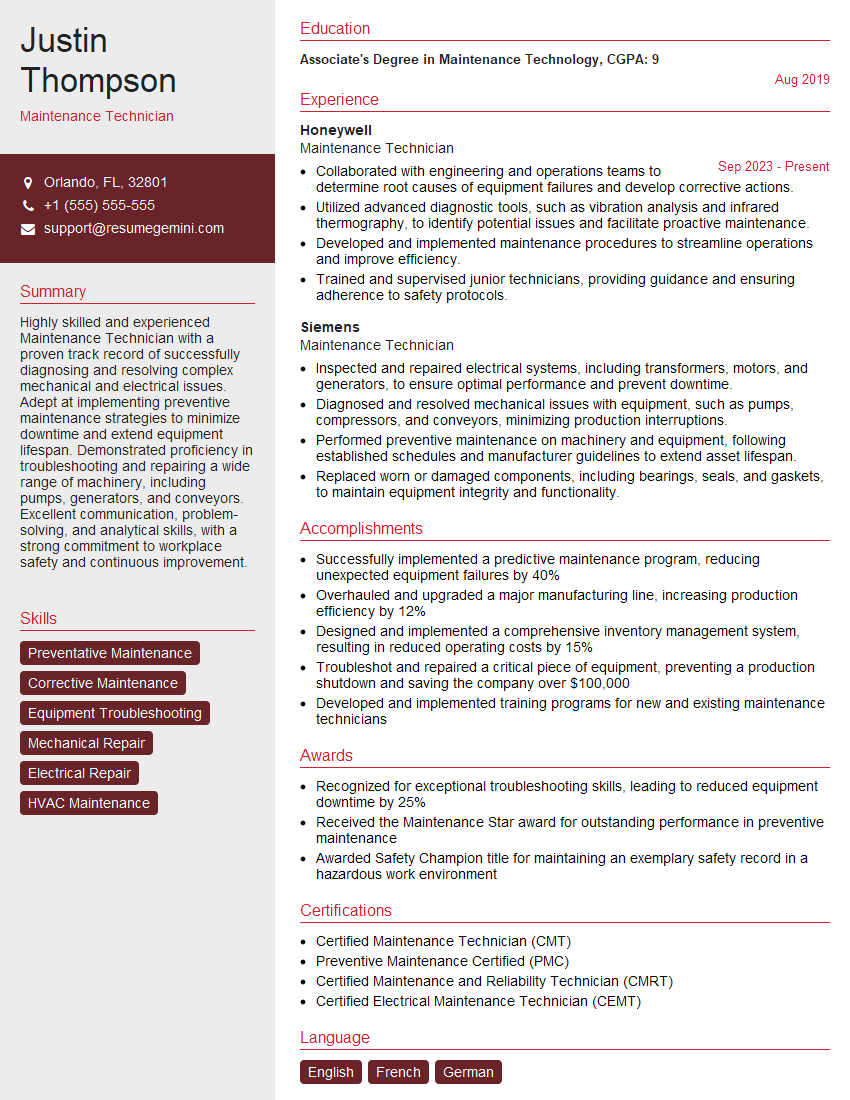
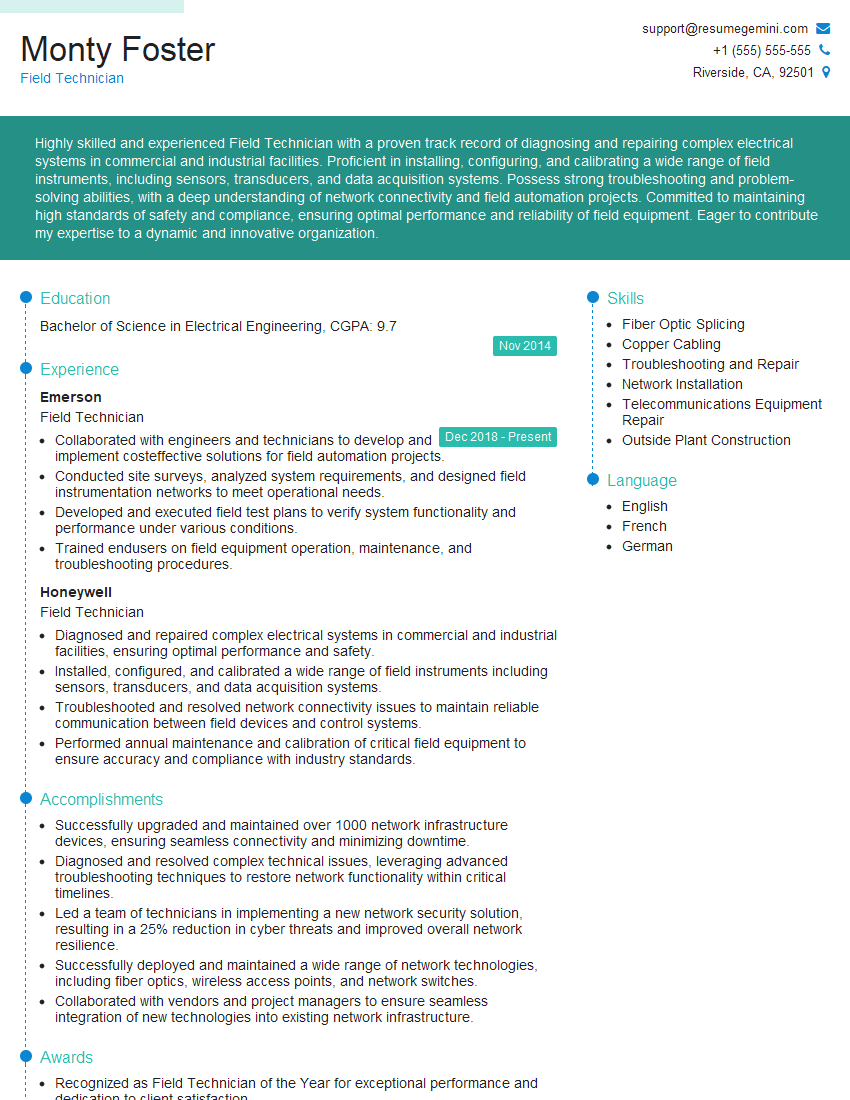
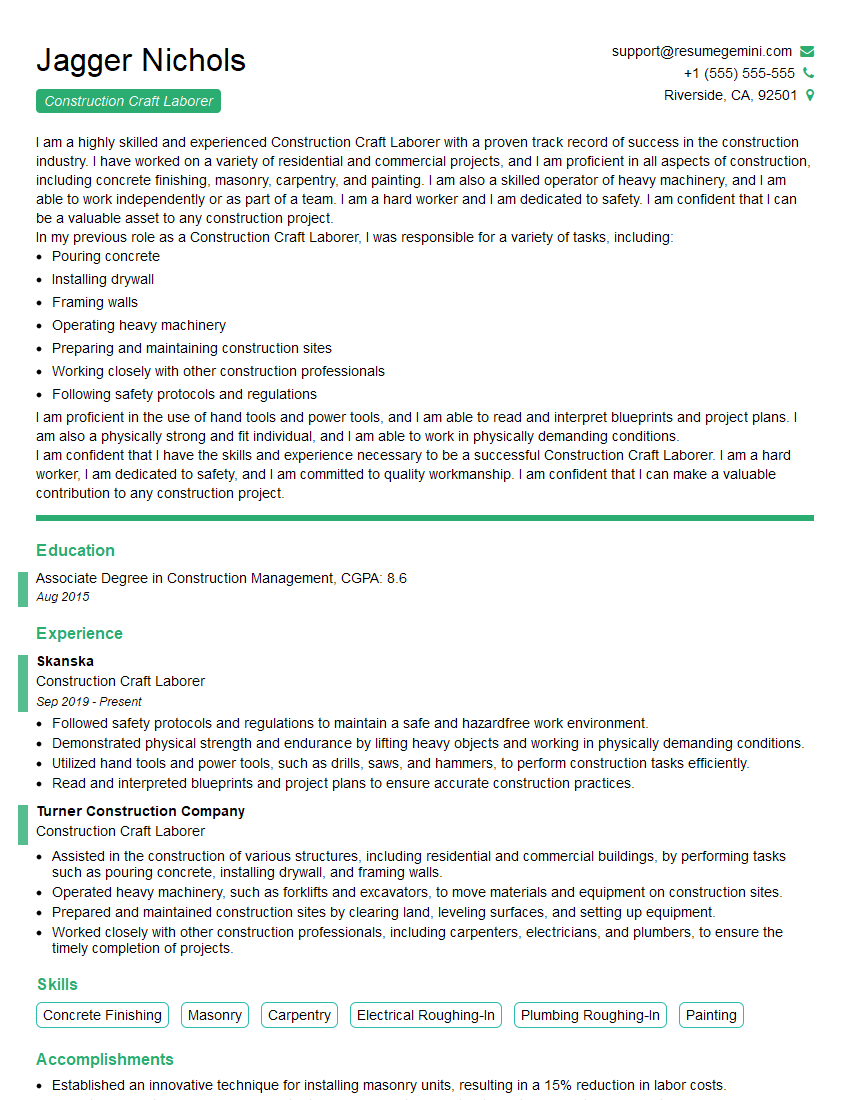
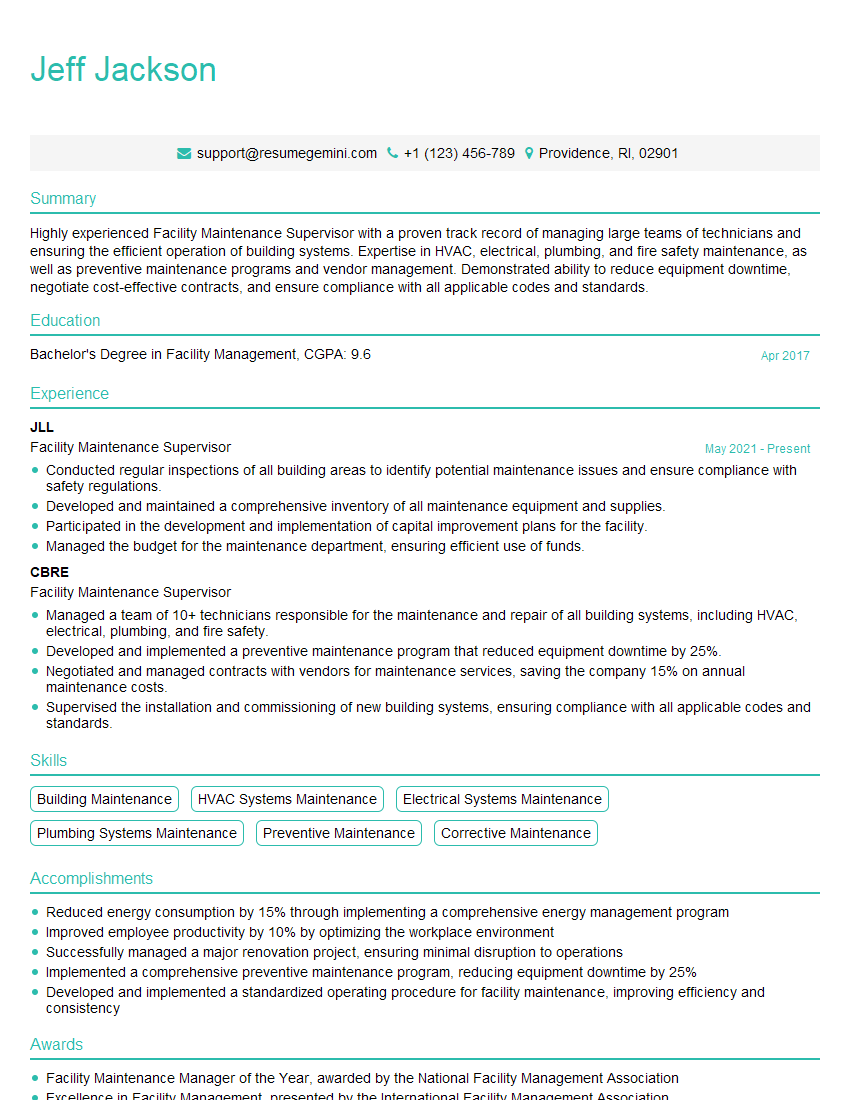
Mastering your NCCER certification significantly enhances your career prospects in the construction industry, opening doors to higher-paying positions and greater job security. To maximize your chances of landing your dream role, it’s crucial to have a professional and ATS-friendly resume that showcases your skills and experience effectively. ResumeGemini is a trusted resource to help you build a compelling resume that highlights your NCCER Certified skills and achievements. Examples of resumes tailored to NCCER Certified candidates are available to help you get started.

Explore more articles
Users Rating of Our Blogs
Share Your Experience
We value your feedback! Please rate our content and share your thoughts (optional).
What Readers Say About Our Blog
Attention music lovers!
Wow, All the best Sax Summer music !!!
Spotify: https://open.spotify.com/artist/6ShcdIT7rPVVaFEpgZQbUk
Apple Music: https://music.apple.com/fr/artist/jimmy-sax-black/1530501936
YouTube: https://music.youtube.com/browse/VLOLAK5uy_noClmC7abM6YpZsnySxRqt3LoalPf88No
Other Platforms and Free Downloads : https://fanlink.tv/jimmysaxblack
on google : https://www.google.com/search?q=22+AND+22+AND+22
on ChatGPT : https://chat.openai.com?q=who20jlJimmy20Black20Sax20Producer
Get back into the groove with Jimmy sax Black
Best regards,
Jimmy sax Black
www.jimmysaxblack.com
Hi I am a troller at The aquatic interview center and I suddenly went so fast in Roblox and it was gone when I reset.
Hi,
Business owners spend hours every week worrying about their website—or avoiding it because it feels overwhelming.
We’d like to take that off your plate:
$69/month. Everything handled.
Our team will:
Design a custom website—or completely overhaul your current one
Take care of hosting as an option
Handle edits and improvements—up to 60 minutes of work included every month
No setup fees, no annual commitments. Just a site that makes a strong first impression.
Find out if it’s right for you:
https://websolutionsgenius.com/awardwinningwebsites
Hello,
we currently offer a complimentary backlink and URL indexing test for search engine optimization professionals.
You can get complimentary indexing credits to test how link discovery works in practice.
No credit card is required and there is no recurring fee.
You can find details here:
https://wikipedia-backlinks.com/indexing/
Regards
NICE RESPONSE TO Q & A
hi
The aim of this message is regarding an unclaimed deposit of a deceased nationale that bears the same name as you. You are not relate to him as there are millions of people answering the names across around the world. But i will use my position to influence the release of the deposit to you for our mutual benefit.
Respond for full details and how to claim the deposit. This is 100% risk free. Send hello to my email id: lukachachibaialuka@gmail.com
Luka Chachibaialuka
Hey interviewgemini.com, just wanted to follow up on my last email.
We just launched Call the Monster, an parenting app that lets you summon friendly ‘monsters’ kids actually listen to.
We’re also running a giveaway for everyone who downloads the app. Since it’s brand new, there aren’t many users yet, which means you’ve got a much better chance of winning some great prizes.
You can check it out here: https://bit.ly/callamonsterapp
Or follow us on Instagram: https://www.instagram.com/callamonsterapp
Thanks,
Ryan
CEO – Call the Monster App
Hey interviewgemini.com, I saw your website and love your approach.
I just want this to look like spam email, but want to share something important to you. We just launched Call the Monster, a parenting app that lets you summon friendly ‘monsters’ kids actually listen to.
Parents are loving it for calming chaos before bedtime. Thought you might want to try it: https://bit.ly/callamonsterapp or just follow our fun monster lore on Instagram: https://www.instagram.com/callamonsterapp
Thanks,
Ryan
CEO – Call A Monster APP
To the interviewgemini.com Owner.
Dear interviewgemini.com Webmaster!
Hi interviewgemini.com Webmaster!
Dear interviewgemini.com Webmaster!
excellent
Hello,
We found issues with your domain’s email setup that may be sending your messages to spam or blocking them completely. InboxShield Mini shows you how to fix it in minutes — no tech skills required.
Scan your domain now for details: https://inboxshield-mini.com/
— Adam @ InboxShield Mini
support@inboxshield-mini.com
Reply STOP to unsubscribe
Hi, are you owner of interviewgemini.com? What if I told you I could help you find extra time in your schedule, reconnect with leads you didn’t even realize you missed, and bring in more “I want to work with you” conversations, without increasing your ad spend or hiring a full-time employee?
All with a flexible, budget-friendly service that could easily pay for itself. Sounds good?
Would it be nice to jump on a quick 10-minute call so I can show you exactly how we make this work?
Best,
Hapei
Marketing Director
Hey, I know you’re the owner of interviewgemini.com. I’ll be quick.
Fundraising for your business is tough and time-consuming. We make it easier by guaranteeing two private investor meetings each month, for six months. No demos, no pitch events – just direct introductions to active investors matched to your startup.
If youR17;re raising, this could help you build real momentum. Want me to send more info?
Hi, I represent an SEO company that specialises in getting you AI citations and higher rankings on Google. I’d like to offer you a 100% free SEO audit for your website. Would you be interested?
Hi, I represent an SEO company that specialises in getting you AI citations and higher rankings on Google. I’d like to offer you a 100% free SEO audit for your website. Would you be interested?