Interviews are more than just a Q&A session—they’re a chance to prove your worth. This blog dives into essential Ability to work in hot and humid conditions interview questions and expert tips to help you align your answers with what hiring managers are looking for. Start preparing to shine!
Questions Asked in Ability to work in hot and humid conditions Interview
Q 1. Describe your experience working in hot and humid conditions.
My experience working in hot and humid conditions spans over 10 years, primarily in construction and infrastructure projects across Southeast Asia. I’ve worked on everything from large-scale dam projects to smaller-scale building constructions in environments where temperatures regularly exceeded 35°C (95°F) with high humidity. This extensive experience has provided me with a deep understanding of the challenges and risks associated with working in such conditions, and I’ve developed robust strategies to mitigate those risks. For instance, during the construction of a bridge in Thailand, we faced daily temperatures exceeding 40°C and 80% humidity. My role involved supervising a team of 20 workers, and it was crucial to implement effective heat safety measures to ensure their well-being and productivity.
Q 2. What measures do you take to prevent heat exhaustion?
Preventing heat exhaustion requires a multi-pronged approach focusing on hydration, rest, and appropriate clothing. I always start with adequate hydration – drinking plenty of water throughout the day, even before feeling thirsty. I also prioritize regular rest breaks in shaded areas or air-conditioned environments. These breaks aren’t just about resting muscles; they’re crucial for the body to regulate its temperature. Wearing lightweight, light-colored, and loose-fitting clothing is key to allow for better air circulation and reduce heat absorption. I also encourage my teams to utilize cooling towels or utilize misting fans when available. Finally, acclimatization is crucial. Gradually increasing exposure to hot and humid conditions allows the body to adapt more effectively, reducing the risk of heat exhaustion. Imagine it like training for a marathon – you don’t run 26 miles on day one!
Q 3. What are the signs and symptoms of heat stroke?
Heat stroke is a severe medical emergency, and recognizing its signs and symptoms is critical. Early signs might include throbbing headache, dizziness, confusion, nausea and vomiting. As it progresses, symptoms can become more severe, including high body temperature (above 103°F or 39.4°C), loss of consciousness, seizures, and rapid, weak pulse. The key difference between heat exhaustion and heat stroke is the loss of consciousness and the significantly higher body temperature in heat stroke. If anyone shows signs of heat stroke, immediate medical attention is absolutely vital. It’s a life-threatening condition, and quick action can be the difference between life and death. I’ve witnessed a colleague experience heat exhaustion on a project; recognizing the symptoms early allowed us to get him to medical care promptly preventing it from developing into heatstroke.
Q 4. How do you stay hydrated while working in extreme heat?
Staying hydrated in extreme heat isn’t just about drinking water; it’s about strategic hydration. I advocate for drinking water consistently throughout the workday, not just when thirsty. Carrying a personal water bottle and refilling it frequently is essential. Electrolyte drinks can also be beneficial, particularly after prolonged sweating, to replace lost salts and minerals. Avoiding sugary drinks is important, as they can actually dehydrate you further. I also encourage my teams to monitor their urine color – pale yellow indicates adequate hydration, while dark yellow signals dehydration. In particularly harsh conditions, I may advise consuming electrolyte drinks even before thirst arises, proactively managing hydration levels. Remember, we are mostly water! Replenishing it proactively is key.
Q 5. What is your experience with heat-related illnesses and how have you managed them?
I’ve had experience with several heat-related illnesses, including heat exhaustion and heat syncope (fainting due to heat). My approach to managing them involves immediate removal from the hot environment, providing cool water, and encouraging rest in a cool, shaded area. For more severe cases, I ensure immediate medical attention is sought. Prevention is always my top priority, focusing on preemptive measures such as hydration, rest breaks, and appropriate clothing. Documentation of heat-related illnesses is crucial, not just for immediate care but also for longer-term analysis and adjustments to work procedures and safety protocols. For instance, after an incident of heat exhaustion, we adjusted work schedules to include more frequent and longer rest periods and provided additional shade structures on the worksite.
Q 6. What personal protective equipment (PPE) are you familiar with for hot and humid environments?
In hot and humid environments, appropriate PPE is critical, but it must balance protection with heat management. I’m familiar with lightweight, breathable fabrics for protective clothing. Wide-brimmed hats offer excellent sun protection, and sunglasses protect against glare. In some situations, cooling vests or specialized cooling garments might be necessary. Proper safety footwear that promotes airflow is also essential. However, I always emphasize that the effectiveness of PPE is only as good as the adherence to safety protocols. Overdressing can be counterproductive in hot and humid climates, leading to heat stress
Q 7. How do you adapt your work schedule or pace to account for extreme heat?
Adapting work schedules and pace to extreme heat is crucial. This involves shifting work to cooler parts of the day, such as early mornings or late evenings, and implementing shorter work periods with longer breaks. Careful monitoring of workers’ well-being, regular hydration checks, and encouraging workers to self-report any discomfort are essential. Work can be staggered, so that some are resting whilst others are working and rotation of tasks to reduce exposure to the most intense heat are other important steps. It’s about recognizing that working slower and safer can often improve overall productivity and safety in the long run. For example, on a particularly hot day, we implemented a ‘slow-down’ policy, reducing our work targets by 20%, with no negative impact on the project schedule.
Q 8. Describe a time you had to work in extreme heat; what challenges did you face and how did you overcome them?
During my time as a field engineer in the Amazon rainforest, I experienced prolonged periods of working in extreme heat and humidity, often exceeding 95°F (35°C) with near 100% humidity. The challenges were significant. The intense heat led to rapid dehydration, making even basic tasks incredibly taxing. The high humidity hampered evaporative cooling, meaning sweat wasn’t effectively reducing my body temperature. My stamina and concentration suffered greatly.
To overcome these, I implemented a multi-pronged approach. This included meticulously following a strict hydration plan, consuming electrolytes alongside water to replenish lost salts. I also utilized lightweight, breathable clothing, opting for light colors to reflect sunlight. We took frequent breaks in shaded areas, utilizing the natural canopy cover whenever possible, and strategically scheduled the most demanding tasks for the cooler parts of the day. Regular monitoring of each team member’s well-being was also crucial, enabling us to catch early signs of heat stress before they escalated.
Q 9. What strategies do you use to manage your body temperature in hot and humid conditions?
Managing body temperature in hot and humid conditions requires a proactive and layered strategy. Hydration is paramount; I consistently drink plenty of water throughout the day, even before I feel thirsty. I also consume electrolyte drinks to replace salts lost through sweat. Wearing appropriate clothing is essential. Lightweight, loose-fitting, light-colored clothing allows for better air circulation and reduces heat absorption. Protecting myself from direct sunlight through hats and sunglasses is key. Regular breaks in shaded or air-conditioned areas are critical for allowing my body to cool down. I actively monitor my own body temperature and heart rate, adjusting my workload and rest periods based on my physical state.
Q 10. Are you familiar with the symptoms of heat exhaustion and heat stroke?
Yes, I am very familiar with the symptoms of heat exhaustion and heat stroke. Heat exhaustion is characterized by heavy sweating, weakness, dizziness, headache, nausea, and muscle cramps. Heat stroke, a far more serious condition, presents with high body temperature (often above 103°F or 39.4°C), confusion, seizures, loss of consciousness, and rapid, strong pulse. Heat stroke is a medical emergency requiring immediate attention.
Q 11. Explain your understanding of acclimatization to heat.
Acclimatization to heat is the physiological adaptation our bodies undergo when exposed to heat for extended periods. It’s not merely getting used to it; it’s a complex process involving several adjustments. Your body becomes more efficient at sweating, your heart rate response to heat decreases, and your blood volume increases. This process typically takes several weeks of gradual exposure to hotter conditions and typically involves increased sweat rate, reduced heart rate, and improved thermoregulation. Think of it like training for a marathon; your body adapts to the stress of the activity over time.
Q 12. How do you monitor your hydration levels while working in hot and humid weather?
Monitoring hydration is crucial in hot and humid environments. I regularly check the color of my urine; pale yellow indicates adequate hydration, while dark yellow suggests dehydration. I also pay attention to my thirst level, but remember that thirst is already a late indicator of dehydration. Carrying a hydration pack and consistently sipping water throughout the day is my main strategy. In situations where access to water is limited, I’ll utilize hydration tracking apps in addition to the traditional methods. Keeping track of fluid intake and urine color is vital.
Q 13. What are the different types of heat-related illnesses?
Heat-related illnesses range in severity.
- Heat rash: A skin irritation caused by excessive sweating.
- Heat cramps: Muscle spasms caused by loss of salt and water.
- Heat exhaustion: A more serious condition characterized by heavy sweating, weakness, dizziness, and headache.
- Heat stroke: A life-threatening emergency characterized by high body temperature, confusion, seizures, and loss of consciousness.
Q 14. How would you respond to a coworker experiencing heatstroke?
Responding to a coworker experiencing heatstroke requires immediate action. First, I would move them to a cool, shaded area. Remove any excess clothing. If possible, apply cool compresses or a cool bath to lower their body temperature. Encourage them to drink cool water if conscious, but do not force fluids. I would then immediately call emergency medical services (EMS) as heat stroke is a life-threatening medical emergency. Monitoring their vital signs and providing reassurance is crucial until help arrives. The faster the response, the better the outcome.
Q 15. What are the OSHA regulations related to working in hot environments?
OSHA (Occupational Safety and Health Administration) doesn’t have one single, overarching regulation solely dedicated to ‘hot environments.’ Instead, their regulations address heat stress as a hazard under the General Duty Clause (Section 5(a)(1)) which states employers must provide a workplace free from recognized hazards that are causing or are likely to cause death or serious physical harm. This means employers are responsible for identifying and controlling heat-related hazards in their workplaces. Specific regulations relevant to hot environments often come into play indirectly, for instance through requirements for:
- Personal Protective Equipment (PPE): OSHA standards mandate the use of appropriate PPE to protect workers from heat hazards, this might include lighter-weight clothing suitable for hot conditions.
- Hazard Communication: Employers must inform workers about heat-related hazards and training requirements.
- Recordkeeping: OSHA requires record-keeping of workplace injuries and illnesses, including those related to heat stress.
- Emergency Action Plans: Plans must be in place to handle heat-related emergencies, including procedures for first aid and medical attention.
The best way to understand OSHA’s relevance to heat is to approach it from a hazard-control perspective: Identify the heat hazard, assess the risk, implement controls, and monitor effectiveness. OSHA’s website provides extensive resources and guidelines to help employers comply with the General Duty Clause in relation to heat stress.
Career Expert Tips:
- Ace those interviews! Prepare effectively by reviewing the Top 50 Most Common Interview Questions on ResumeGemini.
- Navigate your job search with confidence! Explore a wide range of Career Tips on ResumeGemini. Learn about common challenges and recommendations to overcome them.
- Craft the perfect resume! Master the Art of Resume Writing with ResumeGemini’s guide. Showcase your unique qualifications and achievements effectively.
- Don’t miss out on holiday savings! Build your dream resume with ResumeGemini’s ATS optimized templates.
Q 16. What safety precautions do you implement before starting work in extreme heat?
Before starting work in extreme heat, my safety precautions are multi-pronged and start even before arriving on site. They include:
- Hydration: I begin hydrating the day before with plenty of water and electrolytes. I continue hydrating throughout the work period, aiming for frequent sips rather than large gulps.
- Acclimatization: Gradual acclimatization to heat is key. This means building up tolerance gradually, increasing work intensity and duration in the heat slowly over time, rather than jumping straight into strenuous activity in extreme heat.
- Appropriate Clothing: I wear light-colored, loose-fitting, and breathable clothing that wicks away sweat. This helps to keep my body cool and avoid overheating. I also consider a wide-brimmed hat for sun protection.
- Pre-shift Assessment: I check the weather forecast and assess the heat index. High heat index levels trigger extra precautions like more frequent breaks and a slower work pace.
- Buddy System: Working with a partner allows for mutual monitoring, ensuring that we’re both staying hydrated and taking necessary breaks, helping detect early signs of heat stress in each other.
These preparations are essential to mitigate the risks of heat-related illness and ensure a safe working environment.
Q 17. What is your experience with using cooling vests or other heat-reducing equipment?
I have extensive experience using cooling vests and other heat-reducing equipment. I’ve found them incredibly effective in managing heat stress, particularly during prolonged work in high-heat conditions. I’ve used both passive cooling vests (those that utilize evaporative cooling) and active cooling vests (those with a refrigeration system).
Passive cooling vests: These are generally lighter and easier to use, relying on the evaporation of water to cool the body. Their effectiveness depends heavily on ambient conditions – humidity drastically reduces their efficiency. I’ve found them ideal for moderately hot days with lower humidity.
Active cooling vests: While heavier and often requiring a power source, these offer superior cooling performance even in high-humidity conditions. These were a lifesaver in particularly challenging environments.
Beyond vests, I’ve also utilized other methods, such as cooling towels, fans, and misting systems to supplement personal cooling measures. The choice of equipment depends on the specific task, environment, and intensity of the heat.
Q 18. How would you modify your work practices to reduce heat stress?
Modifying work practices to reduce heat stress involves a combination of strategies focusing on workload, timing, and environmental control:
- Pace Yourself: Avoid strenuous work during the hottest parts of the day. Schedule the most demanding tasks for cooler times, or when there is shade.
- Frequent Breaks: Short, frequent rest breaks in a cool environment, even just 5-10 minutes, are far more effective than infrequent long breaks.
- Hydration Breaks: Integrate scheduled hydration breaks into the workflow; encourage water consumption even outside of breaks.
- Workload Adjustments: If possible, adjust the workload to reduce the physical exertion required. This might involve using machinery to automate tasks or reducing the amount of work per shift.
- Environmental Controls: If possible, employ environmental controls like fans, misting systems, or shaded work areas to lower the ambient temperature.
- Rotation of Tasks: Rotating workers through different tasks reduces the duration of exposure to intense heat for any one individual.
By strategically adjusting the work schedule and employing sensible work practices, significant reductions in heat stress can be achieved. The key is to create a systematic approach that prioritizes worker safety and productivity.
Q 19. Have you received any training on heat safety?
Yes, I’ve received comprehensive training on heat safety, including:
- Recognition of Heat-Related Illnesses: I am proficient in identifying the signs and symptoms of heat exhaustion, heat stroke, and other heat-related illnesses.
- Prevention Strategies: My training covered various prevention strategies, including hydration, acclimatization, appropriate clothing, and work-rest cycles.
- Emergency Procedures: I’ve been trained on emergency response procedures for heat-related emergencies, including the proper administration of first aid and calling for medical assistance.
- Workplace Monitoring: I’m familiar with using equipment for monitoring heat levels (wet-bulb globe temperature index or WBGT) and understanding how this data informs decision-making regarding work practices.
My training provided me with the knowledge and skills to effectively assess, mitigate and respond to heat-related risks in the workplace. It included both theoretical knowledge and practical demonstrations.
Q 20. What is your experience with heat safety plans and procedures?
I have significant experience with heat safety plans and procedures. A well-structured heat safety plan should include:
- Hazard Identification: A detailed assessment of potential heat-related hazards within the workplace, including environmental factors and task-specific risks.
- Risk Assessment: Evaluation of the likelihood and severity of heat-related incidents.
- Control Measures: Implementation of both administrative and engineering controls, like work-rest schedules, appropriate PPE, and environmental modifications (shade, ventilation).
- Emergency Procedures: Clear procedures for responding to heat-related emergencies, including identification of first responders and access to emergency medical services.
- Training and Communication: Provision of comprehensive training to workers on heat safety, including recognition of symptoms and emergency procedures. Clear communication channels should be established.
- Monitoring and Evaluation: Regular monitoring of environmental conditions and worker well-being, and the evaluation of the effectiveness of implemented control measures.
My experience involves developing, implementing, and reviewing heat safety plans, ensuring they align with both OSHA guidelines and best practices. I’ve also participated in audits to ensure adherence to safety protocols.
Q 21. How would you identify and assess potential heat-related hazards in a workplace?
Identifying and assessing potential heat-related hazards in a workplace requires a systematic approach:
- Walkthrough Surveys: Conduct a thorough walkthrough of the workplace to observe conditions and activities that may contribute to heat stress.
- Environmental Monitoring: Use instruments to measure environmental factors like air temperature, humidity, radiant heat, and wind speed (to determine the WBGT). These measurements are crucial for accurate risk assessment.
- Task Analysis: Analyze the tasks performed by workers, noting the intensity of physical exertion required and the duration of exposure to heat.
- Worker Input: Gather information from workers through interviews and surveys to gain insights into their experiences and concerns related to heat.
- Review of Records: Examine past incident reports and medical records for trends or patterns related to heat-related illnesses.
- Heat Index Consultation: Utilize publicly available heat index resources to understand the risk levels associated with predicted or current environmental conditions.
By combining these methods, a comprehensive picture of potential heat-related hazards emerges, facilitating the development of targeted and effective prevention strategies. I believe a thorough risk assessment is paramount for creating a safe working environment during hot and humid conditions.
Q 22. Describe your experience with working with heat stress monitoring devices.
My experience with heat stress monitoring devices spans several years and various contexts. I’ve worked extensively with both personal monitoring devices, such as wearable sensors that track core body temperature and skin temperature, and environmental monitoring systems that measure ambient temperature, humidity, and wet-bulb globe temperature (WBGT). These devices are crucial for proactive heat stress management. For instance, I’ve used devices that alert workers via auditory signals when their core temperature exceeds a pre-defined threshold, prompting them to take a break in a cool environment. Similarly, I’ve utilized environmental monitoring systems to determine whether working conditions are safe based on WBGT index values and to inform decisions about work scheduling or task modifications. The data collected is invaluable for creating comprehensive heat stress prevention programs and assessing the effectiveness of different mitigation strategies.
For example, in one project, we used real-time data from wearable sensors to dynamically adjust work schedules and rest breaks based on individual worker responses to heat stress. This helped minimize heat-related illnesses significantly, compared to relying solely on standardized rest schedules.
Q 23. Explain your understanding of the impact of humidity on heat stress.
Humidity plays a critical role in heat stress because it significantly impacts the body’s ability to cool itself through sweating. When humidity is high, sweat evaporates more slowly, reducing its effectiveness in dissipating heat. This is because the air is already saturated with water vapor, hindering further evaporation. Think of it like trying to dry a wet towel in a humid room – it takes much longer than in a dry room. The slower evaporation rate means your body’s natural cooling mechanism is less efficient, leading to a faster increase in core body temperature and a greater risk of heat stress. The combination of high temperature and high humidity results in a higher wet-bulb globe temperature (WBGT), a more accurate indicator of heat stress risk than temperature alone.
In practice, this means that working in 35°C (95°F) with 80% humidity is far more dangerous than working in 35°C with 30% humidity. The higher humidity significantly diminishes the body’s capacity to regulate temperature, increasing the risk of heat exhaustion, heat stroke, and other heat-related illnesses.
Q 24. How would you communicate heat-related concerns to your supervisor?
Communicating heat-related concerns to my supervisor is a critical aspect of maintaining a safe work environment. I would approach this in a calm, professional manner, clearly and concisely outlining the specific concerns. My communication would be factual and data-driven, utilizing objective measures whenever possible (e.g., ‘The WBGT index exceeds the safe working limit,’ or, ‘Three workers have reported symptoms consistent with heat exhaustion.’). I would include suggested solutions, such as implementing additional rest breaks, modifying work schedules, or adjusting work tasks.
For example, I might say, “I’ve noticed that the WBGT index has consistently been above the recommended threshold over the past three days, and two team members have reported experiencing headaches and dizziness. I suggest implementing a mandatory 15-minute break every hour, along with providing chilled water and electrolyte drinks, to mitigate the risks.” This approach ensures that my concerns are addressed promptly and effectively, contributing to a safer work environment for everyone.
Q 25. What is your preferred method for staying hydrated?
My preferred method for staying hydrated in hot and humid conditions involves consistently drinking water throughout the day, rather than waiting until I feel thirsty. I find that carrying a reusable water bottle and sipping from it regularly is the most effective approach. I also incorporate electrolyte drinks, particularly during periods of intense physical activity or when sweating profusely, to replace lost electrolytes. Electrolytes are crucial for proper hydration and muscle function. Simply drinking water isn’t sufficient to completely replace lost electrolytes, which can lead to cramps and other problems.
I avoid sugary drinks as they can actually dehydrate the body in the long run, despite their seemingly hydrating effect initially. Instead, I prefer water with a squeeze of lemon or lime for flavor, or electrolyte drinks specifically formulated for hydration and performance.
Q 26. What are the potential long-term health risks associated with prolonged exposure to extreme heat?
Prolonged exposure to extreme heat carries several serious long-term health risks. These can include cardiovascular issues such as an increased risk of heart attacks and strokes. The strain on the cardiovascular system from trying to regulate body temperature can be significant, especially over extended periods. Kidney problems are also a concern; heat stress can reduce kidney function and increase the risk of kidney stones. Heat stroke, even if it isn’t immediately fatal, can cause long-term neurological damage in some cases.
Furthermore, repeated exposure to heat stress can lead to chronic health conditions, including heat exhaustion and heat cramps, which although less severe than heat stroke, reduce overall wellbeing and productivity. It’s essential to prioritize heat safety to mitigate these long-term health risks, including implementing protective measures, regular monitoring, and appropriate medical attention when necessary.
Q 27. How would you adapt your work strategies when humidity levels are extremely high?
Adapting work strategies in extremely high humidity requires a multi-pronged approach. First and foremost, I’d reduce the intensity and duration of physical exertion. This might involve breaking down tasks into smaller, less strenuous segments, and scheduling more frequent rest breaks. I would also prioritize tasks that can be performed during cooler parts of the day, such as early mornings or late evenings. Collaboration with colleagues is crucial; I’d discuss task rotation and mutual support to minimize individual strain and workload during peak heat periods.
Furthermore, I would advocate for the use of appropriate cooling measures, such as fans, shaded work areas, and the use of cooling vests or other personal cooling devices. Utilizing the available data from heat stress monitoring devices to dynamically adjust work strategies during critical periods is also essential to minimize risk and increase safety.
Q 28. What types of clothing are best suited for working in hot and humid conditions?
Clothing selection is critical for working in hot and humid conditions. The ideal attire is lightweight, loose-fitting, and light-colored. Loose-fitting garments allow for better air circulation around the body, promoting sweat evaporation. Light colors reflect sunlight more effectively than dark colors, reducing heat absorption. Natural fabrics like cotton and linen are preferred over synthetic materials, as they tend to breathe better and wick moisture more efficiently. Avoid wearing layers, as this traps heat and moisture close to the skin.
Specific examples might include lightweight cotton shirts and pants, or moisture-wicking athletic apparel designed for hot and humid weather. Ideally, clothing should be breathable, capable of quickly absorbing and releasing moisture, and protect the skin from direct sunlight. Headgear such as wide-brimmed hats also plays an important role in preventing sunstroke.
Key Topics to Learn for Ability to work in hot and humid conditions Interview
- Physiological Effects of Heat and Humidity: Understand the impact of heat and humidity on the human body, including heat exhaustion, heat stroke, and dehydration. Consider the differences in individual tolerances.
- Safety Procedures and Protocols: Familiarize yourself with workplace safety regulations and procedures designed to mitigate heat-related risks. This includes recognizing warning signs, understanding emergency response plans, and using appropriate protective equipment (PPE).
- Hydration and Nutrition Strategies: Learn about the importance of proper hydration and nutrition in hot and humid environments. This includes understanding electrolyte balance and the types of foods and beverages that support optimal performance and health.
- Clothing and Personal Protective Equipment (PPE): Explore the different types of clothing and PPE designed for working in hot and humid conditions, and understand the benefits and limitations of each.
- Acclimatization and Heat Tolerance: Discuss the process of acclimatization and how it improves an individual’s tolerance to working in hot and humid conditions. Understand the importance of gradual exposure.
- Work-Rest Cycles and Pacing: Learn the importance of effective work-rest cycles and pacing strategies to prevent heat-related illnesses and maintain productivity in challenging conditions.
- Recognizing and Responding to Heat-Related Illnesses: Develop the ability to identify the signs and symptoms of heat exhaustion and heat stroke and understand the appropriate first aid response.
Next Steps
Mastering the ability to work effectively in hot and humid conditions demonstrates resilience and adaptability – highly valued qualities in many industries. Highlighting this skill on your resume can significantly boost your job prospects. Creating an ATS-friendly resume is crucial for getting noticed by potential employers. ResumeGemini is a trusted resource to help you build a professional and impactful resume that showcases your capabilities. Examples of resumes tailored to highlight experience in working in hot and humid conditions are available to help guide you. Take advantage of these resources to elevate your job search and secure your dream role.
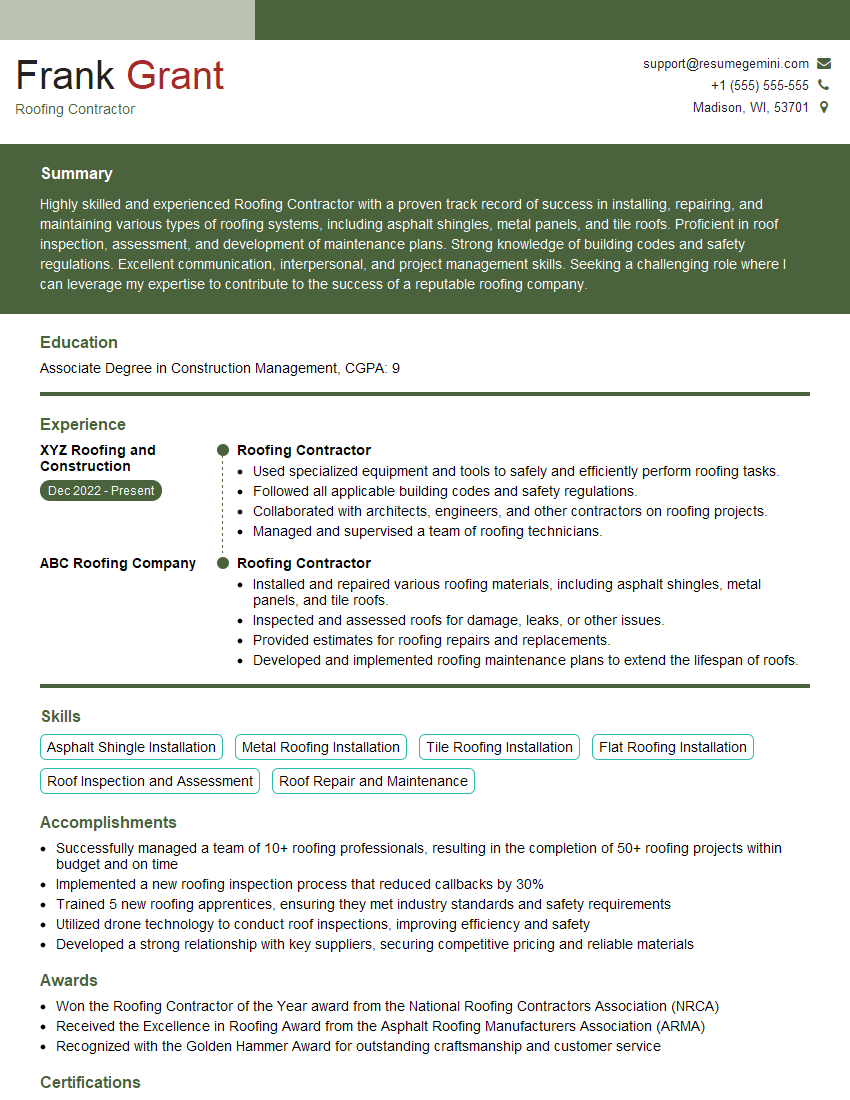
Roofing Contractor Resume Sample
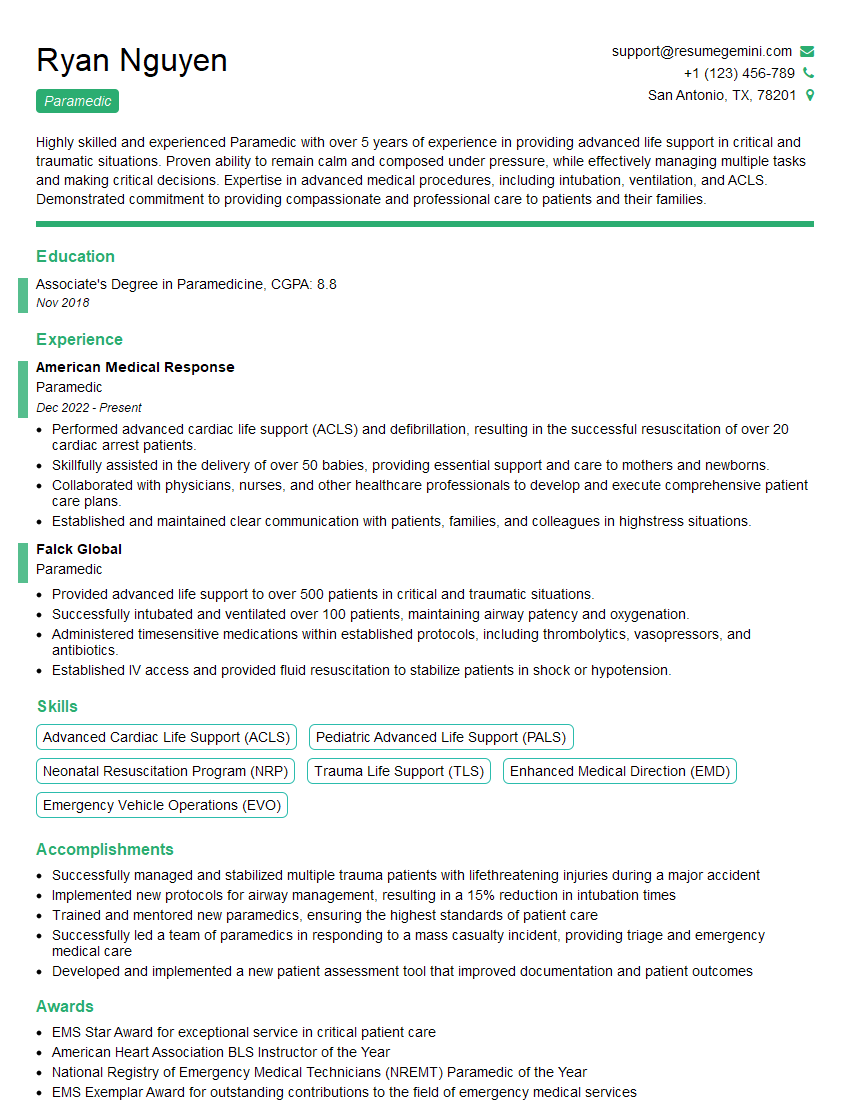
Paramedic Resume Sample
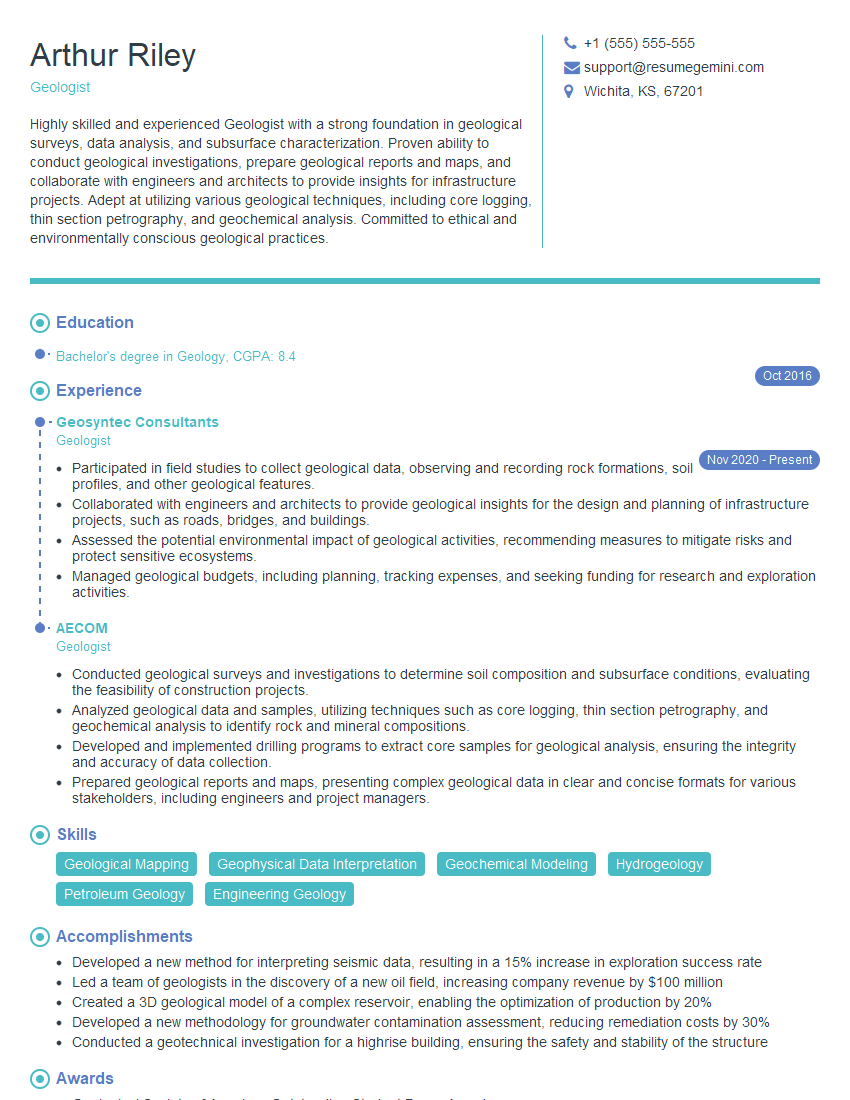
Geologist Resume Sample
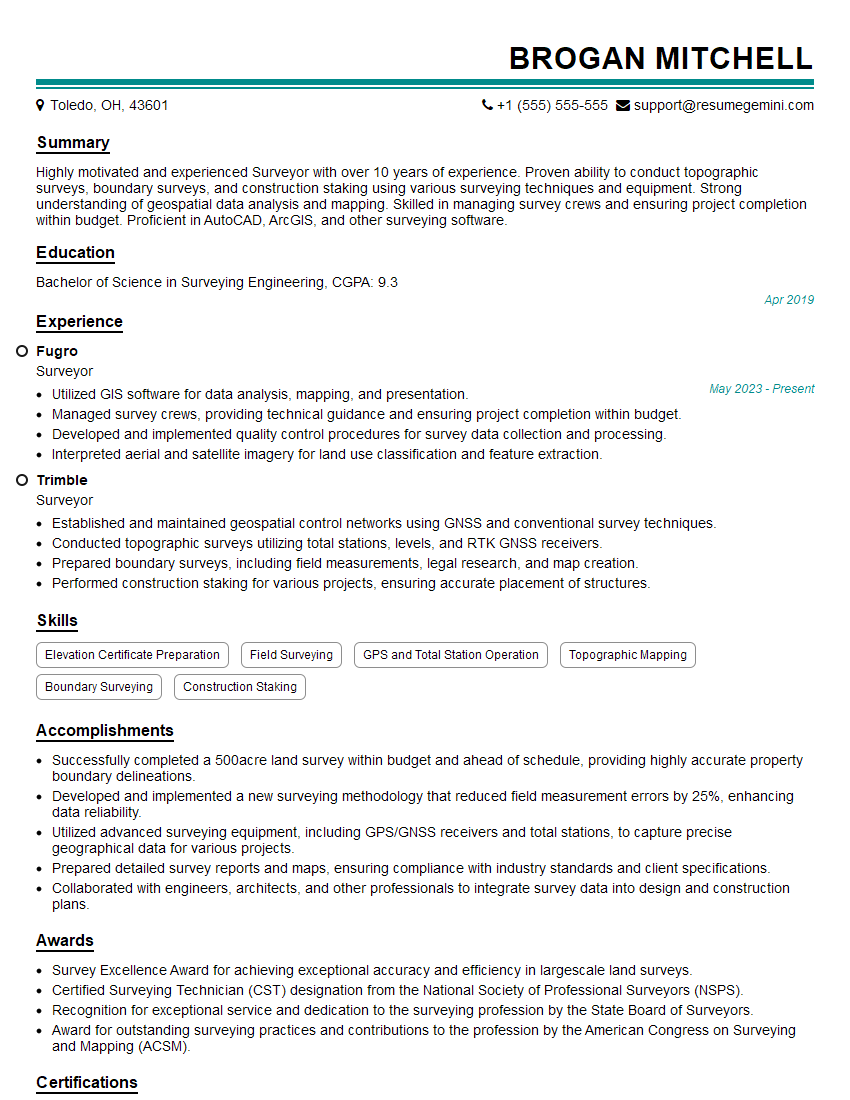
Surveyor Resume Sample
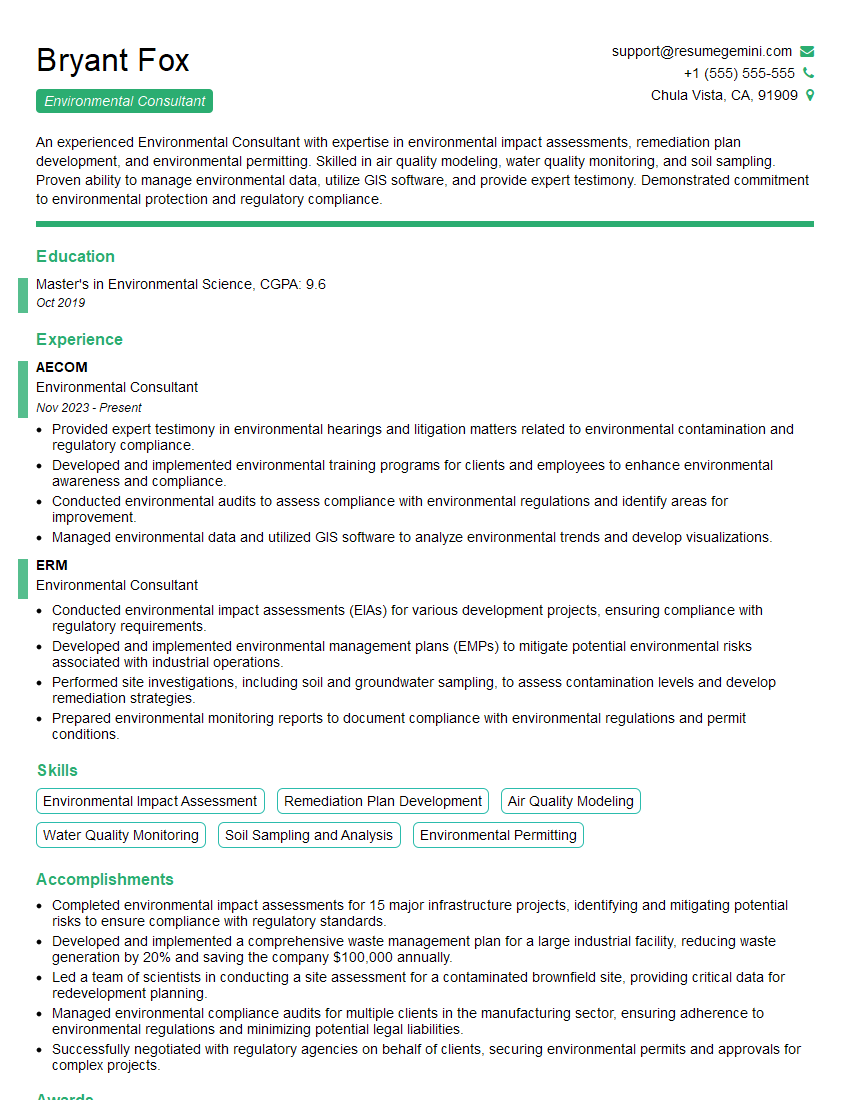
Environmental Consultant Resume Sample
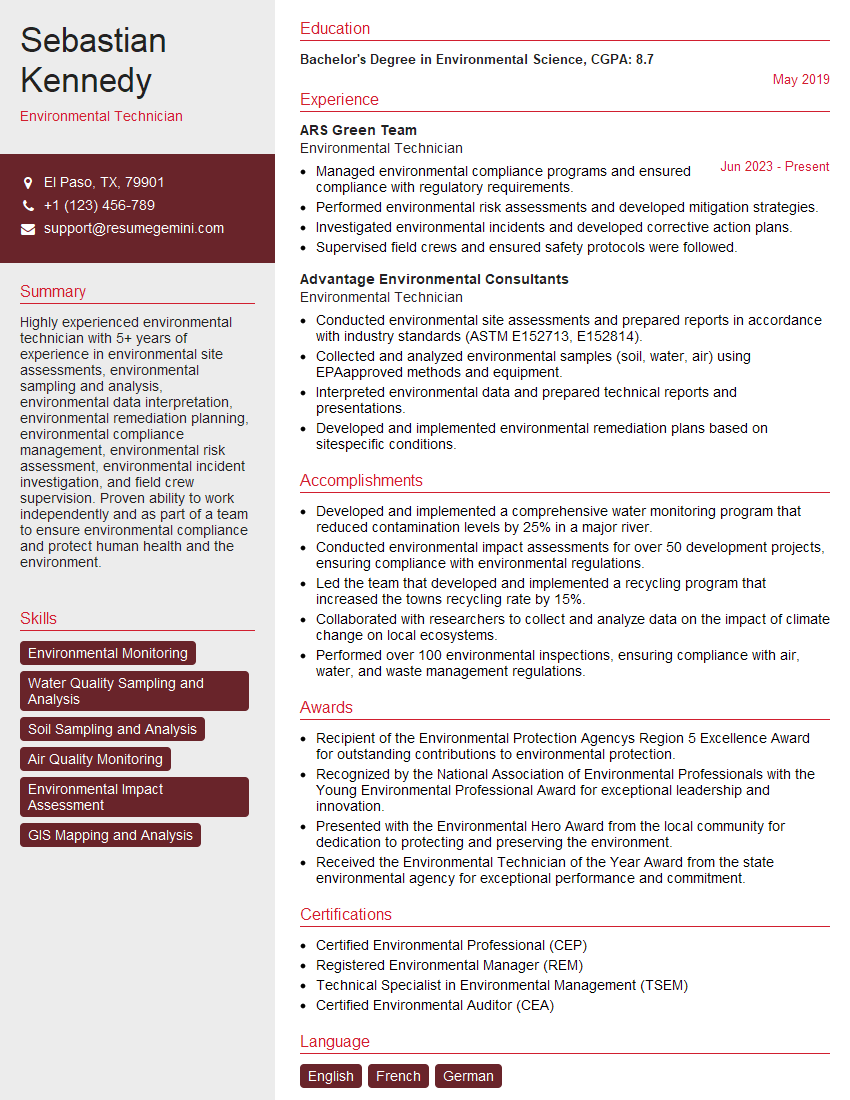
Environmental Technician Resume Sample
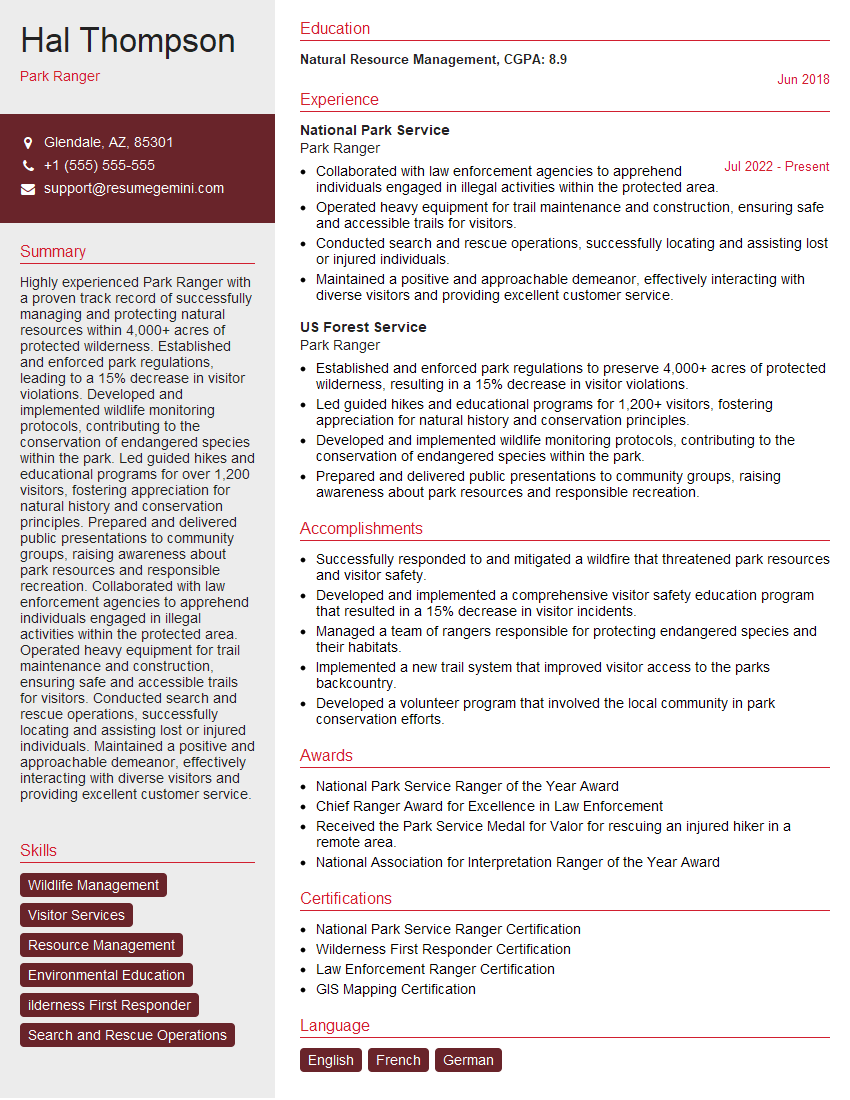
Park Ranger Resume Sample
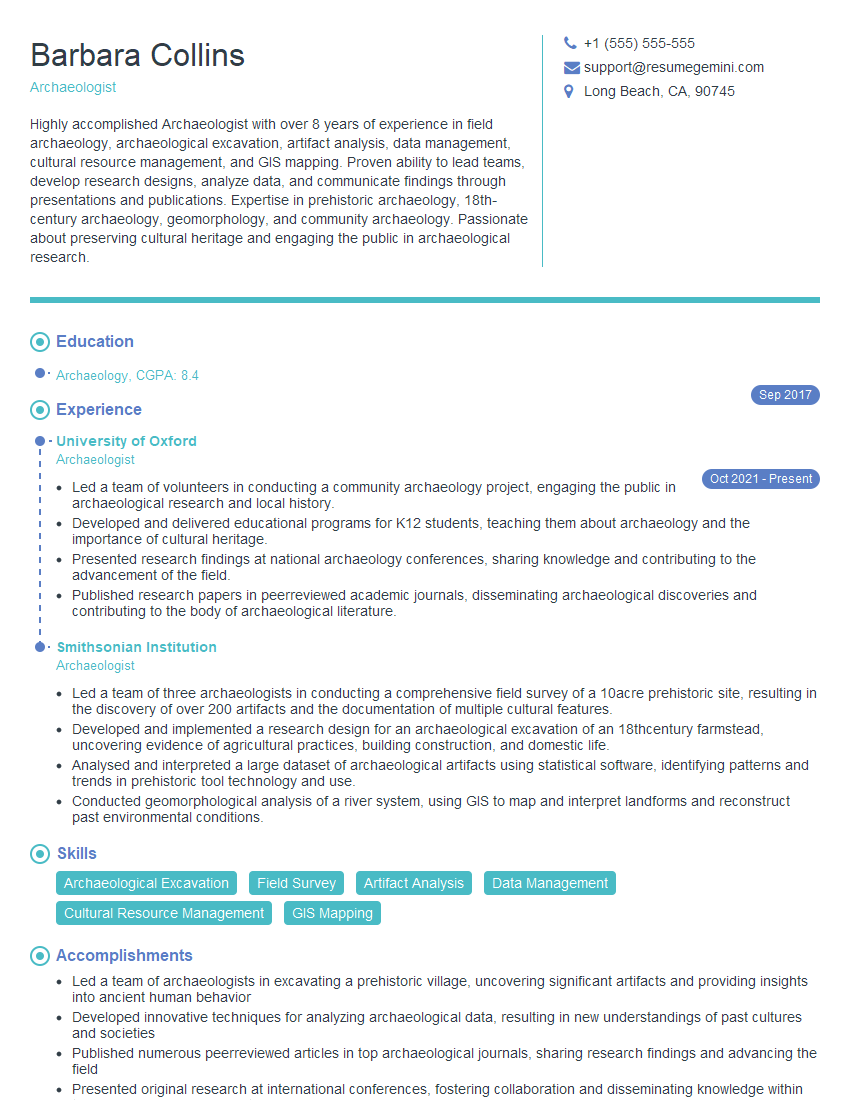
Archaeologist Resume Sample
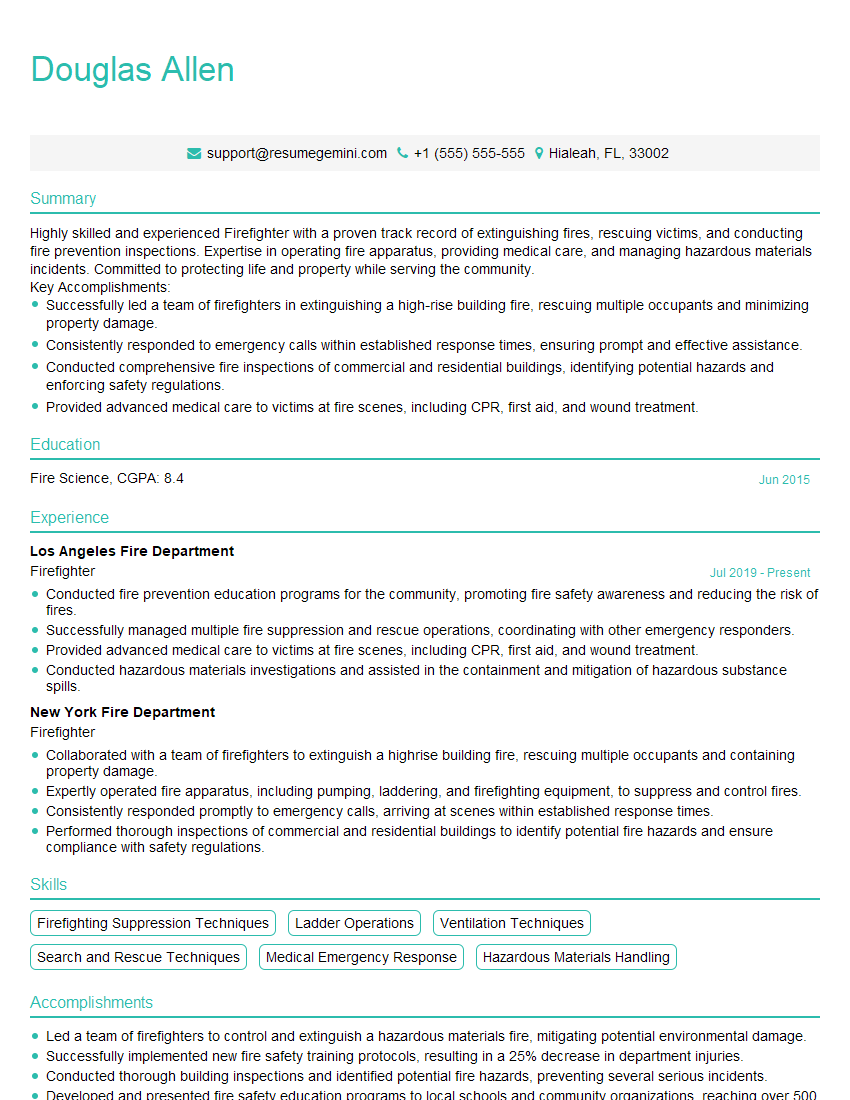
Firefighter Resume Sample
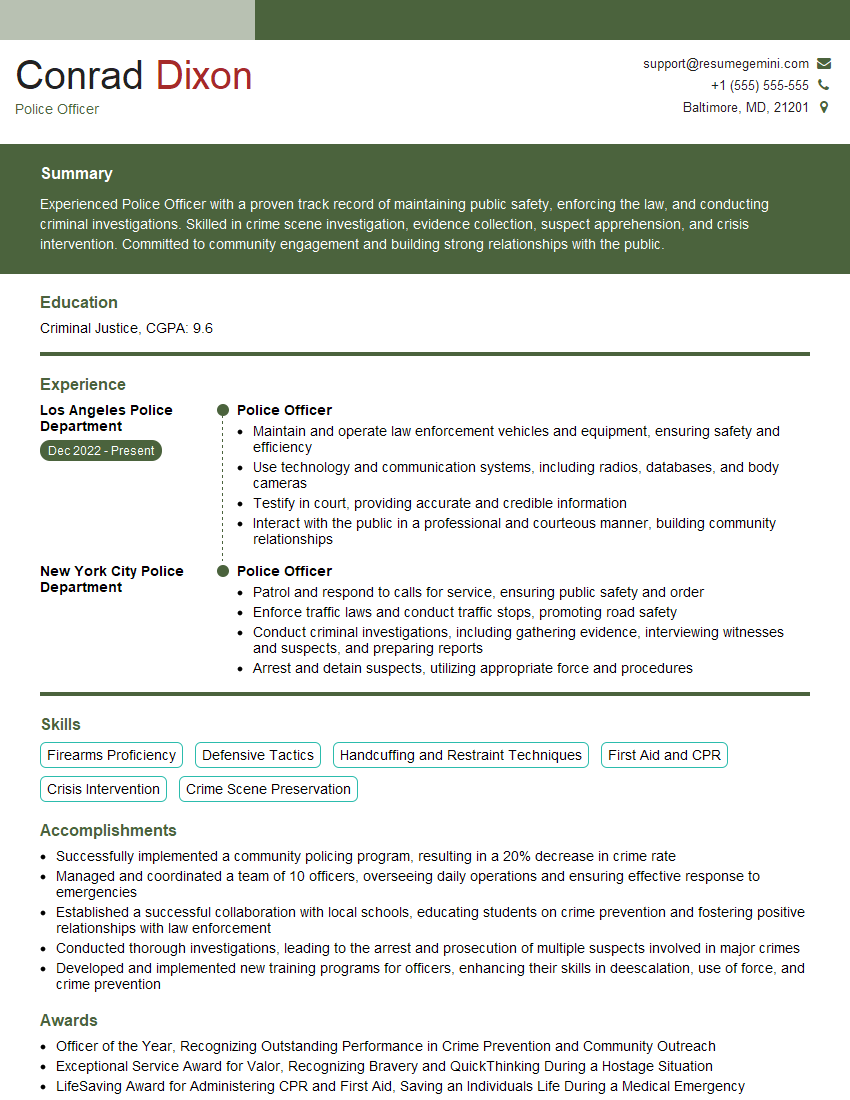
Police Officer Resume Sample
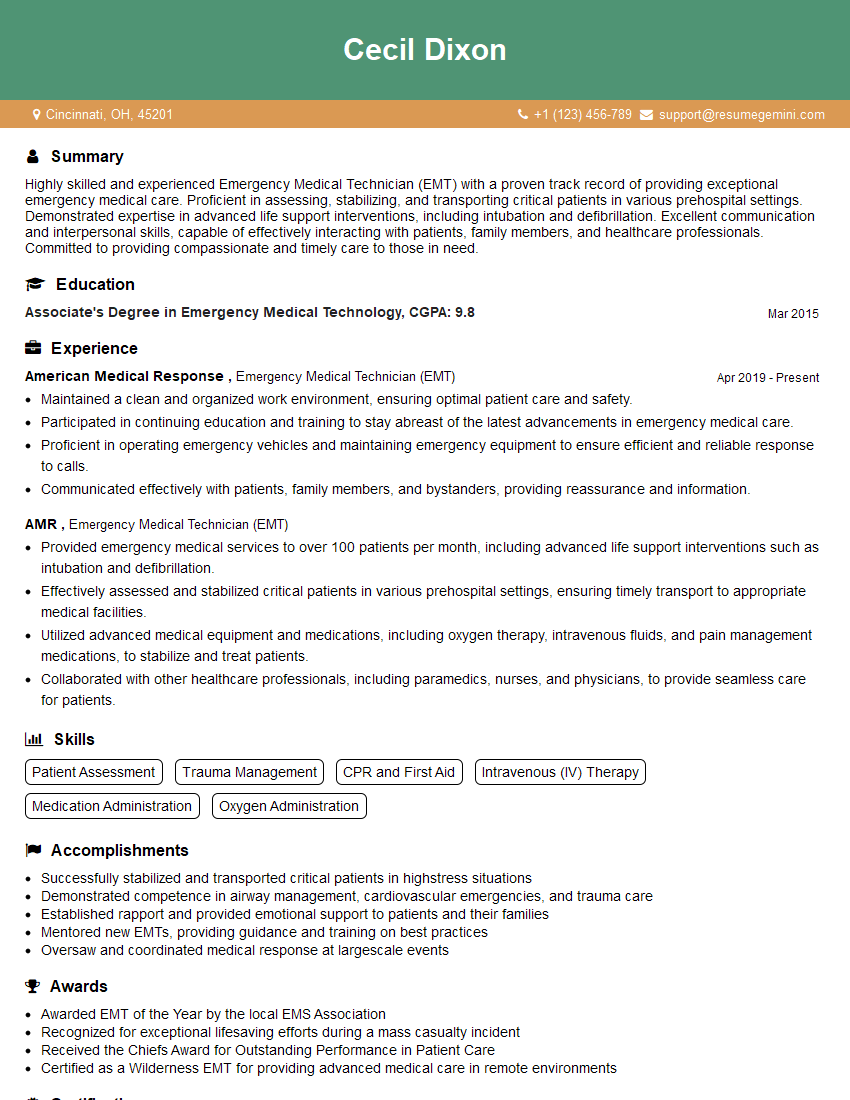
Emergency Medical Technician (EMT) Resume Sample
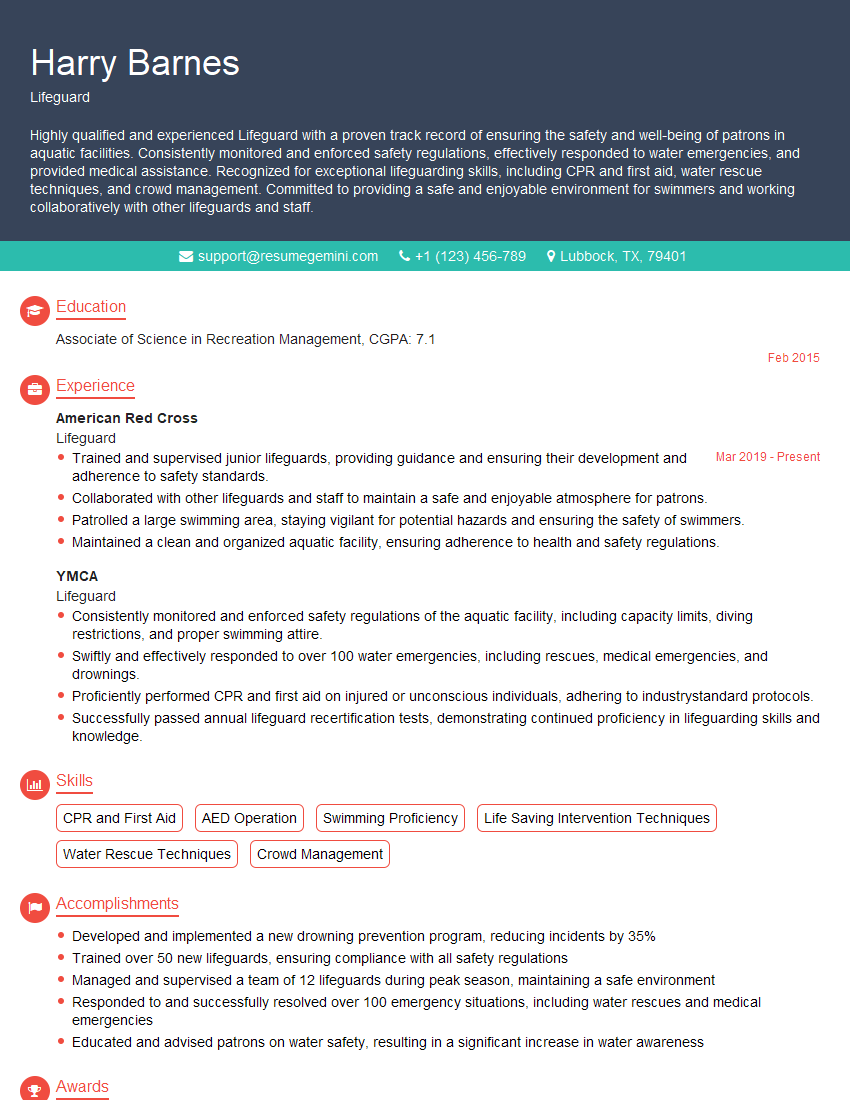
Lifeguard Resume Sample
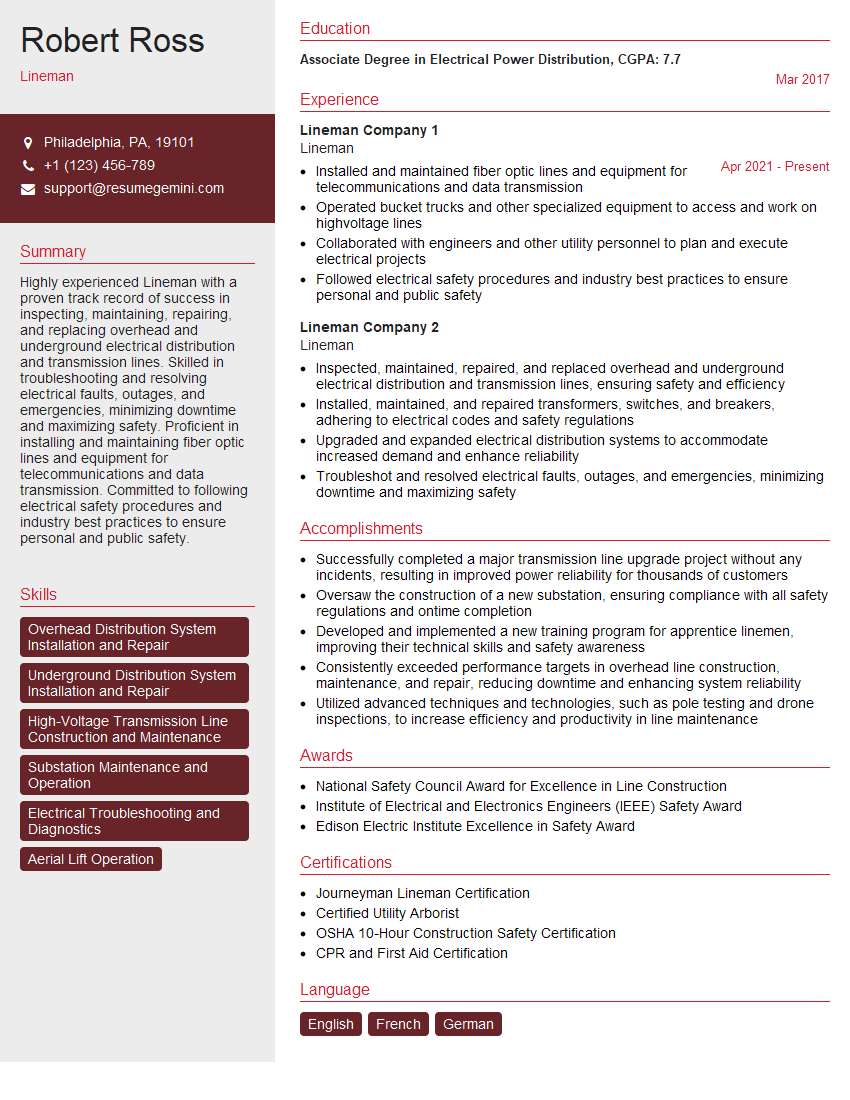
Lineman Resume Sample
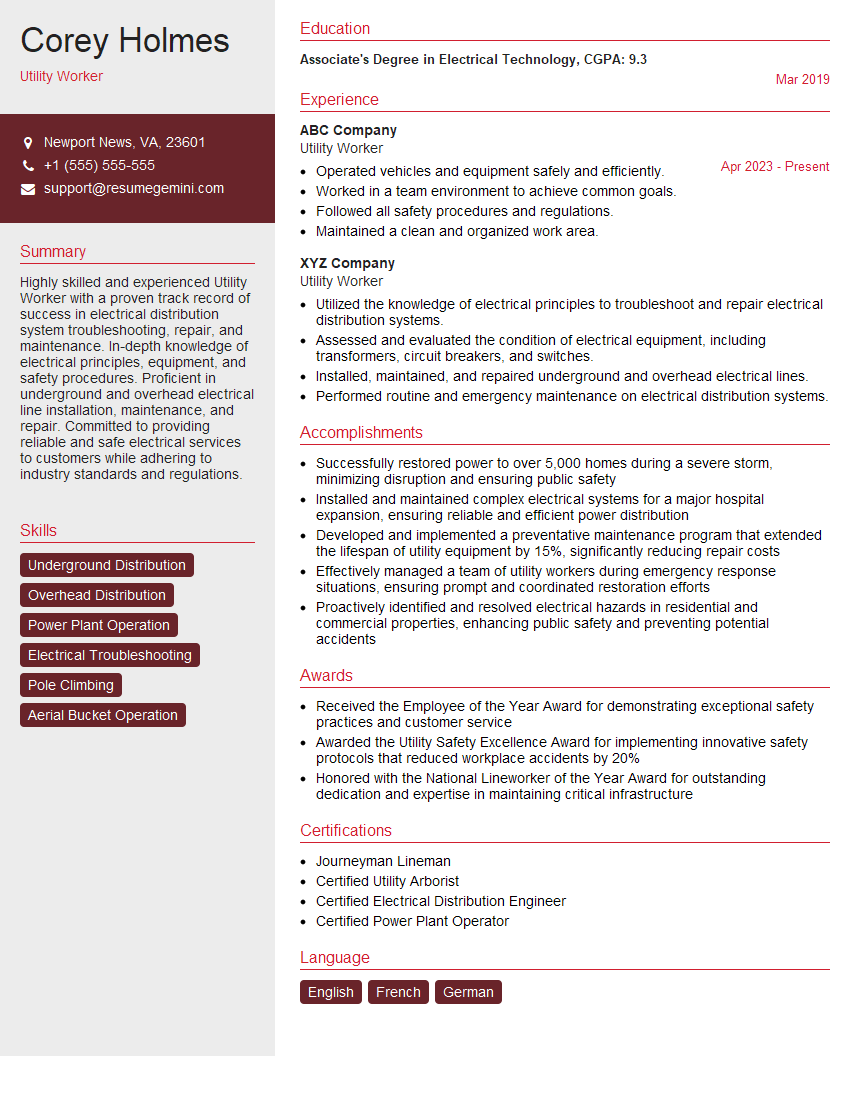
Utility Worker Resume Sample
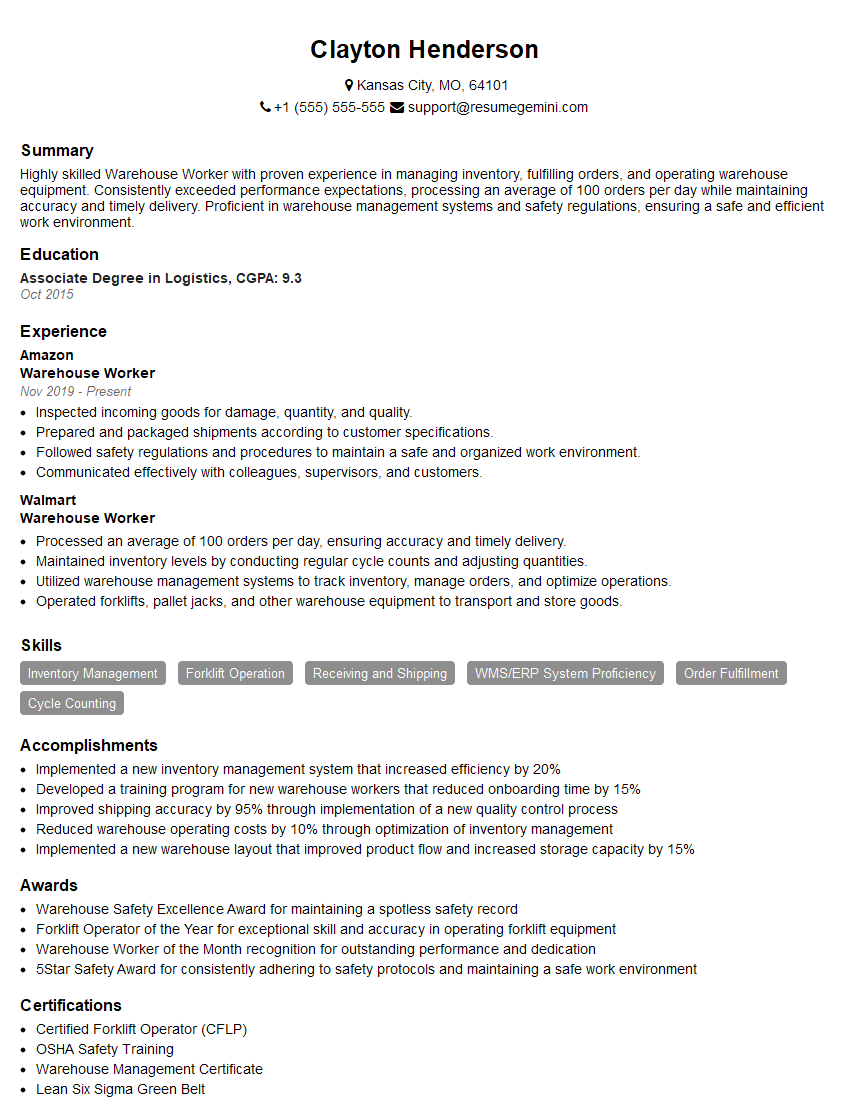
Warehouse Worker Resume Sample
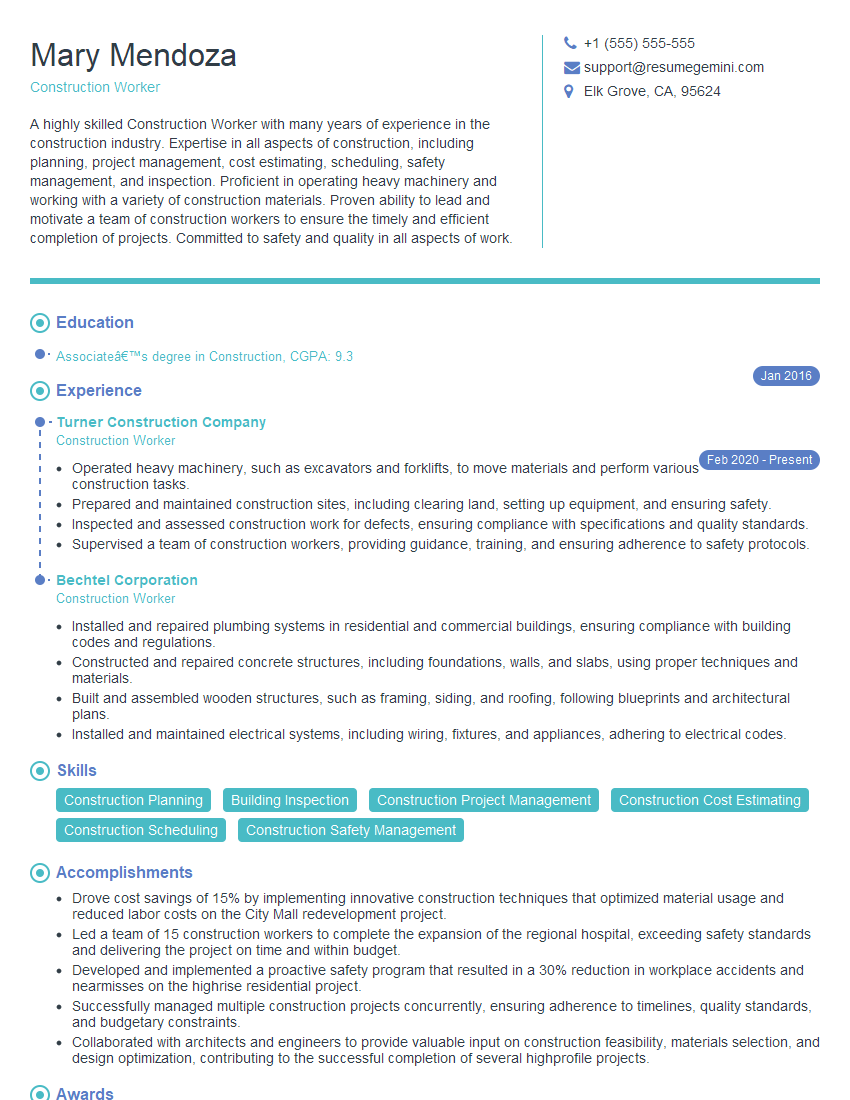
Construction Worker Resume Sample
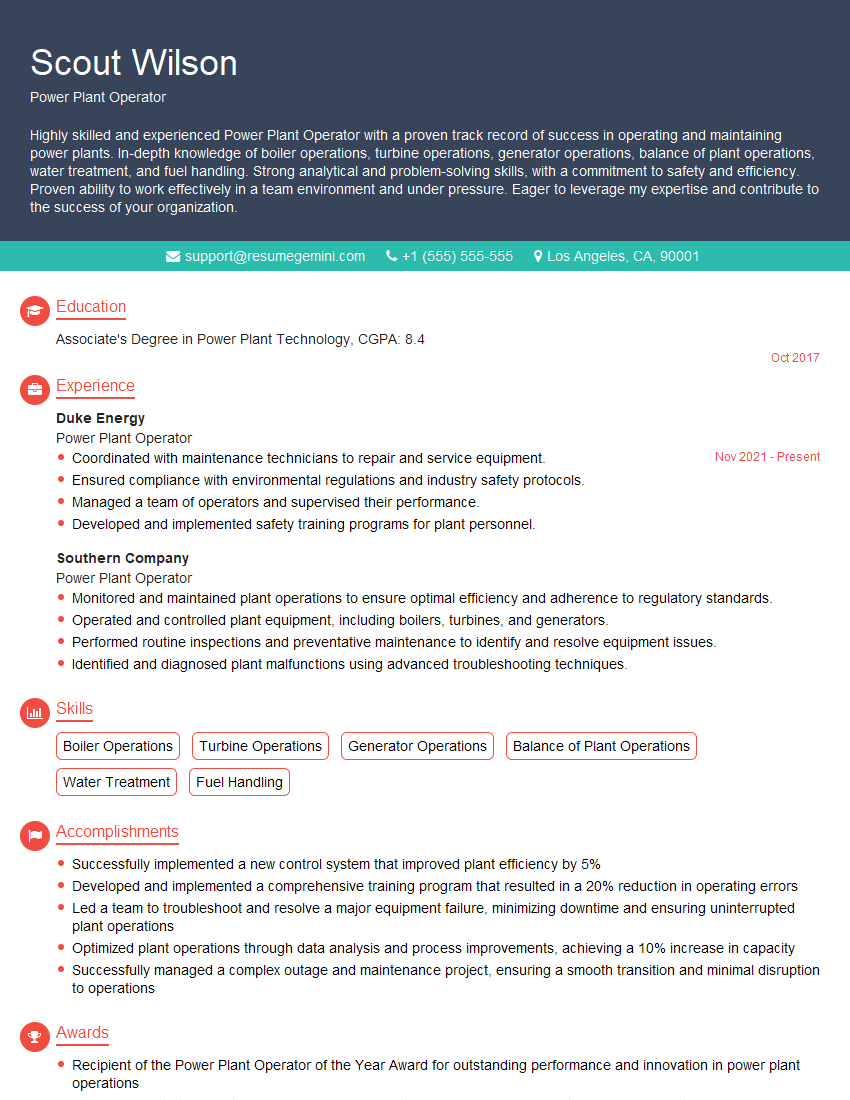
Power Plant Operator Resume Sample
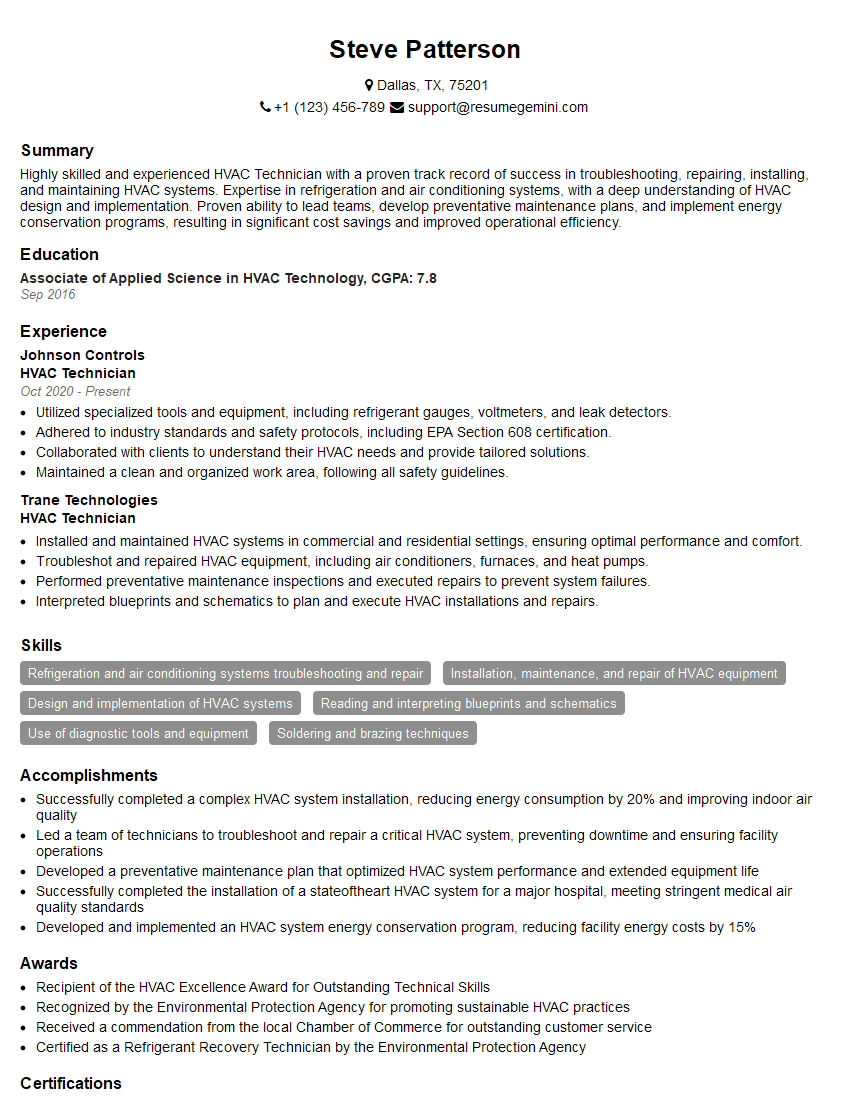
HVAC Technician Resume Sample
Explore more articles
Users Rating of Our Blogs
Share Your Experience
We value your feedback! Please rate our content and share your thoughts (optional).
What Readers Say About Our Blog
Very informative content, great job.
good