Interviews are opportunities to demonstrate your expertise, and this guide is here to help you shine. Explore the essential Needle and Syringe Handling interview questions that employers frequently ask, paired with strategies for crafting responses that set you apart from the competition.
Questions Asked in Needle and Syringe Handling Interview
Q 1. Describe the proper technique for drawing medication into a syringe.
Drawing medication into a syringe requires meticulous technique to ensure accuracy and sterility. First, ensure you have the correct medication and dosage. Then, carefully remove the needle cap, ensuring you don’t touch the needle itself. Next, draw air into the syringe equal to the volume of medication you need to withdraw. This helps prevent the creation of a vacuum that can damage the vial. Insert the needle into the vial, injecting the air. Then, invert the vial and slowly withdraw the medication into the syringe. Check for air bubbles; if present, gently tap the syringe to dislodge them and expel the air by pushing the plunger slightly. Finally, remove the needle from the vial and replace the cap, ensuring you don’t touch the needle during this process.
For example, if you need 1ml of medication, you would first draw 1ml of air into the syringe, then inject this air into the vial, invert the vial, and withdraw 1ml of medication. This entire process should be performed under sterile conditions.
Q 2. Explain the different types of needles and their appropriate uses.
Needles come in various sizes, gauges (diameter), and lengths, each suited for different applications. The gauge is inversely proportional to the diameter – a smaller gauge number indicates a larger diameter.
- Gauge: 25-30 gauge needles are commonly used for subcutaneous injections due to their smaller size and reduced tissue trauma. Larger gauge needles (18-22 gauge) are frequently used for intramuscular injections due to their ability to penetrate deeper muscles.
- Length: Needle length is chosen based on the injection site and the depth needed to reach the target tissue. Shorter needles (½ inch to 1 inch) are suitable for subcutaneous injections, whereas longer needles (1 to 1 ½ inches) might be needed for intramuscular injections, depending on the muscle targeted.
- Types: Different needle types exist, such as hypodermic needles (standard needles), insulin needles (shorter, finer needles), and butterfly needles (winged infusion sets for intravenous access).
For instance, a 27-gauge, ½ inch needle would be appropriate for a subcutaneous insulin injection, whereas a 22-gauge, 1-inch needle might be used for an intramuscular injection into the deltoid muscle.
Q 3. How do you ensure the sterility of a needle and syringe?
Maintaining sterility is paramount to prevent infection. Needles and syringes are typically sterile when purchased, packaged individually and sealed. It’s crucial to verify the package’s integrity before use – look for any damage or breaches in the sterile packaging. If the packaging is compromised, discard the needle and syringe immediately. The use of appropriate aseptic techniques is crucial. This includes thoroughly washing and drying hands before handling the supplies.
Once opened, avoid touching the needle or the part of the syringe that will enter the patient. Proper disposal in designated sharps containers after use further reduces infection risks. Any non-sterile handling will invalidate the sterility of the needle and syringe. It’s crucial to remember that sterility is not absolute, but adherence to these precautions minimizes the risks significantly.
Q 4. What are the steps involved in administering an intramuscular injection?
Administering an intramuscular (IM) injection involves injecting medication directly into a muscle.
- Preparation: Gather supplies (sterile needle and syringe, medication, alcohol swab, gauze), verify the medication, and perform hand hygiene.
- Site Selection: Choose an appropriate muscle, such as the deltoid, vastus lateralis (thigh), or ventrogluteal (buttock), based on the patient’s age, muscle mass, and the medication.
- Skin Preparation: Clean the injection site with an alcohol swab using a circular motion, moving outwards from the center. Allow the site to air dry.
- Needle Insertion: Hold the syringe like a dart, and insert the needle quickly at a 90-degree angle. Aspirate (draw back slightly on the plunger) to check if you’re in a blood vessel; if blood appears, withdraw the needle and choose a different site.
- Injection: Slowly inject the medication, observing for any signs of discomfort or resistance.
- Needle Removal and Disposal: Gently withdraw the needle at the same angle as insertion, apply pressure to the injection site with a gauze pad, and dispose of the needle safely in a sharps container.
Proper technique minimizes discomfort and reduces risks of complications like hematomas (bruising) or abscess formation.
Q 5. How do you administer a subcutaneous injection?
Subcutaneous (SC) injections deposit medication into the fatty tissue layer just below the skin.
- Preparation: Gather supplies, check medication, and perform hand hygiene.
- Site Selection: Common sites include the outer aspect of the upper arm, abdomen, thigh, and upper back. Pinch the skin to create a fold.
- Skin Preparation: Clean the site with an alcohol swab.
- Needle Insertion: Insert the needle at a 45-degree angle into the pinched skin fold. Aspirating is generally not recommended for SC injections.
- Injection: Inject the medication slowly.
- Needle Removal and Disposal: Release the pinched skin, remove the needle at the same angle, apply pressure with a gauze pad, and dispose of the needle safely.
SC injections are commonly used for insulin and some vaccines.
Q 6. Describe the proper technique for administering an intravenous injection.
Intravenous (IV) injections deliver medication directly into a vein. This procedure requires specific training and should only be performed by qualified healthcare professionals.
The procedure involves inserting a catheter into a vein and then connecting it to an IV line that administers medication. It necessitates aseptic techniques, vein selection, and proper catheter insertion and securing, and constant monitoring for any complications.
Improper IV administration can lead to various adverse reactions and complications, including infiltration, thrombophlebitis, hematoma, infection and air embolism. This procedure is not suitable for self-administration without rigorous training.
Q 7. What are the potential complications associated with needle and syringe handling?
Potential complications associated with needle and syringe handling include:
- Needle stick injuries: Accidental puncture resulting in exposure to bloodborne pathogens like hepatitis B, hepatitis C, or HIV. This highlights the importance of safe needle disposal and careful handling.
- Infection: Contamination of the injection site leading to local infections, cellulitis (inflammation of the skin and subcutaneous tissues) or abscesses.
- Hematoma: Collection of blood under the skin at the injection site, often due to accidental puncture of a blood vessel.
- Nerve damage: Inaccurate needle placement can cause nerve damage, leading to pain, numbness, or paralysis.
- Tissue damage: Improper technique may result in damage to surrounding tissue, causing pain, inflammation, and scarring.
- Allergic reactions: Allergic reactions to the medication or any component of the syringe and needle can occur.
Adherence to proper aseptic techniques, safe handling practices, and appropriate disposal procedures greatly minimize these risks. Regular training and strict adherence to guidelines are vital for preventing complications.
Q 8. How do you handle a needlestick injury?
A needlestick injury is a serious event requiring immediate action. Think of it like this: you’ve accidentally been exposed to potentially contaminated blood or bodily fluids. The first step is to immediately wash the affected area with soap and water for at least 15 minutes. Then, report the incident to your supervisor immediately. Following your facility’s protocol is crucial. This usually involves filling out an incident report and undergoing post-exposure prophylaxis (PEP), which might include medications to prevent infection, like Hepatitis B and HIV. PEP is incredibly important and must be initiated as quickly as possible to be effective.
Remember: Don’t squeeze or massage the injured area. This can spread the contamination. Seek medical attention promptly, and accurately document the entire process. The sooner you act, the better your chances of preventing infection.
Q 9. What are the safety precautions to take when handling needles and syringes?
Safe needle and syringe handling is paramount to prevent needlestick injuries and the spread of infectious diseases. Imagine you’re handling tiny, sharp, potentially contaminated objects – meticulous care is essential. Here’s a breakdown of safety precautions:
- Always use safety-engineered devices: These include needles with built-in safety mechanisms that retract or shield the needle after use.
- Never recap needles: Recapping is a major cause of needlestick injuries. If absolutely necessary, use the one-handed scoop method.
- Dispose of needles and syringes immediately and properly: Use puncture-resistant containers designed specifically for sharps disposal.
- Wear appropriate personal protective equipment (PPE): This includes gloves, gowns, and eye protection, especially when dealing with potentially infectious materials.
- Maintain proper hand hygiene: Wash your hands thoroughly before and after handling needles and syringes.
- Follow your facility’s established policies and procedures: These procedures are designed to minimize risk and protect both you and your patients.
Q 10. Explain the proper procedure for disposing of used needles and syringes.
Disposing of used needles and syringes is a critical step in preventing accidental needlestick injuries and protecting the environment. Imagine a scenario where a discarded needle injures a sanitation worker. It’s crucial to use a rigid, puncture-resistant container specifically labeled for sharps disposal. These containers should be readily accessible at the point of use. Once the container is approximately ¾ full (or according to your facility’s guidelines), it should be sealed securely and disposed of according to your facility’s policy. This usually involves proper labeling and transfer to a designated waste disposal service. Never overfill the sharps container – it compromises safety and increases the risk of accidental punctures.
Q 11. How do you identify and label medications before administration?
Accurate medication identification and labeling are crucial to patient safety. Think of this as the cornerstone of safe medication administration. Before you even touch the medication, you must verify its identity three times: 1) when you retrieve it from storage, 2) as you prepare the dose, and 3) before administering it to the patient. This triple check method helps to avoid medication errors. Verify the medication name, dose, route of administration, and expiration date. Compare this information with the physician’s order. If any discrepancies exist, immediately contact the physician or pharmacist. Proper labeling includes patient name, medication name, dose, route, time of administration and your initials.
Q 12. What are the legal and ethical considerations surrounding needle and syringe handling?
Legal and ethical considerations surrounding needle and syringe handling are substantial. Imagine the serious consequences of negligence. Legally, healthcare professionals are obligated to adhere to infection control guidelines, ensuring safe disposal of sharps and preventing the spread of infectious diseases. Failure to do so could result in legal action. Ethically, respecting patient confidentiality and maintaining patient safety are paramount. We have a duty of care towards our patients, to protect them from harm by adhering to best practice guidelines. This includes proper needle and syringe handling, safe injection techniques and ensuring the patient’s informed consent.
Q 13. How do you verify the correct dose and medication before administration?
Verifying the correct dose and medication is a critical step in preventing medication errors. Think of this as the most vital part of administering an injection. It’s a multi-step process. First, carefully review the physician’s order, paying close attention to the medication name, dose, and route of administration. Compare this information to the medication label at least three times, as previously described. If there are any discrepancies, don’t proceed; verify the order with the physician or pharmacist. Use a calculator to double-check complex calculations, and don’t hesitate to ask for help if needed. Patient safety is paramount and should never be compromised.
Q 14. Describe the signs and symptoms of an adverse reaction to an injection.
Adverse reactions to injections can range from mild to severe. Imagine a patient experiencing a sudden, unexpected response after an injection. Mild reactions can include localized pain, redness, swelling, or itching at the injection site. More severe reactions might involve systemic symptoms such as hives, difficulty breathing, dizziness, rapid heart rate, or anaphylaxis. Anaphylaxis is a life-threatening allergic reaction requiring immediate medical intervention. Always be prepared to promptly respond to any adverse reaction, by contacting emergency services and providing appropriate first aid measures while closely observing and monitoring the patient. Patient education regarding signs and symptoms and the importance of reporting any adverse effects are important aspects of patient safety.
Q 15. What actions do you take if a patient experiences an adverse reaction?
Responding to an adverse reaction requires immediate action and prioritizes patient safety. My first step is to stop the injection immediately. Next, I assess the patient’s vital signs (heart rate, blood pressure, respiration) and monitor their condition closely. The severity of the reaction dictates the next steps. Mild reactions, such as localized swelling or redness, might only require observation and appropriate documentation. However, more serious reactions like anaphylaxis (a life-threatening allergic reaction) necessitate immediate emergency medical attention. This involves administering emergency medication (like epinephrine if trained and authorized) and calling for immediate assistance, usually via a code or emergency response system. Throughout the process, I carefully document all observations, interventions, and the patient’s response. I also communicate clearly with the patient, explaining the steps being taken to address the reaction, which helps to alleviate anxiety and maintain a calm environment.
For example, if a patient experiences hives and shortness of breath after an injection, I immediately stop, take their vital signs, and potentially administer oxygen while contacting the emergency response team. Thorough documentation following a severe reaction is vital for medical review and future patient care.
Career Expert Tips:
- Ace those interviews! Prepare effectively by reviewing the Top 50 Most Common Interview Questions on ResumeGemini.
- Navigate your job search with confidence! Explore a wide range of Career Tips on ResumeGemini. Learn about common challenges and recommendations to overcome them.
- Craft the perfect resume! Master the Art of Resume Writing with ResumeGemini’s guide. Showcase your unique qualifications and achievements effectively.
- Don’t miss out on holiday savings! Build your dream resume with ResumeGemini’s ATS optimized templates.
Q 16. How do you manage a patient who is needle-phobic?
Managing needle-phobic patients requires a compassionate and empathetic approach that prioritizes building trust and minimizing anxiety. I begin by acknowledging and validating their fear, creating a safe and comfortable environment. This involves providing a detailed explanation of the procedure, answering all their questions, and allowing ample time for discussion and addressing their concerns. I use distraction techniques such as engaging in light conversation or offering deep breathing exercises. Employing slow, controlled movements during the injection helps reduce discomfort. In some cases, topical anesthetic cream can numb the injection site. In severe cases, a referral to a psychologist or behavioral therapist specializing in phobias may be necessary. Open communication and patience are key to a positive experience for both the patient and healthcare provider. Remember, success lies in building trust and understanding.
For instance, I might engage a patient in conversation about their hobbies to distract them during the procedure. Or, I might offer them a stress ball to squeeze during the injection.
Q 17. What is your experience with different types of injection sites?
My experience encompasses a wide range of injection sites, each chosen based on the medication, its route of administration, and the patient’s individual needs. Common sites include the deltoid muscle (arm), vastus lateralis muscle (thigh), and ventrogluteal muscle (buttock). The deltoid is often used for smaller volumes of medication, while the vastus lateralis is preferred for infants and young children. The ventrogluteal muscle offers a larger muscle mass, suitable for larger volumes and less prone to nerve damage. Intravenous (IV) injections are administered into a vein, requiring specific knowledge and skill to locate suitable veins and maintain sterility. Subcutaneous injections are delivered into the fatty tissue just below the skin, frequently used for insulin administration. Intradermal injections are administered into the superficial layers of the skin, used for allergy testing or TB screening. The selection of the injection site must always consider factors like patient comfort, potential for complications, and the medication’s absorption properties. I consistently follow evidence-based guidelines and best practices to ensure safe and effective administration.
Q 18. Explain the importance of proper patient identification before administering an injection.
Proper patient identification is paramount before administering any injection to prevent medication errors and ensure patient safety. This involves verifying the patient’s identity using at least two identifiers, such as their name and date of birth, comparing this information with their identification bracelet or medical record. This may also involve scanning the patient’s barcode or using electronic identification systems. A simple mistake in patient identification can lead to severe consequences, including administering the wrong medication or delivering medication to the wrong patient. I meticulously follow my healthcare facility’s established identification protocols to minimize this risk and adhere to rigorous safety guidelines.
For example, I would never administer medication based solely on a patient’s verbal confirmation of their name. A double-check using a second identifier like their date of birth is always required.
Q 19. How do you document the administration of medication?
Accurate and detailed documentation of medication administration is essential for maintaining a comprehensive patient record and ensuring continuity of care. My documentation includes the date and time of administration, the medication’s name and dosage, the route and site of administration, the patient’s response to the medication, and any adverse events. This documentation is typically entered into an electronic health record (EHR) or a paper-based chart, following my healthcare facility’s established procedures. Legibility, accuracy, and adherence to established standards are crucial aspects of this process. Thorough and timely documentation protects both the patient and healthcare provider, providing a clear audit trail of medical interventions.
For example, my notes might include: ’10/26/2024, 14:30: Administered 10mg of morphine sulfate intravenously in the left antecubital fossa. Patient reported pain relief of 8/10. No adverse reactions noted.’
Q 20. What are the different gauges of needles and when would you use each?
Needle gauges refer to the diameter of the needle’s lumen (the inside of the needle). Smaller gauge numbers indicate larger diameter needles, while larger numbers indicate smaller diameter needles. The choice of needle gauge depends primarily on the viscosity (thickness) of the medication being administered and the injection site. Larger gauge needles (e.g., 18G, 20G) are suitable for thicker medications or those requiring rapid infusion. Smaller gauge needles (e.g., 25G, 27G) are preferred for less viscous medications or when minimizing tissue trauma is crucial, such as subcutaneous or intradermal injections. I choose the optimal gauge to ensure medication delivery is effective and comfortable for the patient.
- 18G-20G: Often used for blood draws or administering viscous medications intravenously.
- 22G-24G: Frequently used for intravenous injections and subcutaneous injections of thicker solutions.
- 25G-27G: Commonly used for subcutaneous injections such as insulin injections and intradermal injections.
Incorrect gauge selection can lead to discomfort for the patient, tissue damage, or inefficient medication delivery. Understanding the relationship between viscosity, needle gauge, and injection site is vital for competent needle and syringe handling.
Q 21. Describe your experience with using a safety-engineered needle device.
Safety-engineered needle devices (SENDs) are integral to preventing needlestick injuries, a significant occupational hazard in healthcare. My experience with SENDs includes various types such as retractable needles, shielded needles, and needleless systems. I’m proficient in using these devices, understanding their mechanisms and following the manufacturer’s instructions for activation and disposal. These devices significantly reduce the risk of accidental needlesticks by automatically retracting or shielding the needle after injection, minimizing exposure to contaminated sharps. I always utilize appropriate personal protective equipment (PPE), like gloves, during the entire procedure, regardless of whether a safety-engineered device is used. The proper use and disposal of SENDs are crucial not only for individual safety but also for maintaining a safe and sterile work environment for all.
For example, I’m comfortable using and disposing of various brands of retractable needles and I understand the specific activation methods for each device. The implementation and consistent use of SENDs reflect a commitment to worker safety and healthcare best practices.
Q 22. How do you assess the injection site before administration?
Assessing the injection site before administering medication is crucial to ensure patient safety and minimize complications. It’s like checking the ground before you build a house – you wouldn’t want to build on unstable ground, right? Similarly, you wouldn’t want to inject into an area that could cause problems.
- Visual Inspection: Look for any signs of inflammation, redness, swelling, bruising, lesions, or scars. These could indicate an infection or other underlying condition that makes the area unsuitable for injection. For example, a visibly infected area would be contraindicated.
- Palpation: Gently feel the area to check for lumps, tenderness, or hardness. This helps detect underlying masses or areas of inflammation that might not be visible. Imagine feeling for a smooth, even surface; anything bumpy or painful suggests a problem.
- Patient Assessment: Ask the patient about any pain, tenderness, or previous reactions at the potential injection site. Their input is vital; they know their body best.
- Site Selection: Once a suitable site is found, select a location that ensures the medication is properly absorbed and minimizes risk. For example, intramuscular injections typically avoid bony prominences and major nerves.
Proper assessment prevents complications like abscess formation, nerve damage, or poor medication absorption.
Q 23. What are the potential risks of re-using needles and syringes?
Reusing needles and syringes is incredibly dangerous and should never be done. It’s a major contributor to the spread of bloodborne pathogens like HIV, Hepatitis B, and Hepatitis C. Think of a needle as a tiny, incredibly sharp straw that can easily carry infectious agents from one person to another.
- Infection Transmission: Used needles can carry blood and other bodily fluids containing infectious pathogens. Reusing them directly transfers these pathogens to the next individual, potentially leading to serious and life-threatening infections. A single contaminated needle can cause a life-altering infection.
- Needle Damage and Breakage: Repeated use dulls the needle, making injection more painful and increasing the risk of bending or breaking the needle. A broken needle inside someone’s body is a surgical emergency.
- Abscess Formation: The introduction of bacteria from a contaminated needle increases the risk of abscesses (localized collections of pus) at the injection site, leading to further complications and requiring additional medical intervention.
- Legal and Ethical Concerns: Reusing needles is a serious breach of healthcare standards and is unethical and illegal in most jurisdictions. It’s a significant violation of patient safety guidelines.
Q 24. Explain the proper technique for mixing medications in a syringe.
Mixing medications in a syringe requires precision and adherence to strict protocols to ensure accurate dosing and prevent medication incompatibilities. It’s like carefully following a recipe – the wrong order or ingredients can ruin the final product.
- Verify Compatibility: Always check the medication compatibility chart before mixing any drugs. Some medications react negatively when combined, rendering them ineffective or even dangerous. Imagine mixing vinegar and baking soda; the reaction isn’t ideal!
- Withdraw Medications: Using separate needles for each medication, withdraw the prescribed dose of each medication into the syringe. Always use aseptic technique, maintaining sterility throughout the process.
- Gentle Mixing: Gently roll the syringe to mix the medications. Avoid shaking vigorously, as this can create air bubbles and alter medication stability. Rolling ensures thorough mixing without introducing air bubbles.
- Inspect for Compatibility: After mixing, visually inspect the solution for any cloudiness, precipitation, or color changes, which might indicate incompatibility. Any change suggests the medications shouldn’t have been mixed.
- Label the Syringe: Clearly label the syringe with the medications and their concentrations and the date and time of preparation. This crucial step minimizes errors and confusion.
Q 25. How do you address a situation where you have a medication error?
Medication errors are serious incidents that must be addressed promptly and transparently. Honesty and accuracy are paramount. Think of it like a pilot reporting an error – immediate action is crucial to prevent further problems.
- Immediate Actions: Stop the procedure immediately. Assess the patient for any adverse effects. Don’t panic; stay calm and systematically assess the situation.
- Report the Error: Report the error to the appropriate supervising personnel according to the facility’s established protocol. Accurate documentation is key.
- Patient Monitoring: Closely monitor the patient’s vital signs and condition for any signs of adverse reactions. This ensures you’re actively addressing any consequences.
- Documentation: Thoroughly document the error, including the type of error, the medications involved, the steps taken to correct the error, and the patient’s response. Accurate and complete records protect you and the patient.
- Incident Report: Complete an incident report form, providing a detailed description of the event, steps taken, and contributing factors. This aids in future prevention.
Addressing medication errors promptly and accurately minimizes harm and helps improve future practices. Transparency is crucial.
Q 26. What are the standard operating procedures for handling sharps containers?
Sharps containers are designed to safely dispose of needles, syringes, and other sharp medical instruments, preventing needlestick injuries and the spread of infection. They’re essentially specialized trash cans for dangerous items.
- Appropriate Container Use: Use puncture-resistant, clearly labeled sharps containers with a closable lid. These containers are specifically designed to prevent punctures and accidental spills.
- Proper Disposal: Dispose of sharps immediately after use; never recap needles. Directly deposit used sharps into the designated container. Avoid overfilling containers, which can compromise safety.
- Container Handling: When the container is ¾ full, seal it according to facility protocol. Avoid shaking or jostling the container; it should be transported carefully.
- Waste Management: Ensure the sealed container is disposed of according to local and regulatory guidelines. This may involve a specialized medical waste disposal company.
- Employee Safety: Always wear appropriate personal protective equipment (PPE), including gloves, when handling sharps containers. This safeguards your own health and well-being.
Q 27. Describe your understanding of infection control protocols related to needle and syringe use.
Infection control protocols are essential to prevent the transmission of infectious agents through needle and syringe use. They are critical for protecting both patients and healthcare workers.
- Aseptic Technique: This involves using sterile needles and syringes, employing proper hand hygiene, and using aseptic practices during medication preparation and administration to prevent contamination. This is crucial for preventing infection.
- Hand Hygiene: Before and after each procedure, thorough hand washing with soap and water or the use of an alcohol-based hand rub is essential. This eliminates the bacteria on your hands, minimizing contamination.
- Personal Protective Equipment (PPE): Gloves should always be worn during needle and syringe handling. Additional PPE, such as gowns and masks, may be required depending on the procedure and patient condition. Protection is paramount.
- Safe Disposal: Proper disposal of used needles and syringes in designated sharps containers is crucial to prevent needlestick injuries and the spread of infection. This eliminates the possibility of exposure.
- Environmental Cleaning: Decontamination and cleaning of surfaces and equipment after potential spills or exposure is vital. This prevents the spread of bacteria or viruses.
These protocols are designed to minimize risk and maximize patient and healthcare worker safety, forming the backbone of safe injection practices.
Key Topics to Learn for Needle and Syringe Handling Interview
- Aseptic Technique: Understanding and applying principles of sterility to prevent contamination during needle and syringe handling. This includes proper hand hygiene and environmental control.
- Needle Selection and Insertion: Knowing how to choose the appropriate needle and syringe based on the intended application (e.g., injection type, viscosity of the fluid). Mastering safe and efficient insertion techniques.
- Medication Preparation and Administration: Accurately preparing medications using aseptic techniques and administering injections with precision and safety. This includes calculating dosages and understanding different injection routes.
- Safe Disposal and Waste Management: Understanding and adhering to regulations and protocols for the safe disposal of used needles and syringes to prevent accidental needle sticks and environmental contamination.
- Troubleshooting Common Issues: Developing the ability to identify and resolve problems that may arise during needle and syringe handling, such as air bubbles in syringes or difficult injections.
- Regulatory Compliance and Safety Protocols: Familiarity with relevant health and safety regulations, including OSHA guidelines and infection control practices related to needle and syringe handling.
- Understanding Different Syringe Types and Sizes: Knowing the characteristics and applications of various syringe types (e.g., insulin syringes, tuberculin syringes) and how to select the appropriate size for different procedures.
- Patient Safety and Communication: Prioritizing patient safety through proper communication and verification procedures before administering injections.
Next Steps
Mastering needle and syringe handling is crucial for a successful career in many healthcare settings. It demonstrates a commitment to safety, precision, and patient well-being – highly valued attributes by employers. To significantly boost your job prospects, creating a strong, ATS-friendly resume is essential. ResumeGemini is a trusted resource that can help you craft a professional resume that highlights your skills and experience effectively. Examples of resumes tailored specifically to needle and syringe handling expertise are available to help you create a compelling application.

Clinical Research Associate (CRA) Resume Sample
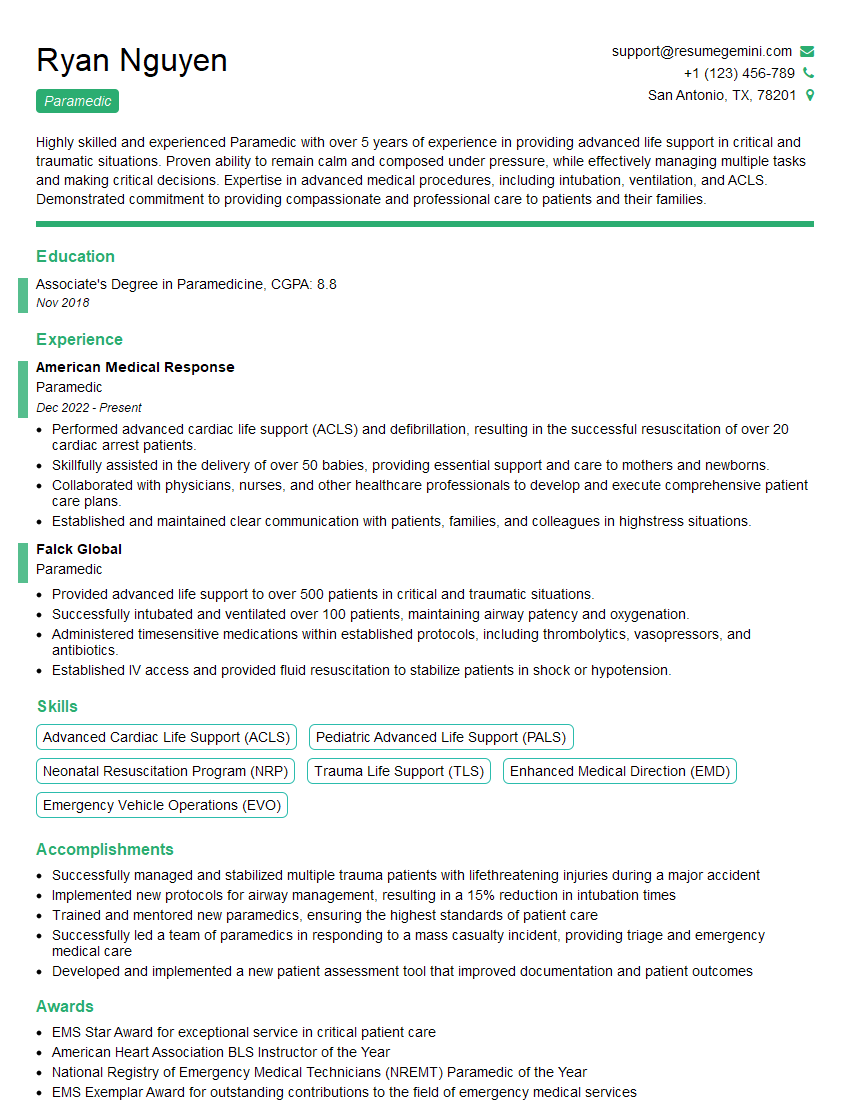
Paramedic Resume Sample
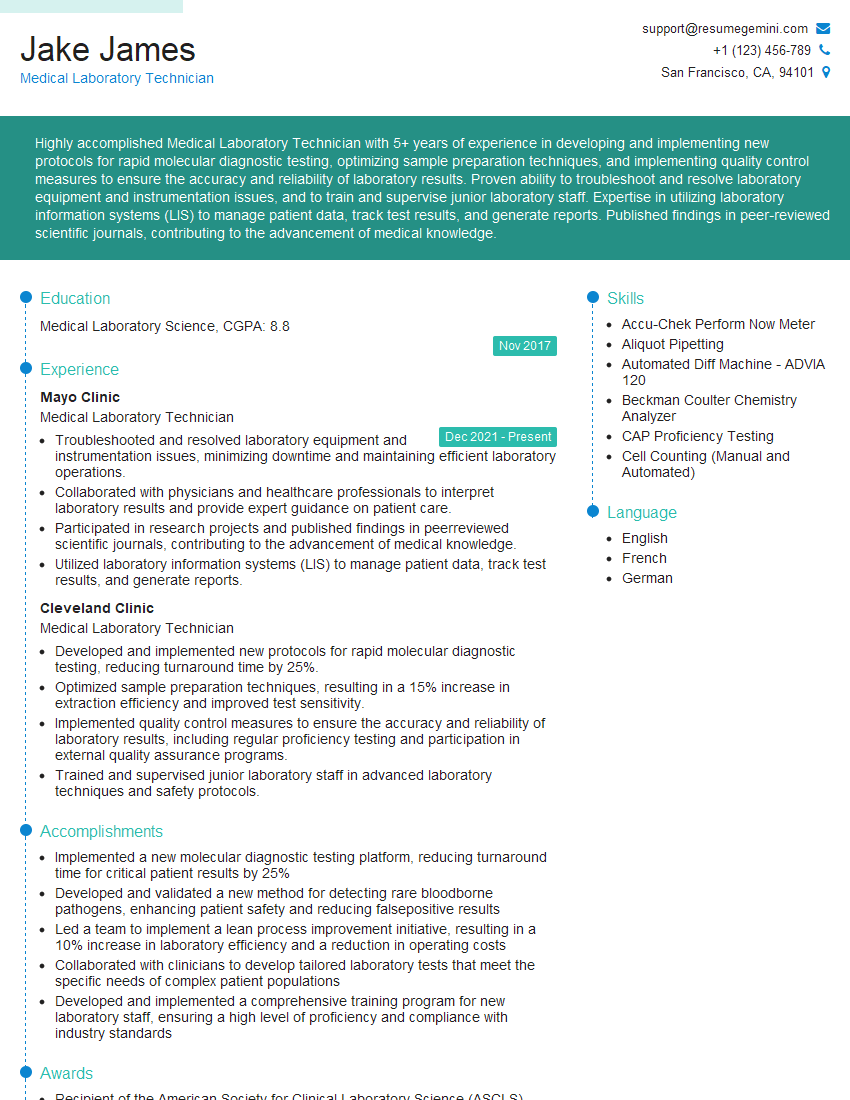
Medical Laboratory Technician Resume Sample
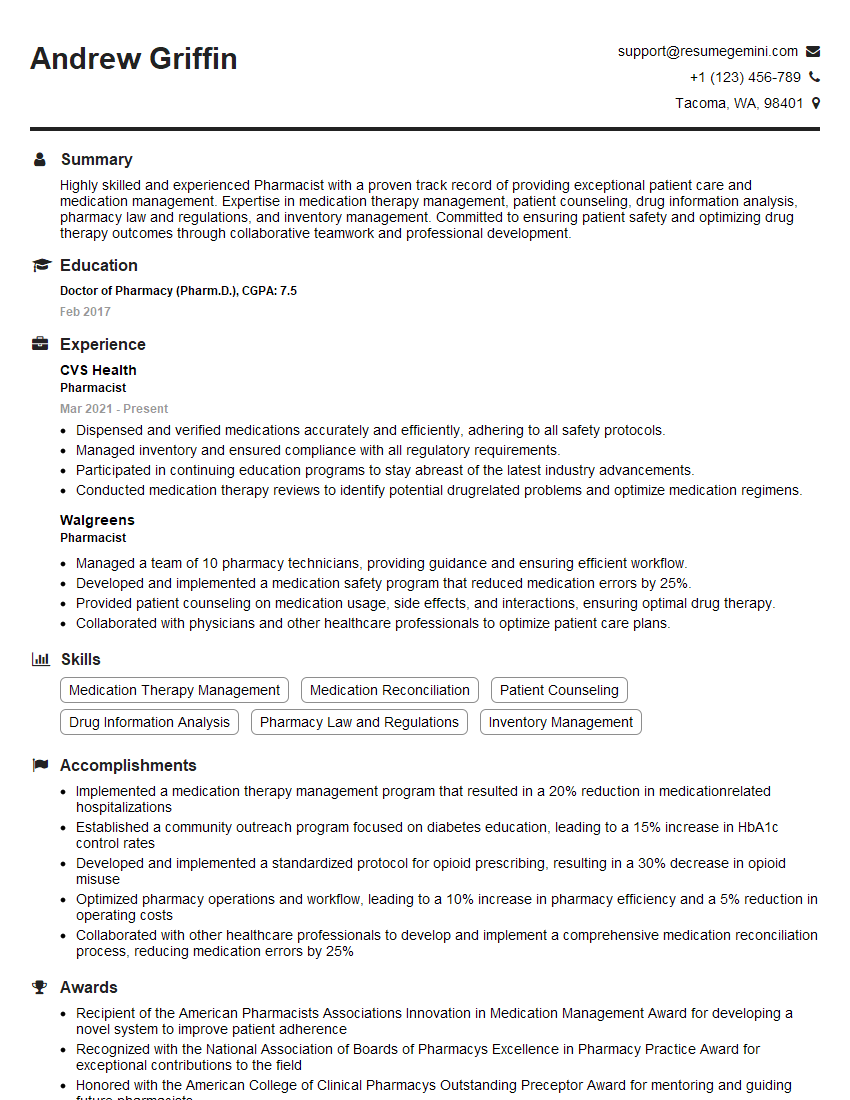
Pharmacist Resume Sample

Physician Assistant Resume Sample
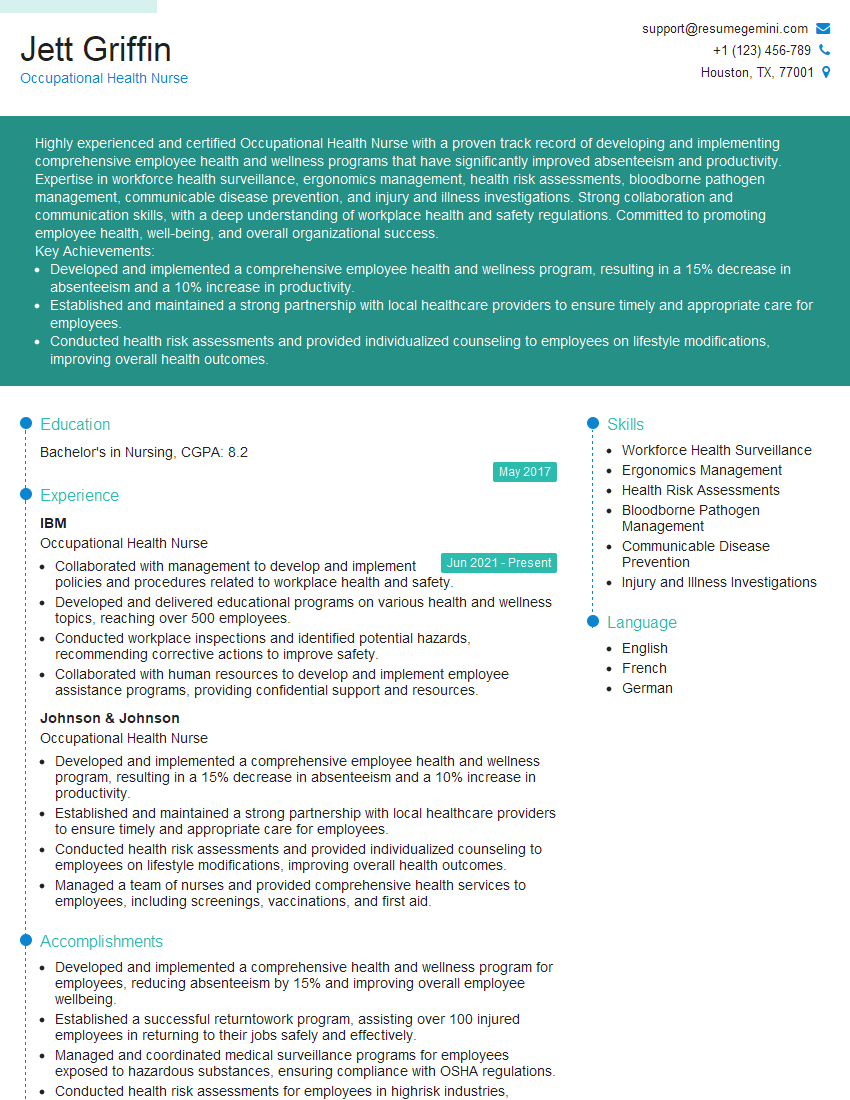
Occupational Health Nurse Resume Sample
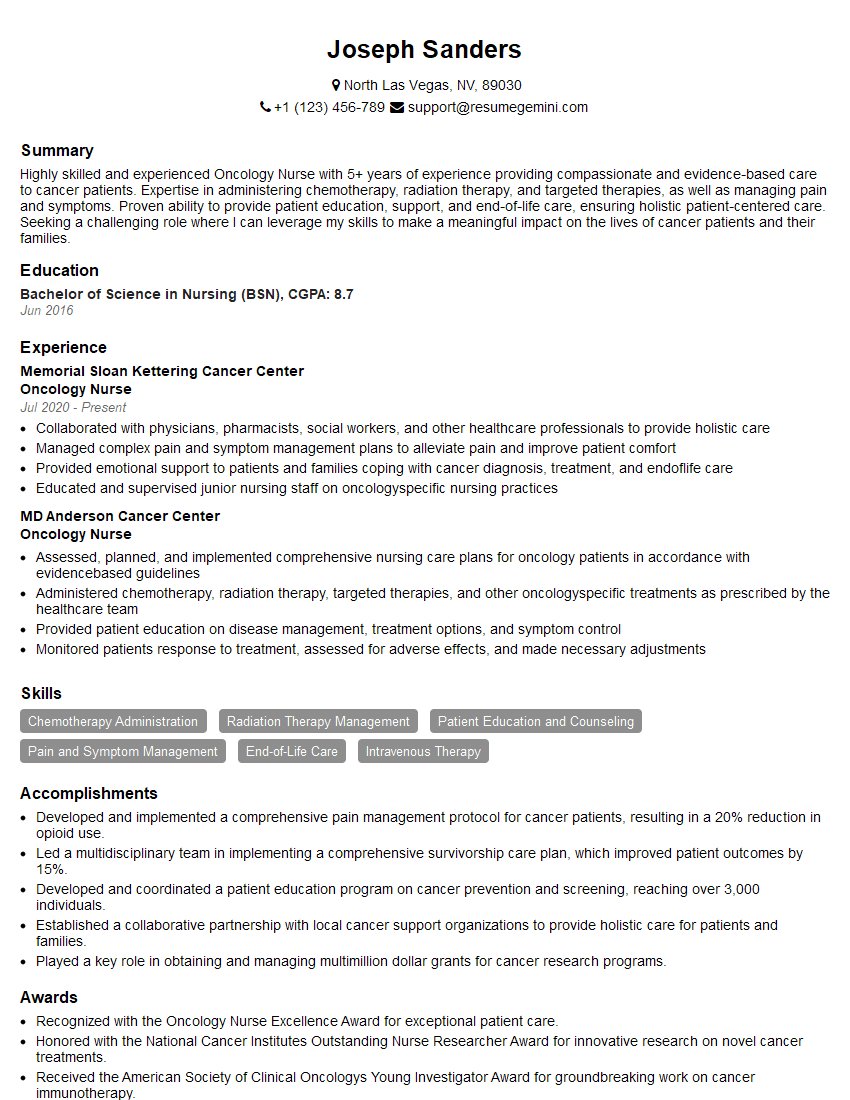
Oncology Nurse Resume Sample
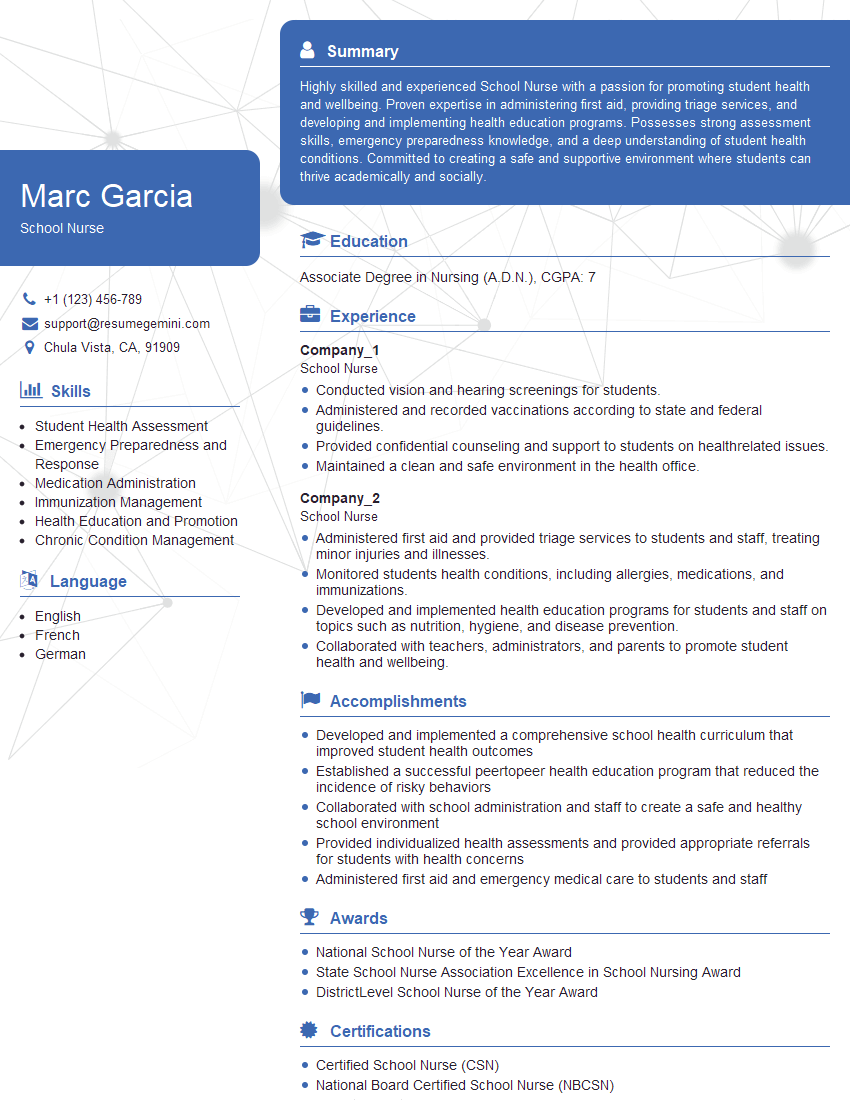
School Nurse Resume Sample
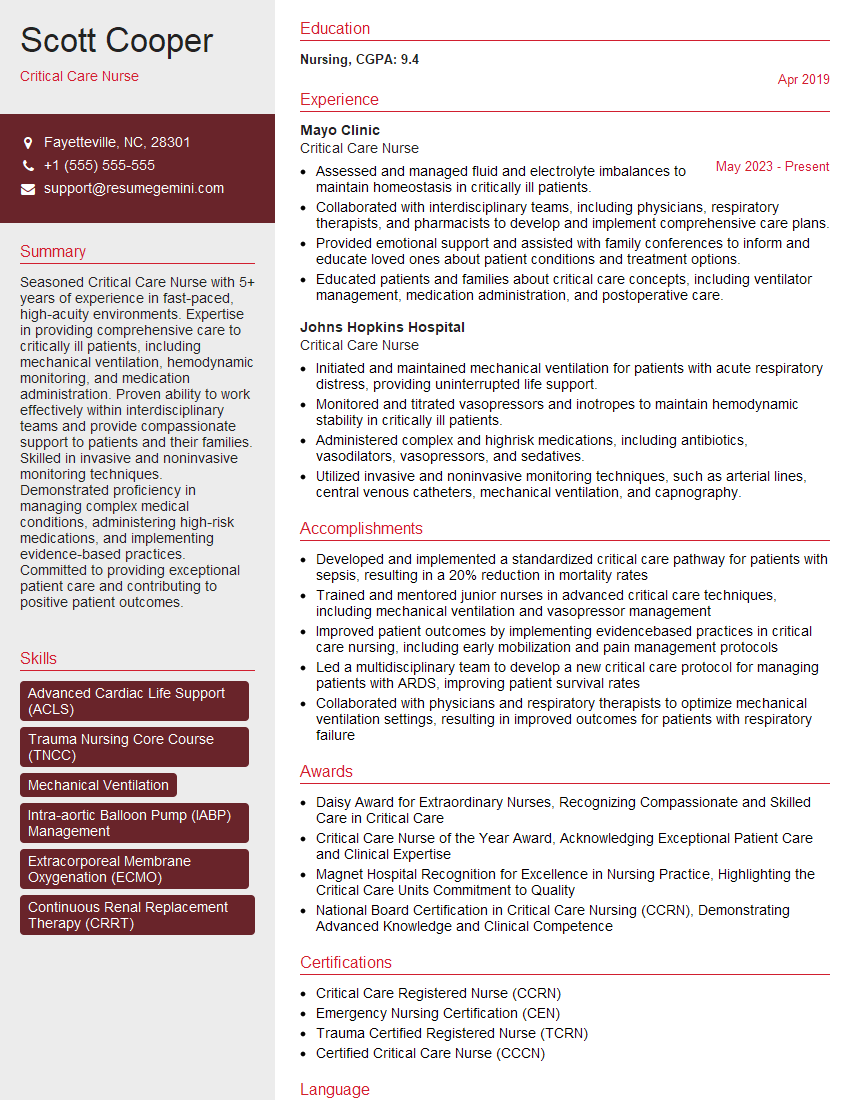
Critical Care Nurse Resume Sample
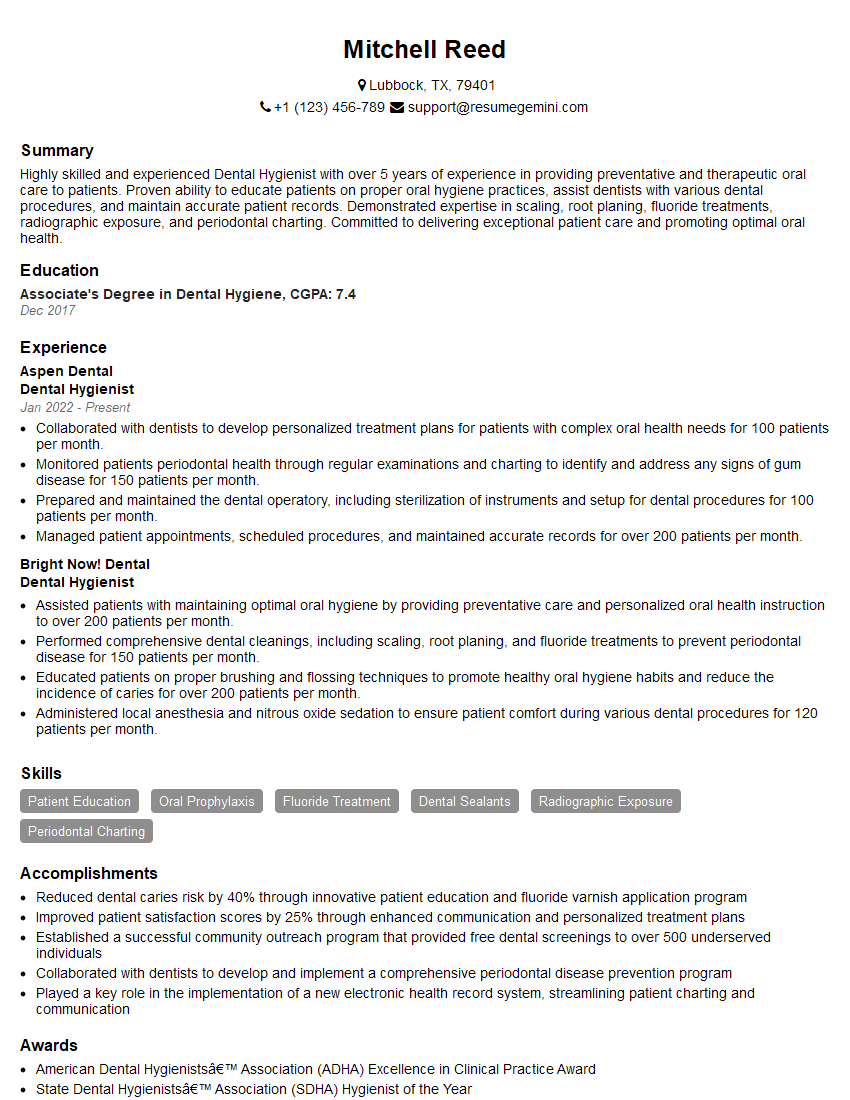
Dental Hygienist Resume Sample
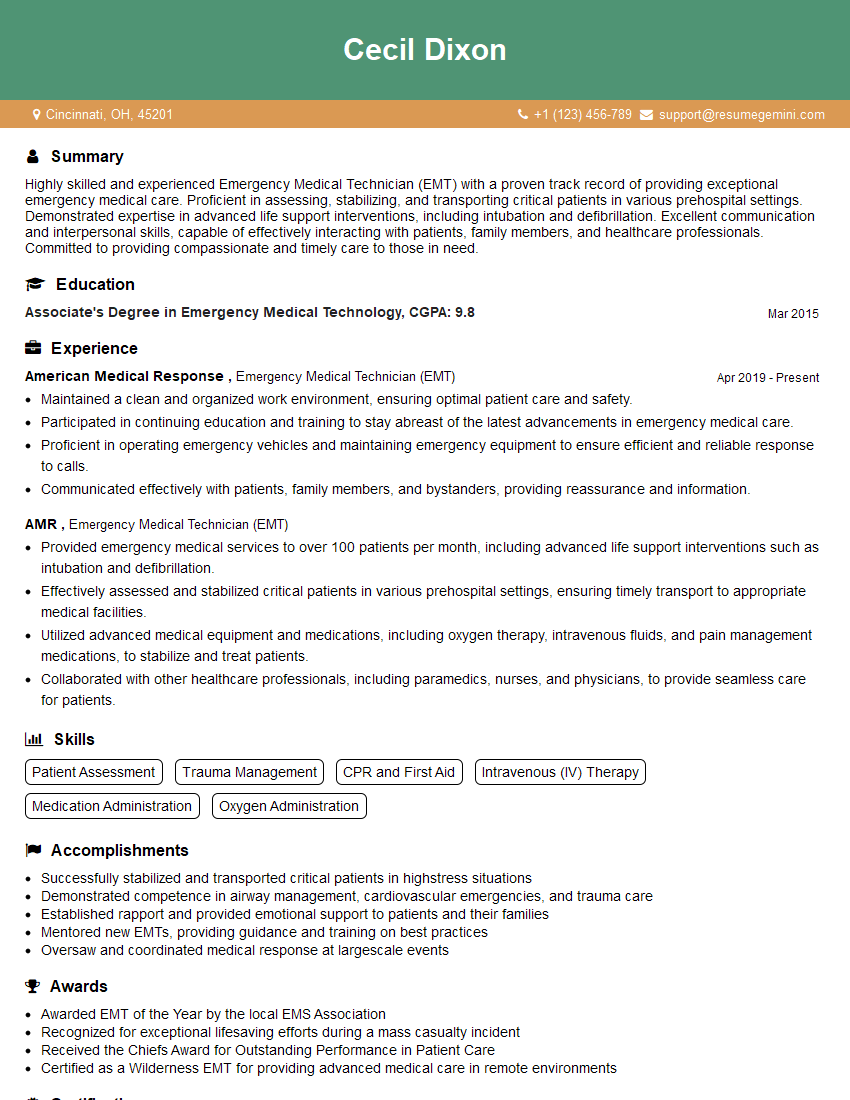
Emergency Medical Technician (EMT) Resume Sample
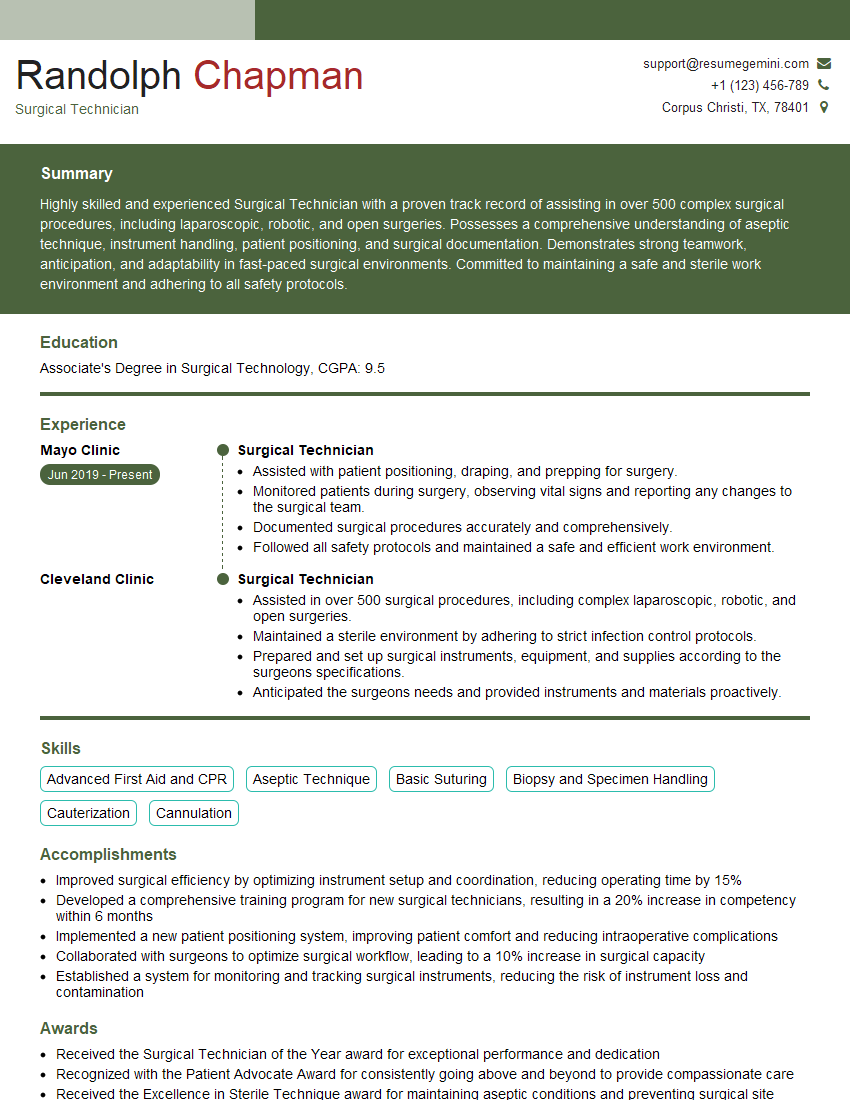
Surgical Technician Resume Sample
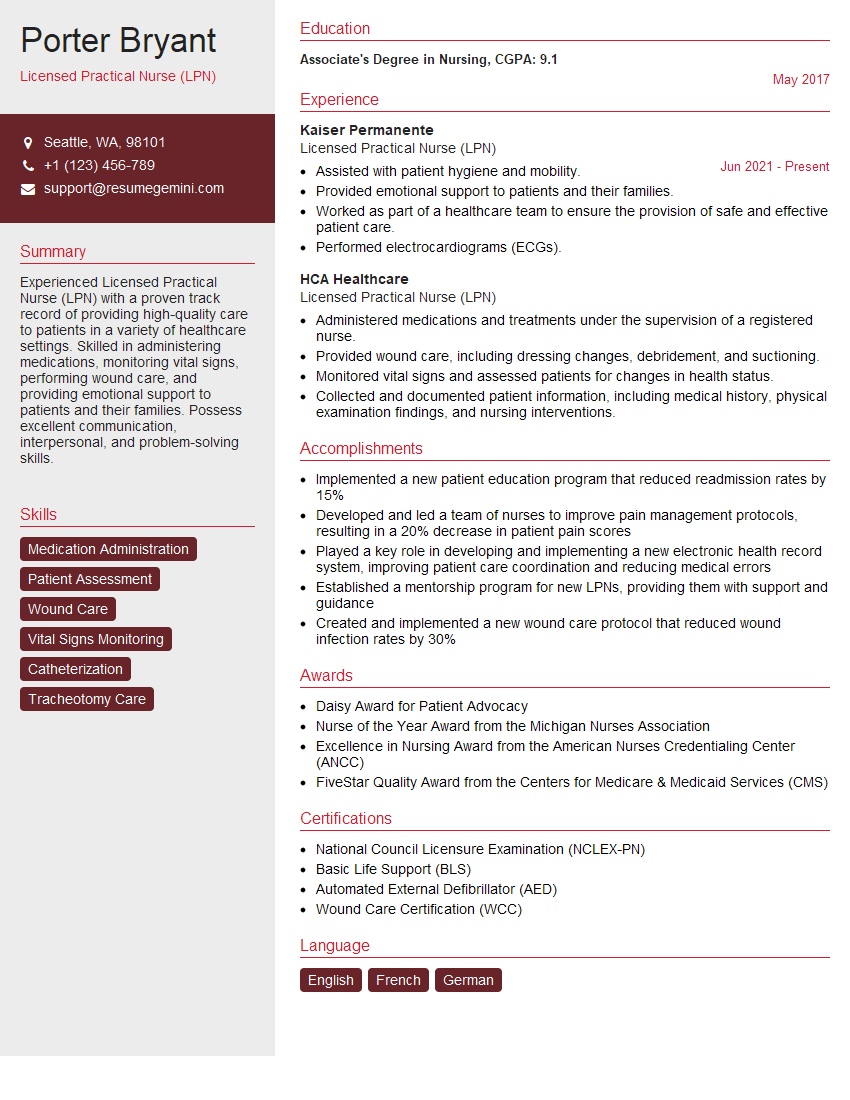
Licensed Practical Nurse (LPN) Resume Sample
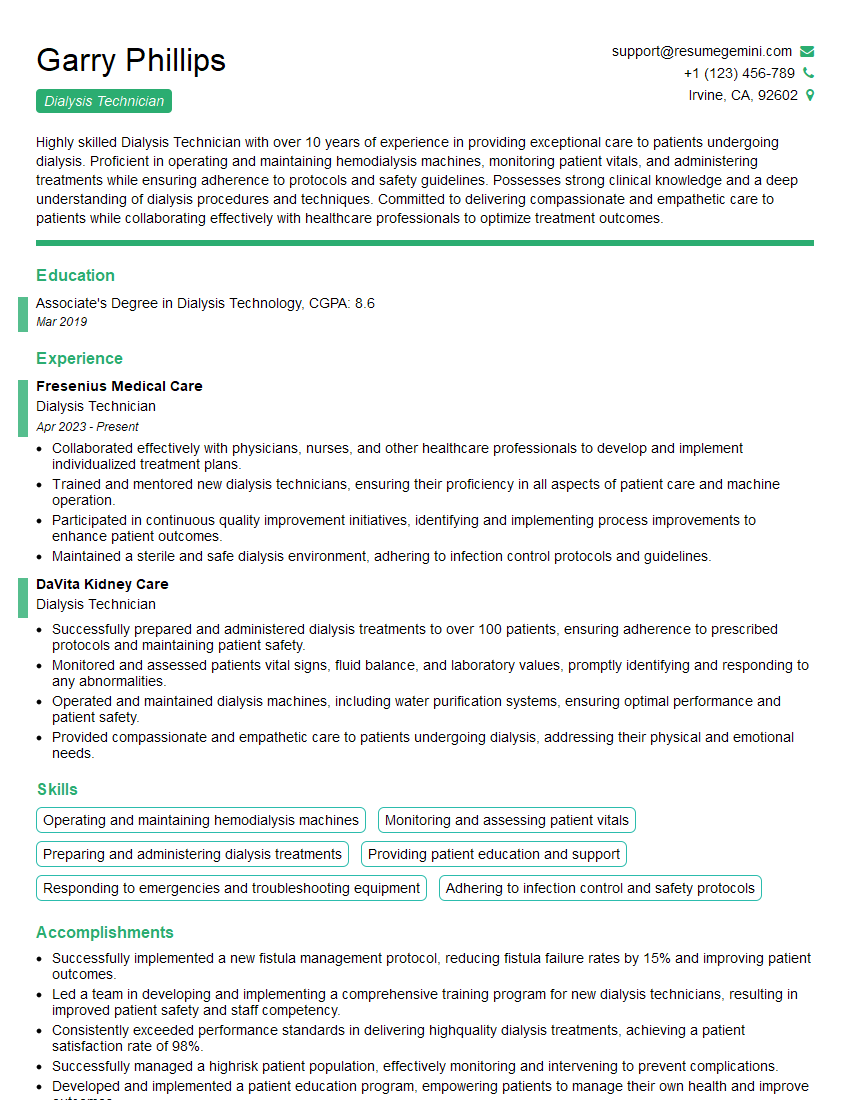
Dialysis Technician Resume Sample
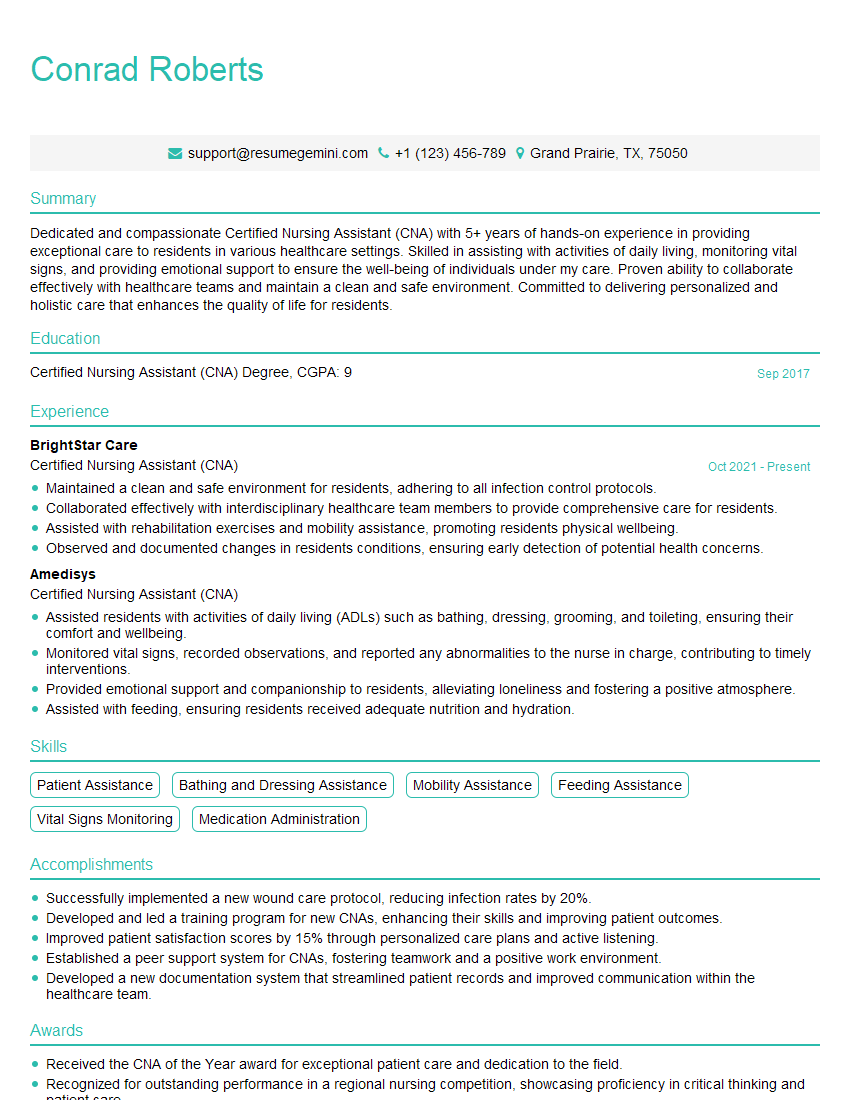
Certified Nursing Assistant (CNA) Resume Sample
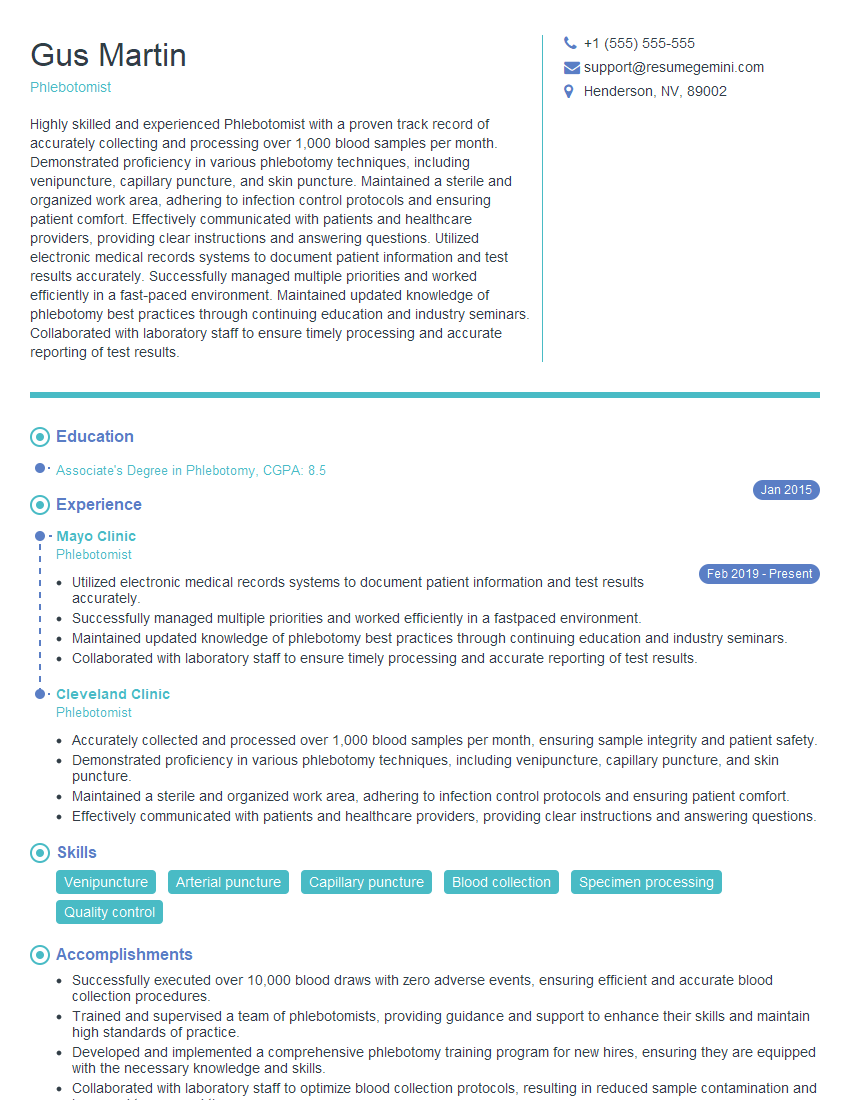
Phlebotomist Resume Sample
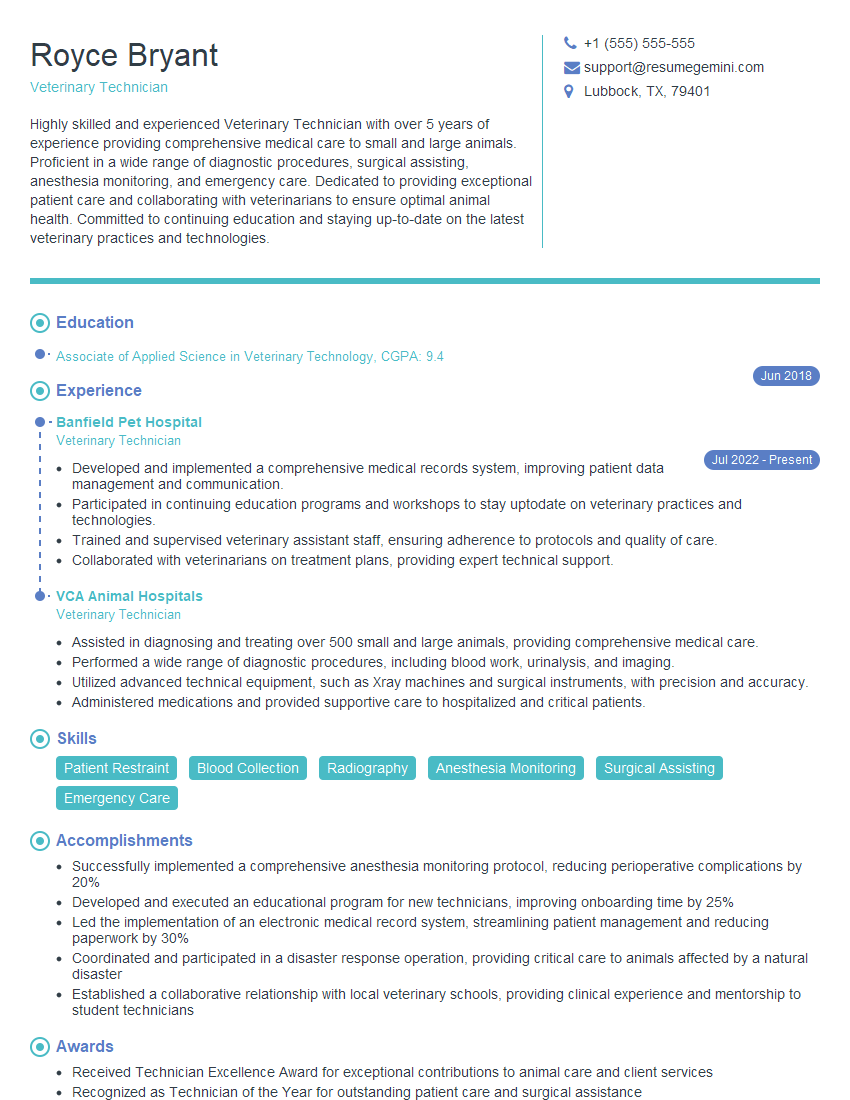
Veterinary Technician Resume Sample
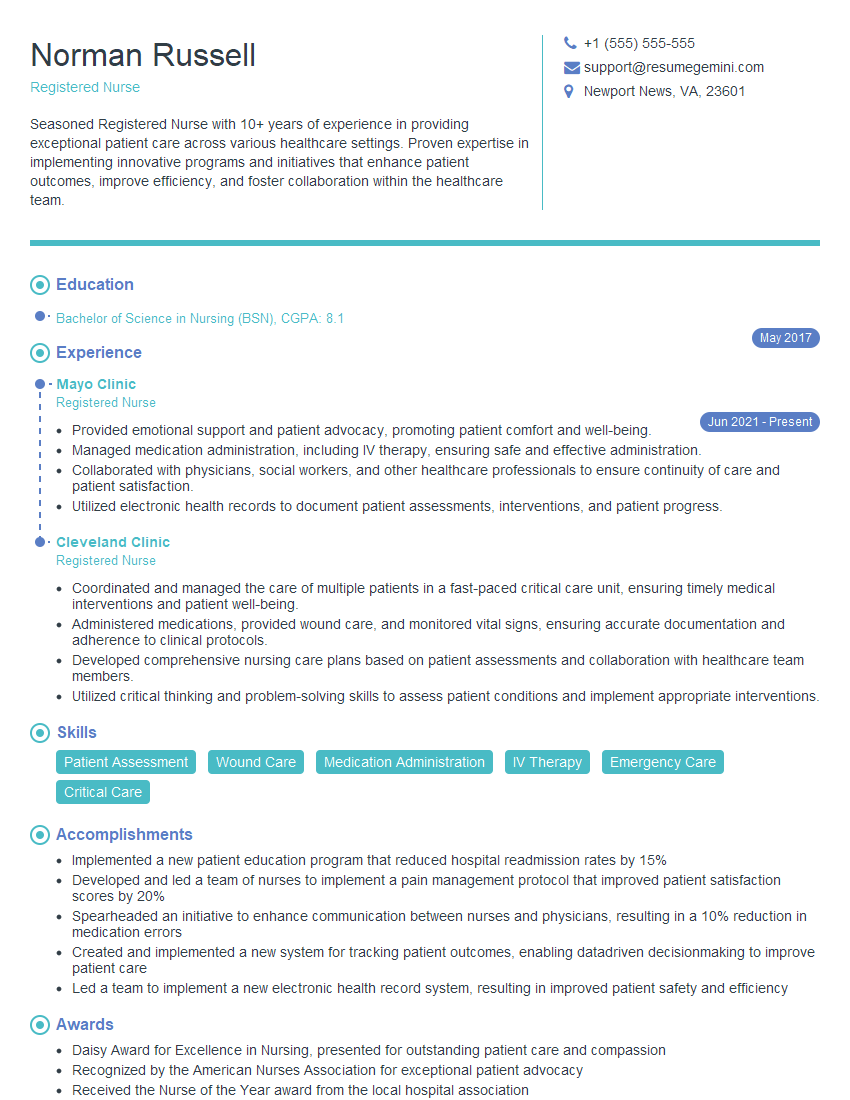
Registered Nurse Resume Sample
- Clinical Research Associate (CRA)
- Paramedic
- Medical Laboratory Technician
- Pharmacist
- Physician Assistant
- Occupational Health Nurse
- Oncology Nurse
- School Nurse
- Critical Care Nurse
- Dental Hygienist
- Emergency Medical Technician (EMT)
- Surgical Technician
- Licensed Practical Nurse (LPN)
- Dialysis Technician
- Certified Nursing Assistant (CNA)
- Phlebotomist
- Veterinary Technician
- Registered Nurse
Explore more articles
Users Rating of Our Blogs
Share Your Experience
We value your feedback! Please rate our content and share your thoughts (optional).
What Readers Say About Our Blog
Very informative content, great job.
good