Every successful interview starts with knowing what to expect. In this blog, we’ll take you through the top Negotiation and Agreement Administration interview questions, breaking them down with expert tips to help you deliver impactful answers. Step into your next interview fully prepared and ready to succeed.
Questions Asked in Negotiation and Agreement Administration Interview
Q 1. Explain the difference between a legally binding contract and a memorandum of understanding (MOU).
The key difference between a legally binding contract and a Memorandum of Understanding (MOU) lies in their enforceability. A legally binding contract is a formal agreement that creates legally enforceable obligations between parties. It’s characterized by a clear offer, acceptance, consideration (something of value exchanged), and mutual intent to be bound. Breaching a contract can lead to legal repercussions, such as damages or specific performance.
An MOU, on the other hand, is a less formal agreement outlining the common understanding and intentions of parties involved. While it demonstrates good faith and a commitment to working together, it generally lacks the essential elements required for legal enforceability. Think of it as a roadmap rather than a legally binding route. While an MOU might contain specific commitments, proving breach and pursuing legal action is significantly more challenging than with a formal contract. For example, an MOU might detail collaboration on a research project, but it wouldn’t necessarily specify exact deliverables or penalties for non-performance. A contract for the same research, however, would clearly define deliverables, timelines, and consequences for failure to meet obligations.
Q 2. Describe your experience in negotiating complex contracts.
I have extensive experience negotiating complex contracts across various industries, including technology, finance, and real estate. My approach is always collaborative yet assertive. I’ve successfully negotiated multi-million dollar contracts involving intricate technical specifications, intellectual property rights, and complex payment structures. For example, I recently negotiated a licensing agreement for a novel software technology, where I had to navigate competing interests between the technology provider and the licensee, ensuring both parties’ interests were sufficiently protected while securing favorable terms for my client. This involved a deep understanding of the technology, market conditions and careful drafting to minimize future disputes. Key to success here was meticulous preparation, understanding the other party’s priorities, and building rapport to facilitate open communication and compromise.
Q 3. What strategies do you employ to identify and mitigate potential risks in contracts?
Identifying and mitigating risks in contracts is paramount. My strategy involves a multi-step process:
- Thorough Due Diligence: This includes a comprehensive review of all relevant documents, background checks on counterparties, and market research to understand potential challenges.
- Risk Assessment: I identify potential risks, such as unforeseen circumstances, changes in regulations, or disputes over interpretation. I then prioritize these risks based on their likelihood and potential impact.
- Contractual Safeguards: I incorporate clauses to address identified risks. For instance, force majeure clauses can mitigate risks from unforeseen events, while indemnification clauses allocate responsibility for specific liabilities. Clearly defined payment terms, intellectual property ownership, and dispute resolution mechanisms also play vital roles.
- Insurance: Where appropriate, I recommend procuring insurance policies to transfer some of the identified risks.
- Regular Monitoring: Even after the contract is signed, ongoing monitoring is crucial to identify and address emerging risks.
For instance, in a construction project, I would ensure that the contract incorporates provisions to cover potential cost overruns due to unforeseen ground conditions or material price fluctuations.
Q 4. How do you manage competing priorities and deadlines during contract negotiations?
Managing competing priorities and deadlines during contract negotiations requires a structured and organized approach. I employ a few key strategies:
- Prioritization: I work closely with stakeholders to identify the most critical negotiation points and prioritize accordingly. This ensures that we focus our efforts on the most important aspects.
- Clear Communication: Maintaining open and consistent communication with all stakeholders is vital. Regular updates and transparent reporting ensure everyone is aligned on progress and challenges.
- Flexible Planning: I develop a flexible negotiation plan that can adapt to changing circumstances. This involves setting realistic deadlines and allocating sufficient time for each stage of the process.
- Strategic Concessions: I identify areas where concessions can be made without compromising core interests. This helps build rapport and move the negotiation forward.
An effective project management tool can also be crucial to managing multiple tasks, deadlines and stakeholders effectively.
Q 5. Explain your understanding of contract lifecycle management.
Contract lifecycle management (CLM) encompasses all stages of a contract, from initial request to final archiving. It’s a holistic approach that aims to streamline and optimize the entire contract process. The key phases include:
- Request and Authoring: This involves identifying the need for a contract, drafting the initial version, and obtaining necessary approvals.
- Negotiation and Approval: This stage focuses on negotiating terms with counterparties and securing all required approvals before signing.
- Execution and Performance: This involves signing the contract and monitoring its execution to ensure compliance with agreed-upon terms.
- Renewal and Amendment: This involves managing contract renewals and amendments as needed.
- Archiving and Retrieval: This involves securely storing and managing completed contracts for future reference.
Effective CLM reduces risks, improves efficiency, and ensures compliance. Many organizations use CLM software to automate various aspects of the process.
Q 6. Describe a time you successfully negotiated a favorable outcome in a challenging situation.
In a challenging negotiation for a large-scale software implementation project, the client was demanding significant price reductions without corresponding changes to scope. The initial offer significantly impacted our profitability. Instead of immediately rejecting their demand, I carefully analyzed their concerns and explored their underlying motivations. Through detailed discussions, I discovered that their primary concern was budgetary constraints. I then presented a value-based approach. Rather than simply reducing the price, I offered a phased implementation, allowing them to control costs while still getting the functionality they needed. This approach minimized our initial loss while still delivering a quality product. The phased approach was a win-win outcome, resolving the client’s budgetary issues while safeguarding our profit margin. This strategy demonstrated proactive problem-solving and a customer-centric approach. It led to a long-term relationship with the client.
Q 7. How do you handle disagreements with counterparties during contract negotiations?
Handling disagreements requires a measured approach focusing on communication, understanding, and collaboration. My approach involves:
- Active Listening: I start by carefully listening to the counterparty’s perspective and understanding their concerns.
- Collaborative Problem-Solving: I work with the other party to identify mutually acceptable solutions. This involves brainstorming different options and finding common ground.
- Documenting the Disagreement: I meticulously document the point of contention and the steps taken to resolve it. This helps prevent misunderstandings and ensures a clear record of the agreement.
- Escalation Process: If necessary, I follow an agreed-upon escalation process to involve senior management or external mediators.
- Mediation or Arbitration: In cases where a resolution cannot be reached internally, I consider using mediation or arbitration to facilitate a fair and impartial outcome.
The goal is always to find a mutually beneficial solution that preserves the relationship while addressing the underlying issues. Even in contentious situations, a professional and respectful approach is essential.
Q 8. What are your preferred methods for documenting contract negotiations?
My preferred method for documenting contract negotiations prioritizes clarity, completeness, and auditability. I utilize a multi-faceted approach. Firstly, I meticulously record all meeting minutes, including attendees, key discussion points, proposed terms, and any agreements reached, even if tentative. These minutes are distributed to all participants for confirmation and correction, creating a shared understanding and minimizing future disputes. Secondly, I maintain a comprehensive email trail, using clear subject lines that reflect the topic of discussion. Emails serve as a valuable record of proposals, counter-proposals, and the evolution of negotiations. Finally, I use a centralized document repository, often a shared network drive or cloud-based platform, to store all relevant documents, including draft contracts, amendments, and supporting materials, ensuring easy access and version control. This ensures a transparent and detailed record of the entire negotiation process.
For example, in a recent negotiation for a software licensing agreement, I meticulously documented each meeting, detailing the discussions around pricing, support services, and intellectual property rights. The shared minutes ensured everyone was on the same page, preventing misunderstandings later. The detailed email trail provided a clear record of the progression from initial proposals to the final signed contract.
Q 9. What software or tools are you familiar with for managing contracts?
I am proficient in several contract management software solutions. I have extensive experience with industry-leading platforms such as Agiloft, Conga Contracts, and Icertis. These platforms offer robust features for contract creation, collaboration, approval workflows, and automated reminders for key dates and obligations. I also have experience with simpler tools like SharePoint for document storage and version control, integrated with tools like Microsoft Teams for communication and collaboration. The choice of tool depends on the project’s complexity, budget, and organizational requirements. For instance, a smaller company might benefit from a simpler solution like SharePoint, while a large enterprise might require the more comprehensive capabilities of a platform like Agiloft.
Q 10. How do you ensure compliance with relevant laws and regulations in contract administration?
Ensuring compliance is paramount in contract administration. My approach involves a multi-layered strategy. Firstly, I proactively identify relevant laws and regulations applicable to each contract, considering factors like jurisdiction, industry, and subject matter. This includes researching relevant statutes, regulations, and case law. Secondly, I incorporate compliance requirements directly into the contract’s terms, including clauses addressing data privacy (like GDPR or CCPA), intellectual property rights, and dispute resolution mechanisms compliant with relevant laws. Finally, I implement a system for ongoing monitoring and review, ensuring the contract’s execution aligns with legal obligations throughout its lifecycle. This involves regular audits and updates to reflect changes in applicable laws and regulations. For example, when negotiating contracts involving personal data, I ensure adherence to GDPR, including clauses regarding data processing, security, and individual rights. This proactive approach minimizes legal risks and ensures contractual compliance.
Q 11. Explain your approach to conflict resolution in contract disputes.
My approach to conflict resolution emphasizes collaborative problem-solving and a focus on mutually beneficial outcomes. I believe in proactive communication and early intervention. If a dispute arises, I first attempt to resolve it informally through direct dialogue with the involved parties. If informal methods fail, I systematically explore formal dispute resolution mechanisms outlined in the contract, such as mediation or arbitration. My strategy prioritizes preserving the business relationship while ensuring fair and equitable outcomes. My goal is always to find a solution that addresses the root cause of the conflict, not just its symptoms. For example, in a past dispute involving a delayed project, we successfully used mediation to identify the underlying communication breakdowns and collaboratively develop a revised schedule that satisfied both parties.
Q 12. Describe your experience in reviewing and interpreting legal contracts.
I have extensive experience in reviewing and interpreting legal contracts across various industries. My approach is thorough and systematic. I begin by identifying the key objectives and risks involved, examining the contract’s overall structure and context. I pay close attention to crucial clauses including definitions, payment terms, warranties, limitations of liability, and termination provisions. I utilize various legal research tools and resources to ensure a deep understanding of applicable laws and precedents. I also analyze the contract’s language for ambiguity or inconsistencies, ensuring a clear understanding of the parties’ obligations and rights. This meticulous approach minimizes the risk of misinterpretation and unexpected liabilities. For instance, in a recent review of a complex merger agreement, I identified a crucial clause that could have led to significant financial exposure had it not been properly interpreted and addressed during negotiations.
Q 13. How do you manage changes to contracts after they are signed?
Managing contract changes post-signature requires careful consideration and adherence to established processes. Most contracts contain provisions governing amendments, often requiring written agreement from both parties. I meticulously document all change requests, ensuring that they are formally approved by all relevant stakeholders, often through a documented change order process. This process typically includes defining the scope of the change, its impact on the contract’s timelines and costs, and obtaining necessary approvals before implementation. The amended terms are then incorporated into the master contract, ensuring a clear and accurate record of all modifications. I maintain a detailed log of all contract changes, including dates, approvals, and the rationale for each modification, to provide a clear audit trail. This prevents future disputes regarding contract terms and ensures transparency. For instance, a recent project involving a construction contract required several change orders due to unforeseen site conditions. By carefully documenting each change, we ensured that the final cost and timelines accurately reflected the project’s evolution.
Q 14. What are your techniques for building rapport and trust during negotiations?
Building rapport and trust is fundamental to successful negotiations. My techniques involve active listening, demonstrating empathy, and fostering open communication. I begin by creating a personal connection, seeking to understand the other party’s needs and priorities, showcasing genuine interest beyond the transactional aspects. I communicate clearly and concisely, avoiding jargon or overly aggressive tactics. I also maintain a professional and respectful demeanor, even during disagreements. I strive to build trust by demonstrating integrity and adhering to commitments. For example, in a recent negotiation, I spent time understanding the other party’s business challenges and incorporating those insights into our proposed solution, fostering a collaborative environment that led to a win-win outcome. This proactive approach to relationship building strengthens the long-term viability of the agreement.
Q 15. How do you prioritize tasks and manage your workload in contract administration?
Prioritizing tasks in contract administration requires a structured approach. I typically utilize a combination of methods, including prioritization matrices (like Eisenhower Matrix – urgent/important), task management software (Asana, Trello), and regular review meetings. I consider factors like deadlines, contractual obligations (e.g., payment terms, milestones), and potential risks when ranking tasks. For example, ensuring timely payment to a vendor is prioritized higher than drafting a standard operating procedure, even if the latter is important for long-term efficiency. This ensures critical path items always get the attention they deserve.
Workload management involves breaking down large projects into smaller, manageable tasks. I use time-blocking techniques to allocate specific time slots for each task, factoring in potential interruptions and buffer time. Regular progress tracking and adjustment help prevent bottlenecks and maintain project momentum. Proactive communication with stakeholders, about potential delays or challenges, ensures transparency and collaboration.
Career Expert Tips:
- Ace those interviews! Prepare effectively by reviewing the Top 50 Most Common Interview Questions on ResumeGemini.
- Navigate your job search with confidence! Explore a wide range of Career Tips on ResumeGemini. Learn about common challenges and recommendations to overcome them.
- Craft the perfect resume! Master the Art of Resume Writing with ResumeGemini’s guide. Showcase your unique qualifications and achievements effectively.
- Don’t miss out on holiday savings! Build your dream resume with ResumeGemini’s ATS optimized templates.
Q 16. How familiar are you with different contract types (e.g., NDA, SLA, MSA)?
I’m highly familiar with various contract types. My experience encompasses:
- Non-Disclosure Agreements (NDAs): I understand the nuances of confidentiality clauses, permitted disclosures, and breach remedies. I’ve drafted and reviewed NDAs for various levels of sensitivity, from simple agreements protecting project details to comprehensive agreements covering trade secrets.
- Service Level Agreements (SLAs): I’m proficient in defining Key Performance Indicators (KPIs), service credits, and escalation procedures. I’ve worked with SLAs across diverse industries, ensuring they align with business objectives and are measurable.
- Master Service Agreements (MSAs): I’m experienced in negotiating and administering MSAs, understanding their role in establishing overarching terms and conditions for multiple projects or transactions. I understand the importance of carefully defining scope, payment terms, and dispute resolution mechanisms within the MSA.
- Other contract types: My experience extends to other contracts such as sales agreements, licensing agreements, and employment contracts, each requiring specialized knowledge.
My understanding of these contract types allows me to tailor them to specific situations, addressing potential risks and ensuring compliance with relevant laws and regulations.
Q 17. Describe your experience in developing and implementing contract templates.
I have extensive experience in developing and implementing contract templates. My process involves:
- Needs Analysis: Identifying the organization’s specific needs and risk tolerances.
- Legal Review: Collaborating with legal counsel to ensure compliance and best practices.
- Template Development: Creating standardized templates with clearly defined clauses, using plain language to enhance understanding.
- Testing and Iteration: Piloting the templates on real contracts and refining them based on feedback.
- Training and Rollout: Providing training to relevant personnel on the use of the templates.
For instance, I once developed a standardized template for vendor agreements that significantly reduced contract negotiation time and minimized ambiguity. The template incorporated clauses for payment terms, intellectual property rights, and liability limitations, customized based on the specific vendor and contract value. This improved efficiency and consistency across all vendor contracts.
Q 18. How do you ensure contract terms are understood by all parties involved?
Ensuring all parties understand contract terms requires a multi-faceted approach. I use the following strategies:
- Plain Language: Using clear and concise language, avoiding legal jargon wherever possible.
- Executive Summaries: Providing concise summaries that highlight key terms and obligations.
- Interactive Sessions: Conducting meetings or webinars to explain the terms and answer questions.
- Documentation: Providing detailed explanations and examples to clarify complex aspects.
- Confirmation of Understanding: Obtaining written confirmation from each party that they understand the terms.
In one instance, I used a simplified flow chart to explain a complex payment schedule in a technology licensing agreement, significantly improving the client’s understanding and eliminating potential misunderstandings.
Q 19. What are your methods for identifying and addressing potential ambiguities in contract language?
Identifying and addressing ambiguities involves a thorough review of the contract language, paying close attention to:
- Vague Terminology: Identifying words or phrases with multiple interpretations.
- Conflicting Clauses: Identifying contradictions between different sections of the contract.
- Gaps in Coverage: Identifying areas where the contract lacks sufficient detail.
- Assumptions: Identifying underlying assumptions that may not be explicitly stated.
My approach includes using contract analysis tools and seeking clarification from involved parties through a structured negotiation process. I document all identified ambiguities and proposed solutions to prevent future issues and ensure all parties have a shared understanding. This meticulous approach helps prevent disputes and potential legal challenges.
Q 20. How do you track and manage contract performance and compliance?
Tracking and managing contract performance and compliance is crucial. I employ several strategies:
- Centralized Repository: Using a centralized system (e.g., contract management software) to store and access all contracts.
- Automated Reminders: Setting up automated reminders for key dates, such as renewal dates, payment deadlines, and performance milestones.
- Regular Monitoring: Regularly reviewing contract performance against agreed-upon KPIs and milestones.
- Reporting and Dashboards: Creating reports and dashboards to track key performance indicators and compliance metrics.
- Escalation Procedures: Establishing clear escalation procedures to address performance issues or compliance breaches.
For example, I developed a dashboard that visually tracked the performance of our key vendors against their SLAs, allowing for proactive intervention and preventing service disruptions.
Q 21. Explain your understanding of the legal principles of contract formation.
Contract formation, under common law, requires four essential elements:
- Offer: A clear and definite proposal made by one party to another.
- Acceptance: Unconditional agreement to the terms of the offer.
- Consideration: Something of value exchanged between the parties (e.g., money, goods, services).
- Intention to Create Legal Relations: The parties must intend their agreement to be legally binding.
In addition, capacity (the parties must have the legal ability to enter a contract) and legality (the subject matter of the contract must be legal) are also crucial. Understanding these principles is essential for drafting and interpreting contracts effectively, mitigating risks, and ensuring enforceability. For example, an offer to sell a product is only legally binding once accepted by the buyer with a mutual exchange of consideration. Failure of any of these elements renders the contract void or voidable.
Q 22. How do you measure the success of a negotiation?
Measuring the success of a negotiation isn’t simply about whether you ‘won’ or ‘lost’. It’s a multifaceted assessment focusing on the value created for all parties involved. A truly successful negotiation achieves a win-win outcome, or at least a situation where all parties feel they have received a fair and acceptable outcome given the circumstances.
- Value Creation: Did the negotiation lead to a mutually beneficial agreement that maximized the value for all stakeholders? Did you achieve your key objectives while also addressing the other party’s needs?
- Relationship Preservation: Was the process conducted in a way that maintained or even improved the relationship with the other party? A scorched-earth approach might win a battle but lose the war in the long run.
- Efficiency: Was the negotiation completed within a reasonable timeframe and budget? Time is a valuable resource, and efficient negotiations save time and money.
- Implementation: A successful negotiation doesn’t end with signing the agreement. A crucial aspect is ensuring the agreed-upon terms are smoothly implemented and any potential issues are proactively addressed.
- Objective Measurement: Where possible, use quantifiable metrics. For example, if negotiating a price, successful negotiation would be achieving a price within your target range. For a strategic partnership, success might be measured by agreed-upon milestones being met.
For example, in a recent negotiation for a software licensing agreement, success wasn’t just about the price. It was also about securing favorable terms for support, future updates, and IP rights. The client’s satisfaction and the establishment of a long-term business relationship were equally important metrics.
Q 23. Describe your experience with contract redlining and version control.
Contract redlining and version control are essential for effective agreement administration. My experience involves utilizing various tools and strategies to manage the iterative process of reviewing and amending contracts.
- Tools: I’m proficient in using tools like Adobe Acrobat Pro, Microsoft Word’s Track Changes, and dedicated contract lifecycle management (CLM) systems. CLM systems offer advanced version control, automated workflows, and audit trails.
- Workflows: I establish a clear redlining workflow, ensuring each change is clearly marked, dated, and accompanied by a brief explanation. This fosters transparency and accountability.
- Version Control: I maintain a meticulous record of all contract versions, using naming conventions (e.g., ‘Contract_v1.0’, ‘Contract_v1.1’) to clearly identify each iteration. This enables easy tracking of changes and quick access to any previous version.
- Collaboration: I utilize collaborative platforms (e.g., SharePoint, Google Drive) to ensure all stakeholders have access to the most current version. This simplifies collaboration and minimizes the risk of working with outdated documents.
In a recent project involving a complex international agreement, the use of a CLM system and a well-defined version control system proved invaluable. It allowed all stakeholders across different time zones to easily track changes, provide feedback, and ensure we were all working from the same document. This saved considerable time and significantly reduced the risk of errors and miscommunication.
Q 24. What is your approach to resolving contract breaches?
My approach to resolving contract breaches is proactive and methodical, aiming for mutually agreeable solutions whenever possible. However, I’m also prepared to take assertive action when necessary to protect my client’s interests.
- Identification and Notification: First, the breach must be clearly identified and formally communicated to the breaching party. This communication should clearly outline the specific breach and the consequences.
- Negotiation and Mediation: I attempt to resolve the issue through negotiation and, if appropriate, mediation. This often involves exploring options for remedial action, such as extension of deadlines or compensation for damages.
- Formal Dispute Resolution: If negotiation fails, I’m prepared to pursue formal dispute resolution methods, such as arbitration or litigation. The choice of method depends on the specifics of the contract, the nature of the breach, and the cost-benefit analysis.
- Documentation: Throughout the process, meticulous documentation is critical. This includes all communication, proposed solutions, and any agreements reached. This record is vital for any future legal action.
For instance, in a situation where a supplier failed to deliver goods on time, I successfully negotiated a revised delivery schedule with a partial discount as compensation. This prevented the need for more expensive litigation while protecting my client’s interests.
Q 25. How do you ensure confidentiality in handling sensitive contract information?
Confidentiality is paramount when handling sensitive contract information. I employ a multi-layered approach to ensure compliance with relevant data protection regulations (like GDPR) and maintain client trust.
- Data Encryption: All sensitive data is encrypted both in transit and at rest, using strong encryption protocols.
- Access Control: Access to sensitive information is strictly limited on a need-to-know basis. This involves using appropriate user permissions and access control lists.
- Secure Storage: Contract documents are stored in secure, password-protected locations, utilizing both cloud-based solutions and local secure storage.
- Non-Disclosure Agreements (NDAs): NDAs are signed with all parties involved to legally enforce confidentiality obligations.
- Employee Training: All employees are trained on data protection policies and procedures.
- Data Breach Response Plan: A documented plan is in place to effectively respond to and mitigate the impact of any potential data breaches.
Think of it like a high-security bank vault. Multiple layers of protection—physical security, access controls, and sophisticated alarm systems—ensure that the valuables inside are safe. Similarly, my approach to confidentiality uses multiple layers to protect sensitive contract information.
Q 26. What are your experience with electronic signature and contract management systems?
Electronic signatures and contract management systems are now integral to efficient and secure contract administration. My experience encompasses the use of various platforms and technologies.
- Electronic Signature Platforms: I am familiar with popular platforms such as DocuSign, Adobe Sign, and HelloSign. I understand the legal validity and enforceability of electronic signatures in different jurisdictions.
- Contract Management Systems (CMS): I have experience using various CMS solutions, including both cloud-based and on-premise systems. These systems streamline contract creation, review, approval, storage, and reporting processes.
- Integration: I understand how to integrate these systems with other business applications to improve workflow efficiency. For example, integrating a CMS with a CRM can automate contract creation based on customer data.
- Security Considerations: I am mindful of the security implications associated with electronic documents and signatures and ensure compliance with relevant regulations and best practices.
Using a CMS in a previous role allowed us to reduce contract turnaround times by over 50%, significantly improving efficiency and reducing manual error. The ability to track contracts throughout their lifecycle also helped us proactively identify and manage potential risks.
Q 27. Describe your experience with international contract law and compliance.
International contract law is complex and varies significantly across jurisdictions. My experience involves navigating this complexity to ensure contracts comply with applicable laws and regulations.
- Jurisdictional Considerations: I understand the importance of selecting the appropriate governing law and jurisdiction for contracts involving international parties. This choice can significantly impact the interpretation and enforcement of the contract.
- Conflict of Laws: I am familiar with the principles of conflict of laws and how to address potential conflicts arising from the involvement of multiple jurisdictions.
- International Conventions: I have knowledge of relevant international conventions such as the CISG (United Nations Convention on Contracts for the International Sale of Goods), which governs international sales contracts.
- Compliance: I ensure compliance with relevant export control regulations, sanctions, and anti-bribery laws when dealing with international contracts.
- Legal Counsel: I understand when to seek expert legal counsel to navigate complex international legal issues.
For example, when negotiating a contract with a European company, I ensured the contract included a clause specifying the application of EU data protection regulations (GDPR). This demonstrates a proactive approach to compliance and protects both the company and the client.
Q 28. How do you stay updated on changes in contract law and best practices?
Staying updated on changes in contract law and best practices is critical for success in this field. I employ several strategies to maintain my knowledge and expertise.
- Professional Development: I regularly attend conferences, workshops, and seminars focused on contract law, negotiation, and agreement administration.
- Industry Publications: I subscribe to relevant industry publications and journals to stay abreast of the latest legal developments and best practices.
- Online Resources: I utilize online resources such as legal databases (e.g., LexisNexis, Westlaw) and reputable legal news websites to access up-to-date information.
- Networking: I actively engage in networking with other professionals in the field to exchange knowledge and insights.
- Continuing Legal Education (CLE): Where appropriate, I participate in CLE programs to fulfill any professional licensing requirements.
Staying informed is like maintaining a sharp tool. Regular sharpening ensures it performs its job effectively. Continuous learning ensures my skills and knowledge remain relevant and effective in a constantly evolving legal landscape.
Key Topics to Learn for Negotiation and Agreement Administration Interview
- Negotiation Strategies: Understanding various negotiation styles (collaborative, competitive, etc.) and adapting your approach based on the situation and stakeholders involved. Practical application: Role-playing different negotiation scenarios to practice assertive yet respectful communication.
- Contract Law Fundamentals: Grasping key legal principles related to contract formation, interpretation, and enforcement. Practical application: Analyzing sample contracts to identify potential risks and liabilities.
- Agreement Drafting & Review: Mastering the process of creating clear, concise, and legally sound agreements. Practical application: Developing checklists for reviewing contracts and identifying ambiguities.
- Risk Management in Agreements: Identifying and mitigating potential risks associated with contracts, including clauses addressing liability, dispute resolution, and termination.
- Dispute Resolution: Understanding different methods of dispute resolution, such as mediation, arbitration, and litigation, and their implications for agreement administration.
- Communication & Stakeholder Management: Effectively communicating with various stakeholders (internal and external) throughout the negotiation and agreement lifecycle. Practical application: Developing strategies for managing challenging negotiations and maintaining positive relationships.
- Technology in Agreement Administration: Familiarity with contract lifecycle management (CLM) software and other technologies used to streamline the agreement process.
Next Steps
Mastering Negotiation and Agreement Administration opens doors to exciting career opportunities in diverse sectors, offering high earning potential and significant professional growth. A strong resume is crucial for showcasing your skills and experience effectively. Creating an ATS-friendly resume will significantly increase your chances of getting noticed by recruiters and securing interviews. To build a compelling resume that highlights your unique strengths in this field, we highly recommend using ResumeGemini. ResumeGemini provides tools and resources to create a professional and impactful resume. Examples of resumes tailored to Negotiation and Agreement Administration are available to guide you.
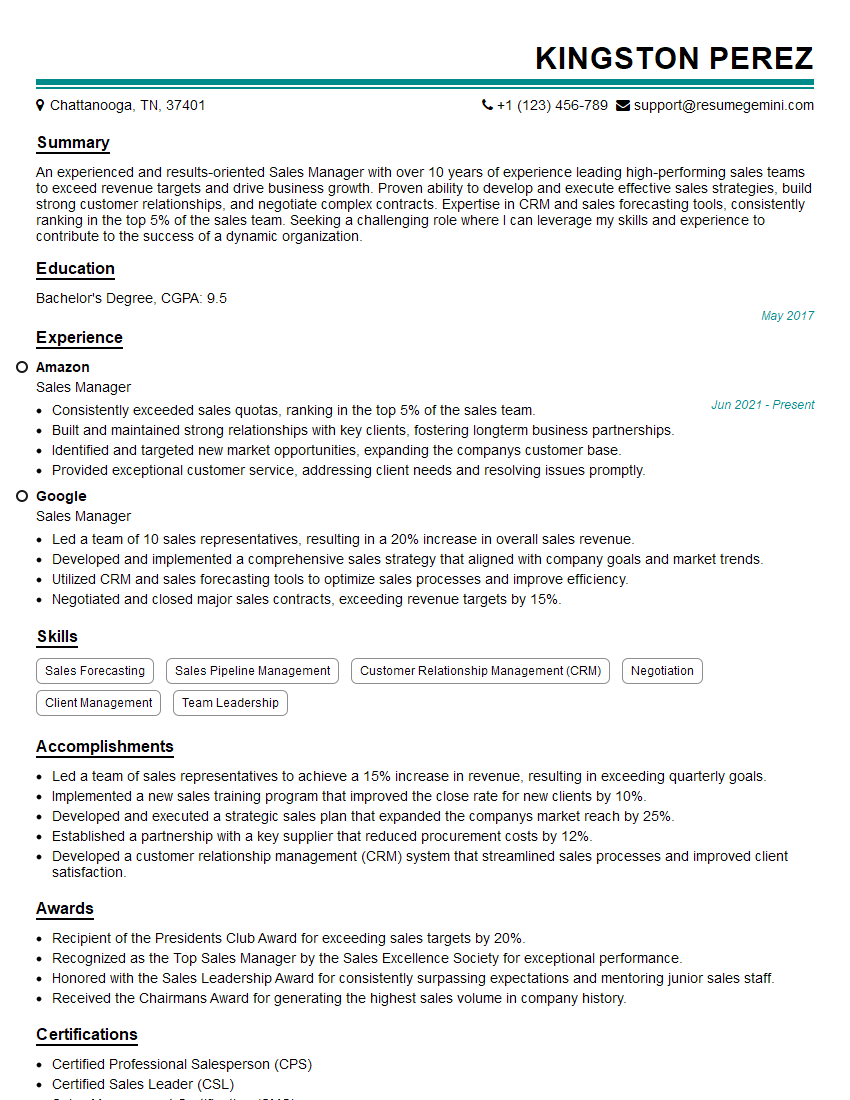
Sales Manager Resume Sample
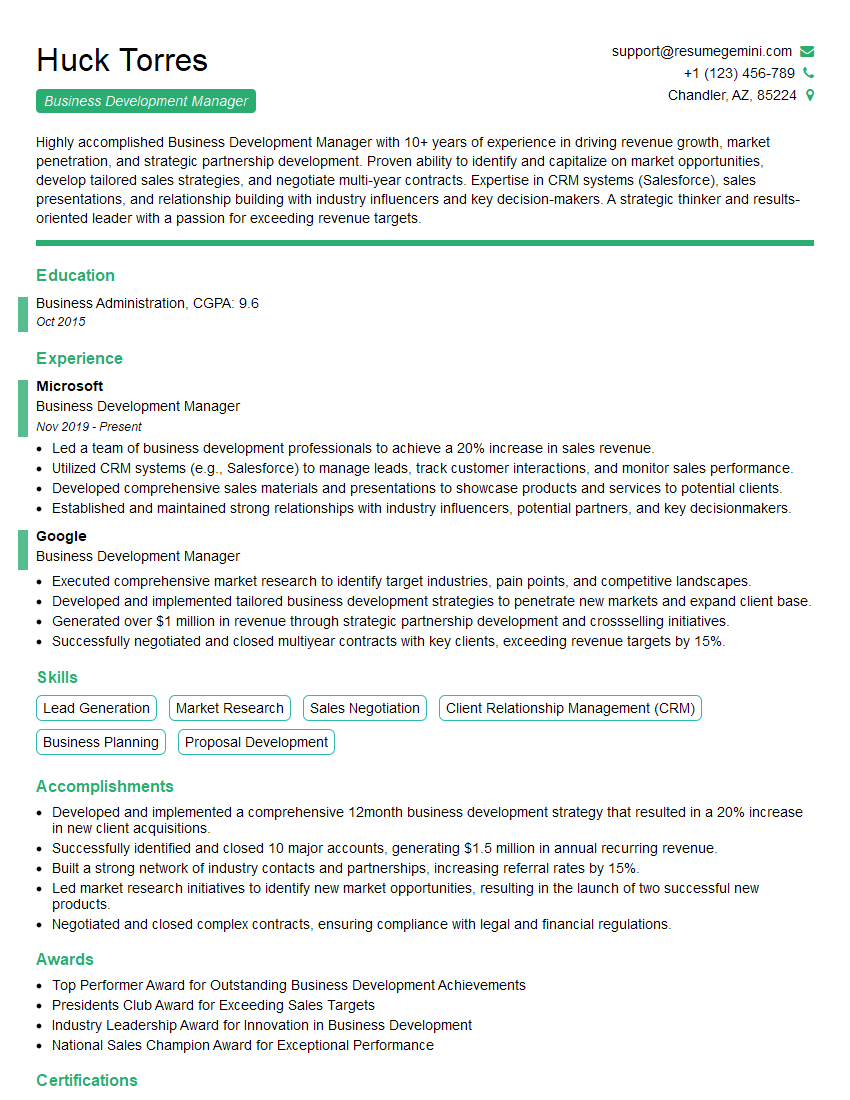
Business Development Manager Resume Sample
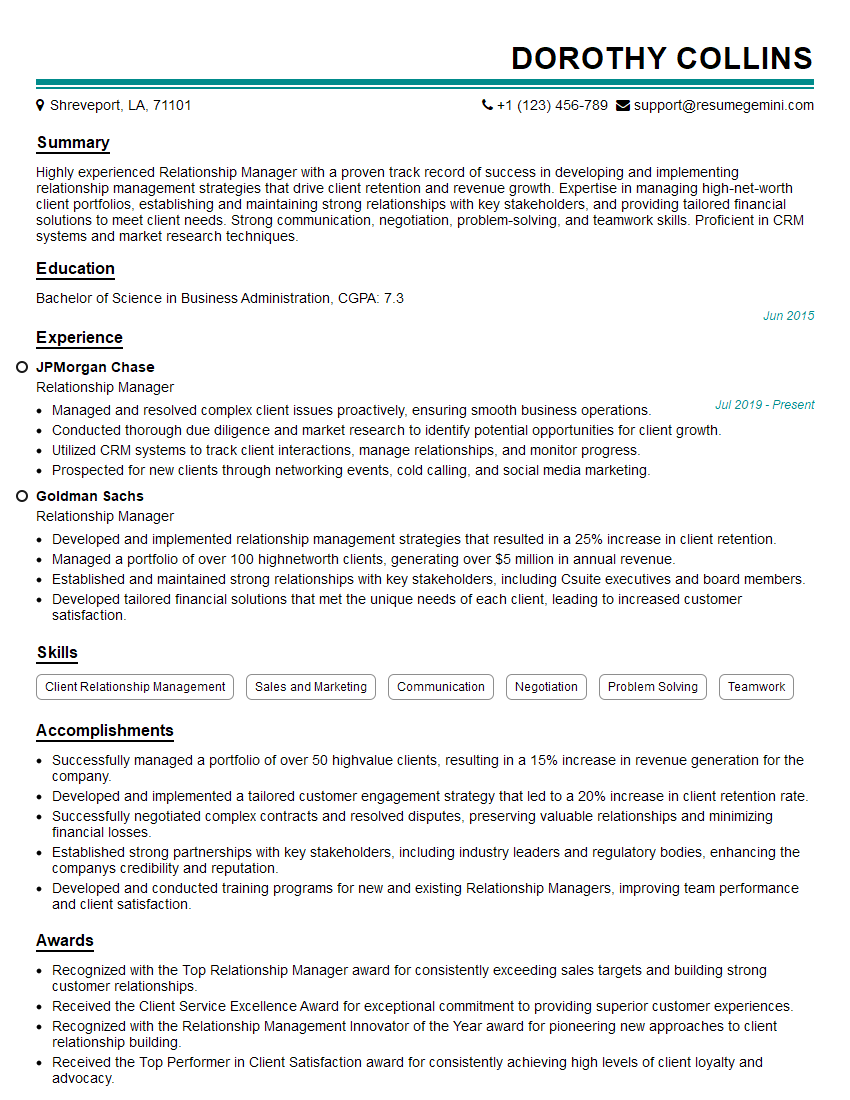
Relationship Manager Resume Sample
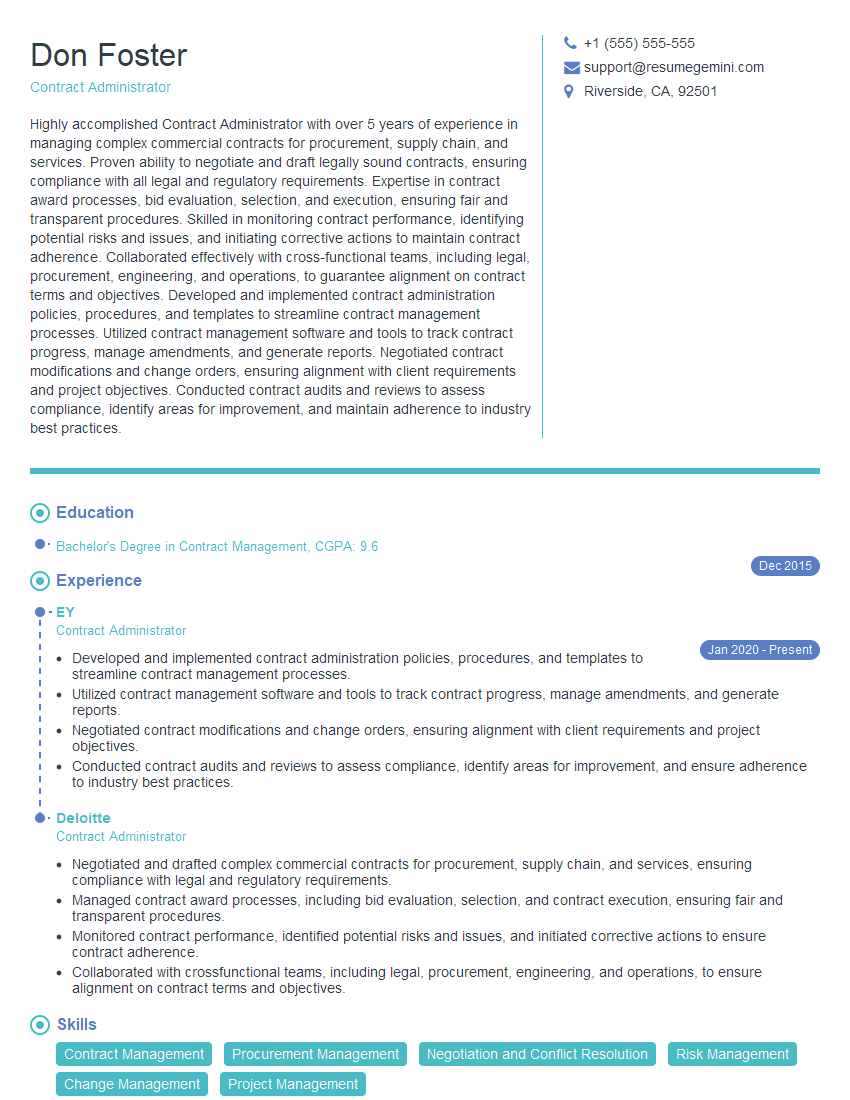
Contract Administrator Resume Sample
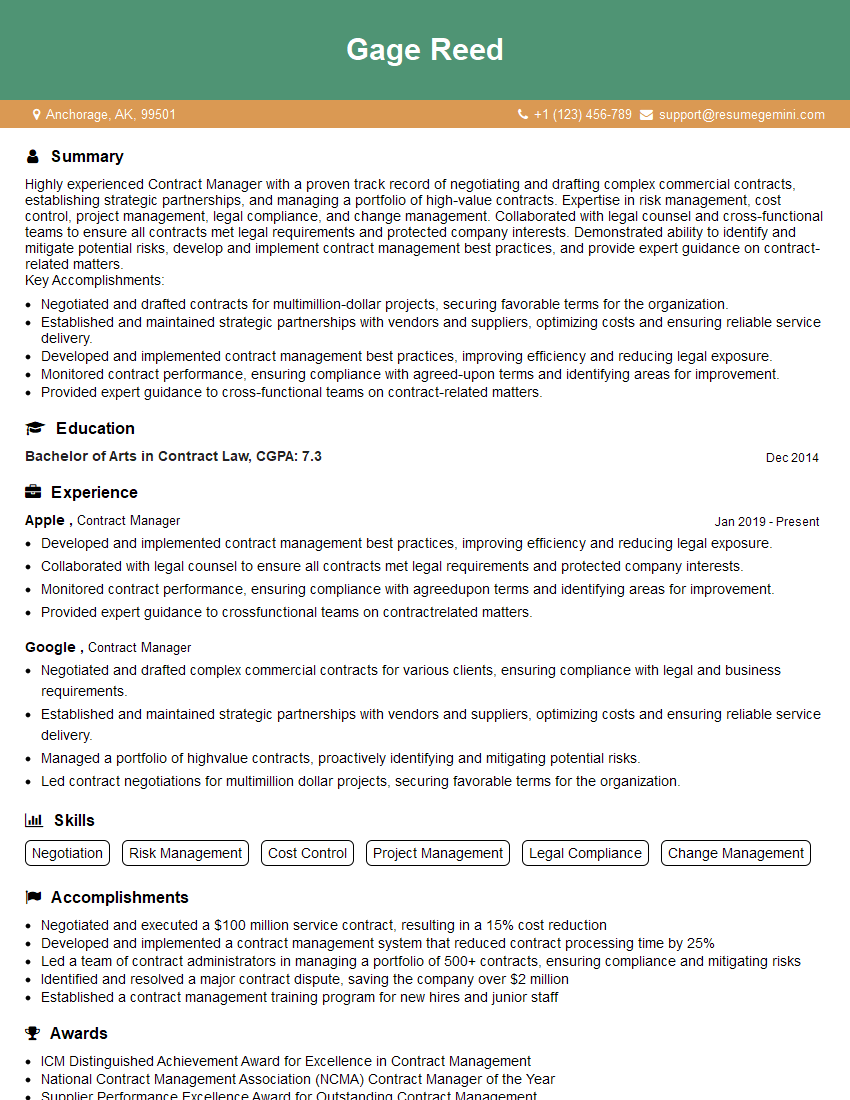
Contract Manager Resume Sample

Procurement Manager Resume Sample
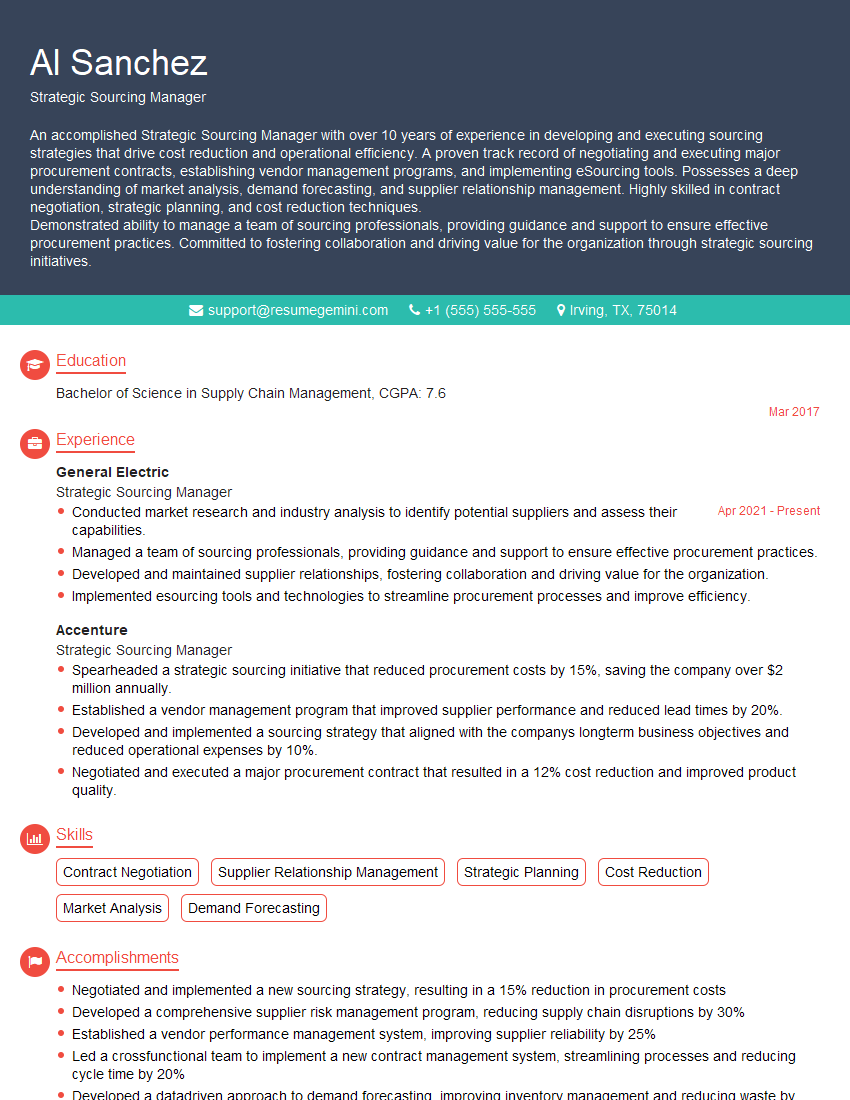
Strategic Sourcing Manager Resume Sample
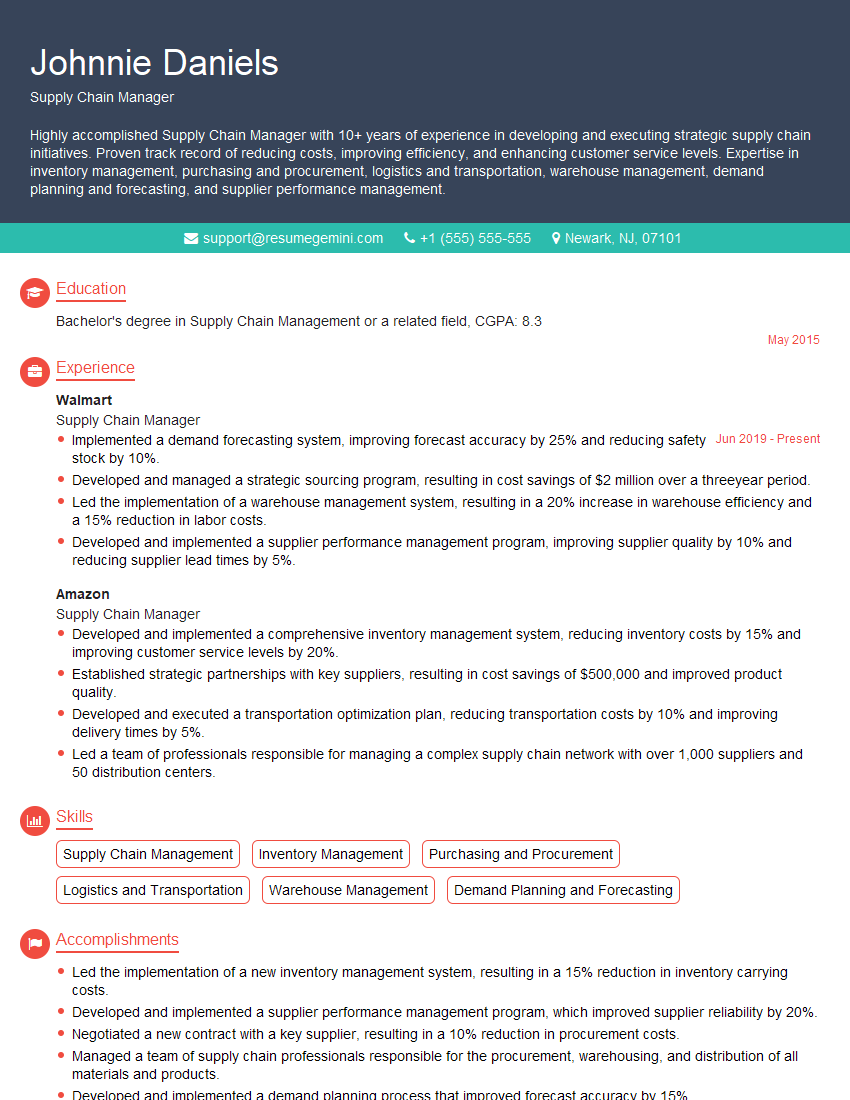
Supply Chain Manager Resume Sample

Project Manager Resume Sample
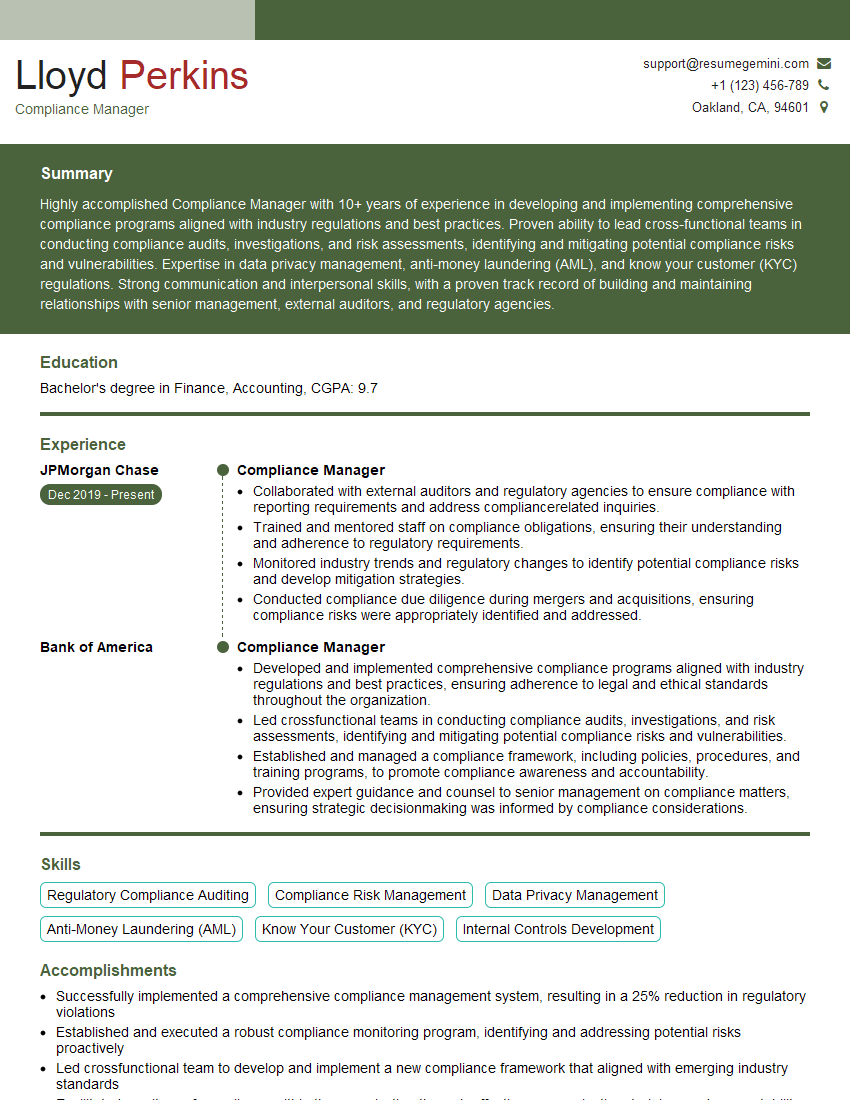
Compliance Manager Resume Sample
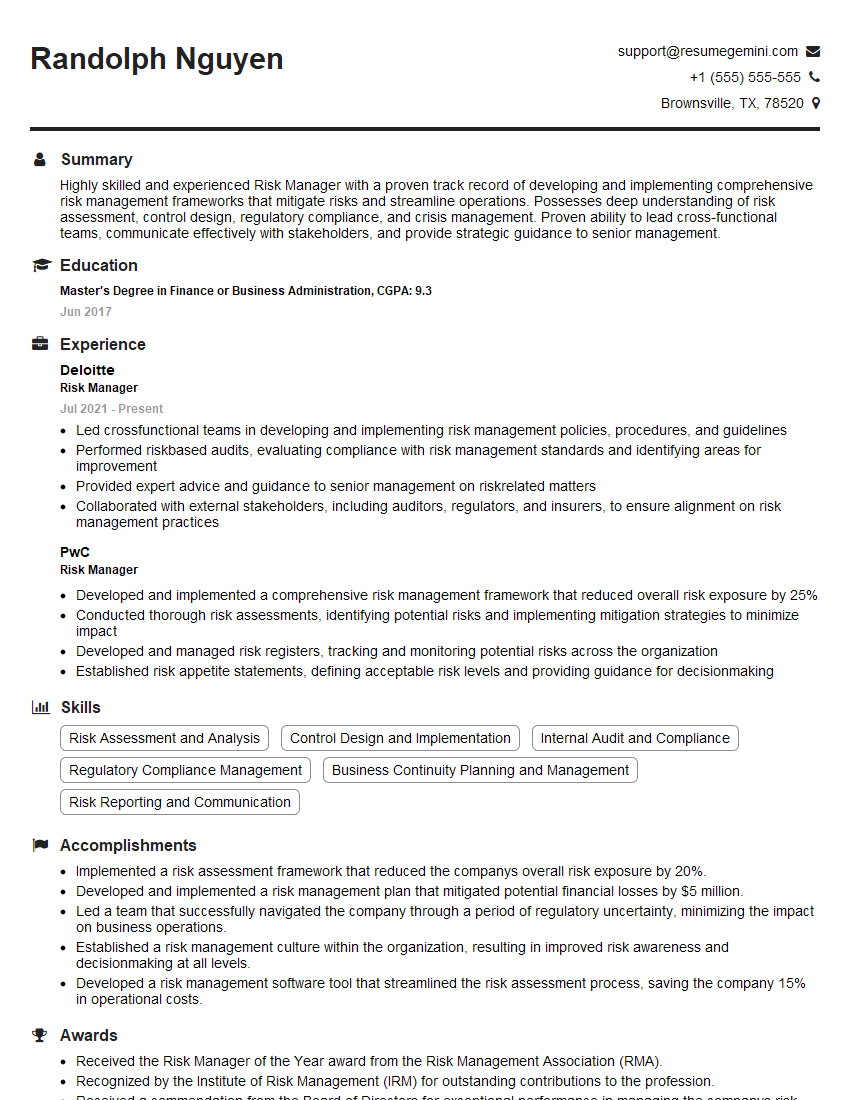
Risk Manager Resume Sample
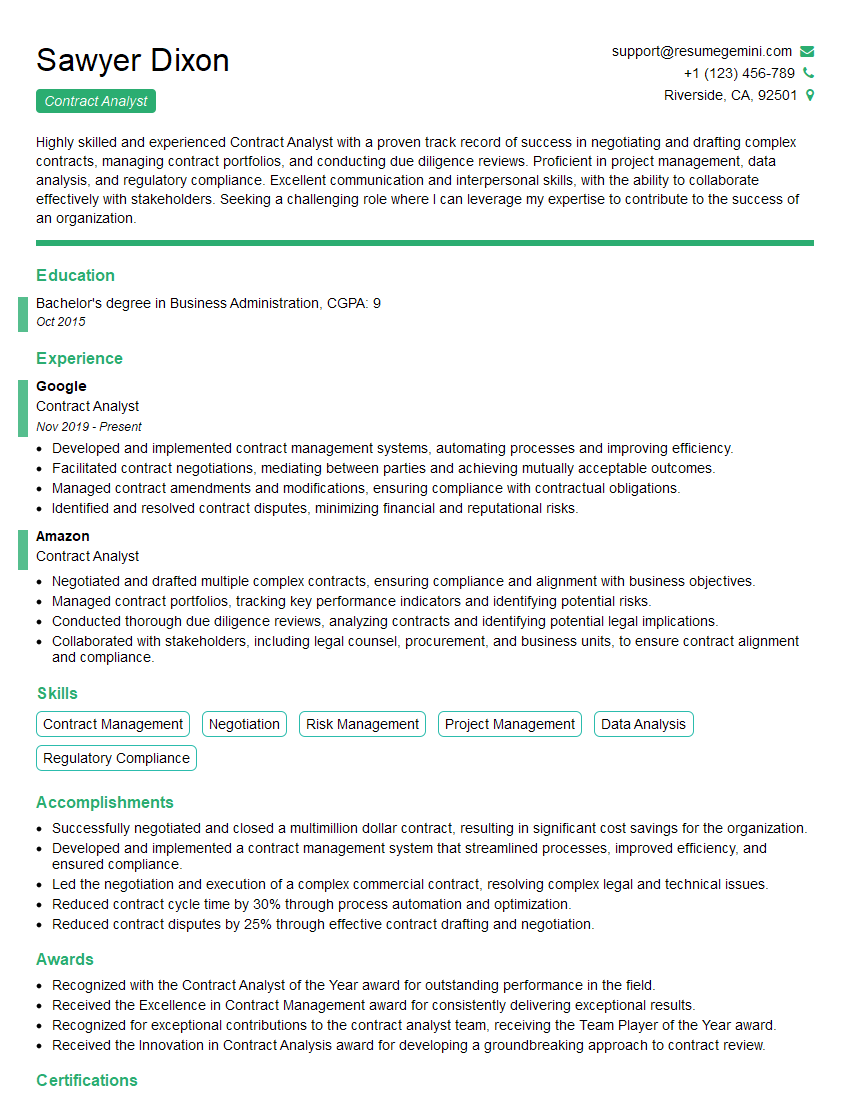
Contract Analyst Resume Sample
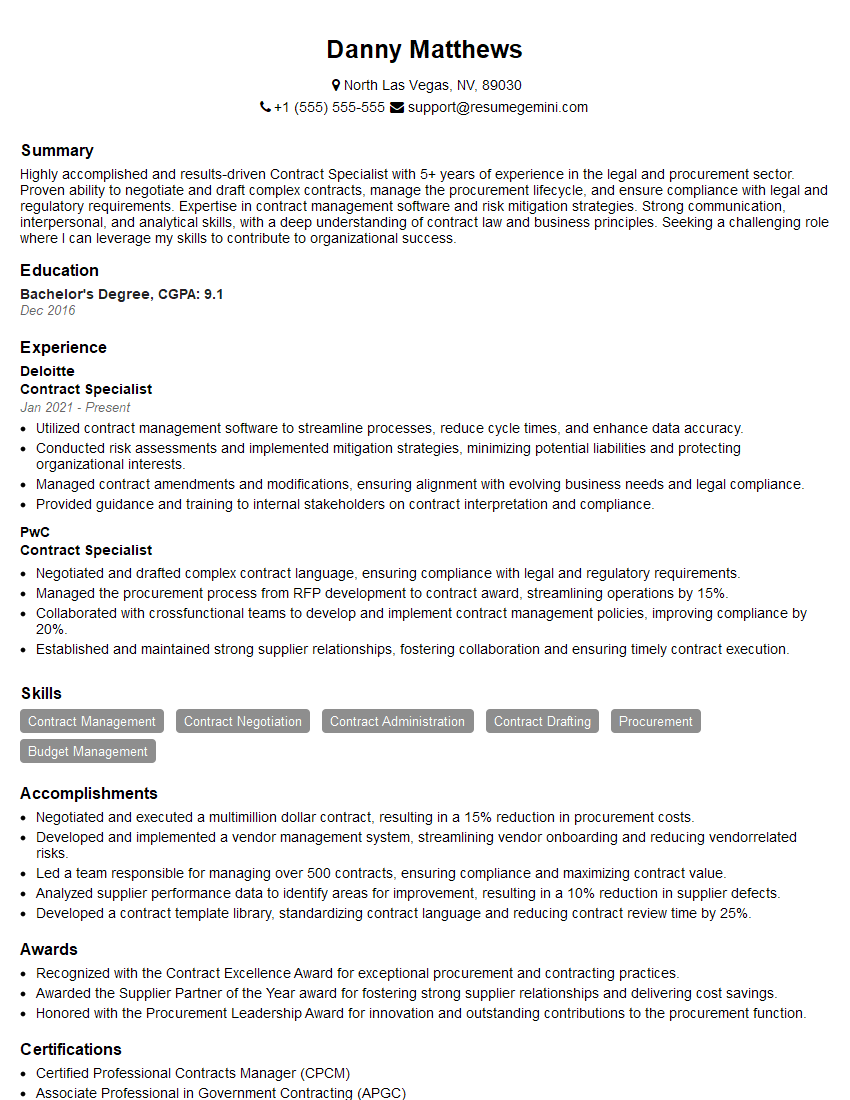
Contract Specialist Resume Sample
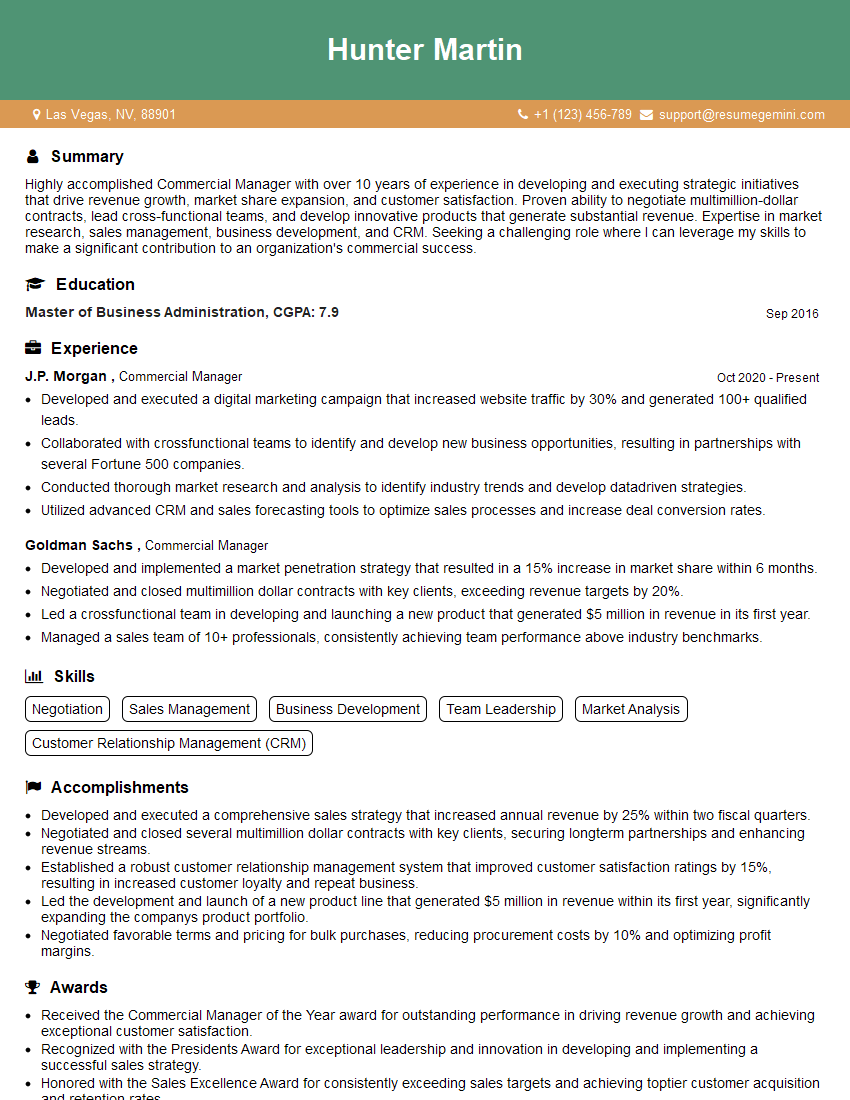
Commercial Manager Resume Sample
Explore more articles
Users Rating of Our Blogs
Share Your Experience
We value your feedback! Please rate our content and share your thoughts (optional).
What Readers Say About Our Blog
Very informative content, great job.
good