Every successful interview starts with knowing what to expect. In this blog, we’ll take you through the top Negotiation and Contracting (optional) interview questions, breaking them down with expert tips to help you deliver impactful answers. Step into your next interview fully prepared and ready to succeed.
Questions Asked in Negotiation and Contracting (optional) Interview
Q 1. Describe your experience in negotiating complex contracts.
Negotiating complex contracts involves more than just legal language; it’s about understanding the underlying business interests and aligning them effectively. My experience encompasses a wide range of scenarios, from multi-million dollar technology licensing agreements to intricate international distribution contracts. I’ve consistently focused on a structured approach, beginning with meticulous due diligence to fully grasp the client’s objectives, the counterparty’s motivations, and the potential risks involved. This includes analyzing market trends, competitor landscape, and financial projections to create a strong negotiating position. A successful negotiation for me isn’t just about achieving the best possible financial terms; it’s about establishing a mutually beneficial, long-term relationship based on trust and understanding.
For example, in a recent negotiation for a software licensing agreement, I identified a crucial oversight in the initial draft regarding intellectual property rights. By proactively addressing this, not only did we secure stronger IP protection for my client, but we also fostered trust with the counterparty, leading to a more collaborative and ultimately successful outcome. We were able to amend the contract to address this, securing a more favorable outcome for my client.
Q 2. Explain your understanding of different contract types (e.g., fixed-price, cost-plus).
Different contract types cater to different risk profiles and project complexities. Understanding these nuances is critical for effective negotiation.
- Fixed-price contracts: These define a fixed price for a clearly scoped project. The risk largely rests with the contractor, as any unforeseen changes or complexities can impact their profitability. They are suitable for projects with well-defined specifications and minimal anticipated changes.
- Cost-plus contracts: These reimburse the contractor for actual costs incurred plus a pre-agreed markup or fee. The risk here primarily falls on the client, as the final cost can be unpredictable. This type is better suited for projects with uncertain scopes or requiring significant flexibility during execution. Variations include cost-plus-fixed-fee (CPFF) and cost-plus-incentive-fee (CPIF) contracts offering different levels of risk sharing.
- Time and materials contracts: This type bills the client for the time spent and materials used. It’s highly flexible but can be difficult to budget for long-term projects.
Choosing the right contract type requires careful consideration of project specifics and risk tolerance. A well-structured contract, regardless of type, should clearly define deliverables, payment terms, timelines, and dispute resolution mechanisms.
Q 3. How do you identify and mitigate potential risks in a contract?
Risk identification and mitigation in contracts is a proactive, multi-step process. I employ a systematic approach encompassing:
- Due diligence: Thoroughly researching the counterparty, understanding their financial stability, reputation, and past performance. This often involves background checks and legal reviews.
- Scenario planning: Anticipating potential challenges—delays, cost overruns, disputes—and devising contingency plans to mitigate their impact.
- Contract review: Carefully analyzing the contract clauses to identify ambiguities, loopholes, or potential risks. This often includes a detailed review of liability clauses, termination clauses, intellectual property rights, and payment terms.
- Insurance and bonds: Exploring options for insurance coverage (e.g., performance bonds, professional indemnity insurance) to transfer some of the risks.
- Dispute resolution clauses: Incorporating clear and effective dispute resolution mechanisms, such as mediation or arbitration, to streamline conflict resolution.
For instance, in a construction contract, we might incorporate a force majeure clause to address unforeseen events (e.g., natural disasters) that might impede project completion, preventing one party from being held liable for delays beyond their control.
Q 4. What strategies do you use to build rapport and trust during negotiations?
Building rapport and trust is fundamental to successful negotiation. It’s not just about the deal; it’s about building a relationship. I approach this by focusing on active listening, demonstrating empathy, and finding common ground. This includes:
- Active listening: Truly understanding the other party’s needs and perspectives, not just waiting for my turn to speak.
- Empathy: Putting myself in the other party’s shoes and recognizing their motivations and concerns.
- Collaboration: Framing the negotiation as a collaborative problem-solving exercise rather than a win-lose battle.
- Transparency: Being open and honest about my client’s needs and expectations.
- Building personal connections (where appropriate): Finding common interests or shared experiences outside the negotiation can create a more comfortable and trusting environment.
For example, starting a conversation by discussing industry trends or mutual challenges before diving into the specifics can create a more relaxed and collaborative atmosphere.
Q 5. How do you handle disagreements or conflicts during contract negotiations?
Disagreements are inevitable in negotiations. My approach centers on respectful communication and creative problem-solving. I focus on:
- Clearly identifying the points of contention: Pinpointing the specific issues causing the disagreement.
- Exploring alternative solutions: Brainstorming options that address both parties’ concerns.
- Compromise: Being willing to make concessions where necessary, ensuring that the compromises are mutually beneficial and don’t undermine my client’s core interests.
- Objective evaluation: If necessary, utilizing objective data or external expertise to support my client’s position.
- Mediation/Arbitration: Employing these as neutral processes to resolve intractable disputes.
Ultimately, the goal is to find a solution that preserves the relationship while protecting my client’s interests.
Q 6. Describe a time you had to make a difficult concession during a negotiation. What was the outcome?
In a negotiation for a major supply contract, we reached an impasse over delivery timelines. My client insisted on a tighter schedule than the supplier was comfortable with. While I strongly advocated for my client’s desired timeline, I recognized that pushing too hard risked losing the deal entirely, which would have had significant negative consequences.
Therefore, I made a difficult concession, agreeing to a slightly extended timeline in exchange for a significant price reduction and a guaranteed expedited delivery for a critical initial shipment. The outcome was positive. We secured a favorable price, mitigated some of the risk associated with the longer lead time and ensured we received the crucial initial products on time. This compromise allowed us to preserve a strong working relationship with the supplier, creating an opportunity for future collaborations.
Q 7. How do you prioritize competing interests when negotiating?
Prioritizing competing interests during negotiation requires a strategic approach involving:
- Clearly defining objectives: Identifying the most crucial objectives and ranking them in order of importance. This allows for informed decision-making during concessions.
- Assessing trade-offs: Evaluating the relative value of different interests and determining what compromises are acceptable to achieve the most important objectives.
- Using weighted scoring: Assigning weights to each objective based on its importance, allowing for a quantitative assessment of different options.
- BATNA (Best Alternative to a Negotiated Agreement): Knowing my client’s walk-away point provides a clear benchmark for assessing the value of any potential agreement.
For example, in a merger negotiation, we might prioritize securing key talent over achieving a specific valuation, recognizing that retaining experienced personnel is crucial for long-term success. It’s a matter of understanding the client’s vision and ensuring the final deal aligns with the overall strategic goals.
Q 8. How do you ensure that a contract is legally sound and protects your organization’s interests?
Ensuring a legally sound contract that protects your organization’s interests requires a multi-faceted approach. It’s not just about having a document; it’s about understanding the legal landscape and aligning the contract with your business objectives.
- Clear and Unambiguous Language: Avoid jargon and ambiguous terms. Every clause should be easily understood by all parties. For example, instead of saying ‘a reasonable amount of time,’ specify a concrete timeframe.
- Comprehensive Scope of Work: Clearly define deliverables, timelines, responsibilities, and payment terms. Leaving room for interpretation can lead to disputes. Think of it like a detailed recipe – leaving out ingredients will lead to a subpar result.
- Risk Allocation: Identify potential risks and allocate them appropriately. Consider including clauses dealing with force majeure (unforeseeable circumstances like natural disasters), liability limitations, and termination rights. This is like having insurance for your contract.
- Legal Review: Always have a qualified legal professional review the contract before signing. They can spot potential loopholes and ensure compliance with relevant laws and regulations. This is your crucial final check before you sign.
- Proper Execution: Ensure the contract is signed by authorized representatives of all parties and that all required formalities are met. This validates the contract and makes it legally binding.
For instance, in a software development contract, specifying the exact features, testing protocols, and acceptance criteria is vital to avoid misunderstandings later. Ignoring these steps could lead to costly rework or legal battles.
Q 9. Explain your process for reviewing and analyzing contracts.
My contract review process is systematic and thorough. It involves several steps:
- Initial Review: I first skim the contract to understand its overall purpose and structure. This gives me a bird’s eye view before diving into the details.
- Detailed Analysis: I then carefully analyze each clause, paying close attention to key terms like definitions, payment schedules, liabilities, and termination clauses. I’m looking for any inconsistencies, ambiguities, or risks to our organization.
- Comparison with Previous Contracts: I compare the contract with similar agreements we’ve had in the past. This helps identify any potential deviations or areas that may need further clarification.
- Risk Assessment: I assess the potential risks associated with each clause and identify any potential weaknesses or areas for improvement. This allows for proactive risk mitigation.
- Negotiation Strategy: Based on the analysis, I develop a negotiation strategy to address any problematic areas and ensure the contract aligns with our interests. This involves identifying key points for negotiation and developing alternative options.
- Legal Review (if needed): I may involve legal counsel for a second opinion on complex or high-stakes contracts. This ensures we don’t miss anything crucial from a legal perspective.
Throughout the process, I meticulously document my findings and recommendations, ensuring a clear audit trail.
Q 10. How do you manage expectations during a lengthy negotiation?
Managing expectations in lengthy negotiations requires clear communication, transparency, and proactive relationship building. It’s about keeping everyone informed and engaged.
- Regular Updates: Provide consistent updates to all stakeholders, keeping them informed of progress, challenges, and potential delays. This prevents misunderstandings and keeps everyone on the same page.
- Realistic Expectations: Set realistic expectations from the start, acknowledging that negotiations can be complex and time-consuming. Avoid overpromising and underdelivering.
- Transparency and Honesty: Be upfront about any challenges or concerns. Transparency builds trust and helps manage expectations more effectively. Think of it like laying all your cards on the table.
- Active Listening: Actively listen to the other party’s concerns and perspectives. Understanding their needs can help find mutually beneficial solutions.
- Formal Communication: Use formal communication channels like emails or meeting minutes to document agreements and decisions. This creates a record and avoids future disputes.
For example, in a merger and acquisition negotiation, regular updates on due diligence findings and financial projections are essential to keep all parties involved and prevent misunderstandings that could derail the deal.
Q 11. Describe your experience with contract lifecycle management.
My experience with contract lifecycle management (CLM) involves utilizing various tools and strategies to streamline the entire process, from contract creation to renewal and archive.
- Contract Authoring: I use standardized templates and contract management software to create efficient and consistent contracts. This ensures compliance with legal requirements and reduces the risk of errors.
- Negotiation and Approval: I leverage CLM tools for secure and efficient collaboration during negotiation, enabling real-time tracking and managing the approval workflow.
- Execution and Monitoring: I utilize CLM systems to track key dates, obligations, and performance indicators, allowing for proactive management and early identification of potential issues.
- Renewal and Archiving: I use CLM software to manage contract renewals and ensure compliance with regulatory requirements. Secure archiving prevents information loss and maintains a historical record.
In my previous role, implementing a CLM system resulted in a 20% reduction in contract processing time and a 15% decrease in contract-related disputes. This demonstrates the significant benefits of a well-structured CLM approach.
Q 12. How do you handle unexpected changes or challenges during contract execution?
Handling unexpected changes or challenges during contract execution requires adaptability, clear communication, and a problem-solving mindset. It’s about navigating the unexpected while minimizing disruption.
- Amendments: For minor changes, we use contract amendment processes that are documented and approved by all parties involved. This maintains a clear record of any modifications.
- Change Orders: For significant changes impacting scope or cost, we issue formal change orders with detailed justifications, updated timelines, and agreed-upon pricing adjustments. This ensures transparency and accountability.
- Communication: We maintain open communication with the other party to discuss the issue, explore solutions, and reach a mutually agreeable resolution. This prevents misunderstandings and fosters collaboration.
- Dispute Resolution Mechanisms: We refer to the contract’s dispute resolution clause to navigate disagreements and resolve conflicts effectively. This ensures a structured approach and may avoid expensive litigation.
For example, if a supplier faces unexpected delays due to a natural disaster, we’ll work collaboratively to adjust the timeline and potentially explore alternative solutions while ensuring contractual obligations are addressed appropriately.
Q 13. How familiar are you with different dispute resolution methods?
I’m familiar with a range of dispute resolution methods, each with its own strengths and weaknesses. The choice depends on the nature and severity of the dispute, the relationship with the other party, and cost considerations.
- Negotiation: This is the most common and often most efficient method. It involves direct communication and compromise to reach a mutually agreeable solution.
- Mediation: A neutral third party facilitates communication and helps the parties reach a settlement. Mediation is often less adversarial than litigation.
- Arbitration: A neutral arbitrator hears evidence and makes a binding decision. Arbitration is typically faster and less expensive than litigation.
- Litigation: This involves filing a lawsuit in court. It’s the most formal and expensive method, and outcomes are often uncertain.
I prefer to explore negotiation and mediation first, resorting to arbitration or litigation only as a last resort. Early intervention and clear communication can often prevent disputes from escalating.
Q 14. How do you measure the success of a negotiation?
Measuring the success of a negotiation goes beyond simply securing a signed contract. It involves evaluating the outcome against several key criteria:
- Achieving Key Objectives: Did the negotiation achieve the primary goals set out at the beginning? This involves assessing whether the contract delivers the desired outcomes and protects the organization’s interests.
- Value Creation: Did the negotiation create value for both parties? A successful negotiation benefits all parties involved, leading to a win-win situation.
- Relationship Preservation: Did the negotiation maintain or strengthen the relationship with the other party? Long-term relationships are often more valuable than short-term gains.
- Efficiency and Cost-Effectiveness: Was the negotiation conducted efficiently and cost-effectively? Minimizing time and resources is important in maximizing value.
- Compliance and Risk Management: Does the contract comply with all relevant laws and regulations, and does it adequately address potential risks?
Using a scoring system against these criteria allows for a quantitative assessment of the negotiation’s success. For example, a successful contract may achieve 90% of pre-defined objectives, maintain a good working relationship, and have minimal risk to the organization. This allows for continuous improvement in negotiation strategy and effectiveness.
Q 15. How do you stay updated on changes in contract law and best practices?
Staying current in contract law and best practices is crucial. I utilize a multi-pronged approach. Firstly, I subscribe to reputable legal journals and newsletters like The Practical Lawyer and publications from organizations such as the American Bar Association. These provide in-depth analysis of recent case law and legislative changes. Secondly, I actively participate in professional development opportunities, attending webinars and conferences hosted by organizations specializing in contract law and negotiation. This allows for direct interaction with experts and networking with peers. Finally, I maintain a network of contacts within the legal field, including lawyers specializing in contract law, whom I consult for insights on emerging trends and complex issues. This combination of formal learning and professional networking ensures I’m always abreast of the latest developments.
Career Expert Tips:
- Ace those interviews! Prepare effectively by reviewing the Top 50 Most Common Interview Questions on ResumeGemini.
- Navigate your job search with confidence! Explore a wide range of Career Tips on ResumeGemini. Learn about common challenges and recommendations to overcome them.
- Craft the perfect resume! Master the Art of Resume Writing with ResumeGemini’s guide. Showcase your unique qualifications and achievements effectively.
- Don’t miss out on holiday savings! Build your dream resume with ResumeGemini’s ATS optimized templates.
Q 16. Explain your understanding of intellectual property rights in contracts.
Intellectual property (IP) rights in contracts are critical. They protect creations of the mind, such as inventions (patents), literary and artistic works (copyrights), and brand names (trademarks). A well-drafted contract clearly defines which party owns what IP and how it can be used. For instance, a software development contract might specify that the client owns the software’s copyright after completion, while the developer retains the right to use certain underlying technologies in future projects. It’s essential to define the scope of the license granted, including geographic restrictions and permitted uses. Failure to do so can lead to costly disputes later. I always ensure that IP ownership and usage are explicitly addressed in the contract, often using detailed schedules to clarify the specifics. Ignoring IP rights can lead to significant financial losses and legal battles.
Q 17. How do you deal with a vendor who is unwilling to compromise?
Dealing with an uncooperative vendor requires a strategic approach. My first step is to understand their underlying motivations. Are they unwilling to compromise due to pricing pressures, concerns about their margins, or perhaps a misunderstanding of our needs? Open communication is key – I facilitate a discussion to clarify their concerns and explore alternative solutions. I present options that address their concerns while still meeting our requirements. For example, if the issue is pricing, I might propose a phased implementation or alternative payment terms. If the concern is about scope creep, I will emphasize the importance of clearly defined deliverables. If all else fails, I’m prepared to walk away. Holding firm to our needs ensures we don’t enter into a contract that ultimately doesn’t benefit our organization. Sometimes, a walk away is the strongest negotiating tactic.
Q 18. What is your approach to negotiating pricing and payment terms?
Negotiating pricing and payment terms requires a balance of firmness and flexibility. I start by conducting thorough market research to understand prevailing rates and industry benchmarks. This provides a solid foundation for my initial proposal. I then present a well-justified price based on the value we bring and the complexity of the work. This justification often includes a detailed breakdown of costs. Payment terms are negotiated considering the project’s timeline and risk. For smaller projects, upfront payment may be appropriate, while larger projects may benefit from milestone-based payments or a combination of upfront and progress payments. I’m always open to exploring creative payment structures, such as performance-based bonuses or value-based pricing, to incentivize the vendor to deliver exceptional results. The goal is to reach a mutually agreeable arrangement that aligns incentives and fairly compensates the vendor while protecting our interests.
Q 19. How do you balance the need for a strong contract with maintaining a positive relationship with the other party?
Balancing a strong contract with positive relationships is about finding the right balance between protecting your interests and fostering collaboration. A strong contract isn’t necessarily a confrontational document. It’s a clear and comprehensive agreement that minimizes ambiguity and potential disputes. The key is to approach negotiations collaboratively, focusing on mutual understanding and shared goals. Effective communication and transparency are essential – explaining the reasoning behind specific clauses can build trust and understanding. Building rapport and showing genuine respect for the other party’s perspective is crucial. I’ve found that focusing on long-term relationships often leads to better outcomes than adversarial tactics. A carefully crafted contract that addresses potential issues proactively strengthens the relationship by creating a predictable and trustworthy framework for the future.
Q 20. Describe a time you had to renegotiate a contract. What led to the renegotiation, and what was the outcome?
In a recent project involving the development of a custom software application, we encountered unforeseen technical challenges midway through. The original contract didn’t adequately address the possibility of such extensive modifications. The increased complexity significantly impacted the project timeline and budget. To address this, we initiated a renegotiation. Instead of resorting to legal action, we engaged in open dialogue with the vendor. We collaboratively reviewed the challenges, adjusted the scope of work, and negotiated a revised timeline and budget. The outcome was a mutually acceptable amendment to the original contract, reflecting the new realities. This involved transparent communication, a willingness to compromise on both sides, and a focus on maintaining a positive working relationship. The renegotiation ensured project completion and preserved the vendor relationship, avoiding a potentially costly and time-consuming legal dispute.
Q 21. What are some key clauses you always look for in a contract?
Several key clauses are always on my checklist. These include:
- Definitions: Clear definitions of key terms used throughout the contract avoid ambiguity.
- Scope of Work: A precise and comprehensive description of the goods or services provided, to prevent scope creep.
- Payment Terms: Detailed specifications of payment amounts, schedule, and methods.
- Intellectual Property Rights: Clear delineation of ownership and usage rights for any IP involved.
- Confidentiality: Protecting sensitive information exchanged between parties.
- Warranty and Liability: Defining the responsibilities and liabilities of each party.
- Termination Clause: Specifies conditions under which the contract can be terminated and the procedures involved.
- Dispute Resolution: Outline a mechanism for resolving any disputes that might arise, such as mediation or arbitration.
Q 22. How do you handle confidential information during contract negotiations?
Handling confidential information during contract negotiations is paramount. It requires a multi-layered approach, beginning with establishing clear confidentiality agreements upfront. This often involves Non-Disclosure Agreements (NDAs) that explicitly define what information is considered confidential, the permissible uses of that information, and the consequences of breaches.
Beyond formal agreements, practical steps are crucial. This includes limiting access to sensitive documents to only those who absolutely need them, using secure communication channels (avoiding open emails for sensitive data), and maintaining a secure physical environment for any hard copies. Regularly reviewing and updating the NDA as the negotiation progresses is important, especially if the scope of shared information changes. For instance, during a recent merger negotiation, we implemented a secure data room with controlled access and logging, ensuring a clear audit trail. This proactive approach minimized risks and instilled confidence in both parties.
Q 23. How do you use data and analytics to support your negotiation strategies?
Data and analytics play a vital role in strengthening negotiation strategies. Instead of relying solely on intuition, we leverage data to understand market trends, competitor actions, and the other party’s past behavior. For example, analyzing past contract terms, pricing models, and dispute resolutions helps identify patterns and predict potential issues.
Market data provides insights into prevailing rates and benchmarks, empowering us to make informed proposals and counter-offers. We might use tools to analyze the other party’s financials, helping us understand their constraints and priorities. This data-driven approach enables us to craft arguments supported by facts and figures, creating a more compelling case and leading to more favorable outcomes. Imagine negotiating a software licensing agreement; analyzing historical data on similar deals allows us to propose a fair and competitive price, while also identifying potential areas for improvement based on industry benchmarks.
Q 24. How do you ensure compliance with relevant regulations and laws in contract negotiation?
Ensuring compliance with relevant regulations and laws is non-negotiable. This starts with a thorough understanding of the applicable legal frameworks, including antitrust laws, consumer protection regulations, and data privacy laws like GDPR or CCPA (depending on the context and jurisdiction). We often consult legal counsel to ensure our contracts adhere to all relevant rules.
Compliance isn’t a mere afterthought; it’s integrated into every stage. We proactively identify potential compliance risks, draft clauses that mitigate those risks, and carefully review the contract for any potential violations. For instance, in a cross-border transaction, we carefully crafted clauses to ensure compliance with data privacy laws in multiple jurisdictions. This diligent approach minimizes legal risks and protects the interests of all parties involved.
Q 25. Describe your experience with international contract negotiations.
My experience with international contract negotiations spans several years and diverse industries. These negotiations often present unique challenges, including navigating different legal systems, cultural nuances, and communication styles. I’ve successfully negotiated contracts across continents, involving complexities such as currency exchange rates, import/export regulations, and varying legal interpretations of clauses.
One memorable project involved negotiating a joint venture agreement between a US company and a Japanese firm. Understanding the Japanese emphasis on long-term relationships and building trust was crucial. We structured the agreement to reflect these cultural values, building a foundation of mutual respect and cooperation that ultimately led to a successful partnership. Adaptability, cultural sensitivity, and the ability to work through language barriers are essential skills in this area.
Q 26. How do you use your negotiation skills to achieve win-win outcomes?
Achieving win-win outcomes is the ultimate goal in negotiation. This requires a collaborative approach that focuses on understanding the other party’s needs and interests, rather than solely focusing on our own. This involves active listening, empathy, and a willingness to explore creative solutions that satisfy both sides.
In practice, this means moving beyond a purely positional bargaining style. We work to identify common ground and leverage mutual interests. For example, in a recent negotiation, the other party was concerned about a specific deadline. By adjusting our approach and collaborating to find an alternative solution that accommodated their concerns, we secured a mutually beneficial agreement that met both our business objectives. A crucial element is to build rapport and trust, creating an environment where open communication and compromise are possible.
Q 27. How would you handle a situation where a contract is breached?
Handling a contract breach requires a structured approach, starting with a clear understanding of the breach itself. We first identify the specific clause violated, the extent of the breach, and any potential damages. We then communicate promptly with the breaching party, clearly outlining the problem and seeking a resolution. This communication is crucial in preserving a business relationship wherever possible.
Depending on the severity of the breach, the next steps might include formal notices, mediation, or arbitration. Litigation is usually a last resort, given its cost and time-consuming nature. In one instance, a supplier failed to meet a crucial delivery deadline. Instead of immediately resorting to legal action, we facilitated open dialogue, which led to them implementing corrective measures and compensating us for the delay. This approach preserved the valuable business relationship while ensuring our interests were protected.
Q 28. Describe your experience with contract termination procedures.
Contract termination procedures vary significantly depending on the type of contract and the circumstances of the termination. Generally, contracts will include specific clauses outlining the grounds for termination and the process involved. These clauses often address topics such as notice periods, payment obligations upon termination, and the resolution of disputes arising from the termination.
My experience covers scenarios involving both amicable terminations (mutual agreement) and terminations for cause (breach of contract). In each case, meticulous adherence to the contract’s provisions and relevant laws is paramount. This involves carefully documenting the events leading to the termination, issuing proper notices, and ensuring all financial and contractual obligations are met. A careful approach minimizes legal complications and avoids potential disputes.
Key Topics to Learn for Negotiation and Contracting (Optional) Interview
- Negotiation Strategies: Understanding different negotiation styles (collaborative, competitive, etc.) and adapting your approach based on the situation and counterpart. Practical application: Analyzing a case study involving a complex contract negotiation.
- Contract Law Fundamentals: Grasping key legal concepts like offer, acceptance, consideration, and breach of contract. Practical application: Identifying potential risks and liabilities within a sample contract.
- Effective Communication & Active Listening: Mastering techniques for clear communication, persuasive argumentation, and active listening during negotiations. Practical application: Role-playing negotiation scenarios to practice these skills.
- Risk Management & Mitigation: Identifying and assessing potential risks in contracts and developing strategies to mitigate them. Practical application: Developing a risk assessment matrix for a hypothetical project.
- Conflict Resolution: Developing strategies for resolving disagreements and disputes effectively and professionally. Practical application: Analyzing a case study involving a contract dispute and proposing solutions.
- Contract Drafting & Review: Understanding the process of drafting and reviewing contracts, paying close attention to detail and legal implications. Practical application: Critiquing a sample contract for clarity, completeness, and potential loopholes.
Next Steps
Mastering negotiation and contracting skills is crucial for career advancement across various industries. Strong negotiation abilities lead to better outcomes in salary negotiations, project management, and client relationships. An ATS-friendly resume is essential for getting your application noticed by recruiters and hiring managers. ResumeGemini offers a powerful and intuitive platform to help you build a professional, impactful resume that highlights your skills and experience in negotiation and contracting. Examples of resumes tailored to this field are available to guide you, providing templates and best practices to ensure your resume showcases your potential effectively. Take the next step toward a successful career by crafting a compelling resume with ResumeGemini today.
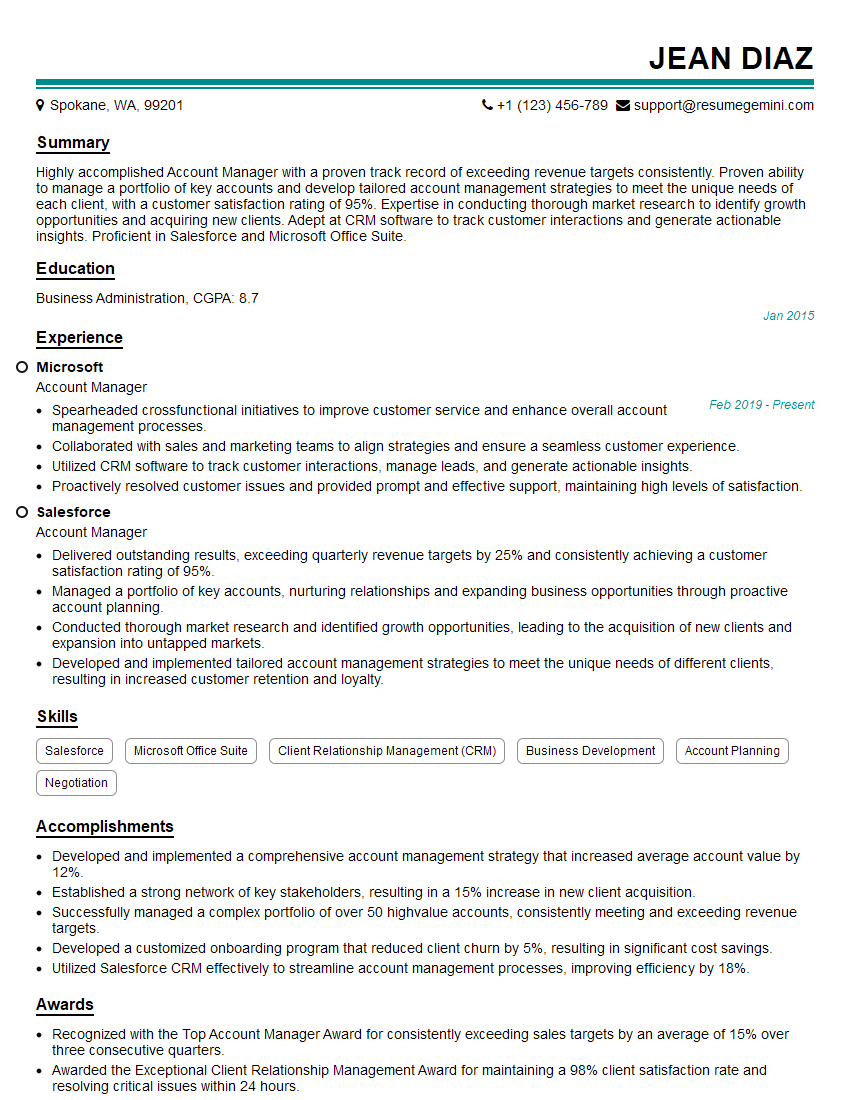
Account Manager Resume Sample
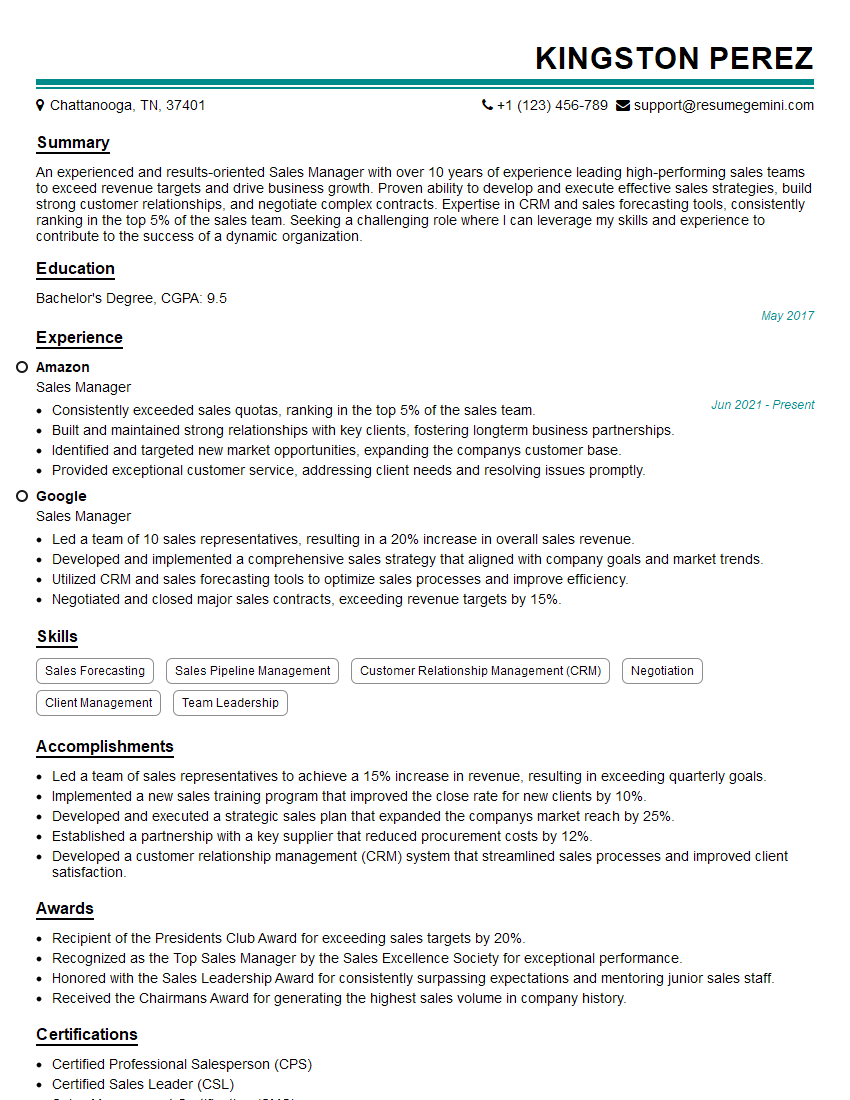
Sales Manager Resume Sample
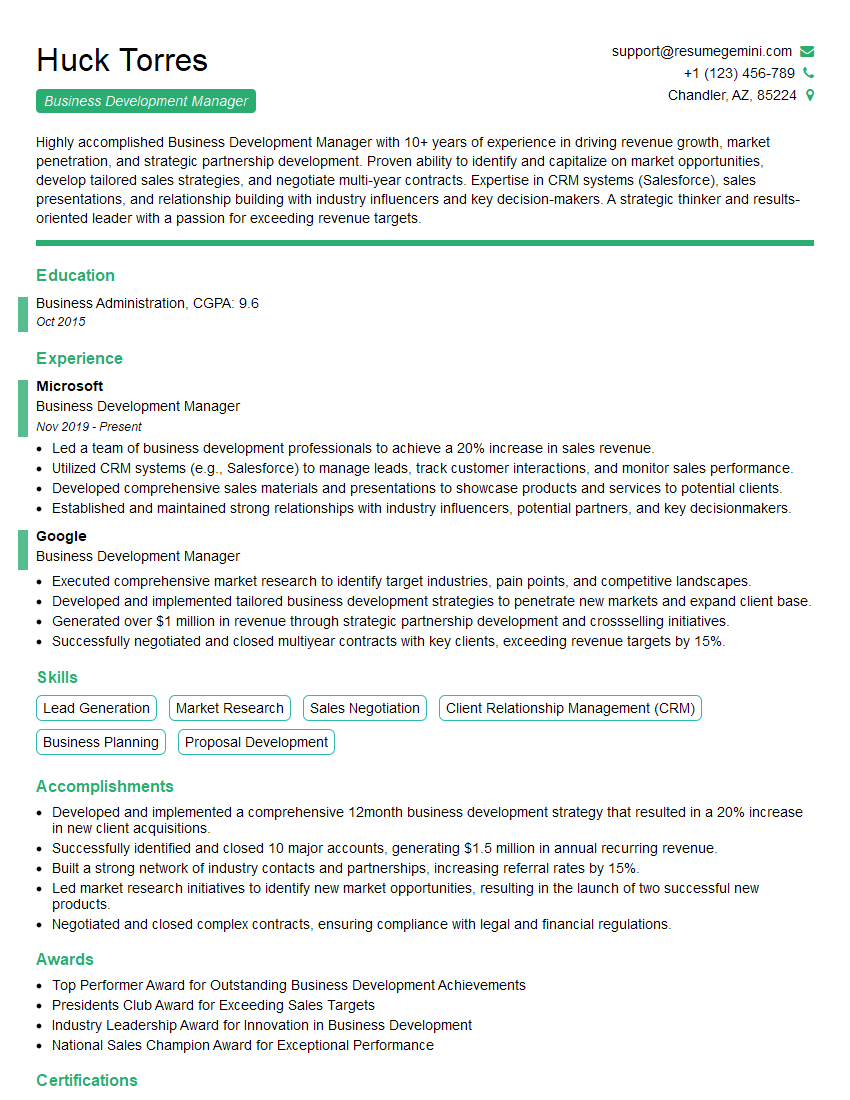
Business Development Manager Resume Sample
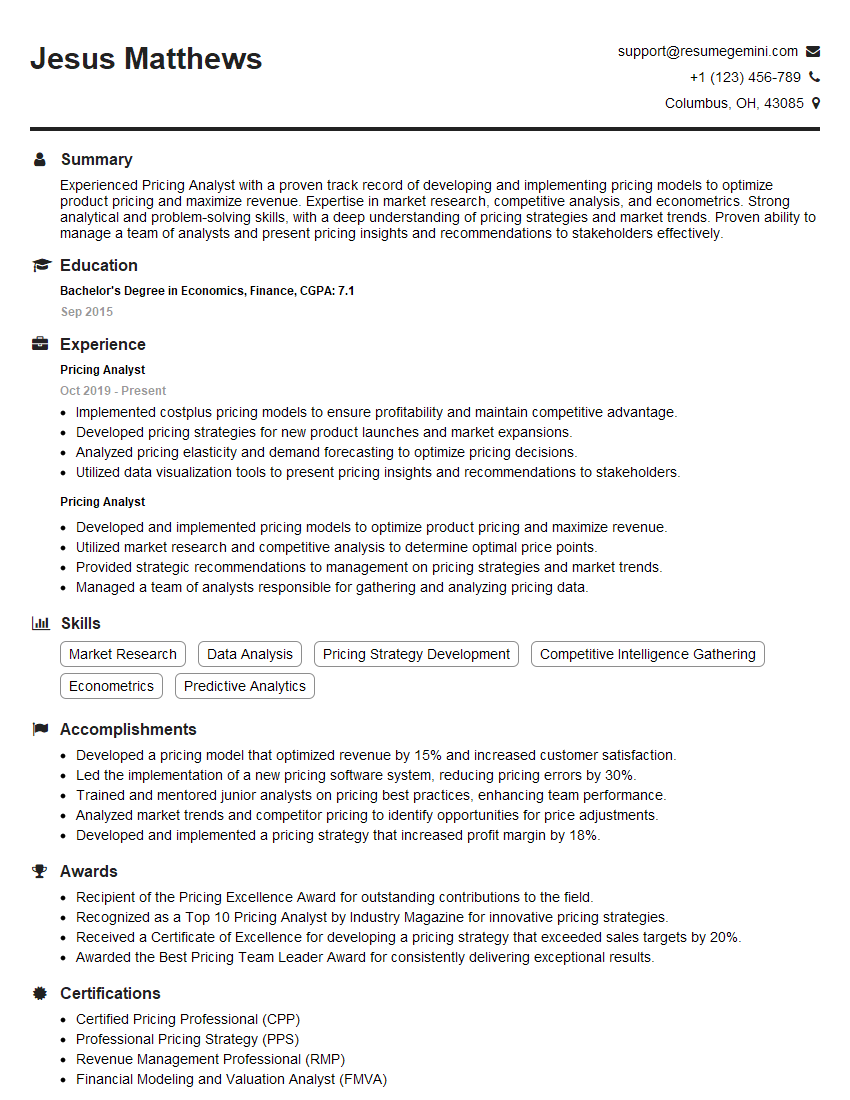
Pricing Analyst Resume Sample
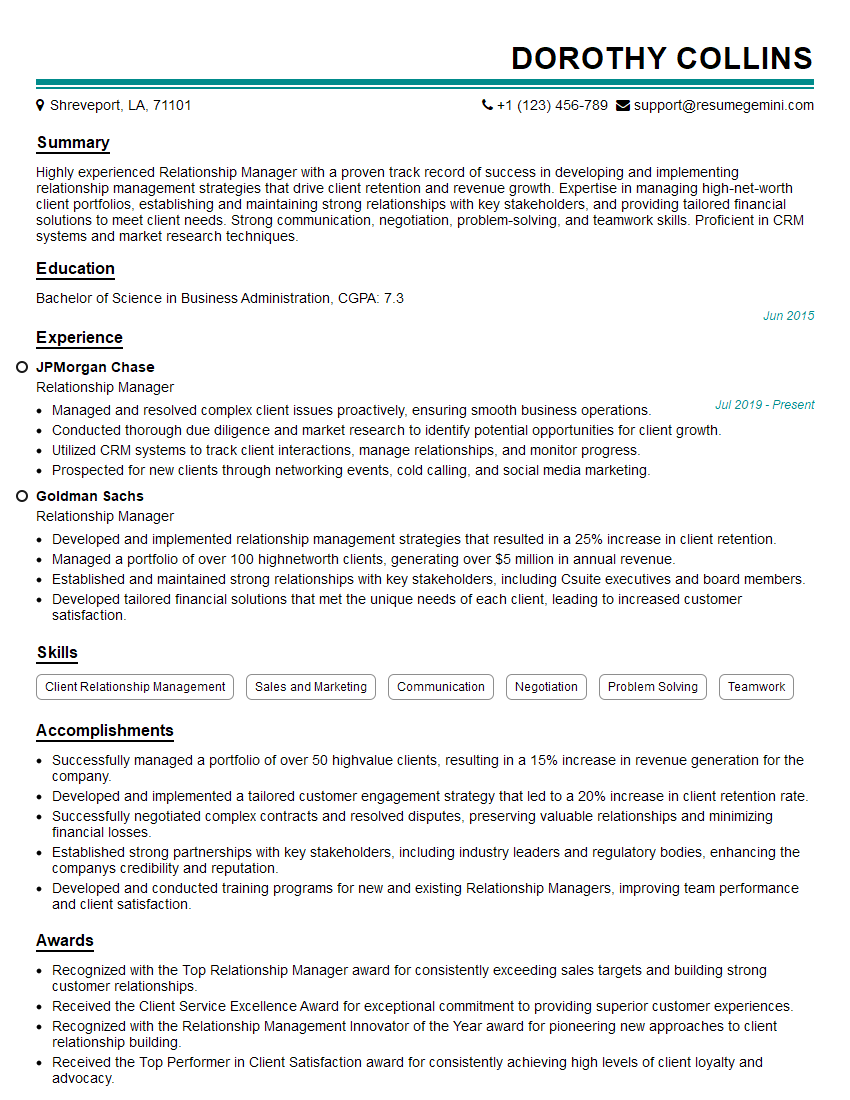
Relationship Manager Resume Sample
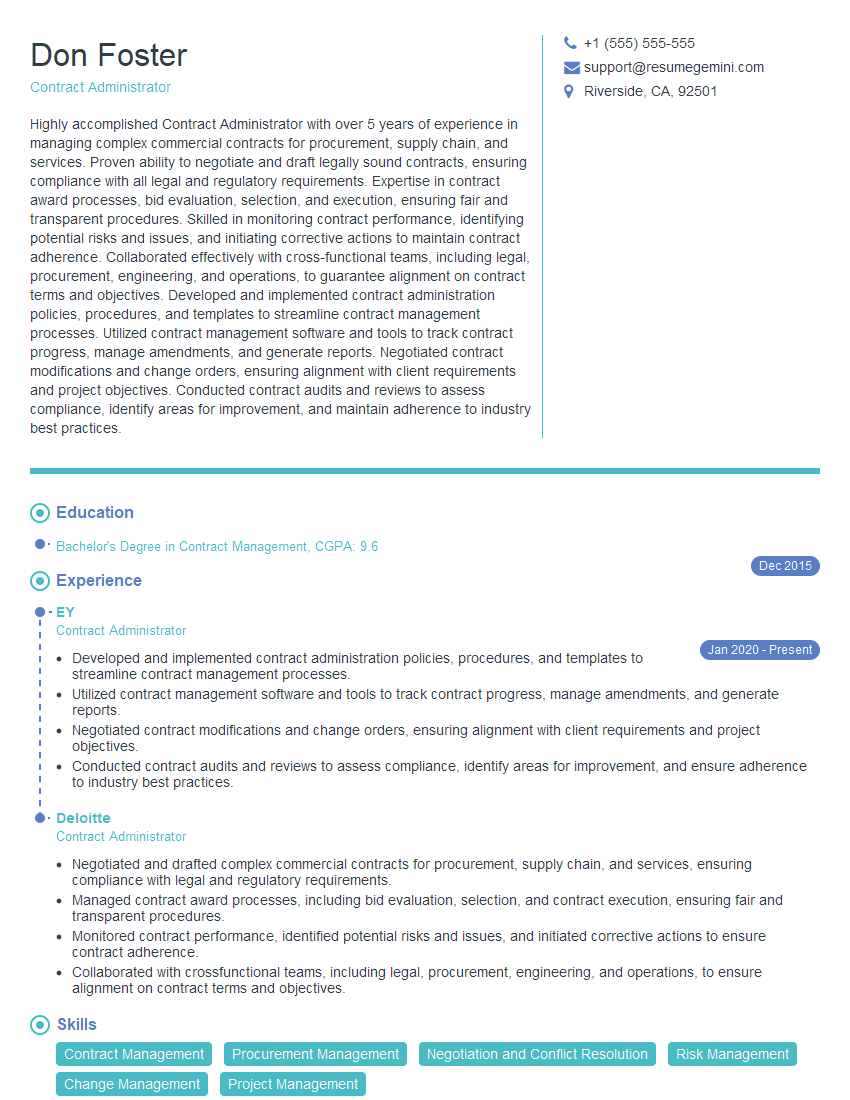
Contract Administrator Resume Sample
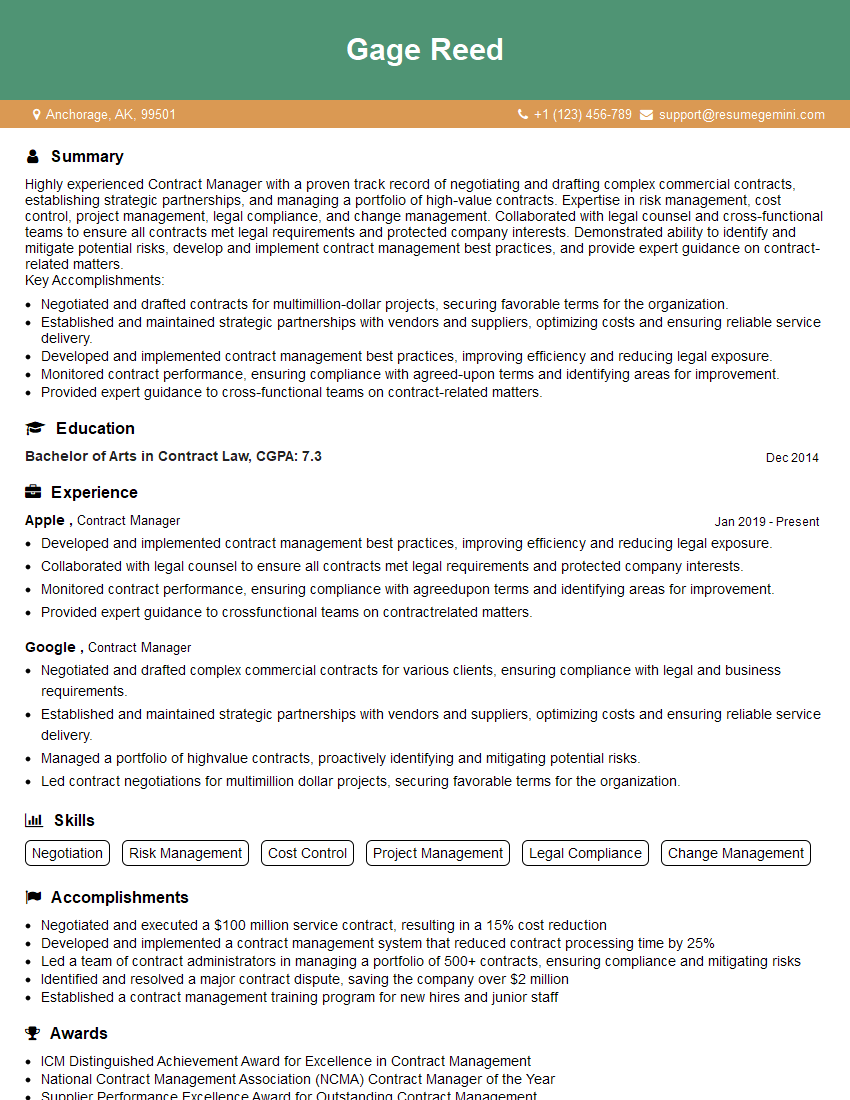
Contract Manager Resume Sample

Procurement Manager Resume Sample
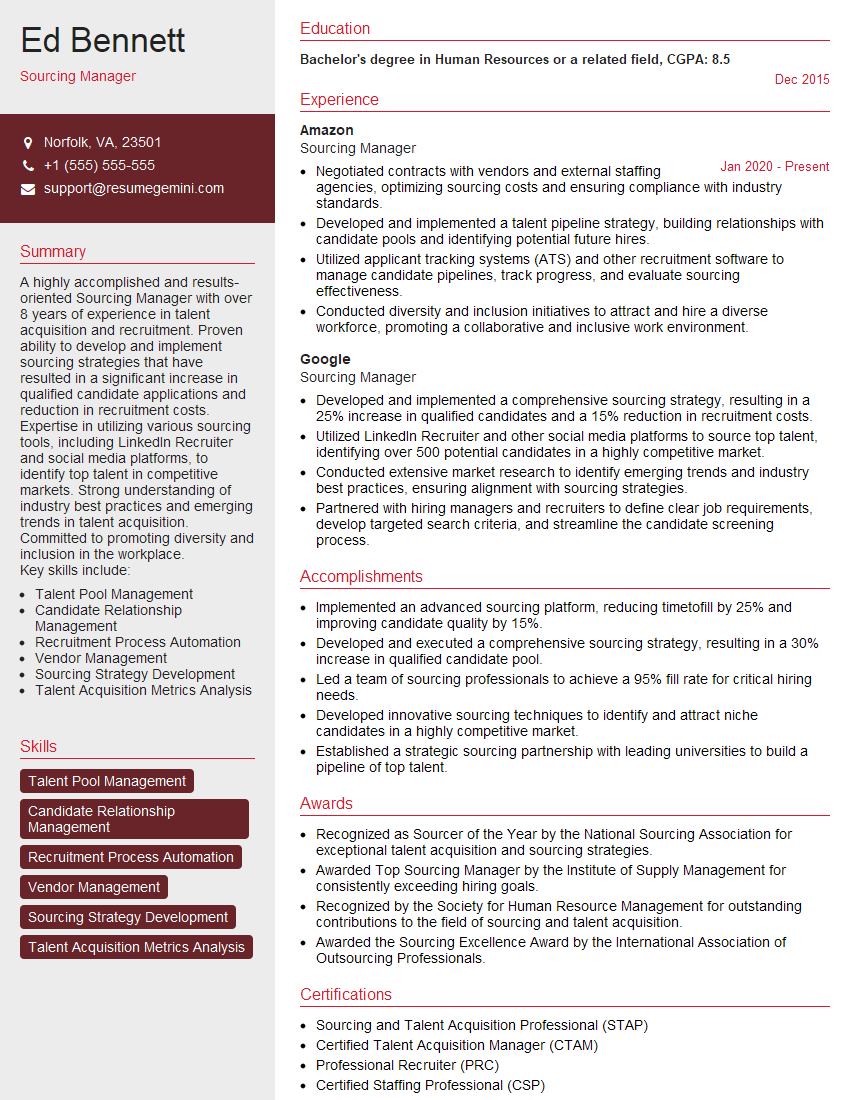
Sourcing Manager Resume Sample
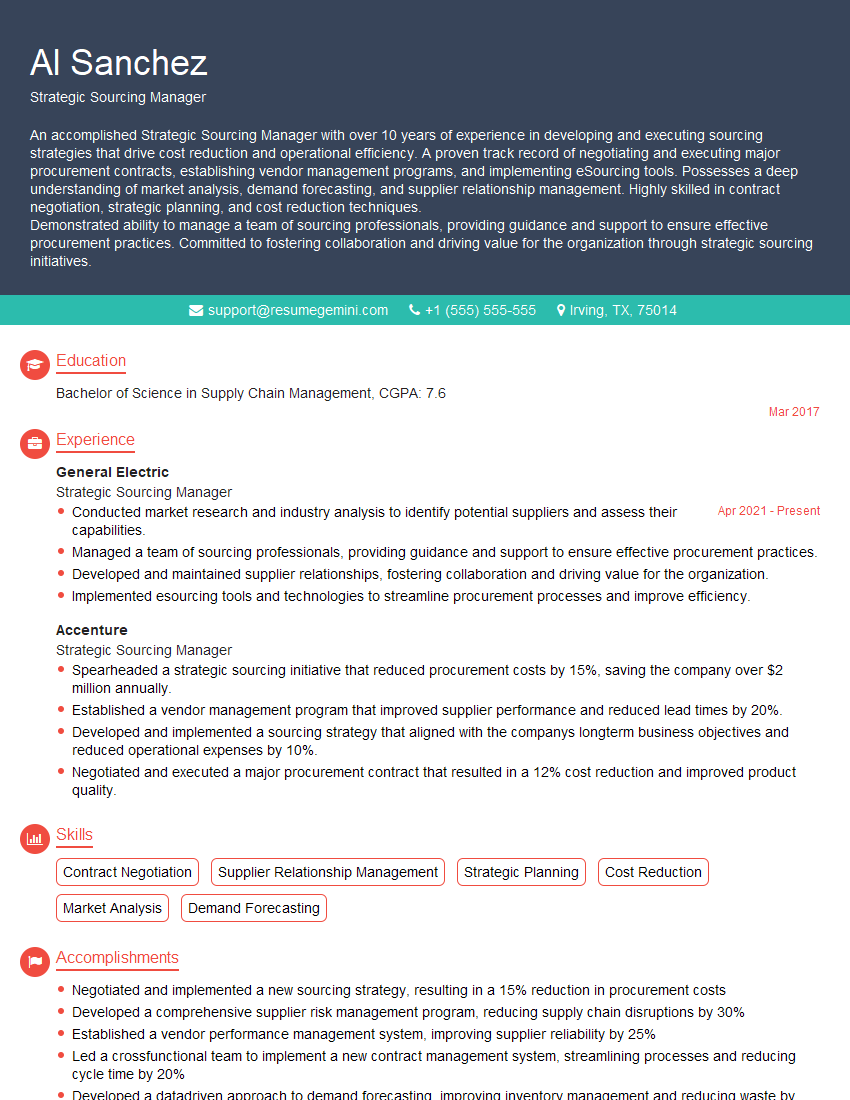
Strategic Sourcing Manager Resume Sample
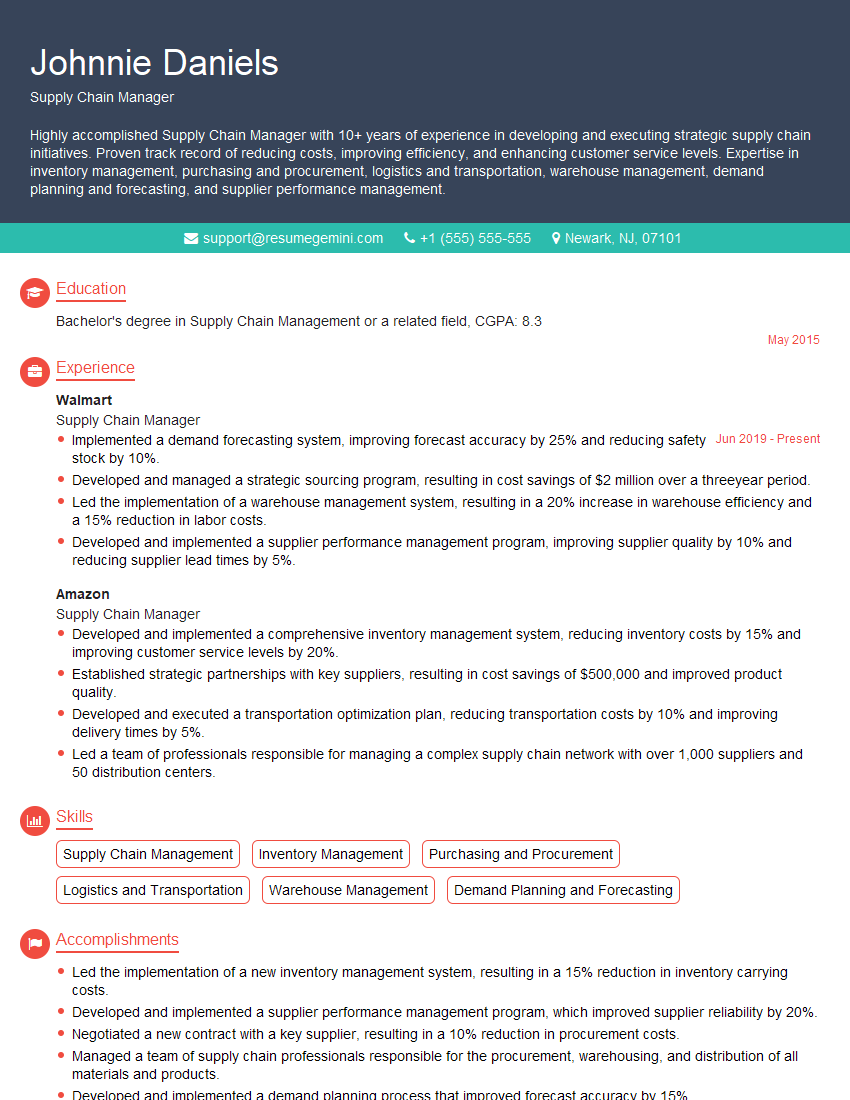
Supply Chain Manager Resume Sample

Project Manager Resume Sample

Compliance Officer Resume Sample
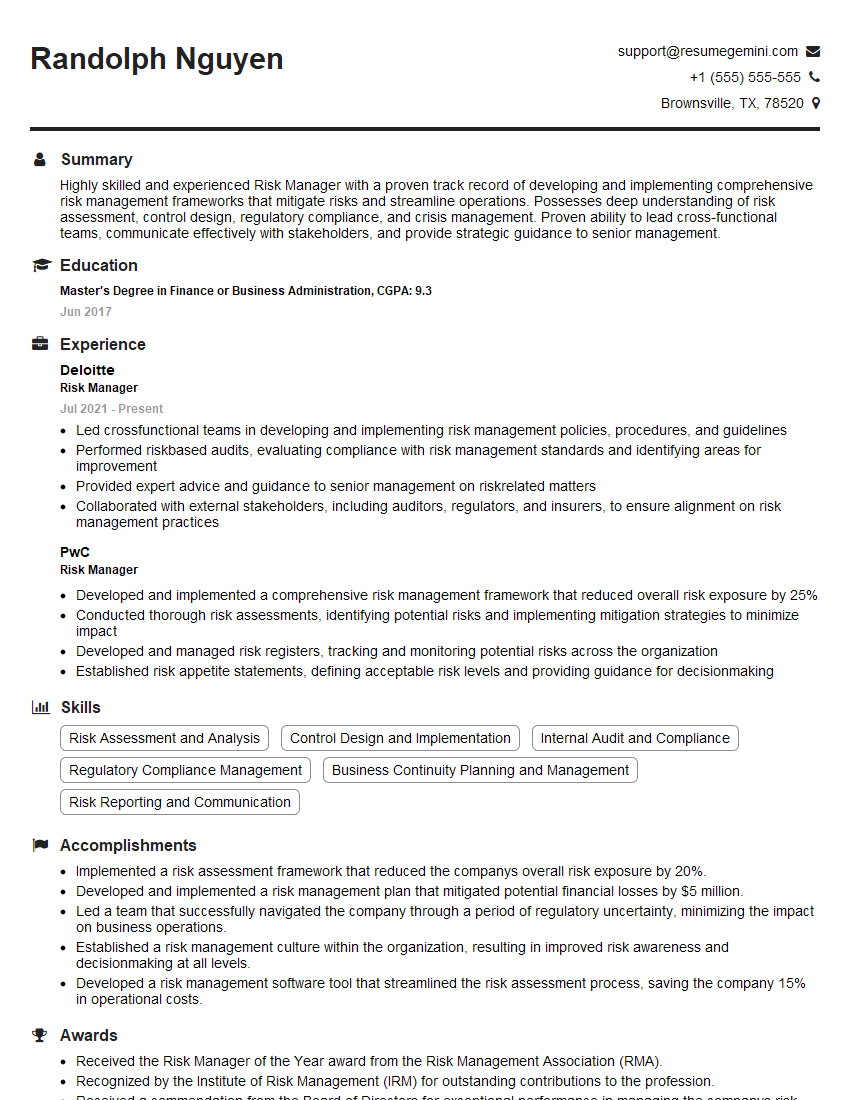
Risk Manager Resume Sample
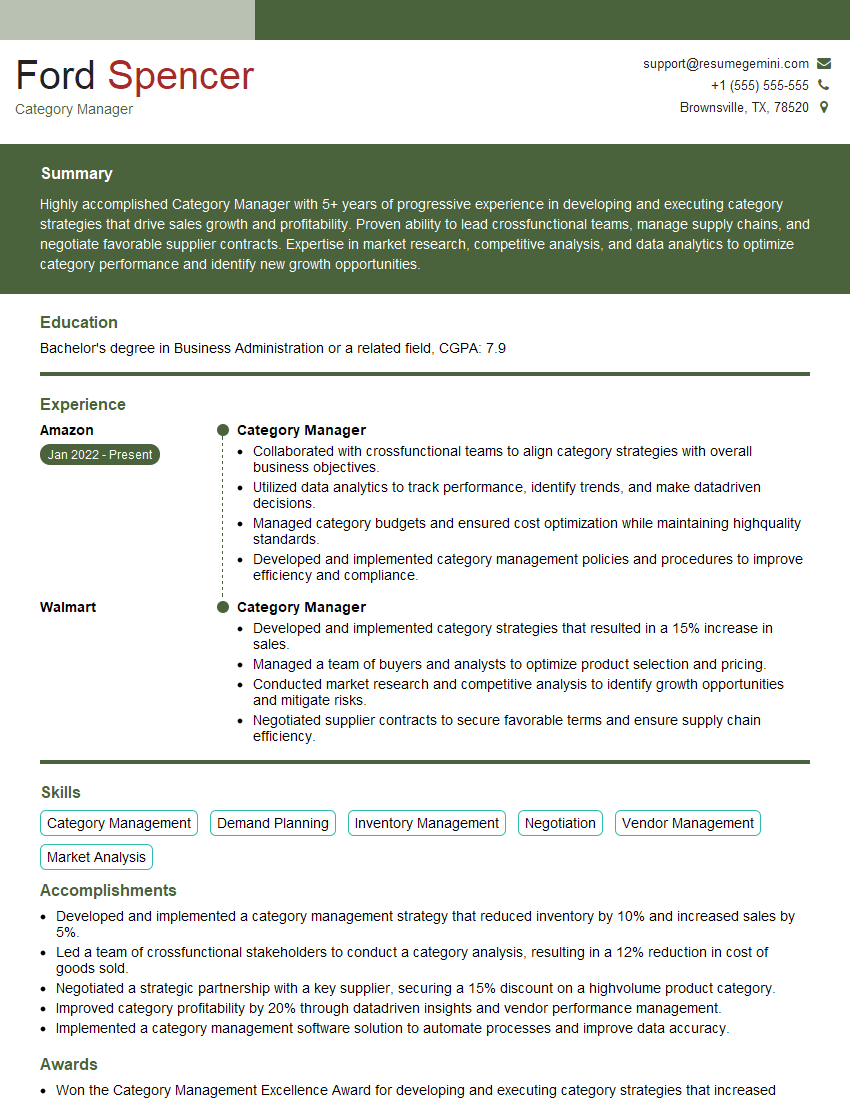
Category Manager Resume Sample
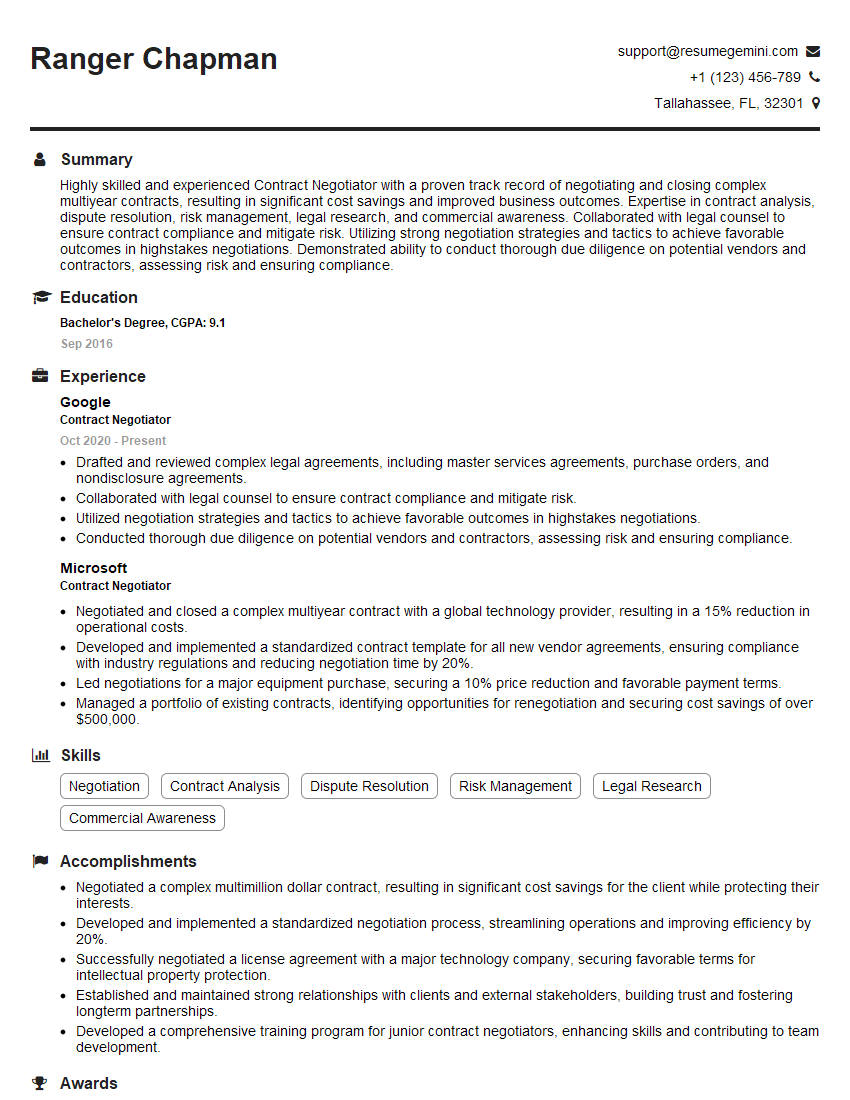
Contract Negotiator Resume Sample
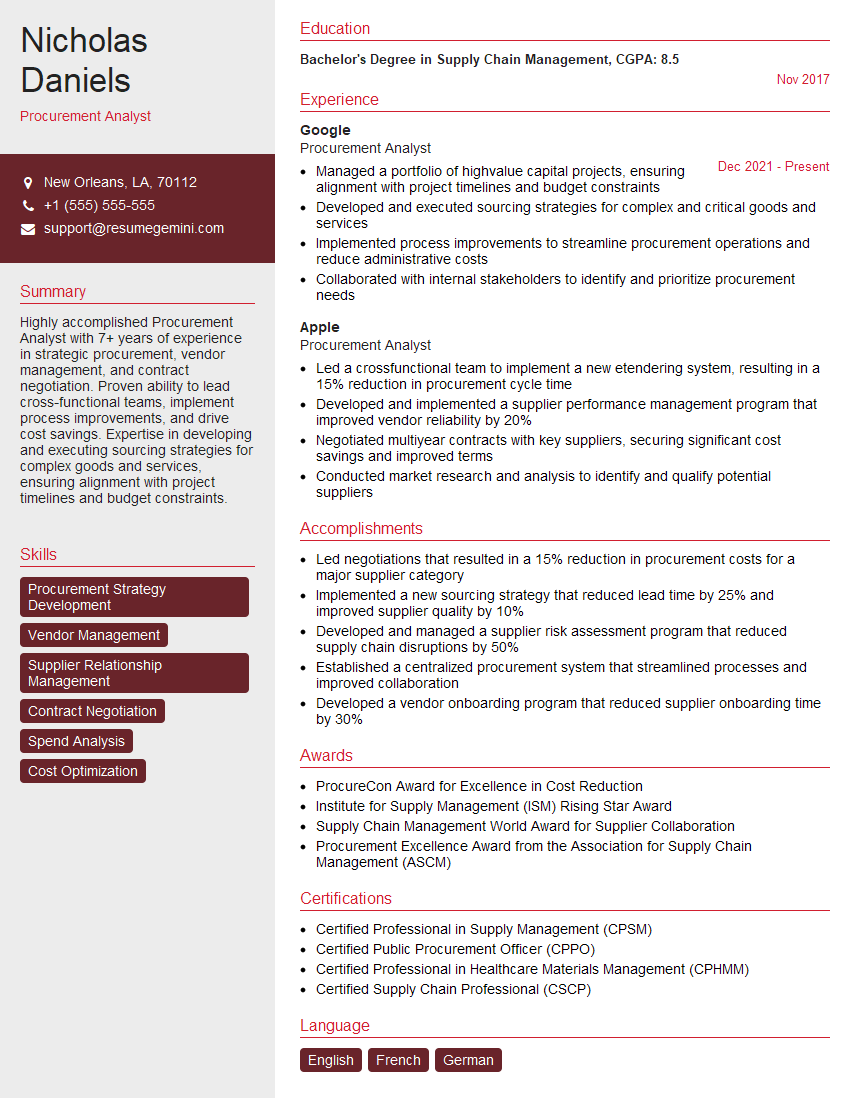
Procurement Analyst Resume Sample
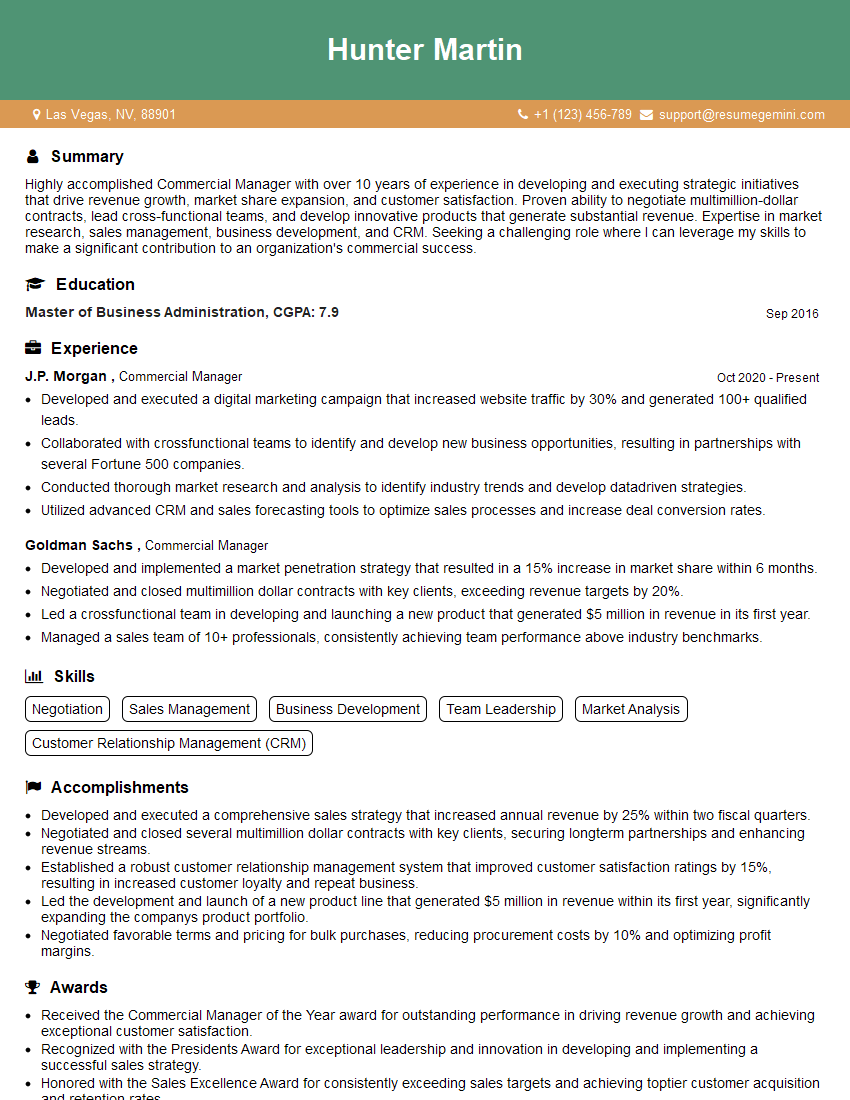
Commercial Manager Resume Sample
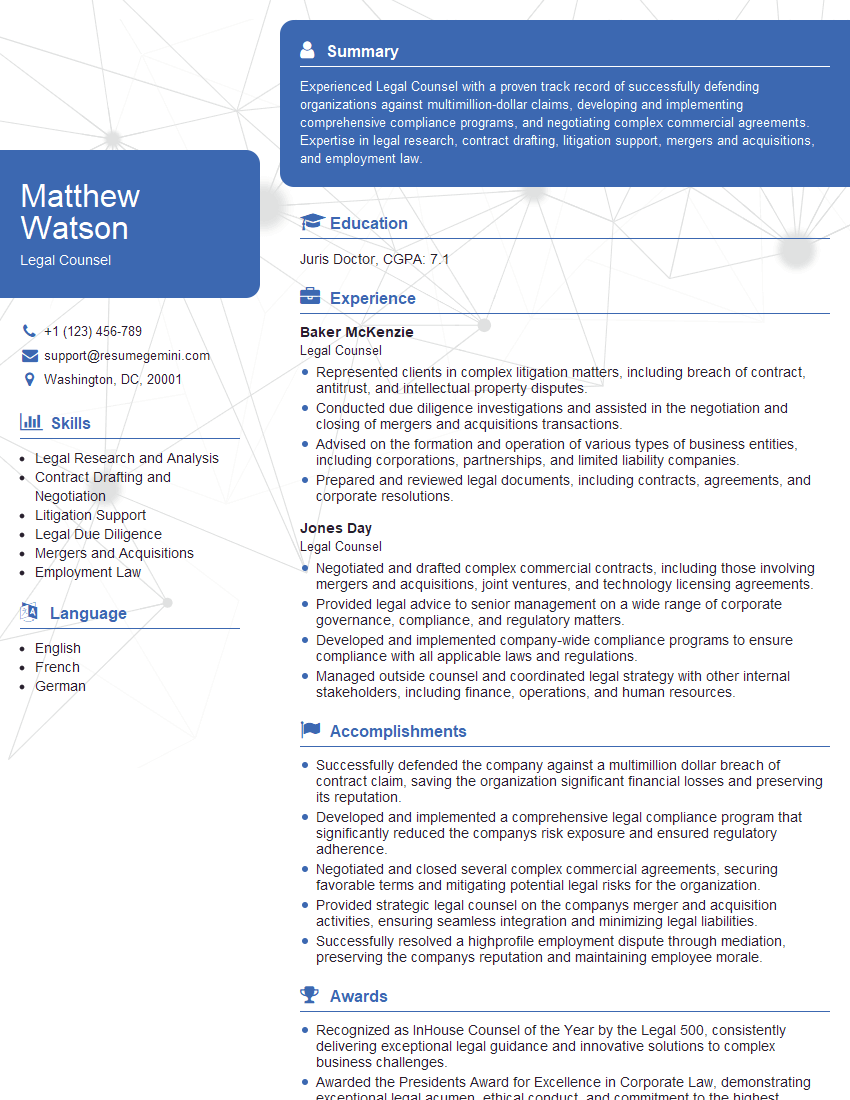
Legal Counsel Resume Sample
- Account Manager
- Sales Manager
- Business Development Manager
- Pricing Analyst
- Relationship Manager
- Contract Administrator
- Contract Manager
- Procurement Manager
- Sourcing Manager
- Strategic Sourcing Manager
- Supply Chain Manager
- Project Manager
- Compliance Officer
- Risk Manager
- Category Manager
- Contract Negotiator
- Procurement Analyst
- Commercial Manager
- Legal Counsel
Explore more articles
Users Rating of Our Blogs
Share Your Experience
We value your feedback! Please rate our content and share your thoughts (optional).
What Readers Say About Our Blog
Very informative content, great job.
good