The thought of an interview can be nerve-wracking, but the right preparation can make all the difference. Explore this comprehensive guide to Nest Removal interview questions and gain the confidence you need to showcase your abilities and secure the role.
Questions Asked in Nest Removal Interview
Q 1. Describe your experience handling different types of bird nests.
My experience encompasses a wide range of bird nests, from the intricately woven cup nests of robins and warblers to the more substantial platform nests of crows and hawks. I’ve also dealt with the cavity nests found in tree hollows or birdhouses, and the surprisingly diverse nests built by swallows, which can be mud-based structures affixed to buildings or cliffs. Each nest type requires a slightly different approach to removal, considering factors such as nest fragility and location.
For example, a robin’s nest, being relatively delicate, requires a gentler approach than removing a more robust crow’s nest. Understanding the construction and material of the nest is paramount in choosing the correct removal technique to minimize damage and ensure safety.
- Cup nests: These are commonly found in shrubs and trees and usually require careful removal using specialized tools.
- Platform nests: Larger and more sturdy, these often involve removing significant portions of the nesting structure.
- Cavity nests: These are trickier as they necessitate careful extraction without harming the nesting site itself.
Q 2. What safety precautions do you take when removing nests?
Safety is my top priority. Before undertaking any nest removal, I always assess the situation thoroughly. This includes identifying potential hazards like power lines, sharp objects, and precarious perches. I wear appropriate personal protective equipment (PPE), including sturdy gloves, long sleeves, eye protection, and a respirator to protect myself from dust, debris, and potential allergens. I also ensure I have the right tools for the job and a safe escape route planned.
When working at heights, I always use proper fall protection equipment such as harnesses and ropes. For nests containing stinging insects, I employ full-body protective suits and use specialized insecticide application techniques to ensure safe removal. If there’s any ambiguity or risk that’s beyond my capabilities, I will always consult a qualified professional or local wildlife authority. I always prioritize the safety of both myself and the environment.
Q 3. How do you identify the species of bird based on the nest?
Identifying the bird species based on the nest is often possible, but it’s not an exact science. Many species build similar nests. However, careful observation of the nest’s construction, materials used, location, and size helps narrow down possibilities. I use field guides and online resources for visual comparison. The size and shape of the nest, the materials used (twigs, mud, leaves, grass, etc.), and the location (tree, building, ground) all provide clues.
For example, a small, cup-shaped nest made of twigs and lined with soft materials is likely that of a songbird, while a bulky platform nest built of sticks high in a tree might belong to a hawk or crow. However, confirmation requires additional observation, such as identifying the bird itself, or consulting avian experts if uncertain.
Q 4. Explain your process for removing a wasp or hornet nest.
Wasp and hornet nest removal is a different ballgame, requiring specialized knowledge and equipment. It’s crucial to prioritize safety, as these insects can be highly aggressive and their stings painful or even dangerous to some individuals. I never attempt this without full protective gear, including a full-body suit, gloves, and eye protection. I treat the nest only during the evening or early morning when insects are less active.
My process typically involves:
- Assessment: Determining the nest’s size, location, and accessibility.
- Safety Measures: Putting on full protective gear.
- Treatment: Applying a commercial-grade insecticide specifically designed for wasp and hornet nests, following the manufacturer’s instructions precisely. It is crucial to maintain a safe distance while applying the insecticide, allowing it to work and neutralize the insects effectively.
- Removal: Once the insects are incapacitated, I carefully remove the nest, ensuring no insects remain and disposing of the nest in a safe manner.
- Post-Treatment: Clean the removal area, ensuring the space is free from any remaining insects or larvae.
Q 5. What are the legal considerations for removing nests in your area?
Legal considerations surrounding nest removal vary significantly depending on location and the species involved. In many areas, it’s illegal to disturb or remove nests of protected bird species during their breeding season. I am very familiar with all the relevant local, state, and federal laws in my service area, including those pertaining to migratory birds protected under the Migratory Bird Treaty Act. I always check with local wildlife agencies to ensure the removal is legal and permissible before proceeding. This might involve obtaining permits or following specific guidelines.
I am acutely aware of the possible penalties for unlawful wildlife disruption which can range from fines to criminal charges. Understanding these regulations is a crucial aspect of my work, and I am committed to operating within the law.
Q 6. How do you determine the best method for nest removal (removal vs. deterrence)?
The decision to remove a nest versus employing deterrent measures depends on various factors. If a nest poses an immediate threat to human safety (e.g., a wasp nest near a doorway), removal is often necessary. However, if the nest presents a minor inconvenience, or is situated in a less accessible area, deterrence is often a better solution. Deterrence involves making the area less attractive to nesting birds or insects.
For birds, this might involve installing bird spikes or netting to prevent future nesting. For insects, it can involve sealing entry points, using insect repellents, or employing natural predators to control the population. Whenever possible, I prioritize less invasive methods. My aim is always to find the most humane and environmentally sound solution, while ensuring the safety of people and property.
Q 7. Describe your experience with different removal tools and techniques.
My experience involves a wide array of tools and techniques. For bird nests, I might use long-handled tools to reach high nests, such as telescoping poles with attachments like brushes or scoops. For delicate nests, I might employ gentle hand removal with gloves, carefully placing the nest in a bag for proper disposal. Specialized equipment is used for reaching nests in hard-to-access locations. I have also used heavy-duty tools when handling larger, more robust nests.
For wasp and hornet nests, I use specialized insecticide applicators to ensure precise and safe application. Safety equipment is always paramount, and I adapt the tools and techniques according to the specific challenges presented by each unique situation. Safety and efficiency are always equally important considerations.
Q 8. What are the signs of a dangerous nest situation?
Identifying a dangerous nest situation requires careful observation and understanding of the species involved. Several factors point towards increased risk. Large nests, particularly those built near power lines or within structures, pose significant hazards due to fire risk (e.g., from sparks) or structural damage. Species known for aggressive defense of their nests, like wasps, hornets, or certain birds, present a clear danger. The location of the nest itself matters; a nest near frequently used areas like doorways or playgrounds increases the chance of accidental encounters. Finally, the presence of large numbers of nesting insects or birds indicates a potentially more substantial colony, making removal more complex and dangerous.
- Example: A large wasp nest built inside a soffit presents both a fire risk (if it interferes with wiring) and a risk of stings to homeowners.
- Example: A bird’s nest obstructing a chimney can become a fire hazard, as nesting materials are highly flammable.
Q 9. How do you handle aggressive birds or insects during nest removal?
Handling aggressive birds or insects demands a cautious, strategic approach prioritizing safety. Protective gear is paramount – this includes a full-body suit, gloves, and a respirator for insects, and sturdy clothing, eye protection, and potentially a hard hat for birds. The removal method itself must be tailored to the species. For stinging insects, specialized sprays or dusts targeting the nest are usually employed, followed by careful removal of the nest. With birds, timing is critical; removals should be conducted outside nesting season if at all possible. If removal is necessary during nesting season, we prioritize non-lethal options, like gently relocating the nest to a more suitable location.
In all situations, maintaining a safe distance is crucial. If the situation becomes too dangerous or beyond the scope of our expertise, we always recommend contacting wildlife professionals or pest control specialists.
Q 10. What are the potential health risks associated with nest removal?
Nest removal presents several potential health risks, varying depending on the species involved. Exposure to insect stings or bites can cause allergic reactions, ranging from mild discomfort to anaphylaxis, requiring immediate medical attention. Bird droppings can harbor harmful bacteria, leading to histoplasmosis (a lung infection). Handling nests can also expose individuals to parasites or infectious agents present in the nesting materials. Moreover, working at heights during nest removal carries inherent risks of falls and injuries.
To mitigate these risks, appropriate protective gear, such as respirators and gloves, is essential. Understanding the species involved and potential associated hazards is critical for planning a safe removal process. If uncertain about the species or health risks, consulting a qualified professional is recommended.
Q 11. How do you dispose of nests and waste materials safely?
Safe disposal of nests and waste materials is crucial to prevent the spread of disease and maintain hygiene. The method depends on the species and the type of waste. For insect nests, double-bagging them in heavy-duty plastic bags and disposing of them in sealed trash bins is generally sufficient. Bird nests, depending on the materials used, may be composted if they don’t contain parasites or harmful materials. Always wash hands and equipment thoroughly after disposal to minimize any risk of contamination.
In cases involving hazardous materials (like asbestos or lead paint found in older buildings near the nest), specialized disposal methods in accordance with local regulations are required. We always prioritize environmentally responsible disposal practices, adhering to local environmental guidelines and regulations.
Q 12. What are the ethical considerations in nest removal?
Ethical considerations are paramount in nest removal. The primary focus is minimizing harm to both the animals and their environment. We prioritize removal only when absolutely necessary, exploring alternative solutions first, such as relocation or nest modification to alleviate the immediate problem. We always strive to avoid removal during nesting season, whenever feasible. Furthermore, proper disposal methods and adherence to local and national wildlife protection laws are essential to ensuring ethical practices. The conservation and protection of wildlife and their habitats is a core value guiding our work.
For instance, if a bird’s nest presents a minor inconvenience, we might advise on ways to deter birds without harming the nest or its occupants.
Q 13. Describe your experience working at heights or in confined spaces.
I possess extensive experience working at heights and in confined spaces, crucial for many nest removal scenarios. I’m certified in fall protection techniques and have undergone training in the safe use of ladders, harnesses, and other height safety equipment. My experience includes working on rooftops, in attics, and within wall cavities, always prioritizing safety and risk assessment. For confined space work, I’m trained in confined space entry procedures, including atmospheric monitoring and the use of appropriate respiratory protection. Safety is never compromised, and I always prioritize work permits and adherence to safety regulations.
Example: I recently removed a wasp nest from a high attic space. I used a harness and rope system to access the area safely, ensuring secure footing and proper fall protection throughout the process.
Q 14. How do you ensure the safety of the property and its occupants during nest removal?
Ensuring the safety of the property and its occupants during nest removal involves a multi-pronged approach. First, we conduct a thorough risk assessment identifying potential hazards. We secure the area, restricting access to the removal zone to prevent accidental encounters with the animals or falling debris. We communicate clearly with property occupants about the process, potential risks, and necessary precautions. For insects, warning signs and temporarily restricting access are often employed. We also implement appropriate safety measures for working at heights or in confined spaces, ensuring that all work is conducted within approved safety guidelines and regulations.
Example: When removing a nest near a playground, we’d cordon off the area, inform the school or daycare, and ensure the removal is completed outside playing hours.
Q 15. How do you prevent future nest building in the same location?
Preventing future nest building requires a multi-pronged approach focusing on eliminating attractants and making the location less appealing. Think of it like home security – you’re deterring unwanted guests.
Physical Barriers: Installing physical barriers like mesh netting over eaves, vents, or chimneys prevents access. This is particularly effective for birds. For larger animals, consider stronger materials.
Trim Vegetation: Overhanging branches and dense shrubs provide ideal nesting spots. Regular trimming keeps these areas clear, reducing attractive nesting sites. Imagine it as removing the scaffolding from a construction site – the builders can’t work without it.
Seal Entry Points: Caulk cracks and gaps in walls, roofs, and other structures. Many animals, especially insects and rodents, utilize tiny openings. This is like locking your doors and windows – it creates an impassable barrier.
Remove Debris: Clean up debris like leaves, twigs, and other loose materials around the building. These provide nesting materials and hiding places.
Repellents: Commercial repellents are available for various animals. However, their effectiveness varies widely, and they should be used cautiously and as a last resort, always checking for environmental impact.
Career Expert Tips:
- Ace those interviews! Prepare effectively by reviewing the Top 50 Most Common Interview Questions on ResumeGemini.
- Navigate your job search with confidence! Explore a wide range of Career Tips on ResumeGemini. Learn about common challenges and recommendations to overcome them.
- Craft the perfect resume! Master the Art of Resume Writing with ResumeGemini’s guide. Showcase your unique qualifications and achievements effectively.
- Don’t miss out on holiday savings! Build your dream resume with ResumeGemini’s ATS optimized templates.
Q 16. Describe your experience with various types of nest materials (e.g., twigs, mud, leaves).
My experience encompasses a wide range of nest materials, each presenting unique challenges. Understanding the material helps determine the best removal method and how to prevent future nesting.
Twigs and Sticks: These are common in bird nests and often require careful removal to avoid damaging the structure or causing harm to any remaining eggs or young.
Mud and Clay: Mud nests can be incredibly strong and structurally sound, sometimes requiring specialized tools for removal. They are often found with wasps and hornets, necessitating protective gear.
Leaves and Grass: These nests are generally lighter and easier to remove, but still require cautious handling to prevent dispersal of the nesting material, particularly if there are young within.
Other Materials: Some animals use more unusual materials, such as cotton, fabric, or even plastic. Identifying the material helps determine the animal responsible and the best removal strategy. For example, I once dealt with a squirrel nest built entirely of discarded plastic bags!
Q 17. How do you handle nest removal in sensitive environmental areas?
Nest removal in environmentally sensitive areas requires extra caution and adherence to strict protocols. My priority is to minimize disturbance to the ecosystem.
Assessment: A thorough assessment is crucial to identify the species, the nest’s location, and the potential impact of removal on the surrounding environment. Sometimes, leaving the nest undisturbed is the best course of action.
Permitting: In many areas, permits are required before conducting any wildlife-related activities, especially in protected areas. I ensure compliance with all relevant regulations.
Minimally Invasive Techniques: I utilize techniques that minimize disruption to the natural habitat. This might involve relocating a nest rather than destroying it, if feasible and safe.
Species Identification: Correctly identifying the species is vital. Some species are protected, and removal might be illegal or require specific procedures. I collaborate with wildlife experts when necessary.
Q 18. What is your experience with removing nests in buildings or structures?
Removing nests from buildings or structures presents unique challenges due to safety concerns and potential structural damage. Prioritization of safety is key.
Safety First: I always prioritize safety, wearing appropriate protective gear, such as gloves, eye protection, and possibly a respirator, depending on the animal and nest material.
Structural Integrity: I carefully assess the structure to avoid causing damage during the removal process. For example, I might need to reinforce a section of the building before removing a large, heavy nest.
Access and Tools: Access to the nest may require specialized equipment such as ladders, scaffolding, or even confined space entry techniques. The tools used for removal will vary depending on the type of nest and location.
Cleanup: Thorough cleanup is essential to prevent further attraction and potential health hazards. This often involves disinfection and sealing of entry points.
Q 19. Describe your problem-solving approach when faced with a challenging nest removal situation.
My approach to challenging nest removal situations is systematic and methodical, akin to solving a puzzle.
Assessment: I begin with a thorough assessment of the situation, identifying the species, the location and size of the nest, and any potential obstacles.
Research: I research the specific animal’s behavior and nesting habits to determine the best removal strategy. This might involve consulting scientific literature or contacting wildlife experts.
Planning: I plan the removal process carefully, taking into account safety considerations, environmental impact, and the need to minimize disruption.
Execution: I execute the plan carefully, making adjustments as needed. This is where my experience and technical skills are most important.
Post-Removal: After the nest is removed, I clean the area thoroughly and implement preventative measures to discourage future nesting.
Q 20. What training or certifications do you possess related to nest removal?
I possess extensive training and certifications relevant to wildlife removal and nest management. Safety and best practice are paramount in my profession.
Wildlife Removal Certification: I hold a comprehensive wildlife removal certification from a recognized institution, demonstrating my proficiency in safe and humane removal techniques.
Pest Control Licensing: Where applicable, I hold the necessary pest control licenses and permits ensuring I am operating legally and responsibly.
Continuing Education: I regularly attend workshops and training courses to stay updated on the latest techniques, best practices, and evolving regulations.
First Aid & Safety Training: I have completed first aid and safety training courses, emphasizing safe working practices in various settings. This is crucial for protecting both myself and the environment.
Q 21. How do you communicate with clients regarding nest removal procedures and costs?
Communication with clients is a critical part of my service. Transparency and professionalism are key.
Initial Consultation: I conduct a thorough initial consultation to understand their concerns, assess the situation, and answer any questions. This usually involves a site visit.
Detailed Explanation: I explain the proposed removal procedure in detail, outlining the steps involved, the equipment to be used, and any potential risks or disruptions.
Cost Breakdown: I provide a clear and detailed cost breakdown, specifying the charges for different aspects of the service. This includes labor, materials, and any permits required.
Follow-up: After the removal, I follow up with the client to ensure their satisfaction and address any remaining concerns. I also provide preventative measures to avoid future occurrences.
Q 22. Describe a time you had to deal with a difficult or unexpected situation during a nest removal job.
One particularly challenging removal involved a wasp nest built inside a chimney, high up and difficult to access. The initial plan involved using a specialized vacuum system with an extendable pole, but the nest was larger and more firmly attached than anticipated. The vacuum wasn’t effective, and we had to shift to a more manual approach, using protective gear and carefully removing sections of the nest using long-handled tools. This required meticulous work to avoid disturbing the wasps and causing a swarm. The unexpected difficulty highlighted the need for adaptable strategies; a secondary plan, involving manual removal techniques, was vital to successful and safe completion.
We learned valuable lessons from this experience: always thoroughly assess the nest’s size and location beforehand, have backup equipment and strategies, and emphasize safety protocols during all nest removal operations.
Q 23. How do you handle complaints or negative feedback from clients?
Client feedback is crucial. If a complaint arises, I first listen carefully and empathize with their concerns. I then thoroughly review our process, checking for any points where we may have fallen short of expectations. For instance, if the client felt the cleanup wasn’t thorough enough, we’d gladly return to re-clean the area to ensure complete customer satisfaction. Transparency is key—we explain our procedures and any unforeseen challenges encountered during the job. If a mistake was made, we openly admit it and take corrective action. Our goal is to resolve any issues promptly and professionally, turning a negative experience into a positive one. Following up after a complaint to gauge lasting satisfaction helps us continuously improve our services. In many cases, simply clarifying what was done and why helps alleviate client concerns.
Q 24. What is your experience with using specialized equipment for nest removal (e.g., vacuums, extendable poles)?
I have extensive experience with specialized nest removal equipment. We regularly utilize extendable poles for reaching high or hard-to-reach nests, significantly improving safety and reducing the need for risky maneuvers. Vacuum systems are frequently employed for larger nests, allowing for swift and efficient removal while containing the nest contents. The vacuum’s powerful suction safely removes the nest, minimizing the risk of stinging insects escaping. We also use specialized protective gear, such as full-body suits and respirators, to safeguard against stings or inhalation of harmful particles. Choosing the right tools for the job is paramount; for instance, a small bird’s nest in a tree might require simple hand tools, while a large hornet’s nest in an attic needs professional-grade equipment and more caution.
Q 25. How do you ensure the nests you remove are done so humanely?
Humane nest removal is a priority. We adhere strictly to ethical and legal guidelines for wildlife management. Our primary goal is to relocate nests whenever possible, minimizing disruption to the animals. If removal is necessary (due to safety concerns, for example), we strive to do so during times of low activity, such as early morning or late evening, when animals are less active. We use methods that minimize stress and harm, and ensure the safety and well-being of the animals involved. For example, when dealing with birds, we prioritize removal only when absolutely necessary, and if done, we ensure to do it during the non-breeding season. If relocation is impossible, we carefully dispose of the nest in a responsible manner, adhering to local regulations and environmental guidelines.
Q 26. What is your understanding of local regulations pertaining to wildlife and nest removal?
I’m thoroughly familiar with local and state regulations regarding wildlife and nest removal. This includes knowing which species are protected, what permits might be required, and the appropriate methods for handling various situations. For example, in our area, certain bird species are protected, and removing their nests during nesting season is strictly prohibited without the proper permits. We always check local wildlife laws and regulations *before* commencing any nest removal project and ensure that our actions are fully compliant. This understanding ensures the ethical and legal execution of each job, protecting both the animals and our business.
Q 27. Explain your process for documenting nest removal procedures and findings.
We maintain comprehensive documentation for every nest removal project. This includes a detailed description of the nest’s location, size, species involved, and the date of the removal. Before-and-after photographs are taken to document the process and the condition of the site. We also record the methods used for removal, any challenges encountered, and the final disposition of the nest. The client’s contact information and details about the service agreement are included in the report. All records are kept in a secure and organized system, accessible if needed. This thorough documentation ensures accountability, enables efficient tracking of our work, and provides valuable data for future reference and continuous improvement of our services. In some cases, these records might be required for regulatory compliance or for insurance purposes.
Key Topics to Learn for Nest Removal Interview
- Safety Procedures and Regulations: Understanding relevant safety protocols, legal considerations, and permit requirements for nest removal operations.
- Wildlife Identification and Handling: Accurate identification of bird species and their nesting habits, safe and humane handling techniques for birds and nests, and knowledge of relevant wildlife protection laws.
- Nest Removal Techniques: Mastering various techniques for safe and effective nest removal, including appropriate tools and equipment selection for different nest types and locations (e.g., high-reach tools, specialized cleaning supplies).
- Environmental Considerations: Understanding the environmental impact of nest removal and employing environmentally responsible practices to minimize disruption to ecosystems.
- Customer Interaction and Communication: Effective communication with clients to explain procedures, address concerns, and manage expectations. This includes handling difficult situations and maintaining professional composure.
- Problem-Solving and Decision-Making: Analyzing complex scenarios involving nest removal, identifying potential challenges (e.g., difficult access, aggressive birds), and devising effective solutions within safety and legal guidelines.
- Post-Removal Cleanup and Sanitation: Understanding best practices for proper cleanup, waste disposal, and sanitation to prevent the spread of disease and maintain a safe working environment.
- Record Keeping and Documentation: Maintaining accurate and detailed records of all nest removal activities, including client information, location details, and procedures followed.
Next Steps
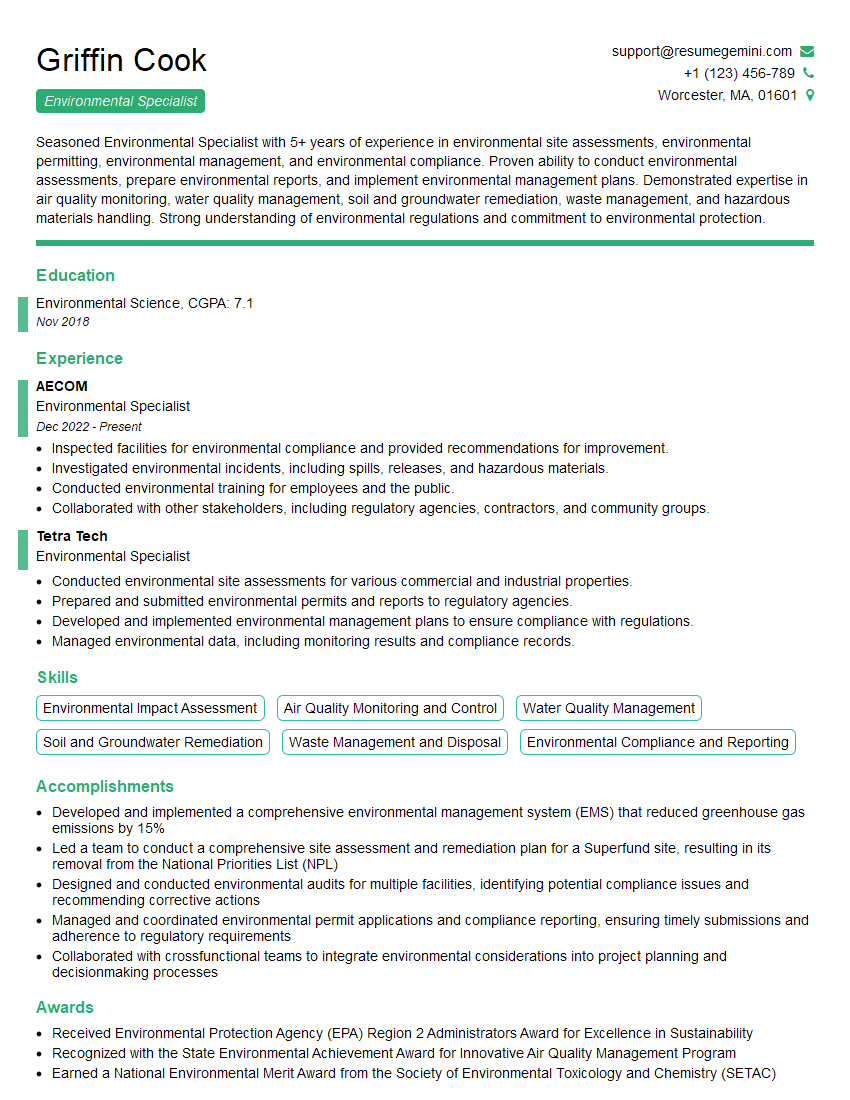
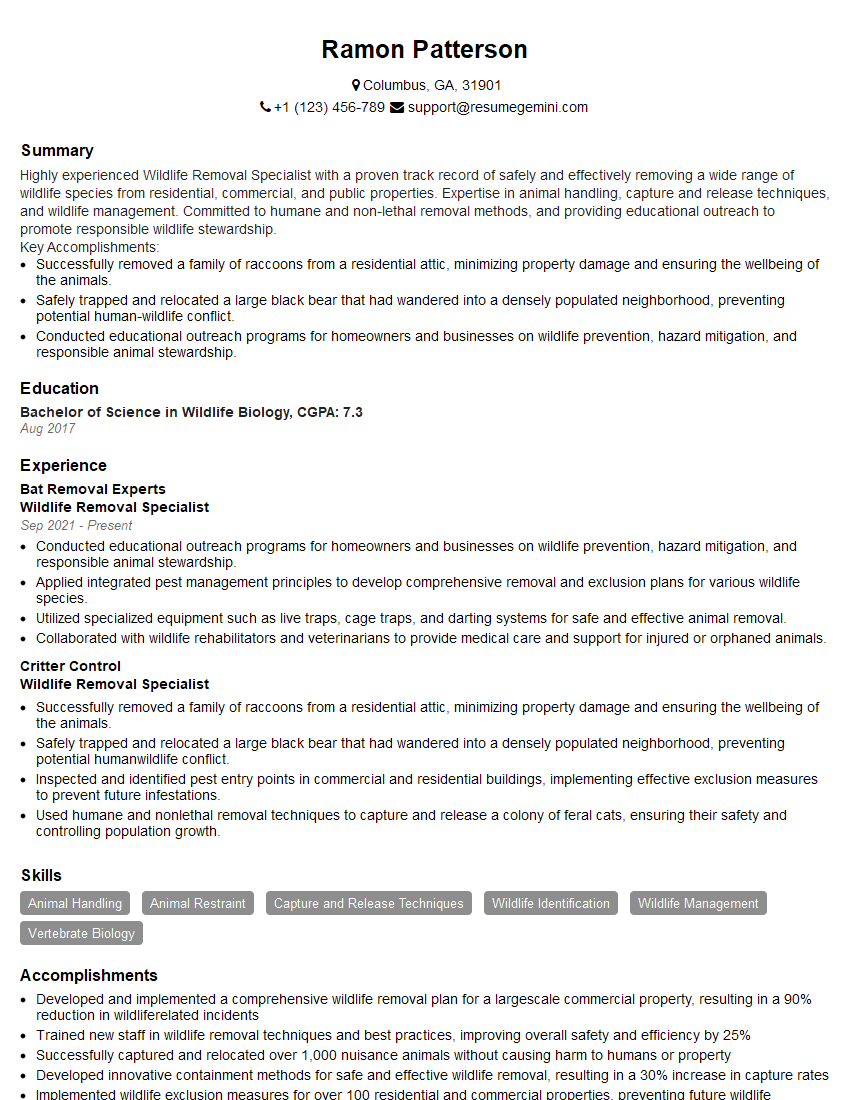
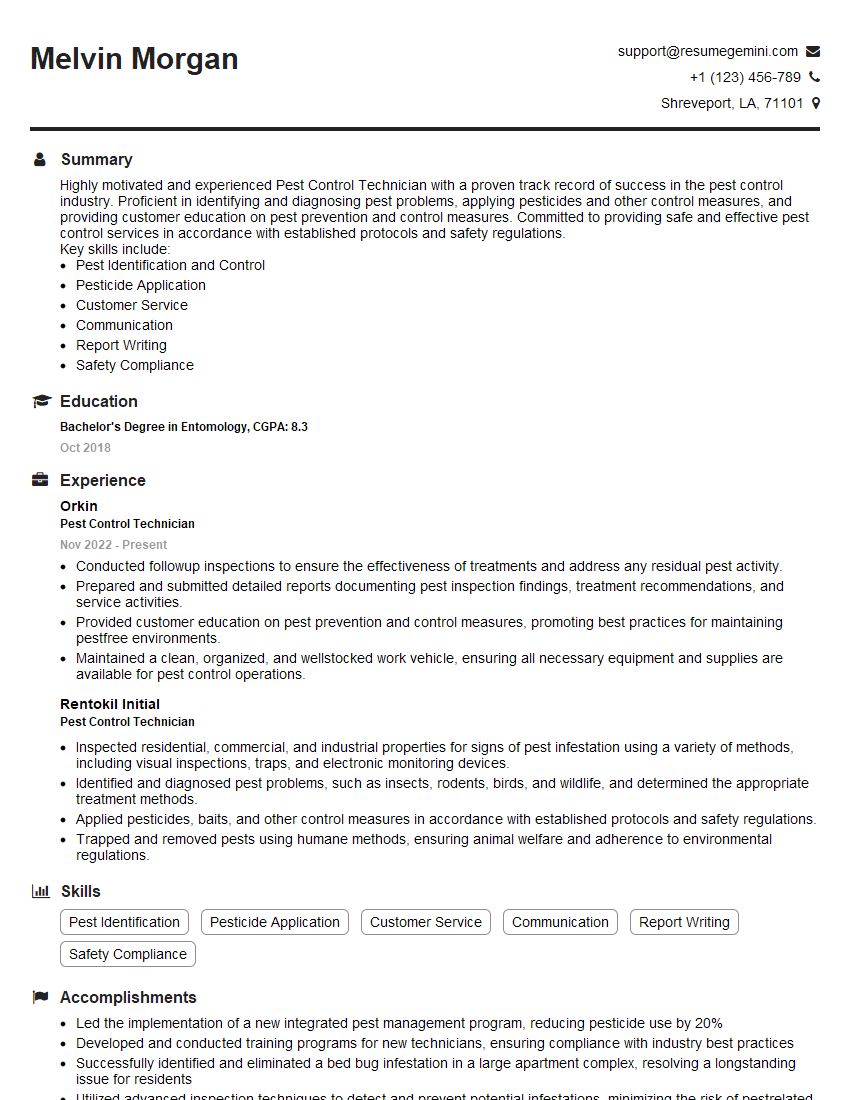
Mastering nest removal techniques opens doors to a rewarding career in wildlife management and pest control, offering diverse opportunities and professional growth. To maximize your job prospects, focus on creating an ATS-friendly resume that highlights your skills and experience effectively. ResumeGemini is a trusted resource that can help you build a professional and compelling resume tailored to the specific requirements of nest removal positions. Examples of resumes tailored to the Nest Removal field are provided to guide your resume creation process.
Explore more articles
Users Rating of Our Blogs
Share Your Experience
We value your feedback! Please rate our content and share your thoughts (optional).
What Readers Say About Our Blog
Very informative content, great job.
good