Preparation is the key to success in any interview. In this post, we’ll explore crucial Net Inspection interview questions and equip you with strategies to craft impactful answers. Whether you’re a beginner or a pro, these tips will elevate your preparation.
Questions Asked in Net Inspection Interview
Q 1. Explain the concept of Net Inspection and its significance in network security.
Net Inspection, also known as network security assessment or penetration testing, is a systematic process of evaluating a network’s security posture to identify vulnerabilities and weaknesses. Think of it as a comprehensive health check for your network. Its significance lies in proactively identifying potential security breaches before malicious actors exploit them. A strong Net Inspection program helps organizations protect sensitive data, maintain business continuity, and comply with regulatory requirements.
For example, imagine a hospital network. A Net Inspection would identify if patient records are adequately protected, if firewalls are configured correctly, and if there are any weak points that could allow unauthorized access. This preventative approach saves time, money, and protects patient privacy.
Q 2. Describe different types of network scans and their purposes.
Network scans are used to gather information about network devices and their configurations. There are several types:
- Port Scanning: This checks which ports on a target system are open, revealing potential services running and their vulnerabilities. Think of it like checking each door and window of a building to see if they’re locked.
- Vulnerability Scanning: This goes beyond port scanning, actively probing for known vulnerabilities in software and systems based on a database of known exploits. This is like checking if the locks on those doors and windows are weak or have known vulnerabilities.
- Network Mapping: This creates a visual representation of the network’s infrastructure, including devices, connections, and their relationships. This gives a holistic view of the network’s architecture.
- Wireless Network Scanning: This focuses specifically on wireless networks, identifying access points, security configurations (like encryption protocols), and potential weaknesses in wireless security.
The purpose of each scan is to uncover potential security flaws, enabling proactive mitigation.
Q 3. How do you identify and prioritize vulnerabilities discovered during a Net Inspection?
Identifying and prioritizing vulnerabilities requires a structured approach. First, we analyze the severity of each vulnerability based on factors like its exploitability (how easy it is to exploit), impact (potential damage), and prevalence (how commonly it’s being exploited). We often use a standardized scoring system like CVSS (Common Vulnerability Scoring System).
Prioritization is then done based on risk. High-severity vulnerabilities with a high likelihood of exploitation are tackled first. For example, a critical vulnerability allowing remote code execution would take precedence over a low-severity vulnerability affecting a non-critical system.
This process often involves creating a vulnerability matrix, visually ranking vulnerabilities based on severity and likelihood. This allows for focused remediation efforts.
Q 4. What are the key components of a comprehensive Net Inspection report?
A comprehensive Net Inspection report should include:
- Executive Summary: A high-level overview of the findings, highlighting key risks and recommendations.
- Network Topology: A visual representation of the network’s structure.
- Vulnerability Details: A detailed list of identified vulnerabilities, including their severity, location, and remediation steps.
- Findings Summary: A comprehensive summary of all findings categorized by type and severity.
- Recommendations: Specific, actionable steps to address identified vulnerabilities.
- Appendix: Supporting documentation, such as scan results and configuration details.
The report should be clear, concise, and easily understood by both technical and non-technical audiences.
Q 5. Explain the difference between port scanning and vulnerability scanning.
While both port scanning and vulnerability scanning are important parts of Net Inspection, they differ significantly. Port scanning is like identifying the doors and windows of a building; it tells you what’s *potentially* accessible. Vulnerability scanning is like testing the strength of those doors and windows; it identifies *weaknesses* in those accessible points.
Port scanning identifies open ports on a system. For instance, finding an open port 22 (SSH) suggests an SSH server is running. Vulnerability scanning, on the other hand, investigates whether that SSH server has known vulnerabilities that could be exploited for unauthorized access. It goes deeper, probing for specific weaknesses using known exploits.
Q 6. What are some common network protocols used in Net Inspection?
Many network protocols are used in Net Inspection, depending on the specific goals. Some of the most common include:
- TCP/IP: The foundational protocol suite for most networks, used for communication between devices.
- ICMP: Used for network diagnostics, such as ping requests, which are integral to network mapping.
- UDP: Used for some applications, though often associated with vulnerabilities as it lacks the error checking of TCP.
- HTTP/HTTPS: Essential for web application testing, allowing inspectors to identify vulnerabilities in web servers and applications.
- SNMP: Used for network management, allowing the collection of information about network devices. However, insecure SNMP configurations can be a major vulnerability.
The specific protocols used will depend on the scope and objectives of the inspection.
Q 7. How do you handle false positives during a Net Inspection?
False positives, where a vulnerability scanner reports a vulnerability that doesn’t actually exist, are a common challenge. Handling them requires careful verification. The first step is to understand why the false positive occurred. This often involves reviewing the scanner’s output, checking system configurations, and possibly conducting manual verification.
Techniques for handling false positives include checking the vulnerability’s context, reviewing the scanner’s configuration, and performing manual testing to confirm the vulnerability’s existence. It’s crucial to document the process of investigating and dismissing each false positive to ensure the report’s accuracy. This might include configuration snapshots and manual test results.
Q 8. Describe your experience with various Net Inspection tools (e.g., Nmap, Nessus).
My experience with network inspection tools is extensive, encompassing both open-source and commercial solutions. Nmap, for instance, is a powerful and versatile tool I frequently use for reconnaissance and vulnerability scanning. Its ability to perform port scans, OS detection, and service version identification provides a comprehensive overview of a network’s assets. I often use the -sS (SYN scan) option for stealthier scans and the -sV (version scan) option to identify specific software versions, which helps pinpoint potential vulnerabilities. For more in-depth vulnerability assessments, I rely on Nessus. Its extensive vulnerability database, along with its ability to automate the scanning process and generate detailed reports, makes it invaluable for identifying and prioritizing security weaknesses. I’ve used Nessus to scan everything from small office networks to large enterprise infrastructures, successfully identifying critical vulnerabilities like outdated software, misconfigured firewalls, and open ports that could be exploited by attackers. I am also proficient in using other tools like OpenVAS, Wireshark for packet analysis, and tcpdump for capturing network traffic, tailoring my approach to the specific needs of each engagement.
Q 9. Explain the concept of network segmentation and its role in security.
Network segmentation is like dividing a large city into smaller neighborhoods. Each neighborhood has its own security measures, so even if one neighborhood is compromised, the rest remain relatively safe. In a network, segmentation involves dividing the network into smaller, isolated sections, each with its own security policies and controls. This limits the impact of a security breach. If a hacker compromises one segment, they won’t have automatic access to the entire network. For example, a company might segment its network to separate the guest Wi-Fi from the internal network, or to isolate sensitive data servers from less critical systems. This practice greatly reduces the attack surface and the potential damage from a successful attack. Firewalls, VLANs (Virtual LANs), and access control lists (ACLs) are common mechanisms used to implement network segmentation.
Q 10. How do you ensure the confidentiality, integrity, and availability of network data?
Ensuring confidentiality, integrity, and availability (CIA triad) of network data is fundamental to network security. Confidentiality means protecting data from unauthorized access. This is achieved through measures like encryption (e.g., using VPNs, SSL/TLS), access control lists (ACLs) that restrict access based on user roles and permissions, and strong passwords. Integrity ensures data accuracy and trustworthiness, preventing unauthorized modification. This is maintained through techniques such as hashing algorithms (to detect changes), digital signatures (to verify authenticity), and intrusion detection systems (IDS) to monitor for unauthorized changes. Availability guarantees that authorized users have timely and reliable access to data and resources. This relies on redundant systems, robust infrastructure (UPS systems, backup generators), disaster recovery plans, and regular maintenance to minimize downtime.
Q 11. What are the legal and ethical considerations of Net Inspection?
Net inspection carries significant legal and ethical considerations. Scanning systems without explicit permission is illegal in many jurisdictions and is a violation of privacy. Before conducting any network inspection, obtaining proper authorization from the network owner is paramount. This often involves obtaining written consent, outlining the scope of the scan, and detailing how the data will be handled. Ethical considerations include respecting the privacy of users, minimizing disruption to network services, and responsibly handling sensitive information discovered during the scan. It’s crucial to adhere to professional codes of conduct and relevant legislation (like GDPR or CCPA) to avoid legal repercussions and maintain professional integrity. Any vulnerabilities discovered must be reported responsibly, usually through a vulnerability disclosure program or directly to the owner in a timely manner.
Q 12. How do you deal with network devices that are not responding during a scan?
When network devices are unresponsive during a scan, it could indicate several problems: the device might be offline, its firewall could be blocking the scan, or it might be experiencing network issues. First, I’d verify the device’s physical connection and power status. Then, I would try alternative scanning techniques, such as using different ports or protocols. For example, if an initial TCP SYN scan fails, I might try an UDP scan or a ping sweep (ICMP). I’d also analyze network traffic using tools like Wireshark to investigate potential firewall rules or network congestion. If these steps fail, I might try to access the device through alternative means, like a console port or out-of-band management interface, depending on the device type. If the issue persists, I would document the unresponsive devices and the steps taken to troubleshoot the problem in my report. This detailed record would provide crucial context for future investigations.
Q 13. Explain your experience with intrusion detection and prevention systems (IDS/IPS).
My experience with Intrusion Detection and Prevention Systems (IDS/IPS) includes deployment, configuration, and analysis of logs generated by these systems. I’ve worked with both network-based and host-based IDS/IPS solutions from various vendors. Network-based systems monitor network traffic for malicious activity, while host-based systems monitor activity on individual computers. I’m familiar with signature-based detection, where the IDS/IPS looks for known attack patterns, and anomaly-based detection, which identifies deviations from normal behavior. Analyzing the logs generated by these systems is crucial for identifying potential threats and security incidents. I’ve used this information to improve security posture, tune detection rules, and investigate security incidents. My experience includes working with popular commercial solutions like Snort and Suricata, and integrating them into Security Information and Event Management (SIEM) systems for centralized log management and analysis.
Q 14. How do you identify and mitigate network-based threats?
Identifying and mitigating network-based threats involves a multi-layered approach. This starts with proactive measures like regular vulnerability scanning and penetration testing, which help identify weaknesses before attackers exploit them. Next, implementing strong security controls such as firewalls, intrusion detection/prevention systems (IDS/IPS), and access control lists (ACLs) creates a robust defense against common attacks. Regular security awareness training for employees is crucial to reduce the risk of phishing and social engineering attacks. Incident response planning is vital; this should involve procedures for detecting, containing, eradicating, and recovering from security incidents. Upon detecting a threat, I would follow incident response protocols, analyzing logs, isolating affected systems, and taking appropriate remediation steps. This often involves patching vulnerabilities, updating security software, and potentially involving law enforcement if necessary. Post-incident analysis is crucial to learn from past mistakes and improve future security measures. This analysis helps in developing better security controls and processes and refining incident response plans.
Q 15. Describe your experience with different operating systems and their security implications.
My experience spans various operating systems, including Windows Server, Linux distributions (like CentOS and Ubuntu), macOS, and various embedded systems. Each OS presents unique security challenges. For instance, Windows Server, while powerful, has a larger attack surface due to its widespread use and the complexity of its features. This means more potential vulnerabilities to exploit. Regular patching and updates are crucial, and implementing strong access controls like least privilege is paramount. Linux, on the other hand, is generally considered more secure due to its open-source nature and a community constantly scrutinizing its codebase for vulnerabilities, but improper configuration can still lead to significant risks. macOS, while generally less targeted than Windows, still requires vigilant security practices. Finally, embedded systems often have limited resources and security features, requiring a focused approach on firmware security and secure boot mechanisms. Understanding the specific strengths and weaknesses of each OS is crucial for effective Net Inspection, allowing me to tailor my approach based on the target environment.
Career Expert Tips:
- Ace those interviews! Prepare effectively by reviewing the Top 50 Most Common Interview Questions on ResumeGemini.
- Navigate your job search with confidence! Explore a wide range of Career Tips on ResumeGemini. Learn about common challenges and recommendations to overcome them.
- Craft the perfect resume! Master the Art of Resume Writing with ResumeGemini’s guide. Showcase your unique qualifications and achievements effectively.
- Don’t miss out on holiday savings! Build your dream resume with ResumeGemini’s ATS optimized templates.
Q 16. What are some common network attacks and how can they be prevented through Net Inspection?
Common network attacks include Denial-of-Service (DoS) attacks, which flood a network with traffic to disrupt services; Man-in-the-Middle (MitM) attacks, where an attacker intercepts communication between two parties; SQL injection, where malicious code is inserted into database queries; and cross-site scripting (XSS), which injects malicious scripts into websites. Net Inspection mitigates these through several methods. Firewalls, a core component of Net Inspection, block unauthorized access attempts, preventing DoS attempts from reaching their target. Intrusion Detection/Prevention Systems (IDS/IPS) analyze network traffic for malicious patterns, identifying and blocking or alerting on suspicious activity like MitM attempts. Regular vulnerability scanning identifies weaknesses in web applications, helping prevent SQL injection and XSS attacks. Secure coding practices and input validation are also crucial to minimize the risk of application-level attacks. Think of it like this: a castle (network) needs strong walls (firewall), guards (IDS/IPS), and secure gates (secure coding practices) to protect against various attackers.
Q 17. Explain the concept of a firewall and its role in network security.
A firewall is a network security system that monitors and controls incoming and outgoing network traffic based on predetermined security rules. It acts as a barrier between a trusted internal network and an untrusted external network (like the internet). Firewalls examine each packet of data based on criteria like source/destination IP addresses, ports, and protocols. Traffic matching the defined rules is allowed; otherwise, it’s blocked. This prevents unauthorized access to internal resources. There are several types of firewalls: packet filtering firewalls, stateful inspection firewalls, and application-level gateways. Stateful inspection firewalls, for example, track the state of network connections, allowing only expected return traffic, providing enhanced security compared to simpler packet filtering. In essence, a firewall is like a bouncer at a club, selectively allowing entry based on pre-defined criteria.
Q 18. How do you assess the effectiveness of existing security measures during a Net Inspection?
Assessing the effectiveness of existing security measures during a Net Inspection involves a multi-faceted approach. This begins with reviewing existing security documentation, including network diagrams, firewall rules, and security policies. I then conduct vulnerability scans, penetration testing (ethical hacking), and network traffic analysis. Vulnerability scans identify software and configuration weaknesses, while penetration testing attempts to exploit those weaknesses to assess their real-world impact. Network traffic analysis helps identify unusual patterns or anomalies that might indicate compromised systems or ongoing attacks. By correlating the findings from these methods, I build a comprehensive picture of the organization’s security posture. For instance, I might discover that although the firewall is configured to block certain ports, a vulnerability in a web application exposes those same ports through a different vector, highlighting a gap in overall security.
Q 19. Describe your experience with network traffic analysis.
My experience in network traffic analysis involves using various tools like Wireshark and tcpdump to capture and analyze network packets. This involves examining protocols, identifying communication patterns, and detecting anomalies. I can analyze traffic to identify potential security threats, such as malware communication, unauthorized access attempts, and data exfiltration. For example, I might identify unusually high traffic volumes to a specific external IP address, suggesting a potential DoS attack or data breach. Similarly, I can analyze encrypted traffic for anomalies that might indicate compromised credentials or unusual behavior, even without decrypting the data. The goal is to gain visibility into network communications to pinpoint vulnerabilities and security breaches.
Q 20. How do you prioritize vulnerabilities based on risk and impact?
Prioritizing vulnerabilities is done through a risk-based approach, considering both the likelihood of exploitation (risk) and the potential impact of a successful exploit. I use a combination of qualitative and quantitative factors. Qualitative factors include the criticality of the affected system (e.g., a database server is more critical than a printer), the ease of exploitation, and the potential for data loss or business disruption. Quantitative factors might include CVSS (Common Vulnerability Scoring System) scores, which provide a numerical rating of vulnerability severity. I typically use a risk matrix, plotting vulnerabilities based on likelihood and impact, allowing me to focus remediation efforts on the most critical vulnerabilities first. For example, a high-impact vulnerability with a high likelihood of exploitation will be prioritized over a low-impact vulnerability with a low likelihood of exploitation, even if the latter has a higher CVSS score.
Q 21. What is your approach to documenting and reporting the findings of a Net Inspection?
My approach to documenting and reporting Net Inspection findings is meticulous and comprehensive. The report includes an executive summary, detailing the overall security posture and high-level findings. This is followed by a detailed section outlining identified vulnerabilities, categorized by severity (critical, high, medium, low). Each vulnerability includes a description, its location, the potential impact, remediation steps, and evidence (screenshots, packet captures). I use clear and concise language avoiding technical jargon where possible. The report concludes with prioritized recommendations for remediation, a timeline for implementation, and a cost estimate. The entire report is formatted professionally, including clear visuals and tables for easy comprehension. Finally, I conduct a review meeting with relevant stakeholders to discuss the findings and answer any questions they may have. This ensures clear communication and facilitates collaboration on implementing the recommended security improvements.
Q 22. Explain your understanding of penetration testing and its relationship to Net Inspection.
Penetration testing is a simulated cyberattack used to identify vulnerabilities in a system. Net inspection, often a component of penetration testing, focuses specifically on the network infrastructure. It’s like a thorough house inspection, but instead of plumbing and wiring, we’re looking for weaknesses in firewalls, routers, and servers.
The relationship is that net inspection is a crucial *part* of a comprehensive penetration test. A penetration tester might use net inspection techniques to discover open ports, map the network topology, and then use this information to plan and execute further attacks targeting specific vulnerabilities. For example, a net inspection might reveal an open SSH port on a server, leading the penetration tester to attempt an SSH brute-force attack as part of the broader penetration test.
Q 23. How do you stay up-to-date with the latest network security threats and vulnerabilities?
Staying current in cybersecurity is critical. I utilize several methods: I actively subscribe to industry newsletters and security advisories from organizations like the SANS Institute and NIST. I regularly attend webinars and conferences focused on network security and participate in online security communities. Following security researchers on Twitter and other social media platforms also keeps me informed about emerging threats. Finally, I dedicate time each week to reviewing vulnerability databases like the National Vulnerability Database (NVD) to understand the latest vulnerabilities and their potential impact. This constant learning is essential for staying ahead of the curve.
Q 24. Describe a challenging Net Inspection you performed and how you overcame the challenges.
During a net inspection for a large financial institution, we encountered significant challenges due to an overly complex and poorly documented network infrastructure. The network spanned multiple data centers and used a variety of legacy and modern technologies. Initially, mapping the network topology proved difficult. We overcame this by using a combination of techniques: automated network scanning tools like Nmap to discover devices and open ports, manual analysis of network configurations, and interviewing key network personnel to gain a clearer understanding of the network’s structure and functionality. By systematically combining these approaches, we created a comprehensive network map, allowing us to identify vulnerabilities and potential attack vectors that had previously been hidden within the complexity.
Q 25. What are your preferred methods for communicating technical information to non-technical audiences?
Communicating complex technical information to non-technical audiences requires clear, concise language and relatable analogies. I avoid technical jargon whenever possible, opting instead for simple terms and explanations. Visual aids, such as diagrams and charts, are extremely helpful. For example, instead of explaining a Denial of Service attack with technical details, I might use the analogy of a crowded restaurant being overwhelmed by too many customers, preventing others from being served. This makes the concept easily understandable and memorable. Storytelling can also be highly effective for illustrating concepts and their impact.
Q 26. How do you collaborate with other security professionals during a Net Inspection?
Collaboration is paramount during a net inspection. I utilize various communication tools like Slack, Microsoft Teams, or Jira to share findings, coordinate activities, and facilitate discussions. Regular meetings, either in person or virtually, are critical for disseminating information, brainstorming solutions, and ensuring everyone is aligned on goals and priorities. A collaborative approach minimizes redundancy, maximizes efficiency, and increases the overall quality of the net inspection.
Clear communication protocols, a shared documentation repository, and well-defined roles and responsibilities are essential for a productive collaborative process. This ensures that each security professional knows their role and how their work contributes to the overall outcome.
Q 27. Describe your experience with automating Net Inspection tasks.
I have extensive experience automating net inspection tasks using various scripting languages like Python and tools such as Ansible and PowerShell. Automating tasks like network scanning, vulnerability analysis, and report generation significantly improves efficiency and reduces the time required for a net inspection. For example, I’ve developed scripts to automate the process of scanning an entire network for open ports, identifying vulnerable services, and generating a report that highlights critical findings. This not only saves time but also reduces human error, resulting in a more accurate and comprehensive analysis.
# Example Python snippet (Illustrative): import nmap nm = nmap.PortScanner() nm.scan('192.168.1.0/24', '22-1024') # Scan a network for open ports print(nm.csv()) # Output results in CSV format
Q 28. What are your salary expectations for this role?
My salary expectations are in line with the industry standard for a senior-level security professional with my experience and skill set. I am open to discussing a competitive compensation package based on the specifics of this role and the company’s compensation structure. My primary focus is on finding a challenging and rewarding role where I can leverage my expertise to make a significant contribution.
Key Topics to Learn for Net Inspection Interview
- Network Fundamentals: Understanding TCP/IP, subnetting, routing protocols, and network topologies is crucial for grasping the underlying principles of network inspection.
- Inspection Technologies: Familiarize yourself with various inspection methods like packet capture, deep packet inspection (DPI), and intrusion detection/prevention systems (IDS/IPS). Understand their strengths and limitations.
- Security Protocols and Threats: Study common network security protocols (e.g., SSL/TLS, SSH) and prevalent network threats (e.g., DDoS attacks, malware propagation). Knowing how inspection technologies address these is key.
- Log Analysis and Monitoring: Develop skills in analyzing network logs to identify anomalies, security breaches, and performance bottlenecks. Practice interpreting various log formats.
- Performance Optimization: Understand how network inspection tools impact network performance and learn techniques for optimizing inspection processes to minimize latency and resource consumption.
- Troubleshooting and Problem-solving: Develop your ability to diagnose and resolve network connectivity issues, performance problems, and security incidents related to network inspection systems.
- Specific Tools and Technologies: Research commonly used network inspection tools and technologies relevant to the job description. Understanding their features and functionalities will significantly boost your confidence.
Next Steps
Mastering Net Inspection opens doors to exciting career opportunities in cybersecurity, network engineering, and IT operations. A strong understanding of these concepts significantly enhances your value to potential employers. To maximize your chances of landing your dream role, creating an ATS-friendly resume is paramount. ResumeGemini is a trusted resource to help you build a professional and impactful resume that showcases your skills and experience effectively. Examples of resumes tailored to Net Inspection roles are available to guide you. Invest time in crafting a compelling resume – it’s your first impression!
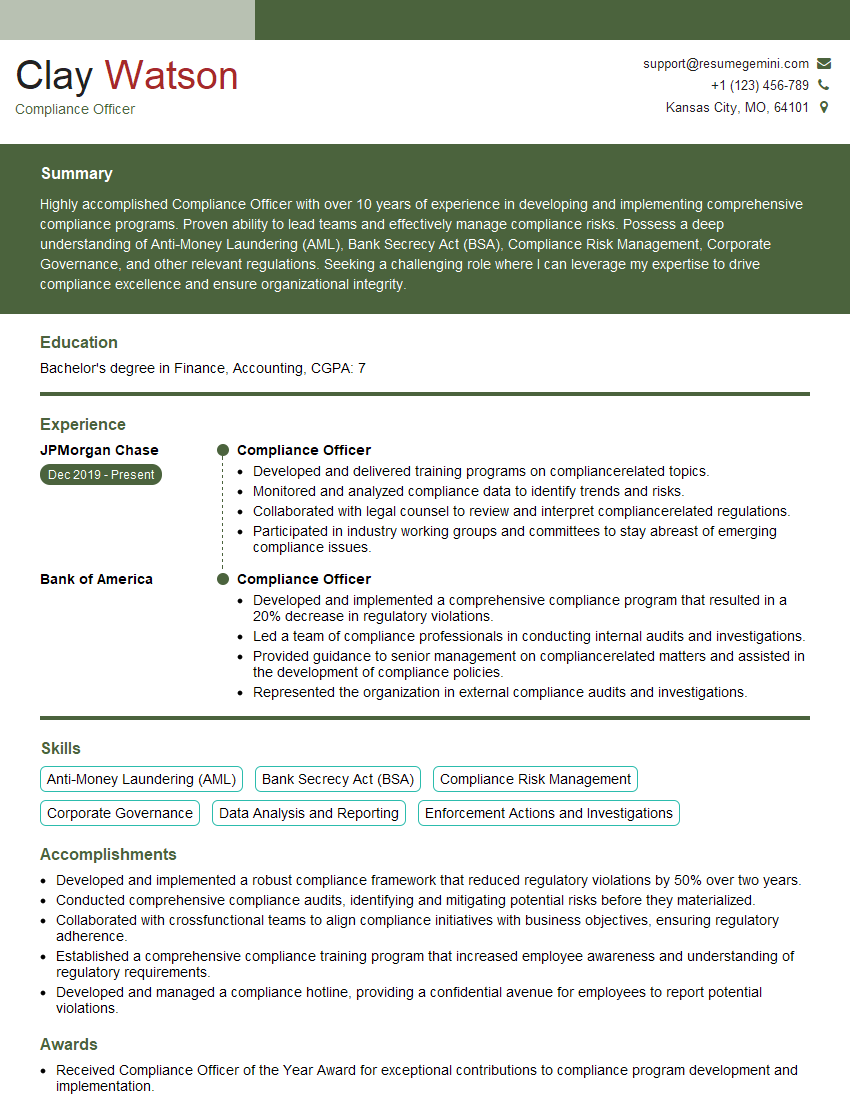
Compliance Officer Resume Sample
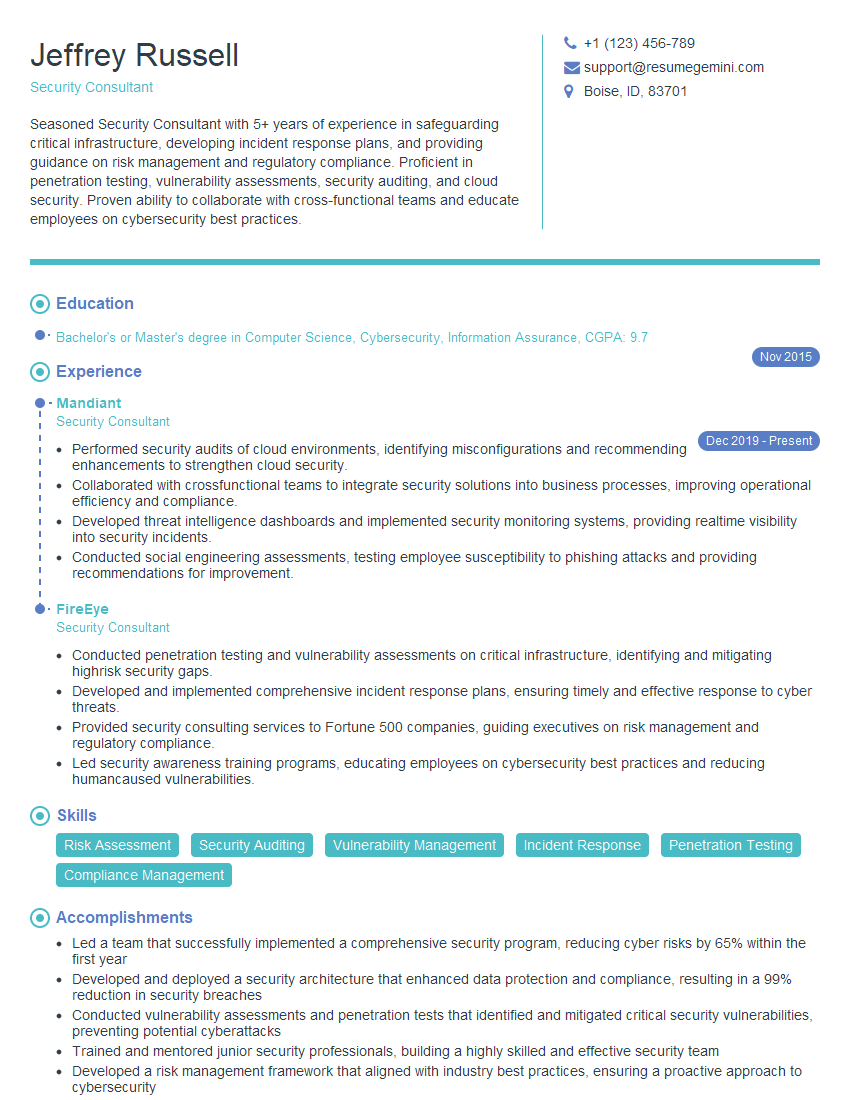
Security Consultant Resume Sample

Network Administrator Resume Sample
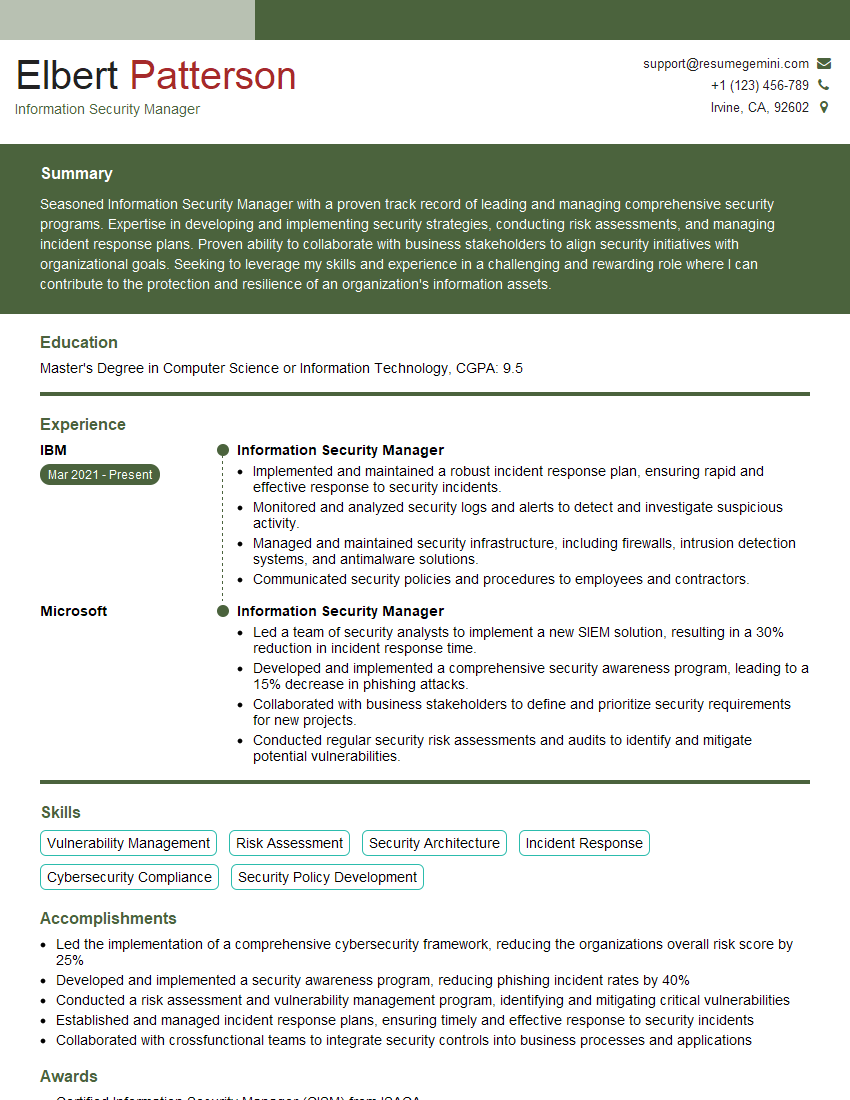
Information Security Manager Resume Sample
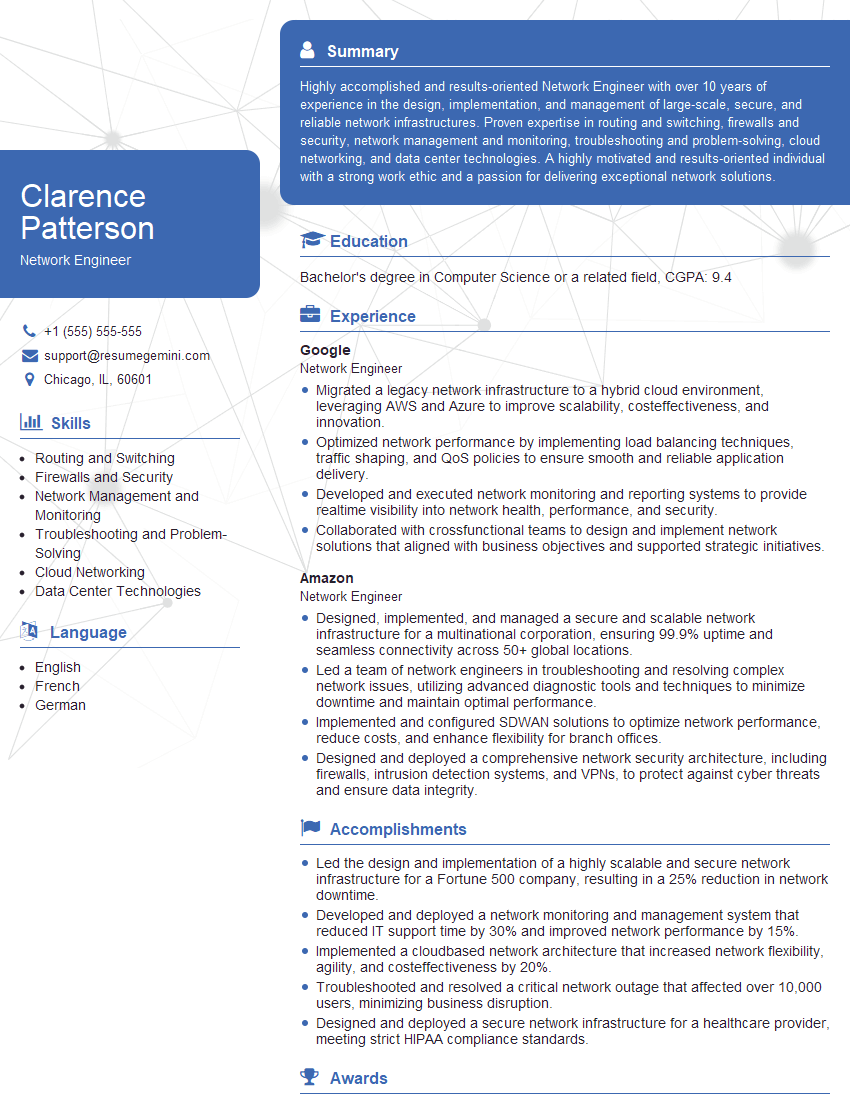
Network Engineer Resume Sample
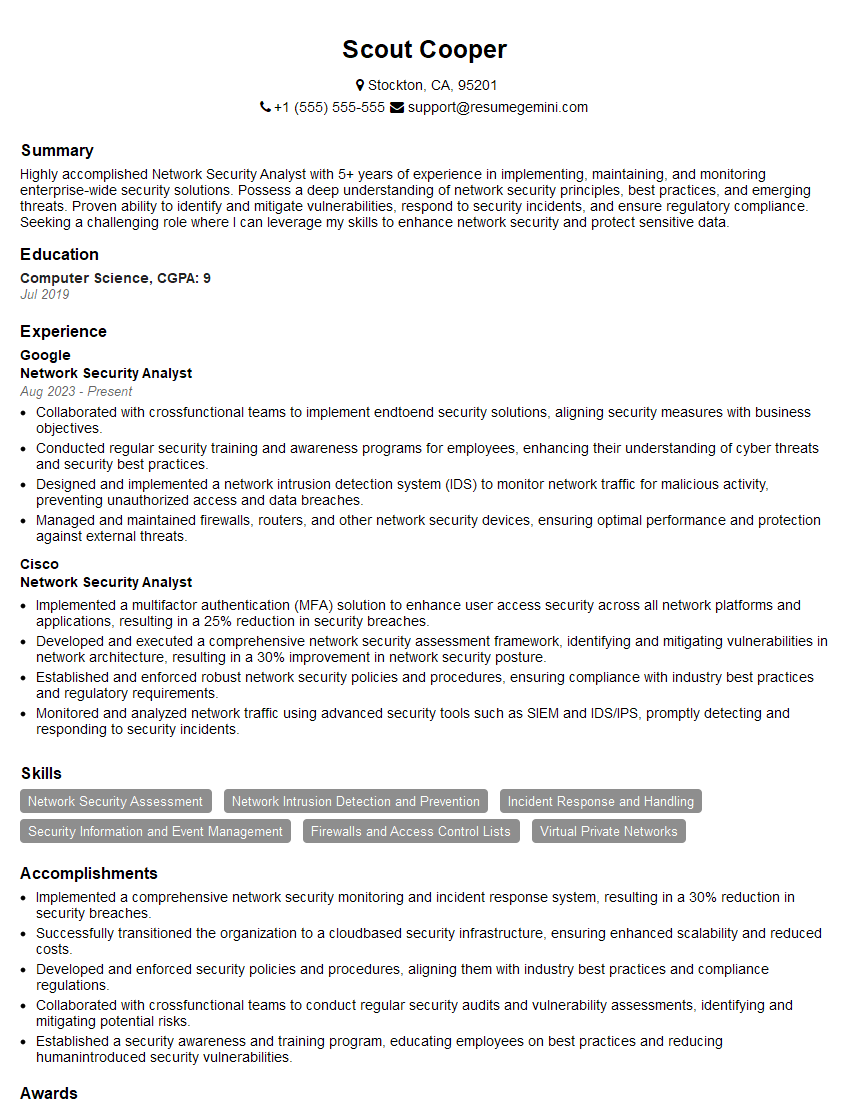
Network Security Analyst Resume Sample
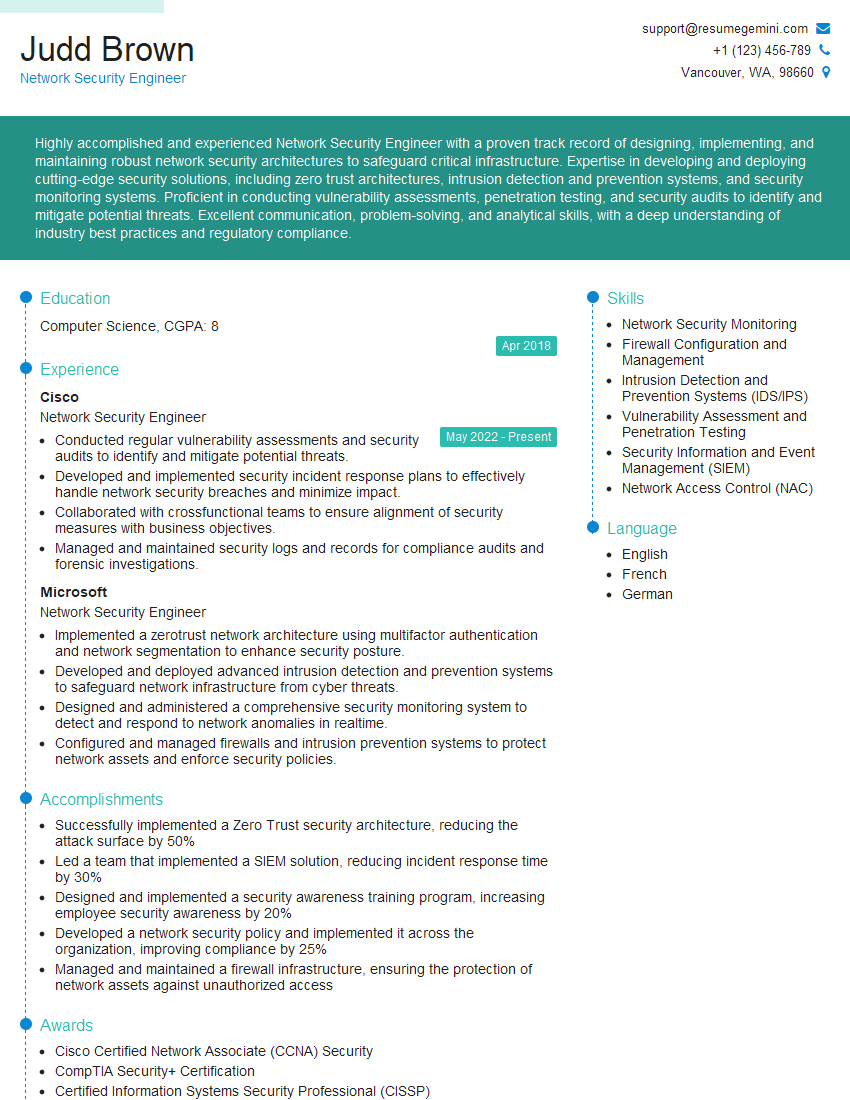
Network Security Engineer Resume Sample
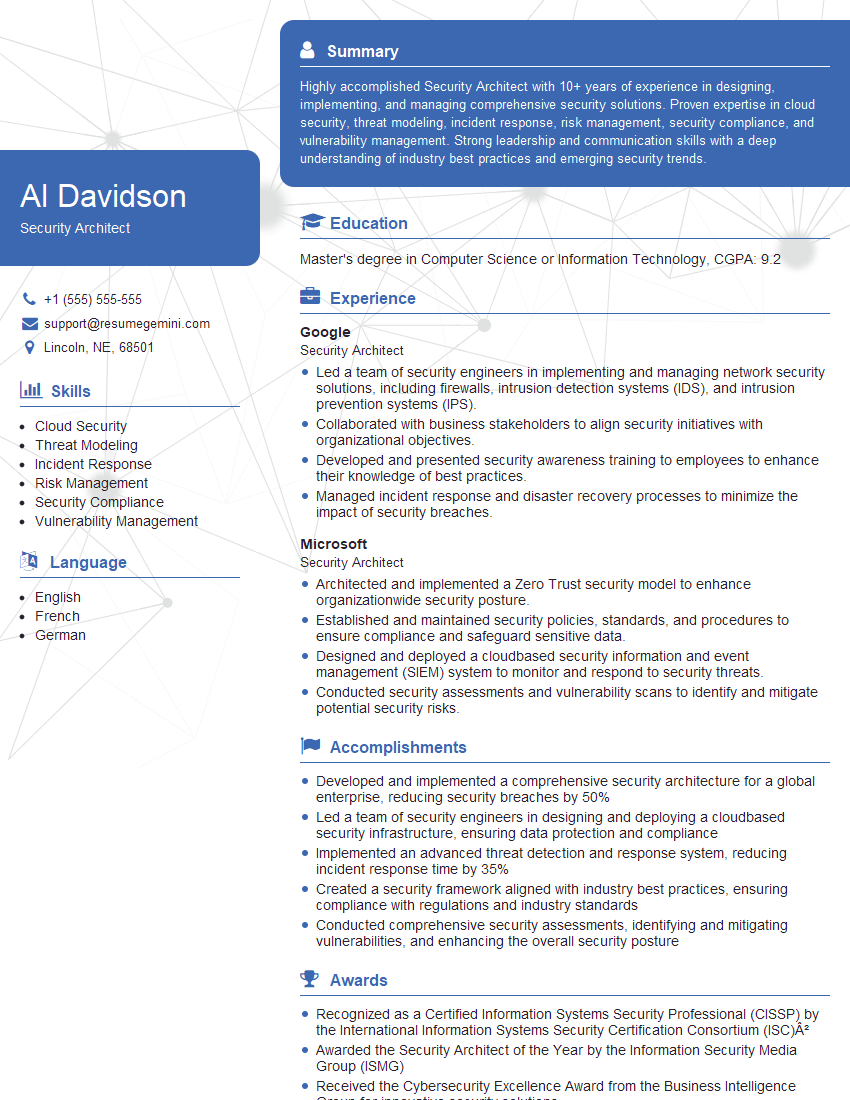
Security Architect Resume Sample
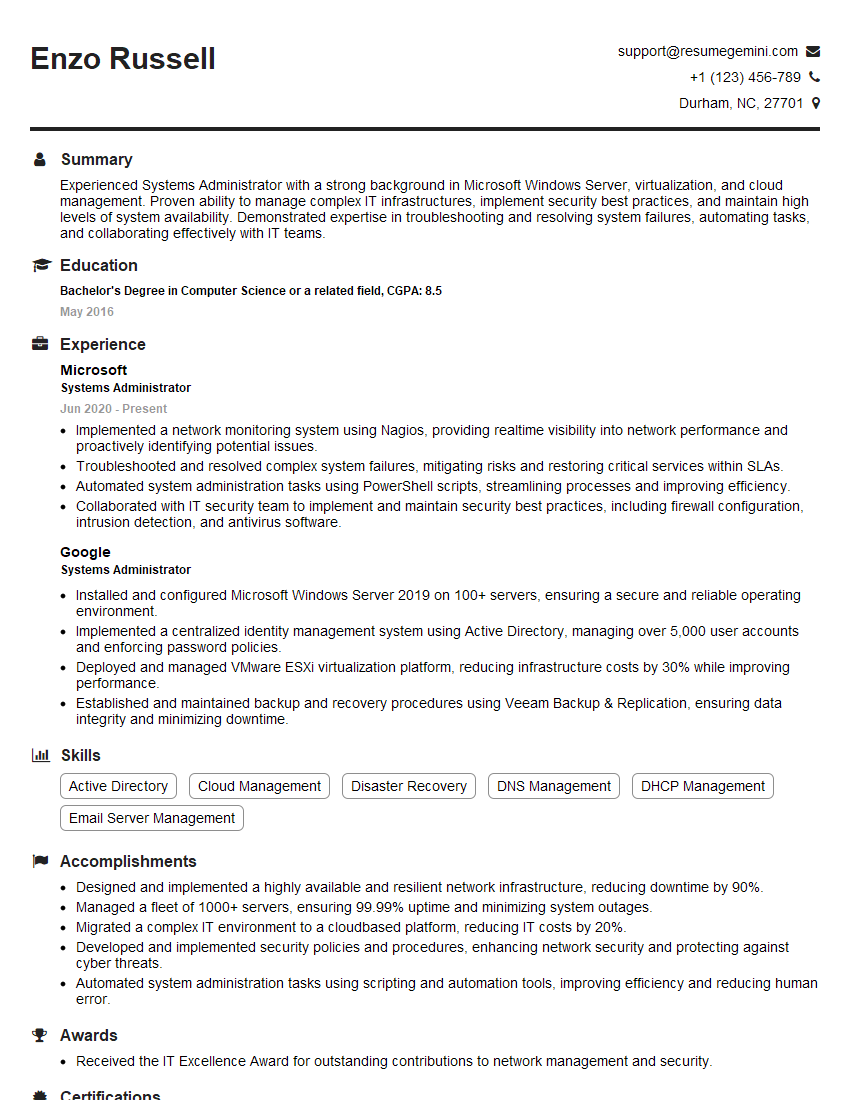
Systems Administrator Resume Sample
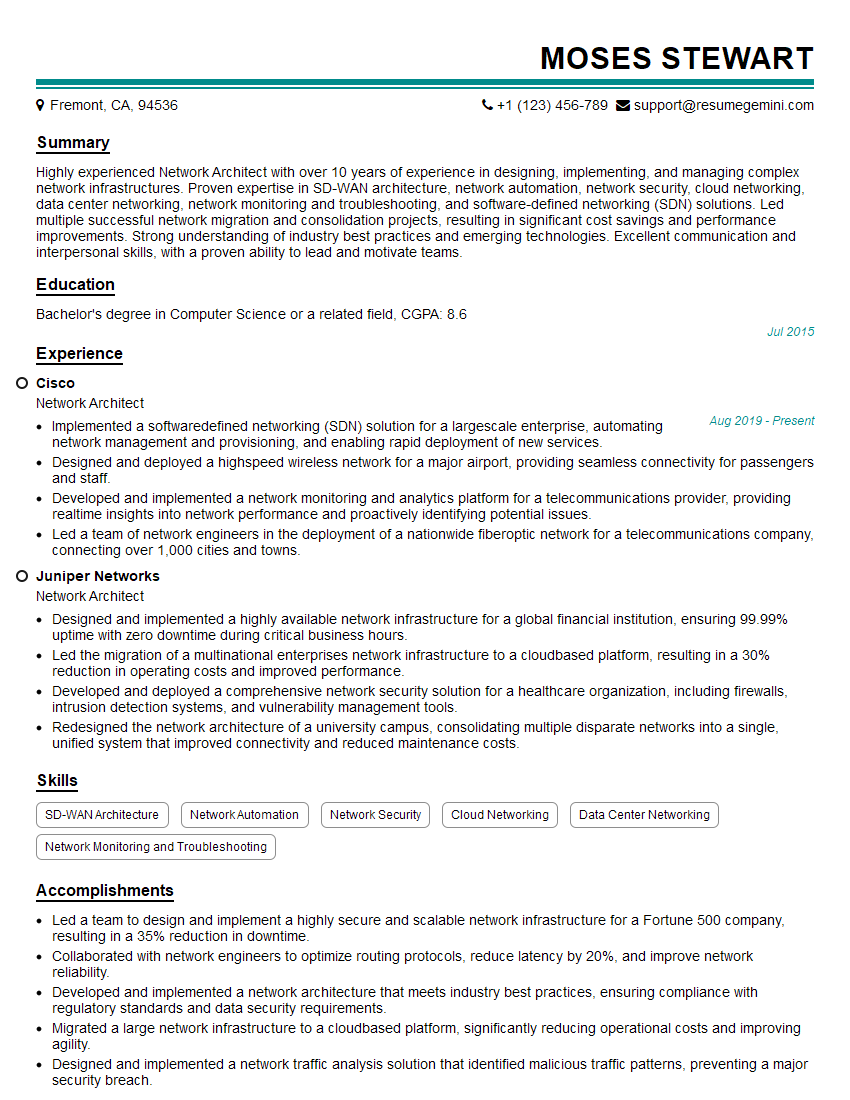
Network Architect Resume Sample
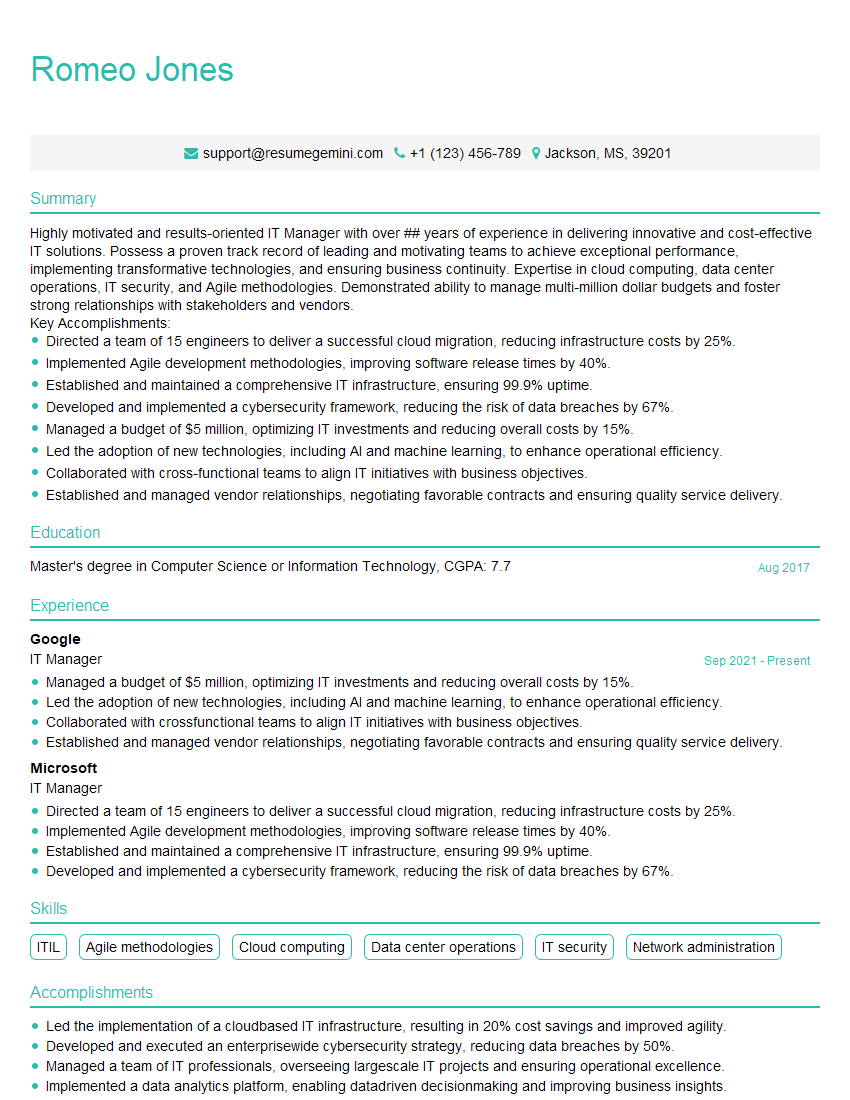
IT Manager Resume Sample

IT Security Specialist Resume Sample
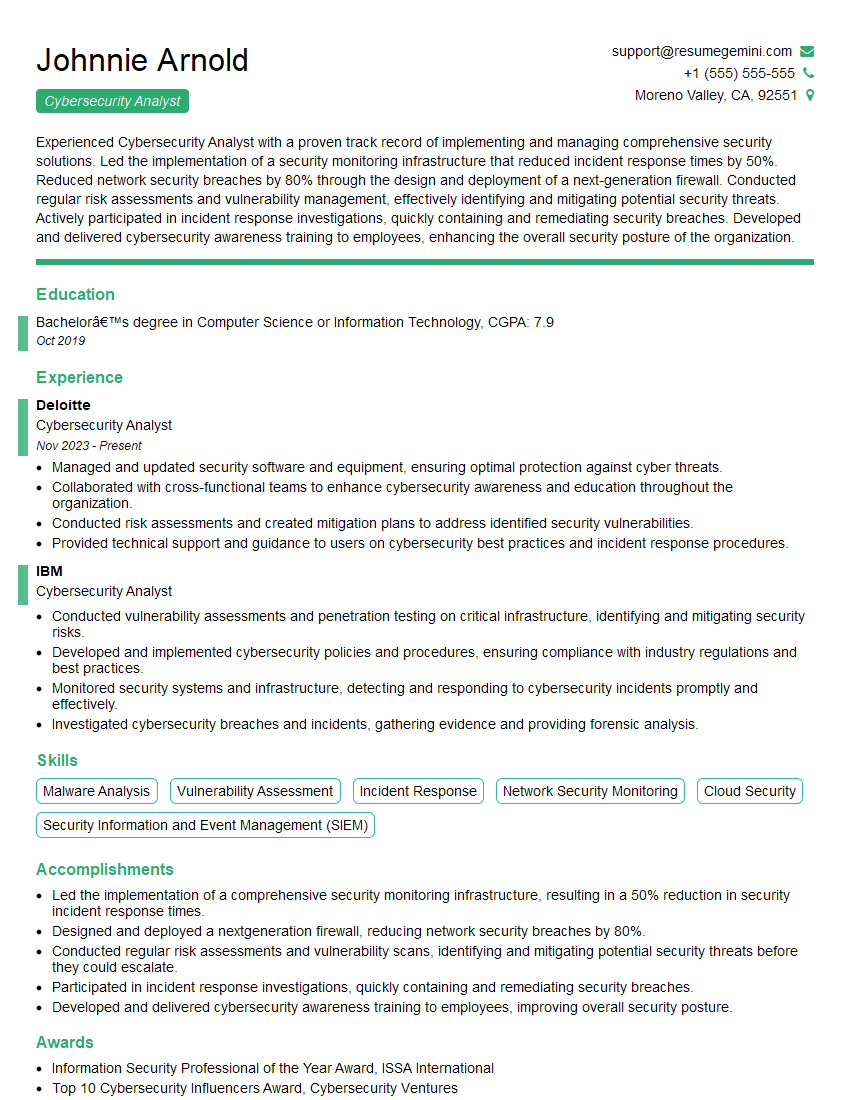
Cybersecurity Analyst Resume Sample
Explore more articles
Users Rating of Our Blogs
Share Your Experience
We value your feedback! Please rate our content and share your thoughts (optional).
What Readers Say About Our Blog
Very informative content, great job.
good