The right preparation can turn an interview into an opportunity to showcase your expertise. This guide to Netting and Trapping Techniques interview questions is your ultimate resource, providing key insights and tips to help you ace your responses and stand out as a top candidate.
Questions Asked in Netting and Trapping Techniques Interview
Q 1. Describe your experience with different types of netting equipment.
My experience encompasses a wide range of netting equipment, from simple mist nets used for bird studies to larger, more robust nets employed for larger mammals. I’m familiar with different mesh sizes, materials (like nylon, polyester, and even specialized materials for specific species), and net configurations. For instance, I’ve extensively used drop nets for capturing fish in research settings, and I’m proficient in setting up and deploying various types of seine nets for aquatic surveys. I understand the importance of choosing the right net type depending on factors like the target species’ size, habitat, and behavior. For example, finer mesh nets are needed for smaller animals, while stronger, heavier nets are needed for larger, potentially more aggressive species.
- Mist nets: Lightweight nets used for capturing birds and bats.
- Seine nets: Large nets used for capturing fish in schools.
- Drop nets: Nets dropped suddenly to capture animals.
- Gill nets: Nets that catch fish by their gills.
I’ve also worked with specialized netting systems like those used in wildlife rehabilitation centers for safely capturing injured or distressed animals. This involves understanding the animal’s condition and choosing the most humane and effective method.
Q 2. Explain the proper techniques for setting various types of traps.
Proper trap setting is crucial for both the success of the operation and the safety and well-being of the target animals. Techniques vary considerably depending on the trap type and target species. For example, setting a Sherman live trap for small rodents requires careful bait placement, secure anchoring, and consideration of the surrounding environment to minimize stress. Snare traps, while effective for certain species, demand a thorough understanding of proper placement and checking intervals to prevent animal suffering. I’ve trained extensively in safe handling and ethical trap setting procedures.
- Sherman live traps: Small, wire traps used for capturing rodents and other small mammals. Proper technique involves using appropriate bait, secure placement, and regular checks.
- Snare traps: Traps that catch animals by the neck or leg. Proper technique requires careful placement to ensure quick capture and minimize injury. Frequent monitoring is crucial.
- Pitfall traps: Used for ground-dwelling invertebrates and small animals. Must be properly buried and regularly checked to prevent dehydration or predation.
Regardless of the trap type, I always prioritize proper placement to maximize capture efficiency while minimizing environmental impact and potential harm to non-target species. The specific details for setting a trap, such as bait selection and trap placement, must be tailored to the target species and their behavior.
Q 3. What safety precautions do you take when using netting and trapping equipment?
Safety is paramount. When working with netting and trapping equipment, I always adhere to strict safety protocols. This includes:
- Personal Protective Equipment (PPE): Wearing gloves, sturdy boots, and eye protection is essential to prevent injury from sharp edges, bites, stings, or entanglement. For some species, I will also utilize heavy-duty protective clothing.
- Careful handling: Never approach a trapped or netted animal directly without proper precautions. I use handling tools like poles, grabbers, or nets, whenever possible to maintain a safe distance.
- Awareness of surroundings: I always carefully survey the area before setting up equipment to identify potential hazards like uneven terrain, poisonous plants, or the presence of other animals that might interfere.
- Proper training and supervision: I ensure everyone involved in the operation is properly trained and supervised to prevent accidents.
It’s also crucial to follow all manufacturer instructions and check equipment regularly for wear and tear before each use. A minor fault can lead to serious injury.
Q 4. How do you select the appropriate netting or trapping method for a specific target species?
Selecting the appropriate method depends on several factors: the target species’ behavior, habitat, size, and abundance; the research objectives; and ethical considerations. For example, capturing a small, agile bird would require a mist net, whereas a larger mammal might require a different trap, possibly a snare or a box trap. The habitat also plays a crucial role. Aquatic species need nets suitable for water environments, while terrestrial animals necessitate traps appropriate for their habitat type.
For instance, if I need to study the population density of a rare bird species, I would use mist nets due to their high capture efficiency and minimal harm to the bird. Conversely, if I am targeting a large mammal for relocation, I would select a trap appropriate for its size and strength, considering its temperament and reducing stress.
The research goals directly influence method selection. If I need to minimize stress and conduct non-invasive studies, I would choose live traps over potentially lethal methods. Ethical considerations often guide the decision-making process by favoring methods that cause the least harm and stress to animals.
Q 5. Describe your experience handling and releasing captured animals.
Handling and releasing captured animals requires gentleness, speed, and a thorough understanding of the species’ specific needs. I use appropriate tools to minimize stress and avoid injury to both the animal and myself. For instance, I might use a soft cloth to restrain a bird during banding or measurements, while larger mammals might require specialized handling techniques.
The release site is carefully selected. It needs to be safe, suitable for the animal, and as close as possible to the capture location. I always ensure the animal is healthy and able to fend for itself before releasing it. If the animal appears injured or stressed, I refer it to a wildlife rehabilitator.
For example, when releasing a bird, I make sure it is oriented properly, its feathers are smooth and not ruffled, and I observe it for a few minutes after release to ensure it flies away without issue.
Q 6. How do you ensure the humane treatment of animals during netting and trapping?
Humane treatment is my top priority. This involves minimizing stress, pain, and injury during capture, handling, and release. I select equipment and techniques that cause the least harm. Regular trap checks are vital to prevent animals from suffering undue stress or injury, particularly those trapped in snares or pitfalls. I ensure that all equipment is checked for damage and kept clean to prevent injury and disease transmission.
I use appropriate handling techniques, minimize handling time, and prioritize quick and efficient processing. In addition, I utilize appropriate anesthetic or sedation techniques, where necessary and permitted, to facilitate handling of potentially dangerous or stressed animals. Furthermore, I always monitor the animal’s health during capture and ensure proper veterinary care is available if needed. The choice of handling technique will depend on the species, the type of trapping, and the individual’s condition.
Q 7. What are the legal and ethical considerations involved in netting and trapping?
Legal and ethical considerations are crucial and vary by jurisdiction. I always obtain necessary permits and licenses before undertaking any netting or trapping activity. It is essential to know and follow all regulations regarding the specific species, time of year, methods allowed, and any reporting requirements. Ethical considerations involve respecting wildlife and minimizing impacts on non-target species and the environment. This includes employing methods that prioritize the humane treatment of animals and responsible disposal of waste.
For instance, I may need separate permits for different species, different trapping methods, or different locations. It’s crucial to be fully informed about these regulations and to comply with them completely. Ethical considerations involve minimizing disturbance to the ecosystem and adhering to best practices that are in line with professional standards for ethical wildlife research and management. Ignoring these considerations can have significant legal and ethical ramifications, damaging both reputations and the environment.
Q 8. How do you identify and address potential hazards associated with netting and trapping?
Hazard identification in netting and trapping is paramount for safety and ethical considerations. It involves a thorough risk assessment before, during, and after each operation. This assessment considers potential dangers to both the target species and the personnel involved.
- Target Species Hazards: Incorrectly set traps can lead to injury or prolonged suffering for the animals. For example, a poorly placed snare could cause a limb injury instead of a quick, humane capture. We need to consider the species’ size, strength, and behavior to choose the appropriate trap type and placement.
- Personnel Hazards: Sharp objects like snares and improperly handled nets can cause cuts or punctures. Encountering aggressive or venomous animals is another risk. Working in remote areas exposes us to environmental hazards like extreme weather or difficult terrain. We always use appropriate Personal Protective Equipment (PPE), such as gloves, sturdy boots, and eye protection.
- Addressing Hazards: Hazard mitigation involves choosing appropriate equipment, receiving proper training, adhering to strict safety protocols, and regularly inspecting equipment for damage. For example, we always check snare tension regularly and replace any damaged traps immediately. We also utilize pre-baiting techniques to minimize human-animal contact. Detailed planning, including escape routes and emergency contact information, is crucial.
A comprehensive hazard identification and risk assessment framework is crucial for safe and ethical netting and trapping practices.
Q 9. Explain your experience with different types of traps (e.g., snares, cages, nets).
My experience encompasses a broad range of trapping techniques. I’ve worked extensively with:
- Snares: I’m proficient in setting various types of snares, including those made of wire, nylon, and other materials, adapted to different species and environments. I understand the importance of appropriate snare size and placement to minimize injury and ensure humane capture. For instance, I’ve used modified snares for smaller animals that require less tension to avoid injury.
- Cages: I have experience with various cage traps, from small live traps for rodents to larger ones for raccoons or other mesocarnivores. Understanding the target species’ behavior is key to successful cage trapping. For example, I’ve successfully used baited drop-traps for shy animals and funnels for animals with a more linear travel pattern.
- Nets: My net experience includes mist nets for birds, seine nets for fish, and various types of gillnets. Each requires specialized knowledge of deployment, maintenance, and species-specific handling techniques. For instance, when using mist nets for birds, I always employ the appropriate net size and placement considering the targeted species’ flight path.
My expertise extends beyond simply setting traps; I am also skilled in analyzing capture data to determine trap effectiveness and adjust techniques accordingly.
Q 10. How do you maintain and inspect netting and trapping equipment?
Maintaining and inspecting netting and trapping equipment is essential for safety, effectiveness, and ethical considerations. Regular checks are key to preventing injuries and ensuring humane capture. This includes:
- Daily Inspections: Every day before and after use, I visually check for any damage, rust, or wear and tear on all equipment. Any damaged or worn-out parts are immediately replaced.
- Cleaning and Sanitization: Thorough cleaning and sanitization are necessary to prevent the spread of disease between animals. This typically involves washing the equipment with appropriate disinfectants.
- Storage: Proper storage is crucial to protect equipment from damage and prevent accidental activation. I use secure and dry locations for proper storage of all traps and nets.
- Regular Maintenance: Periodic maintenance may involve sharpening snare wires, repairing holes in nets, or lubricating trap mechanisms. This ensures that the equipment operates efficiently and safely.
Neglecting proper maintenance can lead to equipment failure, causing injuries to both animals and personnel. A robust maintenance schedule significantly reduces these risks.
Q 11. Describe your experience with data collection and record-keeping related to netting and trapping.
Data collection and record-keeping are integral to any netting and trapping operation, providing insights into population dynamics and the effectiveness of trapping strategies. My approach involves:
- Detailed Records: I meticulously record the date, time, location, trap type, and species captured for each event. Additionally, I note environmental conditions, such as weather and habitat type.
- Individual Animal Data: Whenever feasible, I record individual animal characteristics like sex, age, weight, and any signs of injury or disease. This provides valuable data for population studies and health assessments.
- Data Management: I use standardized data sheets and digital databases to ensure data accuracy and easy retrieval. Proper organization ensures that data is easily accessible for analysis and reporting. We use specific software for this and have developed internal data sheets to minimize error and maintain consistency.
- Data Analysis: The collected data is used to evaluate trapping efficiency, identify trends in population numbers, and inform future trapping strategies.
Accurate and comprehensive data collection is essential for informed management decisions and ensuring the responsible and ethical use of netting and trapping techniques.
Q 12. What are the common challenges associated with netting and trapping in different environments?
Netting and trapping present unique challenges across diverse environments:
- Terrain: Difficult terrain, such as dense forests or steep mountains, can hinder access to trapping locations and make equipment placement challenging. We must adapt our techniques to navigate these challenges effectively.
- Weather: Extreme weather conditions, such as heavy rain, snow, or high winds, can affect trap efficacy and create dangerous working conditions. Planning and adapting to weather patterns is critical.
- Target Species Behavior: Animal behavior varies greatly depending on habitat and season. Understanding target species behavior and adjusting trapping strategies accordingly is essential for success.
- Non-target Species: Accidental capture of non-target species (bycatch) is a major concern. We use species-specific trapping methods and regularly monitor traps to minimize this risk.
- Human Activity: Interference from human activity, such as poaching or vandalism, can also impact trapping operations. Trap security and community involvement are essential to mitigating this issue.
Adaptability and careful planning are key to overcoming these environmental challenges and ensuring successful and ethical trapping operations.
Q 13. How do you adapt your netting and trapping techniques to different weather conditions?
Adapting to weather conditions is crucial for successful and safe netting and trapping. This involves a multi-faceted approach:
- Weather Monitoring: Regularly monitoring weather forecasts is crucial. Operations may need to be postponed or adjusted based on predicted conditions.
- Equipment Selection: Using appropriate equipment for different weather conditions is important. For example, in heavy rain, using waterproof traps or modifying existing traps to prevent water damage is essential.
- Trap Placement: Choosing sheltered locations for traps minimizes exposure to harsh weather. For example, placing traps under overhanging branches or rocks can shield them from the elements.
- Safety Measures: Increased safety precautions are necessary in adverse weather. This might include using additional layers of clothing, ensuring proper visibility, and adjusting working hours to avoid hazardous conditions.
- Post-Weather Checks: Following severe weather, thorough inspections of traps and nets are vital to ensure that they remain secure and functional.
Careful planning and adaptation to weather conditions minimize risks to both personnel and wildlife, maximizing the efficiency and ethical standards of the operation.
Q 14. How do you handle unexpected situations or complications during netting and trapping operations?
Unexpected situations are inevitable in field operations. My experience equips me to handle such complications effectively. The response depends on the specific situation, but generally involves:
- Assessment: First, I carefully assess the situation, identifying the nature of the problem and potential risks.
- Safety First: Prioritizing safety is always paramount. This may involve evacuating the area or taking other necessary precautions.
- Problem Solving: I leverage my knowledge and experience to troubleshoot the problem. This might involve modifying trapping techniques, replacing damaged equipment, or contacting colleagues for assistance.
- Documentation: Any unexpected events, including solutions implemented, are meticulously documented for future reference and learning.
- Adaptability: The ability to adapt and modify plans is critical. Unexpected challenges often necessitate changes to the original approach. Flexibility and resourcefulness are vital.
Being prepared for the unexpected, coupled with a methodical problem-solving approach, ensures the successful and safe completion of even the most challenging netting and trapping operations. Regular training and experience build the necessary skills for handling such unforeseen events.
Q 15. Explain your knowledge of relevant regulations and permits related to netting and trapping.
Netting and trapping are heavily regulated activities, varying significantly by location and target species. My understanding encompasses federal, state, and often local regulations. For example, in the United States, the Endangered Species Act plays a crucial role, prohibiting the taking of listed species without specific permits. Similarly, the Migratory Bird Treaty Act governs the taking of migratory birds. Obtaining the necessary permits often requires a detailed plan outlining the trapping methods, target species, the rationale for the trapping, and measures to minimize bycatch and environmental impact. I’m familiar with the application processes, including providing detailed maps of trapping locations, reporting requirements, and adherence to strict timelines. Specific permits may be required for different gear types, such as gillnets versus fyke nets, and can be contingent on species-specific quotas or seasons. Ignoring these regulations can lead to significant penalties, including substantial fines and even criminal charges. I always prioritize complete compliance and regularly review updated regulations before initiating any operation.
Career Expert Tips:
- Ace those interviews! Prepare effectively by reviewing the Top 50 Most Common Interview Questions on ResumeGemini.
- Navigate your job search with confidence! Explore a wide range of Career Tips on ResumeGemini. Learn about common challenges and recommendations to overcome them.
- Craft the perfect resume! Master the Art of Resume Writing with ResumeGemini’s guide. Showcase your unique qualifications and achievements effectively.
- Don’t miss out on holiday savings! Build your dream resume with ResumeGemini’s ATS optimized templates.
Q 16. How do you ensure the effectiveness of your netting and trapping efforts?
Ensuring the effectiveness of netting and trapping requires a multi-faceted approach. It starts with thorough pre-planning, which includes identifying the target species’ habitat preferences, movement patterns, and behavioral characteristics. I use a combination of techniques, such as scouting the area to choose optimal locations, considering environmental factors like water flow and vegetation, and selecting appropriate gear. For instance, if targeting a particular fish species, I might use a specific type of gillnet mesh size to selectively capture the desired fish while minimizing bycatch. Regular monitoring and adjustment are crucial. This involves checking the nets and traps frequently, assessing catch rates, and adapting the techniques based on the results. For example, if a certain area is producing fewer captures than expected, I might shift the location or modify the gear. Data analysis, including calculating catch per unit effort (CPUE) is key to measuring effectiveness and informing future decisions. Finally, collaboration with other experts and researchers is beneficial to leverage collective knowledge and identify areas for improvement.
Q 17. What are the key indicators of successful netting and trapping strategies?
Successful netting and trapping strategies are indicated by several key metrics. High catch rates of the target species, while maintaining low bycatch, is a primary indicator of success. We also assess the size and age structure of the captured animals, which can provide valuable insights into population dynamics and the health of the ecosystem. A successful strategy minimizes damage to the environment, ensuring that the trapping activities do not negatively impact non-target species or habitats. The efficiency of the operation – minimizing the time and resources required to achieve the objectives – is another key indicator. This includes factors such as the ease of deployment and retrieval of nets, and the minimal effort required for monitoring. Finally, successful strategies are informed by reliable data collection and analysis, which allows for constant refinement and improvements in future operations. These data also contribute to a broader understanding of the target species and their ecosystem.
Q 18. Describe your experience with monitoring and assessing the impact of netting and trapping on the environment.
Monitoring and assessing the impact of netting and trapping on the environment is paramount. This involves conducting pre- and post-trapping surveys to assess the biodiversity and health of the ecosystem. This might include documenting species abundance, habitat quality, and water quality parameters. We also analyze the bycatch data to understand the impact on non-target species. This information helps refine our trapping techniques to minimize unintended consequences. For instance, in one project, we identified a high level of bycatch in a particular location. By analyzing the data and changing the gear and deployment location, we reduced the bycatch dramatically while maintaining satisfactory target species capture. Detailed reports are prepared, which include the environmental impact assessments, to ensure transparency and accountability. These reports also help us justify our trapping methods and obtain necessary permits for future operations.
Q 19. How do you minimize the risk of bycatch or non-target capture during netting?
Minimizing bycatch is a crucial aspect of responsible netting. Selecting appropriate gear is paramount. For example, using larger mesh sizes in gillnets can allow smaller, non-target fish to escape. Similarly, using selective fishing gear tailored to the target species can significantly reduce bycatch. Careful consideration of the location and timing of netting is also vital, avoiding areas with high concentrations of non-target species or during sensitive reproductive periods. Regular monitoring and adjustments of the nets and traps allow for immediate responses to unexpected occurrences. Finally, understanding the behavior of non-target species and employing appropriate avoidance strategies, such as placing nets in specific depths or currents, can minimize their capture. Every project includes a robust bycatch mitigation plan, and regular training for the team is crucial to ensure everyone is well-versed in minimizing bycatch and properly handling any non-target species that are accidentally caught.
Q 20. Explain your understanding of animal behavior and how it impacts trapping success.
Understanding animal behavior is fundamental to successful trapping. Different species exhibit unique behavioral traits that influence their susceptibility to various trapping techniques. For example, some animals are attracted to certain scents or sounds, while others are highly sensitive to disturbances in their environment. Knowledge of these behaviors allows for the design and placement of traps that maximize capture success while minimizing stress to the animals. For instance, understanding the nocturnal foraging patterns of a particular species might lead to the use of night-vision cameras to optimize trap placement. Similarly, knowing the species’ preferred food sources can help in using effective bait to lure them into the traps. This understanding also informs humane handling procedures and minimizes the risk of injury or stress to captured animals. Careful observation, research, and even collaborations with wildlife biologists are crucial aspects in this process. We always prioritize the welfare of the animals.
Q 21. Describe your experience using GPS tracking and other technological tools in netting and trapping operations.
GPS tracking and other technologies have revolutionized netting and trapping. GPS trackers attached to animals after capture allow for monitoring their post-release movements, providing valuable information on their habitat use and migration patterns. This is crucial for conservation efforts and understanding the ecological role of the species. Remote sensing technologies, such as aerial surveys or underwater cameras, can improve the efficiency and effectiveness of locating target species prior to deployment of netting and traps. Software for data analysis and visualization is also essential in managing and interpreting large datasets collected during netting and trapping operations. This includes analyzing catch rates, bycatch, and environmental factors. Moreover, advancements in trap design, incorporating features such as remote triggering or automated data logging, enhance efficiency and safety. The integration of technology increases the accuracy and effectiveness of our operations, allowing for better resource management and more informed decision-making.
Q 22. How do you assess and mitigate the risk of injury to yourself or others during netting and trapping?
Safety is paramount in netting and trapping. Risk assessment begins with understanding the target species – their behavior, strength, and potential for injury to both the animal and the trapper. I always wear appropriate personal protective equipment (PPE), including sturdy gloves, eye protection, and long sleeves and pants. When handling potentially aggressive animals, I might also use heavy-duty protective clothing or even specialized bite-proof gloves.
Mitigation involves careful trap placement to avoid accidental human contact. Traps should be clearly marked and placed away from areas with significant human activity. Regular trap checks are crucial – this minimizes the time animals spend in traps, reducing stress and risk of injury. For nets, I use techniques to minimize the risk of entanglement during deployment and retrieval, often working with a partner for larger nets. Finally, I’m always aware of my surroundings, considering potential hazards like uneven terrain or the presence of other wildlife.
For example, when working with a fisher, a strong and potentially aggressive animal, I would use heavy-duty gloves and ensure the trap is well-secured in a remote area with clear markings, far from any trails.
Q 23. What are the key factors to consider when selecting the appropriate trap size and type?
Trap selection hinges on the target species’ size and behavior. A small shrew would require a much smaller and more delicate trap than a raccoon. I also consider the animal’s activity patterns; a nocturnal animal might need a different type of trap than a diurnal animal. The trap type itself matters greatly – a snare is appropriate for some species but inappropriate for others. For example, a foothold trap might be suitable for larger mammals, while a small cage trap would be better for birds or smaller mammals. Size is crucial because an improperly sized trap can cause injury or allow the target animal to escape. For instance, a too-large trap might allow a smaller animal to become injured, while a too-small trap could injure a larger animal or fail to capture it entirely.
Q 24. Explain your understanding of different types of bait and attractants used in trapping.
Bait and attractants are crucial for successful trapping. The best choice depends heavily on the target species and the surrounding environment. I use a variety of options. For example, fish heads, nuts, fruits, and commercial lures are common for various mammals and birds. Some species are strongly attracted to specific scents; deer might be lured by synthetic scents mimicking their preferred foods. Some traps use visual attractants, such as bright colors or shiny materials to attract the target species. The key is understanding the animal’s natural foraging behavior and exploiting it.
It’s important to rotate baits and attractants regularly to avoid habituation. An animal might become desensitized to a certain scent if it is used repeatedly and not yield to the trap. The trap will become ineffective after a period. Using a variety of attractants maintains the effectiveness of the trapping efforts.
Q 25. How do you handle and dispose of captured animals that are diseased or injured?
Handling diseased or injured animals requires extra caution and adherence to relevant regulations. I always wear appropriate PPE, minimizing direct contact. If the animal is severely injured, I might euthanize it humanely, following guidelines set by wildlife management authorities or local veterinary professionals. Disposal procedures must follow regulations – this often involves proper incineration or burial to prevent disease transmission. Documenting the findings and reporting to the relevant authorities about the condition and disposal is crucial. In my experience, careful and humane handling minimizes the risks involved in such scenarios.
Q 26. Describe your experience with different types of netting materials and their applications.
Netting materials vary widely in their properties. Nylon nets are strong, durable, and relatively lightweight, making them ideal for many applications. They are very commonly used for capturing birds and fish. Polyester nets are often used for applications where greater strength or resistance to abrasion is needed. Fine-mesh nets are crucial for catching smaller species; wider-mesh nets are for larger ones. The mesh size must be appropriately selected to prevent entanglement hazards that could injure the species being captured. The choice also depends on the specific environment, with some materials being more suitable for aquatic or terrestrial use. For example, I might use a fine-mesh nylon net for catching butterflies and a sturdier polyester net for larger birds.
Q 27. What are the key differences between passive and active netting and trapping techniques?
Passive techniques, such as setting up pitfall traps or using a stationary net, rely on the animal to move into the trap. Active techniques, like using a seine net or a drop net, involve the direct intervention of the trapper to capture the animal. Passive methods require less immediate time commitment, but they might have lower capture rates. Active methods require more time and effort but often have higher success rates. The choice between these methods depends on factors such as the target species, the environment, and the available resources. For example, netting a migrating flock of birds might best be accomplished via an active technique like a large net launched over the flock, while passive techniques are often more suitable for capturing smaller animals that do not move in large groups.
Q 28. How do you evaluate the effectiveness and efficiency of different netting and trapping methods?
Evaluating effectiveness involves several steps: First, I track capture rates; how many animals were captured per trap per unit of time. Next, I assess species selectivity; did the trap catch the intended species, or were unintended species also caught (bycatch)? I also consider the condition of the captured animals; were they injured during capture? Finally, I compare these results to data from similar efforts and refine my methods based on this data. Efficiency is also crucial; this considers the time and effort required for setup, monitoring, and cleanup. A highly effective trap that is inefficient in terms of time and resources might not be the best method. For example, if trapping a specific species in a large area, I might deploy multiple traps of different types and configurations to determine which method is most effective and efficient for that environment and target species.
Key Topics to Learn for Netting and Trapping Techniques Interview
- Net Selection & Deployment: Understanding the various types of nets (e.g., gill nets, seine nets, cast nets), their appropriate applications based on target species and environmental conditions, and safe deployment techniques.
- Trap Design & Functionality: Analyzing different trap designs (e.g., fyke nets, lobster traps, funnel traps), their mechanisms of operation, and their effectiveness in capturing specific target species. This includes understanding the principles of attractants and deterrents.
- Legal and Ethical Considerations: Familiarity with relevant regulations, licensing requirements, and ethical practices concerning netting and trapping in your region. This includes understanding bycatch mitigation strategies and responsible resource management.
- Maintenance and Repair: Practical skills in inspecting, maintaining, and repairing nets and traps to ensure efficiency and longevity. Understanding common causes of damage and methods for repair.
- Data Collection and Analysis: Methods for collecting data on catch rates, species composition, and environmental factors. Analyzing this data to evaluate the effectiveness of different netting and trapping techniques and to inform future strategies.
- Safety Procedures: Understanding and adhering to safety protocols when working with nets and traps, including personal protective equipment (PPE) usage and risk mitigation strategies.
- Environmental Impact Assessment: Analyzing the potential environmental impacts of netting and trapping practices and implementing strategies to minimize negative consequences.
Next Steps
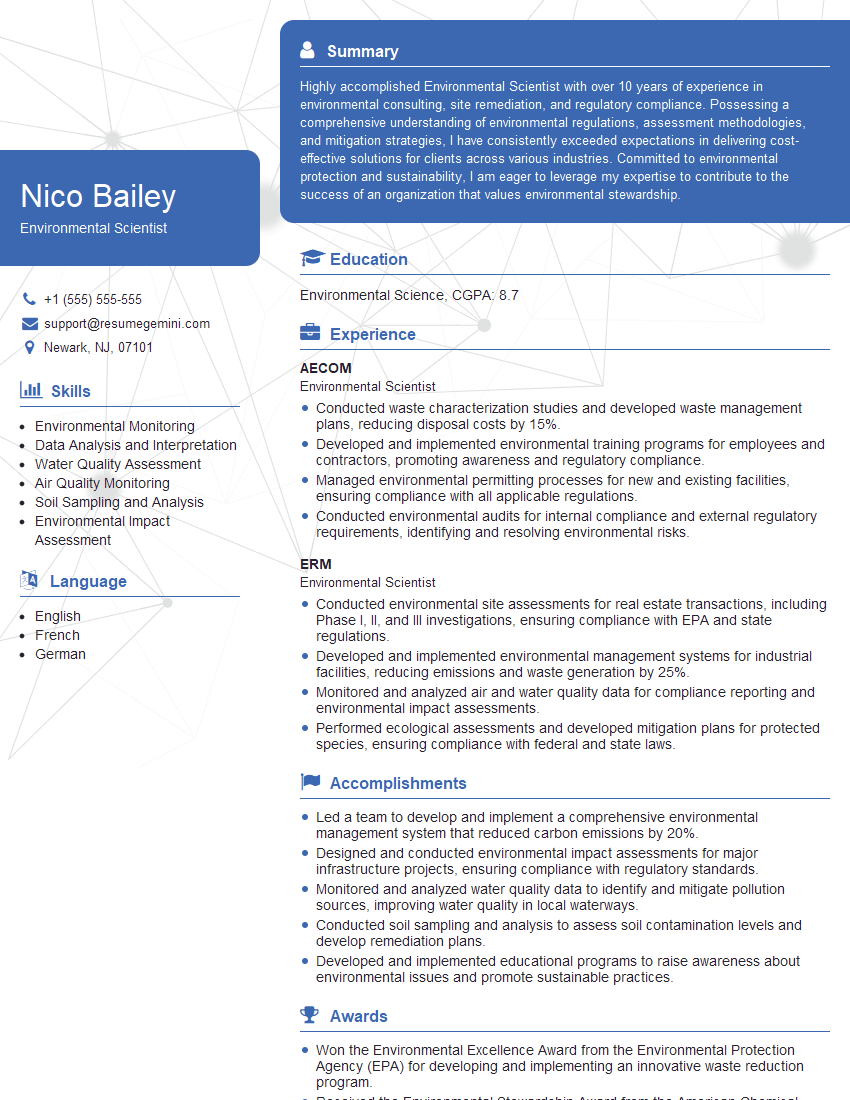
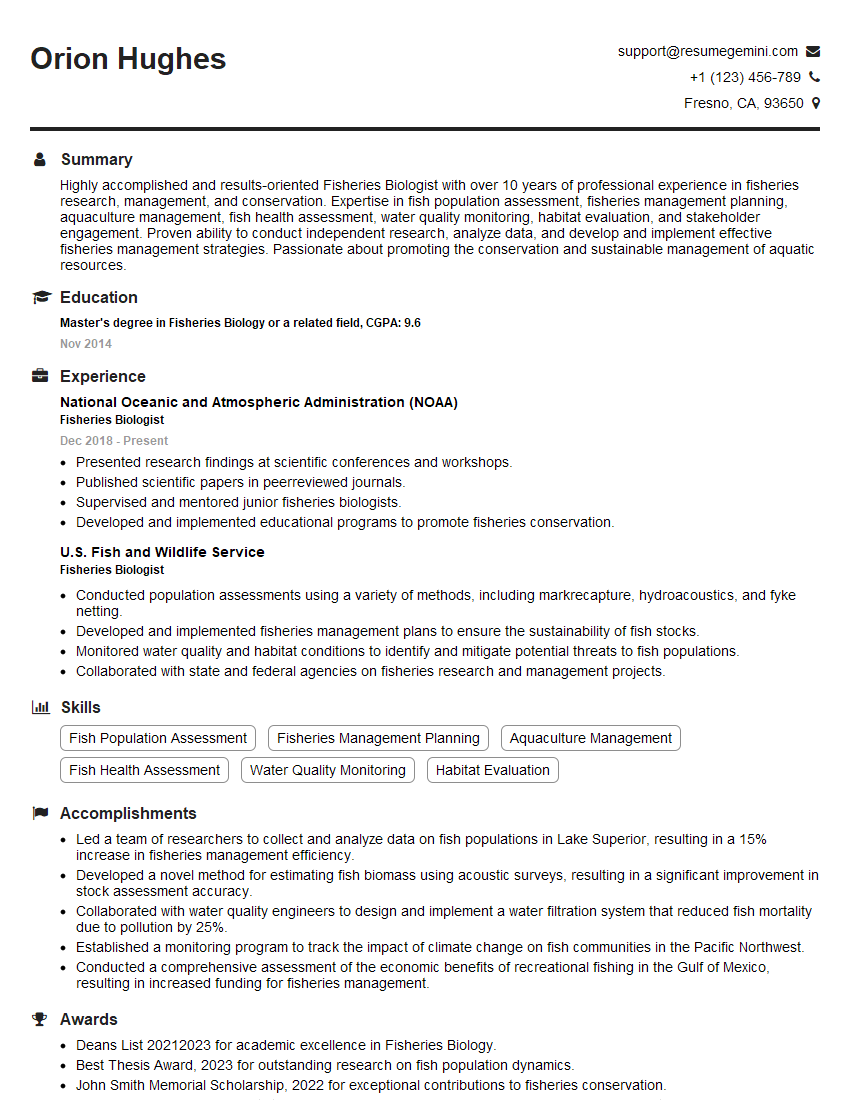
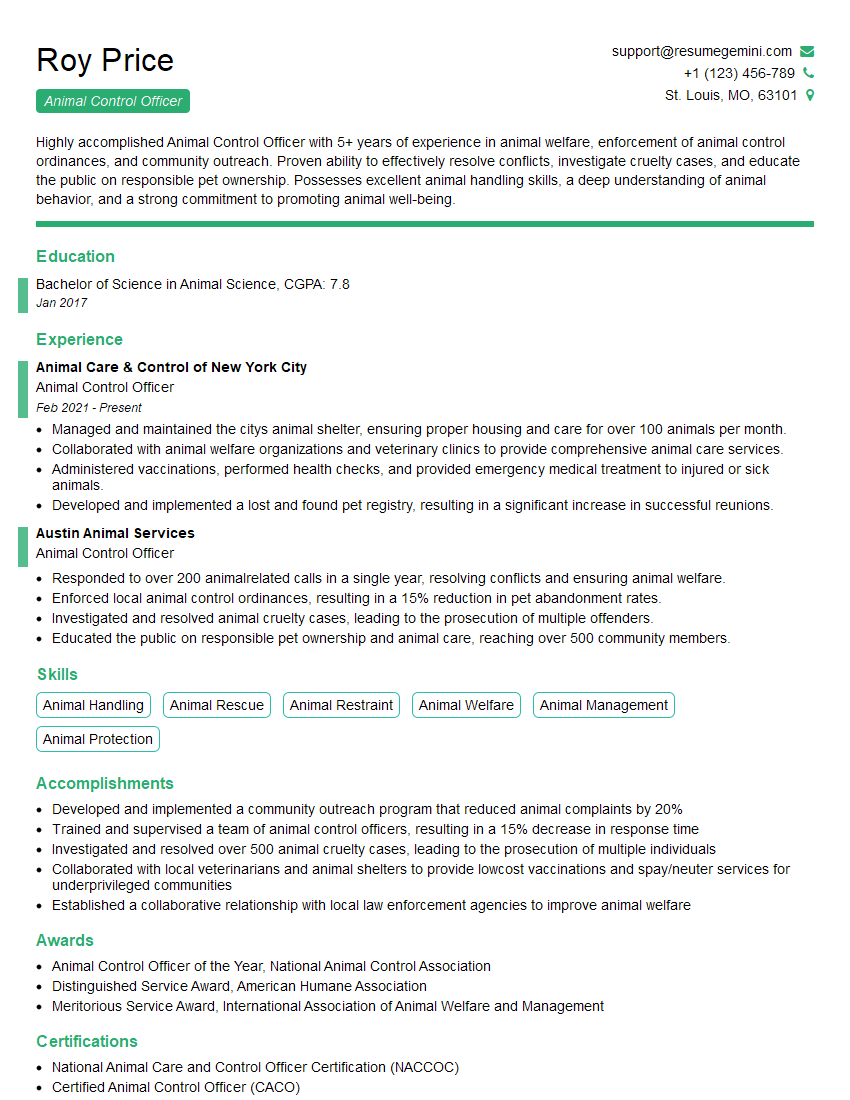
Mastering Netting and Trapping Techniques opens doors to exciting and rewarding careers in fisheries management, wildlife conservation, and research. A strong understanding of these techniques, combined with a well-crafted resume, significantly increases your chances of landing your dream job. To help you stand out, create an ATS-friendly resume that effectively highlights your skills and experience. ResumeGemini is a trusted resource for building professional resumes, and we offer examples of resumes tailored to Netting and Trapping Techniques to guide you. Take the next step toward your career goals – build a compelling resume with ResumeGemini today!

Explore more articles
Users Rating of Our Blogs
Share Your Experience
We value your feedback! Please rate our content and share your thoughts (optional).
What Readers Say About Our Blog
Hello,
we currently offer a complimentary backlink and URL indexing test for search engine optimization professionals.
You can get complimentary indexing credits to test how link discovery works in practice.
No credit card is required and there is no recurring fee.
You can find details here:
https://wikipedia-backlinks.com/indexing/
Regards
NICE RESPONSE TO Q & A
hi
The aim of this message is regarding an unclaimed deposit of a deceased nationale that bears the same name as you. You are not relate to him as there are millions of people answering the names across around the world. But i will use my position to influence the release of the deposit to you for our mutual benefit.
Respond for full details and how to claim the deposit. This is 100% risk free. Send hello to my email id: [email protected]
Luka Chachibaialuka
Hey interviewgemini.com, just wanted to follow up on my last email.
We just launched Call the Monster, an parenting app that lets you summon friendly ‘monsters’ kids actually listen to.
We’re also running a giveaway for everyone who downloads the app. Since it’s brand new, there aren’t many users yet, which means you’ve got a much better chance of winning some great prizes.
You can check it out here: https://bit.ly/callamonsterapp
Or follow us on Instagram: https://www.instagram.com/callamonsterapp
Thanks,
Ryan
CEO – Call the Monster App
Hey interviewgemini.com, I saw your website and love your approach.
I just want this to look like spam email, but want to share something important to you. We just launched Call the Monster, a parenting app that lets you summon friendly ‘monsters’ kids actually listen to.
Parents are loving it for calming chaos before bedtime. Thought you might want to try it: https://bit.ly/callamonsterapp or just follow our fun monster lore on Instagram: https://www.instagram.com/callamonsterapp
Thanks,
Ryan
CEO – Call A Monster APP
To the interviewgemini.com Owner.
Dear interviewgemini.com Webmaster!
Hi interviewgemini.com Webmaster!
Dear interviewgemini.com Webmaster!
excellent
Hello,
We found issues with your domain’s email setup that may be sending your messages to spam or blocking them completely. InboxShield Mini shows you how to fix it in minutes — no tech skills required.
Scan your domain now for details: https://inboxshield-mini.com/
— Adam @ InboxShield Mini
Reply STOP to unsubscribe
Hi, are you owner of interviewgemini.com? What if I told you I could help you find extra time in your schedule, reconnect with leads you didn’t even realize you missed, and bring in more “I want to work with you” conversations, without increasing your ad spend or hiring a full-time employee?
All with a flexible, budget-friendly service that could easily pay for itself. Sounds good?
Would it be nice to jump on a quick 10-minute call so I can show you exactly how we make this work?
Best,
Hapei
Marketing Director
Hey, I know you’re the owner of interviewgemini.com. I’ll be quick.
Fundraising for your business is tough and time-consuming. We make it easier by guaranteeing two private investor meetings each month, for six months. No demos, no pitch events – just direct introductions to active investors matched to your startup.
If youR17;re raising, this could help you build real momentum. Want me to send more info?
Hi, I represent an SEO company that specialises in getting you AI citations and higher rankings on Google. I’d like to offer you a 100% free SEO audit for your website. Would you be interested?
Hi, I represent an SEO company that specialises in getting you AI citations and higher rankings on Google. I’d like to offer you a 100% free SEO audit for your website. Would you be interested?
good