Every successful interview starts with knowing what to expect. In this blog, we’ll take you through the top NFPA Codes and Standards interview questions, breaking them down with expert tips to help you deliver impactful answers. Step into your next interview fully prepared and ready to succeed.
Questions Asked in NFPA Codes and Standards Interview
Q 1. Explain the difference between NFPA 10 and NFPA 11.
NFPA 10 and NFPA 11 both address portable fire extinguishers, but they focus on different aspects. NFPA 10, Standard for Portable Fire Extinguishers, covers the design, construction, testing, and maintenance of portable fire extinguishers themselves. Think of it as the extinguisher’s ‘instruction manual.’ NFPA 11, Standard for Low-, Medium-, and High-Expansion Foam Systems, focuses on the *systems* that utilize foam extinguishers, detailing their installation, inspection, testing, and maintenance. It’s the ‘installation guide’ for foam systems. So, NFPA 10 is about the extinguisher unit, while NFPA 11 is about how those units are integrated into a larger fire suppression system.
For example, NFPA 10 specifies the required hydrostatic testing intervals for different extinguisher types, whereas NFPA 11 details the requirements for proper foam proportioning and application.
Q 2. Describe the requirements for sprinkler system installation according to NFPA 13.
NFPA 13, Standard for the Installation of Sprinkler Systems, is a comprehensive document. Its requirements for sprinkler system installation are extensive, covering everything from design considerations to final testing and acceptance. Key aspects include:
- System design: This involves determining the appropriate type of sprinkler system (wet pipe, dry pipe, deluge, pre-action), the density of sprinkler heads, and the water supply requirements based on the building’s occupancy and construction type. This often involves complex hydraulic calculations.
- Pipe sizing and material: NFPA 13 dictates the acceptable pipe materials (steel, copper, CPVC) and their sizing based on the system’s flow demands. Insufficient pipe size could lead to inadequate water flow to some sprinklers.
- Sprinkler head selection and spacing: The type and spacing of sprinkler heads are crucial for providing adequate fire protection. The selection depends on the hazard classification of the area being protected. Different sprinkler heads have different discharge patterns and temperature ratings.
- Water supply: The system requires a reliable water source (municipal water main, fire pump, water storage tank) with sufficient capacity and pressure. This often involves working with fire protection engineers and local authorities having jurisdiction.
- Testing and inspection: Regular testing and inspection are crucial to ensure the sprinkler system’s functionality. This includes water flow tests, pressure tests, and visual inspections of sprinkler heads and piping.
Imagine a large warehouse: NFPA 13 guides the design and installation of the entire sprinkler network, ensuring each area is adequately protected based on the specific fire hazards present (e.g., flammable materials requiring higher density coverage).
Q 3. What are the key elements of a fire alarm system as outlined in NFPA 72?
NFPA 72, National Fire Alarm and Signaling Code, outlines the requirements for fire alarm systems, including their design, installation, testing, and maintenance. Key elements include:
- Initiating devices: These are the sensors that detect fire, such as smoke detectors (ionization, photoelectric, dual sensor), heat detectors (fixed temperature, rate-of-rise, rate-compensation), and manual pull stations. The placement of these devices is crucial for early fire detection.
- Notification appliances: These alert occupants of a fire, including horns, bells, strobes, and speakers for voice evacuation systems. The type and placement depend on factors such as building occupancy and accessibility needs.
- Control panel: The central control unit that receives signals from initiating devices and controls the notification appliances. It displays system status and provides information to firefighters.
- Power supply: A reliable power supply, including backup power (batteries) is critical for continued operation during a power outage. This ensures continuous functionality during a fire emergency.
- Communication systems: Fire alarm systems often interface with other systems, such as fire suppression systems, building management systems, and emergency response services. This integration allows for coordinated actions during a fire event.
For example, a high-rise building requires a complex fire alarm system with strategically placed detectors, multiple notification appliances on each floor, and interfaces with elevators to facilitate evacuation.
Q 4. How does NFPA 70 (NEC) relate to fire safety?
NFPA 70, the National Electrical Code (NEC), plays a vital role in fire safety by establishing requirements for the safe installation and maintenance of electrical systems. Electrical malfunctions are a significant cause of fires. The NEC addresses this by specifying safe wiring practices, equipment installation guidelines, and grounding requirements. It aims to prevent electrical hazards that could lead to fire ignition or rapid fire spread.
For instance, the NEC specifies the proper sizing of conductors to prevent overheating, which is a major cause of electrical fires. It also mandates the use of appropriate overcurrent protection devices (fuses, circuit breakers) to prevent excessive current flow. Compliance with the NEC is crucial for mitigating electrical fire risks.
Q 5. Explain the importance of NFPA Life Safety Code (NFPA 101).
The NFPA Life Safety Code (NFPA 101) is a cornerstone of fire safety. It provides requirements for building construction, protection, and operational features to ensure the safety of building occupants during emergencies, including fires. It establishes minimum standards for things like means of egress (exits), fire detection and suppression systems, emergency lighting, and fire drills. Its importance lies in its comprehensive approach to protecting life and property.
Imagine a hospital: NFPA 101 ensures adequate means of egress for patients and staff, appropriate fire detection systems for different areas, emergency power for critical equipment, and a robust evacuation plan. It’s a holistic standard designed to safeguard lives in a variety of occupancies.
Q 6. What are the key differences between NFPA 101 and NFPA 5000?
While both NFPA 101 (Life Safety Code) and NFPA 5000 (Building Construction and Safety Code) address building safety, their scope is different. NFPA 101 focuses primarily on *life safety* aspects, setting minimum requirements for building features that ensure occupant safety during emergencies. NFPA 5000 is a broader standard covering *building construction and safety*, addressing structural integrity, fire protection, and other safety issues throughout the entire building lifecycle.
Think of it this way: NFPA 101 is like a checklist for ensuring safe evacuation and emergency response, while NFPA 5000 is a more comprehensive construction guide focusing on building safety from foundation to roof, including life safety aspects.
Q 7. Describe the process of conducting a fire risk assessment using NFPA standards.
Conducting a fire risk assessment using NFPA standards typically involves these steps:
- Identify hazards: This involves a thorough walkthrough of the building or facility, identifying potential sources of ignition (e.g., electrical equipment, flammable materials) and potential fuel sources. NFPA standards provide guidance on hazard identification.
- Analyze vulnerabilities: Assess the building’s vulnerability to fire spread. Consider factors like building construction, occupancy type, fire protection systems, and emergency response capabilities. NFPA standards such as NFPA 101 and NFPA 5000 are valuable resources for this step.
- Determine risks: This involves combining the identified hazards and vulnerabilities to determine the likelihood and potential severity of a fire event. This may involve quantitative analysis or qualitative judgment.
- Develop risk control measures: Based on the risk assessment, develop and implement appropriate control measures, such as installing fire suppression systems, improving means of egress, enhancing fire detection, employee training, and implementing fire safety procedures. Many NFPA standards provide detailed guidance on implementing these measures.
- Document the assessment: Thoroughly document the entire process, including the findings, recommendations, and implemented actions. This document will be useful for future reference and compliance audits.
- Monitor and review: Regularly monitor and review the fire risk assessment and make necessary updates to ensure its continued effectiveness.
For example, a manufacturing facility might identify flammable liquids as a significant hazard. The assessment would then analyze the facility’s sprinkler system adequacy, emergency response plan, employee training on handling flammable materials, and storage practices to determine the overall fire risk. Based on the findings, the facility might implement improvements such as enhanced fire suppression systems, improved storage practices for flammable liquids, or additional employee training.
Q 8. What are the requirements for fire extinguishers according to NFPA 10?
NFPA 10, Standard for Portable Fire Extinguishers, outlines comprehensive requirements for the selection, installation, maintenance, and testing of portable fire extinguishers. These requirements ensure that extinguishers are readily available, properly maintained, and capable of effectively combating various classes of fire.
- Selection: The correct extinguisher type (based on fire class) and size must be chosen based on the specific fire hazards present in a given area. For instance, a Class A extinguisher (for ordinary combustibles) would be insufficient in a kitchen where grease fires (Class B) are a significant risk.
- Installation: Extinguishers must be strategically located, easily accessible, and clearly visible. Obstructions must be avoided, and mounting heights are specified to ensure easy reach. They should be appropriately identified with signage indicating their type and operating instructions.
- Maintenance: Regular inspection and maintenance are crucial. NFPA 10 mandates periodic inspections (monthly, at minimum) by trained personnel, including visual checks for damage, pressure levels, and the presence of obstructions. Hydrostatic testing is required at specified intervals to ensure the extinguisher’s structural integrity.
- Training: Personnel responsible for using fire extinguishers must receive proper training on their operation and limitations. This training should include hands-on practice with various extinguisher types.
Imagine a scenario in a small office. NFPA 10 would dictate the type and number of extinguishers based on the office’s size, contents (paper, electronics, etc.), and occupancy. A proper risk assessment, informed by NFPA 10, would guide this selection process.
Q 9. How do you interpret and apply NFPA codes in a real-world scenario?
Interpreting and applying NFPA codes requires a systematic approach. It’s not simply reading the standard; it involves understanding the context, conducting thorough risk assessments, and developing practical solutions.
- Risk Assessment: First, identify potential fire hazards within a given facility. This might involve considering the type of materials used, the building’s construction, and occupancy levels.
- Code Interpretation: Once the hazards are identified, consult the relevant NFPA codes to determine the specific requirements. For example, NFPA 101, Life Safety Code, outlines requirements for means of egress, fire alarm systems, and sprinkler systems. Each section needs careful reading and understanding in the context of your specific hazard.
- Practical Application: Based on the code requirements and risk assessment, develop practical solutions. This might involve installing specific fire suppression systems, implementing evacuation procedures, providing fire safety training to employees, or selecting appropriate fire extinguishers.
- Documentation: Maintaining thorough records of inspections, testing, and training is critical for demonstrating compliance.
For example, if a warehouse handles flammable liquids, you’d apply NFPA 30 (Flammable and Combustible Liquids Code) to determine appropriate storage methods, fire suppression systems, and employee training requirements. This would involve selecting appropriate fire extinguishers (Class B), implementing proper ventilation, and ensuring appropriate electrical equipment grounding, all in compliance with the NFPA standards.
Q 10. What is the role of a fire warden as defined by relevant NFPA codes?
While NFPA doesn’t explicitly define a ‘fire warden’ role in a single code, the responsibilities are largely inferred from codes like NFPA 101 (Life Safety Code) and NFPA 241 (Standard for Safeguarding Construction, Alteration, and Demolition Operations). A fire warden is an individual designated within an organization to assist in fire prevention, detection, and emergency response. Their role generally includes:
- Fire Prevention: Conducting regular inspections to identify and report fire hazards.
- Emergency Response: Assisting in evacuations, guiding occupants to safety, and accounting for personnel.
- Communication: Contacting emergency services and providing crucial information about the fire’s location and extent.
- Training: Participating in fire safety training and possibly providing basic fire safety training to others.
Think of a fire warden as the first line of defense in a building fire, acting as an intermediary between the occupants and the emergency responders. Their effectiveness relies on proper training and a clear understanding of the building’s layout, evacuation plans, and communication protocols as defined by NFPA standards.
Q 11. Explain the concept of ‘means of egress’ as defined in NFPA 101.
In NFPA 101, ‘means of egress’ refers to the continuous and unobstructed path of exit travel from any point in a building to a public way. It’s essentially the safe route occupants use to escape a fire or other emergency. This includes:
- Exits: Doors, stairwells, and other openings that lead outside or to a safe area.
- Exit Access: The portion of the egress system that leads to an exit. This might include hallways, corridors, or ramps.
- Exit Discharge: The portion of the egress system that leads from the exit to a public way. This might include exterior walkways or streets.
NFPA 101 specifies requirements for the number, width, and arrangement of exits based on building occupancy, ensuring that there are sufficient exits to allow for a rapid and safe evacuation. Imagine a large auditorium. NFPA 101 would dictate the minimum number of exits, their width to accommodate the expected flow of people, and the design of the exit pathways to minimize congestion and obstacles in case of an emergency.
Q 12. Discuss the requirements for emergency lighting systems based on NFPA 101.
NFPA 101 (Life Safety Code) sets forth stringent requirements for emergency lighting systems to ensure safe evacuation during power outages. The code aims to provide illumination for exit routes, helping occupants safely navigate to exits in the event of a fire or other emergency.
- Illumination Levels: Specific illumination levels are required for exit signs, pathways, and other critical areas. The goal is to provide sufficient illumination for occupants to see and navigate the egress system without difficulty.
- Power Source: Emergency lighting systems must have a backup power source, typically batteries, that automatically activate when the main power fails. This ensures that the lights remain operational even during power outages.
- Testing and Maintenance: Regular testing and maintenance are crucial to ensure the system’s reliability. NFPA 101 specifies periodic testing procedures to verify that the lights function correctly and that the backup power system is working properly.
- Sign Placement and Design: Exit signs must be clearly visible, properly marked, and strategically placed along exit routes. They must meet specific design requirements to ensure readability and visibility even during emergencies.
Consider a hospital. NFPA 101 would demand a highly reliable and robust emergency lighting system, ensuring that patients and staff can safely evacuate even if a fire breaks out during a power outage. The system’s design and maintenance would be subject to rigorous inspections and testing to ensure compliance.
Q 13. What are the different classes of fire extinguishers and their applications?
Fire extinguishers are classified according to the type of fire they are designed to extinguish. The main classes are:
- Class A: Designed for ordinary combustibles like wood, paper, cloth, and trash. They typically use water or water-based agents.
- Class B: Designed for flammable liquids like gasoline, oil, and grease. They typically use carbon dioxide (CO2), dry chemical, or foam agents.
- Class C: Designed for energized electrical equipment. They use agents that are non-conductive, such as CO2 or dry chemical.
- Class D: Designed for combustible metals like magnesium, titanium, and sodium. They require special agents to control the burning metal.
- Class K: Designed for cooking oils and grease fires in commercial kitchens. They utilize wet chemical agents to saponify the burning grease.
For example, a Class A extinguisher would be suitable for a trash can fire, while a Class B extinguisher is necessary for a grease fire in a kitchen. Using the wrong class of extinguisher can be ineffective and even dangerous. A Class C extinguisher is crucial in an office setting to extinguish electrical fires safely.
Q 14. How are NFPA codes updated and revised?
NFPA codes are updated and revised through a rigorous process involving experts, stakeholders, and public input. This iterative process aims to incorporate new research, technological advancements, and lessons learned from real-world incidents to continuously improve fire safety standards.
- Technical Committees: Each NFPA code is maintained by a technical committee composed of experts from various fields, including fire protection engineers, firefighters, insurance representatives, and building code officials.
- Public Input: The committee solicits public input through proposals and comments, ensuring that the codes reflect a broad range of perspectives and concerns.
- Revision Cycles: Codes are typically reviewed and revised on a regular basis, often every few years, to address emerging issues and incorporate new technologies. The revision process involves drafting, public review, and approval by the NFPA Standards Council.
- Adoption and Enforcement: While NFPA codes are voluntary standards, many jurisdictions adopt them into their building codes or fire codes, making compliance mandatory.
This ongoing process ensures that NFPA codes remain current and effective, reflecting the latest knowledge and best practices in fire safety. This continuous improvement makes NFPA codes a dynamic and valuable resource for enhancing fire safety across diverse settings.
Q 15. Describe the process of obtaining a fire permit.
Obtaining a fire permit is a crucial step in ensuring fire safety and compliance with NFPA codes. The process typically involves submitting a detailed application to the Authority Having Jurisdiction (AHJ), which is often the local fire marshal or building department.
- Application Submission: This includes comprehensive plans detailing the proposed work, including the type of construction, occupancy classification, and fire protection systems to be used. For example, a permit for a large-scale construction project would require much more extensive documentation than a simple welding permit.
- Plan Review: The AHJ reviews the submitted plans to verify compliance with applicable NFPA codes and local ordinances. They’ll scrutinize things like fire exits, sprinkler systems, alarm systems, and means of egress.
- Inspections: Before, during, and after the work, the AHJ will conduct inspections to ensure compliance with the approved plans. These inspections may include checking the installation of fire suppression systems, verifying the proper placement of fire extinguishers, or ensuring adequate fire separation between different areas.
- Permit Issuance: Upon successful completion of the review and inspections, the AHJ issues the fire permit. The permit clearly outlines the approved work, conditions for compliance, and any limitations.
- Permit Closure: Once all work is completed and final inspections are satisfactory, the permit is officially closed. Any deviations from the approved plans would need to be addressed and potentially lead to further inspections or even permit revocation.
The specifics of the permit process can vary depending on the AHJ and the complexity of the project. It’s always best to contact your local AHJ early in the planning stages to understand their requirements.
Career Expert Tips:
- Ace those interviews! Prepare effectively by reviewing the Top 50 Most Common Interview Questions on ResumeGemini.
- Navigate your job search with confidence! Explore a wide range of Career Tips on ResumeGemini. Learn about common challenges and recommendations to overcome them.
- Craft the perfect resume! Master the Art of Resume Writing with ResumeGemini’s guide. Showcase your unique qualifications and achievements effectively.
- Don’t miss out on holiday savings! Build your dream resume with ResumeGemini’s ATS optimized templates.
Q 16. Explain the implications of non-compliance with NFPA codes.
Non-compliance with NFPA codes carries significant implications, ranging from fines and legal penalties to potential business closures and even criminal charges in severe cases.
- Fines and Penalties: The AHJ can impose substantial fines for violations, which can quickly escalate with repeated or egregious infractions. The amount of the fine is typically determined by the severity of the violation and the potential risk it poses.
- Legal Action: In some instances, non-compliance can result in legal action, including lawsuits from injured parties or injunctions to halt operations until the violations are corrected. This could severely impact a business’s reputation and financial stability.
- Insurance Issues: Insurance companies may refuse to renew policies or deny claims if a business is found to be in violation of NFPA codes. This is because non-compliance increases the risk of fire incidents and related losses.
- Business Closures: The AHJ may order the closure of a business or facility until all violations are addressed. This closure can lead to significant financial losses and disruption to operations.
- Criminal Charges: In cases where non-compliance results in serious injury or death, criminal charges could be filed against individuals or organizations responsible.
Imagine a restaurant that doesn’t maintain proper fire suppression systems as per NFPA standards. A kitchen fire could quickly spread, leading to significant property damage, injuries, and potential legal ramifications for the owner due to non-compliance.
Q 17. What is the role of the authority having jurisdiction (AHJ)?
The Authority Having Jurisdiction (AHJ) is the organization, office, or individual responsible for enforcing the codes and standards related to fire safety within a specific jurisdiction. This could be a local fire department, a building department, or another designated authority.
- Code Enforcement: The AHJ is responsible for ensuring that all buildings and facilities within their jurisdiction comply with the relevant NFPA codes and standards. This includes reviewing plans, conducting inspections, issuing permits, and enforcing penalties for non-compliance.
- Plan Review: Before construction begins, the AHJ reviews blueprints and plans to verify that fire safety measures meet code requirements.
- Inspections: Throughout the construction process and afterward, the AHJ conducts regular inspections to ensure that all fire safety systems are properly installed, maintained, and functioning correctly.
- Permitting: The AHJ issues permits for work that involves fire safety, such as installing fire sprinklers or altering building layouts.
- Enforcement: If a violation is discovered, the AHJ is responsible for taking appropriate action, which could include issuing warnings, fines, or even shutting down a facility.
Think of the AHJ as the ultimate referee for fire safety. They ensure that everyone plays by the rules and that the community remains safe.
Q 18. How do you handle discrepancies between different NFPA codes?
Discrepancies between different NFPA codes require careful consideration and a thorough understanding of the specific context. The most important principle is to prioritize the code that provides the highest level of safety.
- Hierarchy of Codes: If a conflict arises, the more stringent requirement generally prevails. For example, if NFPA 101 (Life Safety Code) and NFPA 13 (Standard for the Installation of Sprinkler Systems) have conflicting requirements for a specific situation, the stricter standard would take precedence.
- Specific Application: The codes should be interpreted and applied based on the specific occupancy type, building characteristics, and other relevant factors. A warehouse will have different requirements than a high-rise residential building.
- AHJ Interpretation: Ultimately, the AHJ has the final authority in interpreting and enforcing the codes within their jurisdiction. In case of disagreement, their interpretation generally takes precedence.
- Documentation: Any decisions made regarding conflicting requirements must be clearly documented, along with the rationale behind the chosen approach.
For instance, if NFPA 101 requires a specific type of exit sign, but local ordinances specify a different standard, the AHJ might rule in favor of the more stringent local requirement, ensuring maximum safety.
Q 19. What are some common challenges in enforcing NFPA codes?
Enforcing NFPA codes presents numerous challenges, from budgetary constraints and staffing shortages to resistance from property owners and a constant need for updated knowledge.
- Budgetary Limitations: Adequate funding is critical for thorough inspections, enforcement, and training. Limited resources may lead to fewer inspections and slower response times to reported violations.
- Staffing Shortages: A lack of qualified inspectors and code enforcement officers can hinder the effectiveness of code enforcement efforts. This increases the risk of violations going unnoticed or unaddressed.
- Resistance from Property Owners: Some owners might resist complying with codes due to cost considerations or a misunderstanding of the regulations. This requires proactive communication and education by the AHJ.
- Keeping Up with Changes: NFPA codes and standards are regularly updated to reflect advancements in fire safety technology and research. Staying abreast of these changes requires continuous professional development and training.
- Technological Advancements: The rapidly evolving landscape of fire safety technology requires a deep understanding of new systems and their compliance with relevant NFPA standards.
Imagine a small town with limited resources and a large number of older buildings. Thoroughly inspecting all these buildings for compliance with updated NFPA codes becomes a significant challenge.
Q 20. Describe your experience with fire prevention and protection systems.
Throughout my career, I’ve been extensively involved in various aspects of fire prevention and protection systems, including design, installation, inspection, and code compliance.
- Design Review: I’ve participated in reviewing building plans, ensuring that proposed fire protection systems, such as sprinklers, fire alarms, and fire suppression systems, meet the requirements of the applicable NFPA codes and standards. For example, I’ve reviewed plans for high-rise buildings, ensuring that the fire alarm system design meets NFPA 72 requirements for evacuation timing and redundancy.
- System Installation Oversight: I’ve supervised the installation of fire protection systems, verifying that they are installed in accordance with the approved plans and NFPA standards. This involves verifying proper pipe sizing, sprinkler head spacing, and alarm system connectivity.
- Inspections and Testing: I have conducted numerous inspections and testing of fire protection systems, ensuring their proper operation and compliance with relevant NFPA standards. This included performing functional tests of fire alarm systems, sprinkler systems, and fire suppression systems.
- Code Compliance Audits: I have performed comprehensive code compliance audits for various facilities, identifying deficiencies and recommending corrective actions to achieve full compliance with NFPA codes.
- Training and Education: I have conducted numerous training sessions for building owners, contractors, and other stakeholders on fire safety procedures and NFPA code compliance.
One particular project involved a retrofit of an older school building to bring its fire alarm system into compliance with NFPA 72. This required a careful assessment of the existing system, design of upgrades, and rigorous testing to ensure the system met the stringent requirements of the code.
Q 21. How do you stay updated on the latest changes to NFPA codes?
Staying current with the latest changes to NFPA codes is paramount for maintaining professional competence and ensuring compliance. I employ a multi-faceted approach to stay updated.
- NFPA Membership: I am an active member of the NFPA, providing access to the latest codes, standards, and publications. This includes online access to the most recent versions and updates.
- Professional Development Courses: I regularly attend professional development courses and seminars focusing on NFPA codes and standards. These courses often cover recent updates and interpretations of the codes, and provide practical application exercises.
- Industry Publications: I subscribe to industry publications and journals that cover fire safety and code updates. These publications provide insights into the latest research and technological advancements affecting fire safety.
- Online Resources: I utilize online resources and webinars offered by the NFPA and other reputable organizations to stay informed about code changes and best practices. These online tools offer convenient access to information and training materials.
- Networking: I actively network with other professionals in the fire safety field to share information and learn about current issues and emerging trends.
By combining these strategies, I maintain a strong understanding of the latest developments in NFPA codes and their practical application in the field.
Q 22. Explain your understanding of fire safety regulations and their impact on design and construction.
Fire safety regulations, primarily derived from NFPA codes and standards, are crucial for minimizing risks associated with fire incidents. They dictate design and construction parameters aimed at preventing fires, limiting their spread, and facilitating safe evacuation. These regulations impact everything from the type of building materials used (e.g., fire-resistant drywall) and the placement of fire suppression systems (e.g., sprinklers, fire alarm systems) to the design of egress routes (e.g., sufficient width and number of exits) and the implementation of fire-rated compartmentation (e.g., fire-rated walls and doors to contain fire spread). Non-compliance can lead to significant legal ramifications, insurance issues, and, most importantly, endanger lives.
For instance, NFPA 101, Life Safety Code, dictates requirements for means of egress based on occupancy type and building size. A high-rise office building will have vastly different egress requirements than a small restaurant, focusing on factors like travel distance, stairwell pressurization, and fire alarm system capabilities. Similarly, NFPA 5000, Building Construction and Safety Code, addresses the structural fire protection aspects of buildings, specifying requirements for fire-resistant materials and construction techniques.
Q 23. Describe a time you had to interpret and apply complex NFPA code provisions.
During a recent project involving a historic renovation, we encountered a challenge interpreting NFPA 13, Standard for the Installation of Sprinkler Systems, in relation to the existing building’s structure. The building’s age presented several challenges in accommodating modern sprinkler system requirements. The original building design lacked sufficient ceiling space in some areas to accommodate the standard sprinkler head clearance. The code permits some flexibility through the use of alternative sprinkler systems or modifications, but careful consideration was crucial to balance historical preservation with life safety. We collaborated with structural engineers and historical preservation specialists to develop a plan that met NFPA 13 while maintaining the building’s integrity. We ultimately utilized a combination of recessed sprinkler heads and a modified piping layout to achieve code compliance without compromising the building’s historical character. This involved extensive calculations and a thorough review of allowable exceptions within NFPA 13.
Q 24. How would you handle a situation where a project design conflicts with NFPA codes?
Conflicts between project design and NFPA codes require a multi-faceted approach. The first step is to thoroughly understand the nature of the conflict. Is it a minor discrepancy that can be resolved with a simple design modification, or a fundamental clash requiring substantial revision? Documenting the conflict precisely is crucial. Next, explore alternative designs that satisfy the code requirements. This might involve using different materials, adjusting layouts, or incorporating additional fire safety features. If design modifications are impractical or excessively costly, a variance or exception might be sought from the relevant authority having jurisdiction (AHJ). This process usually involves presenting a detailed justification demonstrating that the alternative design provides equivalent or superior levels of safety. Thorough documentation and communication with the AHJ are key to navigating this process successfully. Failure to resolve the conflict could result in project delays, increased costs, or even project cancellation.
Q 25. What are the key considerations for conducting a fire investigation?
Conducting a thorough fire investigation involves a systematic approach. It begins with securing the scene to prevent further damage or loss of evidence. Next, a detailed examination of the fire scene is necessary to identify the area of origin, the likely ignition source, and the contributing factors that led to the fire’s development and spread. This involves meticulous documentation – photography, videography, and detailed sketches – to record the scene’s condition. Witness interviews are crucial to gather firsthand accounts and information. Analysis of physical evidence, such as fire patterns, debris samples, and electrical components, is paramount to establishing the cause. Understanding fire dynamics and behavior is critical to interpreting the evidence and reconstructing the fire’s progression. Finally, a detailed report summarizing the findings, including the cause and origin of the fire and any contributing factors, is essential.
Q 26. Explain the different types of fire detection systems and their applications.
Various fire detection systems cater to different needs and applications.
- Smoke detectors: These are the most common type, detecting smoke particles produced by a fire. They come in ionization and photoelectric varieties, each with sensitivities to different types of smoke.
- Heat detectors: These respond to increases in temperature and are often used in areas where smoke detectors might be prone to false alarms, such as kitchens.
- Flame detectors: These systems detect the infrared or ultraviolet radiation emitted by flames and are particularly suited for detecting fast-flaming fires.
- Combination detectors: These combine multiple detection methods, offering broader protection.
- Addressable systems: Unlike conventional systems, these provide specific location identification of the triggered device, assisting in rapid response.
Q 27. Discuss your experience with conducting inspections for NFPA code compliance.
My experience encompasses a wide range of inspection activities for NFPA code compliance. This includes both pre-construction inspections to ensure that the building design meets the code requirements before construction begins, and post-construction inspections, verifying the proper implementation of fire protection systems and other safety features. This requires a thorough understanding of the relevant NFPA codes and standards applicable to each project, including NFPA 101, NFPA 13, NFPA 72, and many others depending on the occupancy and building characteristics. I conduct inspections using checklists and systematically evaluate elements such as fire alarm systems, sprinkler systems, fire extinguishers, emergency lighting, egress paths, and fire-rated assemblies. Any discrepancies or deficiencies found are meticulously documented and reported, including recommended corrective actions. Collaboration with contractors and building owners is crucial to ensuring timely resolution of identified issues to achieve full compliance.
Q 28. Describe your familiarity with various NFPA standards relevant to specific occupancy types.
My familiarity with NFPA standards extends across several occupancy types. For example,
- NFPA 101 (Life Safety Code) provides comprehensive requirements for all building occupancies, encompassing means of egress, fire alarm systems, and emergency lighting.
- NFPA 13 (Sprinkler Systems) is critical for many occupancies, dictating sprinkler system design, installation, and maintenance.
- NFPA 72 (National Fire Alarm Code) addresses the design, installation, and maintenance of fire alarm systems.
- NFPA 5000 (Building Construction and Safety Code) dictates construction requirements for fire safety, encompassing materials, fire-resistant assemblies, and structural design.
- NFPA 10 (Portable Fire Extinguishers) covers the selection, installation, maintenance and testing of fire extinguishers.
Key Topics to Learn for NFPA Codes and Standards Interview
- Fire Protection Systems: Understanding the principles behind various fire suppression systems (sprinklers, fire alarms, etc.), their design, installation, inspection, and testing. Consider the differences between various system types and their applications.
- Life Safety Code (NFPA 101): Familiarize yourself with the key requirements for egress planning, occupancy classifications, and fire safety features in buildings. Practice applying these codes to real-world scenarios, such as evaluating building plans for compliance.
- Electrical Codes (NFPA 70, National Electrical Code): Grasp the fundamental concepts of electrical safety, including wiring methods, overcurrent protection, and grounding. Be prepared to discuss practical applications and potential hazards.
- Hazardous Materials: Learn about the handling, storage, and transportation of hazardous materials, including relevant NFPA standards and regulations. Understand the importance of proper labeling, safety data sheets (SDS), and emergency response procedures.
- Code Interpretation and Application: Develop your skills in interpreting NFPA codes and applying them to specific situations. Practice analyzing building plans, identifying potential code violations, and proposing solutions.
- Code Enforcement and Inspection: Understand the role of code enforcement officials and the inspection process. Be prepared to discuss common inspection procedures and reporting methods.
- Fire Prevention and Protection Engineering: Gain a solid understanding of fire dynamics, fire prevention strategies, and the overall design of fire protection systems. This includes risk assessment and mitigation techniques.
Next Steps
Mastering NFPA Codes and Standards is crucial for career advancement in the fire protection and safety industry. A strong understanding of these codes demonstrates your expertise and commitment to safety, opening doors to exciting opportunities and higher-level positions. To maximize your job prospects, creating a professional and ATS-friendly resume is essential. ResumeGemini is a trusted resource that can help you build a compelling resume showcasing your skills and experience. ResumeGemini provides examples of resumes tailored to NFPA Codes and Standards to help you create a document that truly highlights your qualifications. Invest time in building a strong resume – it’s your first impression with potential employers.

Facilities Manager Resume Sample
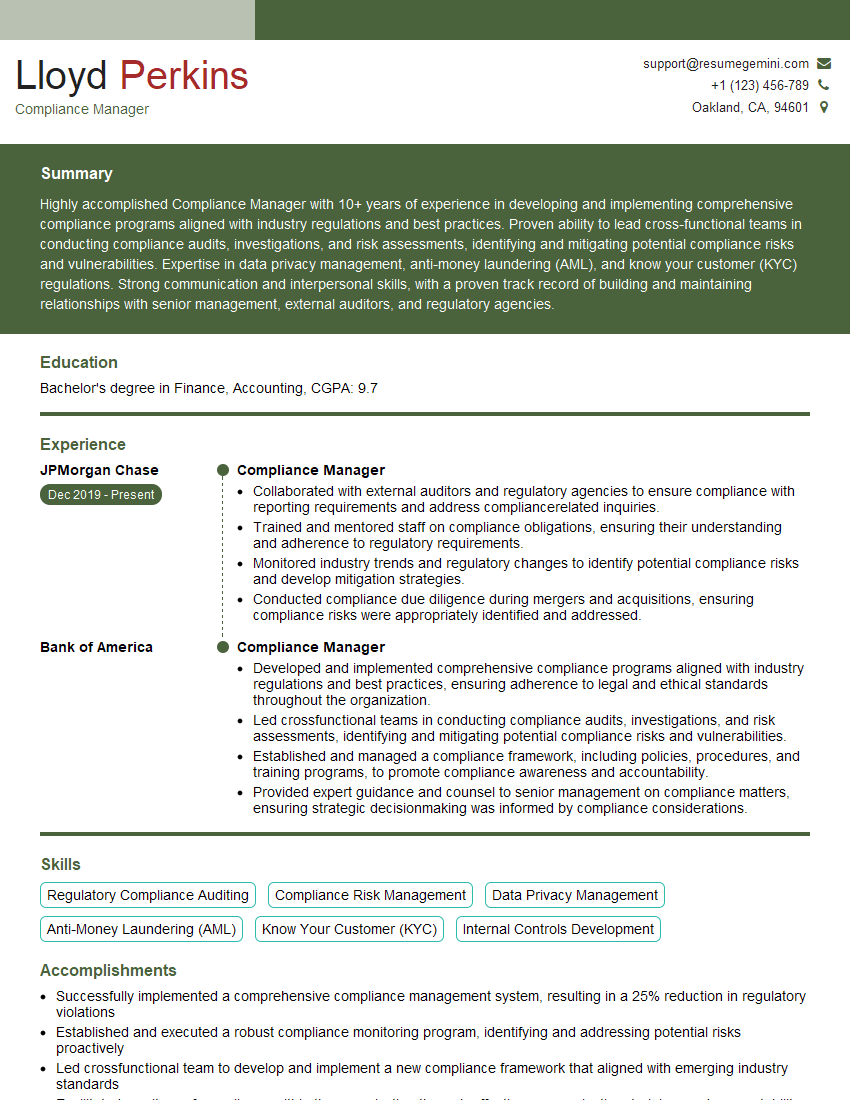
Compliance Manager Resume Sample

Risk Management Specialist Resume Sample
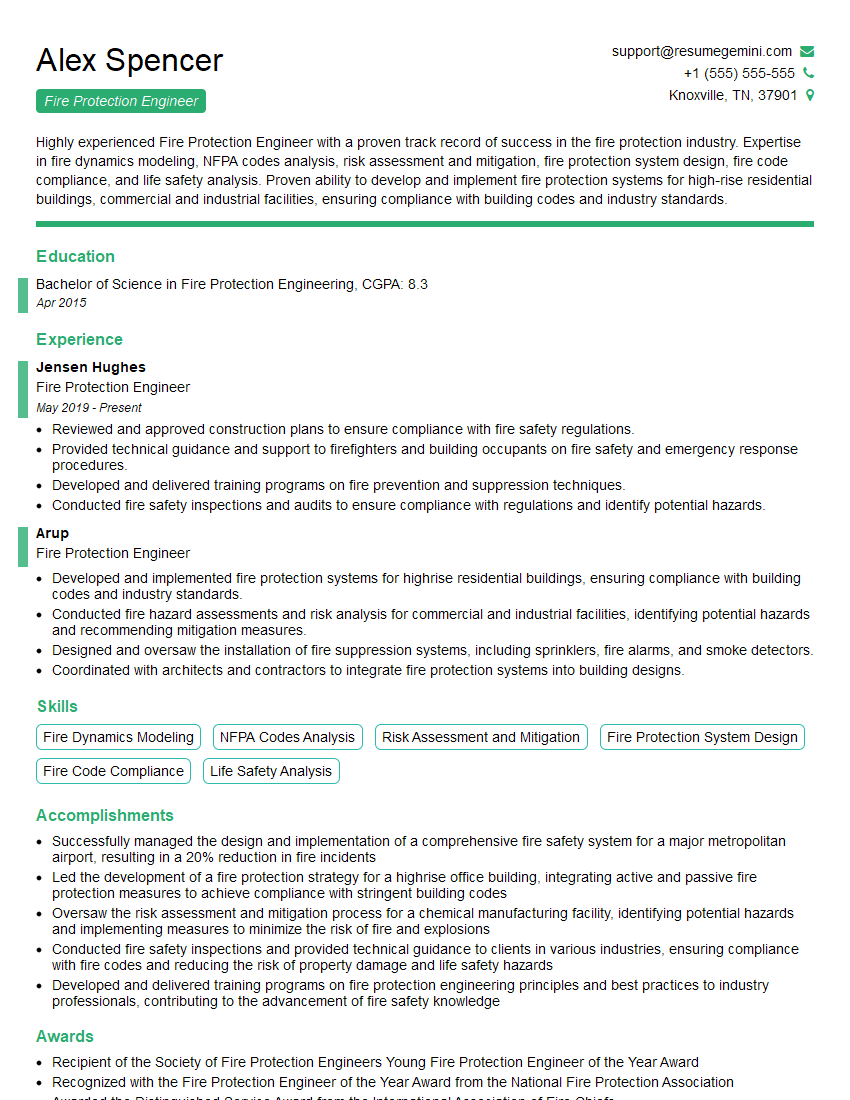
Fire Protection Engineer Resume Sample
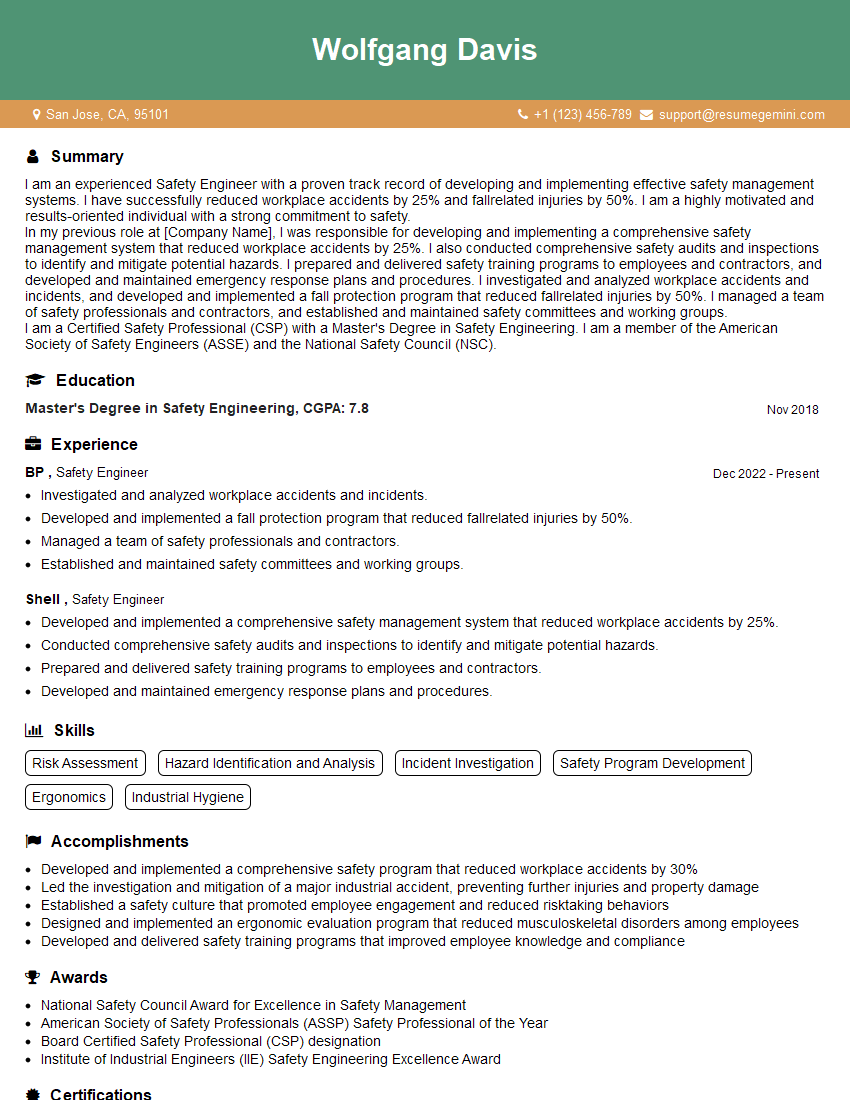
Safety Engineer Resume Sample
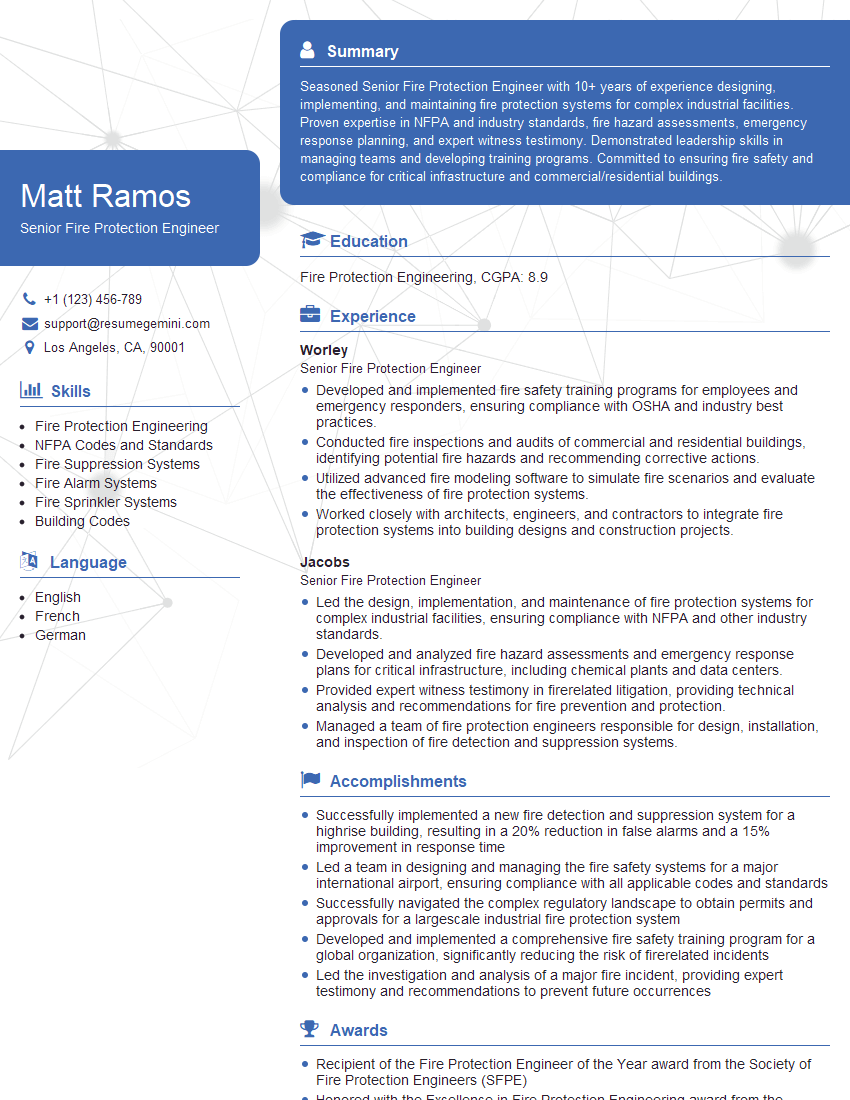
Senior Fire Protection Engineer Resume Sample
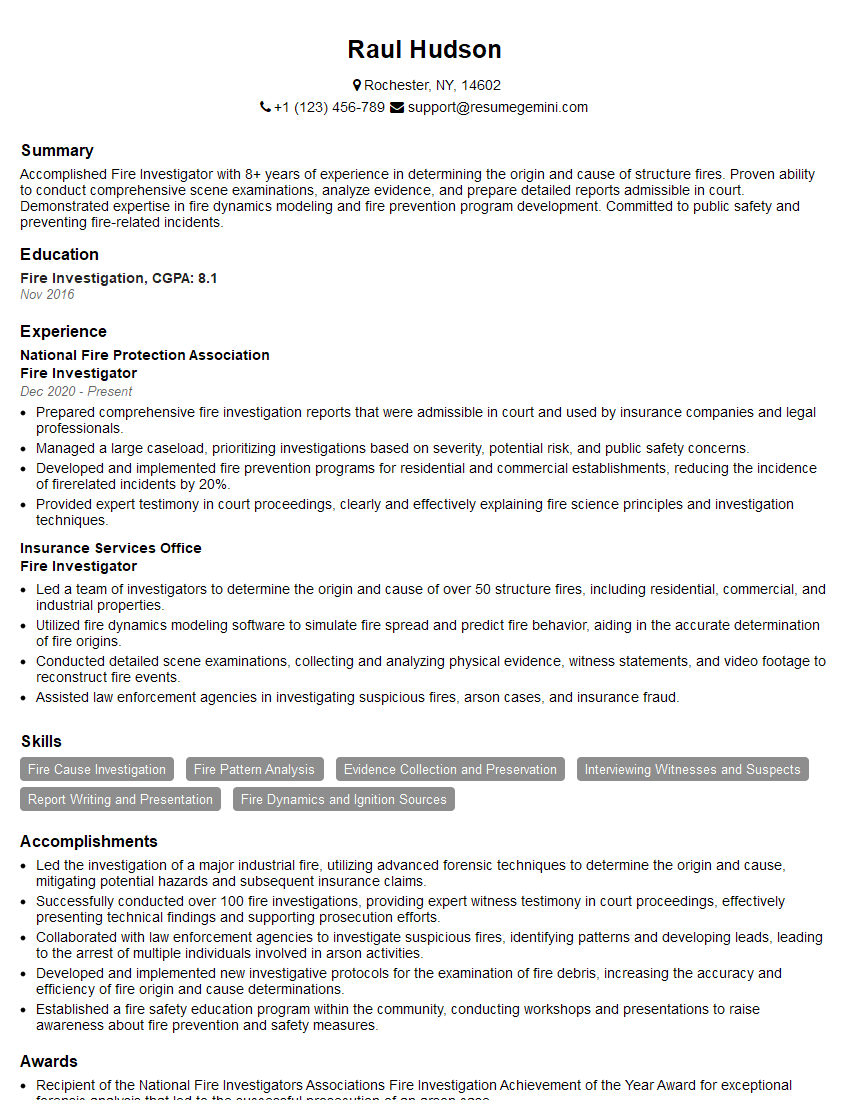
Fire Investigator Resume Sample
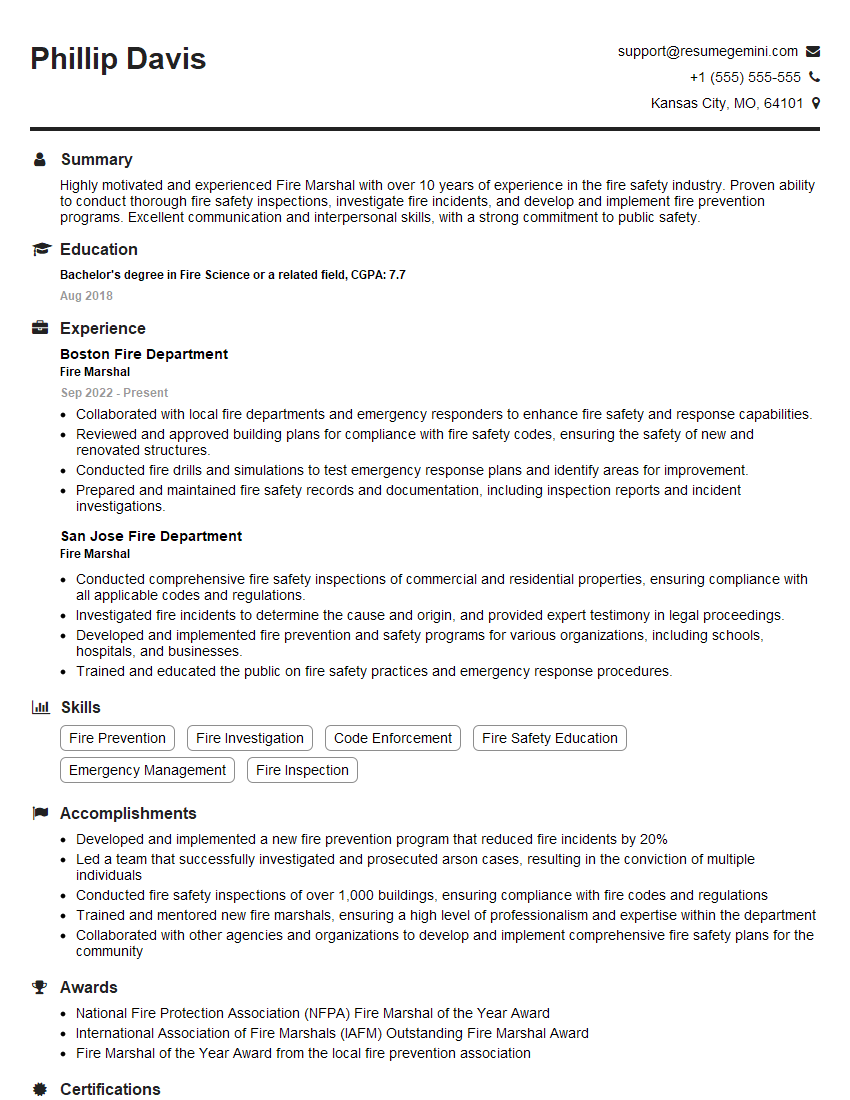
Fire Marshal Resume Sample
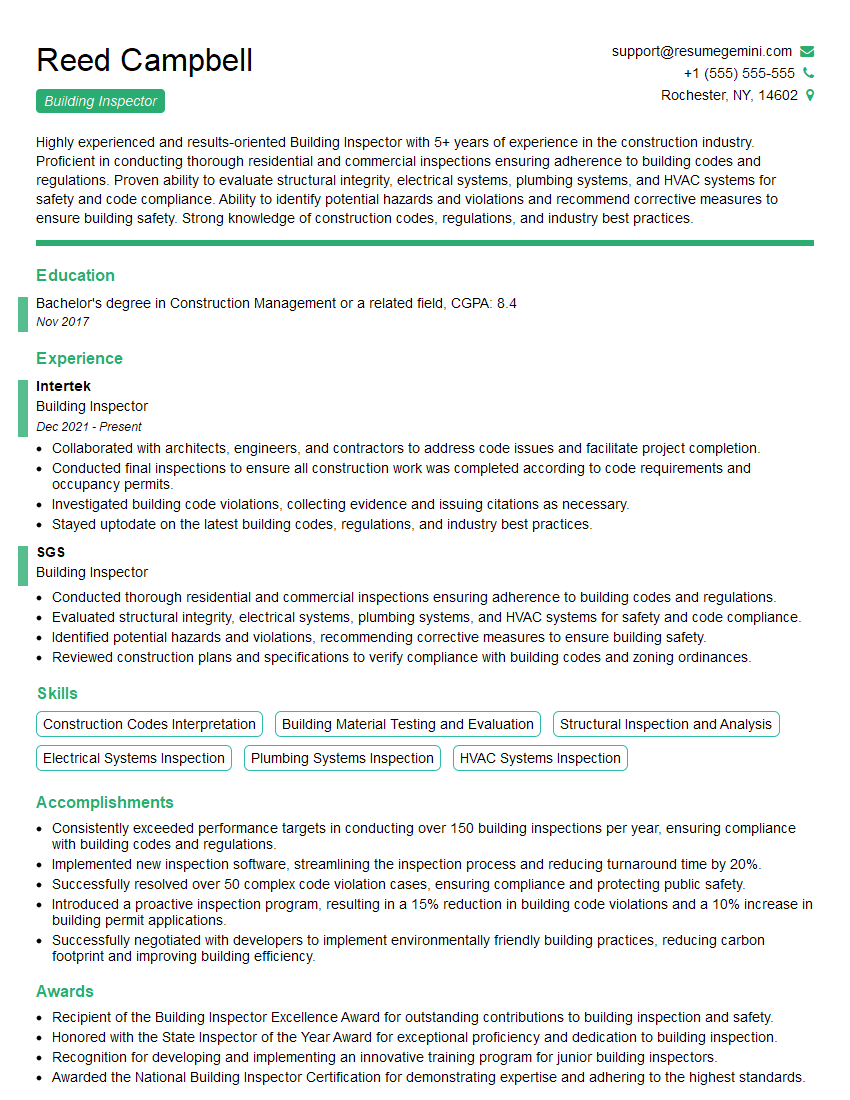
Building Inspector Resume Sample
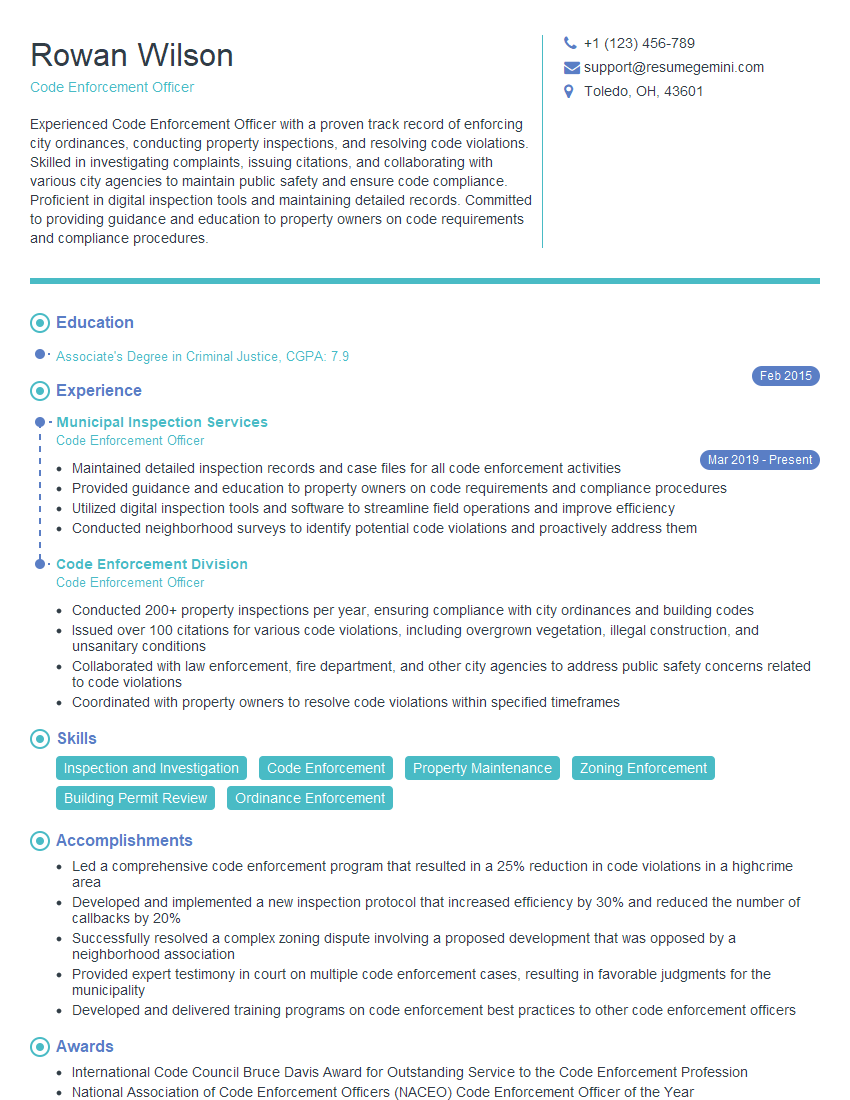
Code Enforcement Officer Resume Sample
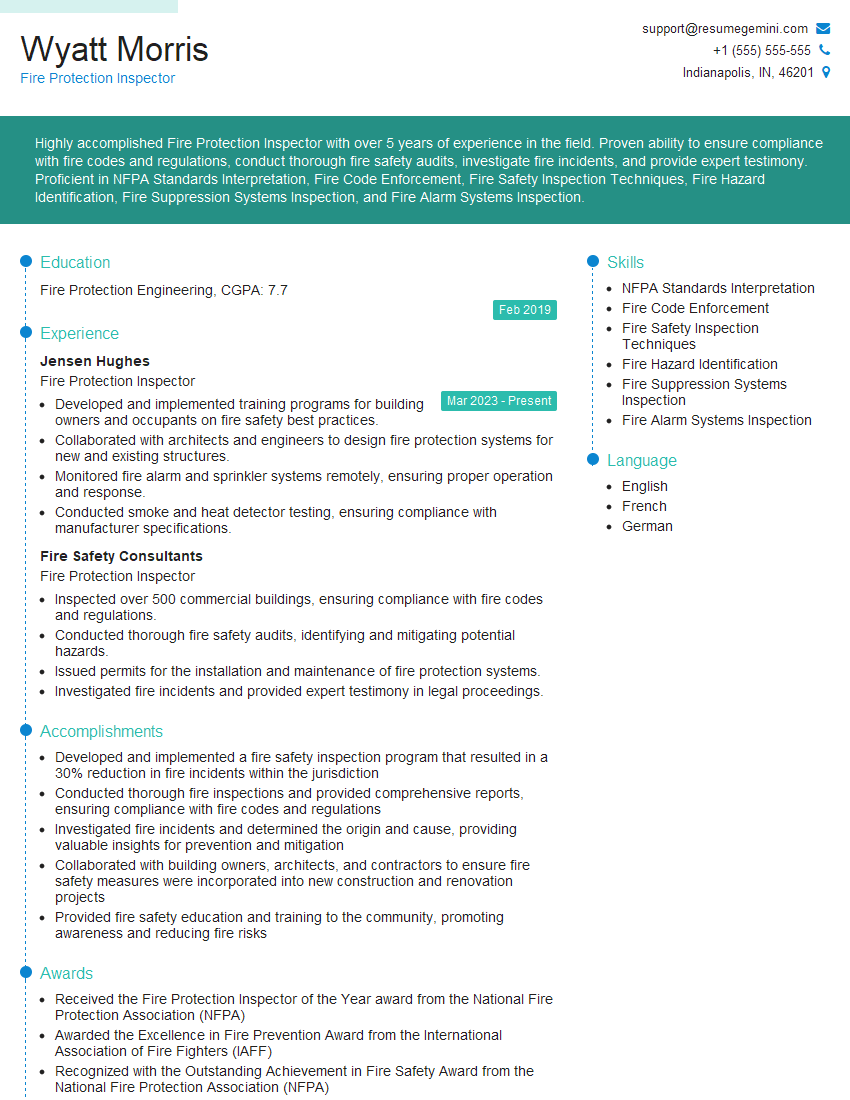
Fire Protection Inspector Resume Sample
Explore more articles
Users Rating of Our Blogs
Share Your Experience
We value your feedback! Please rate our content and share your thoughts (optional).
What Readers Say About Our Blog
good