Preparation is the key to success in any interview. In this post, we’ll explore crucial Nuclear Emergency Response Planning interview questions and equip you with strategies to craft impactful answers. Whether you’re a beginner or a pro, these tips will elevate your preparation.
Questions Asked in Nuclear Emergency Response Planning Interview
Q 1. Describe the tiered emergency response system for a nuclear power plant.
Nuclear power plants utilize a tiered emergency response system to manage incidents effectively, ranging from minor events to major accidents. This system typically involves four levels: Alert, Site Area Emergency, General Emergency, and Termination of Emergency.
- Alert: This is the lowest level, indicating an unusual event at the plant requiring increased monitoring and preparedness. It might involve a minor equipment malfunction that doesn’t pose an immediate threat to public safety.
- Site Area Emergency: This level is declared when there’s a significant event within the plant boundary, potentially impacting plant personnel but not necessarily the public. It might involve a release of radioactivity within the plant, but still contained.
- General Emergency: This is the highest level of emergency, indicating a significant release of radioactivity beyond the plant boundary, posing a potential threat to the public. It triggers offsite protective actions such as evacuation or sheltering.
- Termination of Emergency: This is declared once the emergency is over, and conditions have returned to normal or a safe level. It involves the gradual scaling down of emergency response activities.
Each level triggers specific actions and procedures outlined in the plant’s Emergency Plan. The progression through these levels is guided by real-time data assessment, radiological monitoring, and the expert judgment of emergency response personnel.
Q 2. Explain the role of the Emergency Operations Center (EOC) in a nuclear emergency.
The Emergency Operations Center (EOC) serves as the central hub for coordinating and managing responses during a nuclear emergency. It’s a designated facility, often equipped with advanced communication systems and monitoring equipment. The EOC’s key functions include:
- Information Gathering and Analysis: The EOC collects data from various sources, including the plant, monitoring stations, and external agencies, to create a comprehensive understanding of the situation.
- Decision-Making and Coordination: EOC staff, comprised of experts from different disciplines, assess the situation, make critical decisions, and coordinate actions among various response teams (e.g., medical, law enforcement, public information).
- Communication: The EOC maintains communication with the plant, government agencies, media, and the public, ensuring timely and accurate information dissemination.
- Resource Management: The EOC manages the allocation and deployment of resources such as personnel, equipment, and supplies to support response and recovery efforts.
- Incident Tracking and Documentation: Maintaining a detailed record of events, decisions made, and actions taken for post-incident analysis and improvement.
Think of the EOC as the ‘brain’ of the emergency response, strategically guiding all actions to ensure a safe and effective resolution.
Q 3. What are the key elements of a comprehensive nuclear emergency preparedness plan?
A comprehensive nuclear emergency preparedness plan must include several key elements:
- Emergency Planning Zones: Defining areas surrounding the plant based on potential radiological impact and the types of protective actions needed.
- Protective Actions Guidelines: Clear procedures for evacuation, sheltering-in-place, potassium iodide (KI) distribution, and other actions to mitigate radiation exposure.
- Public Warning and Notification System: A robust system to alert the public about emergencies, utilizing sirens, mass media, and other communication channels.
- Radiation Monitoring and Assessment: A network of monitoring stations to track radiation levels and assess contamination, providing data for decision-making.
- Emergency Response Teams: Trained personnel to handle various aspects of the response, including medical, technical, and communication experts.
- Training and Exercises: Regular training and drills to ensure that all personnel are prepared to respond effectively.
- Resource Management Plan: A plan to identify, procure, and manage essential resources required during the emergency response.
- Post-Accident Recovery Plan: Addressing the long-term effects, decontamination efforts, and community recovery after an incident.
These elements work together to ensure a coordinated and efficient response to mitigate risks and protect public health and safety.
Q 4. How do you determine the appropriate protective actions (evacuation, sheltering, etc.) during a radiological release?
Determining appropriate protective actions during a radiological release depends on several factors including:
- Magnitude and Nature of the Release: The amount and type of radioactive materials released, and the potential pathways of exposure (air, water, food).
- Meteorological Conditions: Wind speed, direction, and atmospheric stability influence the dispersion of radioactive materials.
- Population Density and Location: The number of people in the potentially affected area and their proximity to the release.
- Projected Radiation Doses: Modeling and prediction of potential radiation doses to the population.
Protective actions are chosen based on a risk assessment that balances the potential for harm with the disruption caused by the action. For example, evacuation is typically considered for high-dose scenarios where the potential health consequences outweigh the inconvenience of relocation, while sheltering is more appropriate for shorter-duration, lower-dose scenarios.
Decision-making utilizes sophisticated computer models, real-time monitoring data, and expert judgment to ensure the most appropriate and effective protective measures are selected.
Q 5. Outline the process for assessing radiation levels and contamination following a nuclear incident.
Assessing radiation levels and contamination after a nuclear incident involves a multi-step process:
- Initial Assessment: Rapid surveys using portable radiation detectors to identify areas of high radiation levels and potential contamination.
- Detailed Monitoring: Deployment of more sophisticated instruments to map radiation levels in detail, including fixed monitoring stations, mobile monitoring teams, and aerial surveys.
- Environmental Sampling: Collecting samples of air, water, soil, and vegetation to assess the extent of contamination.
- Dosimetry: Measuring individual radiation doses received by exposed individuals.
- Data Analysis: Compilation and analysis of monitoring and sampling data to create a comprehensive picture of the situation.
- Reporting and Communication: Communicating findings to decision-makers, response teams, and the public.
This process ensures a comprehensive understanding of the extent of contamination and guides decisions on decontamination efforts, public health interventions, and long-term recovery planning.
For example, the use of high-purity germanium detectors allows for precise identification of specific radioactive isotopes, crucial for targeted decontamination and health assessments.
Q 6. What are the different types of radiation and their relative hazards?
Different types of radiation pose varying hazards due to their differing abilities to penetrate matter and ionize atoms:
- Alpha particles: These are relatively heavy, positively charged particles. They have low penetrating power and are easily stopped by a sheet of paper or the outer layer of skin. However, if inhaled or ingested, they can cause significant internal damage.
- Beta particles: These are lighter, negatively charged particles. They have higher penetrating power than alpha particles and can penetrate a few millimeters of tissue. Shielding can be achieved with thin layers of metal or plastic.
- Gamma rays and X-rays: These are electromagnetic waves with high penetrating power. They can penetrate deep into tissues and require significant shielding materials such as lead or concrete for protection.
- Neutrons: These are uncharged particles, and highly penetrating. They cause damage by interacting with the nuclei of atoms, requiring significant shielding.
The hazard of each type of radiation depends not only on its penetrating power but also on the energy of the radiation and the duration of exposure. Internal contamination from alpha emitters is particularly hazardous due to their high relative biological effectiveness (RBE).
Q 7. Describe your experience with radiation monitoring equipment and procedures.
Throughout my career, I’ve extensively utilized various radiation monitoring equipment and procedures. My experience encompasses the use of:
- Portable survey meters: Such as Geiger-Müller counters and scintillation detectors, for rapid assessment of radiation levels in different environments.
- Fixed monitoring stations: Systems providing continuous monitoring of radiation levels around nuclear facilities, transmitting data to the EOC in real-time.
- High-purity germanium (HPGe) detectors: These are used for precise identification of radionuclides in environmental samples.
- Dosimeters: Personal devices used to measure the cumulative radiation dose received by individuals.
I’m proficient in calibration procedures, data interpretation, and quality assurance protocols to ensure accurate and reliable radiation measurements. I’ve participated in numerous radiation monitoring exercises and real-world incidents, gaining hands-on experience in diverse scenarios, from routine monitoring to emergency response situations. A significant part of my experience includes using and interpreting data from various types of radiation detectors, understanding their limitations and applying appropriate quality control techniques to ensure the validity and reliability of measurements.
Q 8. Explain the concept of ALARA (As Low As Reasonably Achievable) in radiation protection.
ALARA, or As Low As Reasonably Achievable, is a fundamental principle in radiation protection. It emphasizes that all radiation exposure should be kept as low as possible, while acknowledging that complete elimination is often impractical or excessively costly. The key is finding a balance between minimizing risk and the resources required to achieve that minimization.
Think of it like this: Imagine you’re cleaning up a spilled chemical. You wouldn’t leave even a tiny drop, right? You’d clean it up thoroughly. ALARA applies the same principle to radiation, aiming for the most thorough cleanup possible, balancing safety with practicality. This involves careful planning, using appropriate protective measures, and optimizing procedures to reduce exposure time, distance, and shielding.
In practice, ALARA implementation often involves:
- Optimization of procedures: Streamlining work processes to reduce exposure time.
- Use of shielding: Employing materials like lead or concrete to reduce radiation levels.
- Distance: Increasing the distance from the radiation source significantly reduces exposure.
- Time: Limiting the time spent near a radiation source minimizes exposure.
For example, in a nuclear power plant, ALARA principles guide the design of equipment, the development of operational procedures, and the training of personnel to minimize radiation exposure during routine operations and maintenance activities.
Q 9. How do you manage public communication during a nuclear emergency?
Managing public communication during a nuclear emergency requires a coordinated, multi-faceted approach prioritizing accuracy, transparency, and empathy. It’s crucial to establish a central communication hub, often a joint information center staffed by experts from various agencies (emergency management, health, environmental protection). This center disseminates consistent, timely, and easily understandable information through multiple channels.
This involves:
- Pre-planned messaging: Developing messages for various scenarios beforehand, tailored to different audiences (general public, specific communities, media).
- Multiple communication channels: Utilizing radio, television, social media, websites, text alerts, and public address systems to ensure wide reach.
- Consistent messaging: Ensuring all communications are aligned, avoiding conflicting or contradictory information. This requires strong coordination among all agencies and personnel involved.
- Addressing public concerns: Openly addressing concerns, rumors, and misinformation with factual information and empathy. Holding press briefings and Q&A sessions can be valuable.
- Translation services: Ensuring information is available in multiple languages, as needed.
A real-world example could involve using social media to quickly dispel rumors about the extent of radiation leakage during an accident, while simultaneously providing updates on evacuation zones and shelter instructions.
Q 10. Describe your experience with emergency response training exercises and drills.
Throughout my career, I’ve actively participated in numerous emergency response training exercises and drills, ranging from table-top exercises simulating various scenarios to full-scale field exercises involving multiple agencies and personnel. These drills have covered a wide range of situations, including reactor incidents, transportation accidents involving radioactive materials, and radiological dispersal devices (RDDs).
These exercises provide invaluable experience in:
- Coordination and communication: Practicing inter-agency communication and coordination under pressure.
- Decision-making: Developing and refining decision-making processes in complex, time-sensitive scenarios.
- Resource management: Managing scarce resources (personnel, equipment) effectively during an emergency.
- Identifying weaknesses: Identifying weaknesses in existing plans and procedures and improving them.
One notable exercise involved a simulated transportation accident involving a cask containing highly radioactive spent nuclear fuel. The drill tested our ability to coordinate emergency response, secure the site, and manage potential public health risks. The exercise highlighted the importance of clear communication protocols and the need for well-defined roles and responsibilities.
Q 11. What are the key regulatory requirements for nuclear emergency response planning?
Key regulatory requirements for nuclear emergency response planning vary depending on the specific country and the type of nuclear facility or activity. However, common elements include:
- Emergency planning regulations: These regulations often mandate the development of comprehensive emergency plans, specifying roles, responsibilities, procedures, and communication protocols.
- Preparedness requirements: These specify requirements for training, equipment, and resources to respond effectively to various emergencies.
- Exercise and drill requirements: Regular participation in exercises and drills to test and validate plans and procedures is usually mandatory.
- Reporting requirements: Reporting requirements for incidents, accidents, and near misses.
- Public information requirements: Regulations that outline the need for clear and timely communication with the public.
These regulations are often based on international standards and guidelines, such as those developed by the IAEA (International Atomic Energy Agency). Compliance is rigorously monitored and enforced by regulatory bodies to ensure the safety and security of nuclear facilities and the public.
Q 12. How would you handle a situation where conflicting information arises during a nuclear emergency?
Conflicting information during a nuclear emergency is a serious challenge. Handling it requires a structured approach that prioritizes accurate information and clear communication.
My approach would be:
- Identify the source of conflict: Determine the sources of the conflicting information and assess their credibility.
- Gather all available data: Collect data from various sources (monitoring equipment, field reports, expert opinions) to establish a comprehensive picture.
- Evaluate the information: Critically evaluate the available information, considering its accuracy, reliability, and consistency.
- Resolve discrepancies: Use expert analysis to resolve discrepancies and reach a consensus on the most accurate information.
- Communicate clearly and transparently: Communicate the verified information to relevant stakeholders, acknowledging any uncertainties.
- Document the process: Thoroughly document the entire process, including the sources of information, the evaluation process, and the decisions made.
A key aspect is transparency. If uncertainties remain, it’s essential to communicate that honestly, explaining the ongoing efforts to resolve them. Maintaining public trust is paramount during such crises.
Q 13. Explain the importance of post-incident analysis in improving future emergency response.
Post-incident analysis (PIA) is critical for continuous improvement in emergency response capabilities. It’s a structured review process that examines all aspects of an incident, identifies areas for improvement, and develops corrective actions to prevent similar incidents in the future. This involves a detailed investigation into what happened, why it happened, and what could be done differently.
The benefits of PIA include:
- Improved preparedness: Identifying weaknesses and vulnerabilities in plans and procedures.
- Enhanced response capabilities: Improving the effectiveness and efficiency of response actions.
- Increased safety: Reducing the likelihood and severity of future incidents.
- Improved communication: Identifying areas for improved communication and coordination among different agencies.
- Enhanced training: Using lessons learned to improve training programs.
A thorough PIA might involve reviewing communication logs, analyzing response times, interviewing personnel, and examining equipment performance. The findings are used to revise emergency plans, update training materials, and improve overall preparedness. It’s a vital cycle of learning and improvement.
Q 14. Describe your familiarity with emergency response software and systems.
I’m proficient in various emergency response software and systems, including specialized Geographic Information Systems (GIS) platforms for visualizing radiation dispersion, modeling plume behavior, and managing evacuation zones. I am also experienced with radiation monitoring and detection systems, both fixed and mobile, and their associated data management software. This includes software used for real-time data acquisition, analysis, and reporting. Furthermore, I am familiar with communication platforms used for coordinating emergency responses, including secure messaging systems and shared information systems that enable multiple agencies to collaborate effectively.
Specific examples of software I’ve utilized include (but are not limited to): [Specific software names can be added here if appropriate, maintaining anonymity and confidentiality]. My familiarity extends beyond simply using these tools; I understand their underlying principles and can effectively utilize them to support efficient decision-making in time-critical situations.
Experience with these systems allows for improved situational awareness, better resource allocation, and more effective communication, leading to a more efficient and safer emergency response.
Q 15. What are the key differences between internal and external emergency response planning?
Internal emergency response planning focuses on incidents within a nuclear facility, such as a radiation leak from a malfunctioning component. External planning, conversely, addresses events impacting the surrounding community, like a large-scale release of radioactive material or a transportation accident involving nuclear material. The key difference lies in the scope and affected population. Internal plans prioritize worker safety and containment within the facility, while external plans emphasize protecting the public and mitigating widespread environmental contamination. For example, an internal plan might detail procedures for isolating a contaminated area and evacuating personnel, whereas an external plan would include community warning systems, evacuation routes, and public health countermeasures.
- Internal: Focuses on facility safety, worker protection, damage control.
- External: Focuses on public safety, environmental protection, community response.
Career Expert Tips:
- Ace those interviews! Prepare effectively by reviewing the Top 50 Most Common Interview Questions on ResumeGemini.
- Navigate your job search with confidence! Explore a wide range of Career Tips on ResumeGemini. Learn about common challenges and recommendations to overcome them.
- Craft the perfect resume! Master the Art of Resume Writing with ResumeGemini’s guide. Showcase your unique qualifications and achievements effectively.
- Don’t miss out on holiday savings! Build your dream resume with ResumeGemini’s ATS optimized templates.
Q 16. Explain your understanding of the various types of nuclear accidents and their potential consequences.
Nuclear accidents are categorized based on severity, ranging from minor incidents to catastrophic releases. The International Nuclear Event Scale (INES) is used to classify these events.
- Minor Incidents (INES 1-3): These involve anomalies or malfunctions with limited radiological consequences, often confined to the facility. Examples include equipment malfunctions resulting in minor releases or temporary increases in radiation levels within controlled areas.
- Accidents (INES 4-5): These events result in a more significant release of radioactive material, posing a potential threat to workers and the surrounding environment. The Chernobyl accident (INES 7) and Fukushima Daiichi accident (INES 7) are prime examples of such events. Consequences can include widespread contamination, health effects on exposed populations, and long-term environmental damage.
- Major Accidents (INES 6-7): These are catastrophic events leading to widespread environmental contamination and significant health consequences. Chernobyl and Fukushima are examples, showcasing the potential for large-scale evacuations, long-term health issues, and severe economic impacts. Such accidents necessitate large-scale international aid and collaboration for long-term remediation.
The consequences of nuclear accidents can be immediate (acute radiation sickness) or long-term (cancer risk, genetic mutations). The severity depends on the type and amount of radioactive material released, the weather patterns, and the effectiveness of the emergency response.
Q 17. How do you ensure the effectiveness of emergency response communications?
Effective emergency response communication is crucial for coordinating actions and ensuring public safety. This hinges on multiple factors. A robust system requires:
- Multiple Communication Channels: Utilizing diverse channels like sirens, radio, television, text alerts, social media, and dedicated emergency hotlines ensures message reach even with infrastructure damage.
- Pre-established Communication Protocols: Clearly defined roles, reporting structures, and communication procedures (e.g., using standardized terminology and message formats) minimizes confusion during chaos.
- Regular Drills and Training: Frequent practice ensures familiarity with systems, procedures and enhances team coordination, reducing response time and errors during real events.
- Redundancy and Backup Systems: Having alternate communication systems (e.g., satellite phones) ensures communication remains active even if primary systems fail.
- Real-time Information Management: Efficiently gathering, verifying, and disseminating accurate information through a central command center is critical for coordinated decision-making. This also involves establishing methods to counteract misinformation.
Imagine a scenario where a siren system fails; having a backup system of text alerts is vital for disseminating urgent warnings.
Q 18. Describe the process for establishing and maintaining effective communication with stakeholders during a crisis.
Establishing and maintaining communication with stakeholders during a nuclear emergency requires a multi-faceted approach. It begins well before an incident occurs through proactive engagement.
- Pre-emergency Engagement: Building relationships with local communities, media outlets, and emergency responders through regular meetings, information sessions, and distributing emergency response brochures creates trust and ensures clear communication channels before a crisis.
- Clear and Consistent Messaging: Using simple, clear language, avoiding technical jargon, and providing consistent information helps avoid public panic and ensures understanding. Information should be repeated frequently across multiple channels.
- Designated Spokesperson: A single, authorized spokesperson ensures consistent messaging and prevents contradictory information. This centralized approach builds credibility and public trust.
- Transparency and Honesty: Openly addressing uncertainty, acknowledging limitations, and admitting mistakes fosters credibility and trust with the public. Suppressed information can lead to increased fear and speculation.
- Feedback Mechanisms: Establishing channels for public feedback (hotlines, surveys) enables authorities to address concerns, improve response efforts, and manage expectations.
For instance, after the Fukushima disaster, improved public communication was a key aspect of post-accident recovery efforts. Open communication and regular updates helped build public confidence in long-term safety measures.
Q 19. Explain your understanding of the legal and ethical considerations surrounding nuclear emergencies.
Legal and ethical considerations in nuclear emergencies are paramount.
- Legal Obligations: National and international laws dictate reporting requirements, safety standards, and emergency response protocols. Failure to comply can lead to severe legal repercussions. The conventions and treaties related to nuclear safety and the prevention of accidents need to be adhered to.
- Ethical Responsibilities: Prioritizing public safety and minimizing harm are ethical imperatives. This includes transparency, responsible communication, and equitable distribution of resources. Protecting vulnerable populations (children, elderly) is a critical ethical component of response planning.
- Informed Consent: Obtaining informed consent for medical interventions or evacuations is crucial, respecting individual autonomy even amidst a crisis. Clear explanations of risks and benefits are necessary.
- Transparency and Accountability: Openness about the incident, its causes, and the ongoing response is essential for maintaining public trust. Accountability for decisions made during the emergency is paramount.
Ethical dilemmas may arise when balancing competing interests (e.g., protecting the environment versus immediate human safety), demanding careful consideration and transparent justification of actions.
Q 20. How would you prioritize actions during a multiple-hazard nuclear event?
Prioritizing actions during a multiple-hazard nuclear event requires a systematic approach. The START triage system (Sort, Treat, And Rapidly Transport) is adaptable for such scenarios. The key is to:
- Immediate Life-Threatening Hazards: Focus first on addressing immediate threats to life, such as controlling immediate radiation exposure, rescuing individuals trapped in affected areas, and providing immediate medical attention to those with acute radiation sickness.
- Containment and Mitigation: Simultaneously, focus on containment efforts to prevent further spread of radioactive materials. This might involve stabilizing the source of the release, implementing protective measures, and initiating decontamination procedures.
- Protection of the Public: Implementing evacuation measures, issuing warnings to the public, and providing shelter to those in potentially affected areas is crucial.
- Long-Term Consequences: Once immediate threats are addressed, focus shifts to long-term mitigation efforts, including environmental remediation, health monitoring of affected populations, and public health interventions.
This prioritized approach ensures a systematic and effective response, saving lives and reducing the long-term impact of the event.
Q 21. Describe your experience with risk assessment and mitigation in the context of nuclear emergencies.
My experience in risk assessment and mitigation for nuclear emergencies involves a multi-step process.
- Hazard Identification: Identifying potential hazards, both internal (equipment failures, human error) and external (natural disasters, sabotage), is the foundation. This includes considering a wide range of potential scenarios, from minor incidents to catastrophic events.
- Risk Analysis: Assessing the likelihood and potential consequences of each identified hazard. This involves quantitative analysis (probabilistic risk assessment) and qualitative analysis, considering factors like the severity of potential consequences and the vulnerabilities of the system.
- Mitigation Strategies: Developing strategies to reduce the likelihood or consequences of identified hazards. These strategies may include engineering controls (e.g., safety systems, improved equipment design), administrative controls (e.g., improved training, stricter procedures), and emergency response planning (e.g., evacuation routes, communication protocols).
- Emergency Preparedness: Developing and implementing emergency response plans to effectively manage identified hazards. This includes drills, training programs, and the establishment of communication systems.
- Continuous Monitoring and Improvement: Regularly reviewing and updating risk assessments and mitigation plans based on lessons learned, new technologies, and changing circumstances ensures preparedness remains effective.
For example, in one project, we used probabilistic risk assessment to identify the most likely scenarios for a specific nuclear facility. The results were then used to design a comprehensive emergency response plan, including detailed procedures for various events and a robust system for communication and coordination.
Q 22. How do you assess the effectiveness of emergency response training programs?
Assessing the effectiveness of emergency response training programs requires a multi-faceted approach. We can’t just rely on participant satisfaction; we need objective metrics. A robust evaluation combines several methods:
- Trainee Performance Evaluation: This involves observing trainees during drills and exercises, assessing their practical skills and decision-making abilities. We use standardized checklists and scoring rubrics for consistency. For example, we might assess their speed and accuracy in donning protective gear or their ability to correctly interpret radiation readings.
- Tabletop Exercises and Simulations: These controlled environments test the trainees’ ability to respond to complex scenarios. We analyze their performance, identifying areas for improvement and evaluating their teamwork, communication, and leadership skills. We often use after-action reviews (AARs) to gather feedback and learn from both successes and failures.
- Post-Training Assessments: Written or oral exams, along with practical demonstrations, help gauge knowledge retention and skill acquisition. This ensures trainees have internalized critical information and can apply it in a real-world setting.
- Long-Term Monitoring: Tracking responders’ performance in subsequent drills and real-world incidents (if any) offers valuable data on the program’s lasting impact. It allows for continuous improvement and refinement of the training curriculum.
By combining these methods, we obtain a comprehensive understanding of training effectiveness, enabling us to refine the program and ensure preparedness.
Q 23. Describe your understanding of the National Response Framework (NRF) or equivalent for nuclear events.
The National Response Framework (NRF) in the US, or its equivalent in other countries, provides a structured, comprehensive approach to managing all types of emergencies, including nuclear incidents. It emphasizes a flexible, scalable system that adapts to the specific circumstances of an event. For nuclear events, this translates to:
- Unified Command Structure: The NRF stresses establishing a unified command, bringing together federal, state, local, tribal, and private sector entities under a single, coordinated leadership structure. This prevents duplication of effort and ensures efficient resource allocation.
- Roles and Responsibilities: Clearly defined roles and responsibilities for each agency participating in the response are vital. For example, the Department of Energy (DOE) might handle the nuclear facility, while FEMA would manage broader disaster relief and population protection.
- Preparedness Planning: The framework promotes proactive planning through exercises and drills, ensuring all stakeholders are well-rehearsed and understand their roles. This includes developing comprehensive emergency plans specific to each potential nuclear event scenario.
- Communication and Information Sharing: Effective communication is paramount, and the NRF provides guidelines for establishing robust communication channels. This enables timely sharing of information among responders, the public, and the media.
- Resource Management: The framework facilitates efficient allocation and management of resources, including personnel, equipment, and funding. This can be particularly crucial during a large-scale nuclear incident where resources might be stretched thin.
Essentially, the NRF provides the overarching structure and principles for a coordinated and effective response to a nuclear emergency, ensuring a unified and efficient response that protects public health and safety.
Q 24. What are some common challenges in nuclear emergency response planning, and how can they be addressed?
Several challenges complicate nuclear emergency response planning:
- Complexity of Nuclear Events: The potential range of consequences, from radiological contamination to widespread infrastructure damage, demands multifaceted planning. Each scenario requires a tailored response.
- Resource Limitations: Specialized equipment, trained personnel, and financial resources can be limited, particularly in smaller communities. This necessitates careful prioritization and resource allocation.
- Interagency Coordination: Effective collaboration among numerous federal, state, and local agencies, along with private entities, is crucial, yet achieving seamless integration can be difficult.
- Public Communication Challenges: Providing accurate, timely, and understandable information to the public during a crisis can be extremely challenging, especially when dealing with fear and misinformation.
- Technological Dependence: Emergency response relies heavily on technology, so malfunctions or cyberattacks can severely hamper efforts. Robust backup systems and plans for technological failures are essential.
Addressing these challenges requires:
- Regular Training and Exercises: Realistic drills and simulations hone interagency coordination and individual skills, preparing responders for unexpected events.
- Resource Sharing Agreements: Establishing agreements between agencies to share resources during emergencies ensures efficient resource allocation.
- Clear Communication Protocols: Standardized protocols, including communication plans and public information systems, are essential for seamless information flow.
- Technology Redundancy: Implementing backup systems and contingency plans for technology failures safeguards response operations.
- Community Engagement: Involving the public in preparedness efforts, such as public awareness campaigns, builds trust and improves community resilience.
Q 25. How would you handle a situation where critical equipment malfunctions during a response?
Equipment malfunction during a nuclear emergency is a serious threat. Our response follows a structured protocol:
- Immediate Assessment: First, we assess the nature and extent of the malfunction and its impact on the response. This involves identifying the affected equipment, determining the cause of the failure, and evaluating the consequences.
- Activate Contingency Plans: We immediately switch to backup systems or alternative procedures pre-planned in our contingency plans. This might involve using redundant equipment, implementing manual procedures, or modifying our response strategy.
- Problem Isolation and Repair: While utilizing backup systems, we initiate efforts to repair or replace the failed equipment. This may involve deploying specialized repair teams or requesting assistance from other agencies.
- Risk Communication: We promptly communicate the malfunction and its impact (or lack thereof) to relevant stakeholders, including other response teams and the public, to maintain transparency and avoid spreading misinformation.
- Post-Incident Review: Following the incident, a thorough review analyzes the malfunction, pinpointing the root cause and identifying improvements for our protocols, training, and equipment maintenance programs. This learning process improves future preparedness.
A real-world example might be a failure of a radiation monitoring system. Our plan would immediately involve deploying secondary monitoring devices, relying on manual readings, and adjusting our response strategy based on the available data while working to repair or replace the primary system.
Q 26. Explain your familiarity with different types of emergency shelters and their effectiveness.
Emergency shelters for nuclear incidents vary based on the threat level and available resources. Here are some common types:
- Public Shelters: These are designated locations like basements of public buildings, providing basic protection from fallout. Their effectiveness depends on the shelter’s construction, location, and available supplies.
- Private Shelters: Homes or basements can be prepared as private shelters, requiring careful planning and stockpiling of supplies. Effectiveness depends on structural integrity and the preparedness of occupants.
- Community Shelters: Larger, more robust shelters designed to accommodate a larger population, often incorporating improved protection against fallout and radiation.
- Specialized Shelters: Some facilities, particularly those associated with nuclear power plants, have specialized shelters with advanced protection and life support systems. Their effectiveness is highest but their accessibility is limited.
Effectiveness is judged by factors such as:
- Shielding: The ability of the structure to reduce radiation exposure.
- Protection from Fallout: The ability to prevent the entry of radioactive particles.
- Self-Sufficiency: The availability of food, water, medical supplies, and communication systems.
- Environmental Controls: The ability to maintain a habitable environment within the shelter.
Choosing the appropriate shelter and ensuring its proper preparation is crucial for maximizing effectiveness in a nuclear emergency.
Q 27. How would you coordinate with other emergency response agencies during a large-scale nuclear incident?
Coordinating with other agencies during a large-scale nuclear incident relies heavily on pre-established communication protocols and interagency agreements. This begins long before an incident even occurs. Our approach includes:
- Pre-Incident Coordination: Regular meetings, exercises, and information sharing build relationships and establish clear lines of communication between agencies. We work to understand each other’s capabilities and responsibilities.
- Unified Command Structure: Establishing a single command structure, often using the Incident Command System (ICS), is crucial. This avoids confusion and ensures a coordinated response.
- Communication Channels: Secure and reliable communication channels, such as dedicated radio frequencies, encrypted messaging systems, and established contact lists, are vital for timely information exchange.
- Information Sharing Protocols: Protocols for sharing real-time data, such as radiation readings, casualty reports, and resource availability, are essential for making informed decisions.
- Joint Operations Centers (JOCs): Establishing a JOC brings all involved agencies together in a centralized location, facilitating collaboration and decision-making.
- Regular Updates and Debriefings: Frequent updates between agencies ensure everyone is aware of the situation’s progress and any changes in the response strategy.
Clear communication, well-defined roles, and a collaborative spirit are key to a successful response. Think of it like a well-orchestrated symphony – each section (agency) needs to know its part and play it in coordination with others to produce a harmonious, effective outcome.
Q 28. Describe a situation where you had to make a critical decision under pressure during an emergency.
During a simulated nuclear power plant accident exercise, we faced a scenario where a critical communication system failed, preventing us from contacting emergency services and disseminating information to the public. Under immense time pressure, I had to make a quick, critical decision about alternative communication strategies. I immediately initiated the backup communication plan, which involved using satellite phones and a ham radio network, which were less reliable but available. I also directed the on-site public information officer to use social media channels—a riskier choice as we had less control but offered a way to reach the public immediately. While the satellite phones worked intermittently and social media presented challenges with verifying information, this two-pronged approach provided some crucial information exchange and mitigated some negative consequences. After the exercise, we reviewed the situation thoroughly. It reinforced the importance of robust contingency planning, identifying and addressing weaknesses in our communications infrastructure, and ultimately enhancing our capabilities to deal with communication failure in a real-world event. It was a high-pressure situation but the collaborative effort under pressure improved our response protocols.
Key Topics to Learn for Nuclear Emergency Response Planning Interview
- Emergency Classification and Response Tiers: Understanding the different levels of nuclear emergencies and the corresponding response protocols. This includes familiarizing yourself with national and international standards.
- Protective Actions: Knowing the practical applications of various protective actions like sheltering, evacuation, iodine prophylaxis, and their effective implementation during different scenarios. Consider the logistical challenges and communication strategies involved.
- Radiation Monitoring and Assessment: Familiarize yourself with the principles of radiation detection and measurement, data interpretation, and the use of monitoring equipment in assessing the extent of contamination and guiding response efforts.
- Emergency Communication and Public Information: Mastering effective communication strategies during a crisis. Understand the importance of clear, concise messaging to the public, media, and emergency responders.
- Resource Management and Logistics: Explore the challenges of coordinating resources (personnel, equipment, supplies) during a large-scale emergency. Consider the complexities of resource allocation and deployment.
- Incident Command System (ICS): Gain a thorough understanding of the ICS framework and its application in managing a nuclear emergency response. Focus on roles, responsibilities, and communication within the ICS structure.
- Health Physics and Medical Response: Learn the basics of radiation health physics and the medical management of radiation injuries. This includes understanding dose assessment and treatment protocols.
- Exercise and Training: Understand the importance of regular exercises and training in maintaining preparedness and proficiency in nuclear emergency response procedures. Discuss different exercise types and their value.
- Post-Accident Recovery and Remediation: Explore the long-term implications of a nuclear accident and the processes involved in site recovery and environmental remediation.
- Legal and Regulatory Frameworks: Understand the relevant national and international laws and regulations governing nuclear emergency response and the reporting requirements.
Next Steps
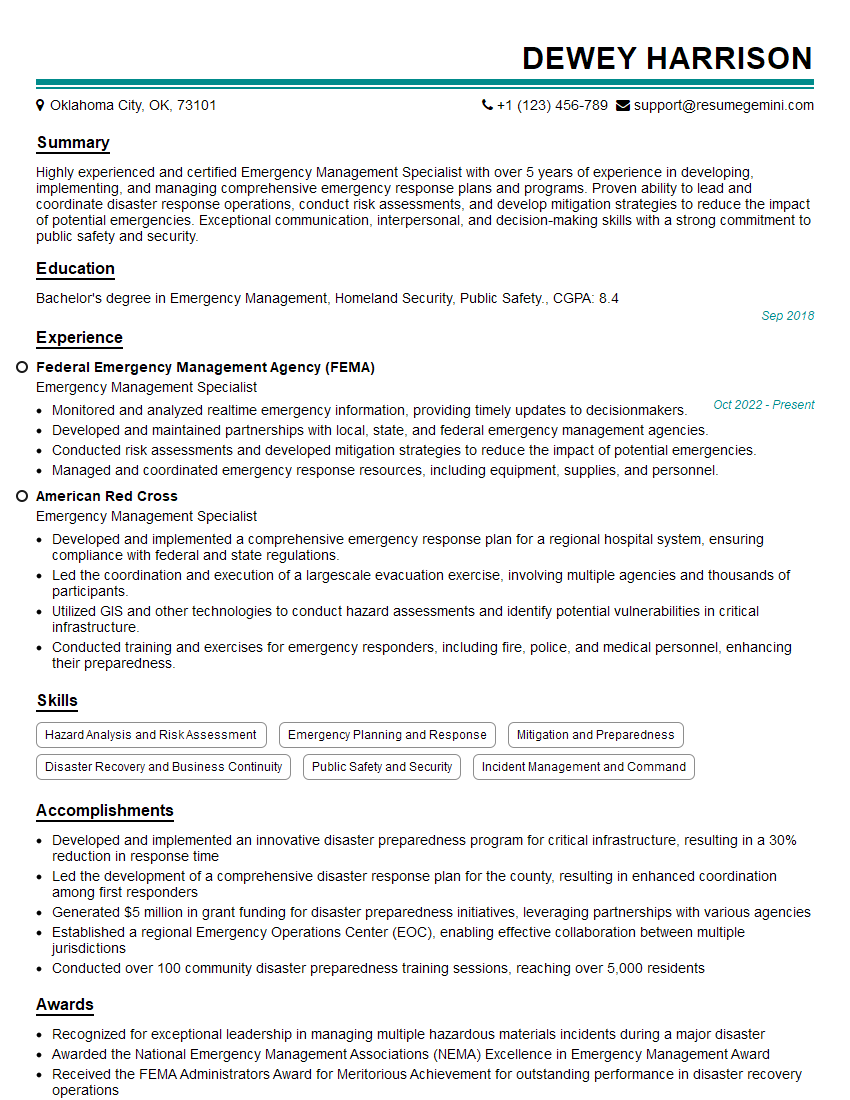
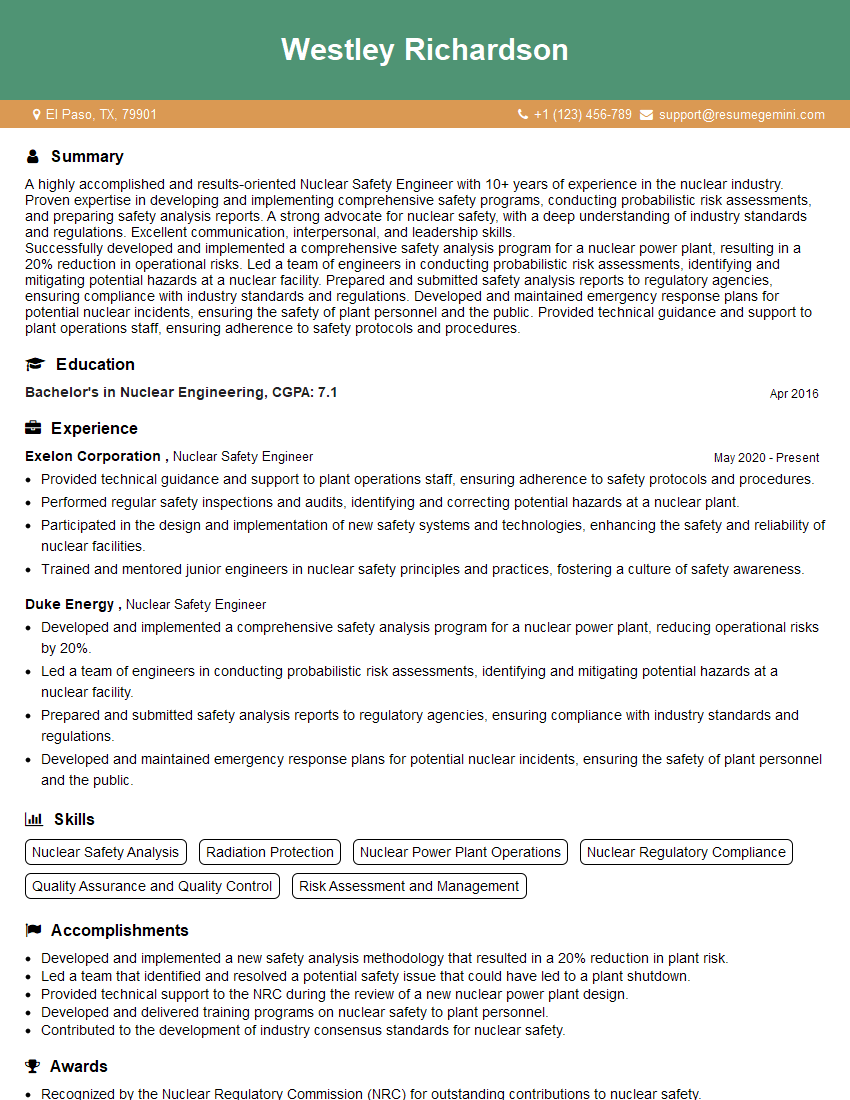
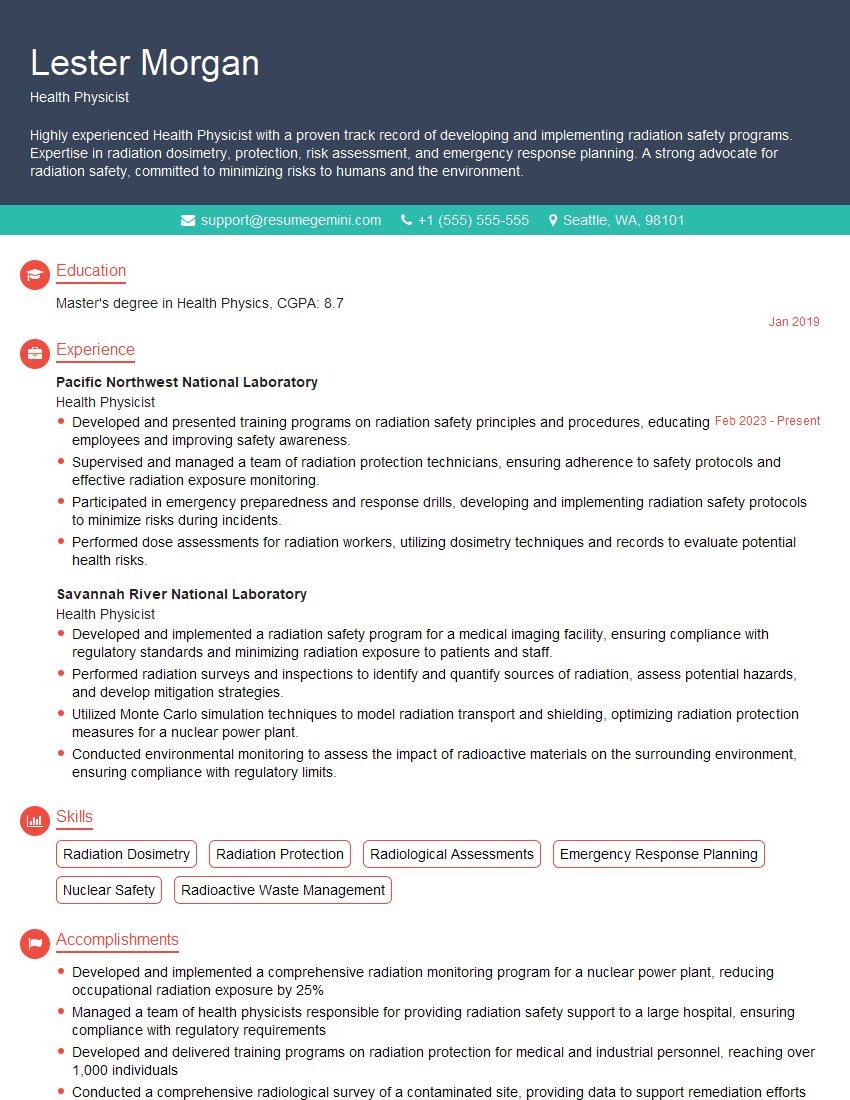
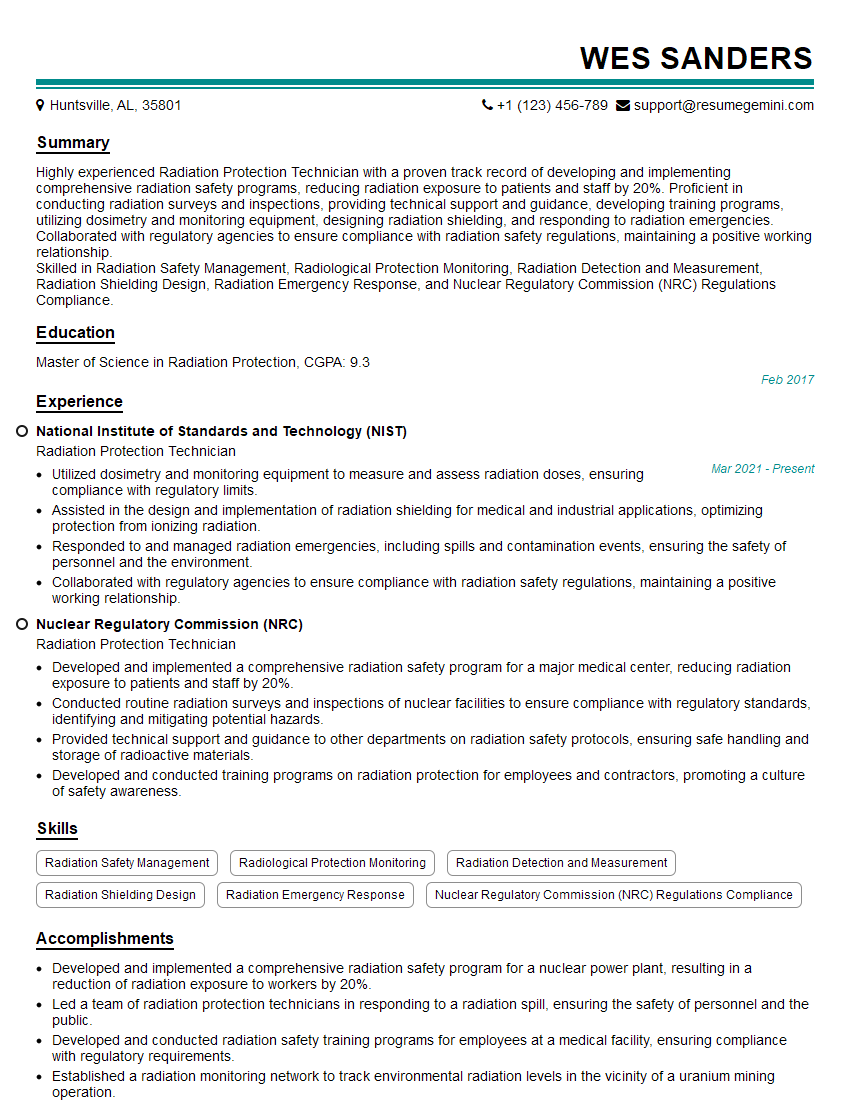
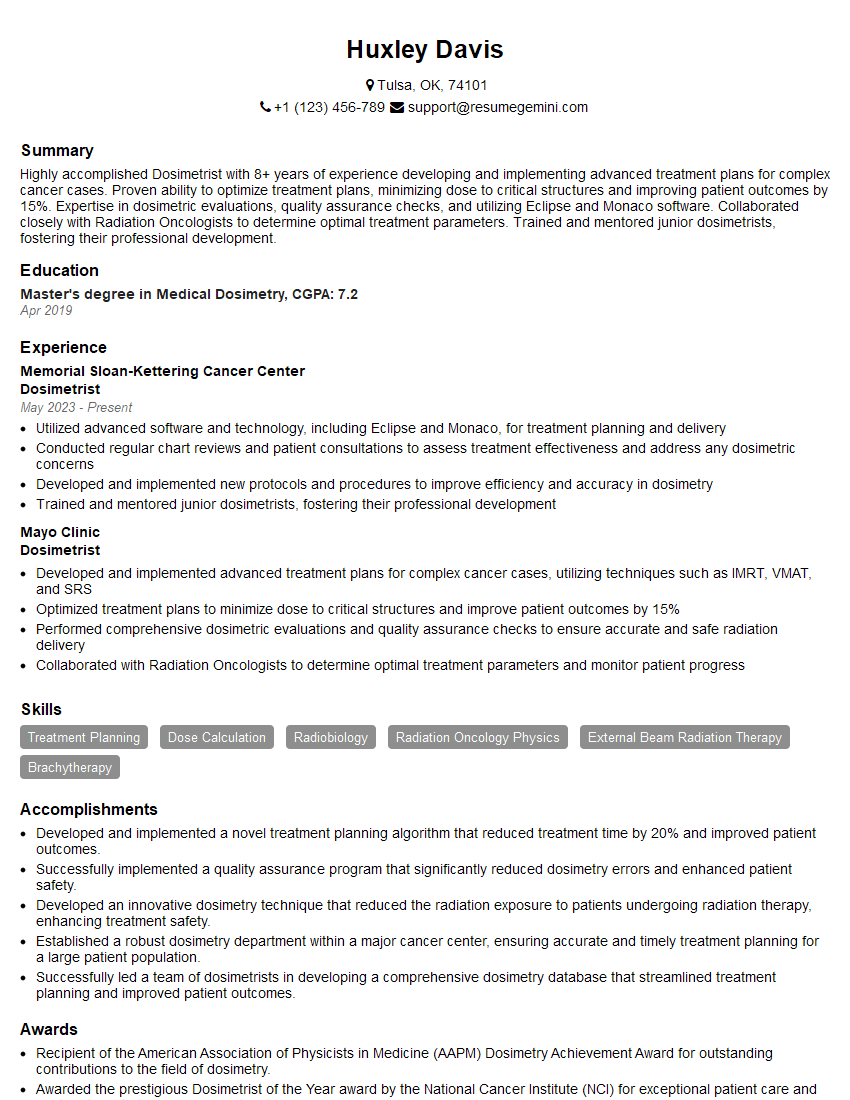
Mastering Nuclear Emergency Response Planning is crucial for career advancement in this critical field. It demonstrates a commitment to safety and expertise in a highly specialized area, significantly enhancing your job prospects. Building a strong, ATS-friendly resume is vital in today’s competitive job market. We encourage you to utilize ResumeGemini, a trusted resource, to craft a professional resume that highlights your skills and experience effectively. Examples of resumes tailored to Nuclear Emergency Response Planning are available to help you get started.
Explore more articles
Users Rating of Our Blogs
Share Your Experience
We value your feedback! Please rate our content and share your thoughts (optional).
What Readers Say About Our Blog
Very informative content, great job.
good