Are you ready to stand out in your next interview? Understanding and preparing for Nuclear Safety and Regulatory Compliance interview questions is a game-changer. In this blog, we’ve compiled key questions and expert advice to help you showcase your skills with confidence and precision. Let’s get started on your journey to acing the interview.
Questions Asked in Nuclear Safety and Regulatory Compliance Interview
Q 1. Explain the ALARA principle and its application in nuclear facilities.
ALARA, which stands for “As Low As Reasonably Achievable,” is a fundamental principle in radiation protection. It emphasizes that radiation exposure should be kept as low as possible, taking into account social and economic factors. It’s not about eliminating all radiation exposure, which is impossible in many contexts, but about minimizing unnecessary exposure.
In nuclear facilities, ALARA is implemented through various measures. This includes optimizing facility design to minimize radiation sources, using shielding materials strategically, employing remote handling techniques to reduce personnel exposure during operations, and implementing robust radiation monitoring programs. For example, a nuclear power plant might use robotic arms to handle spent fuel, minimizing worker exposure to radiation. The ALARA principle necessitates a cost-benefit analysis. Implementing every conceivable safety measure might be technically feasible but economically unviable. The goal is to find the optimal balance between safety and practicality.
Q 2. Describe the different types of radiation and their associated health risks.
Radiation is energy emitted from unstable atoms. There are several types, each with varying health risks:
- Alpha particles: Relatively heavy and slow-moving, they pose a low external radiation hazard because they are easily stopped by a sheet of paper or skin. However, ingestion or inhalation of alpha-emitting substances is extremely hazardous because their energy is deposited densely within the body.
- Beta particles: Lighter and faster than alpha particles, they can penetrate skin but are usually stopped by a thin sheet of metal. Internal exposure is still hazardous, but less so than alpha particles.
- Gamma rays: High-energy electromagnetic radiation; they are highly penetrating and require thick shielding (such as lead or concrete) for protection. External exposure is dangerous, and internal exposure is highly dangerous.
- Neutrons: Uncharged particles, neutrons are extremely penetrating and require specialized shielding, such as water or concrete, for protection. They are dangerous because they can induce radioactivity in other materials.
- X-rays: High-energy electromagnetic radiation, similar to gamma rays but produced by electronic transitions in atoms rather than nuclear decay. Shielding requirements are similar to gamma rays.
The health risks associated with radiation exposure are dependent on the type, dose, and duration of exposure. They range from skin burns (at high doses) to cancer (at lower doses over time) and other potentially lethal conditions. The body’s repair mechanisms can often handle low-level exposures effectively, but the risk increases linearly with cumulative dose.
Q 3. What are the key components of a nuclear emergency response plan?
A comprehensive nuclear emergency response plan (NERP) is crucial for mitigating the consequences of a nuclear accident. It outlines procedures for handling various emergencies, from small incidents to major accidents. Key components of a NERP include:
- Emergency Classification and Assessment: A system for classifying emergencies based on severity and determining the appropriate response level.
- Emergency Actions: Predetermined actions to be taken by various personnel, including plant operators, emergency responders, and public officials, such as containment and mitigation strategies.
- Protective Actions: Procedures to protect the public, including evacuation, sheltering-in-place, and the distribution of potassium iodide (KI) tablets in the event of a radioactive release.
- Communication and Notification: Systems for communicating with the public, emergency responders, and regulatory authorities using various channels like sirens, public announcements, and media outlets.
- Training and Exercises: Regular training and drills for personnel to ensure preparedness and proficiency in executing the NERP.
- Emergency Support Facilities and Resources: Identification and access to crucial resources such as emergency medical services, decontamination centers, and transportation capabilities.
- Post-Accident Monitoring and Recovery: Procedures for monitoring radiation levels, assessing the extent of contamination, and implementing long-term recovery plans.
A successful NERP requires collaboration among various stakeholders including the nuclear facility operator, local authorities, state agencies, and federal agencies.
Q 4. Explain the role of the Nuclear Regulatory Commission (NRC) or equivalent regulatory body.
The Nuclear Regulatory Commission (NRC) in the United States, and equivalent regulatory bodies in other countries, are responsible for overseeing the nuclear industry to protect public health and safety, and the environment. Their roles include:
- Licensing and Regulation: Issuing licenses for the construction and operation of nuclear facilities, ensuring that safety standards and regulations are met throughout the facility’s lifecycle.
- Inspection and Enforcement: Regularly inspecting nuclear facilities, reviewing their safety analyses, and enforcing compliance with regulations. They can impose penalties or even shut down facilities for non-compliance.
- Emergency Preparedness Review: Evaluating the adequacy of nuclear emergency response plans and conducting exercises to test their effectiveness.
- Research and Development: Supporting research and development to improve nuclear safety and enhance regulatory practices.
- Public Information and Communication: Engaging with the public to ensure transparency and understanding of nuclear safety issues.
The NRC’s role is critical in maintaining the public’s trust and ensuring the safe and responsible use of nuclear technology. Their authority is underpinned by a robust legal framework that dictates strict adherence to safety protocols.
Q 5. Describe the process of obtaining a nuclear license.
The process of obtaining a nuclear license is complex, lengthy, and rigorous. It typically involves the following steps:
- Pre-application Phase: Conducting preliminary site assessments, developing a conceptual design, and conducting early engagement with the regulatory body.
- License Application: Submitting a detailed license application to the regulatory authority, including safety analysis reports, environmental impact statements, and financial assurances.
- Regulatory Review: The regulatory body conducts a thorough review of the application, raising questions, requesting additional information, and evaluating the proposed design and safety measures.
- Public Hearings and Comment Period: Public hearings are often held to allow the public to express their concerns and provide input. There is generally a public comment period as well.
- Environmental Impact Assessment: The regulatory authority assesses the potential environmental impacts of the project and requires mitigation measures as needed.
- License Issuance: If the regulatory body is satisfied that all requirements are met, a construction permit and subsequently an operating license are issued.
- Construction and Operation: Construction of the facility must adhere strictly to the approved design and licensing requirements. Regular inspections occur during operation to ensure continued compliance.
This process emphasizes transparency, public participation, and meticulous safety assessments to ensure that nuclear facilities operate safely and responsibly.
Q 6. What are the different types of nuclear reactors and their safety features?
There are several types of nuclear reactors, each with its unique safety features:
- Pressurized Water Reactors (PWRs): The most common type worldwide, PWRs use pressurized water to moderate the nuclear reaction and generate steam to drive turbines. Safety features include multiple containment barriers, emergency core cooling systems (ECCS) to prevent core meltdown, and reactor shutdown systems to quickly halt the chain reaction.
- Boiling Water Reactors (BWRs): Similar to PWRs, but the water used for cooling also generates steam directly. Safety features largely mirror those of PWRs with variations in design specifics.
- CANDU Reactors (Canada Deuterium Uranium): Heavy-water-moderated reactors utilizing natural uranium fuel. They have unique safety features including on-power refueling capabilities and the ability to operate at lower pressure.
- Fast Breeder Reactors (FBRs): These reactors breed more fissile material than they consume and operate with fast neutrons. The development of FBRs is driven by efficient fuel utilization but presents unique design and safety challenges.
The safety features are tailored to the specific reactor design, but all involve multiple layers of defense to prevent accidents and mitigate the consequences if an accident does occur. Each reactor design undergoes extensive safety analysis and review by regulatory agencies before it can be licensed for operation.
Q 7. Explain the concept of criticality and how it relates to nuclear safety.
Criticality refers to the state in which a nuclear chain reaction becomes self-sustaining. It’s a crucial concept in nuclear safety because uncontrolled criticality can lead to a rapid release of energy, resulting in a nuclear excursion or even an explosion. This depends heavily on the concentration of fissile material, the geometry of the arrangement, and the presence of neutron moderators or reflectors.
Nuclear safety systems are designed to prevent criticality accidents. These systems include:
- Subcriticality control: Procedures and equipment to ensure that the nuclear fuel remains below criticality at all times, during operation, shutdown and maintenance.
- Neutron poisons: Materials such as boron are added to the fuel to absorb excess neutrons and prevent the chain reaction from escalating.
- Safety systems: These automatically shut down the reactor in case of an abnormal condition, including automatic shutdown (scram) systems that insert neutron absorbers to quickly stop the chain reaction.
- Criticality safety analysis: This involves detailed calculations and simulations to predict the behavior of the nuclear fuel under different conditions to prevent criticality accidents.
Understanding and carefully controlling criticality is paramount to safe nuclear operations. Strict procedures, equipment, and analysis are employed to maintain subcritical conditions except during controlled operation.
Q 8. Describe the various methods used for radiation monitoring and detection.
Radiation monitoring and detection employ a variety of methods, each suited to specific applications and radiation types. These methods broadly fall into two categories: passive and active detection.
Passive methods rely on the radiation interacting with a detector material, causing a measurable change. Examples include:
- Film badges: These use photographic film that darkens proportionally to the radiation dose received. Simple, inexpensive, and provides a cumulative dose record over time. Think of it like an old-fashioned camera, where the amount of light (radiation) dictates the darkness of the image.
- Thermoluminescent dosimeters (TLDs): These crystals store energy from radiation exposure and release it as light when heated. Precise, reusable, and provide a good measure of cumulative dose.
- Optically stimulated luminescence (OSL) dosimeters: Similar to TLDs, but stimulated by light instead of heat, offering improved accuracy and sensitivity.
Active methods involve actively searching for radiation using specialized instruments. Examples include:
- Geiger-Müller counters: These detect ionizing radiation by measuring the current produced when radiation ionizes gas within a tube. They are widely used for quick surveys but don’t offer precise dose measurements. Imagine them like a very sensitive smoke detector that alerts you to the presence of radiation, but doesn’t tell you exactly how much.
- Scintillation detectors: These use materials that emit light when radiation interacts with them; this light is then detected by a photomultiplier tube. Highly sensitive and can identify different types of radiation, offering both qualitative and quantitative results.
- Ionization chambers: These measure the ionization current produced by radiation in a gas-filled chamber, useful for high radiation levels and accurate dose measurements.
The choice of method depends on factors such as the type of radiation being measured, required sensitivity, and the environment.
Q 9. What are the requirements for nuclear waste storage and disposal?
Nuclear waste storage and disposal are governed by stringent regulations to ensure public safety and environmental protection. The requirements vary depending on the type and radioactivity level of the waste, but some key aspects include:
- Packaging and containment: Waste must be packaged in robust containers designed to prevent leakage and withstand environmental degradation for extremely long periods.
- Monitoring: Continuous monitoring of waste storage sites is crucial to detect any leaks or changes in environmental conditions. This often involves sophisticated sensors and data analysis systems.
- Site selection: Storage and disposal sites must be geologically stable, hydrologically isolated, and located far from populated areas. Extensive geological surveys and risk assessments are mandatory.
- Long-term management: Strategies must be developed for the long-term management of the waste, which can remain hazardous for thousands of years. This includes planning for eventual retrieval and potential reprocessing of the waste if technological advances allow.
- Regulatory compliance: All aspects of waste management must adhere to stringent national and international regulations, involving comprehensive documentation, inspections, and audits.
For example, high-level radioactive waste, like spent nuclear fuel, often requires deep geological repositories, where the waste is encapsulated and placed deep underground in geologically stable formations to isolate it from the biosphere for thousands of years. Low-level waste, however, might be disposed of in near-surface facilities that utilize engineered barriers to minimize environmental impact. The process is complex, costly, and necessitates robust safety measures throughout.
Q 10. Explain the importance of quality assurance in nuclear facilities.
Quality assurance (QA) in nuclear facilities is paramount due to the inherent risks associated with radiation and the potential for catastrophic consequences if safety systems fail. QA is a systematic process to provide confidence that operations are performed according to established standards and regulations.
A comprehensive QA program includes:
- Defined procedures and standards: Detailed procedures are established for all aspects of operation, maintenance, and emergency response. These are often based on industry best practices and regulatory requirements.
- Regular inspections and audits: Independent inspections and audits are conducted to verify compliance with procedures and standards, identifying potential weaknesses and areas for improvement. This is like a thorough health check for the facility.
- Personnel training and qualifications: Highly trained and qualified personnel are crucial, ensuring a strong understanding of safety protocols and procedures. Regular training programs and proficiency tests are essential.
- Equipment calibration and maintenance: Regular calibration and maintenance of all safety-related equipment, such as radiation detectors and safety systems, ensure reliable operation.
- Data management and record-keeping: Meticulous record keeping and data management are vital for tracking performance, identifying trends, and providing evidence of compliance.
A failure in QA could lead to equipment malfunction, human error, or inadequate response to emergencies, all of which can have serious safety and environmental implications. Therefore, a strong QA program is not just a regulatory requirement; it’s a fundamental aspect of responsible nuclear facility operation.
Q 11. How do you ensure compliance with regulatory requirements?
Ensuring regulatory compliance in nuclear safety is an ongoing process requiring a multi-faceted approach. It involves:
- Thorough understanding of regulations: Keeping abreast of all relevant national and international regulations is paramount. This includes understanding the specific requirements for licensing, operation, and emergency preparedness.
- Implementing effective safety programs: Developing and implementing comprehensive safety programs that cover all aspects of facility operation, including radiation protection, emergency preparedness, and waste management. This often involves creating detailed procedures, training manuals, and emergency plans.
- Regular self-assessments and audits: Conducting regular internal audits and self-assessments to identify areas of non-compliance and potential risks. This proactive approach allows for early detection and remediation of issues.
- Maintaining detailed records: Keeping meticulous records of all safety-related activities, including inspections, maintenance, training, and emergency responses. This provides evidence of compliance during regulatory inspections.
- Responding promptly to deficiencies: Addressing any identified deficiencies promptly and effectively, documenting the corrective actions taken, and verifying their effectiveness. This shows a commitment to continuous improvement.
- Collaboration with regulatory bodies: Maintaining open communication and collaboration with regulatory bodies to ensure transparency and address any concerns.
For example, regular inspections by regulatory bodies are common. These inspections verify that the facility is adhering to safety regulations and that the safety management system is functioning effectively. Non-compliance can lead to penalties, operational restrictions, and even facility closure. Therefore, maintaining a robust compliance program is crucial for the safe and responsible operation of any nuclear facility.
Q 12. Describe your experience with safety analysis reports (SARs).
Safety Analysis Reports (SARs) are comprehensive documents that detail the safety features and potential hazards of a nuclear facility. My experience includes extensive involvement in the preparation, review, and update of SARs for various reactor types and fuel cycle facilities. This involved:
- Hazard identification and analysis: Identifying potential hazards, assessing their likelihood and consequences, and determining the necessary safety measures.
- Safety system design and evaluation: Reviewing the design and functionality of safety systems, ensuring they meet regulatory requirements and effectively mitigate identified hazards.
- Accident analysis: Conducting probabilistic and deterministic analyses of potential accidents, evaluating the effectiveness of safety systems in preventing or mitigating these events.
- Emergency planning and response: Contributing to the development of emergency plans, outlining procedures for accident response and mitigation.
- Regulatory interaction: Interacting with regulatory bodies to address comments and obtain approvals for the SAR.
I’ve worked on SARs involving both new builds and operational plants, requiring different focuses. For new builds, the focus is on demonstrating the inherent safety features and mitigating potential design flaws. For operational plants, updates to SARs reflect operational experience, modifications, and improvements to safety systems.
Q 13. What is your experience with conducting radiation surveys?
My experience in conducting radiation surveys involves the use of various instruments, like Geiger-Müller counters, scintillation detectors, and survey meters, to measure radiation levels in different environments. This includes:
- Pre-operational surveys: Conducting surveys before work commences to ensure areas are safe for personnel to work in.
- Routine monitoring: Regular monitoring of radiation levels in controlled areas to ensure ongoing safety.
- Post-incident surveys: Investigating and mapping radiation levels after an incident to determine the extent of contamination and inform remediation efforts.
- Environmental monitoring: Assessing radiation levels in the environment surrounding a nuclear facility to ensure compliance with environmental regulations.
Each survey involves careful planning, precise measurement techniques, and detailed record-keeping. Data is analyzed to identify areas of concern and determine necessary actions. I’ve worked in diverse settings, from nuclear power plants to research laboratories, and the specific procedures and equipment vary depending on the location and context of the survey.
Q 14. Describe the process for investigating and reporting a radiation incident.
Investigating and reporting a radiation incident is a critical process, demanding a structured and systematic approach. The process typically follows these steps:
- Immediate response: Prioritize the safety of personnel, evacuating the affected area and implementing emergency procedures as defined in the site’s emergency plan.
- Incident assessment: Determine the nature and extent of the incident, including the type and amount of radiation released, the affected area, and potential exposures.
- Data collection: Gather data through radiation surveys, witness statements, and equipment logs. This data forms the basis for the investigation.
- Cause analysis: Identify the root cause(s) of the incident through a thorough investigation, including technical reviews, equipment analysis, and human factors assessments.
- Corrective actions: Develop and implement corrective actions to prevent similar incidents from occurring in the future. This might include changes in procedures, equipment modifications, or retraining personnel.
- Reporting: Prepare a detailed report of the incident, including the cause, consequences, corrective actions, and lessons learned. This report is submitted to regulatory bodies and internal stakeholders.
- Follow-up: Monitor the effectiveness of corrective actions and conduct follow-up surveys to ensure that the situation is stabilized.
Thorough documentation is paramount at every stage. Transparency and timely reporting are crucial for ensuring public safety and maintaining regulatory compliance. The investigation needs to identify areas for improvements in safety procedures, training, and management systems. Each incident serves as a learning opportunity to improve overall safety performance.
Q 15. Explain the different types of nuclear safeguards.
Nuclear safeguards are a multifaceted system designed to prevent the diversion or theft of nuclear materials and to ensure their peaceful use. They encompass a range of measures, broadly categorized into physical protection, material control and accounting (MC&A), and international safeguards.
- Physical Protection: This involves securing nuclear materials and facilities against unauthorized access, theft, sabotage, or other malicious acts. This includes things like perimeter security (fencing, surveillance), access control systems, and armed response forces.
- Material Control and Accounting (MC&A): This focuses on tracking nuclear materials throughout their lifecycle, from enrichment to use and eventual disposal. It involves detailed inventories, measurements, and independent verification to detect any discrepancies that might indicate diversion. Think of it like a very precise and secure inventory management system, but on a scale dealing with highly sensitive materials.
- International Safeguards: These are the measures implemented by the International Atomic Energy Agency (IAEA) to verify that states are complying with their nuclear non-proliferation commitments. This involves inspections, data analysis, and the application of containment and surveillance techniques to ensure materials are not being misused.
For example, a nuclear power plant employs physical protection through security personnel, cameras, and barriers. Simultaneously, MC&A tracks the plant’s nuclear fuel inventory using sophisticated measurement systems and regularly submits data to the IAEA for international safeguards verification.
Career Expert Tips:
- Ace those interviews! Prepare effectively by reviewing the Top 50 Most Common Interview Questions on ResumeGemini.
- Navigate your job search with confidence! Explore a wide range of Career Tips on ResumeGemini. Learn about common challenges and recommendations to overcome them.
- Craft the perfect resume! Master the Art of Resume Writing with ResumeGemini’s guide. Showcase your unique qualifications and achievements effectively.
- Don’t miss out on holiday savings! Build your dream resume with ResumeGemini’s ATS optimized templates.
Q 16. What are the key elements of a nuclear security plan?
A comprehensive nuclear security plan is crucial for protecting nuclear materials and facilities from unauthorized access, use, or sabotage. Key elements include:
- Threat Assessment: Identifying potential threats (internal and external) and vulnerabilities within the facility.
- Security Architecture: Designing a layered security system involving physical barriers, surveillance technologies (cameras, sensors), access control systems (badges, biometric authentication), and trained security personnel.
- Emergency Response Plan: Establishing procedures for handling security incidents, including communication protocols, evacuation plans, and coordination with external agencies.
- Personnel Security: Implementing rigorous background checks, training, and ongoing security awareness programs for all personnel with access to nuclear materials or facilities.
- Material Protection, Control, and Accounting (MPCA): Implementing robust procedures to track nuclear materials from acquisition to disposal. This involves maintaining detailed inventories and using advanced measurement technologies.
- Cybersecurity: Protecting control systems and data from cyberattacks that could compromise security or operational integrity.
- Continuous Improvement: Regularly reviewing and updating the security plan based on evolving threats, technological advancements, and lessons learned.
Imagine a layered defense, like an onion, with each layer offering a different form of protection, adding redundancy to safeguard against multiple types of attacks.
Q 17. How do you manage risks associated with nuclear materials?
Managing risks associated with nuclear materials requires a systematic approach incorporating several key strategies. This starts with a thorough risk assessment, identifying potential hazards and their likelihood, along with possible consequences.
- Proactive Safety Measures: Implementing robust physical protection measures, stringent access control, detailed material accounting and control, and regular inspections. This minimizes the probability of accidents or malicious acts.
- Mitigation Strategies: Developing plans and procedures to mitigate the impact of potential accidents or security breaches. These plans would cover emergency response, containment, and cleanup.
- Emergency Preparedness and Response: Maintaining detailed emergency plans, regular training exercises, and well-equipped emergency response teams capable of effectively responding to any incident.
- Regulatory Compliance: Strictly adhering to national and international regulations and standards concerning the handling, storage, and transportation of nuclear materials.
- Continuous Monitoring and Improvement: Regular review and updating of risk assessments, safety procedures, and emergency plans to adapt to changing circumstances and technology.
For instance, a rigorous process is required for the transportation of nuclear materials, involving specialized containers, armed escorts, and real-time tracking, significantly reducing the risk of theft or accidental release.
Q 18. Explain the concept of defense-in-depth as it relates to nuclear safety.
Defense-in-depth in nuclear safety refers to the implementation of multiple, independent layers of protection to prevent accidents. It’s based on the principle that no single safety system is completely foolproof, so overlapping safeguards provide redundancy and resilience against failure.
This approach creates a series of barriers that would need to be overcome sequentially for an accident to occur. If one layer fails, others are in place to prevent the progression of the event to a serious accident. Examples include:
- Physical Barriers: Containment structures, shielding, and physical security measures.
- Process Safety Systems: Instrumentation, control systems, and automatic shutdown systems.
- Administrative Controls: Operating procedures, training programs, and quality assurance.
- Emergency Response Systems: Plans, procedures, and trained personnel to mitigate the consequences of an accident.
Imagine a castle with multiple defenses: a moat, walls, drawbridges, and guards. Even if one defense is breached, others are in place to prevent the invaders from reaching the inner sanctum. This layered approach is essential in nuclear safety to ensure a very low probability of accidents.
Q 19. What are your experiences with radiation shielding and protection?
My experience with radiation shielding and protection encompasses both theoretical understanding and practical application. I’ve worked on projects involving the design and analysis of shielding for various nuclear facilities, including reactors and spent fuel storage pools.
This includes:
- Shielding Material Selection: Choosing appropriate materials (lead, concrete, water) based on the type and energy of radiation, considering factors like cost, availability, and ease of handling.
- Shielding Design and Analysis: Using specialized software and computational methods to model radiation transport through shielding materials and optimize design for effective attenuation.
- Radiation Monitoring and Measurement: Utilizing various radiation detection instruments (Geiger counters, dosimeters) to assess radiation levels and ensure compliance with safety limits.
- Regulatory Compliance: Ensuring that shielding designs and radiation protection measures meet all relevant regulatory requirements.
For example, I was involved in a project where we optimized the shielding design for a new spent fuel storage pool, reducing the construction costs while maintaining adequate radiation protection for workers and the public. This involved extensive modeling and simulations, followed by rigorous verification using radiation measurements.
Q 20. Describe your experience with nuclear instrumentation and control systems.
My experience with nuclear instrumentation and control systems spans several aspects, from design and implementation to maintenance and troubleshooting.
This includes:
- Reactor Control Systems: Understanding the principles and operation of reactor control systems, including neutron detectors, control rods, and safety systems.
- Safety Instrumented Systems (SIS): Designing, implementing, and testing SIS to ensure the safe shutdown of reactors in emergency situations.
- Data Acquisition and Analysis: Working with various data acquisition systems to collect and analyze operational data, identify trends, and optimize reactor performance.
- Troubleshooting and Maintenance: Diagnosing and resolving problems in instrumentation and control systems to ensure reliable and safe operation.
In one project, I helped develop a new monitoring system for a reactor’s coolant temperature, improving the accuracy and reliability of temperature readings, enabling more precise reactor control and enhancing safety.
Q 21. Explain the importance of emergency preparedness and response in a nuclear facility.
Emergency preparedness and response are paramount in a nuclear facility, as even low-probability events can have severe consequences. A comprehensive emergency plan is essential for minimizing the impact of accidents and protecting personnel, the public, and the environment.
Key aspects include:
- Emergency Response Plan Development: Creating detailed plans covering various scenarios (e.g., radiation release, fire, security breach), outlining procedures, responsibilities, and communication protocols.
- Training and Exercises: Conducting regular training exercises to prepare personnel for emergency situations, ensuring familiarity with procedures and equipment.
- Emergency Equipment and Facilities: Providing readily available emergency equipment (e.g., radiation monitoring instruments, protective gear, decontamination facilities).
- Communication Systems: Implementing robust communication systems to ensure efficient coordination between facility personnel, emergency responders, and the public.
- Off-site Emergency Planning: Working with local, regional, and national emergency response agencies to coordinate off-site emergency response activities.
- Post-Accident Response: Planning for post-accident activities, including damage assessment, cleanup, and recovery.
Effective emergency preparedness isn’t just about having a plan on paper; it’s about regular drills, well-trained personnel, and the ability to adapt to unexpected circumstances. Imagine a well-rehearsed orchestra – every musician knows their part and can seamlessly adjust if another musician misses a note. That’s the level of coordination and preparedness required in a nuclear facility.
Q 22. How do you ensure the effective communication of safety information to workers?
Effective communication of safety information is paramount in nuclear facilities. It’s not just about delivering information; it’s about ensuring understanding and action. My approach involves a multi-layered strategy. First, we use clear, concise, and easily understandable language, avoiding technical jargon whenever possible. We tailor the communication method to the audience – a simple infographic might work for general staff, while a detailed technical bulletin would be appropriate for engineers.
- Regular Safety Meetings: Mandatory meetings cover updates, incident reports, and safety procedures. We encourage open dialogue and questions.
- Training Programs: Comprehensive training, including hands-on simulations, ensures workers understand procedures and know how to respond to emergencies. We use various formats, including videos, interactive modules, and practical exercises.
- Multi-Modal Communication: We utilize multiple channels including posters, digital displays, emails, intranet updates and direct supervisor communication to ensure consistent message delivery.
- Feedback Mechanisms: Anonymous feedback mechanisms allow workers to report safety concerns without fear of reprisal. We actively review and address these concerns.
- Regular Audits and Inspections: These validate the effectiveness of our communication strategies and identify areas needing improvement.
For example, during a recent emergency drill, we identified a communication breakdown between different teams. We immediately revised our protocols, introducing a centralized communication hub and clear role assignments to resolve the issue. The changes were subsequently incorporated into our training programs.
Q 23. Describe your experience with conducting audits of nuclear safety programs.
I have extensive experience conducting audits of nuclear safety programs, encompassing both internal and external audits for various facilities. My approach is based on a systematic review against regulatory requirements and industry best practices, focusing on both the effectiveness of the program and its implementation. This includes reviewing documentation, observing operations, and interviewing personnel at all levels.
- Regulatory Compliance: We verify compliance with national and international regulations, including standards from organizations like the IAEA and national regulatory bodies. Any deviations are documented and assessed for their safety implications.
- Program Effectiveness: We analyze the effectiveness of safety programs, assessing their ability to prevent accidents and mitigate risks. This involves examining safety procedures, emergency plans, training programs, and safety culture.
- Safety Culture: A crucial aspect of my audits involves assessing the safety culture within the facility. We use surveys, interviews, and observations to determine the level of safety awareness, commitment, and proactive behavior amongst employees.
- Corrective Actions: Based on the audit findings, we collaboratively identify and implement corrective actions to address any deficiencies. We track the effectiveness of these actions to ensure lasting improvements.
In one instance, an audit revealed a deficiency in the documentation of emergency procedures. We worked with the facility to improve their documentation system, creating a more user-friendly and accessible version. This involved training staff on the updated procedures and incorporating the changes into their training programs.
Q 24. Explain the process of decommissioning a nuclear facility.
Decommissioning a nuclear facility is a complex and lengthy process, requiring meticulous planning and execution to ensure the protection of workers, the public, and the environment. It’s typically divided into several stages:
- Planning and Pre-decommissioning: This involves assessing the facility’s condition, identifying and characterizing radioactive materials, and developing a detailed decommissioning plan that complies with all relevant regulations.
- Preparation: This includes securing the facility, preparing the site for workers, and establishing safe access and egress routes.
- Decontamination and Decommissioning: This is the core phase, involving removing radioactive materials and equipment. Methods can range from simple cleaning to complex remote-operated dismantling techniques.
- Waste Management: Radioactive waste generated during decommissioning must be properly packaged, transported, and disposed of in accordance with stringent regulations. This often involves the use of specialized containers and transportation methods.
- Site Restoration: Once the facility is decommissioned, the site is restored to a safe and usable condition, which may involve land remediation and removal of contaminated materials.
- Post-Decommissioning Surveillance: Even after the site is released, long-term monitoring is conducted to ensure that radiation levels remain within acceptable limits.
The entire process is rigorously regulated and requires extensive documentation and oversight to ensure that all activities are performed safely and effectively.
Q 25. What are the legal and ethical responsibilities related to nuclear safety?
Legal and ethical responsibilities related to nuclear safety are paramount. They are underpinned by a commitment to protecting the public and the environment from the risks associated with ionizing radiation.
- Legal Responsibilities: These are defined by national and international laws and regulations, including licensing requirements, operational limits, and emergency response procedures. Non-compliance can result in severe penalties, including fines and operational shutdowns.
- Ethical Responsibilities: Extend beyond legal compliance and encompass a commitment to transparency, accountability, and a proactive approach to safety. This includes a commitment to continuous improvement, open communication, and prioritizing safety above all other considerations. We must also ensure that any decisions regarding safety are based on sound scientific evidence and risk assessments.
An example of ethical responsibility is prioritizing the long-term safety of the community over short-term economic gains, even if it means delaying or modifying operations. This principle often requires difficult choices that balance economic pressures with a commitment to public safety.
Q 26. What are your experiences with nuclear fuel cycle processes?
My experience with nuclear fuel cycle processes covers several aspects, including uranium mining and milling, fuel fabrication, reactor operation, spent fuel management, and waste disposal. I have been involved in projects related to:
- Fuel Fabrication: Understanding the processes involved in converting uranium ore into fuel assemblies for nuclear reactors, including quality control and safety procedures.
- Reactor Operation: Knowledge of reactor physics, operational parameters, and safety systems crucial for maintaining safe and efficient reactor operations.
- Spent Fuel Management: Experience in the safe storage and handling of spent nuclear fuel, including the design and operation of storage facilities and strategies for long-term disposal.
- Waste Disposal: Familiarity with the various types of radioactive waste, their characteristics, and appropriate disposal methods, including deep geological repositories.
During a project involving the assessment of a new spent fuel storage facility, I contributed to ensuring that all safety aspects, including transportation, handling, and long-term stability, were adequately addressed. This included detailed risk assessments and adherence to stringent regulatory guidelines.
Q 27. Explain your understanding of probabilistic risk assessment (PRA) in a nuclear context.
Probabilistic Risk Assessment (PRA) is a systematic and comprehensive methodology used to analyze the risks associated with nuclear facilities. It goes beyond deterministic analyses by considering the probabilities of various events and their consequences. A PRA typically involves:
- Hazard Identification: Identifying potential events that could lead to accidents, including equipment failures, human errors, and external events.
- Event Tree Analysis: Modeling the sequences of events that could follow an initiating event, including the failure of safety systems.
- Fault Tree Analysis: Identifying the underlying causes of equipment failures or human errors that could lead to accidents.
- Consequence Analysis: Estimating the consequences of accidents, including releases of radioactive materials, health effects, and economic losses.
- Risk Quantification: Combining the probabilities of events and their consequences to quantify the overall risk.
The results of a PRA are used to identify areas where safety improvements are most needed, prioritize safety upgrades, and optimize safety programs. For example, a PRA might reveal that a specific component has a high probability of failure and could lead to a significant release of radiation. This would justify investing in improved design, redundancy, or enhanced testing and maintenance protocols for that component.
Q 28. How would you handle a conflict between safety and production demands?
Conflicts between safety and production demands are inevitable in any industry, but especially critical in nuclear operations. My approach is rooted in the principle that safety is non-negotiable. While production targets are important, compromising safety is unacceptable.
- Risk-Based Decision Making: We use risk assessments to evaluate the potential consequences of delaying production to implement necessary safety improvements. This allows for a balanced approach, weighing production needs against safety risks.
- Transparent Communication: Open and honest communication with all stakeholders is crucial. This includes management, workers, regulators, and the public. It helps to build trust and consensus around safety decisions.
- Collaborative Problem Solving: We encourage collaboration between safety and production teams to find solutions that address both safety and productivity concerns. This may involve exploring alternative operational procedures, technological advancements, or work schedule adjustments.
- Prioritization of Safety Upgrades: If necessary, we prioritize safety upgrades and modifications even if they mean temporarily reducing production. This demonstrates a clear commitment to safety, builds trust, and ultimately avoids far greater risks.
In a past scenario, a production team requested to shorten a maintenance shutdown to meet a deadline. After a thorough risk assessment, we identified potential safety implications. Instead of allowing the shortened timeframe, we developed a revised maintenance schedule with tighter integration that didn’t compromise safety. This was communicated effectively to the production team to maintain transparency and understanding.
Key Topics to Learn for Nuclear Safety and Regulatory Compliance Interview
- Radiation Protection Principles: Understanding ALARA principles, dose limits, and shielding calculations. Practical application: Evaluating the effectiveness of safety measures in a nuclear facility.
- Nuclear Reactor Physics and Operations: Familiarity with reactor types, control systems, and operational procedures. Practical application: Analyzing potential accident scenarios and their mitigation strategies.
- Regulatory Frameworks and Standards: In-depth knowledge of relevant national and international regulations (e.g., NRC regulations in the US). Practical application: Ensuring compliance with regulatory requirements during facility design, operation, and decommissioning.
- Emergency Preparedness and Response: Understanding emergency planning, procedures, and response protocols. Practical application: Developing and evaluating emergency plans for nuclear facilities.
- Nuclear Material Accountability and Safeguards: Knowledge of methods for tracking and securing nuclear materials. Practical application: Implementing and auditing safeguards systems to prevent theft or diversion.
- Environmental Monitoring and Impact Assessment: Understanding environmental regulations and the impact of nuclear operations on the environment. Practical application: Conducting environmental impact assessments and monitoring programs.
- Risk Assessment and Management: Applying probabilistic risk assessment (PRA) methodologies to identify and mitigate potential hazards. Practical application: Developing and implementing risk reduction strategies.
- Quality Assurance and Quality Control: Understanding quality management systems and their application in nuclear safety. Practical application: Implementing and auditing quality control procedures in a nuclear facility.
- Human Factors and Human Performance: Understanding human error and its role in nuclear safety. Practical application: Designing human-machine interfaces and training programs to mitigate human error.
Next Steps
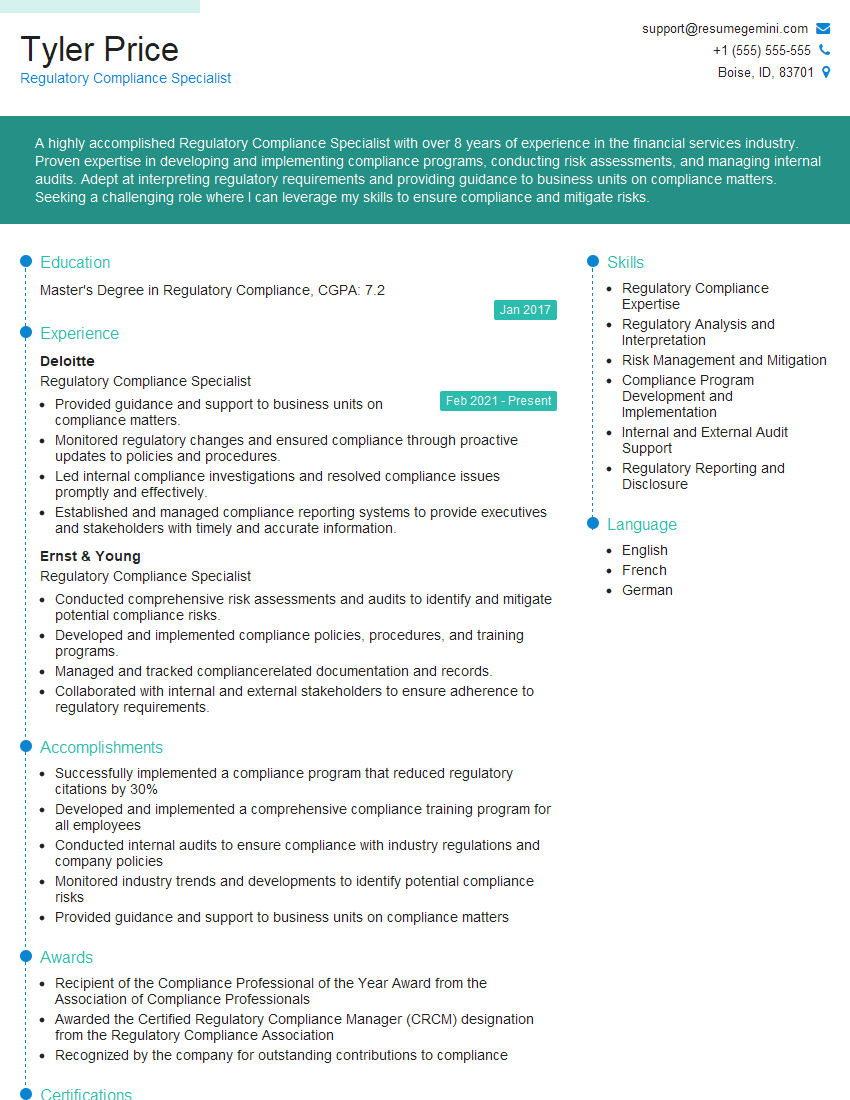
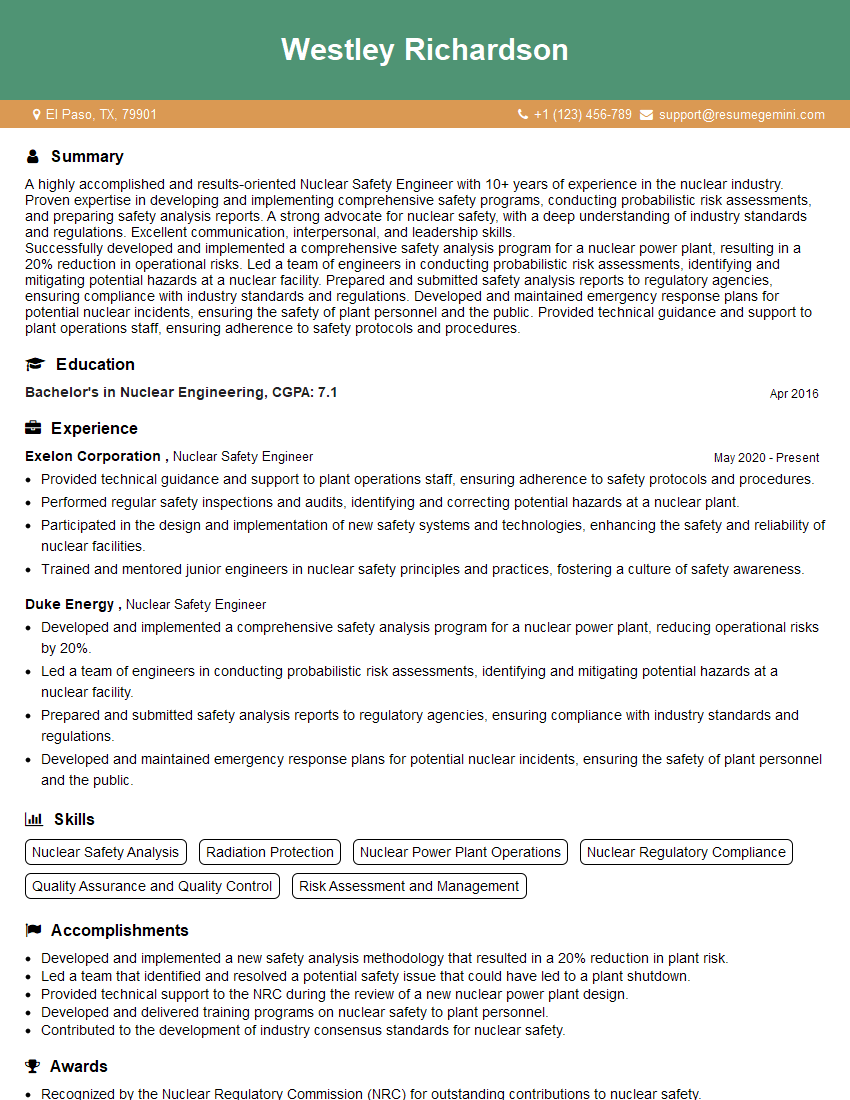
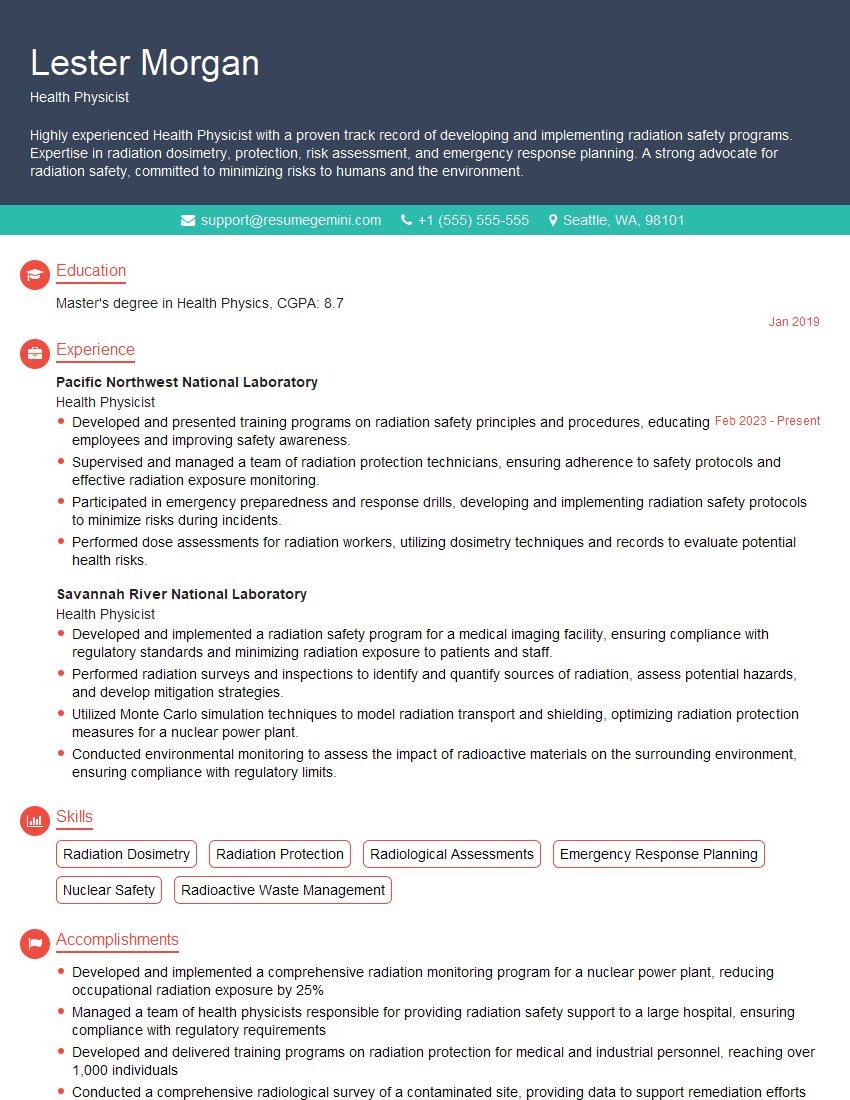
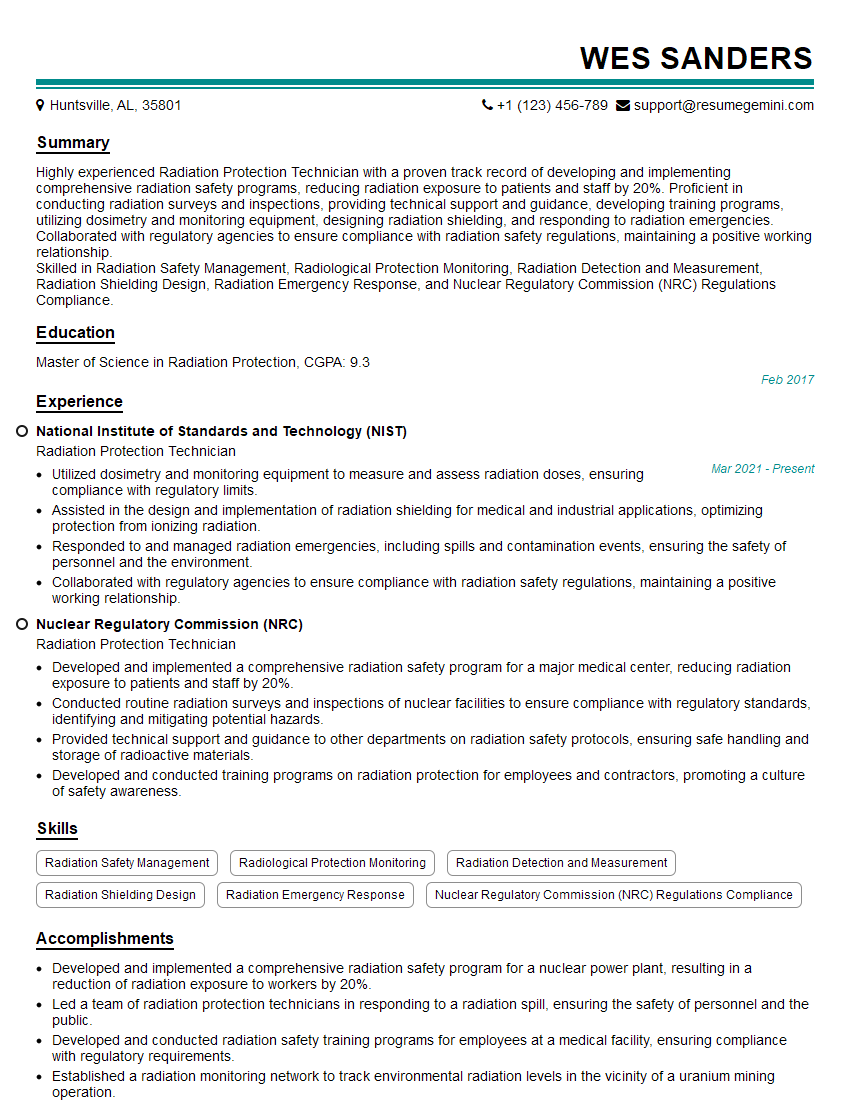
Mastering Nuclear Safety and Regulatory Compliance is crucial for a successful and rewarding career in this vital field. It opens doors to challenging and impactful roles where you can contribute to the safety and security of the public and the environment. To maximize your job prospects, focus on creating a compelling and ATS-friendly resume that highlights your skills and experience. ResumeGemini is a trusted resource that can help you build a professional resume that effectively showcases your qualifications. Examples of resumes tailored to Nuclear Safety and Regulatory Compliance are available to guide you through the process. Take the next step towards your dream career today!
Explore more articles
Users Rating of Our Blogs
Share Your Experience
We value your feedback! Please rate our content and share your thoughts (optional).
What Readers Say About Our Blog
Very informative content, great job.
good