Interviews are more than just a Q&A session—they’re a chance to prove your worth. This blog dives into essential Nursery Stock Production interview questions and expert tips to help you align your answers with what hiring managers are looking for. Start preparing to shine!
Questions Asked in Nursery Stock Production Interview
Q 1. Describe your experience with different propagation methods (e.g., cuttings, grafting, tissue culture).
Propagation is the process of creating new plants from existing ones. I have extensive experience with various methods, each suited to different plant species and production goals.
- Cuttings: This involves taking a stem, leaf, or root cutting and encouraging root formation to create a new plant. For example, I’ve successfully propagated many hardwood shrubs like Forsythia and hydrangeas using hardwood cuttings in late winter. Softwood cuttings, taken from new growth, are ideal for fast-growing plants like Coleus.
- Grafting: This joins a scion (desired cultivar) onto a rootstock (provides root system and disease resistance). I’ve utilized this extensively with fruit trees, grafting apple and pear varieties onto suitable rootstocks for improved fruit production and disease tolerance. The success rate depends significantly on precise technique and timing.
- Tissue Culture: This involves growing plantlets from small pieces of tissue under sterile conditions in a nutrient medium. This method is particularly useful for producing disease-free plants, quickly multiplying rare or desirable cultivars, and producing plants that are difficult to propagate by other methods. I’ve used tissue culture successfully with orchids and various herbaceous perennials, achieving high multiplication rates.
My selection of propagation method always depends on factors such as the plant species, the desired number of plants, the availability of resources, and the time constraints of the project.
Q 2. Explain your understanding of plant growth regulators and their applications in nursery stock production.
Plant growth regulators (PGRs) are substances that influence plant growth and development. They are essential tools in nursery stock production, allowing for manipulation of plant size, shape, and flowering.
- Auxins: Promote root development, are used in rooting cuttings (e.g., IBA for rooting cuttings).
- Gibberellins: Stimulate stem elongation and seed germination. I’ve used them to increase stem length in certain ornamental plants.
- Cytokinins: Promote cell division and shoot growth. They can be useful in tissue culture and maintaining plant vigor.
- Abscisic Acid (ABA): Induces dormancy and stress tolerance, which can be helpful for preparing plants for transplanting.
Careful application of PGRs is crucial. Overuse can lead to undesirable effects, such as excessive growth or reduced flowering. I always follow the manufacturer’s instructions and conduct trial applications before large-scale use. For instance, I might start with a lower concentration of IBA when rooting cuttings and gradually increase it based on the response of the cuttings. This ensures the optimum concentration for each plant species and specific growing condition.
Q 3. How do you manage irrigation and fertilization to optimize plant growth and yield?
Efficient irrigation and fertilization are key to optimal plant growth. I use a combination of techniques and technologies to achieve this.
- Irrigation: I employ drip irrigation for precise water delivery, minimizing water waste and ensuring even moisture distribution. For young seedlings, I use overhead sprinklers carefully to avoid damping-off diseases. Frequency and amount are adjusted based on weather conditions, plant type, and growth stage. Soil moisture sensors can assist in determining irrigation needs accurately.
- Fertilization: I use a soil testing program to determine nutrient deficiencies and tailor fertilization strategies. I utilize slow-release fertilizers for consistent nutrient supply, minimizing the risk of nutrient burn and runoff. Liquid fertilizers provide a quicker response to nutritional needs, particularly during periods of rapid growth. I frequently use foliar feeding for quick nutrient uptake. The type and amount of fertilizer depend on the species, the growth stage, and the soil analysis result.
Integrated nutrient management (INM), which combines organic and inorganic fertilizers, is my preferred approach. This method promotes soil health, plant resilience and reduces reliance on synthetic fertilizers.
Q 4. What are the common pests and diseases affecting nursery stock, and how do you control them?
Nursery stock is vulnerable to various pests and diseases. Integrated Pest Management (IPM) is my cornerstone for control.
- Common Pests: Aphids, whiteflies, spider mites, and various caterpillars are frequently encountered. Methods of control range from biological control (introducing beneficial insects like ladybugs) to selective insecticide applications. Careful monitoring is crucial for early detection.
- Common Diseases: Damping-off (fungal disease affecting seedlings), root rot, leaf spots, and powdery mildew are common problems. Disease management strategies include using disease-free planting material, improving drainage, promoting air circulation, and employing fungicides as a last resort. I often prioritize cultural practices, such as crop rotation and proper sanitation, to prevent disease outbreaks.
I emphasize preventative measures, such as selecting disease-resistant cultivars and ensuring optimal growing conditions, before resorting to chemical controls. Regular monitoring of plants, record keeping, and implementing appropriate control measures early are crucial to preventing significant losses.
Q 5. Detail your experience with different nursery stock container types and their selection criteria.
Container type selection is vital for root development and plant quality.
- Types: I use various containers including plastic pots (various sizes), air-prune containers (promote root branching), and fabric pots (improve drainage and aeration).
- Selection Criteria: Key factors include plant size, species, root system, and production goals. For instance, larger plants require larger containers, and plants with aggressive root systems might benefit from air-prune containers to prevent root circling. Fabric pots can help avoid root-bound conditions, leading to healthier, more vigorous plants.
Container choice significantly influences root development and ultimately, plant quality and transplant success. My selection is always guided by optimizing root system health and minimizing transplant shock.
Q 6. How do you ensure the quality and uniformity of nursery stock?
Ensuring quality and uniformity requires meticulous attention to detail throughout the production process.
- Standardization: Using standardized propagation techniques, consistent fertilization and irrigation practices, and well-defined growth schedules are essential. This ensures uniform plant size, growth rate, and overall quality.
- Quality Control: Regular plant inspections for pests, diseases, and growth abnormalities are crucial. This involves promptly addressing any issues to prevent widespread problems. Detailed records of all production steps are vital for continuous improvement.
- Grading: Grading plants based on size, health, and uniformity before selling allows for optimal customer satisfaction and marketing.
Maintaining quality and uniformity is an ongoing process that demands constant vigilance and a commitment to best practices. It’s not just about aesthetics but ensures that the plants are healthy and will thrive after transplantation.
Q 7. Describe your experience with plant hardening-off techniques.
Hardening-off is the gradual acclimatization of nursery stock to outdoor conditions before transplanting. This process prepares plants for the stresses of the new environment and improves transplant success.
- Techniques: I gradually reduce irrigation, increase exposure to sunlight and wind, and lower fertilization rates over several weeks. This might involve moving plants to a shaded area initially, then gradually increasing their exposure to sunlight. Reducing irrigation helps prevent transplant shock when the plants transition to their permanent locations.
- Importance: Plants that are not hardened off are more susceptible to transplant shock, resulting in reduced growth or even mortality. The process strengthens the plants, increasing their resilience to environmental stressors and improving their chances of survival and successful establishment after transplanting.
Effective hardening-off is a critical step in nursery production and is crucial for ensuring the success of plants in their ultimate planting location. I adapt my approach based on the species and the prevailing climatic conditions, ensuring a smooth transition for the plants.
Q 8. How do you manage inventory in a nursery setting?
Inventory management in a nursery is crucial for profitability and efficient operations. It involves tracking the quantity, type, size, and quality of each plant at every stage of its development, from seed or cutting to finished product. This requires a robust system, which can range from simple spreadsheets for smaller nurseries to sophisticated inventory management software for larger operations.
- Detailed records: We maintain meticulous records of every plant, including its species, cultivar, planting date, growth stage, location within the nursery, and any relevant notes on its health or development.
- Barcoding or RFID tagging: For larger nurseries, barcoding or RFID tagging individual plants or containers significantly improves tracking accuracy and speed.
- Regular inventory checks: We conduct regular physical inventory checks to verify the accuracy of our records and identify any discrepancies. This helps catch losses due to pests, disease, or other factors early on.
- Sales forecasting: Accurately forecasting sales allows us to optimize planting schedules, ensuring sufficient stock of popular varieties while minimizing waste on slow-moving items. This involves analyzing historical sales data and considering market trends.
- Integration with sales and ordering systems: Integrating inventory management with sales and ordering systems provides real-time information on stock levels, enabling us to fulfill customer orders efficiently and accurately.
For example, imagine a customer orders 100 Acer palmatum ‘Bloodgood’ Japanese maples. Our system needs to show immediately if we have that quantity available, where they are located, and if not, estimate when they will be ready for sale. This seamless integration is vital for customer satisfaction and efficient operations.
Q 9. What are the key considerations for selecting appropriate planting media?
Selecting the right planting media is paramount for successful nursery stock production. The ideal media provides optimal drainage, aeration, and water retention, while also supporting healthy root development. Key considerations include:
- Drainage: Poor drainage leads to root rot. The media should allow excess water to drain quickly, preventing waterlogging.
- Aeration: Good aeration is essential for root respiration. The media should contain sufficient air spaces between particles.
- Water retention: The media should retain sufficient moisture to prevent desiccation, but not so much that it becomes waterlogged. This balance is crucial.
- pH: The pH of the media should be appropriate for the specific plant species being grown. Most plants prefer a slightly acidic to neutral pH (6.0-7.0), but this can vary.
- Nutrient content: While the planting media doesn’t need to provide all the plant’s nutrient needs, it should have a reasonable base level of essential nutrients. Amendments like compost or peat moss can enhance this.
- Sterility: It’s critical to use sterile media to minimize the risk of soilborne diseases. Pasteurization or other sterilization techniques are often employed.
- Cost: The cost of the media must be balanced against its benefits. A balance between affordability and quality is essential.
For instance, a mix of peat moss, perlite, and vermiculite is commonly used for containerized nursery stock because it offers a good balance of drainage, aeration, and water retention. However, for specific plants with particular requirements, the mix might need adjustments. For example, cacti and succulents would need a much more gritty, well-draining mix to avoid root rot.
Q 10. Explain your knowledge of different rootstock varieties and their suitability for specific plants.
Rootstock selection is critical in grafting and budding, significantly influencing the resulting plant’s characteristics like size, disease resistance, and fruit production. Different rootstocks have varying properties that make them suitable for specific scions (the upper part of the graft).
- Dwarfing rootstocks: These rootstocks produce smaller trees, ideal for smaller gardens or landscapes. For example, Malus rootstocks are often used for dwarfing apple trees.
- Semi-dwarfing rootstocks: These provide a balance between tree size and fruit production. They’re a popular choice for many fruit trees.
- Vigorous rootstocks: These produce larger trees and are often used for plants that require strong root systems.
- Disease-resistant rootstocks: These are crucial for managing plant diseases. For instance, certain rootstocks offer resistance to fire blight in pear trees.
- Adaptability to soil types: Rootstocks vary in their tolerance to different soil conditions, such as drought tolerance or salinity tolerance.
Choosing the wrong rootstock can have devastating consequences. For example, using a rootstock susceptible to a specific disease could decimate an entire orchard. Therefore, careful selection based on the scion’s needs and the local environmental conditions is essential.
Q 11. How do you handle plant stress related to temperature fluctuations, drought, or disease?
Plant stress management is a cornerstone of successful nursery production. Effective strategies are crucial to maintain plant health and vigor.
- Temperature fluctuations: We use shade cloth, fans, and misting systems to protect plants from extreme temperatures. During periods of extreme heat or cold, we might also move plants to sheltered areas.
- Drought: Regular watering and the use of mulch are crucial. We might also employ drought-tolerant plant varieties.
- Disease: Good sanitation practices, regular pest and disease scouting, and timely application of appropriate fungicides or insecticides are essential. Preventing disease is always more effective than treating it. We use integrated pest management (IPM) strategies, focusing on prevention and employing biological controls wherever possible.
For instance, we once experienced a severe heatwave that caused significant stress in our young maple seedlings. By quickly implementing shade cloth and misting systems, we were able to minimize damage and ensure a high survival rate. Rapid response and proactive strategies are key to overcoming plant stress events.
Q 12. Describe your experience with greenhouse climate control.
Greenhouse climate control is essential for optimal plant growth. It involves managing temperature, humidity, light, and ventilation to create the ideal environment for each plant species. This often involves a sophisticated system of sensors, controllers, and actuators.
- Temperature control: Heating systems (boilers, furnaces, or heat pumps) maintain optimal temperatures during colder months, while ventilation systems and evaporative cooling manage temperatures during hot periods.
- Humidity control: Humidity levels are managed through ventilation, misting systems, and humidifiers. Appropriate humidity is crucial for preventing water stress and fungal diseases.
- Light control: Supplemental lighting is used to supplement natural light, especially during shorter days. Shading systems are employed to reduce light intensity during periods of excessive sun.
- Ventilation control: Proper ventilation prevents the build-up of heat and humidity, while also improving air circulation and reducing the risk of disease.
- Automated control systems: Sophisticated computer systems often manage climate control parameters, adjusting them automatically based on real-time sensor data. This increases efficiency and precision.
For example, a system might automatically adjust the heating and ventilation systems based on temperature sensors to maintain a consistent temperature within a specific range. Automated climate control systems save time, energy, and prevent damage from extreme climate fluctuations.
Q 13. Explain your understanding of plant nutrition and its impact on growth.
Plant nutrition plays a vital role in plant growth and development. Plants require essential macronutrients (nitrogen, phosphorus, potassium) and micronutrients (iron, zinc, manganese, etc.) for various physiological processes.
- Macronutrients: Nitrogen (N) is essential for leaf growth and chlorophyll production; phosphorus (P) is crucial for root development and flowering; potassium (K) improves water regulation and disease resistance.
- Micronutrients: These are needed in smaller quantities but are essential for various enzymatic functions. Deficiencies can lead to stunted growth and various physiological disorders.
- Fertilization strategies: We employ various fertilization strategies, including slow-release fertilizers, liquid feeds, and foliar sprays to provide the nutrients plants need at the appropriate times. Soil testing is crucial to determine nutrient levels and guide fertilization decisions.
- Nutrient deficiencies: We regularly monitor plants for signs of nutrient deficiencies, such as chlorosis (yellowing leaves) or necrosis (tissue death), which indicate a lack of certain nutrients.
For example, a nitrogen deficiency might manifest as pale yellow leaves, while a phosphorus deficiency could lead to stunted growth and poor flowering. Recognizing these symptoms allows us to apply appropriate corrective measures to restore plant health and optimize growth.
Q 14. How do you assess the health and maturity of nursery stock?
Assessing the health and maturity of nursery stock involves a combination of visual inspection, physical measurements, and sometimes, laboratory testing.
- Visual inspection: We carefully examine plants for signs of disease, pests, or other stress factors, checking leaves, stems, and roots. Healthy plants should have a vibrant color and be free from damage.
- Physical measurements: Height, caliper (trunk diameter), and root system development are crucial indicators of maturity. We use standardized measurements to ensure consistency and quality.
- Root system evaluation: A well-developed root system is essential for successful transplanting. We assess root health, looking for signs of rot, damage, or circling roots (which can impede growth).
- Grading standards: We follow industry grading standards to classify plants based on their size, quality, and maturity. This ensures consistency and assists customers in selecting the appropriate plants.
- Laboratory testing (if needed): In some cases, laboratory tests may be conducted to identify specific diseases or nutrient deficiencies.
For example, we might reject a batch of plants if they exhibit significant root rot or if their caliper is smaller than the required minimum for the specified grade. Strict quality control ensures customer satisfaction and the overall success of our nursery.
Q 15. What are your strategies for optimizing plant spacing and density?
Optimizing plant spacing and density is crucial for maximizing yield and plant health in a nursery. It’s a balancing act: too close, and plants compete for resources; too far, and you lose valuable space. My strategy involves considering several factors.
- Species-specific requirements: Different plants have different needs. For instance, shade-tolerant species can be planted at higher densities than sun-loving ones. I consult growth habit charts and research papers to determine optimal spacing for each species.
- Growth habit: A plant’s natural shape and spread are key. A sprawling plant needs more space than a compact one. I also consider root systems; aggressive root systems require more spacing to avoid root competition.
- Resource availability: Soil fertility, sunlight penetration, and water availability influence optimal density. In areas with rich soil and ample sunlight, I can increase density; in poorer conditions, wider spacing is necessary. I often use soil tests to inform these decisions.
- Production goals: Are we aiming for large, high-quality plants, or a high volume of smaller plants? This dramatically affects planting density. For instance, larger container sizes necessitate greater spacing.
- Mechanization: The use of automated systems, like robotic planters, can influence spacing precision and potentially allow for higher densities.
For example, when planting shade-tolerant hostas, I might use a much denser planting scheme than for sun-loving zinnias which need more individual space to thrive and avoid shading each other. I constantly monitor plant growth and adjust accordingly, sometimes thinning out overcrowded areas to ensure each plant has enough resources.
Career Expert Tips:
- Ace those interviews! Prepare effectively by reviewing the Top 50 Most Common Interview Questions on ResumeGemini.
- Navigate your job search with confidence! Explore a wide range of Career Tips on ResumeGemini. Learn about common challenges and recommendations to overcome them.
- Craft the perfect resume! Master the Art of Resume Writing with ResumeGemini’s guide. Showcase your unique qualifications and achievements effectively.
- Don’t miss out on holiday savings! Build your dream resume with ResumeGemini’s ATS optimized templates.
Q 16. Describe your experience with pruning and shaping techniques for various plant species.
Pruning and shaping techniques are essential for maintaining plant health, aesthetics, and optimizing growth. My experience encompasses a wide range of species, each requiring a tailored approach.
- Heading cuts: These cuts, made just above a bud or node, promote branching and bushier growth. This is common in shaping shrubs and flowering plants like hydrangeas to create a fuller appearance.
- Thinning cuts: Removing entire branches back to their origin point opens up the plant’s interior, improving air circulation and reducing disease risk. This is useful for fruit trees to improve light penetration to fruit and maintain strong branching.
- Pinch pruning: Removing the terminal buds of young stems encourages bushier growth in herbs and bedding plants, leading to more compact and flowering plants.
For instance, with fruit trees like apples, I use thinning cuts to remove competing branches, improving light penetration and fruit size. Conversely, for topiary work, heading cuts are crucial in maintaining the desired shape. Every species reacts differently; understanding their growth habit and flowering patterns is key. I use different timing approaches—pruning some plants while dormant and others during active growth—depending on the individual species’ needs. I also utilize specialized tools, choosing the right saw or shear for each type of cut and plant size.
Q 17. How do you ensure compliance with industry regulations and safety standards?
Compliance with industry regulations and safety standards is paramount. My approach involves a multi-faceted strategy.
- Pest and disease management: We follow Integrated Pest Management (IPM) strategies, minimizing pesticide use and prioritizing biological controls to protect both plants and workers. This includes regular monitoring, accurate identification of pests and diseases, and record-keeping of all treatments.
- Worker safety: Strict adherence to OSHA guidelines is mandatory, including proper use of personal protective equipment (PPE), safe handling of chemicals, and training on equipment operation. Regular safety meetings and inspections are conducted.
- Environmental regulations: We comply with all environmental regulations regarding water usage, waste disposal, and soil conservation. This includes using water-efficient irrigation methods and adhering to regulations for fertilizer applications. I oversee regular environmental impact assessments.
- Plant health certifications: Our nursery maintains necessary certifications and permits to ensure the health and origin of our plants are properly documented and meet regulatory standards. This is vital for interstate trade and importing/exporting plants.
For example, we meticulously record all pesticide applications, noting the date, product used, application rate, and target pest. This documentation is crucial for traceability and compliance audits. We also invest heavily in PPE and provide comprehensive safety training to all employees.
Q 18. Describe your experience with record-keeping and data management in a nursery setting.
Effective record-keeping and data management are crucial for efficient nursery operations. I utilize a combination of manual and digital methods.
- Inventory tracking: We maintain a detailed inventory of all plants, including species, quantity, pot size, planting date, and location. I use inventory management software to help streamline this process and improve accuracy.
- Growth records: We track plant growth parameters such as height, width, and overall vigor. This data helps in identifying potential problems early on and aids in optimization of growing techniques. I might use spreadsheets or specialized horticultural software.
- Pest and disease records: As mentioned previously, meticulous records are kept of pest and disease outbreaks, including treatments applied. This data informs future management strategies and enables us to identify trends.
- Production data: We track production metrics such as yield, labor costs, and sales data. This information is vital for evaluating efficiency and making informed business decisions. Data analysis is crucial for identifying trends and areas for improvement.
Our digital records are regularly backed up to prevent data loss. I ensure all team members are trained on the use of our inventory and tracking software to maintain consistency and accuracy.
Q 19. What is your experience with automated nursery systems?
My experience with automated nursery systems includes the implementation and management of several technologies.
- Automated irrigation systems: We utilize computerized irrigation systems that deliver precise amounts of water to plants based on environmental conditions, such as soil moisture levels and weather forecasts. This results in significant water savings and optimal plant hydration.
- Automated fertilization systems: These systems deliver fertilizers according to a pre-programmed schedule, ensuring consistent nutrient supply. Precise nutrient management improves growth and reduces waste.
- Robotics in planting and transplanting: Although not yet fully integrated, we are exploring robotic solutions for precise planting and transplanting operations, which can dramatically improve efficiency and reduce labor costs. We’ve trialled a robotic arm system for precise pot filling.
- Climate control systems: In our greenhouses, we utilize climate control systems to maintain optimal temperature and humidity levels, leading to improved plant growth and reduced stress.
The implementation of these systems requires careful planning and integration. However, the benefits in terms of efficiency, resource management, and precision are substantial. We continuously evaluate new automated technologies to improve our operations further.
Q 20. How do you troubleshoot issues related to slow growth or poor plant vigor?
Troubleshooting slow growth or poor plant vigor is a common challenge. My approach is systematic and involves several steps.
- Visual inspection: I begin by carefully examining the plants for visible signs of stress, such as yellowing leaves, wilting, or pest infestations. I look at the root systems during transplanting for damage or disease.
- Environmental assessment: I then evaluate the environmental conditions, including light levels, temperature, humidity, and soil conditions. Soil tests are crucial to identify nutrient deficiencies.
- Pest and disease diagnosis: I carefully examine plants for signs of pests or diseases. Sometimes this requires laboratory analysis to determine the cause.
- Nutritional assessment: I review the fertilization program and consider the possibility of nutrient deficiencies or imbalances. Soil tests are used to guide nutrient adjustments.
- Watering practices: I assess watering practices, ensuring adequate hydration without overwatering or underwatering.
For example, if plants show yellowing leaves and poor growth, I might conduct a soil test, revealing a nitrogen deficiency. Adjusting the fertilization program would address the issue. If pests are present, appropriate control measures would be implemented. A systematic approach, combining observation with data analysis, is crucial for accurate diagnosis and effective remediation.
Q 21. How do you manage labor and scheduling in a nursery operation?
Efficient labor and scheduling are vital in nursery operations. My approach incorporates several key elements.
- Task scheduling: I create detailed task schedules based on plant needs, seasonal demands, and available resources. This might include a detailed weekly schedule outlining tasks by team and area.
- Team organization: I organize teams based on their skill sets and experience. This ensures efficient execution of various tasks, from planting and pruning to irrigation and pest management.
- Training and skill development: Regular training and skill development programs enhance employee efficiency and reduce errors. This includes hands-on training and regular refresher courses.
- Performance monitoring and feedback: I regularly monitor team performance, provide feedback, and identify areas for improvement. This ensures that tasks are completed efficiently and to a high standard. I track time spent per task to optimize processes.
- Technology utilization: We use scheduling software to manage tasks and employee availability. This improves efficiency and helps prevent scheduling conflicts.
For instance, during peak seasons, I adjust schedules to accommodate increased workload, often deploying extra staff. A well-organized and trained team, combined with efficient scheduling, is crucial for maximizing productivity and minimizing costs.
Q 22. Explain your experience with marketing and selling nursery stock.
My experience in marketing and selling nursery stock spans over 15 years, encompassing diverse strategies from direct sales to wholesale distribution and online marketing. I’ve worked with both large landscaping companies and individual homeowners, understanding their unique needs and tailoring my approach accordingly. For example, when dealing with landscapers, I focus on volume discounts and timely delivery, emphasizing the health and uniformity of the stock. With homeowners, the focus shifts to individual plant selection, providing advice on suitability for their gardens and offering planting and care instructions. My success stems from building strong relationships, understanding market trends, and actively participating in industry events to network and stay abreast of new varieties and customer preferences. I also utilize digital marketing, managing online catalogs and social media presence to reach a wider audience.
A key success story involves developing a relationship with a large regional park system. By understanding their need for large quantities of native species for reforestation projects, I was able to negotiate a long-term contract, securing a significant portion of our annual sales. This showcases my ability to not only sell stock but to forge valuable partnerships based on mutual benefit.
Q 23. What is your experience with different plant species and their specific cultural requirements?
My expertise extends to a wide range of plant species, encompassing both ornamentals and woody plants. I’m proficient in the cultural requirements of deciduous and evergreen trees, shrubs, conifers, perennials, and groundcovers. This includes a deep understanding of their specific needs regarding sun exposure, soil type, water requirements, and fertilization. For instance, I understand that Acer palmatum (Japanese Maple) thrives in partial shade with well-drained, slightly acidic soil, while Pinus strobus (Eastern White Pine) prefers full sun and tolerates a wider range of soil conditions. I’ve also managed the production of various flowering plants, including roses, hydrangeas, and azaleas, requiring careful pruning, pest management, and fertilization schedules tailored to each species. My experience encompasses both common and less prevalent species, allowing me to provide expert guidance in selection and cultivation for a wide array of projects.
Q 24. How do you manage waste and environmental impact in a nursery operation?
Environmental sustainability is paramount in our nursery operations. We employ several strategies to minimize waste and lessen our environmental impact. We practice integrated pest management (IPM), reducing reliance on chemical pesticides and herbicides. This involves monitoring for pests and diseases early, implementing preventative measures, and using biological controls whenever feasible. For instance, we utilize beneficial nematodes to control soilborne pests. We also compost green waste, such as prunings and plant debris, to create nutrient-rich soil amendments, thereby reducing waste sent to landfills. Water conservation is critical; we utilize drip irrigation systems to deliver water directly to plant roots, minimizing water loss through evaporation. Furthermore, we’ve invested in rainwater harvesting systems to supplement our irrigation needs during dry periods. We actively strive to source our growing media from sustainable and renewable sources, opting for peat-free alternatives whenever possible.
Q 25. What are your strategies for improving efficiency and productivity in the nursery?
Improving efficiency and productivity is an ongoing process. We leverage technology to enhance various aspects of our operation. For example, we utilize automated irrigation systems and precision fertigation to ensure optimal water and nutrient delivery, reducing resource waste and labor costs. We employ data-driven decision making, tracking plant growth metrics and yield data to identify areas for improvement in our cultivation practices. We have also implemented lean manufacturing principles to streamline our workflows, minimizing unnecessary steps and improving overall efficiency. Furthermore, we regularly evaluate our production processes to identify and implement time-saving techniques. For instance, we’ve invested in mechanized equipment for tasks such as transplanting and pruning, significantly increasing productivity and reducing labor demands. We encourage continuous training for our staff to enhance their skills and efficiency.
Q 26. Describe your experience with various types of equipment used in nursery production.
My experience with nursery production equipment is extensive. I’m proficient in operating and maintaining a wide range of machinery, including tractors, tillers, mowers, and various specialized nursery equipment such as:
- Transplanters: For efficient and accurate planting of seedlings and cuttings.
- Irrigation systems: Including drip irrigation, overhead sprinklers, and soaker hoses, optimized for water conservation.
- Fertigation systems: For precise application of fertilizers through irrigation systems.
- Pruning shears and saws: Various tools tailored to different plant types and pruning techniques.
- Cultivators and aerators: For soil preparation and aeration.
Q 27. How do you develop and implement pest and disease management plans?
Pest and disease management is a proactive and integrated approach. We begin with preventative measures, such as selecting disease-resistant cultivars, practicing good sanitation, and maintaining optimal growing conditions to minimize stress on plants, making them less susceptible to pests and diseases. Regular scouting is crucial, allowing for early detection of any problems. We utilize a variety of control methods:
- Cultural controls: Proper spacing, pruning, and fertilization to promote plant vigor.
- Biological controls: Introducing beneficial insects and nematodes to control pests naturally.
- Chemical controls: Used only as a last resort and only when absolutely necessary, opting for the least toxic options and following label instructions strictly.
Q 28. Describe your experience with budgeting and financial management in a nursery setting.
Budgeting and financial management are crucial for the success of any nursery. I have extensive experience in developing and managing budgets, forecasting sales, tracking expenses, and analyzing profitability. This includes managing inventory, predicting production costs, pricing strategies to ensure profitability, and monitoring cash flow. I utilize various financial tools and software to track key performance indicators (KPIs), allowing for data-driven decisions to optimize resource allocation and improve efficiency. For example, I use spreadsheets to track sales, inventory levels, and costs associated with different plant species, which allows me to identify areas where cost reduction is possible without impacting product quality. I’m also proficient in preparing financial reports for investors and stakeholders. Strong financial management ensures the long-term health and sustainability of the nursery operation.
Key Topics to Learn for Nursery Stock Production Interview
- Propagation Techniques: Understanding various methods like seed propagation, cuttings, grafting, and tissue culture; their suitability for different plant species and environmental considerations.
- Plant Physiology & Growth: Knowledge of plant growth stages, nutrient requirements, and environmental factors influencing growth (light, temperature, water, etc.); practical application in adjusting growing conditions for optimal yield and quality.
- Pest & Disease Management: Identifying common pests and diseases affecting nursery stock; implementing integrated pest management (IPM) strategies, including biological, cultural, and chemical controls; understanding preventative measures.
- Nursery Stock Handling & Transportation: Proper techniques for handling plants to minimize damage during transplanting, transportation, and storage; understanding the importance of plant health during these processes.
- Soil Science & Media Preparation: Understanding soil composition, drainage, and aeration; preparing appropriate growing media for different plant types; recognizing the impact of soil health on plant growth.
- Irrigation & Water Management: Implementing efficient irrigation techniques; understanding water requirements of various plant species and the impact of overwatering or underwatering; water conservation strategies.
- Cultivar Selection & Variety Management: Understanding the characteristics of different plant cultivars; selecting appropriate plants for specific growing conditions and market demands; managing plant diversity within a nursery.
- Inventory Management & Record Keeping: Tracking plant inventory, sales, and production; maintaining accurate records for traceability and efficient operations.
- Economics of Nursery Stock Production: Understanding production costs, pricing strategies, and profitability; analyzing market trends and consumer demand.
- Safety & Regulations: Adhering to safety protocols in the nursery environment; complying with relevant regulations related to plant health and worker safety.
Next Steps
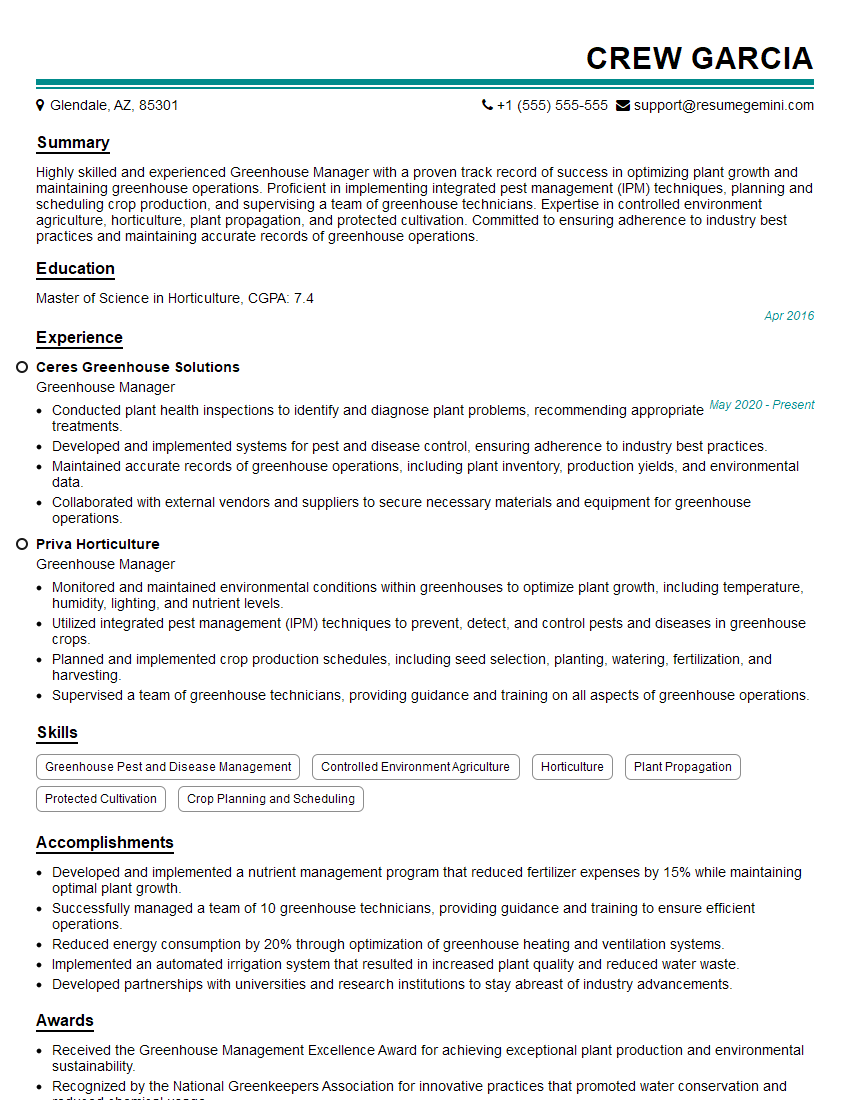
Mastering Nursery Stock Production opens doors to a rewarding career with opportunities for advancement and specialization. A strong understanding of these principles is crucial for success. To enhance your job prospects, focus on creating an ATS-friendly resume that highlights your skills and experience effectively. ResumeGemini is a trusted resource that can help you build a professional resume that stands out. Examples of resumes tailored to Nursery Stock Production are available to help you get started.

Explore more articles
Users Rating of Our Blogs
Share Your Experience
We value your feedback! Please rate our content and share your thoughts (optional).
What Readers Say About Our Blog
good