Are you ready to stand out in your next interview? Understanding and preparing for Nutrition and Hydration Management interview questions is a game-changer. In this blog, we’ve compiled key questions and expert advice to help you showcase your skills with confidence and precision. Let’s get started on your journey to acing the interview.
Questions Asked in Nutrition and Hydration Management Interview
Q 1. Explain the role of electrolytes in hydration.
Electrolytes are minerals that carry an electric charge when dissolved in body fluids like blood and sweat. They play a crucial role in hydration by influencing the movement of water between the body’s compartments (intracellular, extracellular). Think of them as tiny magnets controlling water distribution.
Key electrolytes include sodium (Na+), potassium (K+), chloride (Cl-), calcium (Ca2+), and magnesium (Mg2+). They help maintain fluid balance, regulate nerve and muscle function, and support various metabolic processes.
How they affect hydration: When you sweat, you lose electrolytes. If you don’t replace them, your body has difficulty absorbing water efficiently, leading to dehydration even if you’re drinking plenty of fluids. Sports drinks often contain electrolytes to aid rehydration after intense activity. For example, after a long run, a sports drink will help replace lost sodium and potassium, enabling better water absorption than plain water alone.
In summary, proper electrolyte balance is critical for effective hydration. Deficiency can result in muscle cramps, fatigue, and serious health issues.
Q 2. Describe the difference between macronutrients and micronutrients.
Macronutrients and micronutrients are both essential components of a balanced diet, but they differ significantly in the quantities needed and their functions.
- Macronutrients are required in relatively large amounts and provide energy. They are:
- Carbohydrates: The body’s primary energy source. Examples include grains, fruits, and vegetables.
- Proteins: Essential for building and repairing tissues, making enzymes and hormones. Found in meat, poultry, fish, beans, and lentils.
- Fats: Provide energy, support cell function, and aid in vitamin absorption. Found in oils, nuts, seeds, and fatty fish.
- Micronutrients are needed in smaller quantities, but they are equally vital for various bodily functions. They are:
- Vitamins: Organic compounds necessary for numerous metabolic processes. Examples include Vitamin C, Vitamin D, and Vitamin B12.
- Minerals: Inorganic substances that contribute to various functions, including bone health, nerve transmission, and fluid balance. Examples include iron, calcium, and zinc.
Think of it this way: macronutrients are the major building blocks of your house (energy and structure), while micronutrients are the essential details that make it functional (electrical wiring, plumbing).
Q 3. What are the nutritional needs of an athlete?
An athlete’s nutritional needs differ significantly from those of a sedentary individual due to the increased energy expenditure and demands placed on their bodies. Their diet should focus on:
- Increased Calorie Intake: To fuel training and recovery, athletes require a higher caloric intake than non-athletes. The exact amount depends on the intensity, duration, and type of training.
- Carbohydrate Loading: Carbohydrates are the primary energy source for muscle activity. Athletes benefit from consuming adequate carbohydrates to replenish glycogen stores (energy storage in muscles) before and after training.
- Protein Optimization: Protein is crucial for muscle repair and growth. Athletes need more protein than sedentary individuals to support muscle recovery and prevent injury.
- Hydration and Electrolyte Balance: Athletes lose significant fluids and electrolytes through sweat, so it’s crucial to hydrate adequately and replace lost electrolytes, particularly during and after intense training.
- Micronutrient Adequacy: Ensuring adequate intake of vitamins and minerals is essential for optimal performance and immune function. Athletes may benefit from supplementation in certain cases.
For example, a marathon runner will need a high carbohydrate intake in the days leading up to the race (carbohydrate loading) and will need to prioritize hydration and electrolyte replacement during and after the race.
Q 4. How do you assess a patient’s hydration status?
Assessing a patient’s hydration status involves considering several factors, both subjective and objective.
- Subjective Assessment: This involves asking the patient about their fluid intake, urine output, and any symptoms suggestive of dehydration, such as thirst, dizziness, or fatigue.
- Objective Assessment: This includes:
- Physical Examination: Assessing skin turgor (elasticity), mucous membrane moisture, and capillary refill time. Poor skin turgor (tent formation when pinching the skin), dry mucous membranes, and slow capillary refill are indicative of dehydration.
- Vital Signs: Monitoring heart rate and blood pressure. Increased heart rate and decreased blood pressure can indicate dehydration.
- Urine Analysis: Assessing urine color and concentration. Dark, concentrated urine suggests dehydration.
- Laboratory Tests: Measuring serum electrolytes (sodium, potassium) and blood urea nitrogen (BUN) to detect electrolyte imbalances and dehydration.
For example, a patient who presents with dry mouth, dark urine, and decreased skin turgor alongside increased heart rate is likely dehydrated, needing immediate intervention. Laboratory tests would further confirm the severity of dehydration and electrolyte imbalances.
Q 5. What are the signs and symptoms of dehydration?
Dehydration occurs when the body loses more fluids than it takes in. Signs and symptoms can range from mild to severe, depending on the degree of dehydration.
- Mild Dehydration: Thirst, dry mouth, fatigue, decreased urine output, and dark-colored urine.
- Moderate Dehydration: Sunken eyes, decreased skin turgor, dizziness, headache, rapid heartbeat, and muscle cramps.
- Severe Dehydration: Extreme thirst, very dry mouth, rapid and weak pulse, low blood pressure, confusion, and loss of consciousness. This is a medical emergency requiring immediate attention.
For instance, if someone experiences significant thirst, dizziness, and dark urine after intense exercise without adequate fluid intake, they should immediately consume fluids to rehydrate and avoid progressing to more severe stages of dehydration.
Q 6. Explain the concept of total parenteral nutrition (TPN).
Total Parenteral Nutrition (TPN) is a method of delivering nutritional support intravenously, bypassing the gastrointestinal tract. It is used when a patient is unable to meet their nutritional needs through oral or enteral (feeding tube) routes.
Components of TPN: A TPN solution typically contains a mixture of glucose, amino acids, lipids (fats), electrolytes, vitamins, and trace minerals, tailored to the patient’s individual needs. These nutrients are administered through a central venous catheter (a catheter inserted into a large vein).
Clinical Applications: TPN is used in various situations, including:
- Severe bowel disorders preventing adequate nutrient absorption.
- Extensive burns.
- Post-operative complications hindering oral intake.
- Severe malnutrition.
- Cancer patients undergoing chemotherapy.
TPN is a complex therapy that requires careful monitoring to prevent complications such as infection, electrolyte imbalances, and liver damage. A specialized team of healthcare professionals, including physicians, pharmacists, and dietitians, oversees the administration and management of TPN.
Q 7. Discuss the dietary recommendations for managing type 2 diabetes.
Dietary management is a cornerstone of type 2 diabetes management. The goal is to maintain healthy blood sugar levels, manage weight, and reduce the risk of complications. Recommendations include:
- Portion Control: Eating meals and snacks in moderate portions to prevent blood sugar spikes.
- Carbohydrate Counting: Tracking carbohydrate intake to manage blood glucose levels effectively. This involves understanding the glycemic index (GI) and glycemic load (GL) of foods, focusing on low GI/GL options.
- Fiber Intake: High fiber intake helps regulate blood sugar and cholesterol levels. Good sources include fruits, vegetables, and whole grains.
- Healthy Fats: Incorporating unsaturated fats (found in olive oil, avocados, nuts, and seeds) while limiting saturated and trans fats.
- Lean Protein: Choosing lean protein sources like fish, poultry, beans, and lentils. Protein helps regulate blood sugar and promotes satiety.
- Limit Sugary Drinks and Processed Foods: These contribute to weight gain and worsen blood sugar control.
- Regular Meal Timing: Consistency in meal timing can help regulate blood sugar levels.
It is crucial that individuals with type 2 diabetes work closely with a registered dietitian or certified diabetes educator to create a personalized meal plan that suits their individual needs and preferences. Regular monitoring of blood sugar levels is essential to assess the effectiveness of the dietary plan.
Q 8. Describe the nutritional needs during pregnancy and lactation.
Nutritional needs during pregnancy and lactation undergo significant changes to support fetal development and milk production. Increased caloric intake is crucial, along with specific micronutrients.
Increased Caloric Needs: The recommended daily caloric increase varies, but generally ranges from 300-500 additional calories per day during pregnancy and an additional 500 calories per day during lactation. This energy is needed for fetal growth, placental development, and maternal tissue changes in pregnancy, and for milk production during lactation.
Essential Micronutrients:
Folate (Folic Acid): Crucial for preventing neural tube defects in the developing fetus. Supplementation is often recommended.
Iron: Increased blood volume necessitates higher iron intake to prevent anemia. Iron-rich foods and possibly supplementation are important.
Calcium: Essential for bone development in both mother and baby. Dairy products, leafy greens, and fortified foods are key sources.
Iodine: Supports thyroid hormone production, which is vital for fetal brain development. Iodized salt is a good source.
Vitamin D: Important for calcium absorption and bone health. Sunlight exposure and fortified foods are important.
Vitamin B12: Essential for cell growth and development. Meat, poultry, fish, and dairy are good sources.
Protein: Increased protein requirements support tissue growth and repair in both mother and baby. Lean meats, poultry, fish, beans, lentils, and dairy are excellent sources.
Hydration: Adequate fluid intake is critical to support increased blood volume and milk production.
Example: A pregnant woman in her second trimester might benefit from adding a protein shake to her daily routine, ensuring she consumes enough folate-rich foods like spinach, and regularly consuming calcium-rich foods like yogurt.
Q 9. How do you counsel patients on healthy eating habits?
Counseling patients on healthy eating habits requires a patient-centered approach, focusing on behavior change and individualized strategies. I use the following methods:
Assess Current Diet: A thorough dietary assessment – using methods like food frequency questionnaires, 24-hour recalls, or food diaries – helps understand current eating patterns and identify areas for improvement. This allows for tailored recommendations.
Set Realistic Goals: Small, achievable changes are more sustainable than drastic overhauls. For example, instead of aiming for a complete dietary overhaul, I might recommend starting with adding one serving of fruits and vegetables per day.
Focus on Whole Foods: Emphasize the consumption of minimally processed whole foods, such as fruits, vegetables, whole grains, lean proteins, and healthy fats, while reducing processed foods, sugary drinks, and unhealthy fats.
Portion Control: Educate patients on appropriate portion sizes using visual aids and measuring tools. This helps manage caloric intake.
Meal Planning: Encourage planning meals and snacks in advance to promote mindful eating and reduce impulsive unhealthy food choices.
Address Barriers: Identify and address barriers to healthy eating, such as time constraints, financial limitations, or lack of cooking skills. For example, I might provide patients with resources on budget-friendly meal planning or quick and easy recipes.
Provide Ongoing Support: Regular follow-up appointments and support, including educational materials and resources, help patients maintain healthy habits.
Example: For a patient struggling with weight management, I might work with them to identify triggers for unhealthy eating, and create a meal plan that includes portion-controlled meals, incorporating strategies for managing stress and emotional eating.
Q 10. Explain the importance of fiber in the diet.
Fiber plays a vital role in digestive health and overall well-being. It’s a type of carbohydrate that the body can’t digest, meaning it passes through the digestive system relatively intact.
Promotes Regularity: Fiber adds bulk to the stool, making it easier to pass and preventing constipation.
Supports Gut Health: Fiber acts as a prebiotic, feeding beneficial bacteria in the gut. A healthy gut microbiota is linked to improved immune function and overall health.
Helps Manage Blood Sugar: Fiber slows down the absorption of sugar into the bloodstream, helping to prevent blood sugar spikes and crashes, particularly beneficial for individuals with diabetes.
Lowers Cholesterol: Soluble fiber binds to cholesterol in the digestive tract, helping to eliminate it from the body and lowering blood cholesterol levels.
Promotes Satiety: Fiber-rich foods are often more filling, helping to manage appetite and weight.
Example: Adding oats to breakfast, incorporating more fruits and vegetables into meals, and choosing whole-grain bread over refined-grain bread are simple ways to increase fiber intake.
Q 11. What are the risks associated with inadequate hydration?
Inadequate hydration carries significant risks across various bodily systems.
Dehydration: This is the most immediate risk, resulting in symptoms ranging from thirst and fatigue to dizziness, confusion, and in severe cases, organ failure.
Cardiovascular Issues: Dehydration can reduce blood volume, leading to decreased blood pressure and increased heart rate. It can also contribute to blood clots.
Kidney Problems: The kidneys require adequate fluid to filter waste products from the blood. Dehydration can impair kidney function, potentially leading to kidney stones or other complications.
Gastrointestinal Problems: Dehydration can cause constipation and make existing digestive issues worse.
Cognitive Impairment: Even mild dehydration can negatively affect cognitive function, causing decreased concentration and alertness.
Temperature Regulation: The body relies on water to regulate temperature. Dehydration impairs this process, increasing the risk of heatstroke.
Example: An elderly person with limited mobility might be at higher risk of dehydration due to decreased thirst sensation and difficulty accessing fluids. This highlights the importance of proactive hydration strategies for vulnerable populations.
Q 12. Describe various methods for monitoring fluid balance.
Monitoring fluid balance involves assessing both fluid intake and fluid output. Methods include:
Intake and Output (I&O) Records: Carefully measuring and recording all fluids consumed (drinks, soups, ice cream etc.) and all fluids excreted (urine, stool, vomit, wound drainage etc.) over a specific period (e.g., 24 hours). This provides a quantitative assessment of fluid balance.
Urine Output Monitoring: Regularly monitoring the volume, color, and concentration of urine is a simple, yet effective indicator of hydration status. Decreased urine volume and dark urine suggest dehydration.
Weight Monitoring: A significant and rapid weight loss can indicate dehydration. Daily weight checks can be particularly useful in monitoring fluid balance, especially in hospitalized patients.
Clinical Assessment: Assessing vital signs, such as heart rate and blood pressure, skin turgor (elasticity of the skin), and mucous membrane moisture, can provide clues about hydration status. Dry mucous membranes and decreased skin turgor are signs of dehydration.
Laboratory Tests: In cases of severe dehydration or suspected electrolyte imbalances, blood tests to measure serum electrolytes (sodium, potassium, etc.) and serum osmolality (a measure of solute concentration in blood) are crucial.
Example: For a post-operative patient, careful I&O monitoring is critical. If urine output is significantly low, it may indicate a need for intravenous fluid therapy.
Q 13. How do you manage food allergies and intolerances in your patients?
Managing food allergies and intolerances requires a multi-pronged approach:
Accurate Diagnosis: A proper diagnosis, often involving allergy testing or elimination diets, is fundamental. It’s essential to distinguish between true allergies (IgE-mediated reactions) and intolerances (non-IgE-mediated reactions).
Dietary Elimination and Introduction: For suspected food allergies or intolerances, a carefully planned elimination diet, guided by a registered dietitian or allergist, is often employed. The gradual reintroduction of suspected foods allows for accurate identification of triggers.
Label Reading and Food Safety: Educate patients on careful label reading to identify potential allergens. Teach them about cross-contamination risks, particularly important when dining out or preparing meals in shared kitchens.
Emergency Plan: Patients with severe allergies should have an emergency plan in place, including readily available epinephrine auto-injectors (like EpiPens) and knowledge of how to use them. They must also be aware of symptoms of anaphylaxis.
Nutritional Management: Develop a nutrition plan to ensure patients receive adequate nutrients while avoiding allergenic foods. This might involve substituting allergenic foods with nutritionally comparable alternatives.
Collaboration with Other Healthcare Professionals: Effective management often requires collaboration with allergists, gastroenterologists, and other specialists.
Example: A patient with a peanut allergy needs to avoid all products containing peanuts or peanut derivatives. I would work with them to create a meal plan that provides sufficient protein and other essential nutrients without peanuts. This could involve increased consumption of other nut butters (like sunflower seed butter) or legume sources of protein.
Q 14. Explain the role of nutrition in wound healing.
Nutrition plays a pivotal role in wound healing. Adequate nutrient intake supports various stages of the healing process.
Protein: Essential for tissue repair and collagen synthesis, the main structural protein in skin and other tissues. Adequate protein intake is critical for wound closure.
Vitamin C: A crucial antioxidant and cofactor in collagen synthesis. Vitamin C deficiency can impair wound healing.
Zinc: Involved in cell growth and repair, and immune function. Zinc deficiency can delay wound healing.
Vitamin A: Plays a role in immune function and tissue regeneration.
Iron: Essential for oxygen transport to tissues, which is crucial for wound healing.
Energy: Wound healing is an energy-intensive process. Sufficient calorie intake is necessary to support energy needs.
Example: A patient with a pressure ulcer will require a diet rich in protein, vitamin C, zinc, and other nutrients to promote efficient wound healing. This might involve increasing protein intake through lean meats, fish, or beans and incorporating vitamin C-rich fruits and vegetables into their daily diet.
Q 15. Discuss the nutritional implications of obesity.
Obesity, characterized by excessive body fat accumulation, carries significant nutritional implications. It’s not simply about excess calories; it’s a complex interplay of factors affecting nutrient absorption, metabolism, and overall health.
- Increased Risk of Nutrient Deficiencies: Obese individuals may have lower levels of certain micronutrients like vitamins D, E, and B12, due to dilution within the larger body mass and potential impairments in nutrient absorption. They may also have inadequate intake of essential vitamins and minerals, simply because their dietary habits aren’t providing what is needed for their size.
- Insulin Resistance and Metabolic Syndrome: Excess body fat, particularly visceral fat (around the organs), contributes to insulin resistance, a condition where the body’s cells don’t respond properly to insulin, leading to elevated blood sugar levels. This can negatively impact the metabolism of various nutrients.
- Inflammation and Oxidative Stress: Chronic low-grade inflammation, often associated with obesity, can affect nutrient utilization and increase oxidative stress, damaging cells and tissues.
- Altered Gut Microbiome: Obesity is linked to changes in the gut microbiota, impacting digestion, nutrient absorption, and overall metabolic processes. A healthy gut microbiome is crucial for optimal nutrient uptake.
- Increased Risk of Chronic Diseases: Obesity significantly raises the risk of developing type 2 diabetes, cardiovascular disease, certain cancers, and non-alcoholic fatty liver disease (NAFLD), all of which further complicate nutritional needs and exacerbate existing deficiencies.
Consider a patient with morbid obesity and type 2 diabetes. Their nutritional plan must carefully address blood sugar control, managing carbohydrate intake, and optimizing micronutrient intake to address deficiencies while considering potential gastrointestinal issues.
Career Expert Tips:
- Ace those interviews! Prepare effectively by reviewing the Top 50 Most Common Interview Questions on ResumeGemini.
- Navigate your job search with confidence! Explore a wide range of Career Tips on ResumeGemini. Learn about common challenges and recommendations to overcome them.
- Craft the perfect resume! Master the Art of Resume Writing with ResumeGemini’s guide. Showcase your unique qualifications and achievements effectively.
- Don’t miss out on holiday savings! Build your dream resume with ResumeGemini’s ATS optimized templates.
Q 16. How do you assess a patient’s nutritional status?
Assessing a patient’s nutritional status involves a multifaceted approach, combining subjective and objective data. It’s crucial to gather a complete picture to create an effective plan.
- Anthropometric Measurements: This includes height, weight, body mass index (BMI), waist circumference, and body composition analysis (e.g., skinfold thickness, bioelectrical impedance analysis). These provide a baseline assessment of overall body size and fat distribution.
- Biochemical Data: Blood tests are essential to assess levels of key nutrients like vitamins, minerals, and proteins (e.g., albumin, prealbumin). They can also detect indicators of inflammation and organ function.
- Dietary Intake Assessment: This involves gathering detailed information about the patient’s food and beverage consumption patterns, often using methods like 24-hour dietary recalls, food frequency questionnaires, or food diaries.
- Clinical Examination: A physical examination can reveal signs of malnutrition, such as muscle wasting, edema (swelling), skin lesions, or pallor (pale skin).
- Medical History and Social Factors: Understanding the patient’s medical history, medications, lifestyle, socioeconomic status, and cultural practices is crucial. These factors can significantly influence dietary habits and nutritional needs.
For instance, a patient recovering from surgery might require a higher protein intake for wound healing. A patient with a history of alcohol abuse might have deficiencies in B vitamins. A comprehensive assessment integrates all these factors.
Q 17. What are some common nutritional deficiencies and their consequences?
Several nutritional deficiencies are prevalent, each with serious consequences.
- Iron Deficiency Anemia: Iron is crucial for red blood cell production. Deficiency causes fatigue, weakness, shortness of breath, and impaired cognitive function. It’s especially common in menstruating women and pregnant individuals.
- Vitamin D Deficiency: Vitamin D plays a vital role in calcium absorption and bone health. Deficiency leads to weakened bones (osteoporosis), increased risk of fractures, and muscle weakness. It is common in individuals with limited sun exposure.
- Vitamin B12 Deficiency: B12 is essential for nerve function and red blood cell formation. Deficiency can cause anemia, nerve damage (peripheral neuropathy), and cognitive impairment. It’s particularly common in older adults and vegetarians/vegans.
- Calcium Deficiency: Calcium is critical for strong bones and teeth. Deficiency can increase the risk of osteoporosis and fractures.
- Zinc Deficiency: Zinc plays many roles in immune function, wound healing, and growth. Deficiency can impair immune function, slow wound healing, and affect growth and development in children.
Each deficiency requires a tailored approach, focusing on dietary changes, supplementation (if necessary), and addressing underlying causes. For example, a vegan patient with vitamin B12 deficiency might benefit from B12 supplements or fortified foods.
Q 18. Describe the process of developing a personalized nutrition plan.
Developing a personalized nutrition plan is a collaborative process, requiring careful assessment and consideration of individual needs.
- Assessment: This involves the thorough assessment of nutritional status as discussed previously (anthropometric, biochemical, dietary, clinical, and medical history).
- Goal Setting: Collaboratively setting realistic and achievable goals with the patient is crucial. These might include weight management, improving energy levels, addressing specific deficiencies, or managing a chronic condition.
- Dietary Recommendations: Based on the assessment and goals, a tailored dietary plan is created. This may include recommendations on calorie intake, macronutrient ratios (carbohydrates, proteins, fats), micronutrient intake, portion sizes, and meal timing.
- Meal Planning and Recipes: Providing practical meal planning guidance and recipe suggestions can enhance adherence. The plan should consider the patient’s preferences, lifestyle, and cultural background.
- Monitoring and Adjustment: Regular follow-up appointments are essential to monitor progress, address any challenges, and make adjustments to the plan as needed. This might involve revisiting dietary intake, adjusting caloric needs, and making changes based on biochemical markers.
For instance, a patient with hypertension might benefit from a low-sodium, DASH diet plan. A patient with diabetes requires a meal plan focused on carbohydrate control and blood glucose monitoring.
Q 19. Explain the role of protein in muscle building and repair.
Protein is essential for muscle building and repair. It’s the building block of muscle tissue, providing the amino acids necessary for muscle protein synthesis.
- Muscle Protein Synthesis: The body uses amino acids from dietary protein to build new muscle proteins. This process is stimulated by resistance exercise, ensuring that protein intake is sufficient to support muscle growth.
- Muscle Repair: After muscle damage from exercise or injury, protein is crucial for repairing damaged muscle fibers. Amino acids are used to rebuild and strengthen the muscle tissue.
- Maintaining Muscle Mass: Adequate protein intake is essential for maintaining muscle mass, especially as we age. Maintaining muscle mass is vital for strength, mobility, and overall health.
The amount of protein needed varies depending on factors such as age, activity level, and overall health. Athletes and individuals recovering from injury generally require a higher protein intake than sedentary individuals. For instance, a bodybuilder might need 1.6-2.2 grams of protein per kilogram of body weight daily to support muscle growth and recovery.
Q 20. What are the benefits of a balanced diet?
A balanced diet provides numerous benefits, promoting optimal health and well-being.
- Improved Energy Levels: A diet rich in whole foods provides sustained energy, preventing crashes associated with processed foods and sugary drinks.
- Stronger Immune System: A balanced diet, rich in vitamins and minerals, supports immune function, reducing susceptibility to infections.
- Healthy Weight Management: A balanced diet, combined with regular physical activity, helps maintain a healthy weight, reducing the risk of obesity-related diseases.
- Improved Mental Health: Nutrition plays a role in brain health. A balanced diet can improve mood, cognitive function, and reduce the risk of mental health disorders.
- Reduced Risk of Chronic Diseases: A balanced diet is associated with a reduced risk of chronic diseases like heart disease, type 2 diabetes, and certain cancers.
Imagine the difference between someone who consistently eats fast food versus someone who prioritizes fruits, vegetables, whole grains, and lean protein. The latter individual is far more likely to have sustained energy, a robust immune system, and a lower risk of chronic diseases. The benefits extend beyond just physical health; mental well-being is also significantly impacted by a nutritious diet.
Q 21. How do you calculate a patient’s daily caloric needs?
Calculating a patient’s daily caloric needs involves considering several factors. There isn’t one single formula; different equations exist, each with its own set of variables.
One common method utilizes the Mifflin-St Jeor equation, which is more accurate than older formulas like the Harris-Benedict equation. This equation considers age, gender, weight, and height. It also incorporates an activity factor to account for energy expenditure.
Mifflin-St Jeor Equation:
- Men: (10 x weight in kg) + (6.25 x height in cm) – (5 x age in years) + 5
- Women: (10 x weight in kg) + (6.25 x height in cm) – (5 x age in years) – 161
Activity Factors: The result from the Mifflin-St Jeor equation is then multiplied by an activity factor to account for daily energy expenditure:
- Sedentary (little or no exercise): 1.2
- Lightly Active (light exercise/sports 1-3 days/week): 1.375
- Moderately Active (moderate exercise/sports 3-5 days/week): 1.55
- Very Active (hard exercise/sports 6-7 days a week): 1.725
- Extra Active (very hard exercise/sports & physical job or 2x training): 1.9
Example: A 30-year-old woman, weighing 60 kg and measuring 165 cm tall, who is moderately active (activity factor 1.55):
(10 * 60) + (6.25 * 165) - (5 * 30) - 161 = 1378.75
1378.75 * 1.55 = 2136.71 calories (approximately)
It’s crucial to remember that this is just an estimate. Individual needs vary, and it’s often necessary to adjust the calculated caloric intake based on the patient’s response and progress towards their goals. Factors such as medical conditions, medication, and other lifestyle factors can all influence energy requirements.
Q 22. What are the dietary recommendations for managing hypertension?
Managing hypertension, or high blood pressure, through diet focuses on reducing sodium intake and increasing nutrient-rich foods that support cardiovascular health. The DASH (Dietary Approaches to Stop Hypertension) diet is a well-researched and highly effective approach.
- Reduce Sodium Intake: This is crucial. Hidden sodium in processed foods is a major contributor. Aim for less than 2,300 milligrams (mg) per day, and ideally, less than 1,500 mg for those with hypertension. Read food labels carefully and choose fresh, whole foods over processed options.
- Increase Potassium Intake: Potassium helps counterbalance the effects of sodium. Good sources include bananas, sweet potatoes, spinach, and beans.
- Increase Calcium Intake: Calcium plays a role in blood pressure regulation. Dairy products, leafy greens, and fortified foods are good sources.
- Increase Magnesium Intake: Magnesium also contributes to blood pressure control. Whole grains, nuts, seeds, and leafy greens are good sources.
- Limit Saturated and Trans Fats: These fats raise LDL (“bad”) cholesterol, increasing the risk of heart disease and hypertension. Choose lean proteins, avoid fried foods, and limit red meat consumption.
- Increase Fiber Intake: Fiber helps regulate blood pressure and cholesterol levels. Focus on whole grains, fruits, vegetables, and legumes.
For example, instead of a processed lunch meat sandwich high in sodium, a patient might opt for a whole-wheat wrap with grilled chicken, plenty of vegetables, and a light vinaigrette.
Q 23. Describe the importance of mindful eating.
Mindful eating involves paying attention to your body’s hunger and fullness cues, savoring your food, and eating without distractions. It’s about creating a positive relationship with food, rather than viewing it solely as fuel.
- Increased Awareness: Mindful eating encourages you to notice the taste, texture, and smell of your food. This can lead to greater satisfaction from smaller portions.
- Reduced Overeating: By tuning into your body’s signals, you’re less likely to overeat because you’re more in touch with when you’re actually full.
- Improved Digestion: Eating slowly and without stress promotes better digestion.
- Stress Reduction: The act of focusing on the present moment during eating can be calming and reduce stress-related eating.
Imagine a scenario where someone usually eats lunch at their desk while working. By practicing mindful eating, they might take their lunch break to a quiet spot, savor each bite, and notice the flavors and textures of their food. This mindful approach can significantly reduce the likelihood of mindless overeating.
Q 24. How do you educate patients about healthy food choices?
Educating patients about healthy food choices requires a tailored, patient-centered approach. I use a combination of strategies:
- Interactive Sessions: I encourage questions and discussions, making the learning process collaborative. This empowers patients to take ownership of their dietary changes.
- Visual Aids: Using pictures, charts, and food models can be more engaging and easier to understand than abstract concepts.
- Personalized Plans: I help patients create achievable meal plans based on their preferences, cultural background, and any existing dietary restrictions.
- Cooking Demonstrations: Showcasing practical skills through cooking demonstrations can boost confidence and make healthier cooking less daunting.
- Resource Provision: Providing handouts, websites, and apps with reliable nutritional information helps patients continue learning beyond our sessions.
- Addressing Barriers: It’s vital to understand and address any financial, cultural, or logistical barriers that might hinder access to healthy food.
For example, if a patient struggles with portion control, we might use visual aids like measuring cups and visual guides to show appropriate serving sizes. If cost is a concern, I can help them identify affordable, nutrient-rich food options.
Q 25. What is the role of nutrition in preventing chronic diseases?
Nutrition plays a fundamental role in preventing chronic diseases like heart disease, type 2 diabetes, some cancers, and obesity. A balanced diet rich in fruits, vegetables, whole grains, and lean proteins, while limiting processed foods, sugary drinks, and unhealthy fats, significantly reduces the risk of these diseases. The link is multifaceted:
- Reduced Inflammation: A healthy diet can reduce chronic inflammation, a key factor in many chronic diseases.
- Improved Blood Sugar Control: A diet high in fiber and low in refined carbohydrates helps regulate blood sugar levels, reducing the risk of type 2 diabetes.
- Healthy Weight Management: Proper nutrition is crucial for maintaining a healthy weight, reducing the risk of obesity-related diseases.
- Stronger Immune System: Essential nutrients support immune function, enhancing the body’s ability to fight off disease.
For instance, a diet rich in antioxidants from fruits and vegetables helps protect cells from damage caused by free radicals, reducing the risk of some cancers.
Q 26. How do you address a patient’s concerns about dietary restrictions?
Addressing patient concerns about dietary restrictions requires empathy, active listening, and a collaborative approach. I begin by acknowledging their feelings and validating their concerns.
- Active Listening: I carefully listen to understand their specific concerns, anxieties, and challenges.
- Empathetic Responses: I acknowledge the difficulties of dietary changes and offer reassurance and support.
- Collaborative Goal Setting: I work with them to create achievable goals that align with their preferences and lifestyle.
- Problem-Solving: We brainstorm solutions together to overcome obstacles. For example, if a patient dislikes certain vegetables, we find alternatives they enjoy.
- Gradual Changes: I recommend making gradual changes rather than drastic ones to improve adherence.
- Celebrating Successes: Acknowledging and celebrating small successes helps maintain motivation and build confidence.
For example, if a patient is concerned about the cost of healthy foods, we can explore budget-friendly options like buying seasonal produce or cooking at home more frequently. If they feel overwhelmed by the amount of change, we can prioritize one or two key areas for improvement initially.
Q 27. Explain the use of nutrition software and tracking tools.
Nutrition software and tracking tools can be valuable assets in nutrition management, but their use should be carefully considered and tailored to the individual patient’s needs and preferences. They are not a replacement for personalized counseling, but rather a supplementary tool.
- Tracking Food Intake: Apps like MyFitnessPal or Cronometer allow patients to track their daily calorie and macronutrient intake, helping them become more aware of their eating habits.
- Recipe Suggestions: Some software offers recipe suggestions based on dietary goals and preferences, making healthy eating easier.
- Progress Monitoring: These tools can visually track progress towards goals, providing positive reinforcement.
- Integration with Wearable Devices: Many apps integrate with wearable fitness trackers to provide a more holistic view of health and activity.
Example: A patient might use a nutrition tracking app to log their food intake, helping them to identify areas where they need to make improvements, such as reducing sodium or increasing fiber. This data then facilitates a more informed discussion with their nutritionist or healthcare provider.
However, it is important to emphasize the potential limitations of these tools. They rely on accurate input by the user, and some may lack the nuances of individual nutritional needs. Over-reliance on these tools without professional guidance can be counterproductive.
Q 28. Describe your experience working with diverse populations.
I have extensive experience working with diverse populations, recognizing that cultural backgrounds, socioeconomic factors, and personal preferences significantly influence dietary habits and healthcare access. My approach emphasizes cultural sensitivity and personalized care.
- Cultural Competency: I understand the importance of respecting different cultural food traditions and preferences. I avoid making assumptions and actively seek to understand each patient’s unique background.
- Language Accessibility: I am proficient in [List languages], enabling me to communicate effectively with diverse patient populations. I utilize translation services when necessary.
- Socioeconomic Considerations: I am aware of the impact of socioeconomic factors on food access and affordability. I work with patients to create plans that are realistic and practical within their financial means.
- Health Literacy: I adapt my communication style to accommodate varying levels of health literacy, ensuring that patients understand the information and recommendations provided.
For instance, I worked with a group of recent immigrants from [Country] who were struggling to adapt to a new food environment. By understanding their traditional diet and incorporating familiar ingredients into their new meal plans, I was able to help them maintain their nutritional health while embracing aspects of their new surroundings.
Key Topics to Learn for Nutrition and Hydration Management Interview
- Nutritional Assessment: Understanding different assessment methods (anthropometric, biochemical, clinical) and their applications in various patient populations. Practical application: Interpreting lab results and identifying nutritional deficiencies.
- Dietary Planning and Modification: Developing individualized meal plans considering dietary restrictions, allergies, and disease-specific needs. Practical application: Creating plans for patients with diabetes, renal failure, or gastrointestinal disorders.
- Hydration Management: Recognizing signs and symptoms of dehydration and fluid imbalances; developing strategies for appropriate hydration in diverse patient populations. Practical application: Calculating fluid requirements and managing intravenous fluids.
- Medical Nutrition Therapy (MNT): Applying evidence-based practices to address nutritional issues related to various diseases and conditions. Practical application: Developing and implementing MNT plans for patients with cancer, heart failure, or obesity.
- Enteral and Parenteral Nutrition: Understanding the indications, contraindications, and complications associated with these feeding methods. Practical application: Calculating nutrient requirements for enteral and parenteral nutrition support.
- Communication and Patient Education: Effectively communicating nutritional information to patients and their families to promote adherence to dietary plans. Practical application: Developing patient education materials and counseling strategies.
- Ethical and Legal Considerations: Understanding the ethical and legal implications of nutrition and hydration management, including informed consent and patient autonomy. Practical application: Navigating ethical dilemmas related to nutrition support in end-of-life care.
- Technology in Nutrition Management: Familiarity with nutrition software, electronic health records (EHRs), and other technologies used in nutrition and hydration management. Practical application: Utilizing technology to track patient progress and improve efficiency.
Next Steps
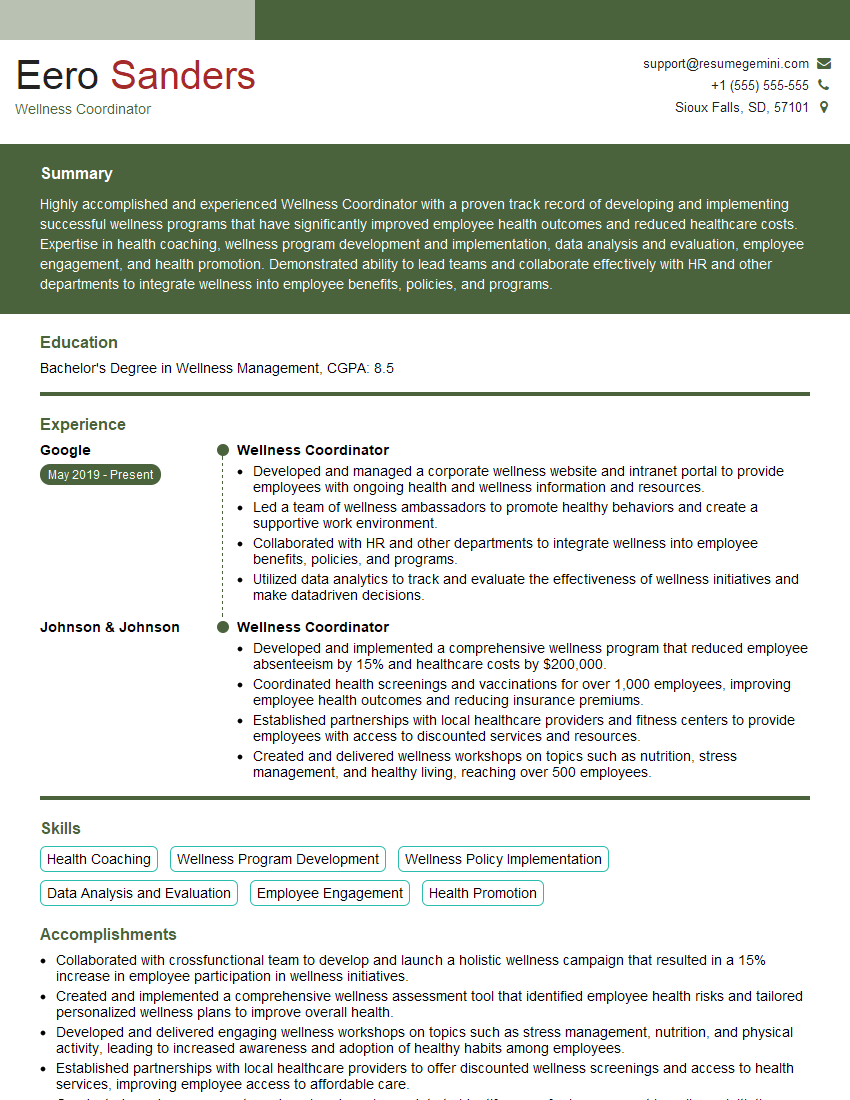
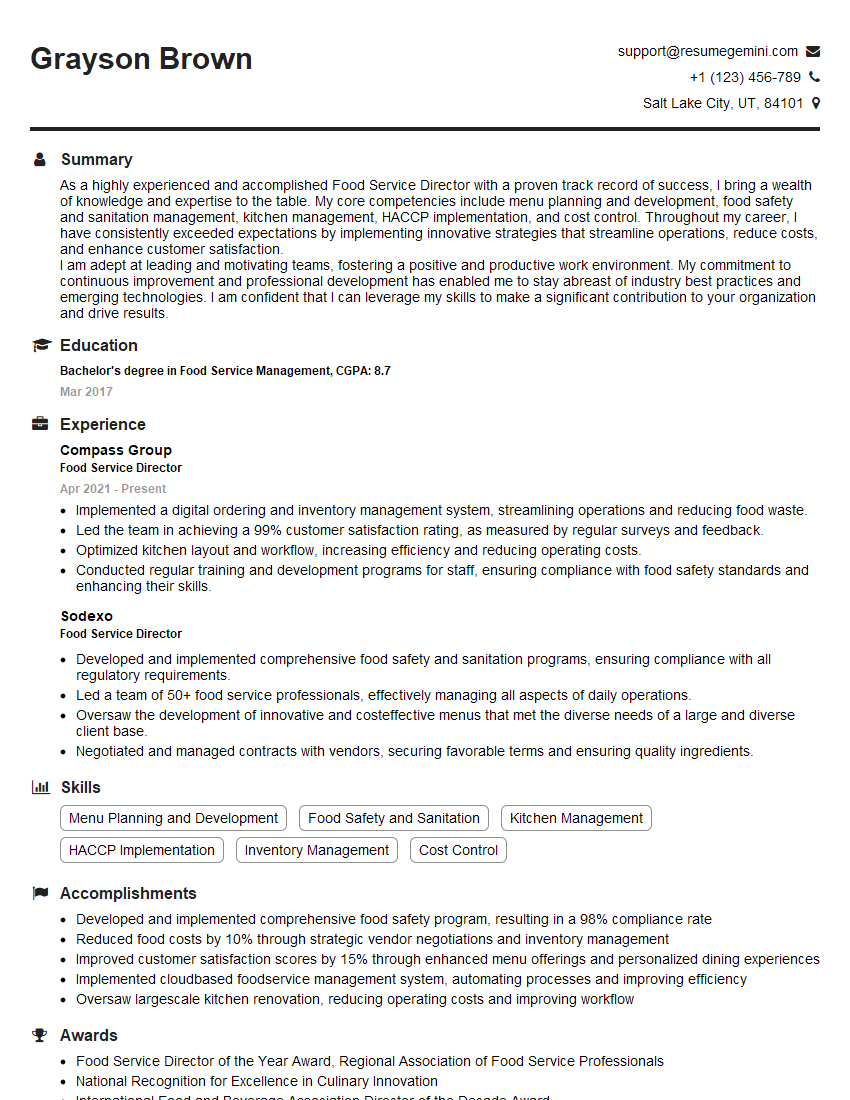
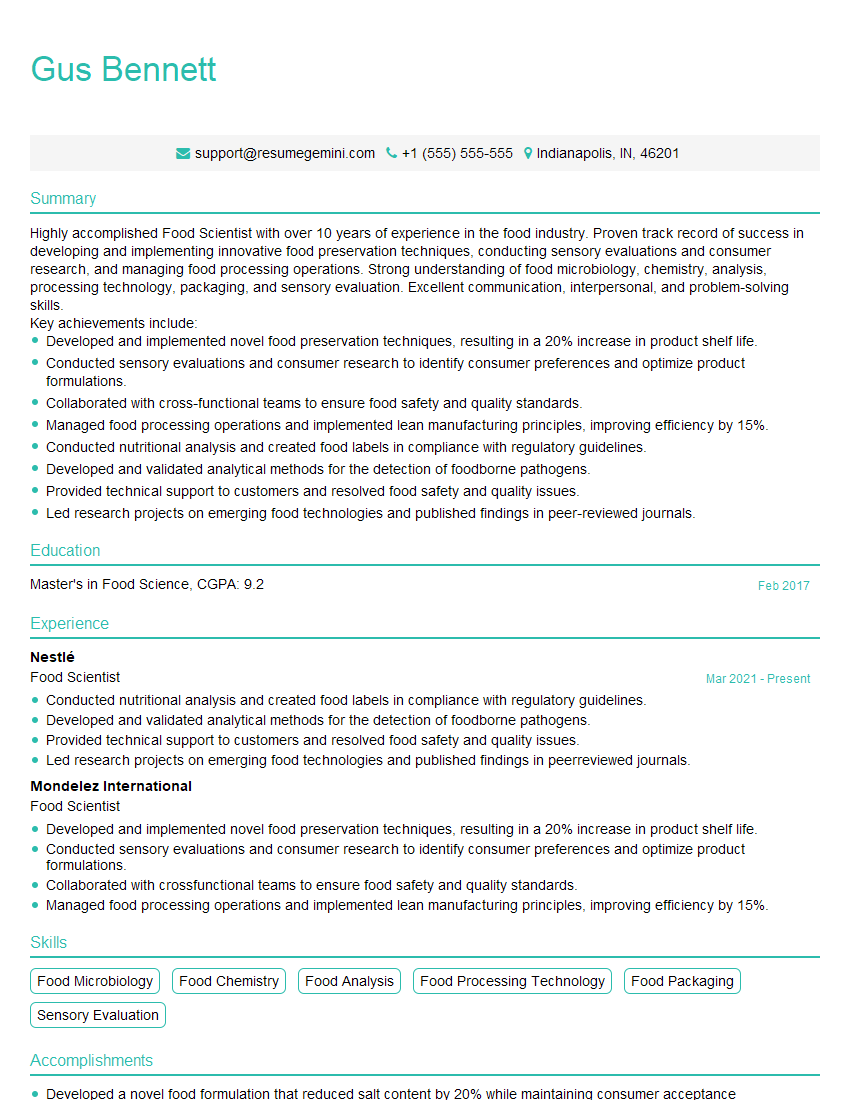
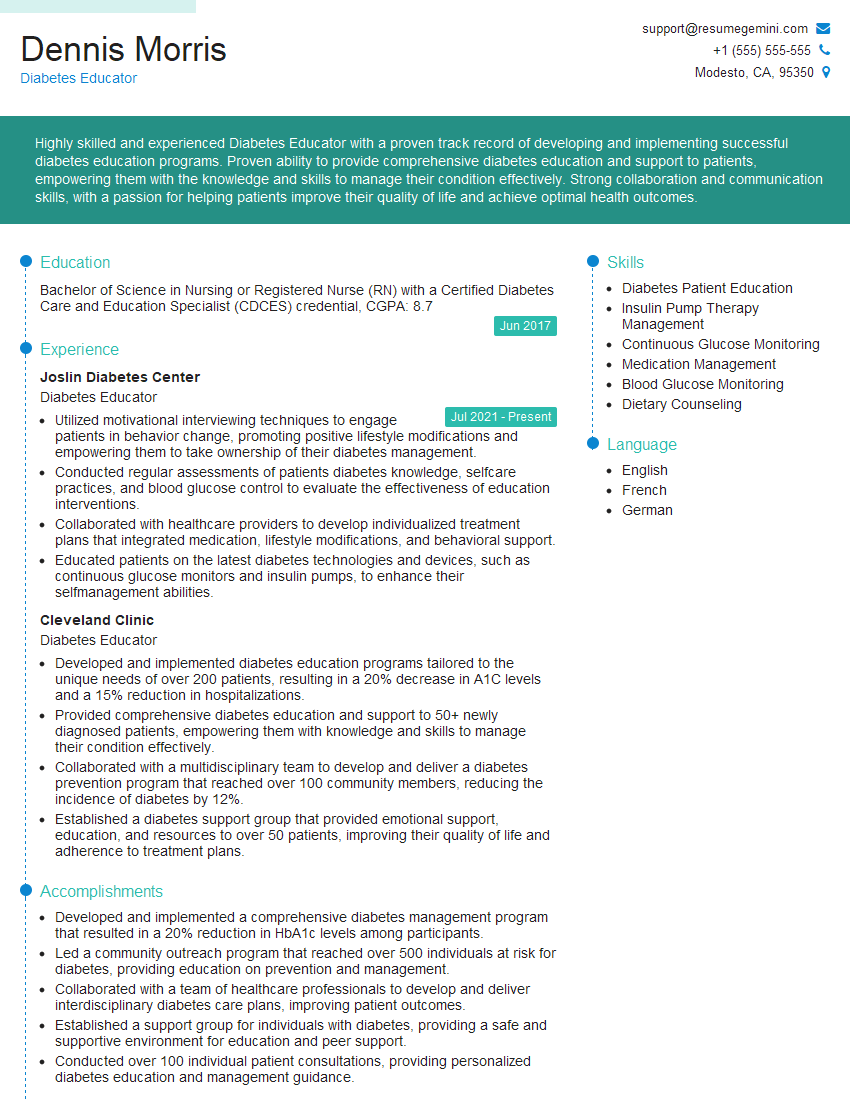
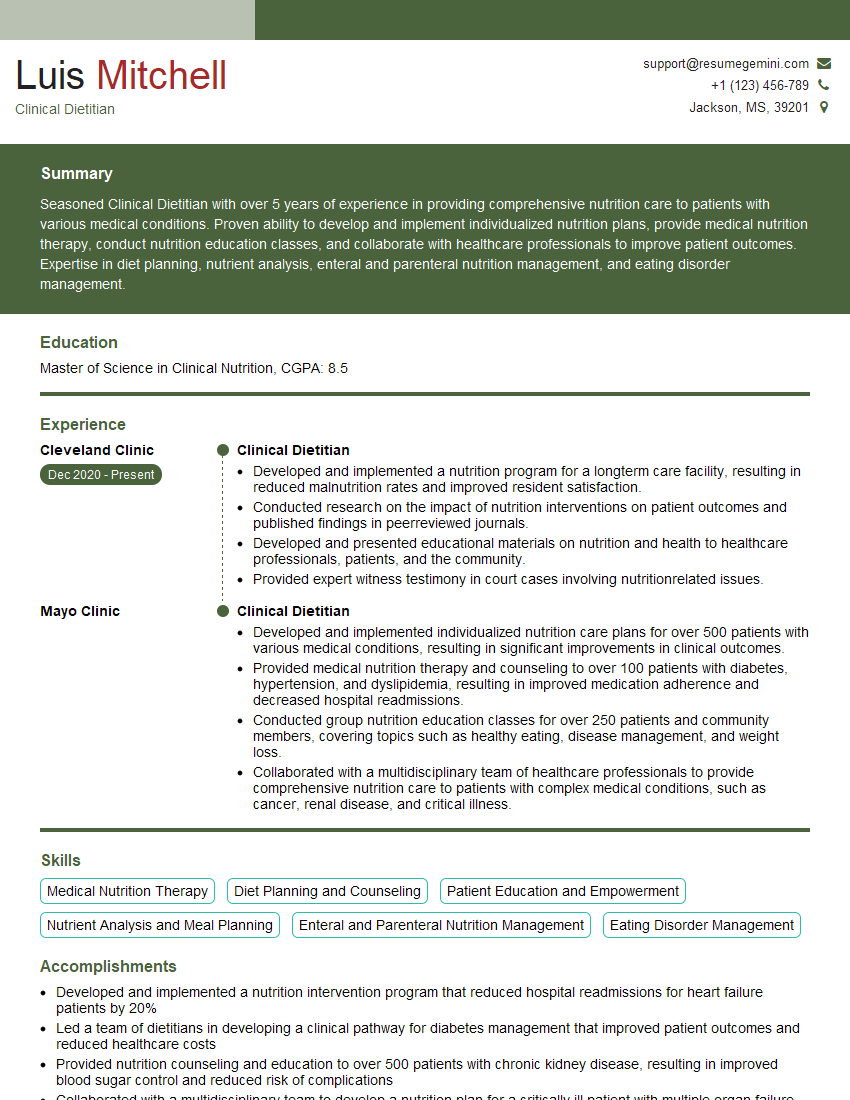
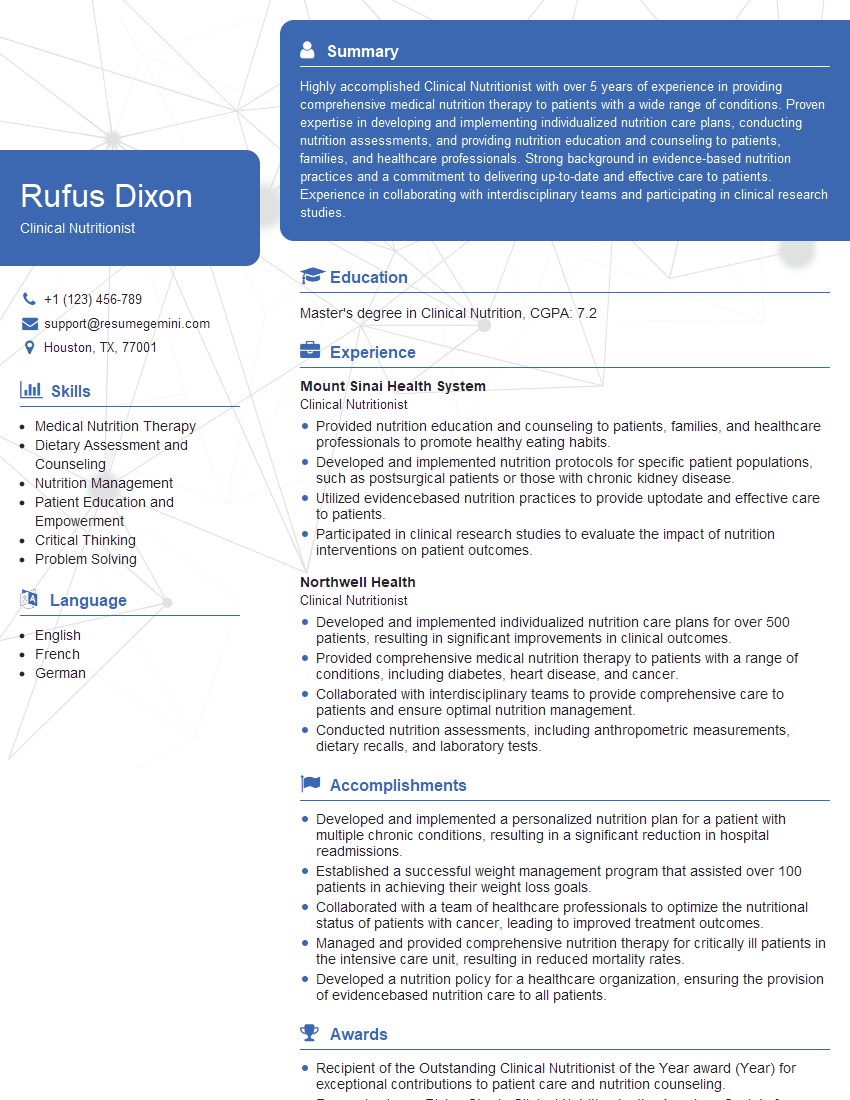
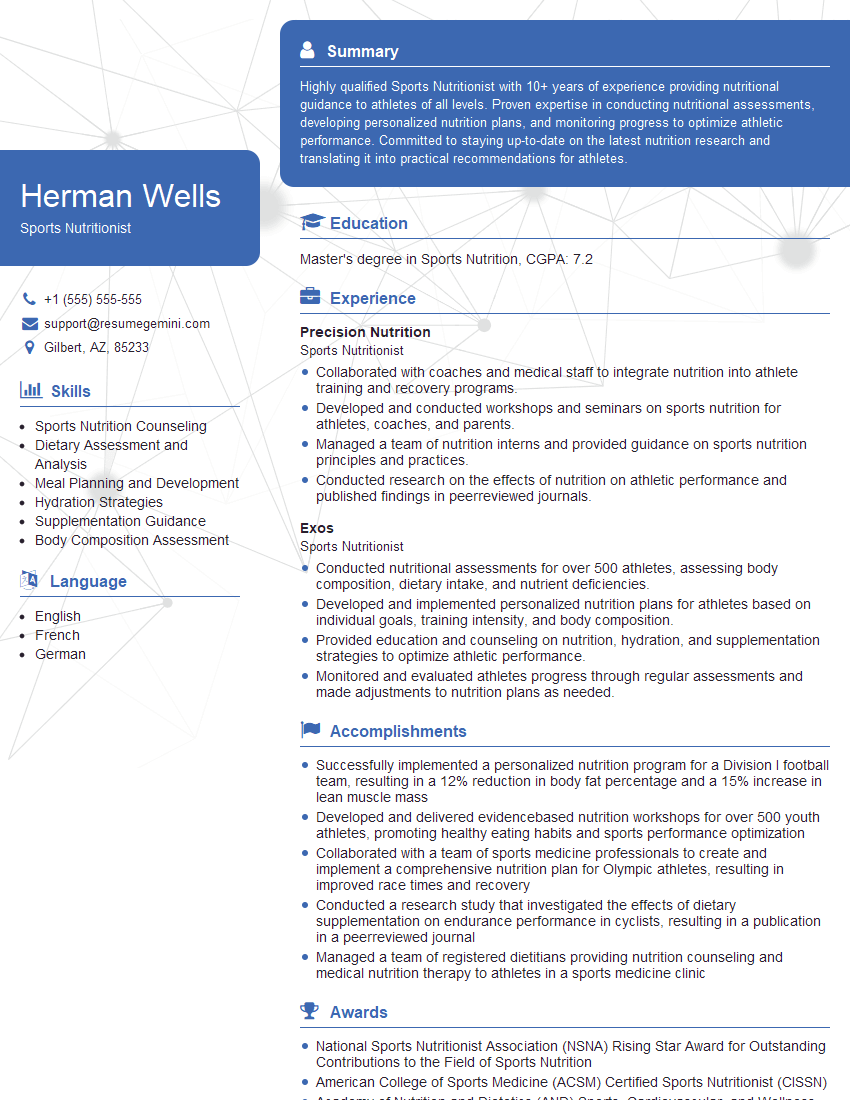
Mastering Nutrition and Hydration Management is crucial for career advancement in this rapidly growing field. Demonstrating expertise in these areas will significantly enhance your job prospects. To make a strong impression on potential employers, invest time in creating a compelling, ATS-friendly resume that showcases your skills and experience effectively. ResumeGemini is a trusted resource that can help you build a professional resume tailored to your specific needs. Examples of resumes specifically tailored for Nutrition and Hydration Management roles are available to guide you. Take this opportunity to present yourself as a highly qualified and prepared candidate—your future career depends on it!
Explore more articles
Users Rating of Our Blogs
Share Your Experience
We value your feedback! Please rate our content and share your thoughts (optional).
What Readers Say About Our Blog
Very informative content, great job.
good