Feeling uncertain about what to expect in your upcoming interview? We’ve got you covered! This blog highlights the most important Offensive and Defensive Strategy interview questions and provides actionable advice to help you stand out as the ideal candidate. Let’s pave the way for your success.
Questions Asked in Offensive and Defensive Strategy Interview
Q 1. Explain the difference between black-box, white-box, and grey-box penetration testing.
Penetration testing methodologies differ based on the tester’s knowledge of the target system. Think of it like a detective investigating a crime scene: Black-box testing is like having only the address – the tester knows nothing about the system’s internal workings. White-box testing is like having blueprints – the tester possesses complete knowledge of the system’s architecture, code, and configuration. Grey-box testing sits in between; the tester has some partial knowledge, perhaps access to network diagrams or limited documentation, but not full access.
- Black-box testing: Simulates a real-world attack where the attacker has limited or no knowledge of the internal workings of the system. This approach helps identify vulnerabilities that are easily discoverable by external attackers. Example: An external attacker attempting to exploit a known web application vulnerability without any internal information.
- White-box testing: Allows testers to examine the source code, network diagrams, and other internal documentation of the target system. This provides more comprehensive testing and helps uncover deeply embedded vulnerabilities. Example: A security team member reviewing internal code for potential vulnerabilities.
- Grey-box testing: This approach combines elements of both black-box and white-box testing. The tester has some partial information about the system, but not full access to its internal workings. It is often the most realistic approach, as attackers often possess some degree of reconnaissance information before launching an attack. Example: A penetration tester having access to network maps but not the source code, simulating a scenario where attackers have performed some reconnaissance.
Q 2. Describe the phases of a penetration test.
A typical penetration test follows a structured methodology involving several phases:
- Planning and Scoping: This phase defines the objectives, scope, timelines, and rules of engagement for the test. It involves crucial discussions with the client to clearly define what systems and data are in scope, and what is out of bounds.
- Reconnaissance: The tester gathers information about the target system. This may involve passive techniques like searching public records or active techniques like port scanning. Think of it as an attacker’s initial investigation before launching an attack.
- Vulnerability Analysis: This involves identifying vulnerabilities in the target system. This might be done manually or using automated scanning tools. The goal is to understand the weaknesses present and their potential impact.
- Exploitation: The tester attempts to exploit identified vulnerabilities to gain unauthorized access. This phase is crucial to assess the severity and practical impact of the weaknesses.
- Post-Exploitation: Once access has been gained, the tester explores the system to assess the extent of compromise. What data can they access? Can they move laterally to other systems?
- Reporting: This involves compiling a comprehensive report detailing identified vulnerabilities, their severity, and remediation recommendations. It’s the final step in communicating the findings to the client, detailing the potential risks and providing actionable steps to mitigate them.
Q 3. What are the key components of a robust security architecture?
A robust security architecture needs multiple layers of defense to effectively mitigate threats. Key components include:
- Network Security: Firewalls, intrusion detection/prevention systems (IDS/IPS), VPNs, and secure network segmentation to control access and prevent unauthorized entry.
- Endpoint Security: Antivirus software, endpoint detection and response (EDR) solutions, and strong access controls on individual devices (laptops, servers, etc.) to protect against malware and unauthorized access.
- Application Security: Secure coding practices, vulnerability scanning, and penetration testing of applications to identify and mitigate vulnerabilities.
- Data Security: Encryption, access controls, data loss prevention (DLP) tools, and regular data backups to protect sensitive data from unauthorized access or loss. Think of this as securing the crown jewels.
- Identity and Access Management (IAM): Strong authentication mechanisms (multi-factor authentication, strong passwords), authorization policies, and user and privilege management to control who can access what. This is like controlling the keys to the kingdom.
- Security Information and Event Management (SIEM): Centralized logging and monitoring to detect and respond to security incidents. It’s like having a 24/7 security guard watching for suspicious activity.
- Security Awareness Training: Educating users about security threats and best practices to reduce human error, often a major vulnerability.
Q 4. Explain the concept of defense in depth.
Defense in depth is a security strategy that employs multiple layers of security controls to protect against attacks. Think of it like a castle with multiple walls, moats, and guards – even if one layer is breached, others remain to protect the valuable assets. Each layer adds an additional hurdle for attackers to overcome, making it significantly harder to compromise the system.
Example: Protecting a server may involve a firewall at the network perimeter, intrusion detection on the network, strong access controls on the server itself, and regular security patching. Even if an attacker bypasses the firewall, they still face other defenses. This layered approach significantly reduces the likelihood of a successful attack.
Q 5. What are some common attack vectors used by malicious actors?
Malicious actors utilize various attack vectors to compromise systems. Some common ones include:
- Phishing: Deceiving users into revealing sensitive information through deceptive emails or websites.
- Malware: Malicious software like viruses, ransomware, and spyware that can infect systems and steal data or disrupt operations. Think of a Trojan horse.
- SQL Injection: Exploiting vulnerabilities in database applications to gain unauthorized access to data.
- Cross-Site Scripting (XSS): Injecting malicious scripts into websites to steal user cookies or execute other malicious actions.
- Man-in-the-Middle (MitM) attacks: Intercepting communication between two parties to eavesdrop or manipulate the data.
- Denial-of-Service (DoS) attacks: Overwhelming a system with traffic to render it unavailable to legitimate users.
- Zero-day exploits: Exploiting vulnerabilities that are unknown to the vendor or security community.
- Social Engineering: Manipulating individuals to gain access to sensitive information or systems through deception or manipulation.
Q 6. How do you prioritize vulnerabilities?
Prioritizing vulnerabilities involves assessing their potential impact and likelihood of exploitation. A common framework uses a risk matrix, often considering the following factors:
- Severity: How much damage could this vulnerability cause if exploited (e.g., data breach, system crash)?
- Likelihood: How easy is it to exploit this vulnerability? This depends on factors such as the required skills and the availability of exploit tools.
- Impact: This considers the effect on confidentiality, integrity, and availability (CIA triad) of the system or data.
A common approach is to use a scoring system combining severity and likelihood to assign a risk score to each vulnerability. Vulnerabilities with high risk scores should be addressed first. Consider prioritizing vulnerabilities that would grant an attacker access to sensitive data or critical systems over those with lower impact, even if they have high severity. For example, a vulnerability allowing unauthorized access to customer financial data would take precedence over a vulnerability affecting system performance.
Q 7. Describe your experience with vulnerability scanning tools.
I have extensive experience with various vulnerability scanning tools, both open-source and commercial. My experience includes Nessus, OpenVAS, QualysGuard, and Burp Suite. I am proficient in using these tools to perform automated vulnerability scans, analyze scan results, and correlate findings with manual penetration testing.
I understand the limitations of automated tools – they are not a replacement for manual testing. False positives are common, and some vulnerabilities require manual verification and exploitation. I leverage automated tools to accelerate the initial identification of vulnerabilities, focusing my manual efforts on validating high-risk findings and exploring areas where automated tools fall short.
For example, while Nessus excels at identifying network vulnerabilities, Burp Suite is invaluable for assessing web application security. I integrate the findings from different tools to provide a comprehensive vulnerability assessment. I am also skilled at tailoring scans to specific environments and customizing scan settings to minimize false positives and maximize accuracy.
Q 8. How do you handle a security incident?
Handling a security incident effectively requires a structured approach. Think of it like a well-orchestrated emergency response. The first step is Preparation: having a well-defined incident response plan (IRP) in place is crucial. This plan outlines roles, responsibilities, communication channels, and escalation procedures. The IRP should cover various scenarios, from phishing attacks to data breaches.
Next comes Detection and Analysis. This involves identifying the incident, understanding its scope, and determining its impact. We utilize tools like SIEM systems (Security Information and Event Management) to correlate alerts and identify patterns. For instance, a sudden spike in failed login attempts from unusual geographical locations could indicate a brute-force attack. This phase requires meticulous investigation to trace the origin and impact of the breach.
The Containment phase focuses on isolating the affected systems or data to prevent further damage. This might involve disconnecting affected servers from the network, quarantining infected endpoints, or disabling specific accounts. Containment is crucial to limit the spread of the attack.
Then comes Eradication, where we identify and remove the root cause of the incident. This may involve removing malware, patching vulnerabilities, resetting compromised accounts, or even restoring systems from backups. This phase requires a detailed understanding of the attacker’s tactics, techniques, and procedures (TTPs).
Finally, the Recovery phase focuses on restoring systems and data to their operational state. This includes restoring backups, reconfiguring systems, and conducting thorough testing to ensure business continuity. Post-incident Review and Lessons Learned are critical for improving future response efforts; we document all actions taken, assess the effectiveness of our response, and identify areas for improvement in our security posture.
Q 9. Explain your understanding of threat modeling.
Threat modeling is a systematic process of identifying potential threats and vulnerabilities in a system. Imagine you’re building a house: threat modeling is like conducting a risk assessment before construction. You’d consider things like fire hazards, burglaries, and structural weaknesses. Similarly, in cybersecurity, we identify potential attacks, their likelihood, and their potential impact.
Common threat modeling methodologies include STRIDE (Spoofing, Tampering, Repudiation, Information disclosure, Denial of service, Elevation of privilege) and PASTA (Process for Attack Simulation and Threat Analysis). These methodologies guide us through various stages, including defining the system’s boundaries, identifying assets, determining potential threats, and assessing vulnerabilities. The output of a threat modeling exercise is a prioritized list of risks, which informs mitigation strategies.
For example, if we’re modeling a web application, we might identify a threat of SQL injection (attackers injecting malicious SQL code into input fields). Our assessment might reveal that the application lacks input validation, making it vulnerable. The mitigation strategy would be to implement robust input validation to prevent such attacks.
Q 10. What are some common security frameworks (e.g., NIST, ISO 27001)?
Several widely adopted security frameworks provide a structured approach to managing cybersecurity risks. Think of them as blueprints for building a secure system.
- NIST Cybersecurity Framework (CSF): This framework from the National Institute of Standards and Technology provides a flexible, risk-based approach to managing cybersecurity risk. It focuses on five functions: Identify, Protect, Detect, Respond, and Recover.
- ISO 27001: This international standard specifies the requirements for establishing, implementing, maintaining, and continually improving an information security management system (ISMS). It provides a comprehensive framework for managing all aspects of information security.
- CIS Controls: The Center for Internet Security (CIS) publishes a set of security controls that address common cyber threats. These controls are prioritized based on their effectiveness and impact.
These frameworks, though different in detail, share the common goal of helping organizations identify, manage, and mitigate security risks. Organizations often adapt and combine aspects of several frameworks to create a tailored security program.
Q 11. Describe your experience with SIEM systems.
SIEM (Security Information and Event Management) systems are like the central nervous system of a security operation. They collect and correlate security logs from various sources (servers, network devices, applications) to provide a comprehensive view of security events. Think of them as a powerful dashboard that allows us to monitor activity across the entire IT infrastructure.
My experience with SIEM systems involves using them for threat detection, incident response, security auditing, and compliance reporting. I’ve worked with various SIEM platforms, such as Splunk, QRadar, and LogRhythm. I’m proficient in configuring dashboards, creating alerts, and analyzing security logs to identify suspicious activity. For example, I’ve used SIEMs to detect and investigate data breaches, malware infections, and insider threats.
A specific example includes using Splunk to create custom dashboards visualizing network traffic patterns and correlating security alerts to detect and respond to a distributed denial-of-service (DDoS) attack in real-time. This allowed us to identify the attack vector and implement mitigation strategies promptly.
Q 12. Explain the difference between intrusion detection and intrusion prevention systems.
Intrusion Detection Systems (IDS) and Intrusion Prevention Systems (IPS) are both crucial components of network security, but they differ in their approach to handling threats.
An IDS is like a security camera; it monitors network traffic for malicious activity and generates alerts when suspicious events are detected. It doesn’t actively prevent attacks; it simply identifies them. Think of it as a passive observer.
An IPS, on the other hand, is like a security guard; it actively prevents attacks by blocking or modifying malicious traffic. It takes action based on the detected threats, which can range from blocking packets to shutting down connections. It’s an active defender.
In essence, an IDS detects intrusions, while an IPS prevents them. Many organizations deploy both systems to create a multi-layered security approach, leveraging the strengths of each technology.
Q 13. What are the key principles of incident response?
The key principles of incident response are encapsulated in the acronym Preparation, Identification, Containment, Eradication, Recovery, and Lessons Learned. It’s a cyclical process designed to minimize damage and ensure a rapid return to normal operations after a security incident.
Preparation is crucial; a well-defined incident response plan (IRP) guides the entire process. Identification involves quickly determining if an incident has occurred and its potential impact. Containment is about isolating the affected systems or data to limit the spread of the breach. Eradication focuses on removing the root cause of the incident, such as malware or compromised accounts. Recovery involves restoring systems and data to a safe and operational state. Finally, Lessons Learned are crucial for continuously improving the incident response process.
Each phase requires detailed documentation, communication with stakeholders, and coordination among various teams. These principles emphasize the importance of a proactive and well-coordinated approach to managing security incidents.
Q 14. How do you stay up-to-date with the latest security threats?
Staying up-to-date with the latest security threats is crucial for any security professional. It’s a continuous learning process, akin to a doctor staying updated on the latest medical advancements.
I utilize several methods:
- Subscription to Security Newsletters and Blogs: I subscribe to reputable sources like KrebsOnSecurity, Threatpost, and various vendor security advisories. These provide timely updates on emerging threats and vulnerabilities.
- Following Security Researchers on Social Media and attending conferences: Platforms like Twitter and LinkedIn offer valuable insights from experts and researchers. Industry conferences provide opportunities for networking and learning from leading professionals.
- Vulnerability Scanning and Penetration Testing: I regularly conduct vulnerability scans and penetration testing on systems to identify potential weaknesses before attackers can exploit them.
- Participating in online communities and forums: Engaging in discussions with other security professionals allows me to learn from shared experiences and stay informed about latest threats.
This multi-faceted approach ensures I’m well-informed about the ever-evolving threat landscape and can effectively protect organizations from emerging cyber threats.
Q 15. Describe your experience with malware analysis.
Malware analysis is a crucial aspect of cybersecurity involving the in-depth examination of malicious software to understand its functionality, behavior, and origin. My experience encompasses various stages, from initial triage and identification to in-depth reverse engineering and reporting. I’ve worked extensively with different types of malware, including viruses, worms, Trojans, ransomware, and rootkits, employing both static and dynamic analysis techniques.
Static analysis involves examining the malware without executing it, looking at its code structure, strings, and metadata. This allows for identifying potential malicious behavior without risking infection. Tools like IDA Pro and Ghidra are invaluable here. For example, I recently analyzed a suspicious executable using IDA Pro, discovering it contained code to encrypt user files and demand a ransom, confirming it was ransomware.
Dynamic analysis involves running the malware in a controlled environment – such as a sandbox – to observe its behavior and network activity. This can reveal how the malware interacts with the system, what data it steals, and where it communicates. Tools like Cuckoo Sandbox assist in this process. In one instance, dynamic analysis revealed a Trojan horse was communicating with a command-and-control server overseas, exfiltrating sensitive data.
Beyond the technical aspects, my experience includes writing comprehensive reports detailing findings, suggesting remediation strategies, and collaborating with incident response teams to contain and eradicate malware infections. My approach is methodical and detail-oriented, prioritizing accuracy and thoroughness to ensure effective mitigation.
Career Expert Tips:
- Ace those interviews! Prepare effectively by reviewing the Top 50 Most Common Interview Questions on ResumeGemini.
- Navigate your job search with confidence! Explore a wide range of Career Tips on ResumeGemini. Learn about common challenges and recommendations to overcome them.
- Craft the perfect resume! Master the Art of Resume Writing with ResumeGemini’s guide. Showcase your unique qualifications and achievements effectively.
- Don’t miss out on holiday savings! Build your dream resume with ResumeGemini’s ATS optimized templates.
Q 16. Explain the concept of zero-trust security.
Zero-trust security is a cybersecurity framework based on the principle of ‘never trust, always verify.’ It assumes no implicit trust granted to any user, device, or network, regardless of location (inside or outside the organization’s network perimeter). Instead, every access request is meticulously verified before granting access to resources.
Imagine a traditional castle with a moat and walls. Everyone inside was implicitly trusted. Zero-trust is like replacing that with a highly secure fortress with multiple checkpoints and authentication steps. Each person needs individual verification at every gate.
Key components of zero trust include:
- Strong Authentication: Multi-factor authentication (MFA) is crucial, requiring multiple forms of verification like passwords, tokens, and biometrics.
- Microsegmentation: Network segmentation limits the impact of a breach by restricting access to only necessary resources.
- Least Privilege Access: Users only have access to the data and resources they need to perform their jobs.
- Continuous Monitoring and Logging: Comprehensive monitoring and detailed logging of all access attempts allows for quick detection of suspicious activity.
- Data Loss Prevention (DLP): Implementing measures to prevent sensitive data from leaving the organization’s control.
Zero trust helps to mitigate the risks associated with insider threats, compromised credentials, and advanced persistent threats (APTs) by minimizing the blast radius of a potential breach.
Q 17. What are your thoughts on cloud security best practices?
Cloud security best practices are paramount in today’s interconnected world. They involve a multi-layered approach to protect data, applications, and infrastructure residing in the cloud. Key aspects include:
- Shared Responsibility Model: Understanding the shared responsibility between the cloud provider and the organization is fundamental. While the provider manages the underlying infrastructure, the organization is responsible for securing its own data and applications.
- Identity and Access Management (IAM): Robust IAM controls are essential to limit access to only authorized users and systems. This includes using strong passwords, multi-factor authentication, and role-based access control (RBAC).
- Data Encryption: Encrypting data both in transit and at rest is critical to protecting sensitive information from unauthorized access. This involves employing encryption protocols like TLS/SSL and robust encryption algorithms.
- Security Information and Event Management (SIEM): A SIEM system provides centralized logging and monitoring of cloud activities, enabling timely detection and response to security incidents.
- Regular Security Assessments and Penetration Testing: Regular vulnerability assessments and penetration testing help identify weaknesses in the cloud environment before attackers can exploit them.
- Compliance and Governance: Adhering to relevant industry regulations and standards (e.g., HIPAA, GDPR, PCI DSS) is critical for maintaining trust and avoiding penalties.
Adopting a defense-in-depth strategy, combining multiple security controls, is crucial for effective cloud security. It’s important to remember that cloud security isn’t just about technology; it’s also about processes and people. Regular security awareness training for employees is crucial.
Q 18. How do you handle conflicting priorities between security and business needs?
Balancing security and business needs often involves navigating conflicting priorities. My approach focuses on collaborative risk management. Instead of viewing security as an obstacle to business goals, I view it as an enabler. This means actively engaging with stakeholders to understand their objectives and concerns.
The key is to establish a clear understanding of the risks and their potential impact on the business. This involves a risk assessment process that identifies potential threats, vulnerabilities, and their associated likelihood and impact. Once risks are understood, we can prioritize mitigation efforts based on their severity and alignment with business objectives.
For instance, if implementing a particular security control would significantly impact performance and thus affect business operations, I would work with stakeholders to find an alternative solution that balances security and performance. This might involve phased implementation, prioritizing critical systems first, or exploring less disruptive security solutions.
Ultimately, communication and transparency are key. Openly communicating the risks and trade-offs allows stakeholders to make informed decisions and support the implementation of necessary security measures. Finding creative solutions that satisfy both security and business needs requires a collaborative and adaptable approach.
Q 19. Explain your experience with security awareness training.
My experience with security awareness training involves developing and delivering engaging and informative programs tailored to different audiences and technical skill levels. I’ve designed training modules covering a wide range of topics, from basic phishing awareness to advanced threats like spear phishing and social engineering.
Effective training goes beyond simply delivering information; it needs to change behavior. I incorporate interactive elements like simulated phishing attacks, quizzes, and scenario-based exercises to enhance knowledge retention and practical application. Regular refresher training and updates on emerging threats are also crucial.
For example, I developed a phishing simulation where employees received emails that seemed genuine but contained malicious links. Analyzing the results helped gauge employee awareness and identify areas for improvement in the training materials. The program also includes gamification elements to keep participants engaged and encourage their participation in improving overall organizational security posture. Post-training assessments and regular feedback sessions are vital to ensure continuous improvement.
Q 20. What are some common social engineering techniques?
Social engineering is a manipulation technique used by attackers to trick individuals into revealing sensitive information or performing actions that compromise security. It exploits human psychology rather than technical vulnerabilities. Common techniques include:
- Phishing: This involves deceptive emails, messages, or websites designed to trick individuals into revealing their usernames, passwords, or credit card details.
- Baiting: This involves offering something appealing (like a free gift or software) to entice individuals into clicking on malicious links or opening infected files.
- Pretexting: This involves creating a believable scenario to gain the victim’s trust. For example, an attacker might impersonate a bank employee to obtain account information.
- Quid Pro Quo: This involves offering a service or favor in exchange for sensitive information.
- Tailgating: This involves following someone through a secure door without proper authorization.
- Shoulder surfing: This involves observing individuals as they enter their passwords or other sensitive information.
Protecting against social engineering requires strong security awareness training, emphasizing critical thinking and skepticism towards unsolicited requests. Implementing robust authentication methods like multi-factor authentication (MFA) also significantly reduces the effectiveness of these attacks.
Q 21. How do you measure the effectiveness of security controls?
Measuring the effectiveness of security controls is crucial to ensure they are achieving their intended purpose. This requires a multi-faceted approach, using both quantitative and qualitative metrics.
Quantitative metrics include:
- Number of security incidents: Tracking the number and type of security incidents helps assess the effectiveness of preventative measures.
- Mean Time To Detect (MTTD): Measuring the time it takes to detect a security incident.
- Mean Time To Respond (MTTR): Measuring the time it takes to contain and remediate a security incident.
- False positive rate: This measures the frequency of security alerts that are not actual threats. A high false positive rate can lead to alert fatigue and decreased responsiveness to genuine threats.
Qualitative metrics involve:
- Employee satisfaction with security awareness training: Feedback surveys can help evaluate the effectiveness and engagement of security awareness programs.
- Regular security audits and assessments: These help identify vulnerabilities and assess the overall effectiveness of the security posture.
- Penetration testing results: This provides an independent assessment of the organization’s security controls.
By combining quantitative and qualitative data, we can gain a holistic understanding of the effectiveness of security controls and identify areas for improvement. Regular review and adjustment of security controls based on these metrics are vital for maintaining a strong and effective security posture.
Q 22. What are some key metrics for measuring cybersecurity performance?
Measuring cybersecurity performance requires a multifaceted approach, focusing on both the effectiveness of defensive measures and the efficiency of incident response. Key metrics fall into several categories:
- Vulnerability Management: This tracks the number of identified vulnerabilities, their severity, and the time taken to remediate them. A lower number of high-severity vulnerabilities and shorter remediation times indicate better performance. For example, tracking the Mean Time To Remediation (MTTR) is crucial.
- Incident Response: Metrics here include the Mean Time To Detect (MTTD) and Mean Time To Respond (MTTR) for security incidents. Lower MTTD and MTTR show a more effective and quicker response to threats. We can also measure the number of incidents successfully contained and the financial cost associated with each.
- Security Awareness Training Effectiveness: Measuring the effectiveness of security awareness training programs is vital. This could involve tracking phishing test success rates, the number of security policy violations, and employee participation rates in training sessions.
- System Uptime and Availability: This tracks system availability and downtime caused by security incidents or vulnerabilities. Higher uptime percentages demonstrate robust security infrastructure.
- Compliance: Measuring compliance with relevant security standards (e.g., ISO 27001, NIST Cybersecurity Framework) helps ensure adherence to best practices and regulatory requirements. A high compliance score indicates a strong security posture.
These metrics, when combined and analyzed, provide a holistic view of the organization’s cybersecurity performance, highlighting areas for improvement and demonstrating the overall effectiveness of security initiatives.
Q 23. Explain your experience with risk assessment methodologies.
My experience with risk assessment methodologies is extensive. I’ve utilized various frameworks, including NIST SP 800-30, ISO 27005, and FAIR (Factor Analysis of Information Risk). Each framework offers a structured approach to identify, analyze, and mitigate risks. For example, NIST SP 800-30 guides the process through asset identification, threat modeling, vulnerability analysis, and risk assessment.
Typically, I follow a five-step process: 1. Asset Identification: This involves cataloging all valuable assets, including hardware, software, data, and intellectual property. 2. Threat Identification: This focuses on identifying potential threats to these assets, ranging from insider threats to external attacks. 3. Vulnerability Analysis: Identifying weaknesses in the assets that could be exploited by identified threats. 4. Risk Assessment: This involves determining the likelihood and impact of each potential risk, often using a risk matrix to categorize risks by severity. 5. Risk Mitigation: Implementing controls to reduce the likelihood or impact of identified risks. These controls can range from technical solutions (firewalls, intrusion detection systems) to administrative measures (security policies, awareness training).
In practice, I tailor the chosen methodology to the specific organization and its context. For example, a small business might not require the comprehensive approach of a large financial institution. I always prioritize practical application and actionable recommendations, ensuring the assessment process doesn’t become overly bureaucratic.
Q 24. Describe a time you had to make a difficult decision related to security.
In a previous role, we discovered a critical vulnerability in our core banking application, exploitable by a sophisticated attacker. The vulnerability could have resulted in significant financial losses and reputational damage. We had two choices: immediately shut down the application, causing significant business disruption, or deploy a temporary patch with a higher risk of unintended consequences, keeping the application running.
The decision was incredibly difficult, balancing the risk of a major breach against the disruption of vital banking services. We opted for deploying the temporary patch while simultaneously accelerating the development and deployment of a comprehensive, long-term fix. This involved around-the-clock work from multiple teams, including developers, security analysts, and operations staff. We also implemented enhanced monitoring and logging to detect any potential exploitation attempts.
Ultimately, the strategy worked. The temporary patch held up, the long-term fix was deployed swiftly, and we avoided a significant security incident. This experience highlighted the importance of rapid incident response, clear communication, and a well-defined escalation process in high-stakes situations.
Q 25. How familiar are you with various encryption algorithms?
I’m very familiar with various encryption algorithms, both symmetric and asymmetric. Symmetric algorithms, like AES (Advanced Encryption Standard) and DES (Data Encryption Standard), use the same key for encryption and decryption. They’re generally faster but require secure key exchange. Asymmetric algorithms, such as RSA and ECC (Elliptic Curve Cryptography), use separate keys – a public key for encryption and a private key for decryption. They’re slower but solve the key exchange problem.
I understand the strengths and weaknesses of different algorithms, including their key sizes, computational efficiency, and resistance to various attacks. For instance, AES is widely considered secure for its block size and key length, while RSA’s security relies on the difficulty of factoring large numbers. The choice of algorithm depends heavily on the specific application and security requirements. I have practical experience implementing and managing encryption in various contexts, including database encryption, secure communication channels, and data-at-rest protection.
Q 26. Describe your understanding of firewalls and their configurations.
Firewalls are crucial network security devices that control inbound and outbound network traffic based on predefined rules. They act as a barrier between a trusted internal network and an untrusted external network (like the internet). Configurations vary significantly depending on the type of firewall (packet filtering, stateful inspection, application-level gateway) and the specific security requirements.
My understanding extends to configuring various aspects, including:
- Access Control Lists (ACLs): Defining rules to allow or deny traffic based on source/destination IP addresses, ports, protocols, and other criteria.
Example: Allow traffic from 192.168.1.0/24 to port 80. - Network Address Translation (NAT): Masking internal IP addresses from the external network, enhancing security and improving IP address management.
- Intrusion Prevention Systems (IPS): Integrating IPS functionality to detect and prevent malicious traffic based on known attack signatures and anomaly detection.
- VPN Support: Configuring the firewall to support Virtual Private Networks (VPNs), providing secure remote access to the internal network.
In practice, firewall configuration needs careful planning and regular review. It’s essential to strike a balance between security and network usability. Overly restrictive configurations can hinder legitimate network traffic, while overly permissive ones can leave the network vulnerable.
Q 27. What is your experience with security information and event management (SIEM) systems?
I possess significant experience with Security Information and Event Management (SIEM) systems, including deploying, configuring, and managing them. SIEM systems are crucial for collecting, analyzing, and correlating security logs from various sources across an organization’s IT infrastructure. This helps to detect and respond to security incidents more effectively.
My experience encompasses:
- Log Collection and Aggregation: Integrating with various devices and applications to collect security logs and events.
- Data Normalization and Correlation: Transforming and correlating logs from disparate sources to identify patterns and potential threats.
- Rule Creation and Management: Developing and managing security rules and alerts based on specific security policies and threat models. This can involve creating custom detection rules for specific threats.
- Alerting and Response: Configuring alerts based on defined thresholds and integrating with incident response processes.
- Reporting and Analytics: Generating reports and visualizations to gain insights into security posture and incident trends.
I’m proficient with several leading SIEM platforms and understand the challenges of effectively managing large volumes of security data. This includes optimizing data retention strategies and minimizing false positives.
Q 28. Explain your understanding of the MITRE ATT&CK framework.
The MITRE ATT&CK framework is a globally-accessible knowledge base of adversary tactics and techniques based on real-world observations. It provides a standardized language and model for understanding and defending against cyberattacks. It’s invaluable for threat modeling, incident response, and security awareness training.
My understanding includes its application in several areas:
- Threat Modeling: Using ATT&CK to identify potential attack vectors and techniques relevant to a specific organization or system. This helps to prioritize security controls and resources.
- Incident Response: Leveraging ATT&CK to understand the adversary’s tactics and techniques used during an attack, facilitating faster and more effective incident response.
- Red Teaming and Penetration Testing: Using ATT&CK as a framework to design and execute realistic and relevant penetration tests, assessing the effectiveness of security controls.
- Security Awareness Training: Educating employees about common attack techniques listed in ATT&CK, making them more aware of potential threats and improving their ability to identify suspicious activities.
The framework’s strength lies in its community-driven nature and continuous updates, ensuring it remains relevant to evolving threat landscapes. I utilize ATT&CK regularly to enhance my threat intelligence and to improve the effectiveness of our security strategies.
Key Topics to Learn for Offensive and Defensive Strategy Interview
- Fundamental Offensive Strategies: Understanding core offensive principles like exploitation, penetration testing methodologies, and vulnerability analysis. Consider practical applications like designing realistic attack scenarios and developing mitigation strategies.
- Defensive Security Architectures: Explore different security architectures (e.g., zero trust, layered security) and their strengths and weaknesses. Practical applications include designing secure network topologies and implementing security controls.
- Threat Modeling and Risk Assessment: Learn to identify potential threats and vulnerabilities, assess their impact, and prioritize mitigation efforts. Practical applications include conducting threat modeling exercises and developing risk mitigation plans.
- Incident Response and Forensics: Understand the process of responding to security incidents, including containment, eradication, recovery, and post-incident activity. Practical applications include developing incident response plans and conducting digital forensics investigations.
- Security Awareness and Training: Explore the importance of educating users about security risks and best practices. Practical applications include developing security awareness training programs and evaluating their effectiveness.
- Vulnerability Management: Learn how to identify, assess, and remediate vulnerabilities in systems and applications. Practical applications include using vulnerability scanners and implementing patch management processes.
- Data Loss Prevention (DLP): Understand strategies for preventing sensitive data breaches. Practical application involves designing and implementing DLP solutions.
- Ethical Hacking and Penetration Testing Methodologies: Familiarize yourself with the ethical considerations and methodologies used in penetration testing. This involves understanding different testing approaches and reporting vulnerabilities responsibly.
Next Steps
Mastering Offensive and Defensive Strategy is crucial for career advancement in cybersecurity. A strong understanding of these concepts opens doors to exciting and impactful roles. To significantly increase your job prospects, crafting an ATS-friendly resume is vital. ResumeGemini is a trusted resource to help you build a professional resume that highlights your skills and experience effectively. We provide examples of resumes tailored to Offensive and Defensive Strategy roles to guide your resume creation. Take the next step towards your dream cybersecurity career today!

Compliance Officer Resume Sample
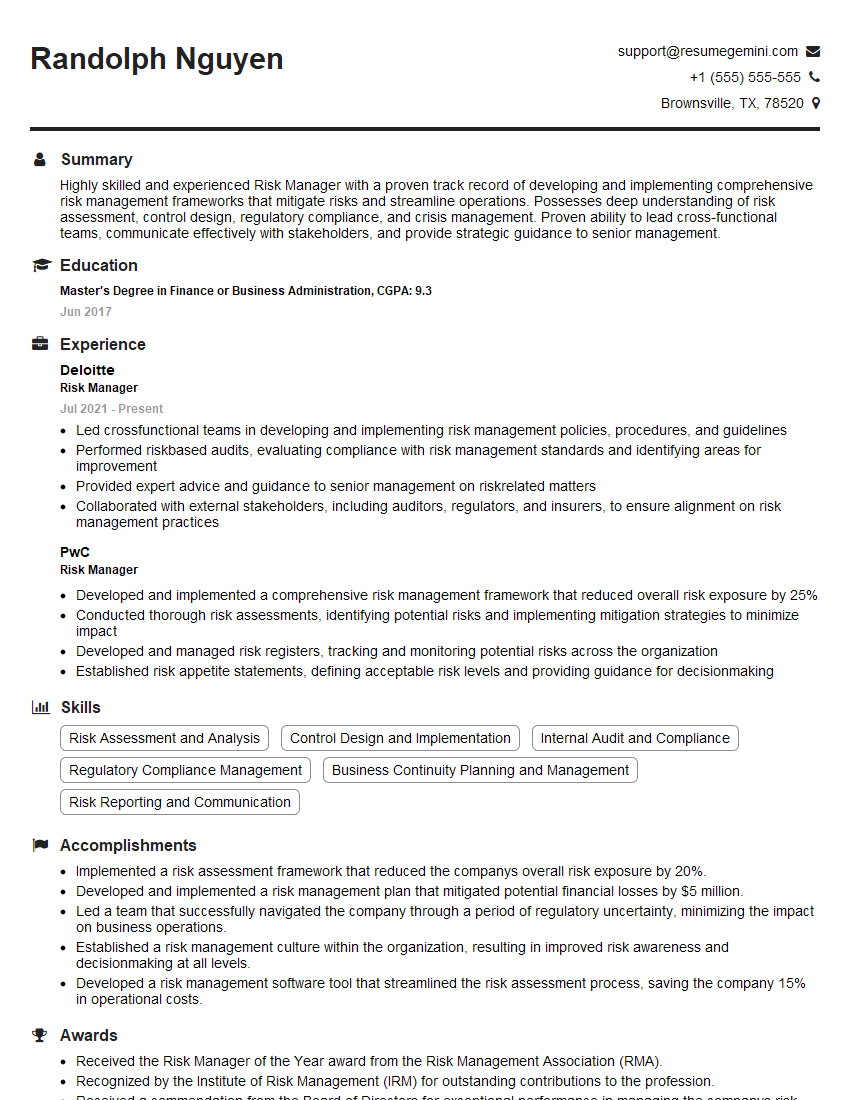
Risk Manager Resume Sample
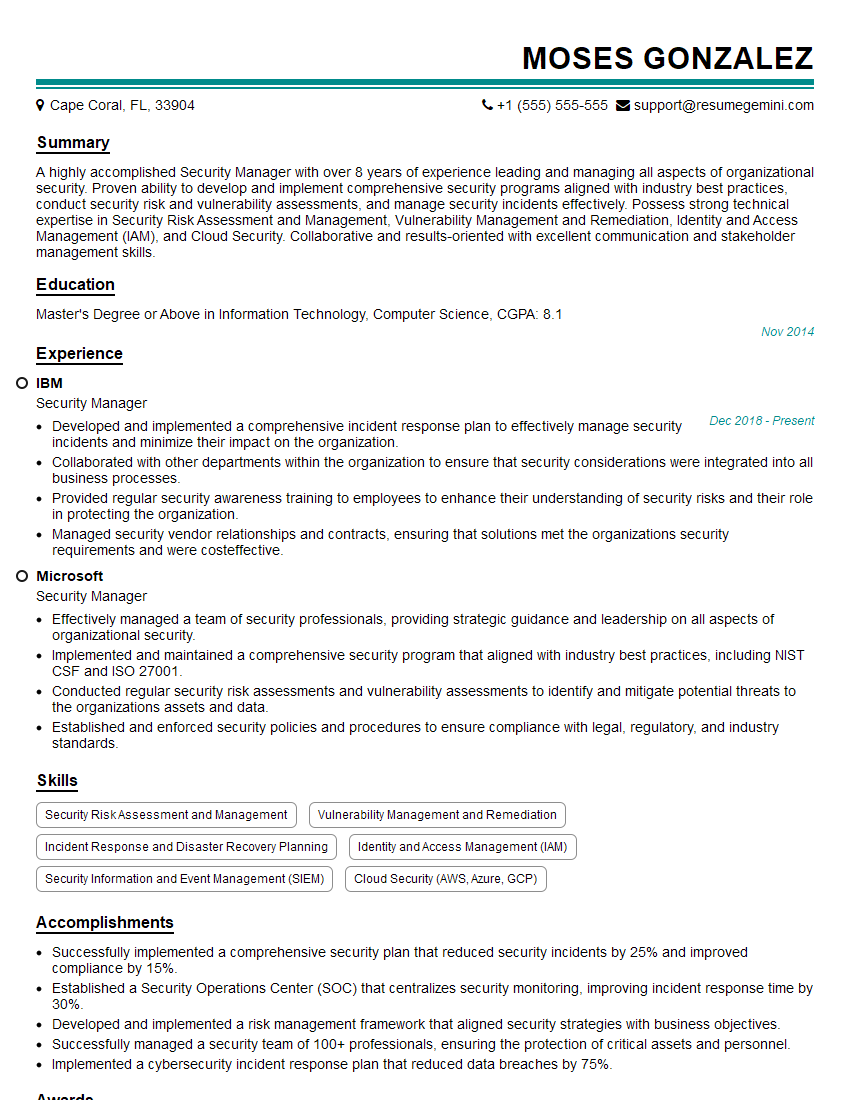
Security Manager Resume Sample
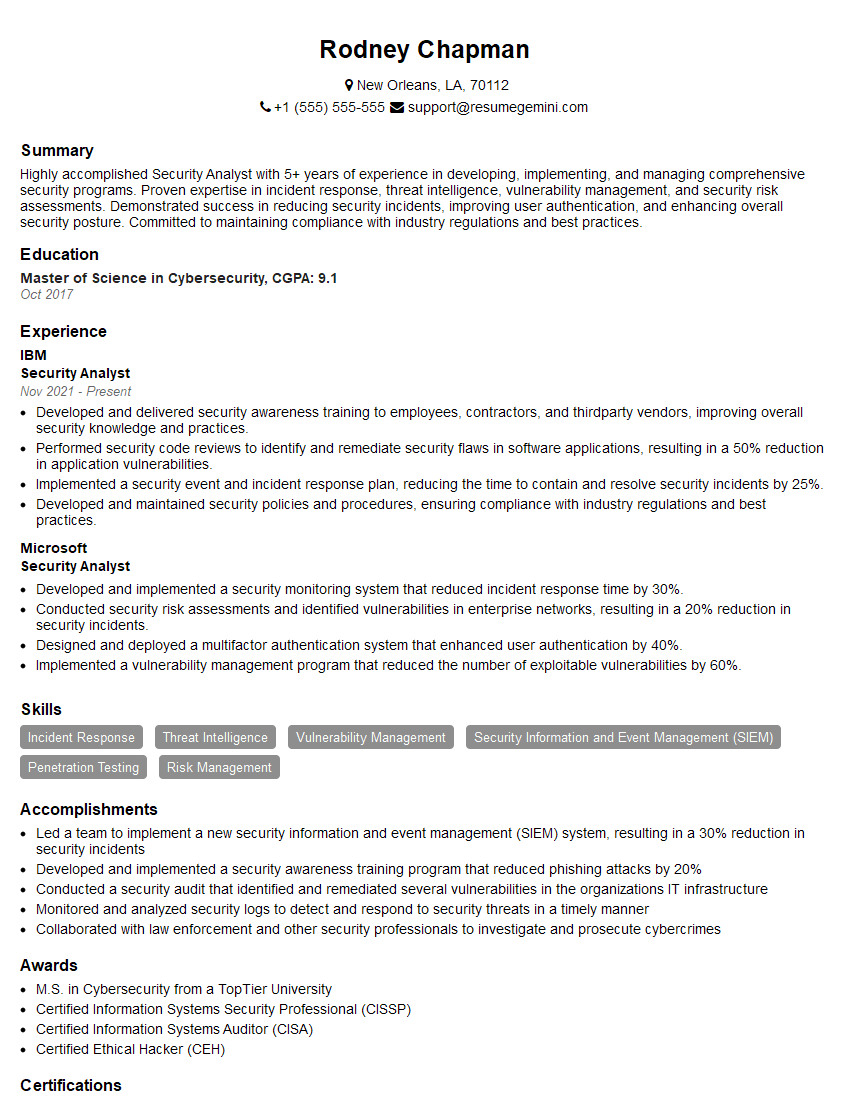
Security Analyst Resume Sample
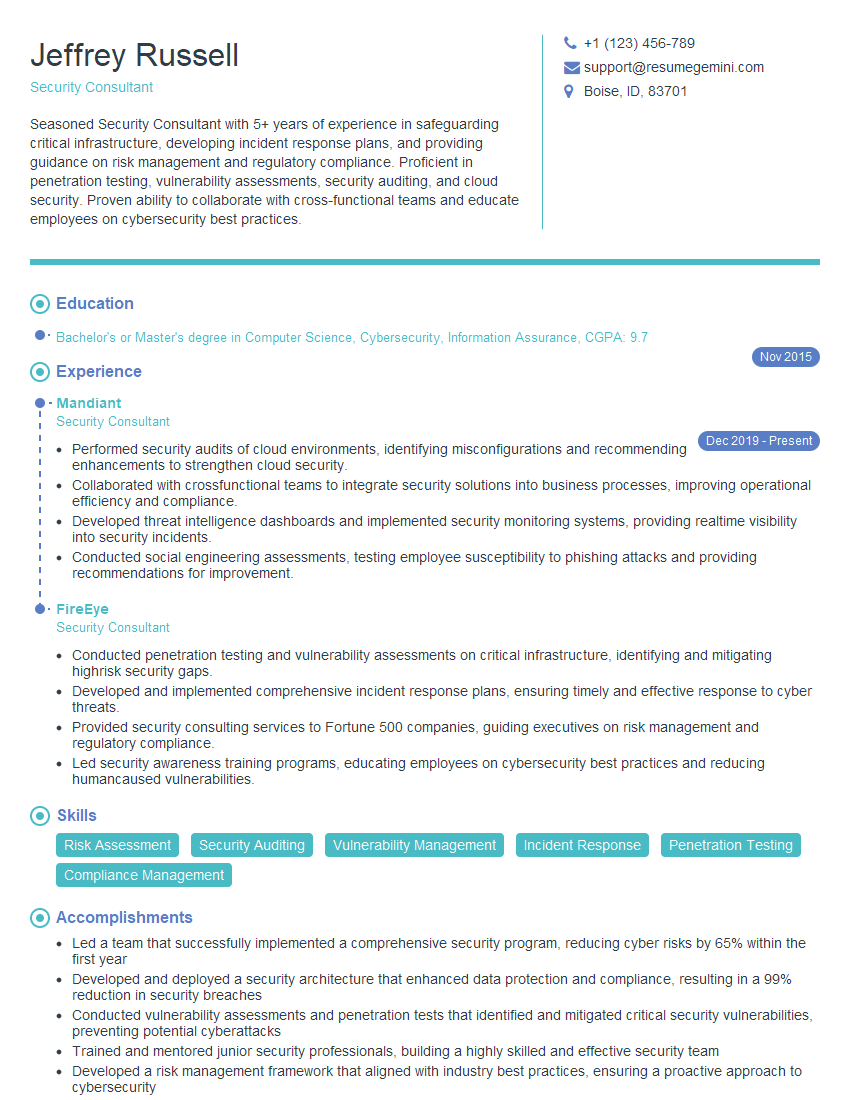
Security Consultant Resume Sample
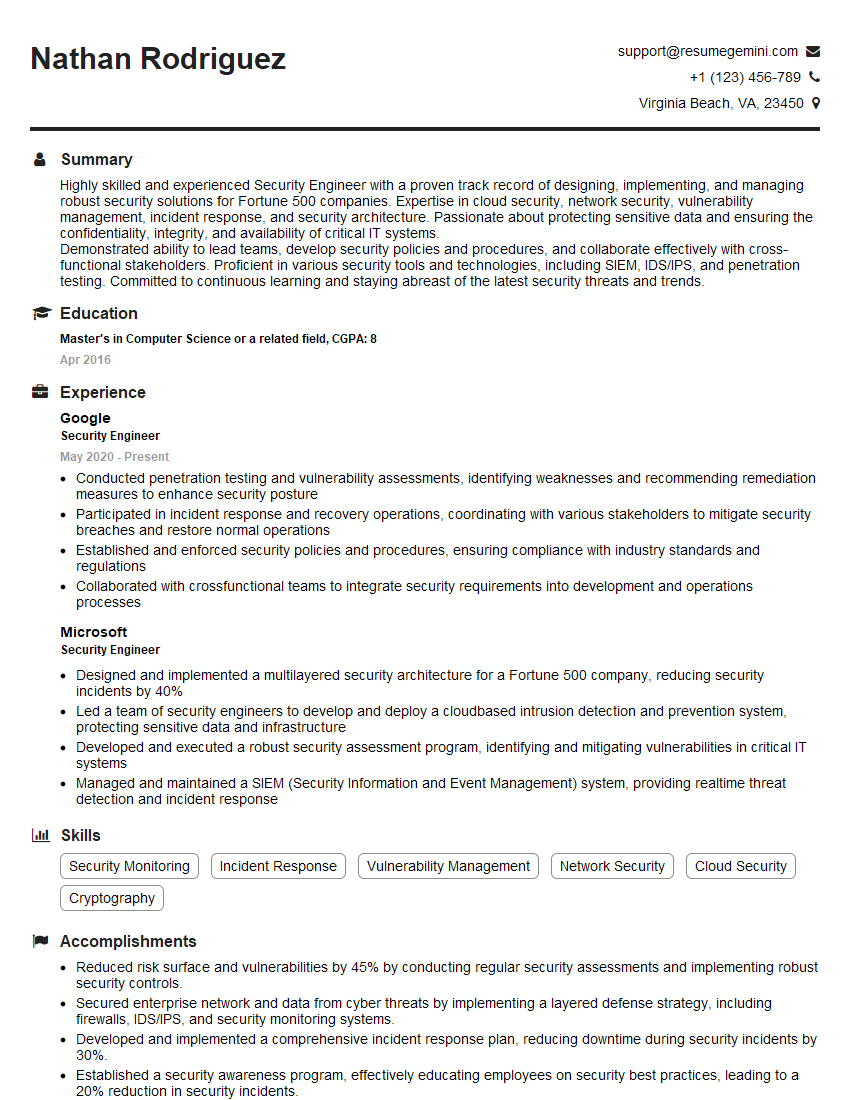
Security Engineer Resume Sample
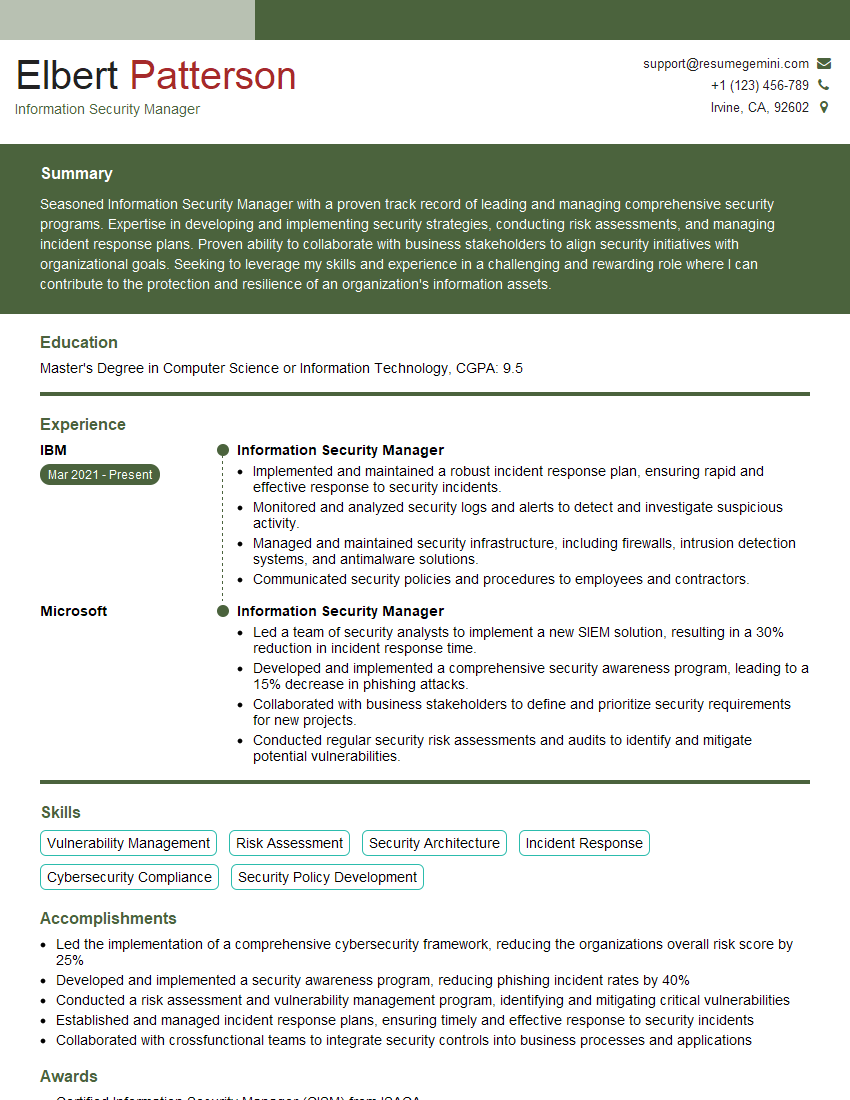
Information Security Manager Resume Sample
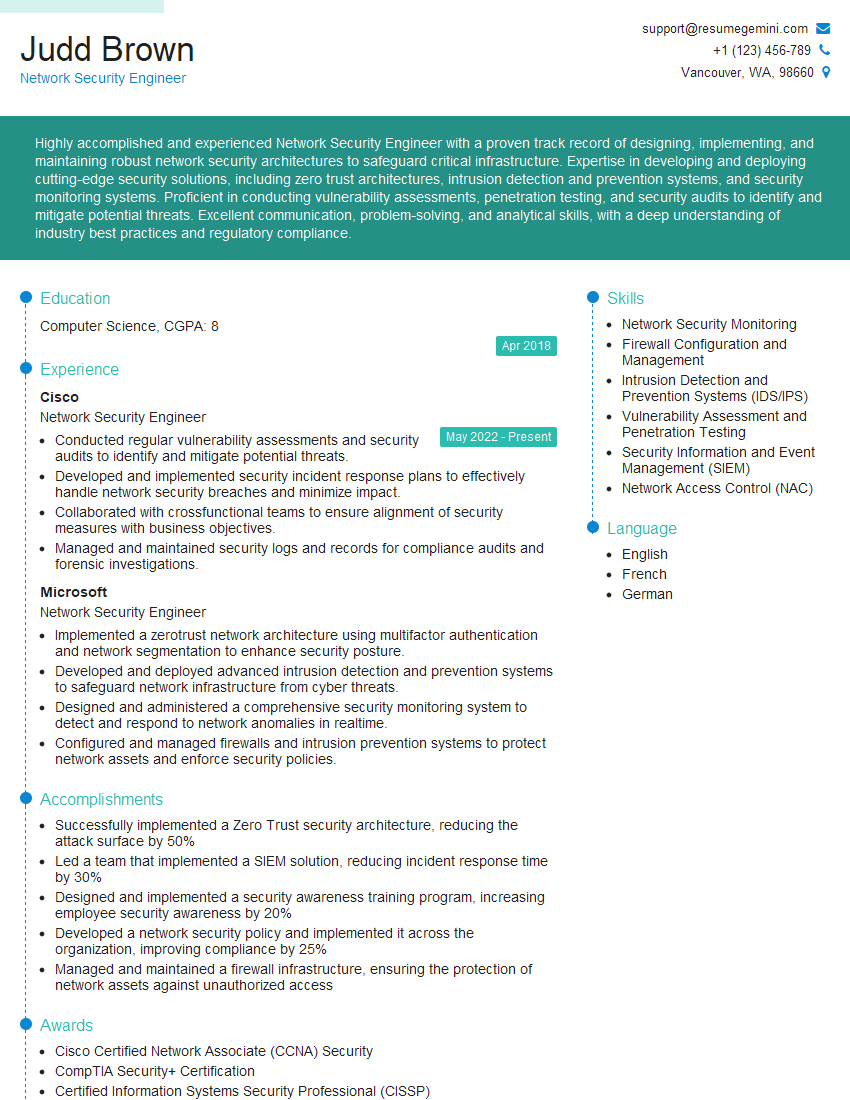
Network Security Engineer Resume Sample
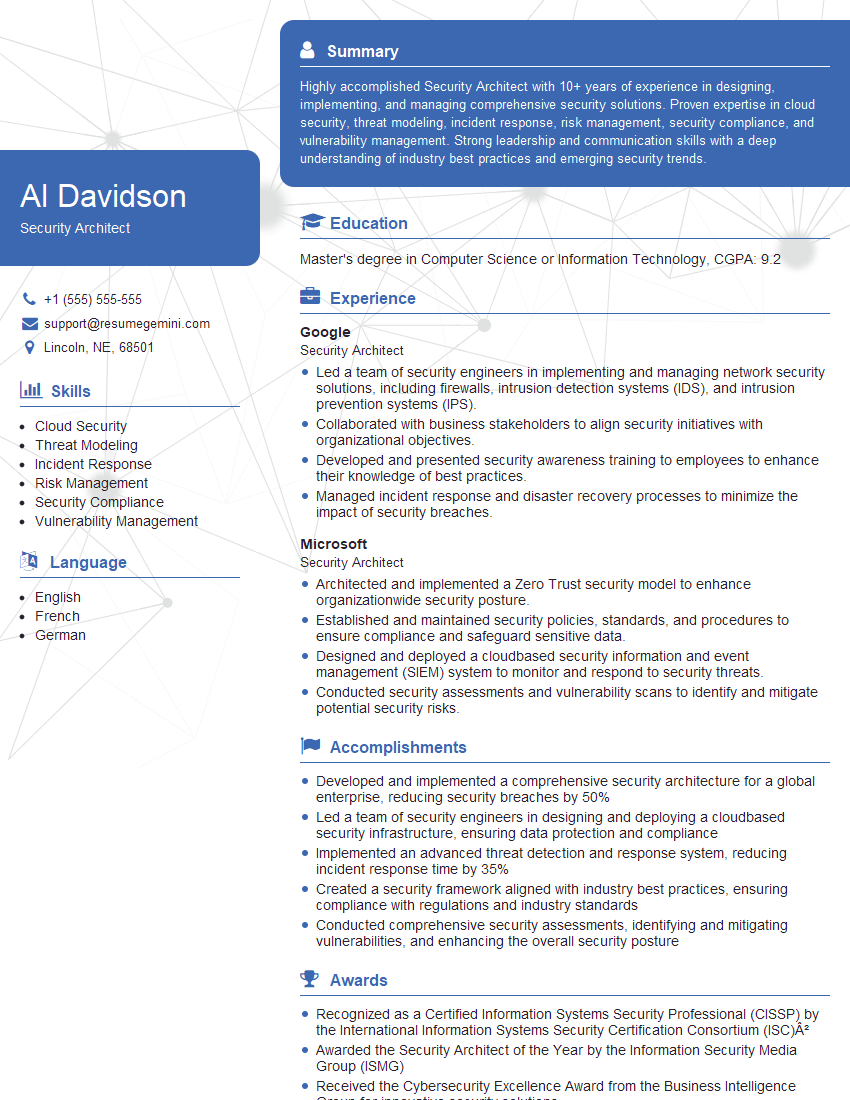
Security Architect Resume Sample
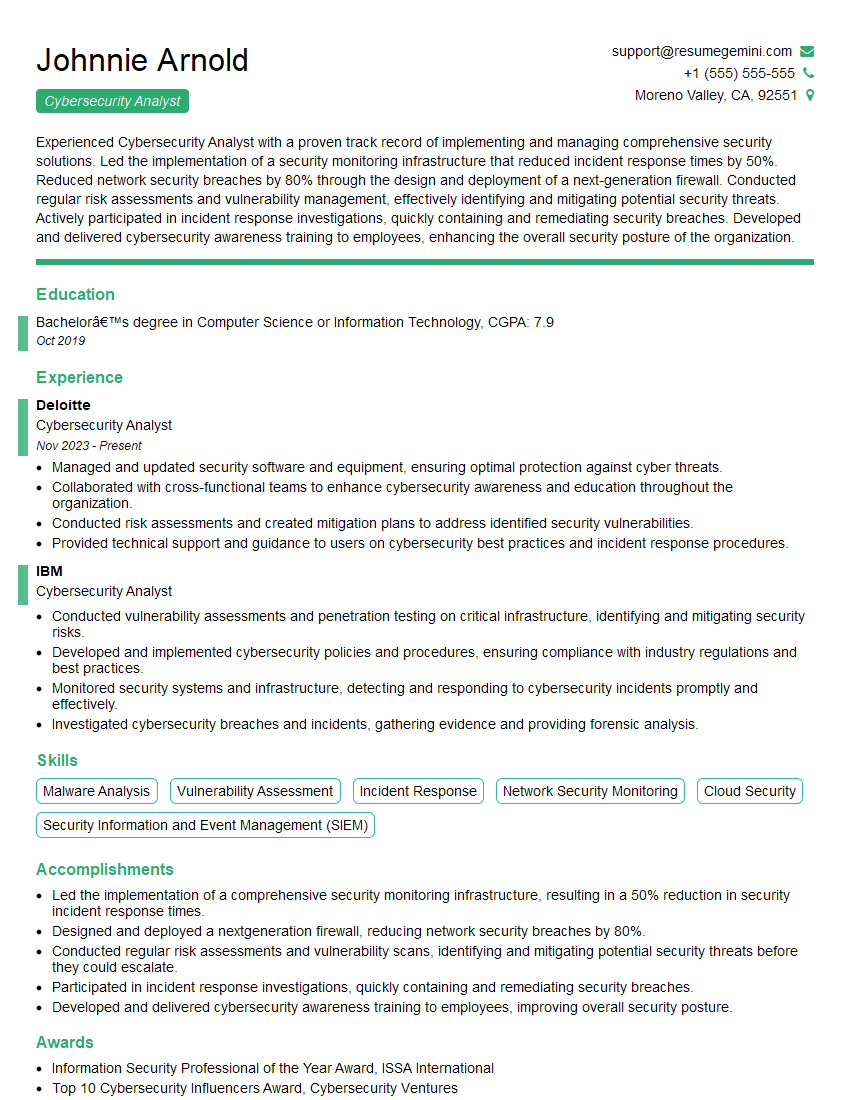
Cybersecurity Analyst Resume Sample
Explore more articles
Users Rating of Our Blogs
Share Your Experience
We value your feedback! Please rate our content and share your thoughts (optional).
What Readers Say About Our Blog
Very informative content, great job.
good