Unlock your full potential by mastering the most common Officer Safety and Self-Defense interview questions. This blog offers a deep dive into the critical topics, ensuring you’re not only prepared to answer but to excel. With these insights, you’ll approach your interview with clarity and confidence.
Questions Asked in Officer Safety and Self-Defense Interview
Q 1. Describe your experience in developing and delivering officer safety training programs.
My experience in developing and delivering officer safety training programs spans over 15 years. I’ve designed and implemented curricula for various agencies, ranging from municipal police departments to federal law enforcement. My approach is highly practical, focusing on real-world scenarios and incorporating active learning techniques like simulations, scenario-based training, and realistic use-of-force exercises. I emphasize not just the physical aspects of self-defense, but also the critical thinking and decision-making skills necessary for successful conflict resolution and officer survival. For example, I developed a program focusing on active shooter response that integrates tactical movement, communication protocols, and medical intervention. The program has been instrumental in significantly improving officers’ response time and survival rates in simulated active shooter scenarios. Another example is the program I designed for domestic violence calls, which emphasizes de-escalation, communication strategies, and recognizing the unique dynamics of these high-risk situations.
Q 2. Explain the principles of situational awareness and how they relate to officer safety.
Situational awareness is the ability to constantly scan your surroundings, anticipate potential threats, and make informed decisions to mitigate risk. For officers, it’s not just about being aware of immediate surroundings but also anticipating potential dangers based on the context of the call, the location, and the people involved. The principles include:
- Scanning: Constantly observing your environment – people, vehicles, objects, and anything unusual.
- Analyzing: Evaluating what you observe for potential threats or vulnerabilities.
- Planning: Developing a plan of action based on your assessment, considering escape routes, cover, and concealment.
- Acting: Implementing your plan to address any potential threat, which may include de-escalation, evasive maneuvers, or defensive actions.
Situational awareness directly relates to officer safety by enabling proactive risk management. By constantly assessing the environment and anticipating potential threats, officers can avoid dangerous situations altogether or respond more effectively when threats arise. Imagine an officer responding to a domestic violence call. A lack of situational awareness might lead them into a house unprepared, encountering a suspect with a weapon unexpectedly. However, a heightened state of situational awareness would allow the officer to position themselves advantageously, identify potential weapons, and communicate more effectively before entering.
Q 3. What are the legal and ethical considerations surrounding the use of force in self-defense?
The legal and ethical considerations surrounding the use of force are complex and governed by numerous factors, including applicable laws, agency policies, and the specific circumstances of the incident. The core principles are:
- Legality: The use of force must be justified under the law, typically adhering to the principles of necessity and proportionality. This means the force used must be necessary to address an immediate threat and must be proportionate to the threat faced.
- Objectivity: An officer’s actions must be evaluated from an objective perspective, meaning a reasonable officer in the same situation would have acted similarly. This avoids subjective biases that could influence the use of force.
- Accountability: Officers are accountable for their actions, and their use of force will be subject to review and potentially investigation. This emphasizes the importance of documentation and adhering to established protocols.
- Ethics: Ethical considerations guide officers in making responsible decisions, emphasizing the preservation of life and minimizing harm whenever possible. Even when lawfully justified, the use of force should be proportionate and with the least amount of force necessary to overcome the immediate threat.
For example, using deadly force is only justified when there’s an imminent threat of death or serious bodily harm to the officer or others. Using excessive force, even if technically legal under a broad interpretation, can have severe ethical and legal consequences.
Q 4. How would you assess a potential threat environment and develop a safety plan?
Assessing a potential threat environment involves a systematic approach. First, gather information from dispatch, previous calls, and any available intelligence. Then, conduct a thorough on-site assessment, considering factors like:
- Location: Is it well-lit? Are there escape routes? Are there potential hiding places for suspects?
- People: How many individuals are involved? What is their demeanor? Are there any weapons visible?
- Environmental Factors: Weather conditions, traffic, and the presence of bystanders all impact the safety assessment.
Developing a safety plan involves:
- Defining objectives: What is the primary goal of the interaction? Apprehension, de-escalation, or securing a scene?
- Communication strategy: How will you communicate with suspects, victims, and bystanders? Clear and calm communication is key.
- Positioning and cover: How will you position yourself to maximize safety and minimize risk? Utilizing cover and concealment are crucial.
- Contingency planning: What actions will you take if the situation escalates? Having backup plans is essential.
For example, if responding to a potential hostage situation, the safety plan would prioritize securing the perimeter, establishing communication with the suspect, and coordinating with specialized units before attempting any intervention.
Q 5. Describe different de-escalation techniques and their effectiveness.
De-escalation techniques aim to reduce tension and prevent violence through communication and negotiation. Effective de-escalation requires empathy, active listening, and an understanding of human behavior. Some techniques include:
- Active Listening: Paying close attention to what the other person is saying, both verbally and nonverbally.
- Empathy: Attempting to understand the other person’s perspective and emotions.
- Calm and Respectful Communication: Speaking calmly and respectfully, avoiding inflammatory language.
- Creating Space: Providing physical distance to reduce immediate tension.
- Offering Choices: Giving the other person a sense of control by offering limited choices.
- Time and Patience: Allowing time for the situation to de-escalate naturally.
The effectiveness of de-escalation depends heavily on the individual, the situation, and the officer’s skills. It’s not always successful, but it dramatically increases the chances of resolving a conflict peacefully. For instance, an officer dealing with a mentally ill person may use calming techniques and offer choices to gain cooperation instead of resorting to force.
Q 6. What are the key components of a comprehensive self-defense strategy?
A comprehensive self-defense strategy integrates various elements:
- Situational Awareness: Constantly assessing the environment for potential threats.
- Avoidance: Avoiding dangerous situations whenever possible.
- De-escalation: Using communication techniques to resolve conflicts peacefully.
- Physical Self-Defense Techniques: Having the skills to defend oneself if necessary, including strikes, grappling, and weapon disarming.
- Legal and Ethical Considerations: Understanding the legal and ethical limits of self-defense and ensuring all actions are justifiable.
- Fitness and Training: Maintaining physical fitness and undergoing regular training to improve skills and reflexes.
- Mental Preparedness: Developing the mental resilience to handle stressful situations effectively.
This holistic approach prioritizes prevention and de-escalation, resorting to physical self-defense only as a last resort. Each component complements the others to form a strong and adaptable self-defense framework.
Q 7. Explain your understanding of the use-of-force continuum.
The use-of-force continuum is a model that outlines the levels of force an officer may use in response to a threat. It’s not a rigid set of rules but rather a guideline for making informed decisions based on the circumstances. The levels typically include:
- Officer Presence: The mere presence of an officer can deter some individuals from committing a crime.
- Verbal Commands: Officers use clear and concise commands to direct individuals to comply.
- Soft Control Techniques: These techniques include grappling, takedowns, and other physical restraints that do not involve striking.
- Hard Control Techniques: These include the use of tasers, batons, or other less-lethal weapons.
- Deadly Force: This is the use of force likely to cause death or serious bodily injury. It is typically only justified when there is an imminent threat of death or serious bodily harm to the officer or others.
The continuum emphasizes proportionality, meaning the level of force used should be proportional to the threat level. It’s crucial to remember that the continuum is not linear; officers may need to skip levels depending on the circumstances. For example, if an officer is immediately faced with a deadly threat, they may move directly to deadly force, bypassing other levels. The continuum also stresses the importance of de-escalation whenever possible, moving to a lower level of force once the threat is mitigated.
Q 8. How do you identify and mitigate potential risks in various environments?
Identifying and mitigating potential risks involves a systematic approach encompassing environmental awareness, threat assessment, and proactive strategies. It’s like playing chess, anticipating your opponent’s moves before they make them.
Environmental Awareness: This involves carefully observing the surroundings for anything unusual or potentially dangerous. For example, in a high-crime area, I’d be acutely aware of individuals exhibiting erratic behavior, dimly lit areas, or escape routes. In a crowded event, I’d note potential choke points and exits.
Threat Assessment: This is a continuous process of evaluating potential threats based on observable behaviors and environmental factors. For instance, someone following me closely or making aggressive gestures would be a significant threat indicator, necessitating a shift in my posture and awareness.
Proactive Strategies: These include varying routes, maintaining situational awareness, and practicing self-defense techniques. Avoiding poorly lit areas at night, traveling with a buddy, and knowing basic self-defense moves are all crucial proactive measures. A simple example is trusting my instincts: if a situation feels unsafe, I remove myself from it.
Q 9. Describe your experience with different defensive tactics and techniques.
My experience encompasses a wide range of defensive tactics and techniques, all grounded in the principles of de-escalation, avoidance, and only resorting to force as a last resort. My training includes:
Empty-hand self-defense: This covers various grappling techniques, strikes, and pressure points, focusing on creating distance and disabling an attacker, not causing unnecessary harm.
Weapon retention and disarmament: I am proficient in techniques for retaining my weapon (if armed) and disarming an assailant who has gained control of a weapon. This requires extensive training and a deep understanding of the dynamics involved.
Defensive tactics against multiple attackers: This involves techniques for controlling space, creating distance, and prioritizing targets, focusing on escaping the situation rather than engaging in prolonged combat.
Less-lethal options: I’m trained in the proper use and deployment of less-lethal weapons such as OC spray and tasers, understanding their limitations and legal ramifications. Proper training is absolutely crucial here.
All my techniques emphasize control, precision, and minimizing injury to both myself and the assailant.
Q 10. How would you handle a hostile encounter involving multiple aggressors?
Encountering multiple aggressors requires a completely different strategy than a one-on-one confrontation. The priority shifts immediately from engaging in a fight to escaping safely. My approach would be:
Assess the situation: Quickly determine the number of attackers, their positions, and any potential weapons.
Create distance: My immediate goal is to create space between myself and the aggressors, using evasive maneuvers if necessary.
Find cover and concealment: I’d seek out a location that provides cover (protection from projectiles) and concealment (protection from observation).
Call for help: If possible, I’d call emergency services, providing my location and the situation.
Use defensive tactics: Only as a last resort and only if escape is impossible would I use defensive techniques. Against multiple attackers, my focus would be on disrupting their attack long enough to create an escape opportunity, and possibly employing less-lethal options.
The key is to avoid prolonged confrontation and prioritize escape.
Q 11. What are the common indicators of potentially violent behavior?
Recognizing potentially violent behavior is crucial for proactive risk mitigation. It’s not always a sudden, dramatic outburst; often, it’s a subtle escalation of tension.
Verbal cues: Threatening language, raised voice, profanity, and hateful speech are all warning signs.
Nonverbal cues: Intense staring, clenched fists, pacing, rapid breathing, and sudden changes in posture can indicate escalating aggression.
Physical cues: The presence of weapons, alcohol or drug use, and physical posturing are clear indicators of potential violence.
Contextual cues: The environment plays a role. Being in a high-crime area or a situation with known tensions increases the potential for violence.
It’s important to remember that these are indicators, not guarantees. But understanding them allows me to adjust my level of alertness and take appropriate precautionary steps.
Q 12. Explain your knowledge of relevant state and federal laws regarding self-defense.
My understanding of state and federal laws regarding self-defense is paramount to my professional practice. The specifics vary by jurisdiction, but the core principles remain consistent: self-defense must be proportionate to the threat, reasonable, and necessary to prevent imminent harm. This means I must demonstrate:
Imminent danger: The threat of harm must be immediate and credible.
Proportionality: The level of force used in self-defense must be proportionate to the threat faced. Excessive force can lead to criminal charges.
Duty to retreat (where applicable): Some jurisdictions have ‘duty to retreat’ laws, meaning you must attempt to avoid confrontation if safely possible. Others have ‘stand your ground’ laws.
Reasonable belief: I must have a reasonable belief that I was in imminent danger and the use of force was necessary.
Regular updates on legal changes and case law are crucial. Ignorance of the law is not a defense.
Q 13. How would you respond to an active shooter situation?
Responding to an active shooter situation is a critical life-or-death scenario demanding immediate action based on the ‘Run, Hide, Fight’ strategy:
Run: If possible, evacuate the area immediately. Move quickly and quietly, and assist others if you can, but prioritize your own safety.
Hide: If evacuation isn’t possible, find a secure location, lock the door, and stay out of sight. Silence your phone to avoid detection.
Fight: As a last resort, and only when your life is in immediate danger, fight back aggressively to survive. Utilize any available means of defense.
Post-incident, cooperation with law enforcement is critical. Providing accurate information can assist in investigation and prevent future incidents.
Q 14. Describe your experience in conducting risk assessments for individuals or organizations.
Conducting risk assessments involves a thorough evaluation of potential threats and vulnerabilities. This involves a multi-faceted approach depending on the client:
Individual Risk Assessment: This focuses on an individual’s lifestyle, routines, potential vulnerabilities, and exposure to threat. I’d interview the individual, review their daily activities, identify potential risk areas, and make recommendations to reduce exposure.
Organizational Risk Assessment: This involves a broader perspective, evaluating the organization’s physical security, personnel safety, and operational procedures to identify weaknesses and potential threats. This might involve site surveys, vulnerability assessments, and interviews with personnel to establish a comprehensive picture.
In both cases, the goal is to identify potential hazards, propose mitigating strategies, and implement plans to reduce risks, ultimately enhancing the safety and security of the individual or organization.
Q 15. What are the best practices for maintaining officer safety during high-risk operations?
Maintaining officer safety during high-risk operations hinges on meticulous planning, proactive risk assessment, and unwavering adherence to established protocols. It’s not just about individual skills; it’s about teamwork and coordinated action.
- Pre-Operation Planning: This includes thorough intelligence gathering, identifying potential threats and escape routes, establishing clear communication channels, and assigning specific roles and responsibilities to team members. For example, before executing a high-risk warrant, we’d map the building, identify potential ambush points, and designate a point person for communication with command.
- Teamwork and Communication: Clear and concise communication is paramount. Using established codes and signals minimizes confusion and ensures everyone is aware of the situation. Regular tactical pauses allow for reassessment and adjustment of plans based on evolving circumstances. Think of it like a well-oiled machine – each part must function flawlessly in concert with the others.
- Environmental Awareness: Constantly scanning the surroundings for potential threats is crucial. This includes paying attention to details like unusual activity, escape routes, and potential cover for both the officers and suspects. During a traffic stop at night, for example, ensuring adequate lighting and positioning of the vehicle to minimize blind spots becomes crucial.
- Tactical Positioning and Cover: Utilizing cover and concealment effectively reduces exposure to potential threats. This involves understanding the difference between cover (something that can stop bullets) and concealment (something that hides you from view). Training regularly in various scenarios reinforces these habits.
- Post-Operation Debriefing: Critical for identifying areas for improvement. This involves analyzing what worked well, what could have been done better, and refining procedures accordingly. It’s a continuous learning process where every operation offers valuable feedback.
Career Expert Tips:
- Ace those interviews! Prepare effectively by reviewing the Top 50 Most Common Interview Questions on ResumeGemini.
- Navigate your job search with confidence! Explore a wide range of Career Tips on ResumeGemini. Learn about common challenges and recommendations to overcome them.
- Craft the perfect resume! Master the Art of Resume Writing with ResumeGemini’s guide. Showcase your unique qualifications and achievements effectively.
- Don’t miss out on holiday savings! Build your dream resume with ResumeGemini’s ATS optimized templates.
Q 16. Explain your understanding of different types of weapons and their effective range.
Understanding weapon types and effective ranges is essential for safe and effective operation. Effective range isn’t just about the weapon’s capability; it depends on factors like environmental conditions, the user’s skill, and the target.
- Handguns: Typically have an effective range of up to 50 yards, though accuracy drastically decreases beyond 25 yards. Factors like caliber and the shooter’s skill significantly influence this.
- Shotguns: Effective up to 50 yards with buckshot, offering a wider spread of projectiles. Slugs can be effective at longer ranges, but accuracy is still crucial.
- Rifles: Effective range varies considerably, from a few hundred yards for smaller calibers to over a mile for high-powered rifles. This necessitates careful target identification and understanding of ballistics.
- Less-Lethal Weapons: Such as tasers and pepper spray, have much shorter ranges and are best used in close-quarters scenarios. Their effectiveness is also highly dependent on proper application and target factors.
Understanding these effective ranges is vital for tactical decision-making. For example, engaging a target with a handgun beyond its effective range is not only less accurate, but also increases the risk of collateral damage.
Q 17. How do you stay current with the latest best practices and legal updates in officer safety?
Staying current is crucial in this rapidly evolving field. I accomplish this through a multi-pronged approach:
- Professional Development Courses: Regularly attending advanced training courses on topics like firearms, defensive tactics, and legal updates keeps my skills sharp and my knowledge fresh. This often includes scenario-based training to practice skills in realistic situations.
- Professional Associations: Membership in relevant associations (like the International Association of Chiefs of Police) provides access to updated resources, journals, and conferences. Networking with other professionals allows the sharing of best practices and insights into recent incidents and trends.
- Legal Updates and Case Law: Staying abreast of recent court rulings and legislative changes influencing use of force is vital. Attending seminars and webinars dedicated to legal aspects of law enforcement ensures I remain compliant and operate within the bounds of the law. This includes reviewing published case studies and summaries of significant legal decisions.
- Continuous Self-Study: Regularly reviewing updated training materials and policy documents ensures that I am consistently applying best practices.
Q 18. Describe your experience with firearms safety and handling protocols.
Firearms safety and handling are non-negotiable. My experience encompasses years of rigorous training and practical application, emphasizing the ‘four rules of firearm safety’ as a foundational principle. I have a clean safety record throughout my career.
- Four Rules of Firearm Safety: Always treat every firearm as if it were loaded; never point a firearm at anything you are not willing to destroy; keep your finger off the trigger until your sights are on the target and you have made the decision to shoot; always be sure of your target and what is beyond it.
- Regular Qualification and Training: I maintain a high level of proficiency through regular qualification courses and advanced firearms training, including low-light shooting, malfunction clearances, and dynamic shooting exercises. This continuous training isn’t just about hitting targets; it’s about safe handling in stressful situations.
- Weapon Maintenance and Care: I understand the importance of proper weapon maintenance to ensure its reliability and functionality. Regular cleaning, inspection, and lubrication are part of my routine.
- Safe Storage Practices: Even off-duty, I adhere to strict storage protocols to prevent accidental discharge or unauthorized access to my firearms. This includes secured storage in a locked safe or container.
Q 19. How would you assess the effectiveness of a security system or plan?
Assessing the effectiveness of a security system or plan requires a holistic approach, evaluating its design, implementation, and effectiveness in mitigating risks.
- Risk Assessment: Identifying potential threats and vulnerabilities is the first step. This involves analyzing the environment, assessing potential entry points, and identifying high-risk areas. For example, a risk assessment for a bank might include analyzing its exterior security, alarm systems, and the potential for insider threats.
- System Design and Implementation: Evaluating the appropriateness and effectiveness of the security measures in place. Are the security systems appropriately chosen for the level of risk? Are they properly installed and maintained? Poorly implemented CCTV systems, for example, can be rendered ineffective.
- Testing and Evaluation: Regular testing is crucial. This might involve penetration testing to identify vulnerabilities in the security system or drills and simulations to assess the response protocols. Tabletop exercises or mock intruder scenarios can reveal weaknesses in the plan.
- Regular Audits and Reviews: Security systems and plans are not static. They should be reviewed and updated regularly to address emerging threats and vulnerabilities. This ensures continuous improvement and adaptation to changes in the environment or in threat levels.
- Key Performance Indicators (KPIs): Defining measurable indicators of success, such as the number of incidents prevented, response times, or security breaches, can help quantify the effectiveness of the security system. Analyzing these metrics can highlight areas needing improvement.
Q 20. What are some common mistakes officers make that compromise their safety?
Common mistakes that compromise officer safety often stem from complacency, poor training, or inadequate preparation.
- Complacency: Assuming a situation is low-risk, leading to inadequate situational awareness or insufficient preparation. This can manifest as neglecting to properly scan surroundings or skipping crucial safety checks.
- Tunnel Vision: Focusing excessively on a single aspect of the situation, neglecting other potential threats or environmental factors. This might occur during a foot pursuit, where an officer might become overly focused on the suspect and fail to notice other dangers.
- Improper Weapon Handling: Failing to adhere to safe weapon handling protocols, such as muzzle awareness or trigger discipline. This can easily lead to accidental discharges or negligent shootings.
- Failure to Communicate Effectively: Poor communication can lead to misunderstandings and coordination failures, increasing the risk to officers. Clear, concise communication is crucial in any high-risk situation.
- Neglecting Training and Continuing Education: Remaining stagnant in training leaves officers vulnerable. Regular training, updates, and continued education maintain proficiency and refresh vital skills.
Q 21. How do you handle stress and maintain composure in high-pressure situations?
Handling stress and maintaining composure in high-pressure situations is a crucial skill developed through training, experience, and self-awareness. It’s not about eliminating stress; it’s about managing it effectively.
- Training and Preparation: Regular training, especially scenario-based training that simulates high-pressure situations, helps build resilience and develop coping mechanisms. This includes practicing techniques like controlled breathing and maintaining a clear thought process under duress.
- Physical Fitness and Health: Maintaining a healthy lifestyle, including physical fitness and proper nutrition, improves both physical and mental resilience. This strengthens the body’s ability to cope with stress.
- Mental Fitness and Mindfulness: Practicing stress-reduction techniques like meditation or mindfulness can enhance mental clarity and composure. It helps reduce the impact of stress and improves emotional regulation.
- Self-Awareness and Emotional Regulation: Understanding one’s own stress responses and developing strategies to manage them effectively is crucial. This involves recognizing warning signs of stress and employing techniques to regain control.
- Peer Support and Debriefing: Talking about experiences with trusted colleagues or seeking professional help can be crucial for processing stressful events and preventing burnout. Post-incident debriefings are essential to process emotions and learn from experiences.
Q 22. Describe your experience with non-lethal force options and their limitations.
My experience with non-lethal force options is extensive, encompassing various tools and techniques. These range from verbal de-escalation and the use of less-lethal weapons like pepper spray and tasers, to physical control techniques such as pressure points and takedowns. However, it’s crucial to understand their limitations.
- Pepper spray, while effective in incapacitating an attacker, can be affected by wind and may inadvertently affect bystanders. Its effectiveness also depends on the assailant’s tolerance and the environment.
- Tasers present the risk of malfunctioning or causing cardiac arrest in vulnerable individuals. Their effectiveness is also reduced if the subject is wearing thick clothing or is under the influence of certain substances.
- Physical control techniques require a high level of training and precise execution, and the risk of injury to both the officer and the subject remains. Their effectiveness is heavily dependent on the officer’s physical fitness and the suspect’s size and strength.
- Verbal de-escalation, while the preferred initial approach, is not always successful and requires excellent communication and interpersonal skills, which aren’t always effective in high-pressure situations.
Therefore, a thorough understanding of these limitations is crucial for responsible and effective application of non-lethal force. Training must emphasize situational awareness, tactical considerations, and a clear understanding of legal and ethical boundaries.
Q 23. How do you communicate effectively during a crisis situation?
Effective communication during a crisis hinges on clear, concise, and calm delivery. Imagine a tense standoff; shouting will only escalate the situation. Instead, I employ a measured tone, using simple and direct language. I focus on active listening, demonstrating empathy and understanding while establishing rapport, even in hostile environments. My communication strategy incorporates:
- Active listening: Attentively observing body language and verbal cues to understand the individual’s emotional state and intentions.
- Clear and concise commands: Giving direct instructions, avoiding jargon or ambiguous phrasing. For example, instead of saying ‘calm down,’ I might say ‘take a deep breath and put your hands where I can see them.’
- Empathy and de-escalation techniques: Attempting to understand the person’s perspective and addressing their concerns while calming their anxieties, using techniques such as mirroring their emotions and using their name.
- Maintaining a professional demeanor: Even when faced with provocation, preserving a calm and controlled presence deters further escalation and reassures the individual that the situation is under control.
In high-stress scenarios, clear communication is paramount, not just for de-escalation but also for directing backup and ensuring efficient coordination amongst responding teams. The goal is always to resolve the situation peacefully and safely.
Q 24. How would you train others in proper self-defense techniques?
Training others in self-defense involves a structured, progressive approach. I begin by establishing a foundation of awareness – recognizing potential threats and assessing risk levels. Then, I build upon this with practical techniques, emphasizing:
- Basic self-defense principles: Such as awareness of surroundings, avoidance strategies, and escape techniques, focusing on the avoidance of confrontation when possible.
- Defensive movements and blocks: Teaching effective ways to deflect strikes and maintain distance from an attacker.
- Disengagement and escape techniques: Emphasizing strategies for breaking free from holds and creating distance to escape a threatening situation.
- Ground defense: Covering basic techniques to defend oneself while on the ground.
- Legal considerations: Highlighting the importance of using force only when necessary and within legal limits—emphasizing self-defense as a last resort.
The training incorporates both practical drills and scenario-based simulations to enhance retention and build confidence in applying the techniques effectively. Regular review and reinforcement are key to ensure skills remain sharp and ready for deployment when needed.
Q 25. Explain your experience with different types of personal protective equipment (PPE).
My experience with PPE is extensive, covering a range of equipment tailored to different threat levels and environmental conditions. This includes:
- Body armor: From basic soft body armor to more advanced ballistic vests designed to withstand different types of projectiles.
- Helmets: Providing head protection against blunt force trauma and impact.
- Gloves: Protecting hands from injury during physical confrontations or when handling hazardous materials.
- Eye protection: Shielding eyes from projectiles, sprays, or other hazards.
- Protective clothing: Such as stab-resistant vests and high-visibility outerwear, depending on the situation.
Proper selection and maintenance of PPE are critical. The type of PPE used depends heavily on the potential threats faced, the environment in which the individual will operate, and legal requirements. For example, officers engaging in high-risk operations require more robust protection than those working in administrative roles. Regular inspection and proper storage are essential to maintaining the integrity and effectiveness of this equipment.
Q 26. Describe your proficiency in first aid and emergency medical response procedures.
My proficiency in first aid and emergency medical response is certified and regularly updated. I’m trained in:
- Basic life support (BLS): Including cardiopulmonary resuscitation (CPR), automated external defibrillator (AED) use, and the treatment of airway obstructions.
- Wound care: Addressing various types of injuries, including bleeding control, cleaning and dressing wounds.
- Trauma management: Assessing and managing injuries resulting from trauma, including spinal immobilization and recognizing signs of shock.
- Emergency medical triage: Prioritizing the care of multiple casualties in emergency situations.
This knowledge is essential for both self-care and the care of others in various scenarios, ranging from responding to minor injuries in the field to managing life-threatening emergencies during or after a critical incident. Regular refresher training ensures my skills and knowledge remain current and relevant. This preparedness translates to better outcomes in stressful situations.
Q 27. What is your understanding of the legal ramifications of improper use of force?
Understanding the legal ramifications of improper use of force is paramount. The legal standards governing the use of force vary depending on jurisdiction but generally adhere to principles of proportionality and necessity. The use of force must be:
- Proportionate: The level of force used must be reasonable and necessary in response to the threat faced.
- Necessary: Force should only be used if there is an immediate threat to life or safety, and less-lethal options have been exhausted or are deemed ineffective.
- Objectively reasonable: A court would evaluate the situation from the perspective of a reasonably prudent officer facing similar circumstances.
Improper use of force can lead to criminal charges, civil lawsuits, disciplinary actions, and reputational damage. Continued professional development focusing on case law, legal updates, and ethical considerations is critical to ensure all actions are within legal boundaries. Thorough documentation, including detailed reports and body camera footage, is essential for any justification of force used.
Q 28. How do you adapt your safety strategies to different cultural and environmental contexts?
Adapting safety strategies across diverse cultural and environmental contexts requires sensitivity and awareness. Cultural norms significantly influence how individuals react to authority figures and interpret actions. Understanding these nuances is crucial for effective communication and de-escalation.
- Cultural awareness training: This helps officers understand the different cultural perspectives and how these might influence behavior and reactions during encounters.
- Language skills: Being able to communicate effectively in multiple languages enhances interaction and understanding.
- Environmental awareness: Recognizing the environmental factors that might affect safety, including weather conditions, terrain, and the presence of crowds.
- Adapting communication techniques: Tailoring communication strategies to the specific cultural context, respecting customs and beliefs.
For example, in some cultures, direct eye contact may be perceived as aggressive, while in others, it may indicate trust. Similarly, physical contact might be considered acceptable in some cultures, while highly offensive in others. Adapting my approach to these various contexts is crucial for successful interaction and reducing the risk of misinterpretations and escalation.
Key Topics to Learn for Officer Safety and Self-Defense Interview
- Situational Awareness and Threat Assessment: Understanding how to identify potential threats, analyze risk levels, and develop proactive strategies to mitigate danger. Practical application includes describing real-world scenarios and explaining your decision-making process.
- Defensive Tactics and Control Techniques: Knowledge of various defensive tactics, including empty-hand control techniques, weapon retention, and the appropriate use of force. Consider discussing the legal and ethical implications of each technique.
- Communication and De-escalation: Mastering verbal communication skills to de-escalate tense situations, build rapport, and prevent conflict. Practical application might involve describing successful de-escalation techniques from personal experience.
- Legal and Ethical Considerations: A thorough understanding of use-of-force laws, policies, and ethical guidelines governing officer conduct in self-defense situations. This includes understanding the importance of documentation and reporting procedures.
- Self-Defense Weaponry (if applicable): If relevant to the position, demonstrate a comprehensive understanding of the legal and safe use of any self-defense weaponry, including proper maintenance and storage procedures.
- First Aid and Emergency Response: Knowledge of basic first aid and emergency response procedures, including how to provide immediate assistance to injured individuals while ensuring personal safety.
- Physical Fitness and Preparedness: Demonstrating an understanding of the importance of maintaining physical fitness and stamina as critical components of officer safety.
- Post-Incident Procedures: Knowledge of protocols for reporting, documenting, and following up after incidents involving self-defense or use of force.
Next Steps
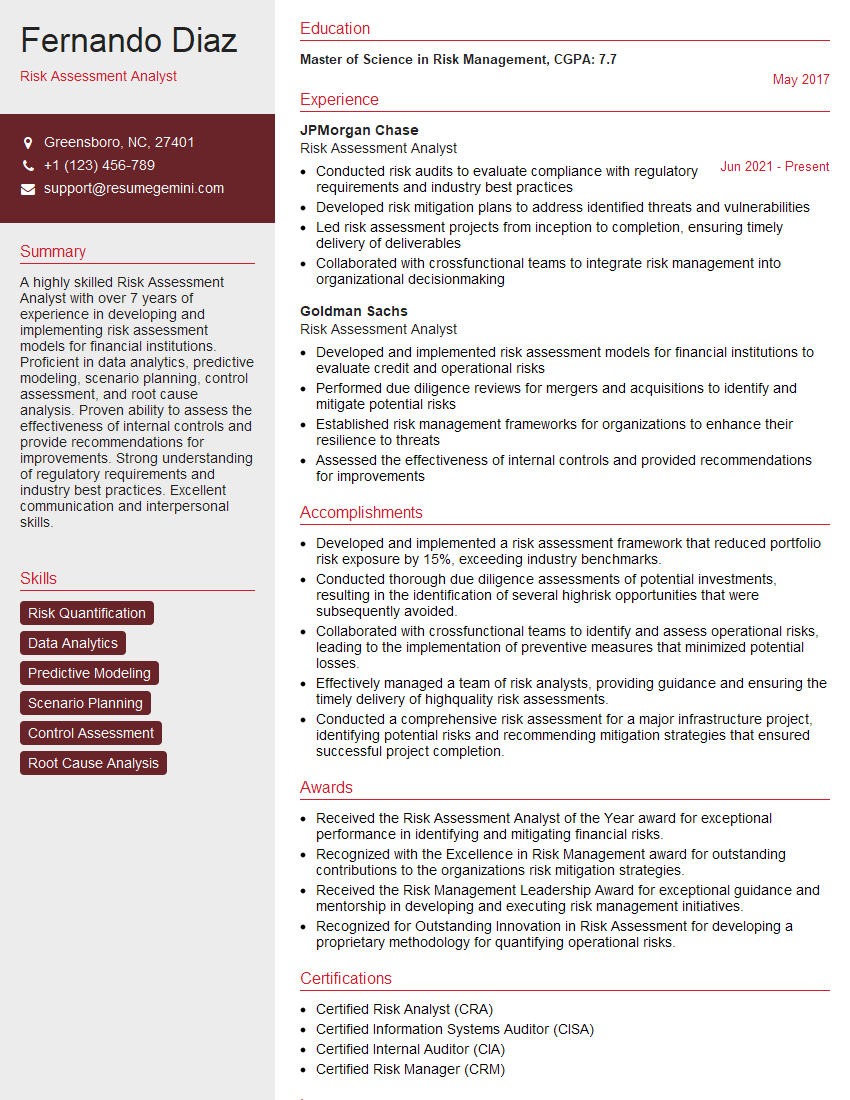
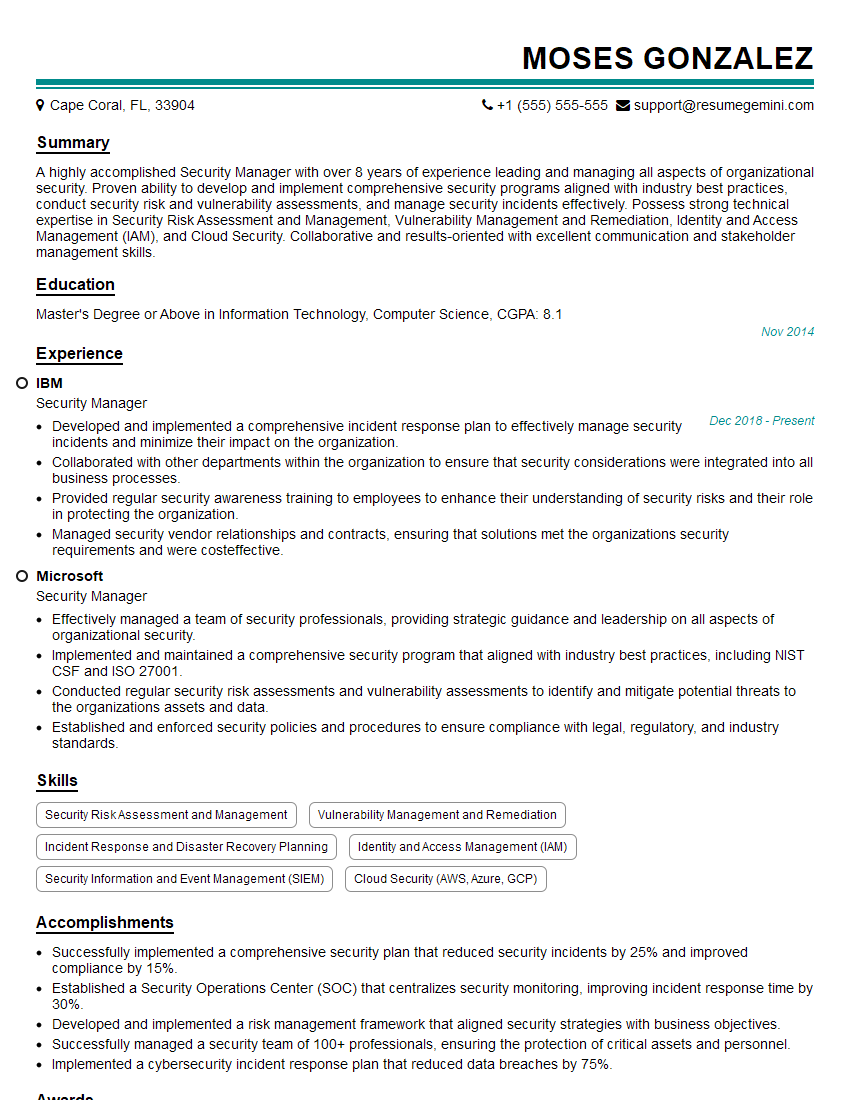
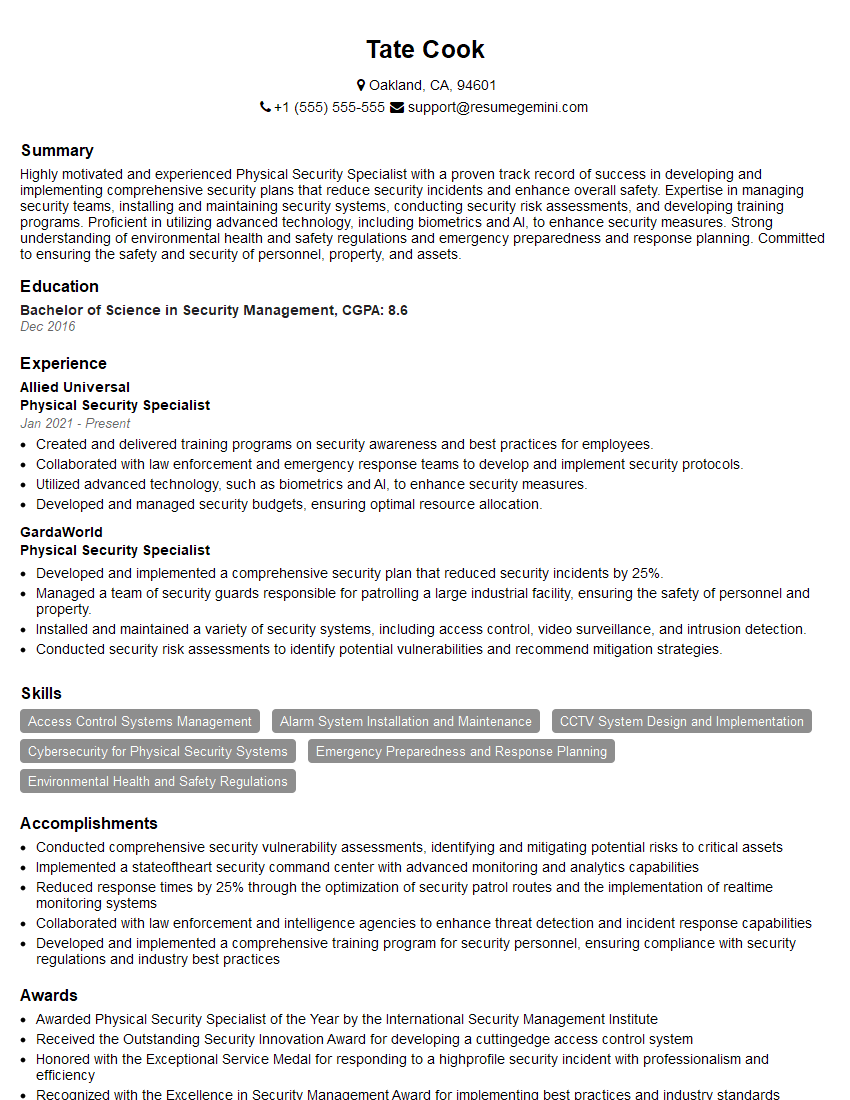
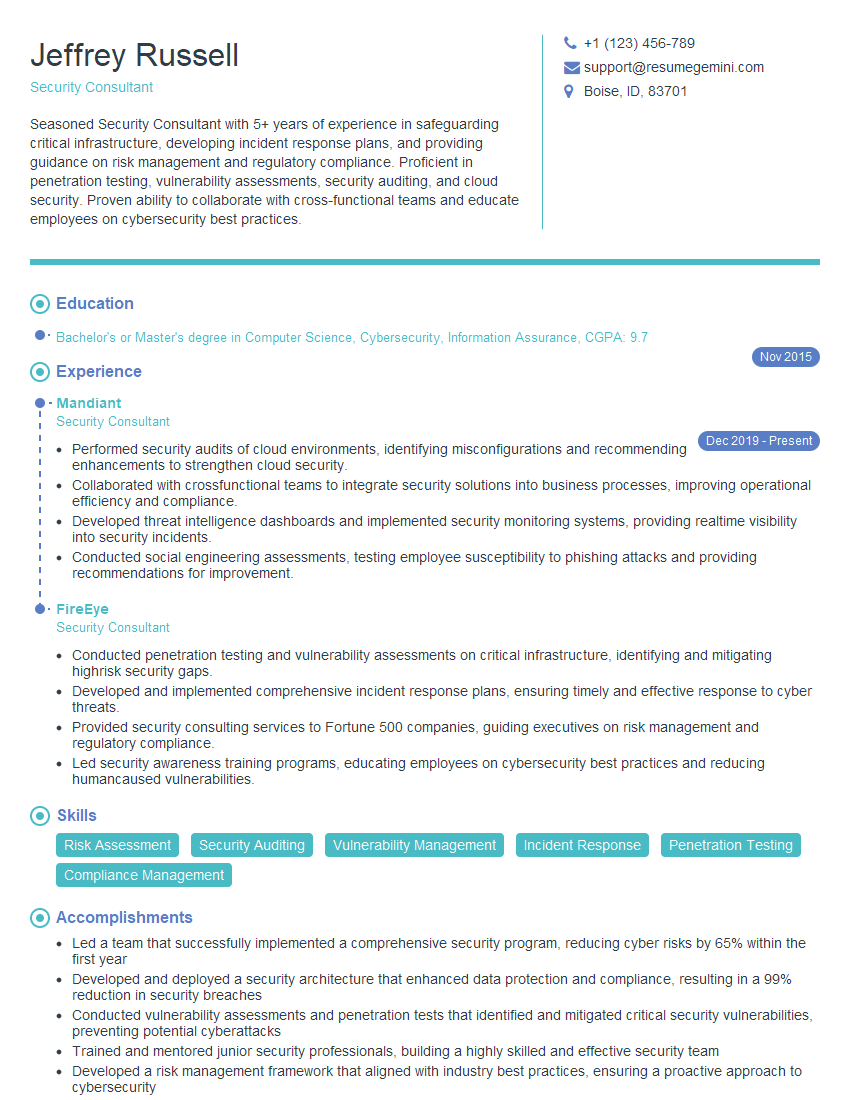
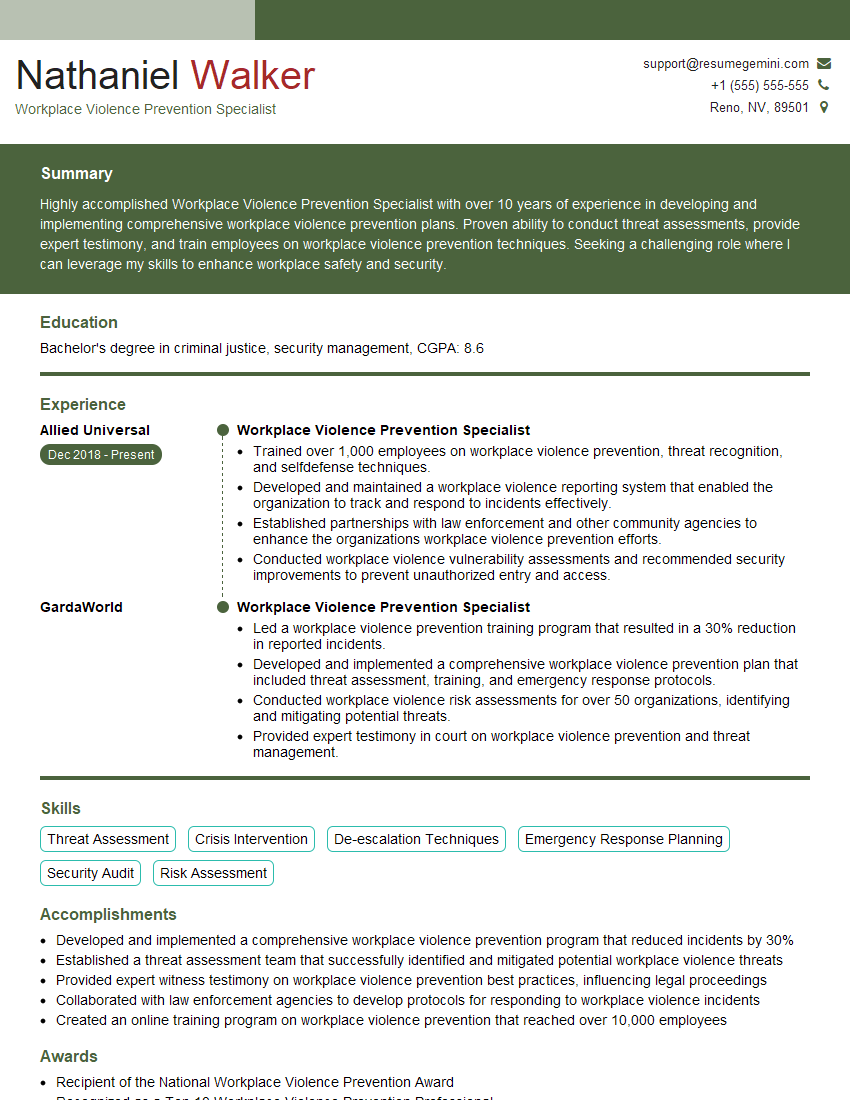
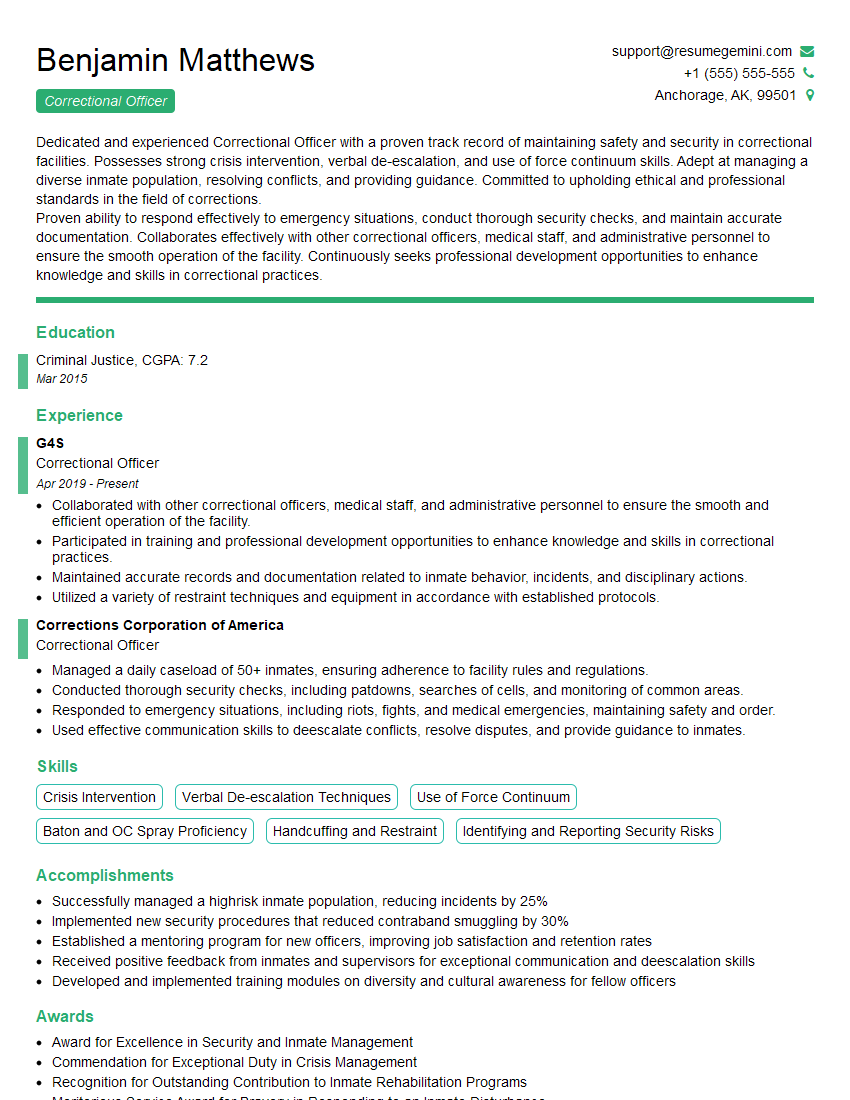
Mastering Officer Safety and Self-Defense is paramount for career advancement in this field. It showcases your commitment to safety, professionalism, and your ability to handle high-pressure situations effectively. To significantly improve your job prospects, create a compelling and ATS-friendly resume that highlights these crucial skills. ResumeGemini is a trusted resource that can help you build a professional and impactful resume tailored to this specific field. Examples of resumes tailored to Officer Safety and Self-Defense are available to guide you through the process.
Explore more articles
Users Rating of Our Blogs
Share Your Experience
We value your feedback! Please rate our content and share your thoughts (optional).
What Readers Say About Our Blog
Very informative content, great job.
good