Preparation is the key to success in any interview. In this post, we’ll explore crucial Offloading and Sorting Materials interview questions and equip you with strategies to craft impactful answers. Whether you’re a beginner or a pro, these tips will elevate your preparation.
Questions Asked in Offloading and Sorting Materials Interview
Q 1. Describe your experience with different offloading techniques.
Offloading techniques vary greatly depending on the type of material, its packaging, and the available resources. My experience encompasses a wide range, including:
- Manual Offloading: This involves physically unloading materials, often from trucks or containers, using hand trucks, dollies, or even by hand. This is common for smaller, lighter items or when machinery access is limited. I’ve used this method extensively for smaller shipments of delicate electronics.
- Mechanical Offloading: This uses machinery such as forklifts, conveyor belts, cranes, and specialized equipment. Forklifts are frequently used for pallets, while cranes are necessary for heavier, bulkier materials. My experience includes proficient operation of forklifts and overseeing crane operations, ensuring safety and efficiency.
- Gravity Offloading: This method utilizes gravity to move materials, often involving chutes or ramps. It’s efficient for materials that can withstand a controlled descent, such as grain or certain types of bagged goods. I’ve implemented this method for efficient unloading of bulk agricultural products.
- Automated Systems: In some advanced facilities, automated systems, like robotic arms and automated guided vehicles (AGVs), handle offloading. While I haven’t directly operated these systems, I understand their integration within the overall material handling process and have worked alongside them.
The choice of technique depends on factors like safety, efficiency, cost, and the characteristics of the materials being handled.
Q 2. How do you prioritize tasks when offloading multiple materials simultaneously?
Prioritizing tasks when offloading multiple materials simultaneously requires a systematic approach. I use a combination of factors to determine the order of operations:
- Urgency: Materials needed immediately for production or other time-sensitive operations take precedence. Imagine a scenario where we’re short on a critical component; that would be prioritized above less urgent materials.
- Perishability: Perishable goods, such as food or certain chemicals, need to be handled and stored first to prevent spoilage or degradation. This ensures minimal product loss.
- Storage Requirements: Materials requiring special storage conditions (e.g., temperature-sensitive items) are handled earlier to avoid delays and potential damage. This might involve immediate transfer to a refrigerated warehouse.
- Delivery Schedules: Materials with imminent outgoing shipments are prioritized to meet delivery deadlines. This might involve designating specific unloading bays for quick outbound transport.
- Safety Considerations: Hazardous materials are always handled first by trained personnel following strict safety protocols. This minimizes risk and ensures compliance.
Often, this involves creating a prioritized list or using a Kanban system to visualize the workflow and ensure smooth material flow.
Q 3. What safety measures do you follow while offloading heavy materials?
Safety is paramount when offloading heavy materials. My adherence to safety protocols includes:
- Pre-Offloading Inspection: Thoroughly inspecting the materials and their packaging for any damage or hazards before beginning the offloading process.
- Proper Equipment Use: Utilizing the appropriate material handling equipment (forklifts, cranes, etc.) and ensuring all equipment is in good working order and operators are properly trained and certified.
- Safe Lifting Techniques: Following safe lifting techniques when manual handling is required, using lifting aids when necessary to avoid strain and injury. This includes proper posture and utilizing lifting straps or belts.
- Clear Communication: Maintaining clear communication between all personnel involved in the offloading process, especially when using heavy machinery or working in confined spaces. This often includes hand signals and designated communication channels.
- Designated Safe Zones: Establishing designated safe zones around the offloading area, restricting access to unauthorized personnel.
- Personal Protective Equipment (PPE): Ensuring all personnel wear appropriate PPE, such as safety boots, helmets, gloves, and high-visibility vests.
- Emergency Procedures: Having established emergency procedures and knowing how to respond to potential accidents, including knowing the location of first aid kits and emergency contact information.
Safety is not just a protocol; it’s a culture I actively promote and uphold.
Q 4. Explain your process for sorting materials by size, weight, or type.
Sorting materials is crucial for efficient storage and retrieval. My process involves:
- Initial Assessment: Determining the sorting criteria (size, weight, type) and the desired output.
- Method Selection: Choosing the appropriate sorting method, which could range from manual sorting to automated systems. Manual sorting is suitable for smaller quantities or when items need careful inspection, while automated systems are more efficient for large volumes.
- Visual Inspection: For manual sorting, thorough visual inspection of each item is vital to ensure accurate categorization. This includes checking for damages or defects.
- Measurement and Weighing: Utilizing measuring tools and scales when size and weight are critical sorting factors. This stage ensures accuracy and reduces errors.
- Labeling and Tagging: Clearly labeling and tagging each sorted item to prevent mix-ups and facilitate easy retrieval. This includes using barcodes or RFID tags where applicable.
- Designated Storage Areas: Allocating designated storage areas based on the sorting criteria. This allows for efficient retrieval and minimizes searching time. This could involve using different shelves, racks, or bins for specific categories.
The sorting process is optimized for speed and accuracy while minimizing errors and potential damage.
Q 5. How do you handle damaged or mislabeled materials during offloading and sorting?
Handling damaged or mislabeled materials requires careful attention to detail and adherence to established procedures. My approach includes:
- Identification and Segregation: Immediately identifying and segregating damaged or mislabeled materials from undamaged ones to prevent contamination or further damage.
- Documentation: Thoroughly documenting the damage, mislabeling, and quantity of affected materials, including photographs as evidence.
- Damage Assessment: Assessing the extent of damage to determine whether the materials are repairable, reusable, or require disposal.
- Reporting: Reporting the incident to the relevant parties (e.g., suppliers, quality control department) to initiate corrective actions and prevent recurrence.
- Disposition: Deciding on the appropriate disposition of the damaged or mislabeled materials (repair, return, disposal) based on company policy and regulations.
- Quality Control: Implementing stricter quality control measures to minimize future occurrences of damaged or mislabeled materials. This might involve reviewing processes or supplier relationships.
Proper handling of damaged materials minimizes losses and helps maintain product quality and regulatory compliance.
Q 6. What experience do you have with using material handling equipment (e.g., forklifts, pallet jacks)?
I possess extensive experience operating and maintaining various material handling equipment. This includes:
- Forklifts: I am certified in operating various forklift types (sit-down, stand-up, reach trucks) and am proficient in their safe and efficient operation, including loading, unloading, stacking, and transporting pallets.
- Pallet Jacks: I am skilled in using pallet jacks for moving and maneuvering pallets in tight spaces.
- Hand Trucks and Dollies: Proficient in using hand trucks and dollies for manual material handling, applying proper techniques to prevent injury.
Beyond operation, I’m also familiar with routine maintenance and safety checks for this equipment, ensuring its proper functioning and contributing to a safe work environment. I’ve also participated in training new operators on the safe use of these machines.
Q 7. How do you ensure the efficient flow of materials during offloading and sorting?
Ensuring efficient material flow during offloading and sorting is critical for productivity. My strategies include:
- Optimized Layout: A well-designed layout is essential. This includes strategic placement of unloading docks, staging areas, sorting zones, and storage locations to minimize unnecessary movement.
- Clear Pathways: Maintaining clear and unobstructed pathways to prevent bottlenecks and ensure smooth material flow. This involves regular cleanup and appropriate signage.
- Efficient Equipment Utilization: Optimizing the utilization of material handling equipment to maximize throughput. This involves scheduling and efficient routing of equipment.
- Cross-Training: Cross-training personnel to perform multiple tasks increases flexibility and reduces delays due to personnel shortages.
- Inventory Management: Implementing robust inventory management systems to track material movement, location, and availability, preventing overstocking or stockouts.
- Process Improvement: Continuously reviewing and improving the offloading and sorting processes to identify and eliminate inefficiencies. This might involve using lean methodologies.
By focusing on these aspects, we can significantly enhance the efficiency and productivity of the material handling process, reducing overall costs and improving delivery times.
Q 8. Describe a time you had to adapt your offloading/sorting process due to unexpected circumstances.
During a large-scale offloading operation of construction materials, a sudden, unexpected thunderstorm rolled in. The original plan involved using forklifts to directly unload materials from trucks into designated storage areas. However, the heavy rain made the ground muddy and significantly increased the risk of accidents, both for the equipment and personnel.
To adapt, we immediately implemented a revised process. First, we prioritized sheltering the already unloaded materials to prevent damage. Then, we redirected the incoming trucks to a covered loading bay. This allowed us to continue unloading, albeit at a slower pace, and we used smaller, more maneuverable equipment, like pallet jacks, to transfer materials from the covered bay to the designated areas. This mitigated the risk of equipment damage and ensured worker safety in the adverse weather conditions. Finally, we communicated extensively with the transportation team and adjusted the schedule accordingly to account for the delays, keeping the whole operation under control.
Q 9. How do you maintain accuracy and efficiency while under pressure?
Maintaining accuracy and efficiency under pressure requires a combination of structured processes and mindful strategies. I prioritize a methodical approach, breaking down tasks into smaller, manageable units and focusing on one step at a time. For example, during a high-volume sorting operation, instead of rushing through the entire process, I’d focus on correctly sorting a specific batch before moving onto the next. This reduces stress and the likelihood of errors.
Furthermore, I leverage tools like checklists and visual aids to guide the process, ensuring nothing is missed. Regular breaks are crucial; short periods of rest help in maintaining concentration and avoiding burnout, thereby keeping accuracy high. Communication is key; I maintain consistent communication with the team, ensuring everyone is on the same page and addressing issues promptly. This proactive approach prevents minor problems from escalating and maintaining overall efficiency. Ultimately, it’s about working smart, not just hard, under pressure.
Q 10. What methods do you use to track and document offloaded and sorted materials?
Tracking and documenting offloaded and sorted materials is paramount. We employ a multi-faceted approach that combines both digital and manual methods.
- Digital Tracking: We utilize inventory management systems (IMS) to input data on materials as they are offloaded and sorted. This includes quantity, type, condition, and location. Real-time updates ensure transparency and accountability.
- Manual Documentation: We use handheld scanners to scan barcodes on materials, creating a digital audit trail. Additionally, physical checklists are filled out by the team, documenting any inconsistencies or damage. This provides a backup system and detailed information for quality control and auditing purposes.
- Visual Verification: Photographs of sorted materials and their storage locations are taken periodically, creating a visual record to support the digital and manual documentation. This helps in resolving discrepancies or investigating any issues later.
This integrated approach ensures comprehensive tracking and documentation, promoting accuracy, minimizing errors, and providing a robust audit trail for any future investigations.
Q 11. How familiar are you with inventory management systems?
I’m highly familiar with various inventory management systems (IMS), ranging from simple spreadsheet-based solutions to advanced enterprise resource planning (ERP) systems. My experience includes using systems like SAP, Oracle, and industry-specific IMS tailored for warehousing and logistics.
I understand how to input and retrieve data, generate reports (e.g., inventory levels, material movement, stock adjustments), and use the systems for tracking, forecasting, and optimizing inventory levels. I’m comfortable with data entry, data analysis, and troubleshooting any issues encountered within the chosen IMS. The ability to quickly adapt to different IMS platforms is a key asset, allowing me to leverage their specific features for improved efficiency and accuracy in managing offloaded and sorted materials.
Q 12. How do you ensure the safety of materials during the offloading and sorting process?
Ensuring material safety during offloading and sorting is paramount and requires a proactive, multi-layered approach.
- Proper Equipment and Training: We use appropriate equipment (forklifts, pallet jacks, hand trucks, etc.) that are in good working order and regularly maintained. Employees receive thorough training on the safe operation of all equipment and handling procedures for different material types.
- Safe Handling Procedures: We establish and follow strict safety protocols, including the use of personal protective equipment (PPE) like safety shoes, gloves, and high-visibility vests, as needed. Materials are handled carefully to prevent damage or injury, with particular attention paid to fragile or hazardous items.
- Secure Storage: Materials are stored in designated areas, taking into account factors like weather protection, material compatibility, and potential hazards. Proper stacking and bracing procedures are employed to prevent collapse or damage.
- Hazard Mitigation: For hazardous materials, we adhere to stringent regulations and procedures, including proper labeling, segregation, and emergency response planning.
Regular safety audits and inspections are conducted to ensure compliance and identify any potential hazards before they lead to accidents or damage.
Q 13. Explain your experience with different types of sorting equipment.
My experience encompasses a variety of sorting equipment, from simple manual sorting tools to sophisticated automated systems.
- Manual Sorting: This includes using hand tools like sorting forks, conveyor belts, and hand-held scanners for bar code reading. Manual sorting is effective for smaller-scale operations or situations requiring high precision.
- Automated Sorting: I’ve worked with automated conveyor systems with integrated sorting mechanisms, including optical scanners for automated identification and robotic arms for material manipulation. These systems drastically improve speed and efficiency in high-volume operations.
- Specialized Equipment: I have experience using equipment tailored for specific material types, such as magnetic separators for separating ferrous materials from non-ferrous ones, or air classifiers for separating materials by size and density.
My understanding extends beyond simply operating these machines; I can also troubleshoot malfunctions and understand the strengths and limitations of each technology, selecting the most appropriate equipment for a given task.
Q 14. Describe your experience working with various types of materials (e.g., fragile, hazardous).
My experience spans a broad range of materials, each requiring specialized handling techniques and safety precautions.
- Fragile Materials: Handling ceramics, glassware, or electronics requires extra care. We use appropriate cushioning materials, slow and deliberate movements, and specialized packaging to minimize breakage.
- Hazardous Materials: Working with chemicals, flammable substances, or radioactive materials demands strict adherence to safety regulations and protocols. This includes understanding Material Safety Data Sheets (MSDS), using appropriate PPE, and following procedures for handling, storage, and disposal.
- Bulk Materials: Handling large quantities of grains, powders, or aggregates requires equipment like conveyors and loaders. Safety considerations include dust control, preventing spills, and ensuring the structural integrity of storage facilities.
Adaptability is crucial. I’m proficient in identifying material characteristics, selecting the appropriate handling equipment and techniques, and adhering to relevant safety regulations to ensure materials are handled safely and efficiently, regardless of their specific properties.
Q 15. How do you handle discrepancies between the received materials and the order?
Discrepancies between received materials and the order are addressed through a systematic verification process. Immediately upon offloading, I meticulously compare the received goods against the packing slip and purchase order. This involves checking quantities, item numbers, and descriptions. Any discrepancies are immediately documented using a standardized form, noting the specific differences. For example, if the order specified 100 units of Product X but only 95 arrived, I’d note the shortage clearly.
Following documentation, I escalate the issue to my supervisor and the supplier. We then collaboratively determine the cause of the discrepancy – whether it’s a packing error, damage in transit, or an initial order mistake. Solutions vary depending on the cause; they might involve requesting replacement units, issuing a credit note, or adjusting inventory records. The goal is always to ensure accurate inventory and fulfill customer orders correctly.
Career Expert Tips:
- Ace those interviews! Prepare effectively by reviewing the Top 50 Most Common Interview Questions on ResumeGemini.
- Navigate your job search with confidence! Explore a wide range of Career Tips on ResumeGemini. Learn about common challenges and recommendations to overcome them.
- Craft the perfect resume! Master the Art of Resume Writing with ResumeGemini’s guide. Showcase your unique qualifications and achievements effectively.
- Don’t miss out on holiday savings! Build your dream resume with ResumeGemini’s ATS optimized templates.
Q 16. What are your strategies for optimizing the offloading and sorting process?
Optimizing the offloading and sorting process hinges on several key strategies. First, efficient space utilization is critical. We use designated unloading bays to avoid congestion and ensure smooth material flow. Second, I employ a standardized sorting procedure based on the warehouse layout and product categorization. This often involves pre-defined zones or aisles for different product types, facilitating quicker identification and placement.
Third, leveraging technology plays a major role. We use barcode scanners or RFID technology to track items and eliminate manual data entry, minimizing errors and saving time. Finally, continuous improvement is a key focus. We regularly analyze metrics such as offloading time, sorting time, and error rates to pinpoint areas for improvement. For example, if we consistently have bottlenecks in a particular zone, we might adjust the layout or train personnel on more efficient sorting techniques. This data-driven approach ensures that the process remains as efficient as possible.
Q 17. How do you identify and report potential safety hazards in the warehouse?
Identifying and reporting safety hazards is a top priority. My approach involves regular visual inspections of the work area, looking for potential risks such as damaged pallets, obstructed walkways, spills, and improper stacking. I’m trained to identify ergonomic hazards as well, ensuring that lifting techniques are appropriate to avoid injuries. Any unsafe condition, no matter how minor, is immediately reported using the company’s reporting system.
For example, if I notice a cracked pallet, I’d immediately flag it and avoid using it. If a spill occurs, I’d clean it up immediately and report it to ensure appropriate remediation. This proactive hazard identification minimizes the risk of accidents and fosters a safe working environment. Regular safety training further reinforces safe working practices and helps us stay vigilant.
Q 18. How do you maintain a clean and organized work area during offloading and sorting?
Maintaining a clean and organized work area is essential for safety and efficiency. We follow a ‘5S’ methodology, which is a systematic approach to workplace organization. This involves sorting, setting in order, shining (cleaning), standardizing, and sustaining. We sort materials into designated areas, ensuring that items are placed in their proper locations. We set in order the equipment and tools, keeping them clean and in good working condition. Regular cleaning is a priority.
This includes sweeping floors, wiping down surfaces, and properly disposing of waste. We standardize our procedures to ensure consistent cleanliness. Finally, maintaining this level of organization requires ongoing effort; regular checks and adjustments prevent clutter and ensure that the process remains efficient and safe. Think of it like a well-organized kitchen: it’s easier to work in and prevents accidents.
Q 19. What is your understanding of warehouse layout and its impact on efficiency?
Warehouse layout significantly impacts efficiency. A well-designed layout minimizes travel distances, reduces congestion, and optimizes the flow of materials. Factors to consider include the location of receiving docks, storage areas, picking areas, and shipping docks. Strategic placement of frequently accessed items near shipping/picking areas improves speed and reduces wasted time.
For example, a layout with a clear path from receiving to storage and then to shipping dramatically improves workflow. Conversely, a poorly designed layout where items are scattered across the warehouse can lead to significant inefficiencies. Furthermore, the layout should accommodate different materials handling equipment, allowing for smooth and safe movement. Ultimately, an optimized layout reduces operational costs and increases productivity.
Q 20. Describe your experience with different types of packaging and their handling requirements.
My experience encompasses a wide range of packaging types, each requiring specific handling. Pallet-wrapped goods require careful forklift operation to avoid damage. Bulk shipments need specialized handling equipment. Fragile items necessitate extra care and potentially protective packaging during sorting and storage. I’m familiar with various container types, including boxes, drums, and totes, and understand their respective weight limitations and stacking requirements.
For instance, handling glass containers requires extra caution to prevent breakage. Similarly, oversized items might need special equipment and techniques for safe movement. Understanding these nuances ensures that goods arrive in perfect condition and that safety procedures are followed consistently. This knowledge prevents damage and ensures the integrity of the products throughout the handling process.
Q 21. How do you manage your time effectively during peak periods of offloading and sorting?
Effective time management during peak periods involves prioritizing tasks and utilizing available resources efficiently. We use a combination of techniques: We begin by accurately assessing the volume and type of incoming materials to anticipate workload demands. Then, we assign personnel strategically to different zones or tasks based on their skills and the urgency of the situation. Prioritization is key; we focus on critical items and orders first, ensuring that urgent deliveries are processed promptly.
Communication is crucial; regular updates between team members keep everyone informed about progress and any potential bottlenecks. In addition to this, we utilize available technology to automate tasks and streamline workflows. For example, utilizing barcode scanners accelerates the sorting process. Through this multi-faceted approach, we maintain efficiency and meet deadlines even during periods of high volume.
Q 22. What is your experience with using barcode scanners or other scanning devices?
I have extensive experience using various barcode scanners and scanning devices, including handheld scanners, ring scanners, and even integrated systems within warehouse management software (WMS). My proficiency extends beyond simply scanning; I understand how to troubleshoot common issues like connectivity problems, battery life concerns, and scanner malfunctions. For instance, during a particularly busy holiday season, our handheld scanners started experiencing intermittent connectivity. By systematically checking the Wi-Fi signal strength and identifying a faulty router, I prevented a significant backlog and maintained efficient offloading and sorting. I’m also comfortable using different scanning techniques, such as batch scanning for large quantities of items and verifying scans against inventory data to ensure accuracy.
Q 23. How do you communicate effectively with colleagues and supervisors during offloading and sorting operations?
Effective communication is paramount in a fast-paced warehouse environment. I prioritize clear and concise communication with colleagues and supervisors, using both verbal and non-verbal cues. During offloading, I might use hand signals to coordinate the movement of pallets with forklift drivers to ensure safety and efficiency. If there’s a discrepancy in inventory, I would immediately report it to my supervisor, providing clear details and photographic evidence if necessary. With colleagues, I emphasize teamwork. I actively solicit input, share information, and assist others when needed. For example, if a colleague is struggling to keep up with sorting a specific item, I’ll help them without hesitation. Regular communication updates with supervisors about progress, bottlenecks, or any potential problems are crucial to ensure smooth operations.
Q 24. How do you prioritize tasks when working with multiple deadlines?
Prioritizing tasks with multiple deadlines requires a systematic approach. I typically use a combination of techniques. Firstly, I identify the most time-sensitive tasks based on their due dates and potential impact. Then, I break down larger tasks into smaller, manageable steps. This allows me to track my progress and re-prioritize as needed. I also use visual tools, such as a Kanban board or a simple to-do list, to keep track of my workload. This allows for quick adjustments when unexpected issues arise. For instance, if an urgent shipment arrives unexpectedly, I can readily shift my focus to offloading it without compromising my overall goals. This flexibility ensures everything is completed on time and efficiently.
Q 25. Describe your experience working in a fast-paced warehouse environment.
I thrive in fast-paced warehouse environments. My previous roles have exposed me to high-volume operations, demanding quick thinking, adaptability, and excellent time management. I’m accustomed to working under pressure, meeting tight deadlines, and handling unexpected surges in workload. For example, during peak shopping season, we experienced a 300% increase in daily shipments. By staying organized, adapting my workflow, and collaborating effectively with my team, we successfully managed the increased volume without sacrificing accuracy or efficiency. The experience solidified my ability to handle pressure and maintain a positive and productive attitude under intense conditions.
Q 26. What are your strengths and weaknesses in relation to offloading and sorting?
My strengths lie in my accuracy, efficiency, and problem-solving abilities in offloading and sorting operations. I’m meticulous in my work, paying close attention to detail to avoid errors. I’m also highly efficient, capable of maintaining a consistent pace even during peak times. I’m adept at identifying and resolving problems quickly, which helps prevent major disruptions. For example, if a pallet is damaged, I can quickly assess the situation, inform the appropriate personnel, and find a solution to ensure that the goods remain safe and the workflow is not disrupted. A potential area for improvement is delegation. While I can work independently and efficiently, I am working on further developing my ability to effectively delegate tasks within a team to maximize overall productivity.
Q 27. What are your salary expectations for this role?
My salary expectations for this role are in the range of [Insert Salary Range] annually, commensurate with my experience and qualifications, and reflective of the market rate for similar positions. I’m open to discussing this further based on the specifics of the role and the company’s compensation structure.
Key Topics to Learn for Offloading and Sorting Materials Interview
- Safety Procedures and Regulations: Understanding and applying relevant safety protocols for handling various materials, including hazard identification, personal protective equipment (PPE) usage, and emergency procedures.
- Material Handling Equipment: Familiarity with different types of equipment used in offloading and sorting (forklifts, conveyors, cranes, etc.), including their operation, maintenance, and limitations. Practical application: Describe your experience operating specific equipment and troubleshooting minor issues.
- Efficient Offloading Techniques: Optimizing offloading processes to minimize time and maximize safety. This includes understanding different unloading methods based on material type and delivery method.
- Sorting and Categorization Methods: Knowledge of various sorting techniques (manual, automated) and their application based on material characteristics (size, weight, type). Practical application: Explain how you would sort a specific type of material efficiently and accurately.
- Inventory Management and Tracking: Understanding inventory control systems and accurate tracking of materials throughout the offloading and sorting process. This includes understanding the importance of accurate record-keeping and minimizing loss or damage.
- Quality Control and Damage Prevention: Implementing procedures to identify and minimize material damage during handling and storage. Practical application: Describe a situation where you identified and resolved a quality control issue.
- Problem-solving and Decision-Making: Demonstrating the ability to identify and resolve issues that arise during offloading and sorting, such as equipment malfunctions, unexpected material deliveries, or discrepancies in inventory.
Next Steps
Mastering offloading and sorting materials is crucial for career advancement in logistics, warehousing, and supply chain management. These skills are highly sought after, offering opportunities for increased responsibility and higher earning potential. To maximize your job prospects, it’s vital to create a strong, ATS-friendly resume that highlights your relevant skills and experience. ResumeGemini is a trusted resource to help you build a professional resume that effectively showcases your qualifications. ResumeGemini provides examples of resumes tailored to Offloading and Sorting Materials roles, offering valuable guidance and templates to enhance your job search success.

Operations Manager Resume Sample
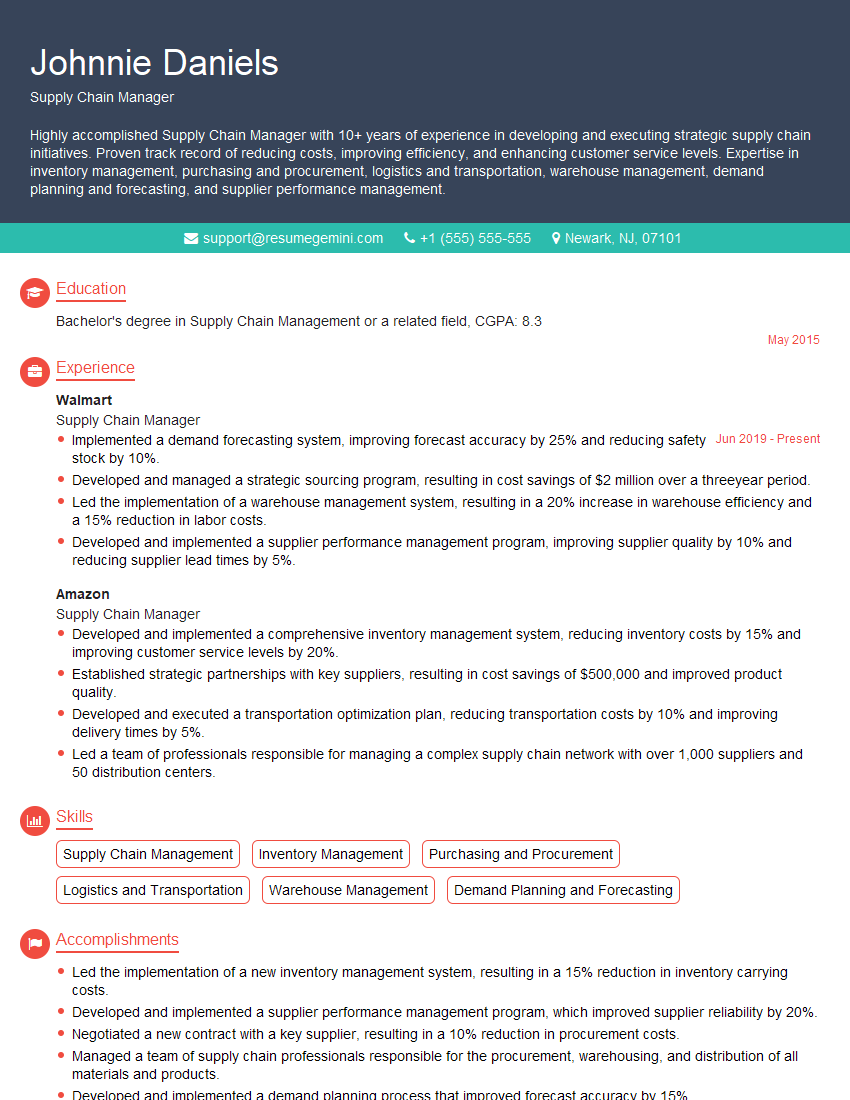
Supply Chain Manager Resume Sample
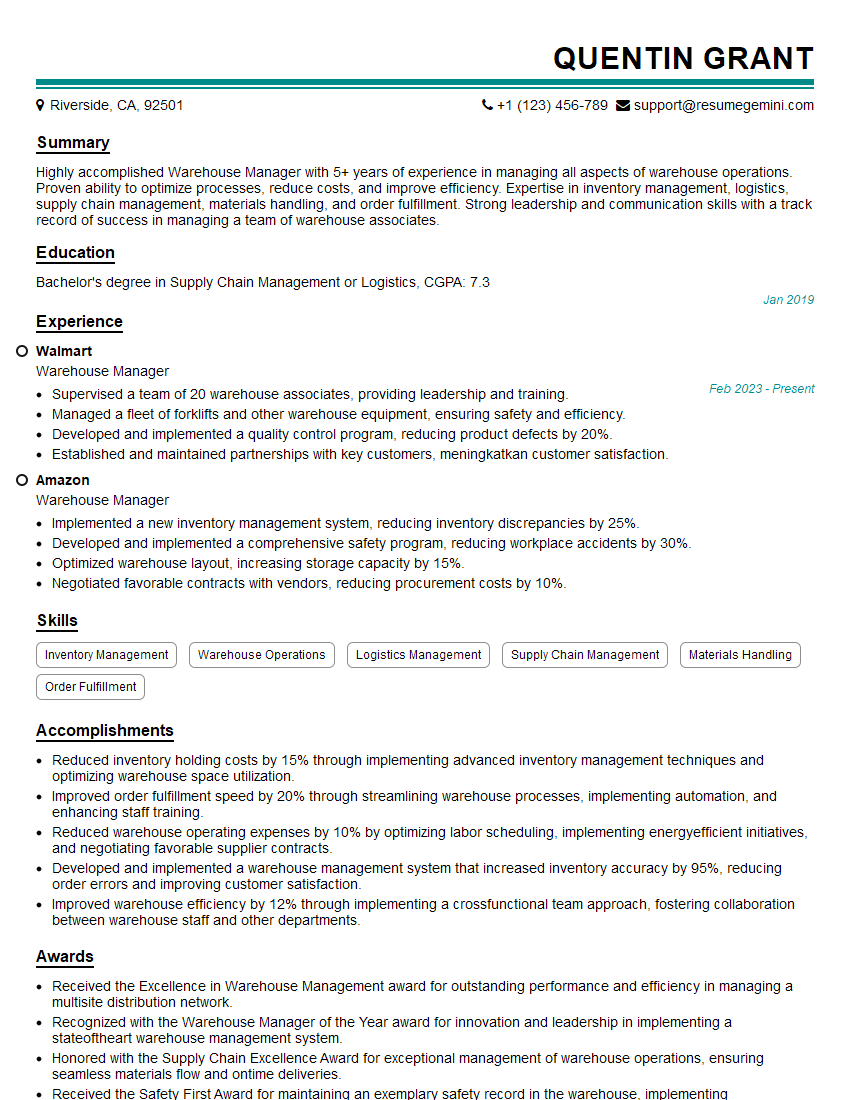
Warehouse Manager Resume Sample
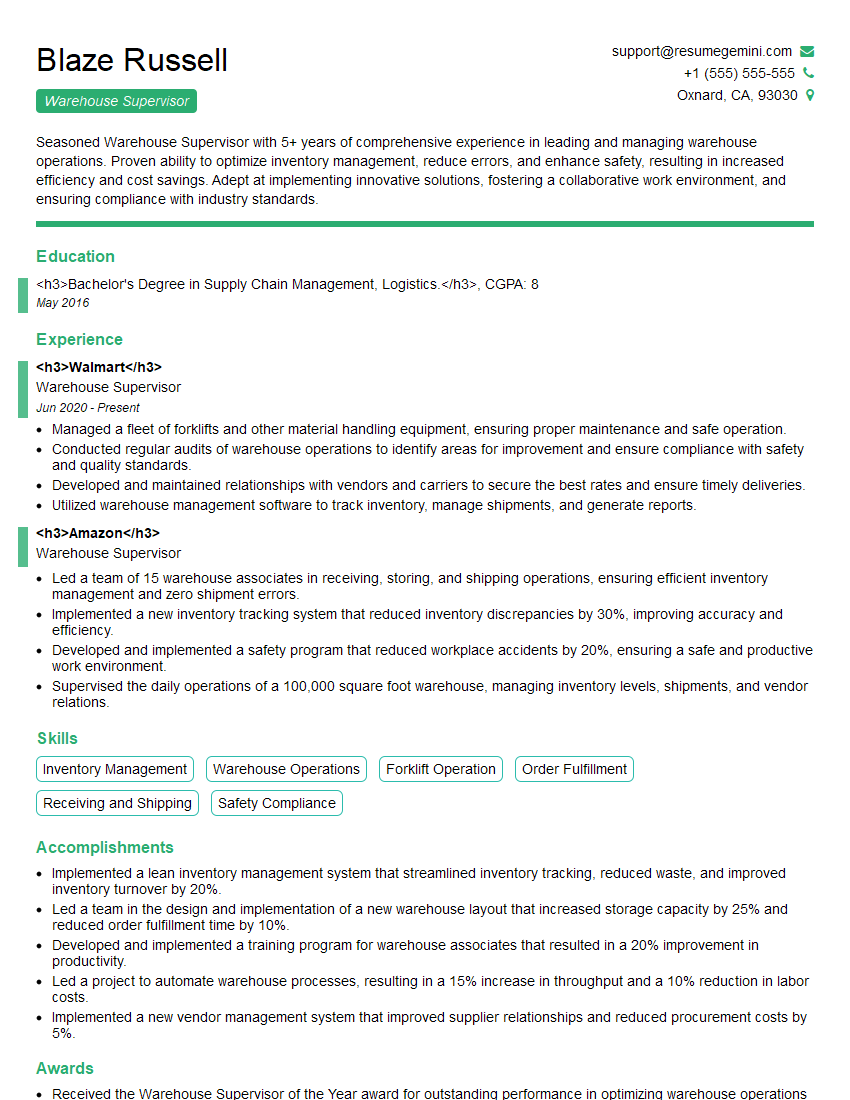
Warehouse Supervisor Resume Sample
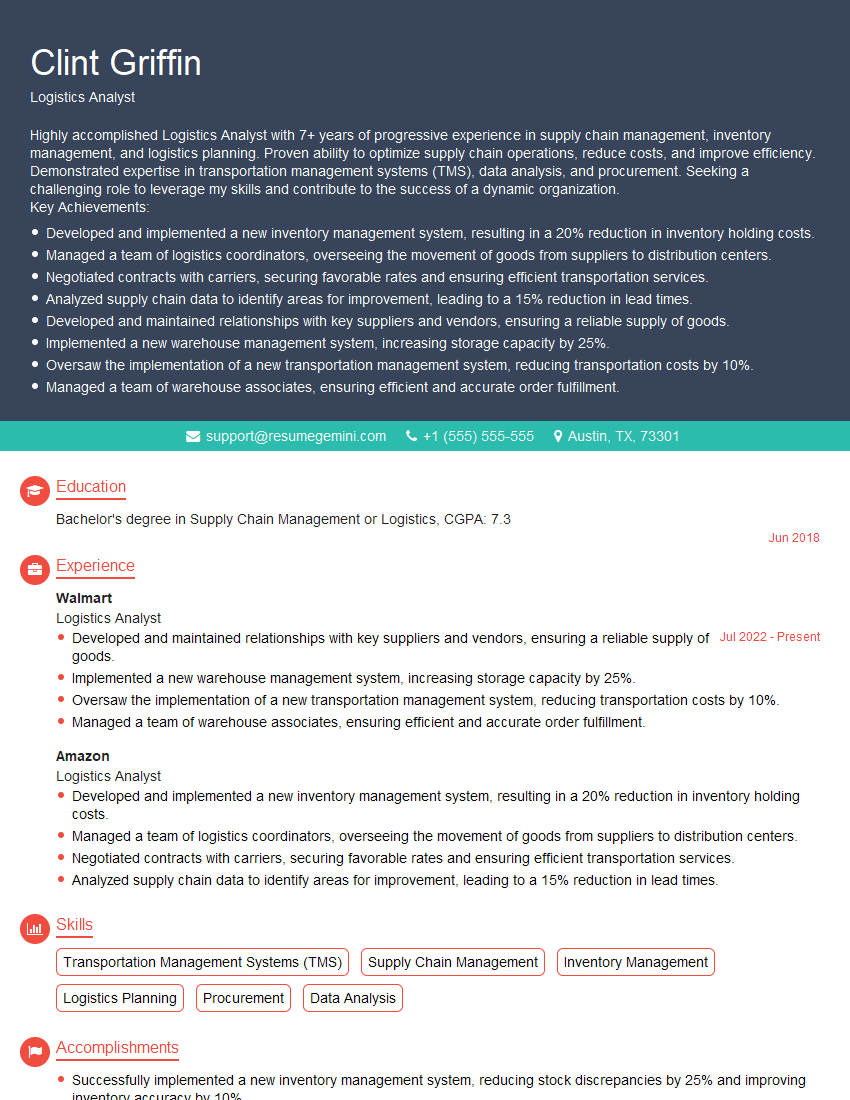
Logistics Analyst Resume Sample
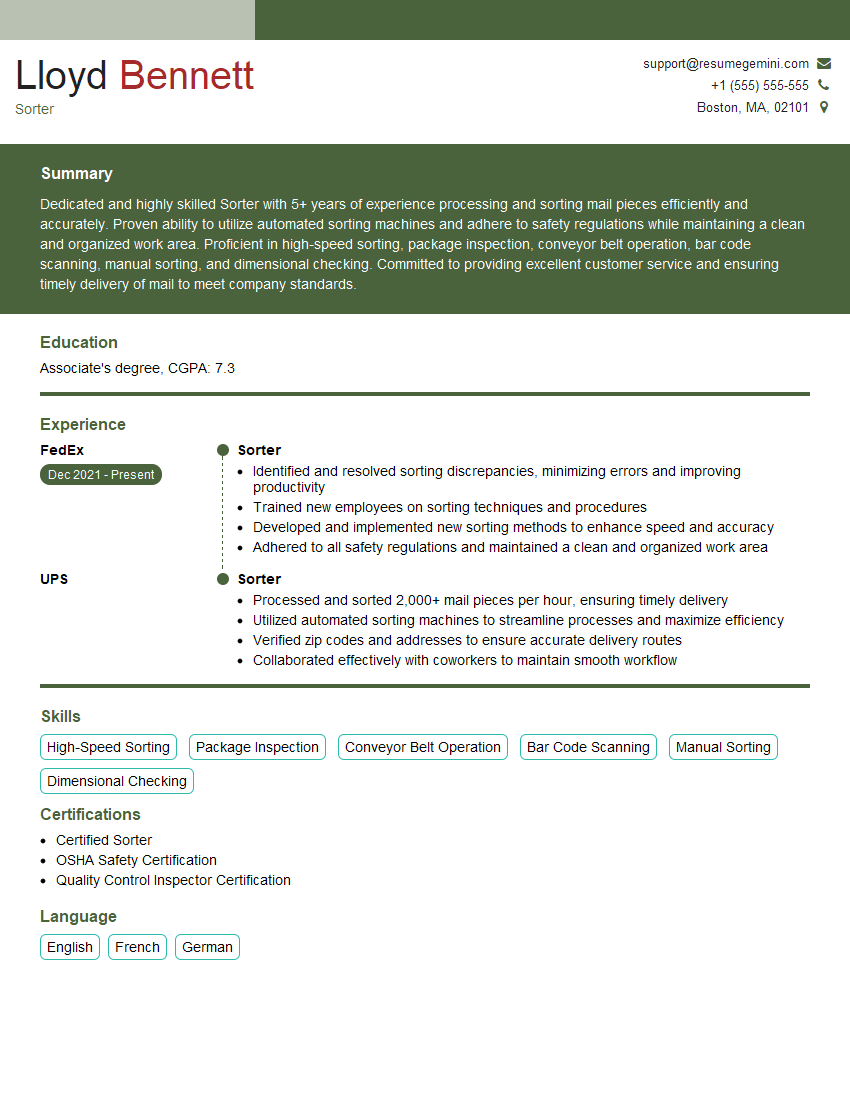
Sorter Resume Sample
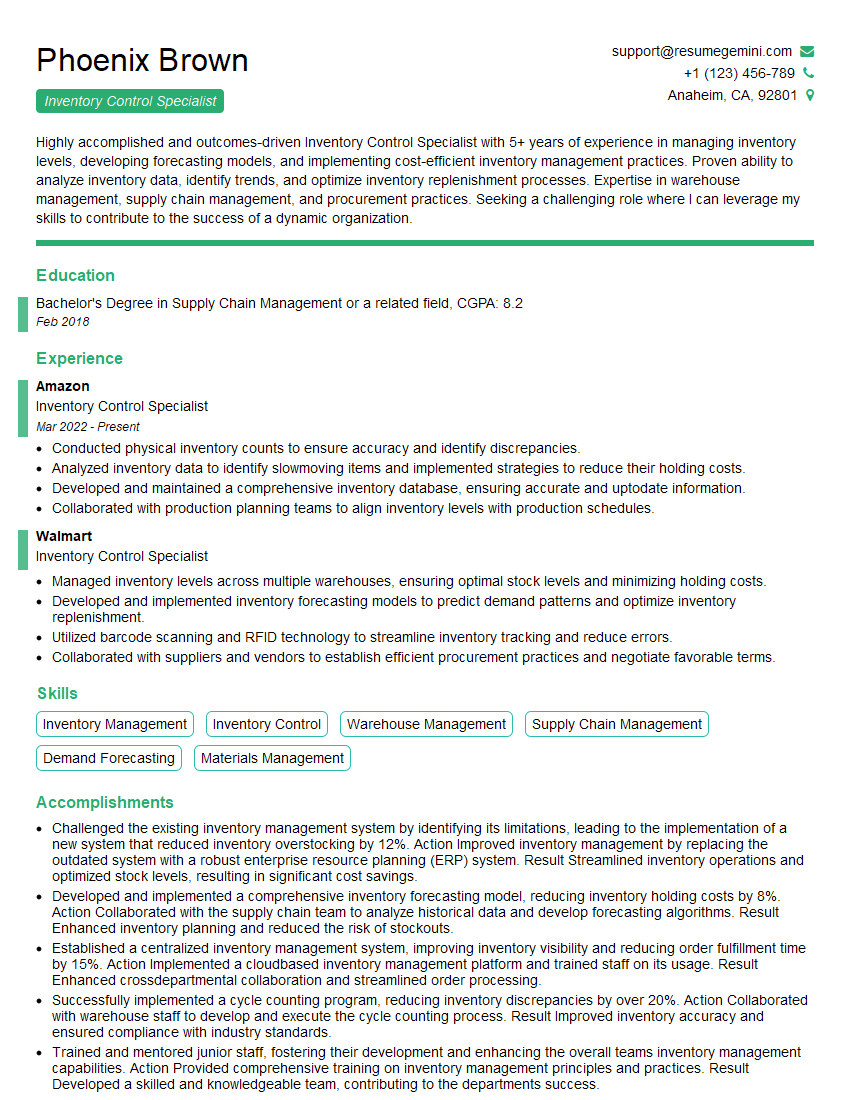
Inventory Control Specialist Resume Sample
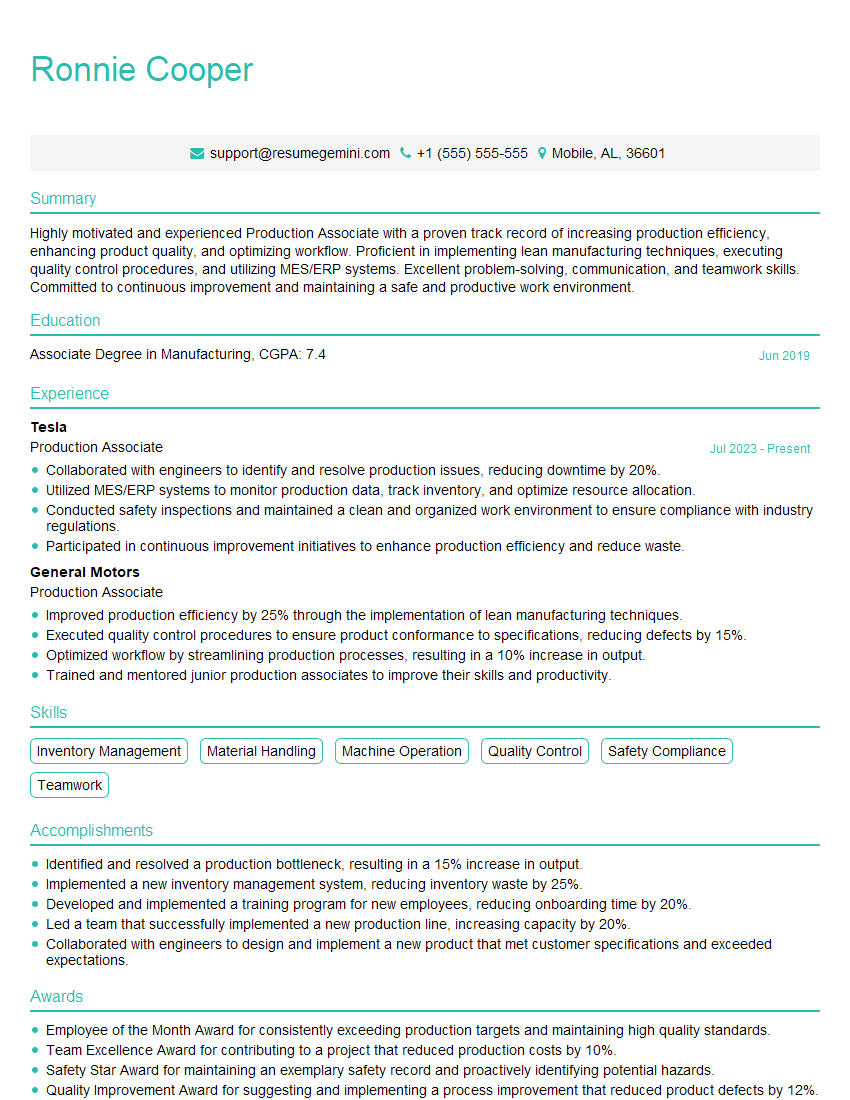
Production Associate Resume Sample
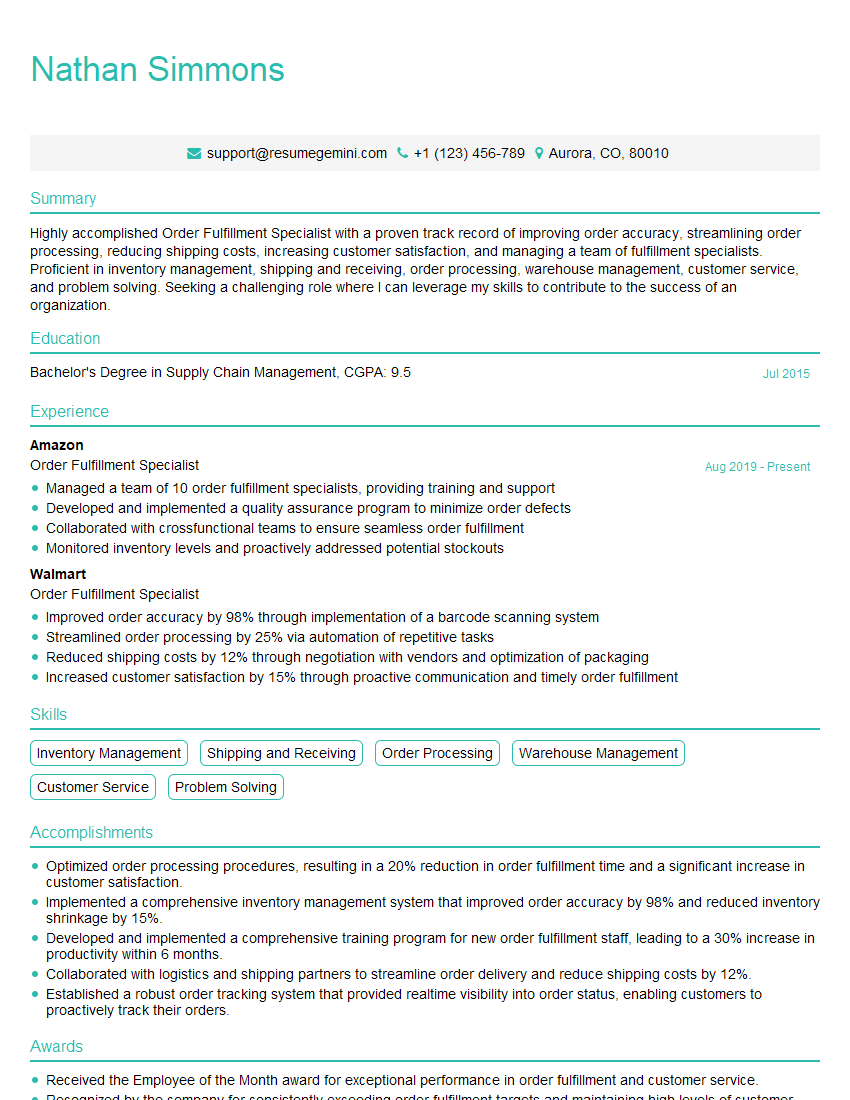
Order Fulfillment Specialist Resume Sample
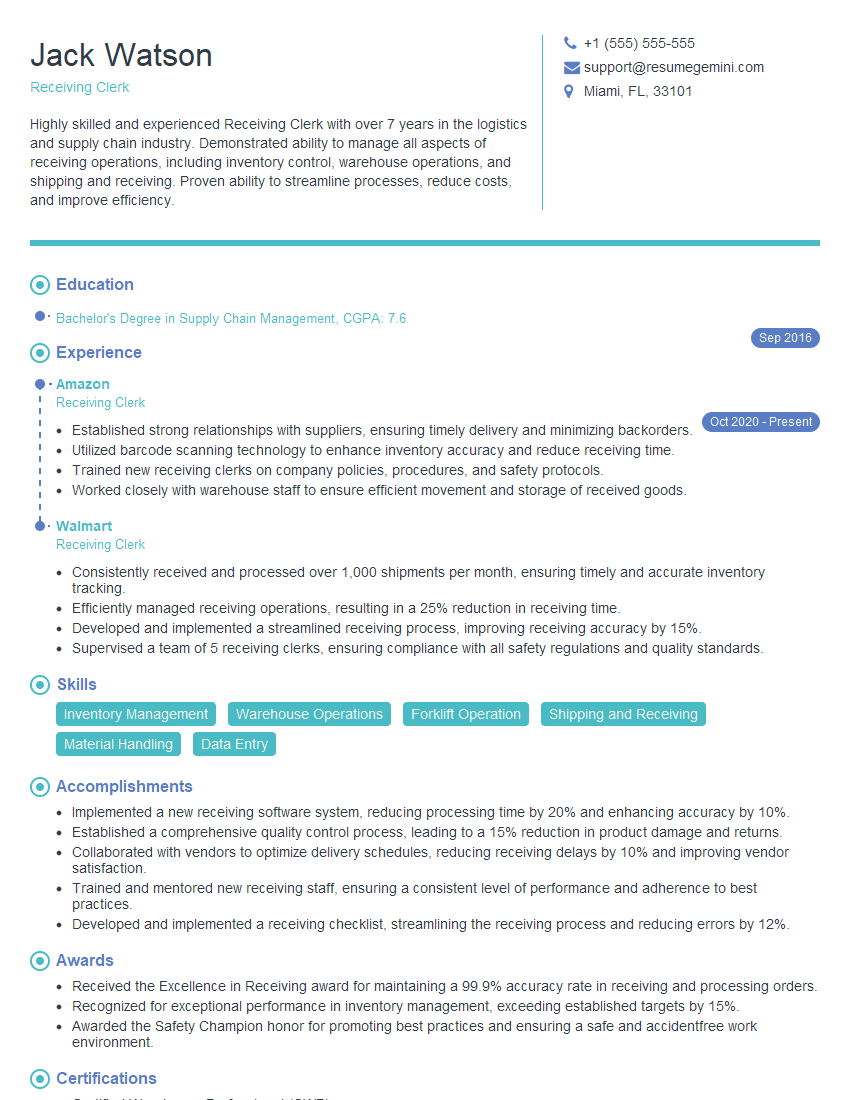
Receiving Clerk Resume Sample

Shipping and Receiving Clerk Resume Sample
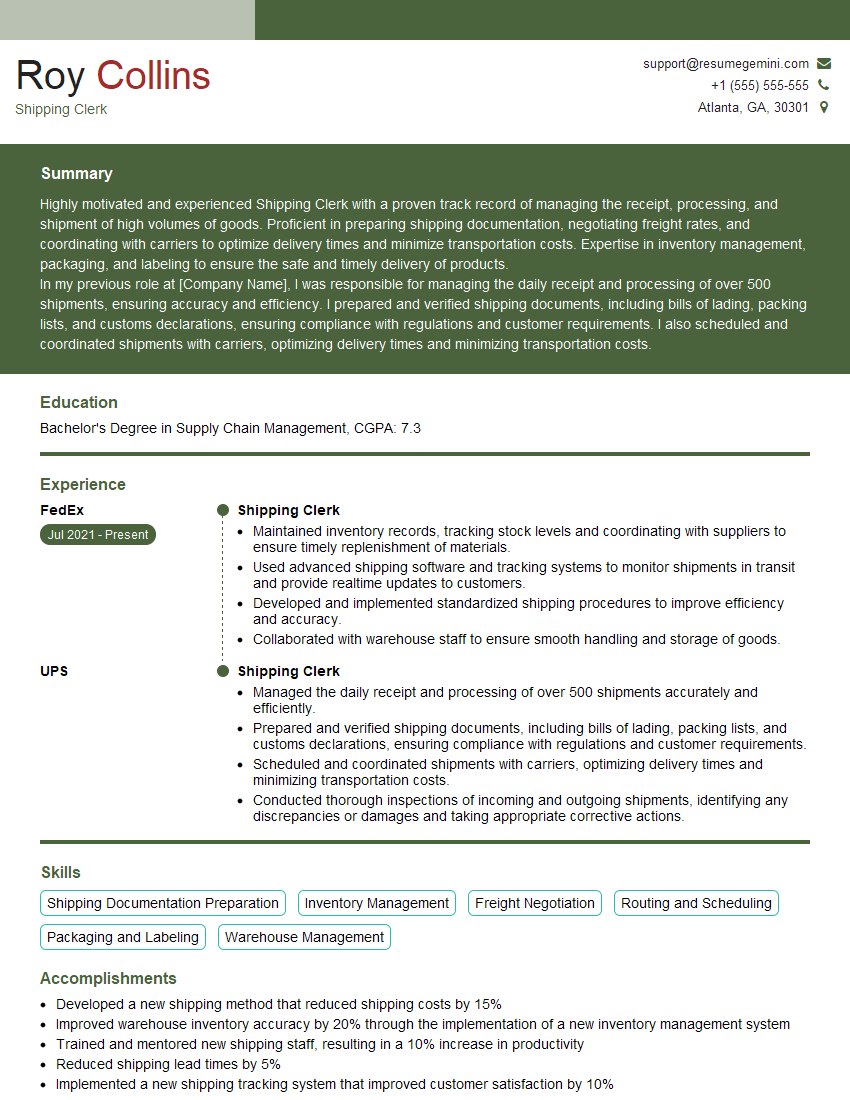
Shipping Clerk Resume Sample
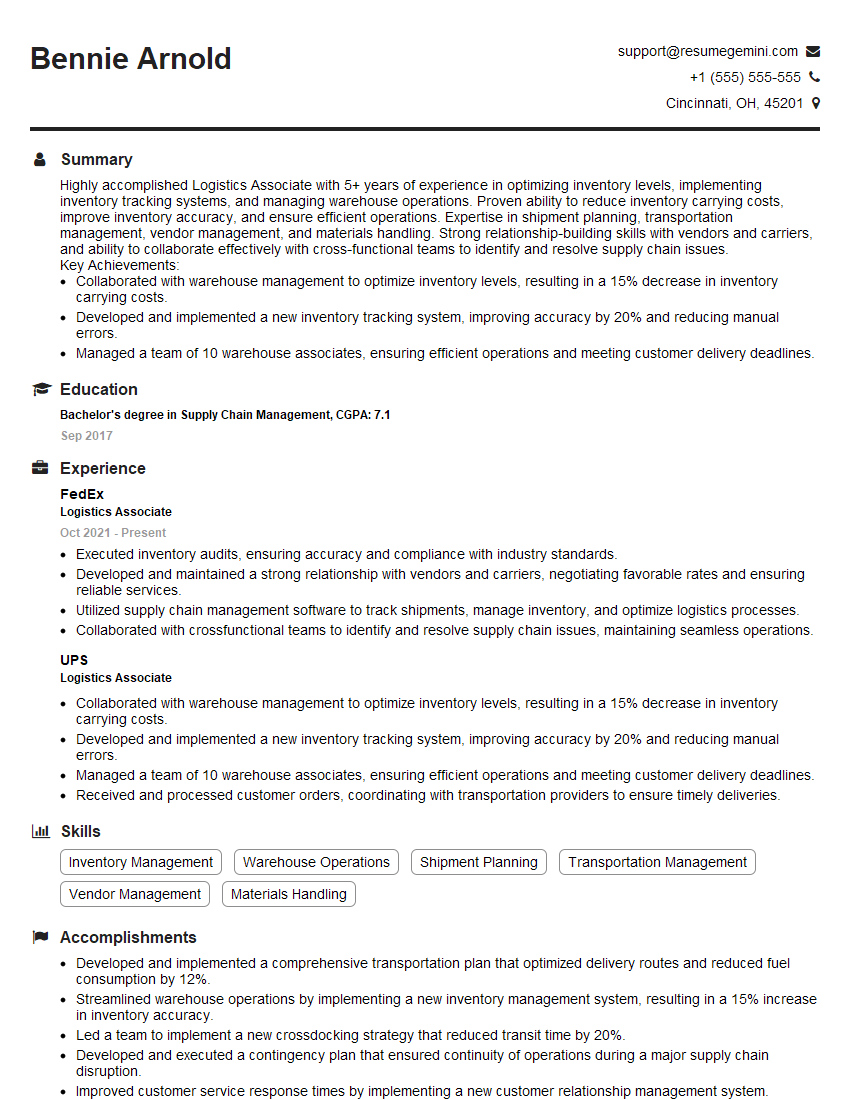
Logistics Associate Resume Sample
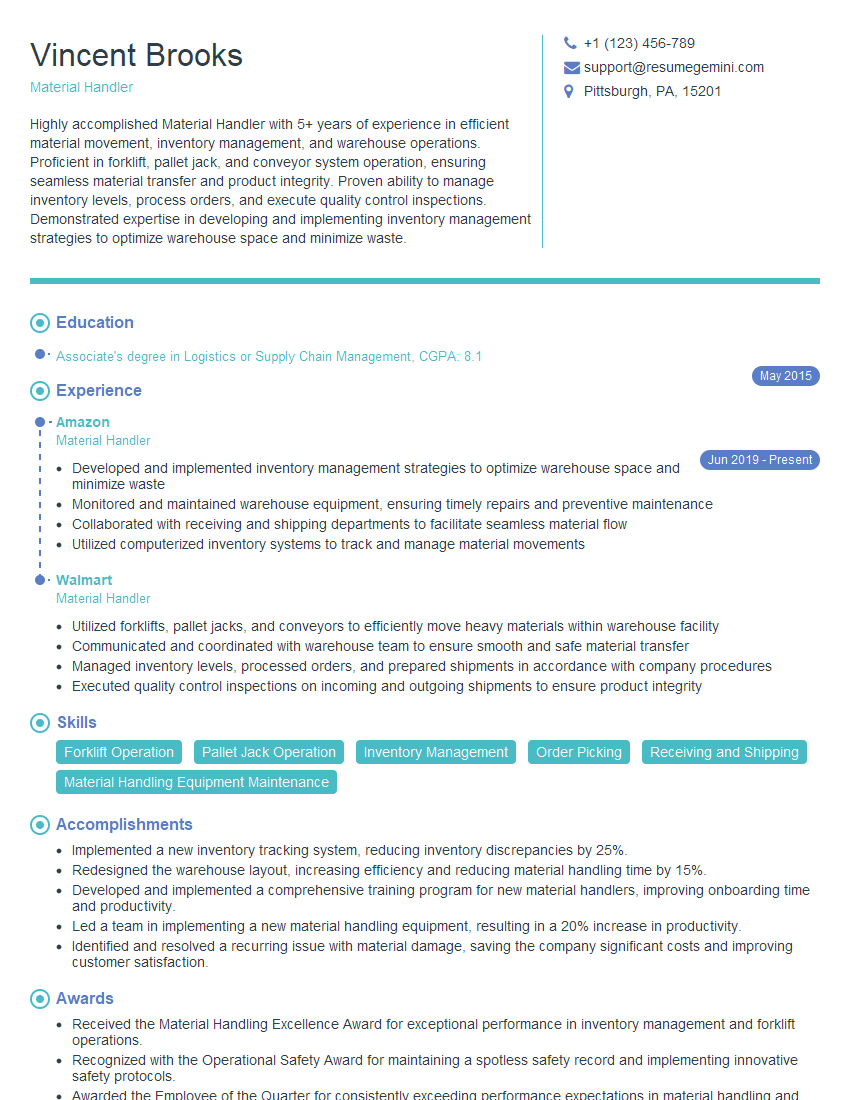
Material Handler Resume Sample
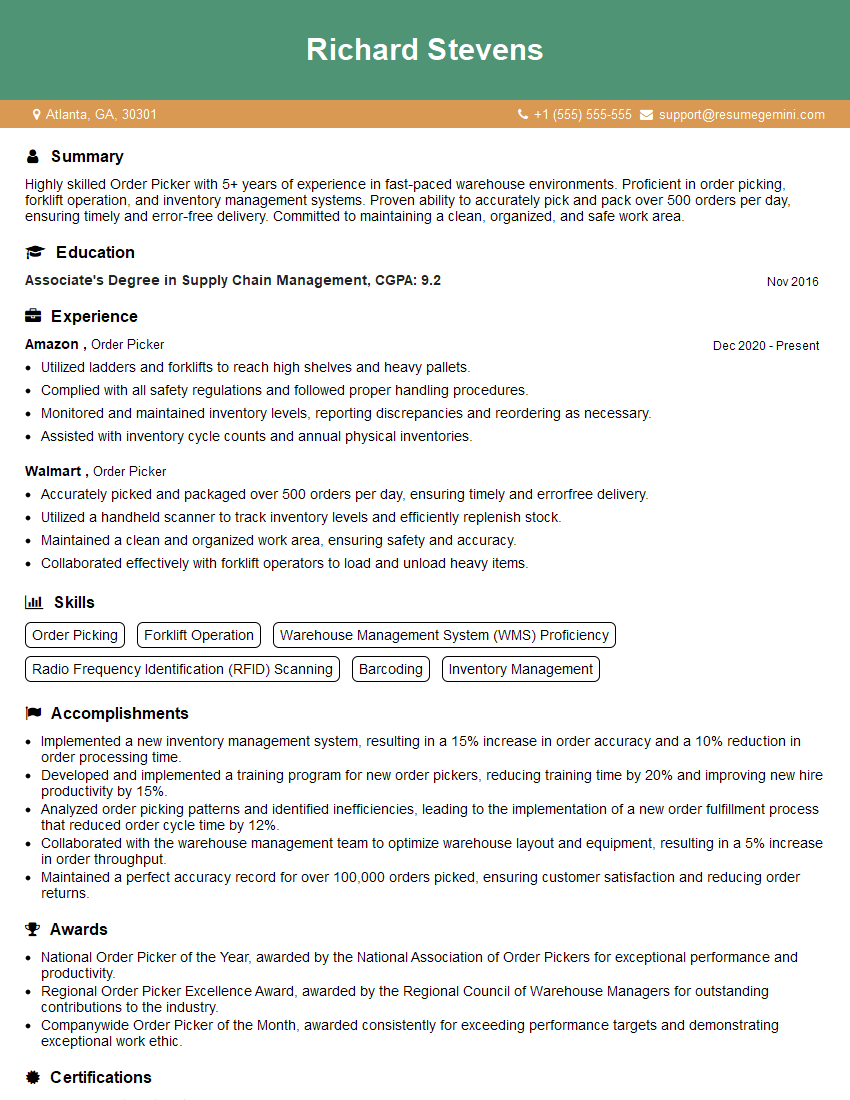
Order Picker Resume Sample
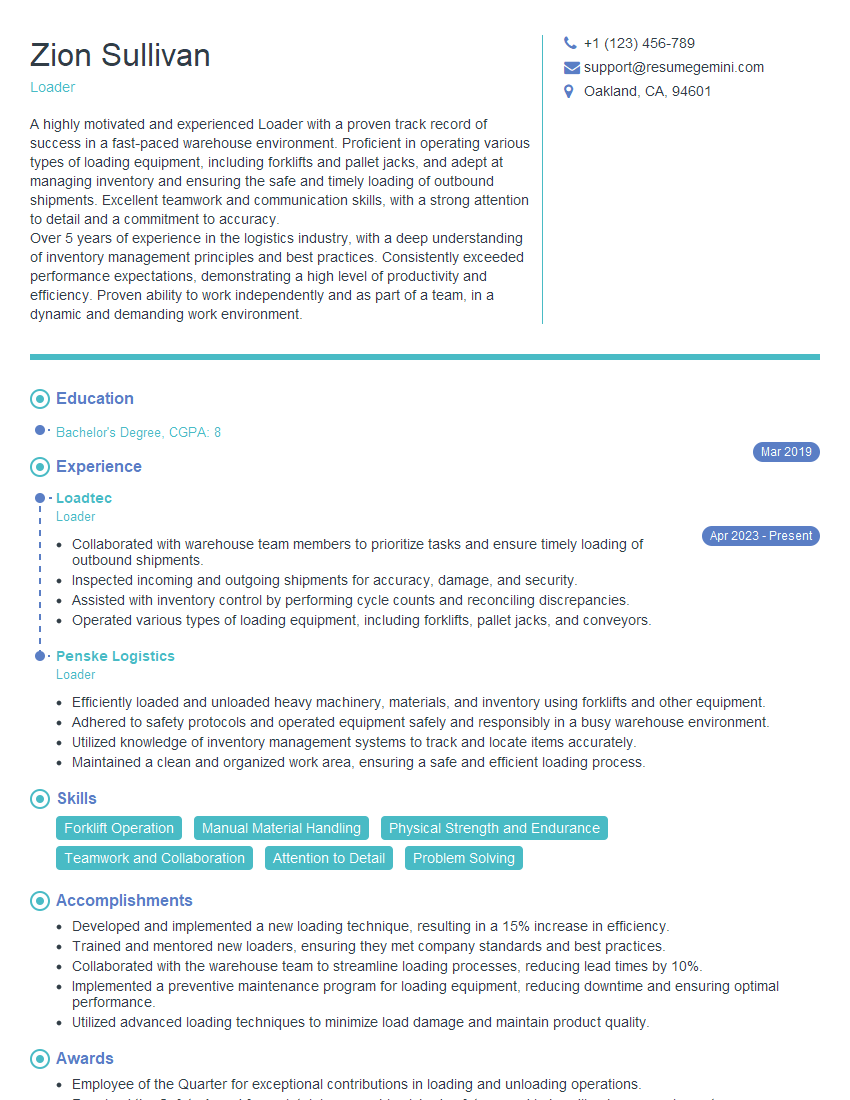
Loader Resume Sample
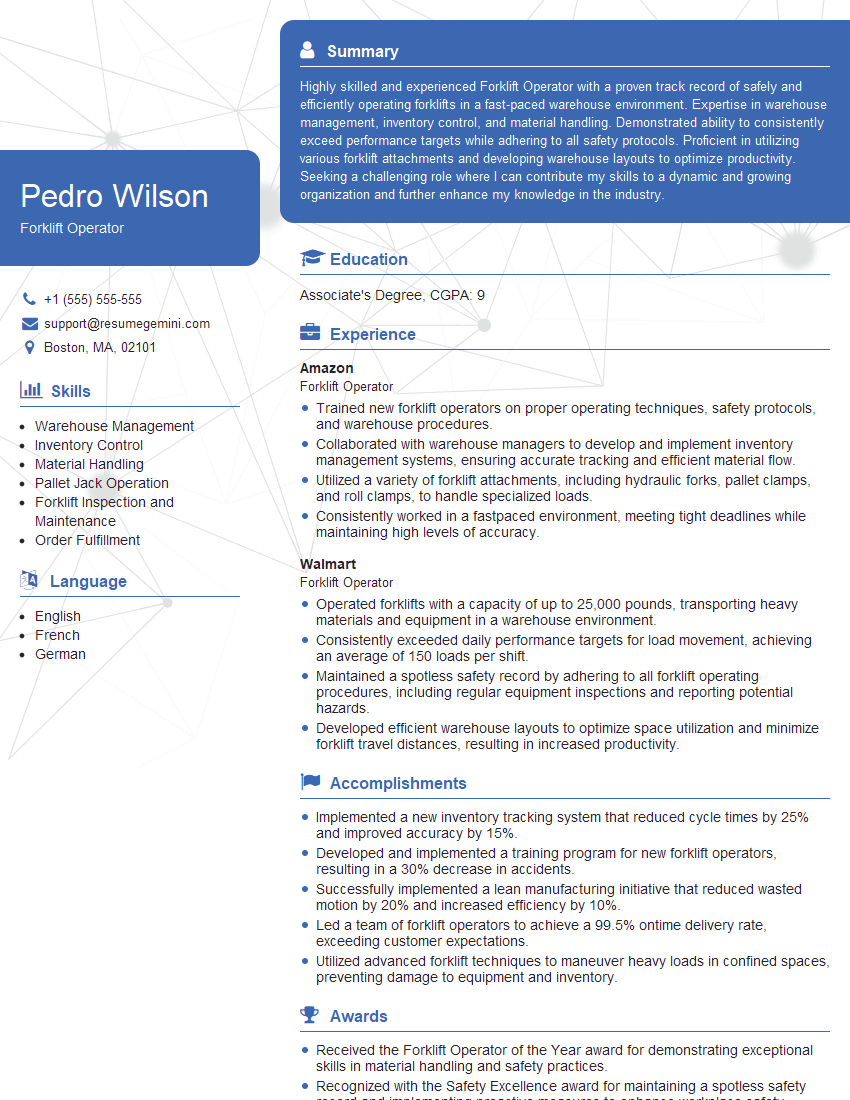
Forklift Operator Resume Sample
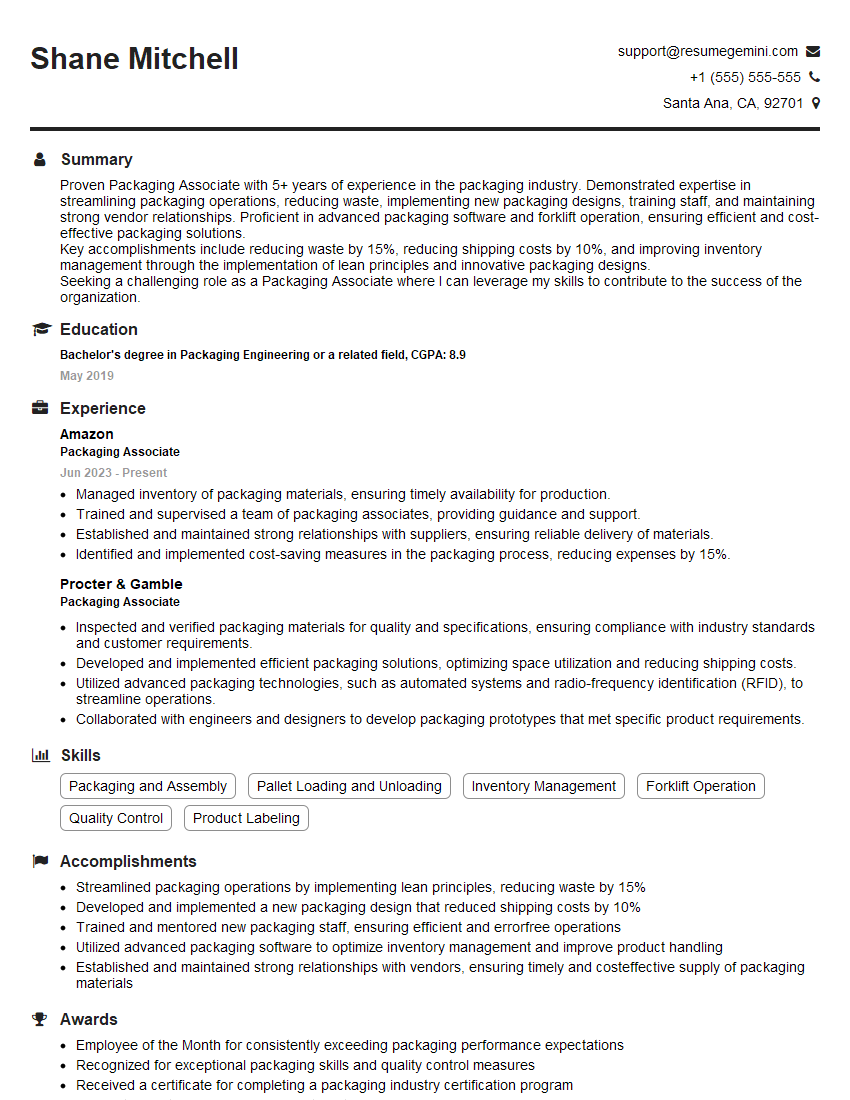
Packaging Associate Resume Sample
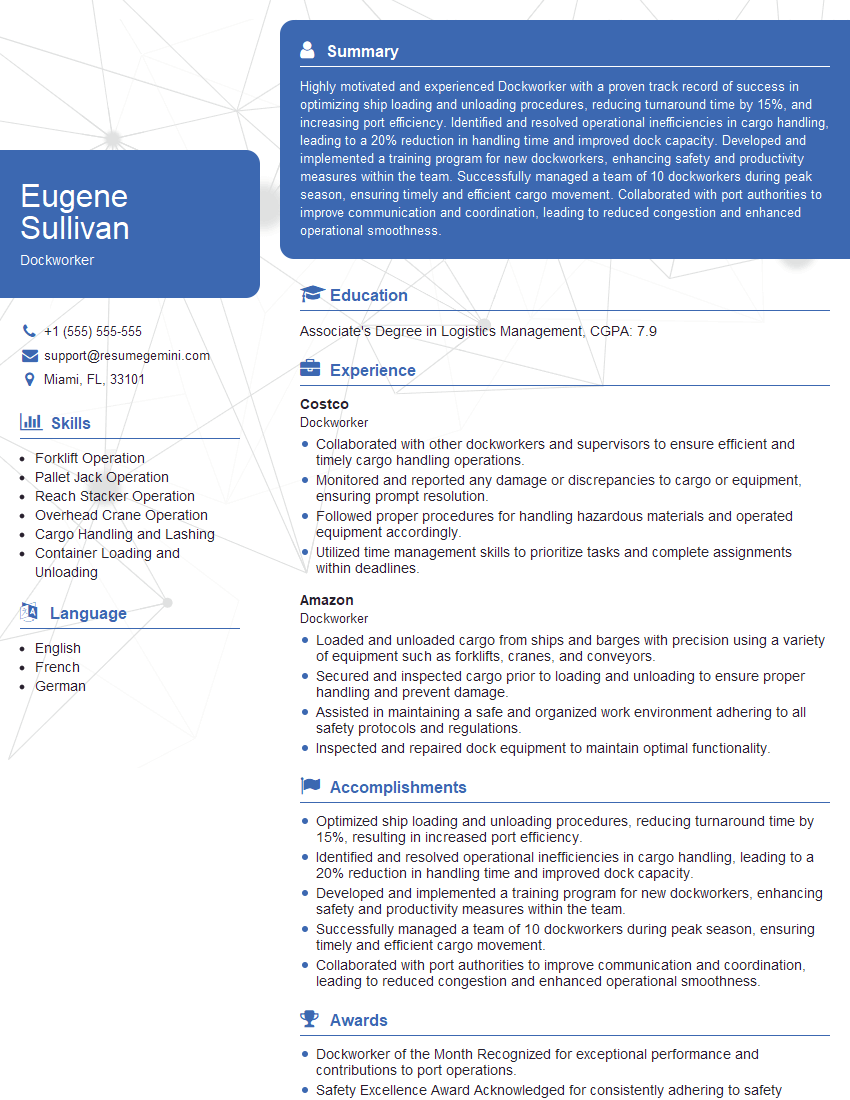
Dockworker Resume Sample
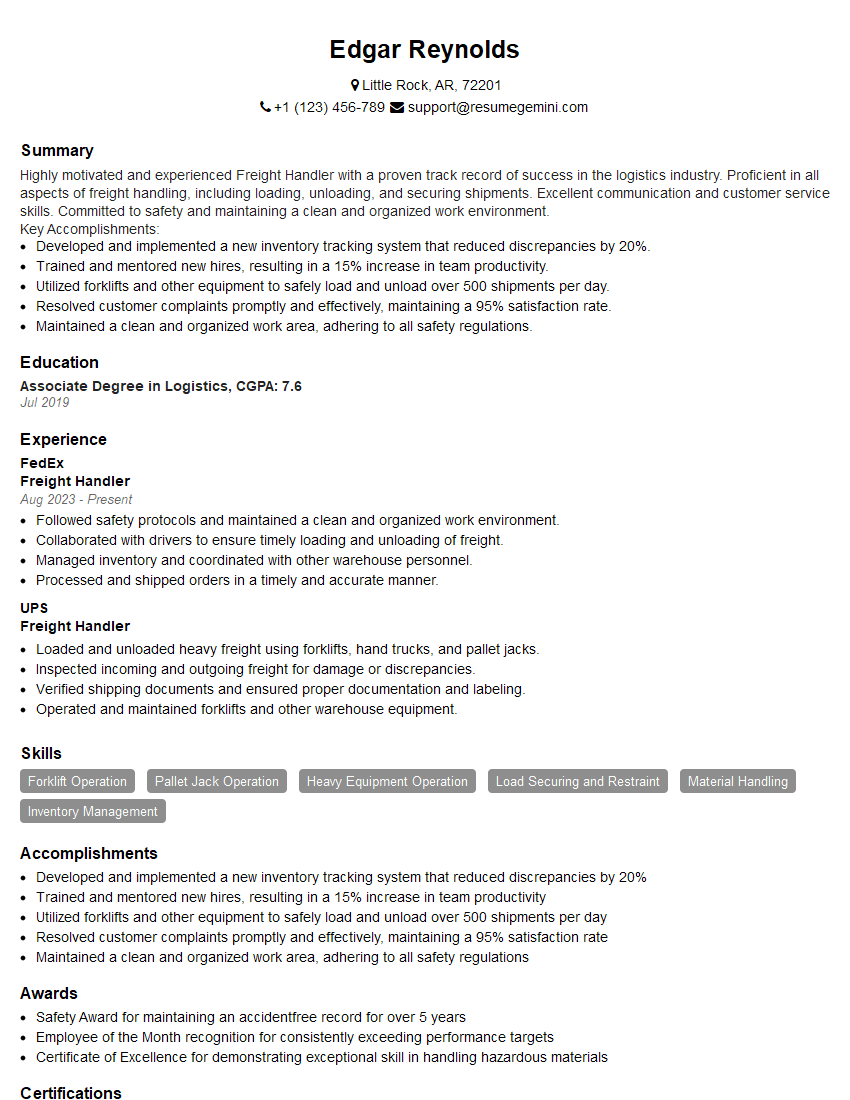
Freight Handler Resume Sample
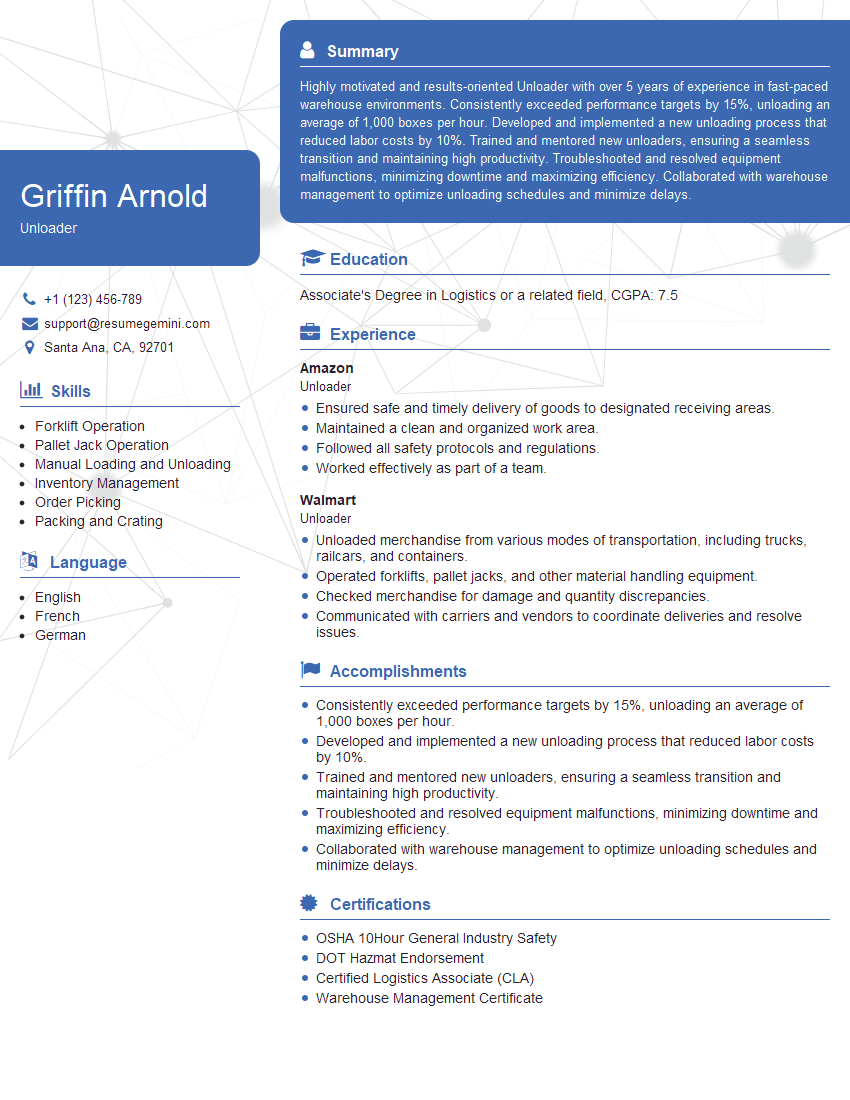
Unloader Resume Sample
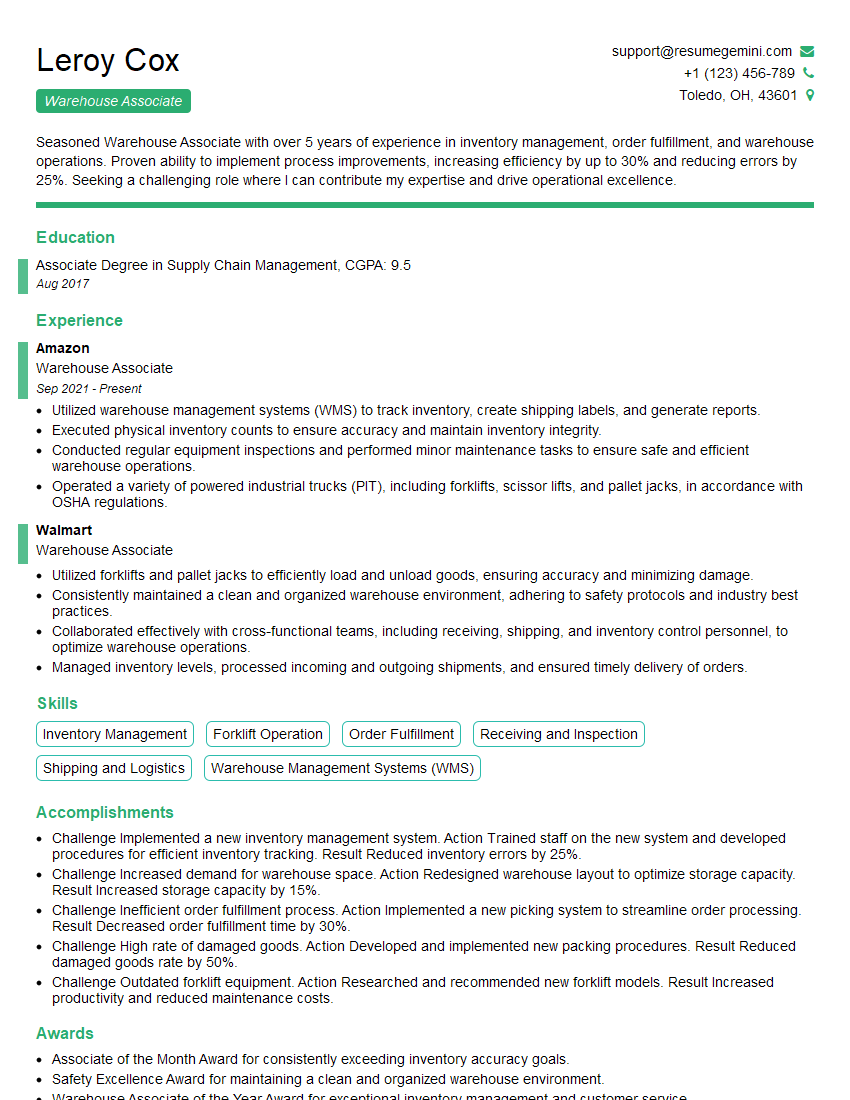
Warehouse Associate Resume Sample
- Operations Manager
- Supply Chain Manager
- Warehouse Manager
- Warehouse Supervisor
- Logistics Analyst
- Sorter
- Inventory Control Specialist
- Production Associate
- Order Fulfillment Specialist
- Receiving Clerk
- Shipping and Receiving Clerk
- Shipping Clerk
- Logistics Associate
- Material Handler
- Order Picker
- Loader
- Forklift Operator
- Packaging Associate
- Dockworker
- Freight Handler
- Unloader
- Warehouse Associate
Explore more articles
Users Rating of Our Blogs
Share Your Experience
We value your feedback! Please rate our content and share your thoughts (optional).
What Readers Say About Our Blog
Very informative content, great job.
good