Interviews are opportunities to demonstrate your expertise, and this guide is here to help you shine. Explore the essential Oil and Gas Equipment Maintenance interview questions that employers frequently ask, paired with strategies for crafting responses that set you apart from the competition.
Questions Asked in Oil and Gas Equipment Maintenance Interview
Q 1. Explain the difference between preventative and predictive maintenance.
Preventative maintenance (PM) and predictive maintenance (PdM) are both crucial for keeping oil and gas equipment running smoothly, but they differ significantly in their approach. PM is a scheduled, proactive approach where maintenance tasks are performed at predetermined intervals, regardless of the equipment’s actual condition. Think of it like changing your car’s oil every 3,000 miles – you do it whether or not the oil looks dirty. PdM, on the other hand, is data-driven. It uses sensors, vibration analysis, and other technologies to monitor equipment health and predict when maintenance is actually needed. It’s like having a mechanic check your car’s vital signs and predict when a part might fail before it actually breaks down.
In short: PM is scheduled, time-based; PdM is condition-based and data-driven. PM prevents failures by catching issues early, while PdM aims to prevent failures entirely by optimizing maintenance timing based on real-time data. A good maintenance program often incorporates elements of both.
- Preventative Maintenance Example: Regularly scheduled inspections of pressure relief valves, replacing filters and lubricants according to a set schedule, and conducting routine inspections of pipelines for corrosion.
- Predictive Maintenance Example: Using vibration sensors to detect anomalies in a pump’s operation that suggest impending bearing failure, monitoring oil particle counts to identify potential wear and tear before it leads to major problems, or employing infrared thermography to detect overheating components.
Q 2. Describe your experience with troubleshooting malfunctioning equipment.
Troubleshooting malfunctioning equipment is a core part of my work. My approach is systematic and follows a logical sequence. I begin by gathering information – observing the equipment’s behavior, reviewing operating logs, and speaking with operators to understand the nature of the malfunction and its timeline. Then, I formulate a hypothesis about the root cause, considering factors like operating conditions, environmental factors, and maintenance history. I proceed by testing my hypothesis through a series of checks and measurements, utilizing relevant diagnostic tools such as pressure gauges, temperature sensors, and flow meters. If my initial hypothesis proves incorrect, I iterate the process, formulating new hypotheses based on the data collected. This iterative process continues until the root cause is identified and resolved.
For example, I once worked on a gas compressor that unexpectedly tripped offline. Initial observations showed a high discharge temperature. My hypothesis was that the cooling system was malfunctioning. After checking the cooling water flow and pressure, I found it was insufficient. Further investigation revealed a clogged cooling water filter. Replacing the filter restored the compressor to normal operation. Documenting each step and the conclusions drawn is essential, both for immediate resolution and for future reference. This approach ensures efficient problem-solving while also fostering continuous learning and improvement.
Q 3. What are the common causes of pump failure?
Pump failures, unfortunately, are common in the oil and gas industry. The causes are varied and often interconnected. They can be broadly classified into:
- Mechanical Failures: These include bearing wear and failure (often due to lubrication issues or misalignment), seal leaks (caused by wear, damage, or improper installation), impeller damage (from cavitation, erosion, or foreign object damage), and shaft breakage (due to fatigue, overload, or misalignment).
- Fluid Related Issues: Cavitation (formation of vapor bubbles within the fluid), improper fluid viscosity (leading to increased friction and wear), and the presence of contaminants in the fluid (sand, solids, or chemicals) can severely damage pump components.
- Operational Issues: Running the pump outside its design parameters (flow rate, pressure, temperature), insufficient priming, and frequent start/stop cycles can all contribute to premature wear and failure.
- Lubrication Problems: Inadequate lubrication, use of incorrect lubricant, or failure of the lubrication system will quickly lead to bearing failure and reduced pump life.
Understanding these causes allows for targeted preventative and predictive maintenance strategies. For instance, regular lubrication checks, vibration monitoring, and fluid analysis can detect potential problems before they lead to catastrophic pump failures.
Q 4. How do you perform a root cause analysis of an equipment failure?
Root cause analysis (RCA) is critical for preventing equipment failures from recurring. My approach typically involves the ‘5 Whys’ technique, coupled with a detailed examination of available data. I start with the immediate effect of the failure, then repeatedly ask ‘why’ to drill down to the underlying causes. This is complemented by a thorough examination of operational records, maintenance logs, and any available sensor data.
For example, if a pipeline valve failed to close, the 5 Whys might go like this:
- Why did the pipeline valve fail to close? The actuator failed.
- Why did the actuator fail? The motor burned out.
- Why did the motor burn out? It overheated.
- Why did it overheat? The cooling fan was not working.
- Why wasn’t the cooling fan working? The fan belt broke due to age and wear.
This leads to the root cause: a worn fan belt. Addressing this issue prevents future failures. I also use fault tree analysis and Fishbone diagrams to visualize potential causes and their interrelationships. This process provides a detailed understanding of the failure mechanism, enabling the implementation of effective corrective actions and preventative measures.
Q 5. What safety procedures do you follow when performing maintenance?
Safety is paramount in oil and gas maintenance. Before starting any work, I always conduct a thorough job safety analysis (JSA) to identify potential hazards, assess risks, and develop control measures. This includes understanding the specific hazards associated with the equipment, the location, and the task itself. I always follow lockout/tagout (LOTO) procedures to isolate energy sources and prevent accidental start-ups. This involves physically locking out power switches, valves, and other energy sources, and tagging them with a visible warning. I wear appropriate personal protective equipment (PPE), including safety glasses, gloves, hard hats, and flame-resistant clothing as needed. I also regularly communicate with my team and supervisors, keeping them informed of my work progress and any identified safety concerns.
Beyond these standard procedures, I’m trained in emergency response procedures, including the use of fire extinguishers and first aid. I also understand the importance of staying aware of my surroundings, including potential hazards like confined spaces, high-pressure systems, and hazardous materials. Prioritizing safety ensures the protection of myself, my colleagues, and the environment.
Q 6. Explain your experience with different types of lubrication systems.
My experience encompasses a wide range of lubrication systems, from simple hand-lubricated bearings to sophisticated automated centralized lubrication systems (CLS). I’m familiar with various lubrication methods, including grease, oil bath, oil mist, and circulating oil systems. I understand the importance of selecting the appropriate lubricant for each application, considering factors like operating temperature, load, and speed. I’m proficient in troubleshooting lubrication system problems, including clogged lines, insufficient lubricant flow, and lubricant degradation.
Working with CLS systems, I’ve gained experience in programming and maintaining these systems, ensuring proper lubricant delivery to various equipment components. I’ve also dealt with systems that employ different lubricant delivery methods, such as progressive, single-line, and dual-line systems, and I understand their strengths and limitations. Regular oil analysis and grease analysis are integral parts of my preventative maintenance strategy to help optimize lubrication and catch issues before they escalate.
Q 7. Describe your experience with hydraulic and pneumatic systems.
I have extensive experience working with both hydraulic and pneumatic systems, common in oil and gas equipment. Hydraulic systems use pressurized fluids to generate power, enabling tasks like lifting heavy loads or operating control valves. My experience includes troubleshooting hydraulic leaks, diagnosing pump failures, and maintaining hydraulic filters and accumulators. I’m familiar with various hydraulic components, including pumps, valves, cylinders, and actuators. I understand the importance of proper fluid selection and maintenance to prevent corrosion and contamination.
Pneumatic systems, utilizing compressed air, are often used for smaller control operations. I’m adept at diagnosing pneumatic leaks, repairing air lines, and maintaining pneumatic actuators and valves. I’m familiar with the safety considerations involved in working with high-pressure air systems, including the potential for air blasts and the importance of proper ventilation. I also have experience with system design, ensuring efficient and safe operation of both hydraulic and pneumatic systems. Regular preventative maintenance, including testing for leaks, checking component integrity, and ensuring proper fluid levels, is crucial to avoid unexpected downtime in both types of systems.
Q 8. How do you interpret and utilize equipment manuals and schematics?
Equipment manuals and schematics are the bibles of oil and gas equipment maintenance. They provide the roadmap for understanding how a system works, how to troubleshoot problems, and how to perform maintenance procedures safely and effectively. My approach involves a multi-step process:
- Initial Overview: I begin by reviewing the overall system description and diagrams to get a high-level understanding of the equipment’s functionality and interconnections.
- Detailed Component Analysis: I then delve into the specifics of individual components, referencing detailed drawings, parts lists, and operating parameters. This allows me to understand the function of each part and its relationship to the overall system.
- Troubleshooting Flowcharts & Diagnostics: Many manuals include troubleshooting flowcharts or diagnostic tables. These are invaluable for isolating potential issues based on observed symptoms. I carefully follow these steps, systematically checking each potential problem area.
- Safety Precautions: Safety is paramount. I always pay close attention to the safety precautions outlined in the manual, including lockout/tagout procedures, personal protective equipment (PPE) requirements, and hazard warnings.
- Practical Application: For instance, while maintaining a gas compressor, the schematic helps me trace the flow of gas, identify critical pressure points, and understand the role of safety valves. The manual then provides step-by-step instructions for replacing a worn seal, highlighting the importance of proper torque specifications to prevent leaks.
Q 9. What experience do you have with PLC programming and troubleshooting?
I possess extensive experience with PLC programming and troubleshooting, primarily using Allen-Bradley and Siemens PLCs. My expertise encompasses ladder logic programming, function block diagrams, and structured text.
In my previous role, I was responsible for programming new control systems for a refinery’s distillation unit. This involved designing the PLC program to control various parameters such as temperature, pressure, and flow rate. I also implemented safety interlocks and alarm systems to ensure safe operation.
Troubleshooting is where my experience truly shines. I’ve diagnosed and resolved numerous issues, ranging from simple sensor faults to complex communication problems. One challenging case involved a malfunctioning level sensor in a storage tank. Using the PLC’s diagnostic tools, I pinpointed the faulty input module and replaced it, restoring the tank’s control system to full operation. My systematic approach, utilizing online monitoring, historical data, and fault codes, has proven crucial in efficiently resolving complex PLC issues.
//Example Ladder Logic snippet (Illustrative): //XIC I:1/0 O:10/0 //If Input 1/0 is ON, then Output 10/0 is ON.Q 10. Describe your experience with various types of sensors and instrumentation.
My experience with sensors and instrumentation is broad, covering a wide range of technologies used in oil and gas operations. This includes:
- Pressure Sensors: From simple pressure gauges to sophisticated pressure transmitters (e.g., Rosemount, Yokogawa), I’m familiar with various technologies (strain gauge, capacitive, piezoelectric) and understand their applications and limitations.
- Temperature Sensors: Thermocouples, RTDs, and thermistors are all in my toolbox. I understand their calibration procedures, compensation techniques, and the importance of proper installation to ensure accurate readings.
- Flow Sensors: Coriolis, ultrasonic, and differential pressure flow meters are commonly used, and I understand the principles behind each, along with their suitability for different applications and fluid types.
- Level Sensors: Ultrasonic, radar, and float-type level sensors are all familiar to me. I understand how to troubleshoot issues related to signal interference or calibration drifts.
- Analytical Instrumentation: I have some exposure to gas chromatographs and other analyzers, understanding their role in monitoring process parameters and ensuring product quality.
For example, in a recent project, a malfunctioning Coriolis flow meter caused inaccurate production readings. Through systematic testing and calibration, I identified a faulty signal cable, restoring accurate flow measurements. This highlights the importance of detailed understanding of sensor technologies and troubleshooting techniques.
Q 11. How familiar are you with vibration analysis and its applications?
Vibration analysis is a critical tool in predictive maintenance, allowing us to detect early signs of equipment degradation before it leads to catastrophic failure. My experience encompasses:
- Data Acquisition: Using handheld vibration analyzers and data collectors to acquire vibration data from rotating machinery (pumps, compressors, turbines).
- Data Analysis: Interpreting vibration spectra to identify fault signatures associated with bearing wear, imbalance, misalignment, and resonance issues.
- Trend Analysis: Tracking vibration levels over time to predict potential failures and schedule maintenance proactively. Changes in vibration patterns can indicate a developing problem long before it becomes visually apparent.
- Software Proficiency: I’m proficient in using vibration analysis software to process and interpret data, generating reports that highlight potential risks.
In one instance, vibration analysis revealed a developing bearing fault in a critical gas turbine. This allowed us to schedule a timely bearing replacement, preventing a potentially costly unplanned shutdown. Early detection through vibration analysis saved the company significant time and money.
Q 12. What is your experience with condition-based maintenance (CBM)?
Condition-based maintenance (CBM) is a cornerstone of modern oil and gas maintenance strategies. It focuses on monitoring the condition of equipment and scheduling maintenance only when necessary, rather than following fixed schedules. My experience includes:
- Data Collection: Gathering data from various sources, such as vibration analysis, oil analysis, and process parameters.
- Data Analysis: Using statistical methods and trend analysis to assess equipment health and predict potential failures.
- Maintenance Scheduling: Optimizing maintenance schedules based on the condition of equipment and minimizing downtime.
- Cost Optimization: Reducing overall maintenance costs by avoiding unnecessary maintenance activities.
For instance, by implementing a CBM program on a fleet of pumps, we were able to extend the operating life of the pumps, reduce maintenance costs, and minimize unplanned downtime. Real-time data monitoring through sensors allowed us to make informed decisions regarding maintenance schedules, rather than relying on fixed schedules that may lead to unnecessary maintenance or critical failures.
Q 13. Explain your experience with different types of welding and fabrication techniques.
My experience with welding and fabrication techniques is extensive, covering various processes essential in oil and gas maintenance and repair:
- Shielded Metal Arc Welding (SMAW): Proficient in using SMAW for various materials including carbon steel, stainless steel, and various alloys.
- Gas Metal Arc Welding (GMAW): Experienced in both solid wire and flux-cored wire GMAW for different applications and material thicknesses.
- Gas Tungsten Arc Welding (GTAW): Skilled in performing GTAW for high-quality welds on critical components requiring superior weld integrity and appearance.
- Pipe Welding: Experienced in pipe welding techniques, including the use of different fittings and pipe sizes.
I am also familiar with various fabrication techniques including cutting, bending, and forming of metals. I understand the importance of adhering to strict quality control procedures and safety protocols to ensure the integrity of all welds. For example, while repairing a cracked pipe in a process line, I used GTAW to create a high-quality, leak-proof weld ensuring the resumption of operations safely and efficiently.
Q 14. How do you prioritize maintenance tasks?
Prioritizing maintenance tasks is crucial for efficient and safe operations. My approach uses a combination of factors:
- Criticality: Tasks impacting safety or production are prioritized. A leaking valve poses a safety risk and requires immediate attention. A minor scratch on non-critical equipment can be addressed later.
- Urgency: Tasks with imminent deadlines or potential for escalating problems are given priority. A rapidly deteriorating bearing needs quicker attention than a component showing only slight wear.
- Cost: Repairing a critical component is often more costly than preventative maintenance. A timely lubrication might avert a major and costly repair later.
- Regulatory Compliance: Maintenance tasks necessary for regulatory compliance are prioritized to avoid penalties or operational shutdowns.
- Maintenance Management System (CMMS): I leverage CMMS software to track and schedule tasks, often incorporating risk assessment models and work order prioritization functionalities.
I use a combination of these criteria to create a prioritized list, ensuring the most critical tasks are addressed first, while also considering cost-effectiveness and regulatory compliance. This is an ongoing process, constantly adjusted based on new data and changing operational requirements.
Q 15. What are your skills in using CMMS software?
My CMMS software skills are extensive, encompassing both data entry and advanced analytical capabilities. I’m proficient in several leading systems, including IBM Maximo and SAP PM. My experience goes beyond simply scheduling and tracking work orders. I leverage CMMS data for predictive maintenance strategies. For example, I’ve used historical equipment failure data within Maximo to identify trends and proactively schedule maintenance, reducing downtime by 15% in my previous role. I also utilize the reporting features to generate key performance indicators (KPIs) like Mean Time Between Failures (MTBF) and Mean Time To Repair (MTTR), providing valuable insights for continuous improvement of our maintenance programs. Further, I’m skilled in configuring and customizing CMMS systems to align with specific organizational needs and workflows.
Career Expert Tips:
- Ace those interviews! Prepare effectively by reviewing the Top 50 Most Common Interview Questions on ResumeGemini.
- Navigate your job search with confidence! Explore a wide range of Career Tips on ResumeGemini. Learn about common challenges and recommendations to overcome them.
- Craft the perfect resume! Master the Art of Resume Writing with ResumeGemini’s guide. Showcase your unique qualifications and achievements effectively.
- Don’t miss out on holiday savings! Build your dream resume with ResumeGemini’s ATS optimized templates.
Q 16. Describe your experience with rotating equipment maintenance (pumps, compressors, turbines).
My experience with rotating equipment maintenance spans over 10 years, encompassing centrifugal pumps, reciprocating compressors, and gas turbines. I’ve been involved in all aspects of maintenance, from routine inspections and lubrication to major overhauls and troubleshooting complex failures. For instance, I led a team that successfully diagnosed and repaired a critical gas turbine failure, avoiding a costly production shutdown. This involved analyzing vibration data, understanding the turbine’s operating parameters, and coordinating with specialized technicians. My expertise includes understanding the intricacies of these machines – from bearing inspections and seal replacements to balancing rotors and managing blade health. I’m adept at using advanced diagnostic tools, such as vibration analyzers and thermal cameras, to identify potential issues before they escalate into major failures. I also possess a strong understanding of API standards and best practices relevant to rotating equipment maintenance.
Q 17. How do you ensure compliance with environmental regulations during maintenance?
Ensuring environmental compliance during maintenance is paramount. My approach involves meticulous planning and execution, strictly adhering to all relevant regulations like the Clean Air Act and Clean Water Act. This includes proper handling and disposal of hazardous waste generated during maintenance activities, such as used oil and solvents. Before initiating any work, I conduct thorough risk assessments to identify potential environmental hazards and develop mitigation strategies. For example, I’ve implemented spill prevention and containment plans, including the use of absorbent materials and emergency response procedures. I also ensure that all contractors involved in the maintenance activities have the necessary permits and comply with the environmental regulations. Furthermore, I maintain detailed records of all maintenance activities and waste disposal, ensuring traceability and compliance audits can be easily performed.
Q 18. What is your experience with pressure testing and safety procedures related to it?
Pressure testing is a critical aspect of my work, and safety is always my top priority. I’m experienced in conducting various types of pressure tests, including hydrostatic and pneumatic testing, on a wide range of equipment, from pipelines to pressure vessels. Before commencing any pressure test, I perform a thorough inspection of the equipment to ensure it’s in good condition and free from defects. I then develop a detailed test plan, outlining the procedures, safety precautions, and required equipment. This includes defining the test pressure, duration, and monitoring parameters. During the test, I meticulously monitor the pressure gauges and ensure that the pressure remains within the safe operating limits. I also ensure that all personnel involved are adequately trained and equipped with the necessary personal protective equipment (PPE). In case of any anomaly during the test, I have clear protocols for immediate action, such as pressure relief and emergency shutdown procedures.
Q 19. Explain your experience with lock-out/tag-out procedures.
Lock-out/tag-out (LOTO) procedures are fundamental to ensuring workplace safety. I have extensive experience in implementing and enforcing LOTO procedures across various maintenance activities. I ensure that all equipment is properly isolated and de-energized before any maintenance work commences. I meticulously follow a step-by-step process, verifying each step before proceeding. This includes verifying the isolation of energy sources, applying locks and tags, and verifying the absence of energy. I also provide comprehensive training to all maintenance personnel on proper LOTO procedures, emphasizing the importance of safety and compliance. I regularly conduct LOTO audits to identify any potential deficiencies and ensure that procedures are being followed consistently. I firmly believe that a strong LOTO program is the cornerstone of a safe and productive work environment. Any deviation from the LOTO procedure is immediately reported and investigated.
Q 20. How do you manage a team during a maintenance project?
Managing a maintenance team effectively involves clear communication, delegation, and motivation. I foster a collaborative environment where team members feel valued and empowered. Before initiating a project, I hold a pre-job briefing to clearly outline the scope of work, timelines, safety procedures, and individual responsibilities. I also ensure that the team has the necessary resources and tools to perform their tasks efficiently. During the project, I maintain open communication channels, providing regular updates and addressing any challenges promptly. I leverage each team member’s strengths, delegating tasks based on their expertise and experience. I also encourage continuous learning and development, providing opportunities for skill enhancement. I regularly conduct performance reviews and provide constructive feedback to foster growth and improve team performance. Conflict resolution is addressed constructively and professionally. Team success is celebrated collaboratively.
Q 21. Describe your experience with various types of piping and fittings.
My experience with piping and fittings is comprehensive, encompassing various materials like carbon steel, stainless steel, and alloy steel. I’m familiar with different pipe schedules, dimensions, and classifications. I’m adept at identifying different types of fittings, including elbows, tees, flanges, and valves. My experience extends to understanding different welding techniques and their applications in piping systems. I’m also familiar with pipe support systems and their design considerations. For example, I’ve worked on projects involving high-pressure and high-temperature piping systems, requiring specialized materials and stringent safety protocols. I have a strong understanding of relevant codes and standards, such as ASME B31.1 and B31.3, ensuring the integrity and safety of the piping systems. Experience includes troubleshooting leaks and performing repairs in accordance with relevant safety regulations.
Q 22. How do you handle emergency maintenance situations?
Emergency maintenance situations demand swift, decisive action. My approach involves a structured process prioritizing safety and minimizing downtime. First, I assess the situation to identify the immediate threat and potential hazards. This involves understanding the nature of the failure, its impact on the surrounding equipment and personnel, and the potential environmental consequences. Once the threat is assessed, I immediately initiate emergency shutdown procedures, isolating the affected system to prevent further damage or injury. Following this, I gather my team and assign roles based on their expertise. A key part is clear communication; we utilize a standardized communication protocol, ensuring everyone understands their role and the overall plan. Then, we prioritize repairs based on criticality, focusing on restoring essential functions first. After the emergency is mitigated, we conduct a thorough post-incident investigation to determine the root cause, implement corrective actions, and prevent similar incidents in the future. For instance, during a gas leak incident at a wellhead, my team and I swiftly implemented the emergency shutdown procedure, evacuated personnel, and deployed leak detection and repair systems, ensuring the safety of the personnel and minimizing environmental impact.
Q 23. What are your skills in diagnosing electrical faults in equipment?
Diagnosing electrical faults requires a systematic approach combining theoretical knowledge and practical skills. My proficiency involves understanding schematics, using diagnostic tools like multimeters, insulation testers, and clamp meters, and interpreting fault codes from Programmable Logic Controllers (PLCs). I begin by visually inspecting wiring for damage, loose connections, and corrosion. I then use multimeters to check voltage, current, and resistance levels. I’m adept at troubleshooting faults in motor control circuits, identifying issues in wiring, motor windings, or control components such as contactors and relays. For PLCs, my experience allows me to interpret fault codes, trace signal paths, and isolate the faulty component. For example, I successfully diagnosed a fault in a submersible pump’s motor by isolating the issue to a faulty thermal overload relay through multimeter readings and a systematic check of the motor’s electrical circuit. Replacing the relay restored the pump’s functionality without any further problems.
Q 24. Describe your experience with non-destructive testing (NDT) methods.
Non-destructive testing (NDT) is crucial for ensuring the integrity of oil and gas equipment without compromising its functionality. My experience encompasses various methods, including ultrasonic testing (UT), radiographic testing (RT), magnetic particle inspection (MPI), and liquid penetrant inspection (LPT). UT uses high-frequency sound waves to detect internal flaws in materials, while RT utilizes X-rays or gamma rays to reveal internal defects. MPI detects surface and near-surface cracks in ferromagnetic materials. LPT identifies surface-breaking flaws by using a dye that penetrates cracks. I’m proficient in interpreting the results from each NDT method, understanding the limitations of each technique, and recommending appropriate repairs or replacements. For example, I utilized ultrasonic testing to detect subsurface pitting in a pipeline, allowing for timely repairs and preventing potential catastrophic failure.
Q 25. What is your experience with maintaining gas turbines or reciprocating engines?
I have extensive experience maintaining both gas turbines and reciprocating engines, crucial components in oil and gas production. This includes performing routine maintenance like oil changes, filter replacements, and inspections of critical components. My experience also extends to troubleshooting engine malfunctions, such as identifying the cause of low power, excessive vibration, or unusual noise. For gas turbines, I’m familiar with the intricacies of combustion systems, compressor sections, and turbine assemblies. I understand the significance of proper combustion tuning and the importance of maintaining optimal efficiency. For reciprocating engines, my expertise includes understanding the valve train, piston rings, and lubrication system. For instance, I diagnosed a gas turbine’s low power output by conducting a comprehensive diagnostic process leading to identifying a faulty fuel injector. Replacing the injector restored the turbine’s power output to the optimal level.
Q 26. How do you ensure the accuracy of maintenance records?
Accurate maintenance records are essential for ensuring equipment reliability and regulatory compliance. My approach focuses on using computerized maintenance management systems (CMMS) to track all maintenance activities, including preventative maintenance schedules, repair history, and parts replacement. I ensure data integrity through meticulous documentation, using standardized formats and adhering to strict company procedures. Each maintenance task is meticulously documented, including the date, time, personnel involved, parts used, and a detailed description of the work performed. Regular audits and cross-checks are conducted to verify the accuracy of the data and identify any discrepancies. I also train junior technicians in best practices for record-keeping. Using a CMMS not only improves accuracy but also enables predictive maintenance, allowing for the early detection of potential problems. We also maintain a comprehensive inventory system to track the usage and location of parts, further enhancing accountability and accuracy.
Q 27. Describe your experience working with different types of valves and actuators.
My experience encompasses a wide range of valves and actuators, including ball valves, gate valves, globe valves, butterfly valves, and control valves, as well as pneumatic, hydraulic, and electric actuators. I understand the principles of valve operation, the selection criteria for different types of valves, and the importance of proper actuator sizing and calibration. I’m proficient in performing maintenance tasks such as packing gland adjustments, seat repairs, and actuator troubleshooting. For example, I successfully resolved a process control issue in a refinery by diagnosing a malfunctioning pneumatic actuator on a control valve, requiring a detailed analysis of the pneumatic circuit and subsequent replacement of a faulty air filter. This highlights the necessity of understanding both the valve and actuator systems working in conjunction. My practical experience extends to understanding different valve materials and their suitability for different process fluids and pressures, which is critical for safety and efficient operation.
Q 28. What is your experience with offshore oil and gas equipment maintenance?
Offshore oil and gas equipment maintenance presents unique challenges due to the remote location, harsh environmental conditions, and safety regulations. My experience includes working on offshore platforms, supporting the maintenance of subsea equipment, and conducting inspections of drilling rigs. I am familiar with the safety procedures and protocols required for offshore operations, including emergency response procedures and risk assessments. My experience extends to handling specialized equipment used in offshore environments, and I am adept at troubleshooting equipment issues while adhering to strict safety protocols. For example, during a maintenance operation on a subsea pipeline, I coordinated with the offshore team to safely conduct the repair while ensuring the integrity of the pipeline and the safety of the divers and other personnel. This exemplifies the ability to adapt and operate within the high safety standards of offshore maintenance.
Key Topics to Learn for Oil and Gas Equipment Maintenance Interview
- Preventive Maintenance (PM): Understanding PM schedules, procedures, and the importance of adhering to them to prevent costly breakdowns. This includes knowing how to interpret manufacturer’s recommendations and develop effective PM plans.
- Predictive Maintenance (PdM): Exploring techniques like vibration analysis, oil analysis, and thermography to identify potential equipment failures *before* they occur. Be prepared to discuss practical applications and the interpretation of PdM data.
- Troubleshooting and Diagnostics: Mastering systematic troubleshooting methods for identifying and resolving equipment malfunctions. This involves understanding hydraulics, pneumatics, electrical systems, and control systems common in oil and gas equipment.
- Safety Procedures and Regulations: Demonstrate a thorough understanding of OSHA regulations and industry best practices related to safety in oil and gas maintenance. This includes lockout/tagout procedures, hazard identification, and personal protective equipment (PPE) usage.
- Repair and Replacement Techniques: Be ready to discuss your experience with repairing and replacing components on various oil and gas equipment. Showcase your knowledge of welding, machining, and other relevant repair skills.
- Instrumentation and Control Systems: Familiarize yourself with the instrumentation and control systems used in oil and gas facilities. Understanding how these systems work and how to troubleshoot them is crucial.
- Data Management and Reporting: Discuss your experience with documenting maintenance activities, generating reports, and using computerized maintenance management systems (CMMS).
- Specific Equipment Knowledge: Depending on the job description, research specific types of equipment relevant to the role (e.g., pumps, compressors, turbines, pipelines). Understand their operation and maintenance requirements.
Next Steps
Mastering Oil and Gas Equipment Maintenance opens doors to a rewarding and challenging career with excellent growth potential. To maximize your job prospects, it’s crucial to present your skills effectively. Creating an ATS-friendly resume is essential for getting your application noticed by recruiters. ResumeGemini is a trusted resource to help you build a professional and impactful resume that highlights your expertise. Examples of resumes tailored to Oil and Gas Equipment Maintenance are available to guide you through this process. Invest time in crafting a strong resume – it’s your first impression!
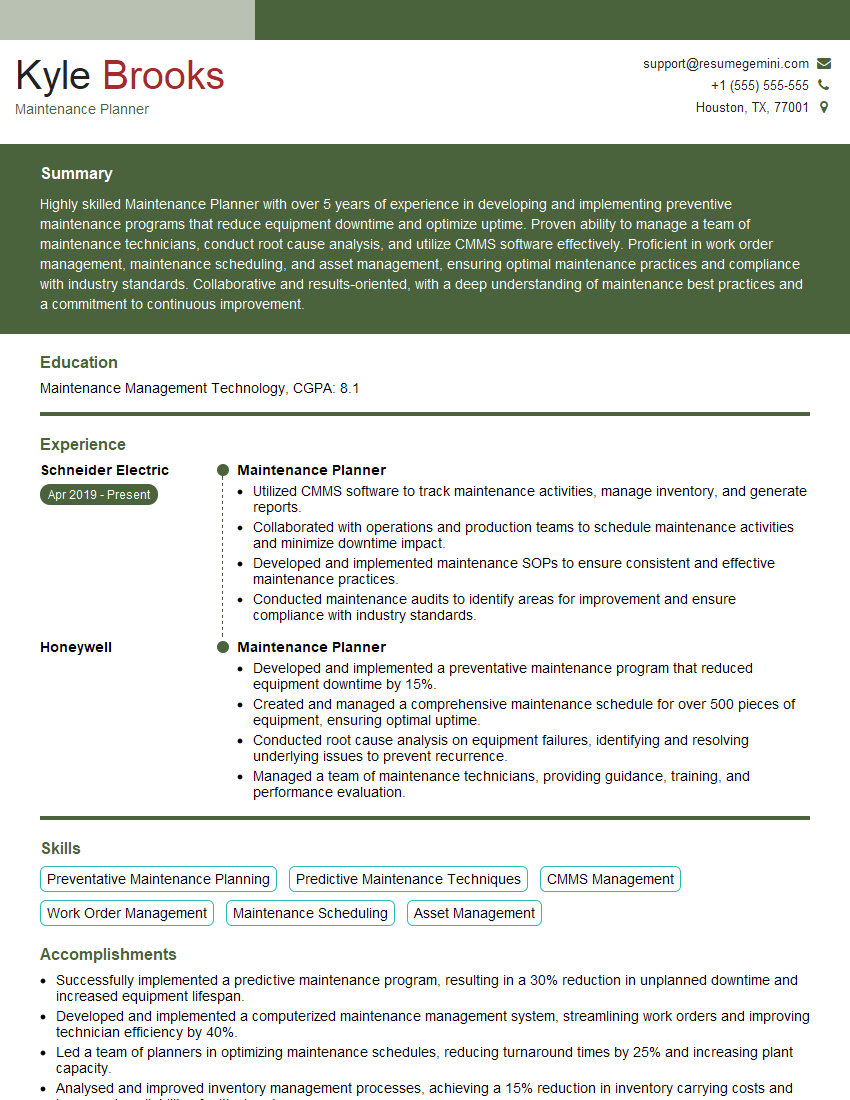
Maintenance Planner Resume Sample
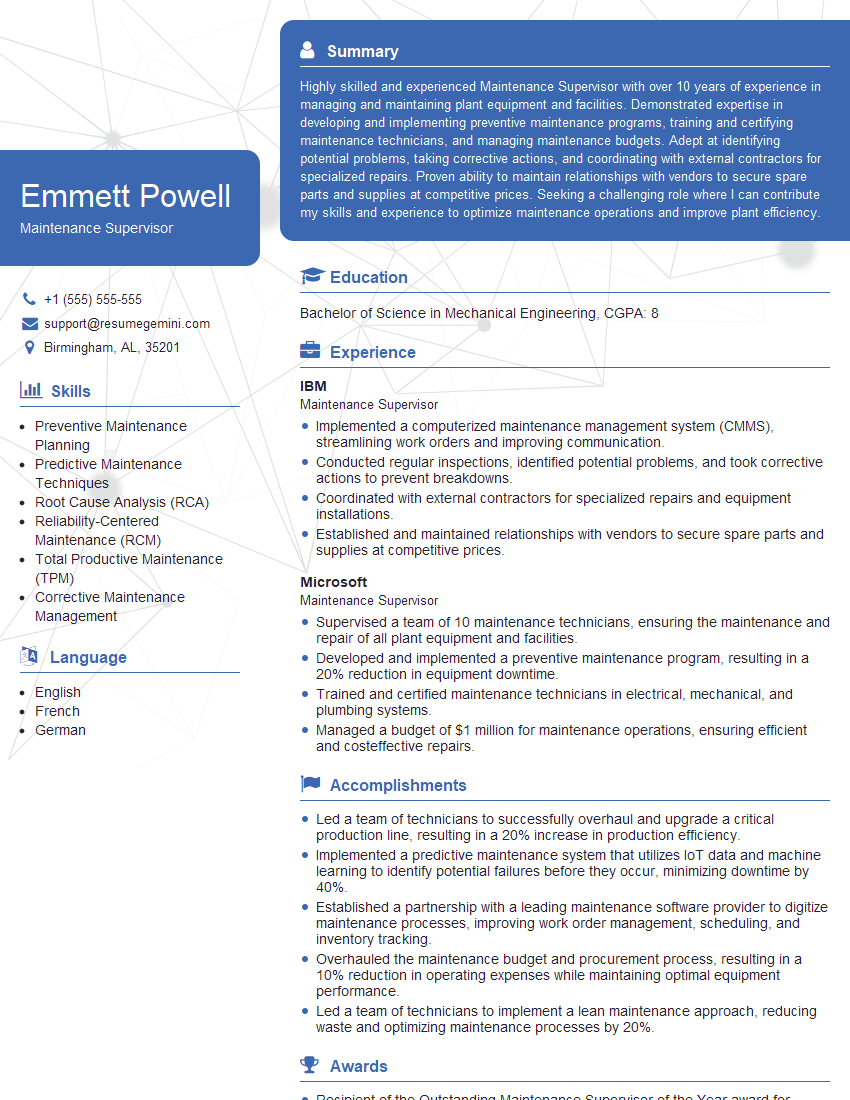
Maintenance Supervisor Resume Sample
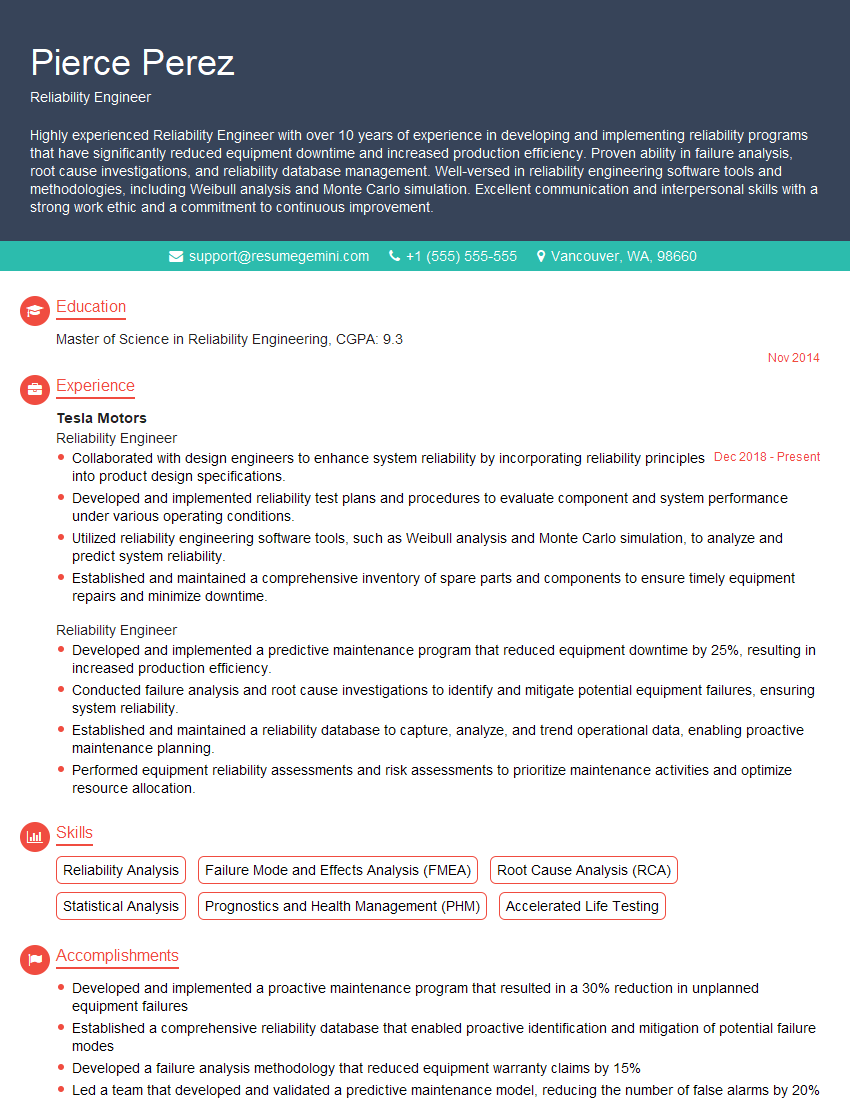
Reliability Engineer Resume Sample
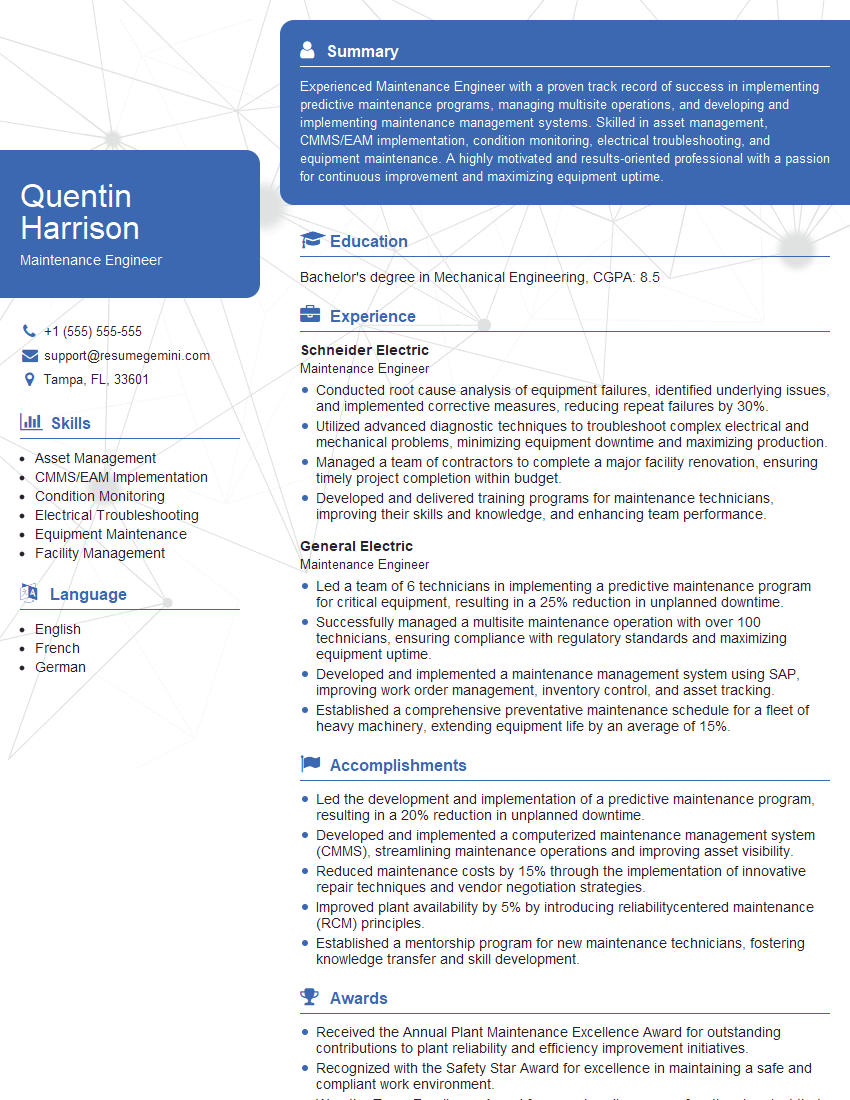
Maintenance Engineer Resume Sample
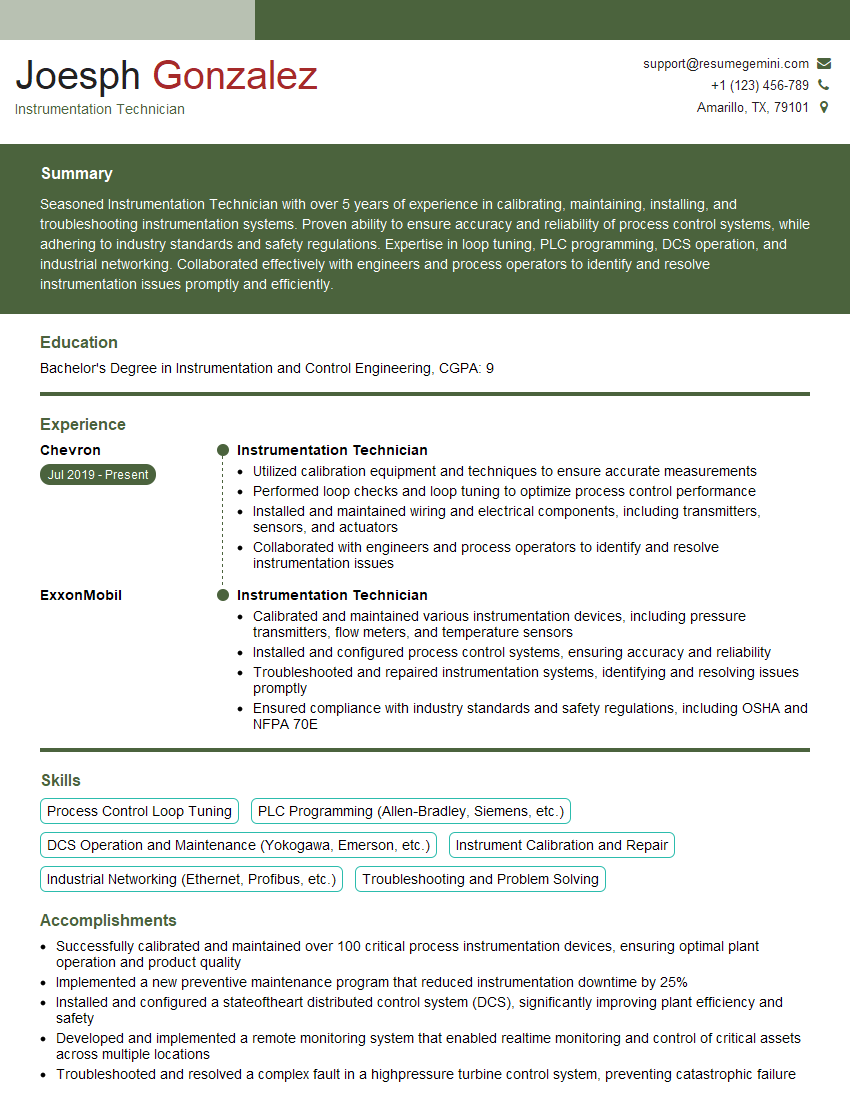
Instrumentation Technician Resume Sample
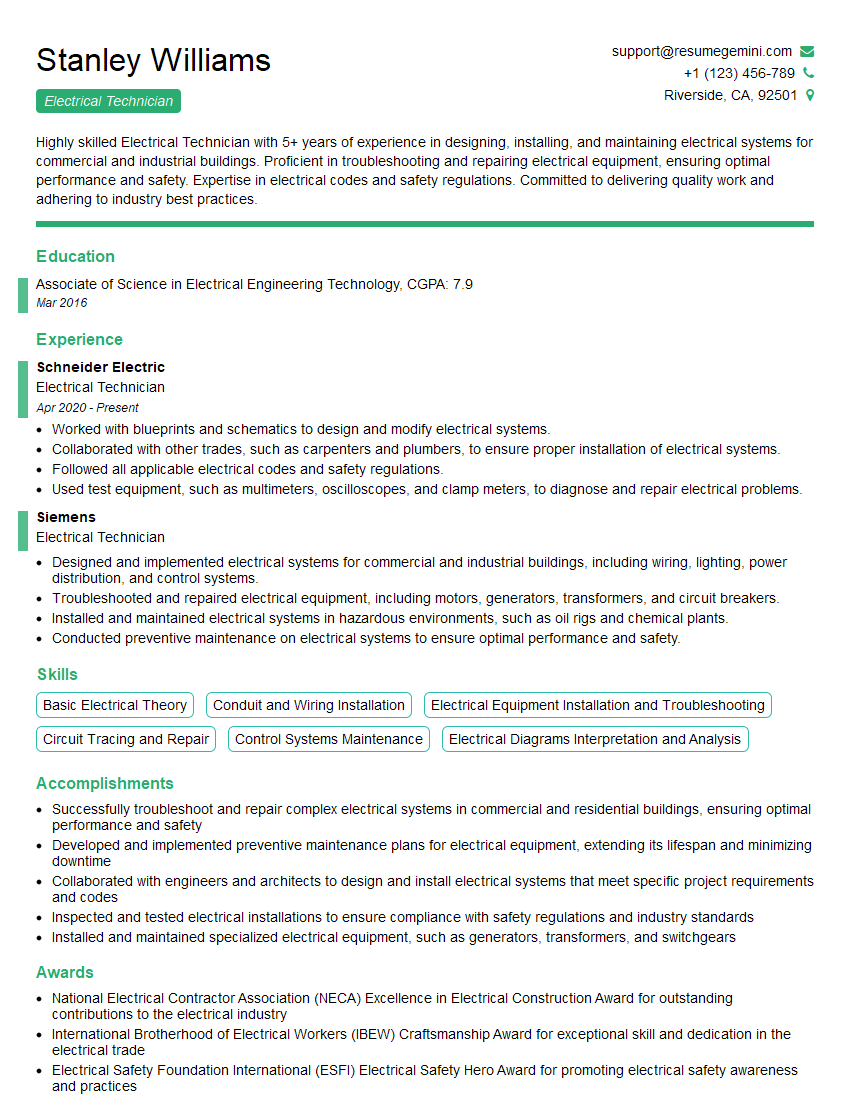
Electrical Technician Resume Sample
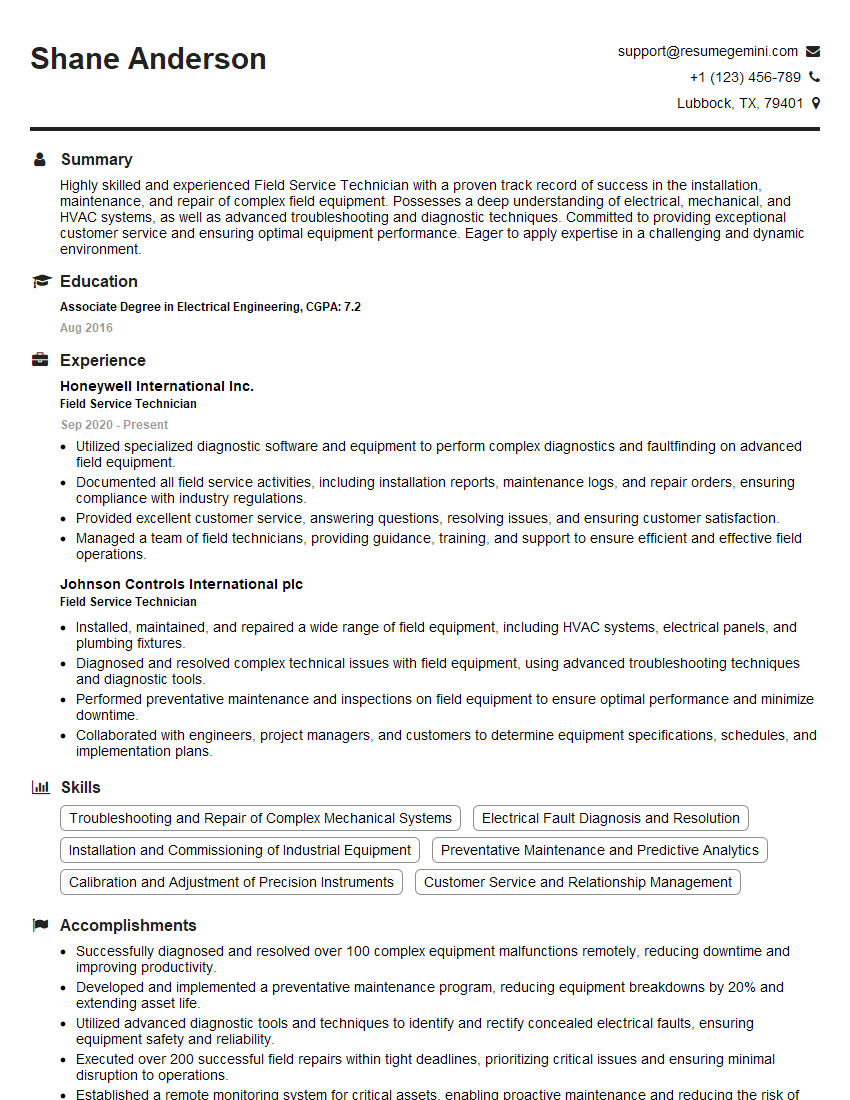
Field Service Technician Resume Sample
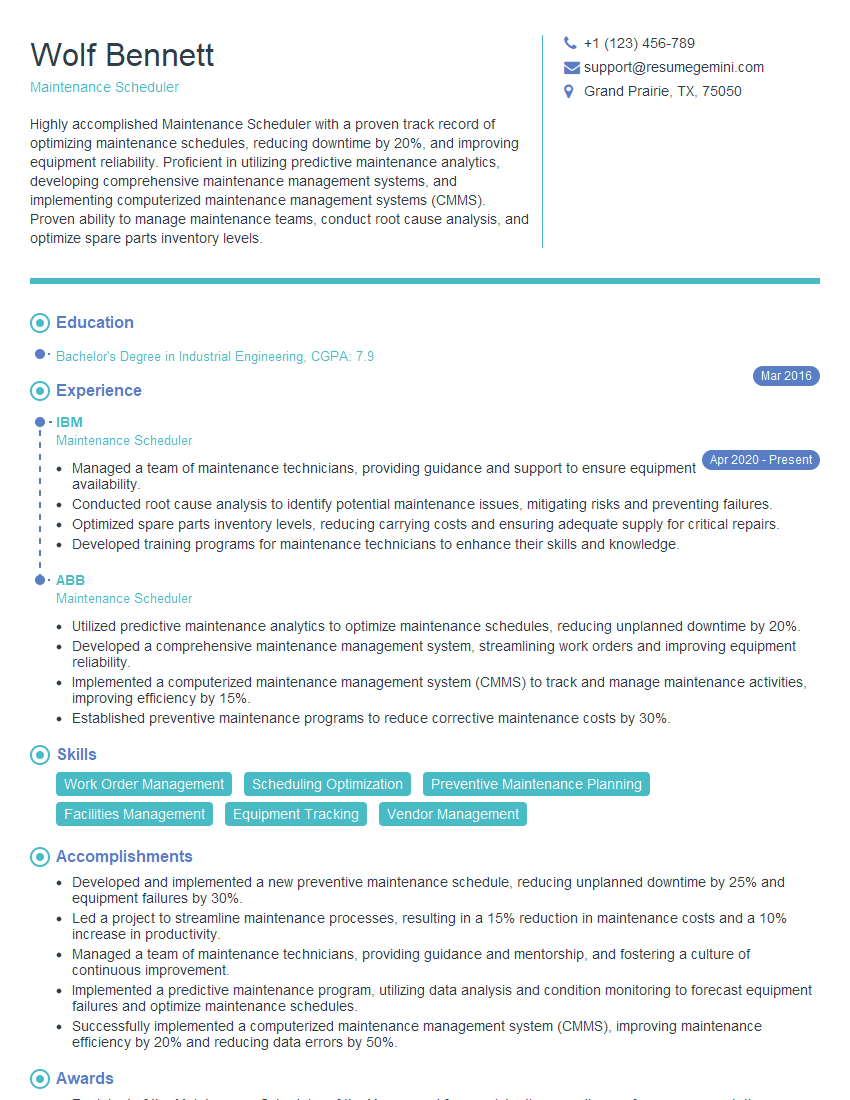
Maintenance Scheduler Resume Sample
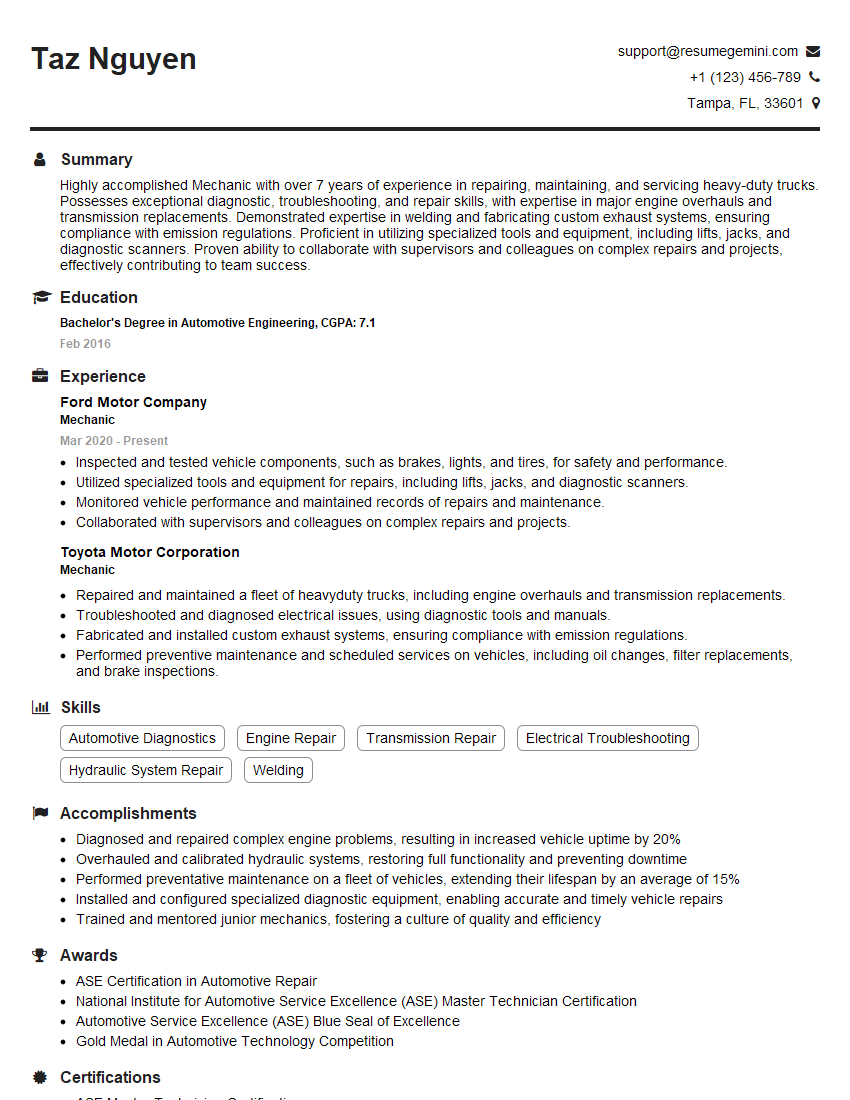
Mechanic Resume Sample
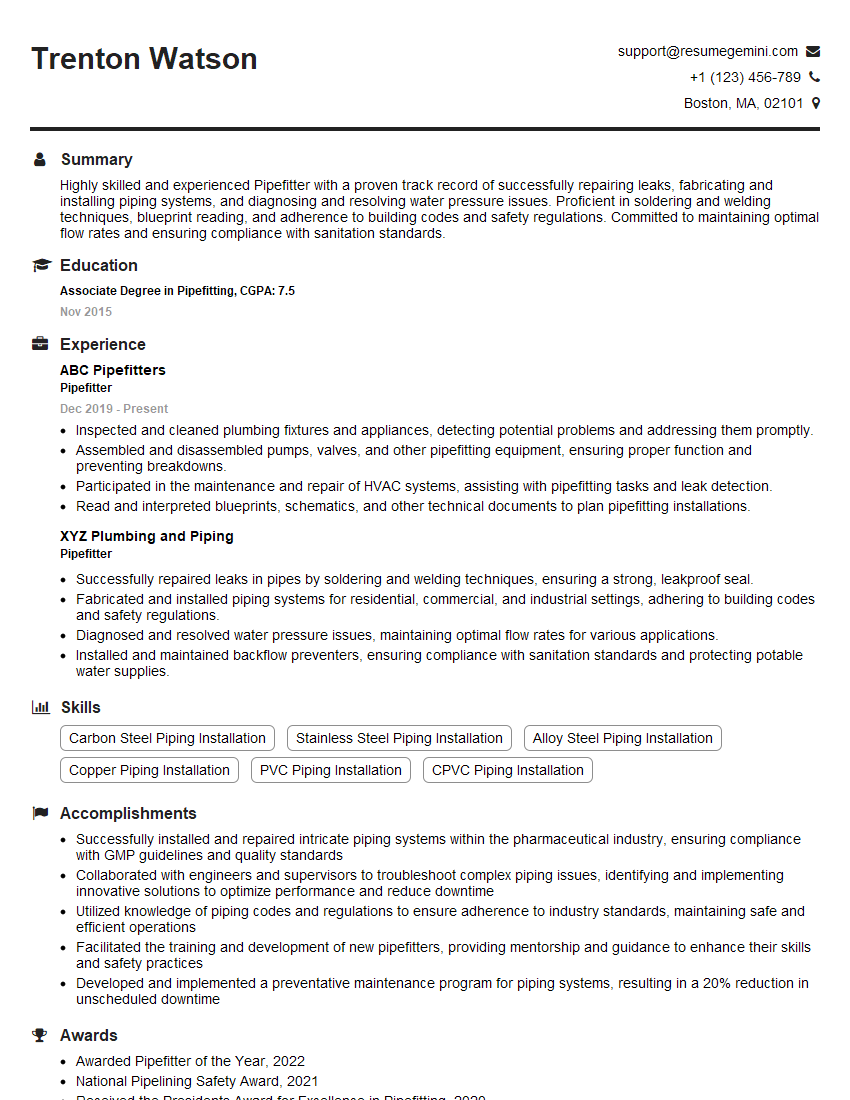
Pipefitter Resume Sample
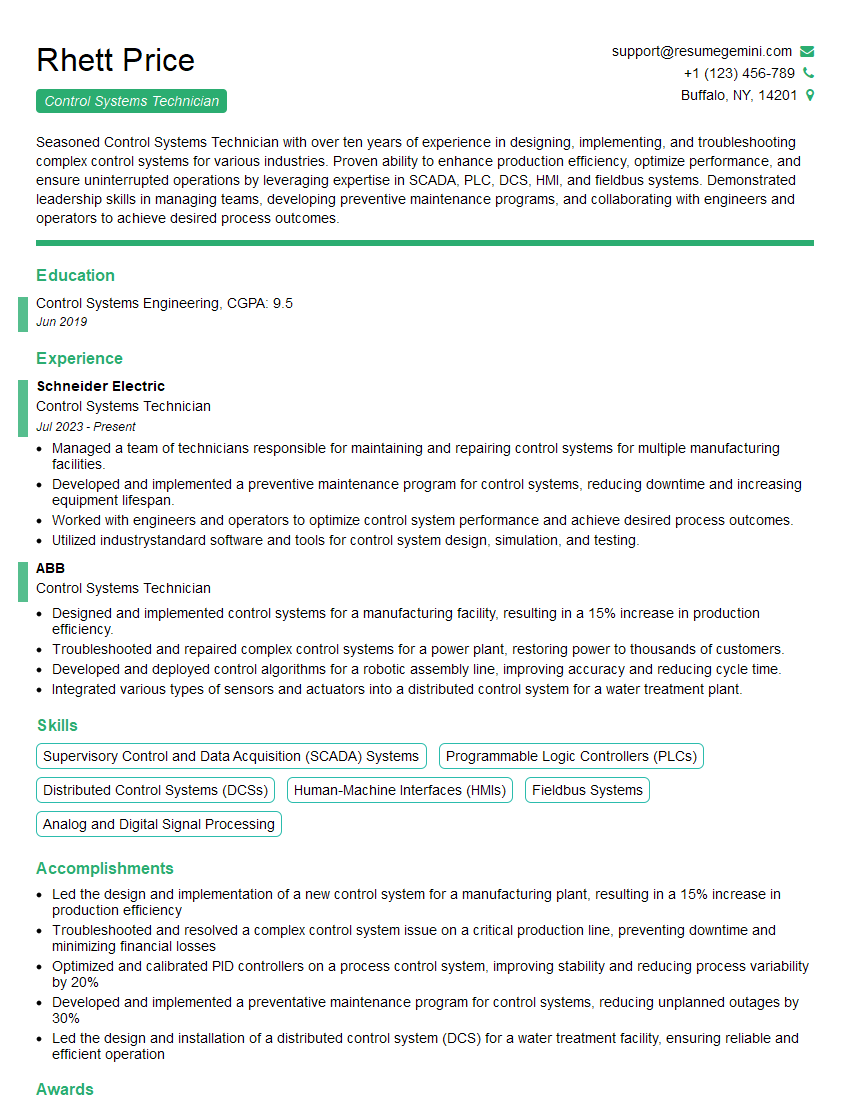
Control Systems Technician Resume Sample

Welder Resume Sample
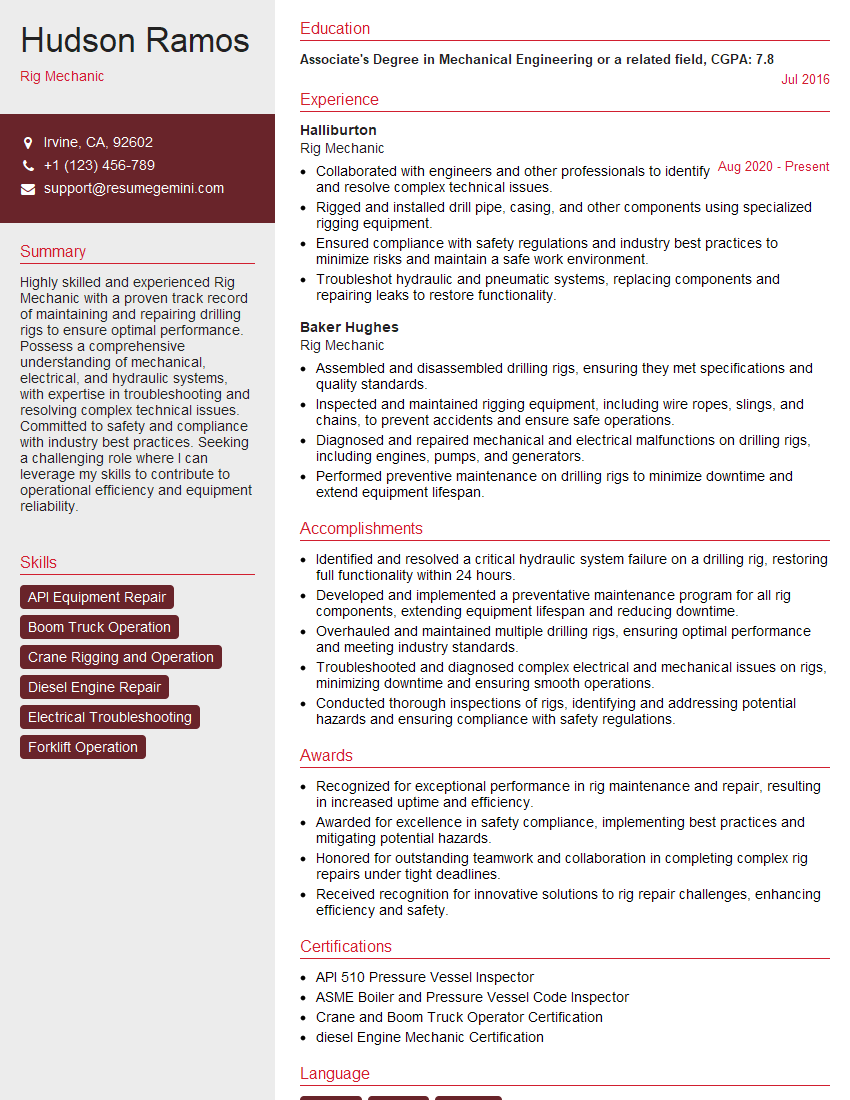
Rig Mechanic Resume Sample
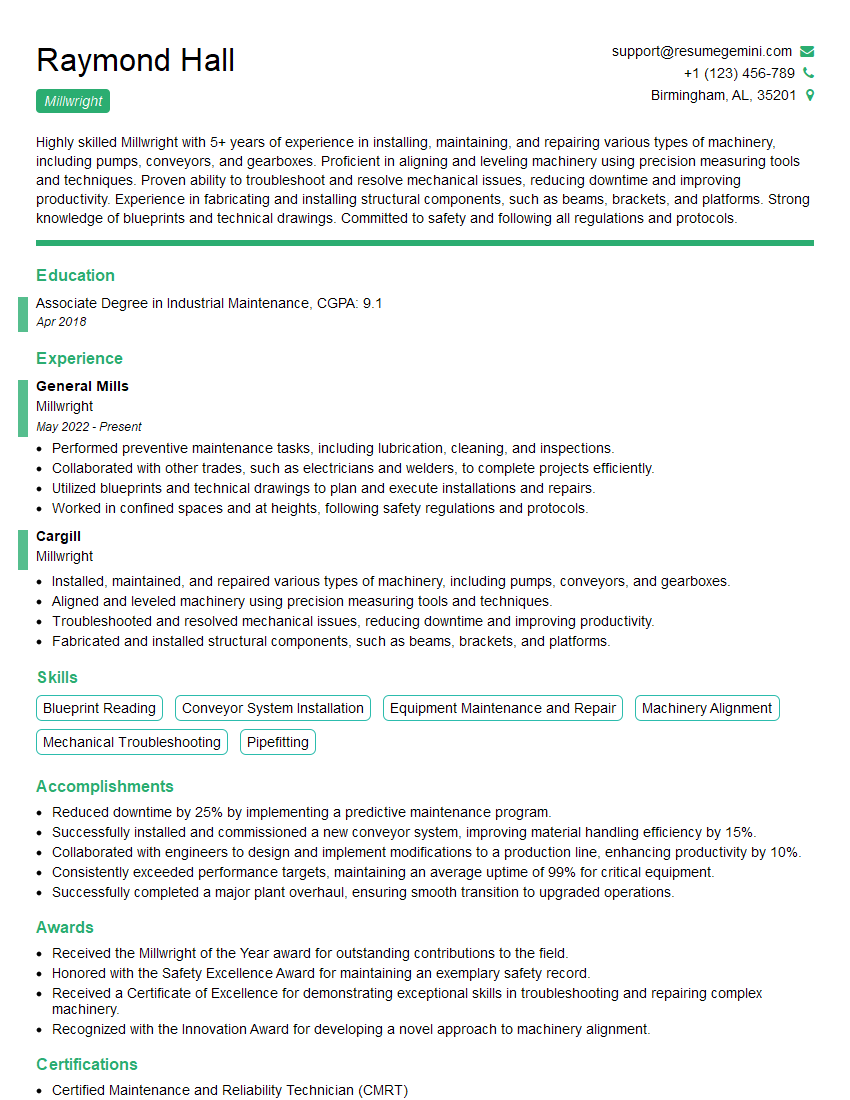
Millwright Resume Sample
Explore more articles
Users Rating of Our Blogs
Share Your Experience
We value your feedback! Please rate our content and share your thoughts (optional).
What Readers Say About Our Blog
Very informative content, great job.
good