The right preparation can turn an interview into an opportunity to showcase your expertise. This guide to Operate a variety of powered equipment interview questions is your ultimate resource, providing key insights and tips to help you ace your responses and stand out as a top candidate.
Questions Asked in Operate a variety of powered equipment Interview
Q 1. Describe your experience operating different types of powered equipment.
My experience with powered equipment spans several years and encompasses a wide range of machinery. I’m proficient in operating excavators, bulldozers, forklifts, skid steers, and various types of aerial lifts. For instance, I spent two years working on a large-scale construction project where I regularly operated an excavator for trenching and earthmoving. This involved precise maneuvering in confined spaces, as well as managing larger-scale excavation projects. My experience with forklifts includes both indoor and outdoor applications, ranging from material handling in warehouses to transporting heavy equipment on construction sites. I also have experience operating skid steers for tasks like grading, landscaping and snow removal, demonstrating adaptability across diverse operational environments.
Q 2. What safety procedures do you follow when operating powered equipment?
Safety is paramount when operating powered equipment. My safety procedures always begin with a thorough pre-operational inspection. I then ensure I’m wearing all necessary personal protective equipment (PPE), including hard hats, safety glasses, high-visibility clothing, and appropriate gloves. Before starting any operation, I assess the work area for potential hazards – checking for overhead obstructions, underground utilities, and the presence of other workers or equipment. Maintaining a safe distance from others and using appropriate signaling are also crucial. Finally, I always adhere to the manufacturer’s operating instructions and company safety regulations. A crucial aspect of my safety protocols involves regular communication with colleagues and supervisors, especially in collaborative work environments. I treat every task with a safety-first mindset, understanding that neglecting even the smallest detail can have significant consequences.
Q 3. How do you perform pre-operational checks on powered equipment?
Pre-operational checks are critical for preventing accidents and equipment malfunctions. My process involves a systematic approach: I start by visually inspecting the equipment for any visible damage, leaks, or loose parts. I then check fluid levels (oil, coolant, fuel) ensuring they are within the recommended ranges. I test the brakes, steering, and all controls to ensure they’re functioning correctly. I also check the lights, horn, and any other safety features, making sure they operate as designed. For equipment with specialized attachments, I inspect those as well, checking for proper functionality and secure attachment. For example, before operating a forklift, I always check the mast for any signs of damage and ensure the forks are securely locked. This meticulous inspection guarantees the equipment is in safe operating condition, preventing potential issues during operation.
Q 4. Explain the process of refueling and maintaining powered equipment.
Refueling and maintaining powered equipment requires adherence to safety procedures and manufacturer recommendations. When refueling, I ensure the equipment is switched off and the area is well-ventilated to prevent fire hazards. I use the correct type of fuel and avoid overfilling. Regular maintenance involves checking and changing fluids according to the schedule, inspecting belts and hoses for wear and tear, and lubricating moving parts. I also inspect filters, ensuring timely replacement to maintain optimal equipment performance. Proper maintenance significantly extends the equipment’s lifespan and prevents unexpected breakdowns. For example, regular cleaning of air filters is important for preventing engine damage in diesel equipment. Keeping detailed records of maintenance activities ensures that all tasks are completed on schedule and assists in identifying any recurring issues.
Q 5. What are the common causes of equipment malfunctions, and how do you troubleshoot them?
Common causes of equipment malfunctions include improper maintenance, operator error, and wear and tear. For example, neglecting regular oil changes can lead to engine damage. Operating the equipment beyond its capacity can result in component failures. Wear and tear from continuous use is also a factor. My troubleshooting approach is systematic: I begin with a visual inspection, followed by checking fluid levels and the functionality of different systems. If the problem persists, I consult the equipment’s manual or seek assistance from experienced mechanics. For instance, if a forklift’s hydraulic system is malfunctioning, I would first check the fluid level, then inspect the lines for leaks, and finally, consult the manual to check for potential causes based on the specific issue. Effective troubleshooting is about combining practical knowledge with a methodical approach.
Q 6. How do you handle unexpected equipment failures during operation?
Unexpected equipment failures require immediate and decisive action, prioritizing safety. The first step is to secure the equipment, turning it off and activating any emergency mechanisms. I then assess the situation to determine the extent of the failure and any potential safety hazards. Depending on the severity, I might contact a supervisor or maintenance personnel for assistance. If the failure poses an immediate safety risk, I’ll implement appropriate emergency procedures, such as evacuating the area if necessary. For example, if a hydraulic line bursts on an excavator, I immediately shut down the machine, clear the area, and alert my supervisor to arrange for repairs. Effective communication during emergencies is vital in minimizing potential risks and ensuring a swift resolution.
Q 7. Describe your experience with load capacity and stability calculations.
Understanding load capacity and stability is critical for safe equipment operation. I have experience calculating load capacities using manufacturer specifications and load charts. I know how to account for factors such as ground conditions, weight distribution, and center of gravity. For example, when operating a forklift, I always consult the load chart to ensure that I do not exceed the capacity for the specified height. I understand that uneven ground or improper load placement can drastically affect stability. Maintaining a safe and steady operation involves a thorough understanding of these principles. Practical experience allows for quick assessments of the safe load limits under various conditions. My experience ensures safe and efficient handling of various loads, considering all relevant safety parameters.
Q 8. How do you ensure the safety of yourself and others while operating equipment in a worksite?
Safety is paramount when operating powered equipment. My approach is multifaceted and begins before I even start the engine. It involves a thorough pre-operational inspection of the equipment, ensuring all safety devices – seatbelts, lights, horns, emergency shutoffs – are functioning correctly. I then assess the worksite for potential hazards: uneven terrain, overhead obstructions, the presence of other personnel or equipment, and weather conditions. Establishing clear communication with co-workers is vital; we use hand signals and two-way radios to avoid miscommunication and accidents. Maintaining a safe distance from other equipment and personnel is a constant priority. Finally, I always adhere to the site’s safety regulations and wear the appropriate personal protective equipment (PPE), including hard hats, safety glasses, and high-visibility clothing. Think of it like this: I treat every operation as if my own safety, and the safety of others, depends on it, because it does.
For example, before operating a forklift in a warehouse, I’d carefully check the surroundings for pedestrians, ensure the load is properly secured, and make sure the area is clear of obstacles. If operating an excavator near a road, I’d implement traffic control measures and place warning signs to prevent accidents.
Q 9. What are your experience levels with different types of powered equipment (e.g., excavators, forklifts, cranes)?
My experience with powered equipment is extensive and spans several years. I’m proficient in operating excavators of varying sizes, from compact models for smaller projects to larger models for significant earthmoving tasks. My excavator skills encompass trenching, digging foundations, and material handling. With forklifts, I’m certified to operate both counterbalance and reach trucks, familiar with various load capacities and handling diverse materials. I’ve also had considerable experience operating cranes, including both tower and mobile cranes, undertaking lifting operations within safe working limits and using appropriate rigging techniques. Furthermore, I have experience with smaller equipment like skid steers and bulldozers, each requiring a distinct skill set and safety protocol.
I’ve always prioritized obtaining and maintaining the necessary certifications and licenses for each equipment type to ensure compliance with safety regulations. Continuous training and development further enhances my proficiency and keeps me up-to-date with the latest safety procedures and technological advancements.
Q 10. How do you adapt your operation techniques to different terrains and weather conditions?
Adaptability is key in operating powered equipment across varied terrains and weather conditions. Terrain adjustments often involve altering speed and operating techniques. On uneven or soft ground, for example, I reduce speed significantly and use smoother control movements to avoid tipping or causing damage. Steeper slopes necessitate careful maneuvering and may require additional counterweights or stabilizing measures. Weather conditions present their own challenges. In rain or snow, I reduce speed and increase following distances to maintain traction and visibility. Strong winds can affect the stability of larger equipment, requiring adjustments to operating procedures to avoid accidents. I always prioritize safety by stopping operations altogether if conditions become too hazardous.
For example, when using an excavator in muddy conditions, I might use wider tracks or lower the ground pressure to avoid getting stuck. In high winds, I would carefully assess the situation and might avoid operating a crane unless absolutely necessary, and if so, I’d use extra caution.
Q 11. Explain your understanding of load charts and weight limits for equipment.
Load charts are crucial for safe operation. They provide the maximum weight limits for specific equipment configurations, including the type of load, boom length (in the case of cranes), and ground conditions. Exceeding these limits dramatically increases the risk of equipment failure, damage, and serious injury. I always consult the load charts before commencing any lifting or moving operations. Understanding weight distribution is also critical; uneven loads can shift the center of gravity, making equipment unstable. I always ensure loads are properly secured and distributed to prevent accidents.
For instance, before lifting a heavy load with a crane, I’d carefully consult the load chart to determine the safe lifting capacity for that specific configuration and ensure the weight of the load is well within the permitted limit. I’d also ensure that the load is properly balanced to avoid any imbalance or instability.
Q 12. How do you maintain accurate records of equipment operation and maintenance?
Maintaining accurate records is essential for both compliance and equipment maintenance. I use a combination of digital and physical methods. Digital records often involve using the equipment’s onboard computer systems to track operating hours, fuel consumption, and any fault codes. I also meticulously document maintenance tasks, including dates, the type of service performed, parts replaced, and any identified issues. Physical records, such as checklists and daily logs, complement this digital system, ensuring a complete audit trail. This systematic record-keeping helps in scheduling preventative maintenance, diagnosing problems quickly, and tracking equipment performance over time.
For example, I’d record the daily operating hours of a forklift, noting any maintenance performed. I’d also log the fuel consumption and any issues encountered. This allows me to monitor the equipment’s performance and identify potential maintenance needs promptly.
Q 13. Describe your experience working with GPS or other technology integrated into equipment.
I’ve worked with GPS-integrated systems on various pieces of equipment, most notably excavators and graders. These systems enhance precision and efficiency. GPS guidance allows for accurate excavation to pre-determined depths and grades, minimizing rework and improving overall productivity. Some systems also provide real-time data on equipment location, allowing for better fleet management and improved site safety. I’m comfortable using these systems to navigate complex tasks and ensure accuracy. My understanding extends to understanding data logging and reporting capabilities, allowing for data analysis to improve future operations.
For instance, while operating an excavator with GPS guidance, I can follow a precise digital design for a trench, ensuring the depth and width are exactly as specified, reducing the need for manual checks and adjustments.
Q 14. Explain your experience with various attachments and accessories for powered equipment.
Experience with various attachments and accessories is crucial for versatility and efficiency. I’m adept at using numerous attachments for excavators, including buckets of varying sizes and types (e.g., ditch cleaning buckets, demolition buckets), rippers for breaking up hard ground, augers for drilling holes, and hydraulic hammers for demolition work. For forklifts, I’m familiar with various attachments like side-shifters, rotators, and clamps, allowing me to handle a wide range of materials efficiently. Understanding the safe operating procedures and weight limits for each attachment is paramount. Improper attachment use can lead to equipment damage or accidents.
For example, when using a hydraulic breaker on an excavator, I’d ensure that the correct size and type of breaker are selected for the specific material being broken, and that I use the right techniques to avoid damaging the excavator or myself. Similarly, when using different forklift attachments, I’d ensure that the load is evenly distributed and that the attachment is securely connected.
Q 15. How do you communicate effectively with other workers in a shared work environment?
Effective communication in a shared work environment is paramount for safety and efficiency. It’s not just about talking; it’s about clear, concise, and respectful interaction. I prioritize using a multi-faceted approach.
- Visual Communication: Hand signals are crucial when operating heavy machinery, especially in noisy environments. For instance, using a clearly defined hand signal for ‘stop’ before undertaking any maneuver is essential.
- Verbal Communication: I always use clear and direct language, avoiding jargon. Before starting a task, I confirm the plan with my coworkers. If there’s a problem, I immediately communicate it to the supervisor.
- Radio Communication: When working on large sites, two-way radios are vital for maintaining constant contact. I use standardized phrases and acknowledge all messages to prevent miscommunication.
- Written Communication: Pre-job briefings, daily logs, and safety reports provide a written record of tasks, potential hazards, and progress. I meticulously document any relevant information.
For example, during a recent road construction project, we used hand signals to coordinate the movement of a large excavator and a dump truck. Clear hand signals prevented a potential collision, emphasizing the importance of visual communication in a high-risk environment.
Career Expert Tips:
- Ace those interviews! Prepare effectively by reviewing the Top 50 Most Common Interview Questions on ResumeGemini.
- Navigate your job search with confidence! Explore a wide range of Career Tips on ResumeGemini. Learn about common challenges and recommendations to overcome them.
- Craft the perfect resume! Master the Art of Resume Writing with ResumeGemini’s guide. Showcase your unique qualifications and achievements effectively.
- Don’t miss out on holiday savings! Build your dream resume with ResumeGemini’s ATS optimized templates.
Q 16. Describe a time you had to make a quick decision to avoid an accident while operating equipment.
During a demolition project, I was operating a hydraulic excavator when I noticed a significant shift in the ground near a supporting wall. My initial plan was to remove the remaining debris, which was near the wall. I immediately recognized a potential for a collapse.
Instead of continuing, I stopped the excavator and radioed my supervisor. We reassessed the situation and decided to secure the wall using additional shoring before proceeding. This quick decision prevented a possible collapse and potential injury.
This highlights the importance of constant situational awareness. If I hadn’t noticed the shift and continued working, a dangerous and costly accident could have occurred. Prioritizing safety over schedule is always the correct choice.
Q 17. How do you ensure compliance with all safety regulations and company policies?
Compliance with safety regulations and company policies is my top priority. It’s not just about following rules; it’s about proactively seeking opportunities to improve safety.
- Regular Training: I actively participate in all safety training programs and refresher courses. This keeps my skills up-to-date and ensures I’m aware of any changes in regulations.
- Pre-Operational Checks: Before operating any equipment, I perform thorough pre-operational checks following established checklists, ensuring everything is in good working order. I report any defects immediately.
- Following Procedures: I strictly adhere to all company safety protocols, including the proper use of personal protective equipment (PPE) such as hard hats, safety glasses, and hearing protection.
- Reporting Hazards: I immediately report any unsafe conditions or near-miss incidents to my supervisor. Proactive reporting contributes to a safer work environment for everyone.
For instance, during a recent inspection, I noticed a crack in the boom of a crane. I immediately reported it, preventing a potentially catastrophic failure.
Q 18. What is your experience with preventative maintenance schedules for powered equipment?
I have extensive experience with preventative maintenance schedules. I understand that regular maintenance is far more cost-effective than emergency repairs and is crucial for safety.
- Following Schedules: I diligently follow the manufacturer’s recommended maintenance schedules for each piece of equipment, including lubrication, fluid changes, and component inspections.
- Record Keeping: I maintain detailed records of all maintenance performed, including dates, services rendered, and any issues encountered. This helps to track the equipment’s history and predict potential future problems.
- Problem Identification: During routine inspections, I am skilled at identifying potential problems before they become major issues. For example, I recently detected a slight leak in a hydraulic line during a routine inspection. This allowed us to address it before it led to a significant failure.
- Proactive Approach: I don’t just follow the schedule; I actively look for signs of wear and tear and report them promptly.
My experience has taught me that preventative maintenance is not merely a checklist; it’s a proactive approach that significantly reduces downtime and ensures the safe operation of the equipment.
Q 19. How familiar are you with different types of fuel and their handling requirements?
I’m familiar with various fuel types, including gasoline, diesel, propane, and electricity, and their specific handling requirements. Safety is paramount when handling any fuel.
- Diesel Fuel: I understand the importance of proper storage, handling, and disposal of diesel fuel, being aware of its flammability and potential environmental impact.
- Gasoline: I’m aware of the high volatility of gasoline and follow strict safety measures, including proper ventilation when refueling and avoiding sparks or open flames.
- Propane: I’m trained on the safe handling and connection of propane tanks, ensuring secure connections and proper ventilation to prevent leaks.
- Electricity: When operating electrically powered equipment, I follow electrical safety guidelines, ensuring proper grounding and avoiding contact with live wires.
I always follow the manufacturer’s instructions and any relevant safety data sheets (SDS) for all fuel types. Understanding the specific hazards associated with each fuel is crucial to safe operation.
Q 20. What are some common causes of equipment damage, and how can they be prevented?
Equipment damage can stem from various causes, but many are preventable. Here are some common causes and preventative measures:
- Operator Error: Operating equipment beyond its capacity, improper handling, or insufficient training can cause significant damage. Proper training, adherence to operating manuals, and regular maintenance are essential.
- Lack of Maintenance: Neglecting scheduled maintenance leads to premature wear and tear. Sticking to preventative maintenance schedules drastically reduces this risk.
- Environmental Factors: Exposure to harsh weather conditions, such as extreme temperatures and moisture, can damage equipment. Proper storage and protective measures can mitigate this.
- Material Handling: Improper handling of materials can cause damage to equipment, for example, overloading a bucket or hitting an object.
For example, overloading a dump truck can lead to structural damage. Following weight limits and utilizing proper loading techniques can prevent this damage.
Q 21. Describe your experience with different types of ground conditions and how they impact equipment operation.
Different ground conditions significantly impact equipment operation and safety. Understanding these impacts is vital for efficient and safe work.
- Soft Ground: Working on soft ground requires careful consideration, as equipment can become bogged down. This necessitates using appropriate equipment and operating techniques, such as using wider tracks or tires and avoiding excessive weight.
- Rocky Ground: Rocky terrain can damage equipment components, such as tracks and tires. Operating at slower speeds and careful maneuvering are crucial.
- Uneven Ground: Uneven terrain can cause instability and potential rollovers. This requires careful assessment of the terrain before operation and using appropriate techniques, such as counterbalancing loads.
- Wet or Muddy Ground: Wet or muddy ground can reduce traction and increase the risk of equipment getting stuck. Choosing the right tires and avoiding unnecessary stress on the equipment are vital considerations.
For example, during a pipeline project, encountering unexpectedly soft ground required us to switch from a standard excavator to one equipped with wider tracks to avoid getting stuck and damaging the machine.
Q 22. How do you perform routine inspections for potential hazards before starting operation?
Before operating any powered equipment, a thorough pre-operational inspection is crucial. Think of it like a pre-flight check for an airplane – essential for safety. My routine involves a systematic approach, checking for:
- Visual Inspection: Checking for any visible damage to the equipment, including cracks, leaks, loose parts, or worn components. For example, I’d carefully examine hydraulic lines for any signs of leakage or damage.
- Fluid Levels: Verifying the levels of oil, coolant, fuel, and hydraulic fluid. Low levels indicate potential malfunctions and should be addressed before operation. I always use the dipsticks and sight glasses provided and record any discrepancies in a log book.
- Functional Checks: Testing the functionality of all controls, including brakes, steering, throttle, and safety devices (e.g., emergency shut-off). I’ll ensure all lights and indicators are working correctly.
- Tire Pressure (if applicable): Checking tire pressure to ensure optimal performance and prevent accidents. Under-inflated tires can cause instability and damage.
- Surrounding Area: Assessing the work area for obstacles, hazards (e.g., overhead power lines, uneven terrain), and potential risks to personnel. I always make sure there’s a clear path and sufficient space to operate safely.
Documentation is key. I always record my findings in a pre-operational checklist, ensuring all checks are completed and any issues are noted. This helps track maintenance and prevents future problems.
Q 23. What is your experience with emergency shut-off procedures for various types of equipment?
Emergency shut-off procedures are paramount for safety. My experience spans various equipment, including excavators, loaders, forklifts, and skid steers. Each machine has its unique shut-off mechanism, but the principles are consistent: speed, efficiency, and safety.
- Excavators/Loaders: Typically, these have a main shut-off switch, often located in the cab near the operator’s seat. In emergencies, hitting this switch is the primary response.
- Forklifts: Forklifts often have a kill switch, which is readily accessible, and sometimes a secondary shut-off in case of a malfunction of the primary switch.
- Skid Steers: Similar to excavators and loaders, a primary shut-off switch is the primary means of halting operation immediately.
Beyond the immediate switch, I’m trained to understand the specific emergency protocols for each piece of machinery. This includes knowing how to safely dismount the equipment after shutting down, and what further actions may be necessary (e.g., securing the machine, reporting the incident).
Regular practice drills are crucial. I participate in regular safety training which includes scenarios simulating equipment malfunctions and emergency shut-down procedures to maintain proficiency. Knowing where each switch is located and how to react instantly is a life-saving skill.
Q 24. Describe your understanding of the proper use of personal protective equipment (PPE).
Proper use of PPE is non-negotiable. It’s the first line of defense against workplace injuries. My understanding encompasses selecting the appropriate PPE for the task and consistently using it correctly. This includes:
- Hard Hats: Protecting against falling objects. I always wear a hard hat when working near overhead hazards or in areas where there’s a risk of head injury.
- Safety Glasses/Goggles: Protecting eyes from flying debris, dust, and chemicals. These are essential even for seemingly minor tasks.
- Hearing Protection: Protecting against noise-induced hearing loss. Powered equipment can be incredibly loud, so earplugs or muffs are always necessary.
- Gloves: Protecting hands from cuts, abrasions, and chemical exposure. The type of glove depends on the task; some jobs may require specialized gloves for handling chemicals or sharp objects.
- High-Visibility Clothing: Increasing visibility in low-light conditions or busy work areas. This helps prevent accidents by making the operator easily visible to others.
- Safety Boots: Protecting feet from crushing injuries and punctures. Steel-toe boots are a minimum requirement for many operations.
I ensure that my PPE is in good condition and regularly inspect it before each job. Damaged or worn PPE compromises its effectiveness and should be replaced immediately. Proper PPE usage isn’t just about personal safety; it’s about protecting others on the job site too.
Q 25. How do you handle difficult or challenging situations while operating powered equipment?
Handling difficult situations requires a combination of skills: problem-solving, quick thinking, and adherence to safety protocols. For example, if I encounter a malfunction while operating a piece of equipment, my first step is to safely shut down the machine. Then:
- Assess the Situation: I’ll identify the problem, determining if it’s something I can fix or if it requires professional assistance.
- Prioritize Safety: I’ll secure the area, ensuring that no one is at risk. This may involve warning others to clear the area.
- Seek Assistance if Needed: If the problem is beyond my expertise, I’ll immediately contact a supervisor or qualified mechanic. I’ll clearly explain the problem and provide all relevant information.
- Follow Procedures: I’ll follow all relevant safety and maintenance procedures, and any written instructions that may be available for my specific machine.
A recent example involved a hydraulic leak in a loader. I immediately shut down the machine, secured the area, and contacted our maintenance team. They were able to repair the leak quickly, minimizing downtime and preventing potential damage. Proper training and a methodical approach are key to resolving these situations safely and efficiently.
Q 26. Describe your experience working under pressure or in a time-sensitive environment.
I have extensive experience working under pressure and in time-sensitive environments. Construction projects, particularly those with tight deadlines, often demand quick and efficient operation. Managing this involves:
- Prioritization: Identifying the most critical tasks and focusing on them first. Understanding the overall project timeline helps prioritize actions effectively.
- Efficient Work Methods: Using optimized techniques to maximize productivity while maintaining safety. This includes planning routes, efficient material handling, and minimizing unnecessary movements.
- Effective Communication: Maintaining clear communication with supervisors and fellow workers to ensure everyone is on the same page and any issues are addressed promptly.
- Maintaining Focus: Staying focused on the task at hand despite pressure to meet deadlines. This requires excellent concentration and self-discipline.
I recall one project where we had to complete a critical phase before a major storm. By effectively prioritizing tasks and coordinating with the team, we successfully met the deadline, avoiding significant delays and potential damage due to the approaching storm. This required a level of focus and efficiency that came from experience and effective communication under pressure.
Q 27. What are your strengths and weaknesses as a powered equipment operator?
My strengths as a powered equipment operator include my safety-conscious approach, my proficiency with a variety of machines, and my ability to work effectively under pressure. I’m also a quick learner, always eager to expand my skillset. I take pride in my ability to quickly diagnose and resolve minor equipment problems.
However, like everyone, I have areas for improvement. One weakness I’m actively addressing is further enhancing my experience with the newest technological advancements in heavy equipment controls. Although I adapt quickly to new technologies, I am committed to pursuing additional training to remain fully up-to-date with industry best practices and the most modern operational techniques. This continuous learning is vital for maximizing both safety and efficiency.
Key Topics to Learn for Operate a variety of powered equipment Interview
- Equipment Operation Fundamentals: Understanding basic principles of operation for various powered equipment types (e.g., forklifts, excavators, loaders). This includes pre-operational checks, safe operating procedures, and shutdown procedures.
- Safety Procedures and Regulations: Thorough knowledge of relevant safety regulations, including OSHA guidelines and company-specific safety protocols. This also involves understanding risk assessment and mitigation strategies.
- Maintenance and Troubleshooting: Familiarity with basic maintenance tasks and troubleshooting common equipment malfunctions. Being able to identify potential problems and knowing when to escalate issues is crucial.
- Load Handling and Stability: Understanding principles of load stability, weight distribution, and safe load handling techniques to prevent accidents and damage. Practical experience in different load types and conditions is valuable.
- Environmental Awareness: Knowledge of environmental regulations and best practices related to equipment operation, including fuel efficiency, emissions control, and waste management.
- Communication and Teamwork: Demonstrating effective communication skills, both verbal and non-verbal, and the ability to work safely and efficiently as part of a team.
- Practical Experience and Case Studies: Prepare examples from your experience showcasing your ability to handle diverse situations, solve problems effectively, and maintain a safe work environment. Consider specific scenarios demonstrating problem-solving and decision-making skills.
Next Steps
Mastering the operation of a variety of powered equipment opens doors to diverse and rewarding career opportunities, offering excellent potential for growth and specialization. A strong resume is your key to unlocking these opportunities. Make sure your resume is ATS-friendly to maximize its visibility to potential employers. ResumeGemini is a trusted resource to help you craft a professional and impactful resume that showcases your skills and experience effectively. Examples of resumes tailored to “Operate a variety of powered equipment” roles are available to guide you in building your own compelling application.
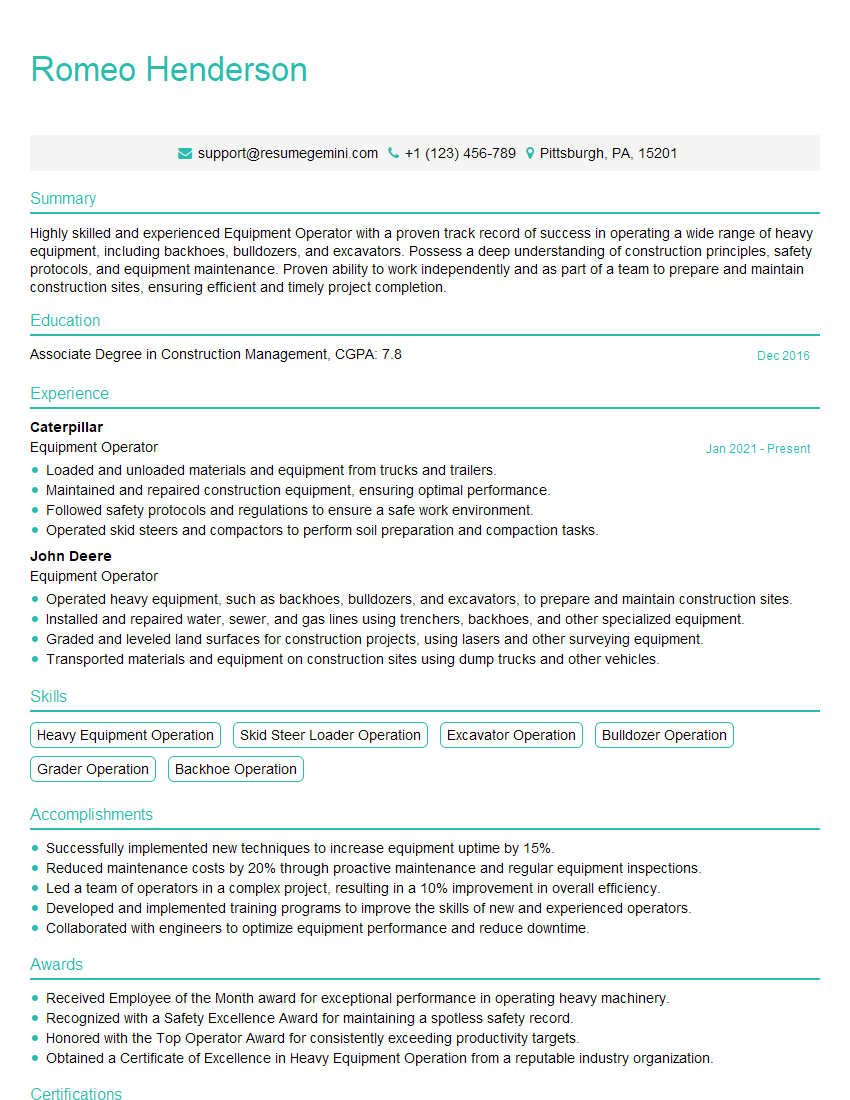
Equipment Operator Resume Sample

Crane Operator Resume Sample
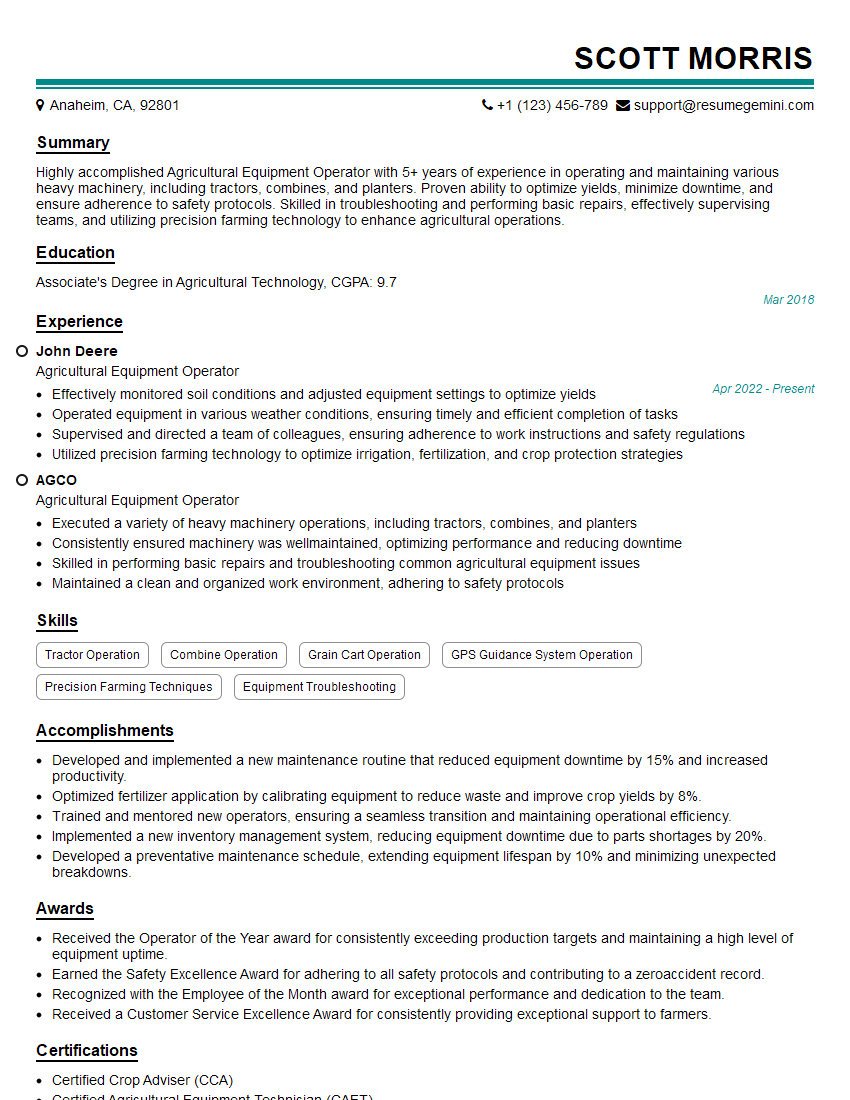
Agricultural Equipment Operator Resume Sample
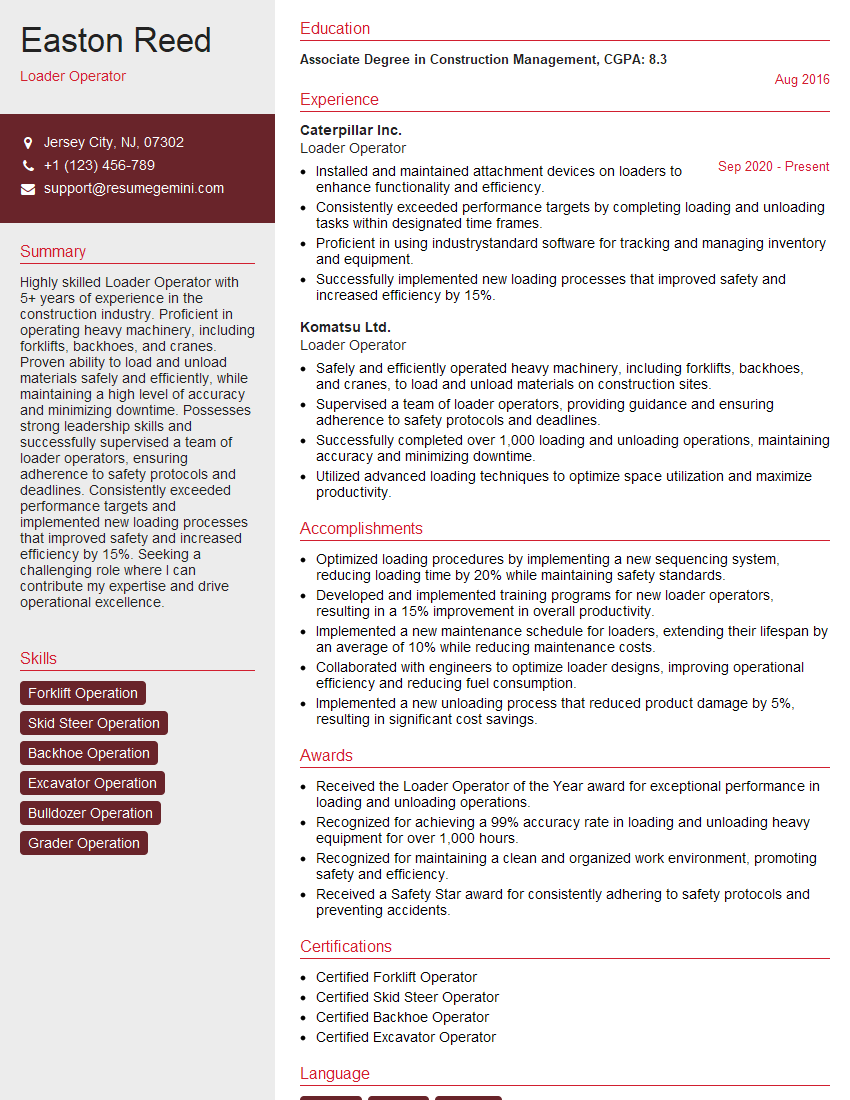
Loader Operator Resume Sample
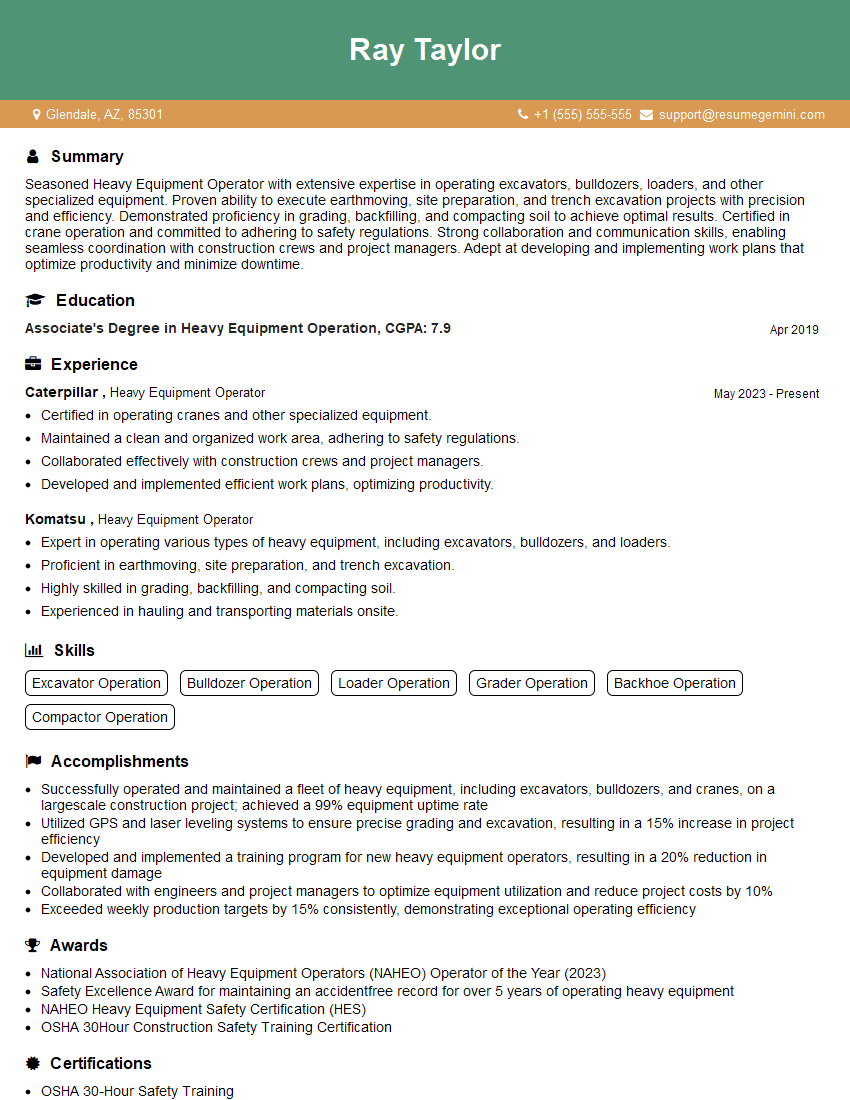
Heavy Equipment Operator Resume Sample
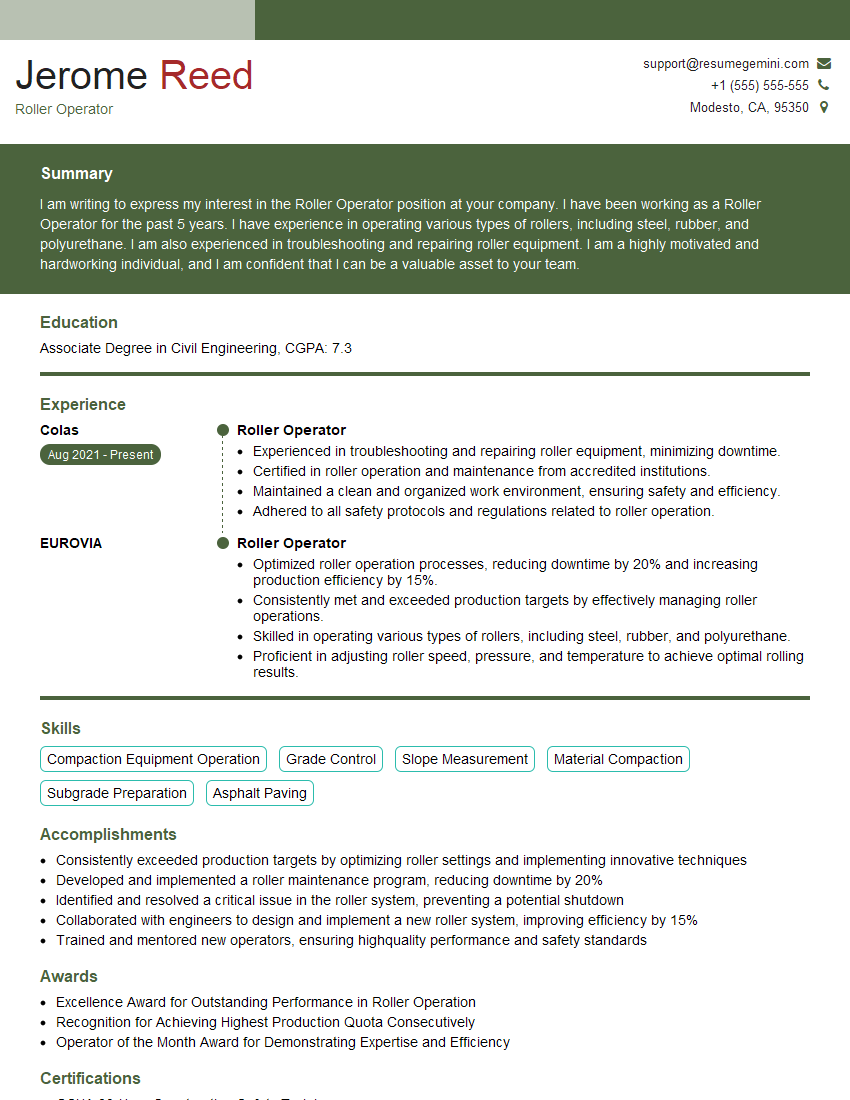
Roller Operator Resume Sample
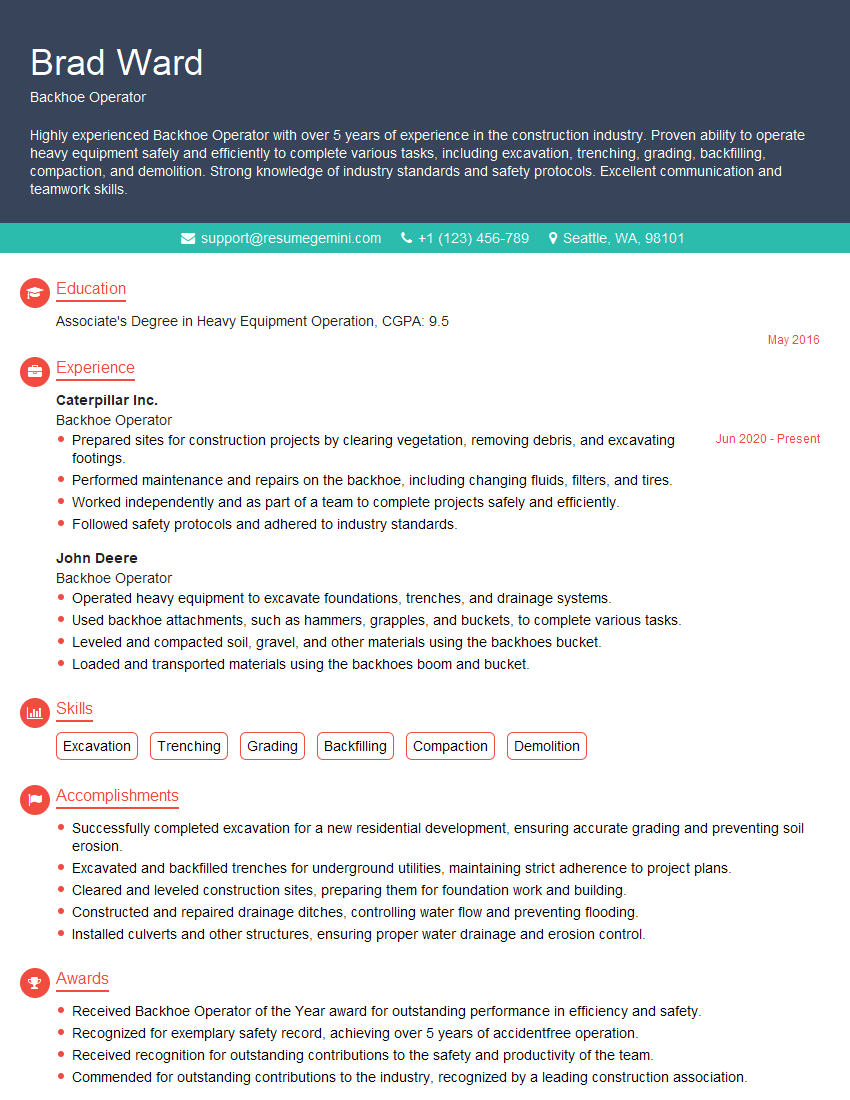
Backhoe Operator Resume Sample
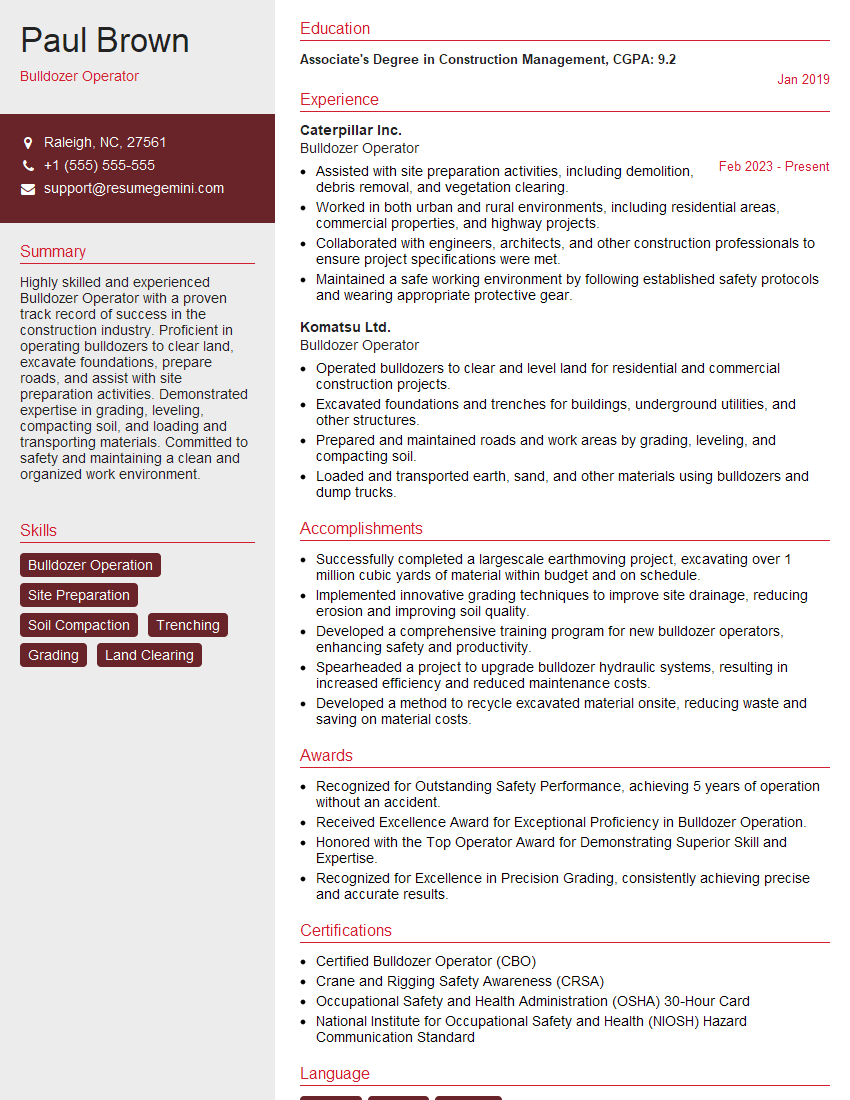
Bulldozer Operator Resume Sample
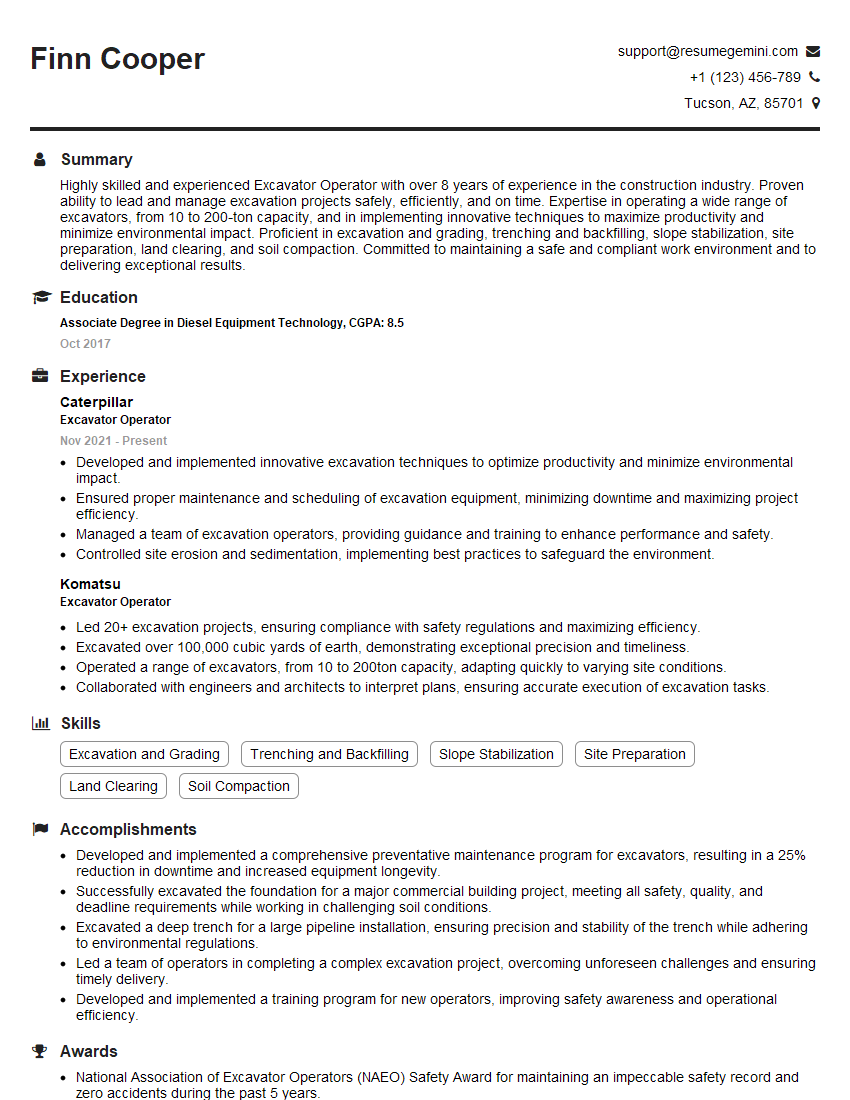
Excavator Operator Resume Sample
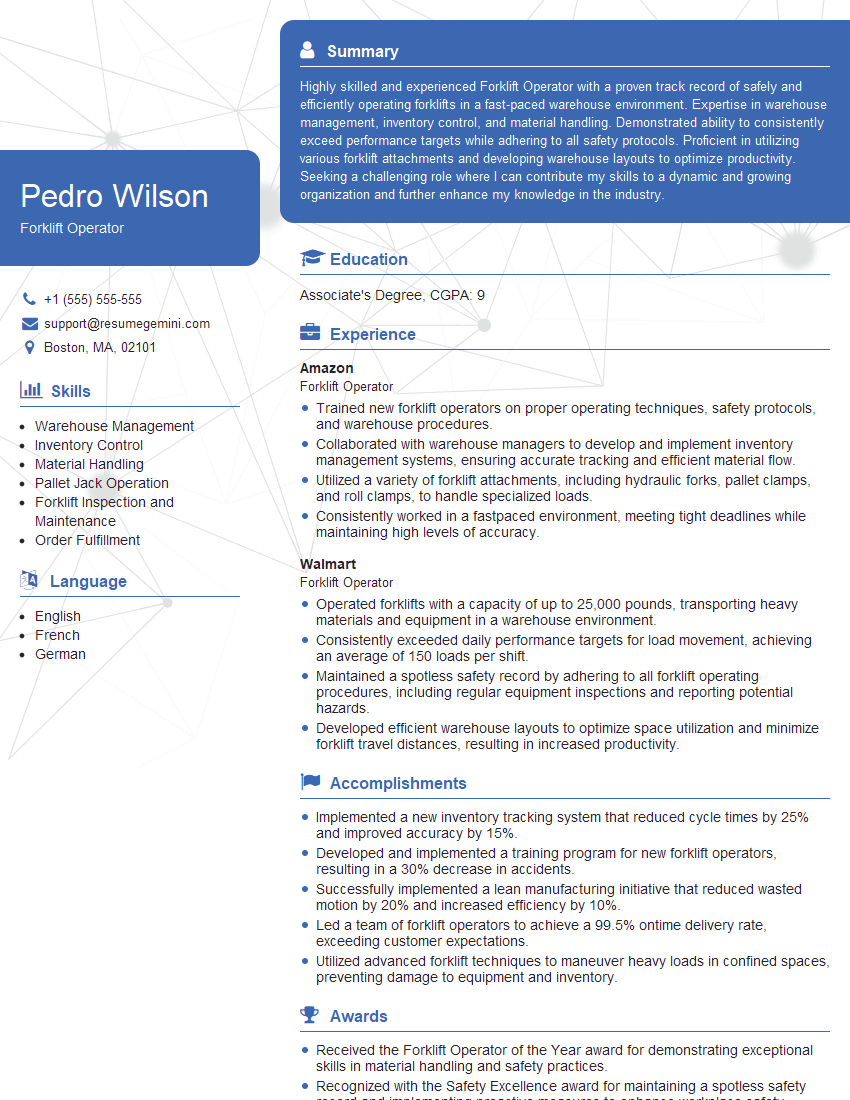
Forklift Operator Resume Sample
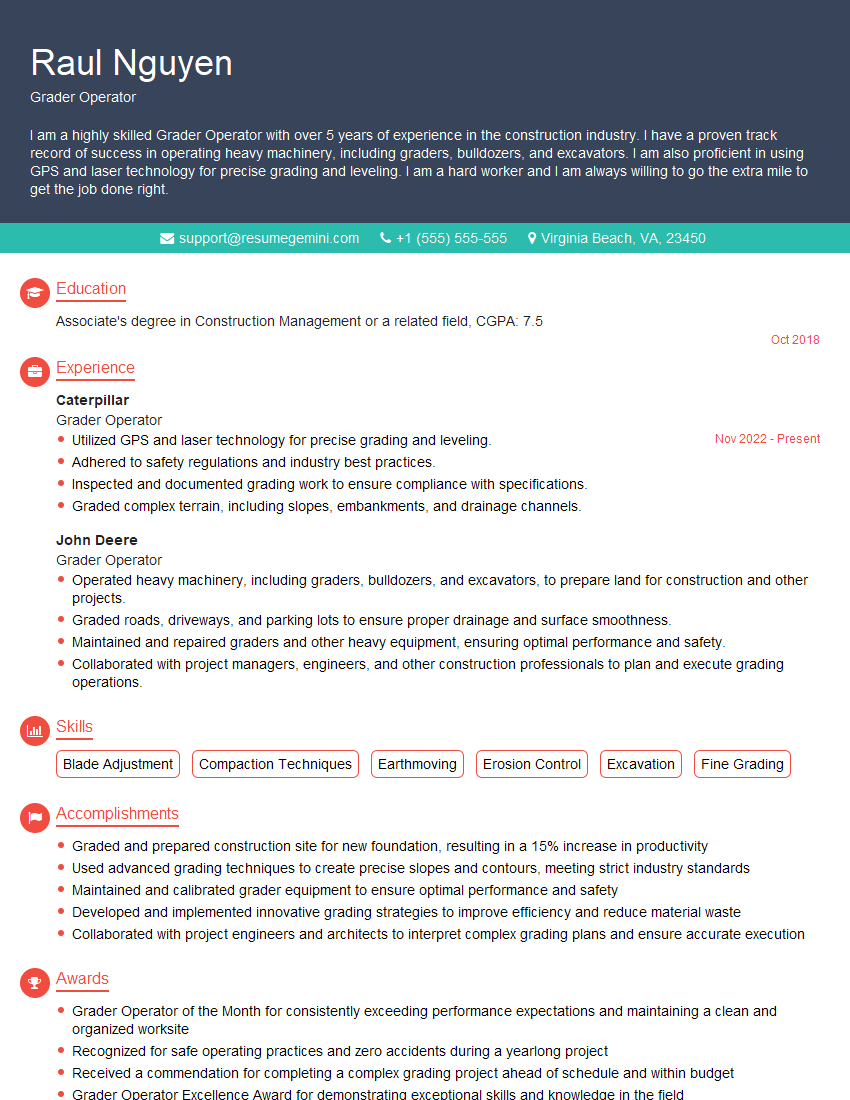
Grader Operator Resume Sample
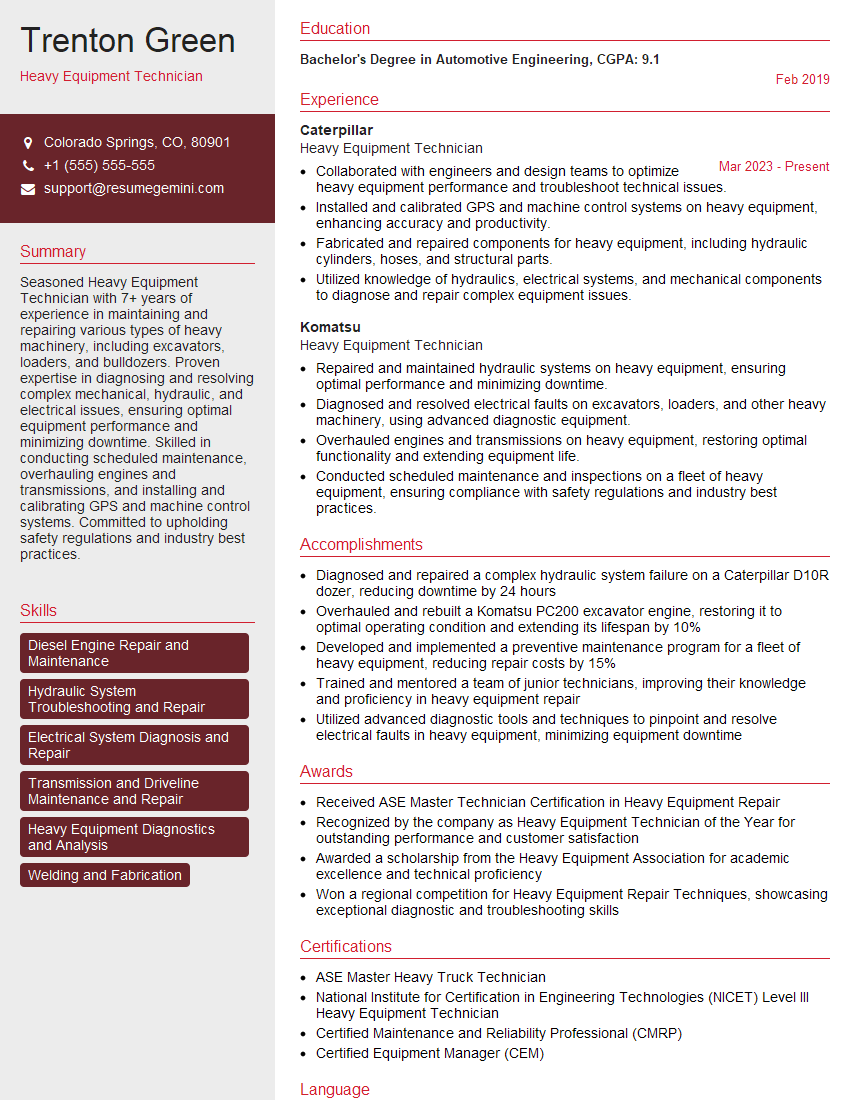
Heavy Equipment Technician Resume Sample
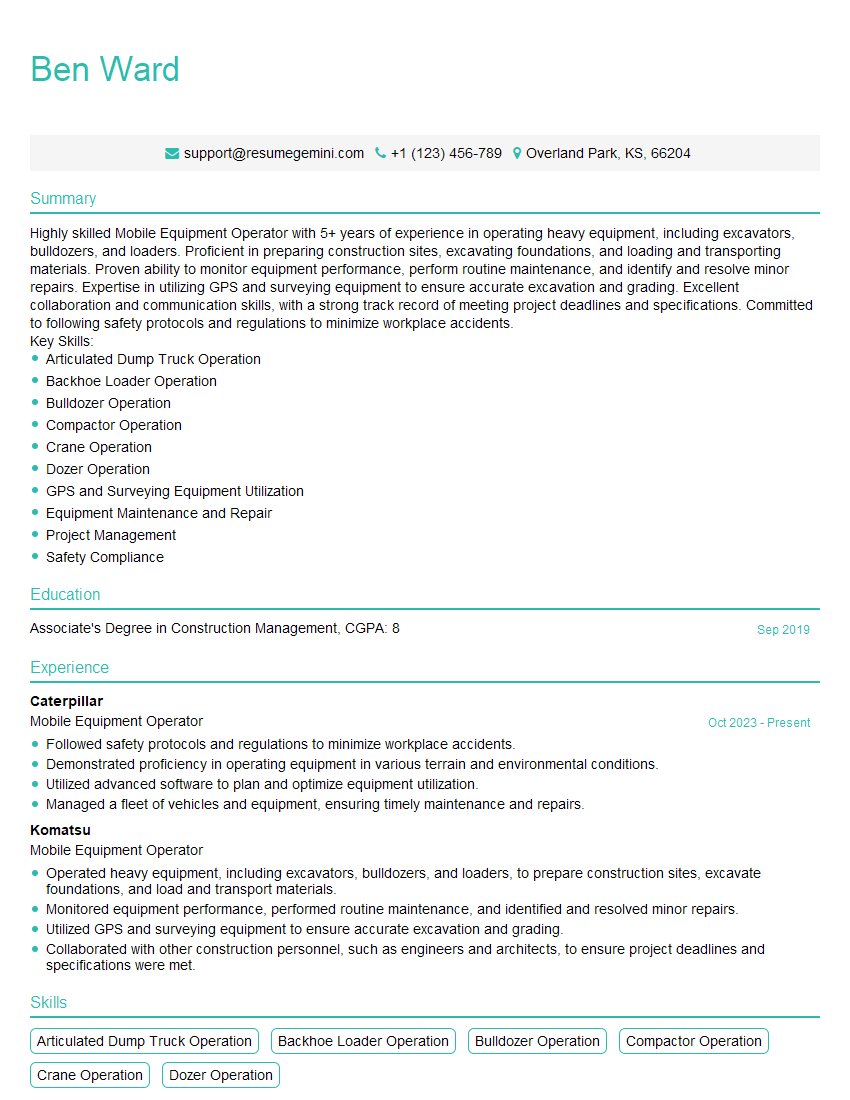
Mobile Equipment Operator Resume Sample
Explore more articles
Users Rating of Our Blogs
Share Your Experience
We value your feedback! Please rate our content and share your thoughts (optional).
What Readers Say About Our Blog
Very informative content, great job.
good