Unlock your full potential by mastering the most common Operate conveyors and other material handling equipment interview questions. This blog offers a deep dive into the critical topics, ensuring you’re not only prepared to answer but to excel. With these insights, you’ll approach your interview with clarity and confidence.
Questions Asked in Operate conveyors and other material handling equipment Interview
Q 1. Describe your experience operating various types of conveyors (roller, belt, chain, etc.).
My experience encompasses operating a wide range of conveyors, including roller, belt, chain, screw, and vibratory conveyors. I’ve worked with systems transporting various materials, from small components in automated assembly lines to bulk materials like grains and aggregates in warehousing and manufacturing plants.
For instance, while operating a roller conveyor, I’ve learned to efficiently manage the flow of cartons by strategically spacing them to prevent jams and ensuring smooth transitions between sections. With belt conveyors, I’ve mastered adjusting tension and tracking to maintain optimal material flow and minimize spillage. Chain conveyors, often used for heavier items or those requiring precise positioning, required meticulous attention to lubrication and component integrity.
Each conveyor type presents unique operational challenges and requires a different skill set. My experience has enabled me to adapt quickly to various systems and optimize their performance under different conditions.
Q 2. Explain the safety procedures you follow when operating conveyors.
Safety is paramount when operating conveyors. My safety procedures always begin with a thorough pre-operation inspection. This includes checking for any loose components, ensuring proper guarding is in place, and verifying the conveyor’s operational readiness. Before starting any conveyor, I always ensure the area surrounding it is clear of personnel and obstructions.
While the conveyor is running, I maintain a safe distance and never reach into the moving parts. I’m meticulous about wearing appropriate personal protective equipment (PPE), including safety glasses, gloves, and steel-toe boots, as required by the situation. I regularly monitor the conveyor’s operation, paying close attention to any unusual sounds or vibrations. In the case of a malfunction or stoppage, I immediately shut down the conveyor and report the issue to the appropriate personnel before attempting any troubleshooting.
- Regular Inspections: Daily checks for wear, tear, and loose parts.
- Emergency Stop Procedures: Knowing the location and function of all emergency stop buttons.
- Lockout/Tagout Procedures: Following strict protocols for maintenance and repair.
- Reporting: Promptly reporting any safety concerns or malfunctions.
Q 3. How do you identify and report conveyor malfunctions?
Identifying conveyor malfunctions involves keen observation and a systematic approach. I listen for unusual noises – grinding, squealing, or banging – which can indicate bearing failure or component damage. I look for anything out of the ordinary, such as material spills, belt misalignment, or unusual vibrations. I also closely monitor the conveyor’s performance indicators, such as motor current draw and belt speed. Any deviation from the norm is a potential red flag.
Reporting malfunctions follows established company procedures. This generally involves using a work order system or directly notifying the maintenance team. My report includes a detailed description of the malfunction, its location, and the time of occurrence. I also include any potential causes I’ve identified and any safety concerns. Clear and concise reporting is crucial to efficient troubleshooting and minimizing downtime.
Q 4. What are the common causes of conveyor jams or stoppages?
Conveyor jams or stoppages can stem from several common issues. Material build-up or blockages are frequent culprits, often caused by oversized items, improperly sized material, or poor material flow control. Mechanical failures, such as broken rollers, worn belts, or seized bearings, can also bring a conveyor to a standstill. Electrical problems, such as motor failures or control system malfunctions, are other potential causes. Finally, environmental factors such as excessive dust or moisture can interfere with proper operation and lead to stoppages.
For example, in one instance, a conveyor jam was caused by a build-up of sticky material that had solidified, blocking the belt. In another case, a bearing failure resulted in a sudden stoppage and required immediate replacement.
Q 5. Describe your troubleshooting techniques for conveyor issues.
My troubleshooting approach is systematic and methodical. I begin by carefully assessing the situation, identifying the symptoms, and isolating the affected section of the conveyor. I then review the conveyor’s operation manual and relevant documentation to gain insights into potential causes. Once I have a potential diagnosis, I proceed with the necessary checks and tests, such as inspecting belts for damage, checking bearings for wear, and testing electrical connections.
For instance, if a belt is slipping, I will check the tension and alignment. If a motor fails, I will use my knowledge of electrical components to diagnose and fix the issue. If the issue is complex and beyond my immediate scope, I collaborate with experienced technicians for assistance. Documentation throughout the process ensures future reference and helps prevent similar problems from occurring.
Q 6. How do you maintain the cleanliness and efficiency of conveyors?
Maintaining conveyor cleanliness and efficiency is crucial for preventing malfunctions and ensuring safe operation. Regular cleaning removes accumulated dust, debris, and spilled materials that can cause jams, blockages, and wear and tear on components. I use appropriate cleaning tools and methods, being mindful not to damage conveyor components in the process. Efficient cleaning minimizes downtime and improves material flow.
Beyond cleaning, lubrication of moving parts is vital to extend their lifespan and prevent premature wear. I follow manufacturer recommendations for lubricant types and application frequencies, ensuring proper lubrication to minimize friction and maintain smooth operation. Regular inspections also detect issues like belt misalignment or loose rollers early on, preventing larger problems.
Q 7. What are the different types of conveyor components and their functions?
Conveyor systems comprise various interconnected components, each with a specific function. These include:
- Drive System: The motor, gearbox, and other components that provide power to the conveyor.
- Conveying Element: The part that moves the material – rollers, belts, chains, screws, etc.
- Frame and Support Structures: The framework that supports the entire system.
- Idlers and Rollers: Support the conveyor belt and reduce friction.
- Pulleys and Drums: Guide and power the belt.
- Sensors and Switches: Detect material flow, jams, or other issues.
- Control System: The PLC (Programmable Logic Controller) and other components that manage and regulate the conveyor’s operation.
- Guards and Safety Devices: Protect personnel from hazards.
Understanding the function of each component is crucial for effective operation, maintenance, and troubleshooting. For example, a malfunctioning idler can cause belt misalignment and ultimately lead to a stoppage. Regular inspection and maintenance of all these components contribute to safe and efficient conveyor operation.
Q 8. Explain the process of loading and unloading materials onto conveyors.
Loading and unloading materials onto conveyors is a crucial process that requires careful planning and execution to ensure efficiency and safety. The method depends heavily on the type of material and the conveyor system. For example, bulk materials like grains or powders are often loaded using chutes or hoppers, ensuring a smooth and even flow to avoid jams. In contrast, individual items like boxes or packages might be manually placed onto the conveyor belt, or loaded using robotic arms in automated systems. Unloading is equally diverse. It could involve a simple end-of-line discharge, where the material drops off the conveyor, or more complex methods, such as diverting materials onto different conveyors using transfer points, or using robotic arms for precise placement. The key is to match the loading and unloading methods to the characteristics of the material and the overall system design to optimize throughput and minimize downtime.
Example: In a manufacturing plant, boxes of finished products might be manually loaded onto a roller conveyor, then moved along the line to a packaging station. At the packaging station, a robotic arm could unload the boxes and place them in larger shipping containers.
Q 9. How do you ensure the safe handling of materials on conveyors?
Safe material handling on conveyors is paramount. It involves a multi-faceted approach. First, proper training is essential for all operators to understand safe working procedures, including lockout/tagout protocols during maintenance. Second, the conveyor system itself needs to be designed and maintained to meet safety standards. This includes using appropriate guarding to prevent access to moving parts, incorporating emergency stops at various points along the conveyor, and ensuring proper speed control. Third, materials should be properly secured and loaded to prevent spills, jams, or falling objects. This might involve using appropriate containers, ensuring the materials are not overloaded, and using appropriate restraints like straps or netting.
Example: A well-designed system might include light curtains that automatically stop the conveyor if a worker’s hand enters the danger zone, preventing injuries. Regular inspections and maintenance of these safety devices are vital.
Q 10. What are the common safety hazards associated with conveyor operation?
Conveyor operation presents several common safety hazards. Pinch points between rollers or belts are a major risk, capable of crushing hands or limbs. Entanglement in moving parts, such as belts or chains, is another significant concern. Falling objects from improperly loaded conveyors can cause injury or damage. Electrical hazards exist from exposed wiring or malfunctioning equipment. Noise pollution can lead to hearing damage if not controlled properly. And finally, poor ergonomics from repetitive tasks or awkward postures can lead to musculoskeletal problems. Regular safety inspections, proper training, and adherence to safety regulations are crucial to mitigate these risks.
Example: A poorly maintained conveyor with exposed gears could lead to an employee’s hand being caught, resulting in serious injury. Regular lubrication and guarding are crucial to avoid this hazard.
Q 11. What are your experiences with preventative maintenance on conveyors?
Preventative maintenance is the cornerstone of reliable and safe conveyor operation. My experience emphasizes a proactive approach rather than reactive repairs. This involves developing a detailed maintenance schedule, including regular inspections, lubrication, and component replacements according to manufacturers’ recommendations. I’m proficient in identifying wear and tear on components such as belts, rollers, bearings, and motors, and in replacing or repairing these parts before they cause system failures. Data-driven maintenance, using sensors to monitor vibration, temperature, and other parameters, is becoming increasingly important for predicting potential problems and scheduling maintenance proactively.
Example: Instead of waiting for a motor to fail, I use vibration analysis to detect early signs of bearing wear, allowing for timely replacement and preventing costly downtime.
Q 12. Describe your experience with conveyor system controls and instrumentation.
My experience with conveyor system controls and instrumentation is extensive. I’m familiar with various types of control systems, from simple manual controls to sophisticated automated systems using PLCs (Programmable Logic Controllers) and SCADA (Supervisory Control and Data Acquisition) systems. I’m adept at troubleshooting control issues, interpreting sensor data (e.g., speed, load, position), and configuring control parameters to optimize system performance. I’ve worked with various sensors, including proximity sensors, photoelectric sensors, and load cells, to monitor the conveyor’s operation and material flow. Understanding the interplay between the mechanical and electrical components of the system is crucial for effective troubleshooting and optimization.
Example: I once used a PLC to implement a system that automatically adjusts conveyor speed based on the material flow, ensuring optimal throughput while avoiding jams or backups.
Q 13. How do you handle emergency situations involving conveyors?
Handling emergency situations involving conveyors requires a swift and controlled response. The first step is to immediately stop the conveyor using the emergency stop buttons. Then, assess the situation to determine the nature of the emergency (e.g., a person injured, a system malfunction, a fire). Depending on the situation, I would implement appropriate emergency procedures. This might involve contacting emergency services, evacuating personnel, securing the area, and initiating the appropriate lockout/tagout procedure to prevent further incidents. Post-emergency procedures include investigating the root cause of the incident, implementing corrective actions to prevent recurrence, and documenting the event thoroughly for future reference.
Example: If a person is injured, I would immediately call emergency medical services, then administer first aid if qualified, while ensuring the area is safe.
Q 14. What is your experience with different conveyor control systems (PLCs, etc.)?
I have extensive experience with various conveyor control systems, including PLCs from different manufacturers (e.g., Allen-Bradley, Siemens, Omron). My proficiency extends to programming and troubleshooting PLC code to manage conveyor operations, including speed control, motor starting/stopping, emergency stop functions, and data acquisition. I understand the use of ladder logic or function block diagrams for PLC programming and am proficient in using HMI (Human Machine Interface) software to monitor and control the conveyor system. Furthermore, I’ve worked with SCADA systems for monitoring and controlling larger, more complex conveyor networks across multiple locations.
Example: I’ve used Allen-Bradley PLCs to implement a system that monitors the fill level of hoppers feeding a conveyor system, automatically adjusting the feed rate to maintain a consistent flow.
Q 15. How familiar are you with conveyor lubrication and maintenance schedules?
Conveyor lubrication and maintenance are critical for ensuring optimal performance, extending lifespan, and preventing costly downtime. My experience encompasses developing and implementing lubrication schedules based on factors like conveyor type, belt material, operating environment (temperature, dust, humidity), and manufacturer recommendations.
A typical schedule might involve daily checks of lubrication points, weekly greasing of bearings and chains, and monthly inspections of belt tension and alignment. For example, in a food processing facility, we’d use food-grade lubricants and implement more frequent cleaning and lubrication due to potential contamination risks. Conversely, a heavy-duty industrial conveyor in a mining operation would require a different lubrication strategy focused on high-temperature and heavy-load tolerances. I’m proficient in using lubrication management software to track schedules, inventory levels, and maintenance records to proactively identify potential issues. This proactive approach minimizes unplanned downtime and improves overall operational efficiency.
Career Expert Tips:
- Ace those interviews! Prepare effectively by reviewing the Top 50 Most Common Interview Questions on ResumeGemini.
- Navigate your job search with confidence! Explore a wide range of Career Tips on ResumeGemini. Learn about common challenges and recommendations to overcome them.
- Craft the perfect resume! Master the Art of Resume Writing with ResumeGemini’s guide. Showcase your unique qualifications and achievements effectively.
- Don’t miss out on holiday savings! Build your dream resume with ResumeGemini’s ATS optimized templates.
Q 16. What are your experience with different types of conveyor belts and their applications?
I have extensive experience with a wide range of conveyor belts, each chosen based on the specific application needs. These include:
- PVC Belts: Commonly used for lighter loads and applications requiring good flexibility and resistance to chemicals. I’ve used these successfully in packaging and assembly lines.
- Fabric Belts: Stronger and more durable than PVC, suitable for heavier loads and more demanding environments. I’ve worked with these extensively in warehousing operations moving pallets.
- Modular Plastic Belts: These offer excellent sanitation properties and easy cleaning, making them ideal for food processing and pharmaceutical industries. I have experience in their specific maintenance and cleaning protocols.
- Steel Belts: Used for extremely heavy loads and high-temperature applications, often found in metalworking and mining. My experience includes ensuring proper alignment and tensioning to prevent damage from extreme loads.
- Cleated Belts: Designed to handle inclined conveyors and prevent slippage. I’ve utilized these in incline sorting systems.
Selecting the right belt is paramount. I always consider factors such as the weight and size of the material, the speed of the conveyor, the environmental conditions, and the required lifespan.
Q 17. Describe your experience working with conveyor systems in different warehouse layouts.
I’ve worked with conveyor systems in various warehouse layouts, including:
- Linear layouts: Straightforward, efficient for unidirectional material flow. Often used for simple assembly lines or packaging operations.
- Spiral layouts: Space-saving solutions for multi-level vertical transport. These require precise design and regular maintenance to ensure smooth operation and prevent jams.
- Complex network layouts: These involve multiple conveyors integrated into a broader system. I’ve overseen systems where material flows through various routes, requiring robust controls and integrated software for effective management.
My experience has taught me the importance of careful planning and integration. A poorly designed system can create bottlenecks and inefficiencies. I always consider factors such as aisle width, load capacity, worker access, and safety regulations during integration in the warehouse layout. For example, I once redesigned a warehouse conveyor system to improve flow efficiency and reduce employee walking time by 20%, leading to significant productivity improvements.
Q 18. How do you prioritize tasks when multiple conveyors require attention?
Prioritizing tasks when multiple conveyors need attention requires a systematic approach. I use a combination of factors to determine urgency:
- Criticality: Conveyors critical to overall production take precedence (e.g., those feeding a high-speed packaging line).
- Severity of the problem: A complete breakdown requires immediate attention, while minor issues can be scheduled for later.
- Impact on downstream processes: A malfunction impacting subsequent operations is prioritized.
- Safety considerations: Any safety hazard takes top priority.
I often employ a prioritized task list, perhaps using a software tool, to manage and track maintenance and repair activities. This ensures that resources are efficiently allocated to resolve the most pressing issues first, minimizing downtime and maximizing productivity. For example, if a main conveyor stops completely, it takes precedence over a minor belt misalignment on a secondary line.
Q 19. What metrics do you use to assess the efficiency of a conveyor system?
I use several metrics to assess conveyor system efficiency:
- Throughput: The amount of material processed per unit of time. This indicates the system’s overall capacity and productivity.
- Downtime: The percentage of time the conveyor is not operational. Minimizing downtime is key to efficiency.
- Mean Time Between Failures (MTBF): This metric indicates the reliability of the system.
- Mean Time To Repair (MTTR): This measures the speed and efficiency of maintenance and repair operations.
- Operational Cost per Unit: Calculates the overall cost of operating the conveyor system per unit of material processed.
By tracking these metrics, we can identify areas for improvement and optimize the system for maximum efficiency. For example, consistently high downtime on a specific conveyor segment might suggest a need for preventative maintenance or a design modification.
Q 20. How do you ensure the accuracy of material flow through the conveyor system?
Ensuring accurate material flow requires a multi-faceted approach:
- Regular inspections: Checking belt tracking, tension, and the condition of rollers and pulleys is essential.
- Sensor integration: Implementing sensors to detect jams, blockages, or material misalignment enables immediate corrective action. This can involve using photoelectric sensors or proximity switches.
- Automated controls: Sophisticated control systems can regulate speed and flow, ensuring even distribution and preventing backlogs.
- Regular calibration: Periodic calibration of sensors and control systems ensures accuracy and reliability over time.
- Operator training: Proper operator training helps maintain the system, identify problems early, and handle potential issues correctly.
For instance, in a system sorting small parts, I’ve implemented vision systems to ensure that parts are accurately routed and rejected if faulty, leading to higher throughput and less wasted material. I consider it a critical aspect of the operation.
Q 21. Describe your experience with different types of material handling equipment (forklifts, etc.).
My experience extends beyond conveyors to include a wide range of material handling equipment. I’m familiar with the operation and maintenance of:
- Forklifts: Including various types such as counterbalance, reach trucks, and order pickers. I understand the safety procedures, maintenance schedules, and operating limitations.
- Pallet jacks: Essential for moving pallets within the warehouse. I’m familiar with various types including manual, electric, and pump-operated.
- Automated guided vehicles (AGVs): I’ve worked with systems integrating AGVs into larger material handling workflows, understanding their control systems and safety protocols.
- Stackers and cranes: For high-bay warehousing, I’m familiar with their maintenance and operating standards.
This broad experience allows me to effectively integrate conveyors into a larger material handling system, ensuring seamless flow and efficient operation. For example, I’ve coordinated conveyor system upgrades with simultaneous forklift fleet replacement, ensuring both systems operated optimally together after the transition. Understanding the interaction of all equipment types is key.
Q 22. How do you coordinate your work with other warehouse personnel?
Effective coordination with warehouse personnel is crucial for smooth operations. I believe in proactive communication and collaboration. This involves regular team meetings to discuss upcoming schedules, potential bottlenecks, and any maintenance needs. I also utilize communication tools like internal messaging systems and shared spreadsheets to relay real-time updates on conveyor status and any issues requiring immediate attention. For example, if a specific conveyor line is experiencing delays, I immediately inform the receiving and shipping teams to adjust their workflow accordingly, preventing a backlog. I also maintain an open-door policy, encouraging colleagues to approach me with questions or concerns, fostering a supportive and efficient work environment.
Q 23. Explain your understanding of OSHA regulations related to material handling.
My understanding of OSHA regulations concerning material handling is extensive. I’m well-versed in regulations surrounding lockout/tagout procedures for conveyor maintenance, ensuring equipment is properly secured before any work begins to prevent accidental starts. I’m also highly aware of the requirements for safe stacking and storage of materials near conveyors, preventing potential collapses. Proper personal protective equipment (PPE) usage, including safety glasses, steel-toe boots, and hearing protection, is strictly enforced, and I regularly conduct safety briefings with my team to highlight potential hazards and reinforce safe work practices. Furthermore, I’m familiar with regulations concerning machine guarding, ensuring all moving parts of conveyors are adequately shielded to prevent injuries. Non-compliance with these regulations can lead to serious consequences, and my priority is always maintaining a safe work environment. I regularly review OSHA guidelines to ensure I’m up-to-date on all changes and best practices.
Q 24. How do you handle discrepancies in inventory counts related to conveyor operations?
Discrepancies in inventory counts related to conveyor operations require a methodical approach. First, I verify the accuracy of the inventory management system itself, checking for any software glitches or data entry errors. Then, I physically inspect the conveyor system, checking for blockages, jams, or misdirected items that may have caused an inaccurate count. I meticulously review the conveyor’s operational logs to identify any periods of downtime or unusual activity that may be responsible. If the discrepancy persists after these checks, I investigate the possibility of damaged or lost items. Finally, I collaborate with the inventory team to reconcile the differences, often involving a recount or investigation of receiving and shipping documentation. Addressing these discrepancies promptly is key to maintaining inventory accuracy and preventing further issues down the line.
Q 25. Describe your experience with conveyor system upgrades or modifications.
I have extensive experience with conveyor system upgrades and modifications. In one instance, we upgraded an aging roller conveyor system with a new, automated system incorporating barcode scanning for improved tracking and efficiency. The project involved detailed planning, procuring the new equipment, coordinating the installation with minimal downtime, and retraining staff on the new system. Another project focused on modifying an existing belt conveyor to handle increased throughput. This involved evaluating the current system’s capacity, designing modifications like increasing belt width or upgrading the motor, and implementing the changes with safety as a top priority. Through these experiences, I’ve become proficient in managing all aspects of upgrade projects, from initial assessment and planning to implementation and testing, ensuring minimal disruption to ongoing operations.
Q 26. What software or systems are you familiar with for managing conveyor operations?
I’m proficient in several software systems used for managing conveyor operations. I have experience with Warehouse Management Systems (WMS) such as SAP WM and Oracle Warehouse Management, which provide real-time tracking of materials throughout the conveyor system. I’m also familiar with Supervisory Control and Data Acquisition (SCADA) systems, which allow for remote monitoring and control of conveyor speed, direction, and other parameters. Furthermore, I’m skilled in using maintenance management software (CMMS) for scheduling preventative maintenance and tracking repair history, ensuring optimal conveyor performance and minimizing downtime. Finally, I have experience using data analysis tools to extract insights from operational data, improving efficiency and identifying areas for improvement.
Q 27. How do you adapt to changes in production schedules or material flow?
Adapting to changes in production schedules and material flow is a regular part of my work. When faced with such changes, I first analyze the impact on the conveyor system. This involves assessing whether the current configuration can handle the new demands or if adjustments are needed. If adjustments are necessary, I work with the production planning team to optimize the material flow, potentially adjusting conveyor speeds, rerouting materials, or temporarily adding additional conveyors if needed. Clear communication with all relevant personnel is crucial, keeping them informed of the changes and any potential impacts on their work. I prioritize flexibility and problem-solving, always searching for the most efficient way to accommodate the changes while ensuring safety and preventing disruptions.
Q 28. Describe a time you solved a complex problem related to conveyor operation.
In one instance, a critical section of our main conveyor system experienced frequent stoppages due to a recurring jam at a specific transfer point. Initial troubleshooting suggested a mechanical issue, but after careful analysis of the operational data and observations, I discovered the problem was caused by inconsistent material flow from the upstream process. Instead of immediately focusing on the conveyor itself, I worked with the upstream team to identify and resolve the root cause of the inconsistent flow. This involved adjustments to their material handling procedures and better coordination with the conveyor system. By addressing the source of the problem, we completely eliminated the recurring jams, significantly improving efficiency and reducing downtime. This demonstrated the importance of considering the entire material handling process rather than just isolating the issue to one specific component.
Key Topics to Learn for Operate Conveyors and Other Material Handling Equipment Interviews
- Conveyor Types and Mechanisms: Understanding different conveyor types (belt, roller, chain, screw) and their operating principles, including drive systems, speed control, and safety mechanisms.
- Material Handling Principles: Applying principles of ergonomics, efficiency, and safety to optimize material flow and minimize risks associated with conveyor systems and other handling equipment.
- Troubleshooting and Maintenance: Identifying common issues (belt slippage, misalignment, component failure), performing basic maintenance tasks, and applying preventative maintenance strategies.
- Safety Procedures and Regulations: Understanding and adhering to relevant safety standards (OSHA, etc.) for operating and maintaining conveyors and other material handling equipment, including lockout/tagout procedures.
- Control Systems and Automation: Familiarity with basic control systems (PLCs, sensors, etc.) used in automated conveyor systems and the ability to interpret system diagrams and troubleshoot simple automation issues.
- Capacity and Throughput Calculations: Understanding how to calculate conveyor capacity, optimize throughput, and select appropriate equipment for specific applications.
- Integration with Other Systems: Understanding how conveyor systems integrate with other parts of a larger material handling system, such as storage, packaging, and shipping.
- Practical Problem-Solving: Developing the ability to analyze material handling challenges, identify root causes, and propose effective solutions. This includes understanding the impact of different conveyor configurations on efficiency and safety.
Next Steps
Mastering the operation and maintenance of conveyors and other material handling equipment is crucial for career advancement in logistics, manufacturing, and warehousing. These skills are highly sought after, offering excellent job prospects and opportunities for growth. To maximize your chances of landing your dream role, creating a strong, ATS-friendly resume is essential. ResumeGemini is a trusted resource that can help you craft a professional and impactful resume tailored to highlight your relevant skills and experience. Examples of resumes tailored to Operate conveyors and other material handling equipment are available to help guide you.
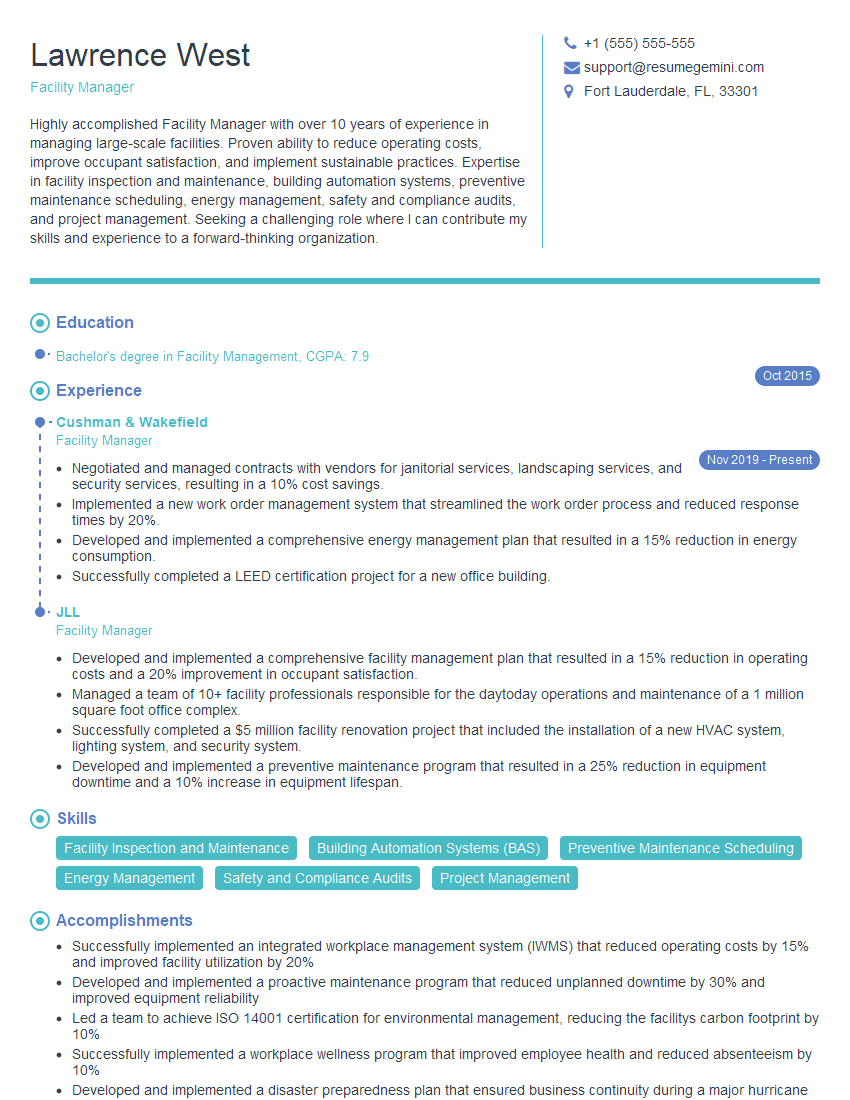
Facility Manager Resume Sample

Operations Manager Resume Sample
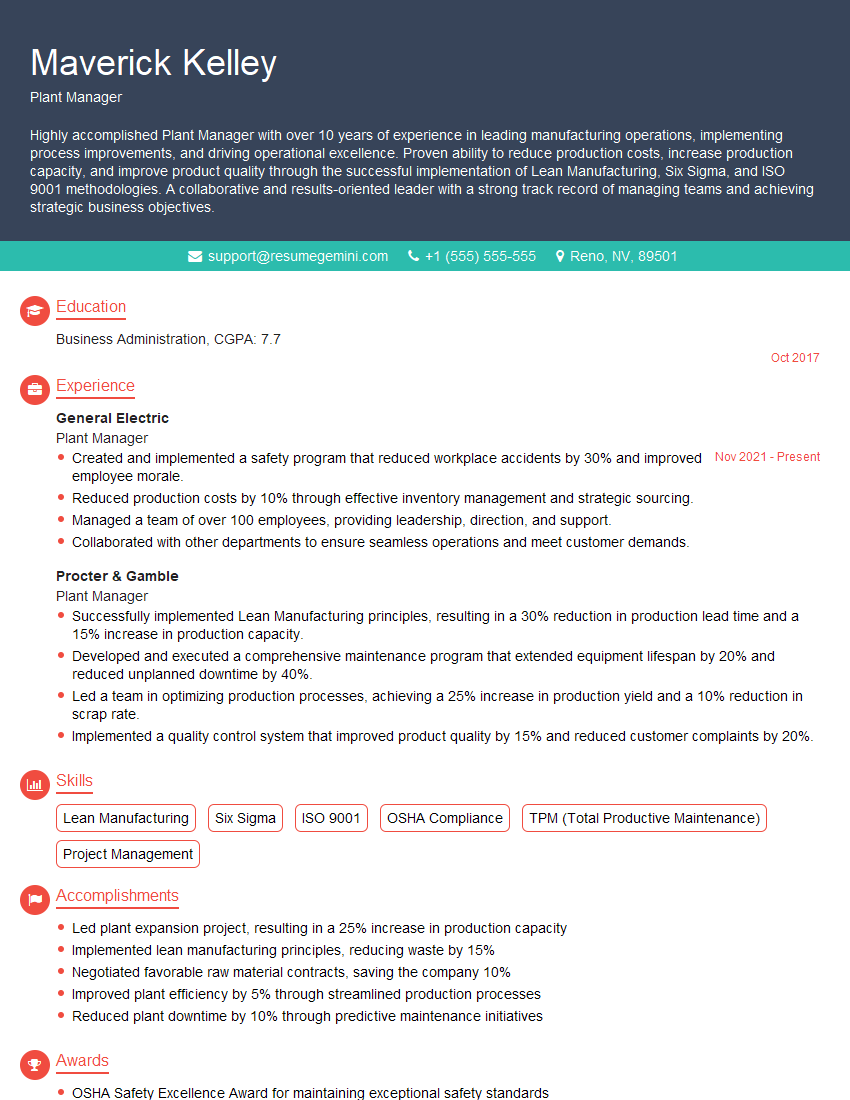
Plant Manager Resume Sample
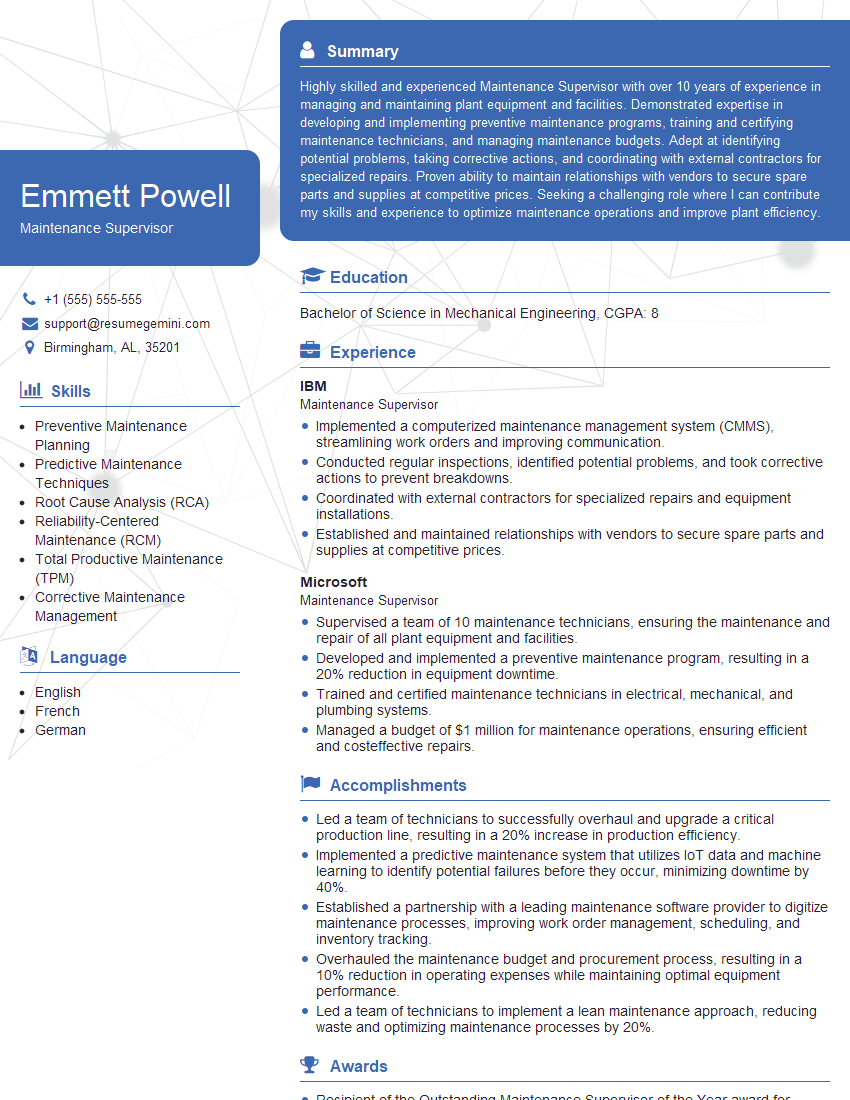
Maintenance Supervisor Resume Sample

Production Supervisor Resume Sample
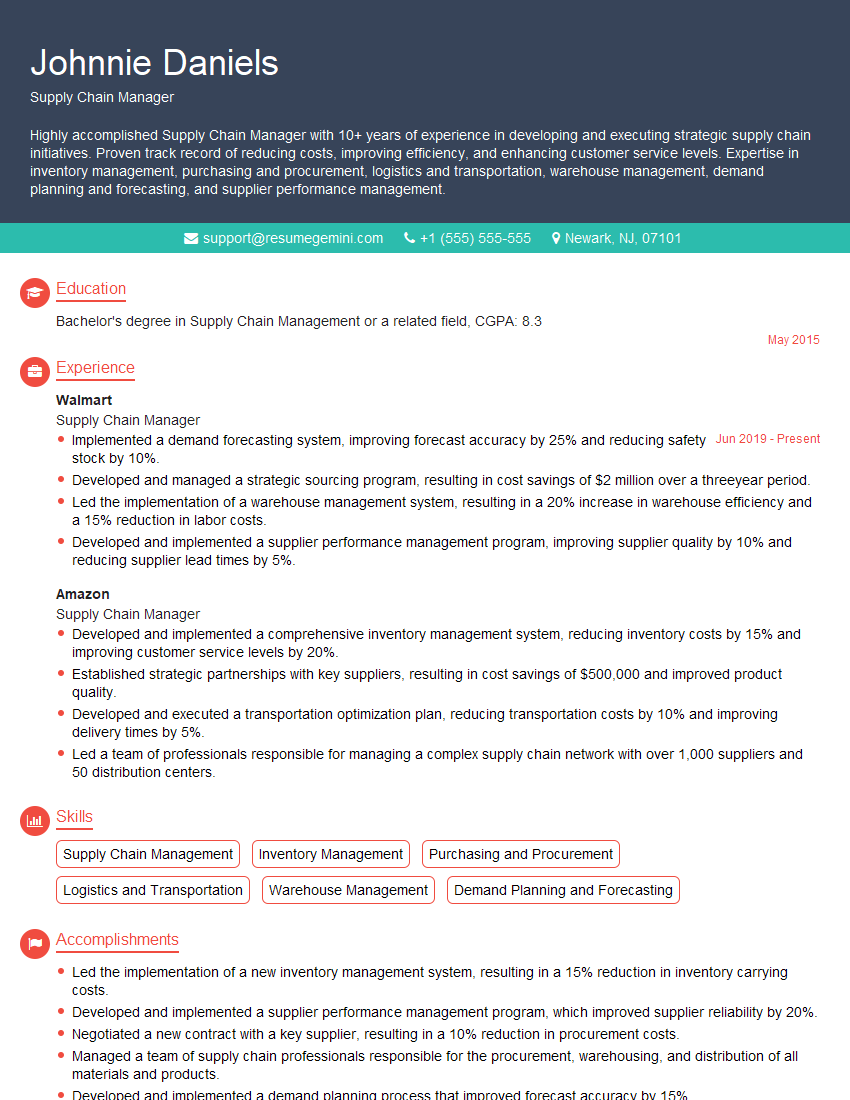
Supply Chain Manager Resume Sample

Logistics Manager Resume Sample

Warehouse Manager Resume Sample

Distribution Center Supervisor Resume Sample

Warehouse Supervisor Resume Sample
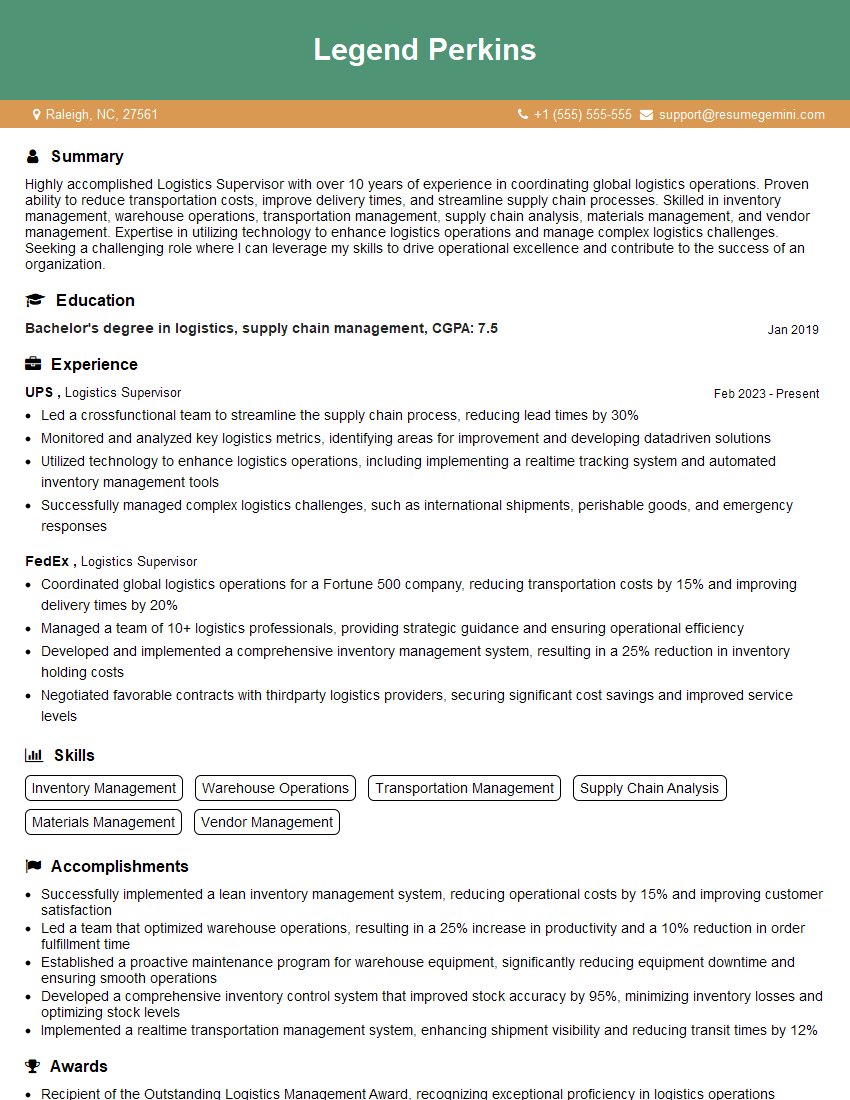
Logistics Supervisor Resume Sample

Equipment Operator Resume Sample

Shift Supervisor Resume Sample

Inventory Control Specialist Resume Sample
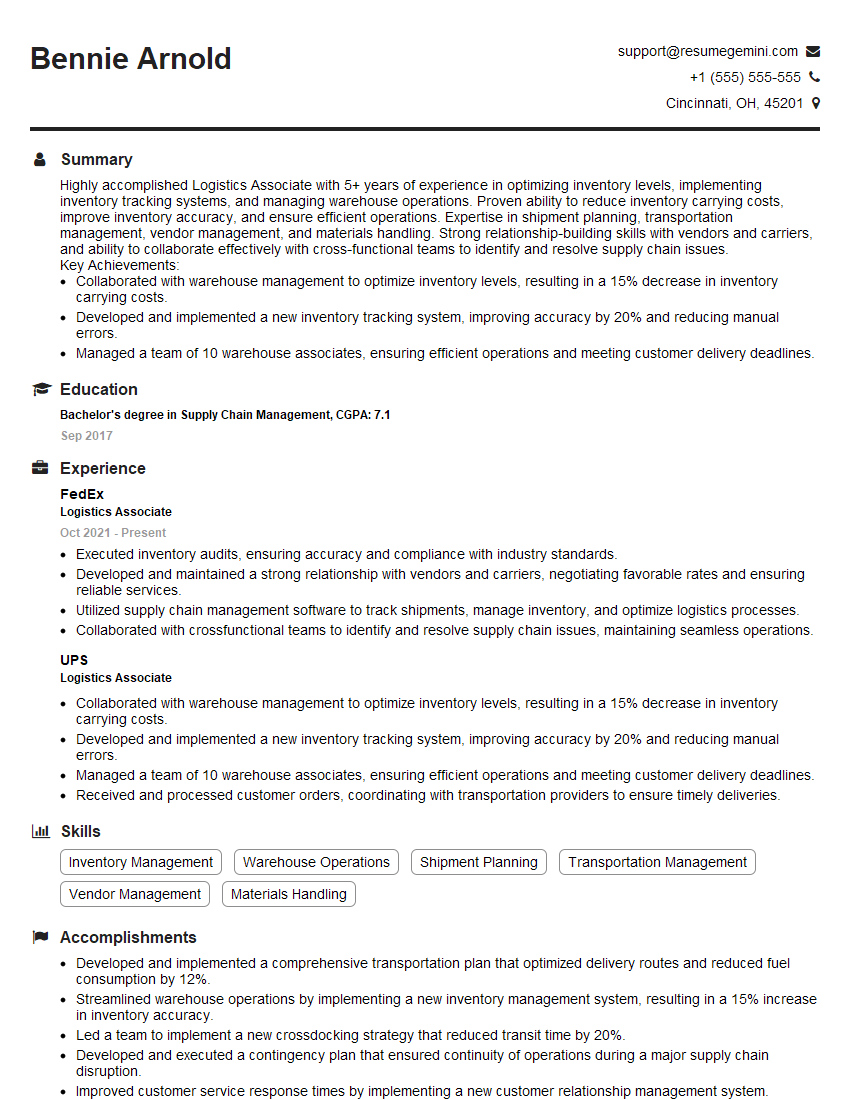
Logistics Associate Resume Sample
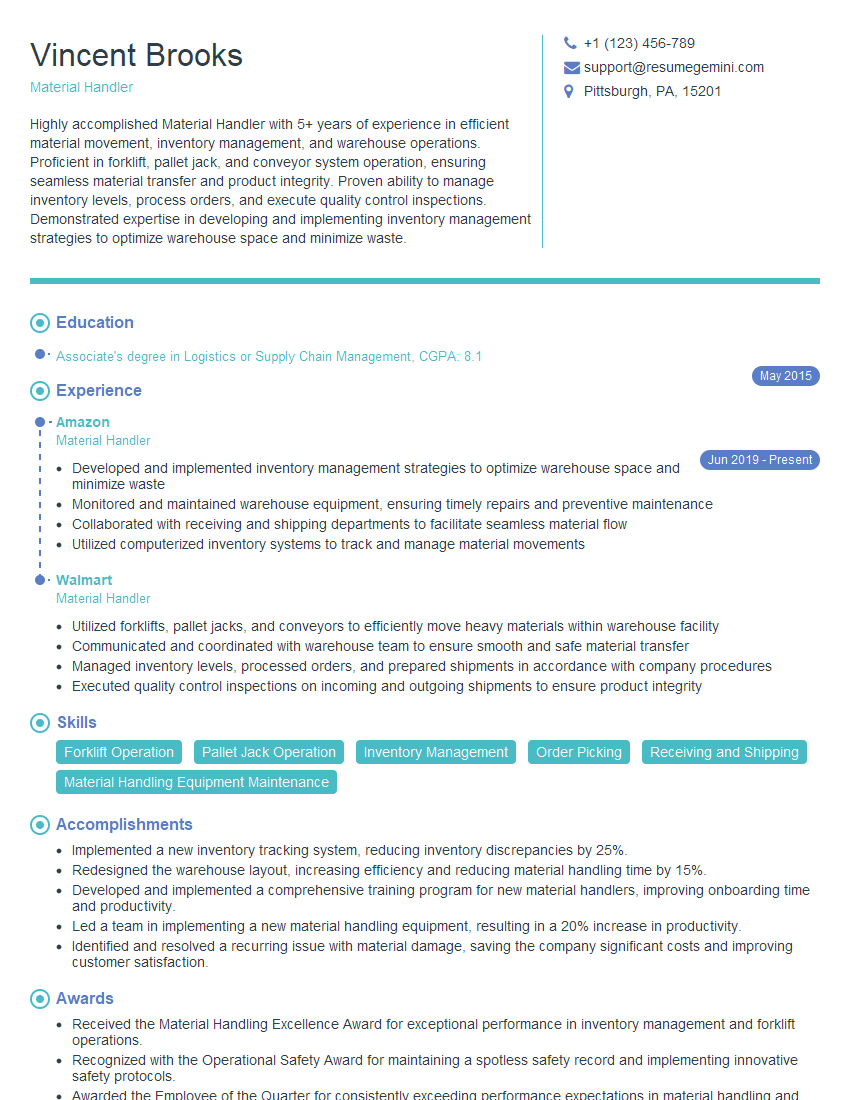
Material Handler Resume Sample
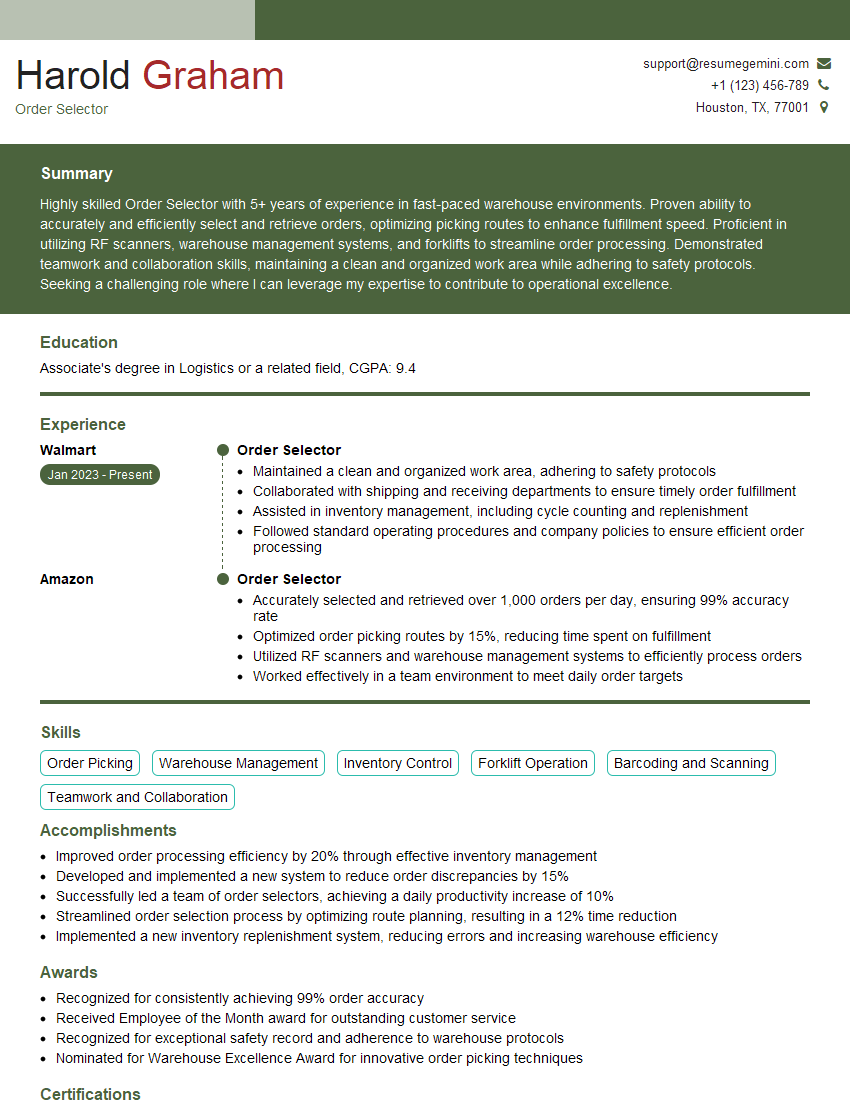
Order Selector Resume Sample
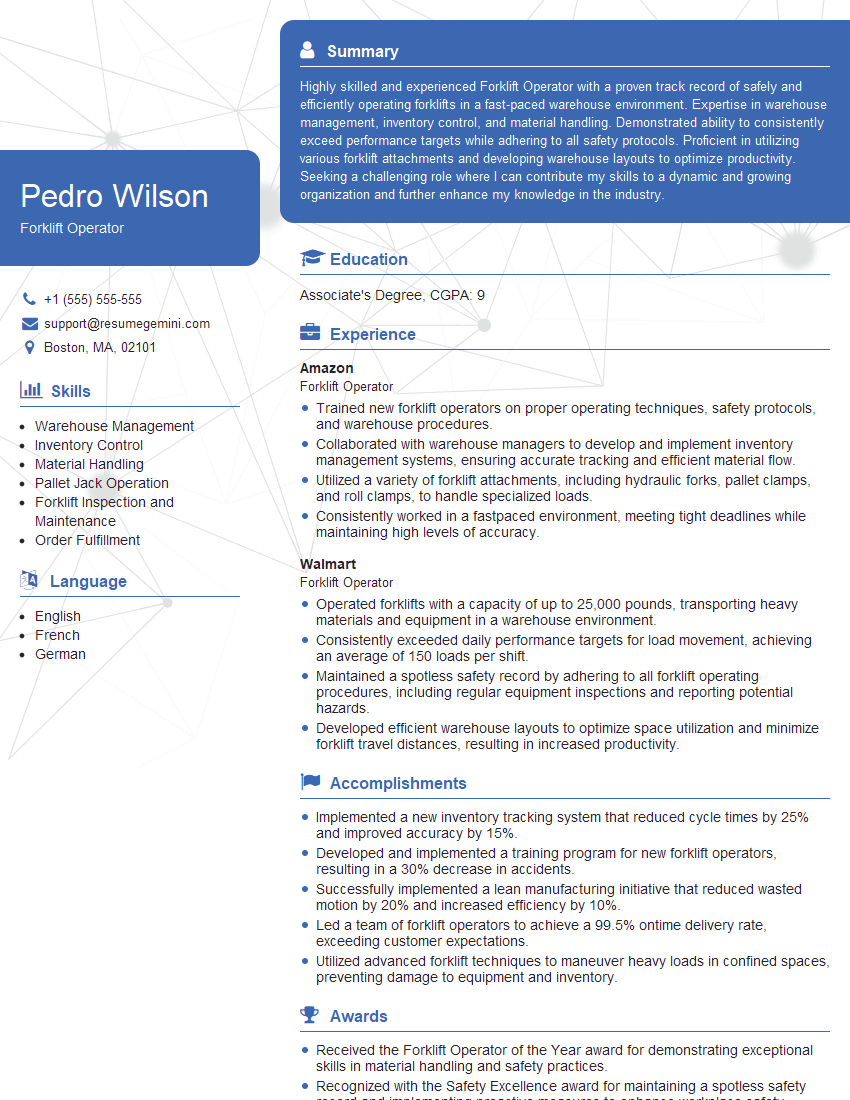
Forklift Operator Resume Sample

Material Handling Technician Resume Sample

Production Line Operator Resume Sample

Conveyor Operator Resume Sample

Conveyor Technician Resume Sample
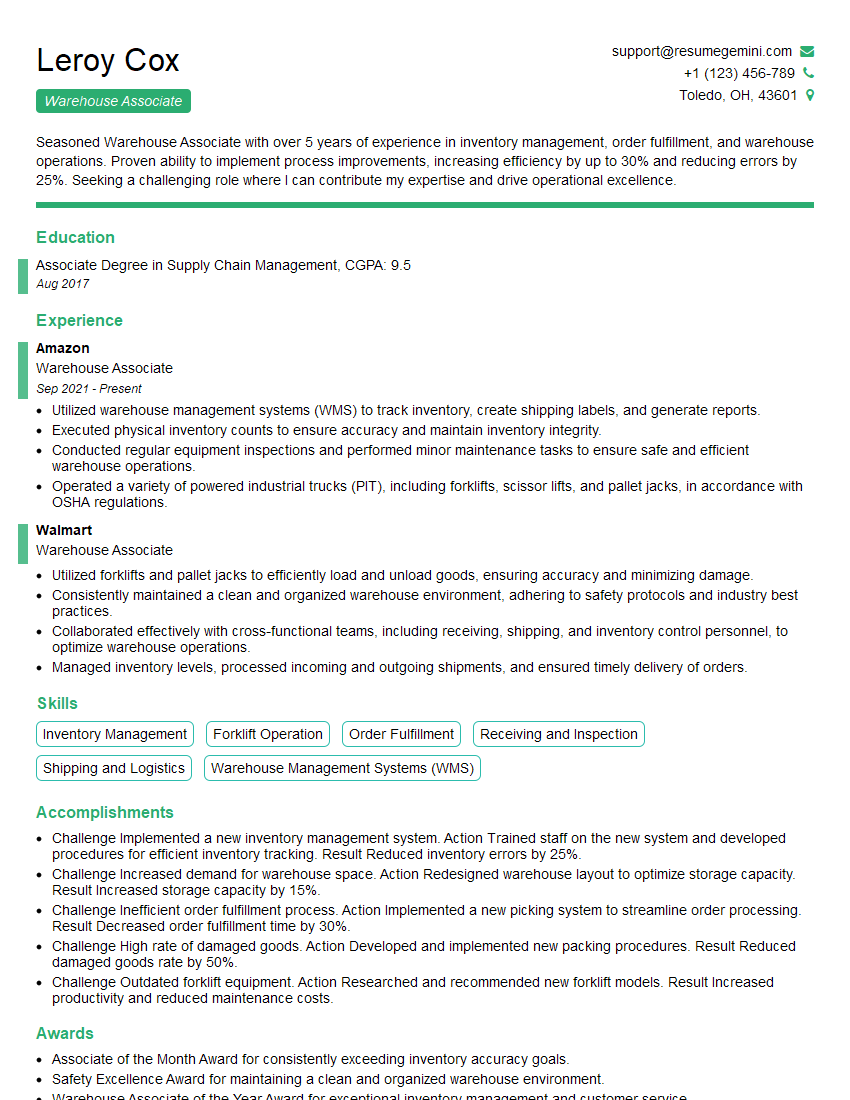
Warehouse Associate Resume Sample
- Facility Manager
- Operations Manager
- Plant Manager
- Maintenance Supervisor
- Production Supervisor
- Supply Chain Manager
- Logistics Manager
- Warehouse Manager
- Distribution Center Supervisor
- Warehouse Supervisor
- Logistics Supervisor
- Equipment Operator
- Shift Supervisor
- Inventory Control Specialist
- Logistics Associate
- Material Handler
- Order Selector
- Forklift Operator
- Material Handling Technician
- Production Line Operator
- Conveyor Operator
- Conveyor Technician
- Warehouse Associate
Explore more articles
Users Rating of Our Blogs
Share Your Experience
We value your feedback! Please rate our content and share your thoughts (optional).
What Readers Say About Our Blog
Very informative content, great job.
good