The thought of an interview can be nerve-wracking, but the right preparation can make all the difference. Explore this comprehensive guide to Operate hand tools and power tools interview questions and gain the confidence you need to showcase your abilities and secure the role.
Questions Asked in Operate hand tools and power tools Interview
Q 1. What safety precautions do you take when using power tools?
Safety is paramount when using power tools. My approach is multifaceted, starting with a thorough pre-use inspection of the tool itself – checking for damage to cords, frayed wires, loose parts, or any signs of malfunction. I always wear appropriate Personal Protective Equipment (PPE), including safety glasses or a face shield to protect my eyes from flying debris, hearing protection to mitigate the loud noise, and work gloves to improve grip and protect my hands. Proper clothing is also crucial; loose clothing or jewelry can get caught in moving parts.
Beyond PPE, I ensure the work area is well-lit and clear of obstructions to prevent tripping or accidental contact with the tool. Before powering on, I make sure the workpiece is securely clamped or otherwise stabilized to prevent movement during operation. I maintain a firm grip on the tool throughout its use and never force it beyond its designed capabilities. Finally, I always disconnect the power tool from the power source before making adjustments, changing blades or bits, or performing maintenance.
For example, when using a circular saw, I always use a push stick to guide the wood away from the blade’s path, especially during the final cut, to avoid kickback. This proactive approach minimizes the risk of injury and ensures efficient and safe operation.
Q 2. Describe your experience with different types of saws (e.g., circular saw, reciprocating saw, jigsaw).
I have extensive experience with various types of saws. The circular saw is my go-to for making straight, fast cuts in dimensional lumber; I’m adept at controlling its depth and bevel settings to achieve precise cuts. The reciprocating saw, or ‘Sawzall,’ is invaluable for demolition work, cutting through metal pipes, or making curved cuts where a circular saw wouldn’t be suitable. Its versatility and ability to cut in confined spaces make it indispensable. Finally, the jigsaw provides incredible precision for intricate cuts, curves, and shaping various materials including wood, plastic, and thin metals. I’ve used it for everything from creating intricate wood inlays to cutting out shapes for custom projects.
For instance, when building a deck, I’d use a circular saw for the main structural cuts and a jigsaw for cutting out notches or curves for the handrails. Understanding the strengths and limitations of each saw is key to achieving both efficient and safe results.
Q 3. How do you maintain and care for your hand tools?
Maintaining hand tools is critical for their longevity and safe operation. After each use, I clean them thoroughly to remove sawdust, debris, or any residue from the material I’ve been working with. For metal tools, I often use a wire brush to remove stubborn material, followed by a light oiling to prevent rust. Wooden handles should be kept dry to avoid cracking. Sharp tools are safer tools, so I regularly sharpen my chisels, planes, and other bladed hand tools using sharpening stones or a honing guide, depending on the tool.
I store my tools in a well-organized manner, keeping them dry and away from moisture. Bladed tools should be stored separately and securely to prevent accidental cuts. For example, I keep my chisels in a protective wooden case, and my hammers are hung neatly on a pegboard. Regular maintenance keeps my tools functioning at their best and ensures years of reliable service.
Q 4. Explain the proper use of a level and a plumb bob.
A level and a plumb bob are essential tools for ensuring accuracy in construction and other projects. A level is used to determine whether a surface is perfectly horizontal or vertical. It works by utilizing a sealed vial of liquid with a bubble; when the bubble rests in the center of the marked area, the surface is level. There are different types, including torpedo levels, box levels, and laser levels, each best suited for different applications.
A plumb bob, on the other hand, is used to establish a perfectly vertical line. It consists of a weighted object suspended from a string. When the bob is allowed to hang freely, the string indicates a true vertical line. I often use a plumb bob to ensure that wall studs are perfectly vertical before attaching drywall, or to ensure a fence post is standing straight. Both tools used together ensure both horizontal and vertical accuracy in a project.
Q 5. What are the different types of hammers and their appropriate uses?
Hammers come in a variety of types, each suited for a specific task. The claw hammer is the most common type, useful for driving nails and removing them. A ball-peen hammer has a rounded end, ideal for shaping metal. A sledgehammer is much larger and heavier, used for demolition or driving stakes into the ground. A rubber mallet is gentler, preventing damage to delicate surfaces. Finally, a framing hammer is designed for driving large nails quickly and efficiently. The choice depends on the material being worked on and the desired outcome. For example, when framing a house I would use a framing hammer and for delicate woodworking a rubber mallet might be more appropriate.
Q 6. How do you select the right drill bit for a specific material?
Choosing the right drill bit depends on the material you’re drilling into and the desired hole size. For wood, I typically use twist drill bits, choosing the appropriate size for screws or other fasteners. For metal, I use high-speed steel (HSS) drill bits or titanium-coated bits for increased durability and longevity. Masonry requires masonry bits, often carbide-tipped, to withstand the hardness of brick, concrete, or stone. Using the wrong drill bit can result in damage to the bit, the material, or both. Knowing the material properties and the correct bit type is paramount for efficiency and prevents any risk of injury.
For example, if I’m drilling a pilot hole for a wood screw into a hardwood plank, I’ll use a slightly smaller twist drill bit than the screw diameter to prevent splitting the wood.
Q 7. Describe your experience with different types of screwdrivers.
Screwdrivers come in a variety of types, including Phillips, flathead, Torx, and square drive. The choice of screwdriver depends on the type of screw head. Phillips and flathead are the most common types; Phillips have a cross-shaped slot, while flathead have a single slot. Torx and square drive offer greater torque and are less prone to cam-out (slipping out of the screw head). I always make sure to choose the right screwdriver for the screw to prevent damage to the screw head or the screwdriver itself. Using a stripped screwdriver will also cause slippage, leading to potentially injuring your hand.
In my work, I frequently encounter a wide variety of screw types, and selecting the proper screwdriver ensures efficient and accurate work. For example, when working on electronics, I would use precision screwdrivers with smaller tips and a magnetic tip to avoid dropping small screws. In construction, however, larger drivers are needed, and a magnetic tip is not always necessary.
Q 8. What are the safety considerations when using a grinder?
Safety is paramount when using a grinder, a powerful tool capable of inflicting serious injury. The key is a multi-layered approach encompassing preparation, operation, and post-use procedures.
Pre-operation Checks: Always inspect the grinder for damage, ensuring the guard is securely fitted and the wheel is undamaged and correctly mounted. A cracked or damaged wheel is a recipe for disaster. Check the power cord for any fraying or damage.
Personal Protective Equipment (PPE): This is non-negotiable. Always wear safety glasses or a face shield to protect your eyes from flying debris, hearing protection to mitigate the high noise levels, and work gloves to maintain a firm grip and protect your hands. A respirator may be needed depending on the material being ground.
Secure Work Area: Ensure the area is well-lit, free from obstructions, and stable. Using a grinder on an unstable surface can lead to loss of control. Clamp down your workpiece whenever possible to prevent movement during grinding.
Proper Technique: Avoid applying excessive pressure. Let the grinder do the work. Maintain a firm grip but avoid forcing the tool. Keep the grinder moving to prevent overheating and localized damage to the workpiece.
Post-Operation: Allow the grinder to cool completely before storing it. Clean the grinder of any debris and inspect it for damage before its next use.
For example, I once witnessed a colleague who skipped wearing a face shield while grinding. A small piece of metal flew off and hit him in the eye. This resulted in a significant injury and emphasized the critical importance of consistent PPE use. Safety isn’t just a suggestion; it’s a mandatory precaution.
Q 9. How do you troubleshoot a malfunctioning power tool?
Troubleshooting a malfunctioning power tool begins with a methodical approach, systematically eliminating potential causes. My process generally follows these steps:
Safety First: Unplug the tool immediately and visually inspect it for any obvious damage to the cord, casing, or moving parts. Never attempt to troubleshoot a tool while it is plugged in.
Check Power Source: Verify the power outlet is functioning correctly using another appliance. A simple issue like a blown fuse or tripped breaker can be easily overlooked.
Examine the Tool’s Components: Inspect the blades, bits, or other consumable parts for damage or wear. Dull or damaged cutting tools can significantly impact a tool’s performance. For example, a clogged saw blade can cause a circular saw to bind and stop.
Check for Obstructions: Inspect the tool’s moving parts for any jams or blockages. For example, a jammed drill bit can cause a drill to stop functioning.
Consult the User Manual: The manual should provide troubleshooting guides and diagnostic steps specific to the tool’s model. If the problem persists, contact the manufacturer’s support line or a qualified repair technician.
For instance, I once worked with a circular saw that wouldn’t start. After checking the power and blade, I discovered a small piece of wood lodged in the motor housing. Removing the obstruction immediately resolved the issue.
Q 10. Describe your experience with measuring tools (e.g., tape measure, ruler, calipers).
Measuring tools are fundamental to accurate and efficient work. My experience encompasses a broad range of tools, each suited for specific applications.
Tape Measures: Essential for quick, general measurements, particularly in larger-scale projects. I’m proficient in reading both metric and imperial markings, ensuring precision in layout and cutting.
Rulers: Ideal for smaller, detailed measurements and drawing straight lines. I frequently use rulers for marking cuts, ensuring accuracy in woodworking and other precision tasks.
Calipers: These are indispensable for precise measurements of diameters, depths, and thicknesses. I regularly use calipers for accurate metalworking and ensuring consistent component dimensions. I’m familiar with both vernier and digital calipers.
For example, while building a custom bookshelf, I relied heavily on a tape measure for overall dimensions and a ruler for precise shelf spacing. Calipers were crucial for ensuring the uniform thickness of the wood panels to ensure a polished final product.
Q 11. Explain the importance of using the correct personal protective equipment (PPE).
Using the correct PPE is not just a matter of compliance; it’s a critical element of injury prevention. The type of PPE needed varies drastically depending on the tools and tasks involved, but the fundamental principle remains: protect yourself from potential hazards.
Eye Protection: Safety glasses or face shields are crucial to protect against flying debris, chemical splashes, and impacts.
Hearing Protection: Earplugs or earmuffs are essential when working with loud machinery like grinders, saws, and compressors.
Respiratory Protection: Dust masks or respirators are vital when working with materials that produce harmful dust or fumes, including sanding wood or working with chemicals.
Hand Protection: Work gloves protect against cuts, abrasions, burns, and chemical exposure.
Foot Protection: Steel-toe boots protect feet from falling objects and compression injuries.
A vivid example: I once worked with a colleague who neglected to wear a dust mask while sanding wood. He developed respiratory problems shortly after, highlighting the long-term consequences of neglecting PPE.
Q 12. How do you identify different types of wood and their properties?
Identifying different types of wood involves assessing several characteristics: grain, color, texture, hardness, and odor. Experience plays a significant role in accurate identification, but several key indicators provide a reliable guide.
Grain Pattern: Observe the arrangement of wood fibers. Straight grains are common in many softwoods, while hardwoods often exhibit more complex patterns like swirls or figure.
Color: Wood color varies dramatically, from the pale yellows of pine to the deep browns of walnut. Note that color can also vary based on treatments and finishing.
Texture: Feel the wood’s surface. Some woods are smooth, others are coarse. This tactile information contributes significantly to identification.
Hardness: A general indicator of the wood’s density. Hardwoods are generally harder than softwoods. A scratch test can provide relative hardness estimations but should be performed on inconspicuous areas.
Odor: Certain woods have distinctive scents, often more pronounced when freshly cut. Cedar, for instance, has a recognizable aroma.
For example, I can easily differentiate between oak and pine by its grain (more pronounced in oak) and hardness (oak is much harder).
Q 13. How do you read blueprints and technical drawings?
Reading blueprints and technical drawings is crucial for any construction or fabrication project. It’s a skill developed over time, combining visual interpretation with a thorough understanding of technical symbols and conventions.
Understanding the Scale: Blueprints usually have a specified scale, indicating the relationship between the drawing dimensions and the real-world dimensions. Accurate scaling is vital for accurate construction.
Identifying Symbols and Conventions: Familiarize yourself with standard symbols used to represent various components, materials, and dimensions. This includes understanding the meaning of various lines (e.g., hidden lines, center lines, dimension lines).
Orthographic Projections: Most blueprints use orthographic projections to show multiple views of an object (front, side, top). Understanding how these views relate to one another is crucial for visualizing the three-dimensional form.
Sections and Details: Blueprints often include cross-sections and detailed views to clarify intricate parts. These should be studied carefully to understand the internal structure and assembly of the object.
Dimensions and Tolerances: Pay close attention to dimensions and any tolerance specifications, which indicate acceptable variations in measurements.
For example, when building a custom-designed staircase, I meticulously studied the blueprint to understand the angles, dimensions, and materials specifications. This ensured the final product was structurally sound and aesthetically pleasing, conforming to the design intent.
Q 14. Describe your experience with various types of fasteners (e.g., screws, nails, bolts).
My experience with fasteners spans a wide range, each suited to specific applications and material properties. The choice of fastener is critical for structural integrity and longevity of the project.
Screws: Used for joining materials where ease of assembly and disassembly is needed. Different screw types exist (e.g., wood screws, machine screws, self-tapping screws) each suitable for different materials.
Nails: Quick and efficient for fastening wood, especially in framing applications. The choice of nail size and type depends on the wood type and the load it needs to bear.
Bolts: Provide strong, robust connections, often used in structural applications where high strength is required. They are typically used with nuts and washers.
For example, when constructing a deck, I used pressure-treated lumber and chose exterior-grade screws and galvanized nails appropriate for outdoor conditions to ensure longevity and resistance to weathering. For joining metal components in a machinery project, high-strength bolts were the appropriate choice.
Q 15. How do you ensure accuracy and precision in your work?
Accuracy and precision are paramount in my work. I achieve this through a multi-pronged approach that starts with meticulous planning. Before I begin any task, I carefully review the blueprints or specifications, ensuring I completely understand the requirements. Then, I select the appropriate tools for the job – the right tool for the right task is crucial. For example, using a precision measuring tool like a micrometer instead of a ruler for critical dimensions.
During the execution phase, I employ several techniques. For instance, when drilling, I use a center punch to mark the exact location, preventing slippage and ensuring holes are placed accurately. I regularly check my work against the plans using appropriate measuring instruments, making adjustments as needed. Finally, I always double-check my final measurements and ensure everything aligns perfectly before moving on to the next step. Think of it like baking a cake: precise measurements and careful execution are essential for a perfect outcome.
Career Expert Tips:
- Ace those interviews! Prepare effectively by reviewing the Top 50 Most Common Interview Questions on ResumeGemini.
- Navigate your job search with confidence! Explore a wide range of Career Tips on ResumeGemini. Learn about common challenges and recommendations to overcome them.
- Craft the perfect resume! Master the Art of Resume Writing with ResumeGemini’s guide. Showcase your unique qualifications and achievements effectively.
- Don’t miss out on holiday savings! Build your dream resume with ResumeGemini’s ATS optimized templates.
Q 16. What is your experience with different types of welding equipment?
My experience with welding equipment encompasses a variety of techniques and machines. I’m proficient in both shielded metal arc welding (SMAW), commonly known as stick welding, and gas metal arc welding (GMAW), or MIG welding. I’ve also worked with gas tungsten arc welding (GTAW), or TIG welding, which requires more precision and skill. I understand the nuances of each process, including choosing the appropriate filler metal, gas shielding, and amperage settings for the specific metal and application. For example, I’ve used SMAW for joining thicker steel components in construction, MIG for thinner sheet metal in fabrication, and TIG for intricate welds requiring a high level of finish, such as on aluminum components.
I’m also familiar with the safety protocols associated with each type of welding equipment, including proper ventilation, personal protective equipment (PPE), and fire safety procedures. Safety is always my top priority.
Q 17. Describe your experience with different types of metalworking tools.
My experience with metalworking tools is extensive, ranging from basic hand tools to sophisticated power tools. I’m comfortable using hand tools like files, hacksaws, chisels, and punches for shaping and finishing metal. I’m also skilled in operating power tools such as lathes, milling machines, drills, and grinders. Each tool has its specific applications and requires a different level of precision and control. For example, a lathe is used for creating cylindrical shapes, while a milling machine allows for more complex three-dimensional shaping.
Understanding the capabilities and limitations of each tool is crucial. I always ensure that the tools are properly maintained and sharpened to optimize performance and safety. For example, a dull cutting tool will require more force, increasing the risk of accidents and producing less accurate results.
Q 18. How do you handle unexpected problems or challenges on the job?
When unexpected problems arise, my approach is systematic and methodical. First, I assess the situation calmly, identifying the root cause of the problem. Then, I brainstorm possible solutions, considering safety and efficiency. If the problem is beyond my immediate expertise, I don’t hesitate to consult with more experienced colleagues or refer to relevant resources such as manuals or online forums.
For instance, I once encountered a malfunctioning pneumatic tool during a critical phase of a project. After isolating the problem to a faulty air hose, I systematically checked each section, eventually finding a small leak that I repaired with appropriate sealant and re-tested before resuming work. Communication is key – I always keep my supervisor informed of any significant issues and progress made towards resolution.
Q 19. What is your experience with operating pneumatic tools?
I possess significant experience operating a variety of pneumatic tools, including impact wrenches, air ratchets, sanders, and drills. Understanding the principles of compressed air operation is essential – knowing how air pressure affects performance and adjusting accordingly is crucial for efficiency and safety. For example, using an impact wrench to loosen stubborn bolts, I’ll select a lower pressure setting for delicate work and a higher setting for larger, more challenging bolts to minimize the risk of damage.
Regular maintenance of pneumatic tools is essential. I routinely inspect hoses for leaks and damage and ensure that air filters are clean and functioning correctly. This proactive approach helps prevent malfunctions and ensures safety. Furthermore, I always use the appropriate safety equipment, including hearing protection, to mitigate the noise and vibrations these tools generate.
Q 20. Explain the importance of proper tool storage and organization.
Proper tool storage and organization are crucial for efficiency, safety, and longevity of tools. A well-organized workspace minimizes the time spent searching for tools and reduces the risk of accidents. I use a system that combines designated storage locations for each tool with clear labeling. For hand tools, I prefer pegboards or foam inserts in toolboxes to keep them readily accessible and prevent damage. Power tools are stored in their designated cases, preferably in a dry, clean location to prevent rust and corrosion.
This system prevents tools from getting lost or damaged. Think of it like a well-stocked kitchen: when everything is organized, preparing a meal becomes much easier and faster. Furthermore, organized storage allows for a quick assessment of tool condition, aiding in preventative maintenance.
Q 21. Describe your experience with using a variety of hand tools for carpentry.
My carpentry experience involves using a wide range of hand tools. I’m proficient with saws (hand saws, coping saws, circular saws), chisels, planes, hammers, screwdrivers, and measuring tools such as tape measures and squares. I understand the importance of using each tool correctly for the intended purpose and maintaining them properly. For instance, sharpening chisels and plane blades regularly improves both efficiency and safety.
I’ve worked on various carpentry projects ranging from simple furniture repairs to more complex framing. Understanding wood grain, joinery techniques, and the properties of different types of wood is essential. The use of each hand tool complements the others, much like the individual parts of a well-built puzzle combine to create a cohesive whole. For example, I might use a hand saw for rough cuts, a chisel for fine shaping, and a plane for smoothing the surface. Safety is always a priority, and I always wear appropriate safety glasses when using hand tools.
Q 22. How do you ensure the safety of yourself and others while operating power tools?
Power tool safety is paramount. It’s not just about following rules; it’s about cultivating a safety-first mindset. This starts with a thorough pre-use inspection of the tool itself – checking for damaged cords, loose parts, or any signs of malfunction. Next, I always ensure I’m wearing the appropriate Personal Protective Equipment (PPE), including safety glasses, hearing protection (especially with noisy tools like circular saws), and work gloves. Proper clothing is also crucial – loose clothing or jewelry can get caught in moving parts. Finally, maintaining a safe working environment is key. This includes having adequate lighting, a clear workspace free of clutter, and a stable working platform. For example, before using a table saw, I meticulously check the blade’s sharpness and alignment, ensure the blade guard is in place, and use a push stick to feed material, keeping my fingers clear of the blade. I also never operate a power tool when fatigued or under the influence of drugs or alcohol.
Q 23. What is your process for identifying and addressing potential hazards in the workplace?
Identifying and addressing hazards is a proactive, ongoing process. It begins with a thorough job site assessment before starting any work. I look for obvious hazards like exposed wires, uneven surfaces, or potential trip hazards. I also consider less obvious risks, like the potential for material to fly off during cutting or the possibility of dust inhalation. My process involves a systematic approach: Identify – list all potential hazards; Assess – determine the level of risk associated with each hazard; Control – implement measures to eliminate or reduce the risk. This might involve using appropriate PPE, implementing engineering controls (e.g., using a dust collection system), or implementing administrative controls (e.g., establishing clear work procedures). For instance, if working with asbestos, I’d ensure proper containment and use a respirator. If working at heights, I’d use fall protection equipment. Regular toolbox talks with colleagues also ensure we’re all aware of potential hazards and best practices.
Q 24. Describe your experience using various types of cutting tools, including their maintenance.
My experience spans a wide range of cutting tools, from hand saws (coping saws, hacksaws, hand saws) to power tools (circular saws, miter saws, reciprocating saws, jigsaws). Hand saws require a steady hand and precise technique. Maintaining them involves keeping the blade sharp and free from rust. Sharpening is typically done with a file, following the manufacturer’s instructions. Power saws require more care. Regular cleaning and lubrication (as per the manufacturer’s specifications) are essential. Blade maintenance is crucial – ensuring they are sharp, correctly aligned, and free from damage. A dull blade is dangerous, increasing the risk of kickback. For example, when using a circular saw, I always check the blade for any cracks or damage before each use and regularly change the blade based on usage. I also routinely inspect the saw’s motor, guard, and base for any wear and tear.
Q 25. How do you interpret and follow safety regulations and procedures?
Interpreting and following safety regulations is non-negotiable. I’m familiar with OSHA (Occupational Safety and Health Administration) guidelines and other relevant safety standards specific to the location and trade. This includes understanding and adhering to lock-out/tag-out procedures for machinery, understanding the use of various safety signs and warnings and knowing the emergency procedures for different situations. I treat all safety instructions as mandatory, not suggestions. Before starting any task, I review the relevant safety data sheets (SDS) for any materials I’m working with. For example, if working with chemicals, I would carefully read the SDS to understand the potential hazards and required safety precautions. If I encounter any ambiguity, I always seek clarification from my supervisor or safety officer.
Q 26. What is your experience with using specialized tools for specific trades?
I’ve worked extensively with specialized tools across various trades. In electrical work, I’m proficient with wire strippers, crimpers, and voltage testers. In plumbing, I’ve used pipe cutters, threading tools, and various types of wrenches. In carpentry, my experience encompasses the use of routers, planers, and specialized bits. Understanding the nuances of each tool and its appropriate application is crucial. For example, when using a router, I always use a router table for increased safety and accuracy. It’s important to use the right tool for the job. Forcing a tool to do a task it’s not designed for is unsafe and can lead to damage or injury.
Q 27. Describe your experience troubleshooting mechanical issues with power tools.
Troubleshooting mechanical issues in power tools requires a systematic approach. I start by visually inspecting the tool for obvious problems, such as loose connections, damaged cords, or worn-out brushes (in electric motors). I then listen for unusual noises – grinding, squealing, or humming – which can indicate internal problems. If a tool isn’t starting, I check the power source and any safety switches. If the problem persists, I may check for faulty switches, damaged wiring, or issues with the motor itself. More complex issues may require specialized knowledge or the assistance of a qualified repair technician. For example, if a circular saw’s motor is struggling, I’d first check the power supply and then investigate the possibility of a worn-out armature or brushes. If I can’t identify the problem, I’ll take it to a qualified repair shop.
Q 28. How do you stay updated on new technologies and tools in your field?
Staying updated in this field is critical. I regularly read trade publications, attend industry workshops and conferences, and actively participate in online forums and communities. Manufacturers’ websites and training videos are invaluable resources. I also pay close attention to new product releases and technological advancements, evaluating their potential benefits for safety, efficiency, and precision. For example, I’ve recently learned about advancements in cordless tool technology, particularly the improvements in battery life and power output. Staying abreast of these developments helps me to enhance my skills and select the best tools for the job, ultimately contributing to a safer and more productive work environment.
Key Topics to Learn for Operate hand tools and power tools Interview
- Safety Procedures: Understanding and applying safe operating procedures for all hand and power tools, including proper PPE (Personal Protective Equipment) usage and emergency protocols.
- Hand Tool Proficiency: Demonstrating expertise in using common hand tools like hammers, screwdrivers, wrenches, saws, levels, and measuring tapes. This includes understanding their appropriate applications and limitations.
- Power Tool Operation: Mastering the safe and efficient operation of various power tools such as drills, saws (circular, reciprocating, jig), sanders, grinders, and impact drivers. This includes understanding different bit types and blade selections.
- Tool Maintenance and Care: Knowing how to properly maintain and care for both hand and power tools, including cleaning, lubrication, and storage. Recognizing signs of wear and tear and knowing when to replace or repair tools.
- Material Selection and Application: Understanding the properties of different materials (wood, metal, plastic) and selecting the appropriate tools and techniques for working with each.
- Troubleshooting and Problem-Solving: Ability to diagnose and resolve common problems encountered while using hand and power tools, such as jammed tools, broken bits, or inaccurate cuts.
- Project Planning and Execution: Demonstrating the ability to plan and execute small-scale projects effectively using hand and power tools, understanding the sequence of operations and the importance of precision.
- Reading and Interpreting Drawings/Schematics: Understanding and utilizing technical drawings and schematics to guide the use of hand and power tools in a project.
Next Steps
Mastering the operation of hand and power tools is crucial for a successful career in many skilled trades, opening doors to diverse and rewarding opportunities. A strong foundation in these skills showcases your practical abilities and dedication to precision and safety. To significantly boost your job prospects, create an ATS-friendly resume that highlights your capabilities effectively. ResumeGemini is a trusted resource to help you build a professional and impactful resume tailored to your experience. Examples of resumes specifically tailored for candidates proficient in operating hand and power tools are available through ResumeGemini, giving you a head start in showcasing your skills to potential employers.
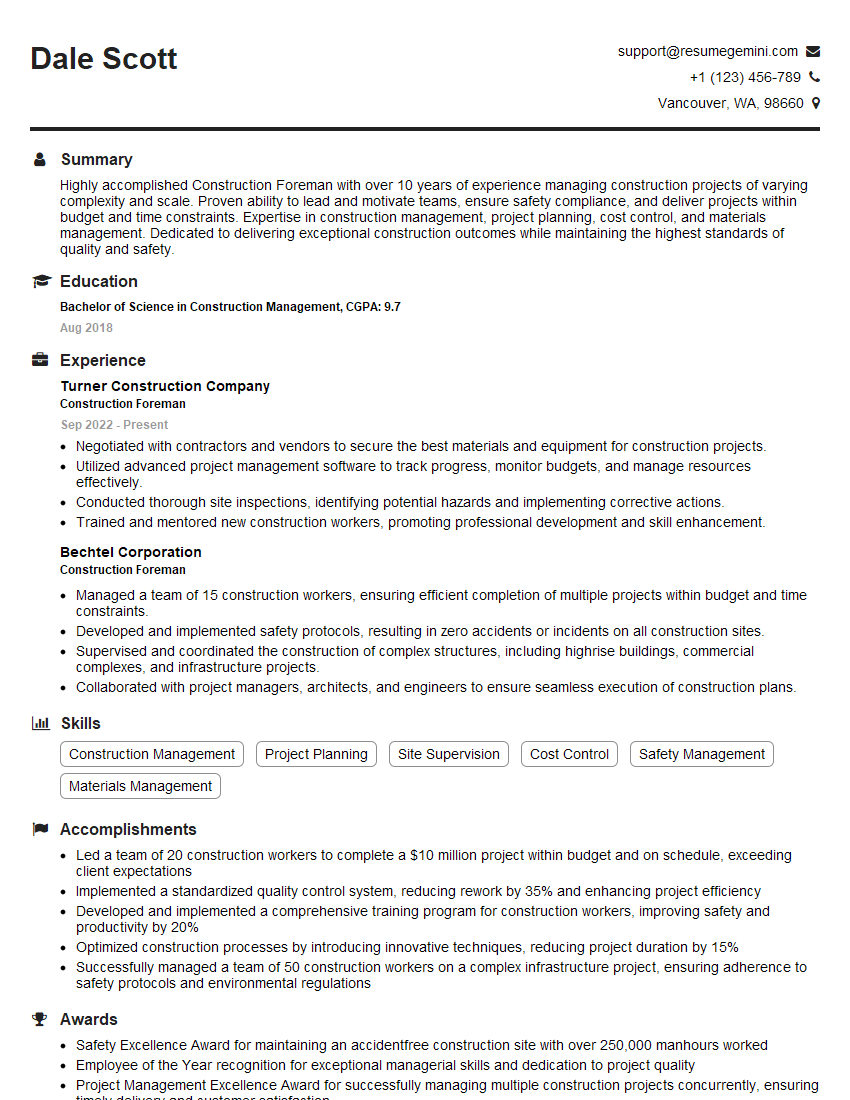
Construction Foreman Resume Sample

General Contractor Resume Sample

Maintenance Technician Resume Sample

Robotics Technician Resume Sample

Machinist Resume Sample

Furniture Maker Resume Sample

Facilities Maintenance Manager Resume Sample
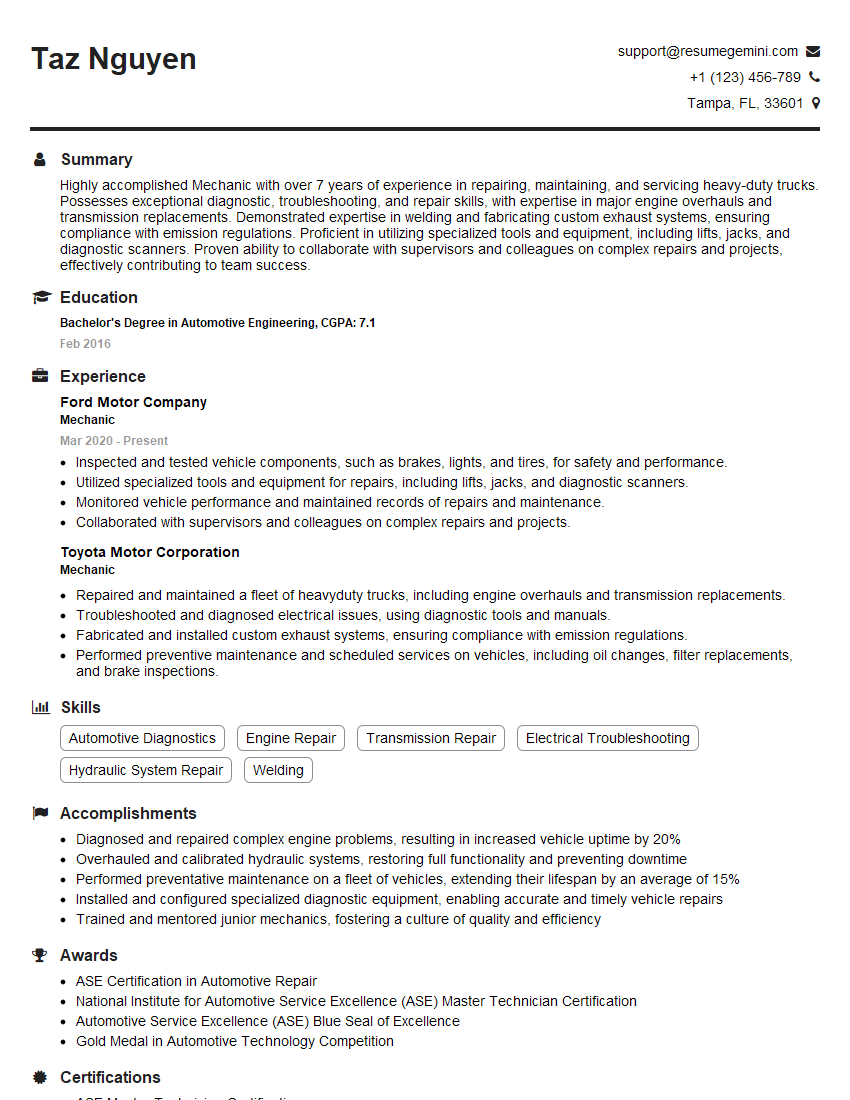
Mechanic Resume Sample

Installation Technician Resume Sample
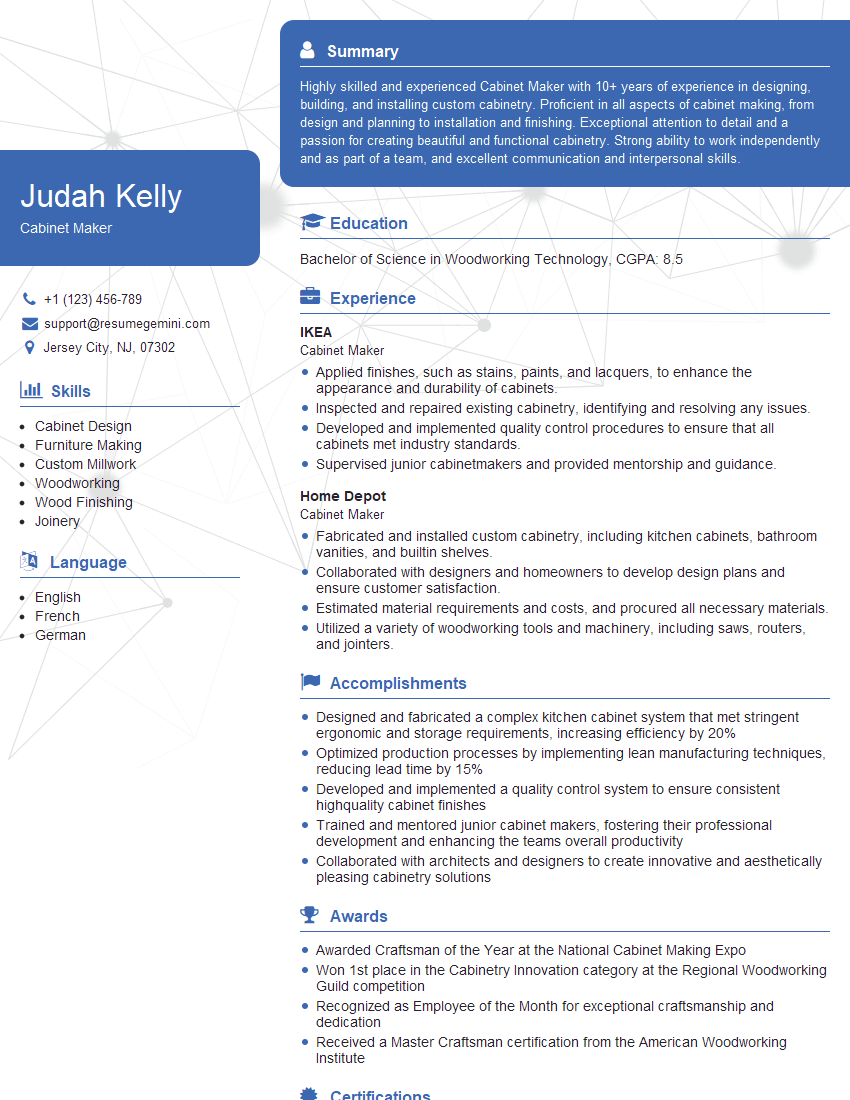
Cabinet Maker Resume Sample
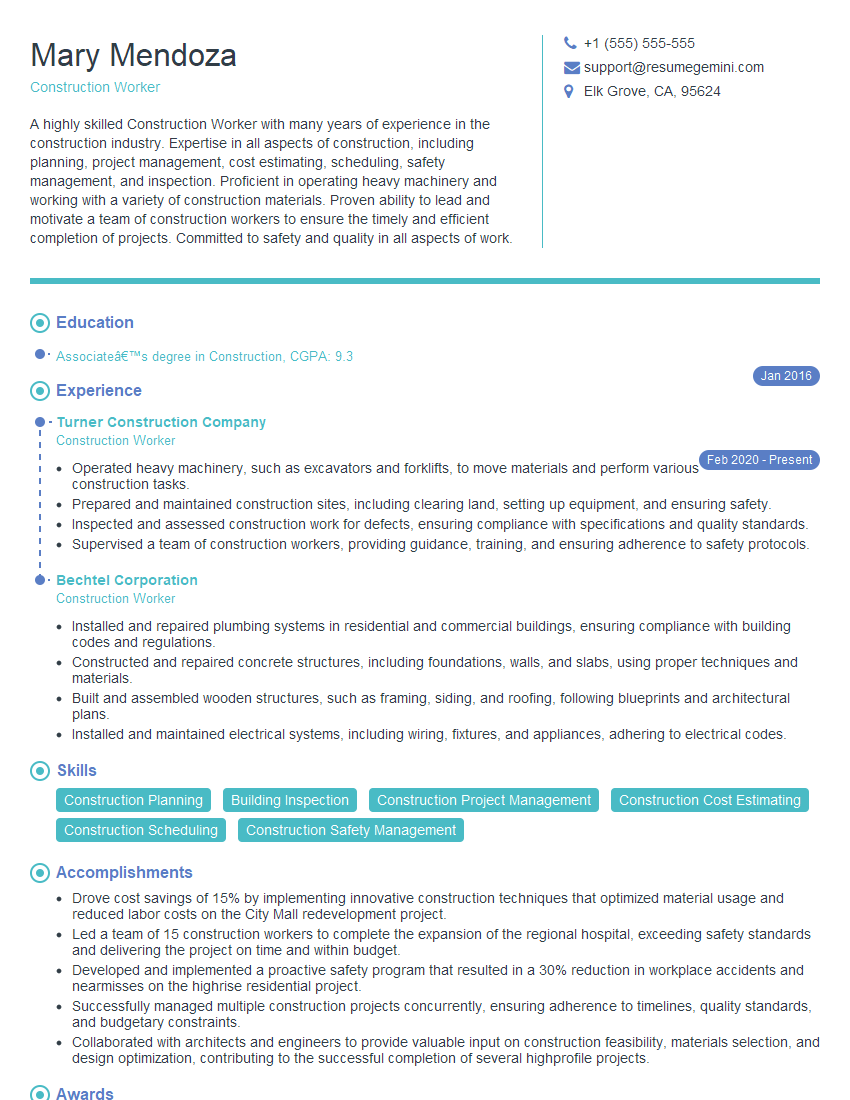
Construction Worker Resume Sample
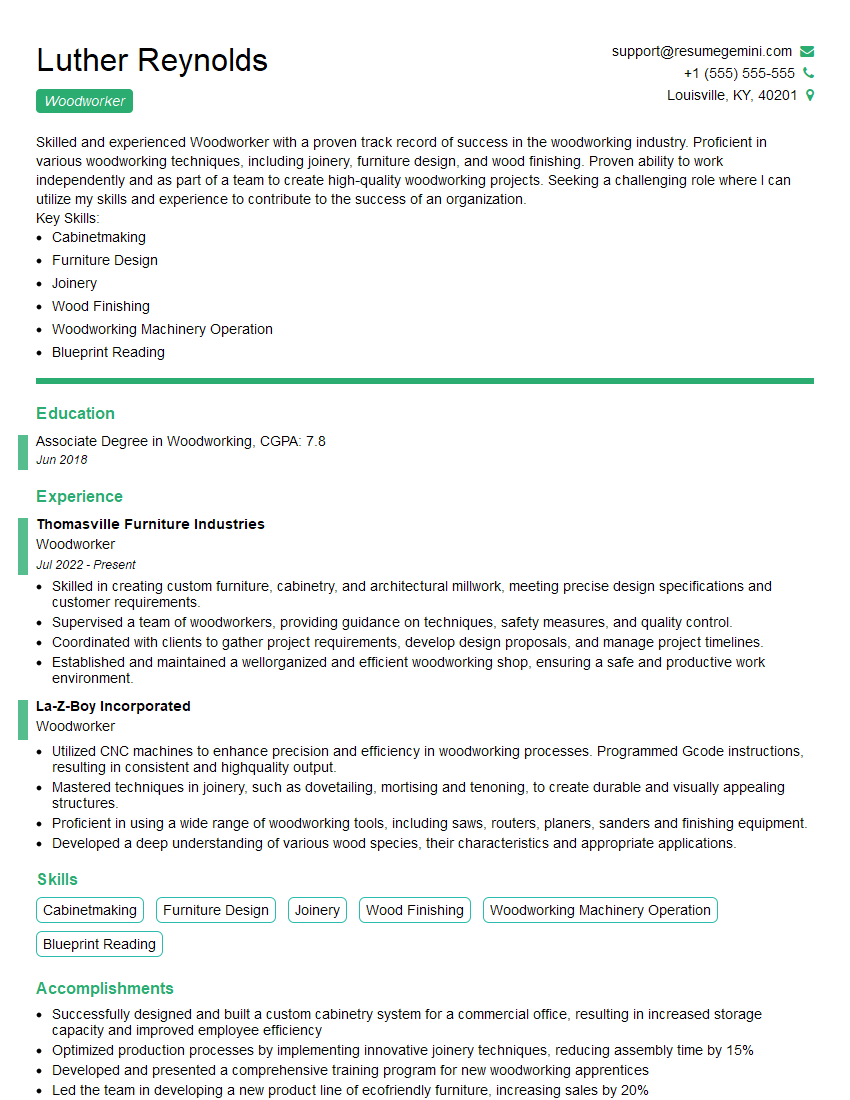
Woodworker Resume Sample
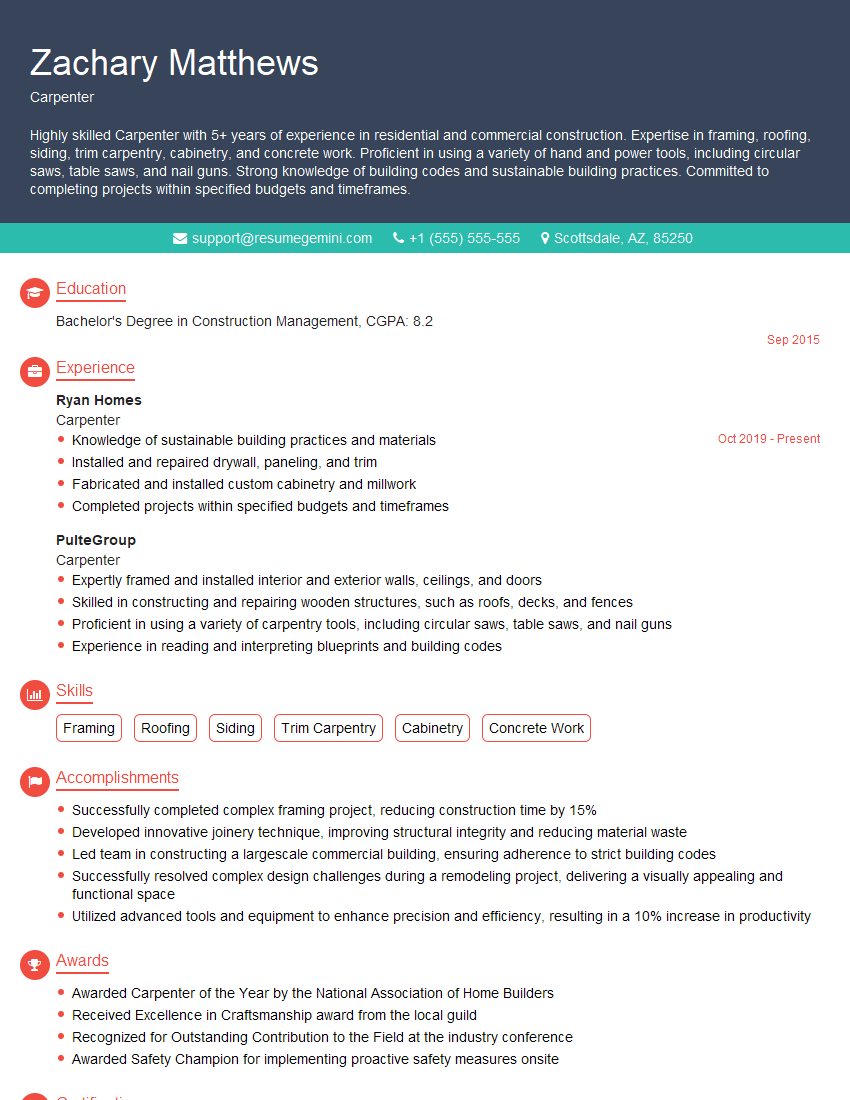
Carpenter Resume Sample
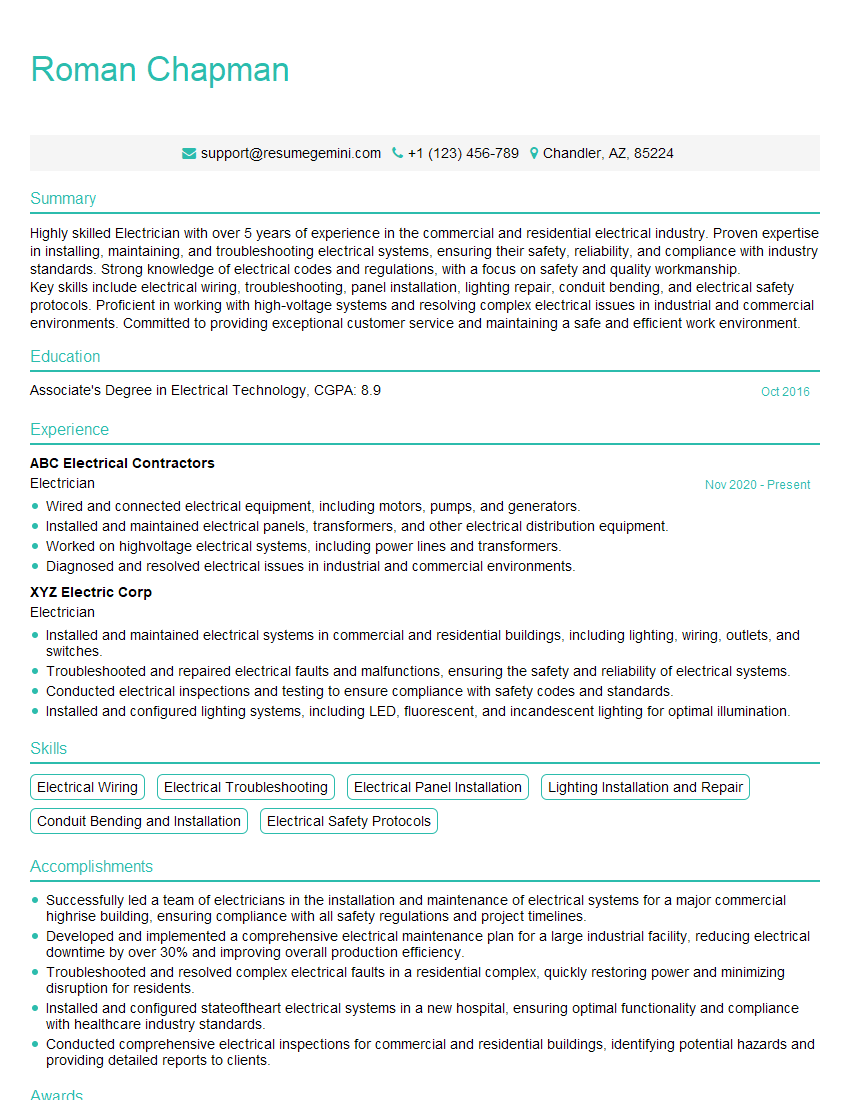
Electrician Resume Sample

Plumber Resume Sample

Repair Technician Resume Sample
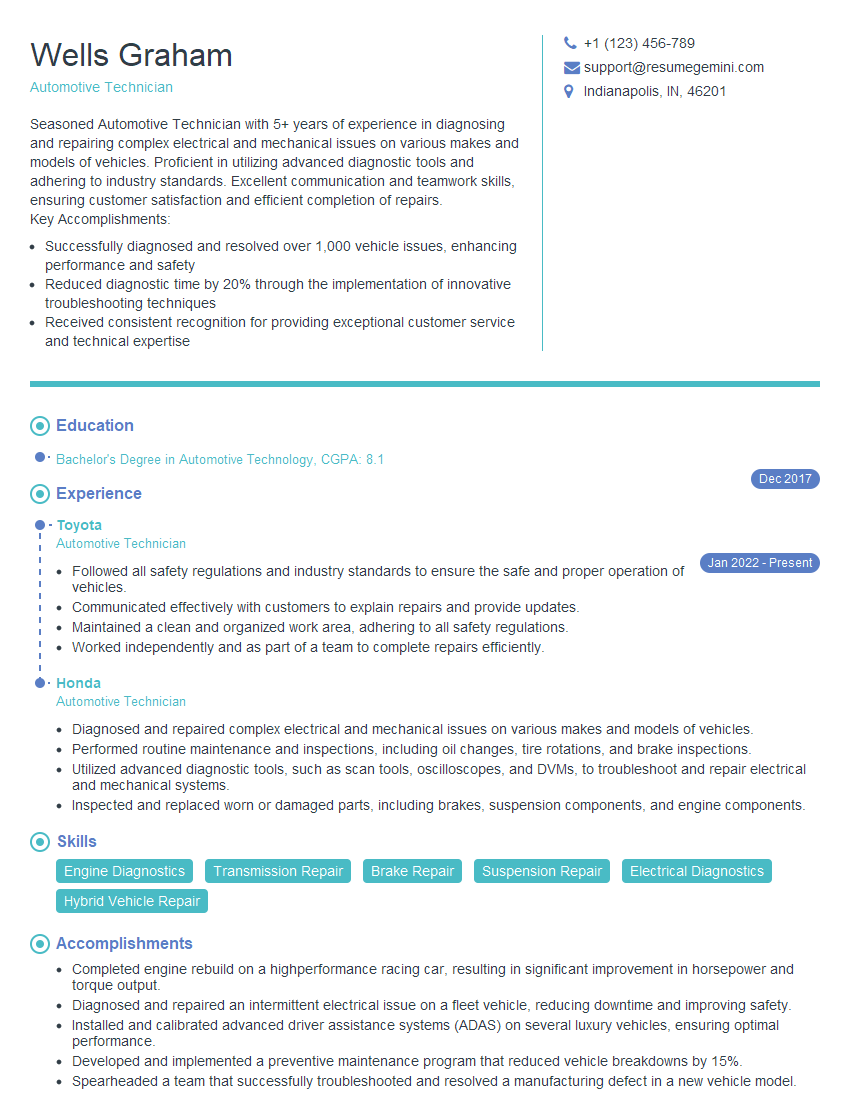
Automotive Technician Resume Sample

Welder Resume Sample

Industrial Mechanic Resume Sample

Millwright Resume Sample

Fabricator Resume Sample
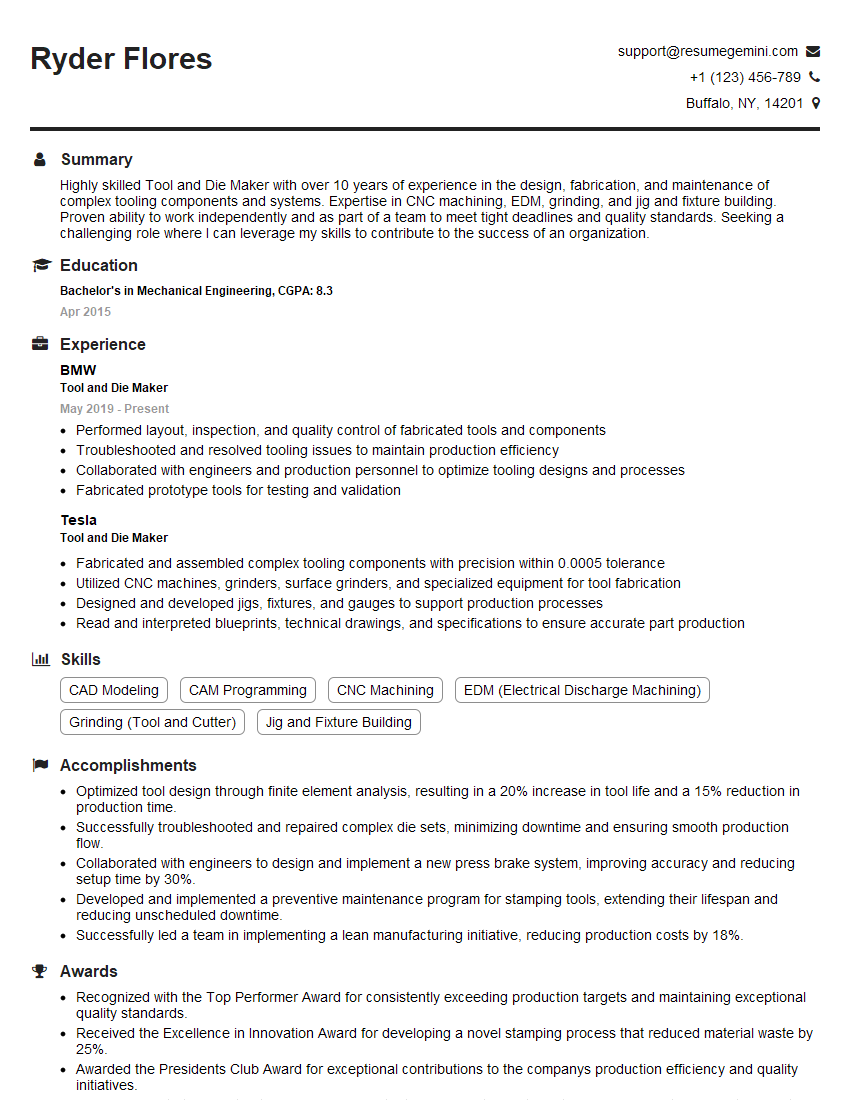
Tool and Die Maker Resume Sample
- Construction Foreman
- General Contractor
- Maintenance Technician
- Robotics Technician
- Machinist
- Furniture Maker
- Facilities Maintenance Manager
- Mechanic
- Installation Technician
- Cabinet Maker
- Construction Worker
- Woodworker
- Carpenter
- Electrician
- Plumber
- Repair Technician
- Automotive Technician
- Welder
- Industrial Mechanic
- Millwright
- Fabricator
- Tool and Die Maker
Explore more articles
Users Rating of Our Blogs
Share Your Experience
We value your feedback! Please rate our content and share your thoughts (optional).
What Readers Say About Our Blog
Very informative content, great job.
good