The thought of an interview can be nerve-wracking, but the right preparation can make all the difference. Explore this comprehensive guide to Operate heavy machinery such as forklifts and cranes interview questions and gain the confidence you need to showcase your abilities and secure the role.
Questions Asked in Operate heavy machinery such as forklifts and cranes Interview
Q 1. Describe your experience operating a forklift.
I have over eight years of experience operating forklifts in various warehouse and logistics settings. My experience encompasses handling a wide range of materials, from pallets of finished goods to raw materials in various sizes and weights. I’m proficient in both sit-down and stand-up forklifts, and I’ve consistently demonstrated a high level of safety and efficiency in my work. For example, during my time at Acme Distribution, I was responsible for loading and unloading over 500 pallets per day, consistently meeting deadlines without incident. I’ve also been involved in inventory management tasks using the forklift, further enhancing my skills in warehouse organization.
Q 2. What are the different types of forklifts and their applications?
Forklifts come in various types, each designed for specific applications. The most common include:
- Counterbalance forklifts: These are the most common type, utilizing counterweights for stability. They’re versatile and suitable for various loads and environments.
- Reach trucks: Designed for narrow aisles, these forklifts extend their forks to reach pallets, maximizing storage space in high-density warehouses. They are particularly useful in smaller warehouse environments where space is at a premium.
- Sit-down rider forklifts: These provide better stability and control for heavier loads and extended use.
- Stand-up forklifts: These are compact and maneuverable, ideal for tight spaces and shorter tasks. They are often used for smaller loads and quicker maneuverability needs.
- Order pickers: Primarily used for order fulfillment, these allow operators to reach various levels within a warehouse to pick items for orders.
- Side-loaders: Useful for handling long loads like lumber or pipes, these forklifts lift from the side.
The choice of forklift depends heavily on the specific application – the type of goods being handled, the warehouse layout, and the required load capacity.
Q 3. Explain the pre-operational checks you perform on a forklift.
Before operating any forklift, a comprehensive pre-operational check is crucial for safety. My checklist includes:
- Visual inspection: Checking for any damage to the mast, forks, tires, and body of the forklift. I look for leaks, cracks, or any signs of wear and tear.
- Fluid levels: Ensuring that engine oil, hydraulic fluid, coolant, and battery (for electric forklifts) are at the correct levels.
- Tires: Inspecting the tires for proper inflation and any damage or wear. Under-inflated tires can lead to instability.
- Lights and horns: Verifying that all lights and the horn are functioning correctly for visibility and signaling.
- Brakes: Testing the brakes to ensure they are responsive and effective. Brakes are essential for safety, and any issues must be addressed immediately.
- Safety features: Checking the functionality of seatbelts, safety guards, and other safety mechanisms.
- Operational test: Performing a short test run to confirm that all systems are functioning correctly. This might involve moving the forklift slowly and checking steering and lifting mechanisms.
Documenting these checks is also standard practice to maintain a record of the forklift’s condition.
Q 4. How do you ensure safe operation of a forklift in a busy warehouse?
Safe forklift operation in a busy warehouse requires constant vigilance and adherence to strict safety protocols. This involves:
- Maintaining a safe speed: Keeping speed low enough to allow for quick stops and maneuverability, especially in congested areas.
- Using horns and lights effectively: Signaling intentions clearly to pedestrians and other forklift operators. This can prevent potential collisions.
- Maintaining awareness of surroundings: Constantly scanning the area, paying attention to blind spots, and anticipating the movement of other equipment and personnel. Blind spot awareness is crucial.
- Following designated pathways: Adhering to marked walkways and traffic patterns to avoid collisions and maintain organized traffic flow.
- Proper load handling: Ensuring loads are secure, stable, and within the forklift’s capacity. Lifting heavy loads and then making sharp turns can compromise safety.
- Communication: Maintaining clear communication with coworkers and supervisors to coordinate movements and avoid conflicts.
- Appropriate Personal Protective Equipment (PPE): Wearing appropriate PPE such as safety glasses, gloves and steel toe boots.
Regular safety training and refresher courses are vital to maintain a high level of awareness and expertise in this environment.
Q 5. What are the load capacity limits of a forklift you are familiar with?
I am most familiar with operating a 5,000-pound capacity forklift. However, I have experience with other capacities and always ensure I am operating within the stated load limits of the specific forklift I am using. Exceeding these limits dramatically increases the risk of accidents, such as tipping or structural damage to the equipment. The load capacity is always clearly marked on the forklift.
Q 6. Describe your experience operating a crane.
My crane operating experience includes three years working with overhead cranes in a manufacturing plant. I am certified to operate both overhead bridge cranes and gantry cranes. My responsibilities encompassed lifting and positioning heavy machinery, raw materials, and finished goods during the manufacturing process. I have consistently maintained a perfect safety record, adhering to all safety protocols and regulations. In one instance, I successfully managed the delicate lifting and placement of a particularly large and sensitive piece of equipment, which required precision and careful coordination.
Q 7. What are the different types of cranes and their uses?
There’s a wide variety of cranes, each designed for specific applications. Here are a few common types:
- Overhead cranes: These are commonly found in factories and warehouses. They move horizontally along a track and lift vertically, ideal for moving large objects across a wide area. This includes bridge cranes and gantry cranes.
- Tower cranes: Primarily used on construction sites, these are tall, freestanding cranes with a large reach, capable of lifting heavy materials to considerable heights.
- Mobile cranes: These are self-propelled cranes mounted on trucks or trailers, offering mobility and versatility on various job sites. They are useful for moving equipment across large areas.
- Floating cranes: Used in harbors and ports, these cranes are mounted on barges or ships and are essential for loading and unloading heavy cargo from vessels.
- Articulating cranes (Knuckle boom cranes): These feature a telescopic boom that bends at various joints, providing great flexibility and maneuverability, especially in confined spaces. They have good reach and the ability to maneuver materials with some obstacles.
The choice of crane depends significantly on factors like the load capacity, reach, work environment, and the nature of the materials being handled.
Q 8. Explain the safety procedures for operating a crane.
Crane operation demands rigorous adherence to safety protocols. Before even starting the engine, a thorough pre-operation inspection is crucial. This includes checking all mechanical components for damage or wear, ensuring proper lubrication, and verifying the functionality of all safety devices like brakes, load indicators, and emergency stops. Then, the operator must carefully plan the lift, considering the weight, dimensions, and center of gravity of the load. The load chart, specific to the crane model, dictates the safe lifting capacity under different conditions – boom angle, radius, and wind speed. Clear communication with the ground crew using hand signals or radio is essential to coordinate movements and avoid accidents. Finally, maintaining a safe distance from power lines, overhead obstructions, and personnel throughout the operation is paramount. Imagine this: if a faulty brake is not noticed during the inspection, it could lead to a catastrophic load drop. Or, without proper communication, a sudden movement could injure ground workers. These precautions ensure the safety of both the operator and those around the crane.
Q 9. How do you calculate safe lifting capacities for a crane?
Calculating safe lifting capacities involves consulting the crane’s load chart, a crucial document provided by the manufacturer. This chart details the maximum load the crane can lift safely at various combinations of boom radius and angle. For instance, lifting a heavy load at maximum boom extension will result in a significantly lower safe working load than lifting the same load with the boom closer to the crane. Other factors that influence safe lifting capacity include wind speed – higher wind speeds reduce the safe lifting capacity – and the condition of the crane itself; any wear and tear will decrease the crane’s capacity. Therefore, it’s not a simple calculation, but rather a careful consideration of multiple factors found within the load chart. Ignoring these factors is a recipe for disaster; exceeding the rated capacity can lead to structural failure, resulting in serious injury or even fatality.
Q 10. Describe your experience with load charts and weight limitations.
My experience with load charts and weight limitations is extensive. I’ve worked with various crane models, each possessing its unique load chart. I am trained to interpret these charts accurately, understanding that they’re not just tables of numbers but crucial safety guidelines. For example, I once encountered a situation where a seemingly straightforward lift required a more careful analysis. The load chart indicated a reduced capacity due to the high wind speed. Based on this information, we opted to use a different crane or employed additional rigging techniques to perform the lift safely. Overlooking such details can lead to structural failure, so understanding and using the load chart is non-negotiable; it is the cornerstone of safe crane operation. I am always meticulous in verifying the load’s weight against the chart’s specifications before initiating any lifting operation.
Q 11. What are the different types of crane hooks and their purposes?
Crane hooks come in different types, each suited for specific applications. The most common is the single-leg hook, ideal for general lifting. Then there’s the two-leg hook, often used to increase load capacity or provide better load distribution. Clevis hooks offer a different attachment method, suitable for specific types of slings. Each hook type has a specific weight capacity. The choice depends entirely on the job at hand and the load’s characteristics. For instance, using a single-leg hook for an oddly shaped load might result in instability, making a two-leg or other more suitable hook a safer option. Selecting the right hook isn’t just about capacity; it’s also about ensuring the load is balanced and secure during the lift.
Q 12. How do you handle an emergency situation while operating heavy machinery?
Emergency situations during heavy machinery operation necessitate quick thinking and decisive action. My training emphasizes immediate action to secure the load and shut down the equipment. Depending on the nature of the emergency – for example, a mechanical failure, load instability, or a sudden power outage – different procedures apply. If there’s an immediate threat to personnel, the first priority is to ensure their safety, often involving evacuation or providing clear instructions. Once the immediate danger is mitigated, I would then contact emergency services and initiate any necessary safety protocols like reporting the incident to my supervisor. Afterward, a thorough investigation would be necessary to determine the cause of the emergency and prevent future incidents. In any scenario, maintaining a calm demeanor and following established safety procedures is critical.
Q 13. What are the common causes of forklift accidents?
Forklift accidents stem from a variety of causes. Improper operation is a significant contributor, including speeding, careless maneuvering, and failing to use appropriate lifting techniques. Poor maintenance, leading to mechanical failures like brake issues or steering problems, is another common cause. Unsafe working conditions, such as congested work areas, inadequate lighting, or obstructions in the pathways, significantly increases the risk. Operator error also contributes, such as exceeding the forklift’s rated load capacity or operating the forklift without proper training. Finally, lack of awareness of the surroundings, such as failing to check for pedestrians or other equipment, can also lead to accidents. It’s a multifaceted issue demanding a comprehensive approach to safety.
Q 14. How do you prevent forklift accidents?
Preventing forklift accidents relies on a multi-pronged strategy. Regular maintenance is crucial to ensure the forklift is in optimal working condition. This includes frequent inspections, addressing any mechanical issues promptly, and ensuring adequate lubrication. Comprehensive training for operators is essential; training should cover safe operating procedures, load capacity limits, and awareness of the surrounding environment. Implementing clear safety protocols, such as designated pathways, speed limits, and restricted areas, is vital to manage the workplace environment. Regular inspections of the work area can identify and rectify potential hazards. Enforcement of safety regulations is another key factor in preventing accidents. By combining these elements, we create a safer workplace and reduce the likelihood of forklift-related accidents. It’s a holistic approach, emphasizing both the machine’s condition and the operator’s competence.
Q 15. What are the safety regulations for operating heavy machinery?
Safety regulations for operating heavy machinery are paramount and vary slightly depending on location and specific equipment, but core principles remain consistent. They revolve around preventing accidents through training, machine maintenance, and safe operating procedures.
- Pre-operational Checks: Before starting any machine, a thorough inspection is mandatory. This includes checking fluid levels (hydraulic oil, engine oil), tire pressure (for forklifts), brakes, lights, and any visible damage. A pre-start checklist is often used to ensure nothing is missed.
- Personal Protective Equipment (PPE): Appropriate PPE is essential. This typically includes safety glasses or goggles, hard hats, hearing protection, steel-toed boots, and high-visibility clothing. Specific PPE might be required depending on the task, such as gloves for handling materials.
- Load Capacity and Stability: Operators must never exceed the machine’s rated load capacity. Understanding the center of gravity and load distribution is crucial to prevent tipping. This involves careful planning of lifts and avoiding sudden movements.
- Safe Operating Procedures: Following established procedures for starting, stopping, maneuvering, and lifting is non-negotiable. This includes maintaining a safe speed, using signals to communicate, and being aware of surroundings.
- Environmental Awareness: Operators must be aware of their surroundings – other workers, pedestrians, obstacles, and overhead obstructions. They should maintain a safe distance and avoid operating in hazardous conditions like poor visibility or unstable terrain.
- Regular Training and Certification: Formal training and certification are required in most jurisdictions. Refresher courses and updated safety information are often mandated to keep skills current.
- Emergency Procedures: Operators should be familiar with emergency shutdown procedures and know how to respond to various situations, including equipment malfunctions and accidents.
Ignoring these regulations can lead to serious injuries, damage to equipment, and even fatalities. Safety is not just a guideline; it’s a fundamental requirement.
Career Expert Tips:
- Ace those interviews! Prepare effectively by reviewing the Top 50 Most Common Interview Questions on ResumeGemini.
- Navigate your job search with confidence! Explore a wide range of Career Tips on ResumeGemini. Learn about common challenges and recommendations to overcome them.
- Craft the perfect resume! Master the Art of Resume Writing with ResumeGemini’s guide. Showcase your unique qualifications and achievements effectively.
- Don’t miss out on holiday savings! Build your dream resume with ResumeGemini’s ATS optimized templates.
Q 16. Explain your understanding of load stability and center of gravity.
Load stability and center of gravity are inextricably linked when operating heavy machinery. The center of gravity is the point where the weight of an object is concentrated. Understanding its location is critical for maintaining stability during lifting and moving operations.
Load stability refers to the ability of a load to remain balanced and prevent tipping or falling. A high center of gravity makes a load less stable; the higher the center of gravity, the easier it is for the load to become unbalanced. Similarly, an unevenly distributed load will also be less stable.
Example: Imagine lifting a long, narrow piece of steel. If the center of gravity is too high, even a small shift can cause it to tilt and potentially fall, resulting in an accident. Properly securing the load and choosing the right lifting technique are crucial to maintain stability. It’s often advised to keep the load as low as possible and as close as possible to the machine.
Understanding these concepts is fundamental for safe operation. Misjudging the center of gravity and load stability can lead to serious accidents, damaging equipment and potentially harming personnel.
Q 17. How do you communicate with other workers during heavy equipment operation?
Communication is crucial for preventing accidents in environments with heavy machinery. I use a combination of methods to ensure clear and effective communication with other workers.
- Hand Signals: Standardized hand signals are essential, especially in noisy environments. These clearly indicate directions, stops, and potential hazards. I make sure all team members understand and use these signals consistently.
- Two-Way Radios: Radios provide a fast and efficient way to communicate over distances, particularly on large sites. I use them for coordinating lifts, reporting obstructions, or relaying updates to the ground crew.
- Visual Signals: Lights, horns, and warning beacons provide additional visual cues. These are especially useful for alerting others to movement, indicating a potential hazard, or simply confirming that a message has been received.
- Pre-Task Briefings: Before starting a complex task involving multiple workers, we conduct pre-task briefings where we review the plan, safety procedures, and communication protocols. This ensures everyone is on the same page.
- Direct Communication: When possible, I use clear and direct verbal communication to confirm instructions and relay important information. Repeating crucial instructions helps minimize misunderstandings.
Effective communication prevents errors, misunderstandings, and accidents. It ensures everyone understands their responsibilities and works together safely and efficiently.
Q 18. Describe a time you had to troubleshoot a mechanical issue on a forklift or crane.
During a particularly busy shift, the forklift I was operating experienced a sudden loss of power. Initially, I tried the usual – checking the battery connections and ensuring the power switch was engaged; neither resolved the issue.
Suspecting a problem with the battery itself, I followed my troubleshooting steps:
- Visual Inspection: I examined the battery for any obvious signs of damage or leakage.
- Voltage Check: Using a voltmeter, I checked the battery voltage. It was significantly lower than expected, indicating a likely discharge.
- Load Test: To test the battery’s capacity, I attempted a small lift; the forklift barely moved, confirming my suspicion of low battery power.
- Charging Attempt: I attempted to charge the battery using the forklift’s onboard charger. It took several hours, and eventually the forklift regained power.
While waiting for the battery to charge, I informed my supervisor and reported the incident in the maintenance log. Following the charging process, the forklift operated normally. The incident highlighted the importance of regular battery maintenance and the need for thorough troubleshooting procedures.
Q 19. How do you maintain a forklift or crane to prevent breakdowns?
Preventative maintenance is key to preventing breakdowns and ensuring the safe operation of forklifts and cranes. My approach to maintenance is proactive and systematic.
- Daily Inspections: Before each shift, I conduct a thorough visual inspection of the machine, checking for any leaks, damage, or unusual noises. This includes checking fluid levels, tire pressure, and the overall condition of the machine.
- Regular Servicing: Scheduled servicing is crucial. This includes replacing fluids, lubricating moving parts, checking brakes, and inspecting safety features. The frequency of these services is determined by the manufacturer’s recommendations and usage patterns.
- Component Checks: Regularly checking specific components like the engine, hydraulic system, and electrical system helps identify and address potential issues before they cause a major failure. This might involve visual inspections, pressure tests, or electrical diagnostics.
- Operator Responsibility: Operators play a crucial role in preventative maintenance. Reporting any unusual noises, vibrations, or performance issues promptly helps prevent small problems from escalating into major failures.
- Cleanliness: Keeping the machine clean helps prevent dirt and debris from accumulating and damaging components.
By adhering to a strict preventative maintenance schedule, we minimize downtime and maintain a high level of operational safety and efficiency.
Q 20. What are the different types of attachments used with forklifts?
Forklifts are versatile machines, capable of handling a variety of materials using different attachments. Some common attachments include:
- Fork Extensions: Extend the reach of the forks to handle longer loads.
- Side Shifters: Allow for precise lateral positioning of the forks, improving efficiency and safety.
- Clamp Attachments: Used for handling various materials like lumber, steel, or paper rolls.
- Rotators: Rotate the forks or other attachments, offering greater flexibility in handling materials.
- Carriage Movers: Extend the reach of the forks beyond the normal range.
- Push-Pull Attachments: For moving pallets or other materials that require pushing or pulling.
- Paper Roll Clamps: Specialized for securely handling large rolls of paper.
- Bale Clamps: Designed for handling compressed bales of materials like hay or cotton.
The choice of attachment depends entirely on the type of material being handled and the specific task. Properly attaching and securing the chosen attachment is critical for safety and operational effectiveness.
Q 21. Describe your experience with different types of lifting slings and their applications.
Lifting slings are essential for safely lifting and moving loads with cranes and other heavy lifting equipment. Several types exist, each with its specific application:
- Polyester Slings: Strong, lightweight, and relatively inexpensive, polyester slings offer good resistance to abrasion and stretching. They are suitable for general lifting applications.
- Nylon Slings: Similar to polyester, nylon slings are known for their shock absorption capabilities. They’re a good option for applications where there’s a risk of sudden impact or jarring.
- Chain Slings: Durable and robust, chain slings are ideal for heavy-duty lifting applications where high tensile strength is required. They are highly resistant to abrasion and cutting.
- Wire Rope Slings: Excellent for heavy-duty lifting, wire rope slings are strong and flexible. However, they require careful inspection for wear and damage.
- Synthetic Webbing Slings: Lightweight and easy to handle, these slings are suitable for many applications but have lower breaking strength compared to chain or wire rope.
The selection of the sling depends on factors such as load weight, shape, and material. It’s critical to use the correct sling for the job, inspect it thoroughly before each use, and ensure it is properly rated for the load being lifted. Incorrect sling usage can lead to serious accidents.
Example: For lifting a delicate piece of equipment, a synthetic webbing sling might be preferred for its softer grip, while lifting a heavy steel beam would necessitate a more robust chain or wire rope sling.
Q 22. What is your experience with using load-handling devices such as spreader beams?
My experience with spreader beams is extensive. Spreader beams are crucial for handling oversized or unusually shaped loads that a single hook cannot safely manage. I’ve used them extensively with various crane types, from mobile cranes to overhead cranes, in both indoor and outdoor settings. This involves careful pre-planning, ensuring the beam’s capacity exceeds the load weight and is appropriately configured for the load’s dimensions and center of gravity. I understand the importance of proper rigging techniques, including using appropriate slings and securing them correctly to the spreader beam and the load to prevent shifting or slippage. I’m proficient in calculating the load distribution across the spreader beam legs to avoid overloading any single point. For instance, I once used a four-legged spreader beam to lift a massive transformer; precise placement of the slings was vital to maintain stability throughout the lift.
Q 23. What is your experience with various types of ground conditions and their impact on operation?
Ground conditions significantly impact heavy machinery operation, affecting stability and maneuverability. Soft ground, for instance, can lead to equipment sinking or getting stuck, increasing the risk of tipping. I’m experienced in recognizing various ground types – from solid concrete to loose gravel, mud, or snow – and adjusting my operating techniques accordingly. This includes assessing the terrain before commencing any lift, selecting appropriate machinery for the ground conditions, using mats or ground protection if necessary to distribute the load, and adjusting speed and operating techniques to maintain stability. For example, when working on a sloping site with soft soil, I’d use a larger-capacity crane with outriggers fully extended to ensure a stable base. I also prioritize conducting a thorough ground survey before commencing operations to identify potential hazards like underground utilities or uneven surfaces.
Q 24. How familiar are you with relevant safety standards (e.g., OSHA)?
I’m very familiar with relevant safety standards, primarily OSHA (Occupational Safety and Health Administration) regulations in the United States. My knowledge extends to all aspects of safe operation, including pre-operation checks, load capacity limits, personal protective equipment (PPE) requirements, communication protocols, and emergency procedures. I’m also familiar with relevant ANSI (American National Standards Institute) standards and other industry best practices. Understanding these regulations isn’t just about compliance; it’s about proactively preventing accidents and ensuring the safety of myself and everyone around me. I regularly review updates to these standards to stay informed about current best practices.
Q 25. Describe your experience with using pre-trip inspection checklists.
Pre-trip inspection checklists are an integral part of my daily routine. I meticulously follow checklists before each operation, inspecting all critical components of the machinery. This includes checking fluid levels (hydraulic fluid, engine oil, coolant), tire pressure, brakes, lights, horn, safety devices (e.g., emergency stops, load indicators), and structural integrity. I document any issues found and report them to the supervisor before commencing operation. I see this not just as a routine procedure, but as a critical safety measure; early identification of a faulty component can prevent major accidents. I have a habit of making detailed notes and keeping records of all maintenance checks, ensuring a traceable history of the equipment’s condition. This helps in long-term maintenance planning and can contribute to avoiding malfunctions.
Q 26. Explain how you maintain your operator’s license and certifications.
Maintaining my operator’s license and certifications requires ongoing commitment. I regularly participate in refresher courses and continuing education programs to stay updated on industry best practices and new regulations. Many certifications have renewal requirements, which involve demonstrating ongoing proficiency through examinations or practical assessments. I keep my certifications current to reflect my up-to-date skills and ensure I meet all legal and company requirements. For example, I recently completed a course on advanced crane operation techniques, and I’m planning to renew my forklift operator certification next month.
Q 27. Describe a situation where you had to adapt your operation to a challenging environment.
During a recent project, we encountered unexpectedly high winds while lifting a large steel structure. The original plan was to use a standard lifting procedure, but the wind made it too risky. I adapted by suggesting we use additional counterweights, slowing the lift speed significantly, and having a more extensive ground crew to manage the rigging and guide lines in response to the shifting wind patterns. We also implemented stricter communication protocols to ensure everyone on the team was aware of the changing conditions and could react accordingly. This careful adjustment prevented any accidents and allowed us to complete the lift safely. The key was my ability to quickly assess the risks posed by the environment, deviate from the standard procedure, and put in place a safety-conscious modified plan.
Q 28. What are your salary expectations for this role?
My salary expectations are in line with the industry standard for experienced heavy machinery operators with my skillset and years of experience. I’m open to discussing a specific figure based on the full details of the compensation package and the responsibilities involved in this role. Beyond salary, I’m also interested in opportunities for professional development and growth within the company.
Key Topics to Learn for Operating Heavy Machinery (Forklifts & Cranes) Interviews
- Machine Operation Fundamentals: Understanding pre-operational checks, safe operating procedures, and emergency protocols for both forklifts and cranes. This includes knowing the limitations of each machine.
- Load Handling & Stability: Calculating load weight and distribution, understanding center of gravity principles, and employing safe lifting techniques to prevent accidents. Practical application involves scenarios like stacking materials efficiently and safely.
- Maintenance & Troubleshooting: Recognizing common mechanical issues, performing basic maintenance tasks (as applicable to your experience), and knowing when to report malfunctions. This shows initiative and responsibility.
- Safety Regulations & Compliance: Familiarity with OSHA regulations (or relevant regional regulations) pertaining to heavy machinery operation, including personal protective equipment (PPE) requirements and reporting procedures.
- Workplace Safety & Awareness: Demonstrating awareness of your surroundings, including pedestrian traffic, potential obstacles, and communication with colleagues to ensure a safe working environment.
- Specific Machine Knowledge (Forklifts): Understanding different types of forklifts (e.g., sit-down, stand-up, reach trucks), their capabilities, and appropriate applications. Consider discussing counterbalance and reach truck operation differences.
- Specific Machine Knowledge (Cranes): Knowledge of different crane types (e.g., tower, overhead, mobile), load charts, and safe operating procedures specific to each type. Understanding slinging techniques and load securing is crucial.
- Problem-Solving & Decision-Making: Be prepared to discuss how you would handle unexpected situations, such as a malfunctioning machine or a load that’s difficult to handle safely. Highlight your ability to think critically and make sound judgments under pressure.
Next Steps
Mastering the operation of heavy machinery like forklifts and cranes opens doors to rewarding careers in logistics, construction, and manufacturing. These roles offer excellent earning potential and opportunities for advancement. To maximize your job prospects, create an ATS-friendly resume that effectively showcases your skills and experience. ResumeGemini is a trusted resource that can help you build a professional and impactful resume, significantly increasing your chances of landing your dream job. Examples of resumes tailored to operating heavy machinery, such as forklifts and cranes, are available to guide you.
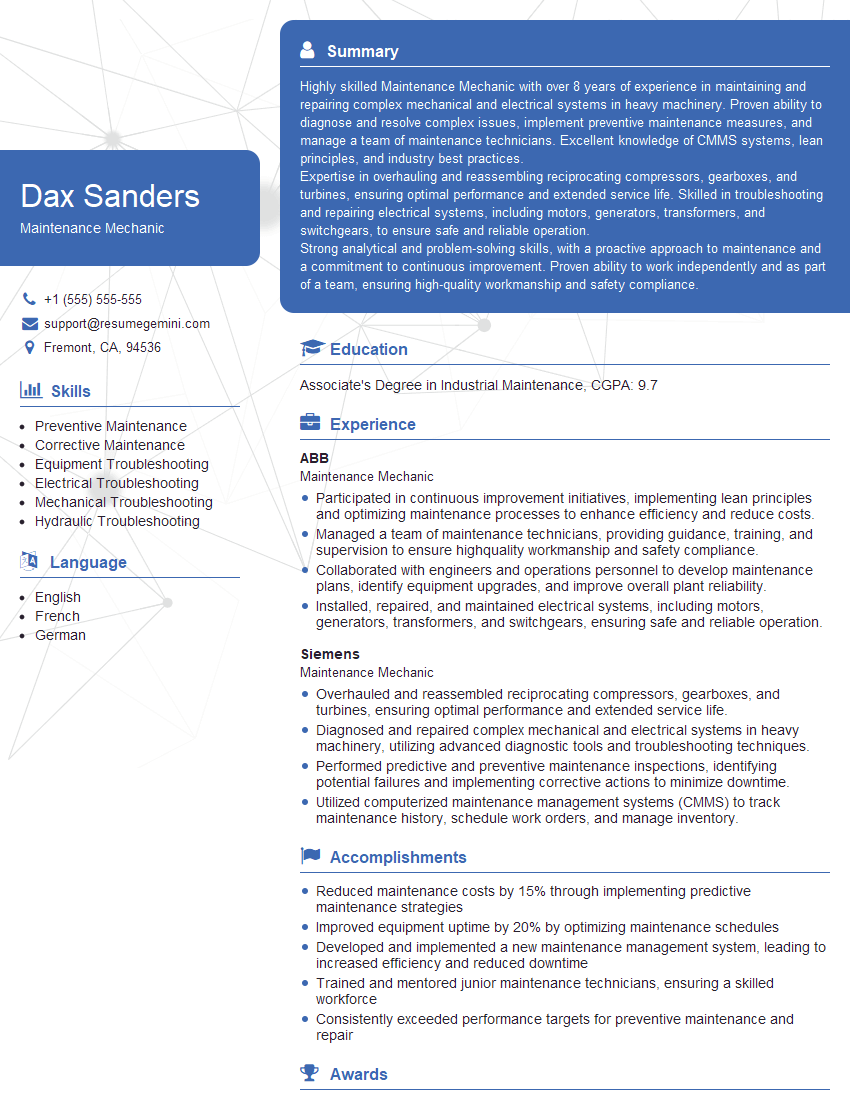
Maintenance Mechanic Resume Sample
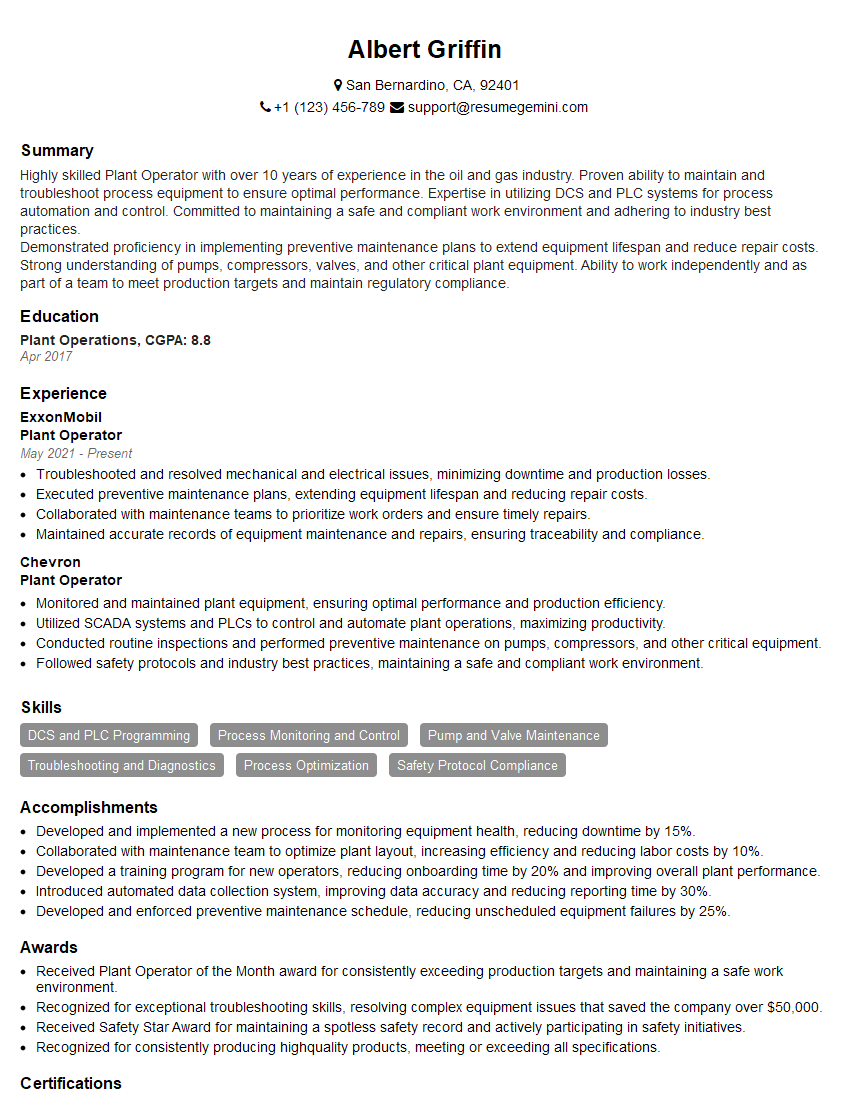
Plant Operator Resume Sample

Crane Operator Resume Sample
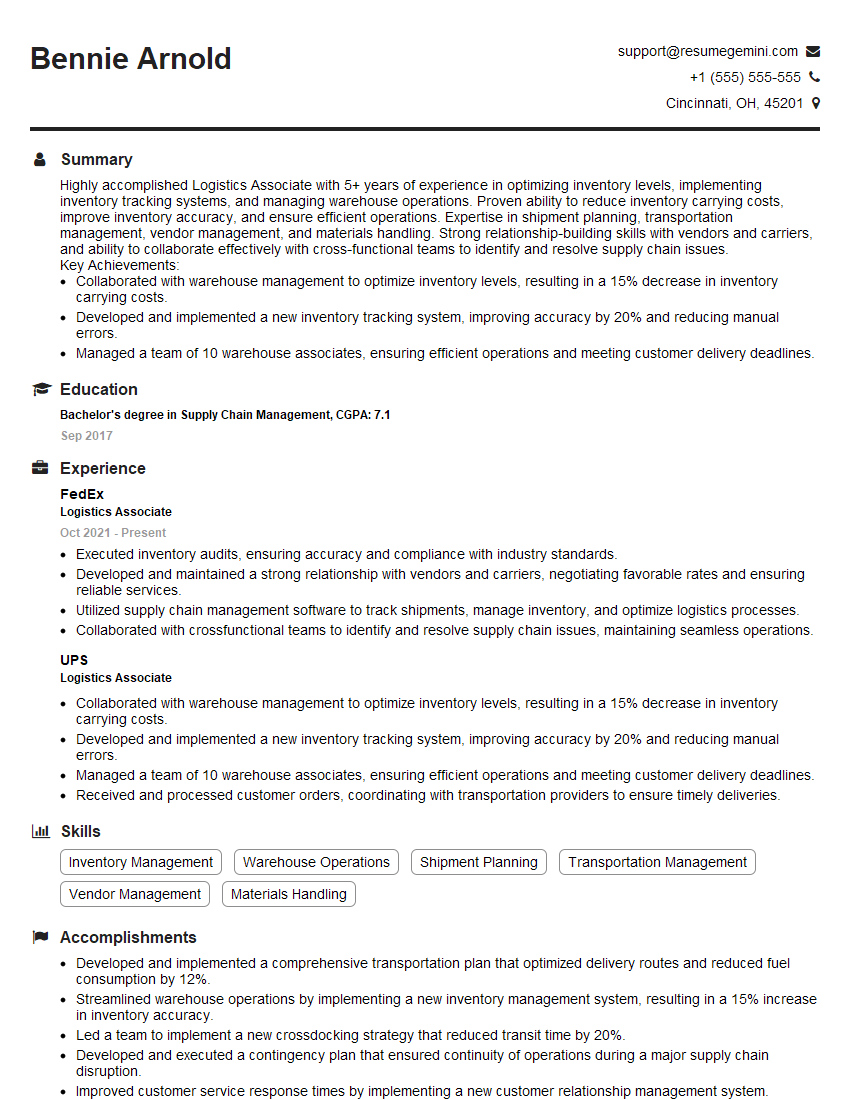
Logistics Associate Resume Sample
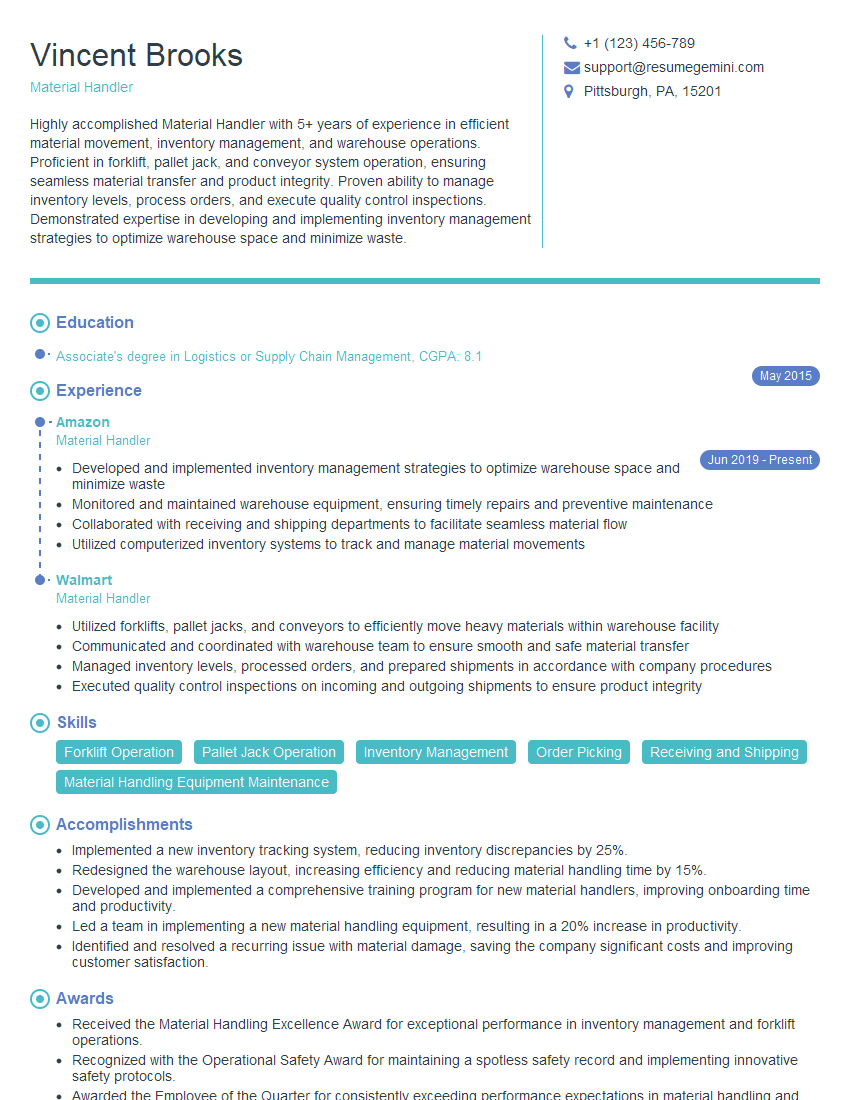
Material Handler Resume Sample
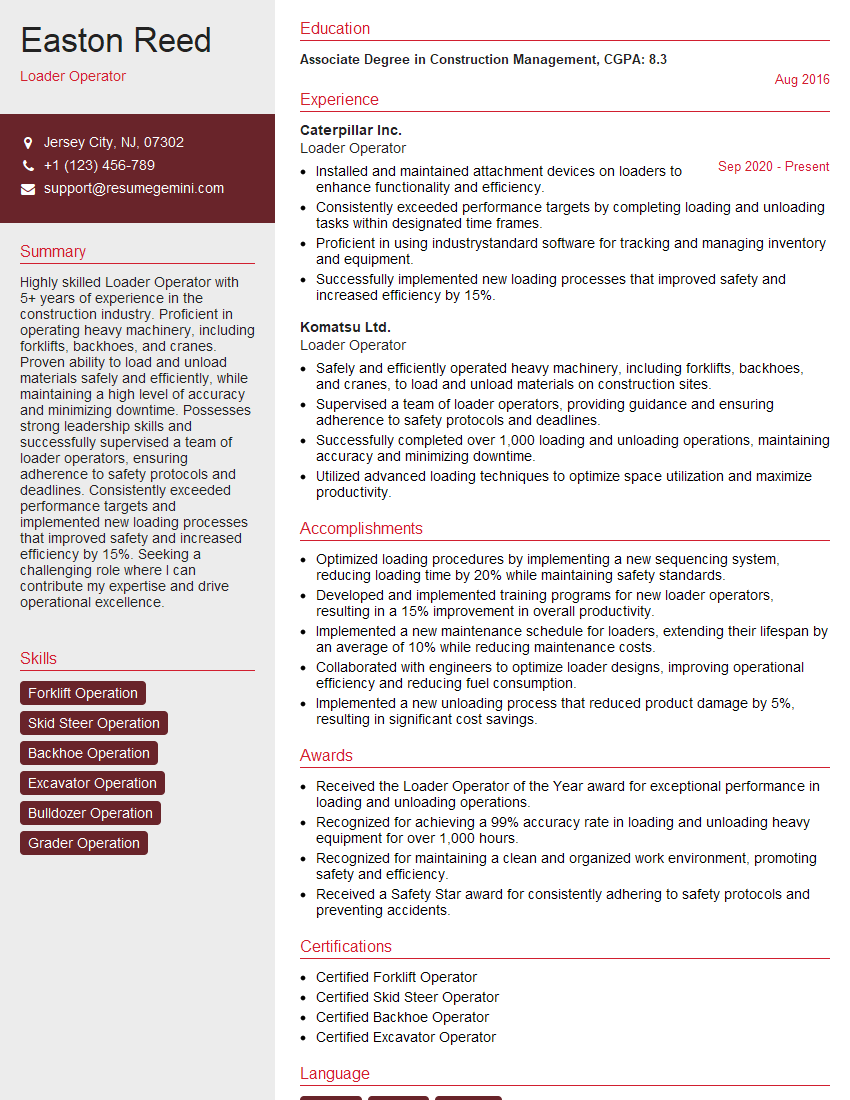
Loader Operator Resume Sample

Heavy Equipment Operator Resume Sample

Bulldozer Operator Resume Sample

Excavator Operator Resume Sample
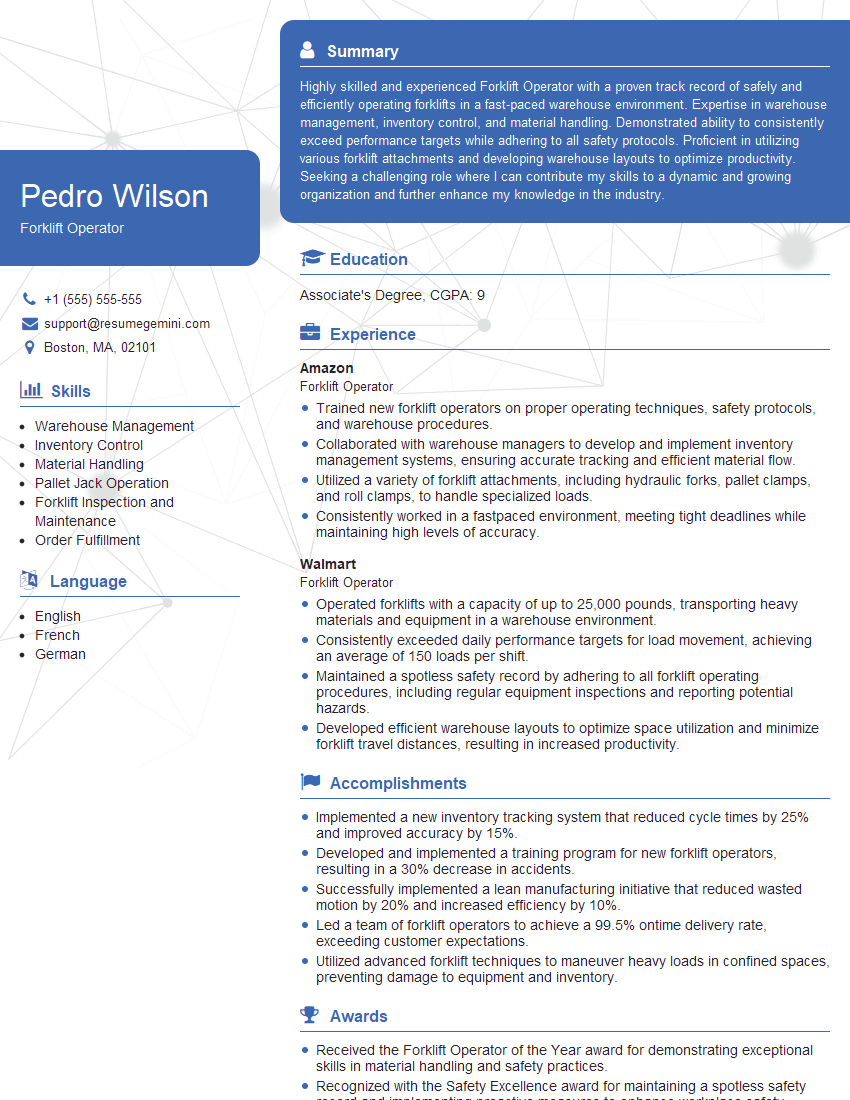
Forklift Operator Resume Sample

Grader Operator Resume Sample
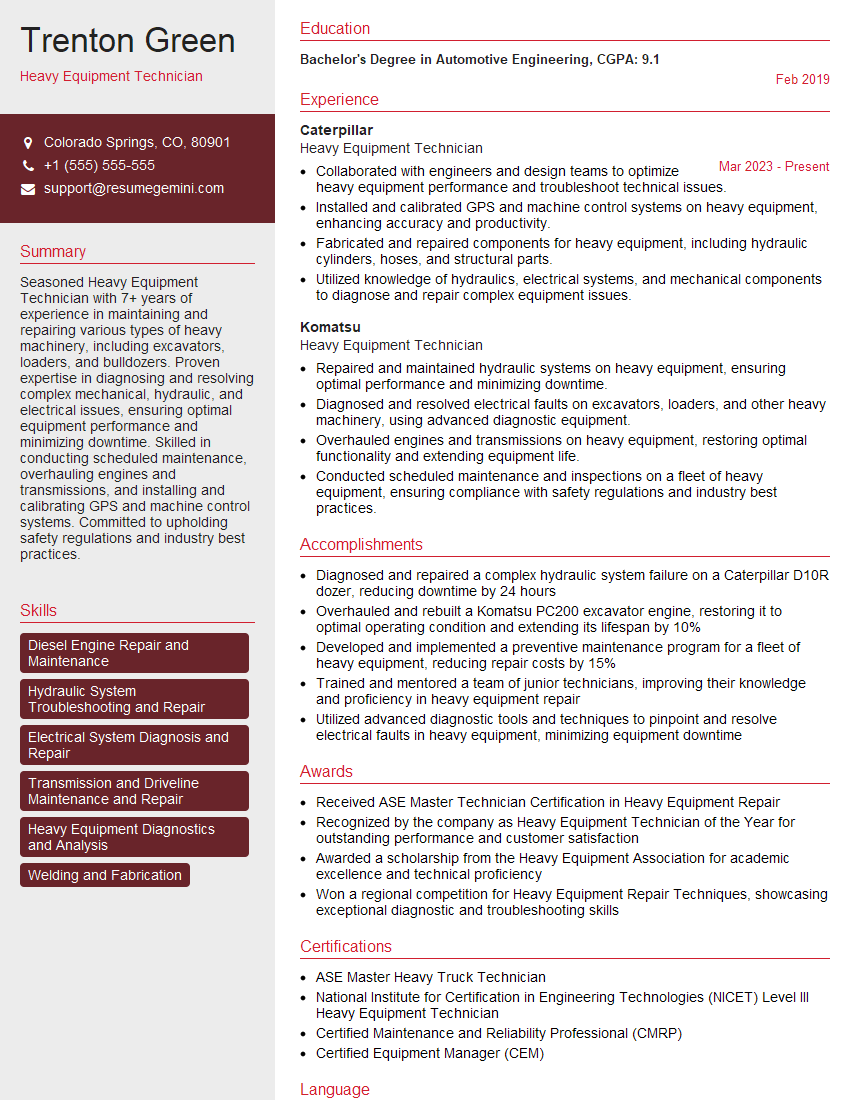
Heavy Equipment Technician Resume Sample

Mobile Crane Operator Resume Sample

Tower Crane Operator Resume Sample

Hoist Operator Resume Sample
Explore more articles
Users Rating of Our Blogs
Share Your Experience
We value your feedback! Please rate our content and share your thoughts (optional).
What Readers Say About Our Blog
Very informative content, great job.
good