Are you ready to stand out in your next interview? Understanding and preparing for Operating Heavy Machinery and Equipment interview questions is a game-changer. In this blog, we’ve compiled key questions and expert advice to help you showcase your skills with confidence and precision. Let’s get started on your journey to acing the interview.
Questions Asked in Operating Heavy Machinery and Equipment Interview
Q 1. Describe your experience operating an excavator.
My excavator operating experience spans over eight years, encompassing a wide range of projects from residential site preparation to large-scale infrastructure development. I’m proficient in various excavator models, including both crawler and wheeled types, and possess expertise in diverse tasks such as trenching, excavation, demolition, and material handling. For instance, on a recent highway construction project, I was responsible for precisely excavating the foundation for a bridge abutment, requiring meticulous control and adherence to stringent specifications. This involved careful coordination with other heavy equipment operators and surveyors to ensure the work proceeded safely and efficiently.
Q 2. Explain the different types of excavators and their applications.
Excavators are categorized primarily by their undercarriage and application.
- Crawler Excavators: These use tracks for mobility, offering superior stability and traction, making them ideal for uneven terrain and heavy-duty applications like trenching and demolition. Think of them as the heavyweights, able to handle significant loads and challenging conditions.
- Wheeled Excavators: These use wheels for mobility, offering greater speed and maneuverability on paved surfaces and making them suitable for tasks requiring quick relocation, such as road maintenance or utility work. They’re more agile but typically have a lower lifting capacity than crawler excavators.
- Mini Excavators: Smaller and more compact, these are versatile for confined spaces and smaller projects. Think of them as the handymen of the excavator world.
- Long-Reach Excavators: These are designed with extended booms and sticks, ideal for working over obstacles or at long distances, like dredging or demolition work where proximity is a risk.
The choice of excavator depends entirely on the job requirements. For example, a crawler excavator is preferred for digging deep trenches in unstable soil, while a wheeled excavator would be better suited for loading trucks on a paved area.
Q 3. How do you ensure the safety of yourself and others while operating heavy machinery?
Safety is paramount in heavy equipment operation. My approach is multifaceted and encompasses several key elements:
- Pre-Operational Checks: A thorough inspection of the machine before each use is non-negotiable. This includes checking fluid levels, brakes, lights, and the overall structural integrity. (More details on this in my response to question 4).
- Site Awareness: Maintaining constant awareness of my surroundings is critical. This includes watching for other equipment, workers, underground utilities, and potential hazards. Before starting any work, I carefully assess the site, plan the sequence of operations, and establish clear communication channels with everyone involved.
- Safe Operating Practices: I adhere strictly to all safety regulations and operating procedures. This includes maintaining a safe speed, using proper signaling, and avoiding risky maneuvers. For instance, never exceeding the excavator’s load capacity or working near unstable ground.
- Personal Protective Equipment (PPE): I always wear appropriate PPE, including safety helmets, high-visibility clothing, safety boots, and hearing protection.
- Communication: Clear and consistent communication with colleagues is essential, using hand signals, two-way radios, or other communication methods to avoid accidents.
Remember, safety isn’t just about rules; it’s a mindset that needs to be continuously reinforced.
Q 4. What are the pre-operational checks you perform before operating heavy equipment?
My pre-operational checks are methodical and thorough, following a checklist to ensure everything is safe and functional. This typically involves:
- Visual Inspection: Checking for any visible damage to the machine, including the tracks, tires, boom, and undercarriage.
- Fluid Levels: Inspecting and topping up engine oil, hydraulic oil, coolant, and fuel levels as required.
- Brake Test: Ensuring the brakes are functioning properly.
- Hydraulic System Check: Testing the hydraulic system for leaks and proper functioning of all the movements.
- Lights and Signals: Checking the functionality of lights, horns, and warning signals.
- Operational Test: Performing a brief test of all machine functions to ensure they are working as intended.
- Safety Equipment Check: Verifying that all safety devices, such as seatbelts and emergency stops, are in place and working properly.
Skipping these checks can be dangerous and lead to costly repairs or accidents. It’s like pre-flight checks for an airplane; essential for a safe operation.
Q 5. Describe your experience with preventative maintenance on heavy equipment.
Preventative maintenance is crucial for maximizing equipment lifespan and preventing unexpected breakdowns. My experience includes performing routine maintenance tasks such as:
- Regular Lubrication: Applying grease to all lubrication points according to the manufacturer’s schedule.
- Fluid Changes: Changing engine oil, hydraulic oil, and fuel filters at the recommended intervals.
- Inspection of Wear Parts: Regularly checking the condition of wear parts like bucket teeth, tracks, and rollers, and replacing them as needed.
- Cleaning: Keeping the machine clean and free of debris to prevent damage and corrosion.
- Detailed Inspections: Conducting more thorough inspections at regular intervals, focusing on potential issues that may not be immediately apparent.
I also keep detailed maintenance logs, recording all work performed and any issues observed. This ensures that the machine is always in optimal condition and helps to predict potential problems before they arise. This proactive approach saves time and money in the long run and minimizes downtime.
Q 6. How do you handle unexpected equipment malfunctions?
Handling unexpected equipment malfunctions requires a calm and methodical approach. My steps are:
- Immediate Shutdown: Safely shut down the machine, following the proper procedures, and ensure it is secured to prevent further damage or injury.
- Assessment: Assess the situation, identify the malfunction, and determine its severity. This might involve consulting the operator’s manual or contacting a mechanic.
- Safety Precautions: Take necessary safety precautions to prevent further incidents, such as warning others about the malfunctioning equipment.
- Reporting: Report the malfunction to the appropriate personnel and document the incident thoroughly.
- Repair or Replacement: If the malfunction is minor, I might attempt a temporary fix (only if I am trained to do so safely). Otherwise, I will wait for a qualified technician to repair or replace the faulty component.
For example, if the hydraulic system fails, I wouldn’t attempt to fix it myself. I’d shut down, secure the machine, notify the supervisor, and wait for a qualified technician. Safety is always the priority.
Q 7. Explain your understanding of load capacity and stability.
Understanding load capacity and stability is fundamental to safe excavator operation. Load capacity refers to the maximum weight the excavator can lift safely without compromising its stability. Stability refers to the excavator’s ability to remain upright and balanced under load. Several factors influence stability:
- Ground Conditions: Soft or uneven ground reduces stability.
- Boom and Stick Position: Extending the boom and stick too far can significantly reduce stability.
- Load Weight and Position: Heavier loads or loads positioned far from the excavator’s center of gravity increase instability.
- Machine Design: Different excavator models have different stability characteristics.
Exceeding the load capacity or operating in unstable conditions significantly increases the risk of tipping. Always consult the operator’s manual for the load charts specific to the excavator model and be mindful of the factors that affect stability. Think of it like balancing a seesaw; if you put too much weight on one side, it will tip over. Similarly, overloading or improper positioning with an excavator leads to instability and potential accidents.
Q 8. How do you interpret blueprints and site plans?
Interpreting blueprints and site plans is fundamental to operating heavy machinery safely and efficiently. It’s like reading a map for a construction project. I start by identifying key elements: the overall site layout, the location of utilities (power lines, water pipes, etc.), existing structures, and the proposed areas for excavation, grading, or construction. I then focus on specifics relevant to my task. For instance, if I’m operating an excavator, I’ll look for details on excavation depths, dimensions, and the location of any retaining walls or other structures.
I pay close attention to scales and symbols. Each blueprint uses a specific scale (e.g., 1:100), indicating the relationship between the drawing and the real-world dimensions. Understanding these scales is crucial for accurate execution. Symbols represent different elements like roads, buildings, utilities, and various earth materials. A thorough understanding of these symbols is essential.
For example, on one project involving a new highway overpass, the blueprint indicated a specific depth for the foundation, the precise angle of the embankment, and the location of existing drainage pipes. By carefully studying these details, I was able to operate the excavator safely and efficiently, avoiding damage to utilities and ensuring the foundation met specifications. I also cross-reference the blueprint with on-site markings and any verbal instructions from the site supervisor to avoid any discrepancies.
Q 9. Describe your experience working with GPS-guided machinery.
My experience with GPS-guided machinery is extensive. I’ve operated several machines equipped with GPS systems, including bulldozers, excavators, and graders. These systems are game-changers in terms of accuracy and efficiency. The GPS receiver on the machine receives signals from satellites, determining the machine’s precise location and allowing it to follow pre-programmed paths or designs with remarkable precision.
For instance, I used a GPS-guided excavator on a large-scale earthmoving project. The system allowed me to dig trenches for utility lines to within a few centimeters of the planned dimensions. This level of accuracy significantly reduced the need for manual adjustments and saved considerable time compared to traditional methods. The system also often includes features such as grade control and slope monitoring which improves safety by alerting the operator to potential hazards like exceeding pre-set tilt angles.
I’m familiar with different GPS systems and their functionalities – from basic guidance systems to advanced 3D modeling and machine control systems. I understand how to calibrate the equipment, interpret the data displayed on the monitor, and troubleshoot any errors that might arise. I also understand the importance of regular maintenance and calibration of the GPS systems to ensure ongoing accuracy.
Q 10. How do you manage your time and prioritize tasks on a construction site?
Time management and task prioritization are crucial on a construction site, where efficiency is paramount and delays can be costly. My approach is based on a combination of planning, communication, and flexibility. Before starting work, I review the daily schedule and prioritize tasks based on their urgency, dependencies, and overall impact on the project timeline.
I use a combination of methods to stay organized. Sometimes it’s a simple checklist, other times a more detailed schedule that shows task dependencies and deadlines. I always make sure I have the necessary tools and materials ready before starting a task to avoid unnecessary delays. Communication is key; I regularly check in with the foreman or project manager to update them on my progress, address any issues, and confirm the priority of tasks.
For example, on one project, I was responsible for several tasks, including excavation, grading, and hauling material. I prioritized excavation first because it was a prerequisite for other tasks. I also scheduled material hauling strategically to minimize downtime and optimize the use of equipment and crew. When unexpected events arise, such as equipment malfunction or material shortages, I assess the impact on the schedule and adjust my priorities accordingly, always keeping the foreman informed. Flexibility is key to maintaining efficiency in a dynamic environment.
Q 11. What are the common causes of heavy equipment breakdowns?
Heavy equipment breakdowns can be caused by a variety of factors, many stemming from a lack of preventative maintenance. Here are some common causes:
- Lack of preventative maintenance: This is the most common culprit. Regular inspections, lubrication, and filter changes can prevent many breakdowns.
- Operator error: Operating the equipment beyond its capabilities or neglecting proper safety procedures can lead to damage.
- Environmental factors: Extreme weather conditions (like excessive heat or cold), dust, or mud can affect the performance and lifespan of equipment.
- Component failure: Parts wear out over time and eventually fail, particularly hydraulic components, engines, and transmissions.
- Lack of lubrication: Insufficient or improper lubrication leads to excessive wear and tear and premature failure of moving parts.
- Fuel and fluid contamination: Dirty fuel or hydraulic fluid can clog filters and damage components.
Addressing these issues through regular maintenance, proper operating techniques, and prompt attention to warning signs minimizes breakdowns and increases equipment longevity.
Q 12. Explain your experience with different types of terrain and ground conditions.
I have experience working with diverse terrain and ground conditions, including soft clay, rocky soil, hardpan, and sandy areas. The type of terrain and ground conditions significantly impacts the operation of heavy machinery, requiring adjustments in technique and equipment selection.
For example, working on soft clay requires operating at lower speeds to prevent excessive ground disturbance and equipment sinking. In rocky areas, specialized attachments such as rock breakers might be necessary, and operational speed must be adjusted to prevent damage to the machine. On steep slopes, extra caution and precise machine control are needed to prevent rollovers. Sandy soil requires different techniques to avoid excessive compaction or getting stuck.
My experience enables me to adapt my operating techniques to each situation, choosing the appropriate equipment and attachments and using safe and efficient methods. I also understand the importance of ground surveys and soil testing to assess site conditions and plan accordingly. Understanding these varied conditions is paramount for completing projects safely and on schedule.
Q 13. How do you ensure the accuracy of your work with heavy machinery?
Ensuring accuracy in operating heavy machinery involves several key strategies. First, I meticulously review blueprints and site plans, understanding the exact requirements for each task. Secondly, I use precision instruments and technology, such as laser levels and GPS-guided systems, when available. This allows for incredibly precise movements, such as digging trenches to exact depths and creating perfectly graded surfaces.
Beyond technology, consistent calibration and proper maintenance are essential. Regular checks on the equipment ensure it’s functioning correctly and measurements are accurate. For example, verifying the accuracy of hydraulic functions and checking for any misalignment is crucial to maintain precise operation. Then, during operation, I constantly monitor my progress, using visual cues and equipment readings to verify that my work is meeting the specifications.
Finally, attention to detail is crucial. I regularly check my work against the blueprints or specifications to ensure everything is precise. If I notice any discrepancies, I adjust my operation accordingly or report the issue to the supervisor. This combination of technology, regular maintenance, and careful observation ensures highly accurate work.
Q 14. Describe your experience working in a team environment.
I’m a strong team player and have extensive experience collaborating with various professionals on construction sites, including foremen, engineers, other equipment operators, and laborers. Effective teamwork is essential in the construction industry, where successful project completion relies on coordinated effort.
My approach to teamwork focuses on clear communication, mutual respect, and a shared commitment to safety and efficiency. I believe in actively listening to colleagues, sharing my expertise, and readily assisting others when needed. This open communication promotes problem-solving and ensures that everyone is informed about any relevant changes or issues on site.
For instance, on one project involving multiple teams, we developed a clear communication protocol for sharing updates on progress, potential challenges, and material availability. This proactive approach streamlined operations and prevented misunderstandings. I’ve also been involved in mentoring junior operators, sharing my experience and best practices to build their skills and ensure consistent performance across the team. Working in a team fosters a supportive environment and leads to better project outcomes.
Q 15. How do you communicate effectively with other workers on a site?
Effective communication on a construction site is crucial for safety and efficiency. I believe in clear, concise, and respectful communication. This involves several key strategies:
Using clear and direct language: I avoid jargon and use plain language everyone can understand, regardless of their native language or technical expertise. For example, instead of saying ‘We need to offset the boom,’ I might say, ‘Let’s move the crane arm to the side.’
Active listening: Before responding, I make sure I fully understand the message. I ask clarifying questions if needed. This ensures everyone is on the same page.
Non-verbal communication: Hand signals are essential around heavy machinery. I use standardized hand signals to communicate with spotters and other operators and always confirm understanding before proceeding.
Pre-shift briefings: Participation in pre-shift briefings helps me understand daily tasks, potential hazards, and communication plans. I also actively contribute to these briefings to ensure everyone is informed.
Using technology: Radio communication is often essential, ensuring quick and effective communication even across large sites. I use radio communication responsibly, keeping transmissions brief and to the point.
Ultimately, effective communication is about building trust and fostering a collaborative environment where everyone feels comfortable voicing concerns and sharing information.
Career Expert Tips:
- Ace those interviews! Prepare effectively by reviewing the Top 50 Most Common Interview Questions on ResumeGemini.
- Navigate your job search with confidence! Explore a wide range of Career Tips on ResumeGemini. Learn about common challenges and recommendations to overcome them.
- Craft the perfect resume! Master the Art of Resume Writing with ResumeGemini’s guide. Showcase your unique qualifications and achievements effectively.
- Don’t miss out on holiday savings! Build your dream resume with ResumeGemini’s ATS optimized templates.
Q 16. What safety regulations do you follow while operating heavy equipment?
Safety is paramount in operating heavy equipment. My adherence to safety regulations is unwavering and includes:
Daily pre-operational checks: Before starting any work, I meticulously inspect the equipment for any mechanical defects, fluid leaks, or damage. This includes checking tires, lights, brakes, and all safety mechanisms. I will not operate any equipment unless it passes my inspection.
Personal Protective Equipment (PPE): I always wear the appropriate PPE, including hard hats, safety glasses, high-visibility clothing, and hearing protection. I also ensure my clothing is free from loose parts that could get caught in machinery.
Site-specific safety rules: I familiarize myself with all site-specific safety rules and regulations provided by the company and site supervisor before starting any work. This often includes traffic management plans and designated walkways.
Safe operating procedures: I strictly follow the manufacturer’s operating instructions and all established safe operating procedures for the specific type of heavy equipment I am using. This ensures I’m utilizing the equipment correctly and safely.
Awareness of surroundings: I maintain constant awareness of my surroundings, including other workers, pedestrians, and other equipment. I always signal my intentions and anticipate potential hazards.
Emergency procedures: I am familiar with the site’s emergency procedures and know how to respond to incidents like equipment malfunctions, injuries, or fires.
Safety is not just a set of rules; it’s a mindset. I treat safety as a personal responsibility and actively contribute to a culture of safety on the job site.
Q 17. How do you deal with challenging weather conditions?
Challenging weather conditions can significantly impact heavy equipment operations. My approach involves a combination of preparedness and safe operating practices:
Weather monitoring: I closely monitor weather forecasts before and during operation to anticipate potential hazards like strong winds, heavy rain, snow, or ice.
Appropriate adjustments: I adjust my operating techniques based on the conditions. For example, in strong winds, I might need to reduce speed and be extra cautious about the equipment’s stability. In rainy conditions, I ensure good visibility and consider traction limitations. In snowy or icy conditions, I might need to use chains or reduce speed considerably, or even cease operation altogether.
Safety equipment: I use appropriate safety equipment for the conditions, such as extra layers of clothing for cold weather or waterproof gear for rain. I also ensure adequate lighting in low-light conditions.
Communication: I enhance communication with other workers in poor visibility conditions using radios or hand signals.
Knowing limitations: I understand that some conditions make operating heavy equipment too risky. In such situations, I will halt operations until conditions improve, prioritizing safety over productivity.
Safety should always be the primary concern when dealing with inclement weather. Understanding the limitations of both myself and the equipment is key to navigating challenging conditions safely.
Q 18. Describe your experience with different types of attachments for heavy equipment.
My experience encompasses a wide range of attachments for various types of heavy equipment. This includes:
Excavator attachments: I’m proficient with various excavator attachments such as buckets (various sizes and types), rippers, hammers, grapples, and augers. I understand the specific applications and safety precautions for each. For example, using a hydraulic hammer requires extra caution due to the vibration and potential for damage.
Bulldozer attachments: My experience includes using different bulldozer blades, such as U-blades for general earthmoving, angle dozers for precise grading, and rippers for breaking up hard ground. I’m aware of how blade angle and pressure affect the outcome.
Loader attachments: I’ve worked with various loader attachments like buckets (again, varying sizes and types), forks, pallet forks, and snow blades, each requiring specific operating techniques for safe and efficient use.
Other attachments: I have experience with other attachments, like trenchers and backhoes, both demanding a thorough understanding of their operation and limitations.
My experience isn’t just limited to using these attachments; I also understand the importance of proper maintenance and the implications of using the wrong attachment for a given task.
Q 19. What are your strengths and weaknesses as a heavy equipment operator?
Strengths: My greatest strengths are my attention to detail, problem-solving skills, and commitment to safety. I’m meticulous in my pre-operational checks and always prioritize safety. I am adept at assessing situations and developing effective solutions to complex challenges. I’m also a quick learner and readily adapt to new technologies and equipment.
Weaknesses: While I’m highly skilled, I’m sometimes overly cautious, which can occasionally slow down the work process. I’m actively working on improving my efficiency while maintaining my rigorous safety standards. I’m also constantly seeking opportunities to expand my knowledge and skills, especially in new technologies within the industry.
Q 20. How do you stay up-to-date with the latest technologies and safety procedures?
Staying updated on the latest technologies and safety procedures is crucial for any heavy equipment operator. I utilize several methods:
Manufacturer training: I actively participate in manufacturer-provided training courses on new equipment and technologies.
Industry publications and journals: I regularly read industry publications and journals to stay abreast of the latest advancements in safety and technology.
Online courses and webinars: I take advantage of online courses and webinars offered by industry associations and training providers to expand my knowledge.
Networking with colleagues: I engage in regular discussions with colleagues and other professionals in the field to share knowledge and learn from their experiences.
Staying informed on regulations: I regularly review updates to safety regulations and standards to ensure my practices align with the latest guidelines.
Continuous learning is not just about staying current; it’s about improving my skills and contributing to a safer and more productive work environment.
Q 21. Describe a time you had to solve a complex problem involving heavy equipment.
During a large-scale excavation project, we encountered an unexpected underground utility line – a high-pressure gas line – that wasn’t marked on the site plans. This presented a serious safety hazard and could have resulted in a catastrophic event. My immediate response was to shut down all equipment in the vicinity.
I then contacted the site supervisor and the utility company immediately. While waiting for the utility company, I worked with my team to establish a safety perimeter, ensuring no one approached the area. We used warning cones, caution tape, and additional safety personnel to ensure the safety zone was properly secured.
The utility company arrived quickly and expertly secured the gas line. Following their instructions, we were able to resume operations safely after the issue was resolved. This experience highlighted the importance of thorough site planning, constant vigilance, and immediate and effective communication in emergency situations.
The key to solving this problem was swift action, clear communication, and a focus on safety above all else. It reinforced my commitment to prioritizing safety and the importance of teamwork in handling unforeseen challenges.
Q 22. How do you handle difficult or demanding supervisors?
Handling demanding supervisors requires a professional and proactive approach. It’s not about personal feelings, but about effective communication and problem-solving. My strategy involves:
- Active Listening: I carefully listen to their instructions and concerns, clarifying any ambiguities to ensure I understand their expectations.
- Clear Communication: I maintain open and respectful communication, providing regular updates on my progress and proactively addressing potential issues. If I foresee challenges, I communicate them early and suggest solutions.
- Professionalism: I maintain a professional demeanor at all times, regardless of the supervisor’s style. This includes respecting their authority while advocating for safe and efficient work practices.
- Documentation: If disagreements arise, I meticulously document all communications and decisions. This serves as a record for future reference and helps resolve disputes constructively.
- Seeking Clarification: If instructions are unclear or contradictory, I seek clarification respectfully rather than assuming. I ask clarifying questions to avoid mistakes and ensure that I am executing tasks correctly.
For example, on a previous project, my supervisor was known for being demanding. By consistently providing updates, proactively identifying potential issues, and documenting everything, I built a strong working relationship based on trust and mutual respect. We successfully completed the project ahead of schedule and under budget.
Q 23. What is your experience with different types of fuel and lubricants?
My experience encompasses a wide range of fuels and lubricants used in heavy machinery. I’m familiar with the properties, handling requirements, and environmental implications of each. This includes:
- Diesel Fuel: I’m experienced in handling various grades of diesel fuel, understanding the impact of low-sulfur diesel on emissions and engine performance. I know how to check fuel levels, identify contamination, and address fuel system issues.
- Gasoline: While less common in heavy equipment, I’m proficient in handling gasoline-powered machinery, adhering to safety protocols for its flammability.
- Biofuels: I have experience with biofuels like biodiesel, understanding their advantages and potential drawbacks related to storage, compatibility with engine systems, and overall environmental impact.
- Engine Oils: I’m knowledgeable about different viscosity grades and their suitability for various operating conditions and engine types. I understand the importance of regular oil changes and the consequences of using incorrect oil.
- Hydraulic Fluids: I’m familiar with different hydraulic fluids and their properties, including their role in preventing wear and tear on hydraulic components. I understand the procedures for proper fluid changes and leak detection.
- Greases: I understand the different types of greases and their application in lubricating various components, including bearings and joints.
Understanding the properties of these fuels and lubricants is crucial for ensuring optimal equipment performance, preventing damage, and minimizing environmental impact.
Q 24. Explain your understanding of environmental regulations related to heavy equipment operation.
Environmental regulations governing heavy equipment operation are paramount. My understanding covers several key areas:
- Emissions Control: I’m familiar with regulations limiting emissions of pollutants like particulate matter (PM), nitrogen oxides (NOx), and carbon monoxide (CO). This includes knowledge of different emission control technologies such as Diesel Particulate Filters (DPFs) and Selective Catalytic Reduction (SCR) systems.
- Fuel Spills and Waste Disposal: I understand the procedures for handling fuel spills, including containment, cleanup, and proper disposal of contaminated materials. I adhere to regulations for the disposal of used oil, filters, and other waste materials.
- Noise Pollution: I’m aware of noise pollution regulations and how to operate equipment to minimize noise levels. This might include using noise-reducing attachments or scheduling noisy tasks during permissible times.
- Soil Erosion and Sediment Control: I understand the importance of preventing soil erosion and sedimentation during construction and earthmoving activities. This involves techniques like using erosion control mats, minimizing disturbance to vegetation, and proper site drainage.
- Water Quality Protection: I know the regulations designed to protect water quality from contamination by fuels, lubricants, and sediment. This includes proper handling of chemicals and implementing best practices to minimize runoff.
Compliance is not just about following rules; it’s about protecting the environment and demonstrating responsible operation. I always prioritize environmentally sound practices in my work.
Q 25. How do you handle working at heights?
Working at heights requires a thorough understanding of safety procedures and a commitment to meticulous execution. My experience includes:
- Fall Protection: I always use appropriate fall protection equipment, such as harnesses, lanyards, and safety lines, when working at heights. I understand the importance of proper inspection and maintenance of this equipment.
- Safe Access and Egress: I ensure that safe access and egress points are available before commencing any work at heights. This includes using appropriate scaffolding, ladders, or aerial lifts and ensuring they are securely positioned and inspected.
- Environmental Awareness: I’m always aware of potential environmental hazards at heights, including weather conditions and the presence of overhead power lines.
- Training and Certification: I hold the necessary training and certifications required for working at heights, ensuring I’m competent and compliant with all safety regulations.
Safety is non-negotiable. A lapse in judgment at height can have catastrophic consequences. I always prioritize safety over speed or convenience.
Q 26. What is your experience with confined space entry procedures?
Confined space entry demands strict adherence to safety protocols. My experience includes:
- Permit-Required Confined Space Entry Procedures: I am familiar with and have participated in permit-required confined space entry procedures, understanding the need for atmospheric testing, ventilation, and rescue plans.
- Personal Protective Equipment (PPE): I know the importance of appropriate PPE, including respirators, harnesses, and specialized clothing, for confined space entry, and I understand how to use it correctly.
- Emergency Response Plans: I’m familiar with emergency response plans and procedures, including rescue techniques and communication protocols for confined spaces.
- Atmospheric Monitoring: I understand the importance of atmospheric monitoring before, during, and after entry to detect hazards such as oxygen deficiency, flammable gases, and toxic fumes.
Entering a confined space is inherently dangerous. Following established procedures rigorously is not optional; it’s essential for the safety of everyone involved.
Q 27. How do you maintain accurate records and logs of equipment usage?
Maintaining accurate equipment usage records is crucial for maintenance scheduling, cost tracking, and regulatory compliance. My methods include:
- Daily Logs: I keep detailed daily logs recording operational hours, fuel consumption, maintenance performed, and any issues encountered.
- Electronic Data Capture: I’m proficient in using various electronic data capture systems, including those integrated with equipment telematics, to record operational data automatically.
- Pre- and Post-Operational Inspections: I conduct thorough pre- and post-operational inspections, documenting any defects or required repairs.
- Maintenance Schedules: I adhere to and document all scheduled maintenance activities, ensuring records are complete and up-to-date.
- Data Analysis: I can analyze the collected data to identify trends, predict potential maintenance needs, and optimize equipment usage.
Accurate record-keeping is not just about compliance; it’s about preventative maintenance, improving efficiency, and minimizing downtime. I understand the importance of clear, concise, and accurate data.
Q 28. Describe your experience with operating heavy equipment at night
Operating heavy equipment at night presents unique challenges, requiring enhanced safety precautions and careful planning. My experience includes:
- Enhanced Visibility: I utilize appropriate lighting systems, both on the equipment and in the work area, to maximize visibility in low-light conditions.
- Safety Procedures: I adhere to strict safety procedures, including increased communication with colleagues and heightened awareness of potential hazards in reduced visibility.
- Fatigue Management: I’m aware of the risks of fatigue and take appropriate breaks to maintain alertness and focus.
- Proper Equipment Checks: I ensure all lights, signals, and safety systems are functioning correctly before commencing night operations.
- Work Area Safety: I make sure that the work area is adequately lit and free of obstacles that could pose a hazard in low visibility.
Night operations require a different level of vigilance and attention to detail. My focus is always on maintaining a high level of safety and operational efficiency, even in challenging conditions.
Key Topics to Learn for Operating Heavy Machinery and Equipment Interview
- Machine Operation Fundamentals: Understanding basic operating principles across various machinery types (e.g., excavators, bulldozers, loaders, cranes). This includes pre-operational checks, safe operating procedures, and emergency shutdown protocols.
- Safety Procedures and Regulations: Demonstrate knowledge of OSHA (or relevant regional) safety regulations, site-specific safety protocols, and the importance of risk assessment in heavy machinery operation. Be prepared to discuss personal protective equipment (PPE) and its proper use.
- Maintenance and Troubleshooting: Understanding basic maintenance procedures, recognizing common mechanical issues, and outlining troubleshooting steps for minor malfunctions. This shows initiative and problem-solving skills.
- Load Capacity and Stability: Explain how to calculate load capacity, ensure stability during operation, and identify potential hazards related to overloading or uneven terrain.
- GPS and Technology Integration: Familiarity with GPS systems and other technological advancements used in modern heavy machinery operation. This demonstrates adaptability to new technologies.
- Communication and Teamwork: Highlight your ability to communicate effectively with supervisors, colleagues, and other site personnel. Explain how you contribute to a safe and efficient team environment.
- Practical Application: Be prepared to discuss specific projects or experiences where you’ve successfully operated heavy machinery, emphasizing problem-solving and adaptation to challenging situations.
Next Steps
Mastering the operation of heavy machinery and equipment is crucial for career advancement in the construction, mining, and infrastructure sectors. These roles offer excellent earning potential and opportunities for growth. To maximize your job prospects, it’s vital to present your skills and experience effectively through a well-crafted resume. An ATS-friendly resume is key to getting noticed by potential employers. ResumeGemini is a trusted resource that can help you build a professional and impactful resume. Examples of resumes tailored to Operating Heavy Machinery and Equipment are available to guide you.
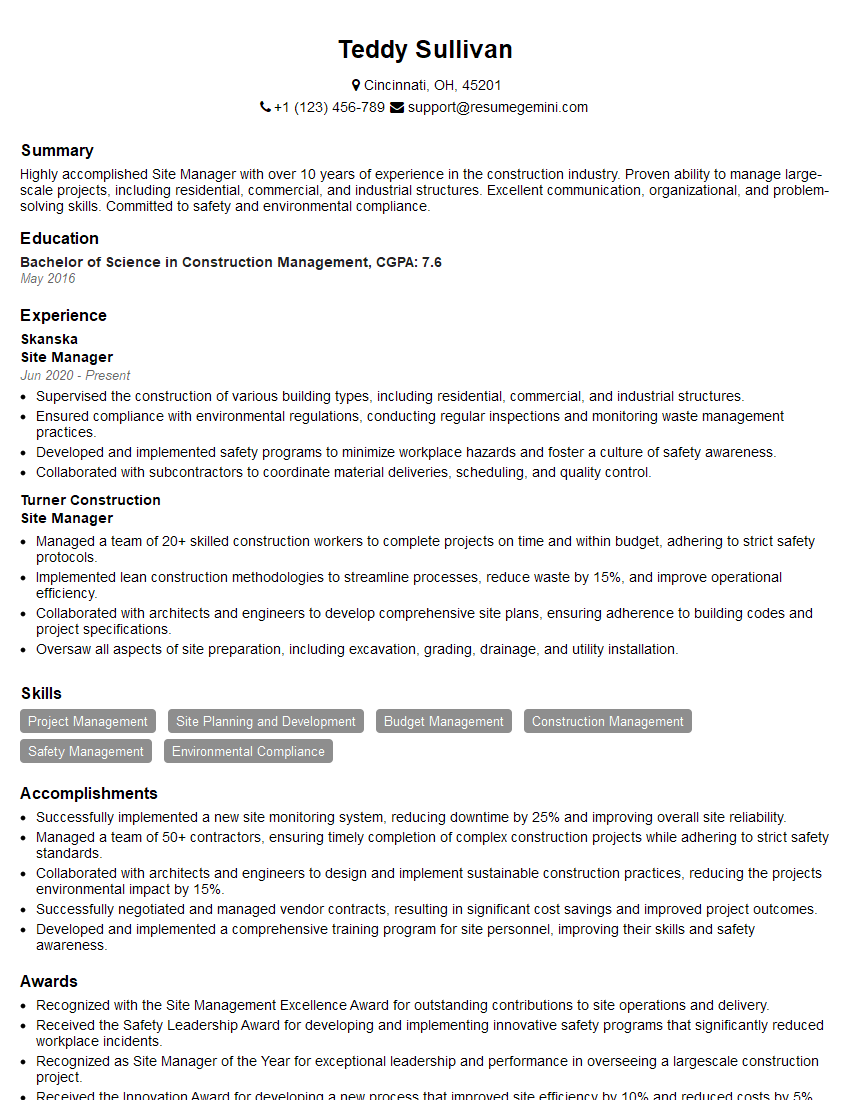
Site Manager Resume Sample
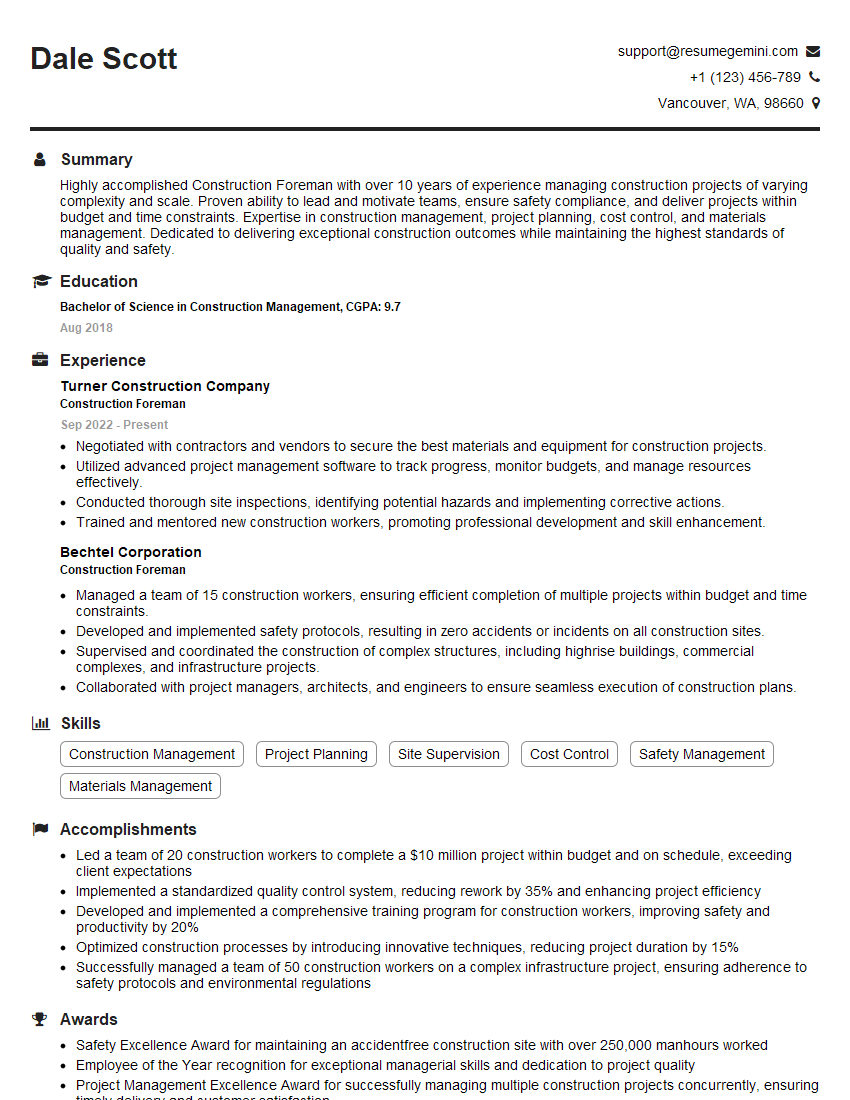
Construction Foreman Resume Sample

Crane Operator Resume Sample
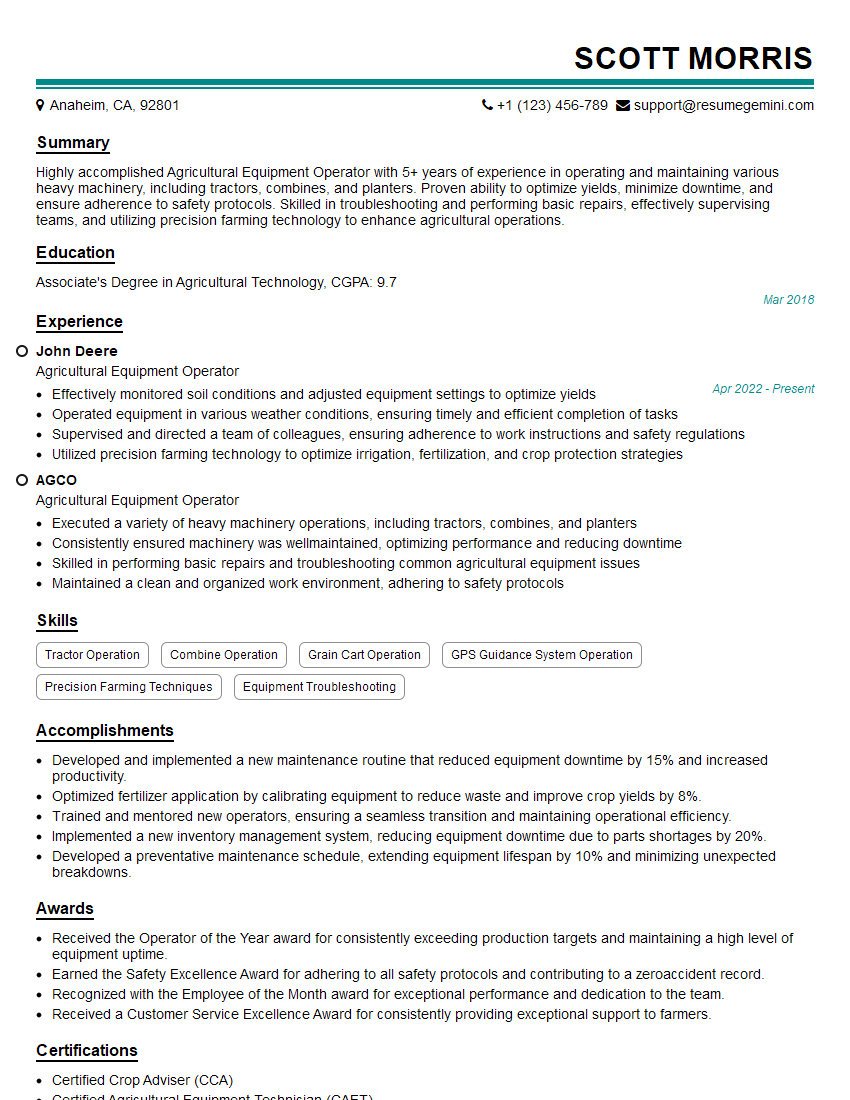
Agricultural Equipment Operator Resume Sample
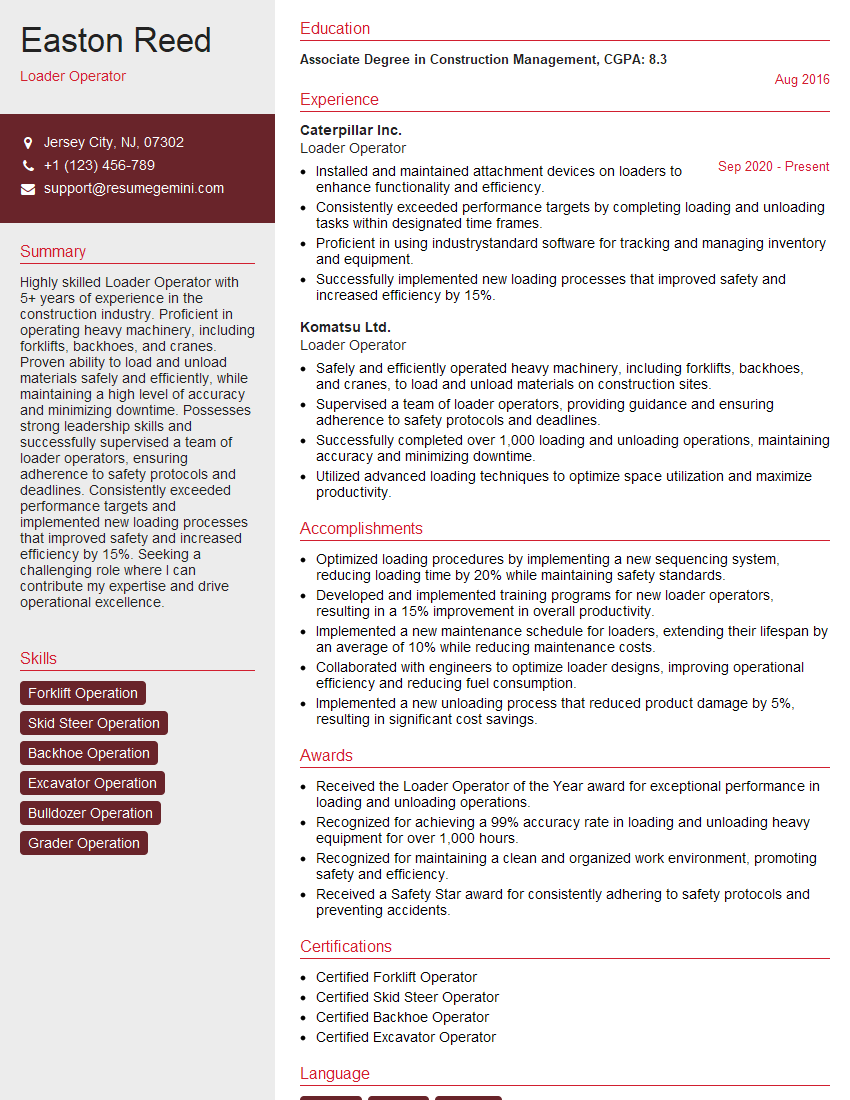
Loader Operator Resume Sample

Heavy Equipment Operator Resume Sample

Roller Operator Resume Sample
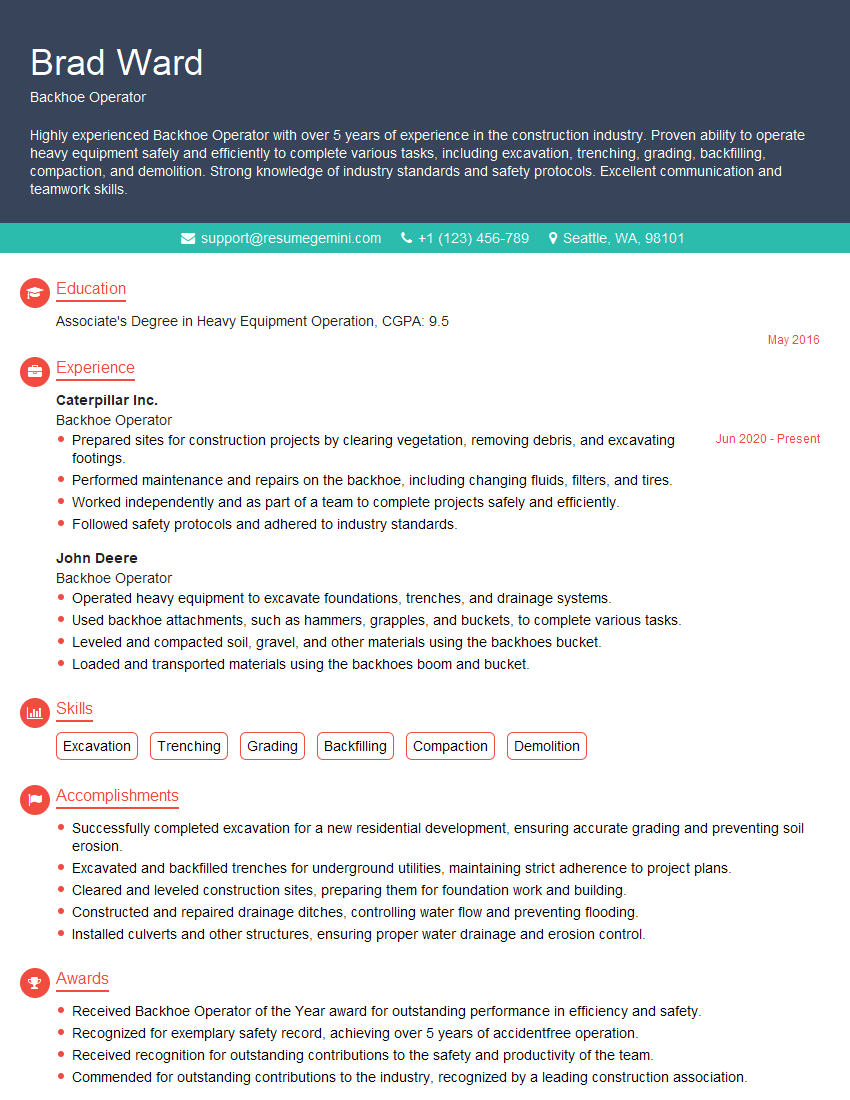
Backhoe Operator Resume Sample
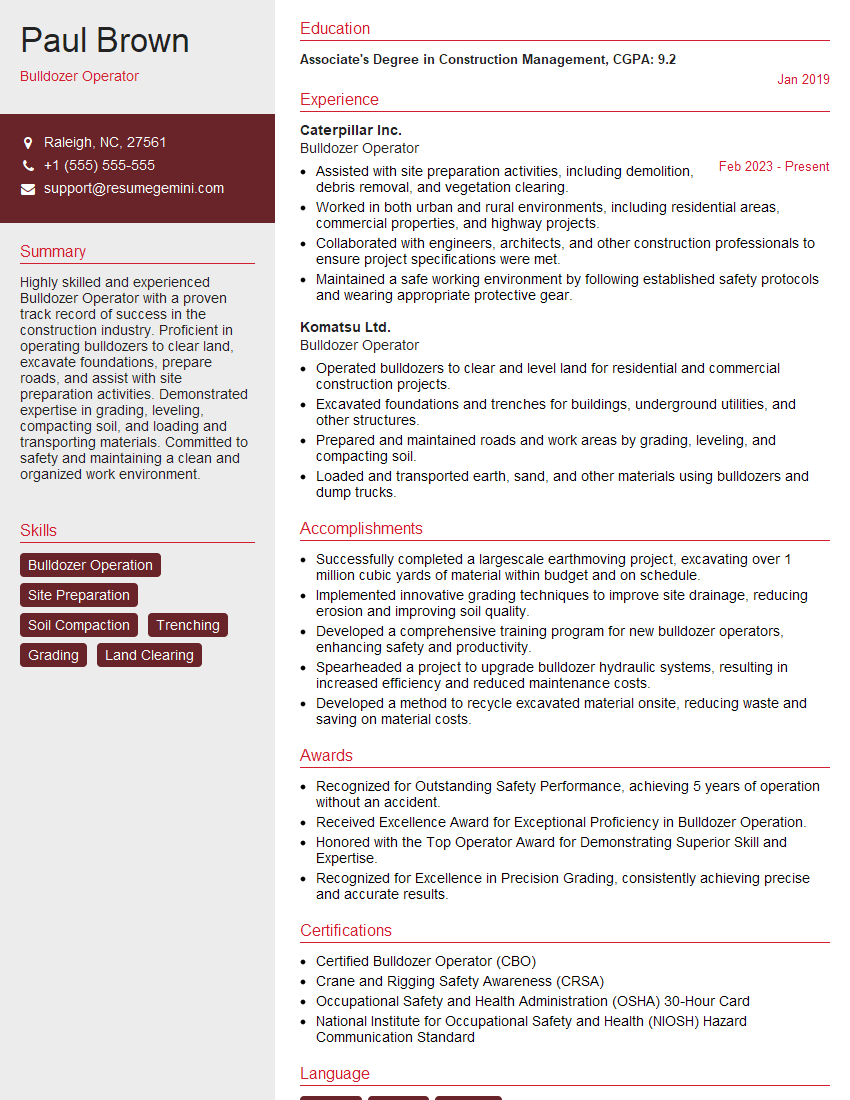
Bulldozer Operator Resume Sample
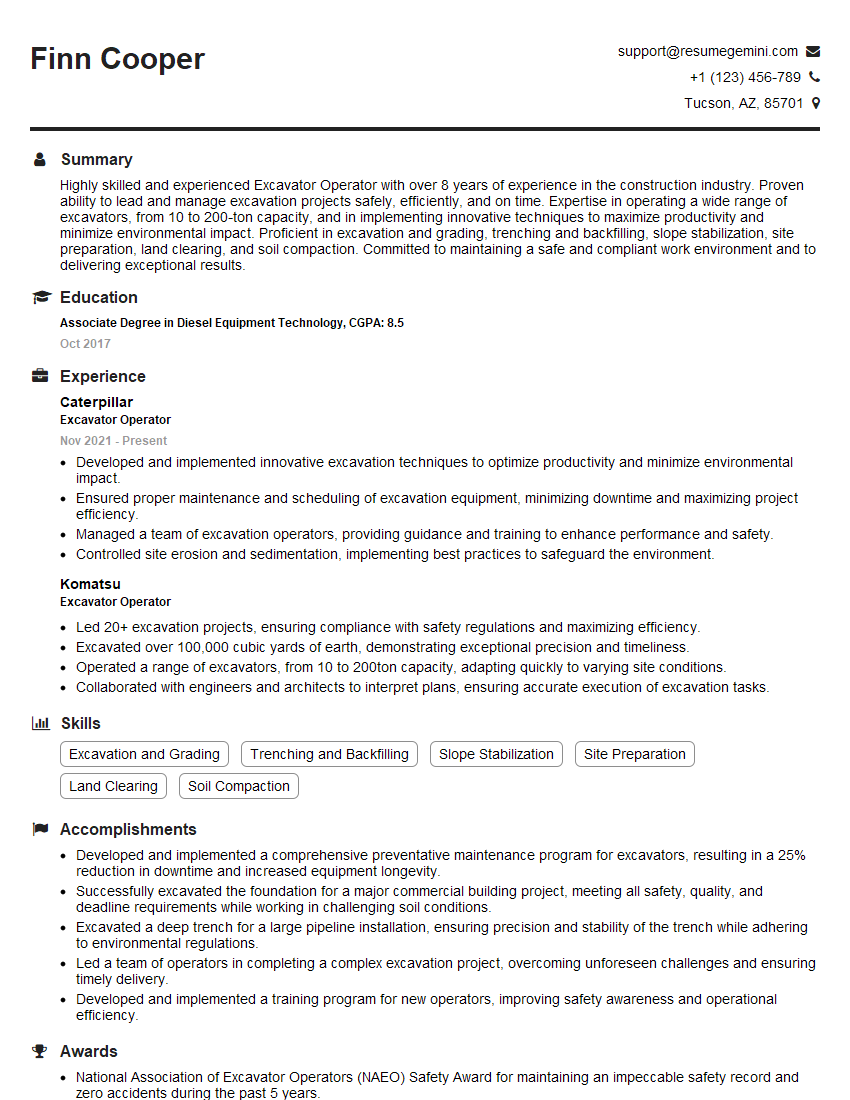
Excavator Operator Resume Sample
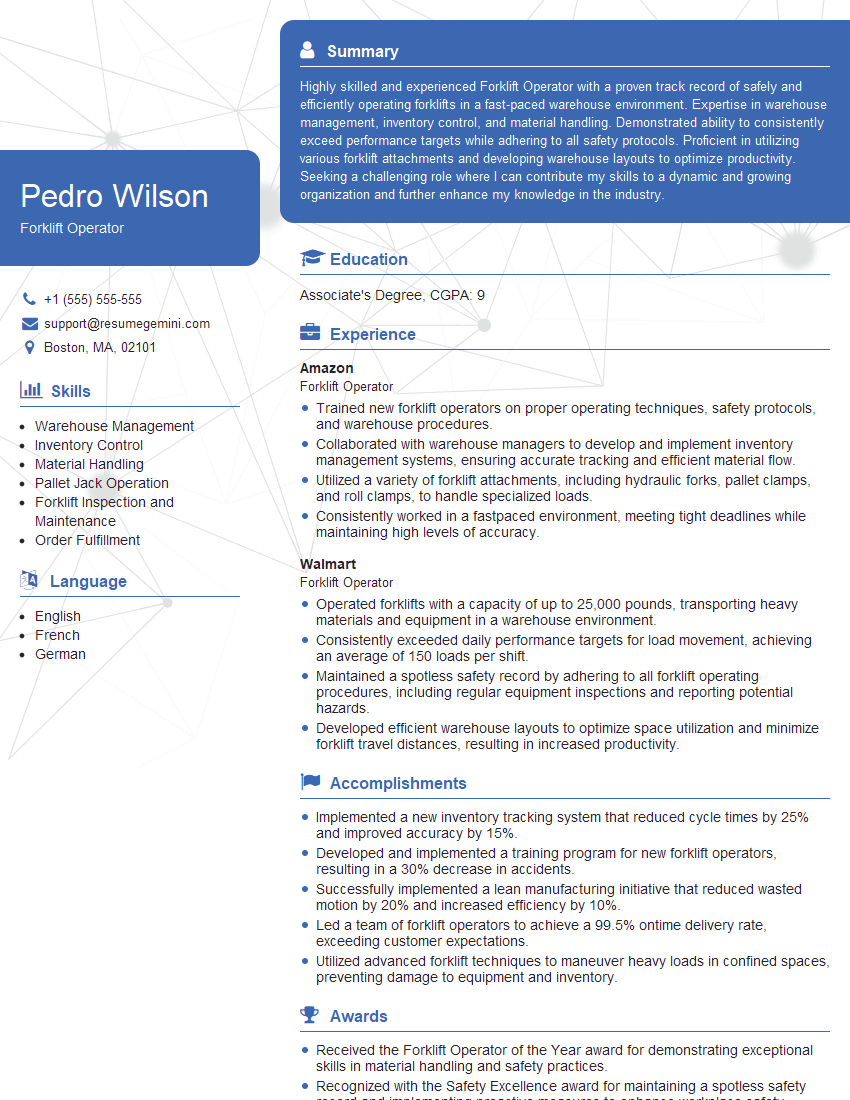
Forklift Operator Resume Sample
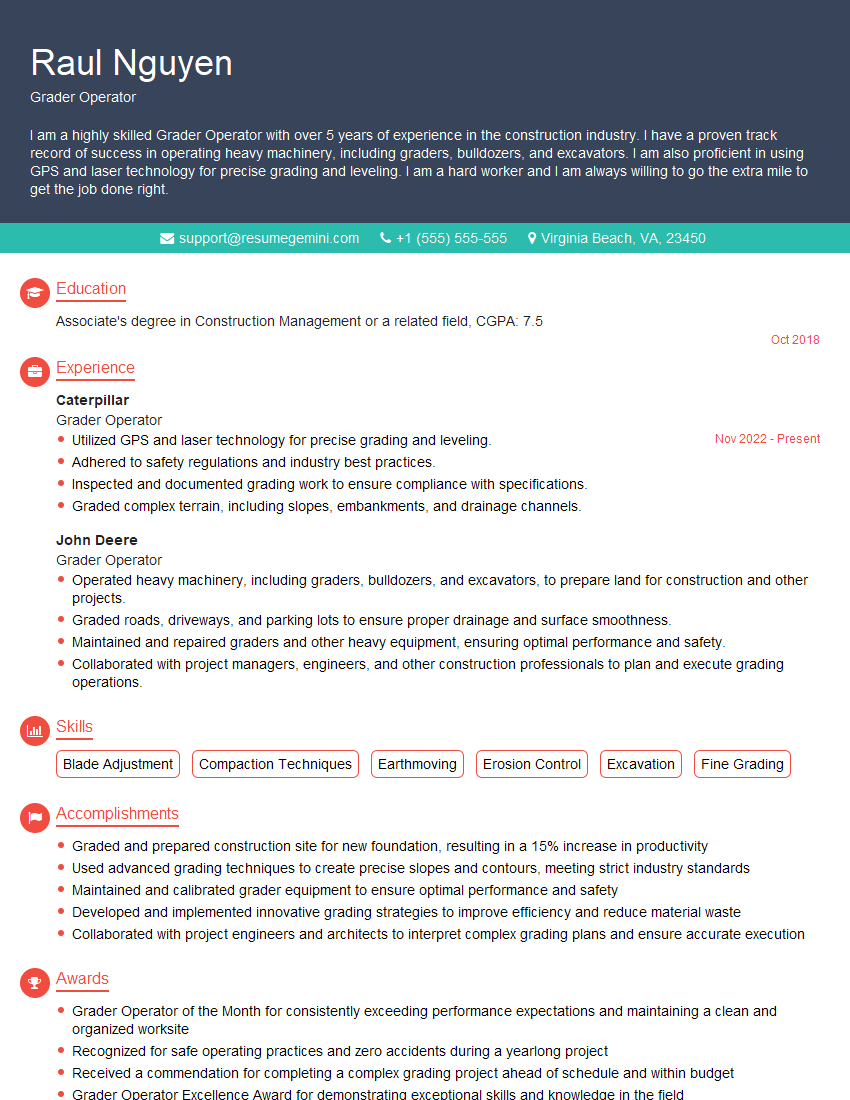
Grader Operator Resume Sample

Heavy Machinery Operator Resume Sample
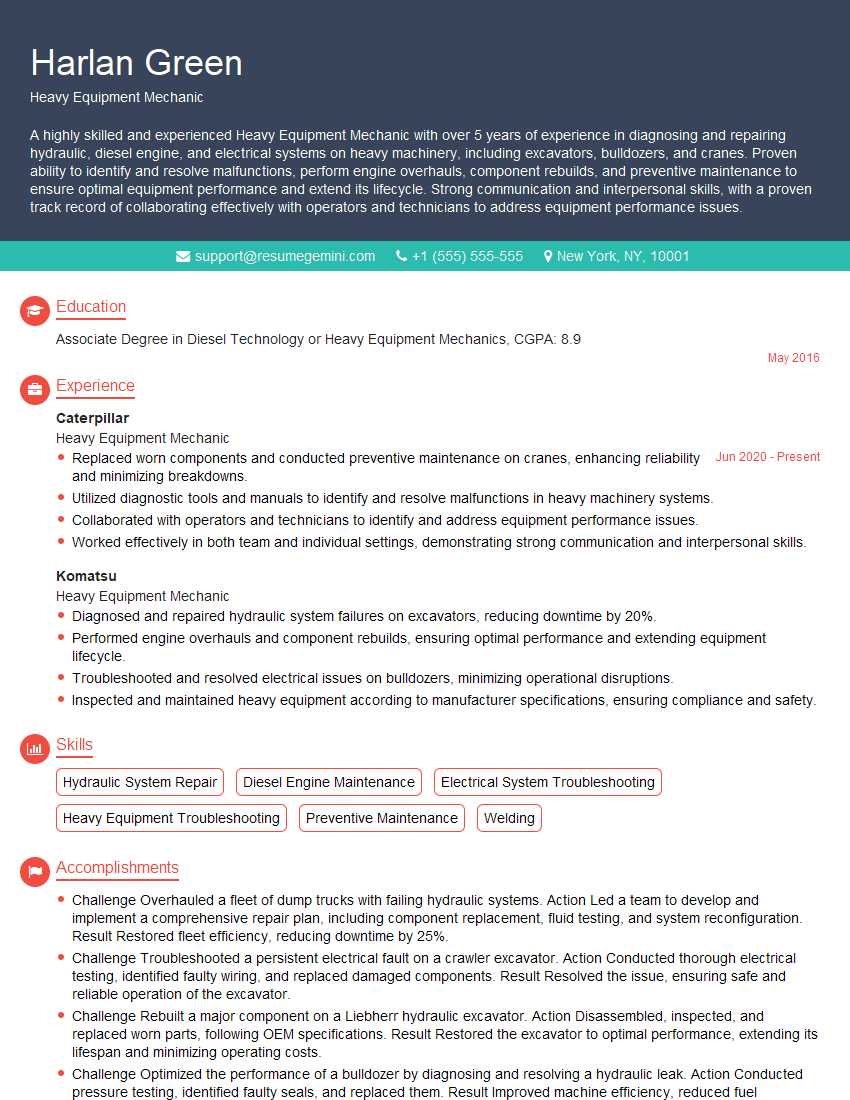
Heavy Equipment Mechanic Resume Sample
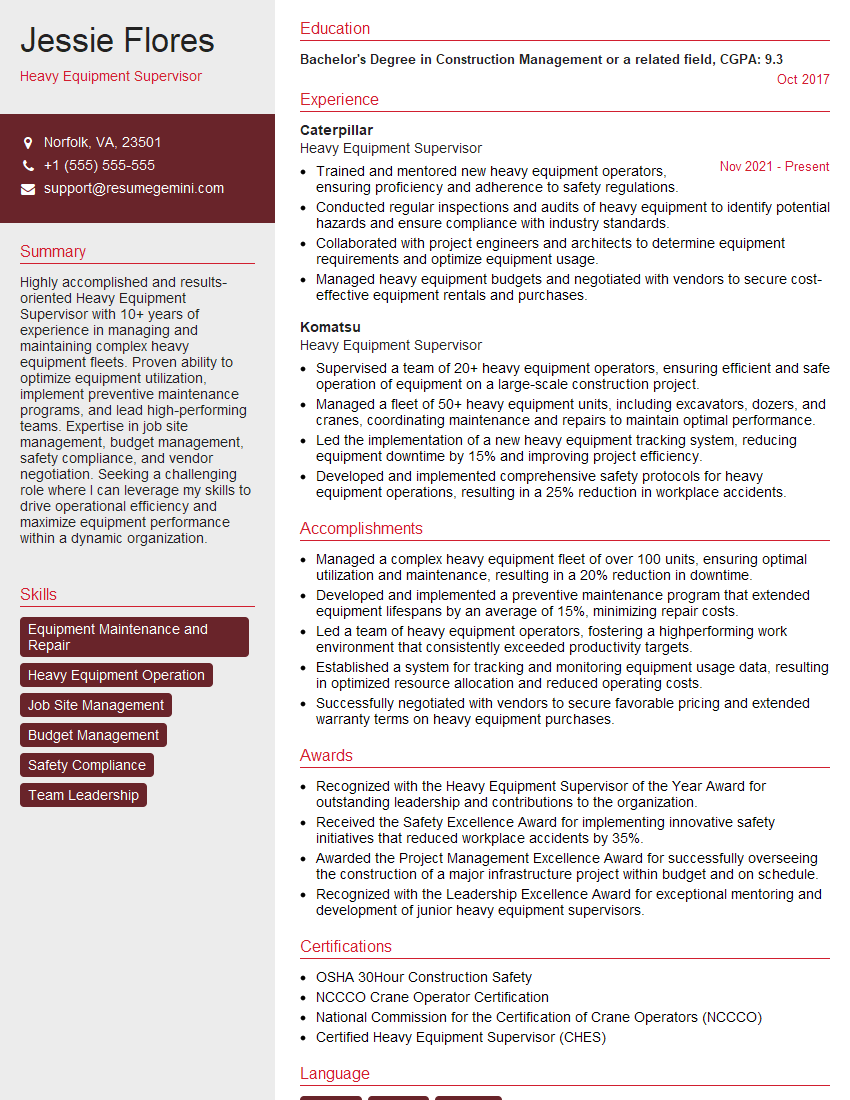
Heavy Equipment Supervisor Resume Sample
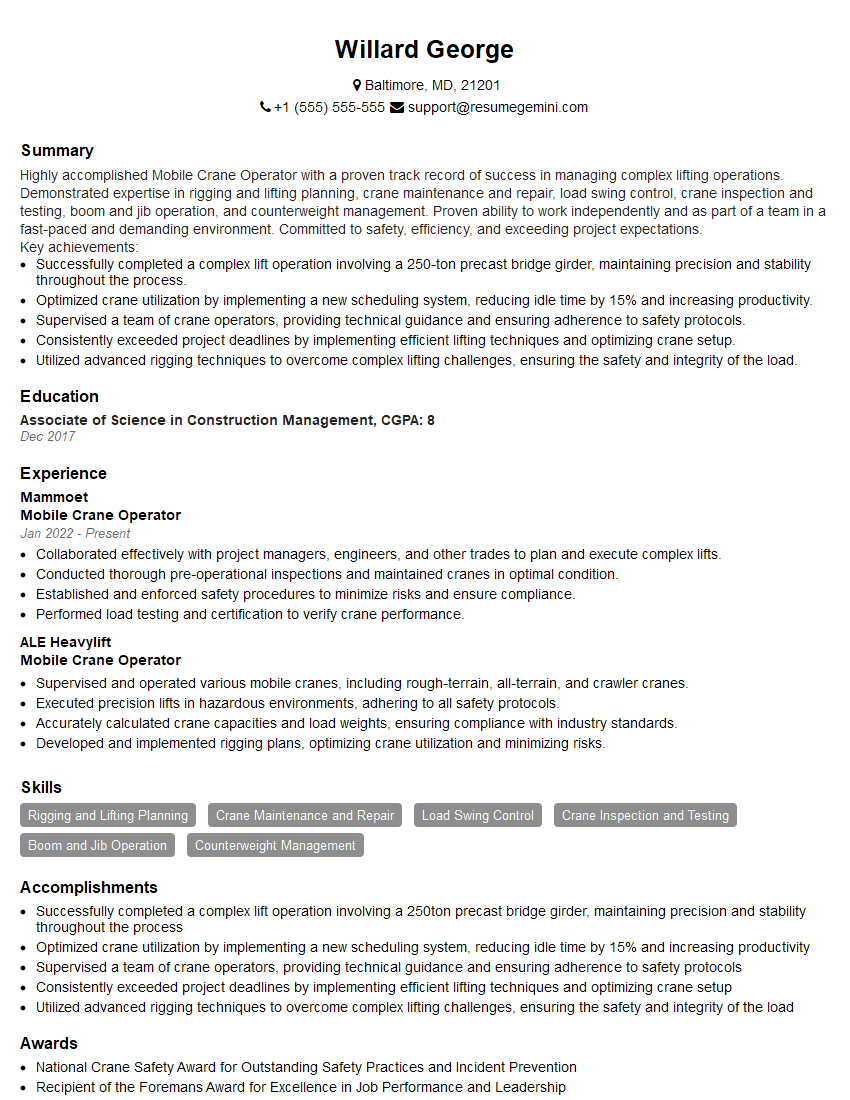
Mobile Crane Operator Resume Sample

Tower Crane Operator Resume Sample
- Site Manager
- Construction Foreman
- Crane Operator
- Agricultural Equipment Operator
- Loader Operator
- Heavy Equipment Operator
- Roller Operator
- Backhoe Operator
- Bulldozer Operator
- Excavator Operator
- Forklift Operator
- Grader Operator
- Heavy Machinery Operator
- Heavy Equipment Mechanic
- Heavy Equipment Supervisor
- Mobile Crane Operator
- Tower Crane Operator
Explore more articles
Users Rating of Our Blogs
Share Your Experience
We value your feedback! Please rate our content and share your thoughts (optional).
What Readers Say About Our Blog
Very informative content, great job.
good