The right preparation can turn an interview into an opportunity to showcase your expertise. This guide to Operation and Maintenance interview questions is your ultimate resource, providing key insights and tips to help you ace your responses and stand out as a top candidate.
Questions Asked in Operation and Maintenance Interview
Q 1. Describe your experience with preventative maintenance programs.
Preventative maintenance (PM) programs are the cornerstone of reliable operations. They involve systematically inspecting, lubricating, cleaning, and replacing components before they fail, minimizing downtime and extending equipment lifespan. Think of it like regular check-ups for your car – far better to change the oil before the engine seizes than to deal with a costly breakdown on the highway.
In my experience, I’ve implemented and managed PM programs across various industries, from manufacturing plants to data centers. This involved creating detailed schedules based on manufacturer recommendations, equipment usage, and historical failure data. For instance, in a manufacturing setting, we implemented a PM schedule for conveyor belts that included regular lubrication, belt tension checks, and visual inspections for wear and tear. This significantly reduced unscheduled downtime caused by belt failures, improving overall productivity. Another example involves implementing a predictive maintenance strategy using vibration analysis sensors on critical machinery. This allows us to detect potential problems before they escalate into major failures, further optimizing maintenance efforts and resource allocation.
- Developing comprehensive PM schedules: This includes identifying critical equipment, determining inspection intervals, and specifying tasks for each inspection.
- Training maintenance personnel: Ensuring technicians understand the procedures and have the necessary skills to perform PM tasks efficiently and safely.
- Utilizing CMMS (Computerized Maintenance Management Systems): Tracking PM activities, generating reports, and managing inventory effectively.
- Continuous improvement: Regularly reviewing PM schedules and adjusting them based on equipment performance and failure analysis to enhance program efficacy.
Q 2. How do you prioritize maintenance tasks in a high-pressure environment?
Prioritizing maintenance tasks in a high-pressure environment requires a systematic approach. We use a combination of factors to determine urgency and impact. It’s like triage in a hospital – attending to the most critical cases first.
I typically use a risk-based prioritization matrix, considering the potential impact of a failure (loss of production, safety hazards, financial costs) and the likelihood of that failure occurring. For example, a critical component with a high likelihood of failure would receive top priority, while a minor component with a low likelihood of failure can be scheduled for later. I utilize tools like a CMMS to effectively manage the tasks and their assigned priority levels, creating a visual workflow to manage even the most demanding schedules.
This approach allows us to allocate resources effectively, ensuring that critical maintenance tasks are completed promptly, while still addressing less urgent items within a reasonable timeframe. Communication is also key; I keep all relevant stakeholders updated on the progress and any changes to the schedule.
Q 3. Explain your troubleshooting methodology for complex equipment malfunctions.
Troubleshooting complex equipment malfunctions requires a systematic and logical approach. Think of it like detective work – you need to gather evidence, form hypotheses, and test them until you find the culprit.
My methodology follows these steps:
- Gather information: Start by collecting as much data as possible – error codes, sensor readings, witness accounts, etc.
- Identify the symptoms: Clearly define the problem. What exactly is malfunctioning? What are the observable effects?
- Formulate hypotheses: Based on the information gathered, develop potential causes for the malfunction.
- Test hypotheses: Systematically test each hypothesis, using diagnostic tools and procedures to isolate the problem. This may involve checking wiring, testing sensors, reviewing logs, etc.
- Verify the solution: Once the problem is identified and fixed, verify that the equipment is functioning correctly. Monitor the system to ensure the issue doesn’t reappear.
- Document the process: Thoroughly document the troubleshooting steps, the root cause, and the corrective actions taken for future reference.
For example, I once tackled a complex issue with a robotic arm in a manufacturing facility. Following this method, I was able to isolate the problem to a faulty encoder in the robot’s joint, leading to the accurate repair. Effective troubleshooting is crucial, not only for quick problem resolution but also for gaining valuable insights into potential issues and improving overall system reliability.
Q 4. What are your strategies for managing maintenance budgets effectively?
Managing maintenance budgets effectively requires careful planning and execution. This involves balancing the need for proactive maintenance with the constraints of limited resources.
My strategies include:
- Prioritization: As discussed earlier, prioritizing maintenance tasks based on risk and impact allows for efficient allocation of funds.
- Predictive maintenance: Implementing predictive maintenance strategies, such as vibration analysis or oil analysis, helps to prevent unexpected failures and reduce costly emergency repairs.
- Negotiation with vendors: Negotiating favorable contracts with vendors for parts and services can significantly reduce costs.
- Inventory management: Effective inventory management prevents overstocking of spare parts, minimizing storage costs and waste.
- Performance monitoring: Regularly monitoring maintenance costs and comparing them to budgets allows for quick identification of areas for improvement and cost-saving measures.
- Benchmarking: Comparing maintenance costs to industry standards helps to identify areas where improvement is needed.
A key aspect is using data-driven decision making. By analyzing historical maintenance data, we can better predict future needs and allocate budget accordingly, optimizing both the preventive and corrective maintenance activities to ensure continuous efficient operations.
Q 5. How do you ensure compliance with safety regulations and procedures?
Ensuring compliance with safety regulations and procedures is paramount. It’s not just about following rules; it’s about creating a safe work environment for everyone. It’s like building a house – you wouldn’t leave out essential structural supports.
My approach includes:
- Regular safety training: Providing comprehensive safety training to all maintenance personnel, covering topics such as lockout/tagout procedures, hazard identification, and the proper use of personal protective equipment (PPE).
- Compliance audits: Conducting regular audits to ensure that safety regulations and procedures are being followed.
- Incident investigation: Thoroughly investigating all accidents and near misses to identify root causes and implement corrective actions.
- Risk assessment: Regularly assessing potential hazards and implementing control measures to mitigate risks. This involves using Job Safety Analysis (JSA) forms for high-risk tasks.
- Documentation: Maintaining accurate and up-to-date records of all safety training, audits, and incident investigations.
- Promoting a safety culture: Fostering a positive safety culture where all employees are empowered to report hazards and participate in safety improvement initiatives.
I’ve found that a proactive, data-driven approach to safety, combined with a strong safety culture, is the most effective way to prevent accidents and ensure compliance.
Q 6. Describe your experience with CMMS (Computerized Maintenance Management Systems).
CMMS (Computerized Maintenance Management Systems) are indispensable tools for managing maintenance operations efficiently. They’re like the central nervous system of a maintenance department – coordinating all activities and providing vital information.
I have extensive experience with various CMMS platforms, including [mention specific systems if comfortable, otherwise use generic examples such as] UpKeep, Fiix, and IBM Maximo. My experience includes:
- Implementing and configuring CMMS software: Setting up the system, defining work orders, creating PM schedules, and integrating it with other systems.
- Data entry and management: Accurately entering maintenance data, tracking work orders, and managing inventory.
- Reporting and analysis: Generating reports on maintenance costs, downtime, and equipment performance to support data-driven decision-making.
- Work order management: Assigning and tracking work orders, ensuring timely completion and proper documentation.
- Preventative Maintenance Scheduling: Using the CMMS to schedule preventative maintenance activities, reducing the likelihood of equipment failures.
The use of a CMMS has dramatically improved our efficiency, reduced downtime, and enabled better control over maintenance costs. The data analytics capabilities provided by a CMMS are particularly useful for identifying trends and making informed decisions about resource allocation and preventive maintenance strategies.
Q 7. What are your skills in root cause analysis?
Root cause analysis (RCA) is crucial for preventing recurring problems. It’s about digging deeper than just fixing the immediate symptom; we aim to understand the underlying cause to prevent future issues. It’s like finding the source of a leak – patching the hole only fixes the immediate problem; finding the source of the leak is the only way to prevent further damage.
I utilize various RCA techniques, including the ‘5 Whys’ method, fishbone diagrams (Ishikawa diagrams), and fault tree analysis. The ‘5 Whys’ method, for instance, involves repeatedly asking ‘why’ to uncover the root cause of a problem. For example, if a machine breaks down, asking ‘Why did the machine break down?’ may lead to answers such as ‘due to a worn bearing,’ ‘because the lubrication was insufficient,’ ‘because the lubrication schedule wasn’t followed,’ ‘because the maintenance personnel weren’t properly trained,’ ‘because the training program was inadequate.’ This systematic approach pinpoints the fundamental problem, allowing for effective corrective actions.
Implementing effective RCA not only prevents future failures but also improves operational efficiency and enhances overall system reliability by identifying systemic weaknesses and implementing sustainable solutions.
Q 8. How do you handle emergency repairs and breakdowns?
Emergency repairs demand a swift, structured response. My approach prioritizes safety first, followed by rapid assessment and efficient repair. I follow a three-stage process:
- Assessment: Immediately secure the area, ensuring the safety of personnel and preventing further damage. A rapid assessment of the problem is crucial – identifying the root cause, potential hazards, and necessary resources. For example, if a pump fails, we immediately isolate it to prevent flooding, then assess the cause (electrical, mechanical, etc.).
- Repair: Based on the assessment, we initiate the repair. This might involve immediate fixes to restore functionality (e.g., a temporary bypass) while simultaneously ordering necessary parts for a permanent solution. Clear communication with relevant personnel, such as operations and management, is key during this stage.
- Documentation & Root Cause Analysis: After the emergency is resolved, we thoroughly document the event, including the cause, repair actions, and any lessons learned. A root cause analysis helps prevent future occurrences; perhaps a preventive maintenance schedule was lacking or a part was simply worn beyond its lifespan. This analysis informs future maintenance strategies.
Think of it like a fire – you need to put out the immediate blaze (assessment and initial repair) before investigating what started it (root cause analysis).
Q 9. What is your experience with predictive maintenance techniques?
Predictive maintenance uses data and technology to anticipate potential failures *before* they occur. My experience includes working with vibration analysis, infrared thermography, and oil analysis. Vibration analysis, for instance, uses sensors to detect abnormal vibrations in machinery, indicating potential bearing or imbalance issues. Infrared thermography identifies overheating components, possibly signaling impending failure. Oil analysis examines oil samples for contaminants or degradation, helping predict lubrication system problems.
In a previous role, we implemented a vibration analysis program on critical pumps. By monitoring vibration levels, we identified a bearing issue in a pump weeks before it failed catastrophically. This prevented costly downtime and potential safety hazards. The cost savings from this proactive approach far outweighed the investment in the predictive maintenance technology.
Q 10. Explain your understanding of reliability-centered maintenance (RCM).
Reliability-Centered Maintenance (RCM) is a systematic process for determining the best maintenance approach for each piece of equipment based on its function and potential failure modes. It focuses on maintaining reliability, not just preventing failures. The process generally involves:
- Functional Failure Analysis: Identifying all potential failure modes and their consequences.
- Failure Modes and Effects Analysis (FMEA): Evaluating the severity, frequency, and detectability of each failure mode.
- Maintenance Task Selection: Determining the most effective maintenance strategies for each failure mode (preventive, predictive, run-to-failure, etc.).
- Implementation and Monitoring: Implementing the chosen maintenance tasks and continuously monitoring their effectiveness.
Instead of a blanket approach to maintenance, RCM tailors the strategy to each asset, optimizing resource allocation and improving overall equipment effectiveness. For example, a critical piece of equipment might require predictive maintenance, while a less critical component might only need to be inspected periodically.
Q 11. Describe a time you improved a maintenance process.
In a previous role, we were experiencing high downtime due to frequent failures in a specific conveyor system. The existing maintenance process was reactive, leading to costly repairs and production delays. I implemented a comprehensive preventative maintenance (PM) program focusing on lubrication, regular inspections, and timely component replacements.
This involved:
- Developing a detailed PM schedule with specific tasks and frequencies based on manufacturer recommendations and historical failure data.
- Training maintenance technicians on the new procedures and providing them with the necessary tools and resources.
- Implementing a system for tracking PM tasks and recording findings.
The result was a significant reduction in conveyor system downtime and improved overall productivity. We moved from an average of two failures per month to less than one per quarter.
Q 12. How do you manage a team of maintenance technicians?
Managing a maintenance team requires strong leadership, communication, and technical expertise. My approach focuses on:
- Clear Communication: Establishing open communication channels to ensure everyone is informed and understands their roles and responsibilities.
- Delegation and Empowerment: Delegating tasks effectively, empowering technicians to make decisions within their scope, and fostering a sense of ownership.
- Training and Development: Providing ongoing training opportunities to enhance their technical skills and knowledge.
- Performance Management: Regularly evaluating individual and team performance, providing constructive feedback, and recognizing achievements.
- Safety Emphasis: Prioritizing safety through regular safety meetings, training, and the enforcement of safety procedures.
I view my role as a facilitator – enabling my team to perform at their best by providing the necessary resources, support, and guidance.
Q 13. What is your experience with different types of machinery?
My experience encompasses a wide range of machinery, including:
- Rotating Equipment: Pumps, compressors, motors, turbines – including experience in diagnosing and repairing various types of failures such as bearing wear, shaft misalignment, and seal leaks.
- Conveying Systems: Belt conveyors, screw conveyors, bucket elevators – encompassing troubleshooting issues related to belt tracking, component wear, and drive system malfunctions.
- HVAC Systems: Chillers, boilers, air handling units – proficient in maintenance and repair of refrigeration cycles, combustion systems, and air distribution networks.
- Process Equipment: Reactors, mixers, filters – experienced in the maintenance and troubleshooting of various types of process equipment specific to the industry.
I’m comfortable working with both mechanical and electrical systems and am adept at identifying and resolving complex equipment issues. My experience extends to both preventative and corrective maintenance.
Q 14. What safety measures do you prioritize during maintenance tasks?
Safety is paramount in all maintenance tasks. My approach is based on a multi-layered strategy:
- Lockout/Tagout (LOTO): Strict adherence to LOTO procedures to isolate energy sources before commencing any work on equipment.
- Personal Protective Equipment (PPE): Ensuring the appropriate PPE is worn at all times, including safety glasses, gloves, hard hats, and hearing protection, as required by the task and environment.
- Hazard Identification and Risk Assessment (HIRA): Conducting thorough HIRAs before undertaking any maintenance activity to identify potential hazards and implement control measures.
- Training and Competency: Ensuring all maintenance personnel receive adequate training in safe work practices and have the necessary skills and competency to perform their tasks.
- Permit-to-Work System: Utilization of a permit-to-work system for high-risk tasks requiring specific authorization and supervision.
Safety isn’t just a checklist; it’s a mindset and a cultural value ingrained in my approach to maintenance. A safe work environment is a productive work environment.
Q 15. How familiar are you with various maintenance documentation and reporting systems?
My experience encompasses a wide range of maintenance documentation and reporting systems. I’m proficient in using Computerized Maintenance Management Systems (CMMS), like SAP PM, Maximo, and Fiix. These systems are crucial for tracking work orders, scheduling preventative maintenance, managing inventory, and generating reports on maintenance performance. Beyond CMMS, I’m familiar with various reporting formats, including spreadsheets (Excel), databases (SQL), and specialized reporting tools. For example, in a previous role, I implemented a new CMMS to replace a paper-based system, significantly improving efficiency and data accuracy. This involved migrating historical data, training staff, and establishing standardized reporting procedures. I understand the importance of creating clear, concise documentation to ensure seamless communication and efficient troubleshooting.
- Work Order Management: Tracking work order creation, assignment, completion, and associated costs.
- Preventative Maintenance Scheduling: Planning and executing routine maintenance to prevent equipment failure.
- Inventory Management: Tracking parts and supplies to ensure timely availability.
- Reporting and Analysis: Generating reports on maintenance costs, equipment downtime, and overall performance.
Career Expert Tips:
- Ace those interviews! Prepare effectively by reviewing the Top 50 Most Common Interview Questions on ResumeGemini.
- Navigate your job search with confidence! Explore a wide range of Career Tips on ResumeGemini. Learn about common challenges and recommendations to overcome them.
- Craft the perfect resume! Master the Art of Resume Writing with ResumeGemini’s guide. Showcase your unique qualifications and achievements effectively.
- Don’t miss out on holiday savings! Build your dream resume with ResumeGemini’s ATS optimized templates.
Q 16. How do you handle conflicting priorities among maintenance requests?
Prioritizing conflicting maintenance requests requires a structured approach. I use a system that considers several factors: Urgency (immediate safety hazard vs. minor inconvenience), Impact (critical equipment vs. non-critical), and Cost (repair vs. replacement). I often employ a prioritization matrix to visually represent these factors. For instance, a critical piece of equipment malfunctioning could supersede a scheduled preventative maintenance task, even if the latter is planned for the same day. Communication is key. I clearly explain the prioritization rationale to all stakeholders, ensuring transparency and preventing misunderstandings. This might involve escalating urgent requests or re-scheduling less critical ones. Sometimes, I use a weighted scoring system to quantify the factors and create an objective ranking. Ultimately, the goal is to minimize downtime, ensure safety, and optimize resource allocation.
Q 17. Describe your experience with inventory management for maintenance parts.
Effective inventory management is critical for efficient maintenance. My experience includes using both manual and computerized inventory systems. I’m skilled in managing inventory levels, tracking part usage, and minimizing waste through methods like ABC analysis (classifying parts by value and consumption). This involves regularly auditing physical inventory against system records to identify discrepancies and ensure accuracy. I’ve used barcode scanning and RFID technology to streamline the process and minimize human error. In one project, I implemented a just-in-time (JIT) inventory system for frequently used parts, significantly reducing storage costs and minimizing waste. This required close collaboration with suppliers to establish reliable delivery schedules. Furthermore, I’m adept at using CMMS software features to forecast future part needs based on historical usage data and planned maintenance activities.
Q 18. Explain your understanding of Total Productive Maintenance (TPM).
Total Productive Maintenance (TPM) is a philosophy that involves engaging all employees in maintaining and improving equipment. It moves beyond reactive maintenance to a proactive, preventative approach. The core principle is to eliminate all losses, including downtime, defects, and inefficiencies. Key elements of TPM include autonomous maintenance (operators performing basic maintenance), planned maintenance (scheduled preventative tasks), and improvement activities (continuous optimization). I’ve implemented TPM principles in several settings, leading to reduced downtime, improved equipment lifespan, and increased overall efficiency. For example, by training operators to perform basic lubrication and cleaning tasks, we significantly reduced the number of breakdowns caused by minor issues. This also fostered a greater sense of ownership and responsibility among the team.
Q 19. How do you evaluate the performance of maintenance activities?
Evaluating maintenance performance requires a multi-faceted approach. Key metrics include Mean Time Between Failures (MTBF), Mean Time To Repair (MTTR), and equipment uptime. I use data from CMMS systems to track these metrics and identify areas for improvement. For example, a declining MTBF could indicate a need for more frequent preventative maintenance or a design flaw. Similarly, a high MTTR might suggest that maintenance procedures need to be optimized or that we need more skilled personnel. Beyond these quantitative measures, I also consider qualitative factors like employee satisfaction, adherence to safety protocols, and the overall effectiveness of maintenance strategies. Regular performance reviews and feedback sessions are essential for ongoing improvement.
Q 20. Describe your experience with contract management for maintenance services.
My experience with contract management for maintenance services includes negotiating contracts, managing service level agreements (SLAs), and monitoring contractor performance. This involves clearly defining the scope of work, payment terms, and performance expectations within the contract. I use key performance indicators (KPIs) to track contractor compliance with SLAs, ensuring they meet the agreed-upon standards. Regular communication and performance reviews with contractors are crucial. For instance, I’ve managed contracts with external providers for specialized maintenance tasks, such as HVAC system maintenance or electrical work. I ensured that the contracts included clear penalties for non-compliance and incentives for exceeding expectations. This ensured the best possible service at a fair price.
Q 21. How do you ensure the proper calibration and testing of equipment?
Ensuring proper calibration and testing of equipment is critical for safety, accuracy, and compliance. This involves establishing a calibration schedule based on manufacturer recommendations and regulatory requirements. We use a calibrated instrument tracking system to manage and record calibration dates and results. Equipment undergoes routine testing to verify its performance and identify potential issues before they cause significant problems. Calibration procedures are documented and followed meticulously, with all results recorded in a traceable manner. For example, in a previous role, we used a calibration management software to automatically track equipment due for calibration, sending notifications to the responsible personnel. Failure to maintain proper calibration could lead to inaccurate measurements or even safety hazards, so this process is crucial for maintaining operational excellence.
Q 22. How do you communicate effectively with operations and other departments?
Effective communication is the cornerstone of successful O&M. I believe in a multi-faceted approach, tailoring my communication style to the audience and the context. With operations teams, I prioritize clear, concise, and action-oriented communication. This often involves visual aids like diagrams or charts to explain complex issues quickly. For example, when explaining a planned shutdown, I’d use a timeline highlighting key steps and expected durations, minimizing ambiguity and preventing misunderstandings.
When communicating with other departments, such as engineering or procurement, I focus on collaborative problem-solving. This might involve setting up regular meetings to discuss project updates, using shared project management tools to track progress and issues, or preparing detailed reports that highlight key metrics and potential risks. For instance, when collaborating with procurement on a critical spare parts order, I’d provide clear specifications and emphasize the urgent need to avoid operational downtime.
I actively listen to understand diverse perspectives and build strong working relationships. This collaborative approach allows for quicker problem resolution and fosters a sense of shared ownership and accountability across all departments.
Q 23. Describe your experience with implementing new maintenance technologies.
I have extensive experience implementing new maintenance technologies, focusing on improving efficiency, reducing downtime, and enhancing predictive maintenance capabilities. In my previous role, we transitioned from a primarily reactive maintenance model to a proactive, predictive one using a Computerized Maintenance Management System (CMMS) and IoT sensors. This involved several key steps:
- Needs Assessment: First, we thoroughly assessed our current maintenance processes and identified areas where new technology could provide the most significant improvements. This involved analyzing historical maintenance data to understand failure patterns and equipment criticality.
- Technology Selection: We then evaluated various CMMS and sensor technologies, considering factors like cost, scalability, integration with existing systems, and vendor support. We chose a system with robust reporting features and user-friendly interfaces.
- Implementation and Training: The implementation phase involved data migration, system configuration, and comprehensive training for all maintenance personnel. This included hands-on workshops and ongoing support to ensure smooth adoption.
- Data Analysis and Optimization: Once implemented, we focused on continuous monitoring and data analysis to optimize maintenance schedules and proactively identify potential failures. This resulted in a significant reduction in unplanned downtime and improved overall equipment effectiveness (OEE).
The results were remarkable. We saw a 20% reduction in maintenance costs and a 15% decrease in equipment downtime within the first year. This successful implementation highlights my ability to lead technological change, manage complex projects, and achieve tangible results.
Q 24. What are your strengths and weaknesses in an O&M role?
My strengths lie in my analytical skills, my proactive approach to problem-solving, and my ability to build and motivate teams. I am highly organized, detail-oriented, and adept at managing multiple priorities simultaneously. For example, during a major equipment failure, I remained calm under pressure, coordinating the repair effort effectively while communicating updates to stakeholders.
One area I am actively working on is delegating tasks more effectively. While I enjoy being hands-on, I recognize the importance of empowering team members and trusting their expertise. I’m currently implementing strategies to better delegate responsibilities, focusing on clear communication of expectations and providing adequate support and guidance. This involves setting clear goals, defining roles and responsibilities, and regularly monitoring progress.
Q 25. How do you handle pressure and deadlines in a fast-paced environment?
Fast-paced environments are my norm. I thrive under pressure and manage deadlines effectively using a structured approach. My strategy involves prioritizing tasks based on urgency and importance, using tools like Gantt charts or Kanban boards to visualize project timelines and track progress. I also break down large projects into smaller, more manageable tasks, setting realistic milestones and regularly reviewing progress against the plan.
Communication is critical in a high-pressure environment. I keep stakeholders informed of progress, challenges, and potential delays. Proactive communication avoids surprises and allows for collaborative problem-solving. For instance, if I foresee a deadline being missed, I immediately communicate this to the relevant parties, proposing alternative solutions and seeking their input.
Finally, I believe in self-care. Maintaining a healthy work-life balance is crucial for sustaining performance under pressure. I prioritize adequate rest, exercise, and mindfulness techniques to prevent burnout and maintain focus.
Q 26. Describe your experience with performance improvement initiatives in maintenance.
I have a proven track record of implementing successful performance improvement initiatives in maintenance. One significant example involves the optimization of our preventative maintenance (PM) program. We started by analyzing historical maintenance data to identify recurring failures and inefficiencies. This analysis revealed that certain PM tasks were unnecessarily frequent, while others were insufficient to prevent failures.
Based on this data, we redesigned the PM schedule, eliminating redundant tasks and enhancing critical ones. We also implemented a system for tracking PM completion rates and identifying delays proactively. This resulted in a significant reduction in PM costs while improving equipment reliability. Furthermore, we introduced root cause analysis (RCA) for all major equipment failures to prevent recurrence. This involved systematically investigating the causes of failures, implementing corrective actions, and documenting lessons learned. The combination of optimized PM schedules and robust RCA significantly improved our overall maintenance performance.
Q 27. How do you identify and mitigate potential risks in maintenance operations?
Risk mitigation is a critical aspect of O&M. My approach involves a proactive, multi-layered strategy. First, I conduct regular risk assessments, identifying potential hazards and evaluating their likelihood and severity. This can involve using tools like Failure Mode and Effects Analysis (FMEA) or HAZOP (Hazard and Operability) studies.
Once potential risks are identified, I develop and implement control measures to mitigate them. This might involve implementing engineering controls (e.g., installing safety guards), administrative controls (e.g., developing safe work procedures), or personal protective equipment (PPE). For example, if a risk assessment reveals a high probability of electrical shock during maintenance, we would implement lockout/tagout procedures to ensure equipment is de-energized before work begins.
Finally, I establish a system for monitoring and reviewing the effectiveness of our risk control measures. Regular audits and safety inspections are conducted to ensure our controls remain effective and to identify any new emerging risks. This continuous improvement approach is crucial for maintaining a safe and reliable operation.
Q 28. What are your career goals in the field of Operations and Maintenance?
My career goals in O&M center around continuous learning and leadership development. I aim to become a recognized expert in predictive maintenance and asset management, leveraging advanced technologies to drive operational excellence. This includes pursuing further certifications in relevant fields and staying abreast of the latest industry trends and best practices.
I also aspire to lead and mentor teams, fostering a culture of safety, innovation, and continuous improvement. I envision myself in a senior management role, contributing to the strategic direction of an organization’s O&M operations and driving sustainable improvements in efficiency, reliability, and safety.
Key Topics to Learn for Your Operation and Maintenance Interview
- Preventive Maintenance Strategies: Understanding scheduled maintenance, predictive maintenance techniques (vibration analysis, oil analysis), and their impact on equipment lifespan and operational efficiency. Consider practical applications like developing and implementing a PM schedule for a specific system.
- Troubleshooting and Diagnostics: Mastering systematic approaches to fault finding, including utilizing diagnostic tools, interpreting error codes, and understanding root cause analysis. Think about how you’d approach a scenario where a critical system fails unexpectedly.
- Safety Procedures and Regulations: Demonstrating knowledge of relevant safety standards (OSHA, etc.), lockout/tagout procedures, and safe work practices. Be prepared to discuss real-world examples of how you’ve ensured a safe working environment.
- Equipment Operation and Functionality: Deep understanding of the specific equipment relevant to the job description. This includes knowing how the equipment works, its limitations, and potential failure points. Be ready to discuss your experience operating similar equipment.
- Record Keeping and Reporting: Understanding the importance of accurate and timely documentation of maintenance activities, including generating reports on equipment performance and maintenance costs. Discuss your experience with CMMS (Computerized Maintenance Management Systems) or similar software.
- Cost Optimization and Budget Management: Demonstrating an understanding of how to minimize maintenance costs while maintaining equipment reliability. This can include strategies for parts procurement, efficient scheduling, and preventative maintenance program optimization.
- Teamwork and Communication: Highlighting your ability to work effectively within a team, communicate technical information clearly, and collaborate with colleagues across different departments.
Next Steps: Launch Your O&M Career
Mastering Operation and Maintenance principles is crucial for a successful and rewarding career. It opens doors to diverse roles with increasing responsibility and earning potential. To maximize your job prospects, creating an ATS-friendly resume is vital. This ensures your qualifications are effectively highlighted to potential employers. We strongly recommend using ResumeGemini to build a professional and impactful resume. ResumeGemini provides valuable tools and resources, including examples of resumes tailored specifically for Operation and Maintenance roles, to help you present yourself effectively to recruiters and hiring managers.
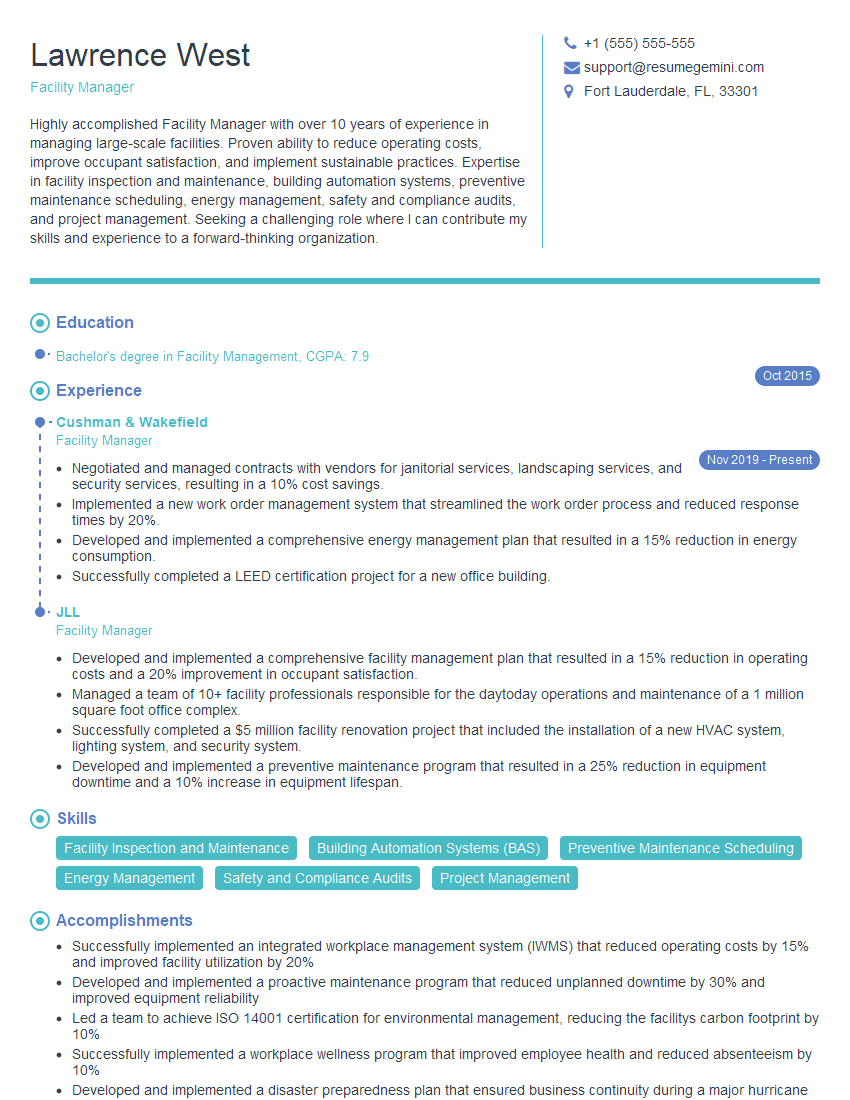
Facility Manager Resume Sample
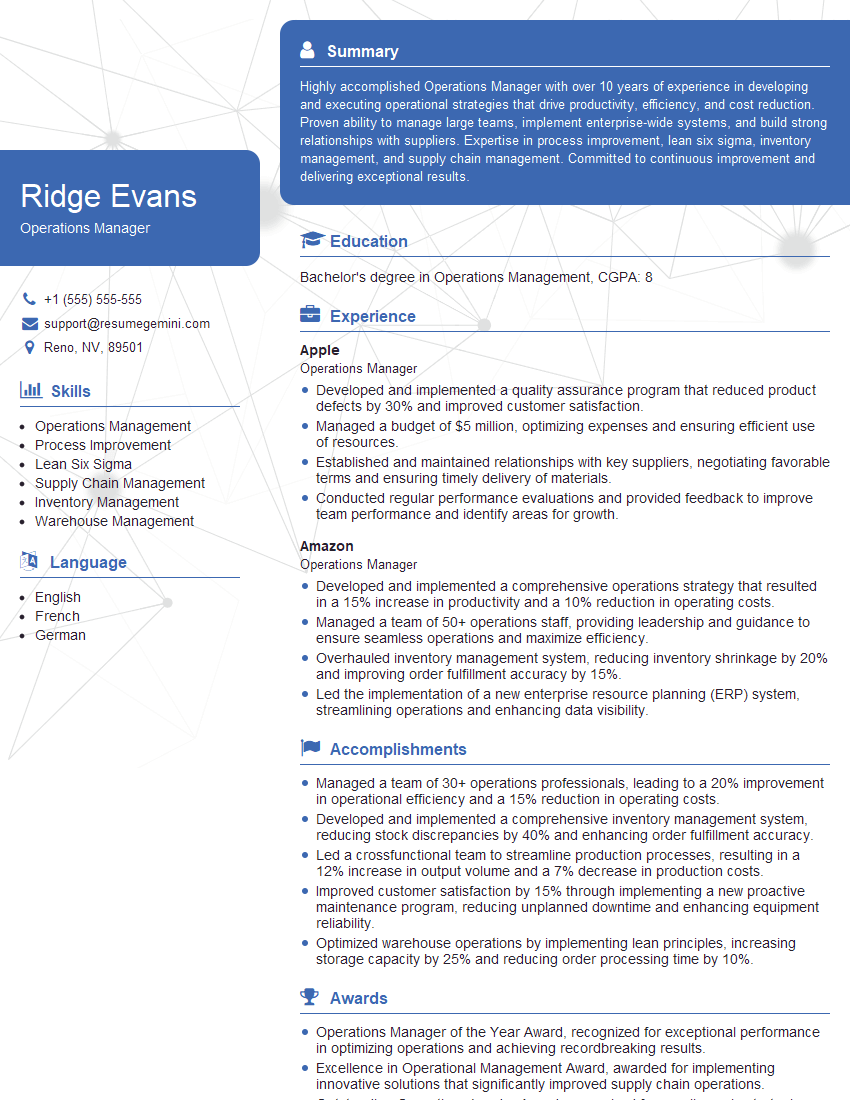
Operations Manager Resume Sample
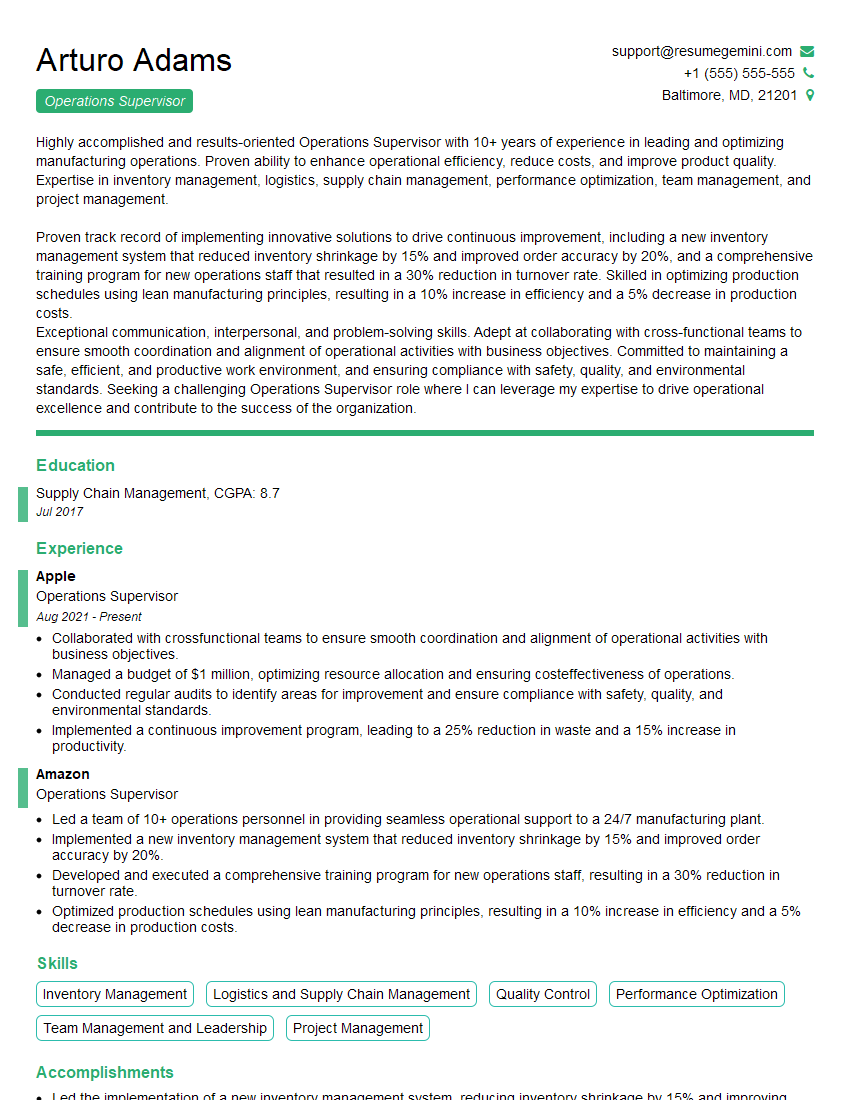
Operations Supervisor Resume Sample
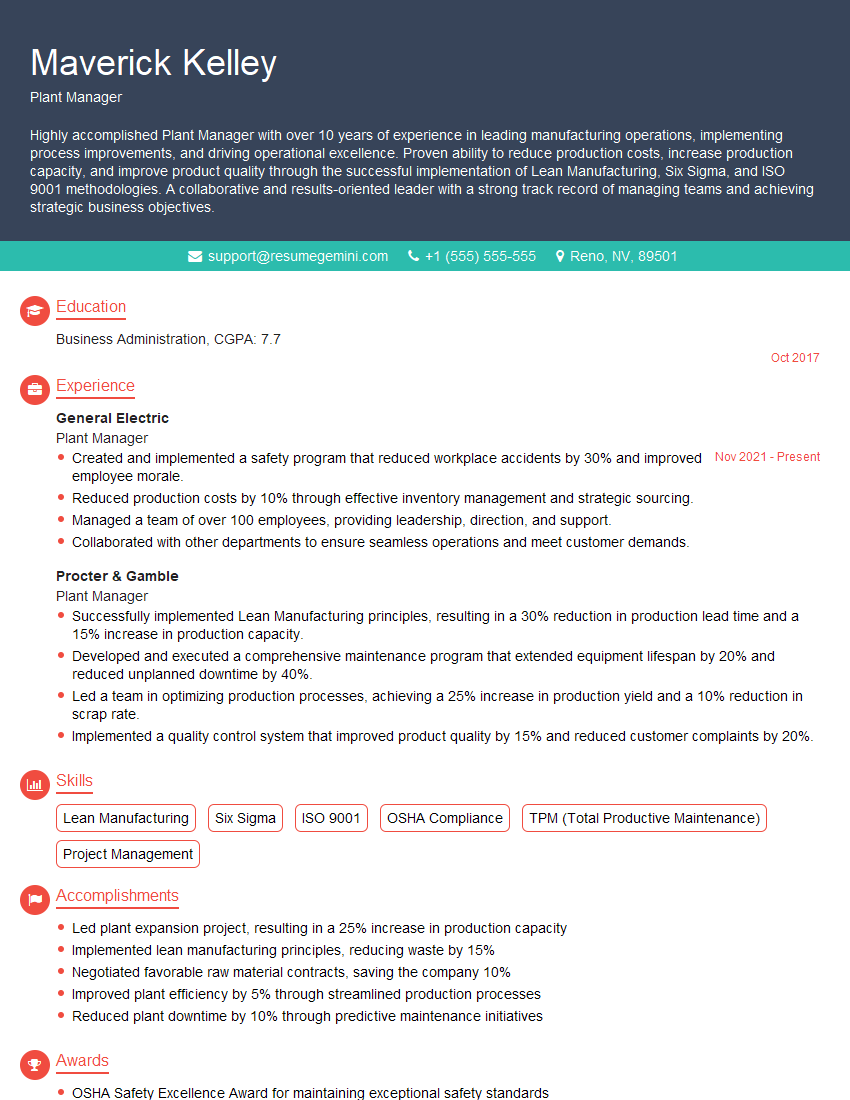
Plant Manager Resume Sample
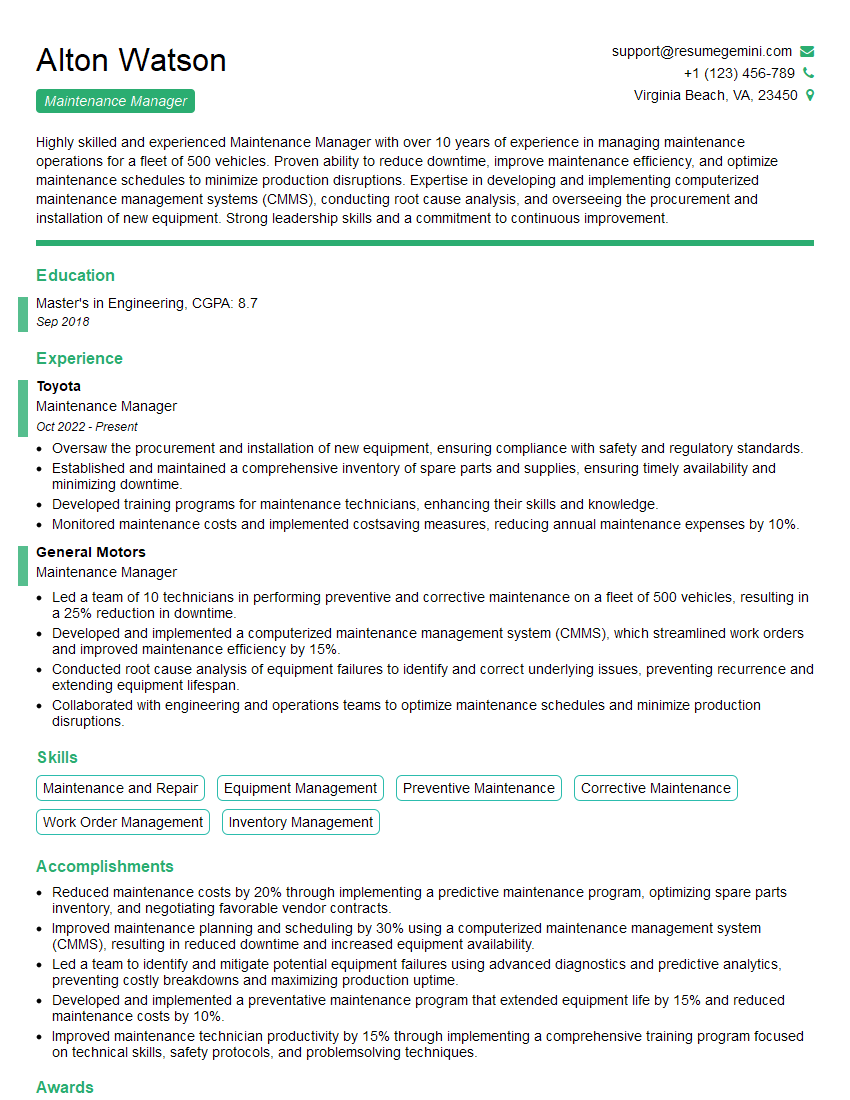
Maintenance Manager Resume Sample
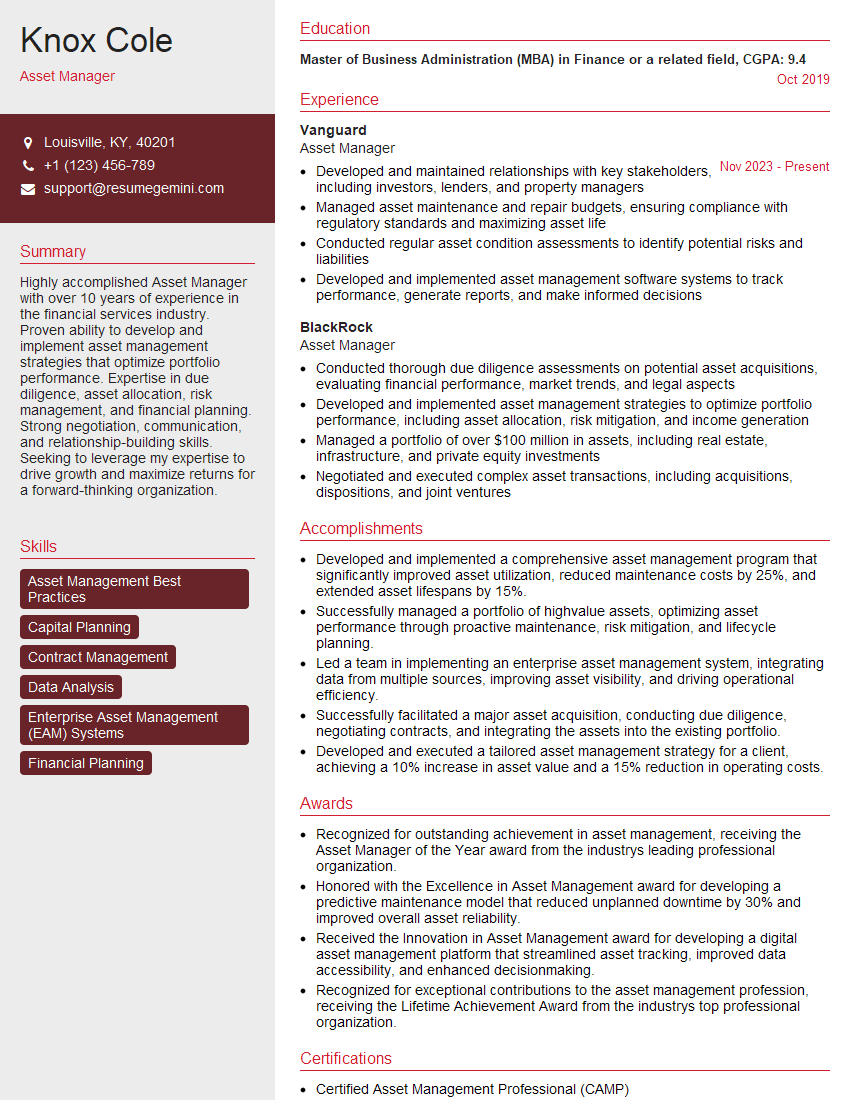
Asset Manager Resume Sample
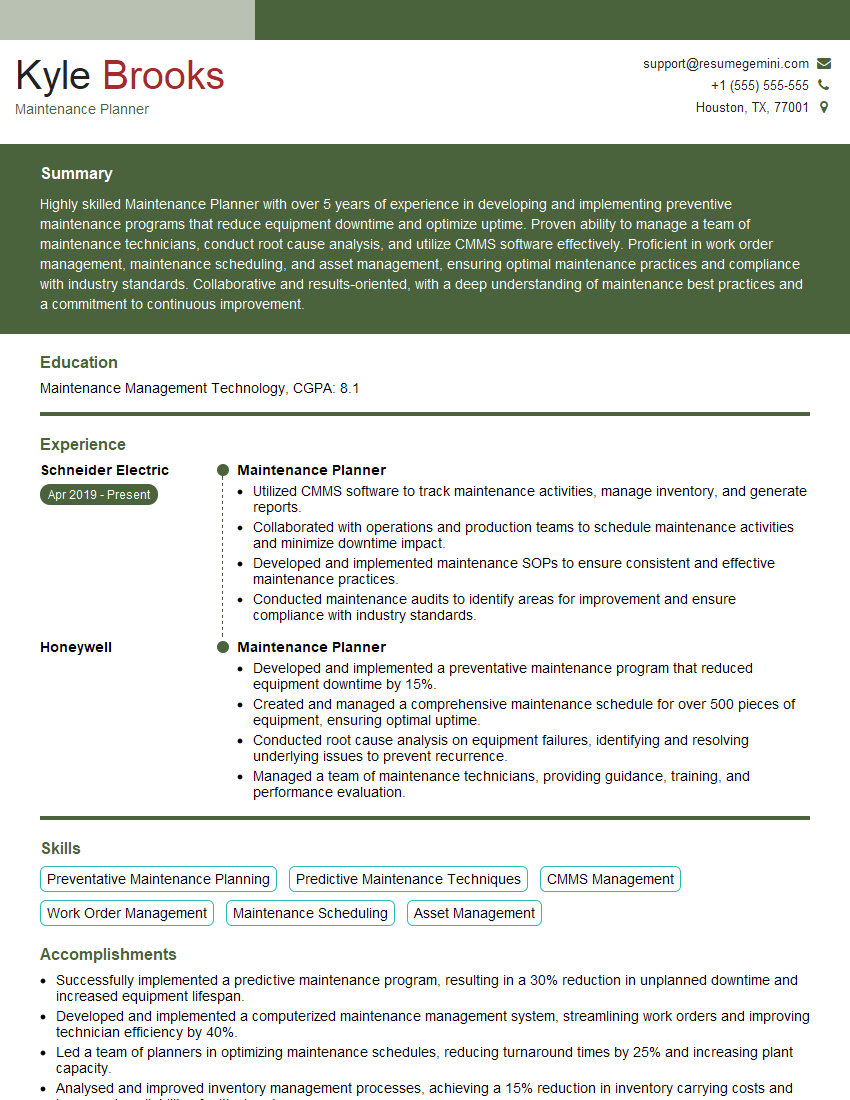
Maintenance Planner Resume Sample
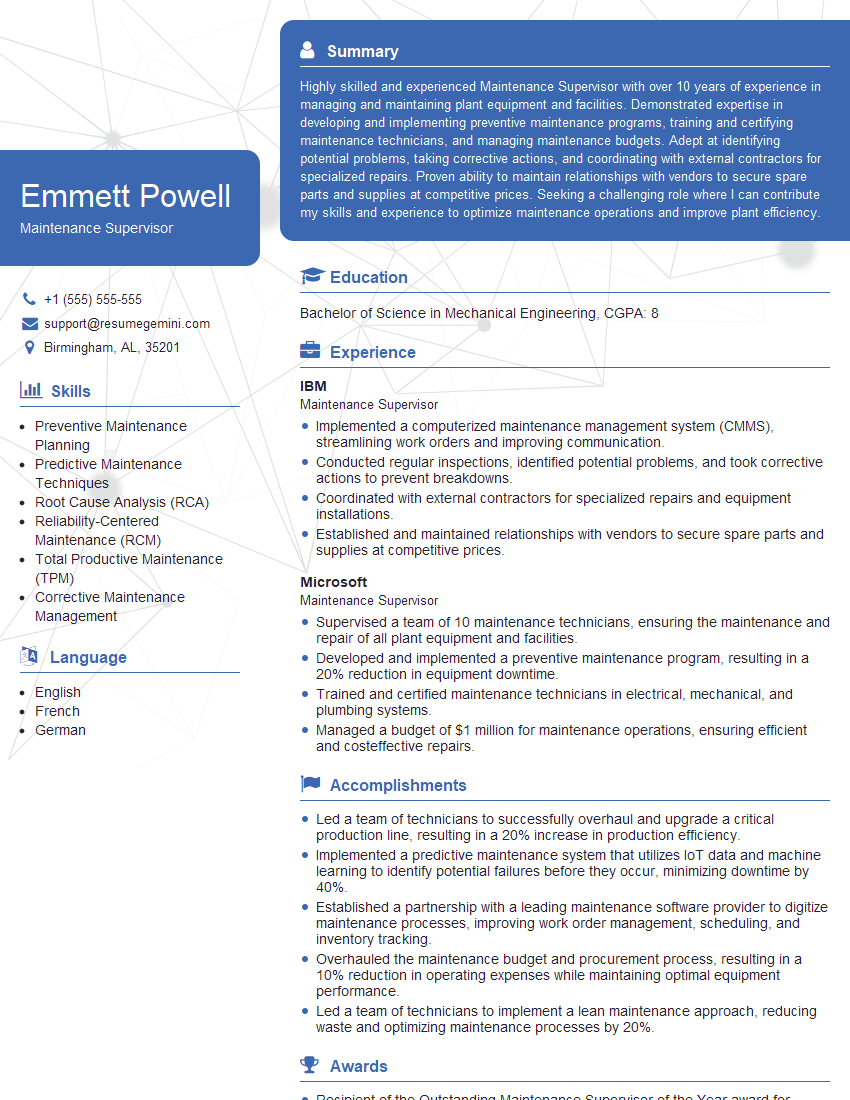
Maintenance Supervisor Resume Sample
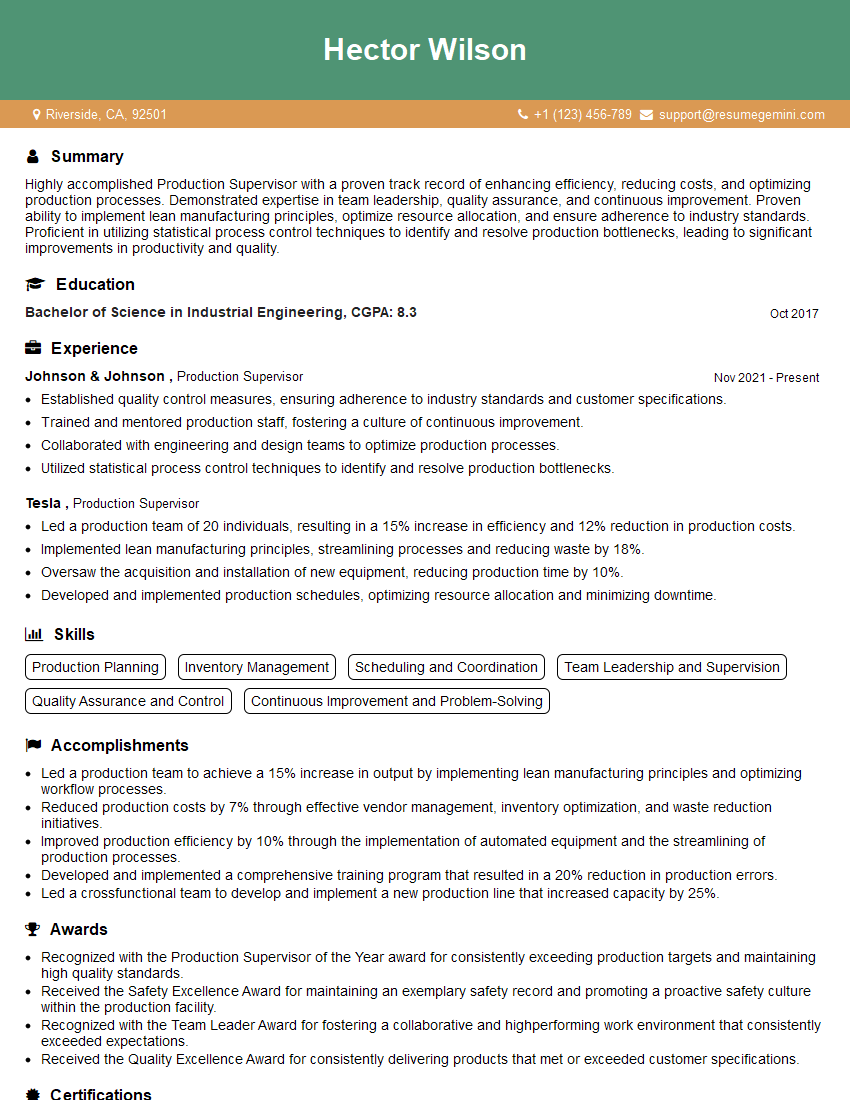
Production Supervisor Resume Sample
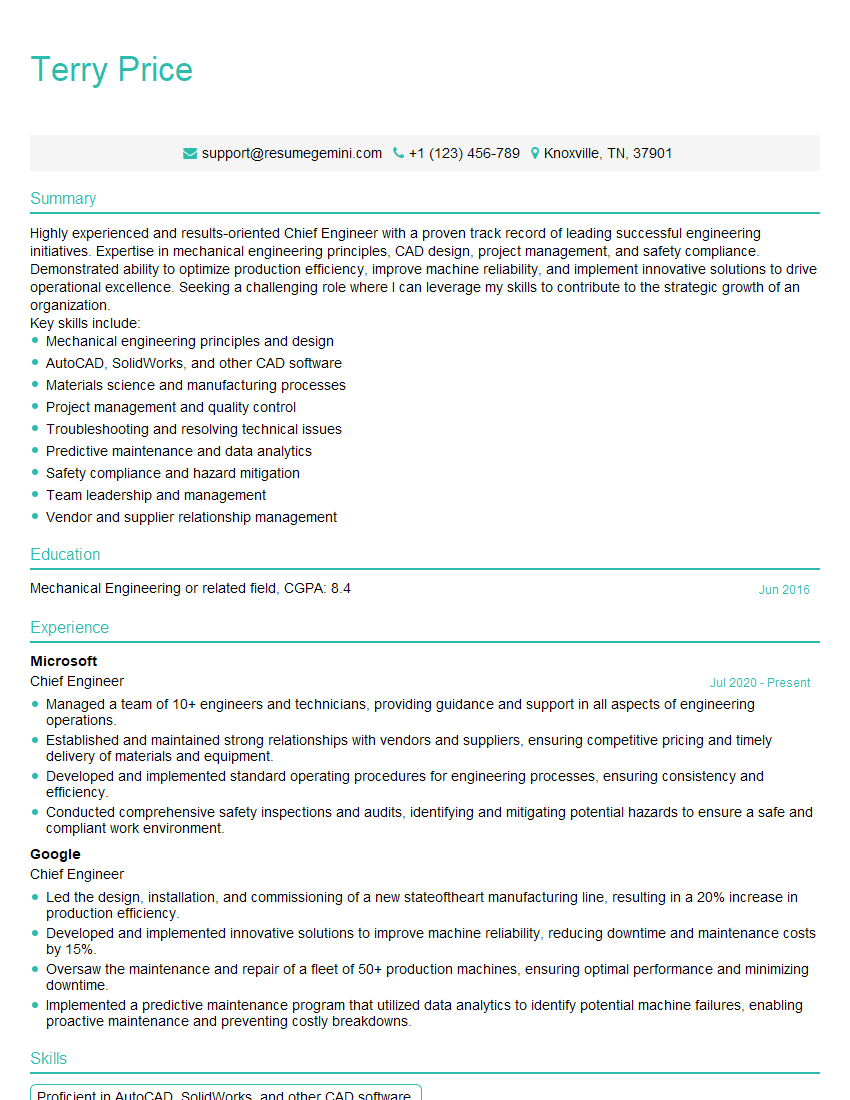
Chief Engineer Resume Sample
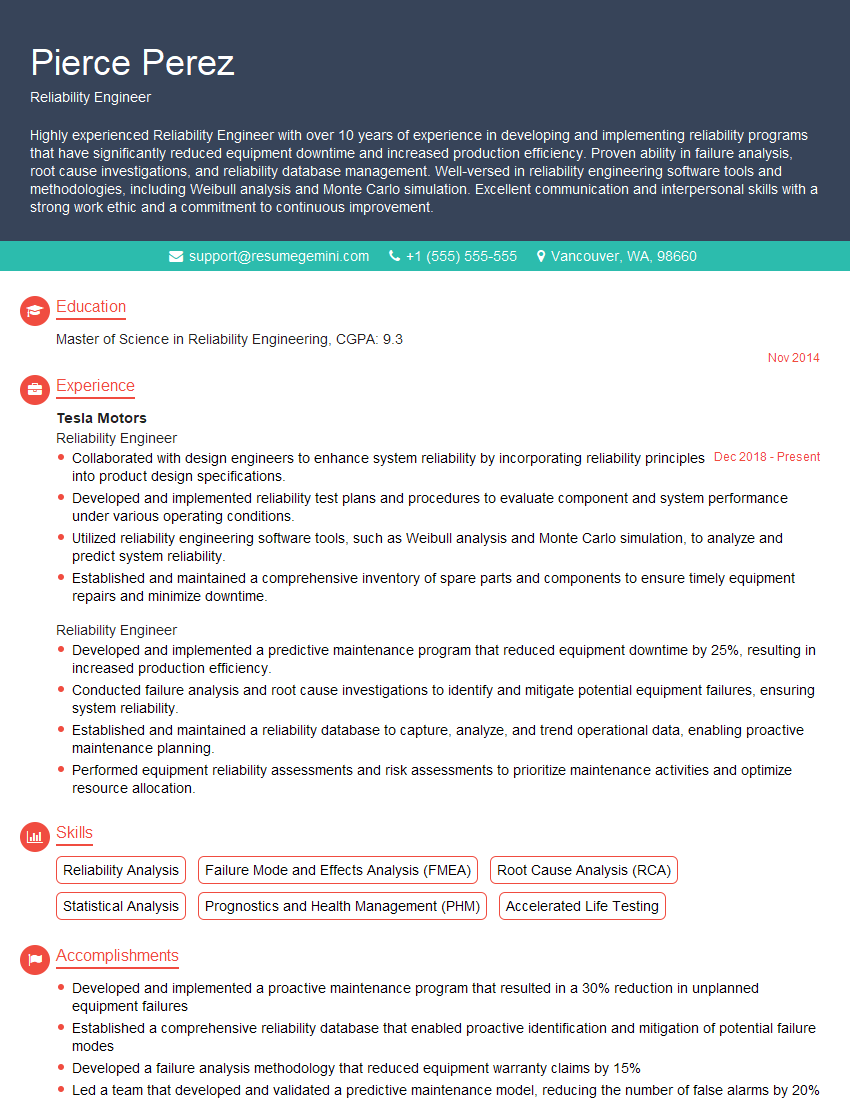
Reliability Engineer Resume Sample
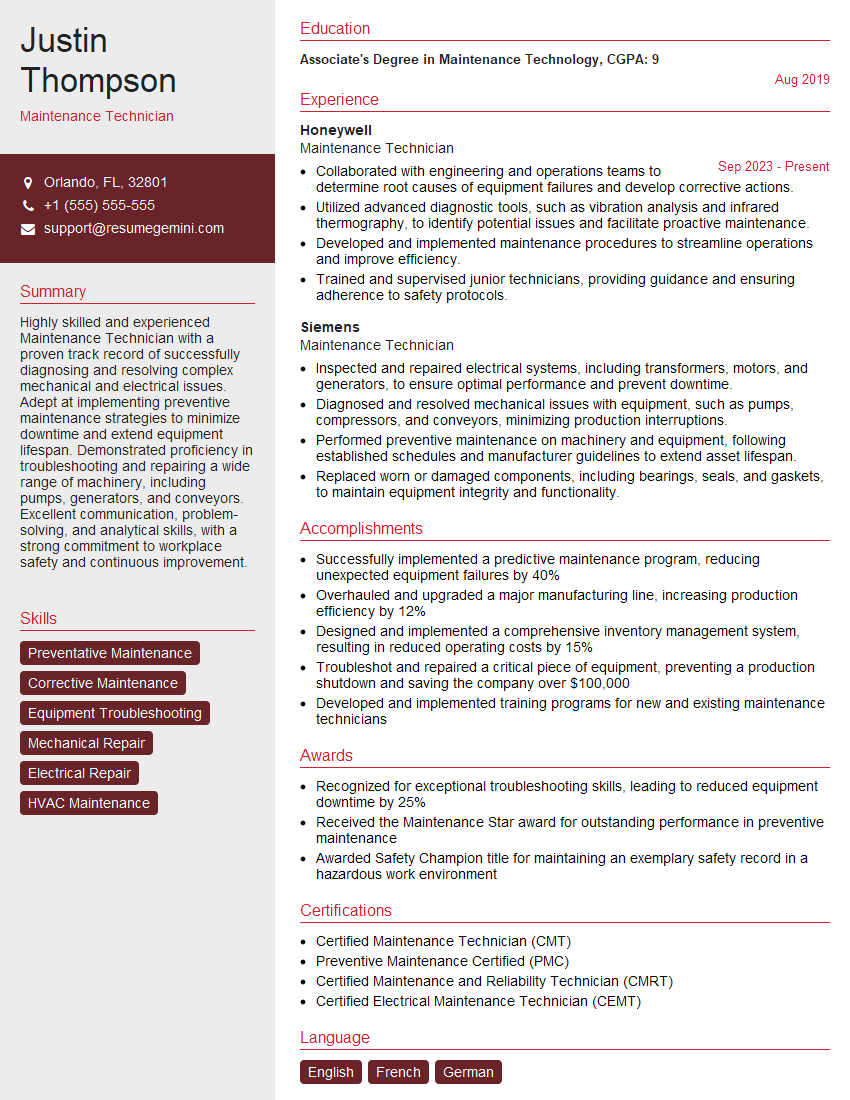
Maintenance Technician Resume Sample
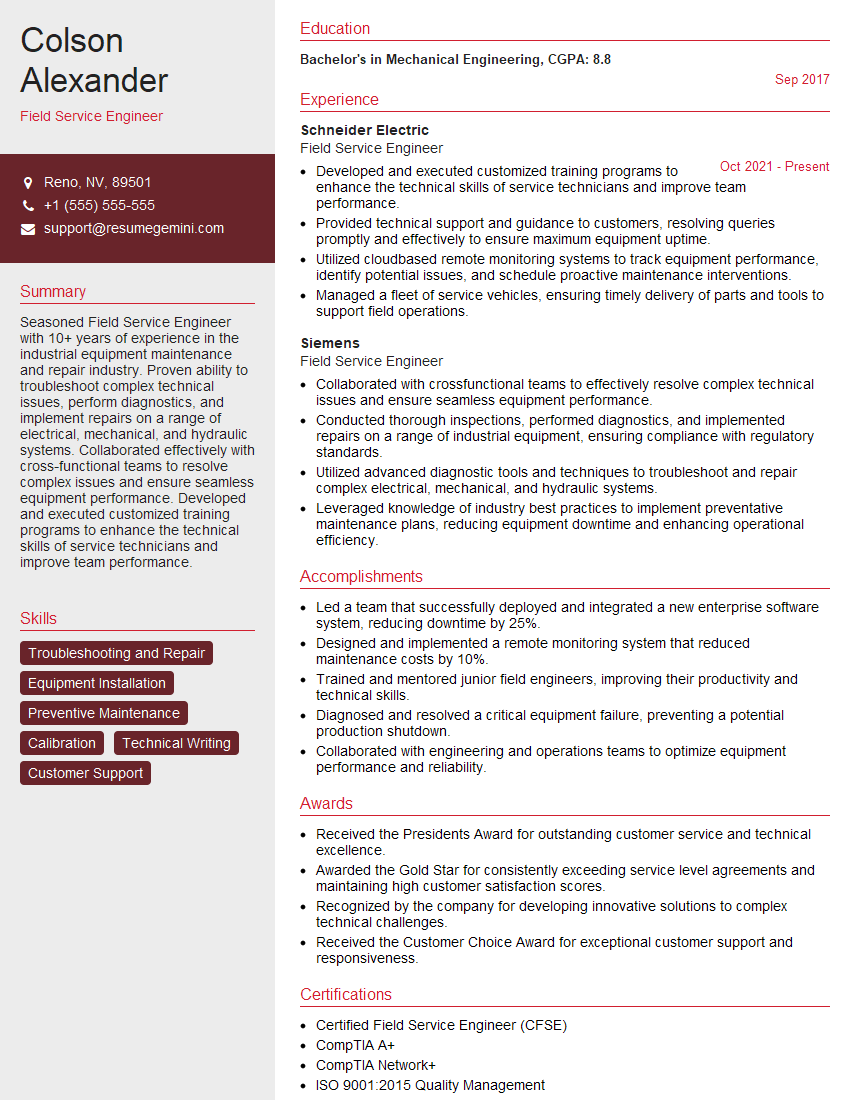
Field Service Engineer Resume Sample
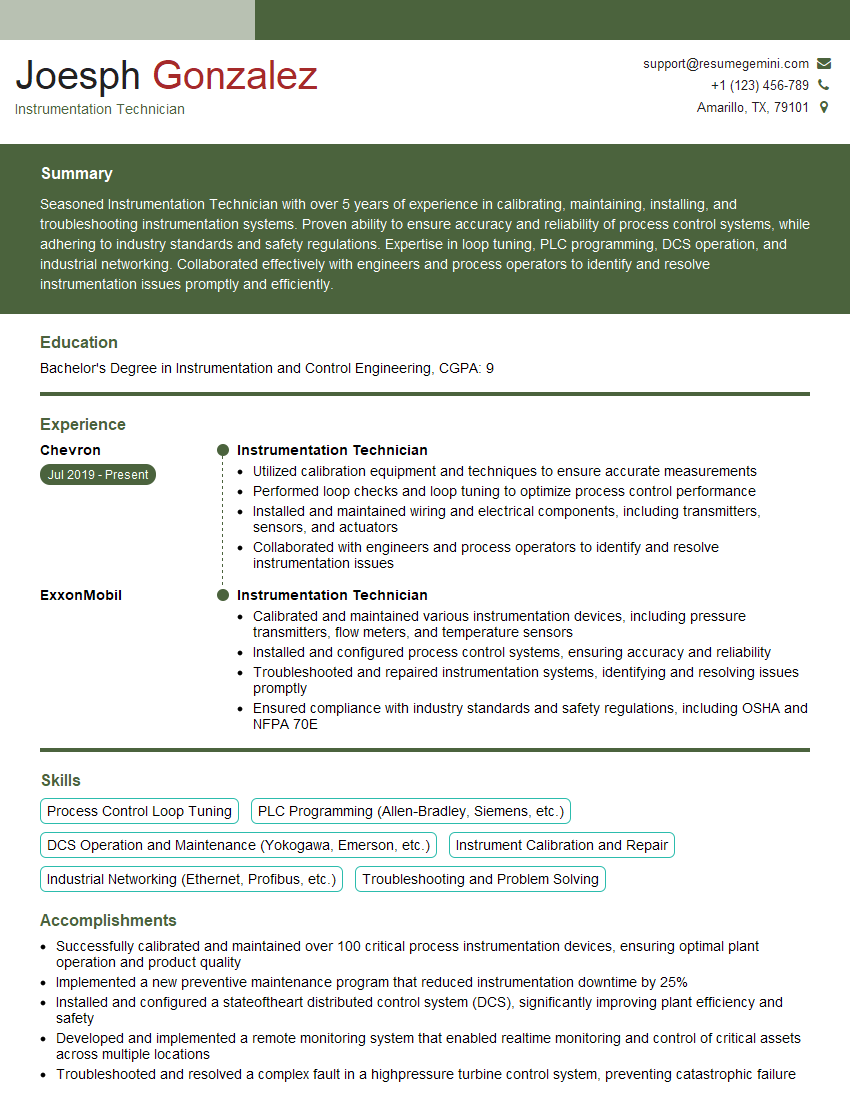
Instrumentation Technician Resume Sample
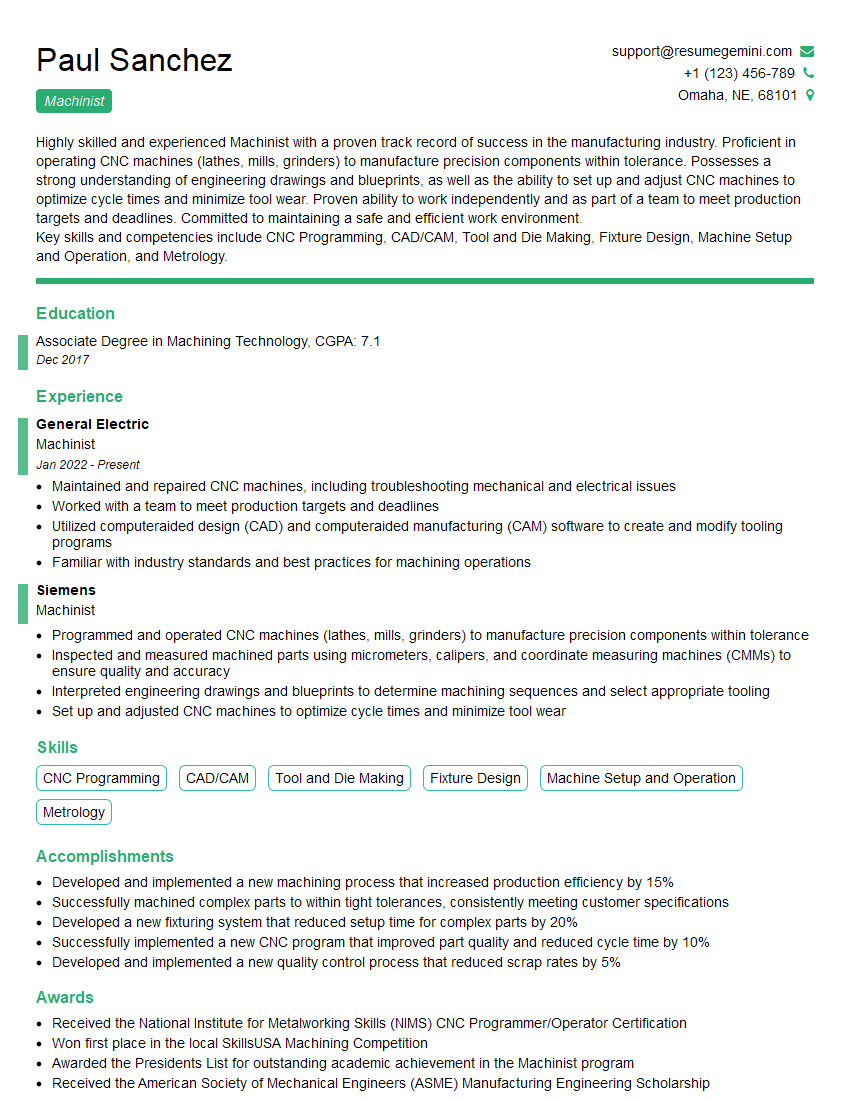
Machinist Resume Sample
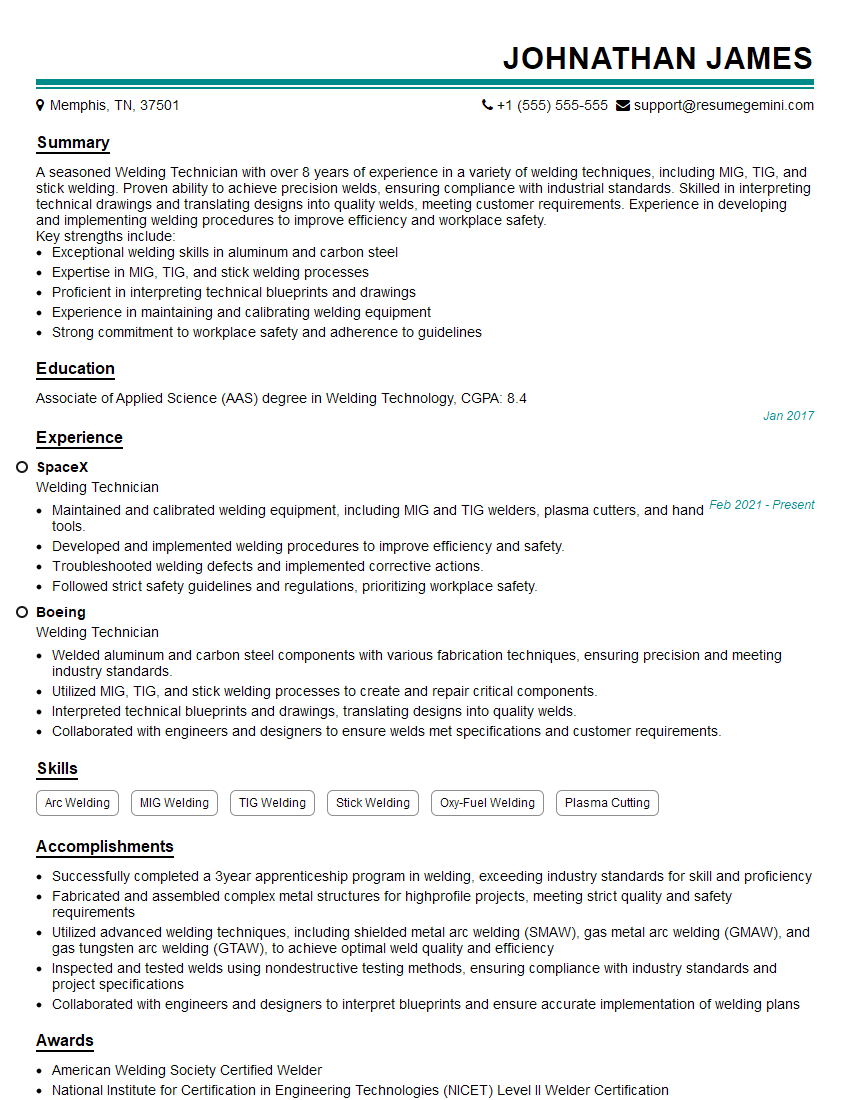
Welding Technician Resume Sample
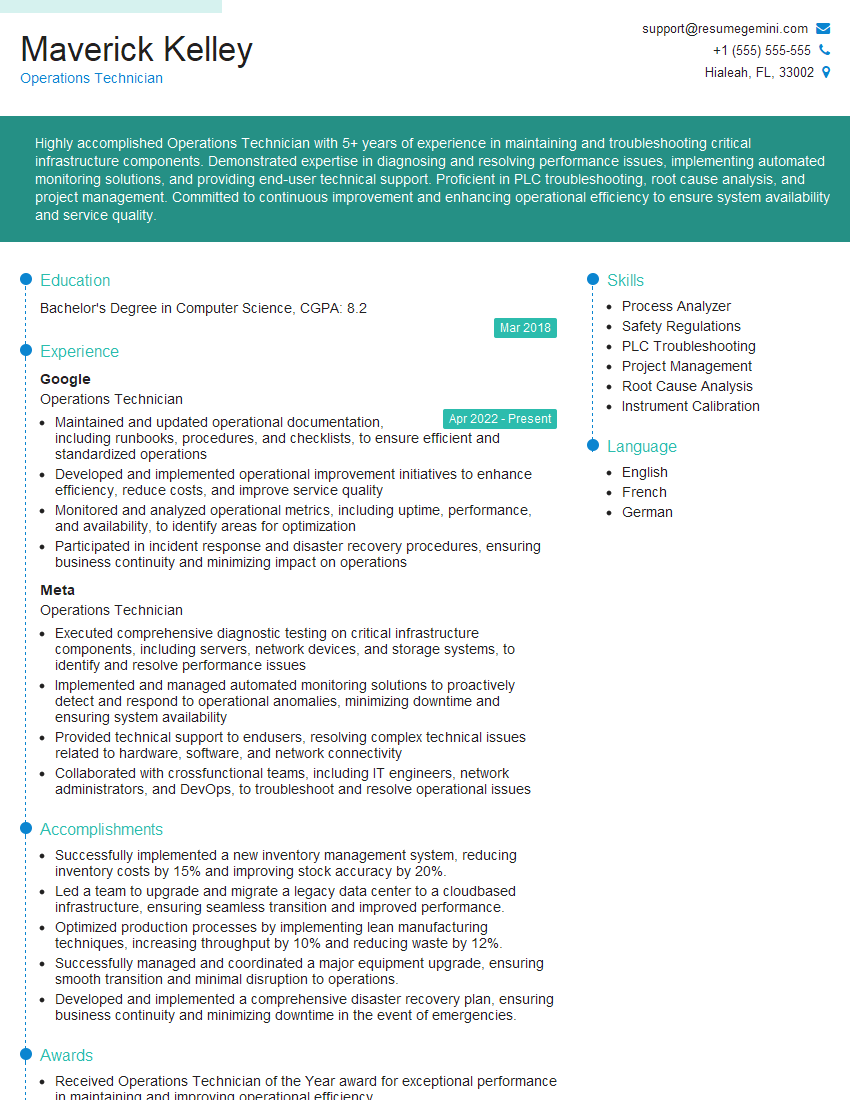
Operations Technician Resume Sample
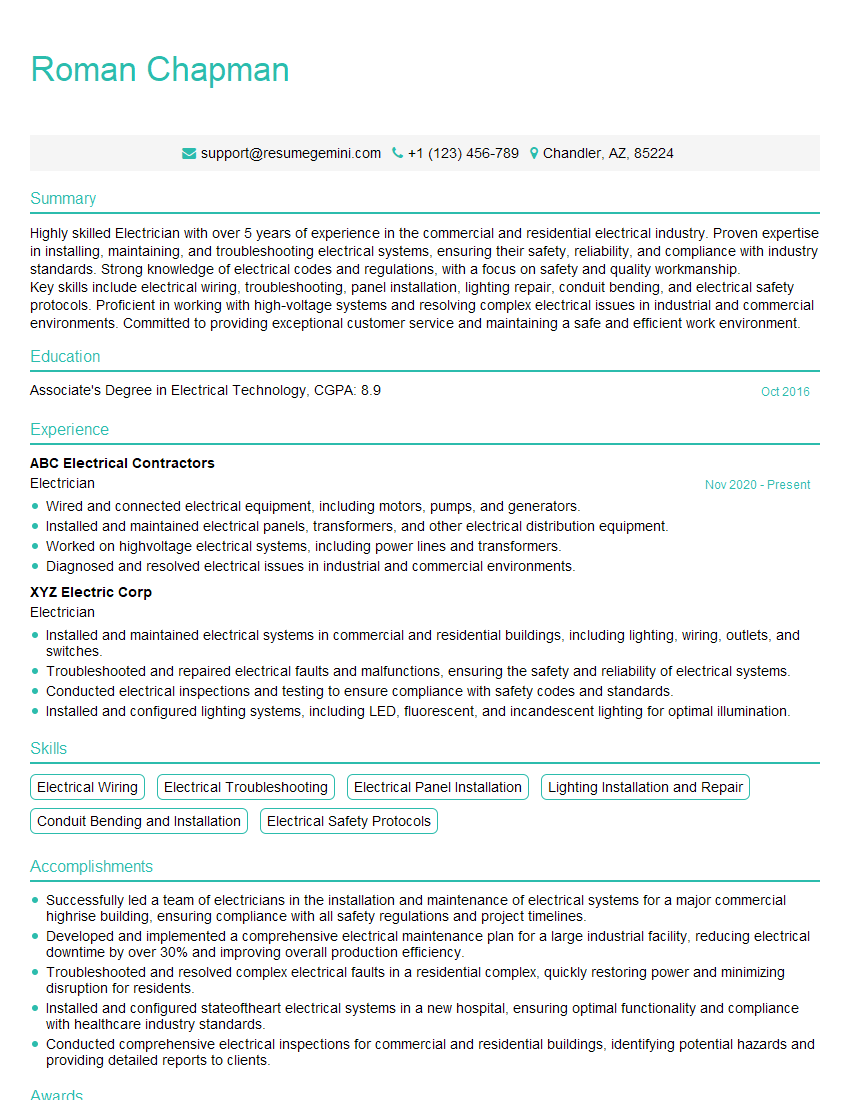
Electrician Resume Sample
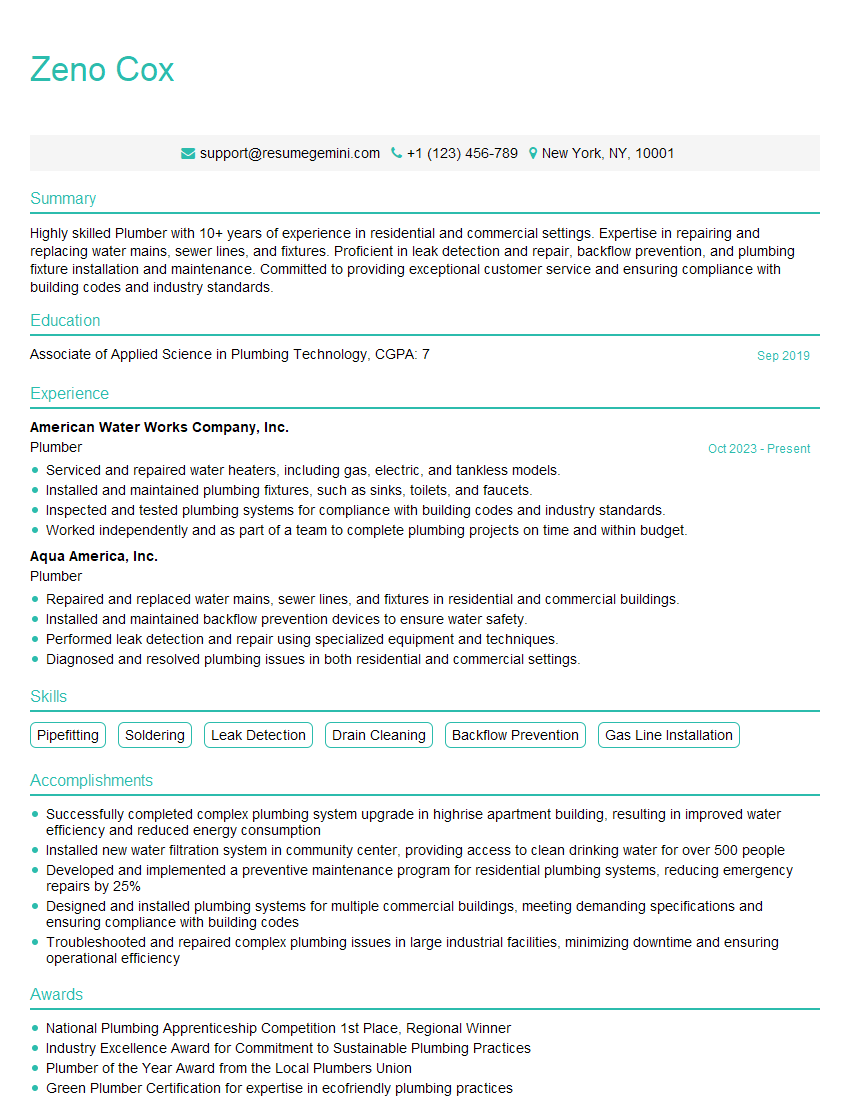
Plumber Resume Sample
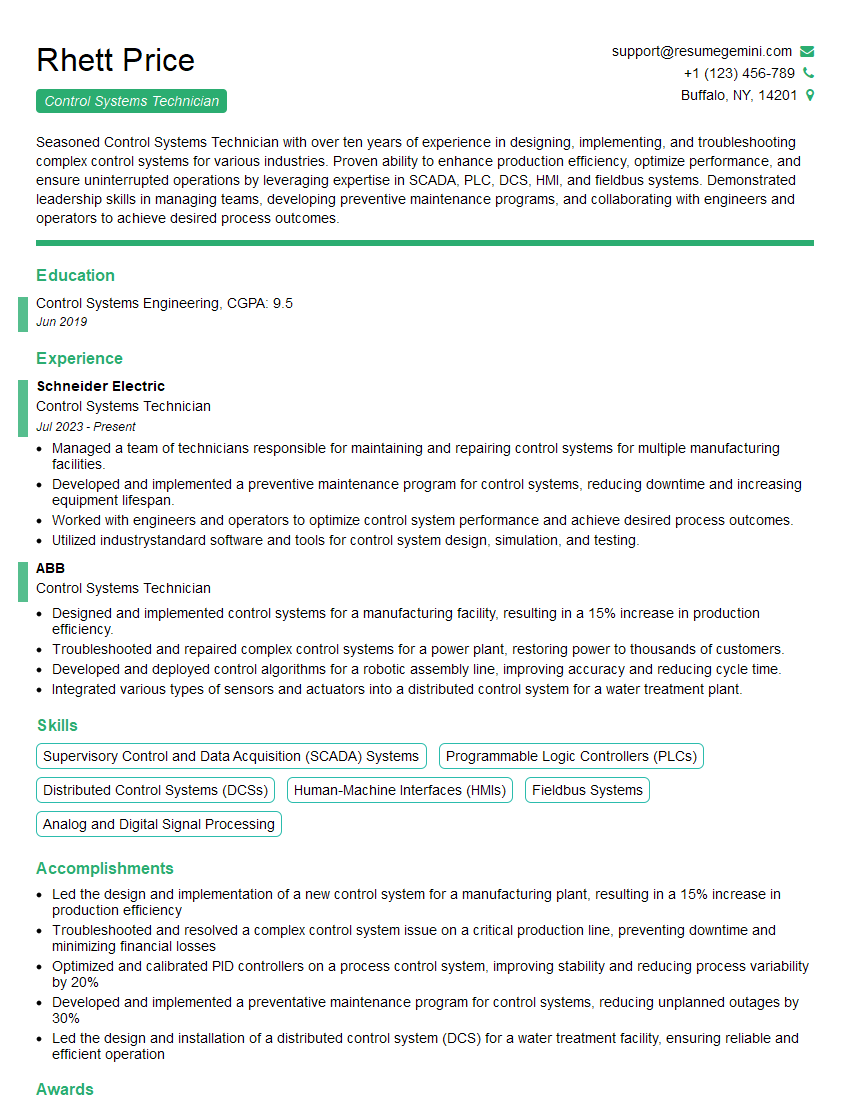
Control Systems Technician Resume Sample

Electrical Maintenance Technician Resume Sample
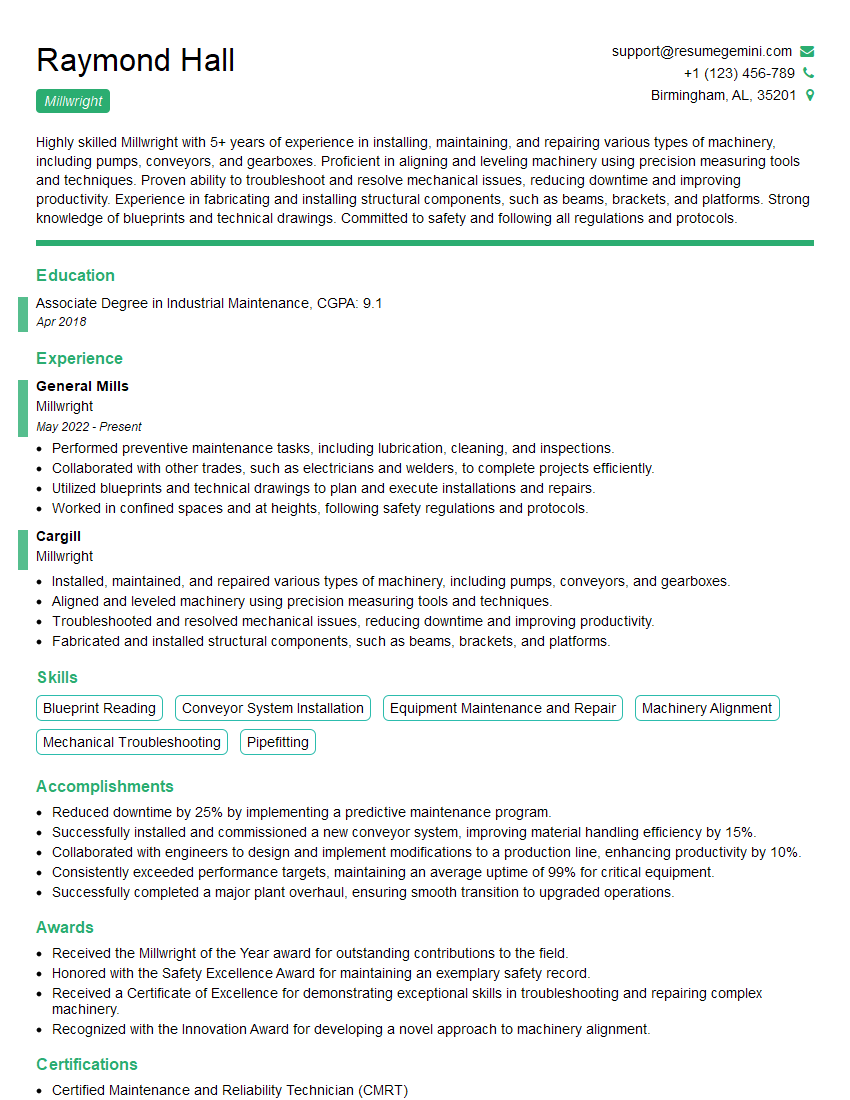
Millwright Resume Sample
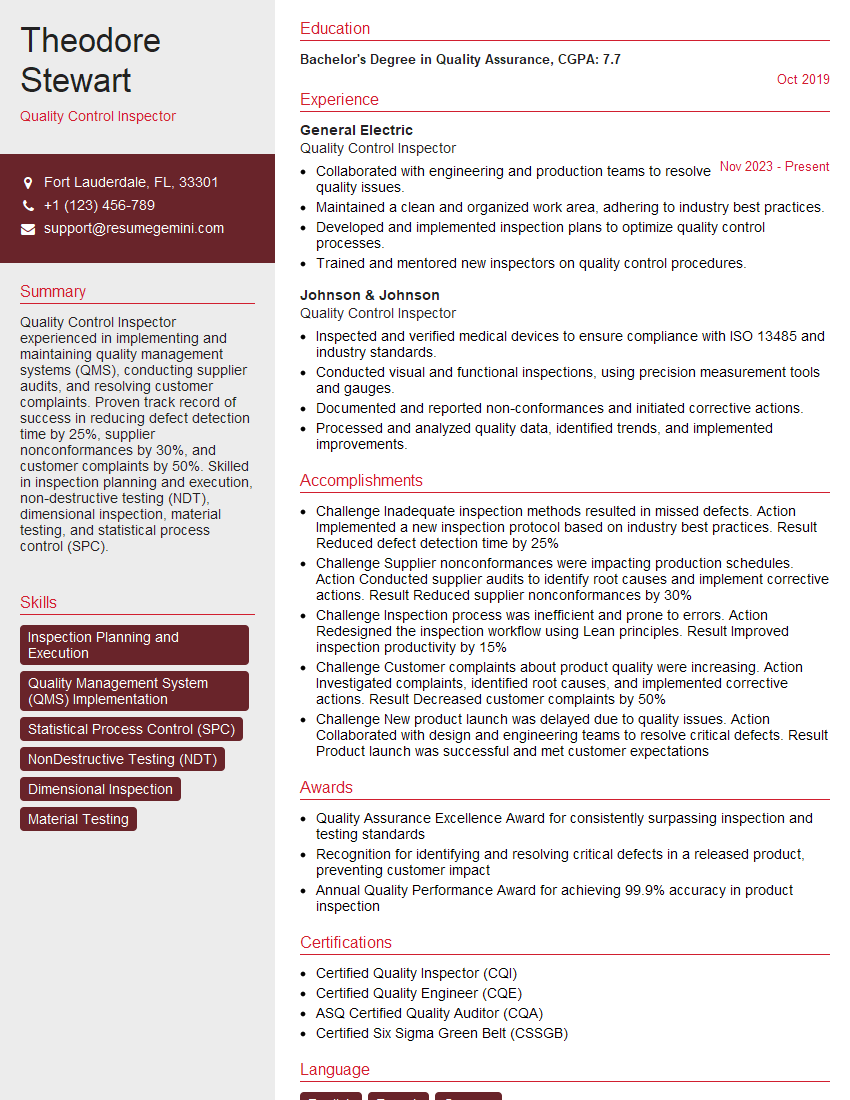
Quality Control Inspector Resume Sample
- Facility Manager
- Operations Manager
- Operations Supervisor
- Plant Manager
- Maintenance Manager
- Asset Manager
- Maintenance Planner
- Maintenance Supervisor
- Production Supervisor
- Chief Engineer
- Reliability Engineer
- Maintenance Technician
- Field Service Engineer
- Instrumentation Technician
- Machinist
- Welding Technician
- Operations Technician
- Electrician
- Plumber
- Control Systems Technician
- Electrical Maintenance Technician
- Millwright
- Quality Control Inspector
Explore more articles
Users Rating of Our Blogs
Share Your Experience
We value your feedback! Please rate our content and share your thoughts (optional).
What Readers Say About Our Blog
Very informative content, great job.
good