Every successful interview starts with knowing what to expect. In this blog, we’ll take you through the top Operations and Logisitics interview questions, breaking them down with expert tips to help you deliver impactful answers. Step into your next interview fully prepared and ready to succeed.
Questions Asked in Operations and Logisitics Interview
Q 1. Describe your experience with Lean methodologies.
Lean methodologies are all about eliminating waste and maximizing value in a process. Think of it like cleaning your room – you get rid of everything you don’t need (waste) to make it easier to find what you do need (value). In operations and logistics, this translates to streamlining workflows, reducing inventory, and improving efficiency.
In my previous role at Acme Manufacturing, we implemented Lean principles to our packaging line. We used value stream mapping to identify bottlenecks – in our case, it was a slow labeling machine. By replacing that machine and reorganizing the workflow, we reduced lead time by 20% and decreased material waste by 15%. We employed tools like 5S (Sort, Set in Order, Shine, Standardize, Sustain) to create a cleaner, more organized workspace, directly leading to improved productivity and reduced error rates.
Another example involved applying Kaizen (continuous improvement) events. We held regular short meetings with the team to brainstorm small improvements that could be implemented immediately. These small changes, when accumulated, resulted in significant overall improvement to the efficiency and output.
Q 2. Explain your understanding of Six Sigma principles.
Six Sigma focuses on minimizing defects and improving process capability. Imagine shooting an arrow at a target; Six Sigma aims for almost every arrow to hit the bullseye. It’s a data-driven approach using statistical methods to identify and eliminate variations in processes.
My experience with Six Sigma includes leading a DMAIC (Define, Measure, Analyze, Improve, Control) project to reduce customer order fulfillment errors at Beta Distribution. We defined the problem (high error rates), measured the current performance, analyzed the root causes (incorrect data entry and unclear procedures), improved processes (updated training and implemented a new quality check system), and finally controlled the improvements through regular monitoring and process audits. This project reduced errors by 80%, significantly improving customer satisfaction and reducing operational costs.
Key Six Sigma tools I’ve utilized include control charts for process monitoring, Pareto charts to identify vital few causes, and root cause analysis techniques like the ‘5 Whys’ to drill down to the underlying reasons for problems.
Q 3. How would you improve warehouse efficiency?
Improving warehouse efficiency is a multifaceted challenge requiring a holistic approach. Here’s how I would tackle it:
- Optimize Warehouse Layout: Implement efficient slotting strategies based on item popularity and frequency of access, minimizing travel time for picking and put-away.
- Implement Automated Systems: Consider using automated guided vehicles (AGVs) or conveyor systems for material handling, reducing reliance on manual labor and improving speed and accuracy.
- Improve Inventory Management: Use a robust WMS to optimize stock levels, track inventory accurately, and minimize dead stock. Cycle counting minimizes the need for full inventory checks and improves accuracy.
- Optimize Picking Processes: Employ efficient picking methods such as batch picking, zone picking, or wave picking to optimize order fulfillment speed and accuracy. Consider implementing voice-picking systems for hands-free operation.
- Invest in Technology: Utilize WMS and other warehouse management software to streamline processes, track performance metrics, and gain real-time visibility into warehouse operations.
- Employee Training and Empowerment: Proper training ensures employees understand optimal processes and are empowered to identify and resolve inefficiencies.
For instance, in a previous role, we implemented a new slotting system that reduced picking time by 15% and improved order accuracy. We also used radio frequency (RF) scanners, replacing paper-based systems, leading to significantly improved picking efficiency and reduced errors.
Q 4. What are your strategies for managing inventory?
Effective inventory management requires a balance between minimizing costs and avoiding stockouts. Key strategies include:
- Demand Forecasting: Accurately predicting future demand allows for optimal stock levels, preventing overstocking or shortages. This involves analyzing historical data, market trends, and seasonal fluctuations.
- Inventory Control Systems: Implementing a robust inventory management system (IMS) provides real-time visibility into stock levels, enabling proactive management and preventing stockouts.
- ABC Analysis: Categorizing inventory into A (high-value), B (medium-value), and C (low-value) items allows for focused management efforts, prioritizing control of high-value items.
- Just-in-Time (JIT) Inventory: Minimizing inventory holding costs by receiving materials only when needed for production, relying on strong supplier relationships and precise demand forecasting.
- Safety Stock: Maintaining a buffer stock to mitigate against unforeseen demand surges or supply chain disruptions.
In a previous project, I implemented an ABC analysis to prioritize inventory management. Focusing on ‘A’ items resulted in a 10% reduction in inventory holding costs while maintaining service levels. We also integrated our IMS with our sales and production planning systems to improve demand forecasting accuracy.
Q 5. How do you handle supply chain disruptions?
Supply chain disruptions are inevitable. A robust approach involves:
- Risk Assessment and Mitigation: Identifying potential disruptions (e.g., natural disasters, political instability, supplier failures) and developing contingency plans to minimize their impact.
- Diversification of Suppliers: Relying on multiple suppliers reduces dependence on a single source, mitigating the risk of a complete supply chain breakdown.
- Inventory Buffering: Holding safety stock of critical components or finished goods to ensure continued supply during disruptions.
- Real-time Visibility: Utilizing technology to monitor inventory levels, transportation routes, and supplier performance in real-time, enabling rapid response to emerging issues.
- Collaboration and Communication: Maintaining open communication with suppliers, customers, and other stakeholders facilitates quick problem-solving and collaborative efforts to resolve disruptions.
- Agile Supply Chain: Building a flexible and adaptable supply chain capable of quickly responding to unexpected changes and adjusting plans accordingly.
During a recent port strike, we proactively shifted some shipments to alternative ports and negotiated with our suppliers to expedite deliveries, mitigating the impact on our production schedule. Strong communication with our customers kept them informed and minimized negative consequences.
Q 6. Explain your experience with different transportation modes.
My experience encompasses various transportation modes, each with its strengths and weaknesses:
- Road Transportation (Trucking): Offers flexibility and wide reach, ideal for smaller shipments and door-to-door delivery. However, it can be slower and more expensive for long distances.
- Rail Transportation: Cost-effective for large volumes over long distances, but less flexible than trucking and requires rail access points.
- Air Transportation: Fastest mode, ideal for time-sensitive shipments and high-value goods. However, it’s the most expensive option.
- Sea Transportation (Shipping): Most economical for extremely large volumes over long distances, but slowest and requires port access.
- Intermodal Transportation: Combining multiple modes (e.g., rail and trucking) to optimize cost and speed. This often offers the best compromise for many logistical situations.
In my previous role, we optimized our transportation strategy by utilizing intermodal transportation – moving goods via rail for long distances and then trucking for final delivery. This reduced our transportation costs by 12% while maintaining acceptable delivery times.
Q 7. Describe your experience with warehouse management systems (WMS).
Warehouse Management Systems (WMS) are the backbone of efficient warehouse operations. They provide real-time visibility into inventory levels, track movement of goods, manage order fulfillment, and optimize warehouse processes. My experience includes implementing and managing several WMS systems.
At Gamma Logistics, we implemented a new WMS which integrated with our existing ERP system. This integration streamlined data flow between systems, eliminating manual data entry and improving accuracy. The new WMS also incorporated advanced features like slotting optimization, wave picking, and reporting dashboards, which provided valuable insights into warehouse performance and allowed us to identify and address areas for improvement. The result was a 20% increase in order fulfillment efficiency and a reduction in inventory discrepancies.
My expertise includes configuring and customizing WMS systems, integrating them with other enterprise applications, training warehouse personnel on their use, and providing ongoing support and maintenance. I’m proficient in various WMS platforms, including WMS1 and WMS2 (replace with actual names if appropriate, avoiding specific vendor names to remain generic).
Q 8. How do you prioritize tasks in a high-pressure environment?
Prioritizing tasks in a high-pressure environment requires a structured approach. I typically utilize a combination of methods, starting with a clear understanding of deadlines and dependencies. Think of it like conducting an orchestra – each instrument (task) needs to play its part at the right time for a harmonious outcome.
- Urgency/Importance Matrix: I categorize tasks based on their urgency and importance. Urgent and important tasks get immediate attention. Important but not urgent tasks are scheduled proactively. Urgent but not important tasks are delegated if possible, or quickly addressed with efficient solutions. Less important tasks are either postponed or eliminated.
- Prioritization Frameworks: Methods like MoSCoW (Must have, Should have, Could have, Won’t have) help define priorities based on business value. This ensures we focus on the critical elements first.
- Time Blocking: I allocate specific time blocks for high-priority tasks, minimizing distractions. This promotes focus and efficient execution.
- Regular Review and Adjustment: It’s crucial to regularly re-evaluate priorities as new information arises or situations change. Flexibility is key in dynamic environments.
For example, during a major product launch, I might prioritize ensuring timely delivery of core components over less critical supplementary materials, adjusting the schedule to reflect changing demand forecasts.
Q 9. What metrics do you use to measure logistics performance?
Measuring logistics performance requires a holistic approach, focusing on key indicators that reflect efficiency, cost-effectiveness, and customer satisfaction. The specific metrics used depend on the business context, but some common ones include:
- On-Time Delivery Rate (OTDR): The percentage of shipments delivered on or before the promised delivery date. This directly reflects customer satisfaction and operational efficiency.
- Order Fulfillment Cycle Time: The time elapsed between order placement and delivery. A shorter cycle time indicates greater efficiency.
- Inventory Turnover Rate: The number of times inventory is sold or used in a given period. High turnover suggests efficient inventory management.
- Logistics Cost as a Percentage of Revenue: This helps assess the cost-effectiveness of the logistics operations.
- Perfect Order Rate: The percentage of orders that are delivered on time, complete, damage-free, and with accurate documentation. This is a comprehensive measure of operational excellence.
- Freight Cost per Unit: Analyzing this metric helps identify areas for cost optimization in transportation.
Tracking these metrics with dashboards and reporting tools allows for continuous monitoring, identification of bottlenecks, and informed decision-making to improve logistics performance. For instance, a consistently low OTDR might indicate a need to optimize transportation routes or improve warehouse processes.
Q 10. How do you manage relationships with suppliers?
Managing supplier relationships is crucial for a smooth and efficient supply chain. It’s about building strong, collaborative partnerships based on trust, transparency, and mutual benefit. I approach this using a multi-faceted strategy:
- Strategic Supplier Selection: Thorough due diligence is essential, evaluating suppliers based on factors like quality, reliability, capacity, and financial stability.
- Clear Communication and Contracts: Establishing clear communication channels and formal contracts define expectations, responsibilities, and performance metrics.
- Performance Monitoring and Feedback: Regularly monitoring supplier performance against agreed-upon metrics and providing constructive feedback helps ensure continuous improvement.
- Collaboration and Problem-Solving: Working collaboratively with suppliers to identify and resolve challenges ensures proactive issue management.
- Relationship Building: Developing strong personal relationships with key personnel at supplier organizations fosters trust and open communication.
For instance, I’ve worked with suppliers to implement collaborative forecasting techniques, improving accuracy and reducing stockouts or excess inventory. Regular meetings and performance reviews ensure alignment and prevent misunderstandings.
Q 11. How do you optimize delivery routes?
Optimizing delivery routes is critical for minimizing transportation costs and delivery times. I employ various techniques depending on the complexity and scale of operations:
- Route Planning Software: Utilizing software solutions that leverage algorithms to determine the most efficient routes based on factors like distance, traffic patterns, and delivery windows.
- Geographic Information Systems (GIS): GIS technology provides visualization and analysis capabilities, helping optimize routes and identify potential bottlenecks.
- Last-Mile Optimization: This focuses on the final leg of delivery, often the most challenging part. Strategies might include using different transportation modes (e.g., drones, bicycles, smaller vehicles) for specific areas.
- Consolidation and Load Planning: Efficiently consolidating shipments and optimizing load plans on vehicles maximizes space utilization and reduces the number of trips required.
- Real-time Tracking and Adjustments: Monitoring delivery vehicles in real-time allows for dynamic adjustments to routes based on unforeseen circumstances, such as traffic congestion or accidents.
In a past role, I implemented a route optimization system that reduced delivery times by 15% and fuel consumption by 10% by dynamically adjusting routes based on real-time traffic data.
Q 12. Describe your experience with forecasting demand.
Forecasting demand is crucial for effective inventory management and operational planning. My experience involves using a combination of quantitative and qualitative methods.
- Quantitative Methods: These involve statistical techniques such as time series analysis (e.g., moving averages, exponential smoothing), regression analysis, and ARIMA models. These methods utilize historical sales data to predict future demand.
- Qualitative Methods: These incorporate subjective judgment and expert opinions. Techniques include market research, surveys, and interviews with sales representatives and customers. This helps account for external factors that statistical models might miss (e.g., new product launches, economic trends).
- Causal Modeling: This type of forecasting attempts to understand the underlying drivers of demand, allowing for more accurate predictions.
- Data Visualization and Analysis: Visualizing data through charts and graphs helps identify trends and patterns, enhancing forecast accuracy.
For example, I’ve successfully implemented a forecasting model that combined historical sales data with market research insights to accurately predict seasonal demand peaks, resulting in significant reductions in stockouts and inventory holding costs.
Q 13. Explain your understanding of inventory turnover.
Inventory turnover is a key performance indicator that measures how efficiently a business manages its inventory. It represents the number of times inventory is sold or used during a specific period (usually a year). A higher turnover rate generally indicates better inventory management.
The formula is: Inventory Turnover = Cost of Goods Sold / Average Inventory
Where:
- Cost of Goods Sold (COGS): The direct costs associated with producing goods sold.
- Average Inventory: The average value of inventory held during the period (calculated as (Beginning Inventory + Ending Inventory) / 2).
For instance, an inventory turnover rate of 6 means that the company sold its entire inventory six times during the year. A high turnover rate suggests strong sales and efficient inventory management, while a low rate might indicate overstocking, slow-moving inventory, or poor demand forecasting.
Q 14. How do you ensure on-time delivery?
Ensuring on-time delivery requires a meticulous and proactive approach, encompassing all aspects of the logistics process. I typically focus on:
- Accurate Order Processing: This includes efficient order entry, verification, and allocation of inventory to prevent delays.
- Effective Warehouse Management: Efficient picking, packing, and shipping processes minimize handling times. Proper inventory tracking and management prevent stockouts.
- Optimized Transportation Planning: Selecting appropriate transportation modes and routes, considering factors like cost, speed, and reliability.
- Real-time Monitoring and Tracking: Using tracking systems to monitor shipments in real-time, allowing for proactive identification and mitigation of potential delays.
- Proactive Communication: Maintaining open communication with customers, providing updates on order status, and promptly addressing any issues.
- Contingency Planning: Developing backup plans to address potential disruptions, such as inclement weather or transportation delays.
For example, in a previous role, I implemented a real-time tracking system that alerted us to potential delivery delays due to traffic congestion. This allowed us to proactively reroute shipments and notify customers, minimizing disruptions and maintaining a high OTDR.
Q 15. How do you handle customer complaints related to logistics?
Handling customer complaints effectively is crucial for maintaining positive relationships and brand reputation. My approach involves a structured process that prioritizes empathy, quick response, and efficient resolution. First, I ensure the customer feels heard and understood. This involves actively listening to their concerns and acknowledging their frustration. Then, I investigate the issue thoroughly, gathering all relevant information – delivery tracking data, communication logs, and potentially speaking with the delivery personnel involved. Based on this investigation, I determine the root cause of the problem. This could be anything from a simple delivery delay due to unforeseen circumstances (e.g., severe weather) to a more systemic issue requiring process improvement (e.g., inaccurate address information). Once the root cause is identified, I offer a suitable resolution, which could involve a refund, replacement, expedited delivery, or a sincere apology depending on the severity of the issue. Finally, I document the entire process, including the customer’s feedback, the steps taken, and the outcome. This allows us to identify trends and improve our operational efficiency to prevent similar complaints in the future. For example, a recurring complaint about late deliveries from a specific supplier might indicate a need to renegotiate service level agreements or explore alternative shipping providers.
Career Expert Tips:
- Ace those interviews! Prepare effectively by reviewing the Top 50 Most Common Interview Questions on ResumeGemini.
- Navigate your job search with confidence! Explore a wide range of Career Tips on ResumeGemini. Learn about common challenges and recommendations to overcome them.
- Craft the perfect resume! Master the Art of Resume Writing with ResumeGemini’s guide. Showcase your unique qualifications and achievements effectively.
- Don’t miss out on holiday savings! Build your dream resume with ResumeGemini’s ATS optimized templates.
Q 16. What is your experience with budget management in operations?
Budget management is a critical aspect of successful operations. My experience includes developing and managing budgets ranging from $500,000 to $2 million annually for various logistics operations. This involves a multi-step process starting with forecasting. I use historical data, market trends, and anticipated volume to project future costs for areas like transportation, warehousing, and personnel. Then I develop a detailed budget, allocating resources strategically across different operational areas. This includes negotiating favorable rates with carriers, optimizing warehouse space utilization, and effectively managing personnel costs. Throughout the year, I closely monitor actual expenses against the budget, identifying any variances. Regular variance analysis helps pinpoint areas of overspending or underspending, allowing for timely corrective actions. For instance, if fuel costs unexpectedly increase, I might explore alternative fuel-efficient routes or negotiate better rates with fuel suppliers. I also regularly report budget performance to senior management, providing explanations for any significant variances and recommending adjustments as needed. This proactive approach ensures financial accountability and optimal resource allocation.
Q 17. Describe your experience with implementing new technologies in logistics.
I have extensive experience in implementing new technologies to improve logistics efficiency and reduce operational costs. In a previous role, I led the implementation of a Transportation Management System (TMS). This involved selecting the appropriate software, integrating it with our existing ERP system, training employees on its use, and overseeing the transition. The TMS significantly improved our route optimization, leading to a 15% reduction in transportation costs. We also saw an improvement in delivery times and reduced fuel consumption. Another project involved implementing a Warehouse Management System (WMS), which optimized inventory management, reduced picking errors, and streamlined warehouse operations. These projects required careful planning, stakeholder management, and effective change management strategies to ensure a smooth transition and maximize the return on investment. Successful implementation requires not only the technological aspects but also thorough training and support for the workforce to adapt to the new systems. Furthermore, continuous monitoring and improvement are crucial to ensure the technology remains effective and delivers ongoing benefits.
Q 18. How do you ensure compliance with regulations (e.g., safety, customs)?
Compliance with regulations is paramount in logistics. My approach to ensuring compliance involves a multi-faceted strategy. First, we have a dedicated compliance officer who stays updated on all relevant regulations, including safety regulations (e.g., DOT regulations for trucking), customs regulations (e.g., proper documentation for international shipments), and environmental regulations. We conduct regular internal audits to assess our compliance status and identify any potential gaps. This includes reviewing our operational procedures, documentation, and employee training programs. We maintain comprehensive records of all shipments, including documentation related to hazardous materials, customs declarations, and other relevant regulations. Employee training is crucial. We provide regular training to our staff on relevant regulations and best practices to ensure everyone understands their responsibilities in maintaining compliance. Finally, we have a system in place for reporting and investigating any non-compliance incidents. This proactive approach helps us identify and correct issues quickly, minimizing the risk of penalties and ensuring a safe and legal operation. For instance, we regularly review our driver’s logs to ensure compliance with hours-of-service regulations and proactively address any potential issues.
Q 19. What is your approach to problem-solving in operations?
My approach to problem-solving in operations relies on a structured, data-driven methodology. I typically use a variation of the DMAIC (Define, Measure, Analyze, Improve, Control) framework. First, I clearly define the problem, gathering all relevant information and identifying the key stakeholders. Then I measure the problem’s impact, using data to quantify the scope and severity. This involves collecting relevant metrics, such as delivery times, error rates, or customer complaints. The next step is to analyze the root cause of the problem. This may involve using tools like fishbone diagrams or Pareto charts to identify contributing factors. Based on the analysis, I develop and implement improvement solutions. This could involve process improvements, technology upgrades, or employee training. Finally, I monitor the effectiveness of the implemented solutions to ensure the problem is resolved and prevent recurrence. For example, if we experience a high rate of damaged goods, I would use data analysis to determine the root cause (e.g., inadequate packaging, rough handling), implement improved packaging procedures, and then monitor the damage rate to ensure the solution is effective.
Q 20. How do you manage a team in a logistics environment?
Managing a team in a logistics environment requires a blend of leadership, communication, and operational expertise. My leadership style is collaborative and empowering. I encourage open communication, fostering a team environment where everyone feels comfortable sharing ideas and concerns. Clear roles and responsibilities are essential. I ensure each team member understands their individual contributions and how they fit into the larger operational goals. Regular performance reviews and feedback sessions help identify areas for improvement and celebrate successes. I also prioritize employee development, providing opportunities for training and advancement. Motivating the team is crucial; recognizing and rewarding achievements boosts morale and productivity. In a fast-paced environment like logistics, adaptability is key. I strive to build a team that is resilient, able to handle unexpected challenges, and committed to providing excellent service. For instance, during peak seasons, I often hold team meetings to discuss strategies, address concerns, and ensure everyone feels supported and informed.
Q 21. Describe a time you had to make a difficult decision in operations.
One of the most difficult decisions I had to make involved a major supplier failing to meet agreed-upon delivery deadlines, jeopardizing a critical shipment for a key client. The supplier cited unforeseen circumstances, but the impact on our client was significant. My options were limited: find a replacement supplier immediately at potentially higher costs, negotiate a penalty with the current supplier, or risk losing the client. After carefully analyzing the situation and considering the potential financial and reputational risks, I opted to find a replacement supplier. This involved a frantic search, negotiating expedited shipping, and incurring higher costs than initially planned. While this decision resulted in some short-term financial impact, it prevented a much larger loss – the long-term relationship with the key client. This experience taught me the importance of risk assessment, proactive supplier relationship management, and the sometimes-necessary trade-off between short-term costs and long-term business sustainability. I also subsequently implemented procedures to better mitigate such risks in the future, including having backup suppliers for critical contracts.
Q 22. How do you handle conflicting priorities?
Conflicting priorities are a daily reality in operations and logistics. My approach involves a structured prioritization method. First, I clearly define all priorities, assigning weights based on urgency and impact. This often involves a combination of quantitative data (e.g., delivery deadlines, inventory levels, customer SLAs) and qualitative factors (e.g., strategic importance of a project, potential reputational risks). Then, I use a prioritization matrix or similar tool (like MoSCoW method – Must have, Should have, Could have, Won’t have) to visualize the trade-offs. Finally, I communicate the prioritization transparently to all stakeholders, explaining the rationale behind the decisions. For example, if faced with a rush order impacting on-time delivery for other clients, I would analyze the impact on each, potentially offering expedited shipping for the rush order at a premium cost while proactively communicating potential delays to other clients and offering alternative solutions.
Open communication is crucial. I foster a collaborative environment where team members can openly discuss challenges and propose solutions. This ensures that everyone understands the overall goals and their individual contributions towards achieving them.
Q 23. What is your experience with risk management in supply chain?
Risk management in supply chain is paramount. My experience encompasses identifying, assessing, and mitigating a wide range of risks. This includes using methods like Failure Mode and Effects Analysis (FMEA) to proactively identify potential disruptions in the supply chain, such as supplier defaults, natural disasters, or geopolitical instability. For each identified risk, I evaluate the likelihood and impact, categorizing them by severity. This allows me to prioritize mitigation strategies, which might include diversification of suppliers, building safety stock for critical components, implementing robust contingency plans, or securing insurance coverage.
For instance, during a past project involving the manufacturing and distribution of medical supplies, we identified a high risk associated with supplier dependency on a single raw material source in a politically unstable region. Our mitigation strategy involved sourcing the same material from two additional qualified suppliers in different geographic locations. This redundancy substantially reduced the risk of supply chain disruption.
Q 24. How familiar are you with different types of warehousing (e.g., cross-docking)?
I’m familiar with various warehousing types, including cross-docking, which is a method where goods are unloaded from incoming trucks and immediately loaded onto outgoing trucks, minimizing storage time. Other types include:
- Traditional Warehousing: Long-term storage of goods.
- Distribution Centers: Primarily focused on efficient order fulfillment and distribution.
- Value-Added Warehousing: Includes services like packaging, labeling, and light assembly.
- Bonded Warehouses: Used for storing imported goods before customs duties are paid.
The choice of warehousing type depends on factors such as inventory turnover rate, product characteristics, and order fulfillment strategy. For example, a company with high-volume, fast-moving goods would benefit from cross-docking, while a business with slow-moving, specialized products would opt for traditional warehousing.
Q 25. Describe your experience with data analysis in operations and logistics.
Data analysis is crucial for optimizing operations and logistics. My experience includes leveraging data from various sources – Enterprise Resource Planning (ERP) systems, Warehouse Management Systems (WMS), Transportation Management Systems (TMS), and customer relationship management (CRM) systems – to gain insights into areas like inventory levels, order fulfillment times, transportation costs, and customer service metrics. I’m proficient in using tools like SQL, Excel, and business intelligence platforms to analyze this data and generate reports, dashboards, and predictive models.
For example, by analyzing historical sales data and forecasting demand, I’ve successfully optimized inventory levels, reducing storage costs and preventing stockouts. I’ve also used data analysis to identify bottlenecks in our transportation network, leading to the implementation of more efficient routing strategies and reduced delivery times.
Q 26. How do you improve communication and collaboration within the supply chain?
Effective communication and collaboration are fundamental to a successful supply chain. I foster collaboration by implementing several strategies. First, I use collaborative platforms and tools, such as project management software, to facilitate information sharing and real-time updates among stakeholders. Secondly, I regularly schedule meetings and conduct briefings to ensure everyone is aligned on goals, timelines, and potential challenges.
Thirdly, I prioritize open and transparent communication. This includes actively listening to all stakeholders’ concerns, providing timely feedback, and fostering a culture of mutual respect and trust. I firmly believe in proactive communication – anticipating and addressing potential issues before they escalate into major problems. For example, during a recent project, I established a daily communication channel with all involved parties, enabling us to identify and resolve a potential supplier delay before it impacted our production schedule.
Q 27. What are your strengths and weaknesses in operations and logistics?
My strengths lie in my analytical skills, problem-solving abilities, and leadership qualities. I’m adept at identifying inefficiencies, developing and implementing solutions, and motivating teams to achieve common goals. I possess strong project management skills and a proven track record of success in optimizing logistics operations.
One area for development is my delegation skills. While I’m effective at managing multiple tasks, I’m working on improving my ability to delegate effectively and trust team members with increased responsibility to enhance overall efficiency and their development.
Q 28. Where do you see yourself in 5 years in the field of operations and logistics?
In five years, I see myself in a senior leadership role within a dynamic and forward-thinking operations and logistics organization. I aim to be leading and mentoring teams, spearheading strategic initiatives that leverage technology and data analytics to drive continuous improvement in supply chain efficiency and resilience. I’m particularly interested in exploring opportunities in areas like sustainable logistics and the application of artificial intelligence and machine learning in the field.
Key Topics to Learn for Operations and Logistics Interviews
- Supply Chain Management: Understand the flow of goods and services, from origin to consumption. Consider the impact of different inventory management strategies and risk mitigation techniques.
- Warehouse Management: Explore the practical applications of warehouse layout optimization, inventory control systems (e.g., FIFO, LIFO), and order fulfillment processes. Be prepared to discuss efficiency metrics and improvement strategies.
- Transportation and Logistics: Analyze different modes of transportation (road, rail, sea, air) and their associated costs and timelines. Discuss route optimization, fleet management, and the impact of logistics technology.
- Demand Forecasting and Planning: Learn how to analyze historical data to predict future demand and optimize inventory levels to meet customer needs while minimizing costs. Be ready to discuss forecasting methods and their limitations.
- Inventory Management Techniques: Master various inventory control techniques, including Just-in-Time (JIT), Economic Order Quantity (EOQ), and safety stock calculations. Understand the trade-offs between inventory holding costs and stockout risks.
- Process Improvement Methodologies (Lean, Six Sigma): Familiarize yourself with Lean principles (waste reduction, value stream mapping) and Six Sigma methodologies (DMAIC cycle) for optimizing operational efficiency and reducing defects.
- Technology in Operations and Logistics: Understand the role of Warehouse Management Systems (WMS), Transportation Management Systems (TMS), and Enterprise Resource Planning (ERP) systems in modern logistics. Discuss the benefits and challenges of implementing and integrating these technologies.
- Problem-Solving and Analytical Skills: Practice your ability to identify, analyze, and solve complex operational challenges. Be prepared to discuss your approach to problem-solving using case studies or hypothetical scenarios.
Next Steps
Mastering Operations and Logistics opens doors to diverse and rewarding career paths, offering opportunities for significant impact and professional growth. A strong resume is crucial for showcasing your skills and experience to potential employers. An ATS-friendly resume, carefully crafted to highlight your relevant achievements and keywords, significantly increases your chances of getting noticed. ResumeGemini is a trusted resource to help you build a professional and impactful resume, tailored to the specific requirements of Operations and Logistics roles. We provide examples of resumes tailored to this field to help you get started.

Operations Manager Resume Sample
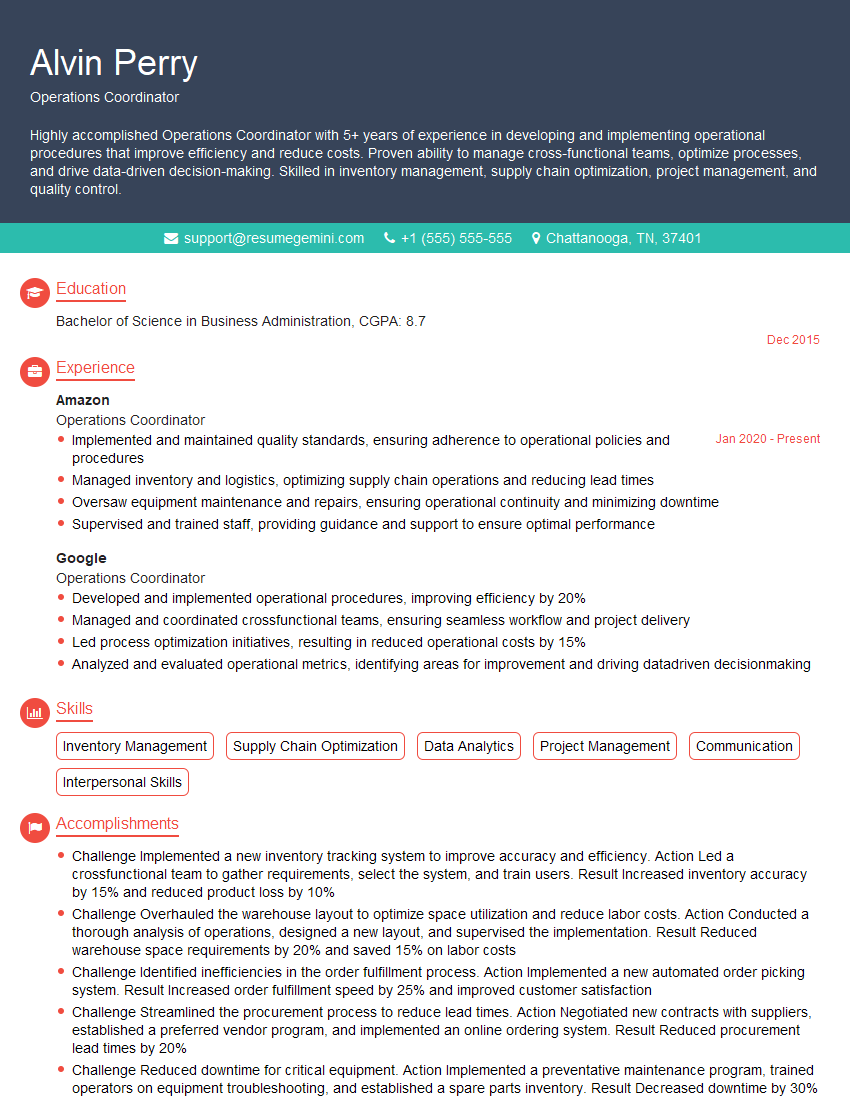
Operations Coordinator Resume Sample
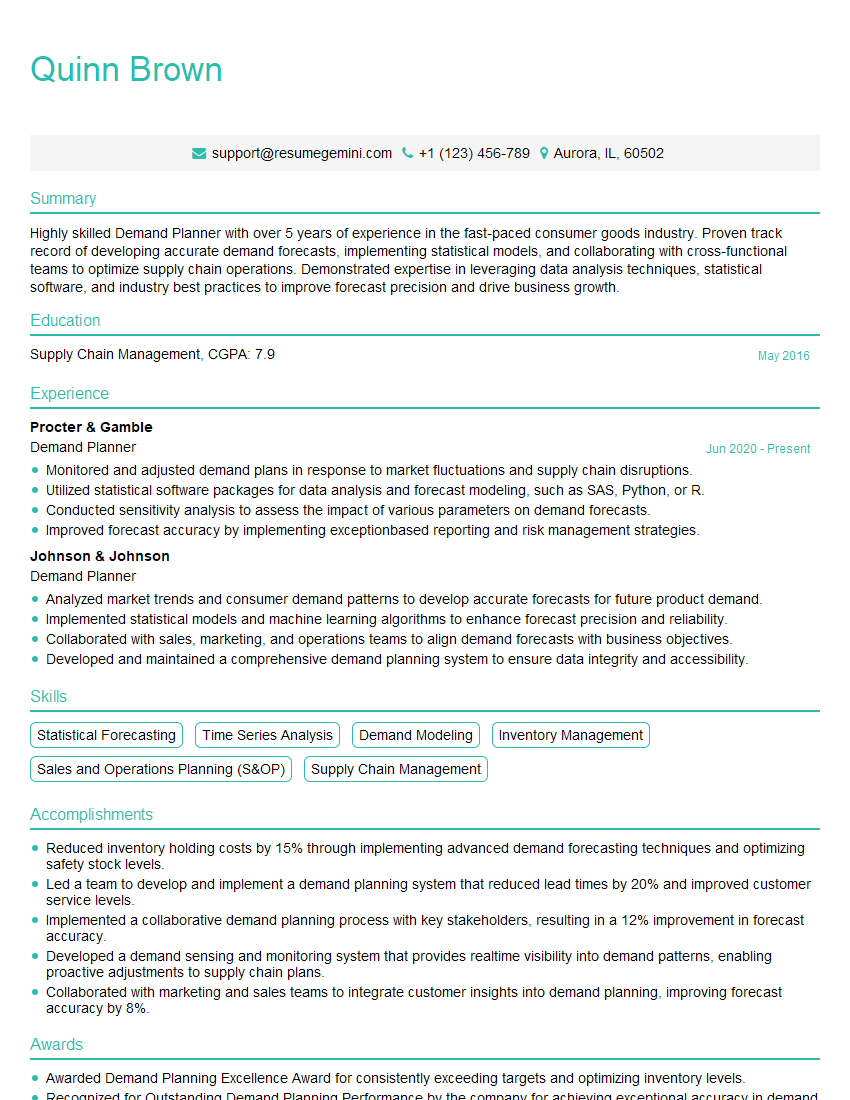
Demand Planner Resume Sample

Procurement Manager Resume Sample

Supply Chain Manager Resume Sample
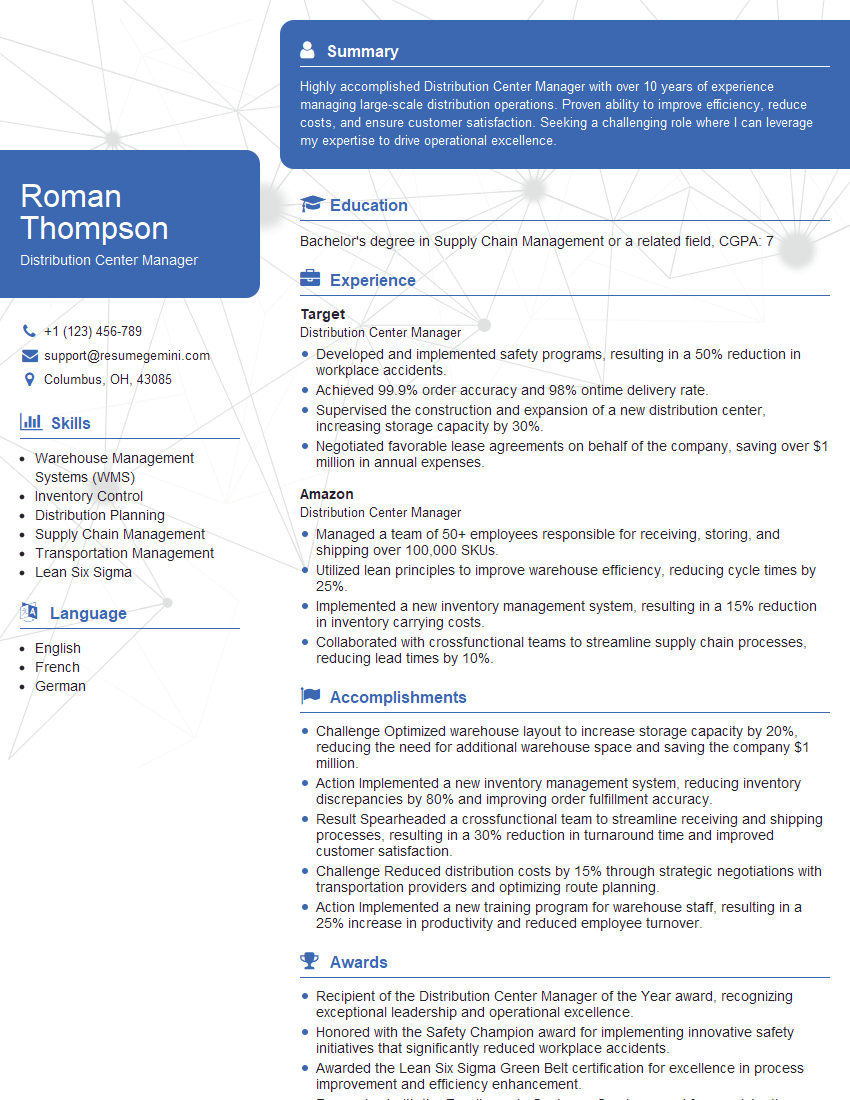
Distribution Center Manager Resume Sample
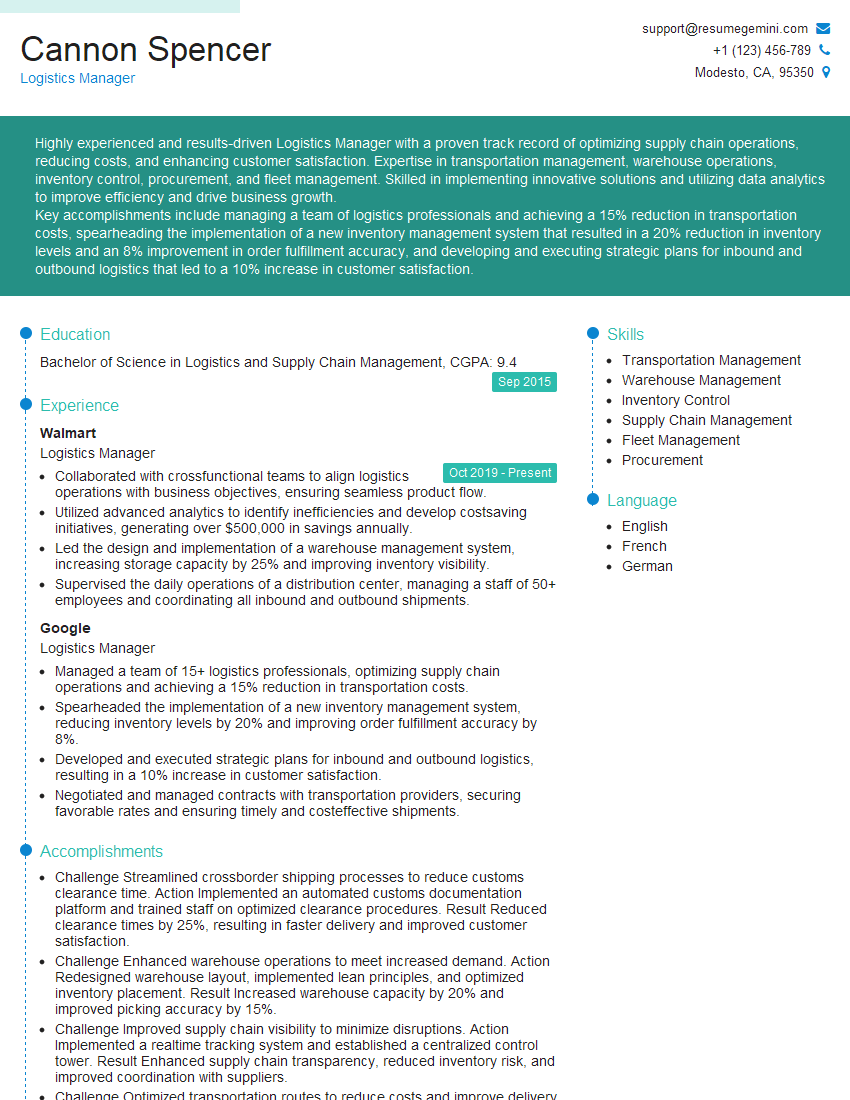
Logistics Manager Resume Sample
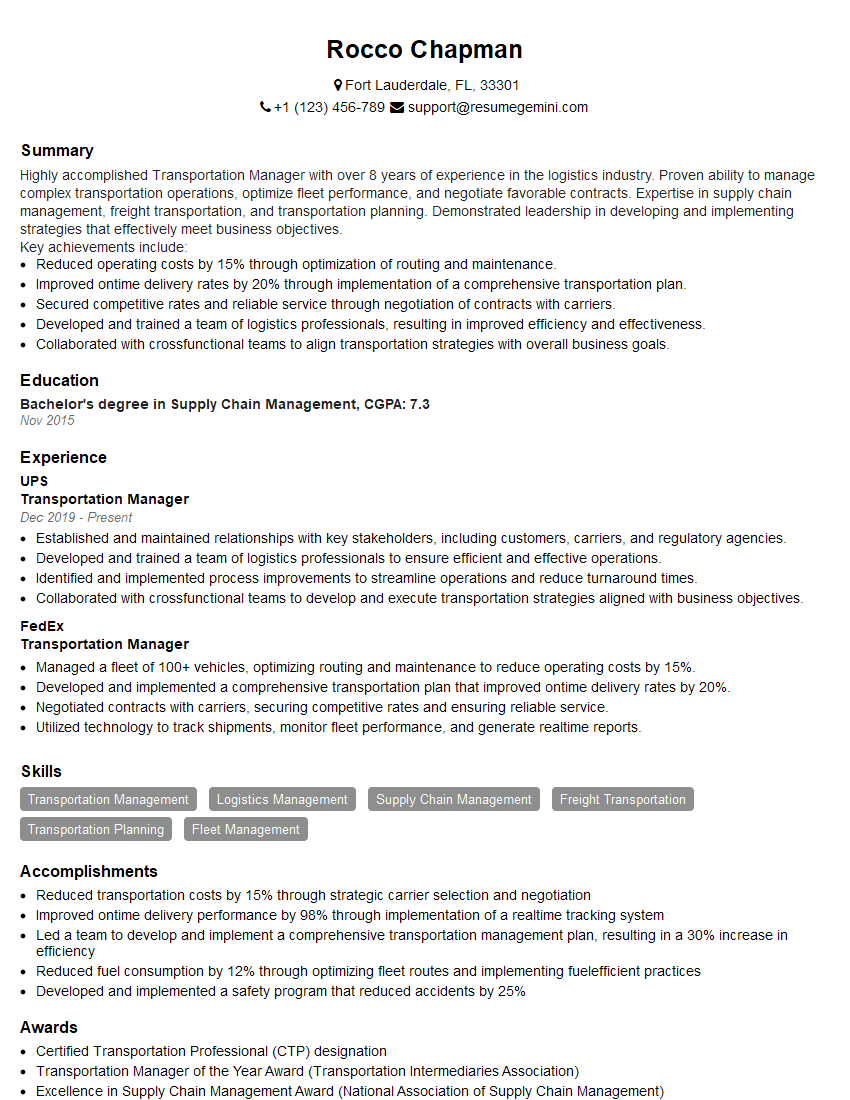
Transportation Manager Resume Sample
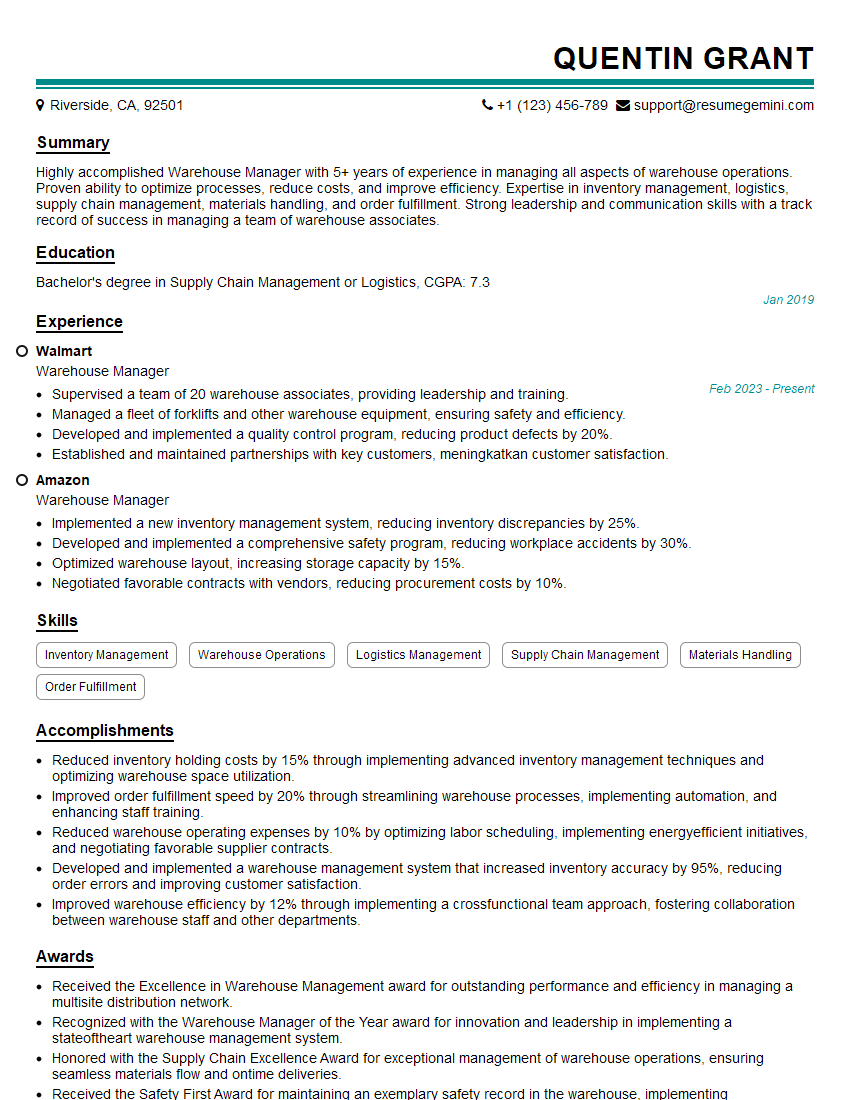
Warehouse Manager Resume Sample
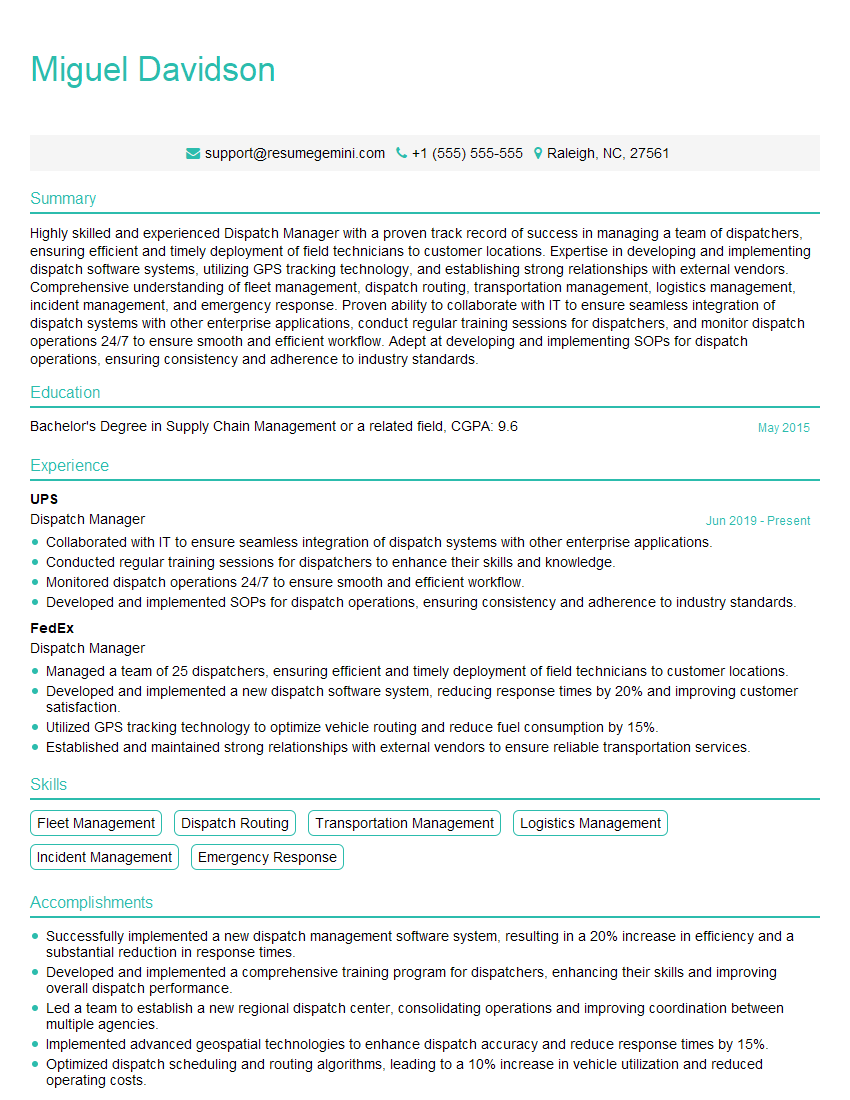
Dispatch Manager Resume Sample
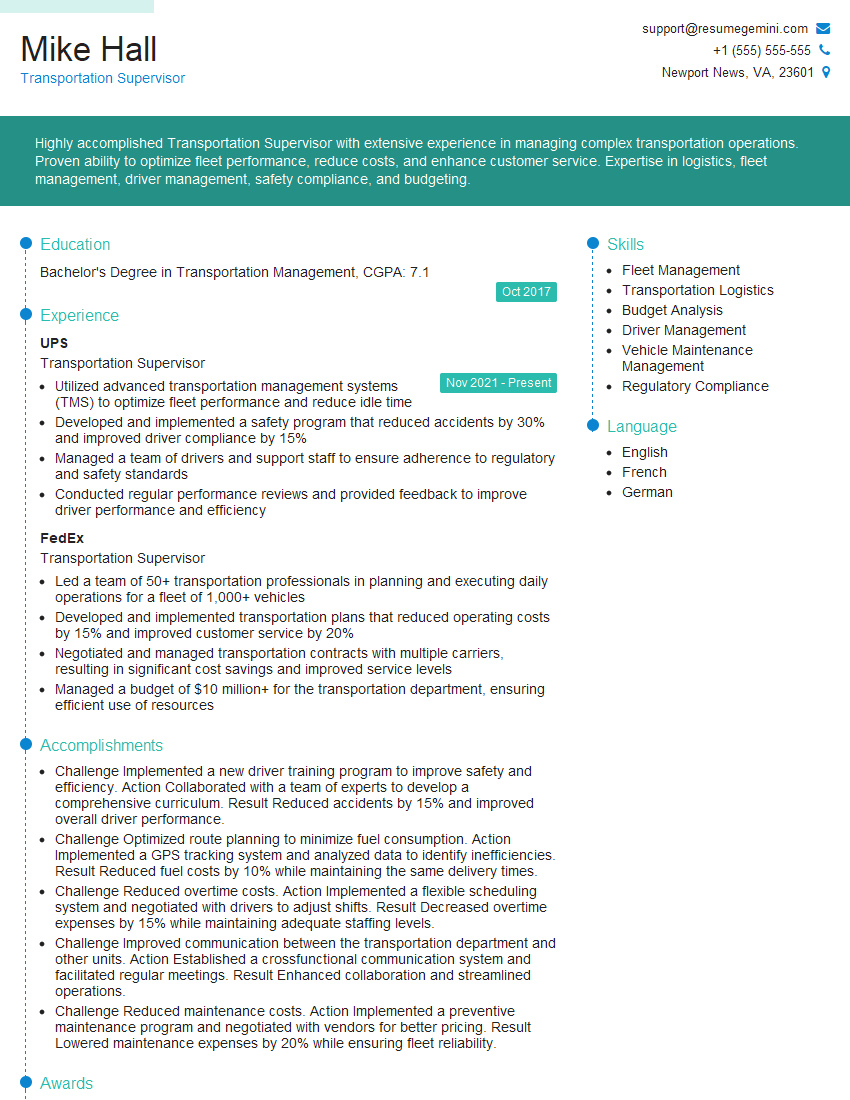
Transportation Supervisor Resume Sample
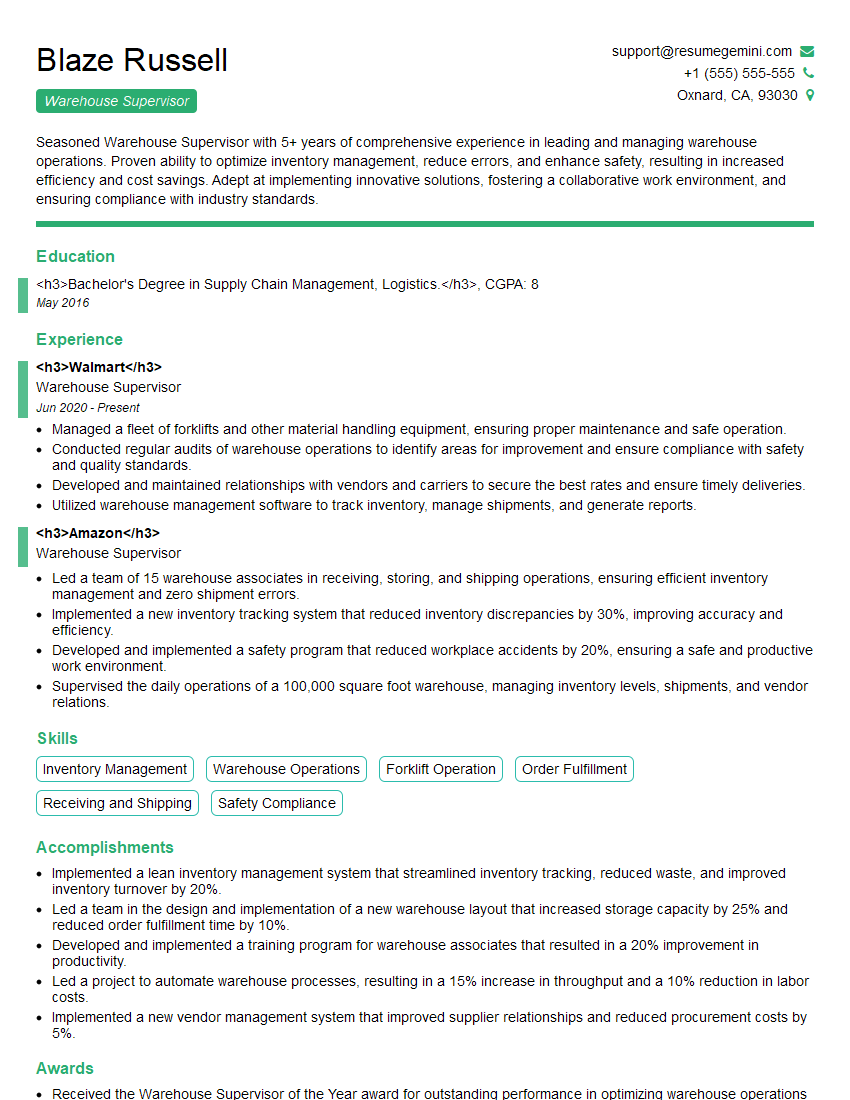
Warehouse Supervisor Resume Sample
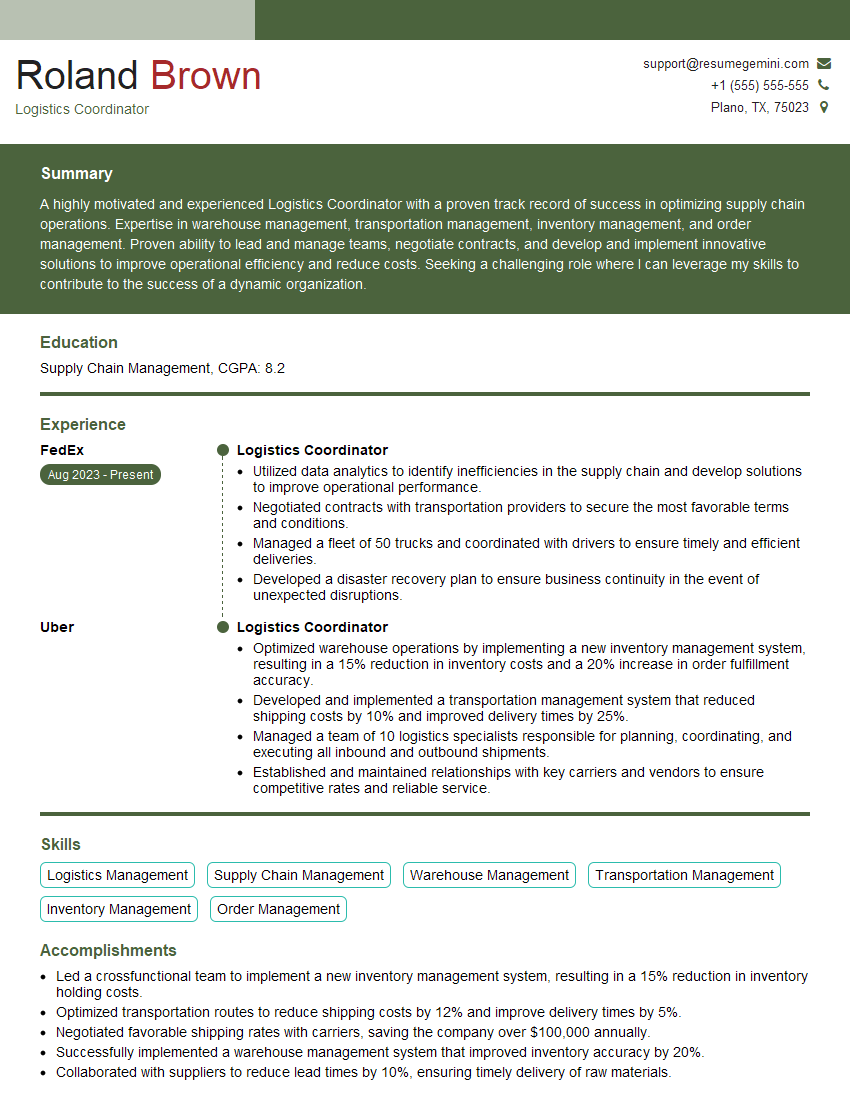
Logistics Coordinator Resume Sample
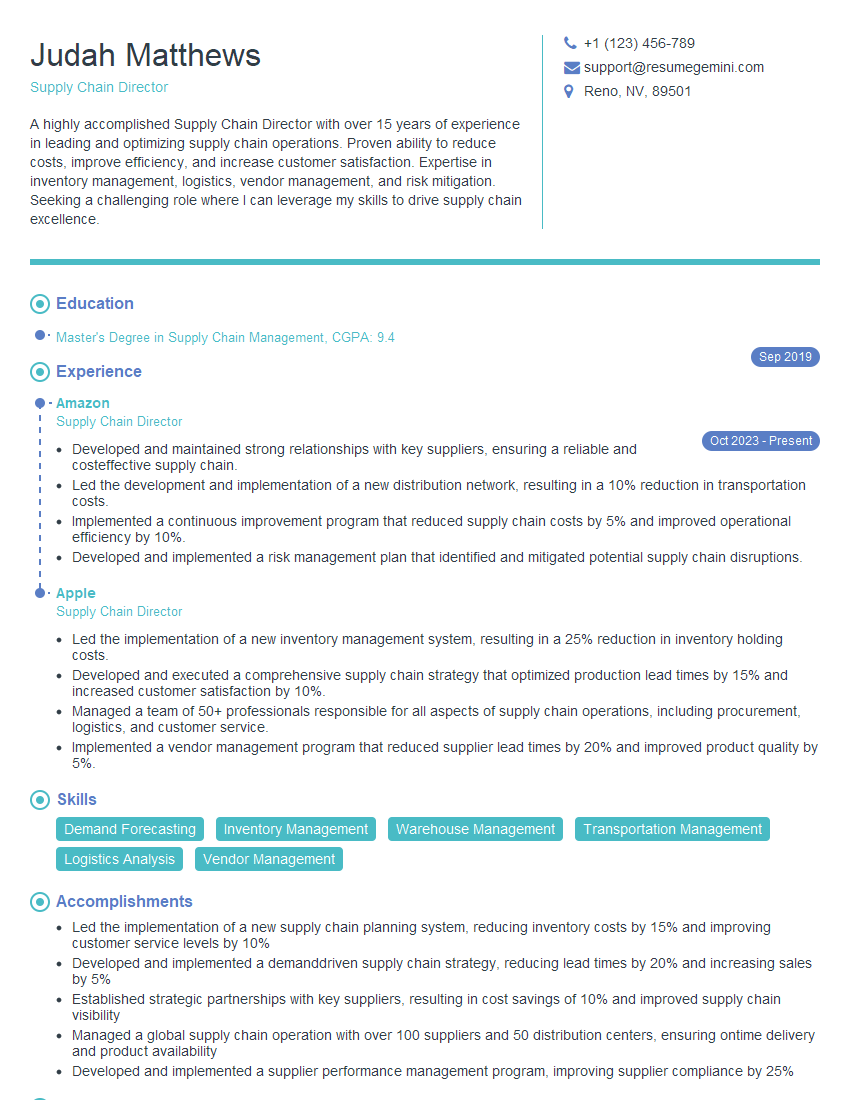
Supply Chain Director Resume Sample
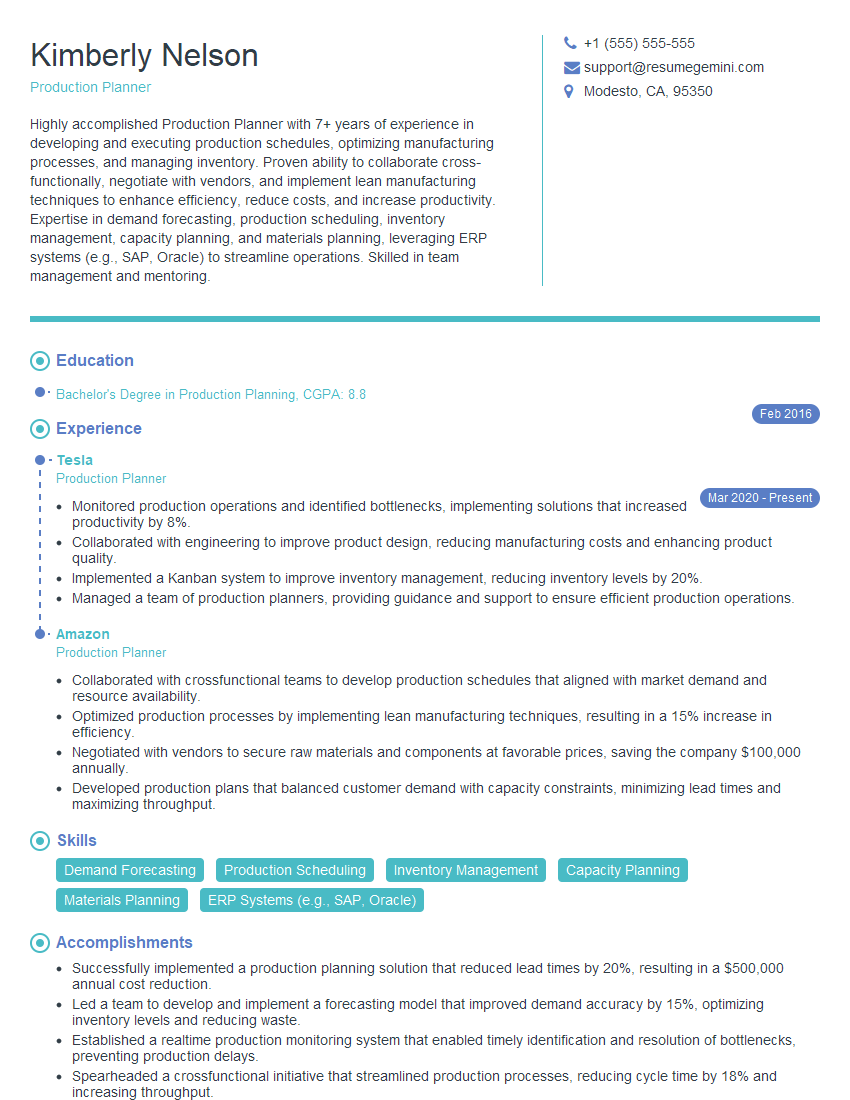
Production Planner Resume Sample
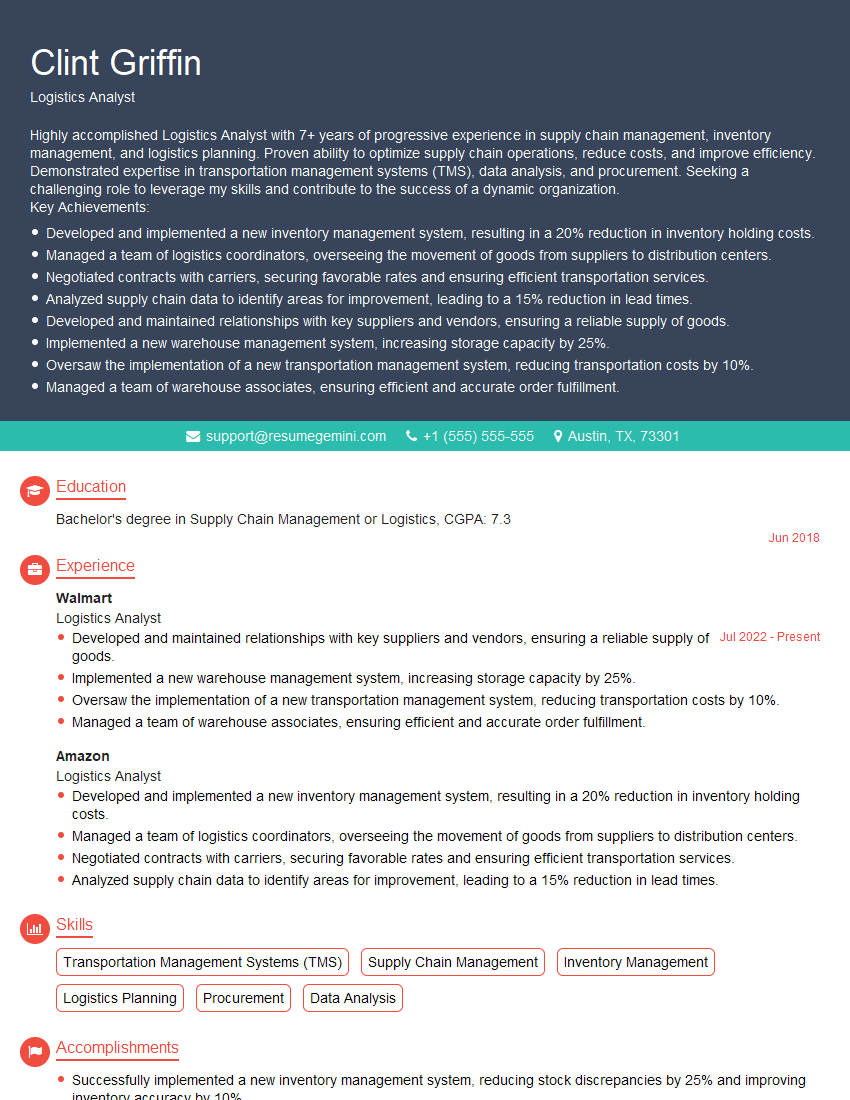
Logistics Analyst Resume Sample
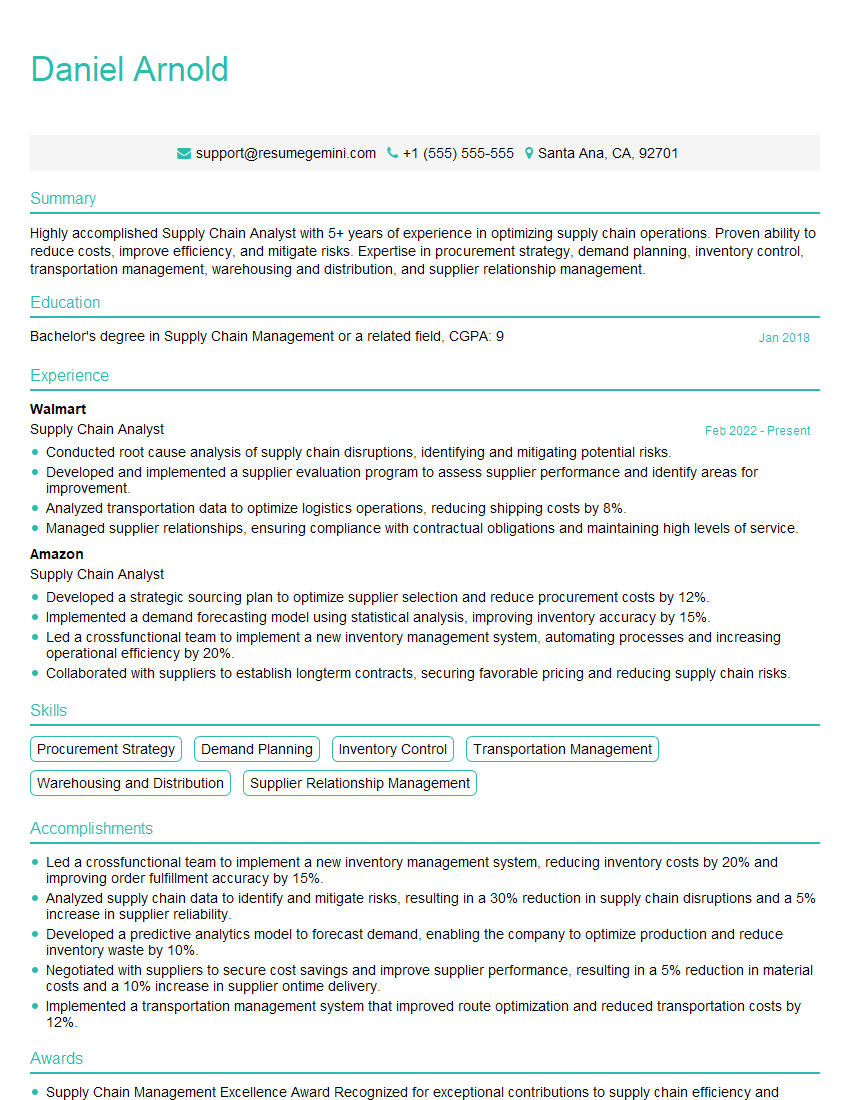
Supply Chain Analyst Resume Sample
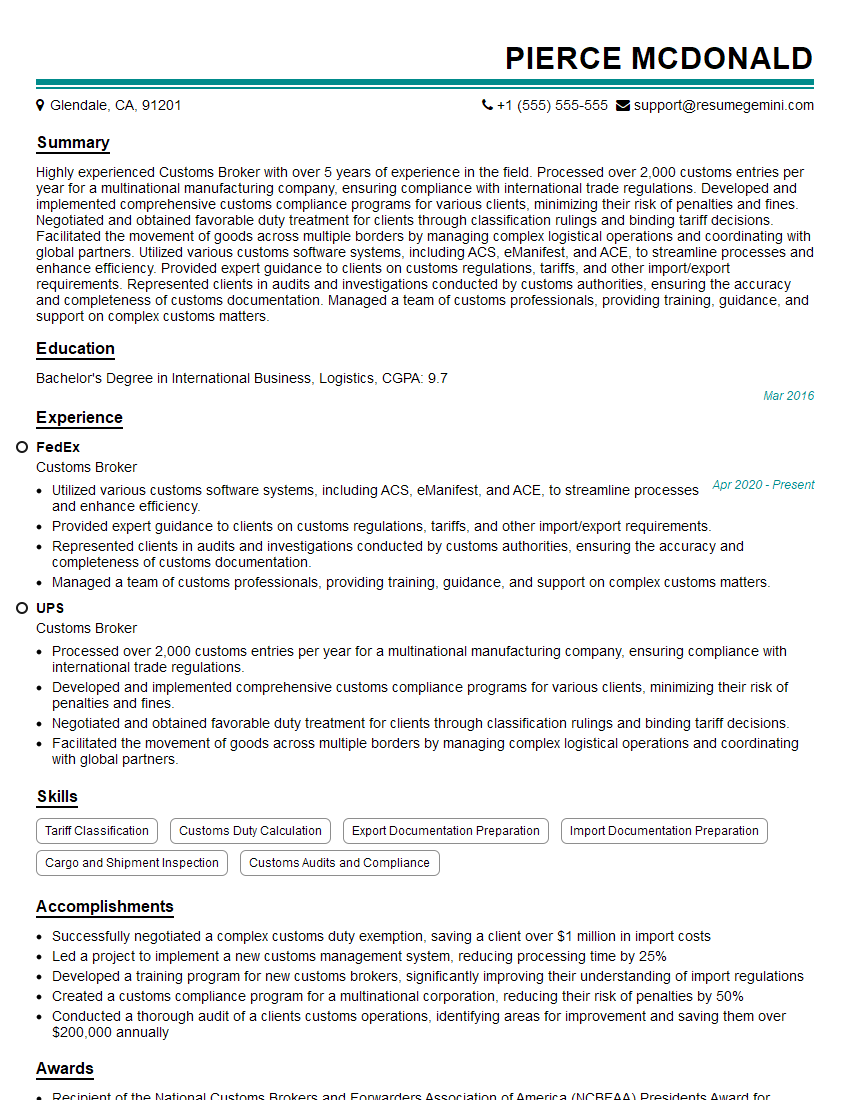
Customs Broker Resume Sample
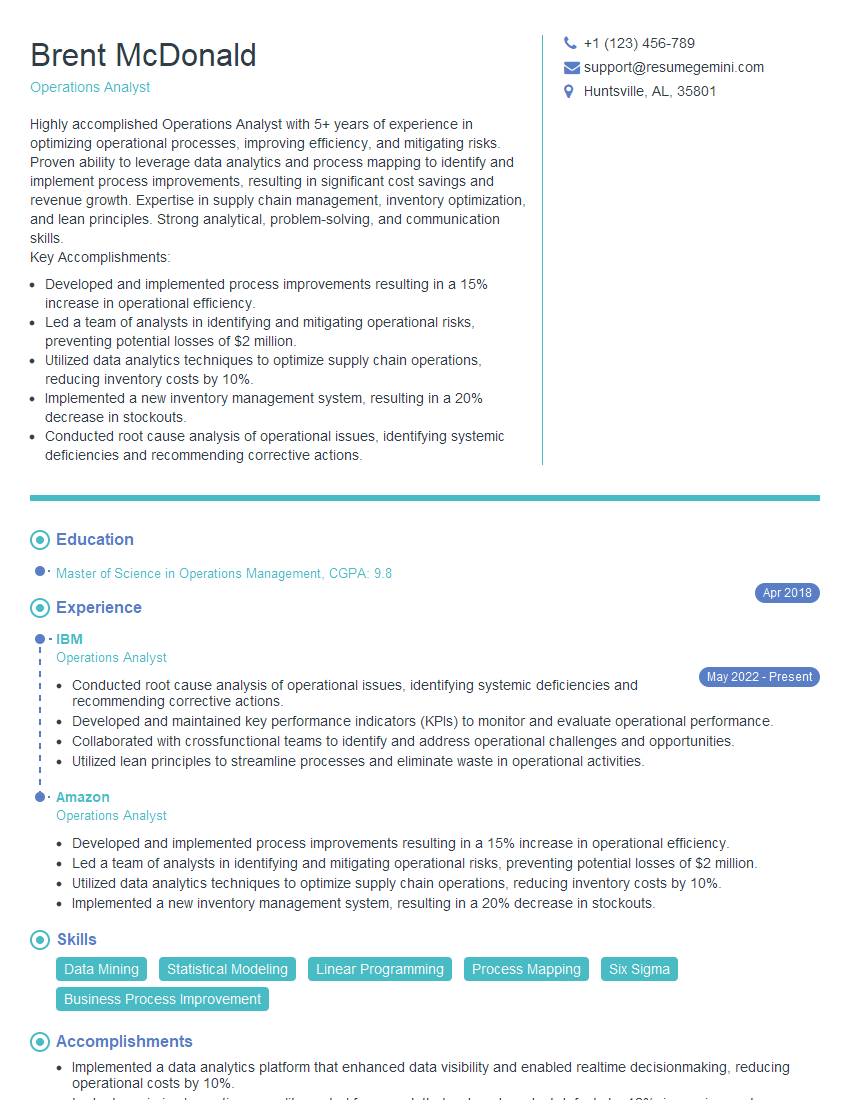
Operations Analyst Resume Sample
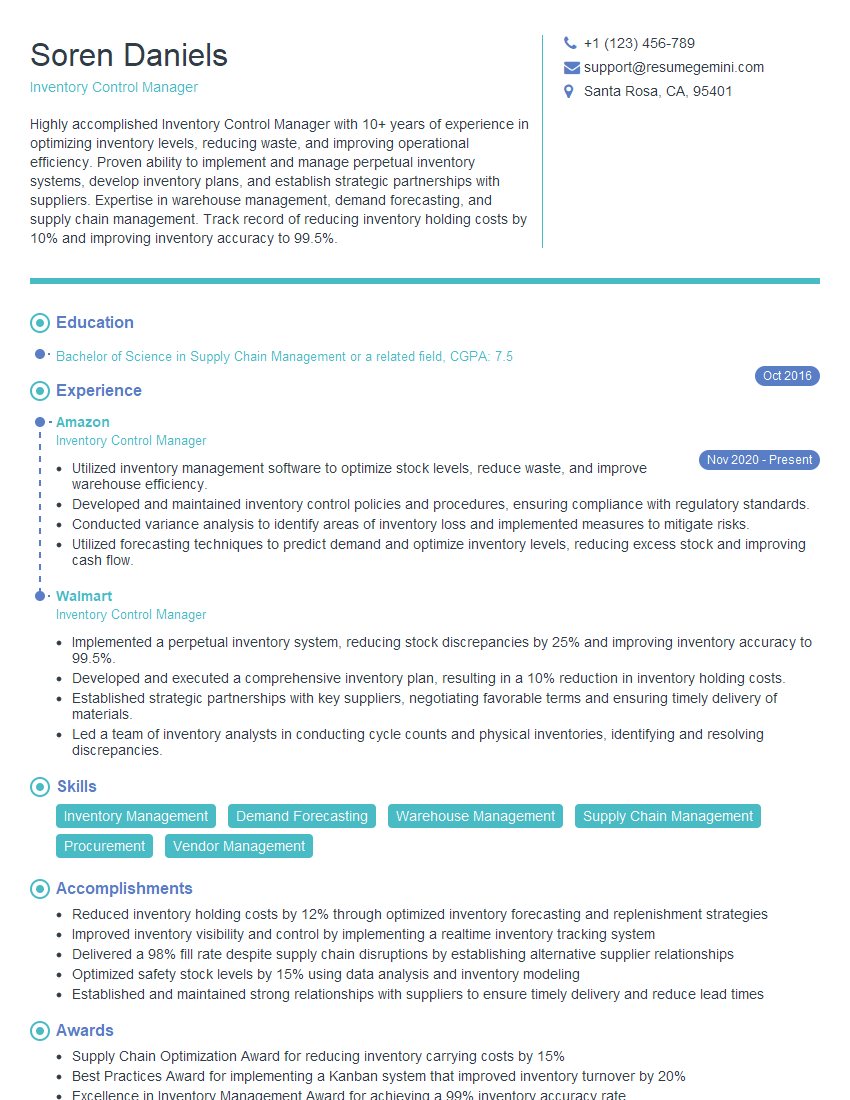
Inventory Control Manager Resume Sample
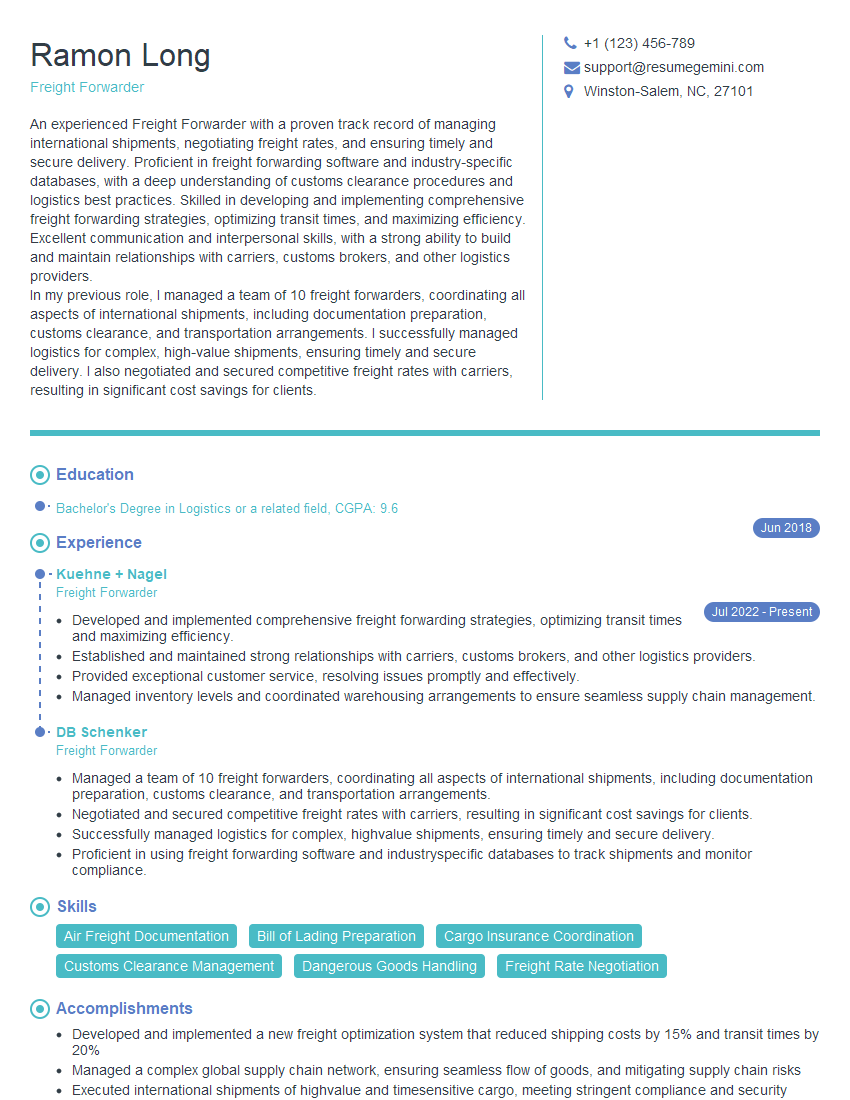
Freight Forwarder Resume Sample
- Operations Manager
- Operations Coordinator
- Demand Planner
- Procurement Manager
- Supply Chain Manager
- Distribution Center Manager
- Logistics Manager
- Transportation Manager
- Warehouse Manager
- Dispatch Manager
- Transportation Supervisor
- Warehouse Supervisor
- Logistics Coordinator
- Supply Chain Director
- Production Planner
- Logistics Analyst
- Supply Chain Analyst
- Customs Broker
- Operations Analyst
- Inventory Control Manager
- Freight Forwarder
Explore more articles
Users Rating of Our Blogs
Share Your Experience
We value your feedback! Please rate our content and share your thoughts (optional).
What Readers Say About Our Blog
Very informative content, great job.
good