Feeling uncertain about what to expect in your upcoming interview? We’ve got you covered! This blog highlights the most important Orange Picking Techniques interview questions and provides actionable advice to help you stand out as the ideal candidate. Let’s pave the way for your success.
Questions Asked in Orange Picking Techniques Interview
Q 1. What are the different methods for harvesting oranges?
Orange harvesting methods vary based on factors like orchard size, terrain, and the type of orange tree. Generally, we employ two main approaches: hand-picking and mechanical harvesting.
Hand-picking: This traditional method involves carefully selecting individual oranges by hand. It’s ideal for smaller orchards, specialty oranges, or when high-quality fruit is paramount, minimizing damage. Hand-picking allows for selective harvesting, enabling pickers to choose only ripe and undamaged fruit.
Mechanical Harvesting: Larger commercial operations often use mechanical harvesters. These machines shake the trees, causing the oranges to fall onto collection systems. This is highly efficient for large-scale production but can lead to higher rates of fruit damage compared to hand-picking. This method is better suited for processing oranges rather than fresh market sales due to potential bruising.
Sometimes, a combination of both methods is used. For instance, a mechanical harvester might be used for the bulk of the harvest, followed by hand-picking to gather the remaining fruit and ensure minimal waste.
Q 2. Describe the proper technique for picking an orange without damaging it.
Picking an orange without causing damage requires a gentle touch and proper technique. Think of it like handling a delicate piece of fruit!
Assess the fruit: Before picking, carefully examine the orange. Ensure it’s ripe (we’ll discuss ripeness identification shortly) and free from any blemishes.
Proper grip: Gently cup the orange in your palm, ensuring a firm but not crushing grip. Avoid squeezing too tightly.
Twisting motion: Instead of pulling straight down, gently twist the orange back and forth. This helps to separate the fruit from the stem without causing damage to the stem or the fruit itself. The orange should release easily.
Careful placement: After picking, place the orange gently into a collection container to avoid bruising. Avoid dropping or throwing the oranges.
Practicing these steps consistently can significantly reduce fruit damage, maintaining both the quality and marketability of the harvested oranges. I always emphasize this to my team.
Q 3. How do you identify ripe oranges ready for picking?
Identifying ripe oranges is crucial for optimal quality and flavor. There are several indicators to look for:
Color: The color varies depending on the orange variety, but generally, a deep, rich color (e.g., deep orange for Navels, reddish-orange for Blood Oranges) indicates ripeness. Avoid oranges that are still green or have patchy coloration.
Feel: Ripe oranges usually feel heavy for their size. Avoid those that feel light or spongy, as they might be under-ripe or damaged.
Aroma: A sweet, citrusy fragrance is a sign of ripeness. In contrast, an under-ripe orange will often lack a strong aroma.
Firmness: The orange should feel firm to the touch but not rock-hard. Avoid those that are overly soft or have any soft spots.
Experience allows me to quickly assess ripeness, relying on a combination of visual, tactile and olfactory cues.
Q 4. What are the common signs of orange damage or disease?
Recognizing signs of orange damage and disease is vital for maintaining harvest quality and preventing the spread of issues. Common indicators include:
Bruising: Dark spots or discoloration on the fruit’s surface indicates bruising, often resulting from improper handling or mechanical harvesting. Bruised oranges are often unsuitable for the fresh market.
Insect damage: Holes in the fruit, or evidence of insects themselves, points to pest infestation. These oranges should be removed to prevent further damage and to reduce the risk of spreading disease.
Fungal diseases: Mold, discoloration, or lesions on the fruit could indicate fungal diseases. These oranges must be promptly removed to prevent contamination of healthy fruit.
Sunburn: Pale spots or blemishes on the fruit’s skin, especially where it’s been exposed to direct sunlight, suggest sunburn. This diminishes marketability.
Early identification and removal of affected oranges are crucial in preventing widespread damage and ensuring the health of the entire orchard.
Q 5. Explain your experience with different types of orange harvesting tools.
My experience encompasses a range of orange harvesting tools. I’ve worked with both hand-held and mechanical equipment.
Hand-picking: This often involves using ladder for access to higher branches. Simple yet effective tools include gloves to protect hands and collection bags or buckets to hold the harvested oranges.
Mechanical harvesters: I’ve been involved in operations employing both self-propelled and stationary shaking mechanisms. These typically involve large equipment for shaking the trees, followed by collection systems (conveyors, catching frames) to manage the harvested fruit.
Each tool has its strengths and weaknesses. The choice depends heavily on the scale of the operation, the terrain, and the desired level of fruit quality. My expertise allows me to effectively and safely operate a wide range of these tools.
Q 6. How do you maintain a consistent picking pace throughout the day?
Maintaining a consistent picking pace throughout the day requires physical stamina, efficient techniques and strategic planning.
Physical fitness: Good physical conditioning is crucial for handling the physical demands of harvesting. Regular exercise and proper hydration help.
Efficient techniques: Using the proper picking technique discussed earlier is critical. It reduces fatigue and minimizes the time spent on each fruit.
Strategic breaks: Regular short breaks throughout the day to rest and rehydrate are essential to prevent fatigue and maintain a steady pace. Proper planning of these breaks ensures workflow continuity.
Teamwork: In larger operations, teamwork and consistent communication aid in maintaining efficiency. A well-coordinated team can efficiently cover the orchard area.
My experience allows me to strategize my pace, ensuring I’m both efficient and avoid burnout or injury throughout a long workday.
Q 7. What safety precautions do you follow while harvesting oranges?
Safety is paramount during orange harvesting. Several precautions are always followed:
Ladder safety: When using ladders, ensure they are stable, properly positioned, and used according to safety guidelines. Avoid overreaching.
Protective gear: Gloves protect hands from thorns and splinters. Appropriate footwear prevents slips and falls. In some cases, eye protection might be needed.
Sun protection: Hats and sunscreen protect from harmful UV rays, especially during prolonged sun exposure.
Hydration and breaks: Regular water intake and scheduled breaks are crucial to prevent heatstroke and dehydration.
Awareness of surroundings: Being aware of potential hazards like branches, uneven terrain, and wildlife is essential to prevent injuries.
Prioritizing safety fosters a productive and healthy work environment, contributing to a successful and injury-free harvest.
Q 8. How do you handle difficult-to-reach oranges?
Reaching those elusive oranges high in the canopy or tucked away in dense foliage requires a multi-pronged approach. Safety is paramount, so I always start by assessing the situation. If a ladder is suitable and safe, I’ll use it, ensuring it’s securely placed and within my comfortable reach. However, for particularly tricky spots, I might employ a specialized picking tool like a long-handled fruit picker with a grabber or scissor-like mechanism at the end. Think of it like a giant pair of tongs for oranges! This tool allows me to gently harvest the fruit without risking damage to the tree or the fruit itself. In some cases, I might need to use a combination of ladder and picking tool for optimal reach and precision. For exceptionally high branches or those that are simply too dangerous to reach, I’ll leave those oranges for colleagues who have the necessary equipment and expertise. It’s always better to be safe than sorry.
Q 9. What is your experience with sorting and grading harvested oranges?
Sorting and grading harvested oranges is crucial for ensuring quality and maximizing market value. My experience involves a thorough process, starting with visual inspection for size, color, and blemishes. We use standardized grading scales, often based on size (e.g., large, medium, small) and appearance (e.g., grade A, grade B). Oranges with bruises, cuts, or signs of disease are discarded to avoid contaminating the rest of the harvest. I’m skilled in quickly identifying subtle differences in ripeness and condition through touch and visual assessment. This efficiency allows for effective processing and reduces post-harvest losses. Furthermore, I have experience using automated sorting machines for large-scale operations, which can significantly increase the speed and efficiency of the sorting process. The ability to effectively combine manual inspection with technological assistance is a key skill in modern orange harvesting.
Q 10. Describe your experience working as part of a harvesting team.
Teamwork is absolutely essential in orange harvesting. I’ve been part of teams ranging from small, family-run operations to large commercial enterprises. In each setting, effective communication and collaboration were key to success. On larger teams, we often specialize in different aspects of the harvest – some focus on picking, others on packing, and still others on transport. Clear communication ensures everyone knows their role and that the work flows smoothly. For instance, in one harvest, we developed a system of hand signals to communicate the location of particularly ripe or difficult-to-reach oranges across the orchard, minimizing wasted effort. We also routinely helped each other when faced with challenging tasks, fostering a spirit of mutual support and efficiency. Open communication and collaborative spirit are paramount to successful harvesting.
Q 11. How do you adapt to changing weather conditions during harvesting?
Weather is a significant factor in orange harvesting, and adaptability is crucial. For instance, during heavy rain, we pause operations to protect the fruit from damage and to ensure the safety of the workers. Extreme heat can also impact productivity, necessitating frequent breaks and careful hydration strategies. Strong winds can make working at heights dangerous, so we adjust techniques or postpone harvesting altogether depending on safety protocols. Conversely, we might work longer hours on cooler, less windy days to maximize productivity. This requires careful planning, observation of weather forecasts, and constant communication within the team to adjust our work schedule and methods to optimize safety and efficiency.
Q 12. How do you handle heavy workloads and long hours?
Orange harvesting often involves long hours and heavy workloads, especially during peak season. Managing this requires a combination of physical stamina, efficient work habits, and smart strategies. I prioritize pacing myself throughout the day, taking regular breaks to rest and rehydrate. Good physical fitness is crucial. I also focus on maximizing my efficiency by employing proven picking techniques to minimize wasted movements. For example, organizing the collection and transport of picked oranges strategically helps maintain pace and avoid fatigue. Furthermore, strong teamwork shares the workload and boosts morale, making the long hours more manageable.
Q 13. What is your experience with using harvesting ladders or other elevated equipment?
I have extensive experience using harvesting ladders, and am comfortable working at heights. Before using any elevated equipment, I meticulously inspect it for stability and safety, ensuring all locking mechanisms are properly engaged. I prioritize safe climbing techniques, maintaining three points of contact at all times. I’m also proficient in using other elevated equipment like cherry pickers and elevated platforms (where available) for increased safety and reach. Knowing when and how to safely utilize various types of elevated equipment is crucial for efficient and safe harvesting, and this skill is a vital part of my expertise.
Q 14. How do you ensure the quality and condition of harvested oranges?
Ensuring the quality and condition of harvested oranges is my top priority. This begins with careful picking techniques that minimize bruising and damage. Gently twisting the orange from the branch prevents injury. Proper handling throughout the process is also critical; we use soft containers to prevent scratches and impacts. I’m vigilant in identifying and removing any oranges showing signs of disease or damage during harvesting and sorting. Rapid cooling after harvesting is important for preserving freshness. By following these steps diligently, we ensure that the oranges reach the consumer in optimal condition.
Q 15. Describe your understanding of post-harvest handling procedures.
Post-harvest handling is crucial for maintaining the quality and extending the shelf life of oranges. It begins the moment the fruit is picked and continues through packing, transportation, and storage. Think of it as a relay race – each stage needs to be handled with care to ensure the ‘baton’ (the orange) arrives in perfect condition.
- Careful Handling: Oranges are delicate. Bruising during picking, sorting, and packing significantly reduces their quality and marketability. We use soft-padded containers and avoid dropping or throwing the fruit. I’ve seen firsthand how even a small bruise can lead to rapid decay.
- Cleaning and Sorting: Oranges are cleaned to remove dirt and debris. Then, they are sorted by size, color, and quality. This ensures uniformity and maximizes the value of the harvest. For example, premium oranges, with a uniform color and no blemishes, command higher prices.
- Cooling and Storage: Rapid cooling after harvesting is key to slowing down respiration and preventing deterioration. We often use refrigerated trucks and storage facilities to maintain optimal temperatures, typically around 36-38°F (2-3°C). This drastically slows the ripening process, preserving freshness for weeks.
- Packing: Oranges are carefully packed to minimize damage during transport. We use appropriate packaging materials, ensuring proper ventilation to prevent mold growth. The choice of packaging depends on the distance the fruit needs to travel and the market’s requirements.
Career Expert Tips:
- Ace those interviews! Prepare effectively by reviewing the Top 50 Most Common Interview Questions on ResumeGemini.
- Navigate your job search with confidence! Explore a wide range of Career Tips on ResumeGemini. Learn about common challenges and recommendations to overcome them.
- Craft the perfect resume! Master the Art of Resume Writing with ResumeGemini’s guide. Showcase your unique qualifications and achievements effectively.
- Don’t miss out on holiday savings! Build your dream resume with ResumeGemini’s ATS optimized templates.
Q 16. How do you comply with agricultural safety regulations?
Agricultural safety is paramount. I strictly adhere to all relevant regulations and company safety protocols. This includes wearing appropriate personal protective equipment (PPE), like gloves to protect my hands from thorns and splinters, and sturdy footwear to prevent slips and falls on uneven terrain. Furthermore, I’m trained in the safe use of harvesting tools and machinery, ensuring proper maintenance and regular inspections. For example, before every picking season, I participate in mandatory safety training sessions covering topics like chemical handling, emergency procedures, and heat stress prevention.
- PPE Usage: Gloves, safety glasses, sun hats, and sturdy work boots are essential to prevent injuries.
- Chemical Handling: If pesticides are used, we follow strict protocols for application and personal safety.
- Emergency Preparedness: We are trained to respond to emergencies, such as injuries or equipment malfunctions. This includes knowing the location of emergency contacts and first-aid kits.
Q 17. What is your experience with different orange varieties?
My experience spans a variety of orange varieties, including Navel oranges, Valencia oranges, Hamlin oranges, and blood oranges. Each variety has unique characteristics affecting harvesting techniques. For instance, Navel oranges are generally easier to pick because they tend to detach from the tree more readily than Valencia oranges. Blood oranges, with their distinctive reddish flesh, require careful handling to avoid bruising due to their softer texture. I understand the nuances of each variety, including their optimal ripeness indicators, which significantly impacts yield and quality.
Q 18. Describe your knowledge of the optimal time for harvesting oranges.
Determining the optimal harvest time depends on the orange variety and intended use. It’s not simply a matter of calendar dates; it’s about assessing the fruit’s ripeness. We utilize several indicators, such as:
- Color: The color change varies depending on the variety; for example, Navel oranges turn a deep orange color while Valencia oranges maintain a more yellowish-orange hue even when ripe.
- Juice Content and Sugar Levels: We use specialized tools to measure the sugar content and acidity of the juice, ensuring optimal sweetness and flavor.
- Firmness: The oranges should be firm to the touch but not rock-hard.
- Aroma: Ripe oranges have a distinct, sweet aroma.
I’ve learned to expertly assess these factors, ensuring that we harvest oranges at their peak flavor and quality, maximizing market value.
Q 19. How do you manage your time effectively during the harvesting season?
Effective time management during harvest is crucial. We use a combination of strategies:
- Pre-Harvest Planning: Careful planning before the season begins, including assigning teams and routes, is essential. We meticulously map the orchard to optimize routes for efficiency. I’ve found that detailed maps, indicating the ripeness of various sections, dramatically improve our daily output.
- Teamwork and Communication: Clear communication within the team ensures smooth operations. We regularly update each other on our progress, and any challenges encountered are discussed and addressed promptly.
- Prioritization and Delegation: Focusing on the most ripe areas first ensures we maximize the yield of high-quality fruit.
- Regular Breaks: Taking regular breaks throughout the day is vital for maintaining productivity and preventing fatigue. Adequate hydration is also a key element for productivity.
Q 20. How do you maintain productivity while working independently or as a team?
Maintaining productivity, whether independently or as part of a team, hinges on organization and efficiency. When working independently, I focus on a systematic approach to the task. I plan my route efficiently and work at a consistent pace. Teamwork requires effective communication and coordination. I ensure everyone understands their roles and responsibilities, and we work together to maintain a consistent pace and support each other.
A key factor is mutual respect. I treat every team member with consideration, fostering an atmosphere of trust and cooperation. Problems are addressed collaboratively, rather than individually. This approach ensures a smooth operation, high morale, and maximum productivity.
Q 21. What are the potential hazards associated with orange picking?
Orange picking presents several hazards:
- Falls: Uneven terrain, ladders, and slippery conditions can lead to falls.
- Cuts and Abrasions: Thorns, branches, and sharp tools pose a risk of cuts and abrasions. I’ve personally experienced minor cuts from thorns, highlighting the importance of appropriate PPE.
- Back Injuries: Repeated bending and lifting can strain the back, especially over extended periods. Proper lifting techniques are crucial, and taking regular breaks is vital.
- Heat Exhaustion/Sunstroke: Exposure to the sun for extended periods can cause heatstroke. Staying hydrated, wearing protective clothing, and taking breaks in the shade are essential.
- Insect Bites and Stings: Exposure to insects is common. Appropriate clothing and insect repellent can help minimize this risk.
Safety awareness and proactive risk mitigation are fundamental for preventing these hazards. Regular safety training and adherence to safety protocols are crucial for a safe and productive harvest.
Q 22. How do you report workplace injuries or accidents?
Workplace safety is paramount in orange picking. Any injury or accident, no matter how minor, needs to be reported immediately. My process begins with immediate first aid if needed, followed by reporting the incident to my supervisor. This typically involves completing an incident report form, detailing the time, location, nature of the injury, and the circumstances leading to the accident. We document any witnesses and any contributing factors, such as faulty equipment or slippery conditions. A thorough investigation usually follows to prevent similar occurrences. For example, if someone slipped on a wet patch, we might implement better drainage or signage. Serious injuries necessitate a call to emergency services and immediate transport to the nearest hospital, with further reporting to relevant regulatory bodies.
Q 23. What is your experience with using harvesting bags or containers?
I have extensive experience with various harvesting bags and containers. Early in my career, I primarily used traditional canvas bags, which are durable but can be heavy when full. More recently, I’ve transitioned to using lighter, ergonomic harvesting bags with padded straps and improved ventilation to prevent fruit spoilage from overheating. I’m also proficient in using larger, wheeled containers, especially when working in larger orchards or where longer distances need to be covered. The choice of container depends on factors like the terrain, the amount of fruit to be harvested, and the distance to the packing area. For example, in a hilly orchard, the smaller bags might be preferred for maneuverability, while the larger containers are ideal for flat terrain with easy access to transport.
Q 24. How do you handle spoiled or damaged oranges during harvesting?
Handling spoiled or damaged oranges is crucial to maintaining the quality of the harvest. During picking, I carefully inspect each orange, removing any that show signs of disease, insect damage, or physical blemishes. These oranges are immediately segregated into separate containers to prevent contamination of the good fruit. They are usually disposed of responsibly – either composted on-site, or sent to a designated processing facility for appropriate disposal or repurposing (e.g., juice production). This meticulous separation is essential for maintaining the orchard’s overall health and ensuring that only premium quality oranges reach the market. Ignoring this process could lead to rapid spoilage of the whole batch.
Q 25. What are your strategies for dealing with insect infestations in the orchard?
Insect infestations pose a significant threat to orange production. My approach is multifaceted and relies on Integrated Pest Management (IPM) techniques. This involves a combination of strategies including monitoring for insect activity, employing natural predators where possible (like introducing ladybugs to control aphids), and using pesticides only as a last resort, and then only those approved for organic farming. Regular orchard inspections help in early detection. Proper sanitation practices, such as removing fallen fruit and maintaining clean equipment, also play a crucial role in preventing infestations. We also utilize pheromone traps to monitor population levels and strategically apply treatments to minimize environmental impact. For instance, if we identify a significant scale infestation, we might first try insecticidal soap, followed by targeted pesticide application only if the soap proves ineffective.
Q 26. How familiar are you with various orange tree pruning techniques?
I’m very familiar with various orange tree pruning techniques. These techniques are essential for maintaining tree health, maximizing fruit yield, and improving fruit quality. I’m experienced in techniques such as heading back (cutting back the terminal buds to encourage branching), thinning (removing branches to improve air circulation and sunlight penetration), and shaping (creating a structure that facilitates harvesting and reduces shading). The specific pruning technique applied depends on the age of the tree, its variety, and its overall health. For example, young trees might require more shaping to develop a strong framework, whereas mature trees benefit from thinning and heading back to maintain productivity. Improper pruning can lead to reduced yield or weakened trees, emphasizing the need for skill and knowledge in this area.
Q 27. How would you handle a sudden drop in productivity due to unexpected circumstances?
A sudden drop in productivity can be attributed to various factors, such as weather events (frost, hail), disease outbreaks, or unforeseen equipment malfunctions. My response would be systematic. First, I’d identify the root cause through thorough investigation, involving observation of the trees, soil testing, and equipment inspection. Then, I would implement corrective measures based on the identified cause. This might involve addressing the weather damage with protective measures, treating disease outbreaks with appropriate treatments, or repairing or replacing faulty equipment. Accurate record-keeping is crucial for analyzing trends and improving our preparedness for future events. In addition to immediate action, I’d also analyze the impact on the overall harvest and adjust production projections accordingly, communicating those adjustments to the relevant stakeholders to manage expectations and plan for possible contingencies.
Q 28. Describe your experience with record-keeping related to orange harvesting.
Accurate record-keeping is an integral part of my work. I maintain detailed records of daily harvests, including the quantity of oranges picked, the number of damaged or spoiled oranges, the time spent picking, and any relevant observations about the orchard’s condition. This data is typically entered into a digital system or recorded on standardized forms. This information is crucial for tracking yield, identifying potential issues, and improving efficiency. For instance, keeping a detailed log of daily harvest can pinpoint times of high productivity and low productivity, potentially revealing the impact of weather conditions or worker fatigue. This detailed information allows for better resource allocation, planning, and decision-making related to harvesting and post-harvest management. Accurate data is invaluable for long-term orchard management.
Key Topics to Learn for Orange Picking Techniques Interview
- Harvesting Methods: Understanding different picking techniques, including hand-picking, ladder use, and mechanical harvesting. This includes knowing the advantages and disadvantages of each method and when to apply them.
- Fruit Quality Assessment: Learn to identify ripe oranges based on color, size, firmness, and external characteristics. This includes understanding the impact of picking immature or overripe fruit on quality and shelf life.
- Safety Procedures: Mastering safe work practices, including proper ladder usage, handling of picking tools, and awareness of potential hazards in the orchard (e.g., uneven terrain, insect stings).
- Efficiency and Productivity: Learn strategies for maximizing picking efficiency while maintaining fruit quality. This might involve techniques for optimizing picking routes and minimizing waste.
- Post-Harvest Handling: Understanding the importance of careful handling to prevent damage during and after picking, including proper sorting and packing techniques.
- Environmental Considerations: Familiarize yourself with sustainable harvesting practices and their impact on the environment and the orchard’s long-term health.
- Problem-Solving: Be prepared to discuss how you would handle challenges such as inclement weather, equipment malfunctions, or variations in fruit maturity across the orchard.
Next Steps
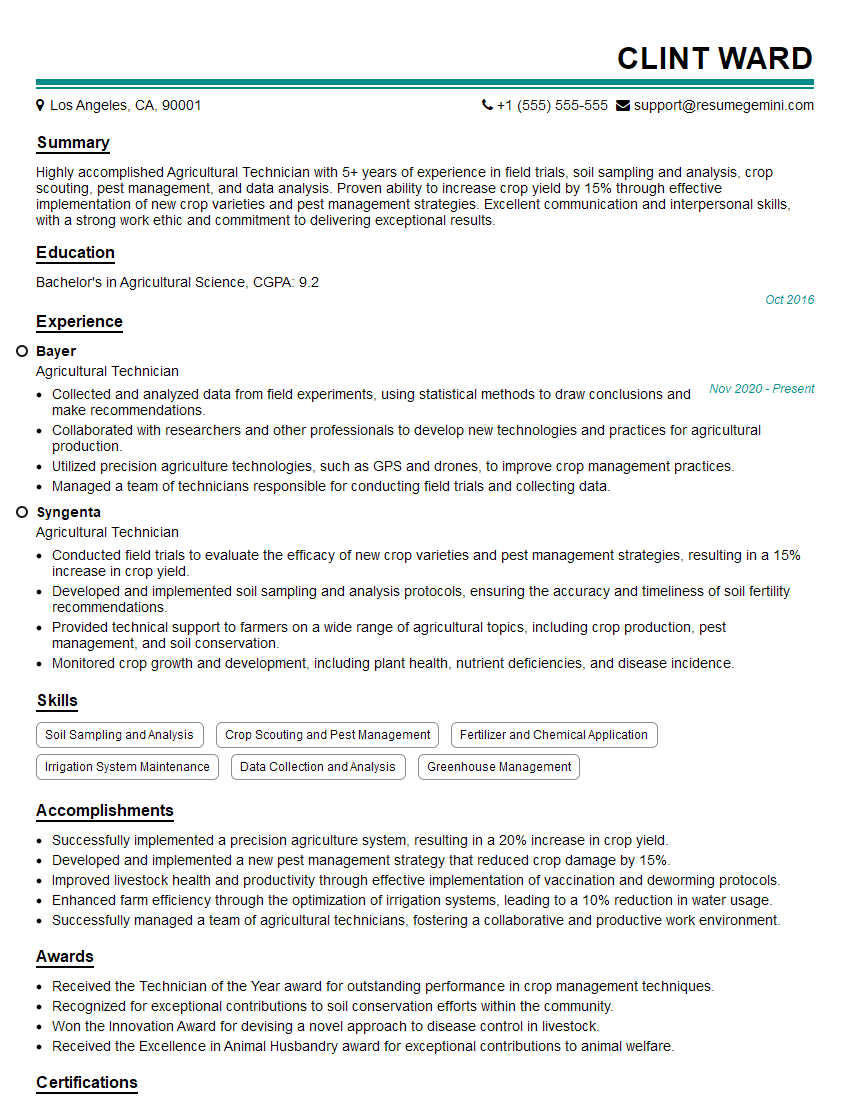
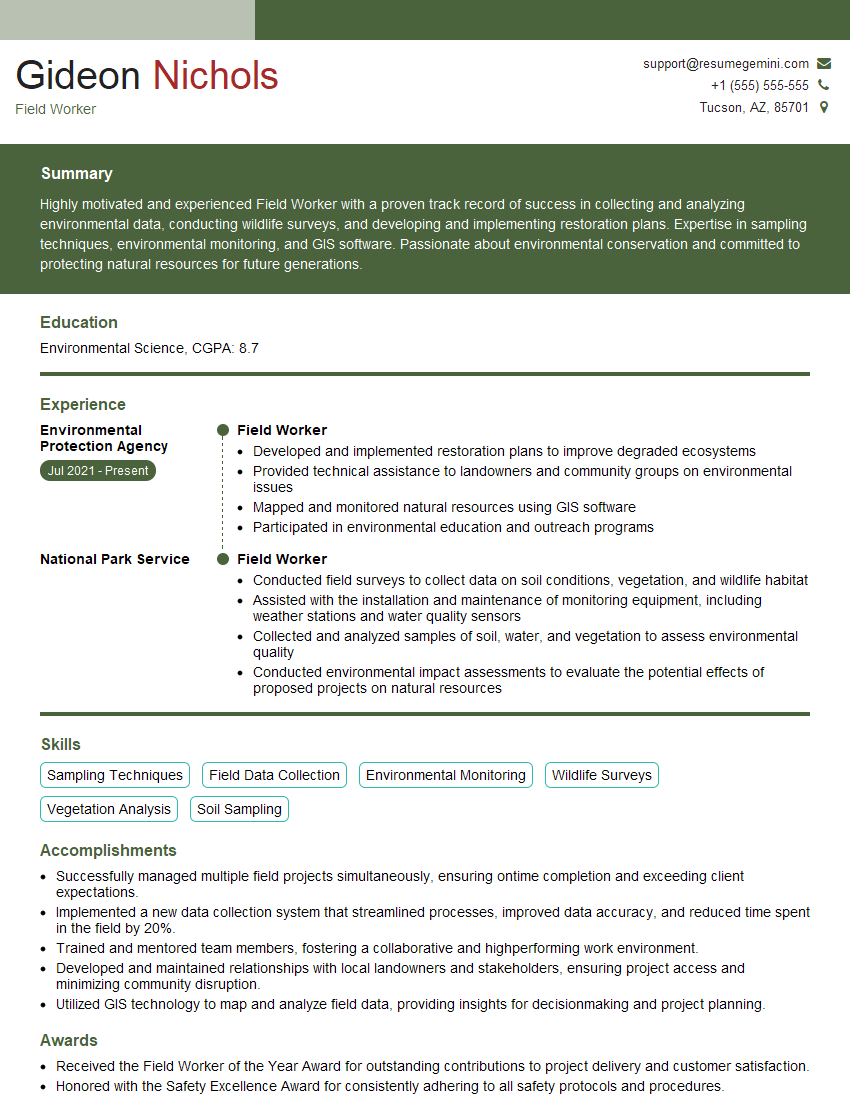
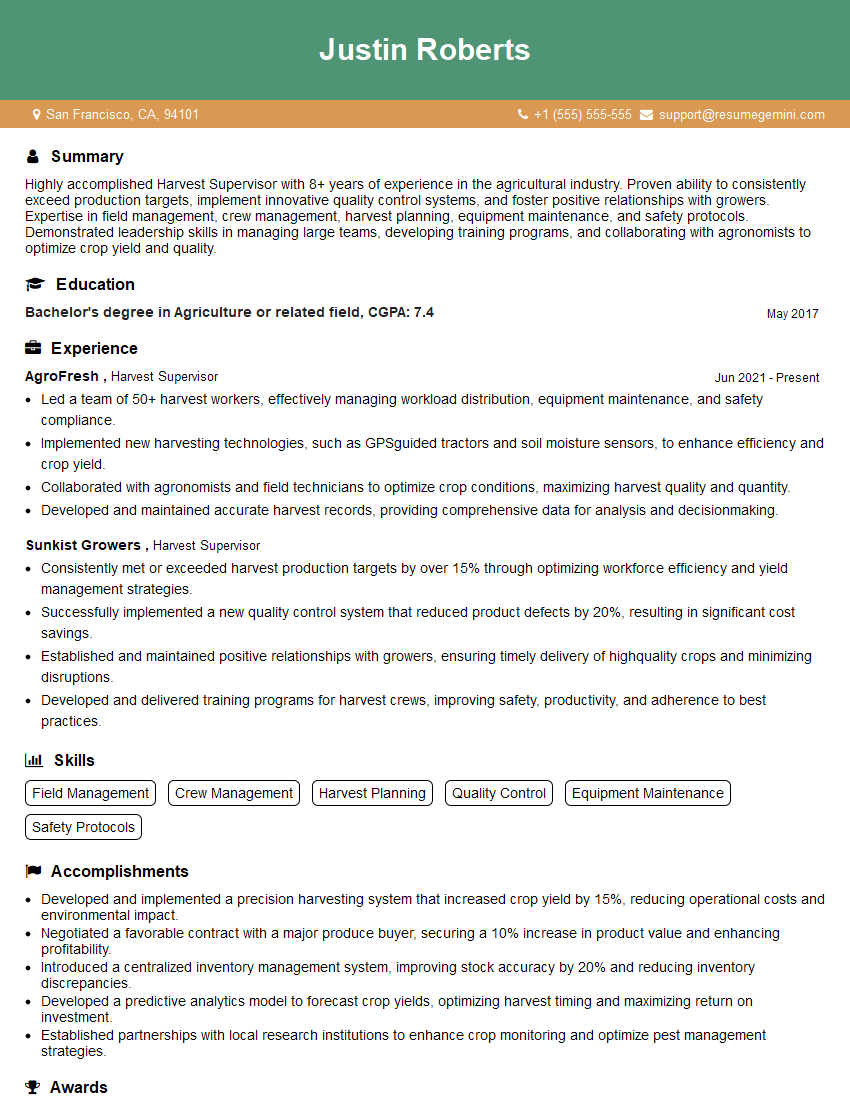
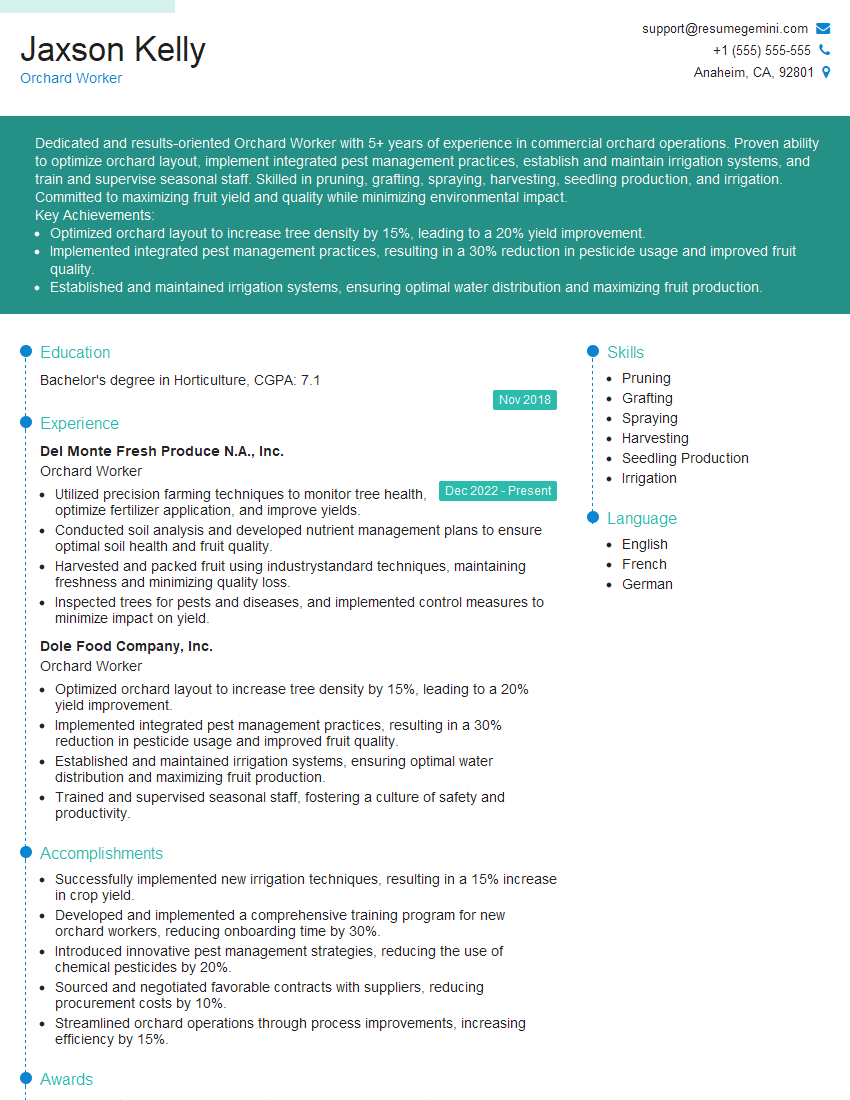
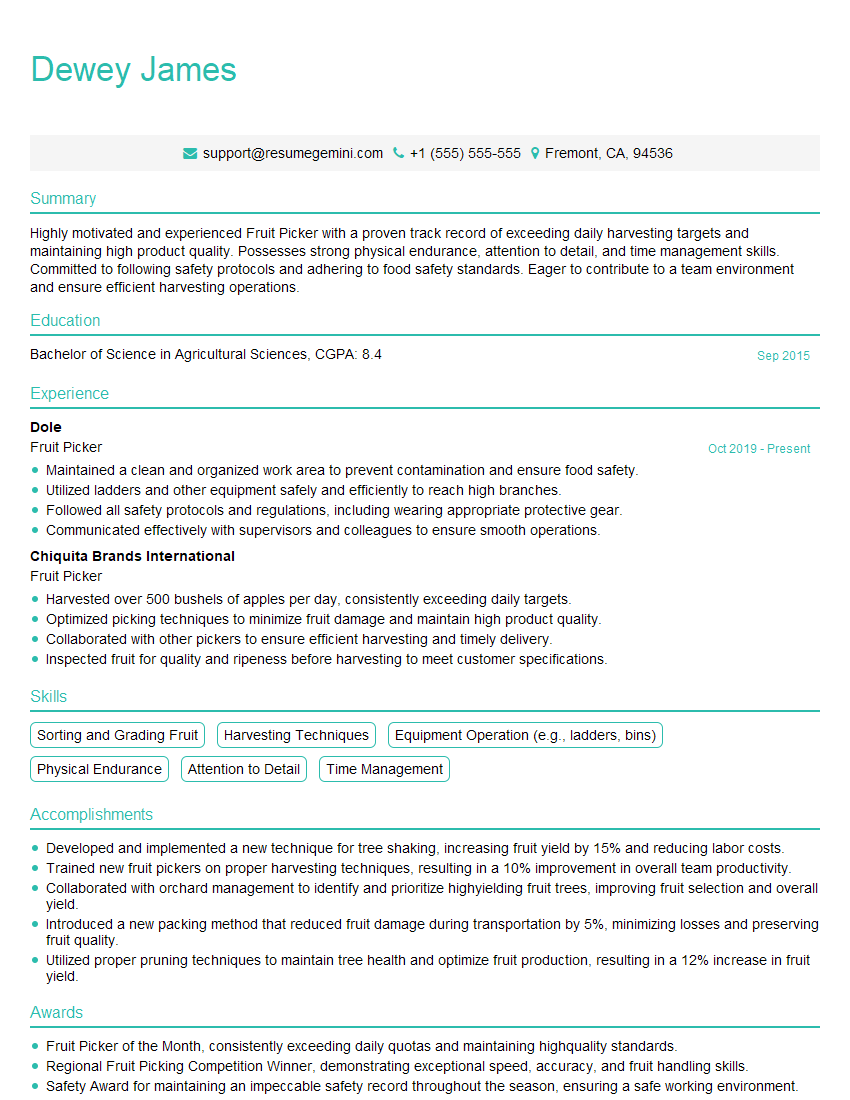
Mastering orange picking techniques is crucial for career advancement in the agricultural sector, opening doors to higher-paying roles and increased responsibility. An ATS-friendly resume is essential to get your application noticed by potential employers. To significantly enhance your job prospects, we recommend using ResumeGemini to create a professional and effective resume. ResumeGemini provides examples of resumes tailored to the specific requirements of orange picking roles, ensuring your application stands out.


Explore more articles
Users Rating of Our Blogs
Share Your Experience
We value your feedback! Please rate our content and share your thoughts (optional).
What Readers Say About Our Blog
Very informative content, great job.
good