The thought of an interview can be nerve-wracking, but the right preparation can make all the difference. Explore this comprehensive guide to OSHA 10-Hour Construction Safety and Health interview questions and gain the confidence you need to showcase your abilities and secure the role.
Questions Asked in OSHA 10-Hour Construction Safety and Health Interview
Q 1. Define the role of personal protective equipment (PPE) in construction safety.
Personal Protective Equipment (PPE) is the last line of defense against workplace hazards. It’s crucial to understand that PPE doesn’t eliminate hazards; it only minimizes the risk of injury after other control measures have been implemented. Think of it as a safety net, not a primary safety measure.
In construction, PPE is vital due to the inherent dangers. Examples include hard hats protecting against falling objects, safety glasses shielding eyes from debris, steel-toed boots preventing foot injuries from dropped materials or punctures, and high-visibility vests ensuring worker visibility. Selecting the right PPE for the specific task is paramount. A worker demolihing a wall needs different PPE than a worker installing drywall.
Proper training on PPE use and maintenance is essential. A damaged hard hat offers little protection. Regular inspections and replacements are critical to maintaining the effectiveness of PPE. It’s not just about wearing it, but wearing it correctly and maintaining it properly.
Q 2. Explain the hierarchy of hazard controls.
The hierarchy of hazard controls prioritizes eliminating hazards at their source. It’s a pyramid of control measures, with the most effective at the top and the least effective at the bottom. The goal is always to eliminate the hazard entirely, if possible.
- Elimination: Removing the hazard altogether. For instance, replacing a hazardous chemical with a safer alternative.
- Substitution: Replacing a hazardous material or process with a less hazardous one. Using a less powerful solvent, for example.
- Engineering Controls: Implementing physical changes to the workplace to reduce exposure. This might include installing machine guards, using ventilation systems, or redesigning workspaces to improve layout and workflow.
- Administrative Controls: Changing work practices or procedures to reduce exposure. This includes establishing safe work permits, implementing training programs, or changing work schedules to minimize exposure to hazards.
- Personal Protective Equipment (PPE): Providing employees with protective equipment to minimize exposure to remaining hazards. This is the last resort, and its effectiveness depends on proper use and maintenance.
Imagine a scenario with a noisy machine. Elimination would be removing the machine. Substitution would be using a quieter machine. Engineering controls might involve building a soundproof enclosure. Administrative controls could be limiting worker exposure time. PPE would be earplugs, the least preferred option.
Q 3. Describe the procedures for reporting workplace injuries and illnesses.
Reporting workplace injuries and illnesses is legally mandated and crucial for improving safety. OSHA requires employers to maintain accurate records of all work-related injuries and illnesses.
The process generally involves:
- Immediate First Aid: Provide immediate first aid to the injured worker.
- Incident Report: Complete a detailed incident report, documenting the date, time, location, nature of the injury, witnesses, and contributing factors. Be objective and factual. Avoid speculation or blame.
- Medical Treatment: Ensure the injured worker receives appropriate medical treatment. This may involve sending them to an urgent care facility or a hospital, depending on the severity of the injury.
- OSHA Reporting: Report the incident to OSHA as required. Certain types of injuries and illnesses, or those resulting in fatalities, hospitalizations, or days away from work, must be reported to OSHA within a specified timeframe.
- Internal Investigation: Conduct an internal investigation to determine the root cause of the accident and implement corrective actions to prevent similar incidents in the future.
Accurate and timely reporting helps identify trends, implement preventative measures, and create a safer work environment. Failure to report can result in significant fines and penalties.
Q 4. What are the common causes of falls on construction sites?
Falls are a leading cause of death and injury on construction sites. Several factors contribute to falls:
- Working at Heights: The most common cause is working at heights without proper fall protection. This includes falls from roofs, scaffolding, ladders, and elevated platforms.
- Unprotected Edges and Openings: Falls can occur from unprotected edges of roofs, floors, or platforms, or through open holes in floors or walls.
- Slippery Surfaces: Wet, icy, or greasy surfaces increase the risk of slips and falls.
- Lack of Proper Training: Inadequate training on fall protection procedures and equipment use contributes significantly to falls.
- Unsafe Equipment: Using defective ladders, scaffolding, or other equipment can lead to falls.
- Clutter and Obstructions: Cluttered work areas increase the chances of tripping hazards and falls.
It’s a multifaceted problem requiring a layered approach to mitigation.
Q 5. How do you implement fall protection measures?
Implementing fall protection measures is crucial for preventing fatal falls. This requires a multi-pronged approach:
- Fall Arrest Systems: These systems are designed to arrest a fall and prevent a worker from hitting the ground. They include harnesses, lanyards, and anchor points. Proper anchor points are vital; they need to be able to withstand the force of a fall.
- Guardrails: Guardrails provide a physical barrier to prevent falls from elevated work surfaces. They should be at least 42 inches high with a mid-rail and toe board.
- Safety Nets: Nets can be used to catch workers who fall from heights, especially when guardrails or fall arrest systems are impractical or not feasible.
- Personal Fall Arrest Systems (PFAS): These are worn by workers and include a harness, lanyard, and a suitable anchor point. Regular inspections are a must. Workers must be trained on how to use them correctly.
- Training: Thorough training on fall protection procedures and equipment is crucial. Workers need to understand how to select, inspect, use, and maintain fall protection equipment.
Regular inspections of fall protection systems are vital to ensure their effectiveness and to identify and address any potential hazards before they cause an incident. A proactive approach to fall protection is far more effective than a reactive one.
Q 6. Explain the requirements for scaffolding safety.
Scaffolding safety is paramount due to the inherent risks associated with working at heights. Proper design, erection, use, and dismantling are crucial. OSHA has specific regulations regarding scaffolding:
- Proper Construction: Scaffolding must be built according to manufacturer’s instructions and OSHA standards. This includes proper bracing, base support, and load capacity.
- Inspections: Regular inspections are needed before, during, and after each work shift. Any damage must be repaired immediately.
- Guardrails and Toe Boards: Guardrails and toe boards must be installed on all open sides and ends of platforms to prevent falls.
- Proper Access: Safe access to and from the scaffolding must be provided, such as ladders or stairs.
- Competent Personnel: Scaffolding must be erected, altered, and dismantled only by competent and trained personnel.
- Load Capacity: The scaffolding must be able to support the intended load without exceeding its rated capacity.
Think of scaffolding as a temporary structure, treated with utmost care. Improper scaffolding leads to catastrophic consequences.
Q 7. Describe the proper use of lockout/tagout procedures.
Lockout/Tagout (LOTO) procedures are critical for preventing accidental energization of machines or equipment during maintenance or repair. It’s a process designed to isolate energy sources to prevent the release of hazardous energy.
The process generally involves:
- Preparation: Identify all energy sources connected to the equipment. This might include electrical, mechanical, hydraulic, pneumatic, or thermal energy sources.
- Lockout: Use an appropriate lockout device (lock) to physically prevent the operation of energy isolating devices.
- Tagout: Attach a tag to the lockout device, clearly identifying the worker responsible for the lockout and the reason for the lockout.
- Verification: Verify that the equipment is de-energized and cannot be accidentally reactivated.
- Energy Isolation: Ensure that the energy isolating device is securely locked and tagged out, preventing the accidental flow of energy.
- Release: Only the person who applied the lockout can remove it after verifying the equipment is safe.
LOTO is not a game; it’s about protecting lives. Following the procedure precisely is essential to ensure worker safety. Improper LOTO procedures can lead to serious injuries or fatalities.
Q 8. What are the hazards associated with trenching and excavation?
Trenching and excavation present numerous hazards, primarily stemming from the potential for cave-ins. Soil type plays a crucial role; unstable soil like clay or sand is far more susceptible to collapse than stable rock. Beyond cave-ins, other significant hazards include:
- Struck-by hazards: Falling objects from above, equipment malfunctions, or even collapsing soil can strike workers.
- Caught-between hazards: Workers can be caught between equipment and the trench walls, especially if equipment is improperly positioned.
- Electrocution: Buried utility lines (power, gas, water) pose a serious electrocution risk if accidentally struck during excavation.
- Atmospheric hazards: Trench atmospheres can be oxygen-deficient or contain harmful gases, especially in confined spaces.
- Water accumulation: Water ingress can destabilize soil, creating a higher risk of collapse and posing drowning hazards.
Imagine a construction site where a trench is being dug near a busy road. A worker could be struck by a falling object from the road, or the trench could collapse due to vibrations from passing vehicles. Understanding these risks allows for proactive mitigation.
Q 9. How do you prevent trench collapses?
Preventing trench collapses requires a multi-faceted approach, dictated by OSHA regulations. Key prevention methods include:
- Soil classification: Determining the soil type is critical. Professional engineers often conduct this, classifying the soil’s stability. This determines the appropriate protective measures.
- Shoring, sloping, or benching: These are the primary protective systems. Shoring involves using supports to reinforce trench walls. Sloping involves cutting back the trench walls at a safe angle. Benching involves creating a series of steps in the trench wall. The choice depends on soil type and trench depth.
- Trench boxes (shielding): These are protective structures placed inside the trench to provide a safe working space, especially in unstable soils where shoring isn’t feasible.
- Inspection: Regular inspections are crucial to identify early signs of instability. Daily inspections by a competent person are required.
- Emergency action plan: A plan outlining procedures in case of a collapse should be established and workers should be trained on the plan.
For instance, a trench dug in sandy soil would require shoring or sloping to a very specific angle to prevent collapse, whereas a trench in stable rock may not need any special protection.
Q 10. Describe the safety precautions for working at heights.
Working at heights is inherently risky. Prevention involves a combination of engineering controls and personal protective equipment (PPE).
- Fall protection systems: Guardrails, safety nets, and personal fall arrest systems (PFAS) such as harnesses and lifelines are crucial. Fall arrest systems must be properly anchored and regularly inspected.
- Scaffolding: When working at heights, scaffolding must be properly erected, maintained, and inspected before each use. Workers must be trained on safe scaffolding practices.
- Training: All workers must receive comprehensive training on fall protection procedures, including proper harness use, rescue procedures, and emergency response.
- Access and egress: Safe access and egress from elevated work areas are essential, through ladders, stairways, or other appropriate means.
- Housekeeping: Maintaining a clean work area prevents slips and trips, which can lead to falls.
Imagine a painter working on a tall building. They absolutely must use a fall arrest system, ensuring their harness is properly connected to a secure anchor point. Regular inspection of the anchorage is paramount.
Q 11. Explain the importance of hazard communication in construction.
Hazard communication is paramount in construction. It ensures that workers are informed about the hazards they may encounter and how to protect themselves. This involves:
- Safety Data Sheets (SDS): SDSs provide detailed information on hazardous chemicals. These must be readily available to all workers.
- Labeling: Containers of hazardous materials must be clearly labeled with the appropriate hazard warnings.
- Training: Workers must receive adequate training on recognizing and responding to workplace hazards.
- Communication: Regular communication between workers, supervisors, and management regarding hazards is essential.
- Emergency response plans: Clear emergency procedures are needed in case of a chemical spill or other hazardous event.
For example, a worker using a particular type of adhesive must be able to access the SDS to understand the potential health effects and appropriate safety measures, such as wearing gloves and eye protection. A well-communicated hazard awareness program significantly reduces workplace accidents.
Q 12. What are the requirements for respiratory protection?
Respiratory protection is crucial when workers face airborne hazards, such as dust, fumes, or gases. Requirements include:
- Hazard assessment: A thorough assessment must identify the specific respiratory hazards present.
- Respirator selection: The appropriate type of respirator (e.g., dust mask, half-mask respirator, full-face respirator) must be chosen based on the hazard.
- Fit testing: Respirators must be properly fitted to the wearer’s face to ensure an adequate seal.
- Training: Workers must receive training on the proper use, care, and maintenance of respirators.
- Medical evaluation: In some cases, a medical evaluation may be required to determine if a worker is medically fit to use a respirator.
For example, workers demolishing asbestos-containing materials would require respirators with appropriate filters to protect them from inhaling asbestos fibers. A proper fit test is crucial as a poorly fitting respirator offers minimal protection.
Q 13. Describe the safety procedures for handling hazardous materials.
Safe handling of hazardous materials involves a comprehensive approach:
- Proper labeling and storage: Hazardous materials should be clearly labeled and stored in designated areas, away from incompatible materials.
- SDS review: Workers must be familiar with the SDS of any hazardous materials they handle.
- Personal protective equipment (PPE): Appropriate PPE, such as gloves, eye protection, and respirators, must be worn when handling hazardous materials.
- Spill response procedures: A well-defined spill response plan must be in place and workers must be trained on proper clean-up procedures.
- Waste disposal: Hazardous waste must be disposed of properly, according to regulations.
For example, handling acids or solvents requires specialized safety glasses, chemical-resistant gloves, and appropriate ventilation to prevent exposure and accidental spills.
Q 14. What are the different types of fire extinguishers and their uses?
Several types of fire extinguishers exist, each designed for specific classes of fire:
- Class A: Used for ordinary combustibles like wood, paper, and cloth. They typically contain water or a water-based agent.
- Class B: Used for flammable liquids like gasoline, oil, and grease. They typically contain carbon dioxide, dry chemical, or foam.
- Class C: Used for electrical fires. They typically contain carbon dioxide or dry chemical (never use water on an electrical fire).
- Class D: Used for combustible metals. They require special extinguishing agents designed for specific metals.
- Class K: Used for cooking oils and greases (kitchen fires). They typically contain wet chemical agents.
Remember the acronym PASS: Pull the pin, Aim at the base of the fire, Squeeze the lever, Sweep from side to side. Knowing which extinguisher to use for a specific fire is crucial for effective fire suppression. Using the wrong extinguisher could worsen the situation or endanger the user.
Q 15. Explain the emergency action plan (EAP) and your role in it.
An Emergency Action Plan (EAP) is a written document outlining procedures for responding to workplace emergencies. It’s crucial for ensuring the safety and evacuation of employees in case of fire, explosions, natural disasters, or other hazardous events. My role in the EAP involves several key aspects:
- Familiarization and Training: I would ensure I’m thoroughly familiar with the plan, understand my assigned responsibilities, and participate in regular training drills to reinforce procedures.
- Accountability: I would actively participate in the execution of the EAP during an emergency, following established procedures and communicating effectively with colleagues and emergency responders.
- Communication: I would be responsible for communicating emergency alerts to my team and assisting with the safe evacuation of personnel.
- Post-Emergency Responsibilities: This includes accounting for all personnel, assisting with damage assessment, and participating in post-incident investigations to identify areas for improvement in the EAP.
- Contribution to EAP Development/Revisions: I would actively contribute to the development and regular review of the EAP, offering suggestions based on my experience and observations to ensure its effectiveness and relevance.
For example, if a fire alarm sounds, my role might involve guiding my team to the nearest designated assembly point, ensuring everyone is accounted for, and assisting any individuals requiring special assistance during evacuation.
Career Expert Tips:
- Ace those interviews! Prepare effectively by reviewing the Top 50 Most Common Interview Questions on ResumeGemini.
- Navigate your job search with confidence! Explore a wide range of Career Tips on ResumeGemini. Learn about common challenges and recommendations to overcome them.
- Craft the perfect resume! Master the Art of Resume Writing with ResumeGemini’s guide. Showcase your unique qualifications and achievements effectively.
- Don’t miss out on holiday savings! Build your dream resume with ResumeGemini’s ATS optimized templates.
Q 16. What is your understanding of OSHA’s recordkeeping requirements?
OSHA’s recordkeeping requirements mandate employers to document workplace injuries and illnesses. This is crucial for identifying hazards, preventing future incidents, and complying with regulatory obligations. The key aspects include:
- Log of Work-Related Injuries and Illnesses (OSHA Form 300): This log summarizes work-related injuries and illnesses occurring during the year. It’s essential to accurately record details including the date, nature of the injury, affected body part, and days away from work.
- Summary of Work-Related Injuries and Illnesses (OSHA Form 300A): This is a summary of the information from Form 300, displayed conspicuously at the workplace for employee review. It’s important to ensure this summary is accurate and accessible.
- Injury and Illness Incident Report (OSHA Form 301): This form provides detailed information about each work-related injury or illness, including witness statements, causal factors, and corrective actions.
- Recordkeeping for Specific Hazards: OSHA has specific requirements for maintaining records related to certain hazards such as asbestos exposure, silica dust, and confined space entry.
Accurate recordkeeping allows for trend analysis to identify recurring hazards, enabling proactive hazard mitigation strategies. Failure to maintain accurate and complete records can result in significant penalties from OSHA.
Q 17. How would you conduct a job hazard analysis (JHA)?
A Job Hazard Analysis (JHA) is a systematic process to identify and control hazards associated with a specific task or job. It’s a proactive approach to safety management. I would conduct a JHA using the following steps:
- Select the job: Clearly define the specific job to be analyzed.
- List each step: Break down the job into sequential steps.
- Identify potential hazards for each step: Consider all potential hazards—physical, chemical, biological, ergonomic, and psychosocial.
- Identify controls: Determine existing and additional controls needed to mitigate each identified hazard. This may include engineering controls (e.g., guarding machinery), administrative controls (e.g., work permits), and personal protective equipment (PPE).
- Develop safe job procedures: Create clear, concise instructions for completing the job safely.
- Review and update the JHA: Regularly review and update the JHA as needed, especially after any incidents or changes in work procedures.
For instance, when analyzing the task of using a circular saw, a JHA would identify hazards like blade kickback, accidental contact, and hearing damage. Controls might include using a blade guard, providing hearing protection, and training workers on proper saw operation.
Q 18. Describe the different types of inspections required on a construction site.
Several types of inspections occur on a construction site, each with a distinct purpose:
- Pre-Task Planning Inspections: These brief inspections happen before starting a task, focusing on immediate hazards and ensuring necessary safety precautions are in place.
- Daily Safety Inspections: Conducted daily by site supervisors, these cover all aspects of the site, identifying potential hazards and ensuring adherence to safety rules.
- Scheduled Inspections: Regularly scheduled inspections (e.g., weekly, monthly) can examine specific aspects of safety like equipment maintenance, housekeeping, or confined space readiness.
- OSHA Inspections: These are unannounced inspections by OSHA compliance officers, verifying compliance with regulations. Proper record keeping and readily available safety documentation are crucial.
- Incident Investigations: Following any incident (near miss, injury, or fatality), thorough investigations must be conducted to determine root causes and prevent future occurrences.
Each type of inspection helps maintain a safe working environment. For instance, a daily inspection might highlight a tripping hazard from loose materials, allowing immediate corrective action.
Q 19. What are the signs and symptoms of heat stroke?
Heat stroke is a severe, life-threatening condition resulting from prolonged exposure to high temperatures. Recognizing its signs and symptoms is crucial for prompt intervention:
- High body temperature: Above 103°F (39.4°C).
- Altered mental state: Confusion, disorientation, seizures, or loss of consciousness.
- Rapid pulse and breathing: The body struggles to regulate temperature.
- Flushed skin: May be hot and dry, but can also be moist.
- Headache and dizziness: Early symptoms often overlooked.
- Nausea and vomiting: Common accompanying symptoms.
Heat stroke requires immediate medical attention. Early recognition and intervention are vital for preventing serious complications or death.
Q 20. How would you respond to a workplace emergency?
Responding to a workplace emergency requires a calm and systematic approach. My response would follow these steps:
- Assess the situation: Determine the nature and extent of the emergency.
- Activate the EAP: Follow the established procedures, including alerting emergency services and evacuating personnel if necessary.
- Provide first aid: Administer first aid if trained and qualified, prioritizing life-saving measures.
- Ensure safety: Prioritize the safety of myself and others involved.
- Cooperate with emergency responders: Provide necessary information and assistance to emergency medical services and other authorities.
- Document the event: Record details of the emergency, actions taken, and injuries sustained to facilitate investigation and prevent future incidents.
For example, if a worker sustains a serious injury, I would immediately call for emergency medical assistance, provide first aid if appropriate, secure the area to prevent further accidents, and assist in documenting the incident.
Q 21. Explain the importance of safety training for construction workers.
Safety training is paramount for construction workers. It empowers them with the knowledge and skills to identify, avoid, and mitigate hazards, resulting in a safer work environment and reduced incidents. The importance of safety training includes:
- Hazard Awareness: Training educates workers about potential hazards on a construction site, like falls, electrocution, struck-by hazards, and confined space dangers.
- Safe Work Practices: It teaches proper procedures for handling tools and equipment, working at heights, and performing various tasks safely.
- PPE Use: Training ensures workers understand the importance of personal protective equipment (PPE) and how to use it correctly.
- Emergency Procedures: Knowing how to respond during emergencies is crucial, and training provides workers with essential knowledge and skills.
- Compliance with Regulations: Safety training helps construction firms comply with OSHA regulations and avoid penalties.
- Reduced Costs: Fewer incidents translate to lower workers’ compensation costs and improved productivity.
Imagine a worker unfamiliar with the proper use of a scaffold. Training could prevent a potentially fatal fall. Safety training isn’t just a requirement; it’s an investment in the well-being and productivity of the workforce.
Q 22. What are the common causes of construction accidents?
Construction accidents stem from a multitude of factors, but some common culprits include falls from heights, struck-by hazards (objects or vehicles), caught-in/between hazards (equipment or materials), electrocutions, and fires/explosions. Let’s break these down:
- Falls: These are consistently the leading cause, often involving unprotected edges, improper scaffolding, or lack of fall protection equipment.
- Struck-by Hazards: This category encompasses being hit by falling objects (tools, materials), swinging loads, or vehicles. Poor site organization, inadequate crane safety protocols, and lack of personal protective equipment (PPE) contribute significantly.
- Caught-in/Between Hazards: Workers can be caught in or between machinery, collapsing trenches, or moving parts of equipment. This often involves inadequate machine guarding, insufficient trench shoring, or a lack of lockout/tagout procedures.
- Electrocutions: Contact with energized electrical equipment or wires is a serious hazard. Lack of awareness, improper grounding, and damaged equipment are major causes.
- Fires/Explosions: Flammable materials, improperly stored chemicals, and inadequate fire prevention measures can lead to devastating consequences. Proper ventilation, fire extinguisher training, and adherence to hot work permits are essential.
Essentially, most construction accidents are preventable through proactive risk assessment, proper training, and strict adherence to safety regulations.
Q 23. How would you ensure compliance with OSHA regulations?
Ensuring OSHA compliance requires a multi-pronged approach. It’s not just about ticking boxes; it’s about fostering a safety culture.
- Proactive Hazard Identification and Control: Regular job site inspections, using checklists and hazard identification techniques like Job Safety Analysis (JSA) and HAZOP (Hazard and Operability Study), are crucial. This allows for identifying potential hazards *before* they cause incidents.
- Training and Education: All workers need to receive comprehensive safety training, tailored to their specific tasks and the hazards they face. This includes OSHA 10-Hour training as a minimum, with more specialized training for high-risk tasks (e.g., crane operation, confined space entry).
- Implementing and Enforcing Safety Procedures: Clear, concise safety rules and procedures must be established, communicated effectively, and strictly enforced. This includes the proper use of PPE, adherence to lockout/tagout procedures, and safe work practices.
- Recordkeeping and Documentation: Meticulous record-keeping is vital. This includes documenting safety training, inspections, incidents, and corrective actions. Maintaining accurate records is essential for demonstrating compliance and identifying trends.
- Communication and Feedback: Open communication is paramount. Regular safety meetings, feedback mechanisms, and reporting systems allow for immediate identification and resolution of safety concerns. Workers should feel empowered to report unsafe conditions without fear of retribution.
Think of it like building a house: you wouldn’t skip foundation work. Similarly, robust safety programs are the foundation of a compliant and safe construction site.
Q 24. What are your methods for improving safety performance on a job site?
Improving safety performance is an ongoing process, not a one-time fix. My approach focuses on:
- Leading by Example: Safety starts at the top. I would visibly demonstrate commitment to safety procedures and consistently reinforce their importance.
- Incentivizing Safe Behavior: Rewarding safe work practices through recognition programs can encourage positive behavior. This could be as simple as publicly acknowledging outstanding safety contributions.
- Regular Safety Audits and Inspections: Conducting regular, thorough inspections, coupled with immediate corrective action, helps to proactively identify and mitigate hazards before they result in incidents.
- Implementing a Safety Suggestion Program: Empowering workers to contribute safety suggestions creates a sense of ownership and proactive involvement in safety management.
- Data-Driven Improvement: Tracking key safety metrics (e.g., incident rates, near misses) allows for identifying trends, pinpointing areas for improvement, and measuring the effectiveness of implemented safety measures.
- Continuous Training and Development: Keeping workers updated on best practices and new safety technologies is crucial. This can involve toolbox talks, refresher training, or attending safety conferences.
Ultimately, improving safety performance is about creating a culture where safety is not just a priority, but an integral part of everything we do.
Q 25. Describe your experience with conducting safety meetings.
I have extensive experience conducting effective safety meetings. My approach centers on:
- Preparation: I meticulously plan each meeting, identifying key topics, relevant safety standards, and engaging discussion points, based on recent job site activities and potential hazards.
- Interactive Sessions: I avoid lectures. Instead, I encourage active participation through questions, discussions, and brainstorming. This makes the session more engaging and memorable.
- Real-World Examples: I often incorporate real-life examples, including near misses or incidents (with appropriate anonymity), to illustrate the importance of safety procedures and their potential consequences.
- Clear Objectives and Action Items: Every meeting has clear objectives and results in specific, actionable items assigned to individuals with deadlines.
- Feedback and Follow-up: I actively solicit feedback and ensure follow-up on action items to ensure continuous improvement.
- Documentation: I always maintain detailed records of meeting minutes, attendance, and assigned tasks.
For example, after a near-miss involving a dropped tool, I would discuss the incident, review the proper lifting techniques, and emphasize the importance of using harnesses and fall protection when working at heights.
Q 26. How would you address a safety violation on your job site?
Addressing a safety violation requires a systematic approach that combines immediate action with long-term prevention.
- Immediate Response: First, I’d immediately address the violation, stopping the unsafe activity and ensuring the hazard is eliminated or controlled. This might involve removing workers from the area, shutting down equipment, or implementing immediate corrective measures.
- Investigation: A thorough investigation would follow to determine the root cause of the violation. This includes interviewing witnesses, reviewing procedures, and examining any relevant documentation.
- Corrective Action: Based on the investigation, I would implement corrective actions. This could include retraining, revised procedures, improved equipment, or disciplinary action, if warranted, in accordance with company policy.
- Documentation: All steps, from the initial response to corrective actions, are meticulously documented.
- Prevention: Finally, I would implement measures to prevent similar violations from occurring in the future. This might involve improved training, enhanced safety procedures, or changes to the work environment.
For instance, if I observed a worker not wearing a hard hat, I’d stop the work, address the worker immediately, investigate why the hard hat wasn’t worn, provide retraining, and ensure hard hats are readily available and routinely checked.
Q 27. How do you ensure effective communication about safety procedures?
Effective communication about safety is crucial for a safe work environment. I use a multi-faceted approach:
- Multiple Communication Channels: I utilize a variety of methods, including toolbox talks, safety meetings, written procedures, signage, visual aids (e.g., posters, videos), and regular email updates to ensure everyone receives the same information.
- Tailored Communication: I adapt my communication style to different audiences, ensuring that information is presented in a clear, concise, and easily understandable manner for everyone, regardless of their language skills or literacy level.
- Regular Feedback Mechanisms: I implement systems for workers to provide feedback, report hazards, or express concerns without fear of reprisal.
- Technology Integration: Using technology like mobile apps or safety management software can improve communication, track compliance, and facilitate reporting.
- Language Accessibility: For diverse workforces, translating materials into multiple languages is essential to ensure that safety messages are understood by everyone.
Think of it as a layered approach, like an onion. Each layer adds another level of communication reinforcement.
Q 28. Describe your understanding of OSHA’s general duty clause.
OSHA’s General Duty Clause (Section 5(a)(1)) is a fundamental provision that requires employers to provide a workplace free from recognized hazards that are causing or are likely to cause death or serious physical harm to employees. It’s a ‘catch-all’ clause, meaning that even if there isn’t a specific OSHA standard addressing a particular hazard, employers still have a responsibility to protect their workers.
This clause is significant because it allows OSHA to cite employers for hazards not explicitly covered by specific regulations. The key elements are:
- Recognized Hazard: The hazard must be known to the industry, either through common knowledge or prior incidents.
- Causing or Likely to Cause Death or Serious Physical Harm: The potential consequences must be significant.
- Feasible Means of Abatement: There must be a practical and reasonably achievable way to eliminate or reduce the hazard.
Essentially, the General Duty Clause emphasizes that employers’ responsibility extends beyond simply complying with specific OSHA standards; they must proactively identify and mitigate any hazard that poses a serious threat to worker safety, regardless of whether a specific regulation exists. It’s about being proactive and responsible for employee well-being.
Key Topics to Learn for OSHA 10-Hour Construction Safety and Health Interview
- Hazard Recognition and Control: Understanding common construction hazards (falls, struck-by, caught-between, electrocution) and implementing effective control measures. This includes practical application of PPE and safety procedures.
- Fall Protection: Knowing different fall protection systems (guardrails, safety nets, personal fall arrest systems), their proper use, and limitations. Be prepared to discuss scenarios requiring specific fall protection methods.
- Excavation and Trenching Safety: Understanding soil classifications, protective systems (shoring, sloping, benching), and emergency procedures. Practical application involves identifying unsafe conditions and proposing solutions.
- Personal Protective Equipment (PPE): Knowing the types of PPE required for different tasks, their proper use, and limitations. This includes understanding when specific PPE is necessary and how to inspect it.
- Emergency Action Plans: Understanding the importance of emergency response planning, including evacuation procedures, communication protocols, and first aid response. Be prepared to discuss the role of a safety officer in an emergency.
- Hazard Communication: Understanding OSHA’s Hazard Communication Standard (HazCom), including SDS (Safety Data Sheets) review and the importance of clear labeling and employee training.
- Scaffolding Safety: Understanding the types of scaffolding, their proper erection, use, and dismantling. Be ready to identify potential hazards and unsafe practices related to scaffolding.
- Lockout/Tagout Procedures: Understanding the importance of controlling hazardous energy sources through proper lockout/tagout procedures. Be prepared to explain the steps involved in this critical safety process.
- Accident Prevention and Investigation: Understanding the importance of accident reporting, investigation, and corrective actions to prevent future incidents. This involves analyzing accident causes and implementing preventative measures.
Next Steps
Mastering OSHA 10-Hour Construction Safety and Health significantly enhances your career prospects in the construction industry, showcasing your commitment to safety and professionalism. A well-crafted, ATS-friendly resume is crucial for getting your application noticed. ResumeGemini is a trusted resource that can help you build a compelling resume that highlights your skills and experience. Examples of resumes tailored to OSHA 10-Hour Construction Safety and Health are available to guide you in creating a professional and effective document that lands you that interview.
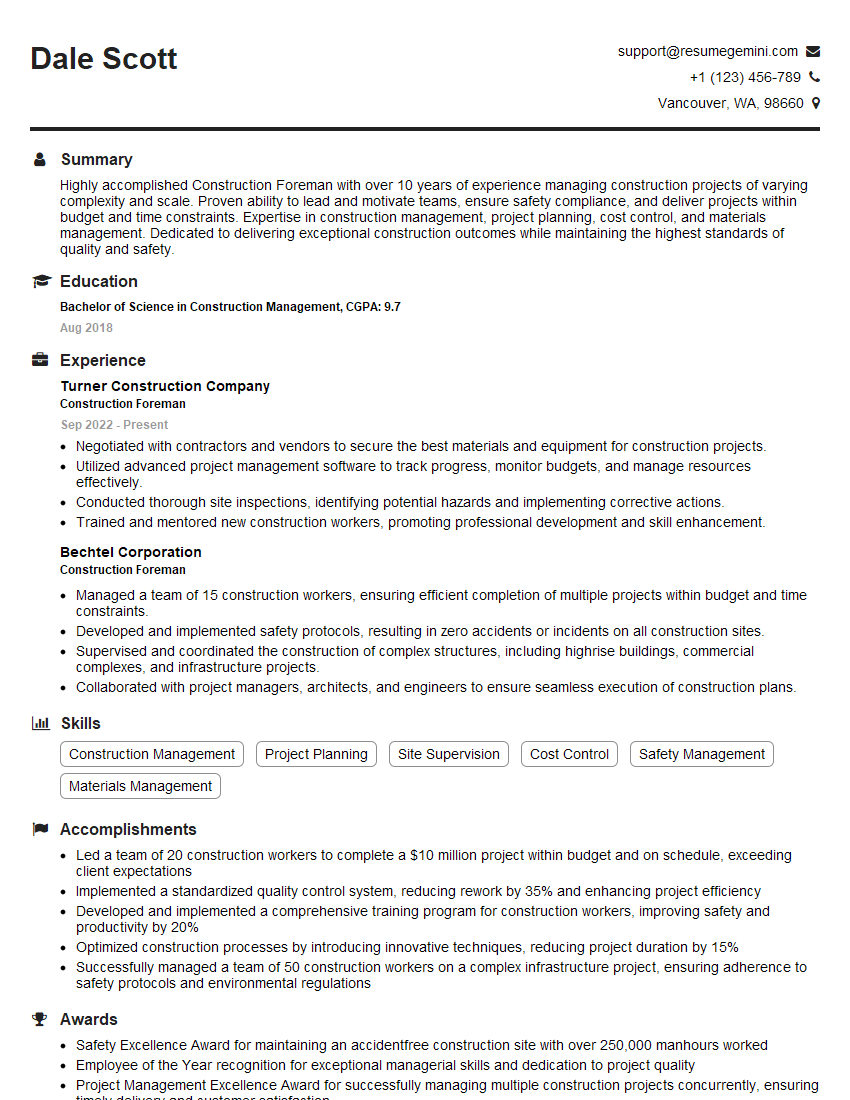
Construction Foreman Resume Sample

Construction Superintendent Resume Sample
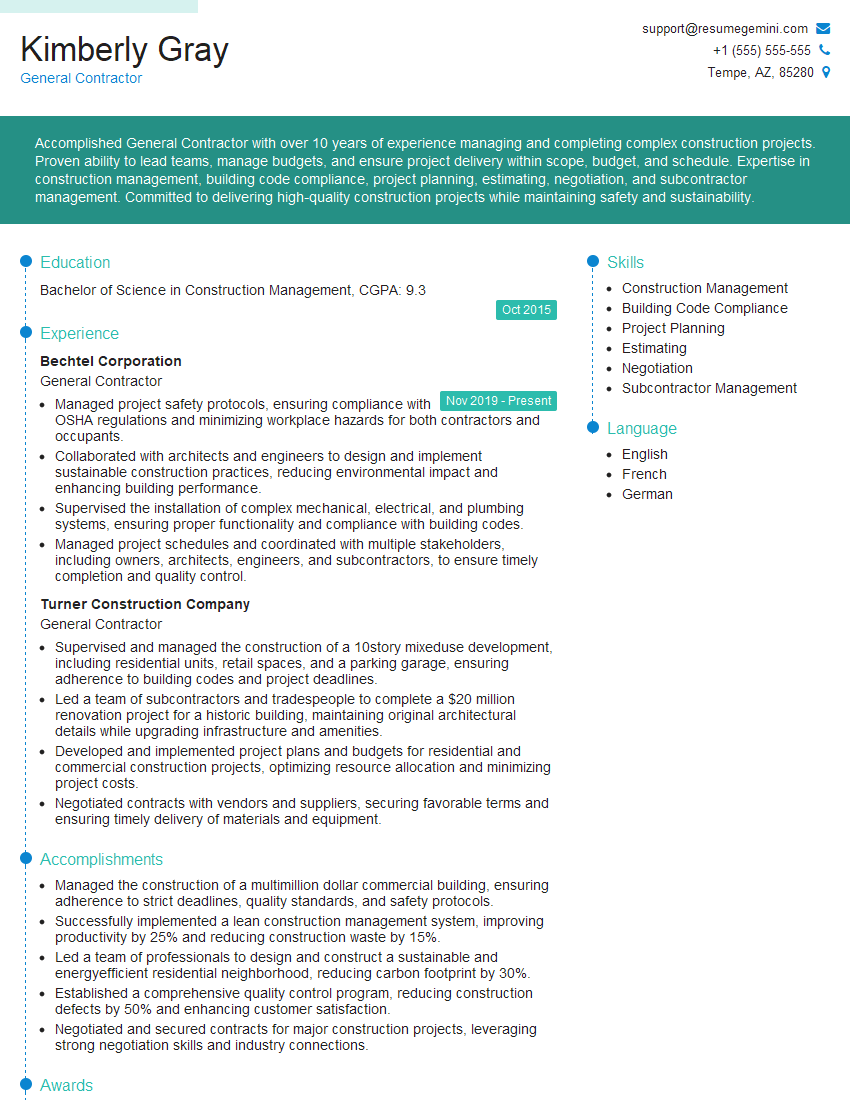
General Contractor Resume Sample

Project Manager Resume Sample
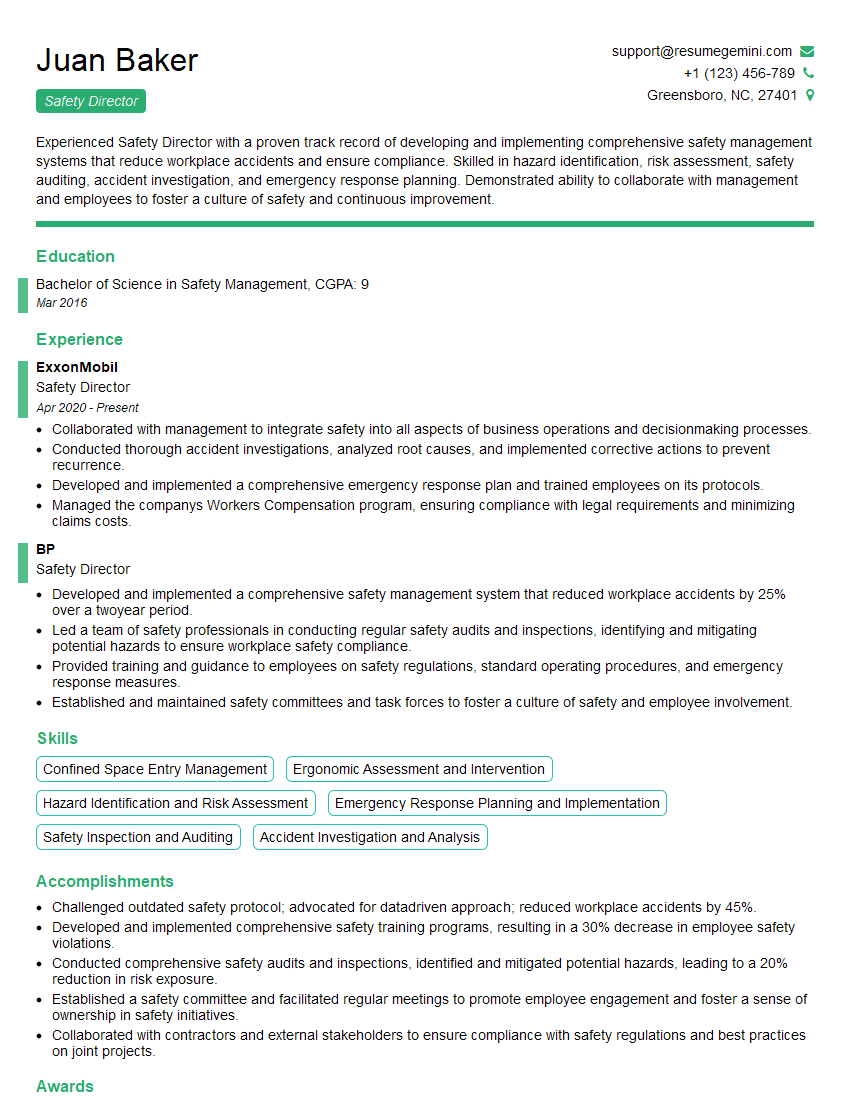
Safety Director Resume Sample
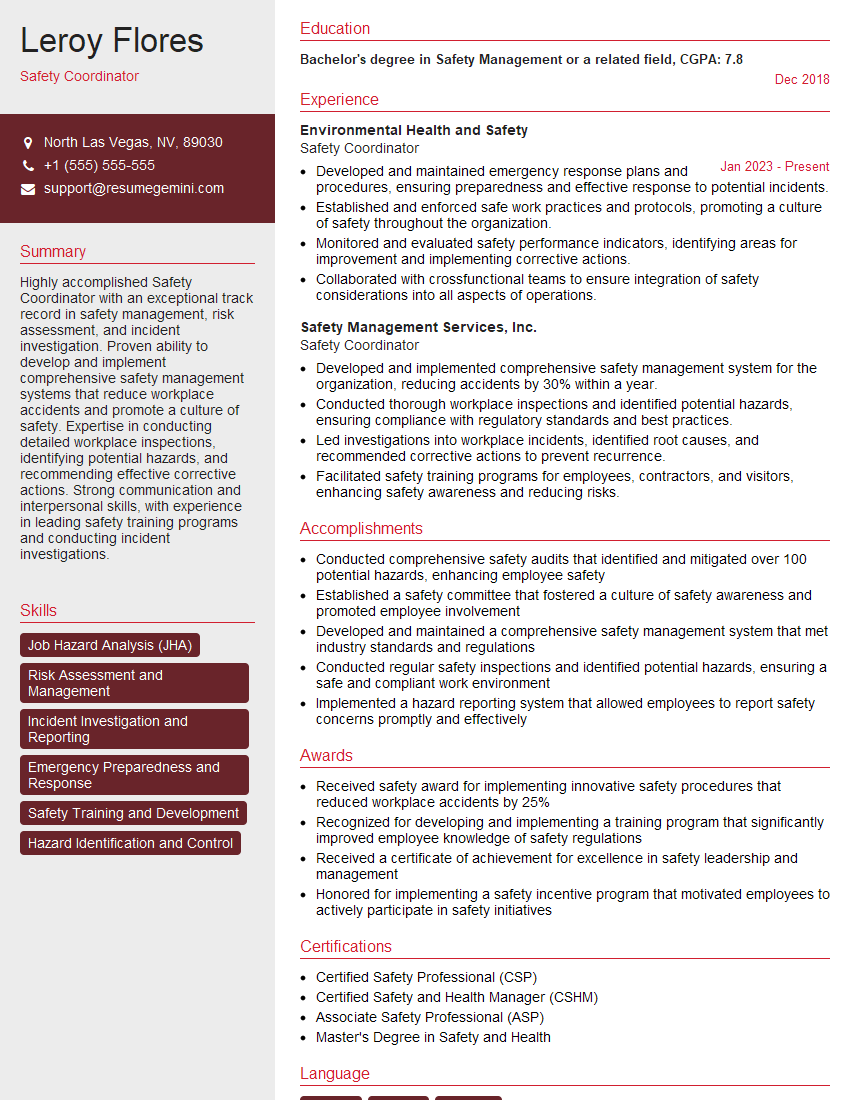
Safety Coordinator Resume Sample

Compliance Officer Resume Sample

Risk Manager Resume Sample
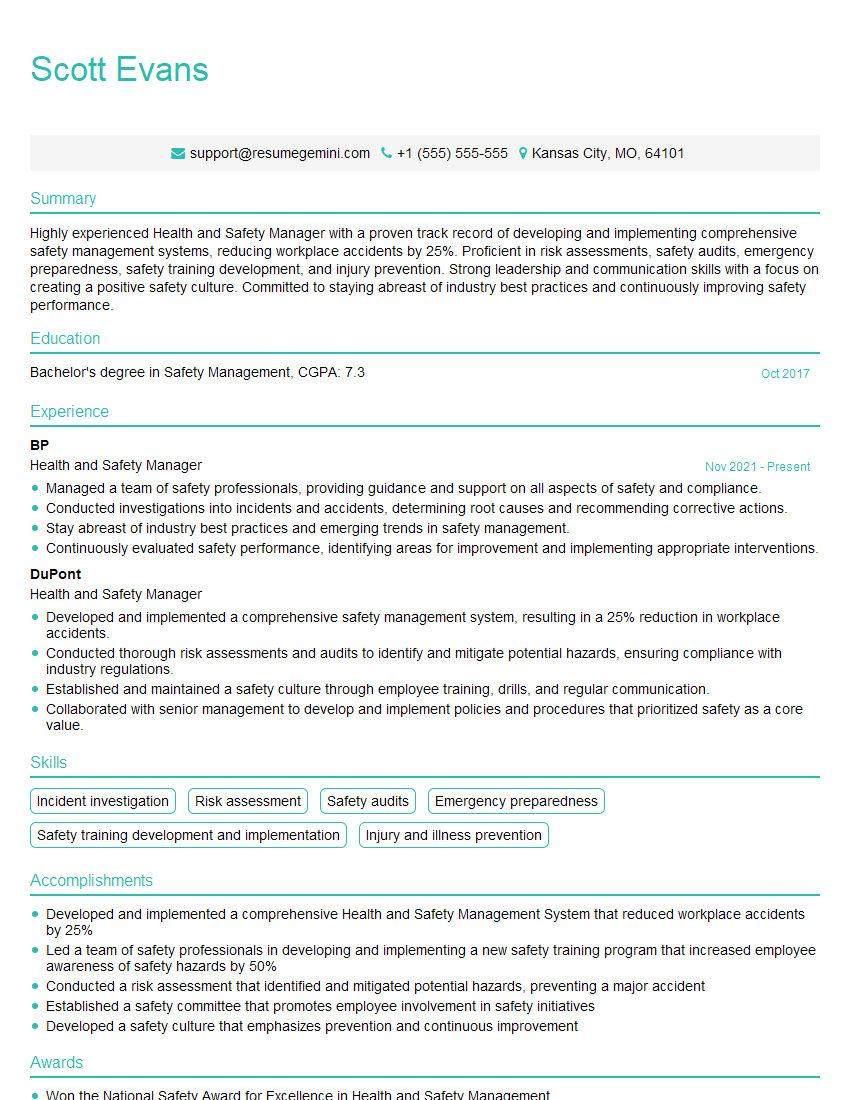
Health and Safety Manager Resume Sample
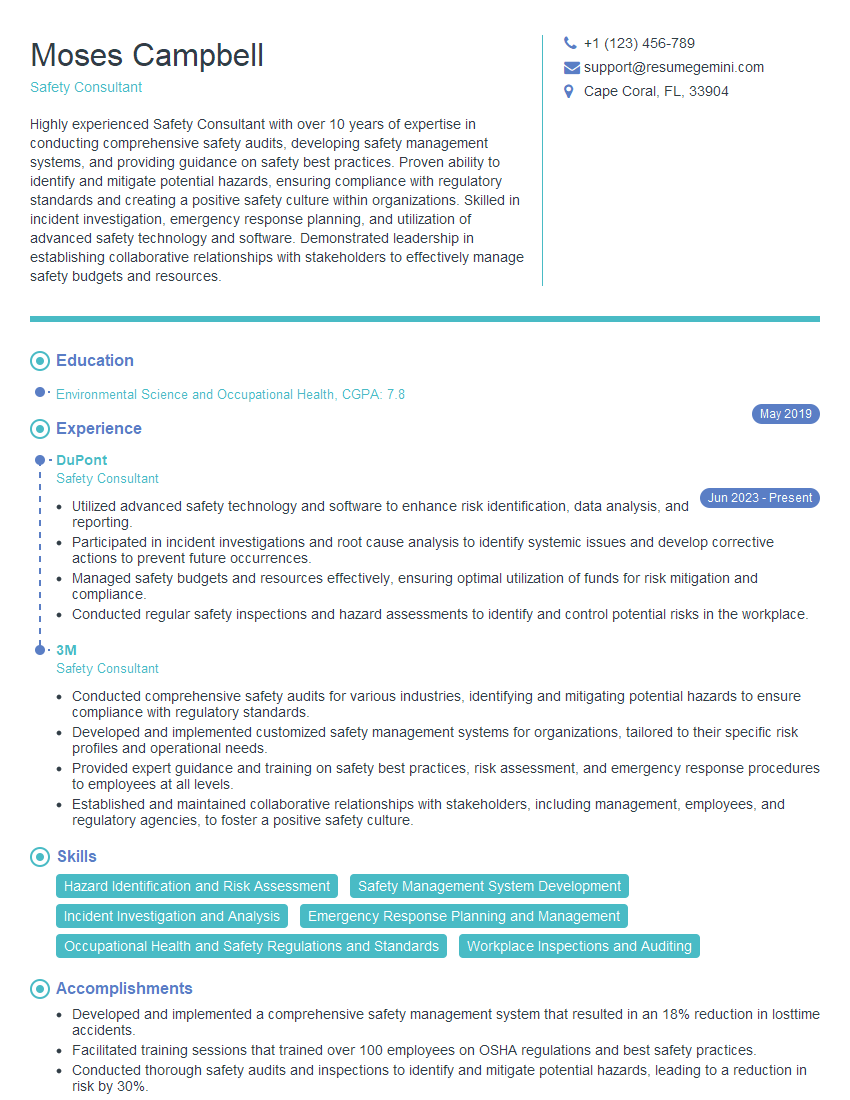
Safety Consultant Resume Sample

Safety Inspector Resume Sample
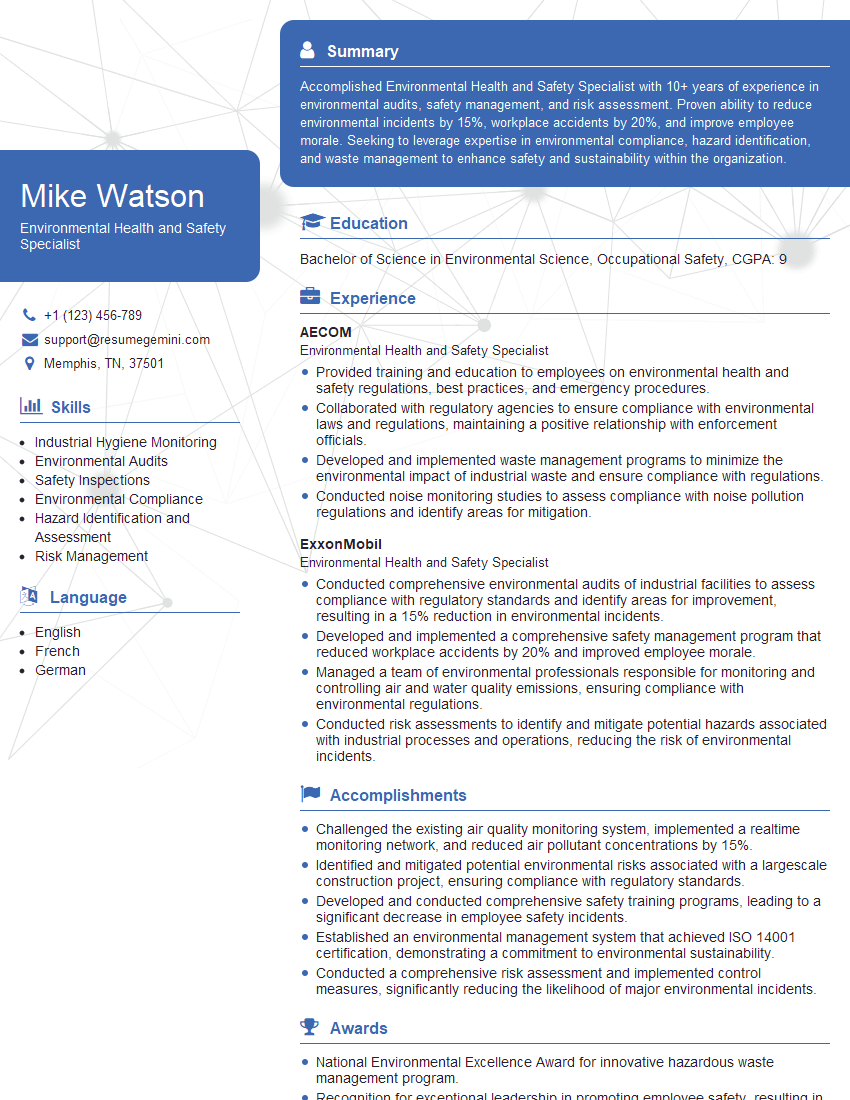
Environmental Health and Safety Specialist Resume Sample
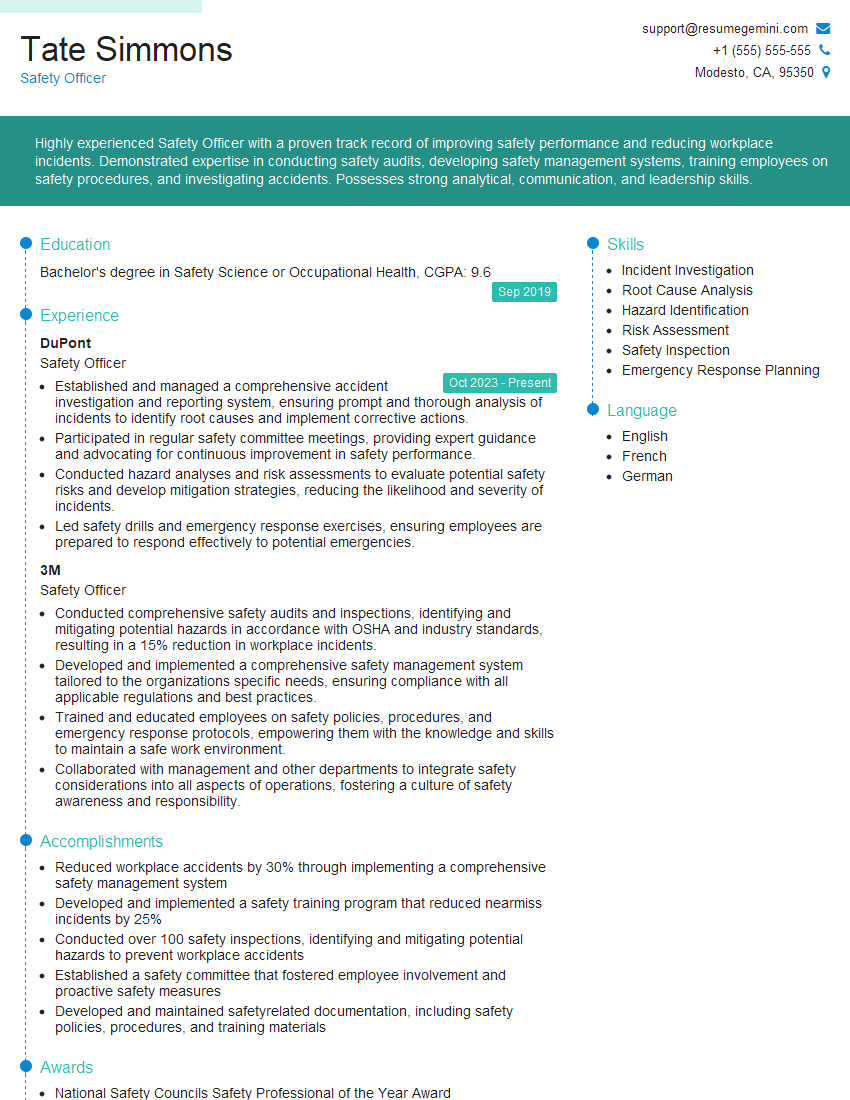
Safety Officer Resume Sample
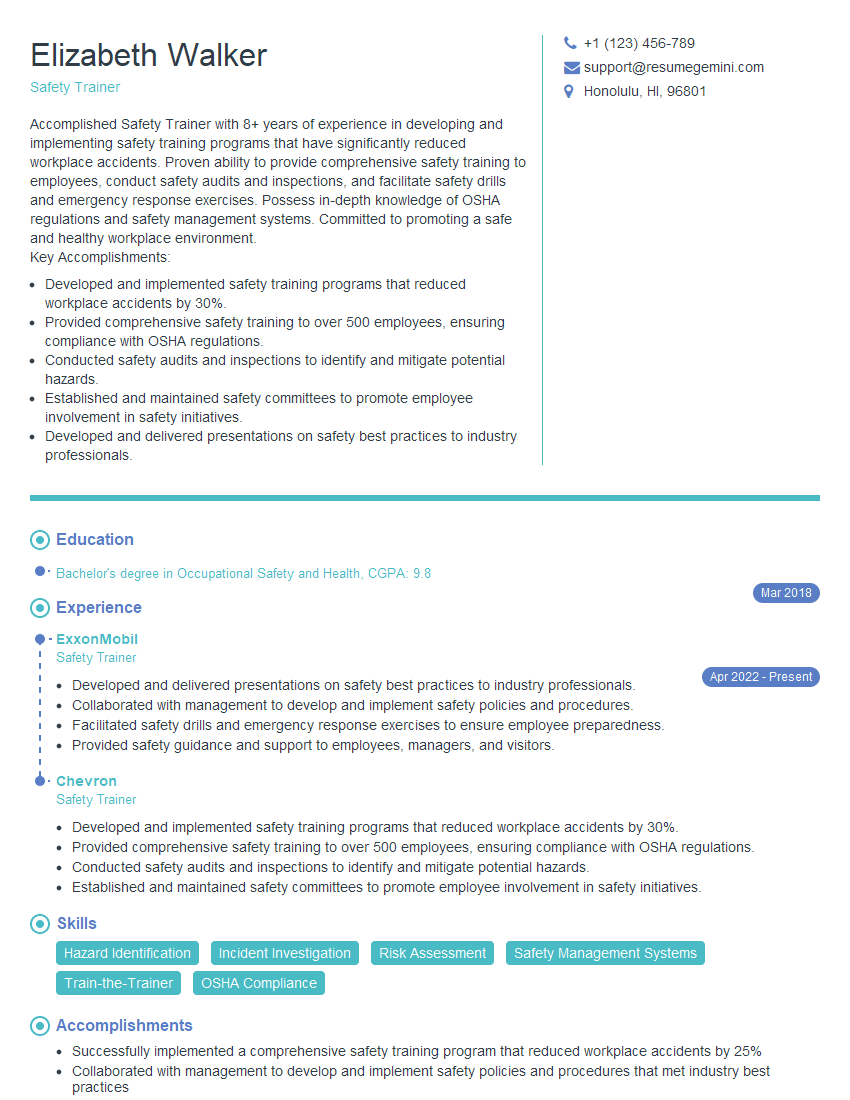
Safety Trainer Resume Sample
Explore more articles
Users Rating of Our Blogs
Share Your Experience
We value your feedback! Please rate our content and share your thoughts (optional).
What Readers Say About Our Blog
Very informative content, great job.
good