Unlock your full potential by mastering the most common OSHA 10Hour Construction Safety interview questions. This blog offers a deep dive into the critical topics, ensuring you’re not only prepared to answer but to excel. With these insights, you’ll approach your interview with clarity and confidence.
Questions Asked in OSHA 10Hour Construction Safety Interview
Q 1. Describe the importance of hazard communication in a construction setting.
Hazard communication in construction is paramount for worker safety. It’s all about ensuring everyone on the job site knows about the potential dangers they might encounter. This involves clearly identifying and labeling hazardous materials, providing Safety Data Sheets (SDS), and training employees on how to handle these materials safely. Think of it like this: if you’re working with a corrosive chemical, you need to know its dangers, how to handle it properly, and what to do in case of an accident. Without clear hazard communication, workers are blindly exposed to risks, potentially leading to injuries or illnesses.
Effective hazard communication utilizes various methods. This includes clearly labeled containers, readily available SDSs, regular safety meetings where hazards are discussed, and on-the-job training. For example, a worker might need training on how to use a respirator when working with asbestos or how to handle a potentially explosive substance. The goal is to create a culture of safety where everyone is aware of and proactively manages potential hazards.
Q 2. Explain the hierarchy of hazard controls.
The hierarchy of hazard controls is a prioritized approach to eliminating or reducing workplace hazards. It’s a pyramid, with the most effective controls at the top. The order of preference is:
- Elimination: This is the best option. Completely remove the hazard. Example: Replacing a dangerous chemical with a safer alternative.
- Substitution: Replace the hazard with something less hazardous. Example: Switching from a gas-powered tool to an electric one.
- Engineering Controls: Modify the work environment to minimize exposure to the hazard. Example: Installing a ventilation system to remove airborne dust.
- Administrative Controls: Change work practices or procedures to reduce hazard exposure. Example: Implementing a strict lockout/tagout procedure for machinery maintenance.
- Personal Protective Equipment (PPE): Provide workers with PPE to protect them from hazards. This is the last resort and should always be supplemented with other controls. Example: Providing hard hats, safety glasses, and gloves.
Always strive for the highest level of control possible. Relying solely on PPE is risky because it’s the least effective method and relies on the individual worker’s compliance.
Q 3. What are the key elements of a fall protection plan?
A comprehensive fall protection plan is critical on construction sites. It must detail how falls will be prevented and what to do if a fall occurs. Key elements include:
- Competent Person: Someone trained to identify and correct fall hazards.
- Fall Hazard Assessment: Identifying all potential fall hazards on the site.
- Fall Protection Systems: Specifying the appropriate fall protection methods (guardrails, safety nets, personal fall arrest systems).
- Training Program: Ensuring all workers receive thorough training on fall protection procedures.
- Rescue Plan: A detailed plan for rescuing a fallen worker.
- Inspection Program: Regular inspections of fall protection equipment and systems.
- Emergency Procedures: Protocols for handling fall-related emergencies, including first aid and emergency response.
A well-defined plan prevents falls, and having a rescue plan minimizes injuries should a fall occur. Remember, falls are a leading cause of fatalities on construction sites; a comprehensive plan is non-negotiable.
Q 4. How do you identify and control fall hazards?
Identifying and controlling fall hazards requires a systematic approach. First, conduct a thorough site survey to pinpoint potential fall hazards. This includes looking for unprotected edges, holes in the ground, working at heights, and slippery surfaces. Once identified, control measures should be implemented based on the hierarchy of hazard controls.
Examples of controls include installing guardrails, using safety nets, providing personal fall arrest systems (PFAS), ensuring adequate lighting, removing tripping hazards, and implementing safe work procedures. For instance, if workers are working on a roof, guardrails must be installed, and workers must use a PFAS connected to an anchor point. If a hole is present, it should be covered or protected. Regular inspections are essential to ensure the controls remain effective.
Q 5. Explain the proper use of personal protective equipment (PPE).
Proper PPE use is crucial. It’s the last line of defense against hazards. PPE should always be selected based on the specific hazards identified and must be properly fitted, inspected regularly, and maintained. Simply wearing PPE is not enough; understanding its limitations is key.
Examples of proper use include wearing a hard hat that fits snugly and correctly, ensuring safety glasses are clean and offer appropriate protection, using gloves appropriate for the material being handled, and understanding the proper use and limitations of respirators. Employers have a responsibility to provide the right PPE, and workers have a responsibility to use it correctly and report any damage or defects. Never compromise on PPE; your safety depends on it. Think of PPE as your ‘personal armor’ against workplace hazards.
Q 6. What are the requirements for scaffolding safety?
Scaffolding safety demands strict adherence to regulations. Key requirements include proper erection, dismantling, and inspection of scaffolds. Scaffolding must be designed and built to support the intended load, and only trained and competent personnel should erect, alter, or dismantle them.
Key safety measures include using proper base plates to distribute the load evenly, ensuring proper bracing and tie-offs, using guardrails and toeboards to prevent falls, inspecting the scaffolding before each use, and never overloading it. Workers must be trained to identify and report any deficiencies. Regular inspections are mandatory to identify and address potential problems before they lead to accidents. Think of scaffolding as a temporary structure that requires the same level of care and attention as a permanent building.
Q 7. Describe the safety precautions for working with power tools.
Safety precautions for power tools are essential to prevent injuries. This starts with choosing the right tool for the job and ensuring it’s in good working order. Before using any power tool, always inspect it for damage, ensure all guards are in place, and check the cords for any fraying or damage.
Essential safety measures include using appropriate PPE (safety glasses, hearing protection, gloves), maintaining a secure grip, using the tool according to the manufacturer’s instructions, keeping the work area clear of obstructions, and disconnecting the power before making adjustments or cleaning the tool. Never operate a power tool when tired or under the influence of drugs or alcohol. Regular maintenance and inspection are key to preventing accidents. Think of power tools as powerful machines that need respect and careful handling. A moment of carelessness can have severe consequences.
Q 8. How do you handle hazardous materials on a construction site?
Handling hazardous materials on a construction site requires meticulous planning and adherence to strict safety protocols. It begins with proper identification and classification of each material. This involves checking Safety Data Sheets (SDS), formerly known as Material Safety Data Sheets (MSDS), which provide critical information about hazards, safe handling procedures, and emergency response.
Next, we implement engineering controls to minimize exposure. This could include using enclosed systems for handling materials, providing local exhaust ventilation to remove airborne contaminants, or using appropriate barriers to prevent spills and splashes. Administrative controls are equally important: This involves implementing training programs for workers, establishing clear procedures for handling and storage, and implementing a robust spill response plan. Finally, personal protective equipment (PPE) is crucial—this could include respirators, gloves, eye protection, and protective clothing, depending on the specific hazards of the material.
For example, when working with asbestos, strict procedures must be followed including pre-demolition surveys, using specialized containment methods, and employing workers specifically trained in asbestos abatement. Failure to comply could lead to serious health consequences for workers and significant legal repercussions for the company.
Q 9. What are the procedures for emergency response on a construction site?
Emergency response on a construction site is critical and hinges on preparedness. A well-defined emergency action plan (EAP) is the cornerstone. This plan should clearly outline procedures for various emergencies, including fire, medical emergencies, and hazardous material spills. The EAP should include designated assembly points, evacuation routes, and communication protocols.
Regular drills and training are vital to ensure everyone understands their roles and responsibilities. Having readily accessible emergency equipment, such as fire extinguishers, first-aid kits, and spill containment materials, is crucial. Furthermore, the site should have clear signage indicating emergency exits and equipment locations. Communication is key; designated personnel should be responsible for contacting emergency services and coordinating rescue efforts.
Imagine a scenario where a worker suffers a serious fall. The EAP should dictate immediate first aid, calling emergency medical services, and securing the accident site to prevent further injury. A thorough post-incident investigation is then necessary to identify the root cause of the accident and prevent similar occurrences in the future.
Q 10. Explain the importance of lockout/tagout procedures.
Lockout/Tagout (LOTO) procedures are absolutely critical for preventing accidental energization of equipment during maintenance or repair. These procedures ensure that energy sources, such as electricity, hydraulics, or pneumatics, are safely isolated and prevented from being accidentally reactivated. This significantly minimizes the risk of electrocution, burns, crushing injuries, or other severe accidents.
The process usually involves several steps: identifying the energy sources, isolating them, applying a lock and tag to the energy isolation device, verifying that the energy source is de-energized, and then performing the maintenance or repair. After the work is completed, the locks and tags are removed only after verification that the equipment is safe. It’s crucial that only authorized personnel can lock out and tag out equipment, and that there is a clear system for managing multiple lockouts on the same equipment.
Think of it like this: LOTO is like double-checking a safety catch before handling a firearm. It’s a crucial layer of protection, preventing accidents that could be catastrophic.
Q 11. Describe the different types of excavation hazards and how to mitigate them.
Excavation hazards are significant and varied. They include cave-ins, which are a major concern, especially in unstable soil conditions. Other hazards include struck-by hazards (falling objects), caught-in/between hazards (equipment or materials), and electrocution (from underground utilities). Exposure to hazardous atmospheres is another issue, like encountering methane gas or oxygen-deficient conditions.
Mitigation strategies involve implementing engineering controls such as shoring, sloping, or benching to prevent cave-ins, depending on soil type and depth of excavation. Protective systems, like trench boxes or shields, offer additional protection. Daily inspections to check soil stability are also essential. Administrative controls, like training workers on hazard recognition and safe excavation practices, are also paramount. Proper signage and traffic control are needed to prevent workers from being struck by moving equipment or falling objects. Locating and marking underground utilities before excavation begins is a vital step to prevent electrocution.
For example, before starting an excavation, a competent person must assess the soil conditions. If unstable soil is found, shoring, sloping, or trench boxes must be used to provide protection against cave-ins. Ignoring these precautions could lead to tragic consequences.
Q 12. What are the requirements for confined space entry?
Confined space entry requires a stringent, multi-step process to protect workers from a variety of potential hazards, including oxygen deficiency, toxic atmospheres, and engulfment. Before entry, a thorough assessment of the space is required to identify all potential hazards. This includes testing the atmosphere for oxygen levels, flammable gases, and toxic substances. A permit-required confined space entry program is essential and will include procedures for ventilation, atmospheric monitoring, and emergency rescue.
An attendant must be present outside the confined space to monitor the entrant and provide assistance. Entry and rescue procedures need to be planned in advance, along with emergency communication systems. Appropriate personal protective equipment (PPE), such as respirators and harnesses, must be used. Workers involved must undergo thorough training and understand the hazards and procedures involved.
Consider a scenario involving a worker entering a sewer line. Before entry, the atmosphere must be tested to ensure it’s safe to breathe, and adequate ventilation must be in place. A standby attendant must be present throughout the entire duration of the entry. Failure to comply with these requirements can lead to serious injury or even death.
Q 13. How do you conduct a job hazard analysis (JHA)?
A Job Hazard Analysis (JHA) is a systematic process for identifying potential hazards associated with a specific job task. It’s a crucial step in proactive risk management. The process typically involves a team brainstorming potential hazards, analyzing the severity and likelihood of each hazard, and then developing control measures to mitigate those risks.
The steps typically include: selecting the job task to be analyzed, identifying potential hazards, classifying the hazards based on severity and probability, evaluating the effectiveness of existing controls, and developing new control measures if needed. The JHA should be reviewed and updated regularly, especially if changes occur in procedures, equipment, or work environment.
For instance, for a task like installing drywall, hazards like falls from height, cuts from sharp edges, and back injuries from lifting are potential issues. A JHA would identify these hazards and recommend control measures, such as using scaffolding, wearing gloves and safety glasses, and using proper lifting techniques.
Q 14. What are the reporting requirements for workplace injuries and illnesses?
Reporting requirements for workplace injuries and illnesses vary depending on the severity of the injury and the applicable regulations, but generally, employers are required to report all work-related fatalities and hospitalizations to OSHA within a specific timeframe. Other serious injuries, such as amputations or losses of an eye, also require prompt reporting.
Recordkeeping requirements are often more detailed. Employers are typically required to maintain logs of all work-related injuries and illnesses, regardless of severity. This information is used to track workplace safety trends and identify areas for improvement. Failure to comply with reporting requirements can lead to significant penalties.
For example, if a worker suffers a broken leg on a construction site due to a fall, the employer must report this incident to OSHA, and maintain a detailed record of the accident in the OSHA 300 log.
Q 15. Explain the role of a competent person in construction safety.
A competent person, as defined by OSHA, is someone who is capable of identifying existing and predictable hazards in the surroundings or working conditions which are unsanitary, hazardous, or dangerous to employees, and who has authorization to take prompt corrective measures to eliminate them.
Think of them as the safety expert on site. They’re not just identifying hazards, but also have the power to stop work if something isn’t safe. They need a combination of training, experience, and authority. For instance, a competent person might identify improperly stacked materials posing a falling hazard, immediately halt the operation, and direct the crew to correct the issue before resuming work. They’re the crucial link between identifying risks and ensuring worker safety.
- Training and Experience: They possess the knowledge and experience to recognize hazards related to the specific tasks being performed.
- Authority: They have the power to take immediate corrective action to eliminate hazards, including stopping work if necessary.
- Responsibility: They’re accountable for ensuring that safety regulations are followed and hazards are mitigated.
Career Expert Tips:
- Ace those interviews! Prepare effectively by reviewing the Top 50 Most Common Interview Questions on ResumeGemini.
- Navigate your job search with confidence! Explore a wide range of Career Tips on ResumeGemini. Learn about common challenges and recommendations to overcome them.
- Craft the perfect resume! Master the Art of Resume Writing with ResumeGemini’s guide. Showcase your unique qualifications and achievements effectively.
- Don’t miss out on holiday savings! Build your dream resume with ResumeGemini’s ATS optimized templates.
Q 16. What are the OSHA regulations regarding trenching and excavation?
OSHA’s regulations concerning trenching and excavation are extensive and focus on preventing cave-ins, which are a leading cause of construction fatalities. Key regulations include:
- Soil Classification: The type of soil dictates the necessary protective systems. OSHA provides detailed classifications, and knowing which type you’re dealing with is critical in choosing the appropriate shoring, sloping, or other protective systems.
- Protective Systems: These systems are designed to prevent cave-ins. Common methods include shoring (using supports to stabilize the trench walls), sloping (cutting back the trench walls at an angle), and shielding (using trench boxes or other protective structures).
- Inspection and Testing: Regular inspections are mandatory to ensure the protective system’s integrity. Soil testing might be required to determine the soil’s stability.
- Emergency Action Plan: A plan detailing how to respond to a cave-in should be in place and understood by all workers in the trench.
- Safe Access and Egress: Workers need safe ways to enter and exit trenches, including ladders or ramps. The ladder must extend at least 3 feet above the trench rim.
Failing to comply with these regulations can result in severe penalties, including fines and legal action. Imagine a scenario where a worker is killed in an unprotected trench. The consequences for the company are far-reaching, encompassing financial burdens, reputational damage, and legal ramifications.
Q 17. Describe the safety procedures for working at heights.
Working at heights is inherently dangerous. Safety procedures must be meticulously followed to minimize risks. Key elements include:
- Fall Protection: This is paramount. Guardrails, safety nets, and personal fall arrest systems (PFAS) are essential. A PFAS includes a harness, anchorage point, and lanyard. The system must be inspected regularly.
- Scaffolding Safety: If using scaffolding, it must be properly erected, inspected, and maintained according to OSHA standards. It should be stable and provide adequate fall protection.
- Proper Training: Workers must receive training on proper fall protection techniques and the use of equipment like harnesses and lifelines.
- Competent Person Supervision: A competent person must oversee all work at heights, inspecting equipment and ensuring procedures are followed.
- Access and Egress: Safe access and egress from elevated work areas are vital. This often involves using ladders or stairways.
For example, a worker installing roofing tiles on a steep roof must always be harnessed to a secure anchorage point, wearing a properly fitted safety harness and having a lifeline system in place. A failure here could result in a fatal fall.
Q 18. How do you ensure the safe handling and storage of materials?
Safe handling and storage of materials are fundamental to construction safety. Key strategies involve:
- Proper Stacking: Materials should be stacked neatly and securely, preventing collapse. This involves using proper techniques and avoiding overloading stacks.
- Designated Storage Areas: Materials should be stored in designated areas away from walkways and traffic zones to prevent tripping hazards.
- Material Handling Equipment: Using appropriate equipment such as forklifts, cranes, or hoists minimizes the risk of manual handling injuries. Workers operating these machines need proper training and certification.
- Securing Materials: Materials should be secured to prevent them from shifting or falling, especially during transportation or storage.
- Regular Inspections: Regular inspections help identify potential hazards before they become incidents.
Consider a scenario where heavy materials are improperly stacked near a walkway. A collapse could cause serious injury to workers passing by. Proper stacking and designated storage zones are essential to avoid such incidents.
Q 19. What are the requirements for using aerial lifts?
Using aerial lifts safely requires adherence to strict guidelines:
- Pre-use Inspection: Thorough inspection of the lift before each use is mandatory. This includes checking hydraulics, controls, safety devices, and overall structural integrity.
- Proper Training: Operators must receive comprehensive training on safe operating procedures, including pre-use inspections and emergency procedures.
- Load Limits: Never exceed the lift’s rated load capacity. This information is clearly marked on the machine.
- Ground Conditions: The ground must be level and stable to prevent tipping. Avoid using lifts on uneven or soft ground.
- Weather Conditions: Avoid using lifts in high winds or severe weather conditions.
- Safe Practices: Follow all manufacturer instructions and OSHA regulations. This includes using appropriate safety equipment such as harnesses and fall protection.
For example, failure to inspect the lift’s hydraulics could lead to a malfunction resulting in a fall. Overloading the lift could cause it to tip over. Careful adherence to safety procedures is critical to prevent accidents.
Q 20. Describe the safety measures for working around energized electrical equipment.
Working around energized electrical equipment presents serious risks of electrocution and arc flash. Safety measures are essential and include:
- Lockout/Tagout (LOTO): Before performing any work on electrical equipment, the power must be de-energized and the equipment locked out and tagged out to prevent accidental re-energization.
- Grounding: Proper grounding of tools and equipment is essential to prevent electrical shocks.
- Personal Protective Equipment (PPE): Appropriate PPE, including insulated gloves, eye protection, and arc flash protective clothing, must be worn.
- Trained Personnel: Only qualified and trained personnel should work on or near energized electrical equipment.
- Safe Distance: Maintain a safe distance from energized lines and equipment to avoid potential electrical hazards.
- Emergency Response Plan: A plan for responding to electrical emergencies should be in place and known to all workers.
Imagine a scenario where a worker accidentally touches a live wire while performing maintenance. The result could be fatal. LOTO procedures are a non-negotiable requirement to prevent such tragedies.
Q 21. How do you prevent heatstroke on a construction site?
Heatstroke is a serious concern on construction sites, especially during hot weather. Prevention strategies are critical and include:
- Hydration: Workers should drink plenty of water throughout the day, even if they don’t feel thirsty.
- Rest Breaks: Provide regular rest breaks in shaded areas to allow workers to cool down.
- Protective Clothing: Encourage the use of lightweight, light-colored clothing to reflect sunlight.
- Shade and Ventilation: Provide shaded areas and good ventilation wherever possible.
- Monitor Workers: Supervisors should monitor workers for signs of heatstroke, such as dizziness, headache, or nausea.
- Emergency Response Plan: Establish a plan to quickly respond to heatstroke cases, including access to first aid and emergency medical services.
- Acclimatization: Gradually increase work intensity over several days to allow workers to adapt to the heat.
Ignoring heatstroke prevention can have devastating consequences. A worker suffering from heatstroke might experience organ damage, brain damage or even death. Proactive measures are essential for the safety and well-being of the construction workforce.
Q 22. Explain the safety protocols for working in cold weather.
Working in cold weather presents unique safety challenges. The key is to understand that cold temperatures can significantly impact both worker performance and the risk of injury. This necessitates a layered approach to safety protocols, focusing on preventing hypothermia, frostbite, and slips, trips, and falls on icy surfaces.
- Proper Clothing: Workers need to wear multiple layers of clothing to trap warm air. This includes thermal underwear, insulating mid-layers, and waterproof outer layers. Gloves, hats, and scarves are essential to protect extremities. It’s crucial that clothing is appropriate for the specific task; bulky clothing can create hazards around machinery.
- Hydration and Breaks: Cold weather can suppress thirst, but dehydration is still a risk. Workers should drink plenty of warm, non-caffeinated beverages throughout the day. Regular, short breaks in heated spaces are also vital to allow the body to warm up.
- Cold Stress Awareness: Training workers to recognize the symptoms of hypothermia (shivering, confusion, drowsiness) and frostbite (numbness, tingling, skin discoloration) is crucial. Immediate action is required if these symptoms are observed.
- Safe Work Practices: Iced-over surfaces are a significant hazard. Appropriate footwear with good traction is essential. Work areas should be cleared of ice and snow, and workers should be cautious when working at heights in cold conditions.
- Pre-shift Check: Equipment can malfunction in cold temperatures. Regular pre-shift checks of equipment to ensure proper function is a critical safety step.
For example, on a recent project, we implemented a buddy system to monitor each other for signs of cold stress and ensured everyone had access to warm beverages and frequent breaks in our heated trailers. This proactive approach prevented any cold-related incidents.
Q 23. What are the requirements for fire safety on a construction site?
Fire safety on a construction site is paramount due to the abundance of flammable materials and the often-confined workspaces. A comprehensive fire safety plan is mandatory, including fire prevention measures, detection systems, and emergency procedures.
- Flammable Material Storage: Flammable materials like solvents, paints, and wood should be stored in designated, well-ventilated areas away from ignition sources and in accordance with manufacturer’s guidelines. Properly labeled storage containers are also essential.
- Hot Work Permits: Activities such as welding, cutting, or soldering require a hot work permit system to ensure proper precautions are taken, such as fire watch personnel, fire extinguishers nearby, and removal of combustible materials from the area.
- Fire Extinguishers: Strategically placed, appropriately rated fire extinguishers are a must, along with regular inspections and maintenance. All workers should receive training on their proper use.
- Smoke Detectors and Sprinklers: Building codes mandate the installation of smoke detectors and often sprinkler systems. These systems must be regularly inspected and tested.
- Emergency Exits: Clear, unobstructed emergency exits are essential, along with clearly marked escape routes and emergency assembly points. Regular drills should be conducted to ensure everyone knows what to do in case of a fire.
- Electrical Safety: Proper grounding of electrical equipment and the use of GFCI (Ground Fault Circuit Interrupter) outlets significantly reduce the risk of electrical fires.
I once had to intervene on a site where a welder started work without a hot work permit. I immediately halted the work, issued the permit, and provided additional training to the crew on the proper procedures. This prevented a potentially catastrophic situation.
Q 24. Describe the importance of proper housekeeping on a construction site.
Proper housekeeping on a construction site is not just about cleanliness; it’s fundamentally about safety. A cluttered site significantly increases the risk of accidents, injuries, and even fatalities. It’s about creating a safe and organized work environment.
- Trip and Fall Hazards: Clutter, debris, and uneven surfaces create trip and fall hazards. Regular cleanup and proper material storage are essential.
- Fire Prevention: Accumulation of waste and combustible materials increases the fire risk. Regular waste disposal is vital.
- Material Handling: Clear pathways ensure safe and efficient material handling, reducing strain and risk of injury.
- Accessibility: A clean and organized site ensures easy access to equipment and emergency exits, crucial in emergency situations.
- Tool Management: Tools should be stored properly to prevent theft, damage, and accidents. A designated tool crib or clearly labeled storage areas are helpful.
Think of it this way: a clean and organized site is like a well-maintained machine—it runs smoothly and efficiently, and it’s far less likely to break down (in this case, lead to accidents). We used a color-coded system on one project to identify different types of waste, making it easier for workers to dispose of materials properly and ensuring the site remained consistently clean and organized.
Q 25. How do you handle potential conflicts between safety and productivity?
The relationship between safety and productivity isn’t a zero-sum game; they’re mutually reinforcing. Prioritizing safety doesn’t necessarily mean sacrificing productivity; in fact, often the opposite is true. A safe work environment is a more productive work environment. When conflicts arise, a collaborative approach is key.
- Root Cause Analysis: Identify the underlying cause of the conflict. Is it a lack of resources, insufficient training, unclear expectations, or a flawed process? Understanding the root cause is crucial for finding a solution.
- Open Communication: Open dialogue between management, safety personnel, and workers is paramount. All parties must understand the importance of safety and how it impacts the project timeline.
- Prioritize Safety: Safety always comes first. While it’s tempting to cut corners to meet deadlines, compromising safety is never acceptable. Implementing safety procedures might initially seem time-consuming, but it will ultimately save time and resources in the long run by preventing accidents.
- Find Efficient Solutions: Explore ways to improve efficiency without sacrificing safety. This may involve optimizing workflows, investing in better equipment, or providing additional training.
- Data-Driven Decisions: Track safety data and productivity metrics to identify trends and measure the effectiveness of safety interventions. This data-driven approach enables continuous improvement.
In one instance, a foreman argued that safety inspections slowed down the work. We collaborated to streamline the inspection process, reducing downtime without compromising safety standards. By engaging in open communication and finding a solution, we improved both safety and productivity.
Q 26. Explain your experience with conducting safety training.
I have extensive experience in conducting various safety training programs, encompassing both classroom instruction and hands-on demonstrations. My training approach emphasizes interactive learning and practical application. I tailor the training to specific job tasks and site conditions, ensuring relevance and engagement.
- Needs Assessment: Before developing a training program, I conduct a thorough needs assessment to identify the specific safety knowledge and skills required by the workers.
- Interactive Methods: I incorporate a variety of teaching methods, including lectures, discussions, case studies, videos, and hands-on exercises to keep trainees engaged and ensure they retain the information.
- Practical Application: I emphasize the practical application of safety principles. Training sessions often include site-specific demonstrations and real-world scenarios.
- Documentation and Assessment: I maintain detailed records of training sessions, including participant attendance, materials used, and assessments of learning. I ensure all attendees complete quizzes or practical exercises to demonstrate their comprehension.
- Follow-up and Reinforcement: Regular reinforcement of safety messages is crucial for long-term retention. I implement follow-up activities, such as jobsite observations and toolbox talks, to ensure compliance and address any concerns.
For instance, I recently developed and delivered a comprehensive training program on fall protection for a high-rise construction project. The program included classroom instruction, hands-on practice with fall arrest systems, and scenario-based exercises to simulate real-life situations.
Q 27. Describe a time you had to address a safety violation.
During a recent site inspection, I observed a worker using a damaged ladder. This was a clear violation of OSHA regulations, and I addressed it immediately.
- Immediate Action: I stopped the work immediately. Using a damaged ladder poses a significant risk of falls and injuries.
- Documentation: I documented the violation, including the date, time, location, worker involved, and the nature of the violation.
- Corrective Action: I instructed the worker to discontinue using the damaged ladder and provided a new, undamaged ladder. I also ensured the damaged ladder was removed from the worksite.
- Training and Reinforcement: I conducted a brief safety talk with the worker and the crew, reinforcing the importance of regularly inspecting equipment before use and the consequences of using damaged or defective equipment.
- Follow-up: I followed up to ensure the problem was resolved and that the appropriate corrective actions were implemented. I included this incident in my regular safety reports.
My approach emphasizes not only addressing the violation but also providing education and reinforcing safe work practices. The goal isn’t to punish but to prevent future incidents.
Q 28. How do you stay updated on changes in OSHA regulations?
Staying updated on OSHA regulations is a continuous process, crucial for maintaining compliance and ensuring worker safety. I utilize a multi-pronged approach:
- OSHA Website: Regularly reviewing the OSHA website is a primary source of information. I look for updates, revised standards, and new interpretations.
- Professional Organizations: Membership in professional organizations such as the Associated Builders and Contractors (ABC) or similar provides access to industry news, updates, and training materials related to OSHA compliance.
- Industry Publications and Newsletters: Subscribing to relevant industry publications and newsletters keeps me informed about the latest changes in safety regulations and best practices.
- Conferences and Seminars: Attending industry conferences and seminars offers valuable opportunities for networking and learning about current developments in construction safety.
- Training Courses: Participating in refresher courses and specialized safety training programs ensures my knowledge remains up-to-date and my skills are honed.
By combining these resources, I maintain a strong understanding of current OSHA regulations and can effectively implement them in my work, ensuring a safe and compliant work environment.
Key Topics to Learn for OSHA 10-Hour Construction Safety Interview
- Hazard Recognition and Control: Understanding common construction hazards (falls, struck-by, caught-between, electrical) and implementing preventative measures. This includes practical application of PPE and understanding safety regulations.
- Fall Protection: Detailed knowledge of fall protection systems, including anchor points, safety harnesses, and fall arrest systems. Be prepared to discuss practical scenarios and appropriate selection of equipment based on site conditions.
- Scaffolding Safety: Understanding safe erection, use, and dismantling procedures for various scaffolding types. This includes inspection procedures and identifying potential hazards.
- Excavation and Trenching: Knowledge of soil classification, shoring techniques, and protective systems to prevent cave-ins. Be able to discuss practical applications and the importance of proper inspections.
- Personal Protective Equipment (PPE): In-depth understanding of appropriate PPE for various hazards, including selection, use, and limitations. This involves knowing when specific PPE is required and why.
- Emergency Response: Understanding emergency procedures, including reporting accidents, first aid, and evacuation plans. Be ready to discuss practical response to various on-site emergencies.
- Lockout/Tagout Procedures: Thorough understanding of the process to prevent accidental energy release during maintenance or repair. This includes theoretical understanding and practical application scenarios.
- OSHA Regulations and Standards: Familiarity with relevant OSHA standards and regulations related to construction safety. This includes understanding the purpose and application of key regulations.
- Communication and Teamwork: Discuss the importance of clear communication and teamwork in maintaining a safe work environment. This includes recognizing and addressing potential conflicts.
- Problem-Solving and Critical Thinking: Be ready to discuss scenarios requiring critical thinking and problem-solving skills to identify and mitigate safety hazards.
Next Steps
Mastering OSHA 10-Hour Construction Safety demonstrates a strong commitment to workplace safety, significantly enhancing your career prospects in the construction industry. This certification opens doors to a wider range of opportunities and positions you as a responsible and valuable asset to any team. To maximize your job search success, create an ATS-friendly resume that highlights your newly acquired skills and experience. ResumeGemini is a trusted resource that can help you build a professional and effective resume. Examples of resumes tailored to OSHA 10-Hour Construction Safety are available to guide you.

Superintendent Resume Sample
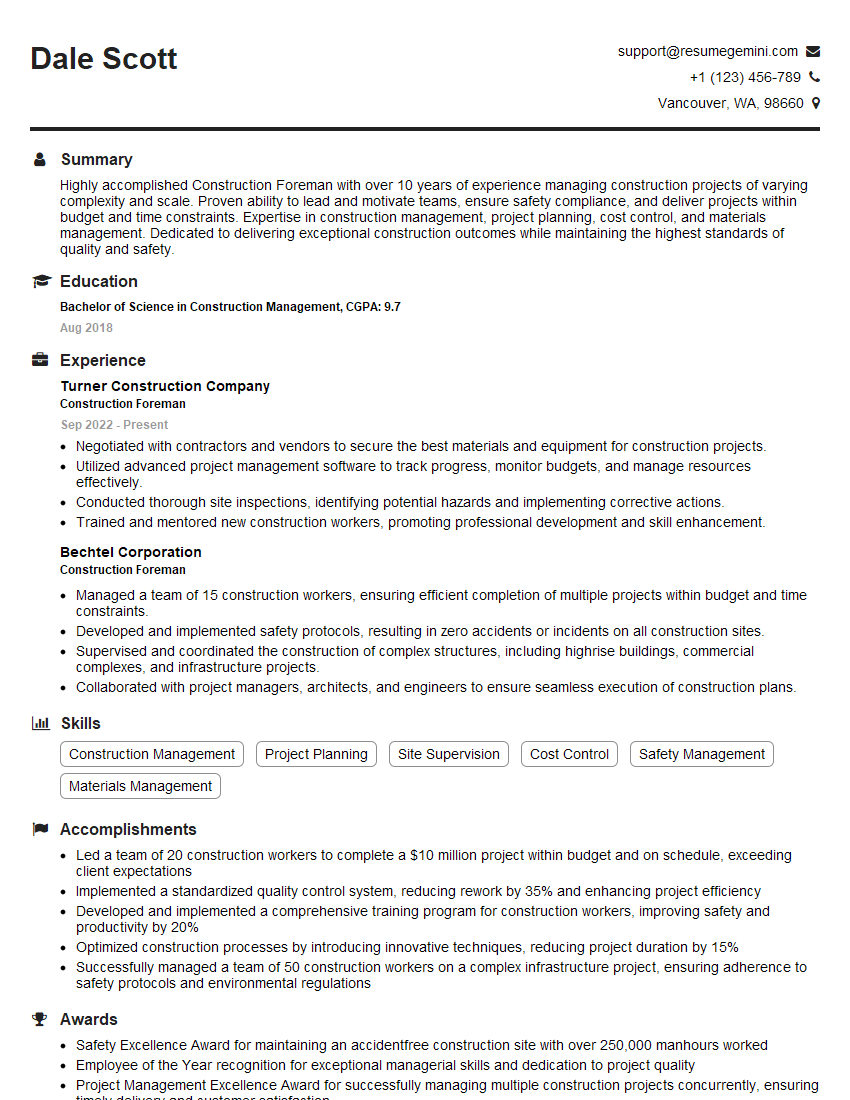
Construction Foreman Resume Sample

General Contractor Resume Sample

Project Manager Resume Sample

Safety Director Resume Sample
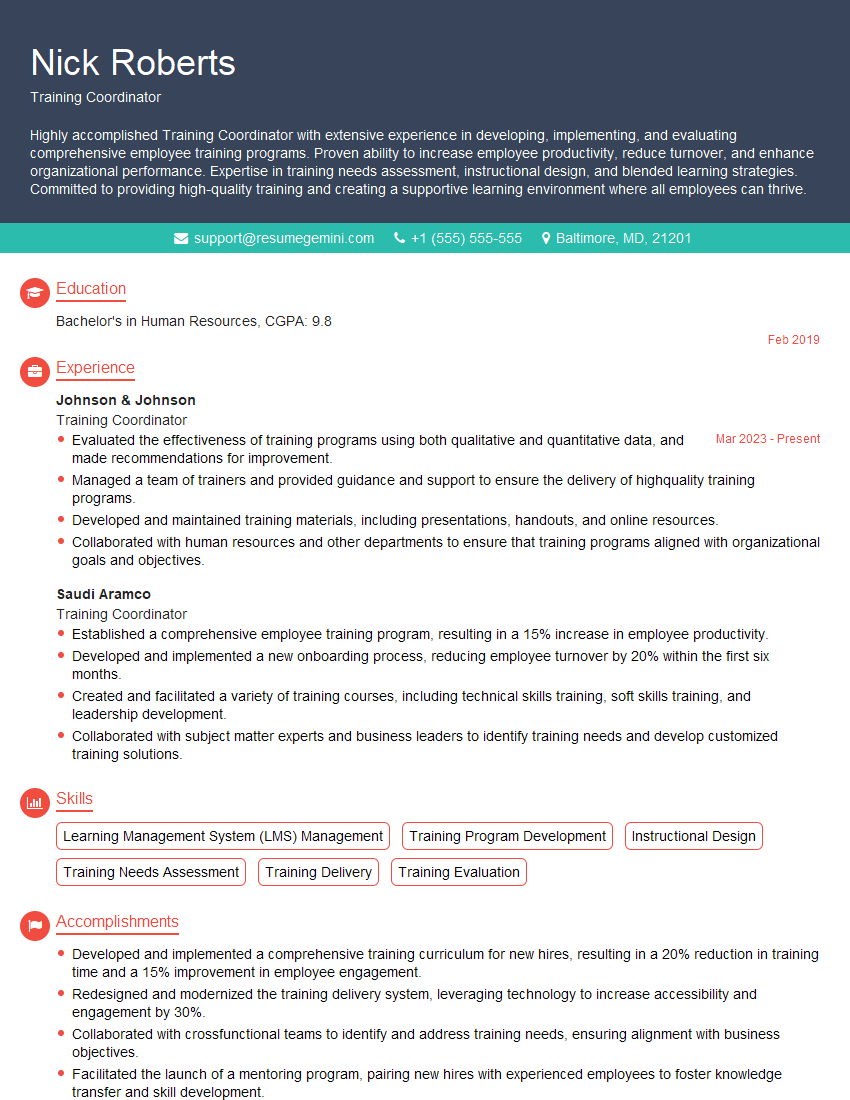
Training Coordinator Resume Sample
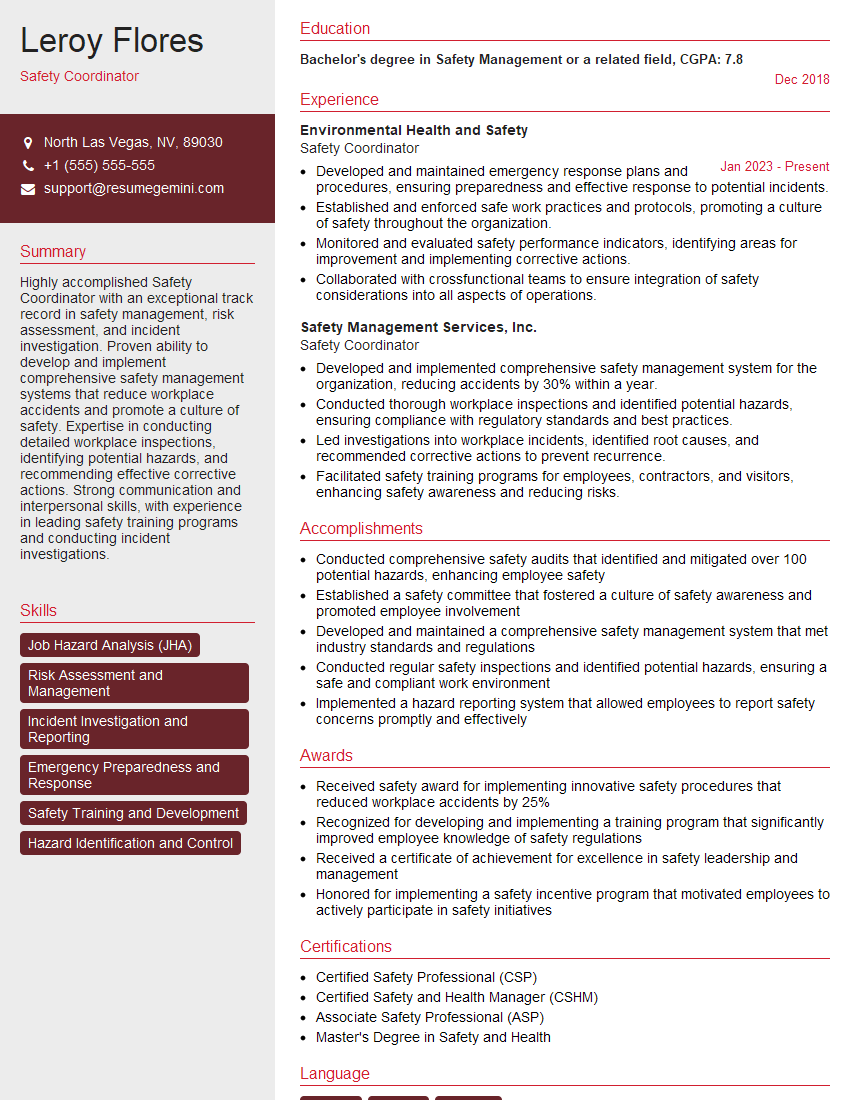
Safety Coordinator Resume Sample

Compliance Officer Resume Sample

Risk Manager Resume Sample
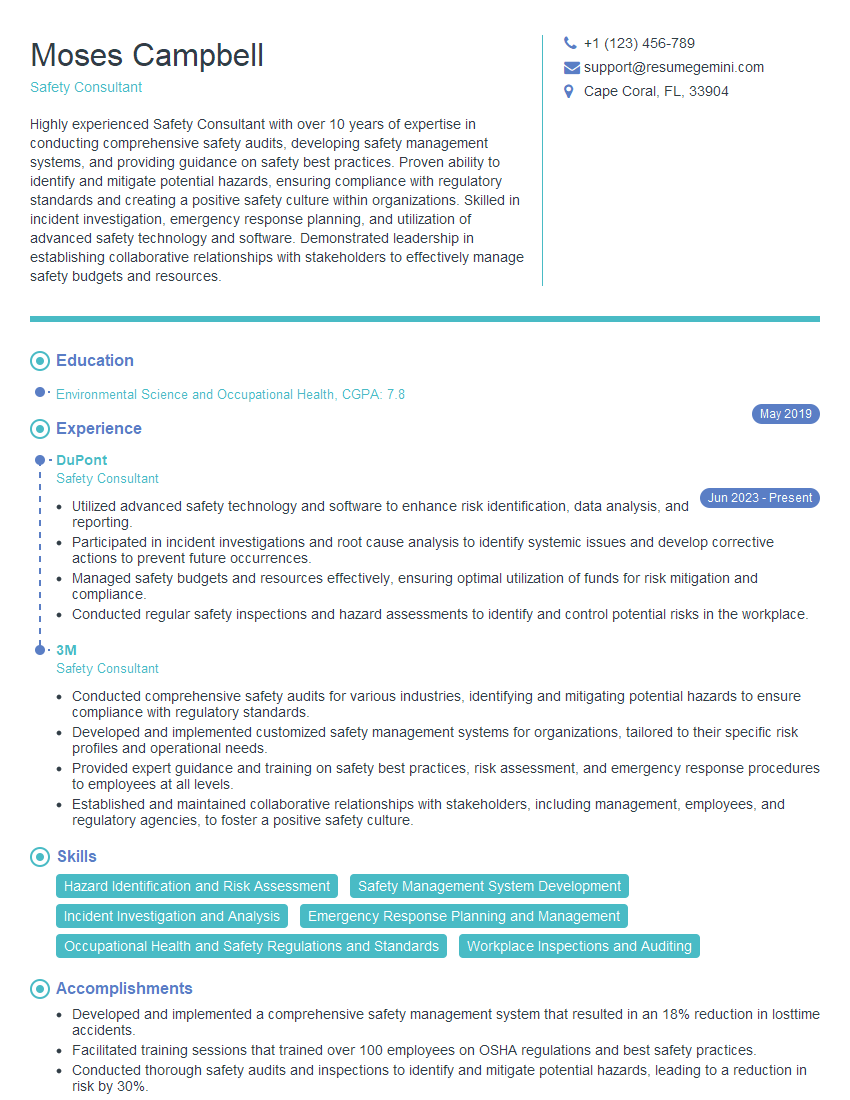
Safety Consultant Resume Sample
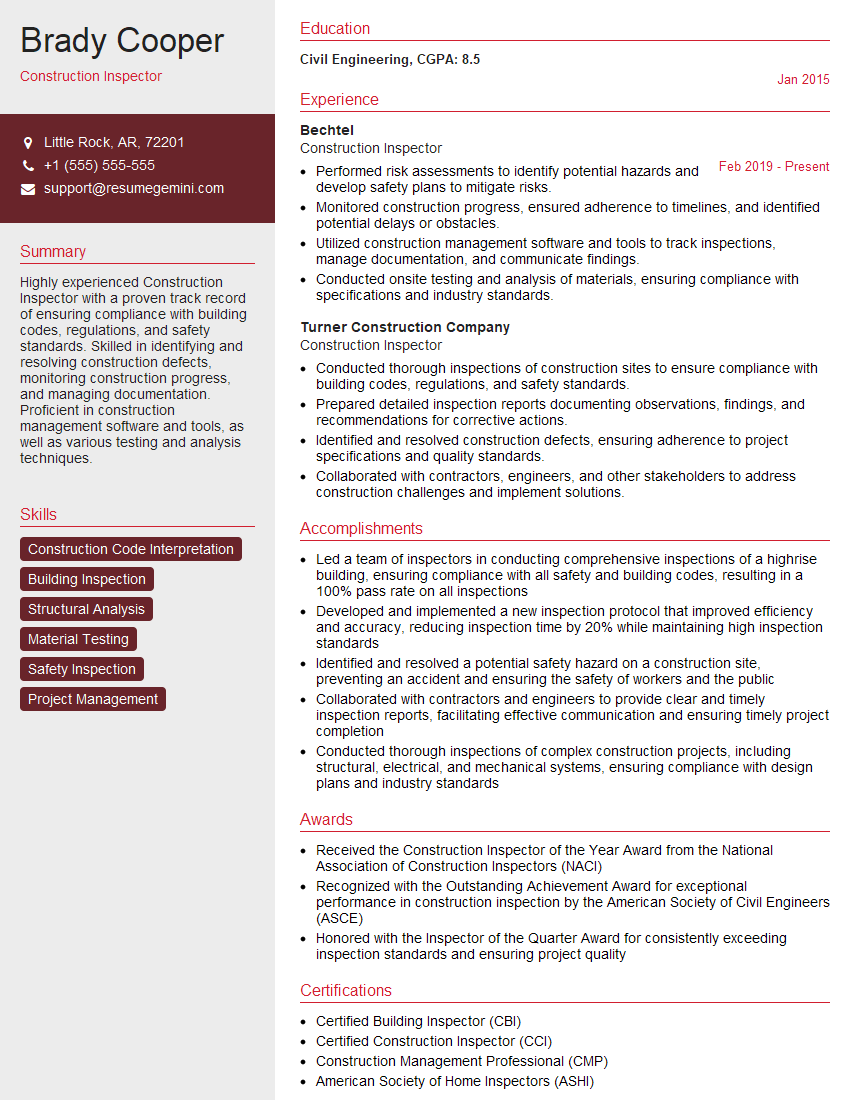
Construction Inspector Resume Sample
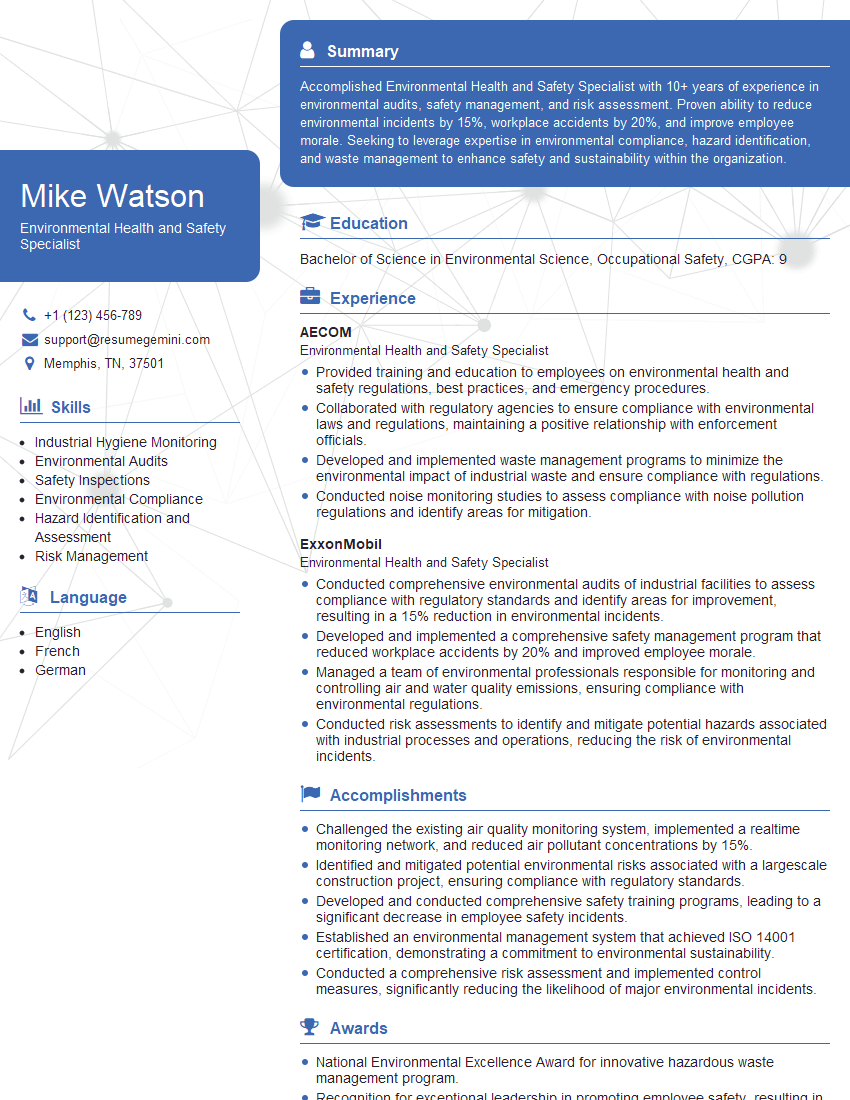
Environmental Health and Safety Specialist Resume Sample
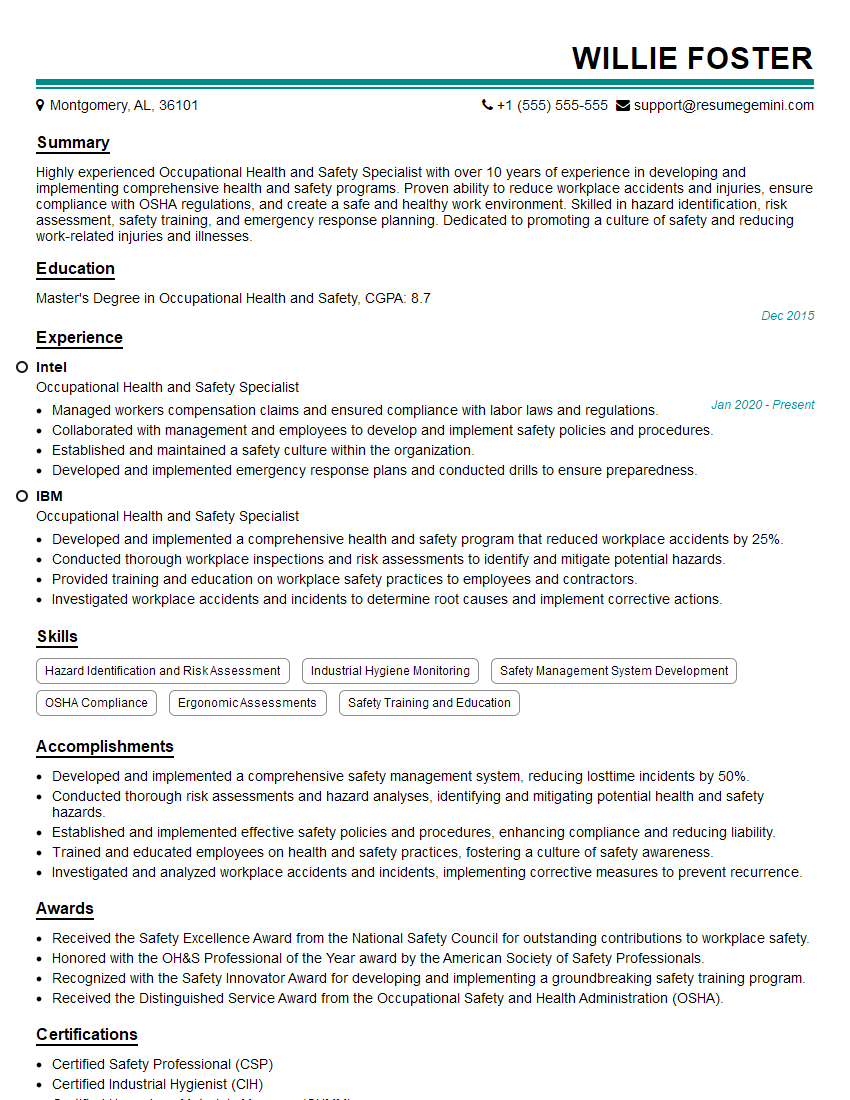
Occupational Health and Safety Specialist Resume Sample

Safety Officer Resume Sample
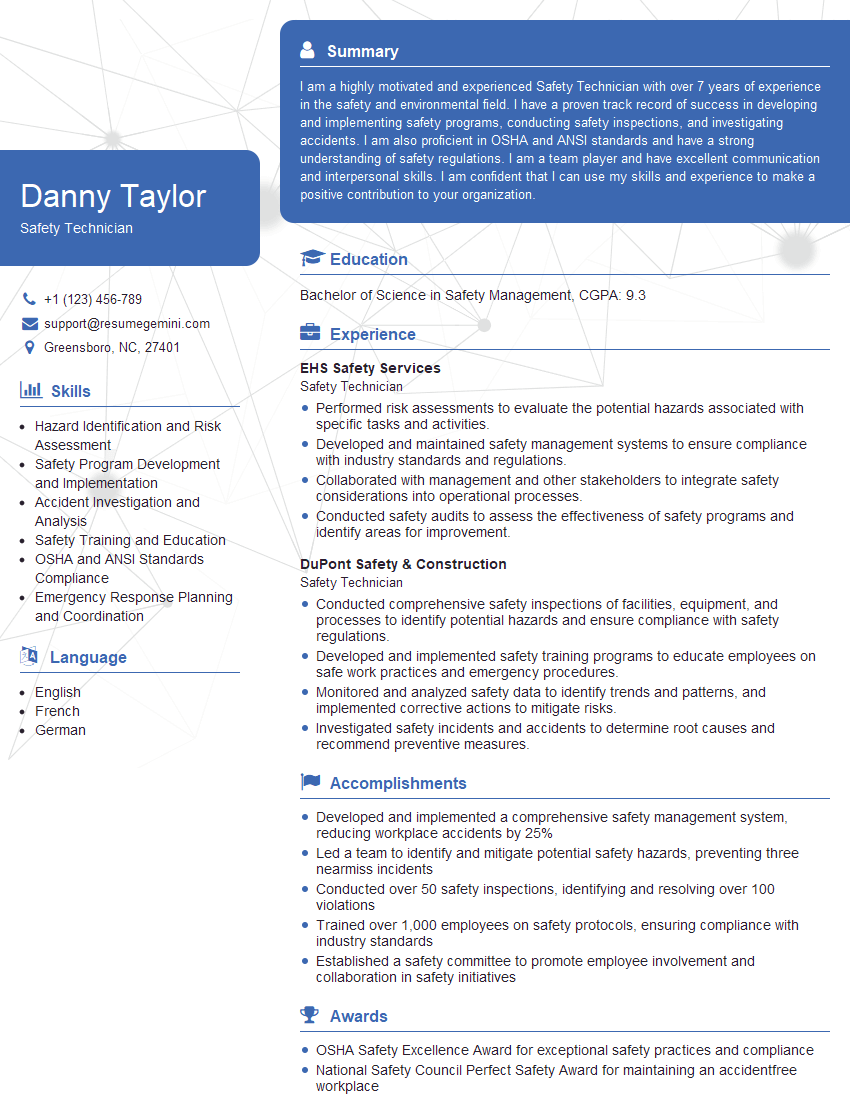
Safety Technician Resume Sample

Site Supervisor Resume Sample
- Superintendent
- Construction Foreman
- General Contractor
- Project Manager
- Safety Director
- Training Coordinator
- Safety Coordinator
- Compliance Officer
- Risk Manager
- Safety Consultant
- Construction Inspector
- Environmental Health and Safety Specialist
- Occupational Health and Safety Specialist
- Safety Officer
- Safety Technician
- Site Supervisor
Explore more articles
Users Rating of Our Blogs
Share Your Experience
We value your feedback! Please rate our content and share your thoughts (optional).
What Readers Say About Our Blog
Very informative content, great job.
good