Cracking a skill-specific interview, like one for OSHA 1910.269 Electric Power Generation, Transmission, and Distribution, requires understanding the nuances of the role. In this blog, we present the questions you’re most likely to encounter, along with insights into how to answer them effectively. Let’s ensure you’re ready to make a strong impression.
Questions Asked in OSHA 1910.269 Electric Power Generation, Transmission, and Distribution Interview
Q 1. Explain the key requirements of OSHA 1910.269 for energized work.
OSHA 1910.269 dictates stringent safety protocols for energized work in the electric power industry. The core principle is to minimize risk through a robust hierarchy of controls, prioritizing elimination of hazards, then engineering controls, administrative controls, and lastly, personal protective equipment (PPE). Energized work is defined as any work performed on or near exposed energized parts of electric power generation, transmission, and distribution equipment.
Key requirements include a comprehensive job briefing covering the specific hazards, the designated safe work practices, and the roles and responsibilities of each worker. This briefing must be conducted by a qualified person before any energized work commences. The standard also mandates the use of appropriate protective equipment, implementation of effective grounding and shielding techniques, and maintaining safe distances from energized parts, all detailed in the sections describing specific tasks like working near overhead lines or handling energized conductors.
For example, working on a energized substation would require a detailed job briefing discussing the specific voltage levels, potential arc flash hazards, the protective equipment needed, and the specific procedures for tagging and grounding equipment if any de-energizing is possible.
Q 2. Describe the different types of protective equipment required under 1910.269.
OSHA 1910.269 mandates a variety of protective equipment depending on the specific task and potential hazards. This equipment must be regularly inspected and maintained to ensure its effectiveness. The selection of PPE is crucial and should always be guided by a risk assessment specific to the job.
- Insulated tools: Tools with insulating handles designed to prevent electrical shock, crucial when working on energized equipment.
- Insulated gloves: Class 0, 00, 1, 2, 3, and 4 insulating gloves are rated for different voltage levels and must be regularly tested. The correct class must be selected based on the voltage.
- Protective eyewear: Safety glasses or goggles are mandatory to protect the eyes from flying debris and potential arc flash.
- Arc flash suits: These suits offer protection from the intense heat and blast effects of an arc flash event, a critical hazard in high-voltage work. The selection must consider the incident energy.
- Rubber insulating blankets: Used to provide additional insulation and protection when working near energized parts.
- Line hoses: Used to create a barrier around energized lines.
- Grounding devices: Ground clamps, grounding rods, and grounding wires are essential for safely grounding equipment before performing work.
Imagine a lineman working on a high-voltage power line. He will need Class 4 insulated gloves, arc flash PPE, safety glasses, and grounding equipment to ensure his safety.
Q 3. What are the responsibilities of an authorized employee under 1910.269?
Authorized employees are those designated by the employer to perform specific tasks related to electric power systems. Their responsibilities are significant and involve adherence to all safety standards. They must receive proper training, understand the hazards of their work, and be capable of following safety procedures.
- Following established safety procedures: They must strictly adhere to all safety rules, procedures, and lockout/tagout procedures detailed in the employer’s safety program.
- Using PPE correctly: They are responsible for correctly using and maintaining all the protective equipment provided.
- Recognizing and reporting hazards: Identifying and reporting any unsafe conditions or practices is crucial for maintaining a safe work environment.
- Understanding the job briefing: They must fully understand and comply with the specific instructions given in the job briefing.
For instance, an authorized employee working on a switchgear must know the exact voltage level, the necessary PPE, and the step-by-step procedures for performing the task safely. Any deviation or perceived unsafe situation must be immediately communicated to the supervisor.
Q 4. Explain the importance of a qualified person in electric power work.
A qualified person, as defined by OSHA 1910.269, is crucial for ensuring the safety of electric power work. This individual possesses the necessary knowledge, skills, and experience to identify and mitigate hazards related to electric power systems.
Their role extends to planning, overseeing, and conducting job briefings, and ensuring compliance with all safety requirements. A qualified person possesses the ability to determine if electrical equipment is de-energized. They are responsible for evaluating the necessary safety precautions and ensuring that authorized employees are properly trained and equipped. Their expertise minimizes risk, protecting workers from serious injury or death.
Think of a qualified person as the safety lead. They’re not just checking boxes; they are proactively identifying and solving potential issues before they become accidents. Their judgment and experience are critical in high-risk situations.
Q 5. What are the requirements for establishing a safe work space around energized lines?
Establishing a safe work space near energized lines is paramount. This involves using barriers, warning signs, and maintaining safe distances as specified in the standard, based on the voltage level. The objective is to create a physical separation between workers and energized conductors.
- Barriers: Physical barriers, such as insulating blankets or line hoses, can be used to create a zone of protection.
- Warning signs: Clearly marked warning signs must be posted to alert workers to the presence of energized lines.
- Safe distances: Minimum approach distances are mandated by OSHA 1910.269 based on voltage level, ensuring workers remain outside the zone of danger. These distances are essential and account for factors such as the voltage, the environment, and the presence of other conductors.
For example, when working near a 765kV transmission line, the minimum approach distance would be significantly greater than when working near a 120V distribution line. This difference is crucial in preventing accidental contact and serious injury.
Q 6. Describe the procedures for de-energizing and grounding electrical equipment.
De-energizing and grounding electrical equipment is a critical step to eliminate the hazard before commencing work. It involves a systematic process to ensure the equipment is completely de-energized and incapable of becoming re-energized during the work. Grounding creates a low-impedance path to the earth, preventing dangerous electrical flow.
- Lockout/Tagout (LOTO): The equipment must be isolated from the power source through LOTO procedures to ensure that nobody can inadvertently re-energize it. This involves locking and tagging circuit breakers or other disconnect switches to prevent re-energization.
- Testing for absence of voltage: After isolating the equipment, a qualified person must use approved test equipment (voltmeter) to verify the absence of voltage to ensure it’s truly de-energized.
- Grounding: Once voltage is verified as absent, the equipment is grounded using appropriate grounding devices (ground clamps and grounding rods connected to the earth). This ensures even if unexpected voltage reappears, it will safely flow to the earth.
For example, before working on a transformer, the circuit breaker supplying it would be locked out and tagged out. Following multiple voltage checks by a qualified person using a voltmeter, the transformer would be grounded using appropriate clamps and grounding wires connected to a good earth ground. Only then can work commence.
Q 7. How do you identify energized parts using appropriate testing equipment?
Identifying energized parts involves using appropriate testing equipment, performed by qualified personnel, to determine the presence of voltage. This is vital for preventing electrical shock and ensuring worker safety.
- Voltage detectors: Non-contact voltage detectors (NCVDs) are used to detect the presence of voltage without making physical contact with the conductor. They are quick and safe for initial voltage checks.
- Voltmeters: Voltmeters are used for precise voltage measurements, providing a quantitative reading that confirms the absence of voltage (or verifies known voltage levels during energized work). They must be appropriately rated for the voltage being tested.
- Phase rotation indicators: These are used to identify the phase rotation in multiphase systems, ensuring proper equipment connection during the grounding and de-energization procedure.
A qualified person would first use an NCVD to quickly check for the presence of voltage. If the NCVD detects voltage, a voltmeter would be used to verify the voltage level. This two-step process ensures that no mistakes are made.
Q 8. Explain the different methods for controlling electric shock hazards.
Controlling electric shock hazards in electric power work relies on a multi-layered approach, prioritizing hazard elimination and then implementing engineering, administrative, and personal protective equipment (PPE) controls.
- Engineering Controls: These are the most effective. Examples include de-energizing equipment before working on it, using insulated tools and equipment, and installing barriers or guarding to prevent accidental contact.
- Administrative Controls: These involve procedures and training. Job briefings, lockout/tagout (LOTO) procedures, and safety training programs fall under this category. Clear work permits and a robust safety culture are crucial.
- Personal Protective Equipment (PPE): This is the last line of defense. PPE includes rubber insulating gloves, safety glasses, arc flash protective clothing, and insulated tools. PPE should always meet relevant standards and be properly inspected before use. Remember, PPE doesn’t eliminate the hazard; it mitigates risk.
Imagine working on a power line. First, try to de-energize the line completely (engineering). If that’s impossible, then implement strict procedures (administrative), like establishing a safe work zone and using insulated tools. As a final safeguard, use rubber insulating gloves (PPE).
Q 9. What are the requirements for lockout/tagout procedures in electric power work?
OSHA 1910.269 mandates stringent lockout/tagout (LOTO) procedures for electric power work. LOTO ensures that electrical energy is isolated and prevented from being accidentally reintroduced during maintenance or repair. It’s not just about turning off a breaker; it’s about verifying the absence of energy.
- Energy Isolation: Identify all energy sources (electrical, mechanical, hydraulic, pneumatic) and physically lock and tag them out. This often involves multiple steps, including checking for stored energy and grounding.
- Verification of Isolation: After isolation, verify the absence of energy using appropriate testing devices, confirming that the circuit is truly de-energized before any work commences.
- Tagging: Each energy source must have a uniquely identifiable tag clearly indicating who performed the lockout and the date and time.
- Release of Lockout: Lockout devices are only removed by the person who initially applied them after verifying all work is complete and the system is safe.
A real-world example: Before working on a substation transformer, the crew needs to de-energize the primary and secondary circuits, properly ground them, and verify the absence of voltage using a non-contact voltage tester. Only then can they begin the work, after applying LOTO devices to prevent accidental re-energizing.
Q 10. Describe the steps for performing a proper job briefing before commencing work.
A thorough job briefing is essential before any electric power work begins. This is a critical step in preventing accidents.
- Task Overview: Clearly outline the specific tasks to be performed, including step-by-step procedures.
- Hazard Identification: Identify all potential hazards present, including electrical hazards, fall hazards, and other site-specific risks.
- Control Measures: Discuss the control measures in place to mitigate those hazards. This includes engineering controls, administrative controls, and PPE.
- Emergency Procedures: Establish clear communication protocols and emergency response plans.
- Assigned Responsibilities: Clearly define the roles and responsibilities of each team member.
- Review of Permits: Verify that all necessary permits and clearances are in place.
For instance, before climbing a transmission tower, a briefing would cover the specific tasks (inspecting insulators), the hazards (electrical shock, falls), the controls (insulated tools, safety harness, fall protection), emergency procedures (radio communication), and the responsibilities of each team member (spotter, climber).
Q 11. Explain the use of rubber insulating gloves and other protective equipment.
Rubber insulating gloves are critical PPE in electrical work. They are designed to provide protection against electric shock. Other essential PPE includes:
- Rubber insulating gloves: Must be regularly inspected for damage and tested according to the manufacturer’s instructions.
- Insulated tools: Tools with insulated handles prevent electric shock if the tool accidentally contacts energized parts.
- Arc flash protective clothing: Protects against the thermal hazards of an arc flash, including burns. The level of protection depends on the incident energy.
- Safety glasses or face shields: Protect against flying debris or arc flash.
- Hard hats: Protect the head from falling objects.
- Safety shoes: Protect feet from falling objects and electric shock.
Think of it like this: rubber gloves are your first line of defense against electrical shock, while arc flash protective clothing is your shield against a potentially deadly arc flash event.
Q 12. What are the reporting requirements for accidents and injuries related to electric power work?
OSHA requires prompt reporting of all accidents and injuries related to electric power work. The reporting requirements vary depending on the severity of the incident.
- First Aid: Minor injuries requiring only first aid must be documented.
- Recordable Injuries: Injuries requiring medical treatment beyond first aid, lost workdays, or restricted workdays must be recorded on OSHA’s 300 log.
- Fatal Injuries: Fatal injuries must be reported immediately to OSHA.
- Significant Incidents: Near misses and other significant incidents should also be documented, even if they didn’t result in injury, to help identify potential hazards and improve safety procedures.
Every incident, even those without injuries, provides a valuable learning opportunity. Thorough investigation can reveal systemic issues and help implement preventative measures.
Q 13. How do you assess the risk of electrical hazards before starting a task?
Risk assessment is a crucial preliminary step before starting any task involving electrical hazards. A systematic approach is vital.
- Identify potential hazards: This includes identifying energized equipment, potential contact points, and the presence of hazardous energy.
- Evaluate the risks: Determine the likelihood and severity of potential injuries or incidents. Consider factors such as the voltage level, the proximity to energized components, and the work environment.
- Determine control measures: Choose the appropriate control measures to eliminate or reduce the identified risks. This involves selecting engineering controls, administrative controls, and appropriate PPE.
- Document the assessment: Record the findings of the risk assessment, the chosen controls, and any other relevant information.
A practical example: Before working near a high-voltage power line, the assessment might determine the need for de-energization, the use of insulated tools and rubber gloves, and establishing a safe working distance. This assessment should be documented to ensure consistency and accountability.
Q 14. Describe the different types of arc flash hazards and their prevention.
Arc flash hazards are a significant risk in electric power work. They occur when a short circuit or other fault creates a sudden, high-energy arc. This arc produces intense heat, light, and pressure, causing severe burns and other injuries.
- Type 1: This involves a low-voltage arc with minimal arc flash hazard. Mitigation is relatively simple.
- Type 2: This is a higher voltage arc with increased risk. Requires more extensive PPE and stricter safety procedures.
- Type 3: This is a very high-voltage arc with extreme risk. Mitigation involves extensive planning and specialized PPE including arc flash suits.
Preventing arc flash hazards involves a combination of engineering controls (improved equipment design, proper grounding), administrative controls (arc flash risk assessments, training programs), and the use of appropriate personal protective equipment (arc flash suits, face shields). Arc flash hazard analysis and risk assessment are critical steps in determining the necessary PPE and safety protocols.
Q 15. How do you select and apply appropriate personal protective equipment (PPE)?
Selecting and applying appropriate PPE in electric power generation, transmission, and distribution work is paramount to worker safety. It’s not just about wearing something; it’s about choosing the right PPE for the specific task and hazard. This involves a thorough job hazard analysis (JHA) to identify potential electrical, mechanical, and environmental hazards.
Steps for PPE Selection:
- Hazard Identification: Identify all potential hazards, including electrical shock, arc flash, falls, and burns.
- PPE Selection: Choose PPE that mitigates the identified hazards. This might include:
- Class 0, 00, 1, 2, or 3 insulated tools: The class rating indicates the tool’s voltage rating and must match or exceed the potential voltage.
- Arc flash personal protective equipment (AFPPE): This includes flame-resistant clothing (FRC), arc flash face shields, and arc flash gloves, chosen based on the arc flash hazard risk category determined by a risk assessment.
- Insulated gloves and sleeves: These provide protection against electrical shock. They should be regularly inspected and tested.
- Safety glasses or face shields: These protect against flying debris, sparks, and arc flash.
- Hard hats: Protect from falling objects.
- Safety footwear: Protects against electrical shock and impact hazards.
- Hearing protection: Mitigates noise exposure from equipment.
- PPE Inspection and Maintenance: Before each use, inspect all PPE for any damage. Regularly inspect and maintain all PPE according to the manufacturer’s instructions and company policy. Damaged PPE must be immediately removed from service.
- Training and Use: Workers must receive adequate training on the proper selection, use, and limitations of their PPE. This ensures it’s worn correctly and effectively.
Example: A lineman working on a 12kV line would need at least Class 2 insulated tools, appropriate AFPPE (based on a calculated arc flash hazard risk category), insulated gloves, safety glasses, and a hard hat.
Career Expert Tips:
- Ace those interviews! Prepare effectively by reviewing the Top 50 Most Common Interview Questions on ResumeGemini.
- Navigate your job search with confidence! Explore a wide range of Career Tips on ResumeGemini. Learn about common challenges and recommendations to overcome them.
- Craft the perfect resume! Master the Art of Resume Writing with ResumeGemini’s guide. Showcase your unique qualifications and achievements effectively.
- Don’t miss out on holiday savings! Build your dream resume with ResumeGemini’s ATS optimized templates.
Q 16. What are the requirements for using aerial lifts and other elevated work platforms?
Using aerial lifts and elevated work platforms safely requires adherence to stringent procedures and safety regulations. OSHA 1910.269 emphasizes the importance of proper training, equipment inspection, and safe operating procedures.
- Pre-use Inspection: A thorough inspection must be conducted before each use, verifying functionality of controls, safety devices, and structural integrity. Any defects must be immediately reported and corrected.
- Safe Operating Procedures: The platform must be positioned to prevent contact with energized lines. Never exceed the weight or height limits stated by the manufacturer.
- Grounding and Bonding: If working near energized lines, grounding and bonding of the lift to the ground is crucial. This prevents the buildup of static electricity.
- Trained Operators: Only trained and authorized personnel should operate aerial lifts and elevated work platforms. This training should cover safe operation, emergency procedures, and hazard identification.
- Fall Protection: Always use appropriate fall protection measures, such as harnesses and lanyards, when working at heights, particularly when the platform is close to energized lines.
- Emergency Procedures: Workers must understand the emergency procedures in case of malfunction or an accident, including the rescue plan.
Example: When using a bucket truck near overhead power lines, the bucket must be positioned so that the minimum safe approach distance is maintained, and the truck should be properly grounded. Workers should wear harnesses and lanyards connected to the bucket’s safety system.
Q 17. Explain the procedure for rescuing someone from an electrical shock.
Rescuing someone from an electrical shock is a critical life-saving procedure that requires immediate action and prioritizes the rescuer’s safety. The primary method is to de-energize the source. If de-energizing is not immediately possible, non-conductive rescue methods are essential.
- Safety First: Assess the scene for safety hazards and ensure the rescuer is not in danger.
- De-energize the Source: This is the most effective and safest approach. Use lockout/tagout procedures or a circuit breaker to isolate the power source.
- Non-Conductive Rescue: If de-energizing is impossible, use a non-conductive tool, such as a dry wooden pole or a rope, to separate the victim from the energized source.
- Call Emergency Services: Immediately contact emergency medical services (EMS). Provide details about the situation and the victim’s condition.
- CPR and First Aid: Once the victim is free from the electrical hazard, begin CPR and first aid if necessary. Many employers require workers to be certified in CPR and First Aid.
- Post-Incident Procedures: Follow company incident reporting procedures and comply with OSHA record-keeping requirements.
Important Considerations: Do not attempt a rescue if you feel unsafe. Wait for qualified personnel with appropriate protective equipment if necessary.
Q 18. How do you manage potential hazards associated with working near overhead power lines?
Managing hazards associated with working near overhead power lines is crucial. The most significant danger is accidental contact with energized conductors, resulting in severe injury or fatality. OSHA 1910.269 outlines strict requirements to minimize this risk.
- Minimum Approach Distances: Maintain the minimum approach distances (MAD) specified in OSHA 1910.269. These distances vary depending on the voltage and the type of work being performed. These distances are not simply guidelines; they are minimum requirements that must be adhered to.
- Insulated Tools and Equipment: Always use properly rated insulated tools and equipment to avoid accidental contact with energized parts.
- Spotters: Use spotters who are knowledgeable of the area and potential dangers. They are responsible for warning personnel of any imminent danger.
- Grounding and Bonding: Ground and bond tools and equipment to prevent the buildup of static electricity and the potential for electrical shock.
- Safe Work Practices: Employ safe work practices like using insulated barriers, warning signs, and utilizing de-energized work whenever possible.
- Aerial Lift Safety: If using aerial lifts, ensure they maintain the proper distance from energized lines and follow all relevant safety protocols.
Example: Before working on a pole near 12kV overhead lines, the workers must ensure they follow proper MAD, which would be considerably greater than for lower voltage lines. They must also employ spotters and use insulated tools.
Q 19. What are the requirements for working on or near underground cables?
Working on or near underground cables presents its unique set of hazards. Although not as visibly dangerous as overhead lines, underground cables still carry a significant risk of electric shock if not handled properly.
- Positive Identification: Before performing any work on underground cables, they must be positively identified. This involves using cable locators and confirming the type and voltage of the cables.
- De-energization: Whenever possible, the cables should be de-energized before any work begins. Lockout/Tagout procedures are crucial to ensure that the power is completely isolated.
- Grounding and Bonding: Once de-energized, the cables must be thoroughly grounded and bonded to prevent any unexpected energization. This process must be rigorously checked and verified.
- Protective Measures: Use appropriate personal protective equipment (PPE), including insulated tools, gloves, and safety footwear. Follow the manufacturer’s specifications and ratings.
- Excavation Safety: If excavation is required near underground cables, careful excavation techniques must be followed to avoid damage to the cables.
- Emergency Procedures: Emergency procedures should be in place for the unlikely event of a cable energization or other incident. Workers need to be trained on these procedures.
Example: Before excavating near a suspected underground cable, a cable locator is used to identify its location and depth. If found, the utility company must be contacted to confirm the cable details and de-energize the line before any excavation takes place.
Q 20. Explain the importance of maintaining accurate documentation for all electrical work.
Maintaining accurate documentation for all electrical work is essential for safety, compliance, and efficient work practices. This documentation provides a critical audit trail and serves numerous purposes.
- Safety Records: Documentation of safety procedures followed, hazard assessments, incident reports, and PPE inspections aids in reducing future incidents and identifying areas for improvement.
- Compliance: Records demonstrating compliance with OSHA 1910.269 and other relevant regulations are crucial during inspections and audits, protecting the company from penalties.
- Maintenance and Repairs: Accurate documentation of repairs and maintenance performed on equipment is vital for tracking the lifespan and performance of the electrical infrastructure.
- Troubleshooting: Detailed records of previous work can be crucial for troubleshooting and diagnosing future problems.
- Liability: Comprehensive documentation can be critical in managing liability in the event of an accident or injury.
- Training: Documents like training records, job safety analyses, and standard operating procedures (SOPs) are essential for worker training and ensuring proficiency.
Example: A detailed log is maintained for each lockout/tagout procedure, recording the date, time, equipment involved, person(s) performing the procedure, and the time it was returned to service.
Q 21. Describe the different types of grounding methods and their applications.
Grounding methods are fundamental to electrical safety, providing a path for fault current to flow to the earth, protecting personnel and equipment from electrical shock. The choice of grounding method depends on the application and the specific hazard.
- System Grounding: This involves connecting the neutral point of the electrical system to the earth, providing a return path for fault current. This is a primary method of protection for power systems and minimizes the risk of high-voltage shocks.
- Equipment Grounding: This involves connecting the non-current-carrying metal parts of electrical equipment to the earth, protecting workers from accidental contact with exposed energized parts. The grounding wire is crucial here to conduct fault currents away from the worker.
- Temporary Grounding: Used for specific tasks, this involves connecting equipment or structures to earth for the duration of the work. This is especially important when working on de-energized circuits to prevent unexpected energization.
- Grounding Rods: These are metallic conductors driven into the earth to provide a low-impedance path for fault current. Multiple rods may be necessary for highly conductive soil or large loads.
- Grounding Clamps: These clamps attach grounding conductors to the equipment or structures. They must be properly sized and applied to ensure a reliable connection.
Example: Before working on a de-energized circuit, a temporary ground is applied to the equipment using grounding clamps and grounding rods, ensuring a safe path for fault currents before and during any operation.
Q 22. What are the requirements for working in confined spaces within an electrical substation?
Working in confined spaces within an electrical substation presents unique hazards. OSHA 1910.269 outlines stringent requirements to mitigate these risks. Before entry, a thorough assessment is crucial. This includes identifying potential hazards like lack of oxygen, presence of toxic gases, and the risk of electrical shock. A permit-required confined space program is mandatory. This program details procedures for atmospheric testing, ventilation, entry and rescue procedures, and the use of appropriate personal protective equipment (PPE).
For example, before entering a manhole, you must test the atmosphere for oxygen deficiency, flammable gases, and toxic gases. If hazardous conditions exist, ventilation must be implemented before entry. A qualified attendant must be present outside the confined space at all times, ready to provide assistance or initiate rescue procedures. Workers must also wear appropriate PPE, including safety harnesses with retrieval systems and respirators if necessary.
- Atmospheric Monitoring: Regular testing for oxygen levels, flammable gases, and toxic gases is essential.
- Ventilation: Adequate ventilation is critical to displace hazardous atmospheres.
- Entry and Rescue Procedures: A detailed rescue plan must be in place, including the use of proper equipment and trained personnel.
- Personal Protective Equipment (PPE): Workers must use appropriate PPE, such as safety harnesses, respirators, and protective clothing.
Q 23. How do you ensure the safety of yourself and your co-workers when working on electrical equipment?
Ensuring safety when working on electrical equipment is paramount. The cornerstone is adhering to the principle of de-energization whenever possible. This involves completely disconnecting the equipment from the power source and verifying its de-energized state using appropriate testing methods, such as using a non-contact voltage tester and then a voltage-testing device. If de-energization is impossible due to operational needs, then energized work procedures must be meticulously followed. This necessitates the use of insulated tools, appropriate PPE (including arc flash protection), and the presence of a qualified safety observer.
Consider this scenario: you need to replace a component on a live bus bar. First, you would follow a detailed permit system, obtaining authorization for energized work. Then, specialized PPE, including arc-rated clothing, insulated gloves, and face shields, would be worn. A safety observer would constantly monitor your work, ready to initiate emergency procedures if necessary. All tools used would be properly insulated and tested before use. The work would be carefully planned and executed in accordance with established procedures.
Q 24. Explain the different types of electrical injuries and their treatment.
Electrical injuries range from minor shocks to fatal burns. They are broadly categorized into:
- Electrical Burns: These can be either arc flash burns (caused by a sudden release of electrical energy), thermal burns (from contact with heated conductors), or electrical burns (internal damage from the electric current passing through the body).
- Electrical Shock: This occurs when an electric current passes through the body, leading to muscle contractions, respiratory arrest, or cardiac fibrillation. The severity depends on the current’s magnitude, duration, and pathway through the body.
Treatment: Immediate action is crucial. First, ensure safety by de-energizing the source. Then, administer cardiopulmonary resuscitation (CPR) if necessary. Serious burns require immediate medical attention, including fluid resuscitation and wound care. Electrical burns require specialized treatment due to the potential for deep tissue damage and complications. Always seek professional medical assistance after an electrical injury.
Q 25. What are the requirements for using insulated tools and equipment?
Insulated tools and equipment are crucial for safety when working near or on energized conductors. OSHA 1910.269 mandates that all insulated tools must meet specific standards, typically indicated by markings on the tools themselves. These tools must be regularly inspected for damage, such as cracks, cuts, or deterioration of the insulation. Damaged tools must be immediately removed from service and replaced. The insulation’s integrity is regularly tested by qualified personnel, often using specialized dielectric testing equipment. Before each use, a visual inspection should be conducted.
For example, insulated pliers, screwdrivers, and voltage detectors must be properly rated for the voltage they are expected to handle. Using tools with insufficient insulation ratings can lead to catastrophic consequences. Regular testing and maintenance ensure the continued effectiveness of the insulation.
Q 26. Describe the role of the safety observer during energized work.
The safety observer plays a vital role during energized work. Their primary responsibility is to continuously monitor the worker(s) performing the task and the immediate surroundings, ensuring their safety. They must be qualified and knowledgeable about the work being performed, possessing the ability to recognize and respond to hazards. The observer is responsible for interrupting the work immediately if a hazard is detected. They must be equipped with the necessary communication means to alert other personnel in case of an emergency. The observer cannot perform other duties while observing. They are the last line of defense in preventing accidents during energized work.
Imagine a scenario where a lineman is working on a live power line. The safety observer would constantly watch for any slips, falls, or equipment malfunctions. If the lineman shows signs of distress or a hazard arises, the observer has the authority to immediately shut down the power and initiate rescue procedures.
Q 27. How do you comply with all relevant OSHA standards related to electric power work?
Compliance with OSHA 1910.269 and related standards involves a multifaceted approach. It starts with a thorough understanding of the applicable standards. This includes regularly reviewing the regulations and staying updated on any changes or amendments. A comprehensive safety program must be developed and implemented, incorporating elements such as job safety analyses (JSAs), lockout/tagout procedures, and emergency response plans. This program needs to be reviewed and updated as necessary. Regular safety training for all personnel is crucial, covering topics like hazard recognition, safe work practices, and emergency procedures. Compliance also involves maintaining meticulous records of training, inspections, and any incidents or near misses. Regular audits and inspections of equipment and work practices are conducted to ensure adherence to the standards.
A key component of compliance is proactive hazard identification and risk assessment. By anticipating potential hazards and implementing control measures in advance, the risk of accidents is significantly minimized.
Q 28. Explain the importance of ongoing safety training and competency assessment for electrical workers.
Ongoing safety training and competency assessment are crucial for electrical workers. The electrical power industry involves ever-evolving technologies and safety procedures. Regular training ensures workers stay abreast of the latest safety standards and best practices. This training must cover a range of topics, including new equipment, updated regulations, and advancements in safety techniques. Competency assessments, such as practical demonstrations and written examinations, evaluate the workers’ ability to apply their knowledge and skills safely and effectively. These assessments help identify any training gaps and ensure that workers are qualified to perform their assigned tasks safely. Regular refresher training and competency assessments are not just best practices but are often mandated by OSHA and industry regulations, demonstrating a commitment to maintaining a safe work environment.
Investing in ongoing training and assessments demonstrates a commitment to employee safety, reducing the risk of accidents and protecting the health and wellbeing of the workforce.
Key Topics to Learn for OSHA 1910.269 Electric Power Generation, Transmission, and Distribution Interview
- Energy Sources and Generation: Understanding different power generation methods (e.g., fossil fuels, renewables), their safety implications, and relevant OSHA requirements.
- Transmission and Distribution Systems: Knowledge of high-voltage systems, substations, and the safety protocols involved in their operation and maintenance. Practical application: explaining the difference between different grounding techniques and their importance.
- Electrical Safety Procedures: Mastering lockout/tagout procedures, arc flash hazard analysis, and personal protective equipment (PPE) selection and use. Problem-solving: describing a scenario where PPE failure occurred and how it was addressed.
- Accident Prevention and Emergency Response: Understanding incident investigation methodologies, reporting procedures, and emergency response plans. Practical application: detailing the steps to take in the event of an electrical shock.
- Permit-Required Confined Space Entry: Thorough knowledge of confined space entry procedures, atmospheric monitoring, and rescue plans. Problem-solving: describing a situation requiring confined space entry and the safety measures undertaken.
- Working Near Energized Lines: Understanding safe distances, voltage detection methods, and the implications of working on or near energized conductors. Practical application: explaining the importance of maintaining safe clearances and using insulated tools.
- Grounding and Bonding: Comprehensive understanding of grounding techniques, bonding methods, and their role in preventing electrical hazards. Problem-solving: analyzing a grounding system and identifying potential weaknesses.
- Electrical Testing and Measurement: Familiarity with common electrical testing instruments and their applications in ensuring safety. Practical application: explaining the use of a multimeter in verifying proper grounding.
Next Steps
Mastering OSHA 1910.269 is crucial for career advancement in the electric power industry. It demonstrates your commitment to safety and competence, making you a highly sought-after candidate. To enhance your job prospects, focus on creating an ATS-friendly resume that highlights your skills and experience. ResumeGemini is a trusted resource that can help you build a professional and impactful resume. Examples of resumes tailored to OSHA 1910.269 Electric Power Generation, Transmission, and Distribution are available to guide you. Invest the time to create a compelling resume – it’s your first impression on potential employers.
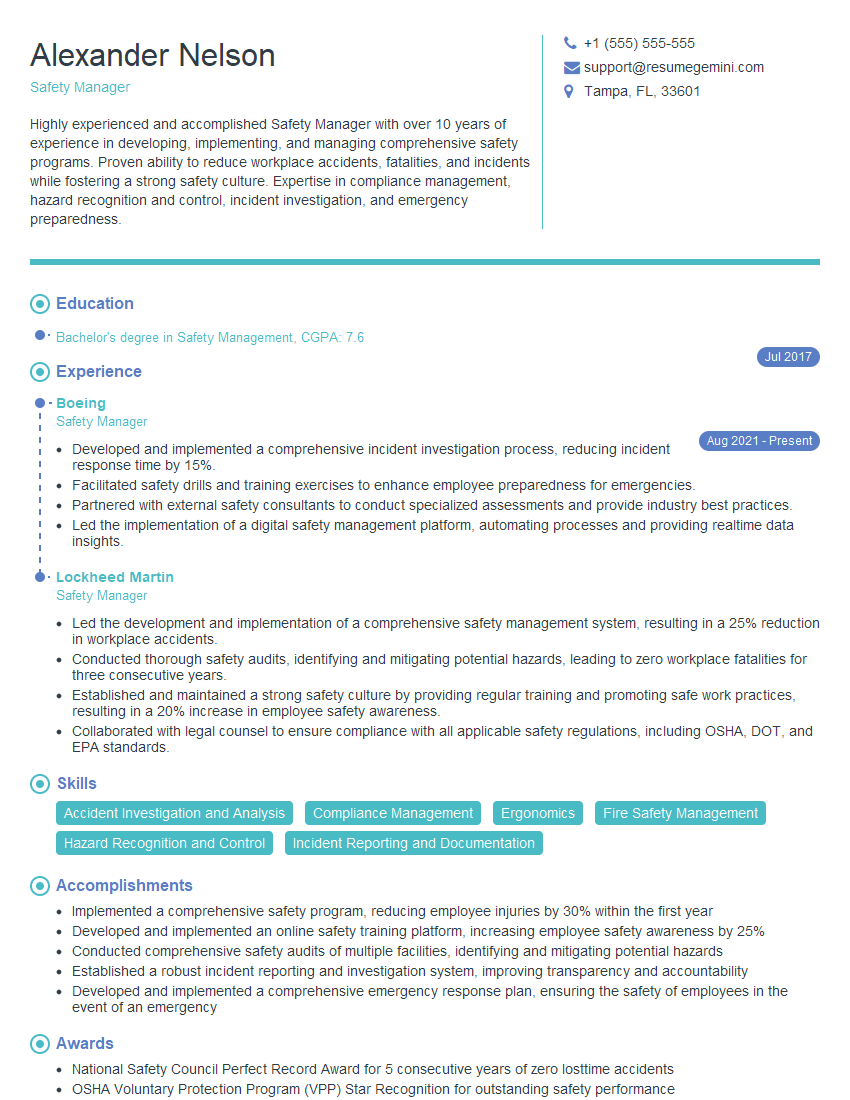
Safety Manager Resume Sample

Compliance Officer Resume Sample

Electrical Engineer Resume Sample

Protection Engineer Resume Sample

Transmission Engineer Resume Sample
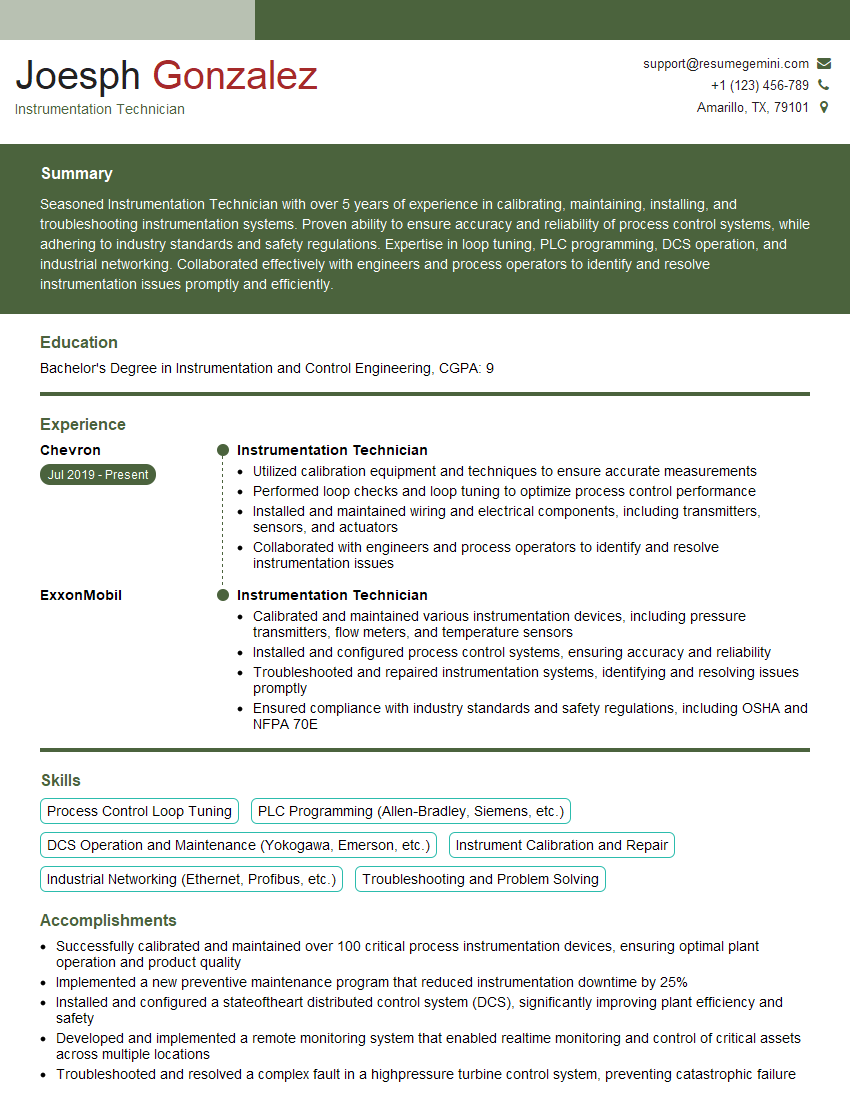
Instrumentation Technician Resume Sample
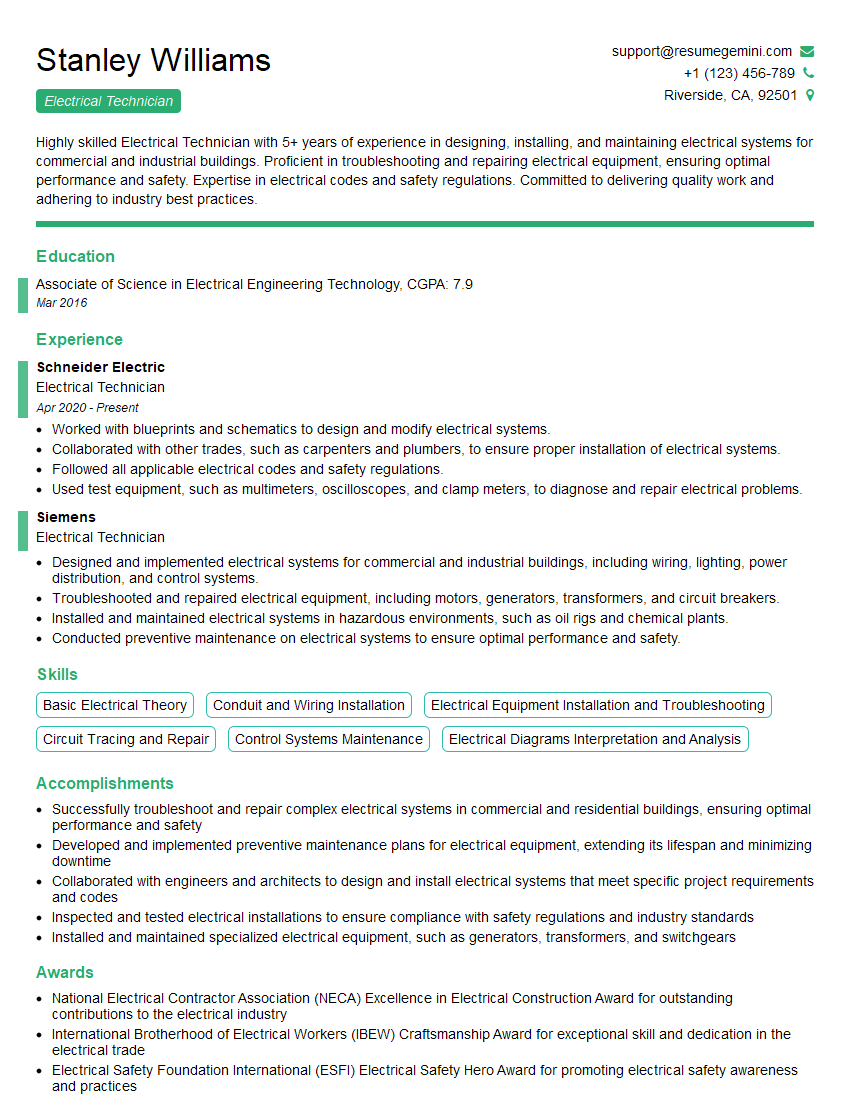
Electrical Technician Resume Sample

Relay Technician Resume Sample

Substation Technician Resume Sample
Explore more articles
Users Rating of Our Blogs
Share Your Experience
We value your feedback! Please rate our content and share your thoughts (optional).
What Readers Say About Our Blog
Very informative content, great job.
good