The right preparation can turn an interview into an opportunity to showcase your expertise. This guide to OSHA 1926.602 Material Handling interview questions is your ultimate resource, providing key insights and tips to help you ace your responses and stand out as a top candidate.
Questions Asked in OSHA 1926.602 Material Handling Interview
Q 1. Define the key requirements of OSHA 1926.602 regarding material handling.
OSHA 1926.602, concerning Material Handling and Storage, doesn’t provide a single, concise definition but rather outlines numerous requirements to ensure safe material handling practices. Its core objective is to prevent injuries and fatalities resulting from improperly handled materials. This involves encompassing several key aspects:
- Proper planning and assessment: Employers must analyze their job sites to identify potential hazards related to material handling before any work begins.
- Selection of appropriate equipment: The standard mandates using equipment that is suitable for the task, in good working order, and properly maintained.
- Safe handling procedures: Employers are responsible for establishing and implementing clear procedures for lifting, carrying, stacking, storing, and moving materials.
- Employee training: Comprehensive training is mandatory to equip employees with the knowledge and skills to safely handle materials.
- Housekeeping: Maintaining a clean and organized worksite is crucial to prevent trips, falls, and other accidents associated with material handling.
In essence, 1926.602 emphasizes a proactive approach to safety, requiring employers to foresee and mitigate potential risks rather than reacting to incidents.
Q 2. Explain the employer’s responsibility under OSHA 1926.602 for employee training.
Under OSHA 1926.602, the employer bears the sole responsibility for providing adequate training to their employees on safe material handling practices. This training must be comprehensive, covering various aspects of the job and addressing potential hazards. The training should be tailored to the specific tasks the employees perform and should be conducted before employees begin work on a specific task involving material handling.
- Initial Training: All employees must receive initial training covering the fundamentals of material handling safety before they begin work.
- Refresher Training: Periodic refresher training is necessary to reinforce knowledge and address any changes in procedures or equipment.
- On-the-Job Training: Experienced workers may supervise and train new workers through on-the-job training, always ensuring safety is prioritized.
- Documentation: Employers are required to maintain records of all employee training, demonstrating compliance with OSHA regulations.
For example, a construction company should train workers on how to use forklifts safely, including pre-operation checks, load stability, and how to navigate tight spaces. Failure to provide adequate training can result in severe penalties for employers.
Q 3. Describe three common hazards associated with material handling and their respective preventative measures.
Three common hazards associated with material handling and their preventative measures are:
- Musculoskeletal Injuries (MSIs): These are injuries to muscles, tendons, ligaments, and nerves, often caused by improper lifting techniques, repetitive motions, or excessive force.
Preventative Measures: Implement proper lifting techniques (bend your knees, keep your back straight, lift with your legs), use mechanical lifting aids (e.g., forklifts, hoists), and establish job rotation to prevent repetitive strain injuries. - Struck-by Hazards: Workers can be struck by falling objects, such as materials being lifted or stacked improperly.
Preventative Measures: Use proper rigging techniques, secure loads adequately, erect barriers around hazardous areas, implement a spotter system, and use personal protective equipment (PPE) like hard hats. - Caught-in/Between Hazards: Workers can become caught between moving equipment or materials.
Preventative Measures: Implement lockout/tagout procedures before maintaining or servicing equipment, ensure adequate clearance around moving equipment, and use barriers to prevent access to hazardous areas. Properly train employees on the operation of equipment, including hazard awareness.
Q 4. What are the requirements for using cranes and derricks under OSHA 1926.602?
OSHA 1926.602 doesn’t directly address crane and derrick requirements comprehensively; those are covered under Subpart CC (Cranes and Derricks in Construction). However, 1926.602 is relevant insofar as it mandates the safe use of all material handling equipment, including cranes and derricks. This means:
- Qualified Operators: Only qualified and trained operators are permitted to operate cranes and derricks.
- Regular Inspections: Cranes and derricks require regular inspections to ensure they are in good working order and safe to operate.
- Proper Load Capacity: Loads must never exceed the crane or derrick’s rated capacity.
- Safe Lifting Practices: All lifting operations must adhere to safe practices and procedures, including proper rigging and signaling.
- Emergency Procedures: Employers must establish and implement emergency procedures in case of crane or derrick malfunctions.
Essentially, while the specific regulations for cranes and derricks are found elsewhere, 1926.602 provides the overarching principle of safe equipment use, emphasizing training, proper procedures, and risk assessment.
Q 5. How would you assess a workplace for material handling hazards?
Assessing a workplace for material handling hazards requires a systematic approach. I would use a combination of methods:
- Walkthrough Inspection: A thorough walkthrough of the workplace, observing the material handling processes, equipment, and working conditions. Pay close attention to areas with heavy traffic, stacked materials, and areas where equipment is operated.
- Review of Records: Examine records of previous incidents, equipment inspections, and employee training to identify recurring issues or potential risks.
- Interviews with Employees: Engage employees in discussions about their experiences and concerns regarding material handling. Their perspectives often highlight hazards not readily apparent during a walkthrough.
- Hazard Identification Checklist: Utilize a checklist that covers potential hazards such as inadequate lighting, congested walkways, improper stacking of materials, equipment in disrepair, and insufficient personal protective equipment (PPE).
- Job Hazard Analysis (JHA): Conduct a JHA for each task involving material handling, identifying potential hazards and developing control measures to mitigate those risks.
This multifaceted approach identifies hazards, establishes their root causes, and enables the development of effective preventive measures.
Q 6. Explain the proper procedures for lifting heavy objects to prevent injuries.
Lifting heavy objects improperly can lead to serious back injuries. The proper procedure involves several key steps:
- Assess the Load: Before attempting to lift, assess the weight and size of the object. If it’s too heavy or bulky, seek assistance or use mechanical lifting equipment.
- Plan Your Lift: Plan the path you’ll take, ensuring the area is clear of obstacles and hazards. Maintain a clear line of sight.
- Position Yourself: Get as close to the load as possible, with your feet shoulder-width apart. Bend your knees, keeping your back straight and maintaining a natural curve in your spine.
- Lift with Your Legs: Lift the object smoothly and slowly, using your leg muscles to power the lift. Avoid twisting or jerking movements.
- Keep the Load Close: Keep the object close to your body throughout the lift and carry.
- Set Down Smoothly: Lower the object smoothly to the ground, using your leg muscles to control the descent.
Remember, if unsure, don’t lift it! Always get assistance or use appropriate equipment for heavy or awkward objects. Think of this as building a strong foundation of safe work practices through preparation, proper posture, and muscle efficiency.
Q 7. Describe the safe use of hand trucks and dollies.
Safe use of hand trucks and dollies involves understanding their limitations and employing proper techniques:
- Inspect Before Use: Always check the hand truck or dolly for any damage or defects before use. Look for damaged wheels, loose parts, or other potential hazards.
- Load Properly: Distribute the weight evenly on the hand truck or dolly. Avoid overloading, and ensure the load is secured to prevent shifting or falling.
- Proper Lifting Techniques: Use proper lifting techniques to load and unload the hand truck or dolly. Avoid straining your back by bending properly and lifting with your legs.
- Push, Don’t Pull: Generally, push hand trucks rather than pulling them, reducing the strain on your back and improving control.
- Maintain Control: Maintain control of the hand truck or dolly at all times, especially when navigating turns or slopes. Be aware of your surroundings and avoid obstacles.
- Use Appropriate Surfaces: Avoid using hand trucks or dollies on uneven or slippery surfaces. If such surfaces are unavoidable, take extra precautions, such as using additional support.
Regular maintenance of these tools is essential for longevity and safety; remember that a well-maintained tool is a safer tool.
Q 8. What are the specific requirements for using forklifts in construction?
OSHA 1926.602, while not solely dedicated to forklifts, heavily implies safe forklift operation within its broader material handling regulations. Forklift operation on construction sites requires trained and certified operators. This means operators must undergo formal training and demonstrate competency before operating a forklift. The training should cover pre-operation checks, safe operating procedures, load capacity limitations, and hazard awareness. Further, forklifts must be maintained regularly, ensuring brakes, steering, and lifting mechanisms are in good working order. Operators must adhere to speed limits, be aware of their surroundings, and avoid operating forklifts in hazardous conditions like poor visibility or unstable ground. Finally, appropriate load securing techniques are essential to prevent accidents during transport.
For example, imagine a worker attempting to lift a load exceeding the forklift’s capacity. This could lead to a tip-over, causing injury or damage. Regular maintenance prevents such incidents; a faulty brake system could be disastrous.
Q 9. What are the regulations for storing materials on a construction site?
Material storage on a construction site must prevent hazards like collapse, falling objects, and fire. Materials should be stacked neatly and securely, never exceeding the recommended height for the material type and the stability of the supporting structure. Storage areas should be clearly marked and accessible only to authorized personnel. Flammable or combustible materials require specific separation and storage conditions to prevent fire hazards. Aisles need to be kept clear for movement of personnel and equipment. The ground should be level and stable to prevent shifting or collapse. The weight of materials should be evenly distributed to avoid uneven stress on the supporting structure. Consider the wind—high winds might necessitate securing stacked materials to prevent blow-overs.
Think about storing lumber. Proper stacking means keeping the load low, avoiding unstable formations, and using appropriate supports. Poor stacking could lead to a collapse, injuring workers nearby.
Q 10. How do you ensure materials are properly secured during transportation?
Securing materials during transportation is crucial for preventing accidents and injuries. The choice of securing method depends on the material, the mode of transportation (truck, forklift, crane), and the distance. Common methods include using ropes, chains, straps, and nets. These must be properly rated for the weight of the load and secured to prevent slippage or breakage. Loads should be evenly distributed to maintain balance and stability. If using a truck, the load must be properly positioned and tied down to prevent shifting during transport. For example, large steel beams should be secured with strong chains and straps to ensure they remain stable during transportation. For smaller materials, netting can be used to prevent items from falling.
Imagine unsecured lumber on a truck bed. During transit, a sudden stop could send lumber flying, causing an accident. Proper securing methods eliminate this risk.
Q 11. Explain the importance of pre-lift planning for crane operations.
Pre-lift planning for crane operations is paramount for safety and efficiency. It’s not simply lifting a load; it’s a detailed process. This includes a thorough assessment of the load weight, dimensions, and center of gravity. The crane’s capacity and stability needs to be verified, along with the strength of lifting points on the load. The path the load will take should be clear of obstacles, and the ground should be stable and properly supported to bear the load’s weight. The wind speed and direction are also crucial factors. Proper communication between the crane operator, signal person, and rigger is essential for a safe lift. Detailed lift plans should be drawn up in writing, including any specific rigging equipment requirements. A spotter is essential to observe the surroundings during the lift operation.
For instance, failing to account for wind speed could result in a load swinging unpredictably, potentially causing injury or property damage. A detailed plan addresses these and other potential problems proactively.
Q 12. What are the emergency procedures in case of a material handling incident?
Emergency procedures for material handling incidents must be clearly defined and communicated to all personnel. This includes a system for immediate reporting of accidents or near-misses. Emergency response plans should detail steps to take in case of a load dropping, crane malfunction, or injury. First aid and emergency medical services should be readily available and accessible. The site should have clear evacuation routes in case of a major incident. Training should emphasize the need for quick reporting and immediate response. A clear chain of command in emergency situations streamlines the response and keeps everyone aware of their role.
For example, if a load drops, emergency procedures should include securing the area to prevent further accidents, ensuring first aid is given to the injured, and starting an investigation to determine the root cause of the failure. A clear, well-rehearsed procedure can limit the impact of such events.
Q 13. Describe the proper use of personal protective equipment (PPE) related to material handling.
Appropriate PPE is essential for material handling. This might include hard hats to protect against falling objects, safety glasses or goggles to protect eyes from debris, steel-toe boots to protect feet from dropped materials or crushing hazards, and high-visibility clothing to increase visibility in busy areas. Gloves are essential for handling materials that are rough, sharp, or could cause chemical burns. Hearing protection might be necessary when working near loud machinery. Depending on the task, fall protection harnesses and lanyards might also be required. PPE selection depends on the specific task and potential hazards. The employer must provide the correct PPE and ensure employees use it correctly.
For example, a worker lifting heavy objects without gloves could suffer from blisters or cuts. Safety glasses are crucial when working with materials that could generate chips or sparks.
Q 14. How would you address an employee who is not following safe material handling practices?
Addressing an employee who isn’t following safe material handling practices begins with a calm and respectful conversation. Start by understanding the reason for the unsafe behavior; it may be a lack of training, unclear instructions, or even a perceived inconvenience. Explain the potential risks associated with unsafe practices, using clear and specific examples. Reinforce the importance of following established procedures and emphasizing the company’s commitment to safety. Retraining may be necessary. Progressive discipline may be implemented if the behavior continues, and this should always be documented. The goal isn’t punitive but rather to ensure a safe working environment for everyone. Open communication and constructive feedback are key.
For example, if an employee is consistently overloading a forklift, I would start by explaining the risks of tip-overs and the company’s safety policies. Retraining on proper load assessment and forklift operation would follow, with additional steps taken if the unsafe behavior continues.
Q 15. What are the requirements for load capacity and stability in material handling?
OSHA 1926.602 emphasizes safe material handling practices, starting with load capacity and stability. Every piece of equipment used – from forklifts to slings – has a rated capacity. Exceeding this capacity is a serious violation and can lead to catastrophic failure. Stability isn’t just about weight; it’s about the center of gravity. Imagine a stack of bricks: if it’s too tall and narrow, it’s unstable and likely to topple. Similarly, a load lifted by a crane needs to be balanced to prevent swinging or tipping.
Requirements:
- Load Capacity: Never exceed the rated load capacity of any equipment or lifting device. This information is typically found on a data plate affixed to the equipment.
- Stability: Loads must be secured and balanced to prevent shifting or tipping. This includes proper rigging techniques for cranes and ensuring the load’s weight is distributed evenly. For example, when using a forklift, ensure the load is centered on the forks and not overhanging. Use appropriate supports and blocking for stacked materials to prevent shifting.
Example: A forklift with a 5,000-pound capacity should never lift a 6,000-pound load. A stack of lumber needs to be carefully tiered to ensure it maintains its stability and doesn’t collapse.
Career Expert Tips:
- Ace those interviews! Prepare effectively by reviewing the Top 50 Most Common Interview Questions on ResumeGemini.
- Navigate your job search with confidence! Explore a wide range of Career Tips on ResumeGemini. Learn about common challenges and recommendations to overcome them.
- Craft the perfect resume! Master the Art of Resume Writing with ResumeGemini’s guide. Showcase your unique qualifications and achievements effectively.
- Don’t miss out on holiday savings! Build your dream resume with ResumeGemini’s ATS optimized templates.
Q 16. Explain the difference between a fall protection system and a material handling system.
While both fall protection and material handling systems aim for worker safety, they address different hazards. Fall protection prevents workers from falling from heights, while material handling systems address the risks associated with moving, lifting, and storing materials.
Fall Protection: This focuses on preventing falls from elevated work surfaces. It involves things like safety harnesses, guardrails, and fall arrest systems. Think of construction workers on scaffolding or roofers.
Material Handling Systems: These encompass all aspects of moving materials, including the equipment used (forklifts, cranes, hoists), the methods of lifting and transporting materials (proper rigging techniques, using dollies), and the storage of materials (proper stacking procedures to avoid collapses).
Example: A worker on a platform needs fall protection. That same worker moving materials from that platform needs to also follow safe material handling procedures, such as using a hoist and ensuring stable load distribution.
Q 17. How do you ensure materials are properly stacked to avoid collapses?
Proper stacking is crucial to prevent collapses. It’s all about creating a stable base and progressively reducing the weight as you go higher.
Methods to Ensure Proper Stacking:
- Stable Base: Start with a level, solid base. Uneven ground or weak flooring can compromise the entire stack.
- Graduated Tiers: Larger, heavier items should be placed on the bottom, with progressively smaller, lighter items on top. Think of a pyramid.
- Interlocking: Stagger or interlock materials to create a more stable structure, preventing the layers from sliding.
- Weight Distribution: Ensure the weight is evenly distributed to avoid creating pressure points.
- Maximum Height: Follow manufacturer guidelines for maximum stacking heights. A stack that’s too tall is inherently unstable.
- Securement: Use straps, binders, or other securing devices to prevent the stack from shifting or collapsing, especially for larger, taller stacks.
Example: When stacking bricks, place a full layer on the ground. On top, offset the next layer so it sits in the gaps between the bricks below. Repeat, creating a stable, interlocking stack.
Q 18. What is the importance of regular inspections for material handling equipment?
Regular inspections are vital to prevent accidents. Equipment malfunctions are a major cause of material handling incidents. Regular inspections help identify problems *before* they cause harm.
Importance of Inspections:
- Early Detection of Defects: Regular checks reveal worn parts, damaged components, or hydraulic leaks in forklifts, for example, allowing for repairs before failure.
- Preventative Maintenance: Inspections provide opportunities for scheduled maintenance, reducing the chance of unexpected breakdowns and downtime.
- Compliance: OSHA mandates regular inspections of material handling equipment; failing to do so exposes your organization to penalties and potential litigation.
- Safety Culture: A strong inspection program demonstrates a commitment to worker safety, fostering a more responsible work environment.
Example: A daily pre-operational inspection of a forklift includes checking the tires, brakes, lights, and hydraulic fluid levels. A monthly inspection could include a more thorough examination of critical components.
Q 19. Describe the record-keeping requirements for incidents related to material handling.
OSHA requires detailed record-keeping for all work-related injuries and illnesses, including those resulting from material handling incidents. This is crucial for tracking trends, preventing future accidents, and demonstrating compliance.
Record-Keeping Requirements:
- OSHA Form 300: This log records all work-related injuries and illnesses.
- OSHA Form 301: This provides detailed information about each incident, including the date, time, location, nature of the injury, and contributing factors.
- OSHA Form 300A: This is a summary of the year’s work-related injuries and illnesses.
- Incident Reports: Detailed internal reports might include witness statements, investigation findings, and corrective actions.
Example: If a worker is injured while operating a forklift, the employer must complete OSHA Forms 300, 301, and 300A. A detailed incident report would describe the event, the worker’s injuries, and steps taken to prevent a recurrence.
Q 20. How do you identify and mitigate potential hazards related to manual material handling?
Manual material handling, like lifting boxes, poses significant ergonomic risks. Proper identification and mitigation are essential.
Identifying Hazards:
- Task Analysis: Observe workers performing the tasks to identify repetitive movements, awkward postures, forceful exertions, and excessive loads.
- Worker Feedback: Regularly solicit feedback from employees to uncover pain points and potential hazards.
- Risk Assessment: Conduct a formal risk assessment to systematically evaluate the hazards associated with each task.
Mitigation Strategies:
- Engineering Controls: Implement mechanical aids like conveyor belts, lift tables, and hoists to reduce manual lifting.
- Administrative Controls: Establish work-rest cycles, job rotation, and training programs to reduce strain and fatigue.
- Personal Protective Equipment (PPE): Provide and ensure the use of appropriate back supports, gloves, and safety shoes where needed.
- Proper Lifting Techniques: Train workers in proper body mechanics to minimize strain and prevent injuries.
Example: If workers frequently lift heavy boxes, a conveyor system could eliminate much of the manual lifting. Training in proper lifting techniques (bend at the knees, keep the load close) also reduces risk.
Q 21. What is the role of a spotter during crane or forklift operations?
A spotter plays a critical role during crane or forklift operations, especially in areas with limited visibility or complex maneuvers. They act as an extra set of eyes and ears, enhancing safety.
Role of a Spotter:
- Increased Visibility: The spotter helps the operator see blind spots, such as obstacles, workers, or overhead obstructions.
- Communication: They communicate potential hazards to the operator, providing clear and concise warnings.
- Guidance: The spotter can guide the operator during complex maneuvers, ensuring smooth and safe movements.
- Emergency Response: In case of an emergency, the spotter can immediately alert others and assist in mitigating the situation.
Example: When a forklift is operating in a crowded warehouse, a spotter guides the operator, warning them of pedestrians or other equipment. During crane lifts, a spotter might ensure the load clears all obstacles, preventing collisions.
Q 22. How do you determine the appropriate PPE for various material handling tasks?
Determining the appropriate Personal Protective Equipment (PPE) for material handling tasks hinges on a thorough hazard assessment. We need to identify all potential risks – think falling objects, sharp edges, crushing hazards, slips, trips, and falls. Once the hazards are identified, we select PPE that mitigates those specific risks.
- Hard hats are essential when working in areas with overhead hazards like falling objects or potential impacts.
- Safety glasses or goggles protect the eyes from flying debris or chemical splashes.
- Gloves are crucial, with the type depending on the material handled. For example, cut-resistant gloves for handling sharp materials or chemical-resistant gloves for handling corrosive substances.
- Steel-toed boots provide foot protection against falling objects and crushing hazards.
- High-visibility clothing improves worker visibility, especially in low-light conditions or around heavy machinery.
- Hearing protection might be necessary in noisy environments, such as those involving heavy machinery or power tools.
- Full-body harnesses and lanyards are vital when working at heights during material handling operations, ensuring fall protection.
For example, moving heavy steel beams would require steel-toed boots, hard hats, and potentially cut-resistant gloves, while handling chemicals would necessitate chemical-resistant gloves, safety glasses, and potentially a respirator. The selection of PPE is not a one-size-fits-all approach; it’s tailored to the specific job.
Q 23. Explain the procedures for inspecting slings and rigging equipment.
Inspecting slings and rigging equipment is paramount for preventing accidents. A thorough inspection before each use is mandated. This involves a visual inspection and, in some cases, a more in-depth examination.
- Visual Inspection: This is the first step and involves checking for visible defects such as fraying, cuts, burns, excessive wear, distortion, corrosion, and damage to the hardware.
- Detailed Examination: Beyond visual inspection, if there is any doubt about the integrity of the sling or equipment, a more thorough examination may be required. This might include checking for internal damage, using specialized equipment such as dye penetrant testing or ultrasonic testing, or following the manufacturer’s recommendations for regular maintenance.
- Documentation: All inspections must be properly documented, noting any damage or defects. This documentation is crucial for traceability and compliance with OSHA regulations. A damaged sling should be immediately removed from service and appropriately tagged.
Imagine using a frayed sling to lift a heavy load – a catastrophic failure could easily occur. Regular inspections prevent such scenarios. It’s not just about looking; it’s about understanding the signs of wear and tear and knowing when to replace equipment to safeguard worker safety.
Q 24. How would you handle a situation where a load is unstable or about to fall?
Responding to an unstable load or impending fall requires immediate and decisive action. The priority is worker safety.
- Evacuate the Area: The first step is to immediately clear the area beneath the unstable load, ensuring all personnel are a safe distance away. Warning others is crucial.
- Assess the Situation: Determine the cause of instability. Is it due to improper rigging, unbalanced weight distribution, or equipment failure?
- Secure the Load: If possible and safe, attempt to stabilize the load using additional support or by readjusting the rigging. However, prioritize safety; don’t put yourself in danger.
- Call for Assistance: If the situation is beyond your capability, call for qualified assistance, such as a crane operator or rigging specialist.
- Investigate: After the situation is under control, conduct a thorough investigation to determine the root cause of the near-miss. This helps prevent similar incidents in the future.
Imagine a load shifting on a forklift. The immediate response must be to clear the area and then determine whether to stabilize it or call for help – safety is paramount.
Q 25. What are the specific OSHA requirements for using scaffolds and ladders in material handling?
OSHA 1926 mandates specific requirements for scaffold and ladder use during material handling. These ensure safe access and prevent falls.
- Scaffolds: Scaffolds must be properly erected, maintained, and inspected before each use. The load capacity must be sufficient for the materials being handled. Proper guardrails, mid-rails, and toeboards are essential to prevent falls. Plank thickness, secure connections, and stable footing are critical.
- Ladders: Ladders must be properly placed and secured to prevent slipping or tipping. They must extend at least 3 feet above the landing point. Ladders should not be overloaded beyond their specified weight capacity. The use of ladders in material handling should be minimized whenever possible, in favor of safer alternatives such as scaffolds or properly engineered access.
For instance, using a ladder to manually lift heavy materials onto a scaffold is dangerous. Using a proper hoist or other lifting mechanism with a securely built scaffold is far safer and compliant with OSHA standards.
Q 26. Describe your experience with creating and implementing a comprehensive material handling safety program.
I’ve been involved in developing and implementing numerous material handling safety programs. This typically involves a multi-stage process:
- Hazard Identification and Risk Assessment: This crucial first step identifies all potential hazards related to material handling within the specific work environment. This includes analyzing the types of materials handled, equipment used, and the work processes involved.
- Development of Safe Work Procedures: Based on the risk assessment, we create detailed safe work procedures that outline the proper methods for handling materials, using equipment, and maintaining a safe working environment.
- Training and Education: We deliver comprehensive training programs to all workers involved in material handling operations. This includes both classroom instruction and hands-on demonstrations to ensure they understand the procedures and risks involved.
- Implementation and Monitoring: After training, we implement the safety program and monitor its effectiveness through regular inspections, audits, and incident reporting. We actively look for areas for improvement and update procedures as needed.
- Documentation: Complete and accurate record-keeping is essential. This involves maintaining records of training, inspections, incidents, and corrective actions.
In one project, we reduced material handling incidents by 40% within six months through a combination of improved training, updated equipment, and a new emphasis on hazard identification. This demonstrated the direct link between a robust safety program and accident prevention.
Q 27. What methods do you use to effectively communicate material handling safety procedures to workers?
Effective communication of material handling safety procedures is crucial for a successful program. We use a multi-pronged approach:
- Toolbox Talks: Regular short meetings at the start of the workday to discuss specific hazards and safety procedures related to the tasks at hand.
- Training Manuals and Videos: These provide comprehensive information and visual aids to reinforce training and ensure workers have a reference point.
- Posters and Signage: Visual reminders placed in strategic locations throughout the worksite help reinforce key safety messages.
- Hands-on Demonstrations: Showing workers the correct techniques is more effective than simply explaining them.
- Regular Feedback and Open Communication: Creating a culture where workers feel comfortable raising safety concerns is essential. We encourage open communication channels.
- Multi-lingual Materials: In diverse workforces, materials should be available in all relevant languages to ensure everyone understands the procedures.
For example, using visual aids, like diagrams demonstrating proper lifting techniques, proved much more effective than just verbally explaining it. Engaging workers actively improves buy-in and safety adherence.
Q 28. Explain your understanding of the hierarchy of controls related to material handling hazards.
The hierarchy of controls for material handling hazards emphasizes eliminating hazards whenever possible, progressing to less effective controls as needed.
- Elimination: The most effective method involves completely removing the hazard. This might involve using automated systems, changing the work process, or substituting a less hazardous material.
- Substitution: Replacing a hazardous material or process with a less hazardous one. For example, using a lighter material instead of a heavy one.
- Engineering Controls: Implementing physical changes to the workplace to reduce exposure to hazards. Examples include using guarding on machinery, improving lighting, providing better storage systems, or using ergonomic equipment.
- Administrative Controls: Changing work practices or procedures to reduce risk. This might include job rotation, providing training, establishing safety rules, or implementing work permits.
- Personal Protective Equipment (PPE): PPE is the last line of defense and should only be used after other control measures have been implemented. It protects workers from remaining risks.
For example, instead of manually lifting heavy boxes, we might implement a conveyor system (elimination or engineering control). If this isn’t feasible, we’d train workers in proper lifting techniques (administrative control) and provide them with back supports (PPE).
Key Topics to Learn for OSHA 1926.602 Material Handling Interview
- Hazard Identification and Assessment: Understanding how to identify potential hazards associated with material handling activities, including manual handling, powered equipment, and storage practices. Learn to conduct thorough risk assessments and prioritize mitigation strategies.
- Safe Lifting Techniques: Mastering proper body mechanics, including lifting, carrying, pushing, and pulling techniques to prevent musculoskeletal injuries. This includes understanding load limits and the use of assistive devices.
- Personal Protective Equipment (PPE): Knowing the types of PPE required for various material handling tasks, such as gloves, safety shoes, hard hats, and eye protection, and understanding their proper selection and use.
- Powered Industrial Truck (PIT) Operation: Familiarize yourself with safe operating procedures for forklifts, cranes, and other PIT equipment, including pre-operational checks, safe operating practices, and understanding the limitations of each type of equipment.
- Material Storage and Handling Practices: Understanding the principles of safe stacking, storage, and handling of materials, including load stability, proper racking, and preventing collapses.
- Emergency Procedures: Knowing the appropriate responses to various emergencies, such as equipment malfunctions, spills, or injuries, and understanding the role of emergency response plans.
- Record Keeping and Documentation: Understanding the importance of maintaining accurate records related to inspections, training, incidents, and near misses. This includes understanding OSHA record-keeping requirements.
- Regulations and Compliance: A solid understanding of the specific regulations outlined in OSHA 1926.602, including the requirements for training, inspections, and employee responsibilities.
- Problem-Solving Scenarios: Practice identifying and solving realistic problems related to material handling, including analyzing scenarios, identifying hazards, and proposing solutions.
Next Steps
Mastering OSHA 1926.602 Material Handling demonstrates a commitment to safety and efficiency, significantly boosting your career prospects in construction and related fields. A strong understanding of these principles is highly valued by employers. To maximize your job search success, create an ATS-friendly resume that highlights your skills and experience. ResumeGemini is a trusted resource for building professional and effective resumes. We offer examples of resumes tailored to OSHA 1926.602 Material Handling to help you showcase your qualifications effectively.
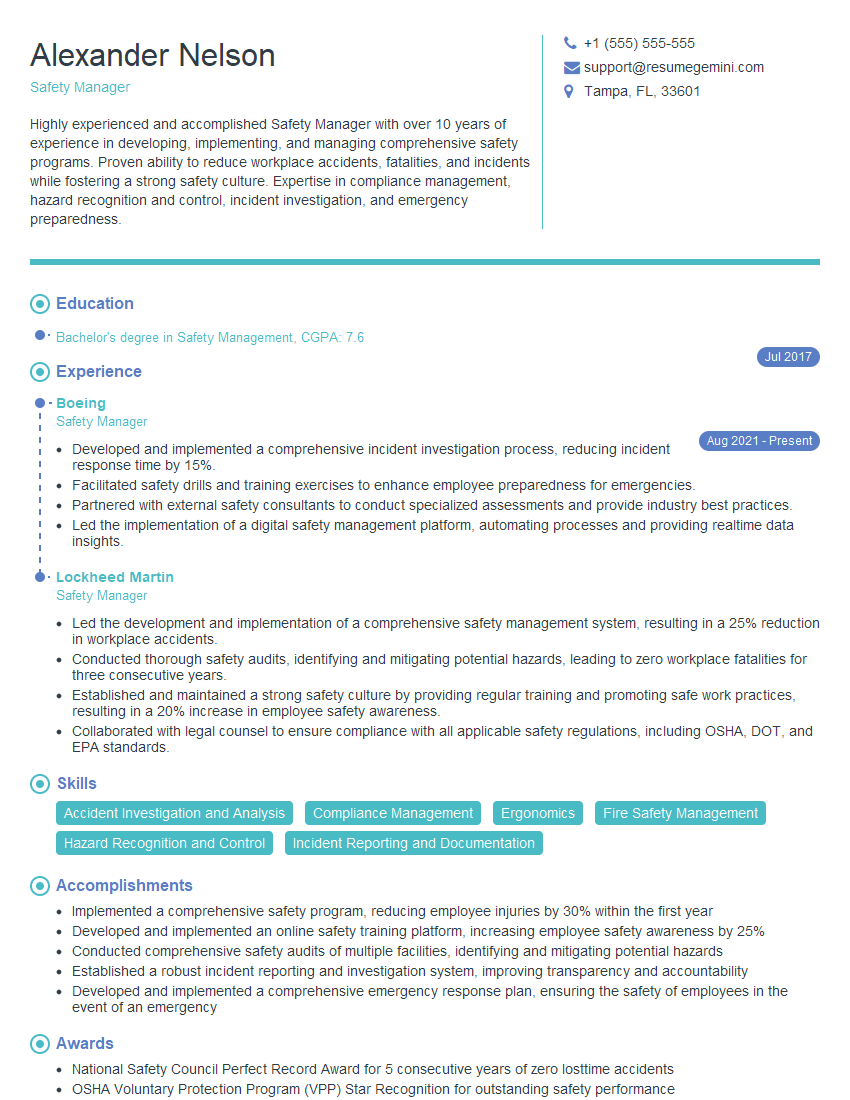
Safety Manager Resume Sample

Construction Superintendent Resume Sample

Safety Director Resume Sample

Environmental Health and Safety Manager Resume Sample
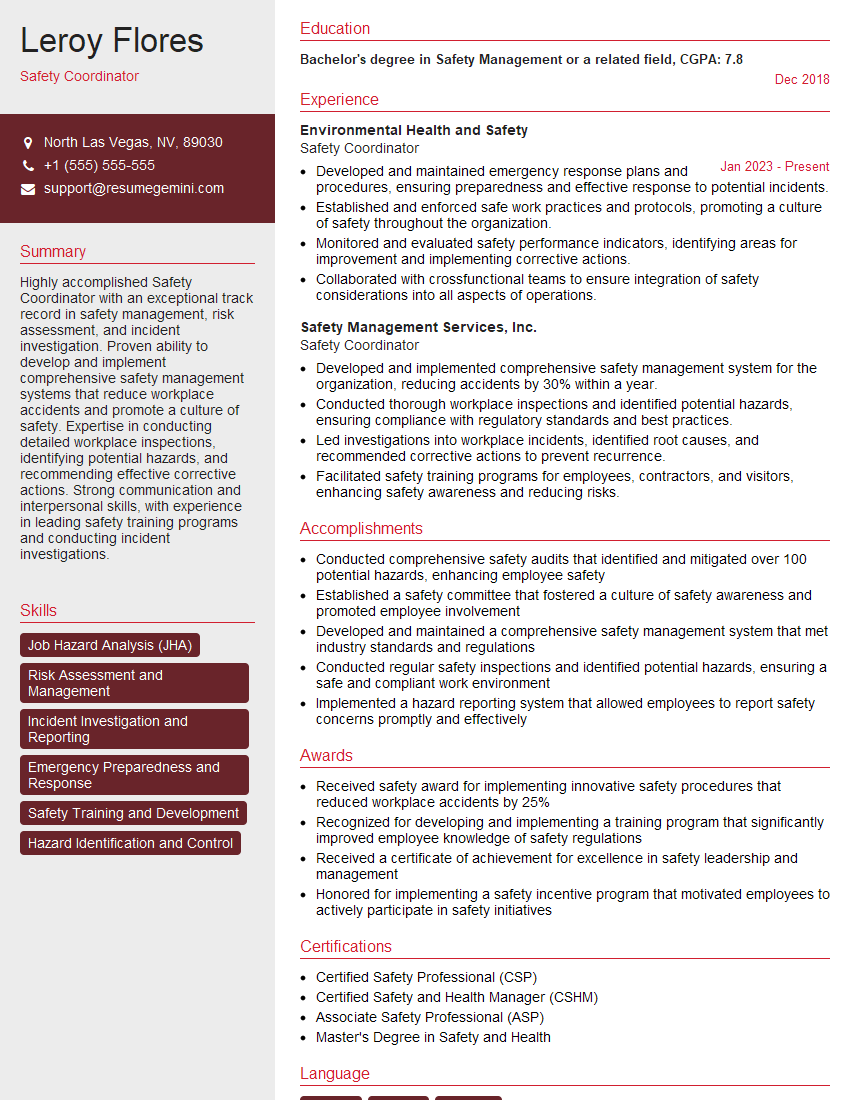
Safety Coordinator Resume Sample
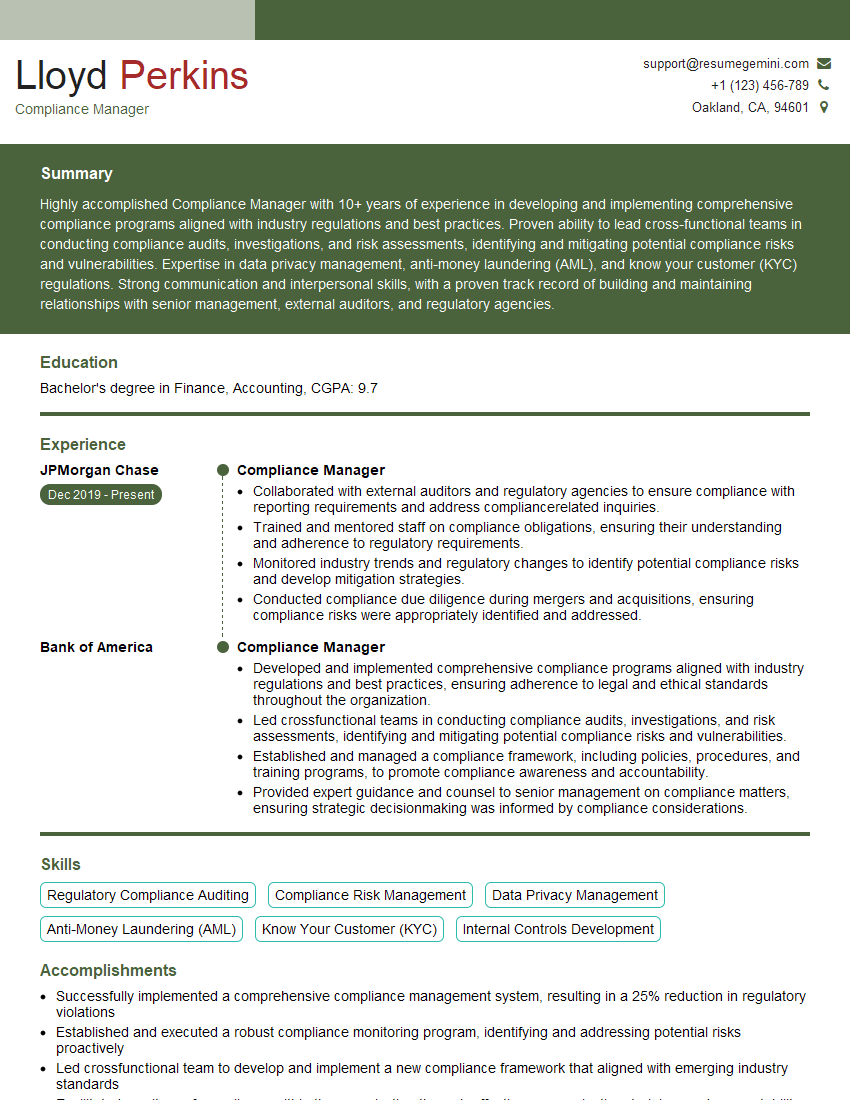
Compliance Manager Resume Sample

Risk Manager Resume Sample
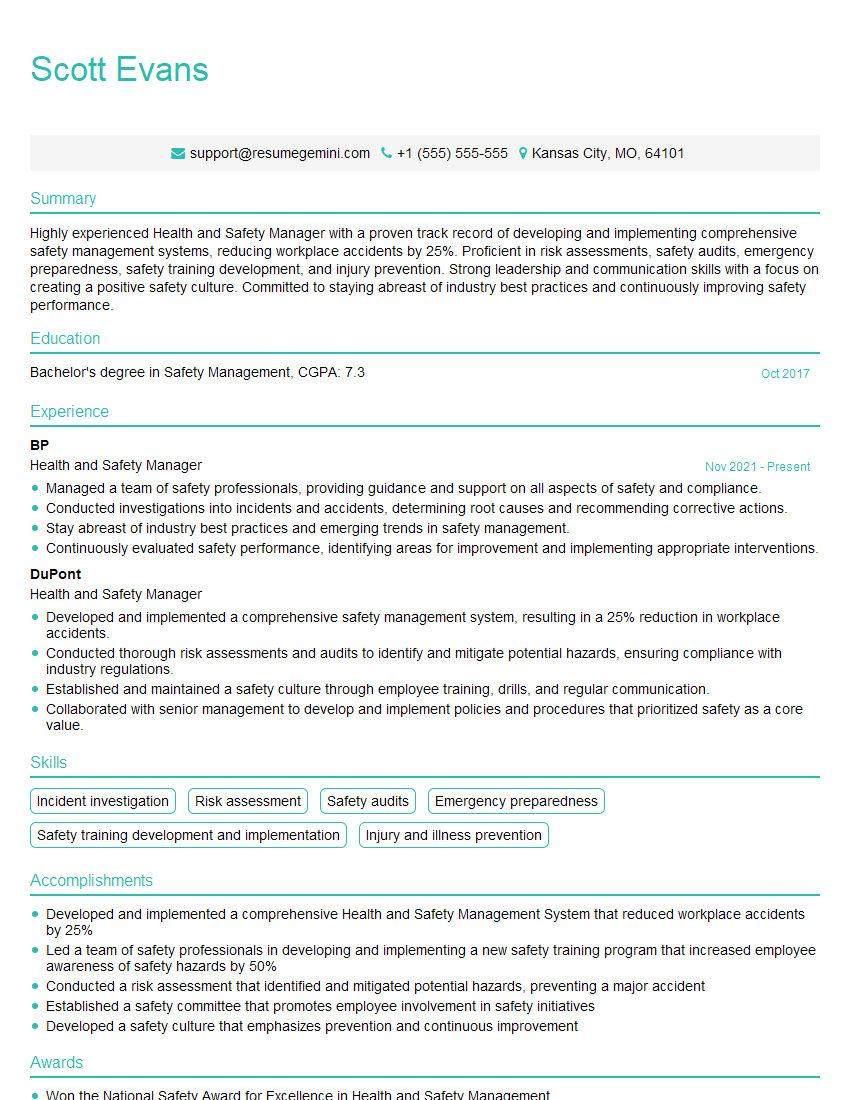
Health and Safety Manager Resume Sample
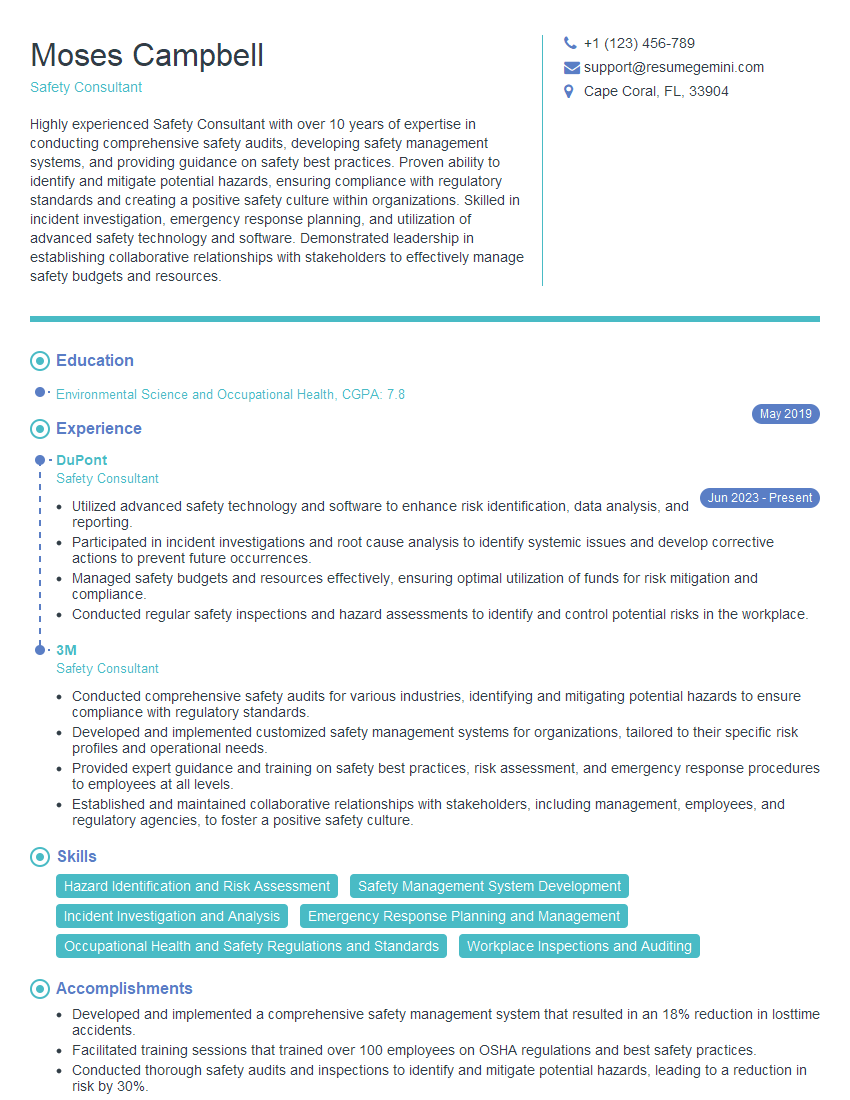
Safety Consultant Resume Sample
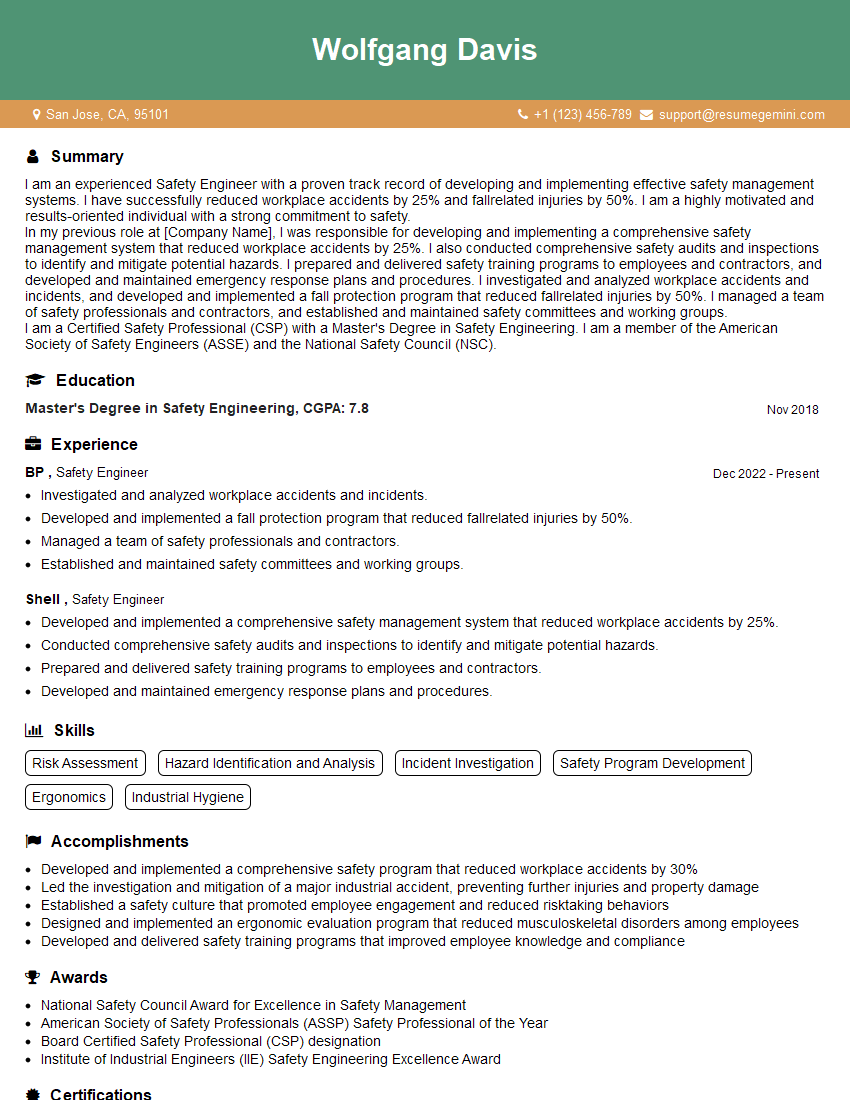
Safety Engineer Resume Sample
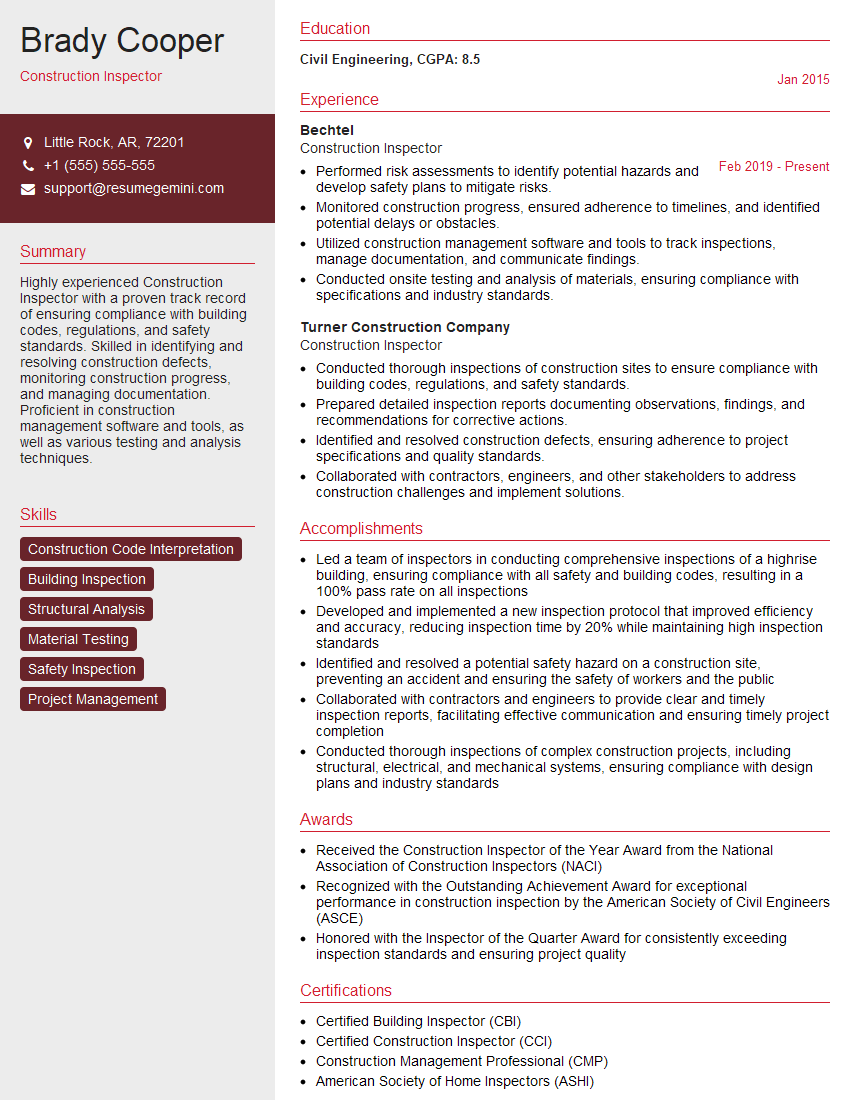
Construction Inspector Resume Sample
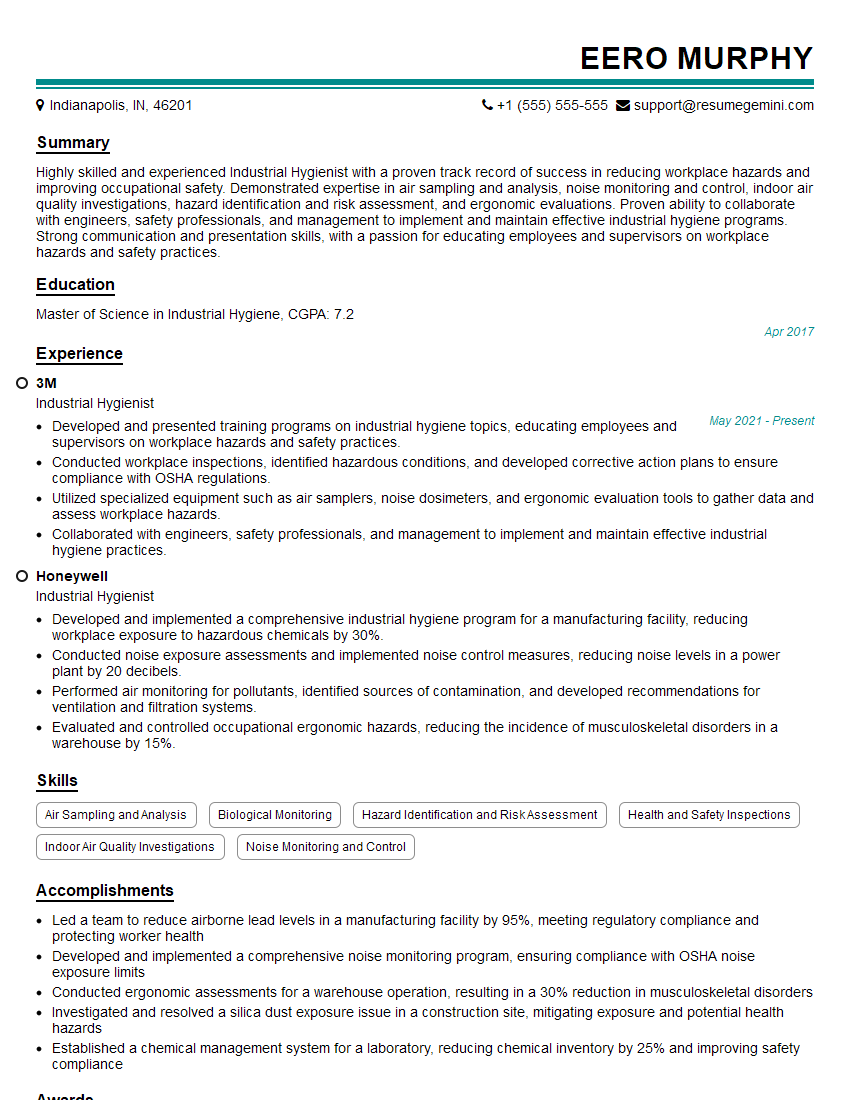
Industrial Hygienist Resume Sample
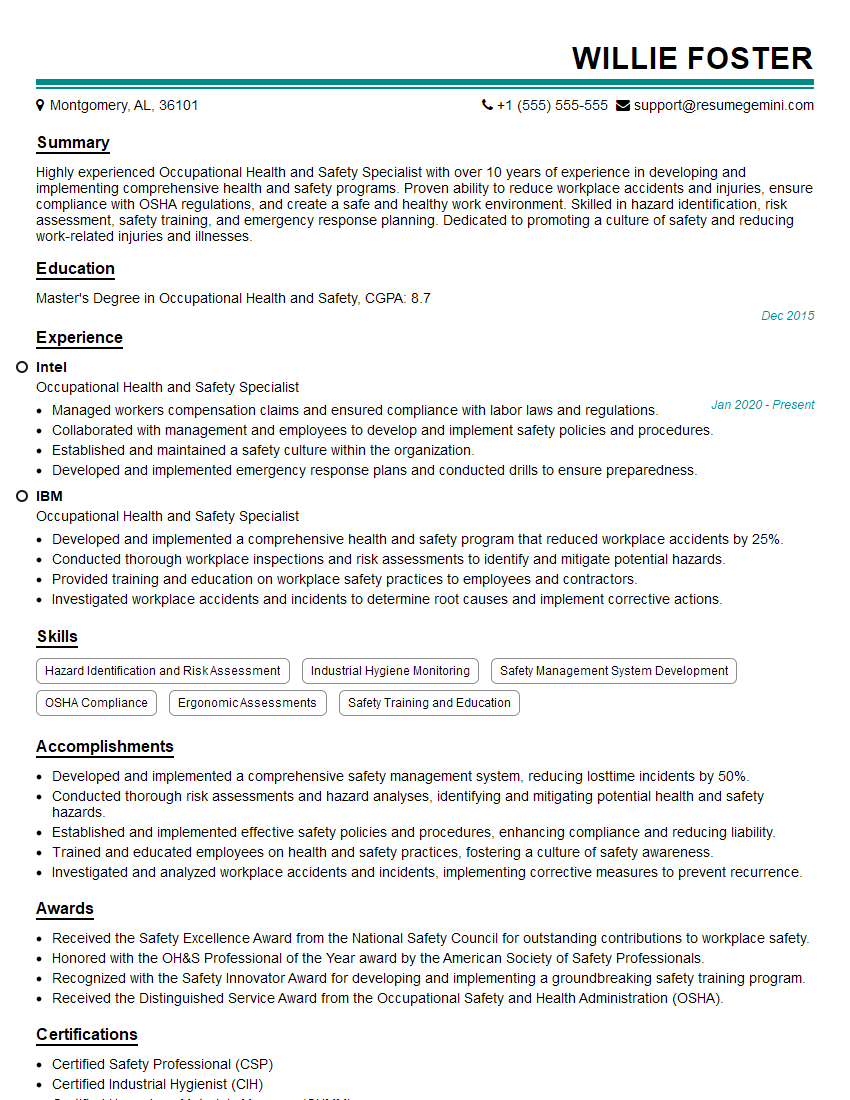
Occupational Health and Safety Specialist Resume Sample

Foreman Resume Sample

General Foreman Resume Sample

Site Supervisor Resume Sample
- Safety Manager
- Construction Superintendent
- Safety Director
- Environmental Health and Safety Manager
- Safety Coordinator
- Compliance Manager
- Risk Manager
- Health and Safety Manager
- Safety Consultant
- Safety Engineer
- Construction Inspector
- Industrial Hygienist
- Occupational Health and Safety Specialist
- Foreman
- General Foreman
- Site Supervisor
Explore more articles
Users Rating of Our Blogs
Share Your Experience
We value your feedback! Please rate our content and share your thoughts (optional).
What Readers Say About Our Blog
Very informative content, great job.
good