Preparation is the key to success in any interview. In this post, we’ll explore crucial OSHA 30-Hour HAZWOPER Certification interview questions and equip you with strategies to craft impactful answers. Whether you’re a beginner or a pro, these tips will elevate your preparation.
Questions Asked in OSHA 30-Hour HAZWOPER Certification Interview
Q 1. Describe the different levels of HAZWOPER training.
HAZWOPER training is divided into several levels, primarily focusing on the duration and scope of the training. The most common are the 40-hour HAZWOPER and the 24-hour HAZWOPER training. The 40-hour course is for those who will work directly with hazardous waste at sites. This course covers much more detailed and in-depth information regarding hazardous materials, personal protective equipment (PPE), and emergency response. The 24-hour course is for those who supervise or work in close proximity to hazardous waste operations but don’t directly participate in the handling or cleanup. Think of it like this: The 40-hour training is like an advanced course, equipping workers with the knowledge and skills to handle hazardous waste, whereas the 24-hour course is a basic overview for those working nearby. Beyond these, refresher training is required periodically, usually every year, to maintain certification.
- 40-hour HAZWOPER: Comprehensive training for those directly involved in hazardous waste operations.
- 24-hour HAZWOPER: Less extensive training for those working in areas with a potential for exposure but not directly involved in waste operations.
- Refresher Training: Periodic updates to maintain certification and stay current on best practices.
Q 2. Explain the hierarchy of hazard controls.
The hierarchy of hazard controls is a fundamental principle in occupational safety and health. It prioritizes the most effective control measures, starting with the elimination of hazards and progressing to personal protective equipment (PPE) as a last resort. Think of it like building a sturdy house: you wouldn’t start with the paint before laying the foundation.
- Elimination: The most effective control. This involves physically removing the hazard from the workplace. For example, substituting a hazardous chemical with a less hazardous one.
- Substitution: Replacing a hazardous substance or process with a less hazardous one. For instance, using a water-based cleaning solution instead of a solvent-based cleaner.
- Engineering Controls: Implementing physical changes to the workplace to reduce or eliminate hazards. Examples include ventilation systems to remove airborne contaminants or using enclosed systems to handle hazardous materials.
- Administrative Controls: Changes to work practices, schedules, or procedures to minimize exposure. This could involve implementing work rotation schedules to limit exposure duration or providing detailed training and safe work procedures.
- Personal Protective Equipment (PPE): The last line of defense. PPE, such as respirators, gloves, and protective suits, should only be used when other controls are not feasible or sufficient. Remember, even with PPE, hazards are still present; PPE only reduces exposure risk.
Q 3. What are the key elements of a site safety plan?
A comprehensive site safety plan is crucial for any hazardous waste operation. It details the procedures and protocols to ensure worker safety. A poorly planned site can lead to accidents and environmental damage, so this is paramount.
- Site-specific hazards: Identification and assessment of all potential hazards present at the site (chemical, physical, biological). Think detailed, not just a basic overview.
- Emergency response plan: Procedures for handling spills, fires, medical emergencies, and evacuations. This needs to be practiced regularly.
- Personal protective equipment (PPE): Selection and use of appropriate PPE for each task and hazard. This requires specific knowledge of materials involved.
- Communication plan: Methods for communicating hazards and emergencies among workers. This could be through radios, a central command, or visual communication systems.
- Decontamination procedures: Detailed steps for removing contaminants from workers and equipment, preventing exposure.
- Waste disposal methods: Safe disposal of hazardous waste and contaminated materials, including proper labeling and packaging.
- Medical surveillance program: A plan for monitoring worker health to detect potential exposure effects and address them promptly. This is a crucial step many overlook.
Q 4. What are the responsibilities of a HAZWOPER supervisor?
The HAZWOPER supervisor plays a vital role in ensuring the safety of workers at a hazardous waste site. Their responsibilities go beyond simple oversight.
- Enforcing safety rules and regulations: Ensuring all workers follow safety protocols and use the correct PPE.
- Providing training and supervision: Making sure all workers understand hazards and safe work practices.
- Developing and implementing safety plans: Creating and updating the site safety plan, ensuring all necessary procedures are in place.
- Monitoring worker health: Checking on the well-being of the workers and observing for signs of illness or exposure.
- Responding to emergencies: Taking charge in case of accidents, spills, or other emergencies.
- Maintaining accurate records: Keeping track of safety training, incidents, and any exposure monitoring data.
Q 5. Define the roles and responsibilities of the safety officer at a hazardous waste site.
The safety officer at a hazardous waste site is a critical figure responsible for overall site safety. They’re often independent of the operations team, allowing them to provide unbiased oversight.
- Conducting regular safety inspections: Identifying potential hazards and ensuring compliance with regulations.
- Developing and updating safety plans: Working with the supervisor to create and maintain a comprehensive safety plan.
- Investigating accidents and incidents: Determining the cause of accidents and implementing corrective actions to prevent future incidents. This is vital for continuous improvement.
- Training workers on safety procedures: Ensuring all workers are properly trained on safe work practices and hazard recognition.
- Monitoring worker health and safety: Overseeing the medical surveillance program and ensuring worker compliance with safety regulations.
- Communicating with management and workers: Keeping management informed about safety issues and communicating safety information to workers.
Q 6. Explain the process of selecting appropriate PPE for HAZWOPER operations.
Selecting appropriate PPE is crucial in HAZWOPER operations. The selection process depends entirely on the specific hazards present. This is not a one-size-fits-all situation.
- Hazard identification: First, determine the specific hazards at the site (chemical, biological, physical). What are the workers exposed to?
- PPE selection: Choose PPE appropriate for the identified hazards. For example, if dealing with corrosive chemicals, chemical-resistant gloves and suits are required. If airborne hazards are present, respirators are essential. Consult the Safety Data Sheet (SDS).
- Fit testing: Ensure proper fit and function of PPE, especially respirators. A poorly fitting respirator is useless.
- Training and use: Provide thorough training on the proper use, donning, doffing, and limitations of PPE. Workers must understand how to use this equipment correctly and safely.
- Inspection and maintenance: Regularly inspect and maintain PPE to ensure its effectiveness. Damaged PPE should be immediately replaced. A compromised suit is no better than no suit.
Q 7. How do you identify and assess potential hazards at a worksite?
Identifying and assessing potential hazards is the cornerstone of any effective HAZWOPER program. It involves a systematic approach to prevent accidents and protect workers.
- Walkthrough inspections: A visual inspection of the worksite to identify potential hazards. Look at everything! Even small things can create big problems.
- Hazard identification checklists: Using pre-prepared checklists to ensure that all potential hazards are considered. These are customizable to your site.
- Review of Safety Data Sheets (SDS): Consulting SDS for all chemicals used or present at the site to understand their potential hazards and proper handling procedures.
- Employee input: Workers often have valuable insights into potential hazards based on their experience. Listen to them!
- Historical data review: Reviewing previous incident reports and near misses to identify patterns and potential hazards. This prevents a repeat of past mistakes.
- Risk assessment: After identification, assess the likelihood and severity of each hazard. This allows prioritisation of risk mitigation.
Q 8. Describe the procedures for handling a hazardous materials spill.
Handling a hazardous materials spill requires a swift, controlled response prioritizing safety. The first step is always isolation – establishing a perimeter to prevent further exposure. Think of it like containing a wildfire; you need to stop its spread before tackling it directly. This involves evacuating personnel from the affected area and controlling access points. Next, we need to assess the situation. What material is spilled? What is its hazard class (flammable, corrosive, toxic, etc.)? This determines the appropriate Personal Protective Equipment (PPE) and response tactics. Then comes containment – using absorbents, booms, or other methods to prevent the spill from spreading further. Finally, cleanup involves careful removal and disposal of the contaminated materials according to regulations and the hazardous waste manifest system. The entire process is documented meticulously, including personnel involved, materials used, and any injuries or incidents. Imagine a spill of sulfuric acid – isolating the area, using specialized PPE like acid-resistant suits and respirators, containing the spill with spill kits, and then carefully neutralizing the acid before disposal are all critical steps.
- Isolation: Establish a perimeter, evacuate personnel.
- Assessment: Identify the material and its hazards.
- Containment: Prevent further spread.
- Cleanup: Careful removal and disposal.
- Documentation: Meticulous record-keeping.
Q 9. Explain the importance of emergency response plans in HAZWOPER operations.
Emergency response plans are the backbone of safe HAZWOPER operations. They’re not just documents; they’re living, breathing strategies designed to minimize harm during incidents. A well-developed plan outlines pre-emergency planning steps, procedures for handling specific hazardous material incidents, employee responsibilities, emergency contact information, and post-incident procedures like cleanup and investigation. Think of it as a fire drill, but for hazardous materials. It ensures everyone knows their roles and responsibilities, reducing confusion and response time in a high-stress situation. A good plan details procedures for notifying emergency services, using appropriate PPE, and implementing evacuation strategies. It also includes details on decontamination procedures, medical treatment protocols, and post-incident reporting and analysis. Regular training and drills using the plan are essential to ensure its effectiveness. Without a robust emergency response plan, a seemingly minor incident can quickly escalate into a major disaster.
Q 10. What are the requirements for confined space entry under HAZWOPER regulations?
Confined space entry under HAZWOPER is strictly regulated because of the inherent dangers. Confined spaces – areas with limited entry and exit, poor ventilation, and the potential for hazardous atmospheres – require a permit-required confined space program. This involves identifying all confined spaces in the workplace, developing procedures for safe entry, and providing extensive training for authorized entrants and attendants. Before entry, the atmosphere must be tested for oxygen levels, flammable gases, and toxic substances. A continuous monitoring system is usually required during entry. Rescue plans must be in place, including procedures for rescuing an incapacitated worker. Proper ventilation is crucial, and entry may require the use of specialized equipment such as self-contained breathing apparatuses (SCBAs). A permit-required confined space entry requires a detailed written permit signed by all involved personnel. Think of it like deep-sea diving; thorough preparation, the right equipment, and a vigilant support team are crucial for survival.
- Permit-required Confined Space Program: Detailed procedures and training.
- Atmospheric Monitoring: Testing for oxygen, flammables, and toxins.
- Ventilation: Ensuring adequate air supply.
- Rescue Plan: Procedures for rescuing incapacitated entrants.
- Permits: Documented authorization for entry.
Q 11. How do you perform a pre-entry atmosphere monitoring in confined spaces?
Pre-entry atmospheric monitoring in confined spaces is non-negotiable. It’s the first line of defense against potential hazards. Using calibrated gas detection instruments, we test for oxygen deficiency (less than 19.5%), the presence of flammable gases (e.g., methane, propane), and toxic gases (e.g., carbon monoxide, hydrogen sulfide). This involves taking multiple readings at different locations within the confined space to account for stratification (layers of gases). Readings must be documented, along with the time and location of each measurement. The data determines whether the space is safe for entry or if additional precautions, such as ventilation or respiratory protection, are needed. Imagine entering a tank that may contain residual flammable vapors; proper monitoring ensures you’re not walking into a potential explosion or suffering from toxic exposure.
- Oxygen Deficiency: Less than 19.5% oxygen is hazardous.
- Flammable Gases: Methane, propane, etc.
- Toxic Gases: Carbon monoxide, hydrogen sulfide, etc.
- Multiple Readings: Account for stratification.
- Documentation: Meticulous record-keeping.
Q 12. What are the different types of respiratory protection and when would you use each?
Respiratory protection is crucial in HAZWOPER. The type chosen depends on the specific hazard. Air-purifying respirators (APRs) filter contaminants from the air, suitable for environments with sufficient oxygen and known contaminants. Examples include N95 masks for dusts and particles, and cartridges for specific gases or vapors. However, APRs are ineffective in oxygen-deficient atmospheres. Self-contained breathing apparatus (SCBAs) provide their own air supply, crucial for confined spaces or environments with immediately dangerous to life or health (IDLH) conditions. They’re independent of the surrounding atmosphere. Supplied-air respirators (SARs) supply air from a source outside the confined space, providing continuous fresh air. The choice depends on the specific hazards and oxygen levels. If dealing with a known airborne toxin, an APR with the appropriate cartridge is used. If there is a risk of oxygen deficiency or unknown hazardous substances, an SCBA is the safer option. Imagine working with asbestos; an APR with a particulate filter would be appropriate, but in a confined space with low oxygen and unknown gases, you’d need an SCBA.
- Air-Purifying Respirators (APRs): Filter contaminants, requires sufficient oxygen.
- Self-Contained Breathing Apparatus (SCBAs): Provide own air supply, suitable for oxygen-deficient atmospheres.
- Supplied-Air Respirators (SARs): Air supplied from an external source.
Q 13. Explain the importance of decontamination procedures in HAZWOPER.
Decontamination is critical in HAZWOPER to prevent the spread of contamination and protect workers’ health. It involves systematically removing hazardous materials from personnel, equipment, and the environment. The process usually involves several steps. First, a gross decontamination step removes the bulk of the contamination. This might involve rinsing with water, removing outer layers of clothing, or using a decontamination shower. Then, a secondary decontamination involves a more thorough cleaning, perhaps using specific chemicals to neutralize or remove the contaminants. Finally, a thorough check of levels of contamination is performed to ensure effectiveness. Appropriate disposal methods for the contaminated materials are essential and compliant with all regulations. Imagine a worker handling pesticides; decontamination procedures would include removing their protective gear, showering with specialized soap, and disposing of the contaminated clothing properly. This helps ensure they do not carry the contamination home or expose others.
Q 14. Describe the different methods of sampling hazardous materials.
Sampling hazardous materials is essential for identification, risk assessment, and regulatory compliance. Methods vary depending on the material’s state and the information needed. Grab sampling involves collecting a sample at a specific point in time, providing a snapshot of the situation. Composite sampling involves combining several samples to provide a representative average. Passive sampling involves using devices that absorb contaminants over time. This is useful for monitoring air quality. Active sampling uses pumps to draw air or liquids through collection devices, providing more precise measurements. The method chosen depends on the nature of the material, the sampling objective, and regulatory requirements. For example, grab sampling might be suitable for analyzing a spill of a liquid chemical, whereas passive sampling might be used for monitoring air quality in a workplace over an extended period. Proper handling and preservation of samples are also crucial to ensure accurate analysis.
- Grab Sampling: Single sample at a specific time.
- Composite Sampling: Combining multiple samples.
- Passive Sampling: Absorption over time.
- Active Sampling: Using pumps for collection.
Q 15. How do you manage waste generated during HAZWOPER operations?
Managing waste generated during HAZWOPER operations is crucial for worker safety and environmental protection. It involves a multi-step process focusing on segregation, containment, and proper disposal. We begin by characterizing the waste – identifying its hazardous components and properties (e.g., flammability, toxicity, reactivity). This informs the selection of appropriate containers and handling procedures. Different waste streams (e.g., contaminated soil, solvents, personal protective equipment) are segregated to prevent cross-contamination and to ensure efficient disposal.
Containment is achieved through the use of properly labeled, sealed containers and appropriate storage areas. These areas must be protected from the elements and unauthorized access. Finally, disposal is conducted through licensed hazardous waste haulers following all applicable federal, state, and local regulations. We meticulously maintain detailed records of waste generation, handling, and disposal, including manifests tracking the waste’s journey from generation to final disposal site. For example, if we were decontaminating a spill site containing lead-based paint, we’d carefully collect the contaminated soil and paint chips in separate, labeled containers, ensuring they are securely sealed before transferring them to a licensed hazardous waste facility.
Career Expert Tips:
- Ace those interviews! Prepare effectively by reviewing the Top 50 Most Common Interview Questions on ResumeGemini.
- Navigate your job search with confidence! Explore a wide range of Career Tips on ResumeGemini. Learn about common challenges and recommendations to overcome them.
- Craft the perfect resume! Master the Art of Resume Writing with ResumeGemini’s guide. Showcase your unique qualifications and achievements effectively.
- Don’t miss out on holiday savings! Build your dream resume with ResumeGemini’s ATS optimized templates.
Q 16. What are the requirements for incident reporting and recordkeeping under HAZWOPER?
HAZWOPER mandates thorough incident reporting and recordkeeping to ensure accountability and continuous improvement. Any incident, regardless of severity, involving a hazardous substance release or exposure must be documented. This includes near misses. Reports typically include details such as the date, time, location, type and quantity of hazardous substance involved, individuals exposed, injuries sustained, emergency response measures taken, and corrective actions implemented. These reports are vital for identifying trends, improving safety procedures, and complying with regulatory requirements. Recordkeeping extends beyond incident reports to include training records, medical surveillance results, air monitoring data, and waste management documentation. Think of it as building a comprehensive safety history for each project. For instance, if a worker sustains a minor cut while handling a chemical, a thorough incident report must be filed, potentially triggering a review of safety procedures related to chemical handling and the availability of proper PPE.
Q 17. How do you determine the appropriate engineering controls for a given hazard?
Determining the appropriate engineering controls for a specific hazard is a systematic process. It begins with a thorough hazard assessment identifying the potential hazards present. This assessment considers factors such as the type of hazard (chemical, biological, physical), its concentration, exposure routes (inhalation, dermal, ingestion), and the duration and frequency of exposure. Based on this assessment, we select engineering controls that effectively minimize or eliminate worker exposure. This often follows a hierarchy of controls, starting with elimination (removing the hazard entirely), then substitution (replacing the hazard with a less hazardous alternative), engineering controls (isolating or controlling the hazard at its source), administrative controls (modifying work practices), and lastly, PPE (personal protective equipment) as the last line of defense. For example, if we’re dealing with airborne asbestos, engineering controls might include enclosure of the asbestos, local exhaust ventilation, or HEPA vacuuming to prevent exposure, before resorting to respirators as the last option. The selection prioritizes the most effective and feasible option.
Q 18. Explain the concept of permissible exposure limits (PELs).
Permissible Exposure Limits (PELs) are legally mandated limits set by OSHA (Occupational Safety and Health Administration) specifying the maximum average concentration of a hazardous substance to which a worker can be exposed over a specified period (usually an 8-hour workday or a 15-minute short-term exposure limit). These limits are designed to protect workers’ health and prevent adverse health effects. Different PELs exist for various substances, reflecting their toxicity and potential for harm. Exceeding a PEL constitutes a violation of OSHA regulations. For example, the PEL for lead in the air might be 50 µg/m³, meaning the average worker exposure over an 8-hour shift shouldn’t exceed this level. Regularly monitoring worker exposures and maintaining levels below PELs is crucial for compliance and worker safety. Failure to do so can result in significant penalties and legal ramifications.
Q 19. Describe the different types of air monitoring equipment and their applications.
Various air monitoring equipment is used to measure the concentration of hazardous substances in the air. The choice depends on the specific hazard and the required accuracy. Some common types include:
- Personal sampling pumps: These pumps draw air through a sampling device (e.g., charcoal tube, filter) worn by the worker, providing a measure of the worker’s exposure.
- Direct-reading instruments: These instruments provide immediate readings of air concentrations, such as gas detectors for specific gases or photoionization detectors (PIDs) for volatile organic compounds (VOCs).
- Area monitors: These devices continuously monitor the air in a specific area, providing real-time data on contaminant levels.
For instance, when working with solvents, we might use a PID to monitor VOC levels in real-time, while personal sampling pumps with charcoal tubes would provide a more detailed assessment of worker exposures for later analysis in a laboratory. Proper calibration and maintenance of these instruments is vital for accurate measurements.
Q 20. Explain the process of developing a HAZWOPER training program.
Developing a HAZWOPER training program involves a structured approach ensuring all workers receive the necessary knowledge and skills to work safely with hazardous materials. The program should be tailored to the specific hazards present at the worksite and incorporate both classroom instruction and hands-on training. It begins with a needs assessment identifying the specific skills and knowledge gaps among workers. The curriculum covers topics such as hazard communication, personal protective equipment (PPE) selection and use, emergency response procedures, waste management, and regulatory compliance. Training must include both theoretical knowledge and practical application through simulations, drills, and field exercises. For instance, a training program for a site handling asbestos would focus heavily on asbestos-related health risks, proper abatement techniques, and the use of respirators. Documentation of all training activities is crucial, including attendance records, test scores, and performance evaluations.
Q 21. How do you ensure compliance with HAZWOPER regulations?
Ensuring compliance with HAZWOPER regulations requires a multifaceted approach. It begins with a comprehensive understanding of the applicable regulations, which can vary depending on the type of hazardous materials and the nature of the work. This includes regular reviews of OSHA standards and any relevant state or local regulations. Next, we implement a robust safety management system encompassing hazard identification and risk assessment, development and implementation of control measures, employee training, and ongoing monitoring and evaluation. This involves regular inspections of the workplace, equipment, and procedures. We need to document all safety measures, training records, inspections, and any incidents. Maintaining up-to-date records is crucial for demonstrating compliance during audits. Finally, effective communication between management, supervisors, and workers is paramount. Regular safety meetings, feedback mechanisms, and open communication channels are essential to foster a culture of safety and ensure everyone understands their responsibilities in maintaining compliance.
Q 22. Describe your experience with different hazardous materials.
My HAZWOPER experience encompasses a wide range of hazardous materials, including but not limited to: flammable and combustible liquids (like gasoline and solvents), corrosive substances (acids and bases), reactive materials (explosives and oxidizing agents), and toxic substances (heavy metals, pesticides, and asbestos). I’ve worked with these materials in various contexts, from handling and storage to cleanup and remediation efforts. For instance, I participated in a project involving the remediation of a site contaminated with PCBs (polychlorinated biphenyls), a known carcinogen, where we meticulously followed all OSHA safety protocols and employed specialized equipment like respirators and protective suits.
I’ve also had extensive experience with handling materials regulated under the Superfund Amendments and Reauthorization Act (SARA) and the Resource Conservation and Recovery Act (RCRA). This includes understanding the different hazard classes and the associated safety data sheets (SDS) necessary for safe handling and disposal.
Q 23. What is your experience with incident investigations?
Incident investigations are a crucial part of my HAZWOPER experience. My approach follows a systematic methodology, beginning with securing the scene to prevent further incidents and ensuring worker safety. Then, I gather evidence—this includes interviewing witnesses, reviewing safety protocols and documentation, and examining physical evidence. I meticulously document every step of the investigation, using photos, videos, and detailed written reports. The goal is not just to determine what happened, but also to identify root causes, contributing factors, and implement corrective actions to prevent recurrence. For example, during an investigation into a spill involving a flammable liquid, I discovered a lack of proper spill containment measures, leading to revised training protocols for spill response and the implementation of new containment systems.
Q 24. How do you handle conflicts or disagreements regarding safety protocols?
Conflicts regarding safety protocols are addressed through open communication and a collaborative approach. I believe in fostering a safety culture where everyone feels comfortable voicing concerns. When disagreements arise, I facilitate discussions by: 1) clarifying the relevant OSHA standards and company policies; 2) objectively assessing the risks involved; and 3) seeking a solution that balances safety with operational needs. If a consensus cannot be reached, I escalate the issue to the appropriate supervisor or safety officer, ensuring a documented record of the disagreement and the resolution. For example, a disagreement about the use of a particular type of respirator was resolved by reviewing the SDS, selecting a respirator that met the requirements for the specific hazard and providing additional training on proper respirator fit-testing procedures.
Q 25. Explain your approach to risk assessment and mitigation.
My approach to risk assessment and mitigation is based on a structured, four-step process: Hazard Identification, Risk Analysis, Risk Evaluation, and Risk Control. First, I identify potential hazards present in the workplace through methods such as job hazard analyses (JHAs) and site surveys. Next, I analyze the risks associated with each hazard, considering factors like the likelihood of exposure and the severity of potential consequences. This often involves calculating a risk score. Then I evaluate the level of risk against acceptable criteria. Finally, I implement control measures to mitigate the risks, starting with elimination or substitution (if feasible) followed by engineering controls, administrative controls, and lastly, personal protective equipment (PPE).
For instance, in a project involving asbestos abatement, the risk assessment identified the potential for inhalation exposure to asbestos fibers. Risk control measures included engineering controls like negative air pressure enclosures, administrative controls like restricted access and specific work procedures, and PPE like respirators and protective clothing.
Q 26. Describe a time you had to make a critical safety decision.
During a confined space entry, a worker experienced a sudden onset of dizziness. My immediate decision was to halt the operation and immediately evacuate the confined space. This decision, though interrupting work, prioritized the worker’s safety. I immediately called for emergency medical services and ensured proper ventilation and atmospheric monitoring before anyone else re-entered the confined space. A thorough investigation revealed a lack of proper atmospheric monitoring before entry, highlighting the importance of rigorous pre-entry procedures and emphasizing the significance of quick and decisive action to prevent potentially catastrophic outcomes. The incident led to an improved confined space entry program with stricter monitoring protocols and added emphasis on employee training on recognizing the signs of hazardous atmospheric conditions.
Q 27. What are the legal responsibilities of an employer regarding HAZWOPER compliance?
Under HAZWOPER, employers have several crucial legal responsibilities. These include:
- Providing a safe and healthful workplace free from recognized hazards.
- Complying with all applicable OSHA standards, including the HAZWOPER regulations (29 CFR 1910.120).
- Developing and implementing a comprehensive HAZWOPER program that includes hazard communication, employee training, medical surveillance, emergency response planning, and proper procedures for handling hazardous materials.
- Providing necessary personal protective equipment (PPE) and ensuring its proper use.
- Conducting regular inspections and monitoring of the workplace for hazardous conditions.
- Maintaining accurate records of training, inspections, and incidents.
- Providing medical surveillance programs as required.
Failure to comply with these responsibilities can result in significant penalties, including fines and potential criminal charges.
Q 28. Explain the differences between acute and chronic health effects related to hazardous materials.
Acute and chronic health effects describe the timing of the health consequences following exposure to hazardous materials:
- Acute health effects occur rapidly after a single exposure or a short period of exposure. Symptoms may appear immediately or within hours or days. Examples include skin burns from a corrosive chemical, respiratory irritation from inhaling fumes, or immediate dizziness after exposure to a volatile organic compound. These effects are typically reversible once the exposure ceases.
- Chronic health effects develop slowly over a long period, usually from repeated or prolonged exposure. Symptoms may not appear for months, years, or even decades after exposure. Examples include cancer, lung disease (e.g., silicosis from silica dust), kidney damage from heavy metal exposure, or neurological problems from exposure to certain toxins. These effects are often irreversible.
It is crucial to understand both acute and chronic health effects to implement appropriate prevention and mitigation strategies. Both require careful attention to safety procedures, PPE use, and exposure monitoring.
Key Topics to Learn for OSHA 30-Hour HAZWOPER Certification Interview
- Hazard Communication: Understand the Globally Harmonized System (GHS) and how to interpret Safety Data Sheets (SDS). Be prepared to discuss practical application in identifying and handling hazardous materials in the workplace.
- Personal Protective Equipment (PPE): Know the different types of PPE, their limitations, and selection criteria based on specific hazards. Be ready to discuss proper donning and doffing procedures and the importance of fit testing.
- Emergency Response: Familiarize yourself with emergency procedures, including spill response, evacuation plans, and the use of emergency equipment. Consider practical scenarios and how you would respond to various emergencies.
- Site Characterization and Control: Understand the process of identifying and assessing hazardous materials at a site, implementing control measures, and monitoring worker exposure. Be prepared to discuss air monitoring techniques and sampling procedures.
- Health Hazards and Medical Surveillance: Understand the potential health effects of hazardous materials and the importance of medical surveillance programs. Be ready to discuss the role of medical professionals in hazardous waste operations.
- Excavation and Confined Space Entry: Know the procedures for safe excavation and confined space entry, including permits, atmospheric monitoring, and rescue procedures. Discuss the importance of risk assessment and mitigation in these areas.
- Decontamination Procedures: Understand the importance of proper decontamination procedures and the different methods used to remove contaminants from personnel and equipment. Consider the practical challenges of implementing these procedures effectively.
- Regulatory Compliance: Familiarize yourself with relevant OSHA regulations and standards related to HAZWOPER. Be prepared to discuss how these regulations impact workplace safety and compliance procedures.
Next Steps
Mastering your OSHA 30-Hour HAZWOPER Certification significantly boosts your career prospects in various industries demanding high safety standards. A strong resume is key to showcasing your newly acquired skills and expertise. Create an ATS-friendly resume to maximize your chances of getting noticed by recruiters. ResumeGemini is a trusted resource for building professional, impactful resumes. We offer examples of resumes tailored to OSHA 30-Hour HAZWOPER Certification to help you craft a document that highlights your qualifications and experience effectively. Invest time in building a strong resume—it’s your first impression on potential employers.
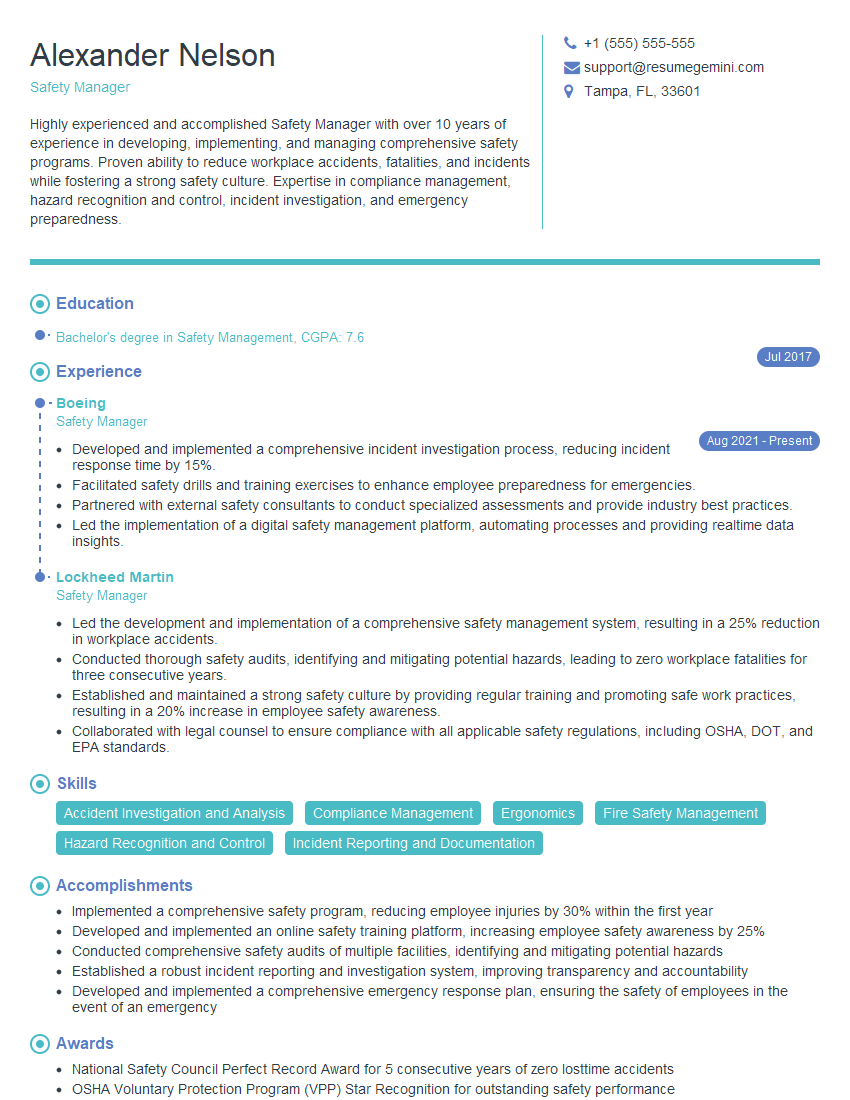
Safety Manager Resume Sample

Compliance Officer Resume Sample
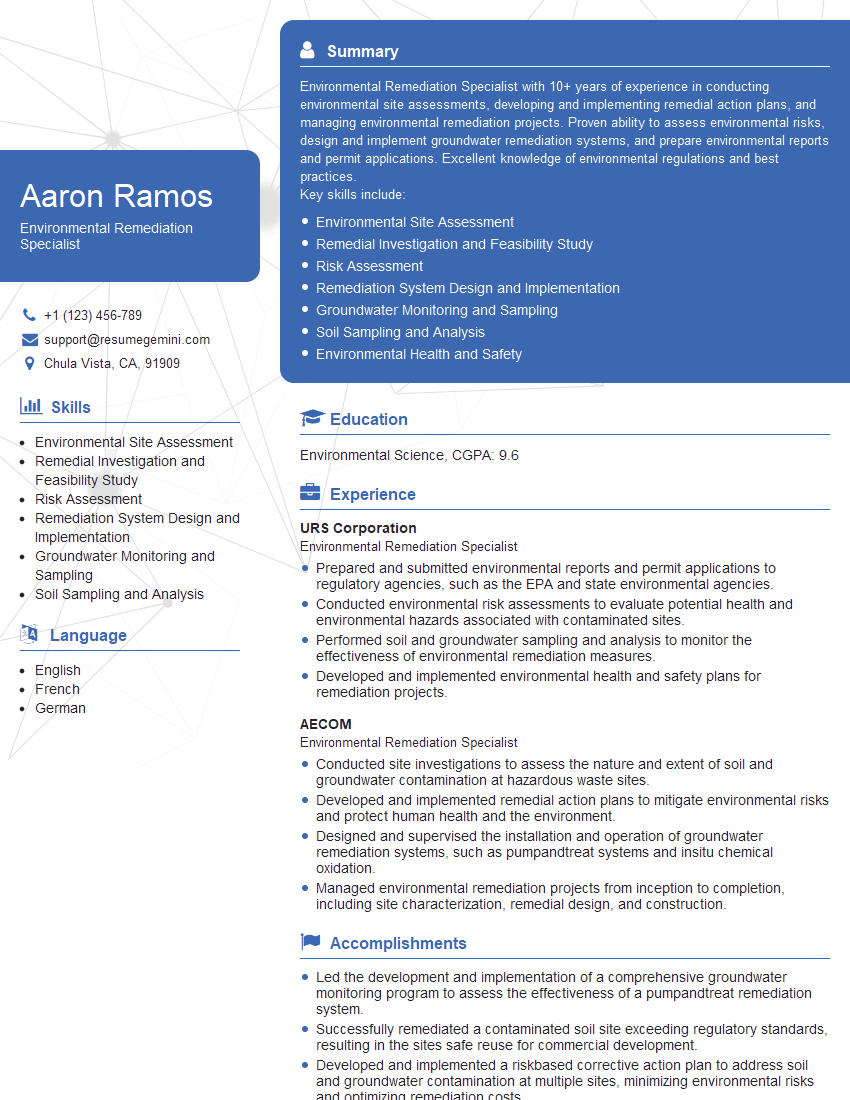
Environmental Remediation Specialist Resume Sample
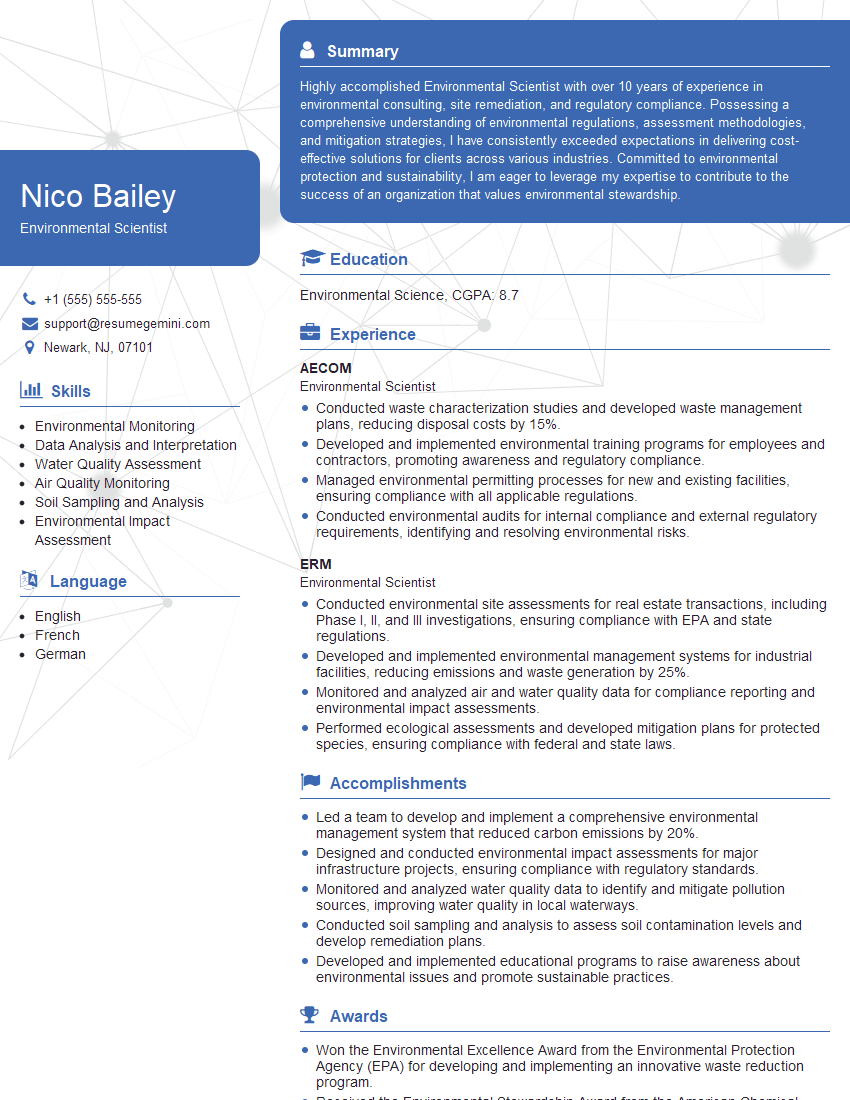
Environmental Scientist Resume Sample
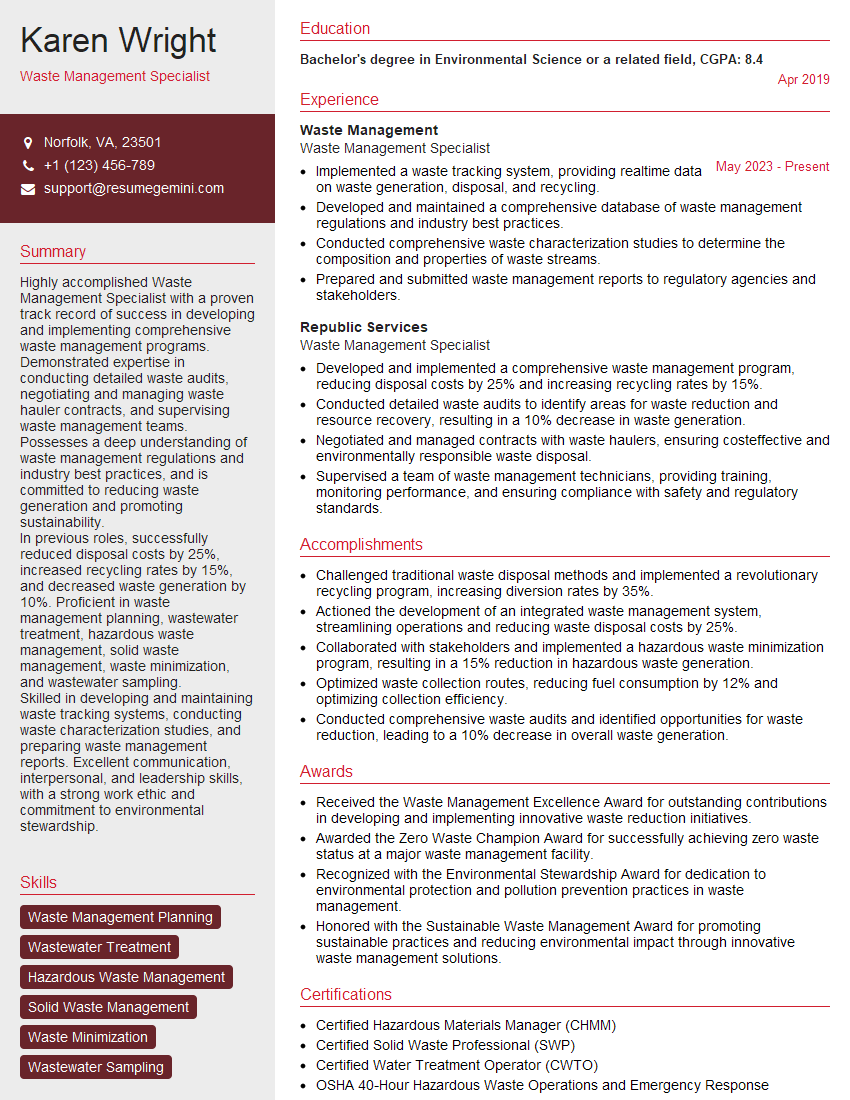
Waste Management Specialist Resume Sample
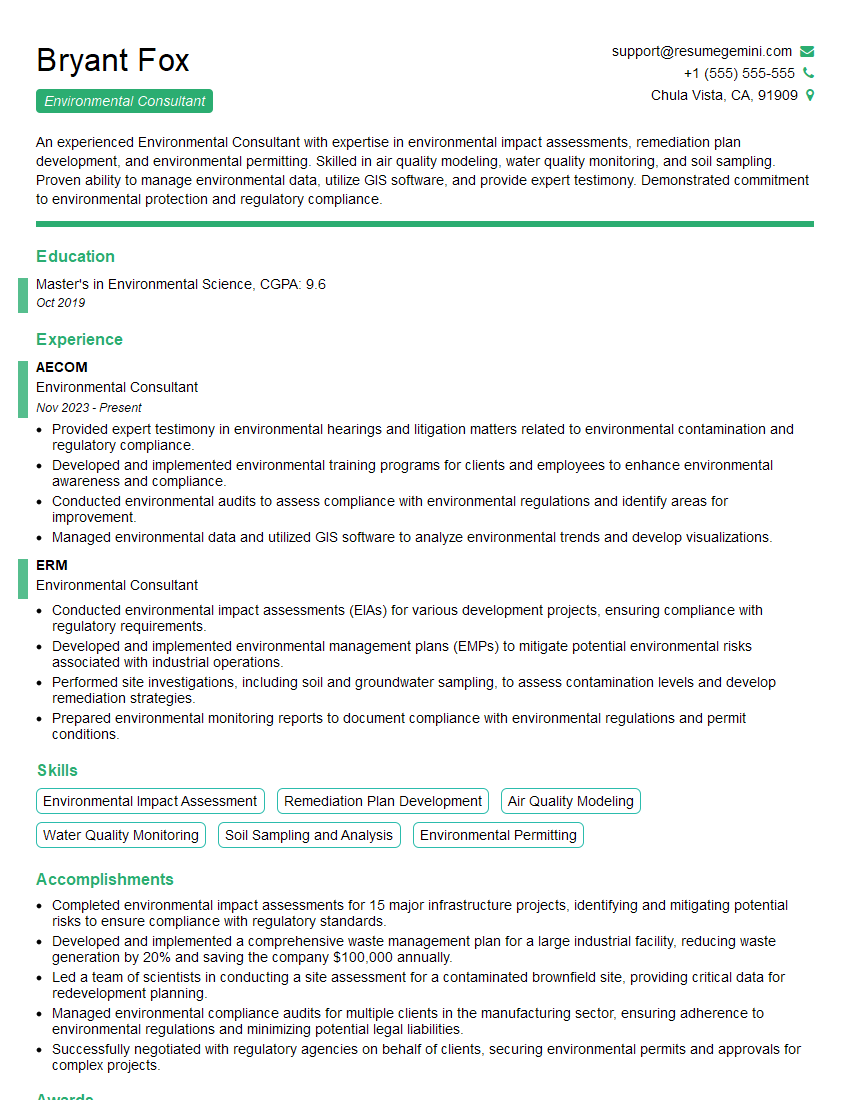
Environmental Consultant Resume Sample
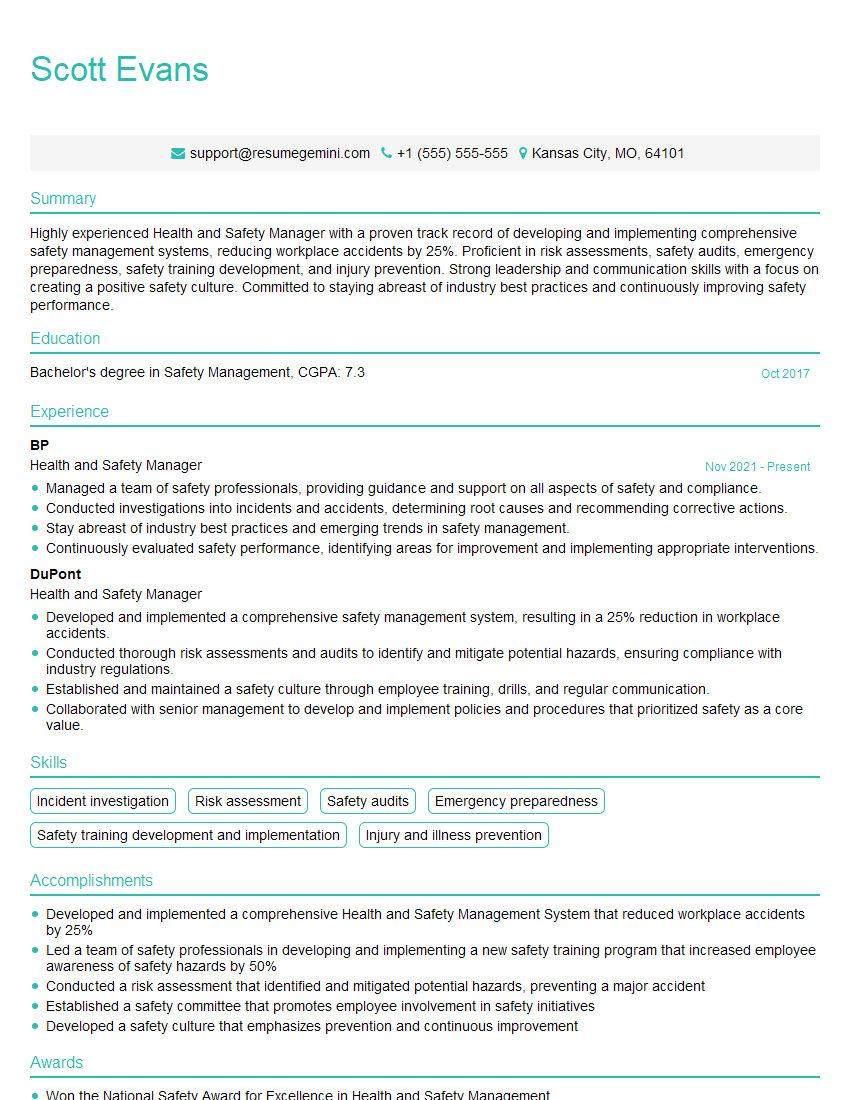
Health and Safety Manager Resume Sample
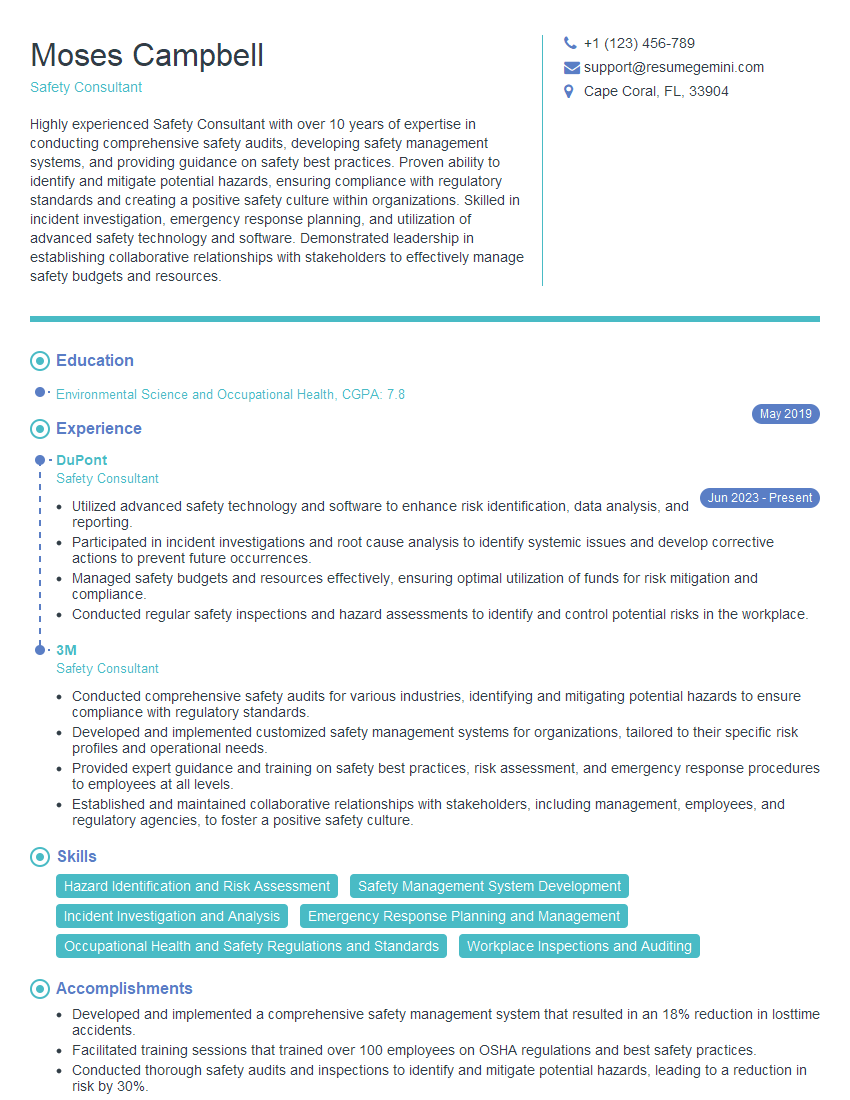
Safety Consultant Resume Sample

Safety Engineer Resume Sample
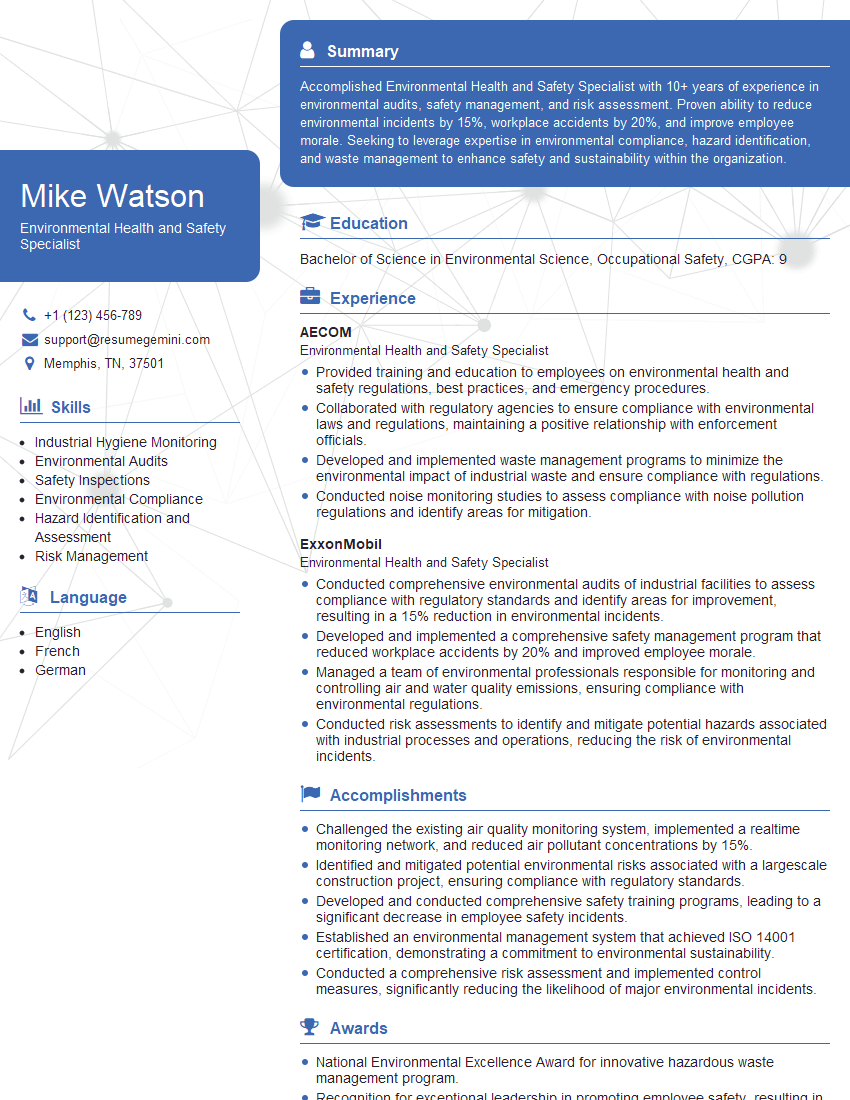
Environmental Health and Safety Specialist Resume Sample

Risk Assessor Resume Sample

Industrial Hygienist Resume Sample
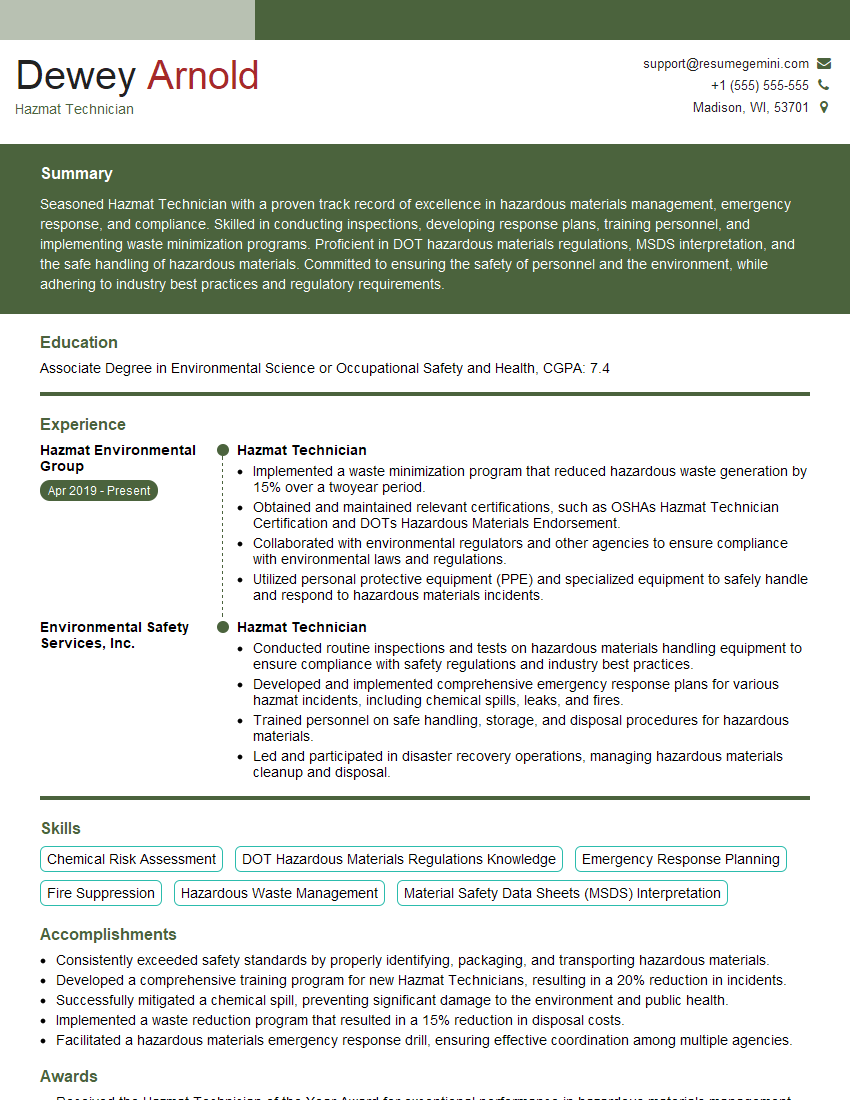
Hazmat Technician Resume Sample
- Safety Manager
- Compliance Officer
- Environmental Remediation Specialist
- Environmental Scientist
- Waste Management Specialist
- Environmental Consultant
- Health and Safety Manager
- Safety Consultant
- Safety Engineer
- Environmental Health and Safety Specialist
- Risk Assessor
- Industrial Hygienist
- Hazmat Technician
Explore more articles
Users Rating of Our Blogs
Share Your Experience
We value your feedback! Please rate our content and share your thoughts (optional).
What Readers Say About Our Blog
Very informative content, great job.
good