Cracking a skill-specific interview, like one for OSHA 30-Hour Safety Certification, requires understanding the nuances of the role. In this blog, we present the questions you’re most likely to encounter, along with insights into how to answer them effectively. Let’s ensure you’re ready to make a strong impression.
Questions Asked in OSHA 30-Hour Safety Certification Interview
Q 1. Explain the difference between OSHA citations and violations.
In simple terms, an OSHA violation is the act of breaking a safety rule, while a citation is the official document OSHA issues as a consequence of that violation. Think of it like this: a speeding ticket (citation) is given because you violated the speed limit (violation).
An OSHA violation is the non-compliance with an OSHA standard. This could range from a minor infraction like improper storage of chemicals to a serious hazard like lacking proper lockout/tagout procedures. Each violation is categorized by severity (e.g., serious, repeat, willful).
An OSHA citation is the formal written notification issued by an OSHA compliance officer following an inspection. It details the specific violations found, the applicable OSHA standard, and the proposed penalty. The citation serves as official documentation of the non-compliance and begins the process of remediation and potential fines.
Example: A construction site fails to provide fall protection for workers at heights. This is a violation of OSHA’s fall protection standards (29 CFR 1926 Subpart M). OSHA’s subsequent formal notification outlining this violation and the penalty is the citation.
Q 2. Describe the hierarchy of hazard controls.
The hierarchy of hazard controls is a prioritized approach to minimizing workplace hazards. It prioritizes the most effective controls, starting with the most preventative and moving to less effective methods only when others aren’t feasible. The order is generally:
- Elimination: Completely removing the hazard. This is always the preferred method. Example: Replacing a hazardous chemical with a safer alternative.
- Substitution: Replacing a hazard with a less hazardous substitute. Example: Replacing a solvent-based cleaner with a water-based one.
- Engineering Controls: Implementing physical changes to the work environment to reduce or eliminate the hazard. Example: Installing machine guards, ventilation systems, or using robotic automation.
- Administrative Controls: Changing work practices, procedures, or policies to minimize exposure. Example: Implementing job rotation, providing additional training, changing work schedules, or establishing safety protocols.
- Personal Protective Equipment (PPE): Providing employees with protective equipment to minimize exposure to hazards. Example: Providing safety glasses, hearing protection, respirators, or hard hats. This is the least preferred method, as it is a last line of defense and relies on the individual employee’s consistent and proper use.
Following this hierarchy ensures that the most effective and safest solutions are prioritized, minimizing risks and enhancing workplace safety.
Q 3. What are the key elements of an effective safety program?
A truly effective safety program is multifaceted. It isn’t just about posting signs; it requires a commitment from management and active participation from every employee. Key elements include:
- Management Commitment and Employee Involvement: Leadership must champion the program, actively demonstrating a commitment to safety. Employee input is crucial for identifying hazards and developing solutions.
- Hazard Identification and Risk Assessment: Proactively identifying and assessing workplace hazards through methods like JHAs and safety inspections.
- Hazard Prevention and Control: Implementing the hierarchy of hazard controls to eliminate or minimize identified risks.
- Safety Training: Providing comprehensive safety training to all employees, tailored to their specific roles and responsibilities.
- Emergency Response Plan: Developing and regularly practicing emergency response procedures for various scenarios (fire, spills, medical emergencies).
- Record Keeping and Reporting: Maintaining accurate records of safety incidents, training, and inspections. Promptly investigating and reporting accidents to prevent recurrence.
- Regular Inspections and Audits: Conducting routine safety inspections to identify potential hazards and ensure compliance with safety regulations and procedures.
- Continuous Improvement: Regularly reviewing and updating the safety program based on incident analysis, regulatory changes, and best practices.
The ultimate goal is to create a safety culture where everyone feels empowered and responsible for their safety and the safety of their colleagues.
Q 4. How do you conduct a job hazard analysis (JHA)?
Conducting a Job Hazard Analysis (JHA) involves a systematic approach to identify potential hazards associated with a specific task or job. Here’s a step-by-step process:
- Select the Job: Choose a specific job to be analyzed.
- List the Steps: Break down the job into its individual steps, sequencing them in chronological order.
- Identify Potential Hazards: For each step, identify all potential hazards, considering physical, chemical, biological, ergonomic, and psychosocial factors.
- Identify Who Could Be Harmed: Determine which employees or others could be exposed to the hazards in each step.
- Evaluate the Severity and Probability: Assess the severity of potential injuries or illnesses and the likelihood (probability) of occurrence for each hazard.
- Recommend Control Measures: Based on the hazard assessment, recommend control measures using the hierarchy of hazard controls.
- Document the JHA: Record all findings, including hazards, severity, probability, recommended control measures, and responsible parties.
- Review and Update: Regularly review and update the JHA to reflect changes in procedures, equipment, or regulations.
Example: A JHA for operating a forklift might identify hazards like falling objects, collisions, and ergonomic issues. The control measures could include implementing safe load procedures, providing operator training, regular forklift maintenance, and using back support belts.
Q 5. What are the common causes of workplace accidents?
Workplace accidents stem from a multitude of causes, often involving a combination of factors. Some of the most common include:
- Unsafe Acts: These are actions taken by employees that violate safety rules or procedures. Examples: Failing to use PPE, operating equipment without training, rushing, ignoring safety warnings.
- Unsafe Conditions: These are hazards present in the work environment. Examples: Inadequate lighting, poorly maintained equipment, slippery surfaces, exposed electrical wiring, cluttered work areas.
- Lack of Training and Supervision: Inadequate training leads to mistakes and unsafe practices, while insufficient supervision allows unsafe acts and conditions to persist.
- Human Factors: Physical and mental conditions such as fatigue, stress, distraction, substance abuse, and poor health can all contribute to accidents.
- Lack of Procedures or Poorly Defined Procedures: Insufficient or confusing safety procedures leave workers uncertain about proper safety practices.
It’s crucial to remember that most accidents are preventable through proactive measures focused on hazard identification, control, and employee training.
Q 6. Explain the importance of lockout/tagout procedures.
Lockout/Tagout (LOTO) procedures are critical safety protocols designed to prevent the unexpected release of stored energy during maintenance or repair work on machinery or equipment. The goal is to ensure that machines are completely de-energized and incapable of restarting during servicing.
Importance: LOTO prevents serious injuries or fatalities caused by unexpected startup of machinery. Stored energy can take many forms (electrical, mechanical, hydraulic, pneumatic, thermal, chemical), and even after a power source is seemingly shut off, these energies can remain and cause harm.
Procedure Overview: Generally involves the following steps:
- Preparation: Identify energy sources, notify others of the lockout, gather necessary equipment.
- Lockout: Using a lock and key to isolate energy sources.
- Tagout: Attaching a tag clearly indicating that the equipment is locked out and who is responsible.
- Verification: Ensure equipment is completely de-energized before proceeding.
- Maintenance/Repair: Perform the required maintenance.
- Tag Removal: Verify that the work is complete, remove the tag and then the lock only by the person who applied them.
Example: Before servicing a large press, a technician would first shut off the power supply and then use a padlock and tag to prevent anyone from restoring power while they are servicing it, preventing injury from an unexpected startup.
Q 7. Describe your experience with incident investigation and reporting.
My experience in incident investigation and reporting involves a systematic approach that aims to uncover the root causes of workplace incidents, not just the immediate causes. This helps us prevent similar events in the future.
I utilize a structured investigation process that typically includes:
- Initial Response: Securing the scene, providing first aid if necessary, and documenting the immediate situation.
- Gathering Information: Collecting data through interviews with witnesses, reviewing records, taking photographs, and examining the physical evidence.
- Analyzing the Data: Identifying contributing factors and underlying causes using techniques like fault tree analysis or the “5 Whys”.
- Determining Root Causes: Pinpointing the fundamental reasons behind the incident, often going beyond the immediate observable factors.
- Developing Corrective Actions: Recommending specific actions to eliminate the root causes and prevent recurrence. This often involves engineering controls, administrative changes, or training improvements.
- Reporting: Creating a comprehensive report that details the incident, analysis, and recommended corrective actions. This report is shared with relevant personnel, including management and regulatory bodies where required.
- Follow-up: Monitoring the implementation of corrective actions and verifying their effectiveness in preventing future incidents.
For example, I once investigated an incident involving a worker’s hand being caught in a machine. While the immediate cause was the worker reaching into the machine, the root cause analysis revealed inadequate machine guarding and insufficient training on safe operating procedures. This led to modifications to the machine and a comprehensive retraining program for all operators. Through this thorough approach, we not only addressed the immediate issue but also prevented similar incidents from occurring.
Q 8. How do you ensure compliance with OSHA regulations?
Ensuring OSHA compliance is a multifaceted process that begins with a thorough understanding of applicable regulations. This involves regular reviews of OSHA standards relevant to our specific industry and work processes. We need to implement a robust safety program, including written safety policies, procedures, and training programs that are easily accessible to all employees.
Regular inspections of the workplace are crucial to identify potential hazards and ensure adherence to safety protocols. This includes both scheduled inspections and impromptu checks to address immediate concerns. Documentation is key; we maintain detailed records of inspections, training, incidents, and corrective actions. This allows for tracking progress, identifying trends, and demonstrating compliance to OSHA during inspections. Employee involvement is also vital; creating a culture where employees feel comfortable reporting hazards and near misses without fear of retribution is critical to proactive compliance. Finally, management actively supports safety initiatives and holds employees accountable for following established procedures. For example, if we’re working with electrical equipment, we wouldn’t just rely on training – we’d conduct regular inspections of the equipment, ensure lockout/tagout procedures are in place, and document all these processes. If a hazard is identified, we develop and implement corrective actions and monitor their effectiveness.
Q 9. What are your strategies for promoting a safety culture within a team?
Promoting a safety culture requires a holistic approach that goes beyond simply following regulations. It starts with leadership commitment; management must visibly champion safety, demonstrating that it’s a top priority. We achieve this by actively participating in safety meetings, leading by example, and consistently reinforcing safe practices. Employee empowerment is crucial; we encourage employees to identify hazards, report near misses, and participate in safety committees. This sense of ownership fosters a culture of responsibility. Regular safety training that’s engaging and relevant to the job is provided and reinforced through toolbox talks and refresher courses.
We use positive reinforcement to recognize and reward safe behaviors; this could involve awarding safety certificates, highlighting achievements in safety newsletters, or simply providing verbal praise. Open communication and feedback mechanisms are also vital. Employees need to feel comfortable expressing their concerns without fear of reprisal. For instance, we might implement an anonymous reporting system for safety concerns. Finally, consistent communication and follow-up on safety initiatives are crucial to ensure that the message is understood and that improvements are implemented and sustained. Instead of simply stating rules, we focus on the ‘why’ behind safety practices, helping employees understand the risks and how safety measures protect them.
Q 10. Explain the importance of personal protective equipment (PPE).
Personal Protective Equipment (PPE) is essential for protecting workers from workplace hazards. It’s the last line of defense after engineering and administrative controls have been implemented. The importance lies in mitigating the risk of injury or illness caused by exposure to hazardous agents, such as chemicals, noise, falling objects, or extreme temperatures. Without proper PPE, workers face significant risks, potentially leading to serious injuries, long-term health problems, or even fatalities. It’s vital to remember that PPE is only effective when used correctly and appropriately. For example, a hard hat might save a worker from head injury if something falls, but it won’t protect against electrical shock. Thus, PPE selection is very much dependent on the identified hazards.
Q 11. Describe different types of PPE and their appropriate use.
Different types of PPE are used for different hazards. Here are a few examples:
- Hard hats: Protect the head from falling objects, impacts, and electrical hazards (depending on the class of hard hat).
- Safety glasses/goggles: Protect the eyes from flying debris, chemicals, and impacts.
- Hearing protection: Earplugs or earmuffs reduce noise exposure to prevent hearing loss. The selection depends on the noise level.
- Respiratory protection: Respirators protect the lungs from inhaling harmful dusts, fumes, gases, or vapors. Different types of respirators are used depending on the hazard, for example, N95 masks for particulate matter or air-purifying respirators for specific gases.
- Gloves: Protect hands from cuts, chemicals, abrasions, and extreme temperatures. There are many types, including cut-resistant gloves, chemical-resistant gloves, and insulated gloves.
- Safety footwear: Steel-toe boots or shoes protect feet from crushing and puncture hazards. They might also have metatarsal guards, electrical hazard protection, or slip-resistant soles.
- High-visibility clothing: Increases worker visibility in low-light conditions or areas with heavy traffic.
Appropriate use involves selecting the correct PPE for the specific hazard, ensuring it fits properly and is in good condition, and wearing it consistently throughout the duration of exposure to the hazard. Regular inspection and maintenance of PPE are also crucial.
Q 12. How do you identify and mitigate fall hazards?
Identifying and mitigating fall hazards involves a multi-step process. First, we conduct a thorough job hazard analysis to identify all potential fall hazards, such as working at heights, uneven surfaces, or slippery floors. We then implement engineering controls, which are the most effective way to eliminate fall hazards. This might include installing guardrails, using safety nets, or providing scaffolding with appropriate fall protection systems. If engineering controls are not feasible, we implement administrative controls, such as restricting access to hazardous areas or establishing procedures for working at heights. Finally, we use PPE as a last line of defense. This includes using fall arrest systems (harnesses, lanyards, and anchor points), safety nets, and personal fall arrestors. Regular inspections of fall protection equipment are crucial. A good example would be checking the anchorage points and harness straps before every use at a construction site. We also document all these processes and ensure proper training on the use of fall protection equipment is given to employees who need it. Fall protection plans are crucial when working at height, outlining specific procedures, equipment usage, and rescue plans.
Q 13. What are your strategies for managing hazardous materials?
Managing hazardous materials requires a comprehensive approach that begins with proper identification and labeling of all hazardous materials in the workplace. This includes using Safety Data Sheets (SDS) to understand the potential hazards associated with each material. We implement engineering controls such as ventilation systems to reduce exposure, and administrative controls, such as establishing safe work procedures and limiting access to hazardous areas. The proper storage of hazardous materials in designated areas, away from incompatible materials is crucial. We also use PPE appropriate for the specific hazards presented by each material. We must have a documented spill response plan, ensuring that employees are trained to handle spills and dispose of hazardous materials properly. Regular training is provided to ensure employees understand the hazards, proper handling procedures, and emergency response protocols. This includes regular updates on the latest SDS information for all the materials used. Finally, we comply with all relevant regulations for the disposal of hazardous waste. For example, we wouldn’t store flammable liquids near an ignition source, and we would ensure that our employees who handle chemicals are trained in using the right PPE and emergency response procedures.
Q 14. Explain the process for responding to a workplace emergency.
Responding to a workplace emergency requires a well-defined plan that is regularly practiced and updated. The plan should include a clear chain of command, emergency contact numbers, evacuation procedures, and designated assembly points. Emergency response training is crucial for all employees. This training should cover procedures for different types of emergencies, such as fires, medical emergencies, and hazardous material spills. We need to have readily accessible emergency equipment, such as fire extinguishers, first-aid kits, and spill kits. This equipment should be regularly inspected and maintained. In the event of an emergency, the first step is to activate the emergency response plan and follow established procedures. This includes notifying emergency services, evacuating the affected area, and providing first aid if needed. After the emergency, a post-incident investigation should be conducted to identify contributing factors and implement corrective actions to prevent similar incidents from occurring in the future. For example, if a fire occurs, we’d review our fire prevention measures and emergency exit routes, and hold drills to improve response time and efficacy. Thorough documentation throughout the entire process is essential for legal and safety reasons.
Q 15. What is your understanding of OSHA’s recordkeeping requirements?
OSHA’s recordkeeping requirements are crucial for tracking workplace injuries and illnesses, helping prevent future incidents. They mandate the creation and maintenance of specific logs and records, depending on the company size and the number of employees. This includes the OSHA 300 Log of Work-Related Injuries and Illnesses, the OSHA 300A Summary of Work-Related Injuries and Illnesses, and the OSHA 301 Injury and Illness Incident Report.
Understanding these requirements is vital to ensuring compliance and demonstrating a commitment to worker safety. For instance, the 300 Log documents each work-related injury and illness, including details like the date, employee’s name, nature of the injury, and part of the body affected. The 300A summarizes this data for the year and is posted publicly. The 301 provides more detailed information for each incident. Failure to properly maintain these records can result in significant penalties.
In my experience, accurate and timely recordkeeping is essential for identifying trends in workplace hazards, allowing for proactive interventions and improvements to safety programs. I’ve personally assisted several companies in establishing and maintaining their OSHA recordkeeping systems, training employees on proper procedures and ensuring compliance with all relevant regulations.
Career Expert Tips:
- Ace those interviews! Prepare effectively by reviewing the Top 50 Most Common Interview Questions on ResumeGemini.
- Navigate your job search with confidence! Explore a wide range of Career Tips on ResumeGemini. Learn about common challenges and recommendations to overcome them.
- Craft the perfect resume! Master the Art of Resume Writing with ResumeGemini’s guide. Showcase your unique qualifications and achievements effectively.
- Don’t miss out on holiday savings! Build your dream resume with ResumeGemini’s ATS optimized templates.
Q 16. Describe your experience with conducting safety inspections.
Conducting safety inspections is a systematic process I’ve honed over years of experience. It involves a thorough walk-through of the workplace, identifying potential hazards, and assessing compliance with safety regulations and established procedures. I utilize checklists specific to the work environment, ensuring a comprehensive and consistent approach. This includes examining equipment for proper function and maintenance, checking for proper personal protective equipment (PPE) use, evaluating work practices, and assessing the overall workplace layout for potential risks.
For example, during a recent inspection at a construction site, I identified a missing guardrail on a scaffold, a significant fall hazard. I immediately reported the finding to the supervisor, ensuring corrective action was taken before any accidents occurred. My inspections also go beyond the physical environment, reviewing safety training records, emergency procedures, and communication protocols.
I document all findings meticulously, including photos and detailed descriptions. This documentation serves as a basis for corrective action plans, helping prioritize improvements and track progress. The goal is not just to identify hazards, but to create a safer and more efficient working environment.
Q 17. How do you handle employee resistance to safety rules?
Employee resistance to safety rules can stem from various sources: lack of understanding, discomfort with new procedures, or even perceived inconvenience. Addressing this requires a multi-pronged approach focused on communication, education, and engagement.
I start by understanding the root cause of the resistance. I use open communication to listen to employee concerns, addressing their questions and demonstrating the importance of safety rules through clear explanations and real-world examples. For example, I might explain how a seemingly minor safety violation, such as not wearing safety glasses, could lead to a serious eye injury.
Training plays a critical role. Effective training, using interactive methods and providing ample opportunities for hands-on practice, helps foster buy-in and builds confidence. I also involve employees in the development and improvement of safety procedures, creating a sense of ownership and responsibility. Positive reinforcement, recognizing and rewarding safe work practices, also significantly impacts behavior change. Finally, consistent and fair enforcement of safety rules is essential to maintain a culture of safety.
Q 18. Explain your experience with training employees on safety procedures.
Training employees on safety procedures is a crucial aspect of my role. It’s not just about delivering information; it’s about creating a safety-conscious culture. My approach involves a combination of classroom instruction, hands-on demonstrations, and practical exercises tailored to the specific tasks and hazards associated with each job.
I utilize various training methods, including presentations, videos, and interactive simulations, to cater to different learning styles. For instance, when training on lockout/tagout procedures, I’d demonstrate the steps on actual equipment, allowing employees to practice the procedure under supervision. I emphasize the importance of understanding the ‘why’ behind each safety regulation, not just the ‘how’. This approach helps employees internalize the information and makes them more likely to follow procedures.
Post-training assessments are also important to gauge understanding and identify any areas needing further clarification. I use a combination of written tests, practical demonstrations, and observation of employees on the job to ensure competency. I also maintain comprehensive training records, demonstrating compliance and continuous improvement in safety training programs.
Q 19. Describe your understanding of confined space entry procedures.
Confined space entry procedures are meticulously defined by OSHA to protect workers from serious hazards such as oxygen deficiency, toxic atmospheres, and engulfment. These procedures involve a multi-step process that prioritizes safety and hazard mitigation.
Before entry, a thorough assessment must be completed, evaluating potential hazards and developing a detailed permit-required confined space program. This includes testing the atmosphere for oxygen levels, flammable gases, and toxic substances. Appropriate personal protective equipment (PPE), such as respirators and harnesses, must be selected and used. A standby person must be present to monitor the entrant’s safety and provide immediate assistance if needed. Communication between the entrant and the standby person is essential.
Furthermore, the confined space must be properly ventilated and secured, and rescue plans must be in place. After the task is complete, the space must be properly purged and checked before allowing personnel to exit. My experience includes creating and implementing these programs, ensuring compliance with OSHA standards and the protection of workers entering confined spaces.
Q 20. What are your strategies for preventing workplace violence?
Preventing workplace violence requires a proactive and multi-layered approach. It begins with creating a culture of respect and zero tolerance for any form of violence or threatening behavior. This involves establishing clear policies and procedures, providing comprehensive training to all employees, and implementing effective reporting mechanisms.
Strategies include establishing a violence prevention program, conducting thorough risk assessments to identify potential hazards, and implementing engineering controls to reduce risks, such as improved lighting and security systems. Training should focus on identifying warning signs, de-escalation techniques, and reporting procedures. Regular safety meetings, open communication channels, and creating a supportive work environment are crucial for fostering a safer workplace.
I’ve helped several companies develop and implement such programs, focusing on employee empowerment and creating a culture where employees feel comfortable reporting concerns without fear of reprisal. A robust investigation process is critical to addressing incidents and preventing future occurrences.
Q 21. Explain your experience with using safety data sheets (SDS).
Safety Data Sheets (SDS), formerly known as Material Safety Data Sheets (MSDS), are crucial documents that provide comprehensive information about hazardous chemicals. They contain vital details such as chemical composition, physical and chemical properties, health hazards, first aid measures, and handling and storage procedures.
My experience with SDS involves reviewing them to ensure proper handling, storage, and disposal of hazardous materials in the workplace. I make sure the SDS are readily accessible to all employees who work with those materials and that employees understand the information contained in them. I use this information to develop safety training materials and to inform safety procedures.
For example, if a workplace uses a chemical with a flammability hazard, the SDS would provide the flashpoint and other details critical for developing a fire prevention and response plan. Understanding and utilizing the information on SDS is vital for ensuring workplace safety and compliance with OSHA regulations.
Q 22. How do you ensure compliance with emergency action plans?
Ensuring compliance with emergency action plans (EAPs) involves a multifaceted approach. It starts with developing a plan that’s specific to the workplace’s unique hazards and risks. This plan should clearly outline procedures for various emergencies, including fire, evacuation, severe weather, and medical emergencies.
Crucially, the EAP needs to be communicated effectively to all employees through training. This training should cover the plan’s contents, the procedures to follow in different scenarios, and the location of assembly points and emergency exits. Regular drills and exercises are essential to reinforce training and identify areas needing improvement. For example, we might conduct surprise fire drills to assess employee response and identify any bottlenecks in the evacuation process.
Beyond training, ongoing compliance necessitates regular review and updates to the EAP. Workplace changes, new equipment, or updated safety regulations all necessitate updating the plan to maintain its effectiveness. Finally, documented evidence of training, drills, and plan reviews is paramount to demonstrate compliance to OSHA inspectors. Think of it like a living document; always adapting to the changing environment.
Q 23. What is your understanding of OSHA’s General Duty Clause?
OSHA’s General Duty Clause, Section 5(a)(1) of the Occupational Safety and Health Act, is a fundamental provision. It essentially states that employers have a general duty to furnish each employee with a workplace free from recognized hazards that are causing or are likely to cause death or serious physical harm. It’s a ‘catch-all’ clause, meaning it applies to hazards not specifically addressed by other OSHA standards.
Think of it as a baseline responsibility. If there isn’t a specific OSHA standard for a particular hazard, but the hazard is clearly dangerous and recognized within the industry, the employer is still obligated to implement measures to protect their employees. For example, if a new piece of equipment presents a previously unforeseen hazard, the General Duty Clause would require the employer to investigate, assess the risk, and implement controls to mitigate that hazard. This could include things like guardrails, personal protective equipment (PPE), or improved work practices. It’s about proactive hazard identification and control, even when the hazard isn’t specifically covered by a particular OSHA regulation.
Q 24. Describe your experience with hazard communication programs.
My experience with hazard communication programs centers around ensuring compliance with OSHA’s Hazard Communication Standard (HCS). This involves developing and implementing a comprehensive program that informs employees about the hazards associated with chemicals they work with. The core of this is creating and maintaining Safety Data Sheets (SDSs) and using clear, consistent labeling on all containers of hazardous chemicals.
In past roles, I’ve been responsible for updating SDSs when new chemicals were introduced, ensuring labels were accurate and up-to-date, and creating training programs to educate workers on the proper handling, storage, and use of hazardous materials. I’ve also conducted regular audits to verify compliance and address any deficiencies, ensuring that employees understand the hazards they face and how to protect themselves. For instance, in one project, we implemented a color-coded system for chemical storage to improve organization and reduce the risk of accidental exposure. This visual system, coupled with training, significantly improved safety awareness among the workforce.
Q 25. How do you communicate safety information effectively to diverse workforces?
Communicating safety information effectively to a diverse workforce requires a multi-pronged approach. It’s not enough to simply post a notice; you need to ensure the message reaches everyone, regardless of language, literacy level, or cultural background.
I’ve found that using multiple communication methods is key – visual aids like posters and videos, written materials translated into multiple languages, and interactive training sessions are crucial. For example, using pictograms alongside text makes safety messages more accessible to those with limited literacy. Furthermore, incorporating cultural sensitivity into training materials helps build trust and promotes engagement. In one project, I collaborated with employees from various cultural backgrounds to adapt safety training materials to be more culturally appropriate and relevant, leading to significant improvements in participation and comprehension.
Q 26. Explain your understanding of bloodborne pathogens standard.
The Bloodborne Pathogens Standard is designed to protect employees from exposure to infectious agents present in blood and other bodily fluids. This standard mandates a comprehensive plan to prevent exposure, which includes engineering controls (like sharps containers), work practice controls (like handwashing protocols), and personal protective equipment (PPE), such as gloves, gowns, and eye protection.
Employers are required to provide training to employees on the risks of bloodborne pathogens, the methods for preventing exposure, and the proper use of PPE. This training must be documented and repeated regularly. Furthermore, the standard requires post-exposure follow-up procedures in case an employee experiences an exposure incident. This includes immediate first aid, medical evaluation, and recordkeeping. It’s a rigorous standard, focusing on both preventing exposure and addressing it effectively if it occurs. I’ve implemented this in various settings, ensuring that employees understand their rights and responsibilities in relation to bloodborne pathogen exposure and have access to necessary protective measures.
Q 27. What are the key components of a successful safety training program?
A successful safety training program must be comprehensive, engaging, and relevant to the workplace. Key components include: needs assessment, identifying hazards and risks specific to the workplace; training design, utilizing appropriate methods for different learning styles and ensuring that information is easily understandable and relatable; training delivery, making use of various methods such as lectures, hands-on training, and simulations; evaluation, using pre- and post-tests, observation during training, and follow-up assessments to gauge effectiveness; and, documentation, maintaining records of training attendance, materials used, and evaluation results.
The program should also be updated regularly to reflect changes in the workplace, new technologies, or updated regulations. Imagine a program focusing solely on theoretical concepts; it’s ineffective. Successful training involves practical exercises, real-world case studies, and opportunities for employees to ask questions and engage with the material. This interactive approach strengthens comprehension and retention.
Q 28. Describe your experience with implementing and maintaining safety management systems.
My experience with implementing and maintaining safety management systems (SMS) involves developing and implementing a structured framework to proactively identify, assess, and control workplace hazards. This includes establishing clear roles and responsibilities, implementing a process for hazard identification and risk assessment, developing and implementing control measures, regularly monitoring and auditing the effectiveness of safety programs, and addressing any identified deficiencies.
I’ve worked with various SMS models, from simple checklists to more complex, integrated systems. The process often begins with a thorough risk assessment, identifying potential hazards and evaluating the likelihood and severity of harm. This leads to the selection of appropriate control measures – ranging from engineering controls (modifying equipment), administrative controls (changing procedures), to personal protective equipment (PPE). Key to success is maintaining records and regularly reviewing the SMS to ensure its continued effectiveness. This also involves ongoing employee training, communication, and participation; making them a part of the continuous improvement process is vital for a truly effective SMS.
Key Topics to Learn for OSHA 30-Hour Safety Certification Interview
Ace your OSHA 30-Hour Safety Certification interview by mastering these key areas. Remember, practical application and problem-solving skills are just as important as theoretical knowledge.
- Hazard Recognition and Control: Understand how to identify, assess, and control workplace hazards. Be prepared to discuss specific examples and methods of hazard mitigation.
- Personal Protective Equipment (PPE): Know the types of PPE, when to use them, and how to properly maintain and inspect them. Discuss scenarios requiring different PPE choices.
- Emergency Response Procedures: Familiarize yourself with emergency action plans, evacuation procedures, and the roles and responsibilities of emergency responders. Be ready to explain how to handle various workplace emergencies.
- Lockout/Tagout Procedures: Understand the importance of LOTO procedures to prevent accidental energy release. Be able to explain the steps involved and the potential consequences of non-compliance.
- OSHA Regulations and Standards: Demonstrate a strong understanding of relevant OSHA standards and regulations. Be prepared to discuss how these standards apply to various workplace scenarios.
- Accident Investigation and Reporting: Know how to investigate workplace accidents, gather evidence, and complete accident reports accurately and thoroughly. Practice analyzing accident scenarios and identifying root causes.
- Safety Training and Communication: Understand the importance of effective safety training programs and communication strategies. Be able to discuss methods for engaging workers in safety initiatives.
Next Steps
Mastering the OSHA 30-Hour Safety Certification opens doors to numerous career advancements and higher earning potential within various industries. Your knowledge and skills are highly valuable! To make the most of your new certification, a strong resume is crucial. An ATS-friendly resume significantly increases your chances of getting noticed by potential employers.
We highly recommend using ResumeGemini to build a professional and effective resume that highlights your OSHA 30-Hour certification and related skills. ResumeGemini offers a streamlined process and provides examples of resumes tailored to OSHA 30-Hour Safety Certification, giving you a head start in showcasing your qualifications. Take the next step towards your career goals today!
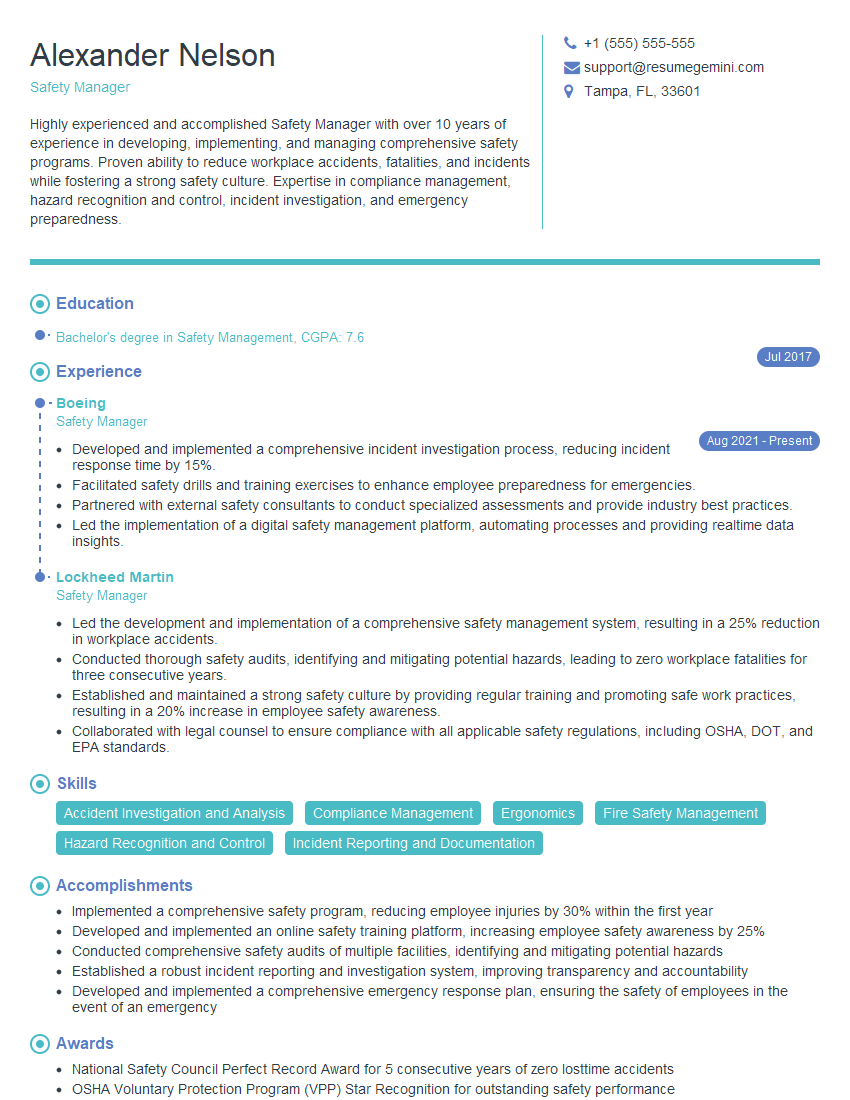
Safety Manager Resume Sample
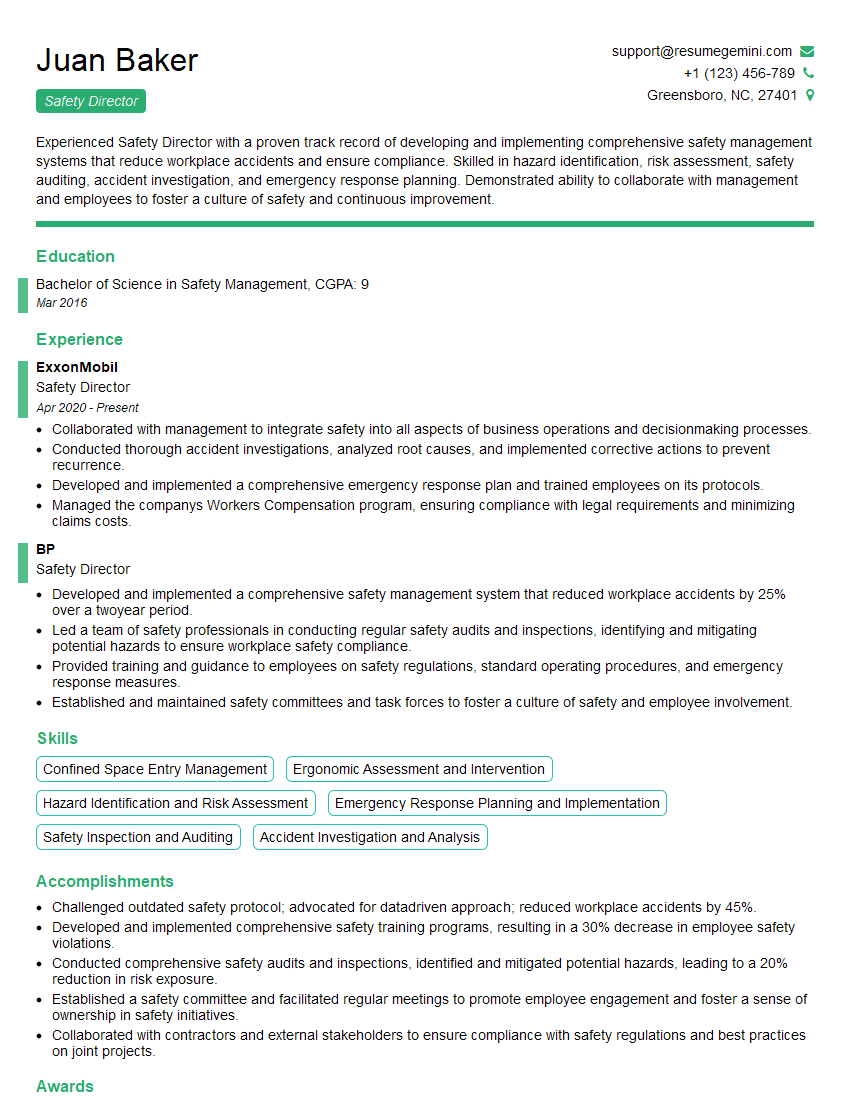
Safety Director Resume Sample
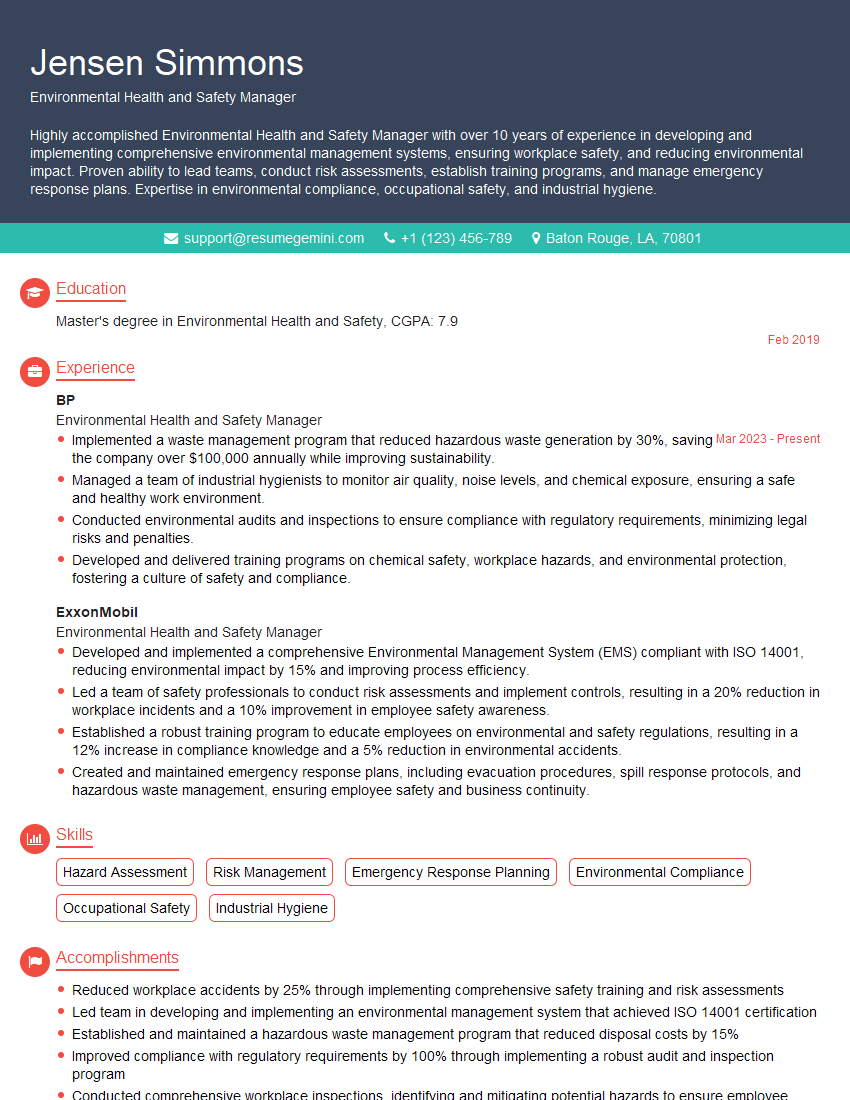
Environmental Health and Safety Manager Resume Sample
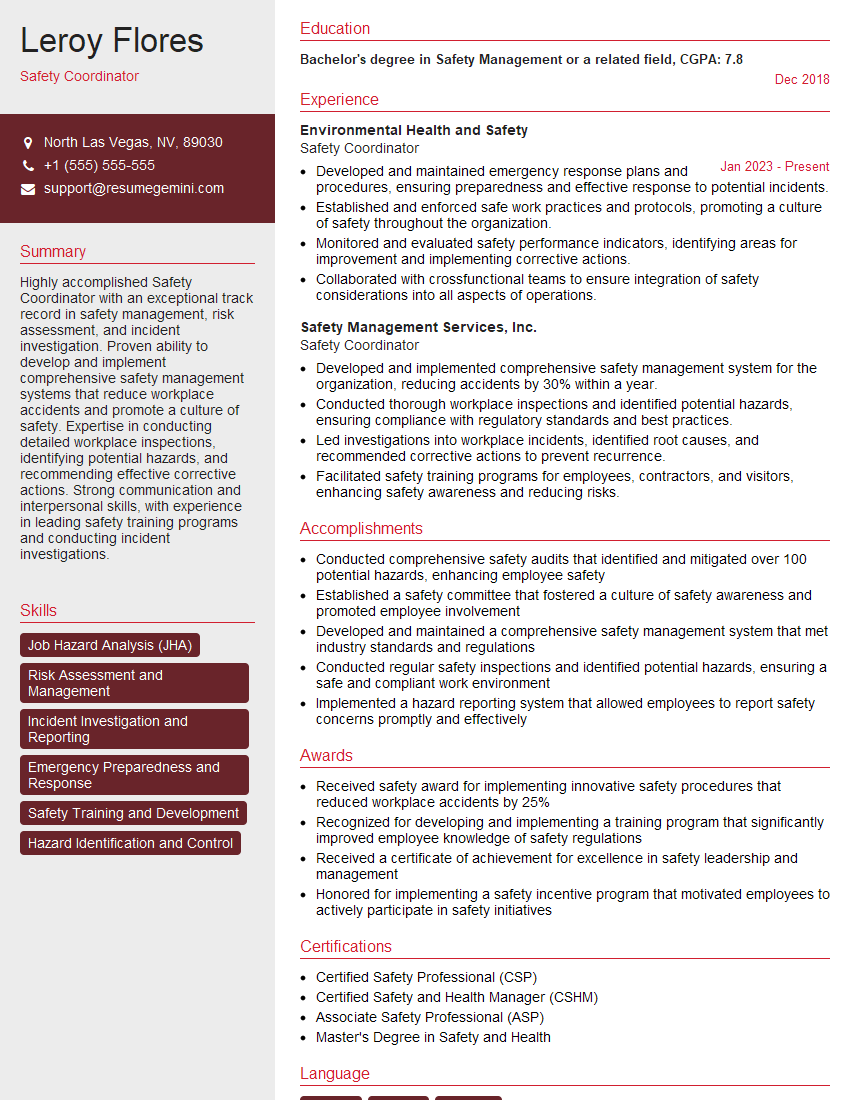
Safety Coordinator Resume Sample
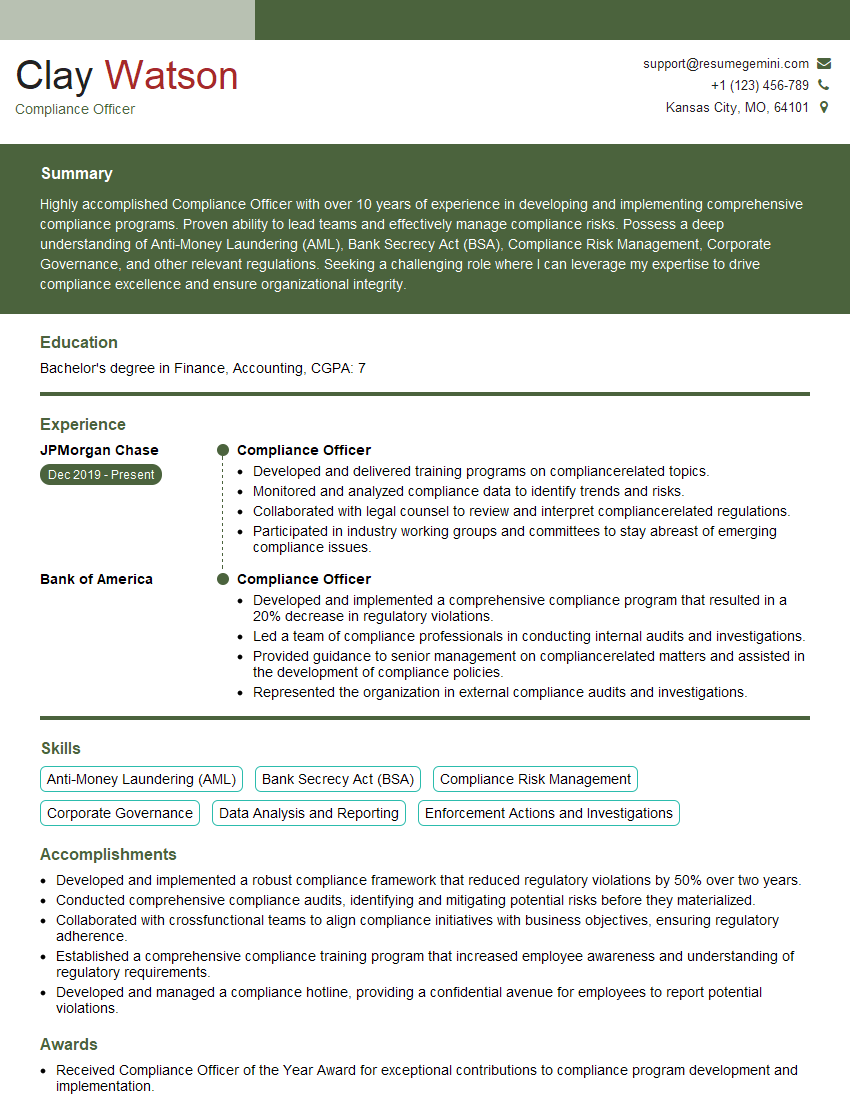
Compliance Officer Resume Sample
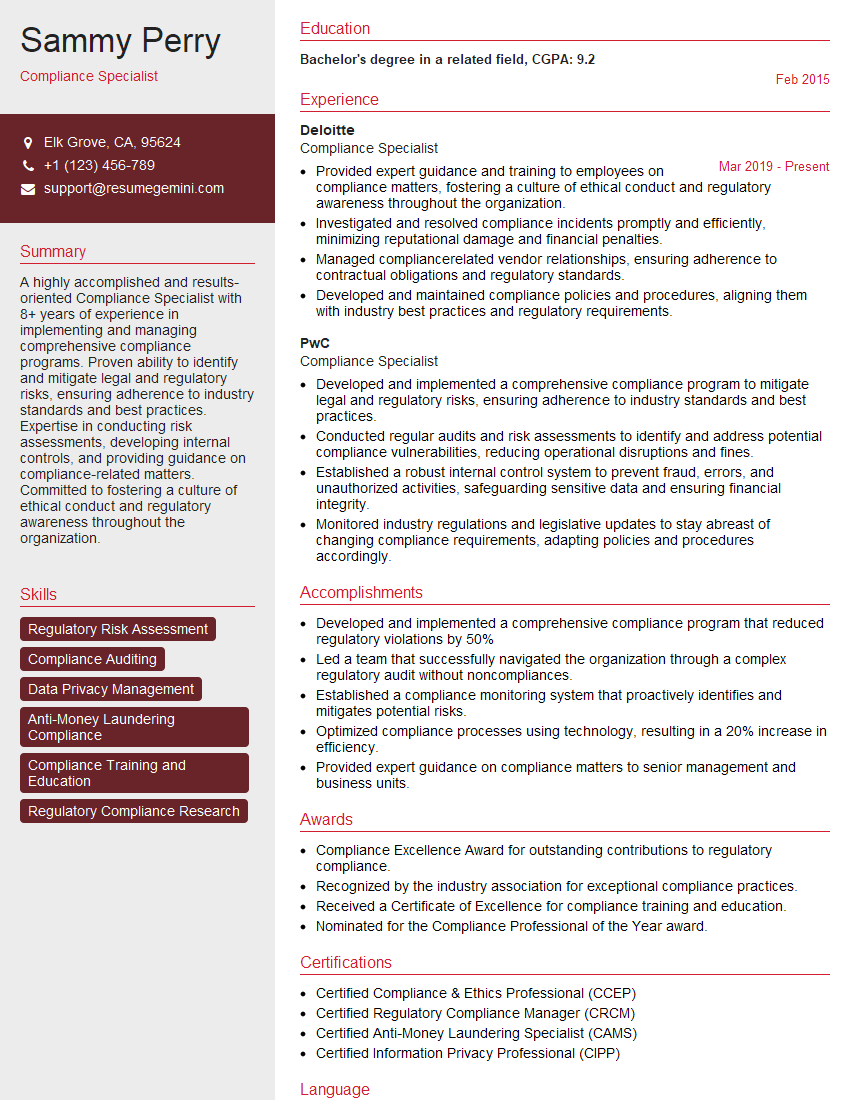
Compliance Specialist Resume Sample

Risk Manager Resume Sample
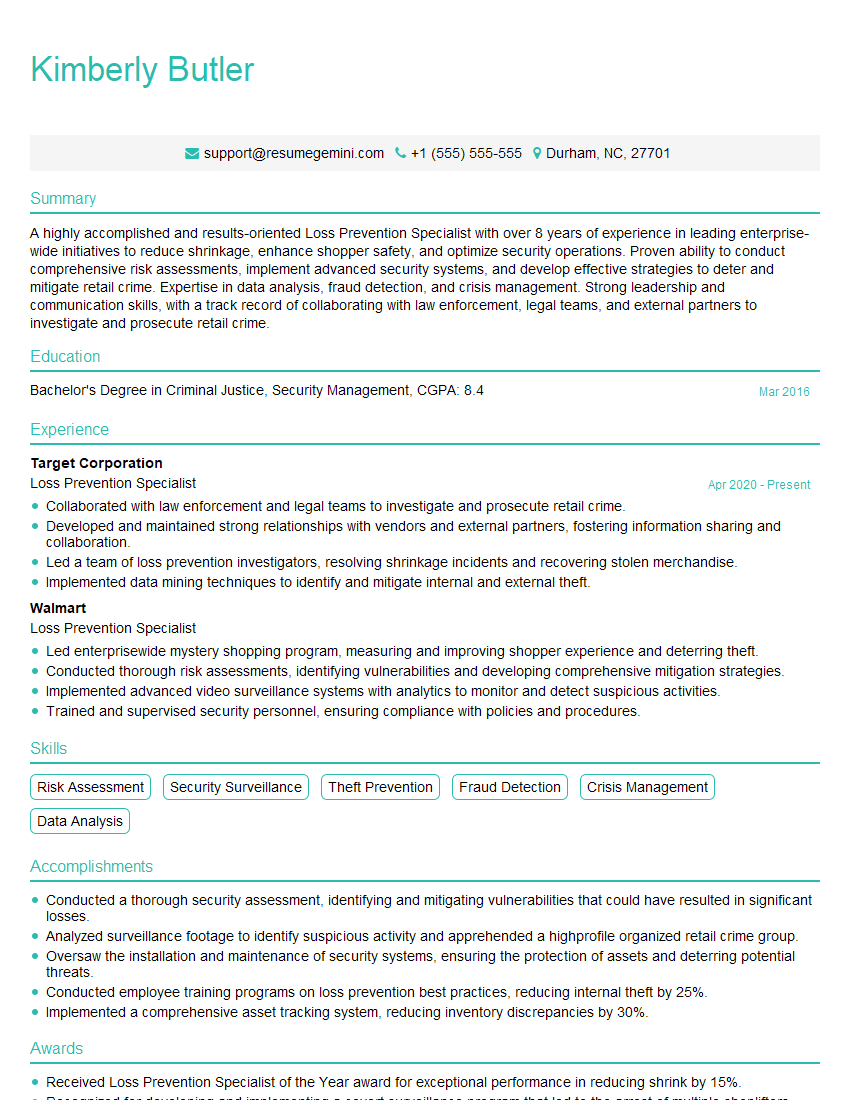
Loss Prevention Specialist Resume Sample
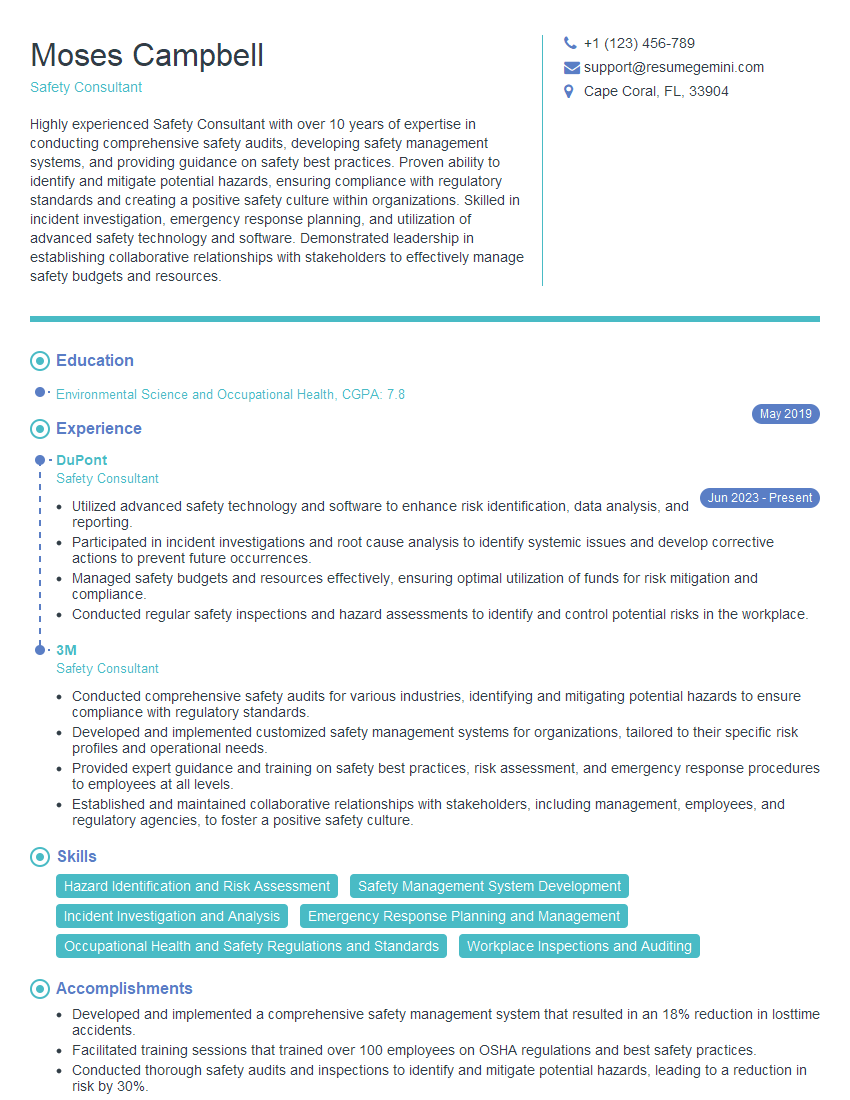
Safety Consultant Resume Sample

Safety Engineer Resume Sample

Safety Inspector Resume Sample

Industrial Hygienist Resume Sample
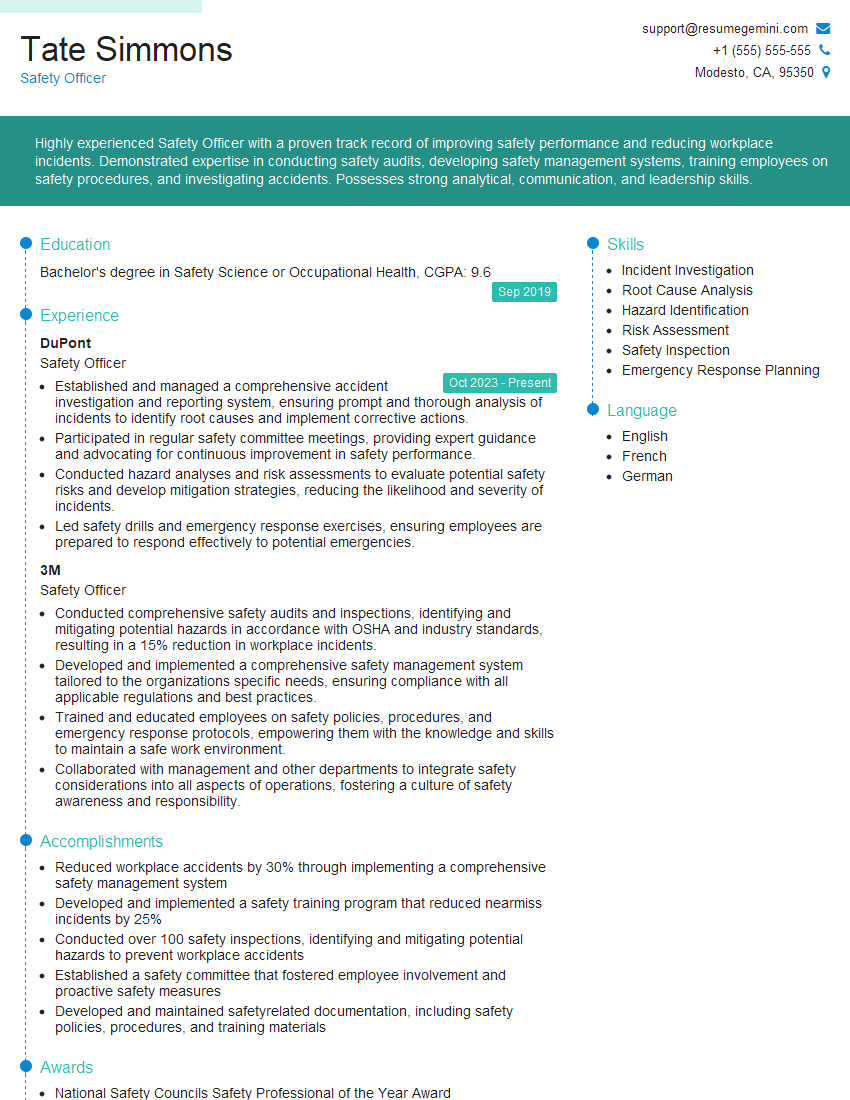
Safety Officer Resume Sample
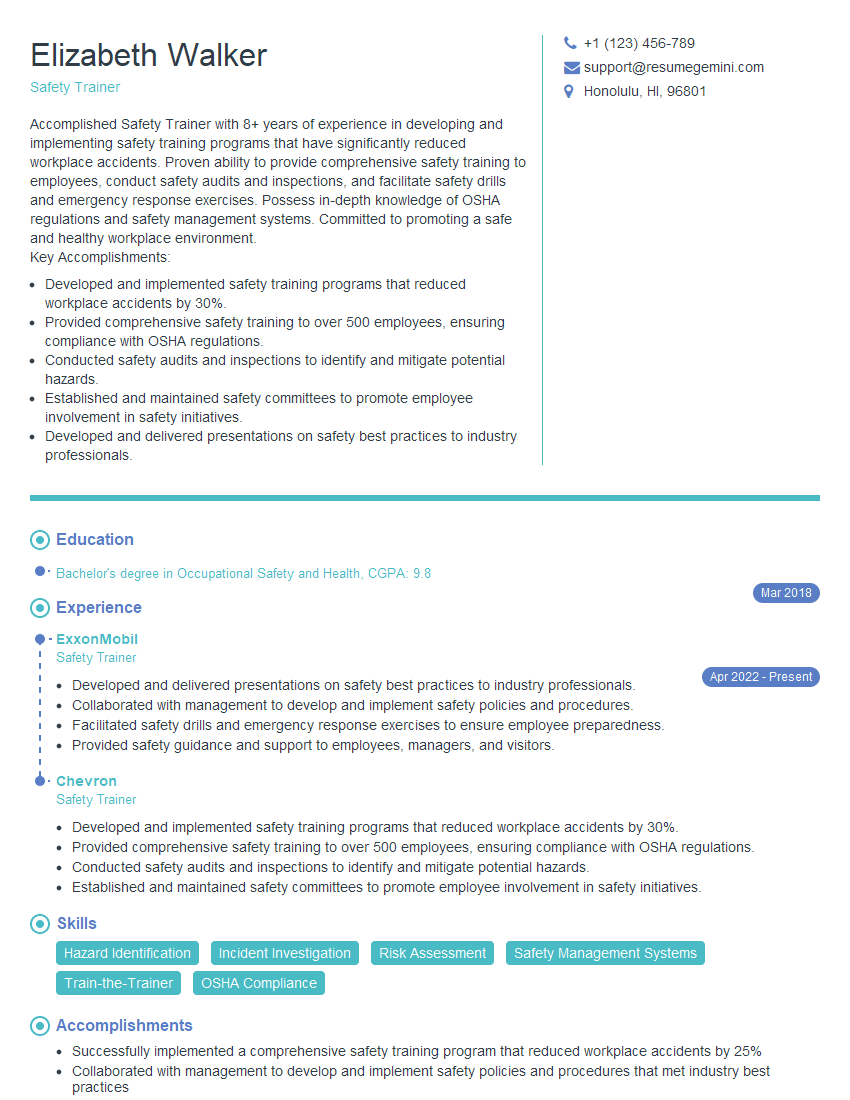
Safety Trainer Resume Sample
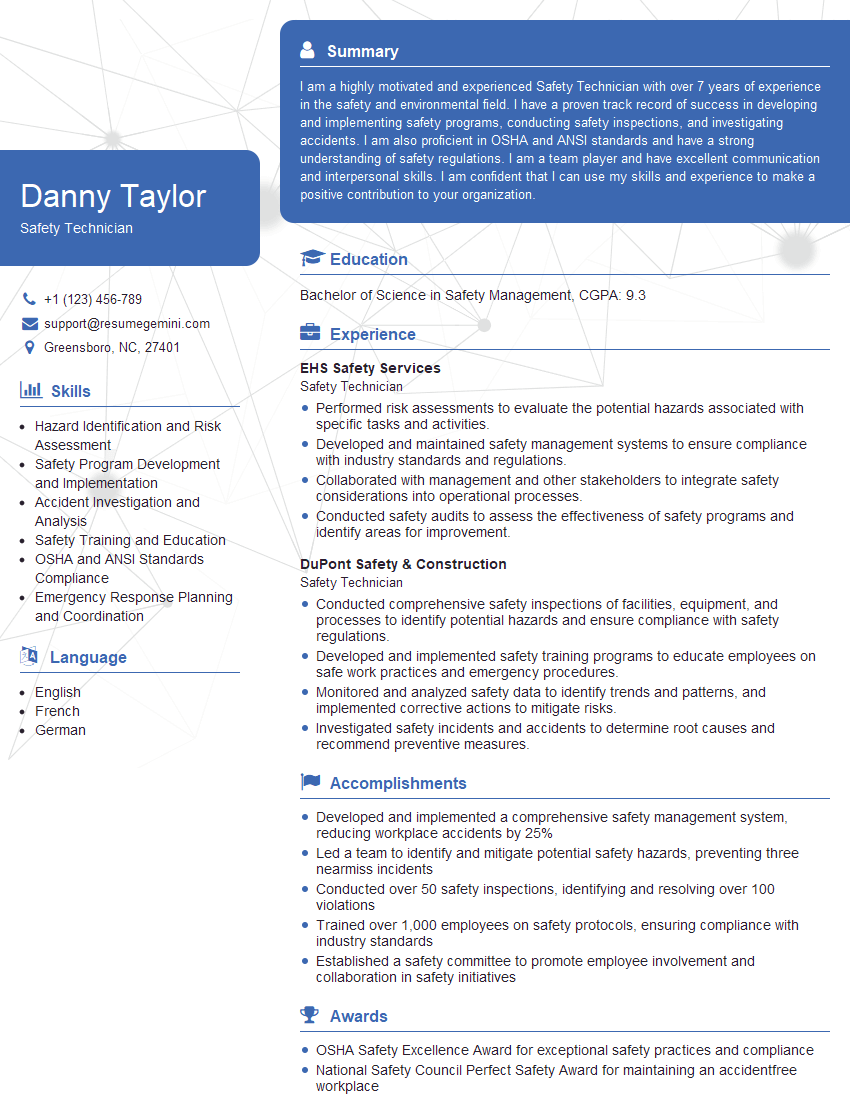
Safety Technician Resume Sample
Explore more articles
Users Rating of Our Blogs
Share Your Experience
We value your feedback! Please rate our content and share your thoughts (optional).
What Readers Say About Our Blog
Very informative content, great job.
good