Preparation is the key to success in any interview. In this post, we’ll explore crucial Oyster Reef Monitoring interview questions and equip you with strategies to craft impactful answers. Whether you’re a beginner or a pro, these tips will elevate your preparation.
Questions Asked in Oyster Reef Monitoring Interview
Q 1. Describe the different methods used for assessing oyster reef health.
Assessing oyster reef health involves a multi-faceted approach, combining field observations with laboratory analyses. We employ several methods to get a comprehensive picture.
Visual Surveys: This is a fundamental approach, involving underwater visual censuses (SCUBA diving or remotely operated vehicles – ROVs) to assess reef size, oyster density, and overall condition. We look for signs of disease, predation, or physical damage. For example, we might note the percentage of oysters showing shell disease or the presence of significant algal overgrowth.
Sediment Core Analysis: Analyzing sediment cores allows us to understand the historical development of the reef and identify long-term trends in oyster abundance. By examining the layers of sediment, we can reconstruct past conditions and identify periods of reef growth or decline.
Oyster Size and Density Measurements: Directly measuring oyster size (shell length and height) and density (number of oysters per unit area) provides crucial data on reef growth and health. These metrics help us track population dynamics and understand recruitment success.
Water Quality Monitoring: Assessing parameters like salinity, dissolved oxygen, temperature, and nutrient levels (nitrogen and phosphorus) is crucial. These parameters directly impact oyster survival and growth. For instance, low dissolved oxygen can lead to oyster mortality.
Biological Indicators: We also examine associated species, like epifauna (organisms living on the reef surface) and infauna (organisms living within the sediment). The diversity and abundance of these species can reflect the overall health of the reef ecosystem. For example, a decline in certain key species might signal a problem.
Q 2. Explain the importance of oyster reefs in coastal ecosystems.
Oyster reefs are vital components of coastal ecosystems, providing numerous ecological and economic benefits. They act as natural filters, improving water clarity by removing excess nutrients and pollutants. Think of them as the kidneys of the estuary!
Water Filtration: A single oyster can filter up to 50 gallons of water per day, significantly enhancing water quality and benefiting other marine life.
Habitat Provision: Oyster reefs provide complex three-dimensional habitats that support a vast array of marine species, including fish, crustaceans, and other invertebrates. These reefs offer feeding, breeding, and nursery grounds for numerous commercially and ecologically important species.
Coastal Protection: These reefs act as natural breakwaters, reducing wave energy and protecting coastlines from erosion. They significantly lessen the impact of storms and flooding.
Carbon Sequestration: Oyster shells and associated sediments can store significant amounts of carbon, contributing to climate change mitigation.
Economic Value: Oyster reefs support commercial and recreational fisheries, generating economic opportunities for local communities.
Q 3. What are the key indicators of oyster reef degradation?
Several key indicators signal oyster reef degradation. Identifying these early is crucial for effective management and restoration.
Reduced Oyster Density and Size: A significant decline in the number of oysters and their average size is a clear indication of problems. This might be due to disease, pollution, or habitat loss.
Increased Disease Prevalence: Shell disease, caused by various pathogens, weakens oysters and reduces their survival rate. We visually assess the extent of shell damage.
High Sedimentation Rates: Excessive sedimentation can smother oysters, preventing them from feeding and respiring properly. This is often linked to land-based runoff and erosion.
Changes in Associated Species: A shift in the composition or abundance of associated species can indicate underlying problems. For instance, the disappearance of key species could signal habitat degradation or pollution.
Decreased Genetic Diversity: Low genetic diversity can make oyster populations more vulnerable to disease and environmental stress. We use genetic analysis techniques to assess diversity.
Algal Overgrowth: Excessive algal growth can smother oysters, reducing their access to food and oxygen. This often results from nutrient pollution.
Q 4. How do you monitor oyster growth and survival rates?
Monitoring oyster growth and survival involves a combination of field and laboratory techniques.
Tagging and Resampling: We tag oysters of known size and age, then re-sample them at regular intervals to measure growth and survival. This provides direct estimates of growth rates and mortality.
Growth Rings: Examining the growth rings on oyster shells (similar to tree rings) allows us to determine growth rates over time. The width of the rings indicates periods of faster or slower growth, providing insights into environmental conditions.
Survival Analysis: We use statistical techniques to analyze survival data from tagging studies. This helps us understand the factors influencing oyster mortality and calculate survival probabilities.
Recruitment Monitoring: We assess the number of new oyster spat (juvenile oysters) settling on the reef each year. This is a critical measure of population replenishment.
For example, in a recent project, we tagged 500 oysters and re-sampled 200 after six months, calculating growth and survival rates from this data set. We supplemented this with monthly visual inspections of oyster recruitment on settlement plates.
Q 5. What are the common threats to oyster reef habitats?
Oyster reefs face numerous threats, many stemming from human activities. Understanding these threats is key to successful conservation.
Habitat Loss and Degradation: Dredging, filling, and coastal development directly destroy oyster habitat. This is arguably the most significant threat.
Pollution: Nutrient runoff from agriculture and urban areas causes eutrophication (excessive nutrient enrichment), leading to algal blooms that smother oysters and reduce oxygen levels.
Disease: Several diseases affect oysters, reducing their survival and growth. These diseases are often exacerbated by environmental stress.
Predation: Oysters are preyed upon by various animals, including crabs, snails, and fish. Overfishing of predators or the introduction of invasive species can disrupt this balance.
Climate Change: Rising sea levels, ocean acidification, and increased storm intensity negatively impact oyster reefs. The increasing frequency and intensity of storms are becoming a major concern.
Invasive Species: Invasive species can outcompete native oysters for resources or introduce diseases.
Q 6. Describe your experience with data analysis techniques used in oyster reef monitoring.
My experience in oyster reef monitoring encompasses a wide array of data analysis techniques. I’m proficient in both descriptive and inferential statistics.
Descriptive Statistics: I use descriptive statistics such as mean, median, standard deviation, and percentiles to summarize and present data on oyster size, density, growth rates, and survival.
Regression Analysis: I employ regression models to explore relationships between oyster health and environmental variables (e.g., salinity, temperature, nutrient levels). This helps us understand the factors driving oyster growth and mortality.
Generalized Linear Models (GLMs): GLMs are particularly useful for analyzing count data (e.g., number of oysters) and binary data (e.g., presence/absence of disease). They account for the non-normal distribution of this type of data.
Spatial Analysis: I use Geographical Information Systems (GIS) and spatial statistical methods to analyze the spatial distribution of oyster reefs and identify areas of high or low oyster density and health. This helps us visualize patterns and prioritize restoration efforts.
Time Series Analysis: Analyzing time series data allows us to detect trends and patterns in oyster populations over time, helping us understand the long-term impacts of environmental change or management interventions.
For example, I recently used a GLM to model the influence of water temperature and salinity on oyster survival rates, revealing temperature to be the most influential factor. I also used GIS to map the spatial distribution of oyster reefs and identify areas suitable for restoration.
Q 7. How do you interpret water quality data related to oyster reef health?
Interpreting water quality data in the context of oyster reef health requires a thorough understanding of the specific needs of oysters and the potential impacts of different pollutants.
Salinity: Oysters have a specific salinity tolerance range. Significant deviations from this range (e.g., due to freshwater influx or saltwater intrusion) can stress oysters and reduce their survival and growth.
Dissolved Oxygen: Low dissolved oxygen levels (hypoxia) can lead to oyster mortality. This is often associated with eutrophication (excess nutrients) and algal blooms.
Temperature: Extreme temperatures (both hot and cold) can stress oysters. Prolonged periods of high temperature can cause mass mortality events.
Nutrients (Nitrogen and Phosphorus): Excess nutrients lead to eutrophication, triggering algal blooms that negatively impact oyster reefs. We often use nutrient ratios to understand the sources of pollution.
pH: Ocean acidification (decreasing pH) reduces the ability of oysters to build and maintain their shells, impacting their growth and survival.
For instance, consistently low dissolved oxygen readings in conjunction with high nutrient levels would point towards eutrophication as a significant threat to the oyster reef. Similarly, unusually high water temperatures combined with high mortality rates would suggest that thermal stress is a major concern.
Q 8. What GIS software are you proficient in and how do you use it for oyster reef mapping?
I’m proficient in several GIS software packages, including ArcGIS Pro, QGIS, and ERDAS IMAGINE. For oyster reef mapping, the process typically begins with data acquisition. This involves utilizing various data sources like high-resolution satellite imagery (e.g., WorldView, PlanetScope), LiDAR data for bathymetry (underwater depth), and side-scan sonar for underwater habitat mapping. In ArcGIS Pro, for example, I would import this data and use tools like spatial analyst to process and analyze it. I’d then leverage geoprocessing tools to create a digital elevation model (DEM) of the reef and surrounding area. This allows for precise identification of reef boundaries and the calculation of key metrics such as reef area and volume. Further, I’d use the spatial join tool to overlay data from other sources, such as water quality monitoring locations or sediment samples, to understand how environmental factors affect the reef. Finally, I create visually appealing maps and 3D models to effectively communicate the findings to stakeholders. For instance, I might use QGIS to create interactive maps for online visualization and public access.
A recent project involved mapping a restored oyster reef in the Chesapeake Bay. We used LiDAR to create a pre- and post-restoration DEM, allowing us to quantify the change in reef volume and assess the success of the restoration effort. The difference between the two DEMs provides a 3D visualization of the growth.
Q 9. Explain the principles of oyster reef restoration and your experience with different techniques.
Oyster reef restoration aims to rebuild these vital ecosystems that provide numerous ecological and economic benefits. The principles focus on creating a suitable habitat that encourages oyster larval settlement and growth. This involves selecting appropriate substrate (material for the reef), considering water quality, and minimizing environmental stressors. I’ve worked with several restoration techniques:
- Shell-based restoration: This is the most common approach, involving the placement of oyster shells, recycled shells, or other suitable hard substrate to create a foundation for oyster settlement. This can be done through the construction of artificial reefs or by supplementing existing reefs.
- Spat-on-shell (SOS) restoration: This method involves collecting oyster spat (baby oysters) and placing them on shells or other substrates before deploying them to the restoration site. This technique accelerates reef growth as it bypasses the initial settlement stage.
- Oyster bag deployment: Oysters are grown in mesh bags in nurseries and then deployed to the restoration site. This helps to protect oysters from predation during their early growth stages.
- Living shorelines: Integrating oyster reefs with other shoreline stabilization techniques, such as marsh plantings, creates a resilient and ecologically diverse shoreline ecosystem.
In one project, we used a combination of shell-based restoration and SOS techniques to restore a degraded oyster reef. We carefully selected the substrate material and location to maximize success, considering factors such as water flow, salinity, and wave energy.
Q 10. How do you assess the success of an oyster reef restoration project?
Assessing the success of an oyster reef restoration project is a multifaceted process involving both ecological and engineering metrics. It requires a robust monitoring program that tracks key indicators over time.
- Oyster density and size: We measure oyster density (number of oysters per unit area) and size (shell height) to determine the growth and survival rates.
- Reef volume and area: Utilizing GIS and bathymetric data, we monitor changes in the physical dimensions of the reef over time.
- Water quality parameters: We monitor water quality indicators such as dissolved oxygen, salinity, and turbidity to determine the reef’s impact on the surrounding environment.
- Habitat complexity: We assess the structural complexity of the reef, as this is vital for supporting biodiversity.
- Species diversity: We conduct benthic surveys to assess the diversity and abundance of other species associated with the reef.
Statistical analysis, including ANOVA and regression analysis, are applied to monitor trends and identify significant differences between pre- and post-restoration conditions. It’s essential to set clear targets and benchmarks beforehand to effectively evaluate the success of the project against those predefined goals.
Q 11. What are the regulatory requirements for oyster reef monitoring and restoration in your region?
Regulatory requirements for oyster reef monitoring and restoration vary by region, but generally involve obtaining permits from state and federal agencies. In my region (assuming a Chesapeake Bay context), this often includes the Maryland Department of Natural Resources (DNR) and the U.S. Army Corps of Engineers. Permits typically require detailed project plans, including a description of the restoration methodology, monitoring plan, and mitigation measures. Regular reporting of monitoring data is mandated, and adherence to environmental regulations related to water quality and habitat protection is crucial. Furthermore, compliance with the Endangered Species Act and other relevant legislation is vital, especially when dealing with protected species that may utilize oyster reefs as habitat. Violation of these regulations can lead to project suspension or fines.
Q 12. Describe your experience with sampling methodologies for oyster reefs (e.g., quadrat sampling, transects).
Several sampling methodologies are used for oyster reef monitoring, each with its advantages and disadvantages.
- Quadrat sampling: This involves placing square frames (quadrats) of a predetermined size randomly on the reef to sample oyster density and other benthic organisms within the quadrat. The number and size of quadrats are determined by statistical power analysis to ensure sufficient data for meaningful analysis.
- Transect sampling: Transects are linear samples extending from a starting point across the reef. Data are collected at regular intervals along the transect line. This method is effective for assessing changes across environmental gradients or for comparing different areas of the reef.
- Video transects/Photogrammetry: This non-destructive method uses underwater cameras or drones to capture images or videos of the reef, which are later analyzed to assess oyster cover, reef structure, and associated organisms. This method reduces the potential impact of physical sampling.
The choice of method depends on the research question, the scale of the study, and the resources available. In a recent study, we combined quadrat sampling with video transects to obtain a comprehensive assessment of both oyster density and overall reef structure. The video transects provided a broader spatial view of the reef, complementing the detailed measurements obtained via quadrat sampling.
Q 13. How do you handle data variability and uncertainty in oyster reef monitoring?
Data variability and uncertainty are inherent in oyster reef monitoring due to the natural variability of oyster populations and environmental conditions. Several strategies are employed to address these challenges.
- Replicate sampling: Collecting multiple samples at each location increases the accuracy of the estimates and allows for statistical assessment of variability.
- Randomized sampling designs: Randomly selecting sample locations reduces bias and ensures that the samples are representative of the entire reef.
- Statistical modeling: Utilizing statistical models to account for variability and uncertainty, incorporating error terms into the analysis.
- Quality control and quality assurance (QA/QC): Implementing rigorous QA/QC procedures during data collection and analysis to minimize errors.
- Error propagation analysis: Quantifying the uncertainty associated with each measurement and its impact on the final results.
For example, we might use generalized linear models (GLMs) to analyze oyster density data, accounting for variability due to environmental factors. The model will include error terms which will allow us to assess uncertainty.
Q 14. What are the challenges associated with long-term oyster reef monitoring?
Long-term oyster reef monitoring presents several challenges:
- Funding: Securing consistent funding for long-term monitoring is often difficult.
- Data management: Managing and archiving large datasets collected over many years requires robust data management systems.
- Personnel changes: Maintaining consistency in data collection methods and analysis approaches over time can be challenging due to personnel changes.
- Environmental changes: Accounting for climate change and other long-term environmental shifts in the analysis.
- Unforeseen events: Handling unforeseen events such as extreme weather events or disease outbreaks which can impact the data and require modifications to the monitoring plan.
To address these challenges, a well-defined monitoring plan that is clearly documented is crucial. This plan should include protocols for data collection, analysis, and storage. It should also outline a strategy for dealing with unforeseen events. Collaboration with multiple stakeholders and partnerships with funding agencies will be key to securing long-term support and ensuring data continuity.
Q 15. How do you communicate complex scientific information to non-scientists?
Communicating complex scientific information to non-scientists requires translating jargon into everyday language and using relatable analogies. I always start by identifying the key message – what’s the single most important takeaway? Then, I use simple, clear language, avoiding technical terms unless absolutely necessary, and if I must use them, I define them immediately. Visual aids like charts, graphs, and even photos are incredibly helpful; a picture is worth a thousand words, especially when explaining complex datasets. For instance, when explaining oyster reef health, instead of saying “decreased benthic invertebrate biodiversity,” I might say, “fewer small animals are living on the seafloor, which indicates a problem with the reef’s overall health.” Storytelling is also crucial. Sharing real-world examples of oyster reef restoration projects and their positive impacts – perhaps a story about improved water quality in a local bay – helps connect the science to people’s lives and makes the information more engaging and memorable.
Career Expert Tips:
- Ace those interviews! Prepare effectively by reviewing the Top 50 Most Common Interview Questions on ResumeGemini.
- Navigate your job search with confidence! Explore a wide range of Career Tips on ResumeGemini. Learn about common challenges and recommendations to overcome them.
- Craft the perfect resume! Master the Art of Resume Writing with ResumeGemini’s guide. Showcase your unique qualifications and achievements effectively.
- Don’t miss out on holiday savings! Build your dream resume with ResumeGemini’s ATS optimized templates.
Q 16. What are the ethical considerations in oyster reef research and restoration?
Ethical considerations in oyster reef research and restoration are paramount. Firstly, we must ensure the research is conducted responsibly and minimizes any negative impacts on the environment and the communities that depend on it. This includes obtaining necessary permits, adhering to strict protocols to avoid spreading disease, and carefully considering the potential effects on other species. Secondly, the restoration efforts must be scientifically sound and effective, avoiding poorly planned projects that could waste resources or even damage the environment further. For example, using non-native oyster species could have unpredictable and potentially harmful ecological consequences. Thirdly, equitable access to the benefits of oyster reef restoration is critical. Projects should prioritize the needs of local communities and involve them in decision-making processes to ensure that the benefits are shared fairly. Finally, transparency and open communication with stakeholders are crucial to build trust and ensure the long-term success of restoration efforts.
Q 17. How do you identify and quantify different oyster species?
Identifying and quantifying different oyster species involves a combination of morphological (physical) characteristics and genetic analysis. Morphological identification relies on observing shell shape, size, color, and the presence of specific features like ribs or spines. Different species have distinct characteristics, acting like fingerprints. For example, the Eastern oyster (Crassostrea virginica) has a more elongated shell compared to the Suminoe oyster (Crassostrea ariakensis). However, relying solely on morphology can be challenging due to variations within a species and the difficulty in distinguishing closely related species. That’s where genetic analysis comes in. DNA barcoding, using specific gene regions, allows for accurate species identification, even in cases of morphological ambiguity. We can also quantify oyster populations by counting individuals within specific areas, measuring shell lengths (to estimate age and growth), and assessing overall biomass using weight measurements. Accurate quantification informs us about population health, recruitment success, and the effectiveness of restoration efforts.
Q 18. Describe your experience with statistical analysis in the context of oyster reef data.
My experience with statistical analysis of oyster reef data is extensive. I routinely use various statistical methods to analyze data from monitoring programs, including assessing oyster density, size distribution, growth rates, and survival rates. Common statistical techniques I employ include:
- Descriptive statistics: Calculating means, standard deviations, and ranges to summarize data and identify trends.
- Regression analysis: Modeling relationships between oyster growth and environmental variables like water temperature or salinity.
- ANOVA (Analysis of Variance): Comparing the mean oyster densities across different sites or treatments.
- Generalized linear models (GLMs): Analyzing count data, such as the number of oysters per quadrat, while accounting for overdispersion.
- Survival analysis: Modeling oyster survival rates over time and identifying factors influencing mortality.
Statistical software packages like R and SPSS are essential for this work. The outputs from these analyses are critical for informing management decisions, understanding the effectiveness of restoration projects, and predicting future trends in oyster reef populations.
Q 19. What is your understanding of oyster reef connectivity and its ecological significance?
Oyster reef connectivity refers to the degree to which different oyster populations are linked through larval dispersal. Larvae are the planktonic stage of oyster life, and their movement significantly influences population dynamics and genetic diversity across reefs. High connectivity means that larvae from one reef can successfully settle and contribute to the growth of another reef, promoting genetic exchange and resilience to disturbances. Conversely, low connectivity can lead to isolated populations that are more vulnerable to local extinction. The ecological significance of connectivity is immense; it influences the overall health, resilience, and long-term persistence of oyster populations. For example, a well-connected network of oyster reefs is more likely to recover from environmental stresses or disease outbreaks than a fragmented network. Understanding connectivity patterns is therefore crucial for effective management and restoration, allowing us to prioritize restoration efforts in strategically important areas to maximize ecological benefits.
Q 20. How do you incorporate community involvement in oyster reef monitoring and restoration projects?
Community involvement is vital for successful oyster reef monitoring and restoration projects. I believe in a collaborative, participatory approach. I engage communities through various methods, including:
- Educational workshops: Teaching community members about the ecological importance of oyster reefs and the project’s goals.
- Citizen science initiatives: Training volunteers to collect data on oyster populations, water quality, and other relevant parameters. This empowers community members and generates valuable data while fostering a sense of ownership.
- Community meetings: Providing updates, gathering feedback, and incorporating community input into project design and implementation. This ensures the project addresses local concerns and priorities.
- Outreach events: Hosting events like oyster planting days or educational displays to raise awareness and build support for the project. This can create a powerful connection between the community and the restoration effort.
By involving local communities, we ensure projects are sustainable, socially acceptable, and contribute to a stronger sense of stewardship for the environment.
Q 21. Describe your experience with using remote sensing techniques for oyster reef mapping.
Remote sensing techniques, such as aerial photography, LiDAR (Light Detection and Ranging), and satellite imagery, offer powerful tools for oyster reef mapping. These techniques allow for large-scale surveys, providing a comprehensive overview of reef distribution and extent, which is often difficult to achieve with traditional field surveys alone. For example, LiDAR can penetrate the water column and generate high-resolution 3D models of the seabed, enabling precise mapping of oyster reef morphology and habitat complexity. Aerial photography can be used to identify reef locations and assess their overall size and condition, while satellite imagery offers broader spatial coverage for monitoring changes in reef extent over time. Data processing typically involves image classification techniques, using spectral signatures to distinguish oyster reefs from other seabed features. The resulting maps provide crucial information for assessing reef health, planning restoration efforts, and tracking the effectiveness of management interventions. Combining remote sensing data with field-based surveys provides a robust and comprehensive approach to oyster reef monitoring.
Q 22. What are the economic benefits of healthy oyster reefs?
Healthy oyster reefs deliver significant economic benefits, primarily through their role in supporting lucrative fisheries. Oysters themselves are a valuable seafood commodity, generating income for harvesters and businesses involved in processing and distribution. Beyond direct oyster harvesting, reefs provide crucial habitat for a multitude of commercially important fish and shellfish species, enhancing the overall productivity of the ecosystem and benefiting the fishing industry. This increased biodiversity translates to a more resilient and economically robust fishery, less vulnerable to fluctuations in individual species populations. Furthermore, oyster reefs contribute to coastal protection, reducing erosion and mitigating storm damage, thus saving taxpayers money on infrastructure repairs and emergency response. For example, a study conducted in the Chesapeake Bay estimated the annual economic value of oyster reefs in terms of water filtration and shoreline protection to be in the millions of dollars.
Q 23. How do you address conflicts between different stakeholders involved in oyster reef management?
Addressing conflicts between stakeholders in oyster reef management requires a collaborative and transparent approach. It often involves balancing competing interests, such as commercial fishing, recreational boating, environmental conservation, and tourism. Successful conflict resolution relies heavily on open communication and stakeholder engagement. This begins with identifying all affected parties and establishing a forum for dialogue, possibly through public meetings, workshops, or online platforms. Then, a structured process is needed to understand different perspectives, needs, and concerns. Techniques like mediation or facilitated workshops can be employed to find common ground and explore mutually beneficial solutions. For example, creating designated zones for different activities—a fishing area, a protected reef zone, and a recreational boating area—can help minimize conflicts. Furthermore, transparent decision-making based on sound scientific data and a clearly defined management plan can build trust and increase stakeholder buy-in. Legal frameworks and regulations should be in place to enforce agreed upon solutions and ensure compliance.
Q 24. What are the potential effects of climate change on oyster reefs?
Climate change poses a significant threat to oyster reefs through multiple pathways. Rising sea levels can inundate reefs, reducing oxygen availability and impacting oyster growth and survival. Ocean acidification, caused by increased absorption of atmospheric carbon dioxide, makes it harder for oysters to build and maintain their shells, leading to weaker and more vulnerable individuals. Increased water temperatures can cause stress and mortality, especially during heat waves. Changes in precipitation patterns can also affect salinity levels, impacting oyster health and reproduction. Extreme weather events, like hurricanes and intense storms, can cause physical damage to reefs, displacing or destroying oyster populations. For instance, more frequent and intense hurricanes can lead to significant habitat loss. Addressing these challenges requires a multi-faceted approach, including reducing greenhouse gas emissions, implementing adaptive management strategies, and exploring assisted evolution or selective breeding to develop oyster populations better adapted to changing conditions.
Q 25. Describe your experience working in challenging field conditions.
My field work has regularly involved challenging conditions, ranging from extreme heat and humidity to frigid temperatures and strong winds. I’ve worked in remote locations accessible only by boat, requiring careful planning and preparedness. One particular instance involved monitoring reefs in a hurricane-prone region. We had to adapt our sampling methods, using equipment secured to prevent loss and ensuring team safety amidst unpredictable weather patterns. We needed to be flexible and ready to adjust our fieldwork depending on conditions, sometimes having to postpone surveys for safety reasons. This experience highlighted the importance of risk assessment, thorough preparation, and adaptable fieldwork strategies. It also developed our ability to work effectively as a team in adverse conditions, valuing safety and efficient decision making. Data integrity was paramount; all equipment was rigorously checked and our protocols ensured accurate data collection despite the challenges.
Q 26. What are the advantages and disadvantages of different oyster reef restoration materials?
Various materials are used in oyster reef restoration, each with its own set of advantages and disadvantages. Oyster shell is a natural and preferred material; its biological compatibility promotes oyster settlement and growth. However, sourcing sufficient quantities of shell can be challenging and costly. Alternative materials include recycled concrete, limestone, and other durable substrates. These can be more readily available and cost-effective but might not offer the same level of biological compatibility as oyster shell. For example, recycled concrete provides a stable structure but might not attract oyster larvae as efficiently. The choice of material often depends on factors like site-specific conditions, budget constraints, and the availability of materials. A thorough cost-benefit analysis, considering environmental impacts and long-term success rates, should guide the selection process. Sometimes, a combination of materials might be employed to optimize outcomes.
Q 27. How do you ensure the accuracy and precision of your oyster reef monitoring data?
Ensuring data accuracy and precision in oyster reef monitoring is crucial for effective management. This begins with meticulously planned and standardized survey protocols. We use consistent sampling methods, such as quadrats or transects, to collect data on oyster density, size, and condition. Detailed field notes, including GPS coordinates and environmental parameters (temperature, salinity), are recorded. Data entry is double-checked, and quality control measures are implemented to identify and correct potential errors. Statistical analysis methods are used to account for variability in data and to derive meaningful conclusions. We also regularly calibrate our equipment, for example our underwater cameras and measuring tools, and participate in inter-calibration exercises with other research groups to ensure consistency across studies. All these steps contribute to generating robust and reliable data that informs management decisions and allows for accurate assessment of the success of restoration and conservation efforts.
Q 28. Describe your experience with developing and implementing oyster reef monitoring plans.
My experience in developing and implementing oyster reef monitoring plans involves a multi-step process. It starts with defining clear objectives and identifying key performance indicators (KPIs), such as oyster density and reef size. This involves close collaboration with stakeholders to tailor the monitoring plan to specific needs and management goals. The next step involves designing a spatially and temporally explicit sampling design. This ensures representative data collection across the reef and accounts for seasonal variability. The plan includes detailed descriptions of sampling methods, data recording procedures, and data analysis techniques. After implementation, a system for data management and reporting is essential. This typically involves using databases to store and manage data and creating user-friendly reports that communicate findings to stakeholders clearly. Regular evaluation and adaptation of the monitoring plan are vital to ensure its ongoing effectiveness and relevance. This involves reviewing the data, assessing the performance of the plan, and making adjustments as needed to ensure the monitoring plan continues to meet its objectives and adapt to changing conditions.
Key Topics to Learn for Oyster Reef Monitoring Interview
- Oyster Reef Ecology: Understanding oyster life cycles, population dynamics, and the ecological role of oyster reefs within estuarine ecosystems. This includes knowledge of relevant species and their specific needs.
- Monitoring Techniques: Familiarize yourself with various methods used for monitoring oyster reef health, including quadrat sampling, underwater video surveys, and acoustic techniques. Be prepared to discuss the advantages and limitations of each.
- Data Analysis & Interpretation: Mastering data analysis skills is crucial. Practice interpreting data sets related to oyster density, size distribution, growth rates, and water quality parameters. Understand statistical methods used in ecological analysis.
- Reef Restoration & Management: Learn about different oyster reef restoration techniques, such as spat-on-shell deployment and creation of artificial reefs. Understand the challenges and considerations involved in managing oyster reefs for conservation and sustainability.
- Water Quality Assessment: Develop a strong understanding of the relationship between water quality parameters (e.g., salinity, temperature, dissolved oxygen) and oyster reef health. Be prepared to discuss how to assess and interpret water quality data.
- Threats to Oyster Reefs: Understand the major threats to oyster reefs, including disease, pollution, habitat destruction, and climate change. Be able to discuss strategies for mitigating these threats.
- GIS and Spatial Analysis: Familiarity with Geographic Information Systems (GIS) and their application in mapping and analyzing oyster reef distribution and health is increasingly important.
Next Steps
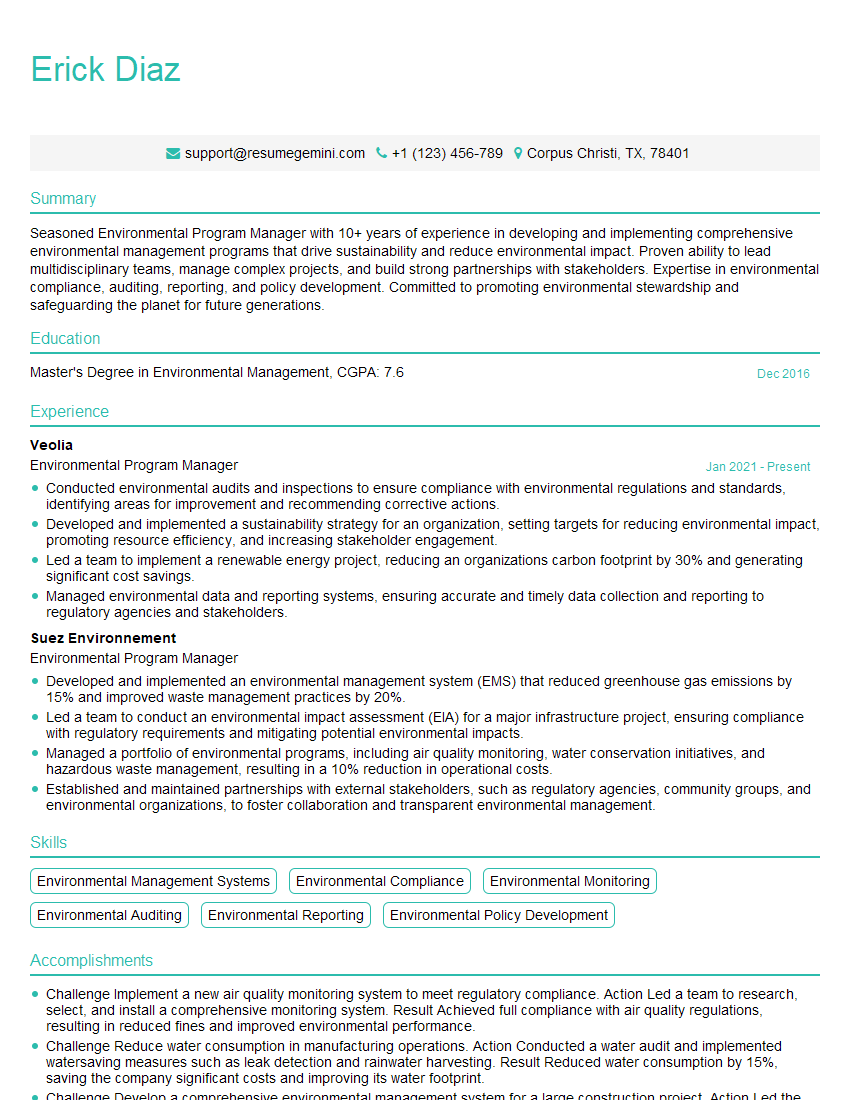
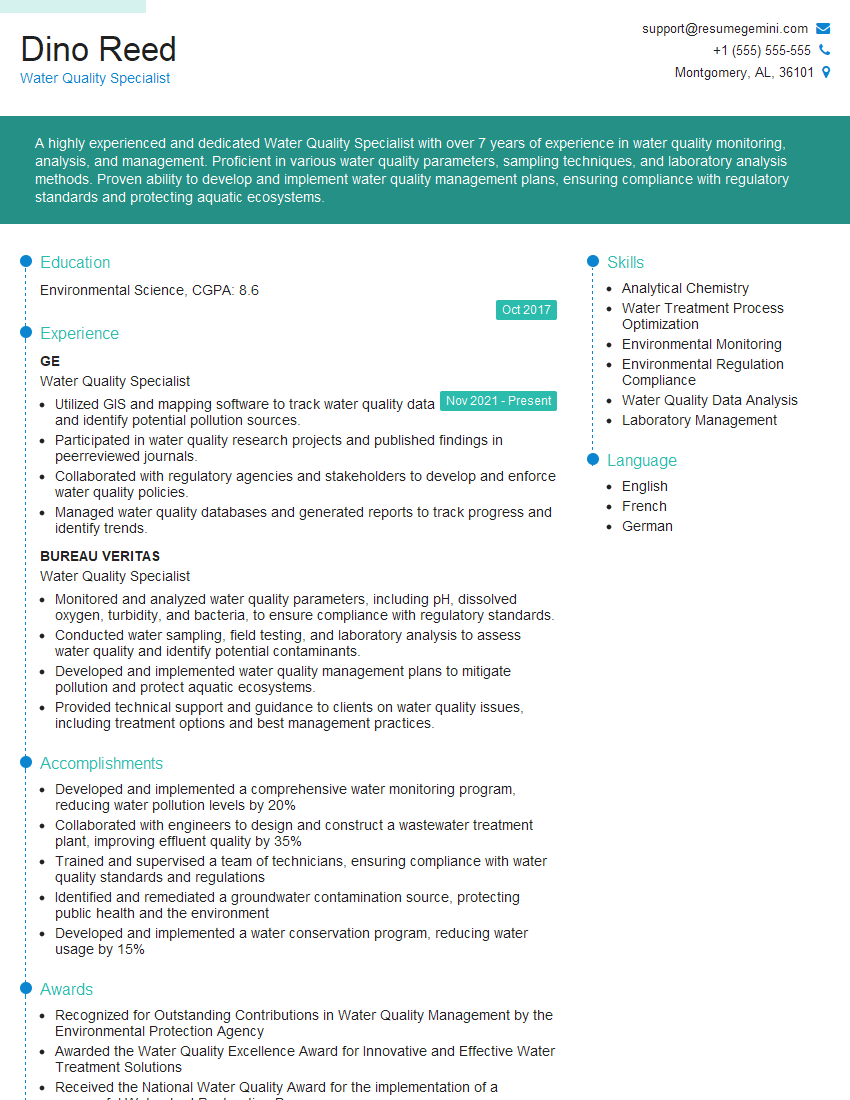
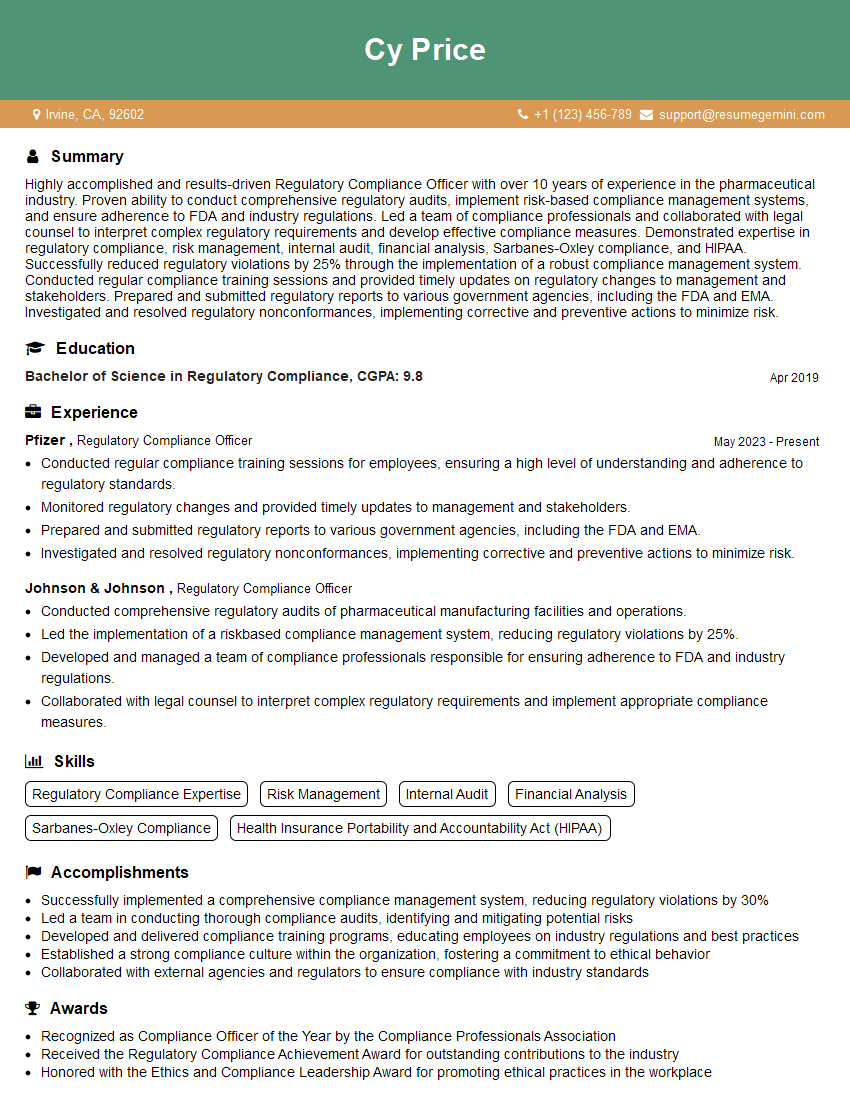
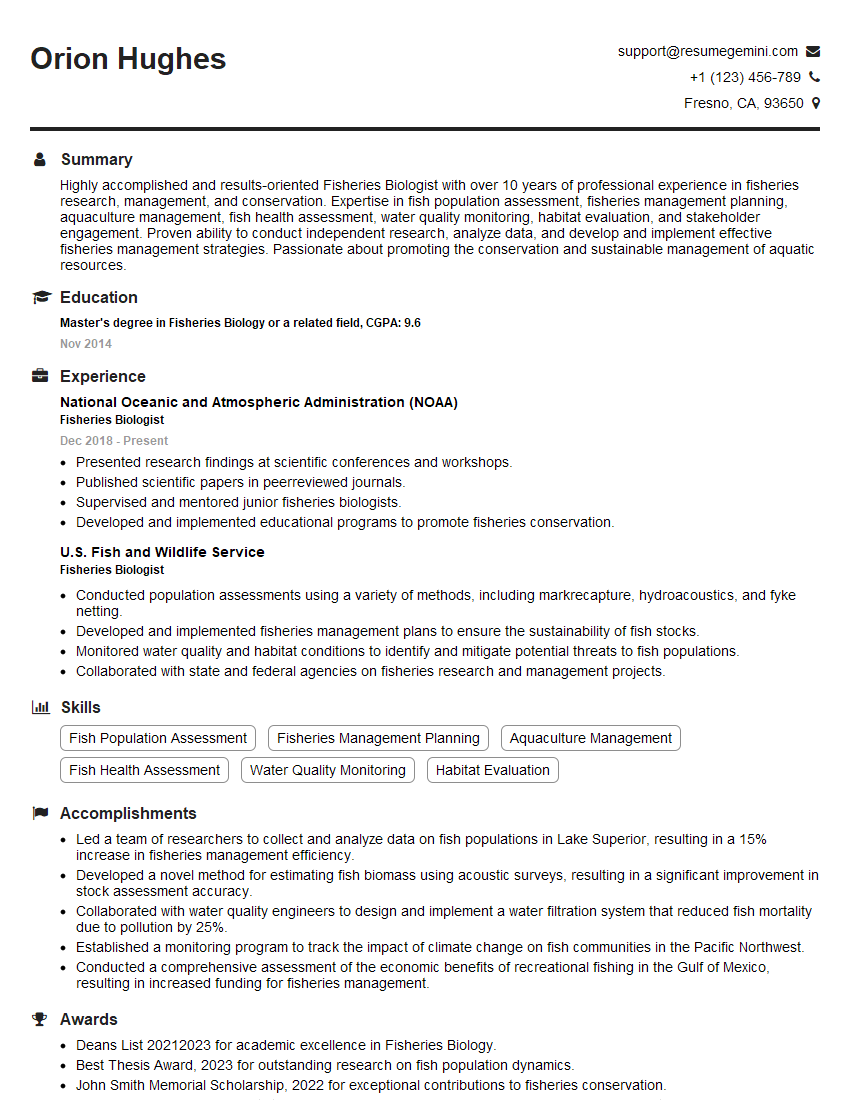
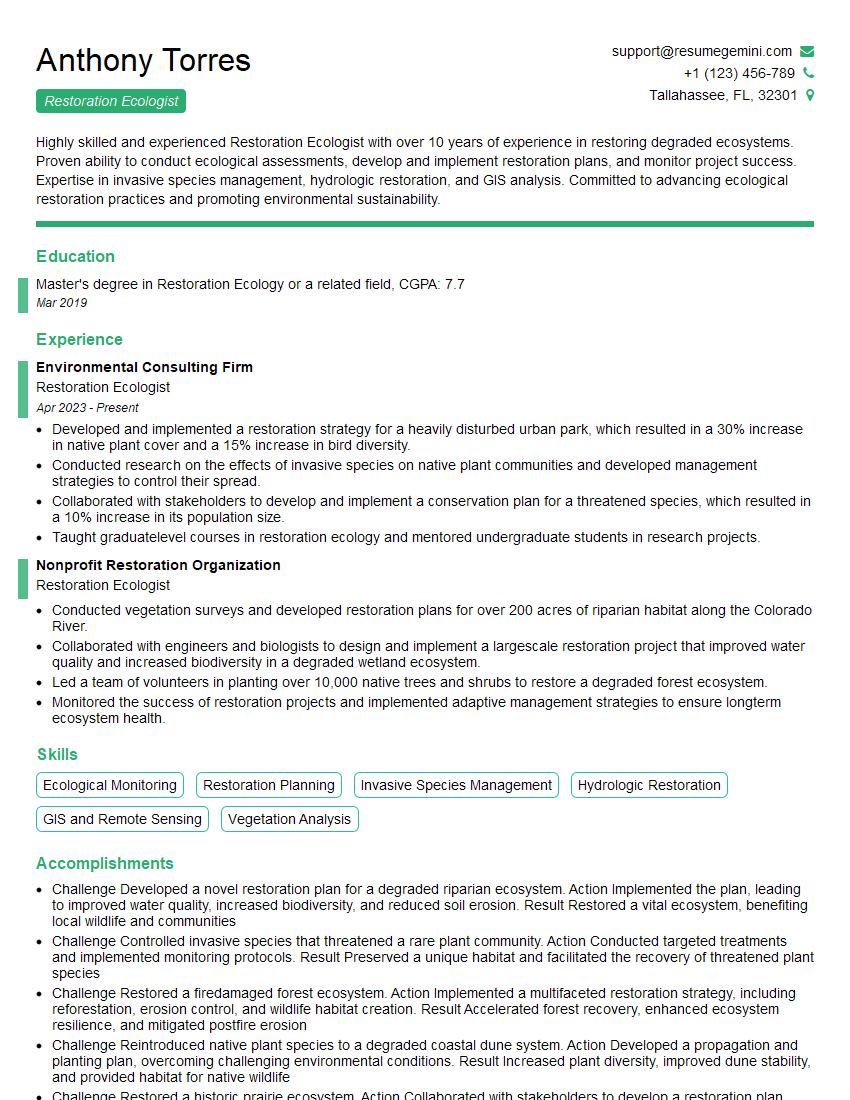
Mastering Oyster Reef Monitoring opens doors to exciting career opportunities in environmental science, conservation, and resource management. To maximize your job prospects, focus on creating a compelling and ATS-friendly resume that highlights your relevant skills and experience. ResumeGemini is a trusted resource that can help you build a professional and effective resume tailored to your specific goals. Examples of resumes tailored to Oyster Reef Monitoring are available to guide you. Invest time in crafting a strong resume – it’s your first impression with potential employers!
Explore more articles
Users Rating of Our Blogs
Share Your Experience
We value your feedback! Please rate our content and share your thoughts (optional).
What Readers Say About Our Blog
Very informative content, great job.
good