Are you ready to stand out in your next interview? Understanding and preparing for Pacing and Timing interview questions is a game-changer. In this blog, we’ve compiled key questions and expert advice to help you showcase your skills with confidence and precision. Let’s get started on your journey to acing the interview.
Questions Asked in Pacing and Timing Interview
Q 1. Describe a situation where you had to adjust your pacing to meet a deadline.
Adjusting pacing to meet a deadline often involves a delicate balance between maintaining quality and adhering to the time constraint. It’s not just about rushing; it’s about strategic prioritization and efficient execution. For example, I once managed the launch of a new software feature. The initial deadline seemed achievable, but halfway through, unforeseen technical challenges emerged. To overcome this, I first reassessed the critical path – the sequence of tasks absolutely essential for launch. Then, I held a team meeting to transparently communicate the situation and collaboratively redistribute tasks, focusing on the most time-sensitive aspects first. We employed agile methodologies, breaking down larger tasks into smaller, more manageable sprints, constantly monitoring progress and adjusting our approach. We successfully launched the feature, albeit with some minor features delayed, demonstrating a flexible and efficient response to unexpected challenges.
Q 2. How do you prioritize tasks when facing time constraints?
Prioritizing under time constraints requires a clear understanding of task dependencies and impact. I utilize the Eisenhower Matrix (Urgent/Important), categorizing tasks into four quadrants: Do First (Urgent and Important), Schedule (Important but Not Urgent), Delegate (Urgent but Not Important), and Eliminate (Neither Urgent nor Important). For example, if I have a looming deadline for a critical report and several less urgent emails, I prioritize the report, scheduling emails for later or delegating less important parts if possible. This method helps me focus my energy on high-impact tasks, avoiding the trap of spending time on less important activities while crucial ones suffer.
Q 3. Explain your approach to managing multiple projects with overlapping deadlines.
Managing multiple projects with overlapping deadlines necessitates a robust system of organization and time management. I rely heavily on project management tools, such as Gantt charts, to visualize project timelines, dependencies, and milestones. These charts help identify potential conflicts and allow for proactive scheduling adjustments. For example, if two projects require the same resource at the same time, I schedule tasks strategically, potentially re-allocating resources or slightly shifting deadlines in consultation with stakeholders. Regular progress meetings and clear communication are crucial for keeping everyone informed and aligned, preventing conflicts and ensuring smooth execution.
Q 4. How do you identify potential time-wasting activities and mitigate them?
Identifying time-wasting activities is a crucial step in improving productivity. This starts with self-awareness and honest reflection on daily work patterns. I use time tracking tools to analyze where my time is actually spent. Common culprits are often unplanned meetings, excessive email checking, or getting bogged down in less important tasks. To mitigate these, I schedule focused work blocks, limiting distractions by turning off notifications and minimizing interruptions. I also proactively decline less essential meetings or delegate tasks when appropriate. Regular review of my time tracking data helps me identify persistent time-wasting patterns and adjust my strategies accordingly.
Q 5. Describe a time you underestimated the time needed for a task. What did you learn?
I once underestimated the complexity of integrating a third-party API into a project. My initial timeline was overly optimistic, neglecting the potential for unforeseen bugs and integration issues. The result was a significant delay and added stress. This experience taught me the importance of thorough planning and considering potential risks. Now, I build contingency time into my schedules, allowing for unexpected challenges. I also prefer to break down large tasks into smaller, more manageable units to gain a clearer understanding of the time required for each step. This allows for more accurate time estimations and adaptive planning.
Q 6. How do you use time management techniques to improve your productivity?
Time management techniques are essential for improving productivity. I incorporate several strategies: Time Blocking – scheduling specific time slots for particular tasks; Pomodoro Technique – working in focused bursts with short breaks; Pareto Principle (80/20 rule) – identifying the 20% of tasks that yield 80% of results and prioritizing them; and Eat the Frog – tackling the most challenging task first thing in the morning. These techniques, combined with regular review and adjustment, help me maximize my efficiency and minimize wasted time.
Q 7. What tools or methods do you use to track your progress and manage your time?
I use a combination of tools and methods to track progress and manage my time. Project Management Software (e.g., Asana, Trello) helps me manage tasks, deadlines, and dependencies across multiple projects. Time Tracking Apps (e.g., Toggl Track, Clockify) provide insights into how I spend my time, highlighting areas for improvement. Calendar Apps (e.g., Google Calendar, Outlook Calendar) are essential for scheduling meetings and setting reminders. I also maintain a detailed to-do list and regularly review my progress, adjusting my plans as needed. The combination of these tools and a proactive approach to time management ensures I stay organized and productive.
Q 8. How do you delegate tasks effectively to maintain project pacing?
Effective task delegation for maintaining project pacing hinges on a clear understanding of team members’ skills and workloads. It’s not just about assigning tasks; it’s about empowering individuals to succeed.
- Assess Skills and Capacity: Before delegating, I carefully analyze each team member’s strengths, experience, and current workload. This prevents overburdening individuals and ensures tasks are assigned to those best equipped to handle them.
- Provide Clear Instructions and Expectations: Vague instructions lead to rework and delays. I ensure each task has a clear description, defined deliverables, deadlines, and relevant context. I use tools like project management software (e.g., Jira, Asana) to ensure transparency and facilitate communication.
- Establish Communication Channels: Open communication is crucial. I establish regular check-ins, allowing team members to ask questions, report progress, and flag potential issues. This proactive approach helps identify and address bottlenecks early.
- Empowerment and Ownership: I don’t just delegate; I empower. I encourage team members to take ownership of their tasks and make decisions within their scope of responsibility. This fosters a sense of accountability and improves efficiency.
- Monitor Progress and Provide Support: I actively monitor progress, offer support when needed, and provide constructive feedback. This ensures tasks stay on track and helps team members learn and grow.
For example, on a recent web development project, I delegated front-end tasks to a team member with expertise in JavaScript frameworks and back-end tasks to another with strong Python skills. By assigning tasks based on individual strengths, I optimized the workflow and met the project deadline.
Q 9. How do you handle unexpected delays or obstacles that impact project timing?
Unexpected delays are inevitable. My approach involves a combination of proactive planning and reactive problem-solving.
- Risk Assessment and Mitigation: Before the project starts, I conduct a thorough risk assessment to identify potential delays and develop mitigation strategies. This might involve having backup plans or allocating buffer time in the schedule.
- Immediate Action and Problem Definition: When a delay occurs, my first step is to quickly assess the situation, understand the root cause, and clearly define the problem. This prevents emotional responses and allows for a rational solution.
- Collaborate and Brainstorm Solutions: I involve the relevant team members and stakeholders in brainstorming potential solutions. A diverse perspective often leads to creative and effective solutions.
- Reprioritize and Reschedule: Depending on the severity of the delay, I may need to re-prioritize tasks or adjust the project schedule. This requires careful analysis to minimize the overall impact on the project timeline.
- Communication is Key: I immediately communicate the delay and the proposed solution to all stakeholders, ensuring transparency and managing expectations.
For instance, during a software development project, an unexpected API change caused a delay. I immediately communicated this to the client, collaborated with the development team to find a workaround, and adjusted the timeline accordingly. Transparent communication prevented misunderstandings and maintained client trust.
Q 10. How do you communicate project timelines and potential delays to stakeholders?
Effective communication of project timelines and potential delays is critical for maintaining stakeholder trust and managing expectations. My approach is centered on clarity, transparency, and proactivity.
- Regular Updates: I provide regular updates to stakeholders, using a variety of communication channels (e.g., email, project management software, meetings) tailored to their preferences and information needs.
- Clear and Concise Communication: I avoid technical jargon and present information in a clear, concise, and easily understandable format. Visual aids like Gantt charts or progress reports are often helpful.
- Proactive Communication about Delays: If a delay is anticipated, I communicate it proactively to stakeholders, explaining the reasons and outlining potential solutions. This demonstrates transparency and allows stakeholders to adjust their plans accordingly.
- Open Dialogue and Feedback: I encourage open dialogue and feedback from stakeholders, addressing their concerns and incorporating their input into project planning and execution.
- Risk Management Reporting: I regularly provide reports on potential risks and their impact on the project timeline, allowing stakeholders to make informed decisions.
In one project, a potential delay due to a supplier issue was communicated early to the client, enabling them to explore alternative suppliers, ultimately minimizing project impact and preserving the relationship.
Q 11. Describe your experience with Agile methodologies and their impact on pacing.
Agile methodologies have profoundly impacted my approach to pacing. The iterative nature of Agile allows for flexibility and adaptability, which is crucial in managing project timing effectively.
- Iterative Development: Agile’s iterative approach allows for frequent reassessment and adjustment of the project timeline based on feedback and progress. This minimizes the risk of significant delays caused by unforeseen issues.
- Short Sprints: Short sprints (typically 1-4 weeks) provide a focused timeframe for completing specific tasks, improving accountability and allowing for quicker identification and resolution of bottlenecks.
- Daily Stand-ups: Daily stand-up meetings enable quick communication, problem identification, and coordination among team members, enhancing project pacing.
- Continuous Integration and Continuous Delivery (CI/CD): CI/CD pipelines automate the software development process, accelerating development cycles and improving the overall pace of the project.
- Adaptability to Change: Agile’s adaptability allows for easy incorporation of changes in requirements or priorities, preventing significant delays that can occur with rigid, waterfall methodologies.
In a recent project using Scrum, we successfully adapted to changing client requirements by incorporating them into subsequent sprints, minimizing delays and ensuring client satisfaction.
Q 12. How do you balance speed and accuracy in your work?
Balancing speed and accuracy is a constant challenge, but it’s achievable through a structured approach.
- Prioritization: I prioritize tasks based on their criticality and impact. High-impact tasks requiring accuracy receive more time and attention, while less critical tasks might be completed more quickly.
- Process Optimization: Streamlining processes and using appropriate tools can increase efficiency without compromising accuracy. Automation where possible can significantly improve speed.
- Quality Control Measures: Implementing robust quality control measures (e.g., code reviews, testing) helps ensure accuracy without excessive delays. Catching errors early is much faster than fixing them later.
- Time Management Techniques: Using time management techniques like the Pomodoro Technique can enhance focus and efficiency, enabling faster and more accurate work.
- Self-Awareness: Recognizing my own work style and identifying areas where I can improve speed or accuracy is essential. Sometimes, taking a break to clear my head improves both speed and accuracy.
For instance, in a data analysis project, I prioritized data validation to ensure accuracy before moving on to faster data processing steps. This approach resulted in accurate results without compromising project timeline.
Q 13. Explain how you maintain a consistent pace throughout a long project.
Maintaining a consistent pace on long projects requires planning, discipline, and proactive management.
- Detailed Project Plan: A comprehensive project plan with clear milestones, deadlines, and responsibilities is essential. Breaking down the project into smaller, manageable tasks helps maintain momentum.
- Regular Reviews and Adjustments: Regular progress reviews help identify any potential issues or deviations from the plan. Adjustments to the schedule or resource allocation can be made proactively to keep the project on track.
- Motivation and Team Engagement: Keeping the team motivated and engaged is crucial. Celebrating milestones, providing regular feedback, and fostering a positive work environment are essential for sustained effort.
- Burnout Prevention: Long projects can lead to burnout. Promoting work-life balance, encouraging breaks, and fostering a supportive team environment are essential to prevent burnout and maintain consistent pace.
- Flexibility and Adaptability: Unexpected challenges are bound to arise in long projects. Having the flexibility to adapt to changes and adjust the plan accordingly is essential for maintaining consistent progress.
In a long-term software development project, we implemented regular sprint reviews, celebrated successful milestones, and proactively addressed team concerns to maintain a consistent pace and deliver the project successfully.
Q 14. How do you adapt your pacing based on the complexity of a task?
Adapting pacing based on task complexity is key to efficient project management. This involves understanding the required effort and adjusting the time allocation accordingly.
- Task Breakdown: Complex tasks should be broken down into smaller, more manageable sub-tasks. This allows for better estimation of time and effort required.
- Skill Assessment: The skills and experience required for each task influence pacing. More complex tasks requiring specialized skills may need more time.
- Resource Allocation: Allocate more resources (people, time, tools) to complex tasks to ensure timely completion without compromising quality.
- Contingency Planning: Include buffer time in the schedule for complex tasks to account for potential unforeseen challenges or complications.
- Regular Monitoring and Adjustment: Regularly monitor progress on complex tasks and adjust the schedule or resource allocation as needed. This ensures that the project stays on track.
For example, designing a complex database schema would require more time and effort than implementing a simple user interface. I would allocate more time and resources to the database design, ensuring sufficient time for thorough testing and validation.
Q 15. How do you assess the time required for a project before starting?
Accurately assessing project time is crucial for successful project management. It’s not just about adding up individual task durations; it’s about understanding the complexities and potential roadblocks. My approach involves a multi-step process:
Work Breakdown Structure (WBS): I start by breaking down the project into smaller, manageable tasks. This allows for a more granular estimation of time required for each component.
Three-Point Estimation: For each task, I use the three-point estimation technique, considering optimistic, pessimistic, and most likely scenarios. This helps account for uncertainty and potential delays.
Resource Allocation: I assess the availability and skills of the team members. Underestimating resource availability can lead to significant delays.
Risk Assessment: Identifying potential risks and assigning contingency time is vital. Unexpected issues are inevitable, and this step helps mitigate their impact on the overall timeline.
Buffer Time: I always include buffer time – extra time added to account for unforeseen circumstances or minor setbacks. This acts as a safety net to prevent delays from cascading.
Review and Iteration: This is not a one-time process. I regularly review the timeline and make adjustments as new information becomes available or unforeseen challenges emerge.
For example, when estimating the time for developing a software feature, I would break it down into tasks like design, coding, testing, and documentation. Each task would be estimated using three-point estimation, considering potential delays due to bug fixes or unforeseen technical challenges. I’d also factor in the availability of developers and testers.
Career Expert Tips:
- Ace those interviews! Prepare effectively by reviewing the Top 50 Most Common Interview Questions on ResumeGemini.
- Navigate your job search with confidence! Explore a wide range of Career Tips on ResumeGemini. Learn about common challenges and recommendations to overcome them.
- Craft the perfect resume! Master the Art of Resume Writing with ResumeGemini’s guide. Showcase your unique qualifications and achievements effectively.
- Don’t miss out on holiday savings! Build your dream resume with ResumeGemini’s ATS optimized templates.
Q 16. Describe a time you had to accelerate the pace of a project. What strategies did you employ?
In a previous project involving the launch of a new e-commerce website, we faced a critical delay due to unforeseen server-side issues. The initial deadline was compromised, impacting our marketing campaign launch. To accelerate the pace, I implemented these strategies:
Prioritization: We prioritized critical functionalities over less essential features. This ensured that the core aspects of the website were launched on time.
Resource Augmentation: We temporarily hired additional developers specializing in server-side technologies to address the issues quickly. This added expertise significantly boosted our development speed.
Parallel Task Execution: Wherever possible, we started working on multiple tasks concurrently, rather than sequentially. This leveraged the expertise of the team efficiently.
Daily Stand-up Meetings: We implemented daily stand-up meetings to monitor progress, identify roadblocks, and quickly resolve issues. This fostered better team communication and coordination.
Continuous Integration and Continuous Deployment (CI/CD): We leveraged CI/CD pipelines to automate testing and deployment, reducing manual intervention and speeding up the release process.
While we didn’t fully make up the lost time, these strategies significantly reduced the delay and minimized the negative impact on the marketing campaign. The key was focusing on quick wins, streamlining the process, and leveraging all available resources effectively.
Q 17. How do you use project management software to track pacing and timing?
Project management software is invaluable for tracking pacing and timing. I typically utilize tools like Jira or Asana. These platforms allow for:
Task Management: Defining tasks, assigning them to team members, and setting deadlines.
Time Tracking: Recording the time spent on each task, providing accurate data on project progress and individual contribution.
Gantt Charts: Visualizing the project schedule, dependencies between tasks, and progress towards completion. This helps identify potential delays early on.
Burndown Charts: Monitoring the remaining work against the remaining time. This provides a clear picture of whether the project is on track.
Reporting and Dashboards: Generating reports to track key metrics and monitor project health. These dashboards provide a centralized view of project status, highlighting areas needing attention.
For instance, in Jira, I’d create tasks and sub-tasks, assigning them durations and due dates. Regularly checking the burndown chart helps me assess whether the team is keeping pace and adjust the schedule if necessary. Customizable reports offer insights into potential bottlenecks or areas of low productivity.
Q 18. What metrics do you use to monitor project pacing and identify potential issues?
Monitoring project pacing requires a combination of quantitative and qualitative metrics. Key metrics I use include:
Schedule Variance (SV): The difference between the planned progress and the actual progress. A positive SV indicates ahead of schedule, while a negative SV indicates behind schedule.
Schedule Performance Index (SPI): The ratio of earned value to planned value. An SPI greater than 1 indicates better than planned performance, while less than 1 indicates worse than planned.
Cost Variance (CV): The difference between the budgeted cost and the actual cost.
Cost Performance Index (CPI): The ratio of earned value to actual cost. A CPI greater than 1 indicates cost efficiency, while less than 1 indicates cost overrun.
Task Completion Rate: The percentage of tasks completed compared to the planned schedule.
Team Velocity (for Agile projects): The number of story points or tasks completed per sprint.
In addition to these quantitative metrics, I regularly hold team meetings to gather qualitative feedback on potential challenges or risks that may not be reflected in the numerical data. This helps in proactively addressing issues before they significantly impact the project timeline.
Q 19. How do you manage your time when working on multiple projects simultaneously?
Managing multiple projects simultaneously requires a structured approach. My strategy involves:
Prioritization: Clearly defining the priority of each project based on business criticality and deadlines.
Time Blocking: Allocating specific time blocks for each project, ensuring focused attention. This helps minimize context switching and improves efficiency.
Task Batching: Grouping similar tasks from different projects together. This reduces mental overhead and improves workflow efficiency.
Delegation: Effectively delegating tasks to team members based on their skills and availability.
Regular Review: Regularly reviewing the progress of each project and adjusting the schedule as needed.
Communication: Maintaining clear and open communication with stakeholders of each project to manage expectations.
I use a calendar and project management software to visualize my schedule and track progress across all projects. This provides a clear overview of my workload and helps identify potential conflicts or overlaps.
Q 20. Describe your process for setting realistic deadlines.
Setting realistic deadlines is paramount for project success. My process includes:
Detailed Planning: Thorough task breakdown and estimation, using techniques like three-point estimation to account for uncertainties.
Resource Availability: Considering the availability and capacity of team members and other resources.
Dependency Analysis: Understanding the dependencies between tasks and potential bottlenecks.
Risk Assessment: Identifying potential risks and incorporating buffer time to account for unforeseen delays.
Stakeholder Consultation: Involving stakeholders in the deadline-setting process to ensure alignment and realistic expectations.
Contingency Planning: Developing a plan for addressing potential delays or unexpected issues.
I avoid setting overly optimistic deadlines that are likely to cause stress and compromise quality. A realistic deadline allows the team to work effectively and produce high-quality results.
Q 21. How do you handle pressure when working under tight deadlines?
Working under tight deadlines can be stressful, but effective strategies can help manage the pressure:
Prioritization: Focusing on the most critical tasks first to ensure the core project goals are met.
Time Management Techniques: Employing techniques like the Pomodoro Technique to improve focus and concentration.
Effective Communication: Maintaining open communication with the team and stakeholders to address concerns and manage expectations.
Delegation: Delegating tasks appropriately to share the workload.
Seek Support: Don’t hesitate to seek support from colleagues or supervisors when needed.
Self-Care: Prioritizing sleep, healthy eating, and exercise to maintain physical and mental well-being.
While pressure is inevitable, proactive planning and effective coping mechanisms can help navigate tight deadlines without sacrificing quality or well-being. Remember, it’s crucial to balance urgency with importance to ensure sustainable performance.
Q 22. Explain your approach to time blocking and its effectiveness.
My approach to time blocking centers around the principle of prioritizing tasks and allocating specific time slots for their completion. It’s not just about scheduling; it’s about strategically organizing my day to maximize productivity and minimize context switching. I use a digital calendar and break down my day into focused work blocks, usually 90 minutes long, interspersed with short breaks. Each block is dedicated to a specific task or type of work, requiring similar cognitive functions. This helps me maintain focus and prevents mental fatigue. For example, a morning block might be dedicated to writing, followed by a block for meetings, and then a block for reviewing and responding to emails. The effectiveness stems from the increased focus and reduced multitasking, leading to higher quality work and a better sense of accomplishment.
I also categorize my tasks using a system like Eisenhower Matrix (Urgent/Important), which further prioritizes time allocation. This helps me avoid getting bogged down in less important tasks and ensures that crucial deadlines are met. The key is regular review and adjustment. I review my schedule at the end of each day to assess its effectiveness and make adjustments for the following day, ensuring it remains a dynamic and adaptable tool rather than a rigid constraint.
Q 23. How do you proactively identify and prevent potential pacing issues?
Proactive pacing issue identification relies heavily on thorough project planning and realistic estimation. I start by breaking down large projects into smaller, manageable tasks with clear deliverables and deadlines. This granular approach allows for easier identification of potential bottlenecks or dependencies. For example, if Task A needs to be completed before Task B can begin, any delay in A directly impacts B. Identifying these dependencies early allows for proactive mitigation strategies.
I use tools like Gantt charts to visually represent the project timeline, dependencies, and critical path. This helps pinpoint potential risks and areas where pacing issues might arise. Regular check-ins with the team are crucial to identify any emerging challenges or unforeseen obstacles, allowing for adjustments to the schedule. I also incorporate buffer time into the schedule, acknowledging the inherent uncertainty of project work and allowing for unexpected delays or complexities.
Q 24. Describe a time you had to adjust the pace of a project due to unforeseen circumstances.
During a website redesign project, we encountered an unforeseen delay when our primary hosting provider experienced a major outage. This impacted our testing phase, pushing back our launch date. Initially, our pace was aggressive, but we quickly realized we needed to adjust. We held an emergency team meeting to reassess our timeline. We prioritized the most crucial features for the initial launch, postponing less critical aspects to a later phase. We also communicated transparently with stakeholders about the delay and its impact. To compensate for the lost time, we extended our workdays and adopted a more flexible approach, allowing team members to work outside of regular hours when necessary. This resulted in a successful launch, albeit a slightly delayed one, with minimal negative impact on the client.
Q 25. How do you use feedback to improve your pacing and timing skills?
Feedback is crucial for continuous improvement in pacing and timing. I actively seek feedback from both clients and team members. Post-project reviews are essential for identifying areas where I excelled and where I could improve. I pay close attention to feedback related to time management, estimation accuracy, and overall project delivery. For instance, if feedback indicates that my estimations were consistently off, I would analyze why. Were my initial task breakdowns insufficiently granular? Did I underestimate the complexity of certain tasks? Was there a lack of clarity about requirements? Understanding the root cause allows me to refine my estimation techniques and improve future projects.
Peer reviews and self-reflection are also valuable tools. By observing how others manage their time and comparing their approaches to my own, I can identify areas for improvement. Regularly reviewing my completed projects, noting the time spent on various tasks, helps me refine my estimations for future similar projects. This iterative process of feedback analysis and self-reflection allows for continuous growth in time management and project pacing.
Q 26. What is your preferred method for estimating project durations?
My preferred method for estimating project durations uses a combination of top-down and bottom-up approaches. First, I gain a high-level understanding of the project scope and objectives (top-down). Then, I break the project into smaller, manageable tasks and estimate the time required for each individually (bottom-up). This bottom-up estimation is informed by my past experiences, similar projects, and available resources. I use historical data and utilize techniques such as the three-point estimation (optimistic, pessimistic, most likely) to account for uncertainty. The individual task estimates are then aggregated to determine the overall project duration.
I use software tools, like project management software, to assist with this process, allowing for easy tracking and visualization. The estimates are then reviewed and adjusted based on any potential risks or dependencies identified during the planning phase. Finally, I always add a contingency buffer to account for unforeseen issues or delays. This multi-faceted approach provides a more comprehensive and realistic project timeline.
Q 27. How do you handle interruptions that disrupt your workflow and pacing?
Unforeseen interruptions are inevitable, but their impact can be minimized with strategic planning and disciplined techniques. I utilize techniques like the Pomodoro Technique, which involves focused work sessions followed by short breaks, to help regain focus after an interruption. Furthermore, I make use of a ‘batching’ system for handling interruptions such as emails. I dedicate a specific time block each day for dealing with emails and other non-urgent communication. This minimizes the disruption to my workflow during focused work periods. If an urgent interruption does occur outside of these designated times, I quickly acknowledge it, make a note of it, and then return to my current task. I try my best to avoid multitasking, as it usually leads to lower efficiency and increased errors. Finally, I communicate effectively with my team to manage expectations and prevent unnecessary interruptions.
Q 28. How do you ensure the accuracy of your time estimations?
Ensuring accuracy in time estimations requires a blend of experience, meticulous planning, and continuous learning. I build upon my past experiences and track the actual time spent on tasks in previous projects. This creates a database of historical data that informs future estimations. This data helps me identify patterns and adjust my estimations for similar future tasks. Additionally, I regularly review and refine my estimation techniques, learning from both successes and failures. When an estimation proves inaccurate, I analyze the root causes of the discrepancy, identifying factors that led to the error. This analysis provides valuable insights, enabling me to improve my methodology and increase the accuracy of future estimations. Transparency with the team is crucial; if issues or unforeseen circumstances arise, adjusting the timeline becomes easier with open communication. This reduces the risk of significant deviations from the original estimate.
Key Topics to Learn for Pacing and Timing Interviews
- Understanding the Concept: Defining pacing and timing in your specific field (e.g., project management, software development, sales). Explore the theoretical frameworks that govern effective pacing and timing strategies.
- Practical Application: Analyze real-world scenarios where successful pacing and timing were crucial. Consider examples from past projects or experiences. Practice articulating how you assessed situations, planned your approach, and adapted to changing circumstances.
- Prioritization & Time Management: Discuss techniques for prioritizing tasks effectively, managing time constraints, and allocating resources optimally. Illustrate your understanding with examples of methodologies like Agile or Kanban.
- Risk Assessment & Mitigation: Explain how you identify potential delays or disruptions and implement proactive measures to mitigate them. Highlight your ability to anticipate challenges and adjust your approach accordingly.
- Communication & Collaboration: Explain how effective communication and collaboration contribute to successful pacing and timing. Discuss strategies for keeping stakeholders informed and managing expectations.
- Adaptability & Flexibility: Describe your ability to adapt to unexpected changes and maintain progress despite unforeseen challenges. Highlight your experience with iterative processes and flexible planning.
- Problem-Solving & Decision-Making: Illustrate how you approach problem-solving within time constraints. Discuss your decision-making process, including how you weigh different options and make informed choices under pressure.
- Metrics & Measurement: Explain how you track progress, measure success, and identify areas for improvement regarding pacing and timing. Discuss relevant KPIs and how you use data to inform your decisions.
Next Steps
Mastering pacing and timing is essential for career advancement in any field. It demonstrates crucial skills like organization, planning, and adaptability – highly valued by employers. To significantly increase your chances of landing your dream role, crafting a strong, ATS-friendly resume is key. ResumeGemini is a trusted resource to help you build a professional and impactful resume that highlights your skills in pacing and timing. Examples of resumes tailored to this area are available to guide you through the process, ensuring your application stands out from the competition.
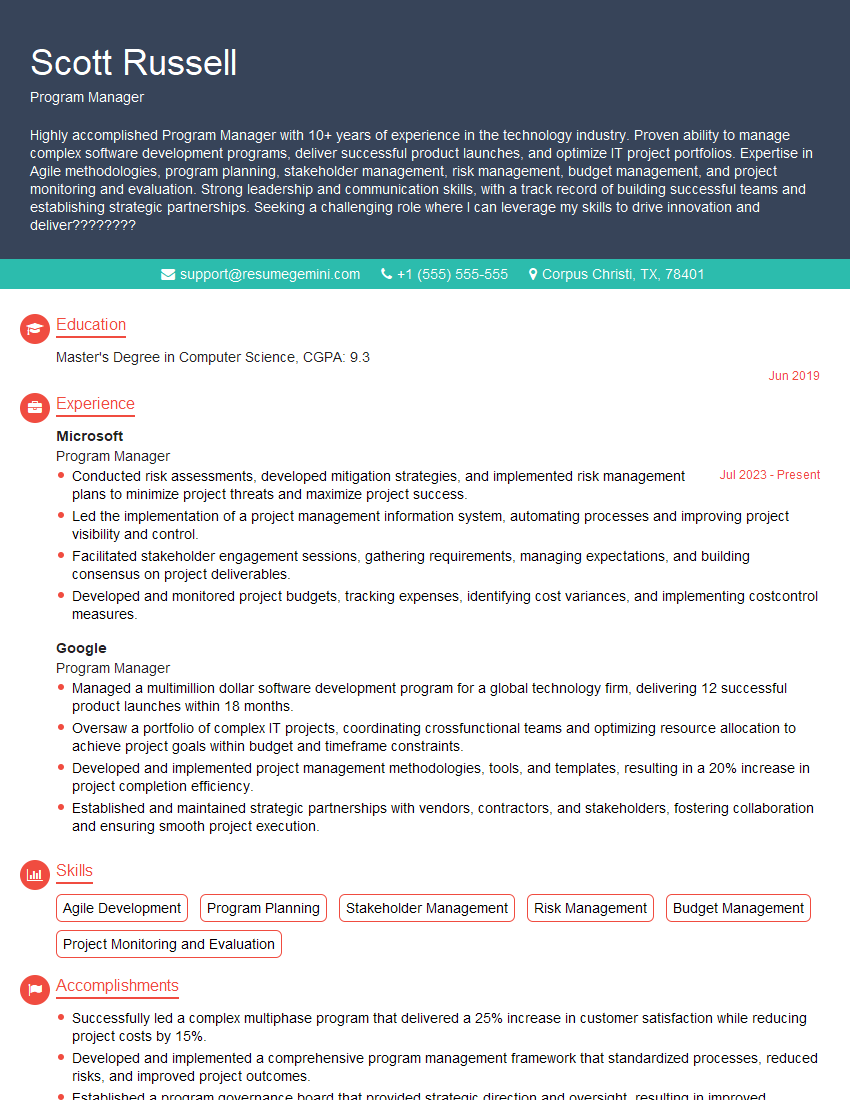
Program Manager Resume Sample
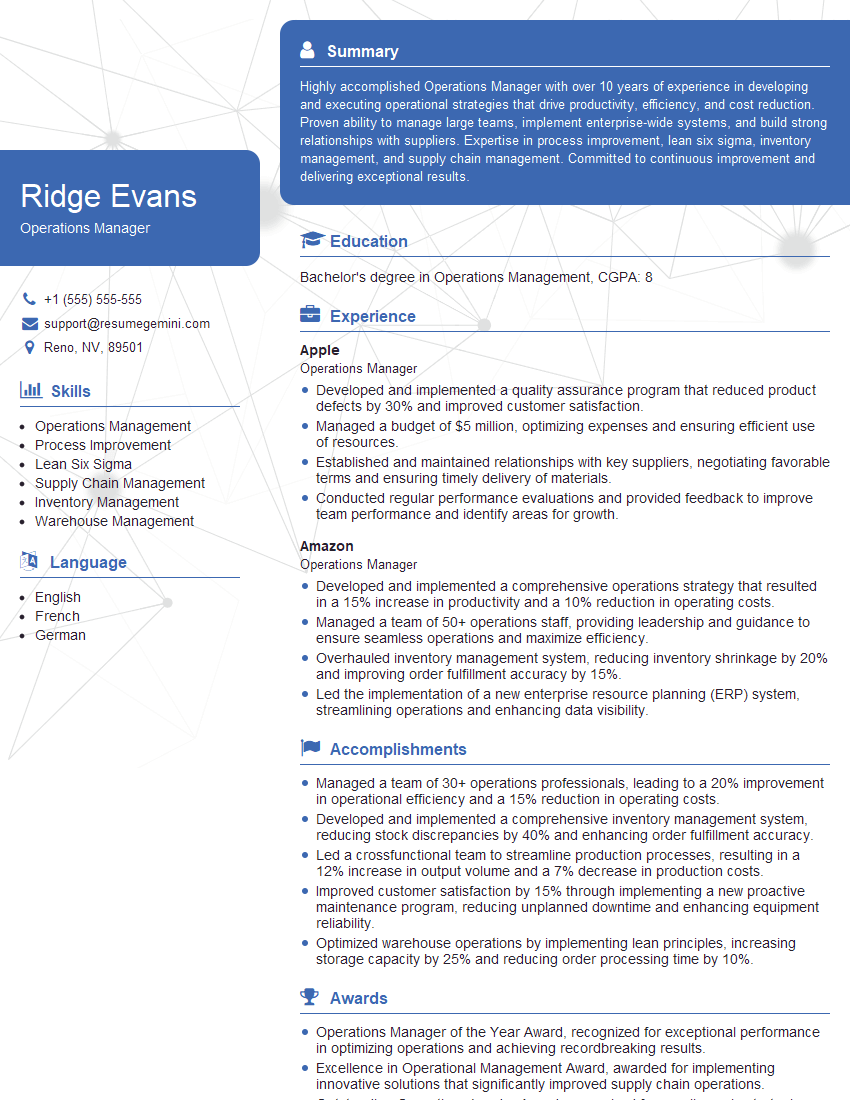
Operations Manager Resume Sample
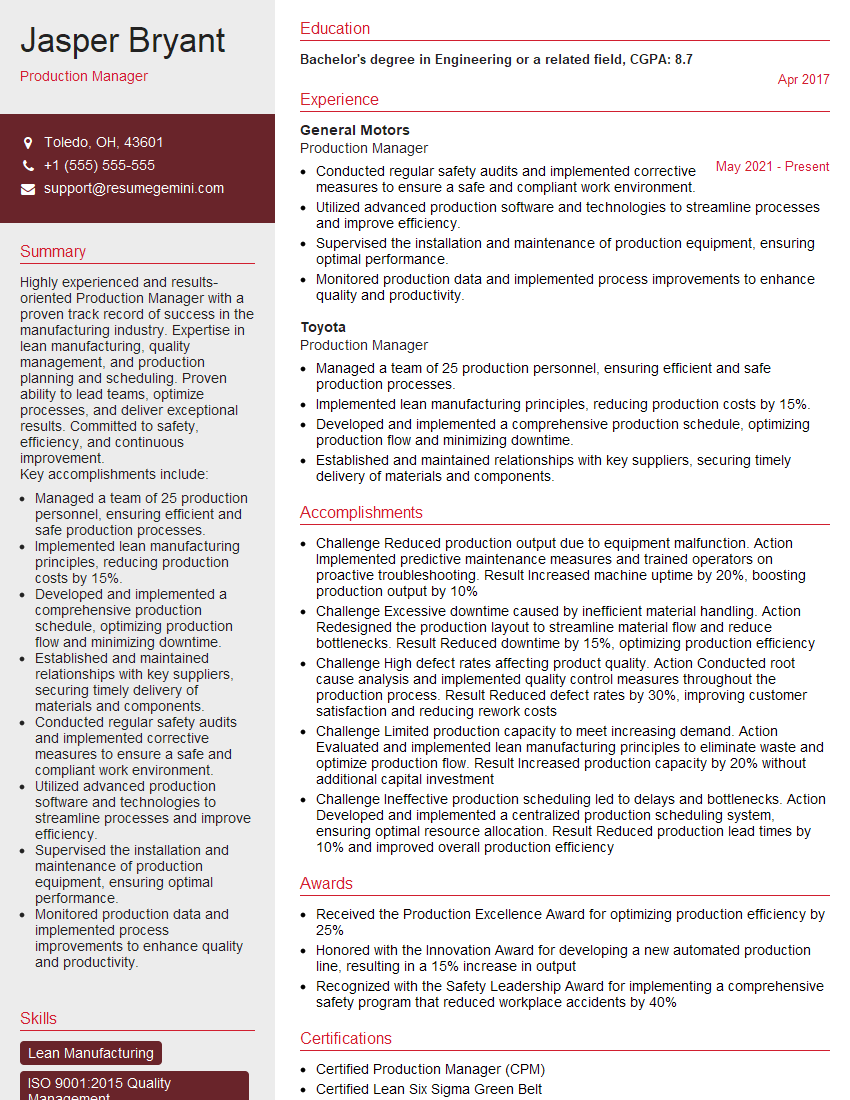
Production Manager Resume Sample
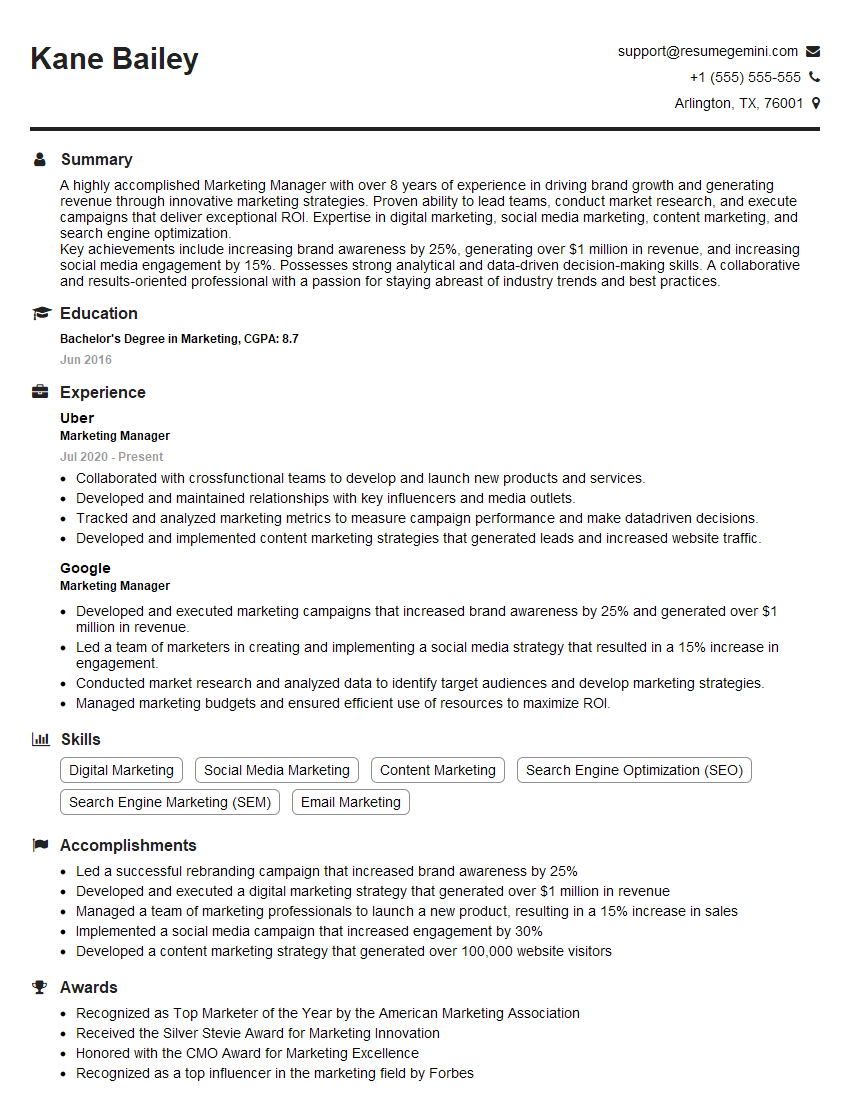
Marketing Manager Resume Sample
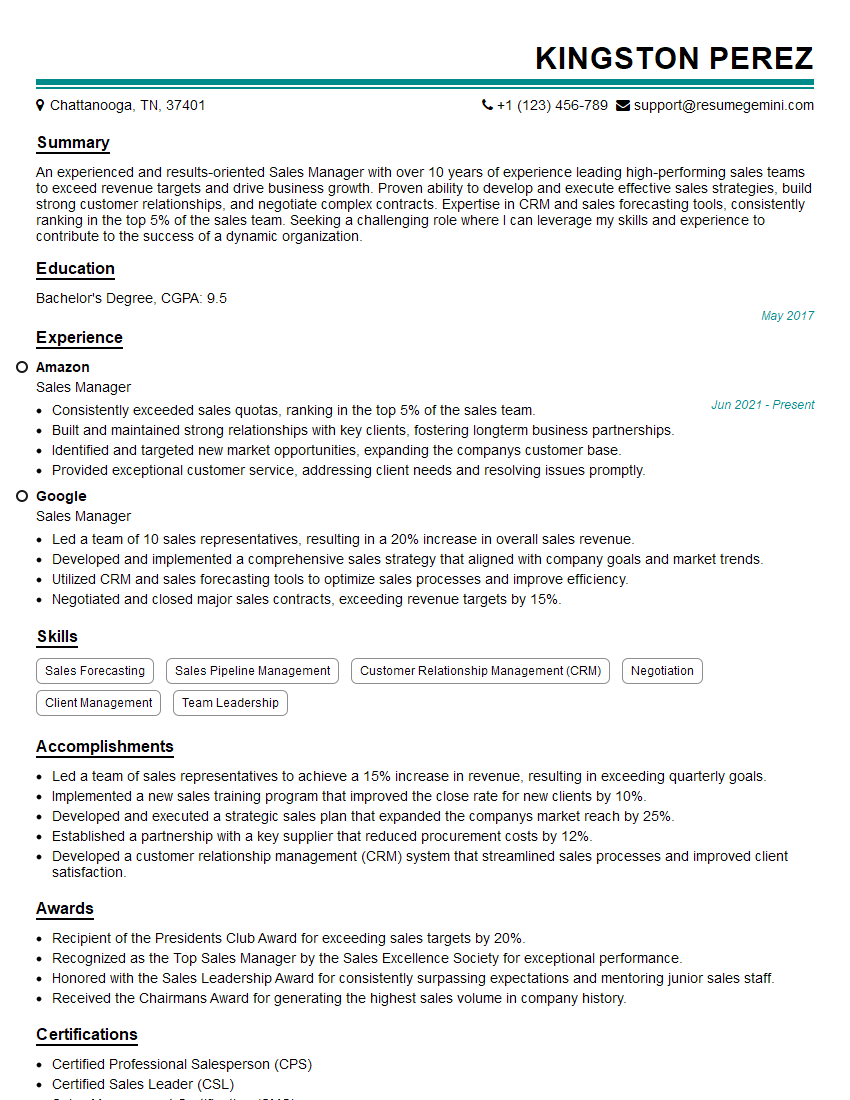
Sales Manager Resume Sample
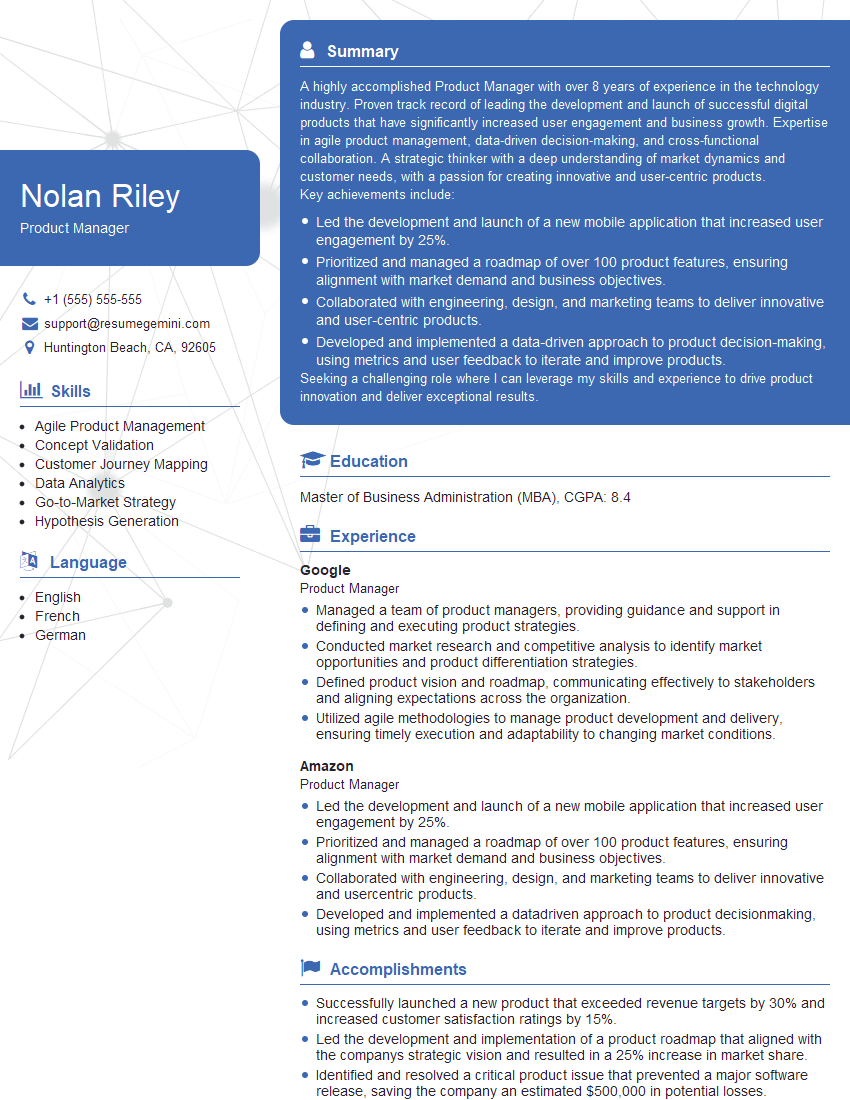
Product Manager Resume Sample
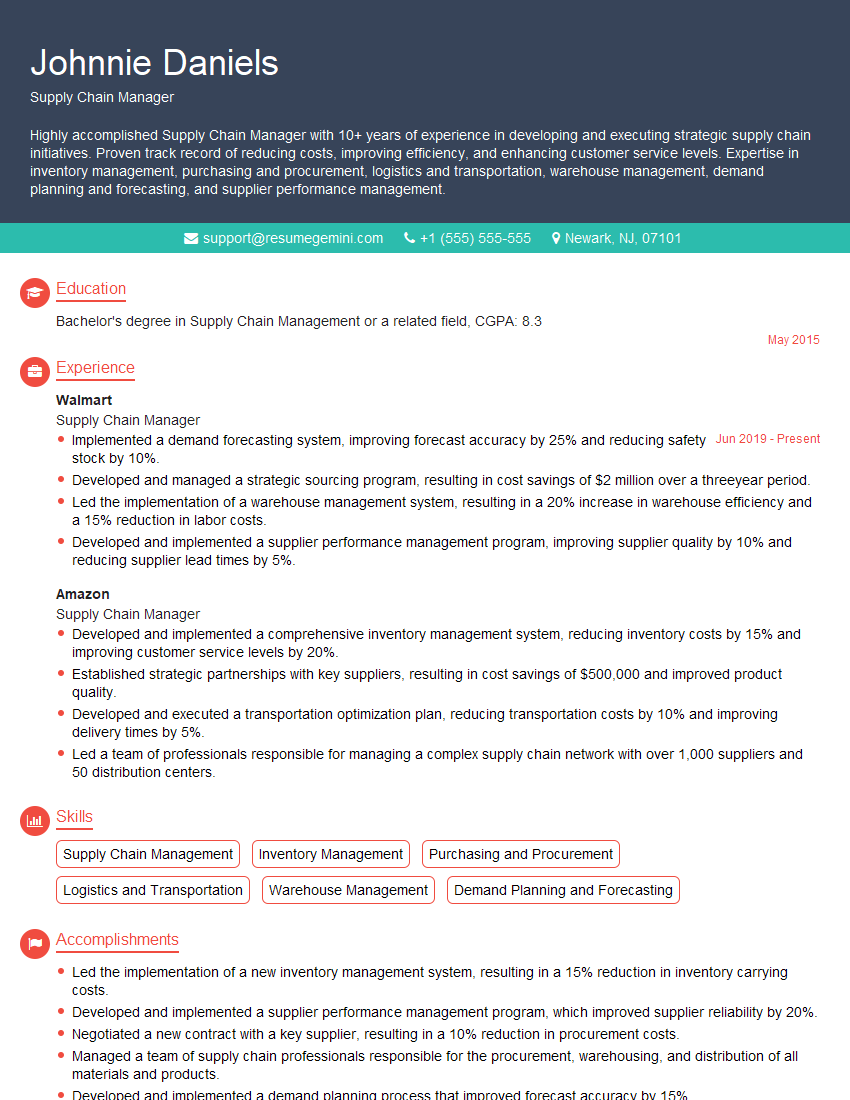
Supply Chain Manager Resume Sample
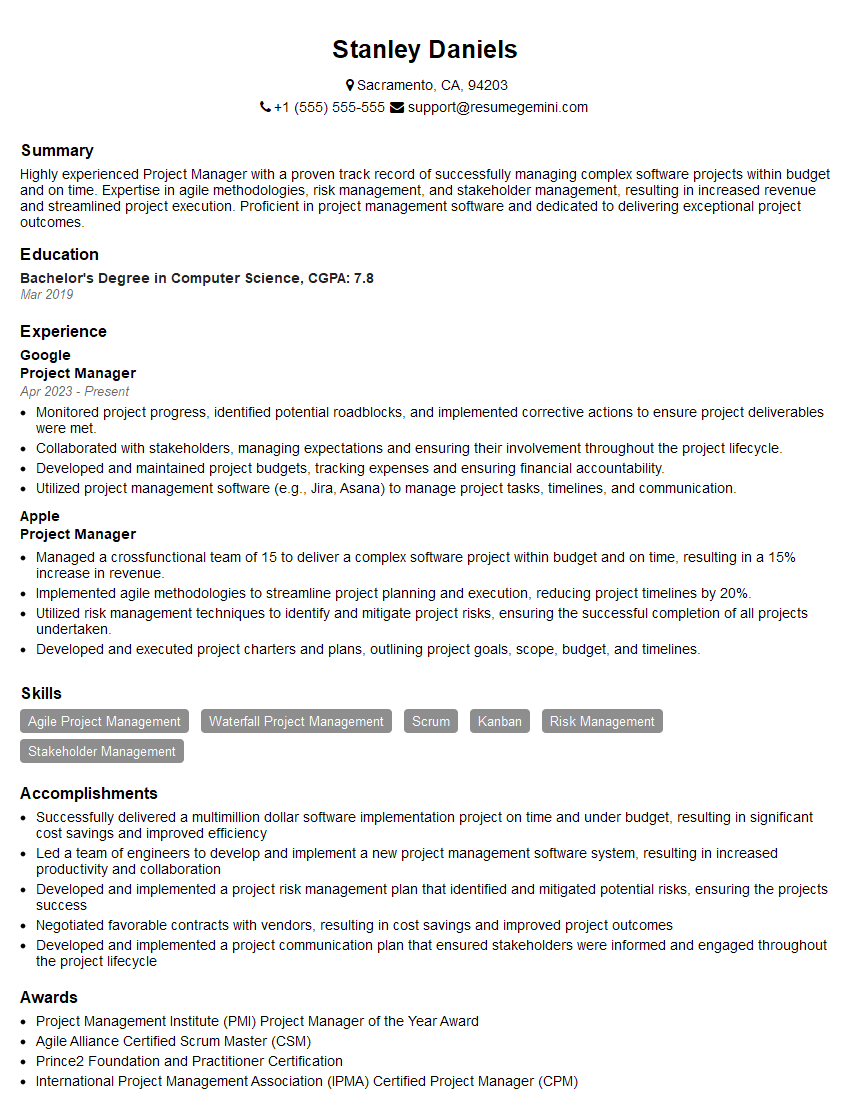
Project Manager Resume Sample

Instructor Resume Sample
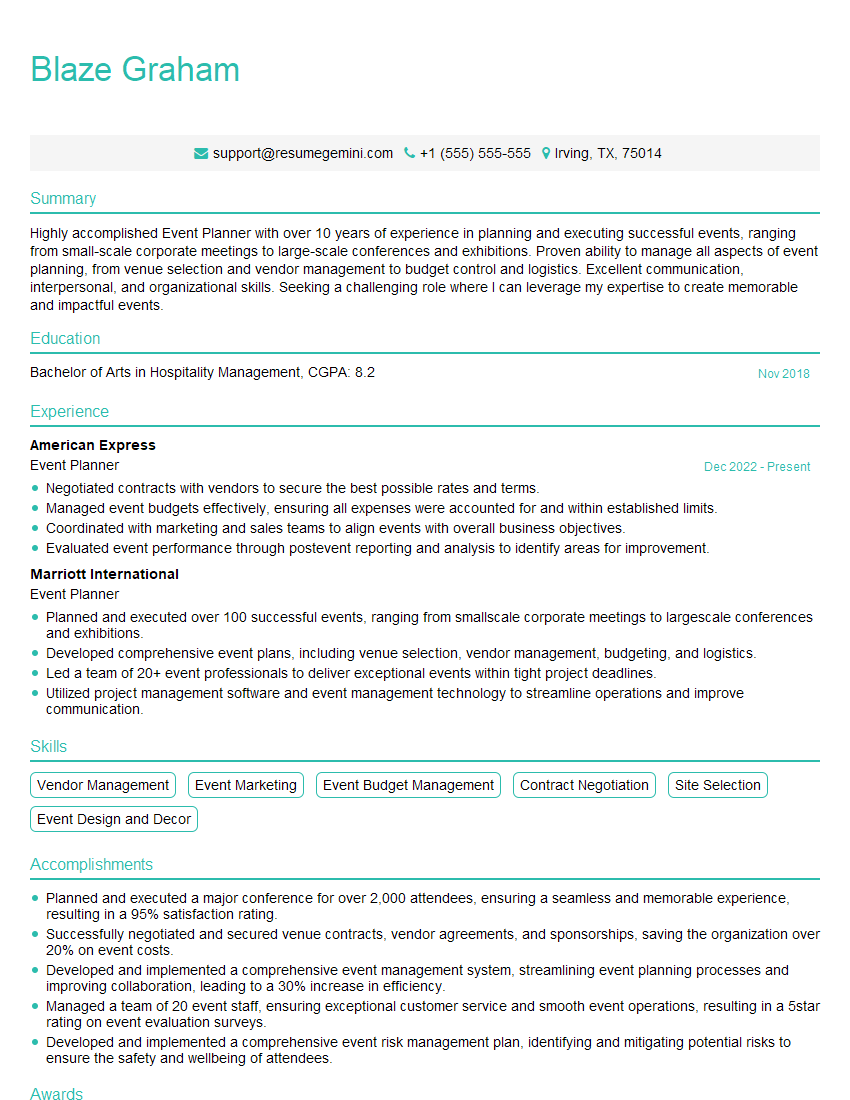
Event Planner Resume Sample
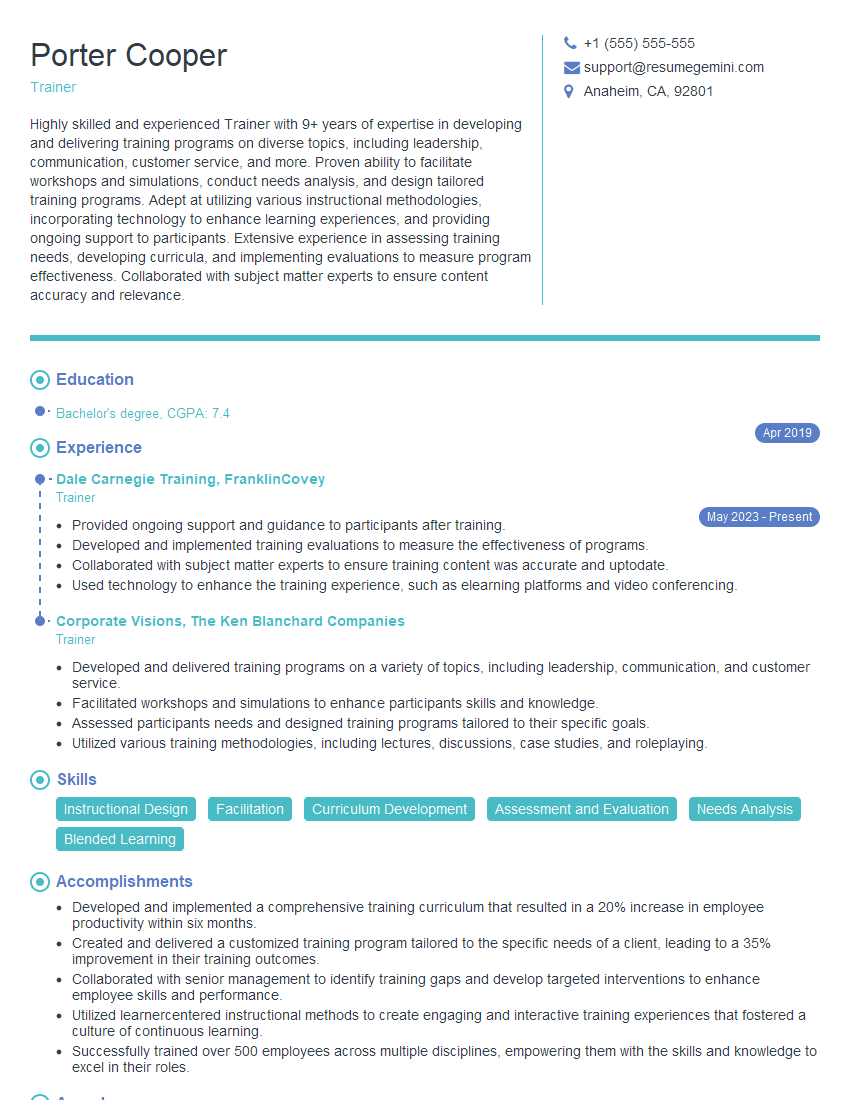
Trainer Resume Sample
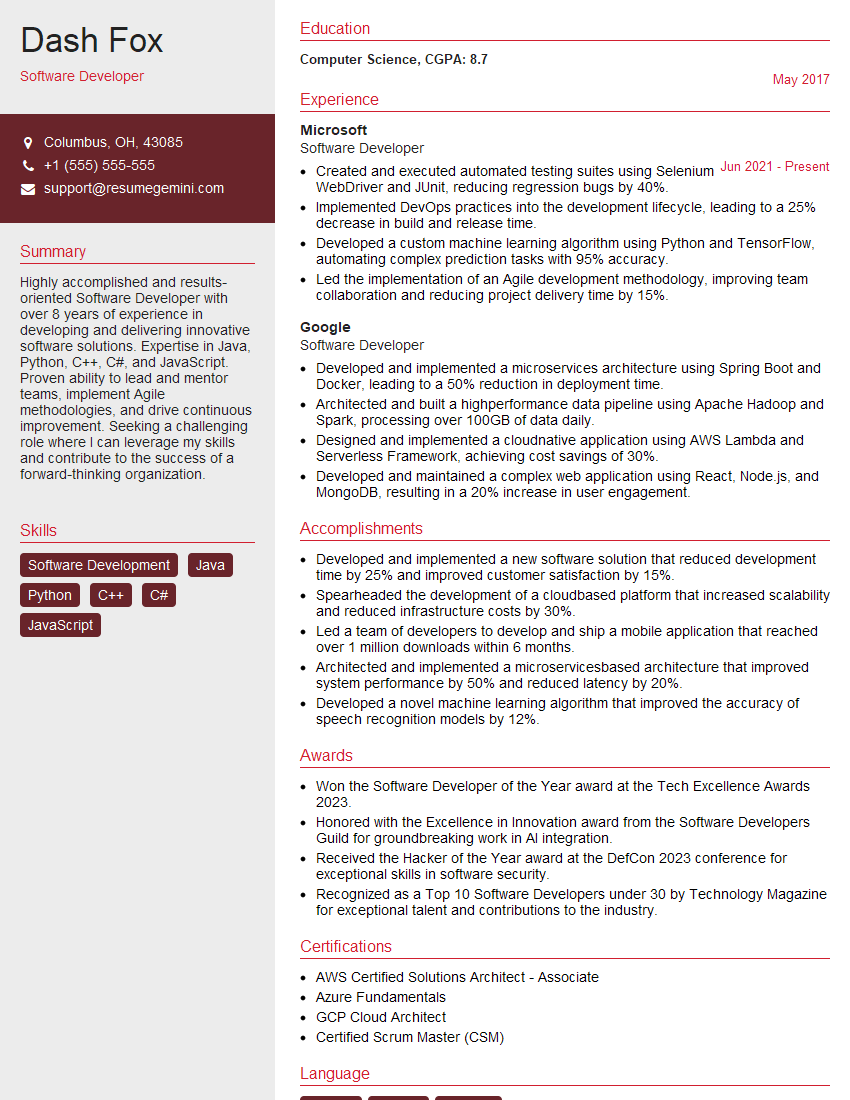
Software Developer Resume Sample
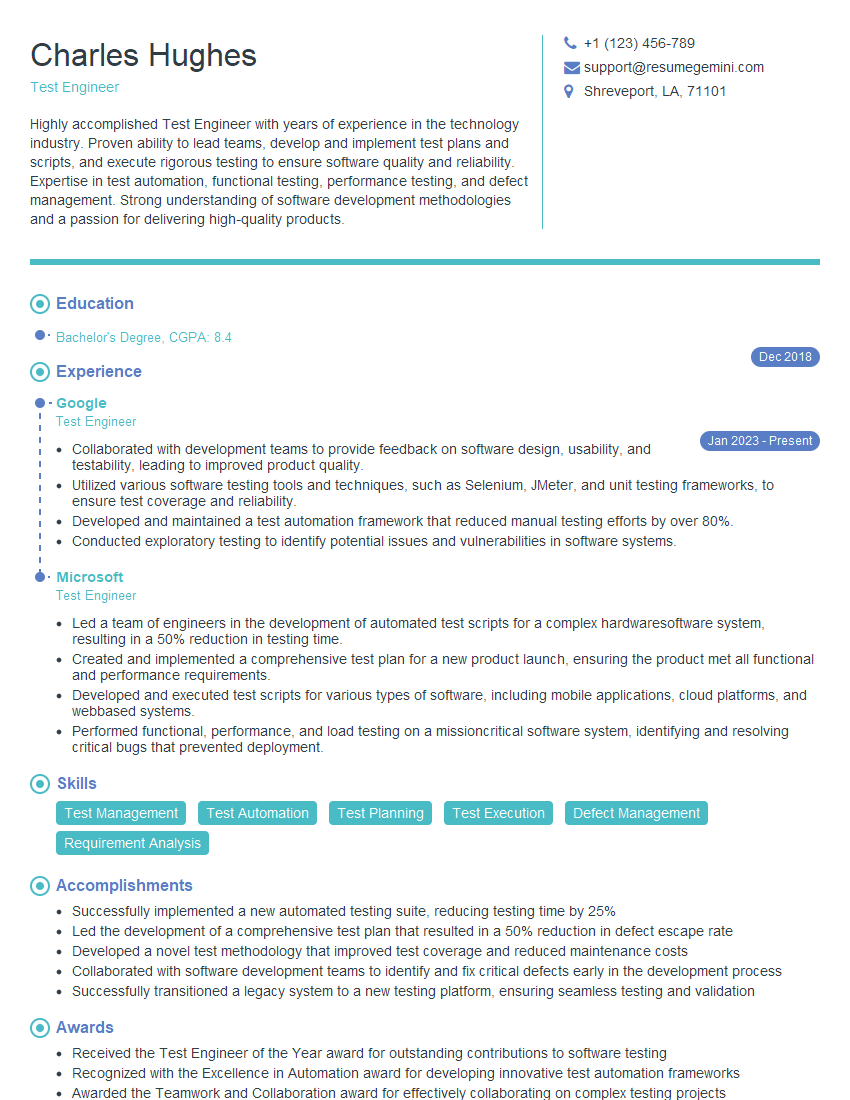
Test Engineer Resume Sample
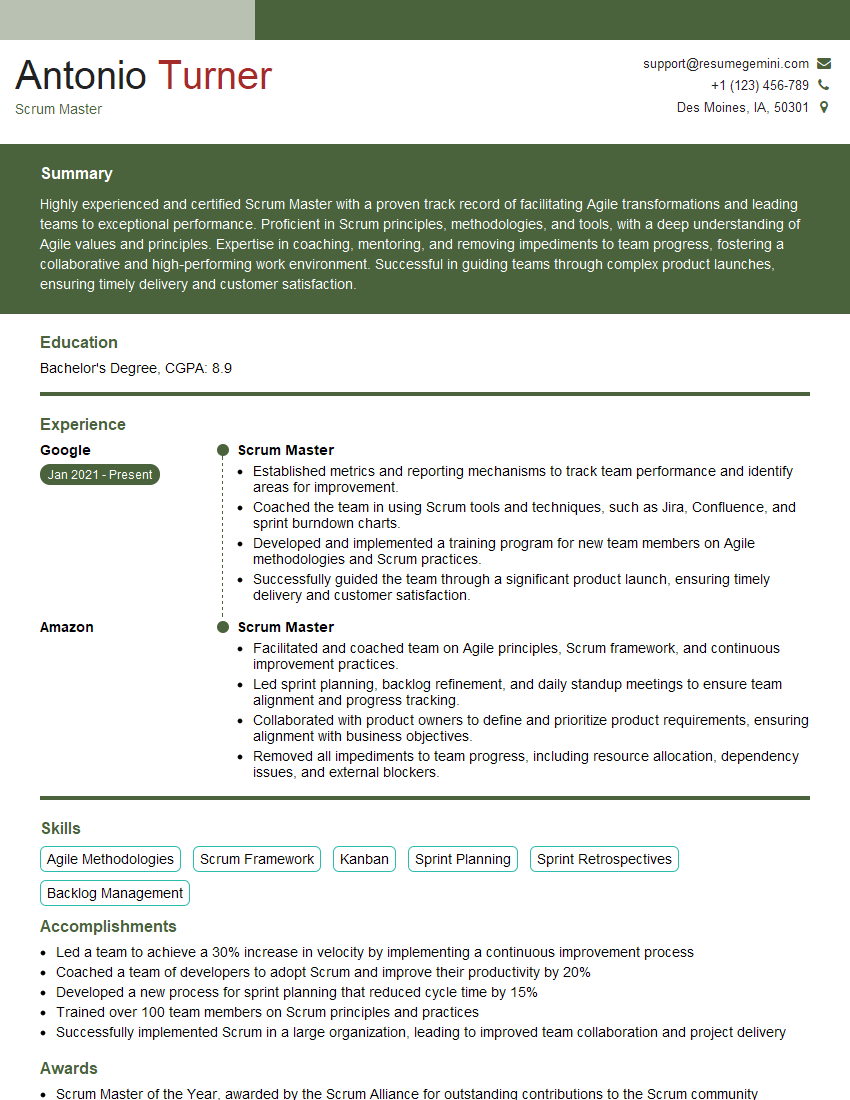
Scrum Master Resume Sample
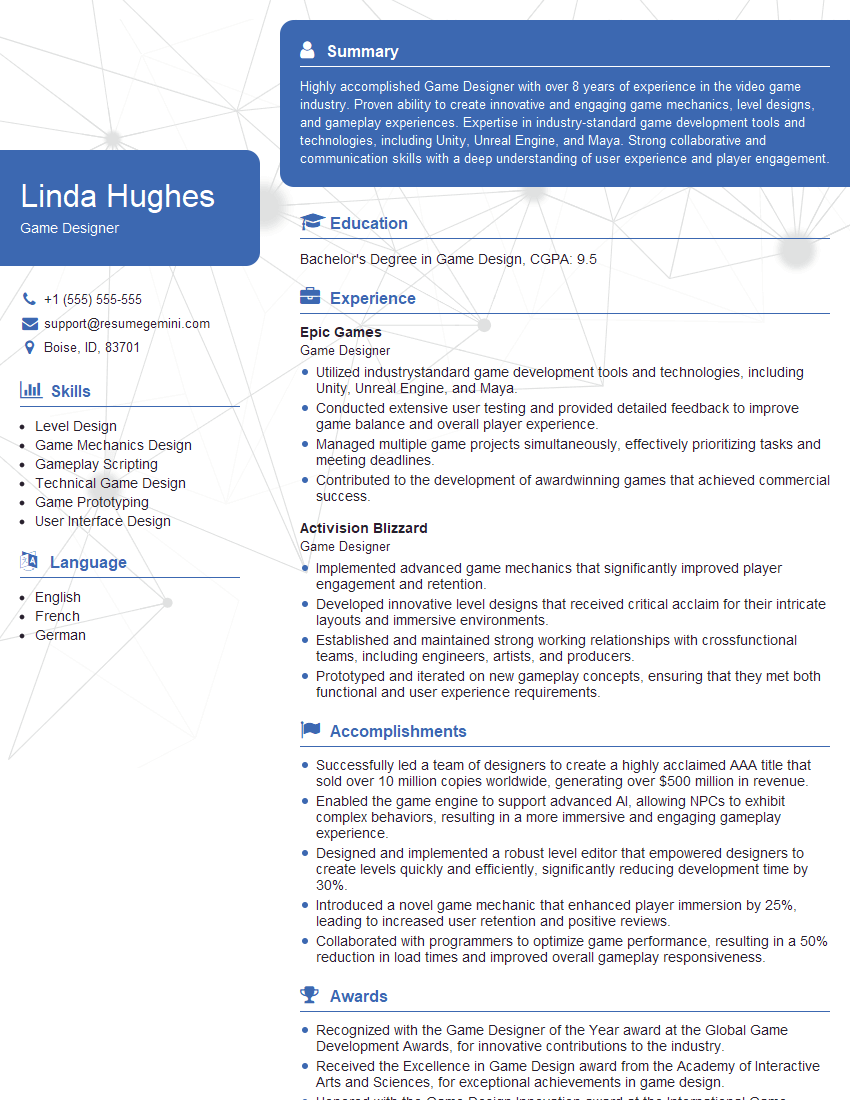
Game Designer Resume Sample
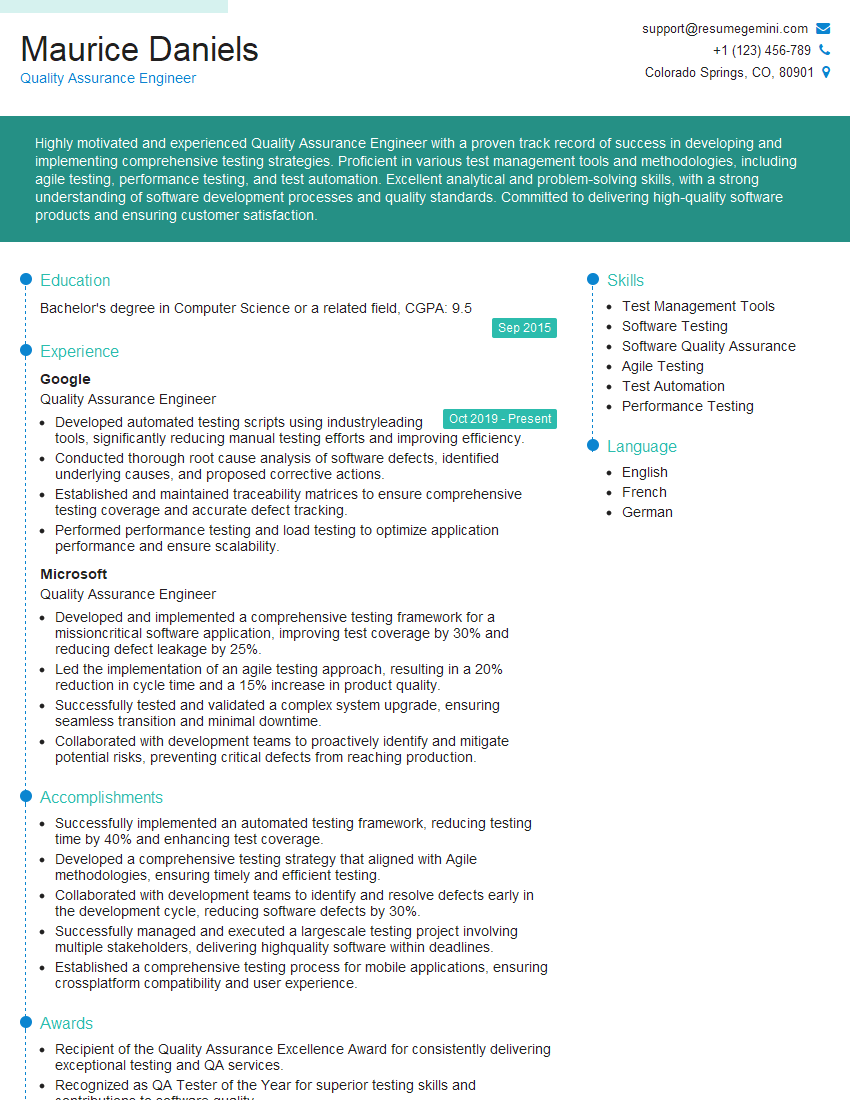
Quality Assurance Engineer Resume Sample
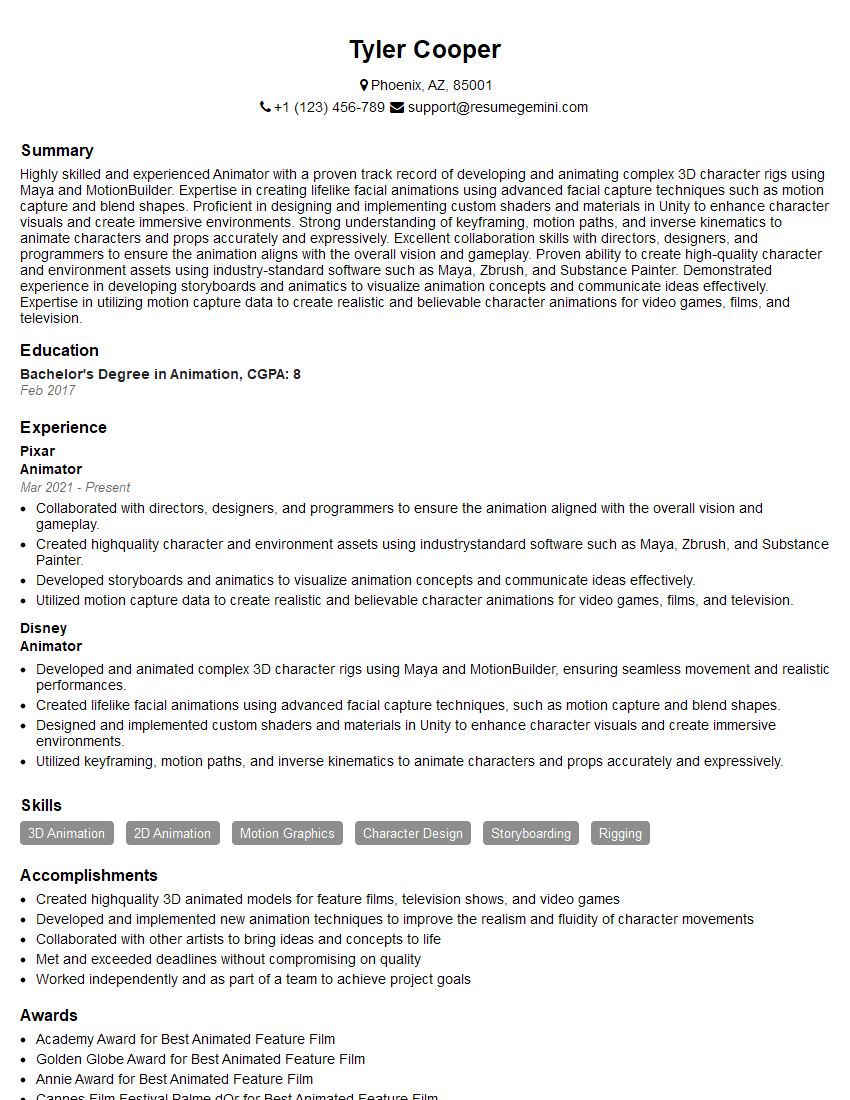
Animator Resume Sample
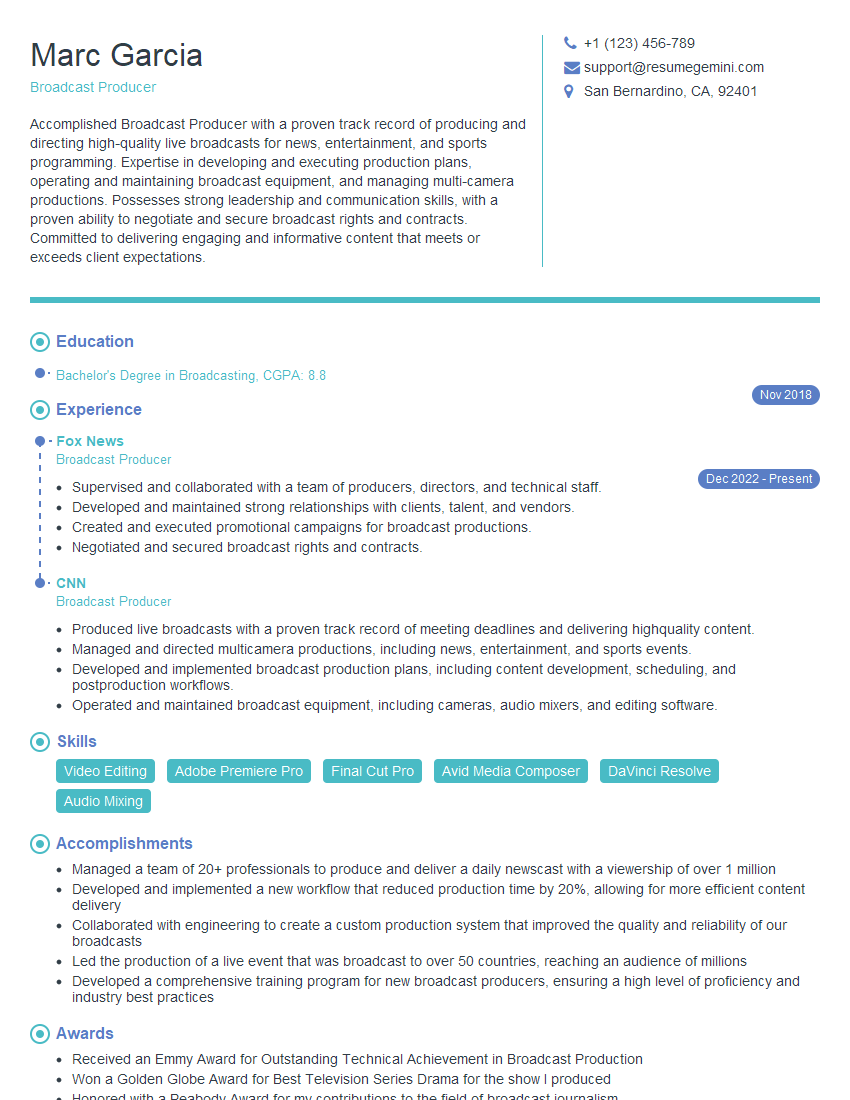
Broadcast Producer Resume Sample
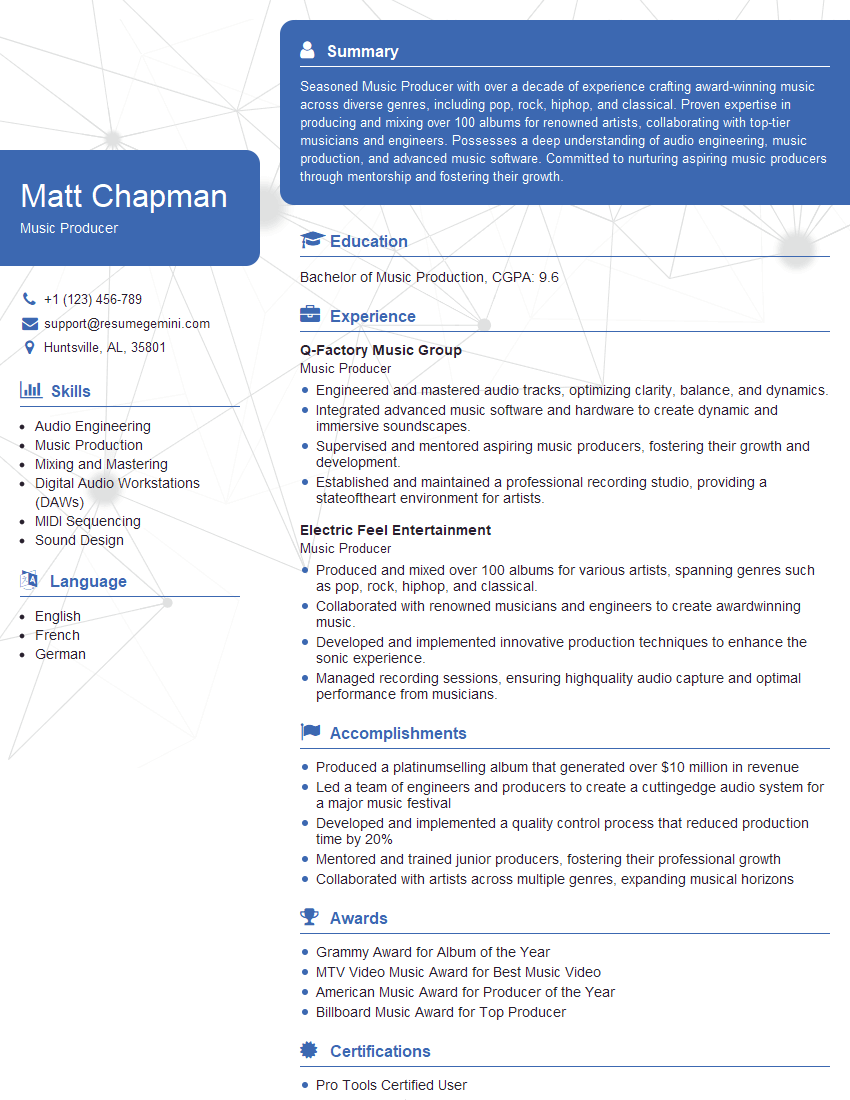
Music Producer Resume Sample

Technical Writer Resume Sample
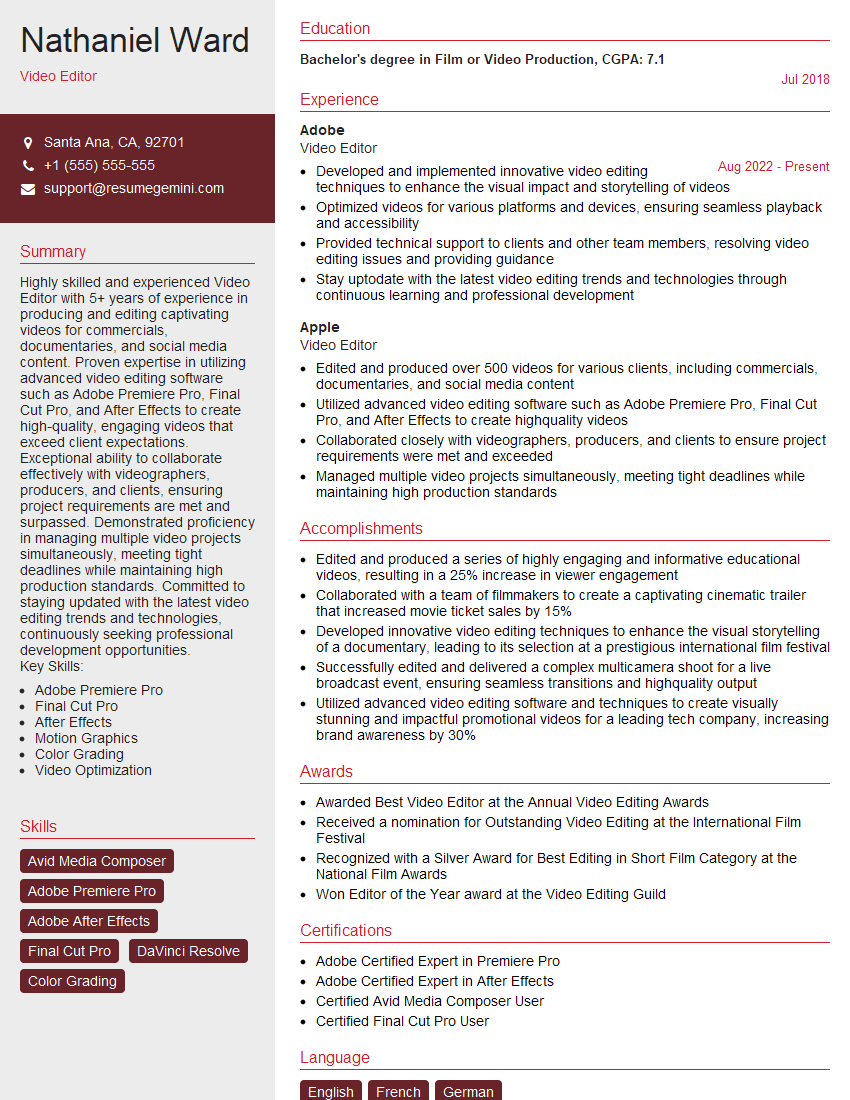
Video Editor Resume Sample
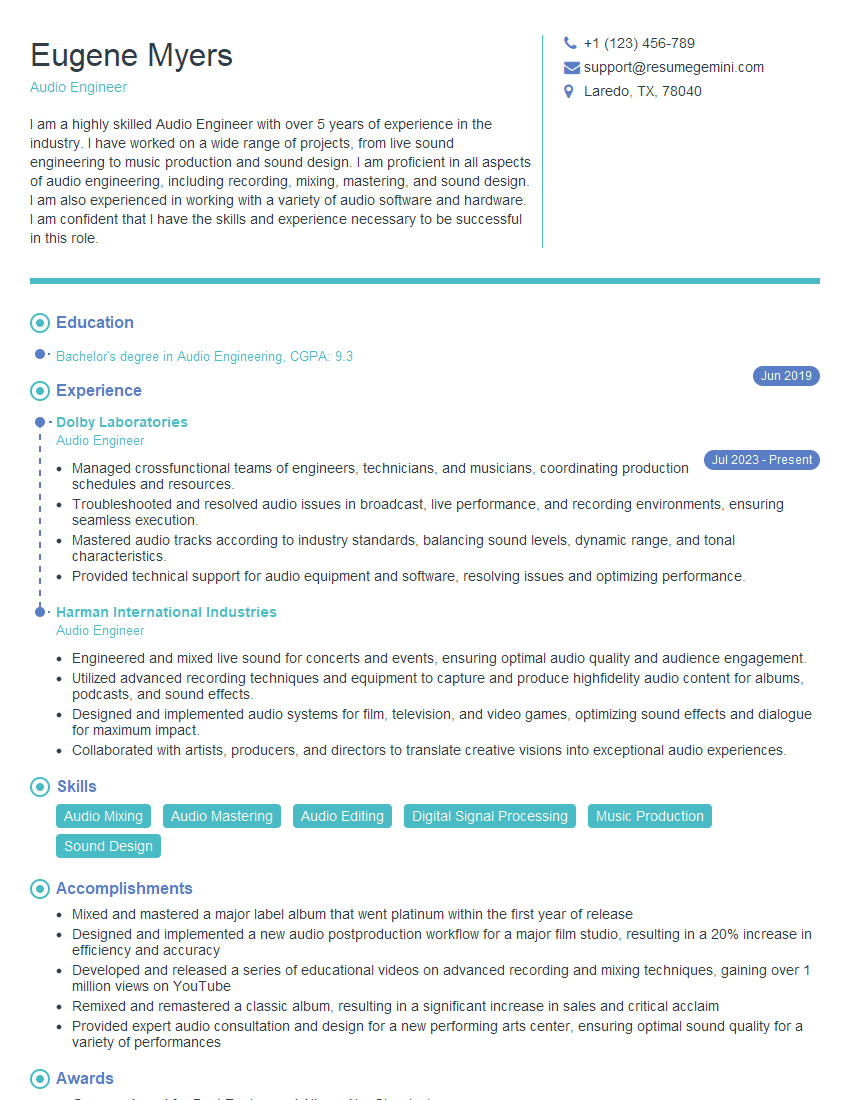
Audio Engineer Resume Sample
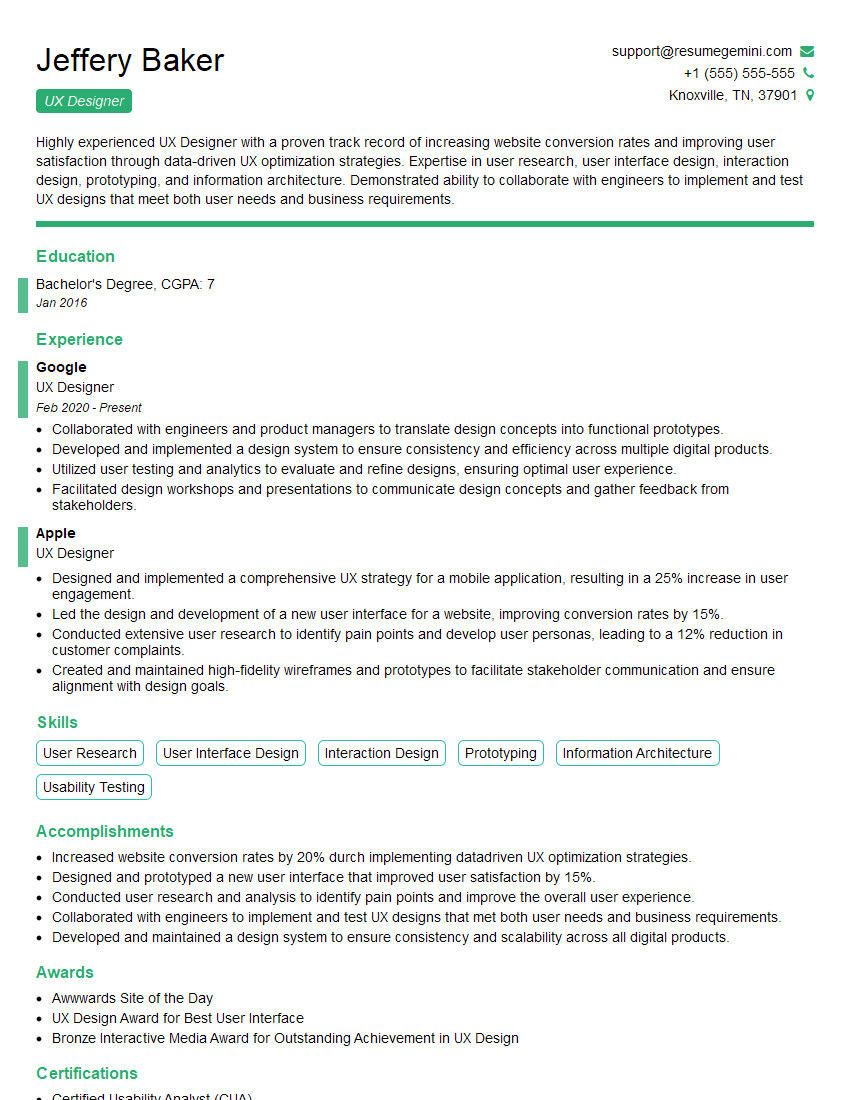
UX Designer Resume Sample
- Program Manager
- Operations Manager
- Production Manager
- Marketing Manager
- Sales Manager
- Product Manager
- Supply Chain Manager
- Project Manager
- Instructor
- Event Planner
- Trainer
- Software Developer
- Test Engineer
- Scrum Master
- Game Designer
- Quality Assurance Engineer
- Animator
- Broadcast Producer
- Music Producer
- Technical Writer
- Video Editor
- Audio Engineer
- UX Designer
Explore more articles
Users Rating of Our Blogs
Share Your Experience
We value your feedback! Please rate our content and share your thoughts (optional).
What Readers Say About Our Blog
Very informative content, great job.
good