The thought of an interview can be nerve-wracking, but the right preparation can make all the difference. Explore this comprehensive guide to Packaging Printed Circuit Boards interview questions and gain the confidence you need to showcase your abilities and secure the role.
Questions Asked in Packaging Printed Circuit Boards Interview
Q 1. Explain the different types of PCB packaging.
PCB packaging encompasses a variety of methods designed to protect circuit boards during transportation, storage, and handling. The choice of packaging depends heavily on factors like board size, fragility, environmental conditions, and cost. Broadly, we can categorize PCB packaging into these types:
- Trays: These are generally used for smaller PCBs and often feature foam or other cushioning material to protect the boards from impact and scratching. They’re economical for smaller-scale production.
- Boxes: These offer more protection than trays, especially for larger or more delicate boards. Boxes can be made from cardboard, plastic, or even metal, depending on the level of protection required. Anti-static properties are often incorporated.
- Reels: Common for surface-mount components (SMDs) and smaller PCBs, reels provide automated handling and efficient storage. They are usually made of plastic and often include a protective cover.
- Jigs and Fixtures: These are specialized packaging solutions for PCBs used in testing, repair, or assembly. They provide precise positioning and support during handling.
- Bags: Anti-static bags are vital to prevent electrostatic discharge damage. They’re often used in conjunction with other packaging methods to offer an extra layer of protection.
For example, a high-end server board would likely be packaged in a custom-fit box with anti-static shielding, while a low-cost consumer electronics PCB might use a simple tray and anti-static bag.
Q 2. Describe your experience with surface mount technology (SMT) packaging.
My experience with Surface Mount Technology (SMT) packaging is extensive. I’ve worked on projects ranging from high-volume consumer electronics to demanding aerospace applications. SMT packaging presents unique challenges due to the small size and high density of components. Key considerations include:
- Tape and Reel Packaging: Most SMT components are supplied on tape and reel. Ensuring proper handling and dispensing of these components during assembly is crucial to avoid damage or misalignment. I’ve worked extensively with different tape and reel formats and automated pick-and-place machines.
- Tray Packaging: Some larger or less common SMT components might be packaged in trays. Proper labeling and orientation are essential here to streamline the assembly process.
- Protection against ESD: SMT components are extremely susceptible to electrostatic discharge damage. Therefore, maintaining strict ESD control protocols throughout the packaging and handling process is paramount. I have implemented and managed ESD-safe work environments and packaging procedures.
- Thermal Management: The high density of components in SMT PCBs can lead to heat build-up. Packaging needs to consider heat dissipation, and I’ve worked with solutions such as conductive materials in packaging to facilitate heat transfer.
In one project involving a high-speed data acquisition board, we optimized the SMT component placement and implemented a specialized conductive tray to improve thermal management, leading to a significant reduction in component failure rates.
Q 3. What are the key considerations for selecting appropriate PCB packaging?
Selecting appropriate PCB packaging involves a careful balancing act between protection, cost, and ease of handling. Key considerations include:
- Board Size and Shape: Larger and more irregularly shaped boards require more robust packaging to prevent damage during transit.
- Component Sensitivity: Delicate components, such as those with exposed leads or small surface-mount devices, necessitate higher levels of protection.
- Environmental Conditions: Packaging should protect PCBs from moisture, dust, and temperature extremes during storage and shipping. This might include using desiccant packs or vacuum sealing.
- ESD Sensitivity: All PCBs require some level of ESD protection; highly sensitive electronics require very stringent precautions.
- Cost: The cost of packaging materials and labor should be balanced against the risk of damage and the need for protection.
- Shipping and Handling: The packaging needs to withstand the rigors of shipping and handling. Proper cushioning and labeling are important.
For instance, a PCB destined for a harsh environment might necessitate a hermetically sealed container, while a PCB shipped domestically might only need a sturdy cardboard box.
Q 4. How do you ensure the reliability of PCB packaging?
Ensuring the reliability of PCB packaging involves a multifaceted approach focusing on both the design and implementation of the packaging and the testing procedures. Here’s a breakdown:
- Material Selection: Choosing appropriate materials that are resistant to environmental factors like moisture, temperature, and vibration is crucial. This includes using anti-static materials and protective coatings.
- Design for Protection: The packaging design itself should be optimized to minimize stress on the PCB during shipping and handling. Proper cushioning, secure fastening, and protection against impact are essential.
- Testing: Rigorous testing is necessary to validate the effectiveness of the packaging. This includes drop tests, vibration tests, and climate tests to simulate real-world conditions.
- Quality Control: Implementing strict quality control measures during the packaging process helps to prevent damage and ensure consistency.
- Traceability: Maintaining proper documentation and traceability allows for effective investigation and problem-solving in case of issues.
For example, we might perform vibration tests on a batch of packaged PCBs to determine the maximum g-force they can withstand without damage. This information then informs our shipping procedures and ensures the safety of the product.
Q 5. Explain your experience with thermal management in PCB packaging.
Thermal management in PCB packaging is crucial, especially for high-power devices. Poor thermal management can lead to overheating, component failure, and reduced lifespan. My experience involves several key strategies:
- Conduction: Using thermally conductive materials in the packaging, such as heat sinks or thermal pads, allows for efficient heat transfer away from the PCB.
- Convection: Designing packaging that allows for good airflow around the PCB can facilitate heat dissipation through convection.
- Radiation: Using materials with high emissivity can promote radiative heat transfer. This is particularly important in enclosed spaces.
- Packaging Design: The layout and design of the packaging itself can impact thermal performance. For example, using open designs or strategic placement of vents can improve airflow.
In one project, we developed a custom packaging solution that incorporated a heat sink and strategically placed vents, resulting in a 20% reduction in operating temperature and significantly improving the reliability of the system.
Q 6. Discuss the importance of electrostatic discharge (ESD) protection in PCB packaging.
Electrostatic discharge (ESD) protection is paramount in PCB packaging. ESD can cause latent damage to sensitive electronic components, leading to intermittent failures or complete device malfunction. My experience highlights the importance of comprehensive ESD protection measures throughout the entire lifecycle:
- Anti-static Materials: Using anti-static bags, trays, and boxes prevents the accumulation of static electricity.
- Grounding: Grounding equipment and workstations during handling and packaging minimizes the risk of electrostatic discharge.
- Ionizers: Using ionizers to neutralize static electricity in the air is especially critical in dry environments.
- Conductive Packaging: Packaging materials with conductive properties can further enhance ESD protection.
- Proper Handling Techniques: Training personnel on proper ESD handling procedures is essential to prevent accidental damage.
Failure to implement adequate ESD protection can result in significant financial losses due to product failure and warranty claims. A robust ESD control plan is a crucial part of a successful packaging strategy.
Q 7. What are the different types of PCB board materials and their impact on packaging?
Different PCB board materials significantly impact packaging requirements. The choice of material affects the board’s fragility, thermal conductivity, and susceptibility to environmental factors.
- FR-4 (Flame Retardant 4): This is the most common PCB material, a fiberglass-reinforced epoxy resin. It’s relatively inexpensive but can be somewhat brittle, requiring careful packaging to prevent cracking or bending.
- High-Tg FR-4: This offers higher glass transition temperature (Tg), meaning it can withstand higher operating temperatures. Packaging considerations might focus on maintaining optimal thermal management.
- Aluminum-clad PCBs: These boards provide excellent thermal conductivity, reducing the need for extensive heat sinking but can be heavier and more prone to bending.
- Polyimide (PI) PCBs: These are flexible and have high Tg. They demand more specialized packaging, often employing custom-fit solutions and potentially vacuum sealing to protect the boards from the elements.
For example, a flexible PI PCB used in a wearable device requires very different packaging than a rigid FR-4 PCB used in a server. The flexible board needs protection from bending and creasing, while the rigid board primarily needs protection from impacts and static electricity.
Q 8. Describe your experience with designing for manufacturability (DFM) in PCB packaging.
Designing for Manufacturability (DFM) in PCB packaging is crucial for ensuring a smooth and cost-effective production process. It involves anticipating potential manufacturing challenges early in the design phase and implementing solutions to avoid costly rework or delays. My experience encompasses a holistic approach, considering factors from component placement and board layout to material selection and packaging techniques.
For instance, I’ve worked on projects where careful consideration of component lead lengths prevented issues during automated placement. We ensured sufficient clearance around components to facilitate easy handling by pick-and-place machines and avoided fragile components in areas prone to stress during automated processes. We also standardized the use of readily available materials to streamline procurement and reduce lead times.
Another example involves designing for specific assembly processes. For a high-volume application, we utilized surface mount technology (SMT) and optimized component placement for efficient reflow soldering. For a low-volume project with high-reliability requirements, through-hole technology was selected. The choice was heavily influenced by our knowledge of the available assembly capabilities and costs.
Q 9. How do you address vibration and shock considerations in PCB packaging?
Addressing vibration and shock is paramount for ensuring the integrity and reliability of PCBs during transportation, handling, and operation. I’ve incorporated several strategies to mitigate these risks. Think of it like packing fragile items for shipping – you wouldn’t just toss them in a box!
- Proper Cushioning: Using appropriate materials like foam, elastomers, or honeycomb structures to absorb impact and dampen vibrations. The choice depends on the severity of the expected shock and vibration levels.
- Shock Mounts: Employing shock-absorbing mounts or isolators to isolate the PCB from external shocks and vibrations. These mounts help to isolate the board from external vibrations, minimizing the transmission of shocks to the sensitive components.
- Optimized Packaging Design: Designing packaging that distributes impact forces evenly across the PCB to minimize stress concentrations. This often involves designing custom-fit inserts to hold the PCB securely.
- Orientation and Restraints: Specifying the proper orientation of the PCB within the package and using restraints (straps or foam) to prevent movement during transit. Imagine how different orientations might affect delicate circuitry.
For example, in a project involving high-G force environments, we utilized a custom-designed, multi-layered foam-lined case combined with a robust shock-absorbing mount. This was crucial for protecting the PCB from potential damage during launch.
Q 10. Explain your experience with automated PCB packaging processes.
My experience with automated PCB packaging processes spans various techniques and technologies. This typically involves integrating automated machinery into the packaging workflow to increase efficiency, reduce costs, and maintain consistency. I’ve worked extensively with automated taping and reeling machines for surface mount components and automated tray loading for larger PCBs.
For instance, I worked on a project that involved transitioning from manual packaging to a fully automated line. This involved designing the PCB and its carrier to be compatible with existing pick-and-place and tray-loading equipment. This required careful attention to dimensions and tolerances to ensure a seamless integration. We also developed custom jigs and fixtures to improve the efficiency of the automated processes.
Another example involves the use of robotic systems for palletizing and stacking packaged PCBs for shipping. The implementation of these systems required programming and testing to ensure accurate and efficient handling of a large volume of units.
Q 11. Describe your experience with environmental testing for PCB packaging.
Environmental testing is critical to ensure the PCB packaging’s ability to protect its contents under various conditions. My experience includes designing and executing tests to meet specific industry standards, such as MIL-STD-810 or IEC 60068. These standards define different environmental stress tests including temperature cycling, humidity, vibration, and shock.
For example, a recent project involved subjecting the PCB packaging to temperature cycling between -40°C and +85°C to assess its resistance to thermal shock. Data from these tests were used to fine-tune the packaging design to ensure the PCB would function reliably under extreme temperatures. We also perform humidity testing to assess the package’s resistance to condensation and corrosion.
Another example includes vibration testing to verify the packaging’s capability to withstand the rigors of transportation. During this testing, we employed accelerometers to measure vibration levels and ensure the PCB remained intact.
Q 12. What are the common failure modes in PCB packaging?
Common failure modes in PCB packaging can be broadly categorized into mechanical, environmental, and material-related issues. These often lead to PCB damage, malfunctions, or complete failure.
- Mechanical Failures: These include cracks in the PCB, damaged components due to impacts or vibrations, improper PCB seating, and insufficient protection from external forces.
- Environmental Failures: Corrosion, moisture ingress, oxidation, and degradation of materials due to extreme temperatures, humidity, or other environmental factors.
- Material Failures: Degradation of packaging materials, failure of adhesives or encapsulants, and inappropriate material choices leading to premature aging or chemical reactions.
For example, inadequate cushioning can lead to mechanical stress on the PCB causing cracks or component damage. Similarly, the use of materials that are not resistant to high humidity can result in corrosion of the PCB.
Q 13. How do you perform root cause analysis for PCB packaging failures?
Root cause analysis for PCB packaging failures is a systematic process aimed at identifying the underlying causes of a failure to prevent recurrence. This typically involves a combination of visual inspection, material analysis, and testing.
- Visual Inspection: Carefully examining the failed package and PCB for any visible signs of damage, such as cracks, dents, corrosion, or component displacement.
- Data Analysis: Reviewing environmental test data, manufacturing records, and any available performance data to identify potential correlations between the failure and specific conditions or events.
- Material Analysis: Conducting material testing, such as chemical analysis or microscopy, to identify any material degradation or chemical reactions that may have contributed to the failure.
- Failure Mode and Effects Analysis (FMEA): Systematically identifying potential failure modes, their causes, and their effects to pinpoint areas for improvement in the design or manufacturing process.
A classic example is a case where a PCB failed due to corrosion. Through root cause analysis, we discovered that the packaging material used wasn’t sufficiently resistant to humidity, resulting in condensation and ultimately corrosion of the PCB. This highlighted the need for more robust material selection in future designs.
Q 14. Explain your experience with Finite Element Analysis (FEA) in PCB packaging design.
Finite Element Analysis (FEA) is a powerful computational tool used to simulate the behavior of structures under various loading conditions. In PCB packaging, FEA helps predict stress, strain, and displacement within the package and the PCB itself, allowing us to optimize the design for improved durability and reliability.
For example, FEA can be used to simulate the impact forces on the PCB during a drop test. This helps determine the optimal amount of cushioning needed to protect the PCB from damage. We can also use FEA to analyze stress concentrations around components, identify areas of high stress, and modify the design to reduce these stresses.
Another application involves analyzing the thermal behavior of the package, predicting temperature gradients and ensuring sufficient heat dissipation to prevent overheating of sensitive components. The output from these simulations helps to inform material selection and design iterations.
Q 15. Describe your experience with different types of packaging materials (e.g., plastics, metals).
My experience encompasses a wide range of packaging materials for PCBs, each chosen based on the specific application requirements. Plastics, such as ABS, polycarbonate, and various types of epoxy molding compounds (EMCs), offer cost-effectiveness, design flexibility, and good insulation properties. I’ve extensively used them in consumer electronics and industrial control systems. For instance, I designed a package using liquid crystal polymer (LCP) for a high-frequency application because of its excellent dielectric properties and ability to withstand high temperatures. Metals, such as aluminum and copper, are preferred for applications demanding high thermal conductivity, shielding, or mechanical robustness. I’ve worked with aluminum housings for power electronics, leveraging their excellent heat dissipation capabilities. The choice often involves a trade-off between cost, performance, and environmental considerations; for example, using recycled plastics reduces cost and environmental impact but might compromise some performance characteristics.
Beyond these common materials, I have also explored more specialized options like ceramic substrates for high-power applications or specialized polymers with enhanced flame retardant properties for safety-critical designs. Understanding the material properties – thermal expansion, dielectric strength, chemical resistance – is crucial for successful packaging design.
Career Expert Tips:
- Ace those interviews! Prepare effectively by reviewing the Top 50 Most Common Interview Questions on ResumeGemini.
- Navigate your job search with confidence! Explore a wide range of Career Tips on ResumeGemini. Learn about common challenges and recommendations to overcome them.
- Craft the perfect resume! Master the Art of Resume Writing with ResumeGemini’s guide. Showcase your unique qualifications and achievements effectively.
- Don’t miss out on holiday savings! Build your dream resume with ResumeGemini’s ATS optimized templates.
Q 16. What are your preferred Computer-Aided Design (CAD) tools for PCB packaging design?
My preferred CAD tools for PCB packaging design include Altium Designer and SolidWorks. Altium Designer provides comprehensive PCB design capabilities, seamlessly integrating with its 3D modeling features, allowing for effective visualization and analysis of the package. SolidWorks, on the other hand, excels in creating detailed mechanical designs, enabling precise modeling of the enclosure and other mechanical components that interact with the PCB. I often use both in conjunction: I’ll use Altium Designer for the PCB and component placement, and then export the PCB footprint to SolidWorks to create the complete 3D model of the package, including the enclosure, connectors, and heat sinks. This combined approach ensures accurate design and minimizes potential assembly issues.
Q 17. Discuss your experience with component placement optimization for PCB packaging.
Component placement optimization is critical for achieving optimal signal integrity, thermal management, and manufacturing efficiency. My approach involves utilizing the automated placement features in Altium Designer, followed by manual fine-tuning. I consider factors like signal trace lengths (especially for high-speed signals), component heat dissipation, and ease of assembly. For example, in a high-speed design, I’ll prioritize placing critical components close together to minimize signal delays and improve signal integrity. Simultaneously, I will strategically position heat-generating components near heat sinks or cooling solutions. Furthermore, I’ll group components that need to be connected with the same connectors to minimize wiring and streamline the assembly process. I often use simulation tools to verify placement decisions and assess signal integrity and thermal performance, ensuring the optimized design meets performance requirements before prototyping.
Q 18. How do you balance cost and performance in PCB packaging design?
Balancing cost and performance in PCB packaging design is a constant challenge that requires careful consideration of various factors. My strategy involves iterative design and analysis. I start by defining the minimum performance requirements and then explore different packaging options with varying costs. For example, I might compare a more expensive, high-performance material like LCP with a less expensive option like FR4 for the substrate. Through simulation and analysis, I evaluate the trade-offs between the cost of the materials, the manufacturing process, and the potential impact on the system performance. Often, it involves finding the ‘sweet spot’ where the added performance justifies the incremental cost. This might involve selecting cost-effective materials for less critical areas while reserving higher-performing materials for crucial components. Ultimately, the optimal solution is determined by a comprehensive cost-benefit analysis, considering factors such as long-term reliability, potential failure rates, and warranty costs.
Q 19. What are the challenges of miniaturizing PCB packaging?
Miniaturizing PCB packaging presents several significant challenges. Firstly, the reduced space restricts component placement, requiring sophisticated techniques for optimizing component density and minimizing trace lengths. Secondly, smaller packages often lead to higher power densities, creating more demanding thermal management requirements. Advanced cooling solutions, such as embedded heat pipes or micro-fluidic cooling, may be necessary. Thirdly, miniaturization can increase the sensitivity of the design to signal interference and electromagnetic emissions, demanding careful consideration of shielding and grounding techniques. Finally, the assembly process becomes more intricate, demanding higher precision and potentially more expensive manufacturing methods. For example, I once encountered a project requiring the integration of a high-performance microprocessor within a space-constrained, wearable device. Overcoming these challenges involved using a high-density interconnect (HDI) PCB, advanced thermal management techniques, and a highly automated assembly process.
Q 20. How do you ensure compliance with industry standards (e.g., IPC) in PCB packaging?
Ensuring compliance with industry standards like IPC standards is paramount for producing reliable and consistent PCBs. Throughout the design process, I adhere to relevant IPC specifications, such as IPC-2221 (General Requirements for Printed Boards) and IPC-A-600 (Acceptability of Electronic Assemblies), to ensure the design, manufacturing, and testing processes meet the required standards. This involves choosing appropriate materials, defining precise dimensions and tolerances, and specifying acceptable manufacturing processes. Furthermore, I incorporate design rules checks (DRC) within the CAD software to verify compliance with these standards. Regular audits and inspections of the manufacturing process also help maintain compliance and identify potential issues early on. Finally, thorough documentation of all design choices and manufacturing processes ensures traceability and facilitates compliance audits.
Q 21. Explain your experience with PCB packaging for high-reliability applications.
My experience with high-reliability applications focuses on creating robust and dependable PCB packaging solutions. These applications, such as aerospace or medical devices, demand rigorous quality control and extensive testing. I utilize advanced materials, such as high-temperature materials and conformal coatings, to protect against environmental stresses and enhance reliability. The design incorporates redundancy where necessary, using techniques like redundant power supplies or critical component duplication. Throughout the development, I employ rigorous testing methods, including thermal cycling, vibration testing, and accelerated life testing, to validate the reliability of the design under extreme conditions. Detailed documentation, including Failure Modes and Effects Analysis (FMEA), is crucial for identifying and mitigating potential risks. For example, in a recent project involving a life-critical medical device, my focus was on preventing failures through robust materials selection, redundancy mechanisms, and extensive environmental testing to exceed the minimum reliability requirements.
Q 22. Describe your understanding of the supply chain for PCB packaging materials.
The PCB packaging supply chain is complex, involving numerous stakeholders and stages. It begins with the selection of raw materials like paperboard, plastic films, foams, and anti-static materials. These materials are sourced from various suppliers, often globally, and their quality is crucial for protecting the PCBs. Next, the materials are processed and converted into packaging components, such as trays, boxes, and reels, often by specialized converters. These components are then delivered to the PCB manufacturer or packaging houses, where the actual packaging takes place. Finally, the packaged PCBs are shipped to the end customers or distributors, often involving intricate logistics and labeling requirements. Think of it like a relay race – each step needs to be seamless and efficient for a successful delivery. For instance, a delay in the supply of specialized anti-static foam could halt the entire packaging process.
- Raw Material Sourcing: Ensuring quality and timely delivery of paperboard, plastic, foams, etc.
- Component Manufacturing: Converting raw materials into trays, boxes, and reels. This often involves specialized machinery and skilled labor.
- Packaging Assembly: Integrating components and PCB protection measures, such as desiccant packs.
- Logistics & Distribution: Efficient transportation and warehousing of packaged PCBs to clients.
Q 23. How do you manage and reduce the environmental impact of PCB packaging?
Environmental impact reduction in PCB packaging is a top priority. We focus on minimizing waste by optimizing packaging design to reduce material usage. For example, using lightweight materials without compromising protection, designing boxes for optimal space utilization in shipping containers, and choosing materials with high recyclability. We also prioritize using recycled content in our packaging whenever feasible. Furthermore, we work closely with our suppliers to select environmentally friendly materials and reduce their carbon footprint. For instance, switching from virgin plastic to recycled plastic significantly reduces our environmental impact. Finally, rigorous documentation and tracking allow us to monitor our progress and identify areas for improvement.
- Sustainable Material Selection: Prioritizing recycled and biodegradable materials.
- Waste Reduction: Optimizing packaging design for minimum material usage and waste generation.
- Supplier Collaboration: Working with suppliers committed to environmental sustainability.
- Lifecycle Analysis: Evaluating the environmental impact of the entire packaging lifecycle.
Q 24. What are your strategies for improving PCB packaging efficiency?
Improving PCB packaging efficiency involves a multi-pronged approach. We analyze packaging processes to identify bottlenecks and inefficiencies, then implement lean manufacturing principles to streamline operations. This may include automating packaging steps, optimizing workflow, and improving material handling. We also invest in sophisticated packaging equipment to increase throughput and reduce manual labor. Another strategy is to design for automation, ensuring our packaging designs are compatible with automated packing and palletizing systems. For example, a redesigned box might allow for robotic palletizing, significantly increasing speed and efficiency compared to manual labor. Finally, robust inventory management helps minimize storage costs and prevents stockouts.
- Process Optimization: Identifying and eliminating bottlenecks in the packaging process.
- Automation: Implementing automated packaging equipment to increase efficiency and reduce labor costs.
- Design for Automation: Creating packaging designs suitable for automated handling and processing.
- Inventory Management: Efficiently managing inventory levels to minimize storage costs and waste.
Q 25. Describe your experience with testing and validation of PCB packaging.
Testing and validation are critical to ensure the packaging protects the PCBs during transport and storage. We use a variety of methods, including drop tests, vibration tests, and climate chamber testing to simulate real-world conditions. These tests evaluate the packaging’s ability to withstand shock, vibration, and temperature variations. We also perform inspections to ensure the integrity of the packaging materials and the proper application of static dissipative measures to prevent electrostatic discharge (ESD) damage to the sensitive electronic components. Detailed documentation of test results is vital, providing evidence of the packaging’s performance and compliance with industry standards. For example, we might conduct a drop test from a height of 1 meter to assess the protection against impacts during shipping.
- Environmental Testing: Simulating real-world conditions (temperature, humidity, vibration).
- Physical Testing: Drop tests, compression tests, and impact tests.
- ESD Testing: Evaluating the packaging’s ability to protect against electrostatic discharge.
- Visual Inspection: Verifying the quality and proper assembly of the packaging.
Q 26. Explain your experience with documentation and reporting in PCB packaging projects.
Documentation and reporting are crucial for traceability and quality control. We maintain comprehensive records, including material specifications, packaging designs, test results, and process parameters. This documentation serves as a valuable resource for auditing, problem-solving, and continuous improvement. We use a combination of electronic databases and physical files to organize information efficiently. Detailed reports are generated summarizing test results, non-conformances, and corrective actions. These reports ensure transparency and facilitate communication with stakeholders. For example, we might generate a monthly report summarizing packaging performance, highlighting any identified issues and proposed solutions.
- Material Specifications: Detailed documentation of all materials used in the packaging.
- Packaging Design Drawings: Complete blueprints of packaging components and assemblies.
- Test Results: Comprehensive records of all testing conducted.
- Process Parameters: Detailed documentation of all steps in the packaging process.
Q 27. How do you handle changes in PCB packaging design during the manufacturing process?
Changes in PCB packaging design during manufacturing require a structured approach. First, we thoroughly evaluate the impact of any proposed changes on the packaging process, cost, and environmental considerations. Next, we update the documentation, including design drawings and specifications. We then collaborate with relevant stakeholders, including suppliers, manufacturing personnel, and quality control, to implement the changes effectively. Change management procedures often involve review boards and approval processes to ensure that changes are carefully managed. Detailed communication is crucial to avoid disruptions and ensure that all parties are aware of the modifications. A change request form might be used to document the rationale, impact assessment, and approval process for every change.
- Impact Assessment: Evaluating the effect of design changes on cost, process, and environmental impact.
- Documentation Update: Updating design drawings, specifications, and other relevant documentation.
- Stakeholder Communication: Communicating changes to relevant stakeholders.
- Change Control: Implementing formal change management procedures.
Q 28. Describe your experience with collaborative work within a PCB packaging team.
Collaborative teamwork is essential for success in PCB packaging. We foster a culture of open communication and shared responsibility, involving engineers, procurement, manufacturing, quality control, and logistics personnel. Regular meetings, shared project management tools, and clear communication channels are crucial for effective collaboration. We use project management methodologies like Agile to ensure flexibility and responsiveness to changing requirements. For instance, we might use daily stand-up meetings to track progress, address roadblocks, and ensure everyone is aligned on project goals. Successful collaboration minimizes misunderstandings, improves efficiency, and enhances product quality.
- Open Communication: Utilizing various channels for efficient information exchange (meetings, email, project management software).
- Shared Responsibility: Defining clear roles and responsibilities for each team member.
- Project Management Methodologies: Employing Agile or other project management frameworks for efficient workflow.
- Conflict Resolution: Establishing mechanisms for addressing conflicts and disagreements professionally.
Key Topics to Learn for Packaging Printed Circuit Boards Interview
- PCB Packaging Fundamentals: Understanding different packaging types (e.g., surface mount, through-hole), their advantages and disadvantages, and material properties relevant to PCB protection and performance.
- Packaging Design and Analysis: Applying theoretical knowledge to practical scenarios, such as designing for thermal management, signal integrity, and mechanical stress. This includes understanding simulation tools and methodologies.
- Manufacturing Processes: Familiarity with assembly processes like soldering, testing, and quality control, and how packaging choices impact these processes and overall yield.
- Standards and Compliance: Knowledge of industry standards (e.g., IPC standards) and regulatory compliance related to PCB packaging, including environmental considerations.
- Material Selection: Understanding the properties of various packaging materials (e.g., plastics, adhesives, encapsulants) and their suitability for specific applications, considering factors like cost, durability, and environmental impact.
- Failure Analysis and Troubleshooting: Identifying and analyzing potential failure modes in PCB packaging and developing solutions to prevent or mitigate issues. This involves root cause analysis and problem-solving skills.
- Automation and Robotics in PCB Packaging: Understanding the role of automated systems in high-volume PCB packaging, including pick-and-place machines, automated optical inspection (AOI), and related technologies.
Next Steps
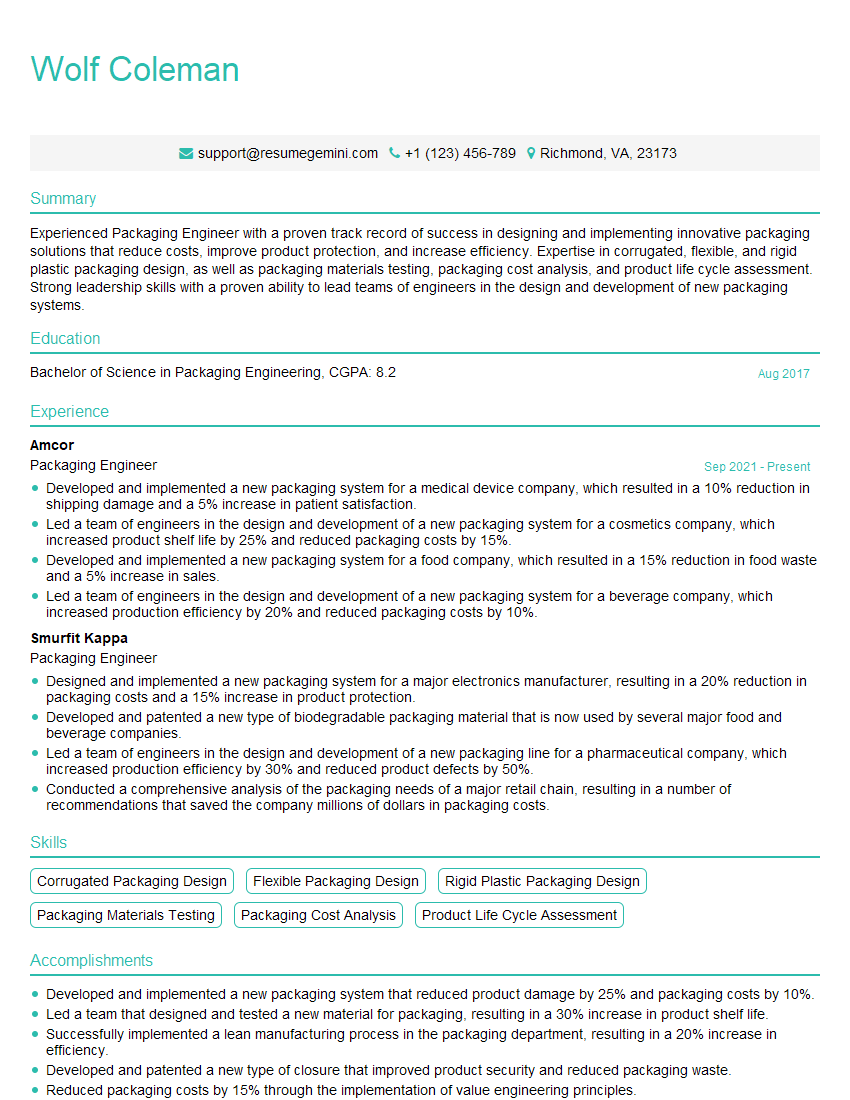
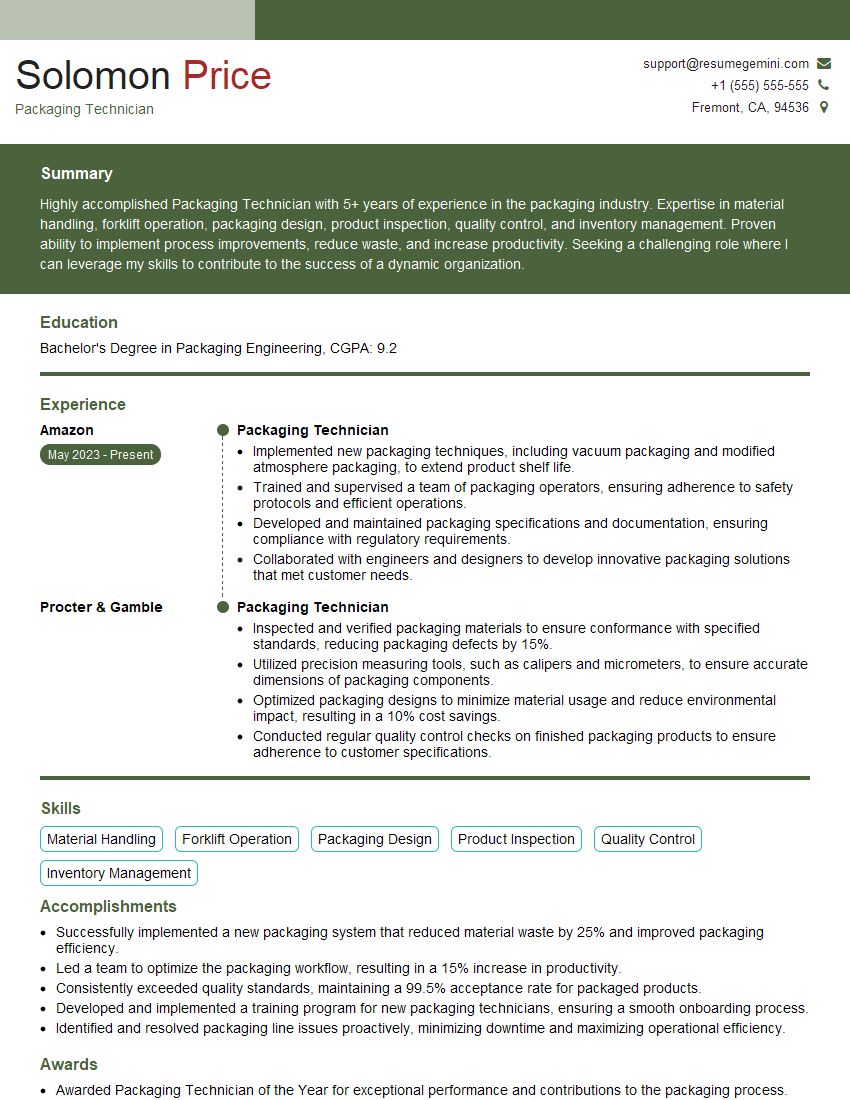
Mastering the intricacies of Packaging Printed Circuit Boards opens doors to exciting career opportunities in a rapidly evolving technological landscape. A strong understanding of these concepts significantly enhances your value to potential employers. To make sure your skills shine, focus on creating a compelling, ATS-friendly resume that highlights your expertise. ResumeGemini is a trusted resource for building professional resumes that get noticed. We provide examples of resumes tailored to Packaging Printed Circuit Boards to help you craft the perfect application. Invest in presenting yourself effectively – it’s a crucial step toward securing your dream job.
Explore more articles
Users Rating of Our Blogs
Share Your Experience
We value your feedback! Please rate our content and share your thoughts (optional).
What Readers Say About Our Blog
Very informative content, great job.
good