Feeling uncertain about what to expect in your upcoming interview? We’ve got you covered! This blog highlights the most important Pallet Building and Loading interview questions and provides actionable advice to help you stand out as the ideal candidate. Let’s pave the way for your success.
Questions Asked in Pallet Building and Loading Interview
Q 1. What are the different types of pallets commonly used?
Pallets come in various types, each designed for specific needs and load characteristics. The most common are:
- Wood Pallets: These are the most traditional and widely used, offering good strength and affordability. However, they can be susceptible to damage from moisture and pests. Different types exist, including stringer, block, and nested pallets, each with varying structural properties.
- Plastic Pallets: Durable and hygienic, these pallets are ideal for food and pharmaceutical industries. They’re resistant to moisture and pests, and often easier to clean. However, they are typically more expensive than wood pallets.
- Metal Pallets: Extremely strong and durable, metal pallets are used for heavy-duty applications and where exceptional longevity is required. Their weight is a significant factor, impacting handling and transportation costs.
- Paper Pallets: A more environmentally friendly option, these pallets are made from recycled paper and are generally lighter than wood pallets. They are suitable for lighter loads and are often one-way pallets, designed for single-use applications.
- Composite Pallets: Combining different materials, such as wood and plastic, or wood and metal, allows for customization of properties to optimize for specific applications. For example, a composite pallet might use a wood core for strength and a plastic outer layer for moisture resistance.
The choice of pallet type depends on factors like the weight and type of goods being transported, budget, environmental concerns, and the need for reusability or hygiene.
Q 2. Explain the importance of proper pallet stacking techniques.
Proper pallet stacking is critical for safety and efficiency. Improper stacking can lead to load instability, damage to goods, injuries, and costly delays. Key aspects include:
- Load Weight Distribution: Heavier items should be placed on the bottom, with weight evenly distributed across the pallet. Imagine building a tower of blocks – you wouldn’t put the biggest block at the top!
- Stacking Height: The maximum stacking height depends on the pallet type, load weight, and wrapping method. Exceeding the safe height can cause collapse. Always follow the manufacturer’s recommendations.
- Interlocking Patterns: Overlapping or alternating layers creates a more secure stack, reducing the risk of shifting or toppling. This is analogous to building a brick wall, where interlocking bricks provide greater stability.
- Proper Centering: Ensure the load is centered on the pallet to maintain balance. An off-center load creates uneven pressure points, increasing instability.
- Load Securing: Use appropriate strapping, banding, or wrapping methods to secure the load and prevent shifting during transport. This adds extra stability to your “tower of blocks”.
Consistent application of these techniques is crucial for maintaining a secure and stable pallet load. Regular inspections and training for employees handling pallets are essential for safety and efficiency.
Q 3. How do you determine the appropriate pallet size for a given load?
Selecting the right pallet size is crucial for efficient storage, handling, and transportation. The process involves considering several factors:
- Load Dimensions: The dimensions of the goods must fit comfortably on the pallet, allowing for sufficient space for securing materials.
- Weight Capacity: The pallet must be rated to support the total weight of the load without deformation or failure.
- Storage Space: The pallet size should be compatible with the storage racking, warehouse layout, and transportation vehicles available. A pallet that’s too big may not fit in a truck or storage rack.
- Forklift Compatibility: Ensure the pallet dimensions are compatible with the forks of the forklifts used for handling. Standard pallet sizes are often chosen for optimal forklift compatibility.
- Industry Standards: Adherence to industry-standard pallet sizes can simplify handling and logistics, particularly when dealing with multiple suppliers or customers.
For example, a pallet of heavy machinery would require a much stronger and larger pallet than a pallet of light books. In practice, you would carefully measure the goods, research suitable pallet types and their weight limits, and then verify compatibility with your storage and transport systems. A mismatch can lead to logistical bottlenecks and damage.
Q 4. Describe your experience with various pallet wrapping methods.
My experience encompasses various pallet wrapping methods, each serving a unique purpose:
- Stretch Wrapping: The most common method, using a machine that applies layers of plastic film to secure the load. This provides good protection against moisture, dust, and shifting, and is cost-effective. The tension applied during wrapping is crucial for stability. I’ve optimized tension levels for different load characteristics, minimizing film usage without compromising security.
- Shrink Wrapping: This method uses heat to shrink plastic film tightly around the load, creating a protective skin. It offers excellent protection but requires specialized equipment and is less adaptable to irregularly shaped loads.
- Banding: Steel or plastic straps are tightened around the load to hold it securely in place. This method is especially effective for heavy or unusually shaped loads. I have utilized various banding tensions depending on materials and load profiles.
- Corner Boards: These are used to provide additional protection and support to the edges and corners of the pallet, particularly useful for delicate goods.
The choice of method depends on the fragility of the goods, the size and weight of the pallet, and budget constraints. For example, fragile items often require both stretch wrap and corner boards, while a heavy pallet load of homogenous items might only need banding.
Q 5. How do you ensure the stability and safety of a stacked pallet?
Ensuring stability and safety of stacked pallets involves a multi-faceted approach:
- Base Stability: The foundation of the stack is paramount. Ensure the pallet is level and stable on a solid surface. Uneven surfaces can cause instability.
- Weight Distribution: As mentioned earlier, heavier items should be at the bottom, with weight evenly spread across the pallet’s surface. This distributes the load more effectively.
- Load Securing: Proper wrapping or strapping methods are essential to prevent shifting or collapse during transit or storage.
- Stacking Height: The height should never exceed the recommended limit for the type of pallet and load weight. Regular inspections ensure that the load does not exceed these limits.
- Environmental Factors: Consider temperature and humidity variations which can affect the pallet’s structural integrity and load stability. Pallet placement in a storage facility should account for these factors.
- Regular Inspections: Routine inspections of the pallets and stacks are vital to identify potential instability issues early on. This preventative approach reduces the risk of accidents.
A stable pallet stack is like a well-built house: a strong foundation, properly distributed weight, and careful construction are key to long-term stability and safety.
Q 6. What are the potential hazards associated with pallet building and loading?
Pallet building and loading involve several potential hazards:
- Musculoskeletal Injuries: Manual handling of heavy pallets can lead to back injuries, strains, and sprains. Ergonomic techniques and mechanical assistance are crucial to mitigate this risk.
- Crushing Injuries: Collapsing stacks of pallets can cause severe crushing injuries. Proper stacking techniques and regular inspections are vital to prevent this.
- Falling Objects: Items falling from a pallet can cause injuries. Secure load bracing and wrapping techniques are necessary to prevent this.
- Forklift Accidents: Accidents involving forklifts are common in warehousing environments. Proper training, safe operating procedures, and clear communication are necessary to minimize this risk.
- Exposure to Hazardous Materials: Depending on the contents, exposure to harmful chemicals, biological agents, or other hazards can occur during handling. Appropriate Personal Protective Equipment (PPE) and safety training are essential.
Risk assessments and training are crucial aspects of warehouse safety. By adhering to safety regulations and best practices, we can significantly reduce the occurrence of these hazards.
Q 7. How do you handle damaged or substandard pallets?
Handling damaged or substandard pallets requires a careful approach:
- Inspection: Damaged pallets should be carefully inspected to assess the extent of the damage. This determines whether the pallet is repairable or needs to be disposed of.
- Repair: Minor repairs, such as replacing broken boards or reinforcing damaged areas, may be possible depending on the damage and the type of pallet. However, any repair should not compromise the pallet’s structural integrity.
- Segregation: Damaged pallets should be clearly marked and segregated from undamaged ones to prevent accidental use. This prevents further damage or injury.
- Disposal: Substandard pallets that cannot be safely repaired must be disposed of responsibly, following local regulations and environmental guidelines. Recycling options should be explored where available.
- Documentation: Maintain proper records of damaged pallets, including the date of discovery, the nature of the damage, and the actions taken (repair, disposal, etc.). This helps track patterns and manage inventory effectively.
The key is to prioritize safety. Using a damaged pallet can jeopardize the load, potentially leading to accidents or product damage. A systematic approach to inspection and disposal ensures safety and minimizes waste.
Q 8. What are your strategies for efficient pallet loading to maximize space?
Maximizing space on a pallet is crucial for efficiency and cost reduction. My strategy involves a multi-pronged approach focusing on load planning, unit size optimization, and product orientation.
Load Planning Software: I utilize specialized software to create optimized pallet layouts based on product dimensions, weights, and fragility. This software uses algorithms to find the most efficient arrangement, minimizing voids and maximizing cube utilization. For instance, if I’m loading boxes of varying sizes, the software would strategically place larger boxes to fill larger gaps and smaller ones to fit snugly into the remaining spaces.
Product Orientation: Careful consideration of how products are oriented on the pallet is vital. Rotating products to utilize the maximum height and minimizing wasted space is essential. For example, longer items might be positioned horizontally, while shorter, more compact items are layered vertically on top to fill in any voids.
Unit Load Optimization: If possible, I explore the use of standardized unit loads. This involves grouping products into larger, more manageable units, which simplifies handling and increases pallet stability. For example, grouping individual items into pre-packaged bundles or utilizing shrink wrap to create a cohesive unit.
Through this combined approach, I consistently achieve near-optimal pallet space utilization, resulting in reduced shipping costs and increased warehouse capacity.
Q 9. Describe your experience using various material handling equipment.
My experience with material handling equipment is extensive. I’m proficient in operating a wide range of equipment, including:
- Forklifts: I’m certified to operate various forklift types (sit-down, stand-up, reach trucks) and am familiar with all safety procedures. I’ve used them extensively for loading and unloading pallets, moving them around the warehouse, and staging them for shipping.
- Pallet Jacks: These are indispensable for moving pallets over shorter distances, especially in tighter spaces where forklifts are less maneuverable. I regularly use these for efficient maneuvering within a warehouse environment.
- Conveyors: I have experience working with various conveyor systems – roller, belt, and chain – to move pallets smoothly and efficiently along a production line or to designated loading docks. This speeds up throughput and reduces manual effort.
- Automated Guided Vehicles (AGVs): I have exposure to AGVs, which increase overall efficiency in large warehouses. This exposure includes understanding their operational principles and integrating them into overall workflow and logistics.
My understanding of these machines extends beyond simple operation. I’m adept at troubleshooting minor issues, performing preventative maintenance checks, and selecting the appropriate equipment for different tasks and environments. My experience ensures optimal equipment utilization and contributes to safety and productivity.
Q 10. How do you identify and prevent load shifting during transport?
Load shifting is a serious risk, potentially causing accidents or damage. Prevention starts with proper pallet building, securement, and monitoring.
Proper Pallet Building: Distributing weight evenly across the pallet is paramount. Heavy items should be placed lower and near the center of gravity. Lighter items can be placed on top, but always ensuring stability. Imagine building a tower of blocks – a wide base is more stable than a narrow one.
Securement Techniques: Load securement methods like stretch wrapping, strapping, and dunnage (blocking and bracing) are vital. The choice depends on the load’s nature and journey. For fragile items, I might use more cushioning material and tighter wrapping. For heavier loads, strapping will provide added security.
Regular Inspection: Before and after transport, I visually inspect the load for any signs of shifting. Any loose items or instability would necessitate immediate corrective action. For long journeys, I might arrange for intermediate checks.
By systematically addressing these aspects, the likelihood of load shifting is significantly minimized, ensuring safe and efficient transport.
Q 11. Explain the importance of load securement and how you achieve it.
Load securement is non-negotiable for safety and preventing damage during transit. It ensures the load remains stable and prevents shifting, toppling, or falling. This is crucial for preventing accidents, protecting goods, and complying with regulations.
Stretch Wrapping: A common method, particularly for palletized goods. Multiple layers of stretch wrap securely bind the load to the pallet, preventing movement.
Strapping: Steel or polypropylene straps provide strong, tensile securement. I often use this for heavier loads or items that require added security.
Dunnage: This encompasses materials used to fill voids, brace items, or block them from movement within the pallet. It’s particularly useful for preventing shifting and damage during transport.
Load Lock Systems: For certain types of goods, load lock systems can be crucial. These are designed to mechanically secure a load, and they’re often used with high-value or sensitive goods.
The choice of securement method depends on the type of goods, their weight, fragility, and the distance being transported. I always ensure the method chosen is sufficient to protect the load throughout its journey.
Q 12. What are the key safety regulations you adhere to when handling pallets?
Safety is my top priority. I strictly adhere to all relevant OSHA (Occupational Safety and Health Administration) regulations and company-specific safety protocols. This includes:
Proper PPE (Personal Protective Equipment): Always wearing safety footwear, high-visibility clothing, and gloves when necessary.
Forklift Safety: Following all forklift operation procedures, conducting pre-operational checks, and maintaining a safe working distance from other personnel and obstacles.
Load Handling Safety: Employing appropriate lifting techniques, using proper equipment for lifting heavy loads, and never exceeding the weight capacity of any equipment.
Warehouse Safety: Maintaining a clean and organized warehouse to prevent trips and falls, and using proper signage to delineate zones and hazards. I regularly participate in safety training and review safety procedures.
My commitment to safety ensures a secure working environment for myself and others. I am proactive in identifying and mitigating potential hazards and reporting any safety concerns immediately.
Q 13. How do you manage different types of products with varying weight and size on a pallet?
Managing diverse products requires a flexible and organized approach. The key is careful planning and execution.
Weight Distribution: Heavier items are always placed at the bottom to provide a stable base. Lighter items are stacked on top. Maintaining a consistent weight distribution helps prevent toppling and simplifies handling.
Size Optimization: Using varying sized products to fill voids and maximize space. This involves creating a jigsaw-puzzle-like arrangement within the pallet to minimize wasted space.
Fragility Considerations: Fragile items need extra protection, potentially using partitions, cushioning materials, or individual wrapping. They should be placed higher up in the pallet, away from heavier items, or near the center for extra support.
Segregation: If products are incompatible (e.g., chemicals and food), they need to be segregated onto separate pallets to prevent contamination or damage.
Documenting the pallet configuration is vital. This ensures everyone knows the pallet’s contents and how it’s arranged, minimizing errors during storage, transportation, and unloading.
Q 14. Describe your experience with inventory management related to pallet storage.
Effective inventory management is crucial for efficient pallet storage. My experience involves:
Inventory Tracking Systems: I utilize Warehouse Management Systems (WMS) to track pallet locations, contents, and status (e.g., received, stored, shipped). This provides real-time visibility of inventory levels and facilitates efficient stock rotation.
First-In, First-Out (FIFO): Following FIFO principles to minimize product spoilage or obsolescence. Older products are moved to the front for prioritization in shipping.
Stock Rotation: Regularly checking for expired or nearing-expiration products and arranging for their timely removal or use.
Pallet Stacking Strategies: Optimizing pallet stacking in the warehouse to maximize space and access. Heavier pallets are placed lower, while lighter pallets are stacked on top. This ensures stability and optimizes storage capacity.
Through accurate inventory management, we minimize waste, optimize storage space, and streamline order fulfillment, ensuring efficient operations and reduced costs.
Q 15. What are the common causes of pallet damage and how to prevent them?
Pallet damage is a significant concern in logistics, leading to product loss and increased costs. Common causes include improper stacking (uneven weight distribution, overloading), damage during transportation (rough handling, accidents), poor-quality pallets (weak wood, insufficient fasteners), and environmental factors (humidity, pest infestation).
- Prevention: Using high-quality pallets is crucial. Inspect pallets before use, rejecting any with cracks or damage. Follow weight limits strictly and ensure even weight distribution. Properly secure loads using stretch wrap, straps, or other appropriate methods. Employ careful handling techniques throughout the supply chain, from building the pallet to final delivery. Regular maintenance and storage in a dry environment also help prevent damage.
- Example: Imagine a pallet loaded with heavy boxes all on one side. This creates uneven weight distribution, leading to pallet collapse. Proper distribution involves alternating heavy and light items and distributing weight evenly across the pallet.
Career Expert Tips:
- Ace those interviews! Prepare effectively by reviewing the Top 50 Most Common Interview Questions on ResumeGemini.
- Navigate your job search with confidence! Explore a wide range of Career Tips on ResumeGemini. Learn about common challenges and recommendations to overcome them.
- Craft the perfect resume! Master the Art of Resume Writing with ResumeGemini’s guide. Showcase your unique qualifications and achievements effectively.
- Don’t miss out on holiday savings! Build your dream resume with ResumeGemini’s ATS optimized templates.
Q 16. How do you handle discrepancies in pallet counts or inventory?
Discrepancies in pallet counts can stem from various sources, including human error during counting, damage during transit leading to partial pallet loss, or theft. Addressing discrepancies requires a systematic approach.
- Process: First, recount the pallets using a standardized method. If discrepancy persists, review documentation, including loading manifests and delivery receipts. Investigate the storage or transport routes to identify any potential points of loss. If the discrepancy is significant, consider implementing better inventory management systems, such as RFID tracking, and improving counting procedures.
- Example: A discrepancy might be identified during a delivery where the manifest shows 10 pallets, but only 9 are received. We would recount, investigate potential transit damage, and review delivery documentation to pinpoint the discrepancy’s cause. This involves looking at the handling records of all the logistics partners along the transportation path.
Q 17. How do you prioritize tasks when faced with multiple pallet-related assignments?
Prioritizing pallet-related tasks hinges on several factors: urgency, impact, and resources. I typically use a prioritization matrix, considering factors such as delivery deadlines, order value, and potential for product damage.
- Method: I start by listing all tasks, then assign a priority level (high, medium, low) based on urgency and impact. Tasks with imminent deadlines or high-value products take precedence. Finally, I allocate resources effectively, ensuring sufficient personnel and equipment for the most critical tasks first.
- Example: If I have several pallet-building tasks, an urgent order for a perishable product would take priority over less urgent shipments. This would involve focusing all available resources on the time-sensitive order.
Q 18. Explain your process for building a pallet from scratch.
Building a pallet from scratch involves a series of steps to ensure stability and safety.
- Inspection: Start by inspecting the pallet for any damage. Ensure the wood is strong and free of cracks.
- Base Layer: Place the heaviest items first, distributing weight evenly across the pallet. Avoid overhanging loads.
- Intermediate Layers: Continue stacking, alternating the orientation of items where feasible to maximize stability. This interleaving minimizes shifting during transit.
- Top Layer: The top layer should be lighter than the bottom layers, and items should be arranged to avoid any overhang.
- Securing: Once the pallet is built, secure the load using appropriate materials, such as stretch wrap or strapping, ensuring everything is tightly bound and won’t shift.
- Final Check: Check again for stability before moving the pallet.
Q 19. Describe your experience with different types of pallet jacks and other handling equipment.
My experience encompasses various pallet jacks, including manual, electric, and powered stackers. I’m proficient in using them for loading, unloading, and maneuvering pallets in diverse settings.
- Manual Pallet Jacks: Excellent for smaller loads and limited spaces, but require more physical effort.
- Electric Pallet Jacks: Ideal for heavier loads and larger operations; they increase efficiency significantly but require charging and maintenance.
- Powered Stackers: Essential for stacking pallets to greater heights; these offer more capabilities in warehouse environments.
Beyond pallet jacks, I’m familiar with forklifts, conveyors, and other warehouse equipment, allowing me to choose the appropriate tool for each task.
Q 20. What is your understanding of load weight distribution?
Load weight distribution is paramount in pallet building and handling. It ensures stability and prevents pallet collapse or damage to the goods during transit. The goal is to distribute the weight evenly across the pallet’s surface, avoiding concentration in any one area.
- Principles: Heavier items should be placed lower, closer to the pallet’s base. Even distribution is achieved by alternating heavy and light items, and by avoiding overhang.
- Impact: Uneven weight distribution can lead to tilting, instability, and eventual pallet failure. This can result in damaged goods, delays, and accidents.
Q 21. How do you interpret and follow instructions for building and loading pallets?
Interpreting and following pallet building and loading instructions is crucial for efficiency and safety. I approach it methodically.
- Process: I begin by carefully reading all instructions, noting weight limits, stacking patterns, and securing requirements. I then gather necessary materials and equipment. Following the instructions precisely, I build and secure the pallet, conducting regular checks for compliance and stability. Finally, I document the completed task to ensure traceability.
- Example: If instructions specify a specific stacking pattern (e.g., alternating heavy and light boxes), I meticulously follow this pattern to prevent instability. Similarly, if specific securing methods are indicated, I utilize them appropriately.
Q 22. How do you communicate effectively with coworkers about pallet-related issues?
Effective communication is crucial in pallet building and loading. I prioritize clear, concise, and respectful communication with my coworkers. This involves using plain language, avoiding jargon unless everyone understands it, and actively listening to others’ concerns. For example, if I notice a coworker struggling with a heavy load, I’ll immediately offer assistance and ensure we’re using safe lifting techniques. If there’s a problem with pallet specifications or damaged materials, I initiate a discussion to find a solution collaboratively, perhaps documenting the issue and suggesting improvements to prevent recurrence. We also utilize daily briefings to discuss potential hazards and share best practices.
- Clear instructions: When delegating tasks, I provide clear, step-by-step instructions, ensuring everyone understands their roles and responsibilities.
- Visual aids: For complex tasks, diagrams or visual aids are helpful to ensure clarity.
- Open feedback: I encourage open feedback and two-way communication to address concerns and improve our workflow.
Q 23. What measures do you take to prevent accidents in the pallet building and loading process?
Preventing accidents is paramount. We implement a multi-layered approach, beginning with comprehensive safety training that covers proper lifting techniques, equipment operation, and hazard recognition. This includes regular refresher courses and demonstrations. We emphasize the importance of wearing appropriate Personal Protective Equipment (PPE), such as safety shoes, gloves, and high-visibility vests. The workplace is designed to minimize hazards; this includes well-lit areas, organized storage, and clearly marked walkways. We regularly inspect equipment for damage and ensure that everything is functioning correctly. Furthermore, we employ a ‘buddy system’ for heavy lifting tasks and have clear reporting procedures for any near misses or accidents. We conduct regular safety audits to identify potential problems before they escalate.
For example, before starting a new pallet build, we visually inspect the wood for cracks or splinters and ensure that all components are correctly sized and in good condition. We also ensure that the pallet racking is correctly installed and secure.
Q 24. Explain your experience with using pallet racking systems.
I have extensive experience with various pallet racking systems, including selective, drive-in, and push-back racking. My experience involves selecting the appropriate racking system for specific needs, considering factors like storage capacity, product dimensions, and access requirements. I’m proficient in the safe and efficient loading and unloading of pallets onto racking systems, adhering to weight limits and load distribution guidelines. I know the importance of regular inspections to ensure racking stability and prevent collapses. For example, I was involved in selecting and installing a drive-in racking system for a client storing large quantities of identical products, optimizing space utilization and allowing for efficient FIFO (First-In, First-Out) stock management. I also routinely check the racking system for damage and report any issues to management immediately.
Q 25. How do you deal with a situation where the pallet load is unstable?
An unstable pallet load is a serious safety hazard. My immediate action is to stop the process. I’d then assess the cause of the instability – is it uneven weight distribution, damaged pallet, or improperly stacked goods? I’d carefully and safely redistribute the load to ensure even weight distribution. If the pallet itself is damaged, it needs to be replaced immediately. If the problem is due to the goods themselves – perhaps oddly shaped items – I’d work to repackage and stabilize them using appropriate techniques like additional bracing or dunnage (protective materials). We might use straps or shrink wrap to further secure the load. If the instability cannot be remedied safely, the load will be rejected, and the issue reported for investigation and prevent future occurrences. Safety is always the top priority.
Q 26. What are your strategies for optimizing workflow in pallet building and loading?
Optimizing workflow involves a combination of strategic planning and efficient execution. This begins with a clear understanding of the order requirements, ensuring we have all necessary materials and equipment ready before starting. Lean principles like 5S (Sort, Set in Order, Shine, Standardize, Sustain) are crucial for maintaining an organized and efficient workspace. I use visual management tools like Kanban boards to track progress and identify bottlenecks. We cross-train team members to ensure flexibility and reduce downtime. By carefully studying the process, we identify repetitive tasks that could be automated, potentially streamlining operations. For example, implementing a standardized pallet building process, using templates and checklists, significantly reduces errors and increases efficiency.
Q 27. How do you maintain a clean and organized work area while building and loading pallets?
Maintaining a clean and organized workspace isn’t just about aesthetics; it’s essential for safety and efficiency. We follow the 5S methodology rigorously. We ‘sort’ by removing unnecessary items, ‘set in order’ by establishing designated areas for materials and tools, and ‘shine’ by keeping the area clean and free of debris. We ‘standardize’ our cleaning and organization procedures, making them consistent and easy to follow. ‘Sustain’ involves ongoing efforts to maintain the organized state. Regular clean-up breaks are integrated into our workflow, and we have a designated area for disposal of waste materials. A clear and organized work area prevents accidents caused by tripping hazards and facilitates faster and more efficient work.
Q 28. Describe a time you successfully resolved a pallet-related problem.
During a rush order, we faced a challenge: we ran short of standard pallets. The shipment was critical, and using non-standard pallets could cause problems with the client’s receiving systems. Instead of panicking, I assessed the available materials. We had enough lumber and the team had the skills to build custom pallets quickly, albeit slightly differently than the standard ones. I coordinated with the team to adjust the building process, ensuring all pallets met the client’s dimensional requirements. We successfully completed the order on time, and I also used this as a learning opportunity to improve our inventory management and contingency planning for future situations. The client was impressed with our quick problem-solving skills and adaptability.
Key Topics to Learn for Your Pallet Building and Loading Interview
- Pallet Types and Sizes: Understanding different pallet types (e.g., stringer, block, GMA) and their dimensions is crucial for efficient loading and space optimization. Consider the implications of choosing different pallet types for specific loads and transportation methods.
- Weight Distribution and Center of Gravity: Learn how to properly distribute weight on a pallet to prevent instability and damage during transport. Practice calculating center of gravity and its impact on safe handling.
- Load Stability and Securing Techniques: Explore various methods for securing loads, including strapping, shrink wrapping, and dunnage. Understand how to choose the appropriate technique based on the product being loaded and the transportation mode.
- OSHA Regulations and Safety Procedures: Familiarize yourself with relevant safety regulations and best practices for pallet building and loading to ensure a safe working environment. This demonstrates your commitment to workplace safety.
- Inventory Management and Stock Rotation (FIFO/LIFO): Understanding how pallet building contributes to efficient warehouse management and inventory control demonstrates a broader understanding of the supply chain.
- Equipment Operation and Maintenance (Forklifts, Pallet Jacks): While specific operation may not be tested, knowledge of safe operation and basic maintenance demonstrates practical experience and responsibility.
- Problem-Solving and Troubleshooting: Be prepared to discuss how you’ve handled challenges in load planning, securing, or identifying damaged pallets. Use the STAR method (Situation, Task, Action, Result) to structure your responses effectively.
Next Steps
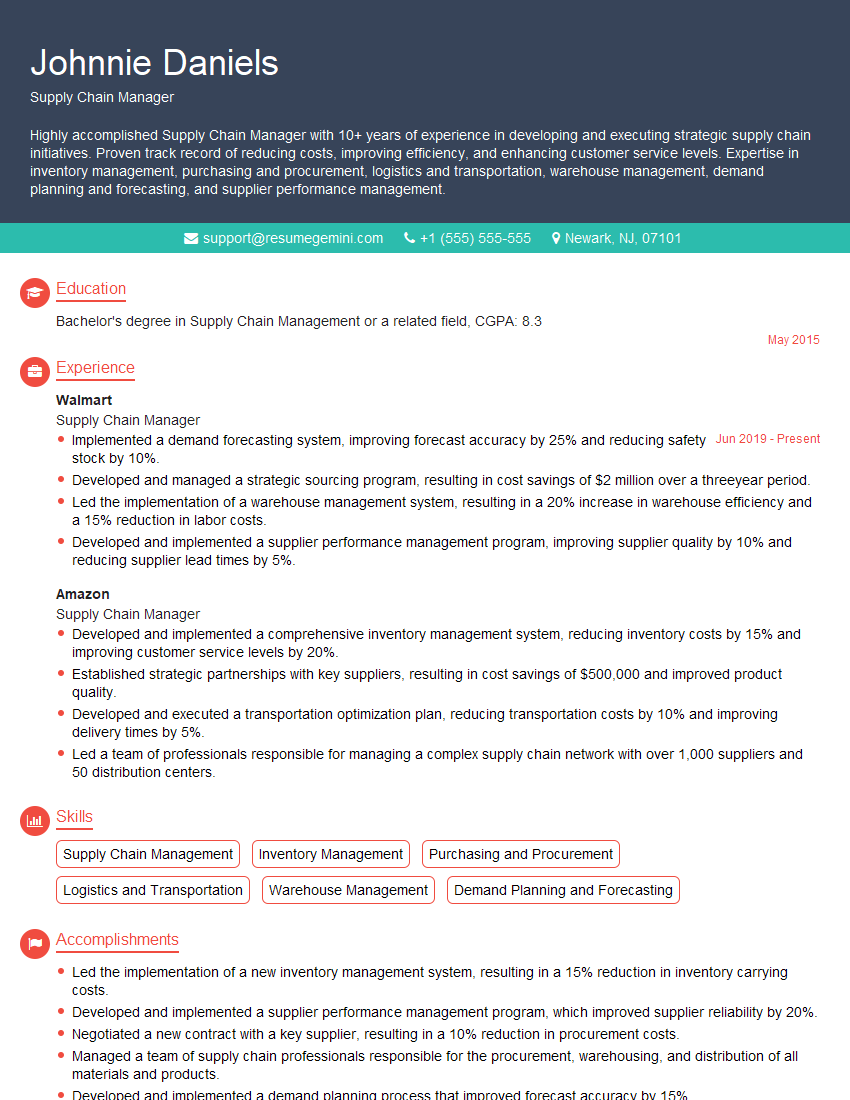
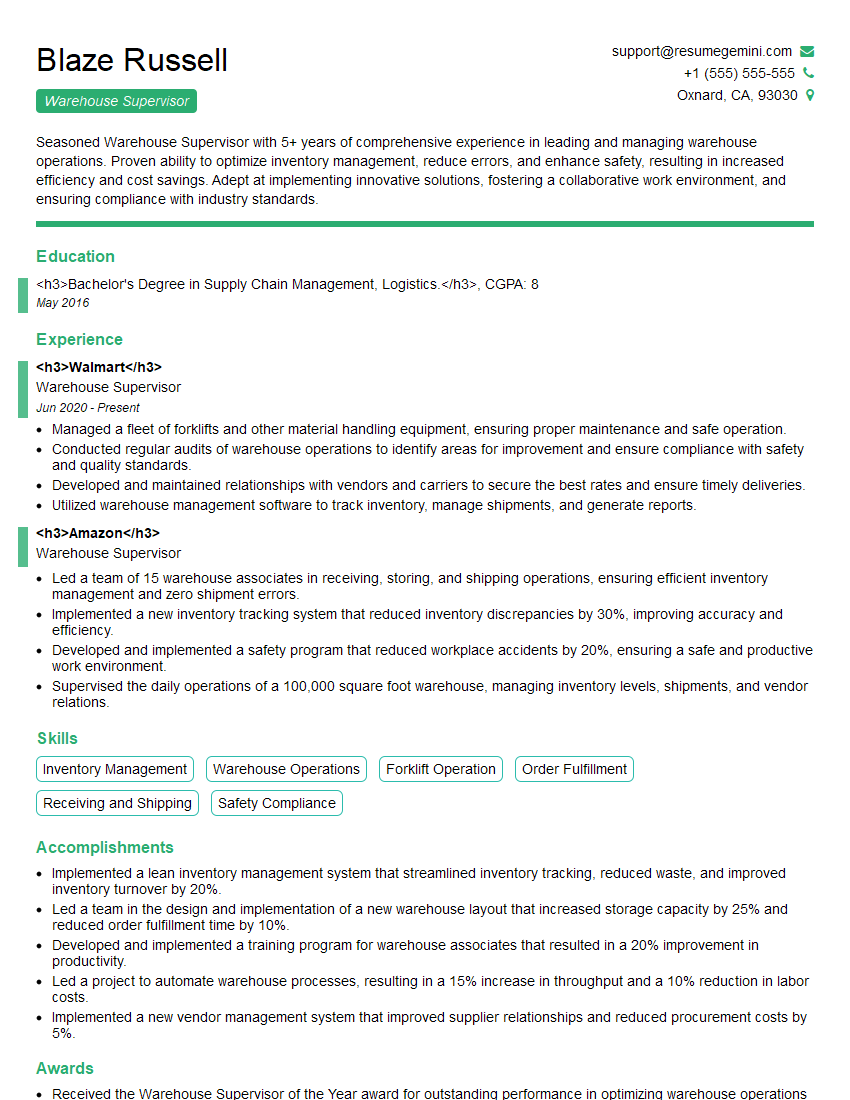
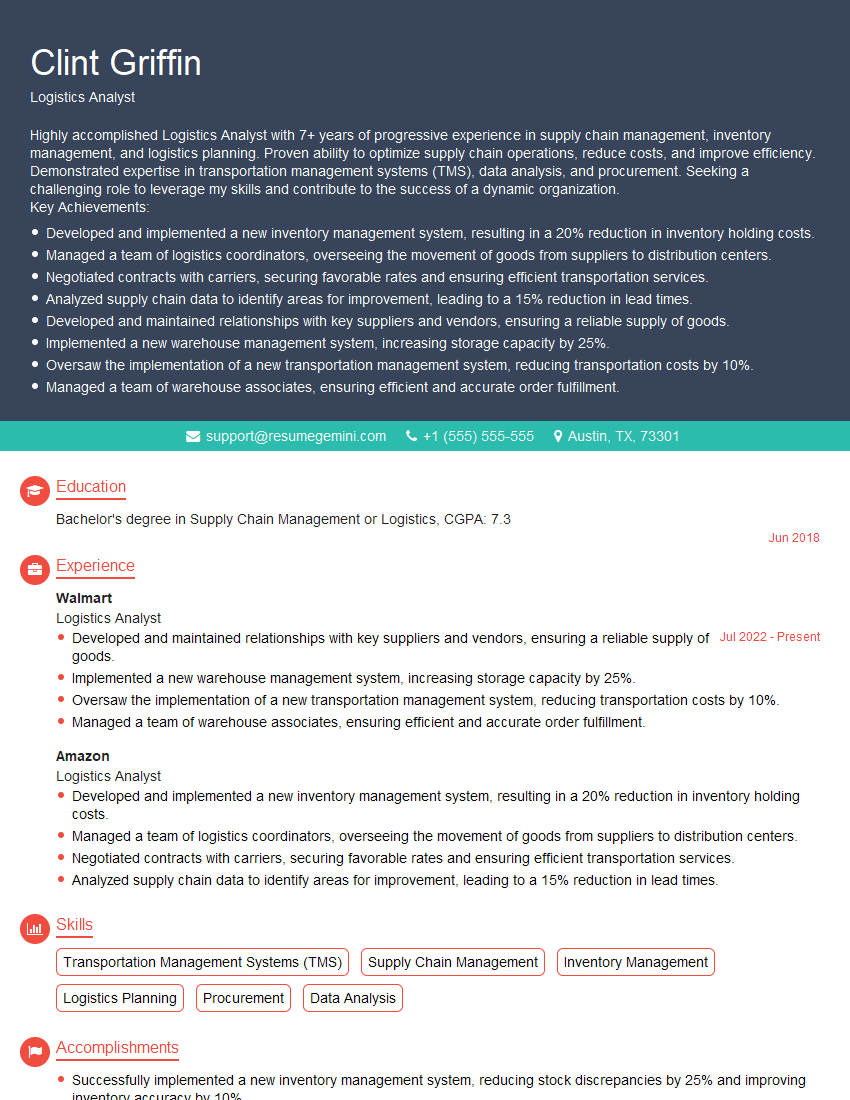
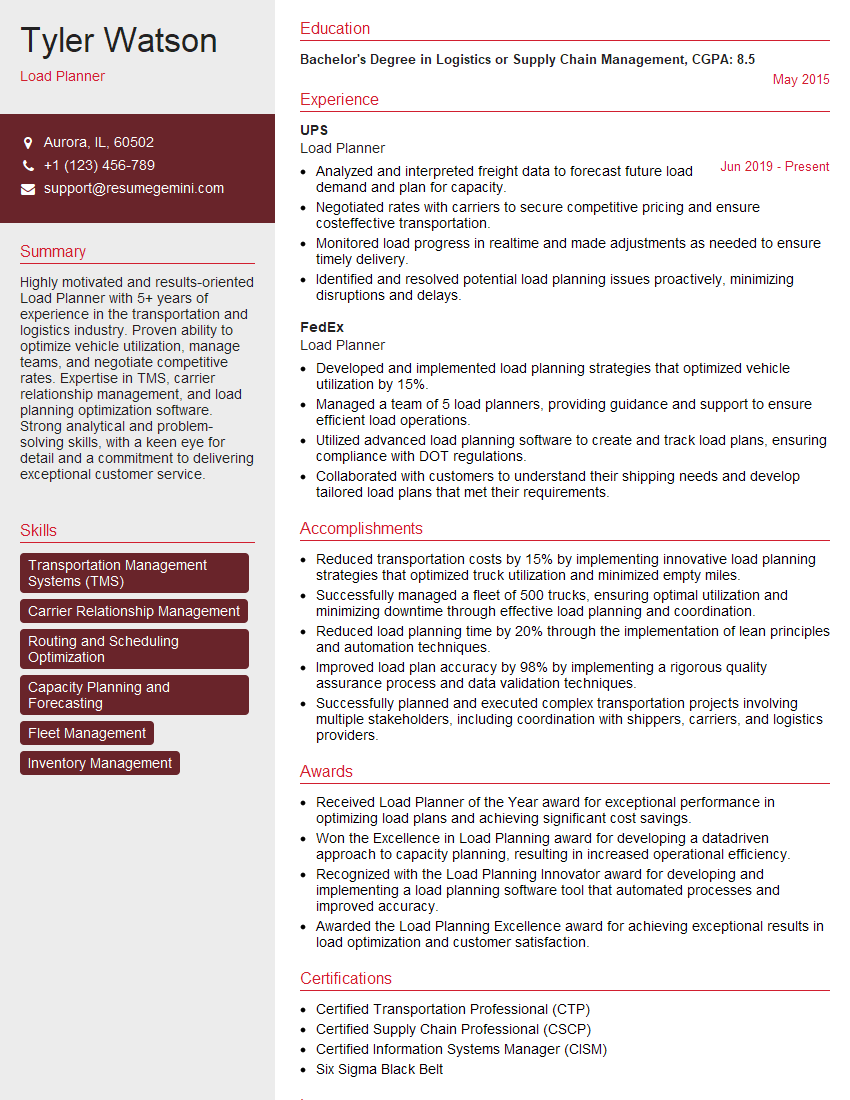
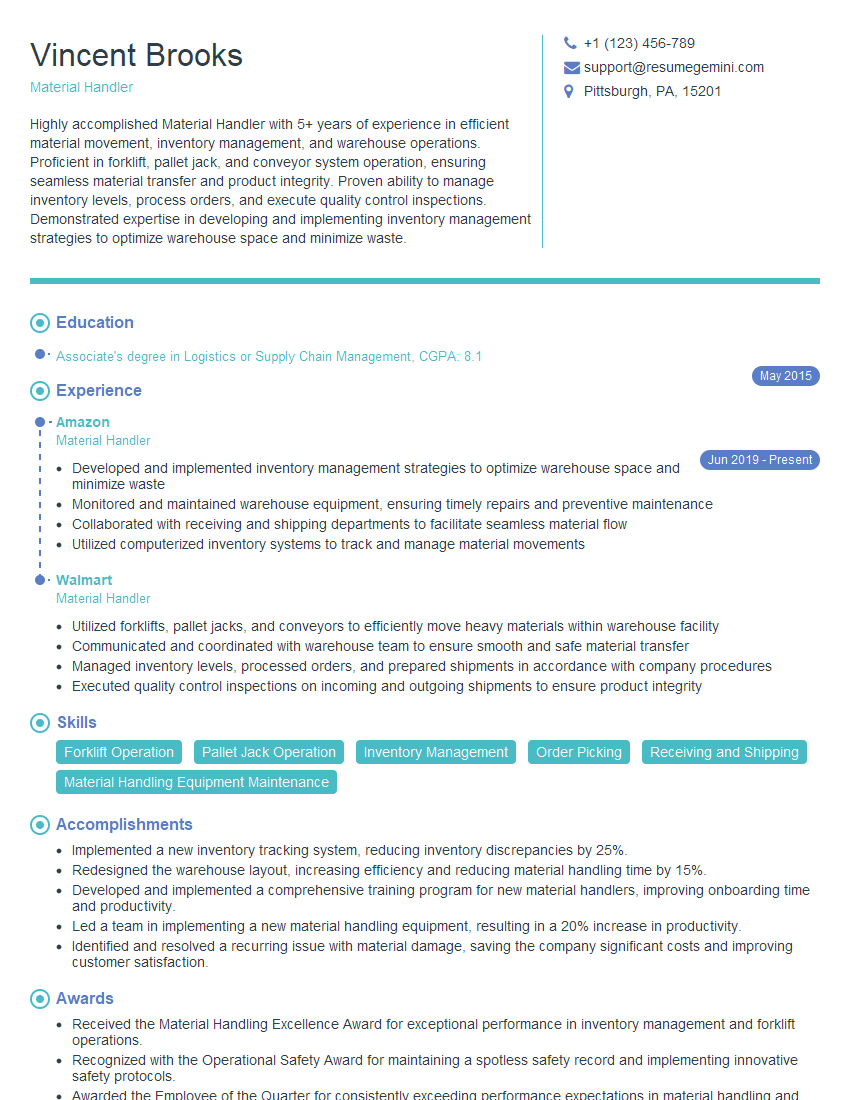
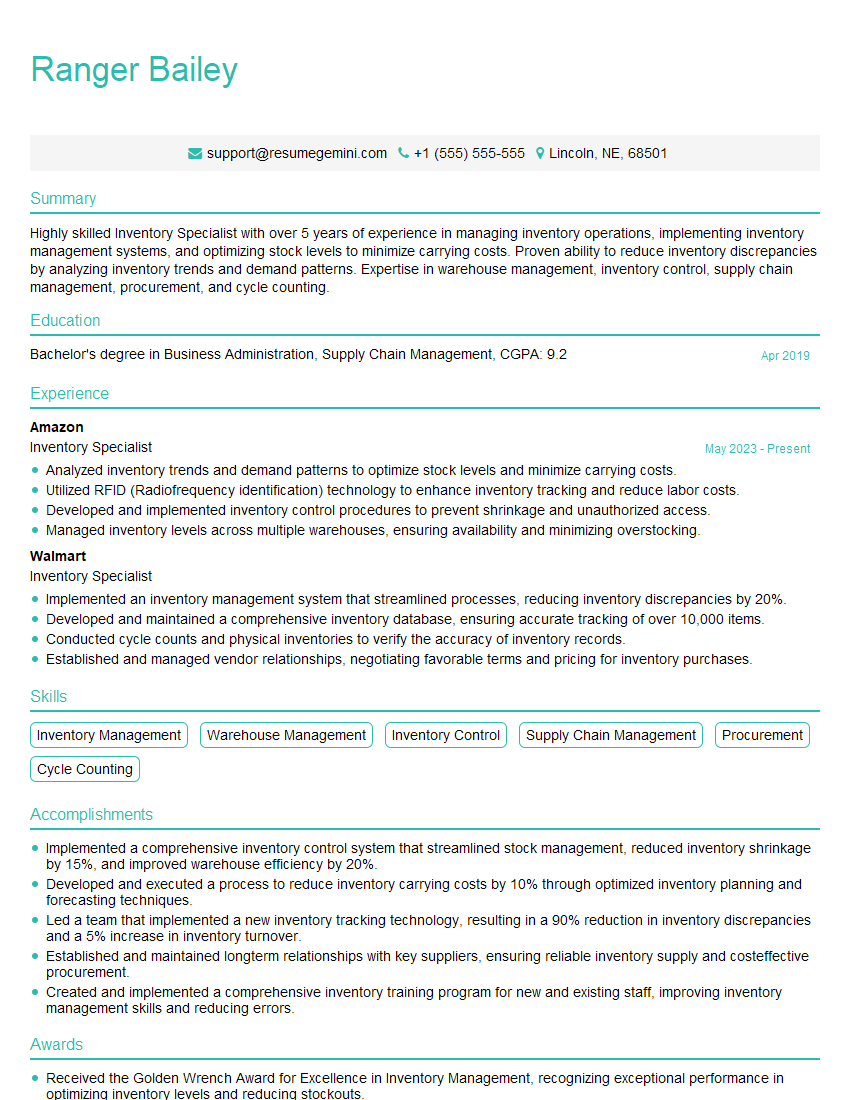
Mastering pallet building and loading is a highly valuable skill that opens doors to diverse roles within logistics, warehousing, and supply chain management, offering opportunities for career advancement and increased earning potential. To significantly boost your job prospects, create a compelling and ATS-friendly resume that highlights your skills and experience effectively. ResumeGemini is a trusted resource that can help you build a professional and impactful resume. They even provide examples of resumes tailored to the Pallet Building and Loading industry, giving you a head start in crafting the perfect application.
Explore more articles
Users Rating of Our Blogs
Share Your Experience
We value your feedback! Please rate our content and share your thoughts (optional).
What Readers Say About Our Blog
Very informative content, great job.
good