Unlock your full potential by mastering the most common Pallet Jack and Walkie Stacker Operation interview questions. This blog offers a deep dive into the critical topics, ensuring you’re not only prepared to answer but to excel. With these insights, you’ll approach your interview with clarity and confidence.
Questions Asked in Pallet Jack and Walkie Stacker Operation Interview
Q 1. Describe your experience operating a pallet jack.
My experience with pallet jacks spans over five years, encompassing various warehouse environments and product types. I’m proficient in both manual and electric pallet jacks. I’ve consistently demonstrated safe and efficient operation, maneuvering pallets weighing up to 4,500 lbs. For example, in my previous role at Acme Distribution, I regularly used pallet jacks to transport heavy loads of packaged goods across uneven warehouse floors, requiring precise control and attention to safety. I’m also adept at using pallet jacks in tight spaces, maximizing efficiency within the warehouse layout.
I’m comfortable with both loading and unloading pallets from trucks, ensuring proper weight distribution to avoid tipping. My experience includes handling various pallet sizes and types, ensuring the jack’s forks are correctly positioned and secured before moving.
Q 2. Explain the safe operating procedures for a walkie stacker.
Safe operation of a walkie stacker involves several key procedures. Before operation, always inspect the machine for any damage or malfunctions, including checking the battery level (for electric models), tire pressure, and hydraulic fluid levels. Ensure the area is clear of obstacles and personnel before starting. Operate the walkie stacker at a safe speed, adjusting to the floor conditions. Avoid jerky movements that could cause instability.
- Pre-operation checks: Always inspect the machine for damage, check tire pressure and fluid levels. For electric models, ensure sufficient battery charge.
- Clear the area: Make sure the path is clear of obstructions and personnel. Use warning signals if necessary.
- Proper lifting techniques: Ensure the forks are properly positioned under the pallet before lifting. Never lift a load exceeding the machine’s weight capacity.
- Safe travel: Operate at a safe speed and avoid jerky movements. Be mindful of uneven floors and turns.
- Load stability: Check load for stability and balance before movement.
- Lowering procedure: Carefully lower the load, ensuring it’s stable before removing the forks.
- Post-operation: Park the stacker in a designated area and switch off the power (if applicable).
Q 3. What are the weight limits for the pallet jacks and walkie stackers you’ve operated?
The pallet jacks I’ve operated typically have a weight capacity ranging from 4,000 to 5,500 lbs. The walkie stackers I’ve used have had weight capacities ranging from 3,000 to 5,000 lbs, depending on the model and manufacturer. I always verify the weight limit before attempting to move any load, ensuring it falls within the safe operating capacity of the equipment.
Q 4. How do you ensure the safety of yourself and others while operating this equipment?
Safety is paramount. I consistently follow all safety protocols and procedures, including wearing appropriate safety footwear, ensuring the area is clear, and avoiding distractions while operating the equipment. I always visually check my surroundings before moving the equipment and use caution in tight spaces. I prioritize maintaining a safe distance from other workers and pedestrians, using audible warnings when necessary. Regular maintenance checks on the equipment are critical; I’m familiar with identifying and reporting potential mechanical issues to prevent accidents. I also believe in continuous learning and regularly review safety procedures to ensure my practices are up-to-date and effective. Think of it like driving a car—constant awareness and adherence to rules are essential.
Q 5. What are the different types of pallets you’ve worked with?
My experience includes working with a variety of pallets, including standard wooden pallets, plastic pallets, and even specialized metal pallets designed for specific products. I am familiar with different pallet sizes and configurations (e.g., GMA standard, EUR-pallets), and understand the importance of choosing the right pallet jack or stacker based on pallet size and weight. Understanding pallet construction is vital for assessing structural integrity and ensuring safe handling.
Q 6. Describe your experience loading and unloading trucks.
Loading and unloading trucks is a regular part of my job. I’m experienced in efficiently and safely moving pallets onto and off of trucks of various sizes and types. This includes properly securing the load to prevent shifting or damage during transit. I always ensure the truck is properly positioned and secured before beginning loading or unloading, and use ramps or dock levelers as needed for safe and efficient loading procedures. I’m proficient in coordinating my efforts with other warehouse personnel to ensure smooth and efficient loading and unloading processes.
Q 7. How do you handle damaged pallets?
Damaged pallets are handled with extra caution. I immediately identify and tag damaged pallets and remove them from active circulation. This prevents further damage or injury. Depending on the extent of the damage, I may repair minor damage myself (following proper safety procedures) or I will report extensively damaged pallets to my supervisor for proper disposal or replacement. Safety is paramount – I never use a damaged pallet if there is any question about its structural integrity.
Q 8. What is your experience with inventory management systems in relation to pallet movement?
My experience with inventory management systems and pallet movement is extensive. I’ve worked with various systems, from simple spreadsheet-based tracking to sophisticated Warehouse Management Systems (WMS). A WMS, for example, integrates with barcode scanners and RFID technology to track pallet location in real-time. This allows for efficient picking, putaway, and stock replenishment.
In practice, this means I’m proficient in using handheld scanners to record pallet movements – confirming the location and quantity of goods on a pallet. I understand how to interpret system-generated picking lists and ensure that pallets are moved accurately and efficiently according to the system’s instructions. I’m also familiar with cycle counting procedures within the WMS, which helps maintain inventory accuracy.
For instance, in my previous role, we used a WMS that automatically generated optimized routes for pallet movement, minimizing travel time and maximizing efficiency. This led to a significant reduction in order fulfillment times and improved overall warehouse operations. My understanding of these systems allows me to contribute significantly to a warehouse’s operational efficiency.
Q 9. How do you maintain the cleanliness of your work area?
Maintaining a clean work area is paramount for safety and efficiency. It prevents accidents caused by slips, trips, and falls, and also ensures the smooth operation of equipment. My approach is proactive and systematic.
- Regular Sweeping and Cleaning: I sweep and clean my immediate work area regularly throughout the shift, removing debris, spilled materials, and potential hazards.
- Proper Waste Disposal: I dispose of waste materials appropriately, using designated bins and following company protocols for hazardous waste.
- Equipment Cleaning: I regularly clean pallet jacks and walkie stackers, paying particular attention to wheels, forks, and controls. This prevents the build-up of dirt and debris that could affect performance and cause damage.
- Organization: I keep pallets neatly stacked and organized in designated areas to avoid congestion and potential accidents.
I view cleanliness not just as a chore, but as a vital element of operational safety and efficiency. A clean workspace contributes to a safer and more productive environment for everyone.
Q 10. What is your experience with different types of warehouse floor surfaces?
My experience encompasses various warehouse floor surfaces, each presenting unique challenges and operational considerations.
- Concrete: This is a common surface, but its condition varies. Smooth, well-maintained concrete provides good traction. However, cracks, uneven surfaces, or oil spills can create hazards. Operating pallet jacks and stackers on such surfaces requires extra caution and potentially slower speeds.
- Epoxy Coated Concrete: This offers improved durability and cleanliness compared to standard concrete, providing better traction and reducing the risk of damage to equipment.
- Asphalt: This is less common in modern warehouses due to its susceptibility to cracking and damage. Its uneven surface and potential for debris accumulation can make operation of equipment challenging.
Adapting to different floor surfaces is crucial. I adjust my operating speed and technique accordingly, prioritizing safety and preventing equipment damage. For example, on uneven or slippery surfaces, I reduce speed and use extra care when maneuvering.
Q 11. How do you troubleshoot common issues with a pallet jack or walkie stacker?
Troubleshooting pallet jacks and walkie stackers requires a systematic approach. I start by identifying the specific problem.
- Hydraulic Issues: If the jack or stacker won’t lift, I check the hydraulic fluid level. Low fluid necessitates refilling. Leaks require immediate attention and equipment downtime for repair. A faulty pump or hydraulic hose may be the cause requiring professional intervention.
- Wheel Problems: If the equipment is hard to maneuver, I check the wheels for damage or obstructions. Flat tires need replacing. Bent forks or wheels require assessment and possible repair.
- Electrical Issues (Walkie Stackers): Battery issues are common. I check the battery charge and connections. A low or faulty battery needs charging or replacement. Malfunctioning controls could indicate a problem with the electrical system and require expert intervention.
I always prioritize safety. If I can’t resolve the issue, I report it immediately to my supervisor and tag the equipment out of service to prevent accidents.
Q 12. What do you do if you encounter a mechanical problem with the equipment?
If I encounter a mechanical problem beyond my ability to troubleshoot, I immediately take the following steps:
- Safety First: I secure the equipment to prevent further damage or injury, and ensure the surrounding area is safe.
- Report the Issue: I promptly report the malfunction to my supervisor or the designated maintenance personnel, providing a detailed description of the problem.
- Documentation: I document the issue, including the time, date, and a description of the malfunction. This helps with tracking maintenance and repairs.
- Await Instruction: I await instructions from my supervisor or maintenance personnel regarding the next course of action. I do not attempt repairs unless specifically authorized and trained to do so.
My primary concern is preventing further damage and ensuring the safety of myself and other warehouse personnel.
Q 13. Describe your experience working in a fast-paced warehouse environment.
I thrive in fast-paced warehouse environments. My experience has equipped me with the skills and resilience needed to handle high-pressure situations and tight deadlines. I am comfortable working under pressure and multitasking. I am proficient in prioritizing tasks and rapidly adapting to changing circumstances.
In my previous role, we regularly experienced peak seasons with significantly increased order volume. I effectively managed the increased workload by maintaining organization, prioritizing urgent tasks, and collaborating effectively with my team. Our team’s success during these busy periods was largely due to our ability to work efficiently and support each other, allowing us to meet deadlines consistently.
The ability to stay calm and focused amidst the chaos is essential in a high-volume warehouse. I’m adept at maintaining accuracy and efficiency even when under pressure.
Q 14. How do you prioritize tasks and manage your time effectively?
Effective task prioritization and time management are crucial in a warehouse setting. I utilize several strategies.
- Prioritization Matrix: I use a prioritization matrix (like an Eisenhower Matrix – Urgent/Important) to categorize tasks by urgency and importance. This ensures that the most critical tasks are tackled first.
- Task Breakdown: I break down large tasks into smaller, more manageable steps. This makes the work seem less daunting and allows for better progress tracking.
- Time Blocking: I allocate specific time blocks for certain tasks to maintain focus and avoid distractions. This technique improves productivity and helps prevent task switching.
- Regular Review: I review my task list regularly (daily or even hourly during peak periods) to adapt to changing priorities and ensure I stay on track.
By utilizing these methods, I can maintain efficiency and productivity even in demanding circumstances, ensuring all tasks are completed effectively and on time. I also make sure to plan for potential unforeseen delays and build in some buffer time.
Q 15. How do you work as part of a team?
Teamwork is crucial in warehouse environments. I thrive in collaborative settings, understanding that efficient material handling relies on everyone working together safely and productively. For instance, in a busy warehouse, I might coordinate with a forklift operator to ensure smooth flow of pallets, avoiding collisions and bottlenecks. I communicate effectively, letting colleagues know my location and plans to prevent accidents. I also proactively assist my team members when needed, whether it’s helping to secure a load or sharing my expertise on efficient pallet jack maneuvering techniques. This ensures we complete tasks on time and without compromising safety.
Career Expert Tips:
- Ace those interviews! Prepare effectively by reviewing the Top 50 Most Common Interview Questions on ResumeGemini.
- Navigate your job search with confidence! Explore a wide range of Career Tips on ResumeGemini. Learn about common challenges and recommendations to overcome them.
- Craft the perfect resume! Master the Art of Resume Writing with ResumeGemini’s guide. Showcase your unique qualifications and achievements effectively.
- Don’t miss out on holiday savings! Build your dream resume with ResumeGemini’s ATS optimized templates.
Q 16. What safety precautions do you take when operating a walkie stacker in tight spaces?
Operating a walkie stacker in tight spaces demands heightened awareness and caution. Before starting, I ensure the area is clear of obstructions and people. I proceed slowly and deliberately, using small, controlled movements. My visual scan extends beyond the immediate vicinity of the stacker to anticipate potential hazards. I utilize mirrors (if available) and actively communicate my actions to nearby workers. For example, if navigating a particularly narrow aisle, I might use hand signals to indicate my direction to fellow workers, and I will always give others a wide berth.
Crucially, I understand my machine’s turning radius and limitations. I avoid sudden movements or sharp turns, especially when carrying a load, and always check for sufficient headroom to prevent damage to the stacker or the goods being transported. The emphasis is on controlled and predictable movements to prevent collisions and accidents.
Q 17. How do you handle different types of loads (e.g., fragile, heavy, oversized)?
Handling diverse loads requires adaptability and knowledge. For fragile items, I use extra caution, employing slower speeds and smoother movements. I might even utilize additional padding or secure the load with straps to minimize the risk of damage. With heavy loads, I ensure the weight is well within the stacker’s capacity and is evenly distributed. I might use a ramp for easier handling or seek assistance if the weight is too challenging for safe, solo operation. Oversized loads demand meticulous planning; I’ll assess the space, making sure there’s enough clearance at each turn and that the load is balanced to prevent tipping. For instance, if a load is unusually wide, I may need to proceed even slower and more carefully to avoid hitting anything.
Q 18. What is your understanding of load capacity and weight distribution?
Understanding load capacity and weight distribution is paramount for safe operation. Each pallet jack and walkie stacker has a clearly stated weight limit. I never exceed this limit, as exceeding it dramatically increases the risk of accidents. Weight distribution is equally vital; unevenly loaded pallets are more prone to tipping. Before lifting a load, I visually inspect the pallet to ensure the weight is balanced. If it isn’t, I take steps to redistribute the items to improve balance. Think of it like a see-saw – if the weight isn’t balanced, the pallet is going to be unstable and dangerous.
Q 19. How do you properly secure loads on a pallet?
Proper load securing prevents shifting or falling during transport. I start by ensuring the pallet itself is stable and free of damage. I then check the load is evenly distributed and not overhanging the edges of the pallet. For unstable loads, I use stretch wrap, securing it tightly around the items to prevent movement. In some cases, I might utilize straps, ensuring they are correctly tensioned to provide additional support. The key is to ensure the load is firmly fixed, preventing it from shifting during movement, especially during turns or over uneven surfaces.
Q 20. What are the proper techniques for maneuvering a pallet jack in narrow aisles?
Maneuvering a pallet jack in narrow aisles requires precise control and a good understanding of the equipment. I use slow, controlled movements, avoiding jerky actions that could cause instability. I maintain a safe distance from racks and walls, constantly checking for obstructions. I prioritize smooth, gradual turns, avoiding sharp movements that can lead to collisions. Imagine driving a car in a tight parking space; smooth, deliberate movements are key. If the aisle is particularly tight, I might consider breaking the journey into smaller segments, making sure I can safely and comfortably navigate each section.
Q 21. How do you perform a pre-operational inspection of a pallet jack or walkie stacker?
A pre-operational inspection is non-negotiable. I start by checking the tires for proper inflation and damage. I visually inspect the mast, forks, and hydraulic system for any leaks, damage, or signs of wear and tear. I verify the battery level (for electric models) and ensure the controls are functioning correctly. I test the horn and the lift and lower mechanisms to confirm their operation. I also check for any loose bolts or parts that could pose a safety risk. Finally, I ensure the load wheels are functioning smoothly and free from debris. This routine check minimizes risks and helps to identify potential problems before they lead to accidents or equipment failure.
Q 22. What are the signs of a malfunctioning pallet jack or walkie stacker?
Identifying a malfunctioning pallet jack or walkie stacker is crucial for safety and efficiency. Signs can range from subtle to obvious. A good operator always performs a pre-shift inspection.
Hydraulic Issues: Leaks, slow lifting/lowering, inability to lift a load, unusual noises (grinding, squealing) all point towards problems within the hydraulic system. For example, a slow lift could indicate low hydraulic fluid or a pump malfunction. A leak needs immediate attention to prevent damage and environmental hazards.
Steering Problems: Difficulty steering, jerky movements, or unresponsive controls suggest issues with the steering mechanism, potentially worn parts or damaged linkages. Imagine trying to steer a car with a broken steering wheel – extremely dangerous!
Wheel and Caster Problems: Flat tires, damaged casters, or excessive wear can impact maneuverability and stability. This is like trying to move a heavy load on a wobbly cart – risky and inefficient.
Electrical Problems (for electric models): Issues with the battery, motor, or control system can manifest as a failure to power on, slow operation, or erratic behavior. A dead battery is a simple fix, but other electrical problems could require professional servicing.
Braking Problems: Failure to brake properly or inconsistent braking is a significant safety hazard and requires immediate attention. Think of it like driving a car without brakes – highly dangerous!
Regular maintenance and prompt reporting of any unusual behavior are essential to prevent major malfunctions and ensure safe operation.
Q 23. Describe your experience with RF scanners and warehouse management systems.
I have extensive experience utilizing RF scanners in conjunction with various Warehouse Management Systems (WMS). My proficiency includes efficient order picking, accurate inventory management, and seamless data integration. I’ve worked with systems like WMS A and WMS B (replace with actual systems), learning their nuances and optimizing workflows. For instance, I’ve used RF scanners to verify inventory locations, update stock levels in real-time, and track order fulfillment progress. This eliminates manual data entry, reducing errors and significantly speeding up the entire process. My experience also includes troubleshooting scanner malfunctions and ensuring data accuracy. One instance involved diagnosing a recurring scanning error that turned out to be a problem with the scanner’s antenna alignment, which I promptly resolved.
Q 24. How familiar are you with OSHA regulations regarding material handling?
I’m very familiar with OSHA regulations concerning material handling, particularly those related to powered industrial trucks (PITs), which include pallet jacks and walkie stackers. This includes understanding and adhering to regulations on operator training, equipment inspection, safe operating procedures, load stability, and personal protective equipment (PPE). I understand the importance of pre-operational checks, the safe handling of loads, and maintaining a safe working distance from other personnel and equipment. OSHA’s emphasis on preventing accidents through proper training and safe practices is something I take very seriously. For example, I’m aware of the requirements for operator certification and the need to keep load centers low to avoid tipping.
Q 25. What is your experience with different types of racking systems?
My experience encompasses several common racking systems, including selective pallet racking, drive-in racking, push-back racking, and cantilever racking. I understand the strengths and weaknesses of each system and how they’re best suited for different storage needs and warehouse layouts. For instance, selective pallet racking is ideal for high-throughput environments with diverse SKU’s, while drive-in racking is better suited for bulk storage of similar items. I’ve worked in warehouses utilizing each of these systems and understand the importance of safe loading practices, ensuring proper load weight distribution, and respecting the load capacity of the racking system itself. Improper use can lead to accidents and damage.
Q 26. How do you ensure the stability of stacked pallets?
Ensuring the stability of stacked pallets is paramount for safety and efficiency. This involves adhering to several key principles:
Proper Load Distribution: Even weight distribution across the pallet is essential. Unevenly distributed loads can cause instability and tipping.
Load Center: Keeping the load center low and within the pallet’s stability limits prevents tipping. This means avoiding stacking heavier items at the top.
Interlocking Pallets: Using methods like interlocking pallets or employing proper pallet separators, prevents shifting during handling and stacking.
Racking System Integrity: Ensuring the racking system is properly installed, maintained, and within its load capacity is fundamental. Damaged or overloaded racking is a major safety hazard.
Proper Pallet Condition: Using pallets that are not damaged, broken, or excessively worn is also crucial. A damaged pallet is highly unstable.
Regular inspection of stacked pallets and the structural integrity of the racking is vital for preventing accidents and ensuring the overall safety of the warehouse.
Q 27. Describe a time you had to adapt to a change in workload or warehouse procedures.
During a period of peak season, our warehouse implemented a new inventory management system that required a significant shift in our workflow. The transition involved learning a new software interface, new picking procedures, and adapting to a faster-paced environment. Initially, there was a learning curve, and we encountered some delays. However, by actively participating in training sessions and proactively seeking clarification whenever needed, I quickly adapted. I also took the initiative to collaborate with my colleagues, sharing tips and problem-solving collaboratively. We ultimately managed to exceed expectations and maintained a high level of accuracy and efficiency throughout the peak season. This experience highlighted my adaptability, teamwork skills, and ability to quickly master new technologies and procedures under pressure.
Q 28. What are your salary expectations?
My salary expectations are commensurate with my experience and skills, and I am open to discussing a competitive compensation package that reflects my value to your organization. I am confident that my contributions will significantly benefit your team and am eager to learn more about the specifics of this role and your compensation structure.
Key Topics to Learn for Pallet Jack and Walkie Stacker Operation Interview
- Safe Operation Procedures: Understanding and adhering to all safety regulations, including pre-operation checks, load capacity limits, and emergency procedures.
- Equipment Functionality: Thorough knowledge of the mechanical components of both pallet jacks and walkie stackers, including their controls and operational mechanisms. This includes understanding battery operation and charging procedures (where applicable).
- Load Handling Techniques: Mastering proper techniques for lifting, transporting, and stacking pallets of varying weights and sizes to prevent damage and ensure efficiency. This includes understanding weight distribution and center of gravity.
- Warehouse Navigation and Space Management: Demonstrating an understanding of efficient movement within a warehouse environment, considering aisle width, traffic flow, and safe maneuvering around obstacles.
- Maintenance and Troubleshooting: Basic knowledge of routine maintenance checks and simple troubleshooting procedures for common issues, demonstrating proactive problem-solving skills.
- Inventory Management Integration: Understanding how pallet jack and walkie stacker operation integrates with broader inventory management systems and processes, such as picking, packing, and shipping.
- Ergonomics and Best Practices: Knowing and applying ergonomic principles to minimize strain and maximize efficiency during operation. This includes proper posture and lifting techniques.
Next Steps
Mastering Pallet Jack and Walkie Stacker Operation opens doors to various roles within logistics, warehousing, and distribution, offering excellent career progression opportunities. A strong resume is key to showcasing your skills effectively to potential employers. To maximize your chances, creating an Applicant Tracking System (ATS)-friendly resume is crucial. ResumeGemini can help you build a professional and impactful resume tailored to your experience. We provide examples of resumes specifically designed for Pallet Jack and Walkie Stacker Operation roles to guide you. Use ResumeGemini to craft a resume that truly reflects your capabilities and helps you land your dream job.
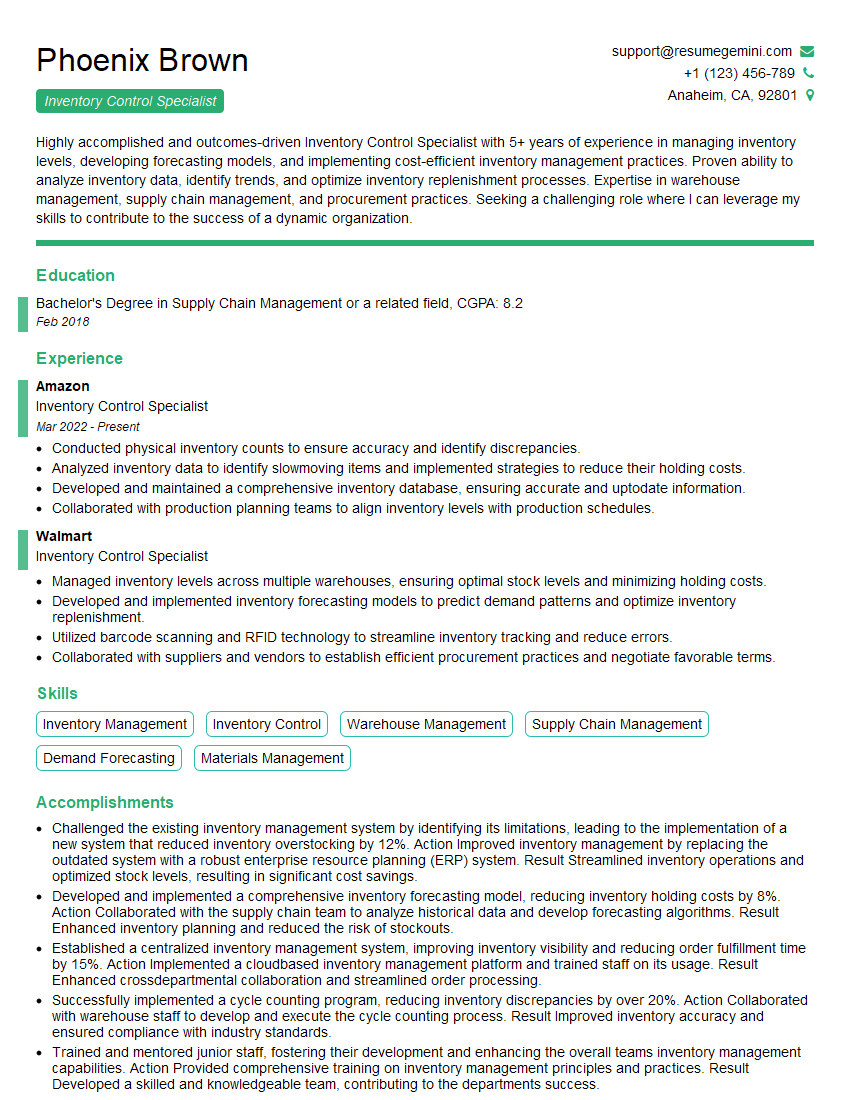
Inventory Control Specialist Resume Sample
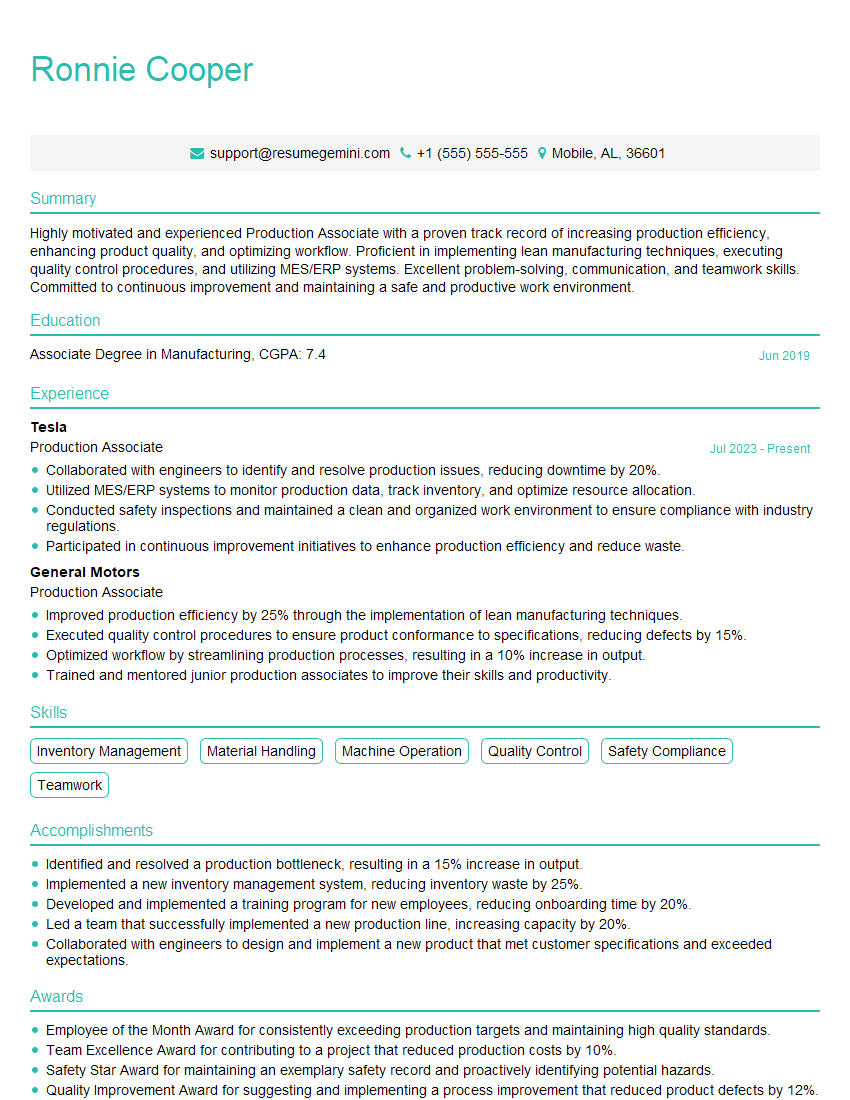
Production Associate Resume Sample
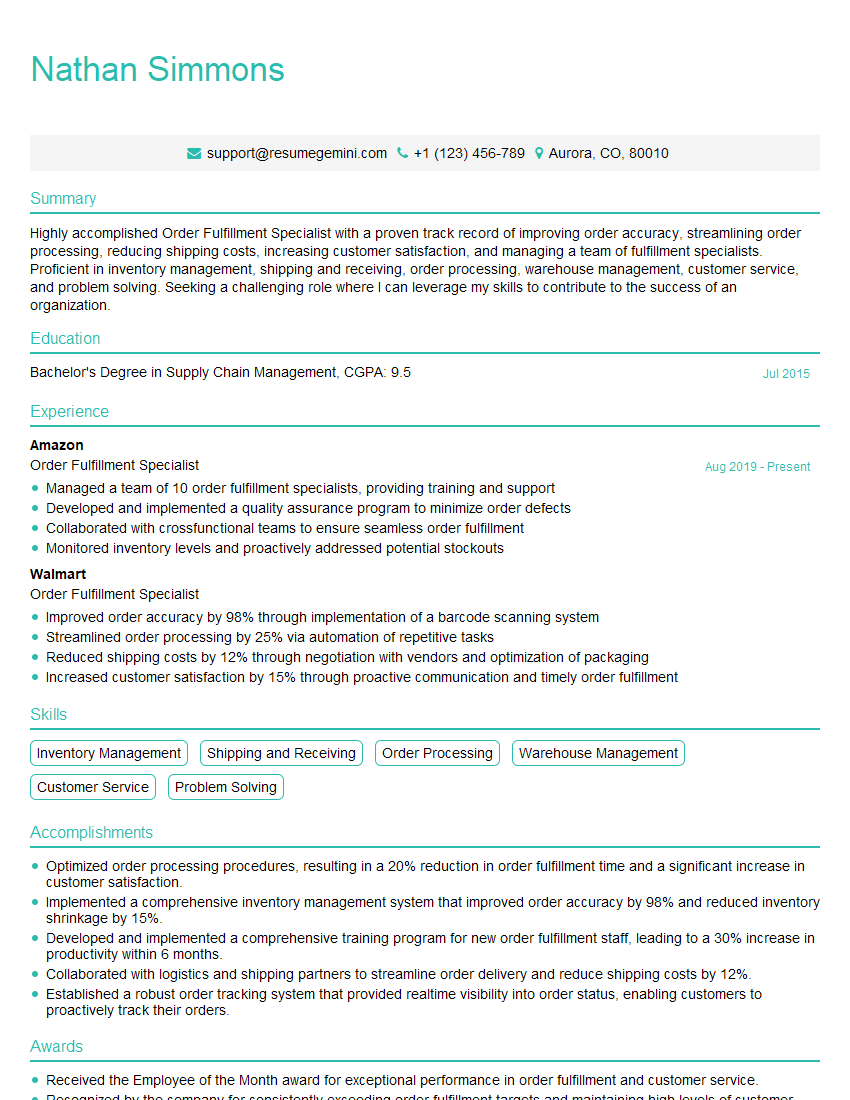
Order Fulfillment Specialist Resume Sample

Shipping and Receiving Clerk Resume Sample
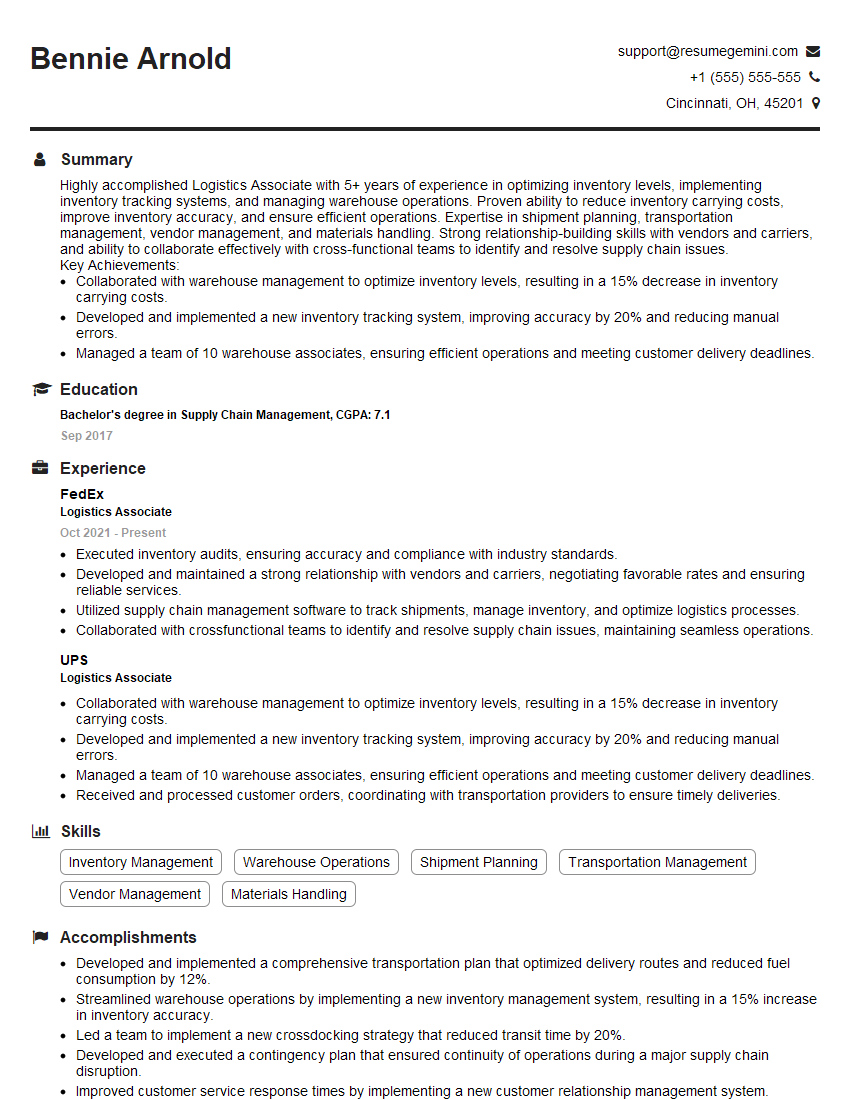
Logistics Associate Resume Sample
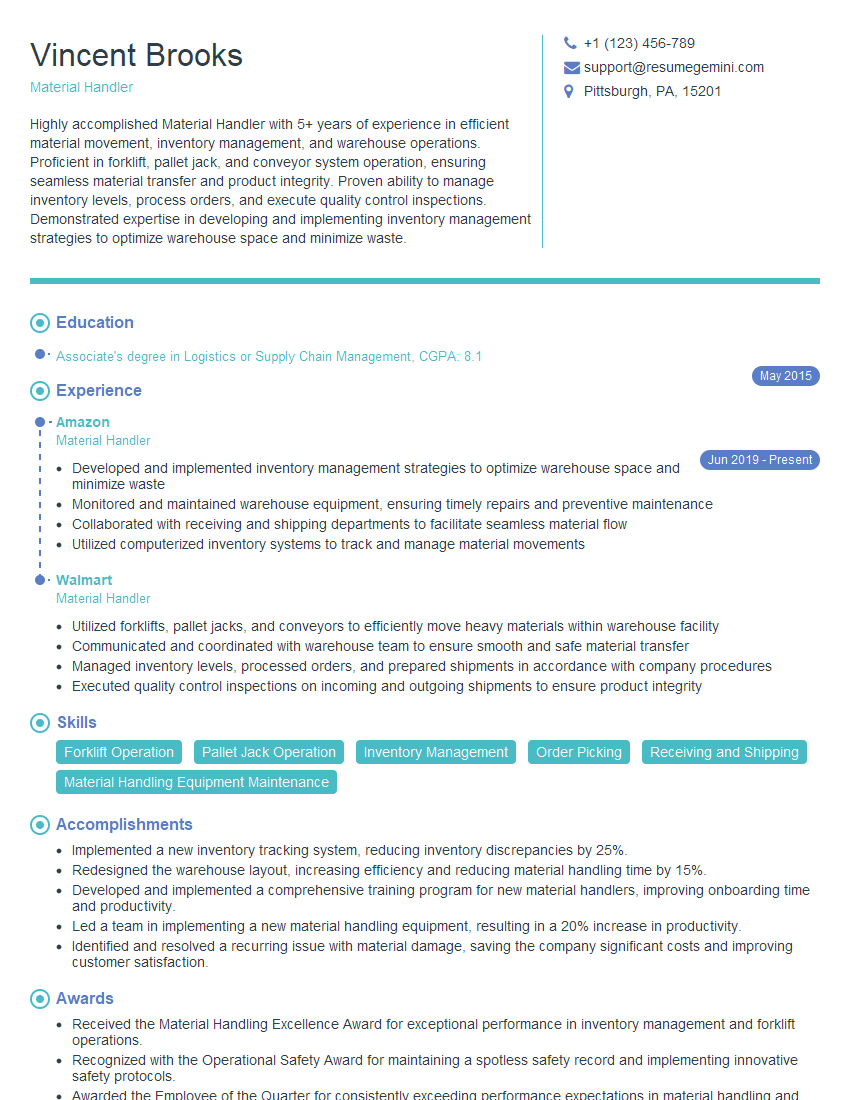
Material Handler Resume Sample
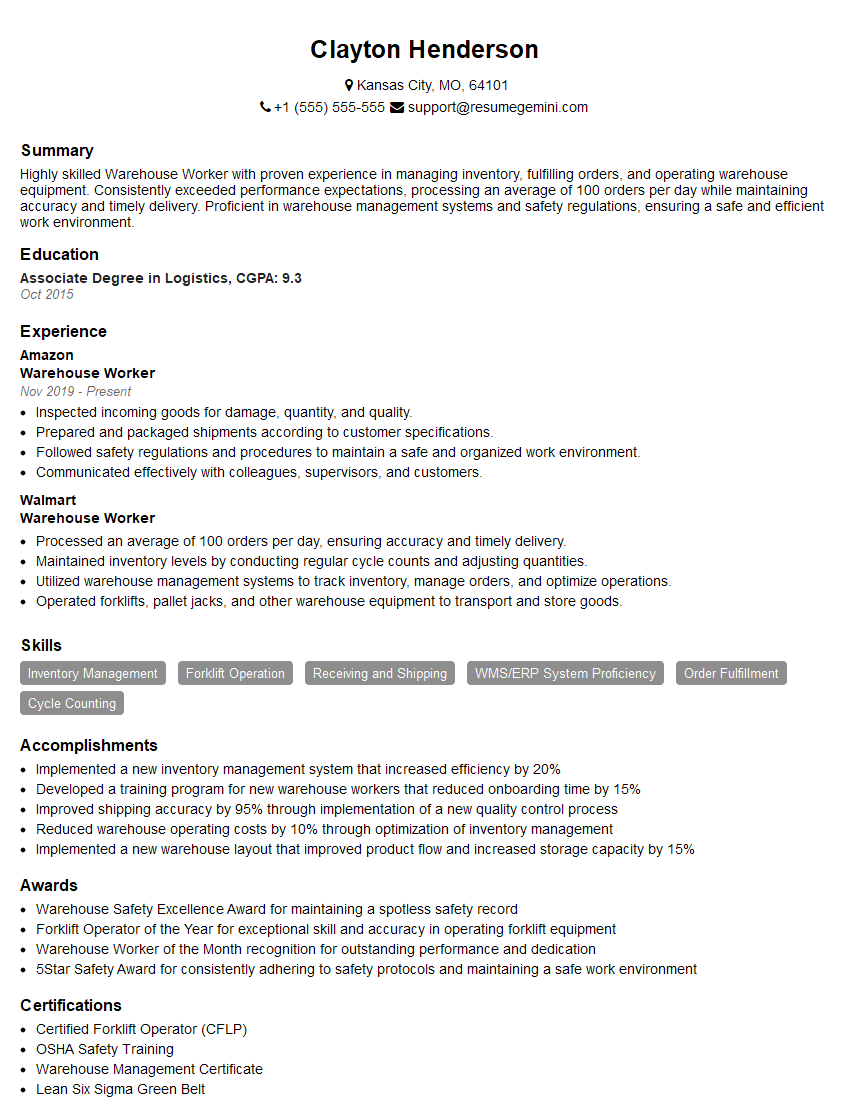
Warehouse Worker Resume Sample
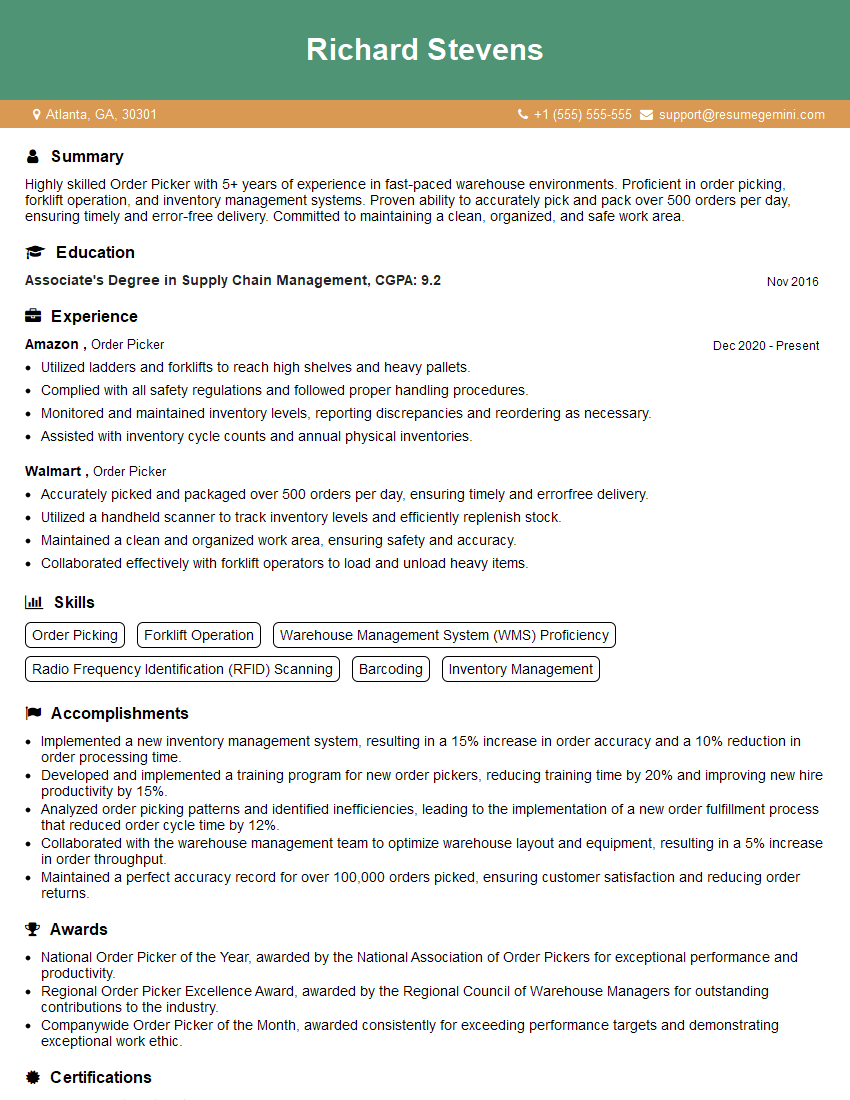
Order Picker Resume Sample
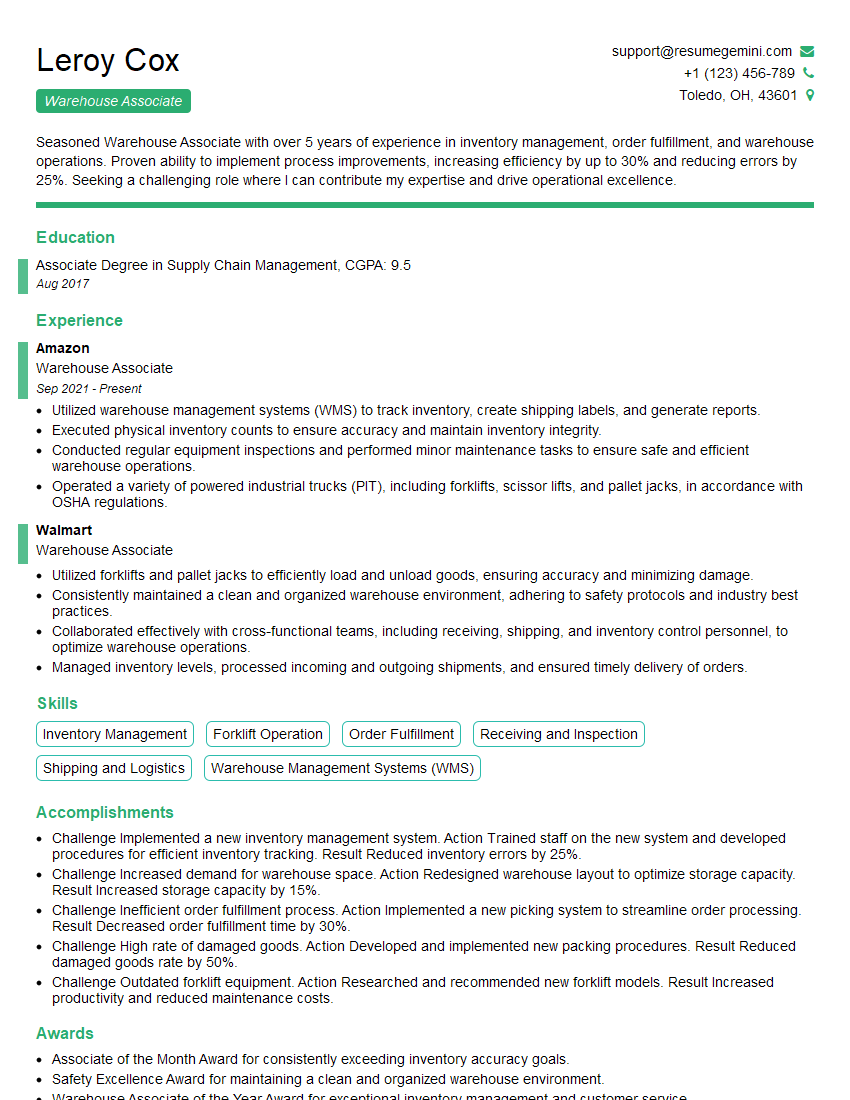
Warehouse Associate Resume Sample
Explore more articles
Users Rating of Our Blogs
Share Your Experience
We value your feedback! Please rate our content and share your thoughts (optional).
What Readers Say About Our Blog
Very informative content, great job.
good