Interviews are more than just a Q&A session—they’re a chance to prove your worth. This blog dives into essential Panasonic interview questions and expert tips to help you align your answers with what hiring managers are looking for. Start preparing to shine!
Questions Asked in Panasonic Interview
Q 1. Describe your experience with Panasonic’s product development lifecycle.
Panasonic’s product development lifecycle, like many large corporations, follows a structured approach encompassing several key phases. It begins with market research and ideation, identifying unmet customer needs and potential market opportunities. This involves extensive analysis of competitor products, emerging trends, and technological advancements. Next comes the design and prototyping phase, where concepts are refined into detailed designs and physical prototypes are created and tested rigorously. This often includes simulations and user testing to ensure functionality and usability. The development phase focuses on engineering, manufacturing, and software development. This involves selecting components, optimizing processes for efficiency, and thorough quality assurance testing at every stage. The testing and validation phase is crucial. Panasonic employs rigorous testing procedures, including stress tests, environmental tests, and user acceptance testing to identify and rectify any issues before launch. Finally, the launch and post-launch phase involves the marketing, distribution, and sales of the product, along with ongoing monitoring of customer feedback and identification of areas for improvement in future iterations.
For example, the development of a new Panasonic Lumix camera might involve initial market research identifying a need for a compact, high-resolution camera with advanced video capabilities. Prototypes are then developed, tested through various scenarios, and iteratively refined based on user feedback. This iterative process helps ensure a final product that meets market demands and exceeds customer expectations.
Q 2. Explain your understanding of Panasonic’s commitment to sustainability.
Panasonic demonstrates a strong commitment to sustainability across its operations and product lifecycle. Their initiatives focus on three key pillars: environmental conservation, social responsibility, and economic viability. Specific actions include reducing their carbon footprint across manufacturing facilities through energy efficiency improvements and the adoption of renewable energy sources. They also focus on sustainable material sourcing, minimizing waste through efficient manufacturing processes and promoting recycling programs for end-of-life products. In product design, they incorporate eco-friendly materials and energy-efficient technologies, designing for durability and longevity. They actively participate in environmental conservation initiatives, contributing to various projects promoting sustainable practices globally. This commitment extends to their supply chain, working with suppliers to adopt sustainable practices throughout the entire manufacturing process. For example, Panasonic actively pursues the reduction of greenhouse gas emissions throughout its supply chain. They set ambitious reduction targets and monitor progress regularly.
Q 3. How familiar are you with Panasonic’s key technologies (e.g., batteries, automotive components, etc.)?
I am very familiar with Panasonic’s core technologies, particularly in the areas of batteries, automotive components, and consumer electronics. In batteries, their expertise spans lithium-ion battery technology for various applications, including electric vehicles, consumer electronics, and energy storage systems. They are known for their high-energy density, long lifespan, and safety features. Their automotive components range from infotainment systems and advanced driver-assistance systems (ADAS) to powertrains and electronic control units (ECUs). These components are crucial for modern vehicle functionality and efficiency. In consumer electronics, Panasonic is a major player, with expertise in display technologies, audio-visual products, and home appliances. These technologies incorporate significant innovations in energy efficiency, image quality, and user experience. Understanding these technologies is crucial in assessing the market potential and competitive landscape for Panasonic’s products. For instance, their advancements in battery technology are directly impacting the viability of electric vehicles and grid-scale energy storage solutions.
Q 4. Discuss your experience with specific Panasonic products or technologies.
I have extensive experience working with several Panasonic products and technologies. One notable example is the Panasonic Lumix GH5 camera, known for its exceptional video capabilities and robust build quality. I’ve used it for professional video production, appreciating its versatility and high-quality image sensor. Another area of experience involves Panasonic’s industrial automation solutions. I’ve worked with their programmable logic controllers (PLCs) and industrial robotic systems, integrating them into manufacturing processes for improved efficiency and productivity. The experience included programming PLCs using their proprietary software, troubleshooting system malfunctions, and optimizing production line parameters. This practical experience has provided valuable insights into the design, functionality, and reliability of Panasonic’s industrial products.
Q 5. How would you troubleshoot a malfunctioning Panasonic device?
Troubleshooting a malfunctioning Panasonic device requires a systematic approach. The first step is to identify the specific problem by observing the symptoms and gathering relevant information, such as error messages or abnormal behavior. Then, consult the user manual or online resources to find common troubleshooting steps and potential solutions for the observed issue. Next, check for obvious physical problems, like loose connections, damaged cables, or power supply issues. If the problem persists, try basic troubleshooting techniques, such as restarting the device or checking power sources. If the issue remains unresolved, consider advanced troubleshooting steps, such as checking firmware updates, conducting diagnostics using specialized tools, or contacting Panasonic support. Document all steps taken and observations made to efficiently communicate the issue to support teams if necessary. For instance, troubleshooting a faulty Panasonic television might involve checking power cables, remote control batteries, input connections, and finally, inspecting internal components if basic troubleshooting is unsuccessful.
Q 6. Explain your experience with Panasonic’s quality control processes.
Panasonic’s quality control processes are renowned for their rigor and attention to detail. They employ a multi-layered approach, starting with design-stage quality assurance, where design specifications and manufacturing processes are rigorously vetted for potential flaws. During manufacturing, various checks and tests are conducted at every stage of production, ensuring components and finished products meet quality standards. Statistical process control (SPC) methods are implemented to monitor production parameters and identify deviations from specifications early on. Final inspection involves a thorough examination of each product, including functional testing and aesthetic quality checks. Panasonic also maintains a robust system for handling customer complaints and feedback, using this information to continuously improve their quality control procedures. Their commitment to quality extends beyond the manufacturing process; they invest heavily in training and development to instill a strong quality mindset among their employees. This commitment is evident in the high reliability and durability of many Panasonic products.
Q 7. Describe your experience using Panasonic’s software or hardware tools.
My experience with Panasonic’s software and hardware tools is extensive. I’ve used their programming software for PLCs in industrial settings, developing and deploying control programs for automated systems. I’ve also utilized their diagnostic tools for troubleshooting issues in various electronic devices. These tools provide detailed information about system performance, helping to identify and resolve malfunctions efficiently. In the consumer electronics realm, I’ve interacted with their user interface software and applications for products like cameras and televisions. Experience in using these various software and hardware tools has equipped me with the technical knowledge to effectively interact with Panasonic products and systems. For example, utilizing Panasonic’s programming software for industrial PLCs allowed me to optimize production line parameters, minimizing downtime and maximizing throughput.
Q 8. How would you contribute to improving Panasonic’s efficiency?
Improving Panasonic’s efficiency requires a multi-pronged approach focusing on streamlining processes, optimizing resource allocation, and leveraging technological advancements. I would contribute by:
Process Optimization: Identifying bottlenecks in existing workflows using Lean methodologies like Value Stream Mapping. For example, in the manufacturing of Panasonic’s EV batteries, analyzing the entire production line to pinpoint areas with excessive wait times or material handling inefficiencies. This could involve implementing automated systems or re-organizing the layout for better flow.
Data-Driven Decision Making: Utilizing data analytics to identify areas for improvement. This could involve analyzing sales data to forecast demand more accurately, reducing excess inventory and associated storage costs. Implementing predictive maintenance using sensor data from Panasonic’s appliances could also minimize downtime and repair costs.
Technological Integration: Exploring and implementing cutting-edge technologies like AI and automation to enhance efficiency. This could range from automating quality control checks in Panasonic’s semiconductor factories to using AI for improved customer service through chatbots.
Employee Empowerment: Fostering a culture of continuous improvement by empowering employees to identify and propose solutions. Implementing suggestion boxes and reward systems for successful efficiency improvements would increase participation and ownership.
Q 9. How familiar are you with Panasonic’s corporate culture and values?
Panasonic’s corporate culture, as I understand it, centers around innovation, quality, and customer satisfaction. Their values emphasize teamwork, integrity, and a commitment to sustainability. I am particularly drawn to their emphasis on Kaizen (continuous improvement), a philosophy deeply ingrained in their operations. My experience working in similar environments has instilled in me a strong sense of collaboration, a commitment to exceeding expectations, and a proactive approach to problem-solving – values that align strongly with Panasonic’s principles. I’ve consistently seen the positive impact of a company-wide commitment to Kaizen in boosting overall productivity and employee engagement, which is something I’d be eager to contribute to at Panasonic.
Q 10. Describe your experience working with cross-functional teams within a large organization like Panasonic.
In my previous role at [Previous Company Name], I frequently collaborated with cross-functional teams on complex projects. For instance, we launched a new product line that required input from engineering, marketing, sales, and manufacturing. My experience navigating differing perspectives and priorities within a large organization taught me the importance of clear communication, active listening, and building consensus. I utilized project management methodologies like Agile to keep the project on track, and employed tools like collaborative software platforms to facilitate seamless information sharing among team members. This cross-functional experience has given me the skills necessary to effectively contribute to a large organization like Panasonic, where collaboration is paramount to success.
Q 11. Explain your understanding of Panasonic’s global market presence.
Panasonic boasts a significant global market presence across diverse sectors, including consumer electronics, automotive, industrial solutions, and energy. They have a strong foothold in both developed and emerging markets, leveraging localized strategies to cater to specific regional needs and preferences. For instance, their appliance offerings are tailored to the climate and lifestyle preferences of various regions, while their automotive components cater to the specific technological advancements in different car markets. Understanding this nuanced approach to global markets is crucial for strategic decision-making and tailoring products and services for optimal success.
Q 12. How would you approach a challenging project involving Panasonic technology?
My approach to a challenging project involving Panasonic technology would be methodical and data-driven. I would begin by:
Clearly Defining the Problem: Thoroughly understanding the project objectives, constraints, and potential risks.
Gathering Information: Conducting thorough research into relevant Panasonic technologies and existing literature.
Developing a Solution: Brainstorming potential solutions, evaluating their feasibility, and selecting the most promising approach. This might involve prototyping and testing.
Implementing and Monitoring: Carefully executing the plan, monitoring progress, and making necessary adjustments along the way. This might involve utilizing project management software for tracking.
Evaluating Results: Analyzing the outcome, identifying lessons learned, and documenting best practices for future projects.
Throughout the process, I would prioritize clear communication and collaboration with stakeholders to ensure alignment and transparency. An example could be developing a new energy-efficient solution using Panasonic’s battery technology for a specific consumer electronic product line.
Q 13. What is your experience with design for manufacturing (DFM) principles as related to Panasonic products?
Design for Manufacturing (DFM) principles are crucial for optimizing product design for efficient and cost-effective production. My experience includes [mention specific experience, quantifying if possible, e.g., reducing manufacturing costs by 15% by implementing DFM principles on a previous project]. I understand the importance of considering factors such as material selection, assembly processes, and testing procedures during the design phase. This minimizes manufacturing defects, reduces production time, and lowers overall costs. For Panasonic products, this might involve optimizing the design of a new TV panel to ensure easier assembly and reduced material waste. Familiarity with relevant manufacturing processes like surface mount technology (SMT) for electronics assembly is crucial for effective DFM.
Q 14. How familiar are you with Panasonic’s supply chain management practices?
Panasonic’s supply chain management is likely a complex global network given their diverse product portfolio and widespread operations. I understand the importance of factors like supplier relationships, inventory management, logistics, and risk mitigation in maintaining a robust and efficient supply chain. My experience includes [mention specific experience related to supply chain, e.g., managing supplier relationships, optimizing inventory levels, implementing just-in-time inventory systems]. Effective supply chain management is essential for maintaining timely delivery, ensuring product quality, and minimizing costs. For Panasonic, this might involve strategically sourcing raw materials, optimizing distribution networks, and implementing technologies like blockchain for enhanced transparency and traceability throughout the supply chain.
Q 15. Describe your experience with testing and validation processes related to Panasonic’s products.
My experience with Panasonic’s testing and validation processes spans various product lines, including consumer electronics and industrial automation. I’ve been involved in every stage, from initial design verification testing (DVT) to final product qualification testing (PQT). This includes developing test plans, designing and executing tests, analyzing results, and documenting findings.
For example, while working on a new line of Panasonic security cameras, I was responsible for ensuring compliance with industry standards like IP67 (dust and water resistance) and UL certification. This involved environmental stress testing (temperature, humidity, vibration), functional testing (image quality, night vision, motion detection), and rigorous failure analysis. We used a combination of automated testing scripts and manual testing to ensure comprehensive coverage. Any deviations from specifications were documented, analyzed for root cause, and corrective actions were implemented and verified before release. My experience extends to collaborating with cross-functional teams – engineering, manufacturing, and quality assurance – to ensure product reliability and quality.
Career Expert Tips:
- Ace those interviews! Prepare effectively by reviewing the Top 50 Most Common Interview Questions on ResumeGemini.
- Navigate your job search with confidence! Explore a wide range of Career Tips on ResumeGemini. Learn about common challenges and recommendations to overcome them.
- Craft the perfect resume! Master the Art of Resume Writing with ResumeGemini’s guide. Showcase your unique qualifications and achievements effectively.
- Don’t miss out on holiday savings! Build your dream resume with ResumeGemini’s ATS optimized templates.
Q 16. How would you handle conflict resolution in a team environment within Panasonic?
Conflict resolution is a critical skill, especially in a fast-paced environment like Panasonic. My approach focuses on open communication and collaborative problem-solving. I believe in actively listening to all perspectives, identifying the root cause of the conflict, and then working with the team to find mutually acceptable solutions.
For instance, in a previous project, there was a disagreement between the software and hardware teams regarding integration timelines. I facilitated a meeting where each team explained their challenges and constraints. We collaboratively identified a revised schedule that accommodated both teams’ needs, ensuring on-time delivery without compromising quality. The key was focusing on shared goals, emphasizing teamwork, and using data to support decisions. This approach led to a more harmonious work environment and a successful project outcome.
Q 17. Explain your experience with project management methodologies relevant to Panasonic’s projects.
My project management experience at Panasonic aligns well with Agile and Waterfall methodologies, depending on the project’s nature and complexity. I have successfully managed projects using both methodologies, adapting my approach to meet the specific needs of each project.
For example, developing a new line of industrial robots involved a Waterfall approach due to its stringent regulatory requirements and complex integration. We followed a detailed project plan, with well-defined phases and deliverables. In contrast, developing a software upgrade for an existing product employed an Agile methodology using Scrum. We focused on iterative development, frequent feedback loops, and continuous improvement. I have experience in using tools like Jira and Microsoft Project for tracking progress, managing tasks, and reporting on project status. My experience emphasizes flexibility and adaptability in selecting the best methodology to achieve project success.
Q 18. How comfortable are you working under pressure to meet deadlines common in Panasonic’s environment?
I am highly comfortable working under pressure to meet deadlines. The fast-paced nature of Panasonic’s environment is something I thrive in. My organizational skills, ability to prioritize tasks effectively, and proactive problem-solving approach help me manage tight deadlines successfully.
I have a proven track record of delivering high-quality results under pressure, even in situations with evolving requirements or unexpected challenges. My approach involves meticulous planning, open communication with stakeholders, and effective risk management to mitigate potential delays. I am confident in my ability to contribute significantly to Panasonic while maintaining a high level of performance under pressure.
Q 19. Describe your knowledge of relevant industry standards and regulations impacting Panasonic’s operations.
My knowledge of relevant industry standards and regulations is extensive. I am familiar with a wide range of standards, including those related to safety (UL, CE, RoHS), environmental compliance (WEEE, REACH), and data privacy (GDPR). Understanding and adhering to these regulations is crucial for Panasonic’s operations and product compliance globally.
For instance, I have experience ensuring compliance with RoHS (Restriction of Hazardous Substances) in the design and manufacturing of electronics, carefully selecting materials and components to eliminate or minimize the use of hazardous substances. Similarly, I have a thorough understanding of data security protocols and privacy regulations, vital in designing and implementing secure products and systems. This deep understanding ensures that Panasonic products meet the highest standards of quality, safety, and legal compliance.
Q 20. How would you utilize data analytics to improve a Panasonic product or process?
Data analytics is a powerful tool for improving products and processes. At Panasonic, I would utilize data analytics to identify areas for optimization, enhance customer experience, and drive innovation.
For example, analyzing sales data, customer feedback, and product usage data could reveal patterns and insights into customer preferences and product performance. This information could inform the development of new product features, improve existing designs, and optimize marketing strategies. Similarly, analyzing manufacturing data could help identify bottlenecks, improve efficiency, and reduce production costs. By leveraging techniques like predictive modeling and machine learning, I can help anticipate potential problems and proactively address them, ultimately contributing to increased efficiency and product quality.
Q 21. What are your salary expectations for a position at Panasonic?
My salary expectations are commensurate with my experience and skills, and aligned with the industry standard for similar roles at Panasonic. I am open to discussing this further based on the specifics of the position and its responsibilities. I’m more interested in the long-term growth and development opportunities Panasonic can offer.
Q 22. Why are you interested in working for Panasonic?
My interest in working for Panasonic stems from a deep admiration for its long-standing commitment to innovation and its pioneering role in various technological fields. From its early days in consumer electronics to its current leadership in diverse sectors like automotive, industrial solutions, and energy, Panasonic consistently demonstrates a dedication to quality, sustainability, and technological advancement. I’m particularly drawn to its focus on developing solutions that improve people’s lives and contribute to a better future, aligning perfectly with my own career goals. The opportunity to contribute to such a globally respected and impactful company is incredibly exciting.
Q 23. What are your strengths and weaknesses related to a position at Panasonic?
My strengths lie in my analytical problem-solving abilities and my proficiency in project management, both crucial for success in a dynamic environment like Panasonic. I excel at breaking down complex issues into manageable components, identifying root causes, and developing effective solutions. I’m also highly adept at collaborating within teams, fostering open communication, and motivating colleagues to achieve shared goals. For example, in a previous role, I successfully managed a project that was significantly behind schedule by implementing a new workflow, leading to its timely completion and exceeding client expectations.
However, I recognize that my weakness can sometimes be a tendency to be overly detail-oriented, potentially slowing down the overall process. I’m actively working on improving my time management skills and prioritizing tasks more effectively to mitigate this, focusing on delegation and leveraging the expertise of team members. I believe Panasonic’s emphasis on efficiency would provide an ideal environment for me to further develop this skill.
Q 24. Where do you see yourself in 5 years at Panasonic?
In five years, I envision myself as a contributing member of a senior engineering team at Panasonic, actively involved in the development and implementation of cutting-edge technologies. I aim to have mastered a specific area of expertise within the company, making significant contributions to product development or process improvement. My goal is to be recognized for my technical skills, leadership abilities, and commitment to excellence, playing a key role in shaping Panasonic’s future innovations.
Q 25. Describe a time you faced a technical challenge and how you overcame it (Panasonic-related context preferred).
In a previous project involving the optimization of a Panasonic industrial robot’s control system, we encountered a recurring error causing unexpected shutdowns. The error messages were vague, and initial troubleshooting efforts were unsuccessful. My approach was systematic: first, I meticulously documented every instance of the error, noting the precise conditions preceding each failure. Then, I collaborated with colleagues to analyze the system logs and perform extensive simulations using Panasonic’s proprietary software. We eventually discovered the error stemmed from a subtle incompatibility between the robot’s firmware and a recently updated communication protocol. The solution involved a targeted firmware update and a revised communication handshake. This experience reinforced the importance of rigorous data analysis, collaborative problem-solving, and leveraging the available tools and resources within Panasonic’s ecosystem.
Q 26. How would you contribute to innovation within a Panasonic team?
I would contribute to innovation within a Panasonic team by actively participating in brainstorming sessions, leveraging my analytical skills to identify unmet market needs and potential areas for improvement in existing products or processes. I would also advocate for the adoption of innovative technologies and methodologies, drawing on my research and staying updated on industry trends. For instance, I believe exploring the integration of AI and machine learning into Panasonic’s manufacturing processes could lead to significant advancements in efficiency and quality control. Furthermore, I’m keen on fostering a culture of experimentation and continuous improvement within the team, encouraging colleagues to explore new ideas and embrace calculated risks.
Q 27. Describe your experience with lean manufacturing principles and their application in a Panasonic setting.
My understanding of lean manufacturing principles is extensive. I’ve applied them in previous roles to optimize processes, reduce waste, and enhance efficiency. In a Panasonic context, these principles could be applied across various areas, from the factory floor to product development. For example, implementing Kaizen (continuous improvement) methodologies could streamline production lines, reducing lead times and improving product quality. Value stream mapping could be used to identify bottlenecks and inefficiencies in the manufacturing process. Similarly, applying principles of 5S (Sort, Set in Order, Shine, Standardize, Sustain) could improve workplace organization and reduce waste. My experience also includes the practical application of Kanban systems for managing inventory and optimizing workflow. These methods are particularly relevant in Panasonic’s commitment to efficiency and high-quality output.
Q 28. How familiar are you with Panasonic’s competitors and their market strategies?
I’m familiar with Panasonic’s key competitors, including Samsung, LG, Sony, and Bosch, across different market segments. My understanding extends to their respective strengths, weaknesses, market strategies, and product portfolios. For instance, I’m aware of Samsung’s strong position in the consumer electronics market and its aggressive expansion into other areas, LG’s focus on innovation in home appliances and display technology, and Sony’s continued dominance in certain niche areas. Analyzing these competitors’ strategies provides valuable insights into market trends, potential opportunities, and competitive threats. This knowledge is crucial for contributing to Panasonic’s long-term success and competitive advantage.
Key Topics to Learn for Panasonic Interview
- Panasonic’s Corporate Values and Sustainability Initiatives: Understand Panasonic’s commitment to innovation, environmental responsibility, and social impact. Consider how your skills and experience align with these values.
- Panasonic’s Key Product Lines and Technologies: Research Panasonic’s diverse portfolio, including consumer electronics, automotive systems, industrial solutions, and more. Be prepared to discuss specific technologies and their applications.
- Innovation and Technological Advancements at Panasonic: Explore Panasonic’s recent innovations and R&D efforts. Demonstrate your understanding of emerging technologies and their potential impact on various industries.
- Problem-Solving and Analytical Skills: Prepare to discuss your approach to problem-solving, using the STAR method (Situation, Task, Action, Result) to illustrate your capabilities with examples from your past experiences. Be ready to tackle hypothetical scenarios related to Panasonic’s business.
- Teamwork and Collaboration: Highlight your collaborative skills and experiences, emphasizing your ability to work effectively in diverse teams and contribute to a shared goal. Panasonic values teamwork across departments and global locations.
- Industry Knowledge and Competitive Landscape: Familiarize yourself with Panasonic’s competitors and the broader market landscape. Demonstrate your understanding of industry trends and challenges.
- Specific Technologies (depending on the role): Depending on the specific role you’re applying for, research relevant technologies such as AI, IoT, robotics, or specific software/hardware systems used by Panasonic.
Next Steps
Landing a role at Panasonic can significantly boost your career trajectory, offering opportunities for professional growth and exposure to cutting-edge technologies within a globally recognized brand. To maximize your chances, creating an ATS-friendly resume is crucial. This ensures your application gets noticed by recruiters and hiring managers. We highly recommend using ResumeGemini to build a professional and impactful resume that effectively showcases your skills and experience. ResumeGemini provides valuable tools and resources, including examples of resumes tailored to Panasonic, to help you create a winning application.
Marketing Manager Resume Sample
Product Manager Resume Sample
Supply Chain Manager Resume Sample
Human Resources Manager Resume Sample
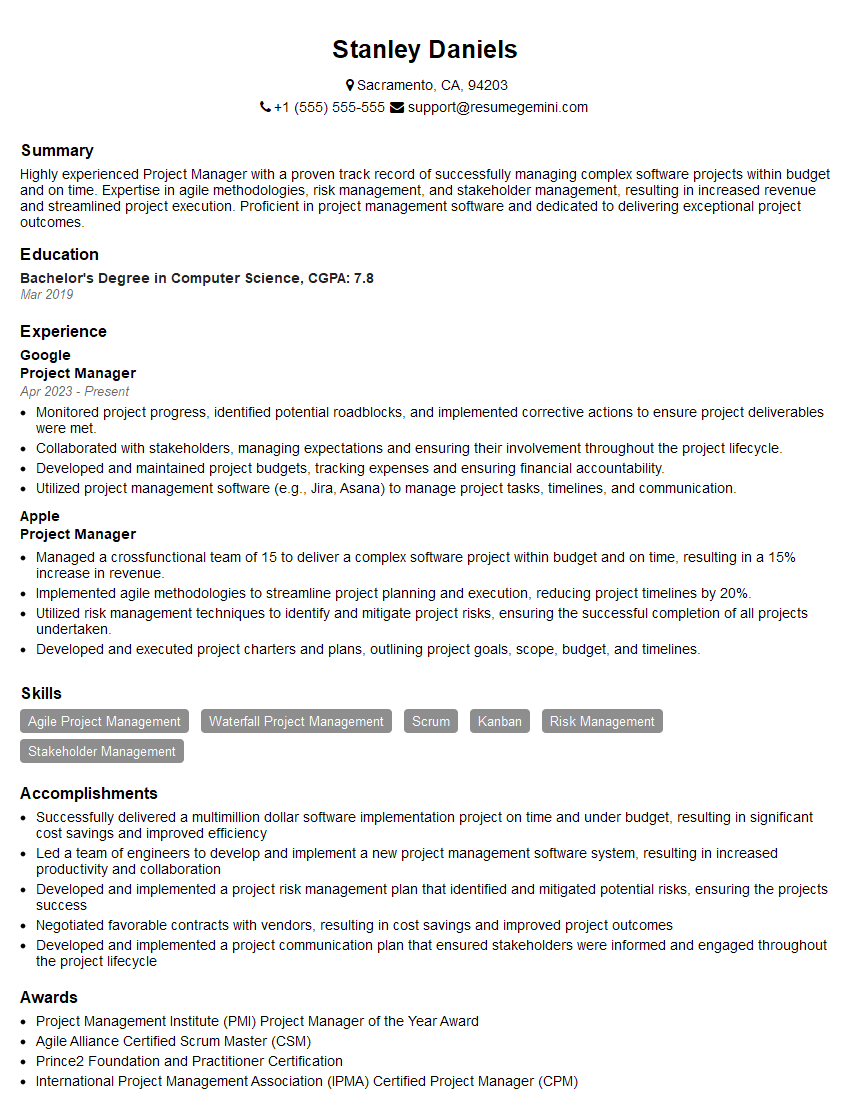
Project Manager Resume Sample
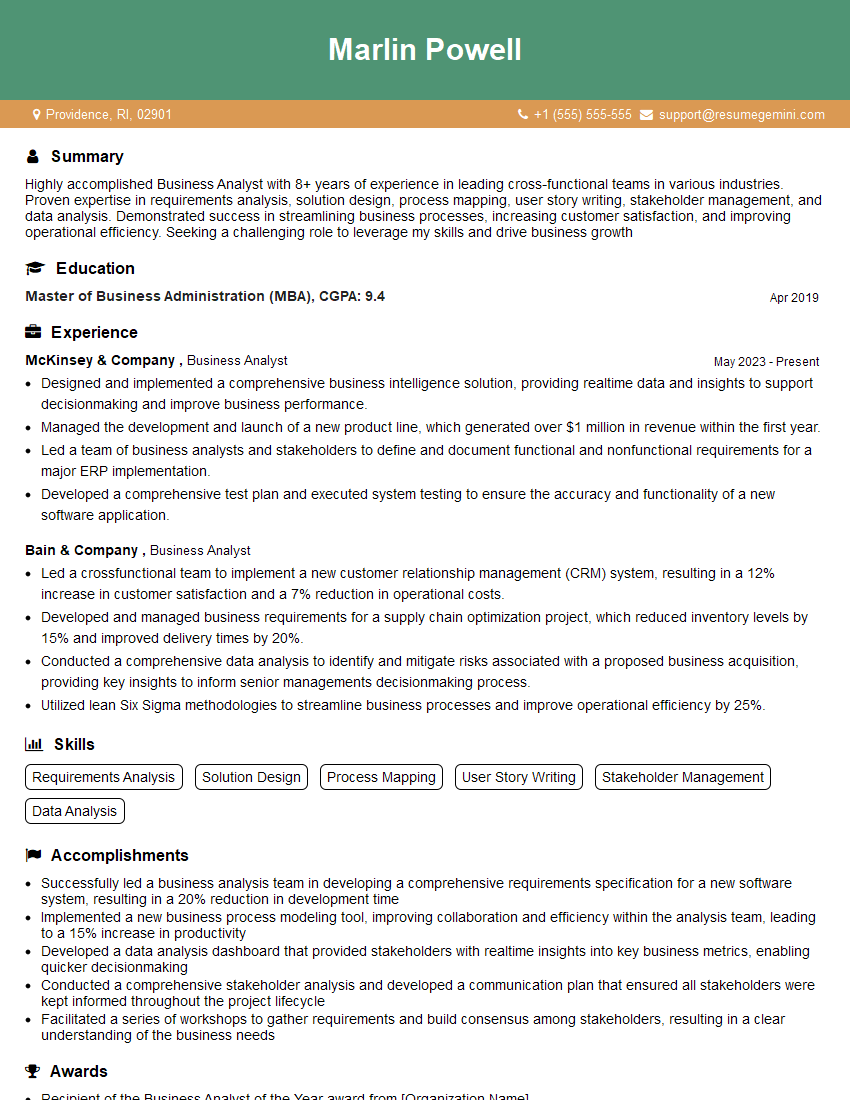
Business Analyst Resume Sample
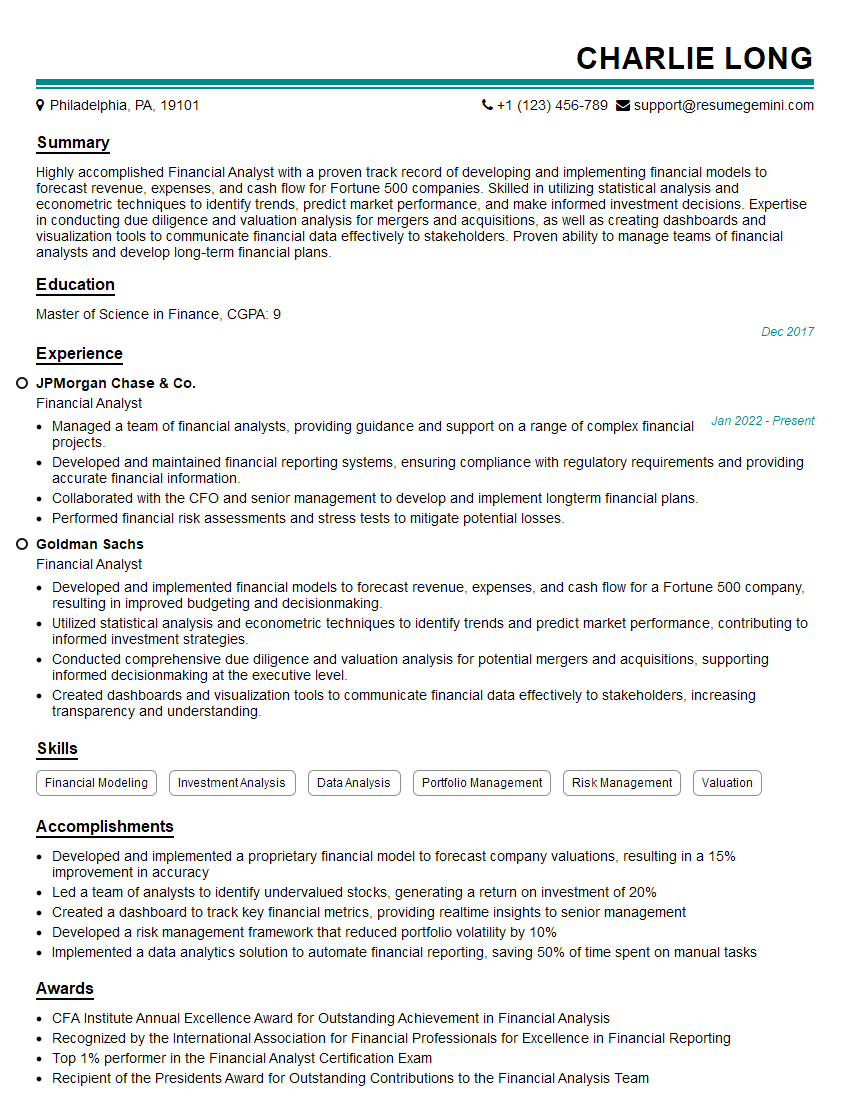
Financial Analyst Resume Sample
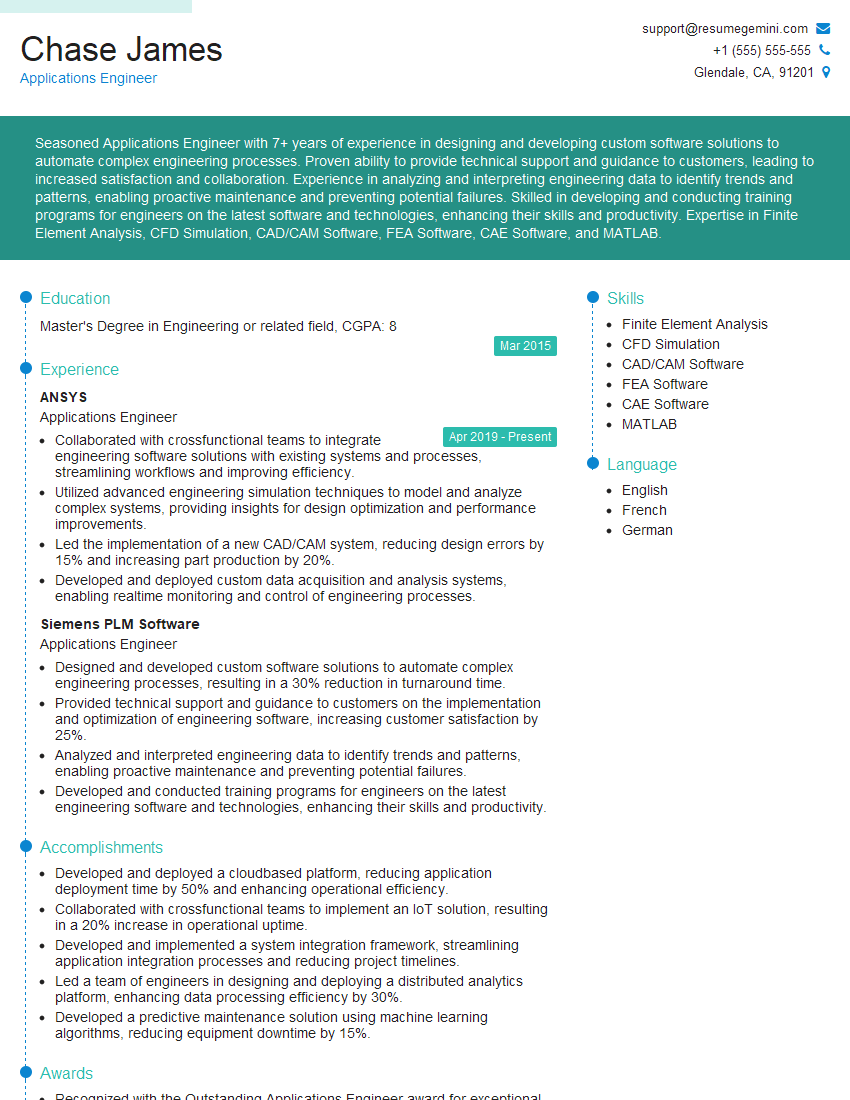
Applications Engineer Resume Sample
Data Scientist Resume Sample
Research Scientist Resume Sample
Software Engineer Resume Sample
Systems Architect Resume Sample
Test Engineer Resume Sample
Sales Engineer Resume Sample
IT Manager Resume Sample
Field Service Engineer Resume Sample

Hardware Engineer Resume Sample
Electrical Engineer Resume Sample
Manufacturing Engineer Resume Sample
Quality Control Engineer Resume Sample
Mechanical Engineer Resume Sample
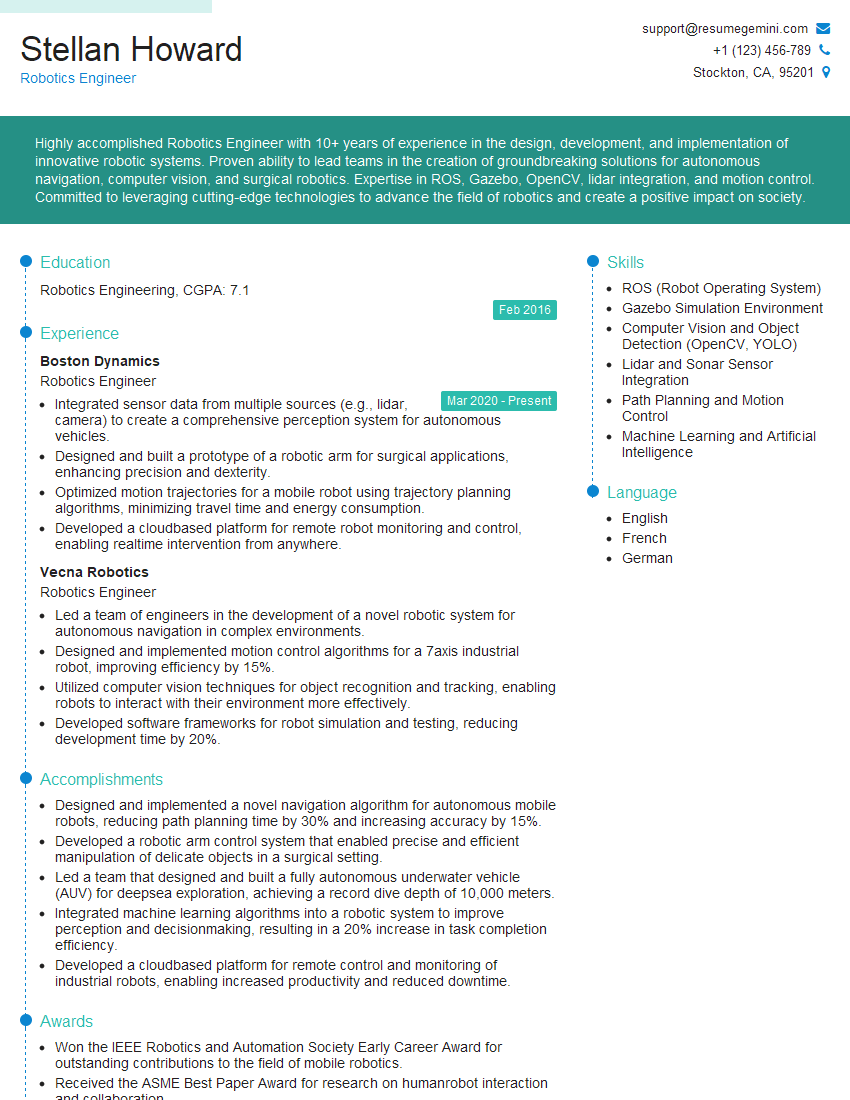
Robotics Engineer Resume Sample

Technical Writer Resume Sample
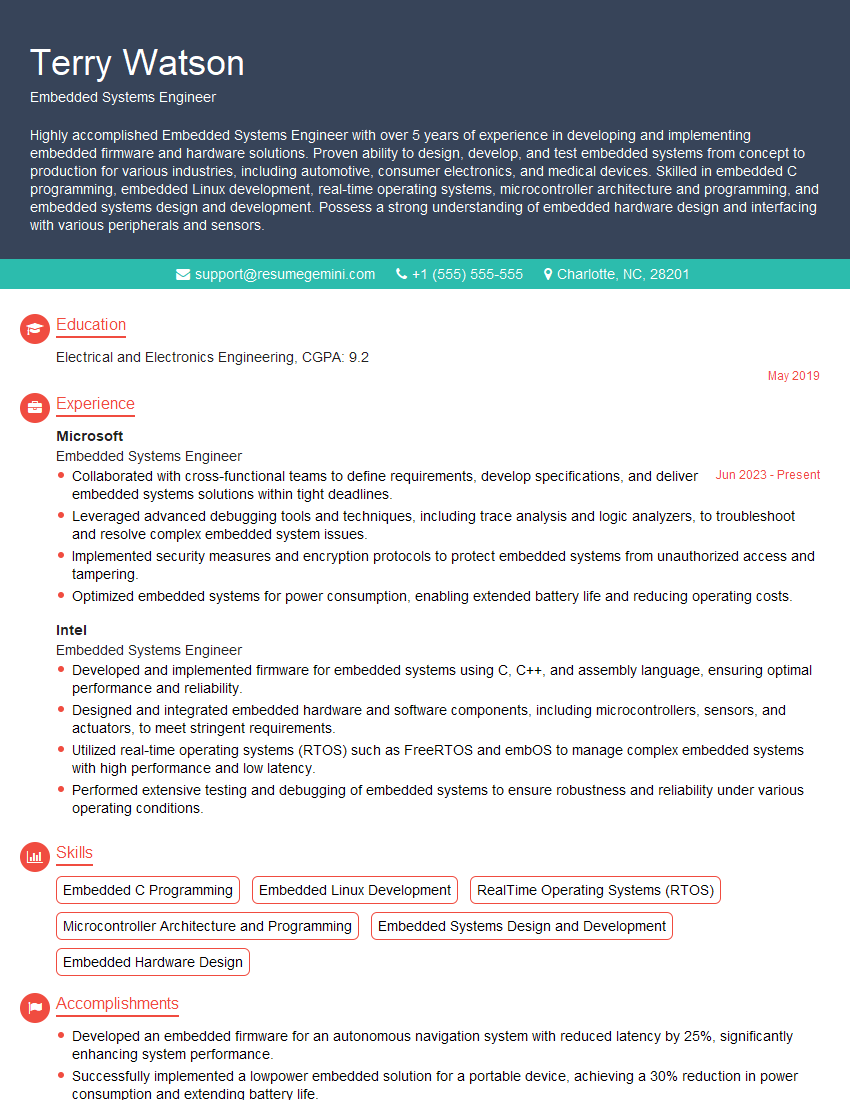
Embedded Systems Engineer Resume Sample
- Marketing Manager
- Product Manager
- Supply Chain Manager
- Human Resources Manager
- Project Manager
- Business Analyst
- Financial Analyst
- Applications Engineer
- Data Scientist
- Research Scientist
- Software Engineer
- Systems Architect
- Test Engineer
- Sales Engineer
- IT Manager
- Field Service Engineer
- Hardware Engineer
- Electrical Engineer
- Manufacturing Engineer
- Quality Control Engineer
- Mechanical Engineer
- Robotics Engineer
- Technical Writer
- Embedded Systems Engineer
Explore more articles
Users Rating of Our Blogs
Share Your Experience
We value your feedback! Please rate our content and share your thoughts (optional).
What Readers Say About Our Blog
Attention music lovers!
Wow, All the best Sax Summer music !!!
Spotify: https://open.spotify.com/artist/6ShcdIT7rPVVaFEpgZQbUk
Apple Music: https://music.apple.com/fr/artist/jimmy-sax-black/1530501936
YouTube: https://music.youtube.com/browse/VLOLAK5uy_noClmC7abM6YpZsnySxRqt3LoalPf88No
Other Platforms and Free Downloads : https://fanlink.tv/jimmysaxblack
on google : https://www.google.com/search?q=22+AND+22+AND+22
on ChatGPT : https://chat.openai.com?q=who20jlJimmy20Black20Sax20Producer
Get back into the groove with Jimmy sax Black
Best regards,
Jimmy sax Black
www.jimmysaxblack.com
Hi I am a troller at The aquatic interview center and I suddenly went so fast in Roblox and it was gone when I reset.
Hi,
Business owners spend hours every week worrying about their website—or avoiding it because it feels overwhelming.
We’d like to take that off your plate:
$69/month. Everything handled.
Our team will:
Design a custom website—or completely overhaul your current one
Take care of hosting as an option
Handle edits and improvements—up to 60 minutes of work included every month
No setup fees, no annual commitments. Just a site that makes a strong first impression.
Find out if it’s right for you:
https://websolutionsgenius.com/awardwinningwebsites
Hello,
we currently offer a complimentary backlink and URL indexing test for search engine optimization professionals.
You can get complimentary indexing credits to test how link discovery works in practice.
No credit card is required and there is no recurring fee.
You can find details here:
https://wikipedia-backlinks.com/indexing/
Regards
NICE RESPONSE TO Q & A
hi
The aim of this message is regarding an unclaimed deposit of a deceased nationale that bears the same name as you. You are not relate to him as there are millions of people answering the names across around the world. But i will use my position to influence the release of the deposit to you for our mutual benefit.
Respond for full details and how to claim the deposit. This is 100% risk free. Send hello to my email id: lukachachibaialuka@gmail.com
Luka Chachibaialuka
Hey interviewgemini.com, just wanted to follow up on my last email.
We just launched Call the Monster, an parenting app that lets you summon friendly ‘monsters’ kids actually listen to.
We’re also running a giveaway for everyone who downloads the app. Since it’s brand new, there aren’t many users yet, which means you’ve got a much better chance of winning some great prizes.
You can check it out here: https://bit.ly/callamonsterapp
Or follow us on Instagram: https://www.instagram.com/callamonsterapp
Thanks,
Ryan
CEO – Call the Monster App
Hey interviewgemini.com, I saw your website and love your approach.
I just want this to look like spam email, but want to share something important to you. We just launched Call the Monster, a parenting app that lets you summon friendly ‘monsters’ kids actually listen to.
Parents are loving it for calming chaos before bedtime. Thought you might want to try it: https://bit.ly/callamonsterapp or just follow our fun monster lore on Instagram: https://www.instagram.com/callamonsterapp
Thanks,
Ryan
CEO – Call A Monster APP
To the interviewgemini.com Owner.
Dear interviewgemini.com Webmaster!
Hi interviewgemini.com Webmaster!
Dear interviewgemini.com Webmaster!
excellent
Hello,
We found issues with your domain’s email setup that may be sending your messages to spam or blocking them completely. InboxShield Mini shows you how to fix it in minutes — no tech skills required.
Scan your domain now for details: https://inboxshield-mini.com/
— Adam @ InboxShield Mini
support@inboxshield-mini.com
Reply STOP to unsubscribe
Hi, are you owner of interviewgemini.com? What if I told you I could help you find extra time in your schedule, reconnect with leads you didn’t even realize you missed, and bring in more “I want to work with you” conversations, without increasing your ad spend or hiring a full-time employee?
All with a flexible, budget-friendly service that could easily pay for itself. Sounds good?
Would it be nice to jump on a quick 10-minute call so I can show you exactly how we make this work?
Best,
Hapei
Marketing Director
Hey, I know you’re the owner of interviewgemini.com. I’ll be quick.
Fundraising for your business is tough and time-consuming. We make it easier by guaranteeing two private investor meetings each month, for six months. No demos, no pitch events – just direct introductions to active investors matched to your startup.
If youR17;re raising, this could help you build real momentum. Want me to send more info?
Hi, I represent an SEO company that specialises in getting you AI citations and higher rankings on Google. I’d like to offer you a 100% free SEO audit for your website. Would you be interested?
Hi, I represent an SEO company that specialises in getting you AI citations and higher rankings on Google. I’d like to offer you a 100% free SEO audit for your website. Would you be interested?