Preparation is the key to success in any interview. In this post, we’ll explore crucial Panel Attachment interview questions and equip you with strategies to craft impactful answers. Whether you’re a beginner or a pro, these tips will elevate your preparation.
Questions Asked in Panel Attachment Interview
Q 1. Explain the different types of panel attachment methods you are familiar with.
Panel attachment methods are chosen based on the materials involved, required strength, aesthetics, and manufacturing process. Common methods include:
- Mechanical Fastening: This is the most prevalent method, utilizing screws, rivets, bolts, and clips. Screws offer adjustability and easy removal, while rivets provide strong, permanent joining, often used in aerospace and automotive applications. Clips are useful for quick assembly and disassembly, common in consumer electronics.
- Welding: This creates a strong, permanent bond between metal panels, offering high strength and durability. Different types exist, such as spot welding, seam welding, and arc welding, each suitable for various panel thicknesses and geometries. It’s commonly found in automotive body construction and heavy machinery.
- Adhesive Bonding: This method uses specialized adhesives to join panels, offering good strength and sealing capabilities, particularly with composite materials. Structural adhesives can create incredibly strong bonds, often used in aerospace applications where weight reduction is crucial. This method is also suitable for irregularly shaped panels or panels made from dissimilar materials.
- Clinching: This process uses specialized tools to deform the edges of the panels, creating an interlocking mechanical connection. It’s a strong, permanent method suitable for sheet metal, often favored for its clean aesthetics and minimal protrusion.
- Swaging: Similar to clinching, this method uses pressure to form a strong, permanent bond. It’s commonly employed in applications demanding high strength and resistance to vibration.
Q 2. Describe your experience with various fastening systems (e.g., rivets, screws, welds).
My experience spans across a broad range of fastening systems. I’ve extensively worked with:
- Rivets: From blind rivets (offering easy installation from one side) to solid rivets (requiring access from both sides), I have experience selecting the appropriate rivet type based on material, strength requirements, and accessibility. For instance, I optimized the use of self-piercing rivets in a high-volume manufacturing setting for automotive interior panels, significantly reducing assembly time.
- Screws: My expertise includes selecting screws based on material, thread type (e.g., coarse, fine), head type, and drive type (e.g., Phillips, Torx). I’ve successfully resolved several instances of screw loosening in field applications by carefully specifying appropriate thread locking compounds and torque values.
- Welds: I’m proficient in interpreting weld symbols and specifications to ensure proper weld quality. In one project, I identified and corrected a faulty welding process that was causing panel warping, by adjusting the welding parameters and implementing a more robust fixturing system. This involved utilizing different welding techniques like spot welding and MIG welding depending on the metal thickness and joint design.
Q 3. What are the key considerations for selecting an appropriate panel attachment method?
Selecting an appropriate panel attachment method requires careful consideration of several factors:
- Material Properties: The materials of the panels and the fasteners dictate the suitability of different methods. For example, welding is unsuitable for plastic panels, while adhesive bonding might not be suitable for high-temperature applications.
- Strength Requirements: The anticipated loads and stresses on the joint determine the necessary strength of the attachment. A high-strength application might necessitate welding or high-strength riveting.
- Aesthetics: The visibility of the joint and the desired appearance impact the selection. Clinching or adhesive bonding might be favored for a clean, flush surface, while screws might be acceptable in less visible areas.
- Manufacturing Process: The production environment and available equipment determine the feasibility of different methods. Automated riveting systems are preferred for high-volume production, while adhesive bonding might be more suitable for smaller-scale or customized manufacturing.
- Cost: Each method has its associated costs, including material costs, labor costs, and tooling costs. This should be considered alongside the other factors.
Q 4. How do you ensure proper alignment and tolerance during panel attachment?
Ensuring proper alignment and tolerance is crucial for successful panel attachment. This is achieved through:
- Precise Jigging and Fixturing: Using jigs and fixtures to hold the panels in place during assembly ensures accurate alignment and prevents shifting during the fastening process. These tools are designed to maintain consistent tolerances, helping to avoid misalignment issues.
- Proper Tooling: The right tooling for the chosen fastening method is crucial. For example, using the correct torque wrench for screw fastening prevents over-tightening or under-tightening, which can lead to failures. Similarly, using appropriate rivet guns ensures proper rivet setting without damaging the panel.
- Quality Control Checks: Regular checks during the assembly process, such as visual inspections and dimensional measurements, are crucial for identifying and correcting misalignments. Implementing a quality control plan including regular inspections is extremely important for maintaining accuracy.
- Automated Systems: Advanced automated systems often incorporate sensors and feedback mechanisms to ensure precise alignment and control of fastening parameters.
Q 5. Describe your experience with automated panel attachment systems.
My experience with automated panel attachment systems involves working with robotic systems for riveting, screwing, and adhesive dispensing. These systems offer several advantages, such as:
- Increased Speed and Efficiency: Automated systems significantly increase the speed of panel attachment, reducing production time and costs.
- Improved Consistency and Quality: Automated systems maintain consistent fastening parameters, reducing variability and improving the quality of the joints.
- Enhanced Safety: Automation minimizes the risk of injuries associated with manual fastening processes.
- Flexibility: Modern automated systems can be programmed to adapt to different panel designs and fastening methods.
In one project, I oversaw the integration of a robotic riveting system, which increased production by 40% and reduced the defect rate by 25%. The programming of these systems requires careful consideration of robot kinematics and collision avoidance, alongside the precise control of the fastening process itself.
Q 6. What are the common causes of panel attachment failures, and how do you troubleshoot them?
Panel attachment failures can stem from various causes:
- Improper Fastener Selection: Using fasteners that are not suitable for the material, load, or environment can lead to failure.
- Incorrect Fastener Installation: Incorrect torque values, improper rivet setting, or incorrect adhesive application can weaken the joint.
- Poor Panel Alignment: Misalignment before fastening creates stress concentrations, leading to premature failure.
- Material Defects: Defects in the panels themselves, such as cracks or corrosion, can compromise the strength of the joint.
- Environmental Factors: Exposure to extreme temperatures, humidity, or corrosive substances can degrade the joint and lead to failure.
Troubleshooting involves careful examination of the failed joint, identifying the root cause, and implementing corrective actions. This often involves material testing, visual inspection, and analysis of the manufacturing process. For instance, identifying corrosion as a failure mechanism might lead to the specification of corrosion-resistant materials or protective coatings.
Q 7. How do you ensure the quality and consistency of panel attachment?
Ensuring quality and consistency involves a multi-faceted approach:
- Process Control: Establishing and adhering to strict procedures for panel preparation, alignment, and fastening ensures consistent results.
- Quality Control Inspections: Regular inspections at various stages of the process, including visual inspection and dimensional measurement, detect and correct deviations from specifications.
- Statistical Process Control (SPC): Utilizing SPC techniques tracks process parameters and identifies potential problems before they lead to failures. This is particularly useful in high-volume manufacturing settings.
- Operator Training: Properly trained operators are crucial for ensuring consistent and accurate panel attachment.
- Material Certification: Using certified materials assures the quality of the starting components, contributing to overall panel strength and reliability.
- Non-destructive testing: Utilizing techniques such as ultrasonic testing or X-ray inspection to ensure the integrity of the welds without damaging the joint.
By employing these strategies, organizations can significantly improve the quality and consistency of their panel attachment processes, reducing failures and improving overall product reliability.
Q 8. What are your preferred methods for inspecting completed panel attachments?
Inspecting completed panel attachments involves a multi-stage process focusing on visual inspection and sometimes, more rigorous testing. My preferred methods begin with a thorough visual examination, checking for proper alignment, flushness, and the absence of gaps or damage. I use a checklist to ensure consistency and thoroughness. This includes verifying that all fasteners are correctly installed and tightened to specifications. For critical applications, I’ll employ additional methods such as:
Dimensional verification: Using precision measuring tools like calipers and rulers to confirm the panel is correctly positioned and within tolerance.
Pull testing: This involves applying a controlled force to the panel to assess the strength of the attachment. This is particularly useful for identifying weak points or potential failure areas. The force applied would depend on the panel’s design specifications and intended load.
Non-destructive testing (NDT): In complex or high-risk situations, methods like ultrasonic testing might be employed to detect internal flaws or weaknesses in the attachment or panel itself.
For example, during a recent project involving large aircraft panels, pull testing was crucial in ensuring the structural integrity of the attachment before flight certification. A systematic approach coupled with the right tools ensures that the inspection process is reliable and effective.
Q 9. Explain your experience with different panel materials and their impact on attachment methods.
Experience with diverse panel materials is crucial in panel attachment. The choice of attachment method depends heavily on the panel’s material properties. For example:
Aluminum panels: These are common in aerospace and automotive applications. They are relatively easy to work with and often use rivets, bolts, or adhesives for attachment. The choice depends on the required strength and aesthetics.
Composite panels (e.g., carbon fiber): These require specialized fasteners and techniques to avoid damage to the material. Often, blind rivets or special adhesives designed for composites are preferred. Excessive clamping force can easily cause delamination.
Steel panels: Welding is a common attachment method for steel panels, offering high strength. Bolting is also used, particularly for situations requiring disassembly. The type of steel influences the welding procedure.
Plastics: Fasteners must be selected to avoid cracking or weakening the plastic. Adhesives are also frequently used, with careful consideration given to the plastic’s compatibility.
Improper consideration of material properties can lead to failures. For instance, using standard rivets on a composite panel can cause micro-cracking leading to premature failure. Understanding material behavior is essential for successful panel attachment.
Q 10. How do you handle variations in panel dimensions or tolerances during attachment?
Variations in panel dimensions and tolerances are common. My approach involves a combination of careful planning and flexible execution. During the design phase, I factor in expected tolerances and incorporate design features to accommodate variations. For instance:
Using adjustable fasteners: This allows for minor adjustments during installation to compensate for discrepancies.
Incorporating shims: Thin metal or plastic shims can be used to fill small gaps and ensure proper alignment.
Designing for flexibility: The attachment design might include features that allow for slight movement or deformation without compromising structural integrity.
However, variations exceeding specified tolerances are dealt with differently. In cases of significant discrepancies, I will work with the design team and manufacturing to address the root cause of the variations. This might involve adjusting the manufacturing process, re-evaluating design specifications, or using alternative attachment methods.
Q 11. Describe your experience with safety procedures related to panel attachment.
Safety is paramount in panel attachment. My experience includes adhering to strict safety protocols throughout the entire process. This starts with:
Proper Personal Protective Equipment (PPE): This includes safety glasses, gloves, hearing protection (for noisy operations), and steel-toe boots where appropriate.
Safe tool usage: Correct usage of power tools, ensuring regular maintenance and adherence to manufacturer instructions.
Lockout/Tagout procedures: When working with machinery, proper lockout/tagout procedures are followed to prevent accidental startup.
Working at heights safety: If working at heights, fall protection equipment and procedures are strictly followed.
Ergonomic practices: Avoiding repetitive strain injuries by following proper lifting techniques and using ergonomic tools.
A recent incident involving a power tool malfunction highlighted the importance of safety checks. A thorough inspection before each use prevented a potential accident. Regular safety training and the proactive identification of hazards are essential elements of a safe work environment.
Q 12. How do you manage and resolve issues related to panel attachment defects?
Addressing panel attachment defects requires a systematic approach. My process typically starts with identifying the type and extent of the defect. This involves thorough inspection using the methods described earlier. Once the defect is understood, I focus on root cause analysis:
Incorrect installation: This could involve improper tightening of fasteners, misalignment, or damage during installation. Rectification might involve removing and reinstalling the panel or components.
Material defects: This might involve flawed panels or fasteners. Replacement of the affected parts is usually necessary.
Design flaws: This requires a more in-depth analysis and might necessitate design changes for future panels. This could involve simulations or tests.
Documentation is crucial throughout the process. I maintain detailed records of the defect, the corrective actions taken, and any changes made to the design or procedures. This ensures that similar defects are avoided in the future.
Q 13. What software or tools do you use to design or plan panel attachments?
Several software and tools are utilized for design and planning. The specific tools depend on the complexity of the project. Common tools include:
Computer-Aided Design (CAD) software: Software like SolidWorks, AutoCAD, or CATIA are used to create detailed 3D models of the panel and its attachment system. This allows for precise planning and analysis of the design.
Finite Element Analysis (FEA) software: This software is used for structural analysis. It helps to predict how the panel and its attachments will perform under various load conditions, ensuring that the design meets strength requirements.
Spreadsheet software: Spreadsheets are helpful for managing data related to materials, fasteners, and dimensions. They help with calculations and documentation.
Specialized fastener design software: Some specialized software can assist in the selection and design of fasteners based on material properties and load requirements.
In a recent project, FEA simulations helped optimize the design, reducing material usage and weight without compromising structural integrity. The combination of tools ensures a robust and efficient design process.
Q 14. Explain your understanding of load-bearing capacity in panel attachment.
Understanding load-bearing capacity in panel attachment is fundamental. It refers to the maximum force or stress that the attachment system can withstand before failure. Factors influencing load-bearing capacity include:
Fastener type and size: Larger, stronger fasteners can handle higher loads.
Panel material and thickness: Stronger, thicker panels provide better support.
Attachment configuration: The number and arrangement of fasteners greatly impact load capacity. A well-distributed load reduces stress on individual fasteners.
Environmental factors: Temperature, humidity, and corrosion can affect the strength of the attachment.
Failure to adequately consider load-bearing capacity can lead to catastrophic consequences. Imagine a poorly attached panel on a high-speed train – a failure could be devastating. Therefore, rigorous analysis and testing are essential to ensure the system can reliably handle expected loads throughout its operational life.
Q 15. Describe your experience with different types of adhesives used in panel attachment.
My experience with adhesives in panel attachment spans a wide range, encompassing various chemistries and application methods. I’ve worked extensively with structural adhesives like epoxy, polyurethane, and acrylics, each with its own strengths and weaknesses. Epoxy adhesives, for example, offer exceptional strength and durability, making them ideal for high-stress applications where long-term bond integrity is crucial. I’ve used them in attaching heavy gauge metal panels in automotive manufacturing. Polyurethane adhesives, on the other hand, excel in applications requiring flexibility and gap-filling capabilities, often used in attaching composite panels or in situations where panel surfaces aren’t perfectly aligned. I’ve found them particularly useful in aerospace applications where vibration is a key concern. Finally, acrylic adhesives are often preferred for their ease of use and fast curing times, suitable for lighter panel attachments and quicker assembly lines. Choosing the right adhesive is a critical decision, factoring in factors such as the materials being bonded, the expected stress levels, the environmental conditions, and the required curing time.
Furthermore, my experience extends to different application methods – from manual dispensing using cartridges and applicators to automated dispensing systems which provide precise control and consistency for high-volume production. I’m proficient in optimizing adhesive application for maximum bond strength and minimizing waste.
Career Expert Tips:
- Ace those interviews! Prepare effectively by reviewing the Top 50 Most Common Interview Questions on ResumeGemini.
- Navigate your job search with confidence! Explore a wide range of Career Tips on ResumeGemini. Learn about common challenges and recommendations to overcome them.
- Craft the perfect resume! Master the Art of Resume Writing with ResumeGemini’s guide. Showcase your unique qualifications and achievements effectively.
- Don’t miss out on holiday savings! Build your dream resume with ResumeGemini’s ATS optimized templates.
Q 16. How do you maintain tools and equipment used in panel attachment?
Maintaining tools and equipment is paramount to ensuring efficient and safe panel attachment. My approach is proactive and systematic, focusing on regular cleaning, lubrication, and inspection. For pneumatic tools like rivet guns and air hammers, I ensure regular lubrication of moving parts to prevent wear and tear and maintain optimal performance. I always inspect air hoses for damage and leaks before each use. For adhesive dispensing equipment, regular cleaning is vital to prevent clogging and ensure precise dispensing. I follow the manufacturer’s guidelines for cleaning and maintenance for each specific type of equipment. This usually involves using appropriate solvents and ensuring all components are properly dried before storage.
Additionally, I meticulously keep records of all maintenance activities, including dates, procedures, and any necessary repairs. This allows us to track tool performance and anticipate potential problems, optimizing the equipment’s lifespan and minimizing downtime. We also adhere to strict safety protocols, including proper use of personal protective equipment (PPE) when handling and maintaining equipment.
Q 17. What is your experience with different types of robotic panel attachment systems?
My experience with robotic panel attachment systems encompasses various types, from simple SCARA robots for light-duty applications to more complex six-axis robots for handling large, heavy panels. I’ve worked with both commercially available robotic systems and custom-designed solutions, tailoring the system to specific application needs. I’m proficient in programming robots using various languages such as RAPID (ABB) and KRL (KUKA), ensuring precise and repeatable panel placement, as well as optimized cycle times. Understanding the nuances of robotic programming, such as path planning and collision avoidance, is crucial for successful implementation and preventing damage to equipment and products.
For example, I worked on a project involving the integration of a six-axis robot for attaching large composite panels to an aircraft fuselage. The programming required precise control of the robot’s end-effector to ensure proper alignment and avoid damage to the delicate composite material. The project successfully improved the efficiency and consistency of the panel attachment process, significantly reducing manual labor and improving product quality.
Q 18. Describe your experience with preventive maintenance related to panel attachment machinery.
Preventive maintenance is a cornerstone of keeping panel attachment machinery running smoothly. My approach emphasizes a structured, scheduled maintenance program tailored to the specific needs of each machine. This typically involves regular inspections, lubrication, and cleaning of moving parts, according to manufacturer’s guidelines and best practices. For example, robotic systems require regular checks of their sensors, actuators, and cables to ensure they’re functioning optimally. Regular software updates are also essential to address any bugs or vulnerabilities and enhance performance. Automated adhesive dispensing systems need routine cleaning to prevent nozzle clogging and maintain dispensing accuracy. We use checklists and maintenance logs to document all activities, allowing for easy tracking and identification of trends.
This proactive approach minimizes unexpected breakdowns, reduces downtime, extends the lifespan of the equipment, and ultimately contributes to higher production efficiency and improved product quality. It’s far more cost-effective to perform regular maintenance than to react to catastrophic failures.
Q 19. How do you handle unexpected equipment failures during panel attachment?
Unexpected equipment failures are inevitable, and a swift, organized response is crucial. My first step is always safety – ensuring the area is secure and the equipment is isolated to prevent further damage or injury. Then, I perform a thorough assessment of the situation to determine the extent of the failure. This might involve checking error logs, visual inspection, and potentially using diagnostic tools. Based on the diagnosis, I will either attempt a quick repair if feasible and safe, or initiate the appropriate escalation procedures, contacting maintenance personnel or the equipment supplier for assistance.
During this process, clear communication is paramount. I keep my supervisor informed of the situation, the troubleshooting steps taken, and the estimated downtime. Depending on the severity of the failure, I might implement temporary workarounds to minimize production disruption while waiting for repairs. After the issue is resolved, a thorough investigation is conducted to identify the root cause and implement preventive measures to avoid future occurrences.
Q 20. How do you interpret engineering drawings and specifications for panel attachment?
Interpreting engineering drawings and specifications is fundamental to my role. I’m proficient in reading blueprints, schematics, and technical documentation related to panel attachment. I understand various drawing formats and symbols, including dimensioning, tolerances, and material specifications. I can extract relevant information about panel geometry, attachment points, fastener types, adhesive requirements, and quality control criteria. This involves carefully reviewing each drawing to understand the overall design intent and identify any potential challenges or ambiguities.
For example, I recently worked on a project where the drawings specified very tight tolerances for panel alignment. This required careful planning and precise execution of the panel attachment process using specialized jigs and fixtures, ensuring the final assembly met the required specifications. My proficiency in interpreting these drawings allowed the project to proceed smoothly and successfully.
Q 21. What are your experience with different jigs and fixtures used in panel attachment?
My experience with jigs and fixtures used in panel attachment is extensive. I’ve worked with a variety of custom-designed and commercially available jigs and fixtures, ranging from simple clamping devices to complex, multi-component assemblies. The choice of jig or fixture depends heavily on the specific application, panel geometry, and attachment method. For example, welding jigs are used to ensure precise alignment of panels during the welding process, while clamping fixtures provide secure holding of panels during adhesive bonding. Fixtures often incorporate features such as locating pins, clamping mechanisms, and alignment guides to ensure consistent and accurate placement of panels.
I’m skilled in designing and modifying jigs and fixtures to meet specific project needs. This involves utilizing CAD software to create designs, selecting appropriate materials, and overseeing the fabrication process. The proper design and use of jigs and fixtures are critical for maintaining consistent quality, reducing assembly time, and improving overall productivity. A poorly designed jig can lead to inaccurate panel alignment, compromised bond strength, and wasted materials.
Q 22. How do you optimize the panel attachment process for efficiency and productivity?
Optimizing panel attachment for efficiency and productivity involves a multi-pronged approach focusing on process streamlining, tooling, and team collaboration. Think of it like assembling a complex puzzle – each piece needs to fit perfectly and efficiently.
- Process Mapping and Standard Work: We begin by meticulously mapping the current process, identifying bottlenecks and areas for improvement. This often reveals unnecessary steps or movements. Implementing standard work instructions ensures consistency and reduces variability. For example, if we consistently find that a certain fastener is difficult to reach, we’d redesign the jig or tooling.
- Ergonomics and Workspace Optimization: A well-designed workspace significantly improves efficiency. This includes optimizing the arrangement of tools and materials to minimize worker movement, ensuring proper lighting and ventilation, and utilizing ergonomic tools to reduce fatigue and risk of injury. Think of it as setting up a well-organized kitchen – everything within easy reach.
- Tooling and Automation: Investing in specialized tools and potentially automated systems can dramatically speed up the process. For example, robotic arms can automate repetitive tasks, while specialized fasteners can reduce installation time. This is like using a food processor instead of chopping vegetables by hand.
- Training and Skill Development: Well-trained operators are crucial. Regular training on best practices, new techniques, and safety protocols ensures consistent quality and efficiency. Regular training keeps everyone up to speed, like refresher courses for cooks in a restaurant.
By combining these strategies, we can significantly reduce cycle time, improve quality, and increase overall productivity in panel attachment.
Q 23. Describe your experience working in a team environment during panel attachment tasks.
Teamwork is essential in panel attachment. I’ve consistently worked in cross-functional teams, collaborating with engineers, quality control specialists, and fellow technicians. We usually operate under a lean manufacturing principle called Andon, which gives everyone the authority to halt production if a problem is detected.
- Communication: Open and clear communication is paramount. We utilize daily stand-up meetings to discuss progress, identify challenges, and coordinate tasks. This ensures everyone is informed and can contribute effectively.
- Collaboration: I’ve actively participated in problem-solving sessions, brainstorming solutions, and sharing best practices with team members. For example, one time a specific panel was proving difficult to attach; by sharing different techniques and experimenting together, we developed a more efficient method that saved us considerable time.
- Conflict Resolution: I actively participate in conflict resolution, ensuring that differing viewpoints are considered and addressed constructively. Teamwork necessitates compromising and working towards a collective goal. For instance, when disagreements arose about the best approach for a certain panel, we documented different methods, tested them, and then selected the best performer based on data.
My experience highlights the significance of strong communication, mutual respect, and shared responsibility in achieving team goals within panel attachment operations.
Q 24. How do you prioritize tasks during panel attachment operations?
Prioritizing tasks during panel attachment hinges on several factors: urgency, impact, and dependencies. I use a combination of methods for effective task prioritization.
- Urgency and Impact: Tasks with immediate deadlines and significant consequences are prioritized. For instance, if a critical assembly line is stalled due to a missing component, addressing this becomes the top priority.
- Dependencies: Tasks that are prerequisites for others are prioritized to avoid delays downstream. If attaching Panel A is necessary before attaching Panel B, Panel A gets precedence.
- Work Breakdown Structure (WBS): Complex projects benefit from breaking down tasks into smaller, manageable units. This enables efficient scheduling and monitoring of progress.
- Kanban or Agile Methodologies: Visual management tools like Kanban boards help visualize workflow and track progress, allowing for dynamic prioritization based on changing circumstances.
Ultimately, the key is flexibility and adaptability. Prioritization isn’t static; it evolves based on the situation and available resources. This approach ensures that we efficiently manage time and resources, completing the most critical tasks first.
Q 25. What are your experience with different quality control standards related to panel attachment?
My experience encompasses various quality control standards in panel attachment, including ISO 9001, TS 16949 (for automotive applications), and customer-specific requirements. It’s akin to a chef following various recipes, each with its specific instructions and quality checks.
- Visual Inspection: This is a fundamental aspect, involving checking for proper alignment, fastener tightness, and the absence of defects like scratches or dents. It’s similar to a chef checking the visual appeal and evenness of a baked cake.
- Dimensional Checks: Precise measurements are crucial to ensure panels are correctly sized and positioned. This often involves using calibrated tools like calipers and micrometers. This is like making sure each ingredient in a recipe is measured precisely.
- Functional Tests: In certain cases, functional testing might be needed to ensure the attached panel operates as intended. This could involve checking electrical connections, mechanical functionality, or leak tightness. This is analogous to testing the functionality of a prepared dish.
- Statistical Process Control (SPC): SPC techniques are frequently employed to monitor process stability and identify potential issues before they escalate into widespread problems. This is like monitoring the consistency of the final dish across multiple preparations.
Adherence to these standards is non-negotiable, ensuring the quality and reliability of the final product.
Q 26. How do you document panel attachment procedures and processes?
Documenting panel attachment procedures is crucial for consistency, training, and continuous improvement. I utilize a combination of methods to create clear and comprehensive documentation.
- Standard Operating Procedures (SOPs): Detailed step-by-step instructions, including diagrams, images, and specifications, are crucial. These SOPs are like a detailed recipe, ensuring everyone follows the same steps.
- Work Instructions: These are concise guides for specific tasks, often used in conjunction with SOPs. They provide quick references for operators during the assembly process.
- Checklists: Checklists are vital to ensure all steps are completed correctly and consistently. These checklists are like an ingredient list that ensures everything is included before the dish is prepared.
- Digital Documentation: Utilizing digital tools allows for easy updates, version control, and accessibility. This is a modern approach, enabling efficient knowledge management and facilitating collaboration among team members.
This multifaceted documentation approach ensures clear communication, maintains consistency in execution, and supports continuous improvement efforts in panel attachment.
Q 27. Describe your experience with lean manufacturing principles as applied to panel attachment.
Lean manufacturing principles are deeply ingrained in my approach to panel attachment. It’s about eliminating waste and maximizing efficiency, akin to streamlining a kitchen workflow for optimal productivity.
- Value Stream Mapping: Identifying and eliminating waste (muda) is a core principle. Value stream mapping helps visualize the entire process and pinpoint areas of inefficiency. This is like reviewing a restaurant’s kitchen flow to identify and improve slow or inefficient steps.
- 5S Methodology: Implementing 5S (Sort, Set in Order, Shine, Standardize, Sustain) creates an organized and efficient workspace. This minimizes wasted time searching for tools or materials. A well-organized workspace is like a clean, efficient kitchen where everything is easily accessible.
- Kaizen (Continuous Improvement): Continuously seeking small improvements is integral. Regularly evaluating processes and implementing incremental changes ensures ongoing efficiency gains. This is akin to constantly improving a recipe based on feedback and experience.
- Just-in-Time (JIT) Inventory: Minimizing inventory reduces storage space and carrying costs. This requires precise coordination and timely delivery of materials. This is like ordering ingredients just in time for preparation, minimizing food waste.
By systematically applying these principles, we optimize processes, reduce waste, and improve overall productivity in panel attachment.
Q 28. Explain your experience with root cause analysis in resolving panel attachment issues.
Root cause analysis is crucial for resolving panel attachment issues effectively. It’s like a detective investigating a crime scene – we need to find the underlying cause, not just treat the symptoms.
- 5 Whys: This simple technique involves repeatedly asking “why” to progressively uncover the root cause. For example, if panels are misaligned, we’d ask: Why are they misaligned? (Faulty jig). Why is the jig faulty? (Worn-out components). And so on.
- Fishbone Diagram (Ishikawa Diagram): This visual tool helps brainstorm potential causes categorized by category (materials, methods, manpower, machines, measurement, environment). This helps to comprehensively evaluate potential contributing factors.
- Data Analysis: Collecting and analyzing data on defect rates, process parameters, and other relevant metrics is crucial. This provides objective evidence to support the identified root cause.
- Corrective Actions: Once the root cause is identified, implementing effective corrective actions is essential. These actions should prevent recurrence of the issue. This is like fixing the underlying problem in the kitchen, not just cleaning up the mess.
Through methodical root cause analysis, we can effectively resolve panel attachment problems, prevent future occurrences, and improve overall process reliability.
Key Topics to Learn for Panel Attachment Interview
- Understanding Panel Attachment Fundamentals: Grasp the core principles and definitions related to panel attachment within your specific industry. Consider the various types of panel attachments and their applications.
- Practical Applications and Case Studies: Explore real-world scenarios where panel attachment is utilized. Analyze successful implementations and consider potential challenges and solutions.
- Design Considerations and Best Practices: Learn about the factors influencing the choice of panel attachment methods, including material selection, structural integrity, and cost-effectiveness.
- Troubleshooting and Problem-Solving: Develop your ability to identify and resolve common issues related to panel attachment. Practice diagnosing problems and formulating effective solutions.
- Safety Regulations and Compliance: Familiarize yourself with relevant safety standards and regulations concerning panel attachment procedures and practices.
- Advanced Techniques and Technologies: Research innovative approaches and emerging technologies within panel attachment to demonstrate your forward-thinking approach.
Next Steps
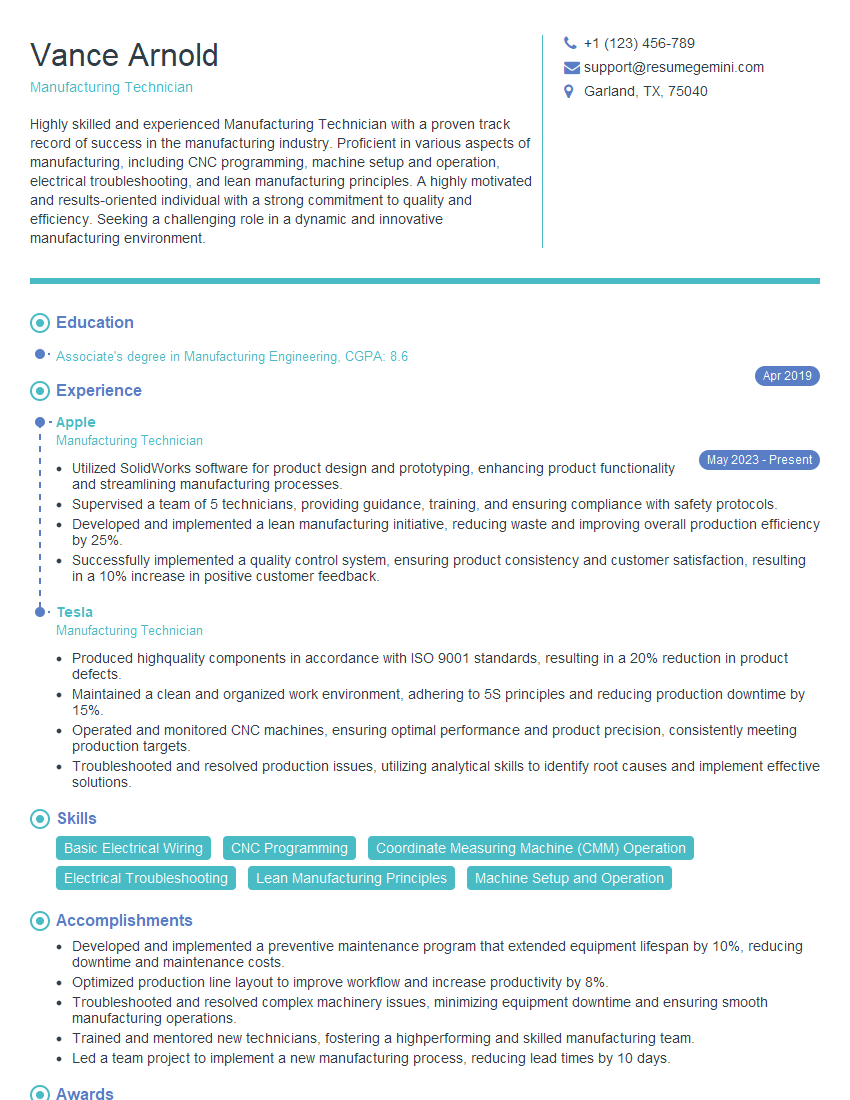
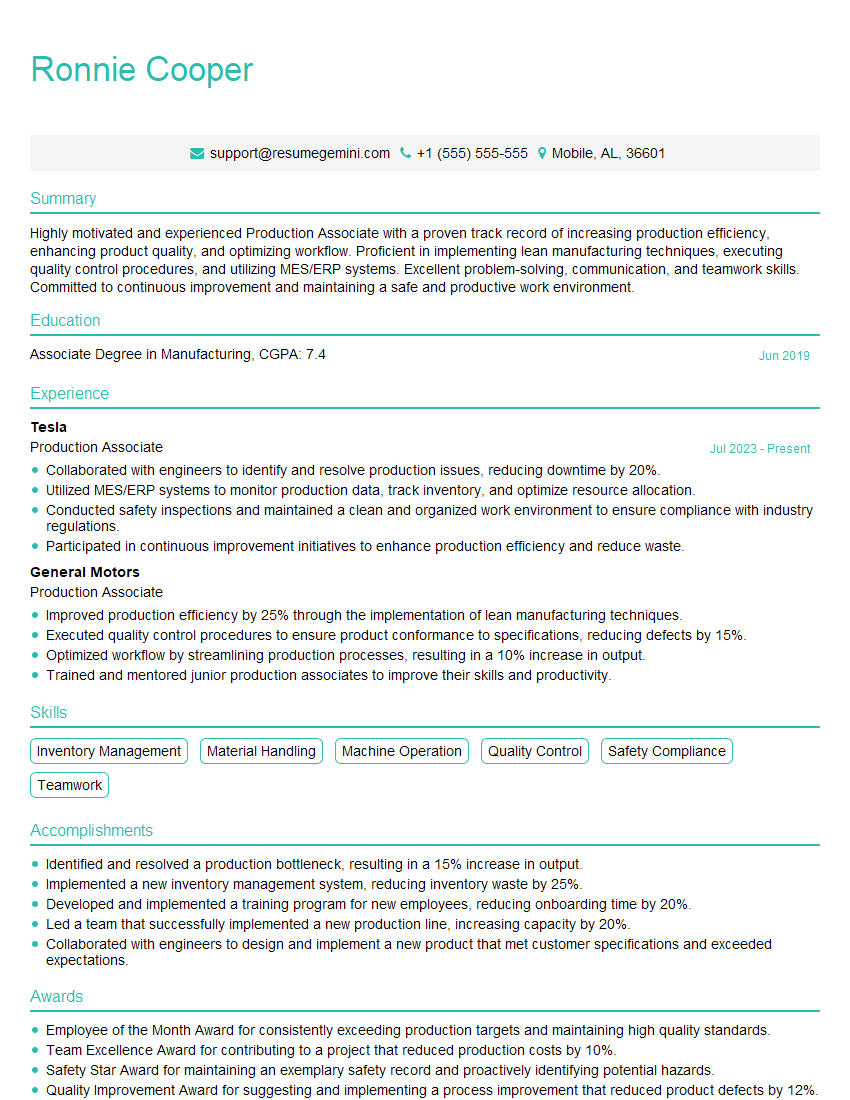
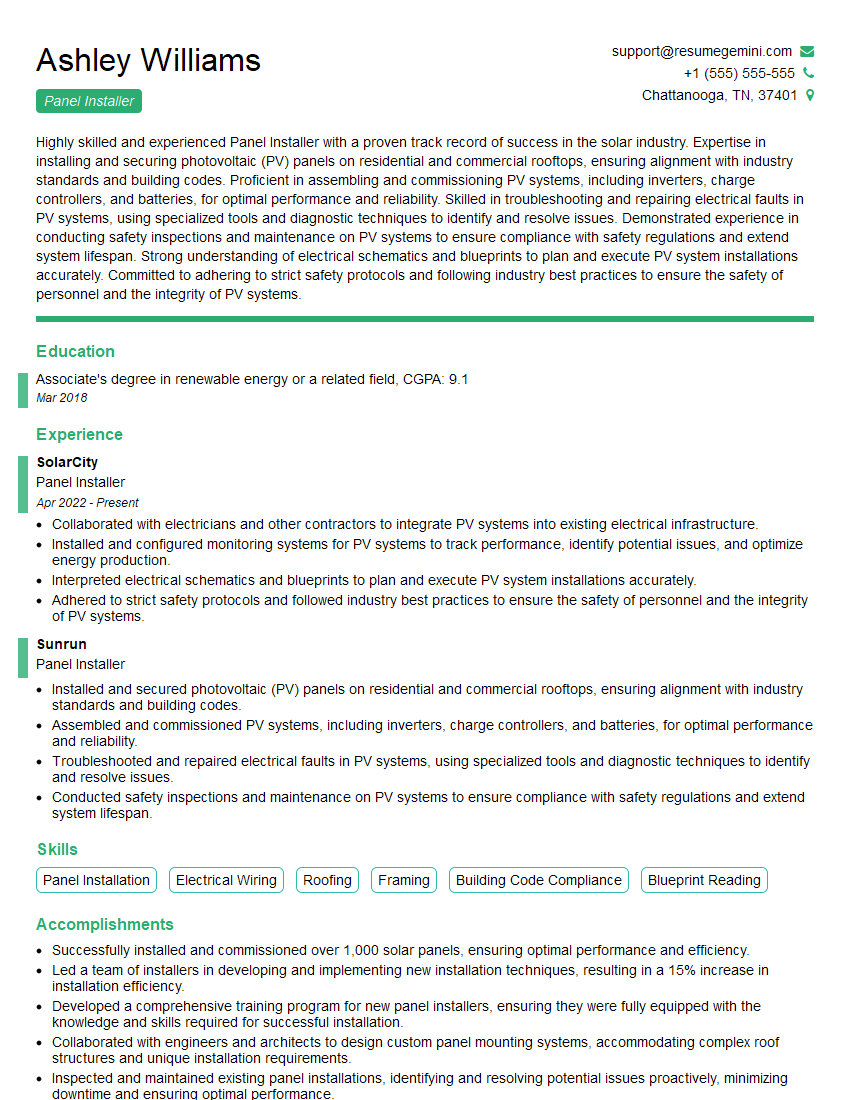
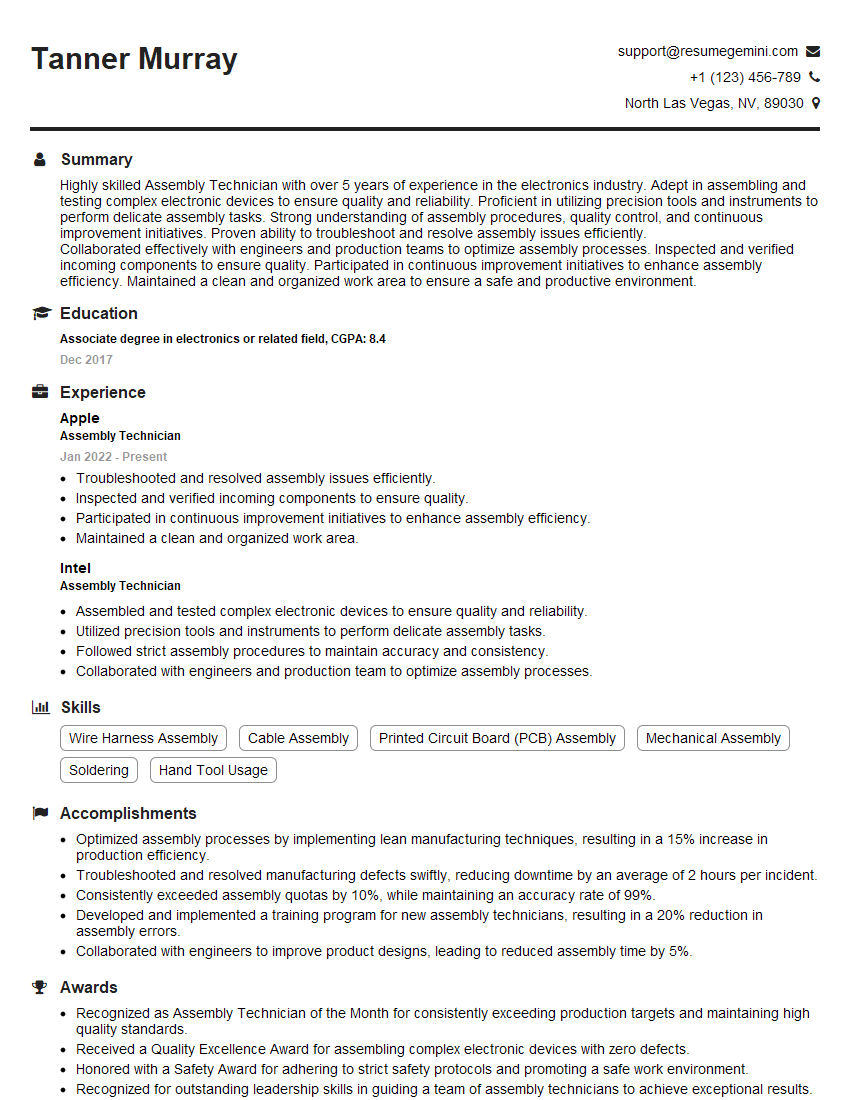
Mastering panel attachment is crucial for career advancement in many fields, opening doors to specialized roles and increased responsibility. A strong understanding of this area will significantly enhance your job prospects and demonstrate your expertise to potential employers. To maximize your chances, create an ATS-friendly resume that highlights your skills and experience effectively. ResumeGemini is a trusted resource to help you build a professional and impactful resume, ensuring your qualifications stand out. Examples of resumes tailored to Panel Attachment are available to provide further guidance.
Explore more articles
Users Rating of Our Blogs
Share Your Experience
We value your feedback! Please rate our content and share your thoughts (optional).
What Readers Say About Our Blog
Very informative content, great job.
good