Feeling uncertain about what to expect in your upcoming interview? We’ve got you covered! This blog highlights the most important Paper Selection and Management interview questions and provides actionable advice to help you stand out as the ideal candidate. Let’s pave the way for your success.
Questions Asked in Paper Selection and Management Interview
Q 1. What are the key factors to consider when selecting paper for high-volume printing?
Selecting paper for high-volume printing requires a meticulous approach, balancing cost-effectiveness with print quality and operational efficiency. Key factors include:
- Paper type: The choice between coated (for glossy, high-resolution images) and uncoated (for a more natural, matte finish) is crucial. High-volume printing often favors uncoated papers for cost-effectiveness, unless image quality demands coating.
- Paper weight: Heavier papers are more durable but increase costs and may slow down printing speeds. Finding the optimal balance based on the intended use is key. For instance, brochures might need heavier paper, whereas internal memos can use lighter weight.
- Brightness and whiteness: These affect the vibrancy of colors and readability of text. High brightness is desirable for professional documents and marketing materials.
- Opacity: Essential for preventing show-through, particularly in double-sided printing. Higher opacity is better for documents where readability on the reverse side is important.
- Runnability: The paper’s ability to smoothly feed through high-speed printers is critical. Poor runnability leads to jams and downtime, significantly impacting productivity.
- Sustainability: Consider the paper’s environmental impact, such as its sourcing from responsibly managed forests and its recyclability. This is increasingly important for environmentally conscious organizations.
- Cost: Balancing quality and cost is essential, especially in high-volume printing. Bulk purchasing can reduce per-unit costs, but requires careful inventory management.
For example, a large publishing house printing millions of textbooks might opt for a high-opacity, durable, uncoated paper with good runnability, prioritizing cost-effectiveness and readability over the glossy finish of a coated paper.
Q 2. Explain the difference between coated and uncoated paper and their respective applications.
The core difference between coated and uncoated paper lies in the surface treatment. Coated paper has a layer of coating applied to its surface, usually clay or polymers, while uncoated paper has a natural, untreated surface.
- Coated Paper: Offers a smoother, glossier finish. This results in sharper images, richer colors, and a more vibrant print. It’s ideal for high-quality images, brochures, magazines, and packaging where visual appeal is paramount. However, it’s often more expensive and less absorbent.
- Uncoated Paper: Possesses a more porous, natural surface, giving it a matte finish. It’s typically less expensive than coated paper and provides better ink absorption, making it suitable for text-heavy documents, stationery, and applications where a softer feel is preferred. It might not offer the same vibrancy as coated paper but is excellent for readability.
Think of it like this: coated paper is like a smooth canvas ideal for painting detailed pictures, while uncoated paper is more like a textured watercolor paper, better suited for softer, more impressionistic work.
Q 3. How do you determine the appropriate paper weight for a specific project?
Paper weight, usually measured in pounds (lbs) or grams per square meter (gsm), directly impacts the document’s feel, durability, and overall quality. Determining the right weight depends on the project’s purpose and intended use:
- Lightweight papers (20-28 lbs/70-100 gsm): Suitable for everyday documents, notes, and internal memos where durability isn’t a major concern.
- Medium-weight papers (28-60 lbs/100-170 gsm): A good balance of weight and cost; ideal for brochures, flyers, business letters, and reports.
- Heavyweight papers (60+ lbs/170+ gsm): Offer superior durability and thickness, perfect for high-end brochures, business cards, postcards, and projects needing a premium feel.
Consider factors like the intended handling, printing method, and the overall impression you want to create. For instance, a business card needs a heavier weight to feel substantial, while a lengthy report might benefit from a lighter weight to reduce bulk and printing costs. It’s often beneficial to make test prints with different weights to find the best match.
Q 4. What are the environmental considerations involved in paper selection?
Environmental considerations are crucial in modern paper selection. Key factors to consider include:
- Sustainable Forestry: Choose papers certified by organizations like the Forest Stewardship Council (FSC), ensuring that the paper comes from responsibly managed forests. This helps protect biodiversity and prevent deforestation.
- Recycled Content: Opting for papers with a high percentage of post-consumer recycled content significantly reduces the environmental impact compared to virgin fiber papers. Look for percentage of recycled content clearly stated.
- Chlorine-Free Bleaching: Avoid papers bleached with elemental chlorine, as this process releases harmful dioxins into the environment. Look for papers using chlorine-free bleaching methods (TCF or ECF).
- Carbon Footprint: The entire lifecycle of the paper, from sourcing to production and transportation, impacts its carbon footprint. Consider sourcing paper from local suppliers to reduce transportation emissions.
- Paper lifecycle: Consider how the paper will be disposed of after use. Choose papers that are easily recyclable to minimize waste.
Many organizations prioritize sustainability by establishing clear guidelines for paper selection, often favoring FSC-certified, recycled papers with low-impact bleaching processes. This demonstrates a commitment to environmental responsibility.
Q 5. Describe your experience with paper inventory management systems.
My experience with paper inventory management systems involves utilizing both manual and automated systems. In smaller settings, a well-organized spreadsheet system can effectively track paper stock, minimum stock levels, and ordering points. However, for large-scale operations, automated inventory management systems are crucial. These systems provide real-time data on stock levels, predict future demand based on historical data, and automate the ordering process. This minimizes storage costs and reduces the risk of shortages.
I have extensive experience with enterprise resource planning (ERP) systems that integrate inventory management with other business functions, providing a comprehensive view of paper usage, costs, and forecasting. I’m also proficient in using specialized inventory management software tailored to the printing industry, enabling us to track paper usage by printer, job, and client, optimize order quantities, and minimize waste.
Q 6. How do you handle paper shortages or supply chain disruptions?
Handling paper shortages or supply chain disruptions requires a proactive and multi-faceted approach:
- Diversification of Suppliers: Relying on a single supplier is risky. Diversifying our supplier base ensures that if one supplier experiences a disruption, we can easily source paper from other reliable vendors.
- Strategic Stockpiling: Maintaining a safety stock of commonly used paper types minimizes the impact of unexpected delays. The optimal stock level is determined through careful analysis of usage patterns and lead times.
- Alternative Paper Sources: Identifying alternative paper types with similar properties allows for flexibility in case of shortages. This might involve substituting a slightly different paper weight or grade.
- Communication and Collaboration: Maintaining open communication with suppliers is crucial to get early warning about potential disruptions. Close collaboration can enable us to adjust our ordering schedule or explore alternatives proactively.
- Prioritization and Allocation: During acute shortages, prioritization is key. We prioritize essential projects over less critical ones, ensuring that critical documents are produced without significant delay.
For example, during a recent global paper shortage, we leveraged our diversified supplier base, increased our safety stock levels of key papers, and successfully navigated the crisis by communicating effectively with our clients and adjusting production schedules.
Q 7. What metrics do you use to assess the performance of your paper sourcing strategy?
Assessing the performance of a paper sourcing strategy requires tracking key metrics:
- Cost per page/unit: This measures the overall cost-effectiveness of the paper sourcing strategy. Tracking this metric over time allows us to identify cost savings or areas for improvement.
- Inventory turnover rate: This indicates how efficiently we manage paper inventory. A high turnover rate signifies efficient stock management and minimizes storage costs.
- Supplier lead time: Knowing how long it takes to receive paper from our suppliers is vital for accurate forecasting and efficient planning. Consistently long lead times may indicate a need to diversify suppliers.
- Paper waste: Tracking paper waste helps identify areas for improvement in processes. Reducing waste lowers costs and minimizes environmental impact.
- Supplier reliability: Monitoring supplier performance, including on-time delivery and quality consistency, is crucial. This helps identify and manage risks.
- Sustainability metrics: Tracking the percentage of recycled content, FSC certification, and other sustainability indicators demonstrates our commitment to environmental responsibility.
By regularly monitoring these metrics, we can identify trends, measure the effectiveness of our strategies, and make data-driven decisions to optimize our paper sourcing practices.
Q 8. Explain your understanding of different paper grades and their suitability for various printing techniques.
Understanding paper grades and their suitability for printing is crucial for achieving high-quality results. Paper grades are categorized based on factors like fiber content, weight, surface finish, and brightness. Different printing techniques demand specific paper properties. For example:
- Offset printing, a common technique for high-volume printing, works best with coated papers (like gloss or matte) that offer a smooth surface for crisp, sharp images and vibrant colors. Uncoated papers can be used, but the results might be less vibrant.
- Digital printing, ideal for short runs and personalized materials, can utilize a wider range of paper types, including uncoated papers like recycled or textured stock. However, heavier stocks can cause problems with some digital printers.
- Screen printing, known for its bold graphics, often employs heavier papers or cardstock due to the nature of the ink application. The paper’s absorbency and thickness are key considerations.
- Letterpress printing, a traditional technique with a unique tactile quality, requires a sturdy paper with a good surface texture to take the impression. Thicker papers are preferable here.
Choosing the wrong paper can lead to issues like ink bleeding, poor image quality, or even damage to the printing equipment. For instance, using a lightweight paper in offset printing might lead to paper jams, while using an overly absorbent paper in digital printing can result in blurry prints.
Q 9. How do you ensure the quality of incoming paper shipments?
Ensuring the quality of incoming paper shipments involves a multi-step process focused on preventing costly mistakes and ensuring consistent print quality. My approach involves:
- Pre-delivery verification: Before the shipment arrives, I verify the order details – quantity, grade, weight, and specifications – against the purchase order to avoid discrepancies.
- Visual inspection upon arrival: I conduct a thorough visual inspection of the shipment, checking for any signs of damage, moisture, or contamination. This includes looking for dents, tears, or discoloration.
- Random sampling and testing: I take random samples from different parts of the shipment and conduct tests to confirm the paper’s weight, brightness, and other key properties match the specifications. This may involve using specialized instruments to measure these parameters.
- Documentation and record-keeping: I meticulously document all inspection findings, including any deviations from the expected quality. This ensures traceability and accountability.
- Rejection process: If the paper doesn’t meet the specified quality standards, I initiate a rejection process with the supplier, clearly documenting the reasons for rejection and initiating a replacement shipment.
This systematic approach minimizes risks and guarantees that only high-quality paper makes it to the production floor.
Q 10. What is your experience with negotiating contracts with paper suppliers?
Negotiating paper supply contracts requires a strategic approach. My experience involves:
- Market research: I thoroughly research market prices and supplier capabilities to ensure I’m negotiating from an informed position. This includes analyzing historical pricing trends and understanding different suppliers’ strengths and weaknesses.
- Building relationships: Developing strong relationships with reliable suppliers is crucial for securing favorable terms and ensuring timely delivery. This often involves establishing open communication and building trust.
- Volume discounts: I leverage our company’s printing volume to negotiate significant discounts on bulk purchases. This can significantly reduce the overall cost of paper procurement.
- Payment terms: I negotiate favorable payment terms to optimize cash flow. This might involve extended payment periods or discounts for early payment.
- Contract clauses: I ensure that the contract clearly defines quality standards, delivery schedules, and dispute resolution mechanisms to protect our interests.
Successful negotiation is about finding a win-win scenario where we secure a competitive price while ensuring a consistent supply of high-quality paper.
Q 11. Describe your approach to cost optimization in paper procurement.
Cost optimization in paper procurement requires a holistic approach. My strategies include:
- Strategic sourcing: I identify and evaluate multiple suppliers to ensure competitive pricing and avoid dependency on a single vendor.
- Volume purchasing: Negotiating bulk discounts through high-volume orders significantly reduces the per-unit cost.
- Paper grade selection: Carefully selecting the appropriate paper grade for each printing job avoids unnecessary expenses associated with using premium paper when a standard grade is sufficient.
- Inventory management: Optimizing inventory levels prevents unnecessary storage costs and reduces the risk of spoilage.
- Waste reduction: Implementing strategies to minimize paper waste during the printing and finishing processes, such as using efficient cutting techniques and proper pre-press preparation, contributes to considerable savings.
For example, one project involved shifting from a premium coated stock to a slightly less expensive alternative that still met the quality requirements, resulting in significant annual savings without compromising print quality.
Q 12. How do you stay updated on industry trends and new paper technologies?
Staying updated on industry trends and new paper technologies is essential for maintaining a competitive edge. My approach involves:
- Industry publications: I regularly read trade publications and journals focused on paper manufacturing, printing, and packaging.
- Industry conferences and trade shows: Attending industry events allows me to network with professionals, learn about new technologies, and see product demonstrations.
- Supplier relationships: Maintaining close relationships with paper suppliers provides access to information on new product launches and technological advancements.
- Online resources: I utilize online databases and websites that provide information on the latest paper technologies and market trends.
- Continuous learning: Participating in webinars, workshops, and online courses keeps me updated on best practices in paper selection and management.
For example, I recently learned about a new type of sustainably sourced paper with improved print quality, which opened up opportunities for our company to reduce our environmental impact and improve our product quality.
Q 13. What is your experience with paper recycling and sustainable sourcing practices?
Paper recycling and sustainable sourcing are crucial for environmental responsibility. My experience includes:
- Sourcing recycled paper: I actively seek out and utilize recycled paper whenever possible, prioritizing post-consumer recycled content for a greater environmental benefit.
- FSC certification: I prioritize suppliers who adhere to the Forest Stewardship Council (FSC) standards, ensuring that the paper comes from responsibly managed forests.
- Supplier audits: I encourage and participate in supplier audits to assess their environmental practices and ensure compliance with sustainability standards.
- Waste reduction programs: I actively participate in developing and implementing internal waste reduction programs to minimize paper waste and promote recycling within our company.
- Tracking and reporting: I maintain accurate records of our paper consumption and recycling rates to track progress and identify areas for improvement.
We recently implemented a program to replace all our office paper with 100% post-consumer recycled paper, significantly reducing our environmental footprint.
Q 14. Explain your knowledge of different paper finishing techniques.
Paper finishing techniques enhance the final product’s appearance and functionality. My knowledge encompasses various methods:
- Cutting: This involves trimming the printed sheets to their final size using guillotines or other cutting machines. Precise cutting is essential for a professional look.
- Folding: Folding techniques like letter folds, gate folds, and roll folds are used to create brochures, leaflets, and other multi-page documents. The choice of fold depends on the design and content.
- Binding: Binding methods such as saddle stitching, perfect binding, wire-o binding, and spiral binding secure multiple pages together. Each method has specific applications and provides a unique aesthetic.
- Die-cutting: This technique uses custom-designed dies to create intricate shapes and designs, adding a unique touch to the product.
- Embossing and debossing: These methods create raised or indented designs on the paper, adding texture and visual interest.
- Laminating: Applying a protective film enhances durability and provides a glossy or matte finish, making the print more resistant to moisture and scratches.
Understanding these techniques is vital for selecting the appropriate finishing method for each project, balancing aesthetic appeal with cost and functionality. For instance, a high-volume brochure might benefit from saddle stitching for cost-effectiveness, while a high-end product catalog might require more elaborate perfect binding and lamination.
Q 15. How do you manage paper waste and minimize environmental impact?
Managing paper waste and minimizing environmental impact is a crucial aspect of responsible paper management. It involves a multi-pronged approach focusing on reduction, reuse, and recycling.
- Reduction: This starts with a conscious effort to minimize paper consumption. We can achieve this through digitalization of documents, double-sided printing as a default setting, and opting for electronic communication whenever possible. For instance, in my previous role, we implemented a company-wide policy to eliminate unnecessary paper handouts by using shared online documents instead. This reduced our paper usage by 35% in the first year.
- Reuse: Before discarding paper, we should explore opportunities for reuse. This could involve using scrap paper for note-taking or drafting, or repurposing printed materials into creative projects. For example, we’ve trained our office staff to use the back of printed documents to create internal memos.
- Recycling: Implementing a robust recycling program is essential. This includes clearly labeling recycling bins, providing regular training to staff on proper sorting techniques, and partnering with responsible recycling companies to ensure proper disposal and processing. We should also prioritize the use of recycled paper whenever possible, opting for post-consumer recycled content to further reduce our environmental footprint.
By combining these strategies, we can significantly decrease our reliance on virgin paper resources, lower energy consumption, and reduce harmful emissions associated with paper production and disposal.
Career Expert Tips:
- Ace those interviews! Prepare effectively by reviewing the Top 50 Most Common Interview Questions on ResumeGemini.
- Navigate your job search with confidence! Explore a wide range of Career Tips on ResumeGemini. Learn about common challenges and recommendations to overcome them.
- Craft the perfect resume! Master the Art of Resume Writing with ResumeGemini’s guide. Showcase your unique qualifications and achievements effectively.
- Don’t miss out on holiday savings! Build your dream resume with ResumeGemini’s ATS optimized templates.
Q 16. How do you balance cost and quality when selecting paper?
Balancing cost and quality in paper selection requires a careful evaluation of several factors. The optimal choice often involves making trade-offs, but the goal is to find the best value proposition for the specific application.
- Paper Grade: Different paper grades offer varying qualities. While higher-grade papers (e.g., premium coated papers) provide superior print quality, they command a higher price. Lower-grade papers (e.g., uncoated papers) might be sufficient for internal memos but may not be suitable for high-impact marketing materials.
- Paper Weight: Heavier paper feels more substantial and durable but is more expensive. Lighter paper reduces costs but may feel less luxurious and may be more prone to tearing.
- Recycled Content: Using recycled paper is generally more environmentally friendly and can sometimes be less expensive than virgin paper. However, the quality may slightly vary.
- Supplier Relationships: Negotiating with suppliers can help leverage better pricing and potentially secure discounts for bulk purchases. Building strong relationships with reputable suppliers can ensure consistent quality and timely delivery.
In practice, I often use a cost-benefit analysis to compare different paper options. This involves considering the total cost (including printing, handling, and potential disposal costs) against the quality and desired outcome. For example, if we’re printing brochures for a high-profile event, the investment in higher-grade paper is justified because it enhances the brand image. But for internal reports, a more cost-effective option with sufficient quality is a practical choice.
Q 17. Describe your experience with different paper storage methods and best practices.
Proper paper storage is crucial to prevent damage and maintain the quality of paper. Different storage methods cater to various needs and paper types.
- Climate-Controlled Environment: Ideally, paper should be stored in a cool, dry environment with stable temperature and humidity levels to prevent warping, discoloration, or mold growth. Fluctuations in temperature and humidity can significantly impact paper quality.
- Vertical Storage: Storing paper vertically, either in shelving units or filing cabinets, is generally preferred. This minimizes pressure on individual sheets and prevents them from bending or being crushed.
- Off-the-Ground Storage: Keep paper off the ground and away from direct contact with walls or floors to prevent moisture absorption.
- Protection from Light: UV light can cause paper to fade over time. Therefore, it’s important to minimize exposure to direct sunlight or strong artificial light. Storing paper in dark or shaded areas is recommended.
- Pest Control: Paper is susceptible to pest damage. Ensuring a clean environment and taking preventative pest control measures is crucial.
In my experience, I’ve found that implementing a clear storage system, using appropriate containers, and regularly inspecting the stored paper for any signs of damage are vital for maintaining quality and minimizing losses.
Q 18. What software or tools do you use for paper management?
Several software and tools facilitate efficient paper management. The choice depends on the specific needs and organizational structure.
- Document Management Systems (DMS): DMS solutions like SharePoint, M-Files, or DocuWare allow for centralized storage, version control, and secure access to documents, reducing reliance on physical paper. These systems also allow for searching and retrieving documents easily, saving time and improving efficiency.
- Enterprise Resource Planning (ERP) Systems: ERP systems, such as SAP or Oracle, often integrate document management capabilities within their broader functionalities. They can track paper consumption, monitor inventory, and streamline various business processes related to paper handling.
- Inventory Management Software: This type of software is especially useful for managing paper stock levels, tracking orders, and predicting future needs.
- Printing Management Software: Tools like PaperCut help monitor print jobs, control costs, and promote eco-friendly printing practices by tracking paper usage.
In addition to software, workflow optimization and standardized procedures are also crucial. For example, implementing a centralized printing system and streamlining document approval processes can significantly enhance efficiency.
Q 19. How do you handle paper-related complaints or issues?
Handling paper-related complaints or issues requires a systematic approach, focusing on prompt resolution and customer satisfaction.
- Immediate Acknowledgment: Acknowledging the complaint promptly shows that you take the matter seriously and demonstrates your commitment to resolving it quickly.
- Thorough Investigation: Investigate the issue thoroughly. This might involve reviewing the paper’s specifications, production process, storage conditions, or the handling procedure.
- Root Cause Analysis: Identifying the root cause is essential for preventing similar issues from recurring. This might involve analyzing the supply chain, reviewing internal processes, or working with suppliers to improve quality control.
- Appropriate Resolution: The resolution might involve replacing the defective paper, offering a refund, or adjusting internal processes to prevent similar situations.
- Follow-up: Following up with the complainant to confirm that the issue has been resolved and to ensure their satisfaction is crucial.
For example, if a client reports that the paper we supplied was damaged, we would immediately investigate, assess whether the damage occurred during transport or due to a defect in the paper itself. Then we’d take corrective action and provide a suitable resolution for the customer.
Q 20. What is your experience with ISO standards related to paper and printing?
My experience with ISO standards related to paper and printing encompasses several key standards that focus on quality management, environmental performance, and responsible sourcing.
- ISO 9001: This standard focuses on quality management systems. It helps organizations establish processes to consistently meet customer requirements and improve overall quality. For paper and printing, this would encompass ensuring consistent paper quality, adherence to printing specifications, and effective handling procedures.
- ISO 14001: This standard focuses on environmental management systems. It helps organizations minimize their environmental impact. In the context of paper, this involves reducing waste, responsible sourcing of materials, and efficient use of resources.
- ISO 14064: This standard covers greenhouse gas accounting and verification. In the context of the paper industry, this could involve measuring and reporting the carbon footprint of paper production, transportation, and use.
- ISO 50001: This standard focuses on energy management systems. Efficient energy management in paper production and printing can significantly reduce environmental impact and production costs.
Understanding these standards helps in choosing suppliers committed to sustainable practices, implementing environmentally friendly processes, and ensuring high-quality paper and printing services.
Q 21. Explain your understanding of different paper sizes and formats.
Understanding different paper sizes and formats is critical for effective communication and document production. Various countries and industries use different standards.
- International Paper Sizes (ISO 216): This standard defines a series of paper sizes based on a ratio of 1:√2, starting with A0 and progressively reducing in size (A1, A2, A3, A4, etc.). A4 is the most commonly used size in many parts of the world.
- North American Paper Sizes: North America uses a different system, with common sizes like Letter (8.5 x 11 inches) and Legal (8.5 x 14 inches).
- Other Formats: There are many other specialized formats for envelopes, postcards, and other applications.
Knowing these standards is crucial when ordering paper or designing documents to ensure compatibility with printers, envelopes, and other equipment. In my work, I frequently use this knowledge to select the appropriate paper size for specific projects, ensuring optimal use of resources and minimizing waste.
Q 22. How do you select paper suitable for archival purposes?
Selecting paper for archival purposes requires careful consideration of its longevity and resistance to degradation. Think of it like choosing building materials for a monument – you want something that will last centuries, not decades. The key is to look for papers with specific properties.
- Acid-free paper: This is paramount. Acidity is the biggest enemy of paper, causing it to yellow, become brittle, and eventually crumble. Look for papers with a pH of 7 or higher, indicated by certifications such as ISO 9706.
- Alkaline buffered paper: Even better than acid-free, alkaline buffered paper contains alkaline reserves that neutralize any acidity that might develop over time. It offers superior longevity.
- High rag content: Papers with a higher percentage of cotton or linen fibers (rag content) are inherently more durable and less susceptible to degradation compared to wood pulp-based papers.
- Proper storage: Even the best archival paper needs proper environmental conditions (low temperature, low humidity, and minimal light exposure) to maximize its lifespan. Think of it as providing a climate-controlled environment for your valuable documents.
For example, when archiving historical documents for a museum, I’d always specify acid-free, alkaline buffered paper with high rag content, and meticulously manage the storage environment. This ensures the documents will remain legible and intact for generations.
Q 23. How do you ensure compliance with relevant regulations regarding paper procurement?
Compliance with regulations around paper procurement is crucial, especially when dealing with sensitive information or environmentally conscious practices. This involves understanding and adhering to several aspects.
- Sustainable forestry practices: Many organizations require paper sourced from sustainably managed forests, often certified by organizations like the Forest Stewardship Council (FSC). This ensures responsible harvesting and environmental protection.
- Recycled content: Using recycled paper reduces environmental impact. Specifications often define minimum recycled content percentages, which are easily verifiable through supplier certifications.
- Chemical restrictions: Regulations might limit the use of certain chemicals in paper manufacturing, particularly those harmful to human health or the environment. Compliance often necessitates reviewing supplier certifications and material safety data sheets.
- Data privacy regulations: When handling sensitive data, regulations such as GDPR might dictate specific requirements for the security and destruction of paper documents. This could involve using paper with specific security features or adhering to strict disposal protocols.
In practice, I’d establish a robust procurement process that includes supplier audits, verification of certifications, and regular reviews of relevant regulations to ensure continuous compliance. For example, I’d make sure all paper purchases were accompanied by FSC or equivalent certifications demonstrating responsible forestry practices.
Q 24. Describe a situation where you had to solve a problem related to paper quality or supply.
We once faced a critical situation where a major printing project was delayed due to unexpected inconsistencies in paper quality. The supplier had inadvertently switched to a different batch of paper with a noticeably lower brightness and slightly different weight, impacting the final print quality and brand consistency.
My solution involved a multi-pronged approach:
- Immediate assessment: I coordinated with the printing team to assess the extent of the issue and document the discrepancies in paper properties.
- Communication with the supplier: I directly contacted the supplier, highlighting the problem and demanding a replacement batch matching the original specifications. Clear documentation of the discrepancies was essential here.
- Project adjustments: While waiting for the replacement, I collaborated with the marketing team to identify any design adjustments that could mitigate the impact of the subpar paper, such as slightly altering color profiles.
- Preventive measures: We reviewed our procurement process to implement stricter quality control measures, including more rigorous sample testing before bulk orders and more detailed specification documentation to reduce future risks.
The swift response prevented a major project delay and reinforced the importance of stringent quality checks throughout the procurement process. It also fostered improved communication and collaboration between our departments.
Q 25. What is your experience with managing different types of paper (e.g., bond, cardstock, specialty papers)?
My experience encompasses a wide range of paper types, each demanding specific handling and application knowledge. Let’s look at a few examples:
- Bond paper: This is a versatile workhorse, widely used for printing and writing. I understand the variations in weight, finish (bright, matte), and opacity, allowing me to choose the right one for different applications, such as letterheads or internal memos.
- Cardstock: This thicker, more durable paper is ideal for business cards, invitations, and other applications requiring a high-quality, substantial feel. Knowing the different weights and finishes is key to achieving the desired aesthetic.
- Specialty papers: This category is broad, including papers with textures, unique colors, or special finishes (e.g., metallic, linen). My experience allows me to identify suitable specialty papers for unique projects, considering their printability, durability, and overall suitability for the intended application. I can also source and manage eco-friendly and sustainably sourced specialty papers.
I have a deep understanding of the properties and applications of various paper types, allowing me to make informed decisions based on project needs and budget considerations.
Q 26. How do you collaborate with other departments (e.g., printing, marketing) to ensure efficient paper selection and usage?
Collaboration is key to efficient paper selection and usage. I work closely with various departments to align paper choices with their needs and company-wide goals. For example:
- Printing department: I work with them to ensure the chosen paper is compatible with their printing equipment and processes, avoiding costly issues like jams or poor print quality. We discuss print runs, color profiles, and the paper’s suitability for different printing techniques.
- Marketing department: I collaborate closely on branding initiatives. The paper selection directly impacts the brand’s image and perception. We consider factors like texture, weight, and color to create a consistent and impactful brand experience. I also work on eco-friendly paper choices aligning with marketing’s sustainability initiatives.
- Procurement department: I work with them to ensure timely procurement of sufficient quantities while achieving the best possible prices and securing sustainable sources.
Open communication and shared knowledge ensure that everyone is on the same page and that the chosen papers meet the needs of all involved departments efficiently and cost-effectively.
Q 27. What are the key performance indicators (KPIs) you use to measure the success of your paper management strategies?
Measuring the success of paper management strategies involves tracking several key performance indicators (KPIs):
- Cost per print/copy: This tracks the overall cost of paper usage against the number of prints or copies generated, helping to identify areas for cost reduction and efficiency improvements. A lower cost per print indicates better management.
- Paper waste reduction: Tracking the amount of paper wasted (due to misprints, errors, or inefficient usage) helps to assess the effectiveness of waste reduction strategies. This includes monitoring recycling rates.
- Sustainable sourcing percentage: This metric tracks the percentage of paper sourced from sustainable forestry practices (like FSC-certified sources), demonstrating the company’s commitment to environmental responsibility. A higher percentage indicates better sustainability practices.
- Compliance rate: This monitors adherence to relevant regulations and internal policies related to paper procurement, handling, and disposal. A 100% compliance rate is the target.
- Supplier performance: Measuring supplier reliability, lead times, and quality consistently provides valuable insights into the efficiency of the supply chain.
Regularly monitoring these KPIs provides valuable data for continuous improvement and informed decision-making related to paper management.
Q 28. How would you approach the selection of paper for a new product launch?
Selecting paper for a new product launch requires a holistic approach. It’s not just about function; it’s about aligning the paper choice with the product’s image, target audience, and marketing strategy. My approach involves:
- Understanding the product: What is the product? What is its target market? What is the brand’s image and message? These questions are paramount to making informed decisions.
- Defining requirements: What are the essential properties of the paper? Does it need to be durable, luxurious, recyclable, or have a specific texture or color? Should it be printed using a certain method (offset, digital, etc.)?
- Exploring options: Based on the requirements, I’d explore various paper options, considering factors like cost, availability, sustainability, and printability. Samples would be tested to ensure compatibility with the printing process and overall design aesthetics.
- Collaboration and testing: Close collaboration with the marketing and design teams is crucial to ensure the chosen paper enhances the product’s presentation and aligns with the overall branding. Multiple prototypes might be created to test different paper choices before final selection.
- Final selection and procurement: Once the ideal paper is identified, I work with the procurement team to source it efficiently and cost-effectively. We’d ensure enough stock is available to meet production requirements, and create a clear plan for managing the paper throughout the product launch process.
For example, if launching a premium skincare product, I’d choose a luxurious, high-quality paper with a subtle texture and elegant color palette. Conversely, for a budget-friendly, everyday product, a more functional and cost-effective paper would be suitable.
Key Topics to Learn for Paper Selection and Management Interview
- Understanding Paper Grades and Properties: Learn to differentiate various paper types based on their weight, texture, finish, and suitability for different printing methods. Consider the environmental impact of different paper choices.
- Paper Sourcing and Procurement: Explore the process of selecting paper suppliers, negotiating contracts, and managing inventory to ensure cost-effectiveness and sustainability. Discuss strategies for mitigating supply chain risks.
- Print Quality and Paper Compatibility: Understand how paper choice impacts print quality, including color reproduction, sharpness, and overall aesthetics. Analyze scenarios where incorrect paper selection leads to print failures.
- Cost Analysis and Budgeting: Develop strategies for optimizing paper costs without compromising quality. Practice calculating costs per page, considering factors like volume discounts and waste reduction.
- Waste Management and Sustainability: Discuss strategies for minimizing paper waste through efficient printing practices, recycling programs, and the selection of eco-friendly paper options. Explore relevant industry certifications and standards.
- Digital Asset Management and Paperless Processes: Explore the integration of digital workflows to reduce paper consumption and improve efficiency. Discuss the benefits and challenges of transitioning to a more digital-first approach.
- Compliance and Regulatory Aspects: Understand relevant regulations and standards related to paper sourcing, labeling, and disposal. Be prepared to discuss best practices for ensuring compliance.
Next Steps
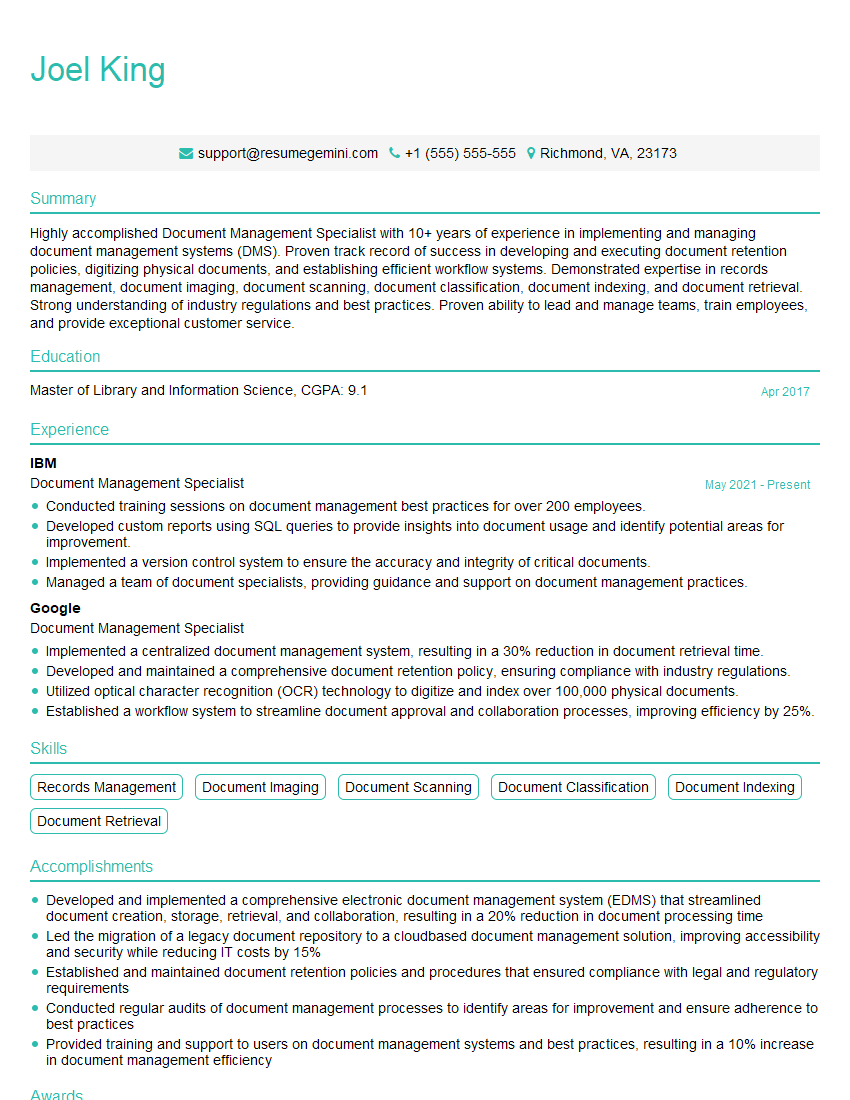
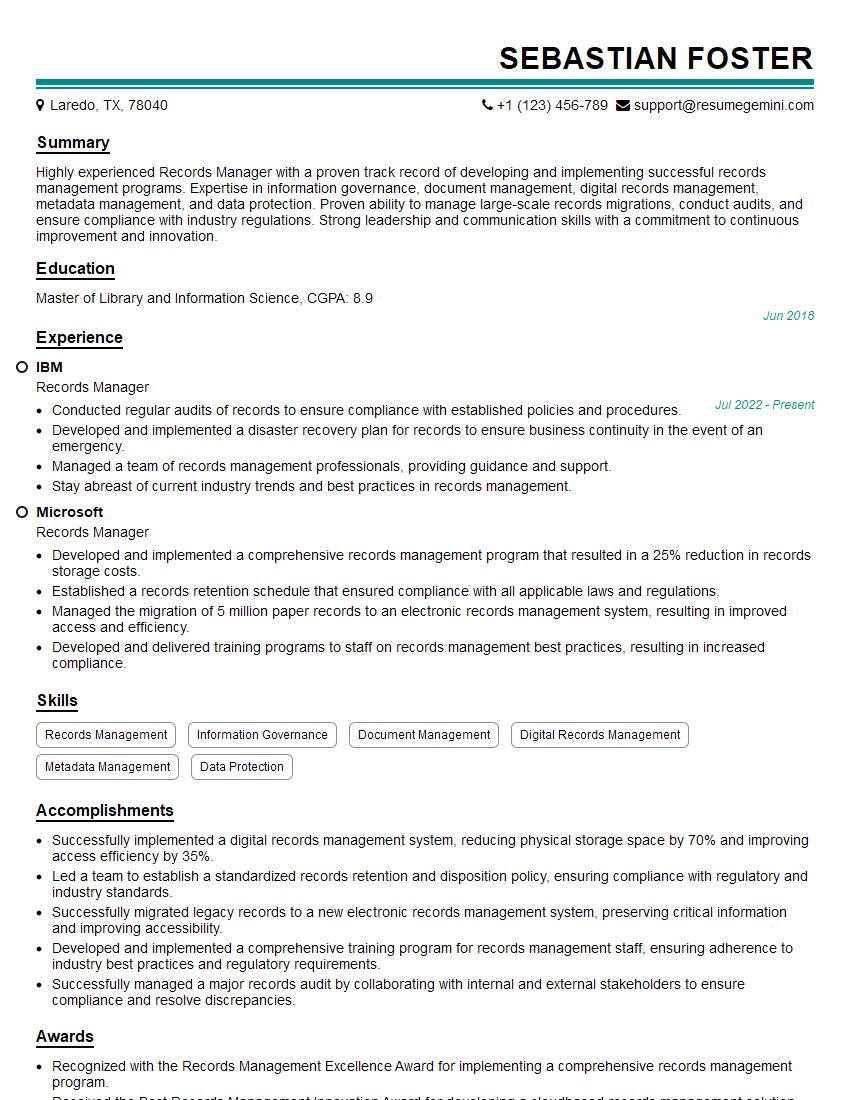
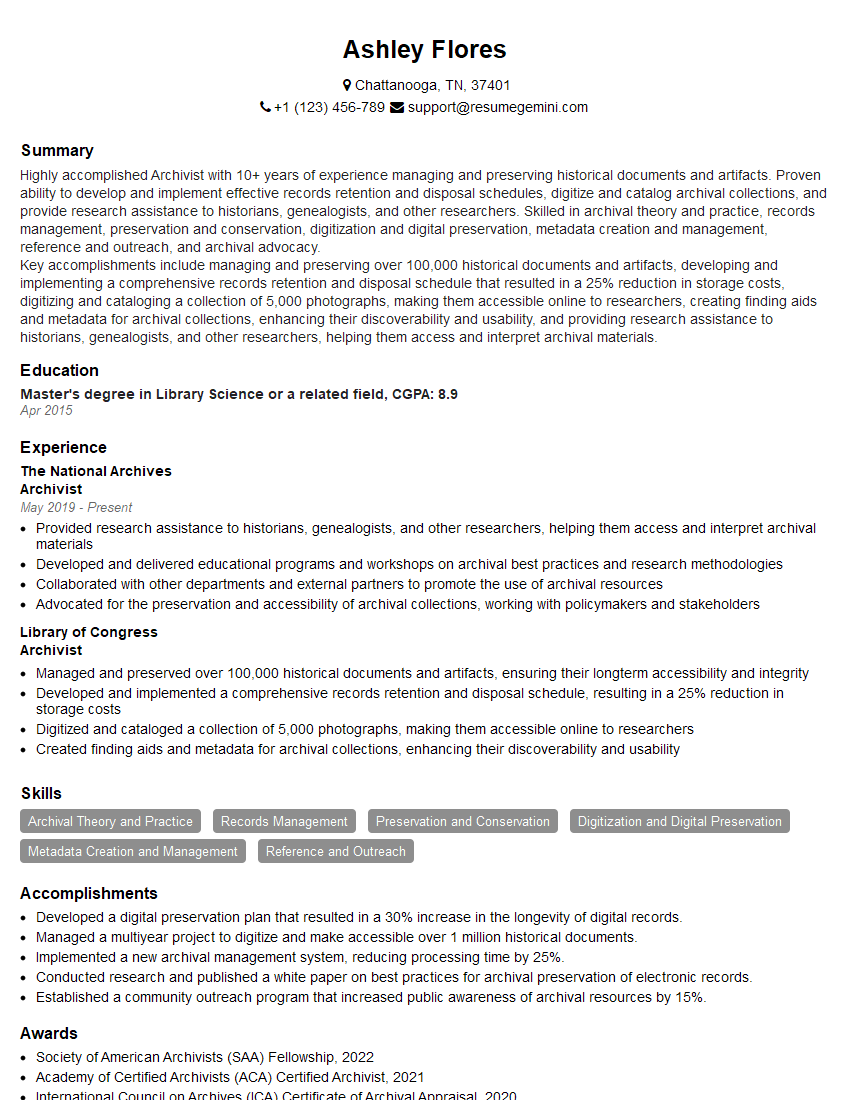
Mastering Paper Selection and Management is crucial for career advancement in many industries, demonstrating your ability to optimize costs, ensure quality, and contribute to sustainable practices. A strong resume is key to showcasing these skills effectively. Building an ATS-friendly resume will significantly improve your chances of landing interviews. We recommend using ResumeGemini to craft a compelling resume that highlights your qualifications. Examples of resumes tailored to Paper Selection and Management are available to help you get started.

Explore more articles
Users Rating of Our Blogs
Share Your Experience
We value your feedback! Please rate our content and share your thoughts (optional).
What Readers Say About Our Blog
Very informative content, great job.
good