Interviews are more than just a Q&A session—they’re a chance to prove your worth. This blog dives into essential Passion for History and Culture interview questions and expert tips to help you align your answers with what hiring managers are looking for. Start preparing to shine!
Questions Asked in Passion for History and Culture Interview
Q 1. Describe your methodology for analyzing primary historical sources.
Analyzing primary historical sources requires a methodical approach combining careful scrutiny with contextual awareness. My methodology begins with provenance research – understanding where the source originated, who created it, and when. This helps establish its authenticity and potential biases. Next, I conduct a thorough content analysis, noting the source’s explicit message as well as implicit assumptions and underlying ideologies. I pay close attention to the language used, the tone, and the selection of details – what’s included and what’s omitted can be incredibly revealing. This step involves comparing the source’s claims with other evidence, corroborating or challenging its assertions. Finally, I contextualize the source within its historical setting, considering the broader social, political, and economic forces at play. This allows me to interpret the source not in isolation but within its intricate historical web. For example, analyzing a letter from a soldier during the American Civil War requires examining not only its content but also the soldier’s rank, regiment, and the specific battle context. This multi-faceted approach ensures a nuanced and accurate interpretation, avoiding anachronistic readings and simplistic conclusions.
Q 2. Explain the significance of a specific historical event or figure.
The invention of the printing press by Johannes Gutenberg in the mid-15th century holds immense significance in world history. It revolutionized communication and knowledge dissemination, dramatically altering the course of the Renaissance and beyond. Prior to Gutenberg, books were painstakingly hand-copied, making them expensive and inaccessible to most. Gutenberg’s innovation allowed for mass production of books, making information significantly more available. This had several profound impacts: increased literacy rates, the spread of new ideas (scientific, religious, political), and the rise of a more educated public. It fostered intellectual ferment and fueled debates on various social and religious issues. The easier access to information also contributed to the Protestant Reformation, as Martin Luther’s works could be widely disseminated, challenging the authority of the Catholic Church. Essentially, the printing press facilitated a paradigm shift, empowering individuals and catalyzing significant social, religious, and political change across Europe and beyond. Its impact resonates even today, forming the foundation of our modern information age.
Q 3. Discuss the challenges in preserving cultural heritage sites.
Preserving cultural heritage sites faces numerous challenges, broadly categorized as environmental, social, and political. Environmental threats include natural disasters like earthquakes, floods, and erosion, as well as climate change impacts like rising sea levels and increased frequency of extreme weather events. Social challenges encompass vandalism, looting, and the effects of tourism – the very act of visiting a site can cause wear and tear. A lack of community engagement and understanding of the site’s importance also contributes to neglect. Political challenges arise from armed conflicts, lack of funding for conservation, and competing land-use priorities. For example, the ancient city of Palmyra in Syria suffered extensive damage due to conflict, showcasing the destructive impact of war on cultural heritage. Effective preservation requires a multi-pronged approach including preventative measures (like strengthening structures and implementing sustainable tourism practices), proactive conservation efforts (restoration and stabilization), and community involvement to foster a sense of ownership and responsibility.
Q 4. How do you approach ethical considerations in historical research?
Ethical considerations in historical research are paramount. My approach prioritizes accuracy and objectivity, striving to present a fair and balanced account, even when dealing with sensitive or controversial topics. Source criticism is central to this; I carefully evaluate the reliability and potential biases of sources, acknowledging limitations and uncertainties in historical narratives. I also recognize the importance of representing diverse perspectives, avoiding generalizations and stereotypes. Respect for the subjects of my research is essential, particularly when dealing with marginalized or vulnerable groups. This includes avoiding sensationalism and exploitation, and ensuring that narratives are not constructed in ways that perpetuate harmful prejudices. For instance, when researching colonial history, it’s crucial to center the voices and experiences of colonized populations, challenging Eurocentric narratives and acknowledging the lasting impacts of colonial violence and oppression. Transparency in methodology and interpretation is also vital for maintaining research integrity.
Q 5. What are the key differences between various historical interpretations of a given event?
Different historical interpretations of the same event stem from various factors including the selection and interpretation of sources, the historian’s theoretical framework, and prevailing social and political contexts. Take, for example, the American Revolution. Some historians emphasize the role of Enlightenment ideals and republicanism in motivating the rebellion, focusing on political and philosophical arguments. Others highlight the economic grievances of the colonists against British mercantilist policies. Still others prioritize the role of social and cultural factors, such as the growing sense of American identity distinct from British identity. These varying interpretations are not necessarily contradictory; instead, they offer different lenses through which to view the same event, highlighting different aspects of its complexity. Understanding these various interpretations enriches our understanding of the past and reveals the multi-faceted nature of historical phenomena.
Q 6. Explain your understanding of cultural relativism.
Cultural relativism is the idea that a culture’s beliefs and practices should be understood within their own context, rather than judged by the standards of another culture. It emphasizes the importance of avoiding ethnocentrism, the tendency to view one’s own culture as superior. This doesn’t mean that all cultural practices are equally valid or that there’s no basis for moral judgment. Rather, it stresses the need for empathy and understanding, recognizing that different cultures have different values and norms. For example, practices that might seem strange or even morally reprehensible in one culture may have a completely different meaning and significance within its own cultural context. Cultural relativism encourages us to approach the study of other cultures with humility and an open mind, recognizing the limitations of our own cultural perspectives.
Q 7. How do you engage diverse audiences in learning about history and culture?
Engaging diverse audiences in learning about history and culture requires employing varied and accessible approaches. This includes utilizing multiple media, such as storytelling, interactive exhibits, documentaries, and digital platforms. I aim to create narratives that are both informative and engaging, focusing on human stories and experiences to make history relatable. For example, I might present a historical event through the eyes of an individual who lived through it, rather than relying solely on grand narratives. Partnering with community organizations and local institutions expands reach and fosters collaboration. Adapting content to different age groups and learning styles is crucial – interactive activities for children, detailed analyses for adults, and visually rich presentations for diverse learners all contribute to making history and culture accessible to all.
Q 8. Describe your experience with archival research and database management.
My experience with archival research spans over a decade, encompassing work with both physical and digital archives. I’m proficient in navigating complex archival structures, identifying relevant materials, and critically evaluating source authenticity and bias. This includes experience with various database management systems, from relational databases like MySQL and PostgreSQL to specialized archival databases such as Archivists’ Toolkit. For example, while researching the impact of the Industrial Revolution on a specific English village, I utilized parish records, census data, and factory records housed in both physical archives and online databases. I was able to cross-reference information across these sources, leading to a nuanced understanding of the social and economic transformations impacting the village.
My database management skills include data entry, cleaning, and analysis. I’m adept at creating and maintaining structured databases, ensuring data integrity and facilitating efficient retrieval. I often use spreadsheets for preliminary data organization and then migrate the data to more robust database systems for long-term storage and analysis. For instance, I organized and analyzed data from numerous archaeological digs across a region, creating a geographical database which highlighted settlement patterns and trade routes over time.
Q 9. What are the best practices for cataloging and preserving museum artifacts?
Cataloging and preserving museum artifacts is crucial for their long-term survival and accessibility. Best practices involve a multi-faceted approach emphasizing detailed documentation, environmental control, and preventative conservation. This begins with thorough cataloging, including detailed descriptions of the artifact, its provenance (history of ownership), materials, and any associated documentation. High-quality photographs and digital scans should be created and securely stored. Digital cataloging enables easy access and sharing of information, improving research capabilities.
Environmental control is essential, as fluctuations in temperature, humidity, and light exposure can cause deterioration. Artifacts are often stored in climate-controlled environments with specialized cases and packaging materials to minimize damage. Regular inspections are critical to identify potential problems early. Preventative conservation involves implementing proactive measures to mitigate risk, such as pest control and proper handling protocols.
Regular maintenance and restoration are vital components of preservation. Restoration should only be undertaken by trained professionals, using ethically sound techniques. Detailed records of all conservation work, including materials used and methods employed, must be carefully maintained.
For example, consider the preservation of a delicate textile. Proper cataloging will include detailed notes on the fiber type, weaving technique, and any existing damage. It will be stored in an acid-free box, within a climate-controlled storage area, shielded from light. Regular monitoring and the implementation of pest control measures will help ensure its preservation.
Q 10. How do you interpret and contextualize historical artifacts?
Interpreting and contextualizing historical artifacts involves more than just describing their physical attributes. It requires understanding their creation, use, and significance within their historical context. This includes considering the cultural, social, political, and economic factors that shaped their production and use. It’s a process of asking questions: Who made this object? When and where was it made? What was its purpose? How did people interact with it? What does it tell us about the lives and beliefs of the people who created and used it?
For example, a simple clay pot found in an archaeological dig isn’t simply a pot; it’s a potential window into past lives. The type of clay used, the decoration style, and its condition can provide insights into the potter’s skill, trade networks, and social structures. By considering the pot within the context of other artifacts found at the same site and in relation to contemporary historical accounts, we can build a richer understanding of the past.
This process often requires utilizing interdisciplinary approaches, drawing upon insights from archaeology, anthropology, art history, and other relevant fields. Critical analysis of potential biases in the sources is crucial to avoid misinterpretations and present a balanced narrative.
Q 11. Explain your knowledge of different historical methodologies (e.g., social history, quantitative history).
Historical methodologies provide the frameworks for conducting historical research. Different methodologies offer unique perspectives and approaches to understanding the past. Social history, for example, focuses on the lived experiences of ordinary people, examining their daily lives, social structures, and cultural practices. It often utilizes oral histories, personal accounts, and material culture to build narratives from the ground up. Quantitative history, on the other hand, employs statistical methods and large datasets to analyze historical trends and patterns. This might involve analyzing census data to track population changes or using economic data to understand shifts in wealth distribution.
Other methodologies include political history (focusing on power structures and political events), cultural history (examining cultural expressions and beliefs), and intellectual history (exploring ideas and intellectual currents). The choice of methodology depends on the research question and the available evidence. A researcher might employ a combination of approaches to gain a comprehensive understanding of a historical event or phenomenon. For example, studying the French Revolution could involve using quantitative methods to analyze economic data, while simultaneously analyzing social history sources like letters and diaries to understand popular attitudes.
Q 12. What are the current trends in museum education and outreach?
Current trends in museum education and outreach emphasize accessibility, inclusivity, and interactive engagement. Museums are moving beyond traditional lectures and displays towards more dynamic and participatory experiences. This includes the use of technology, such as interactive exhibits, augmented reality, and virtual tours, to make learning more engaging for diverse audiences. There’s a growing focus on community engagement, partnering with local groups and organizations to create programs that are relevant to their interests and needs.
Inclusivity is a key priority, with museums striving to represent diverse voices and perspectives within their exhibits and programs. This means challenging traditional narratives and actively seeking out underrepresented stories. Museums are also experimenting with new methods of outreach, such as utilizing social media, podcasts, and online learning platforms, to reach wider audiences beyond their physical location.
For instance, many museums now offer online educational resources, virtual tours, and interactive games. They also host community events, workshops, and lectures to foster deeper engagement with their collections and the history they represent.
Q 13. Discuss the impact of technology on historical research and preservation.
Technology has revolutionized historical research and preservation, offering unprecedented opportunities for discovery, analysis, and access. Digital archives make vast quantities of primary and secondary sources readily available, facilitating collaborative research and accelerating the pace of scholarly inquiry. Digital imaging techniques enable high-resolution documentation of artifacts, preserving fragile materials and making them accessible without physical handling. Geographic Information Systems (GIS) are increasingly used in historical research to map spatial data and analyze historical patterns.
The use of computational methods, such as natural language processing and machine learning, allows for large-scale analysis of textual data, revealing patterns and insights that would be impossible to discover through manual analysis alone. 3D scanning and modeling allow for the creation of virtual replicas of artifacts, facilitating research and education without damaging originals.
However, there are also challenges. Digital preservation requires careful planning and ongoing maintenance to prevent data loss. Ethical considerations surrounding the use of digital technologies, such as data privacy and intellectual property, must also be addressed. For example, the digitization of historical documents requires the development of metadata standards that enable retrieval, sharing and use of information in a structured manner.
Q 14. How do you handle conflicting historical narratives?
Handling conflicting historical narratives requires a nuanced and critical approach. History is often complex, involving multiple perspectives and interpretations. Rather than seeking a single, definitive truth, the goal should be to understand the different perspectives and the reasons behind the conflicting narratives. This involves examining the sources used to support each narrative, evaluating their reliability and potential biases, and considering the context in which they were created.
For instance, two accounts of a battle might differ significantly depending on whether they were written by participants from opposing sides. Careful examination of the evidence, cross-referencing with other sources, and analyzing the author’s background and potential biases are vital in understanding the discrepancies. The aim is not to dismiss one narrative in favor of the other, but to develop a richer, more complex understanding of the event, acknowledging the multiplicity of perspectives and experiences.
Presenting conflicting narratives in a fair and balanced way is crucial, recognizing that some historical issues may lack easy answers or resolutions. Acknowledging uncertainty and the ongoing nature of historical scholarship is important for fostering critical thinking and a deeper appreciation for the complexity of the past.
Q 15. Explain your experience in grant writing or fundraising for cultural projects.
My experience in grant writing and fundraising for cultural projects spans over ten years, encompassing a wide range of initiatives. I’ve successfully secured funding from various sources, including government agencies (like the National Endowment for the Humanities), private foundations (such as the Ford Foundation), and corporate sponsors. My approach involves a thorough understanding of the funder’s priorities and aligning project goals with their mission. This includes crafting compelling narratives that highlight the project’s impact and feasibility. For instance, when securing funding for the restoration of a historic Victorian-era house museum, I emphasized its significance as a community landmark and its potential to generate tourism revenue, ultimately showcasing a strong return on investment for the funders. I meticulously track budget allocation, ensuring transparency and accountability throughout the project lifecycle. I also develop strong relationships with funders, fostering ongoing communication and building trust.
Beyond securing funding, I’m proficient in managing grant budgets and reporting requirements, ensuring compliance and maximizing the impact of the allocated resources. My success rate in securing grants has consistently exceeded expectations, demonstrating my ability to effectively articulate project needs and secure necessary funding.
Career Expert Tips:
- Ace those interviews! Prepare effectively by reviewing the Top 50 Most Common Interview Questions on ResumeGemini.
- Navigate your job search with confidence! Explore a wide range of Career Tips on ResumeGemini. Learn about common challenges and recommendations to overcome them.
- Craft the perfect resume! Master the Art of Resume Writing with ResumeGemini’s guide. Showcase your unique qualifications and achievements effectively.
- Don’t miss out on holiday savings! Build your dream resume with ResumeGemini’s ATS optimized templates.
Q 16. Describe your knowledge of relevant legislation concerning cultural heritage.
My understanding of relevant legislation concerning cultural heritage is extensive and covers a broad spectrum of laws at both national and international levels. This includes the National Historic Preservation Act (NHPA) in the United States, which establishes a framework for identifying, evaluating, and protecting significant cultural resources. I’m also familiar with UNESCO conventions, such as the 1970 Convention on the Means of Prohibiting and Preventing the Illicit Import, Export and Transfer of Ownership of Cultural Property, which aims to combat the illicit trafficking of cultural artifacts. Furthermore, I am knowledgeable about copyright law as it pertains to cultural works and the ethical considerations surrounding the digitization and reproduction of cultural heritage materials. Understanding these legal frameworks is crucial for ensuring the ethical and legal preservation and management of cultural heritage. For example, my work on a project involving the repatriation of indigenous artifacts necessitated a thorough understanding of international treaties and national laws related to cultural property rights.
Q 17. How do you assess the authenticity of historical artifacts or documents?
Assessing the authenticity of historical artifacts or documents is a multifaceted process that relies on a combination of scientific analysis and historical research. It begins with a detailed visual examination, looking for inconsistencies in materials, craftsmanship, and stylistic features. For example, discrepancies in paint composition or the use of anachronistic materials can immediately raise questions about authenticity. Then, scientific techniques like radiocarbon dating, X-ray fluorescence, and material analysis are employed to determine the age and composition of the artifact. This is complemented by historical research, comparing the artifact to known examples from the period, analyzing its provenance (history of ownership), and scrutinizing any accompanying documentation. Cross-referencing information from multiple sources is crucial in verifying claims of authenticity. Think of it like a detective investigation; every piece of evidence, from scientific data to historical records, helps to build a complete picture. Inconsistencies or a lack of clear provenance can raise serious doubts about authenticity.
Q 18. Explain your understanding of intellectual property rights in relation to cultural heritage.
Intellectual property rights (IPR) in relation to cultural heritage are complex and often contested. They encompass copyright, trademarks, patents, and sui generis rights (rights specific to certain types of cultural heritage). Copyright typically protects the expression of ideas, not the ideas themselves, so a traditional folk song, for example, might not be covered by copyright, while a specific arrangement or recording of that song would be. Trademarks protect brand names and logos associated with cultural products. Patents can apply to innovations related to the preservation or presentation of cultural heritage. Sui generis rights are often used to protect indigenous knowledge and traditional cultural expressions. The application and enforcement of IPR in relation to cultural heritage often clash with principles of cultural preservation and access, necessitating careful consideration of balancing the rights of creators and the public interest in accessing and benefiting from cultural heritage. Navigating these complexities requires a deep understanding of both IPR and cultural heritage management principles.
Q 19. Describe your experience working with diverse teams in cultural projects.
I have extensive experience working with diverse teams in cultural projects, which has significantly enhanced my ability to foster collaborative environments. My experience includes leading and participating in teams comprising historians, archaeologists, conservators, educators, community members, and artists. Successful collaboration requires strong communication, active listening, and respect for diverse perspectives. I facilitate inclusive discussions, making sure every voice is heard and valued. I ensure effective delegation of tasks based on individual expertise and strive to create a positive, respectful work environment. For example, during a community-based project to revitalize a historic neighborhood, I successfully integrated the expertise of local historians with the creative ideas of community artists, resulting in a highly engaging and relevant outcome. Conflict resolution is an important aspect of this collaboration, which I address through open communication and a commitment to finding mutually acceptable solutions.
Q 20. Discuss the importance of community engagement in preserving cultural heritage.
Community engagement is absolutely vital for preserving cultural heritage. It ensures that preservation efforts are relevant, sustainable, and reflect the needs and aspirations of the community. When local communities are actively involved, they develop a sense of ownership and responsibility for their cultural heritage, leading to greater commitment to its preservation. Effective community engagement involves active listening, collaborative decision-making, and transparency in all aspects of the project. For instance, a museum might organize participatory workshops to gather community input on exhibition themes or involve residents in the restoration of a local historical site. This participatory approach not only ensures that preservation efforts resonate with the community but also empowers residents to become active custodians of their cultural legacy. The success of preservation projects often hinges on the level of community participation and support.
Q 21. How do you ensure the accessibility of cultural resources to diverse audiences?
Ensuring accessibility of cultural resources to diverse audiences is critical for fostering inclusivity and promoting a wider appreciation of cultural heritage. This involves considering diverse needs such as physical access, language barriers, and differing levels of understanding. Accessibility strategies include providing physical access for people with disabilities (e.g., ramps, elevators, accessible restrooms), offering multilingual materials and interpretation services, developing educational programs tailored to different age groups and learning styles, using plain language and avoiding jargon, incorporating diverse perspectives in exhibitions and programming and utilizing digital platforms to reach wider audiences. For instance, we created audio guides for museum exhibits in multiple languages and developed tactile exhibits to cater to visually impaired visitors. By implementing these strategies, we can make cultural resources truly inclusive and accessible to everyone, regardless of their background or abilities.
Q 22. Explain your approach to conflict resolution in a museum or archive setting.
My approach to conflict resolution in a museum or archive setting prioritizes open communication, empathy, and a collaborative problem-solving mindset. I believe that understanding the root cause of the conflict is crucial before attempting a solution. This involves actively listening to all parties involved, seeking to understand their perspectives and concerns, even if they seem contradictory or unreasonable at first.
For instance, a disagreement might arise over the interpretation of a historical artifact. Instead of dismissing opposing viewpoints, I would facilitate a discussion, encouraging participants to present evidence and rationale supporting their claims. This might involve referencing scholarly articles, consulting with relevant experts, or even revisiting the object’s provenance and contextual information. The goal is to reach a mutually agreeable understanding, even if it means compromising on certain aspects or presenting multiple interpretations in a way that acknowledges the complexities of history. If a formal mediation process is necessary, I would be prepared to facilitate that, ensuring fairness and transparency throughout.
Ultimately, my focus is on preserving the integrity of the institution’s mission and values while fostering a respectful and productive working environment. This often involves clear communication of policies, established procedures, and expectations, proactively preventing many conflicts from arising in the first place.
Q 23. Describe your familiarity with different museum display techniques.
My familiarity with museum display techniques encompasses a broad range of approaches, from traditional chronological timelines and thematic exhibitions to more innovative and interactive methods. I understand the importance of considering the target audience, the narrative being conveyed, and the physical limitations of the space.
- Chronological Displays: These are classic approaches, ideal for presenting the linear progression of events or the development of a particular theme. However, they can sometimes feel static and overwhelming for visitors.
- Thematic Displays: This approach groups artifacts and information around specific topics or concepts, allowing for a more focused and engaging experience. For example, a museum might focus on the theme of ‘migration’ across different historical periods and cultures.
- Interactive Displays: These incorporate technology, such as touchscreens, audio-visual presentations, and interactive kiosks, creating more dynamic and immersive experiences. This approach can make exhibits more accessible to a wider range of audiences, including those with disabilities.
- Biographic Displays: These focus on the life and accomplishments of a specific individual, often providing intimate details and personal artifacts. They can be particularly effective when showcasing pivotal figures in history.
- Object-Based Learning: This method uses a single artifact as a starting point for exploring broader historical contexts and themes. This approach encourages closer examination and critical thinking.
I also recognize the importance of creating accessible and inclusive exhibits, considering the needs of visitors with disabilities and diverse cultural backgrounds. Careful consideration of lighting, text size, labeling, and the physical layout of the space are crucial aspects of effective museum display.
Q 24. How do you adapt your communication style to different audiences?
Adapting my communication style to different audiences is a fundamental skill for anyone working in history and culture. I believe in tailoring my language, tone, and presentation style to resonate with the specific group I’m addressing.
For example, when presenting to a group of young children, I might use simpler language, incorporate storytelling, and include interactive elements to maintain their attention. On the other hand, when presenting to academics, I’d employ a more formal tone, referencing scholarly research and engaging in in-depth discussions of methodology and interpretation. When addressing general audiences, I aim for a balance, using clear and engaging language while still maintaining academic rigor.
In addition to language, I also consider the medium of communication. A museum tour requires a different approach than a written article or a public lecture. I’m comfortable using various communication channels, including social media, to reach different audience segments.
Understanding the pre-existing knowledge and interests of my audience is key. I always strive to start from where my audience is and carefully gauge their reactions to ensure effective communication.
Q 25. Discuss the role of museums in promoting social justice and equity.
Museums have a vital role to play in promoting social justice and equity. They do this by actively addressing issues of representation, bias, and historical inaccuracies. This involves not only what is displayed, but also *how* it’s displayed and interpreted.
For example, museums can actively challenge dominant narratives by including diverse voices and perspectives, giving space to marginalized communities whose stories have been historically overlooked or misrepresented. This might involve curating exhibitions that focus on the experiences of women, people of color, LGBTQ+ individuals, and other historically underrepresented groups. It also requires actively seeking out and collaborating with community members and scholars from these communities during the exhibition creation and interpretation process.
Moreover, museums can promote critical thinking and dialogue about important social issues by designing exhibits that provoke reflection and encourage visitors to engage with difficult historical narratives. Providing a variety of perspectives, admitting to gaps in the historical record, and fostering open dialogue around controversial issues are all important aspects of this.
Museums can also ensure accessibility for visitors from diverse backgrounds by offering multilingual materials, audio guides, and accessible physical spaces. By actively working towards equity and inclusion, museums can become powerful tools for social change and contribute to a more just and equitable society.
Q 26. What are your professional development goals in the field of history and culture?
My professional development goals center on expanding my expertise in digital humanities and inclusive museum practices. I aim to enhance my skills in using digital technologies to create engaging and accessible exhibits, as well as to broaden the reach of museums beyond their physical walls. This includes developing proficiency in creating virtual reality experiences, interactive online exhibits, and utilizing social media to connect with audiences worldwide.
Furthermore, I want to deepen my understanding of and involvement in creating inclusive museum experiences that genuinely engage diverse audiences. This includes studying best practices in accessible design, diverse representation in exhibition content, and community engagement strategies. I’m particularly interested in developing culturally sensitive methods of curating and interpreting materials from different cultural backgrounds, ensuring that they are presented respectfully and accurately, while avoiding perpetuating stereotypes or biases.
Ultimately, my goal is to combine my passion for history and culture with the power of technology and inclusive practices to create meaningful and impactful experiences that foster a deeper understanding and appreciation of the past among a wide range of people.
Q 27. How do you stay up-to-date with current research and trends in your field?
Staying current with research and trends in my field requires a multi-faceted approach. I regularly engage with academic journals, both print and online, focusing on publications that specialize in museum studies, history, and cultural heritage. I subscribe to relevant newsletters and attend conferences and workshops whenever possible, both to network with colleagues and to learn about the latest advancements in my field.
I actively participate in professional organizations, such as the American Alliance of Museums or relevant subject-specific organizations, leveraging their resources and networking opportunities. This also includes following leading scholars and institutions on social media platforms. Online databases such as JSTOR and Project MUSE provide access to a vast archive of scholarly articles, while Google Scholar allows for broader searches across various disciplines.
Furthermore, I frequently visit museums and archives, not only to enjoy the exhibits themselves but also to observe display techniques, audience engagement strategies, and overall museum operations. This hands-on experience provides valuable insights that complement my research and study.
Q 28. Describe your experience with public speaking or presentation skills related to history and culture.
I have extensive experience in public speaking and presenting on topics related to history and culture. I’ve delivered presentations at academic conferences, museum events, and community gatherings. My presentations vary in style and format, depending on the context and the audience. I’m equally comfortable delivering formal lectures using presentation software, as well as leading informal discussions or walking tours.
For example, I once presented a paper at a conference on the use of digital technologies in museum exhibits, demonstrating my expertise in both historical research and technological applications. Another time, I led a tour of a historical site for a group of school children, adapting my approach to suit their age and level of understanding. My presentations consistently focus on clear communication, engaging narratives, and incorporating visual aids to enhance the audience experience.
I consistently aim to connect with my audience on a human level, encouraging participation and creating opportunities for questions and discussion. I’m confident in my ability to deliver compelling and informative presentations on a wide range of historical and cultural topics, effectively conveying complex information in an engaging and accessible manner.
Key Topics to Learn for Passion for History and Culture Interview
- Historical Research Methods: Understanding primary and secondary sources, critical analysis of historical narratives, and developing strong research questions.
- Cultural Preservation and Interpretation: Exploring strategies for preserving cultural heritage, effective museum curation, and engaging public interpretation techniques. Consider the ethical considerations involved.
- Cultural Diversity and Inclusivity: Analyzing diverse cultural perspectives, addressing biases in historical narratives, and promoting inclusive representation in cultural institutions.
- Public History and Engagement: Developing strategies for communicating history and culture to diverse audiences through various mediums (e.g., exhibitions, digital platforms, community outreach).
- The Impact of Technology on History and Culture: Exploring how digital technologies are shaping historical research, cultural preservation, and public engagement. This includes considerations of digital ethics and accessibility.
- Museum Studies and Collection Management: Understanding principles of museum curation, artifact preservation, and collection management practices.
- Heritage Tourism and its Impact: Analyzing the economic and social implications of heritage tourism and sustainable practices for managing cultural sites.
- Problem-Solving in Cultural Contexts: Developing strategies for addressing challenges related to cultural preservation, conflict resolution, and ethical dilemmas within the field.
Next Steps
Mastering the intricacies of history and culture opens doors to diverse and rewarding careers in museums, archives, heritage organizations, and beyond. A strong understanding of these areas demonstrates crucial skills highly valued by employers: research, critical thinking, communication, and cultural sensitivity. To maximize your job prospects, it’s vital to present your qualifications effectively. Creating an ATS-friendly resume is crucial for getting your application noticed. ResumeGemini is a trusted resource that can help you build a professional resume tailored to showcase your unique skills and experience in the field of Passion for History and Culture. Examples of resumes specifically designed for this area are available to guide you.
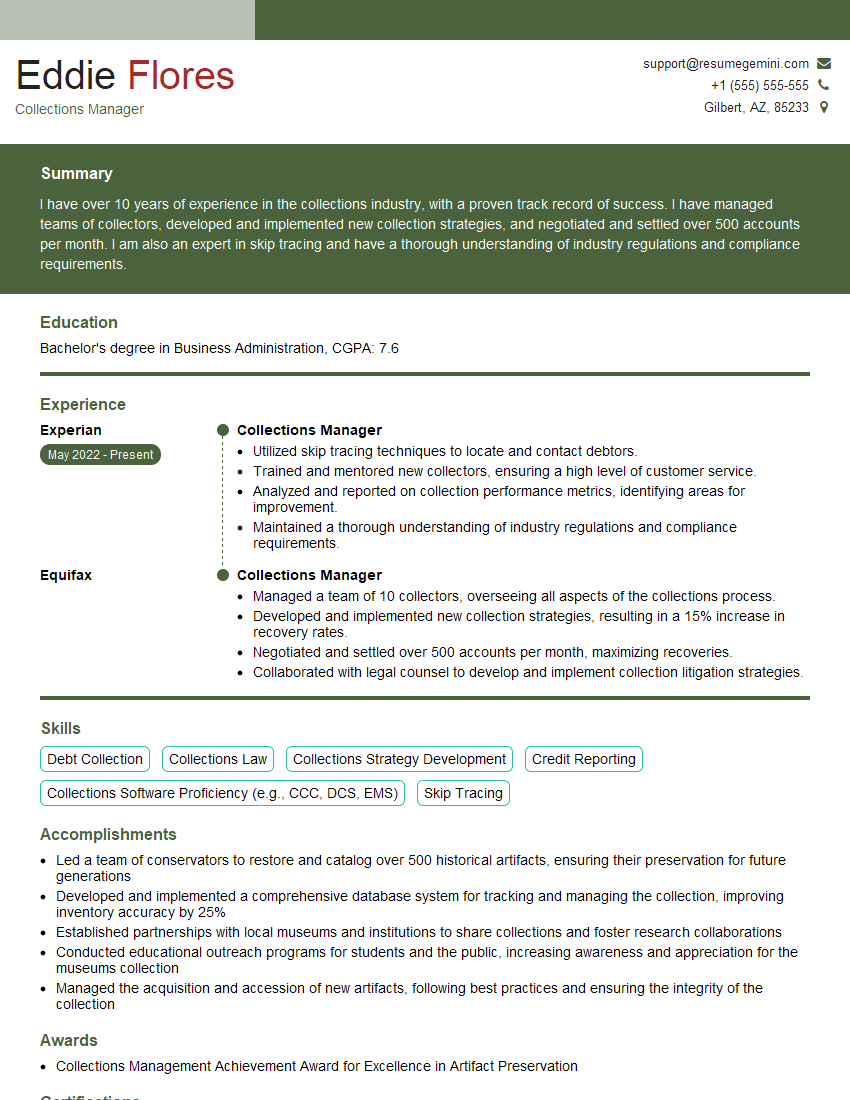
Collections Manager Resume Sample
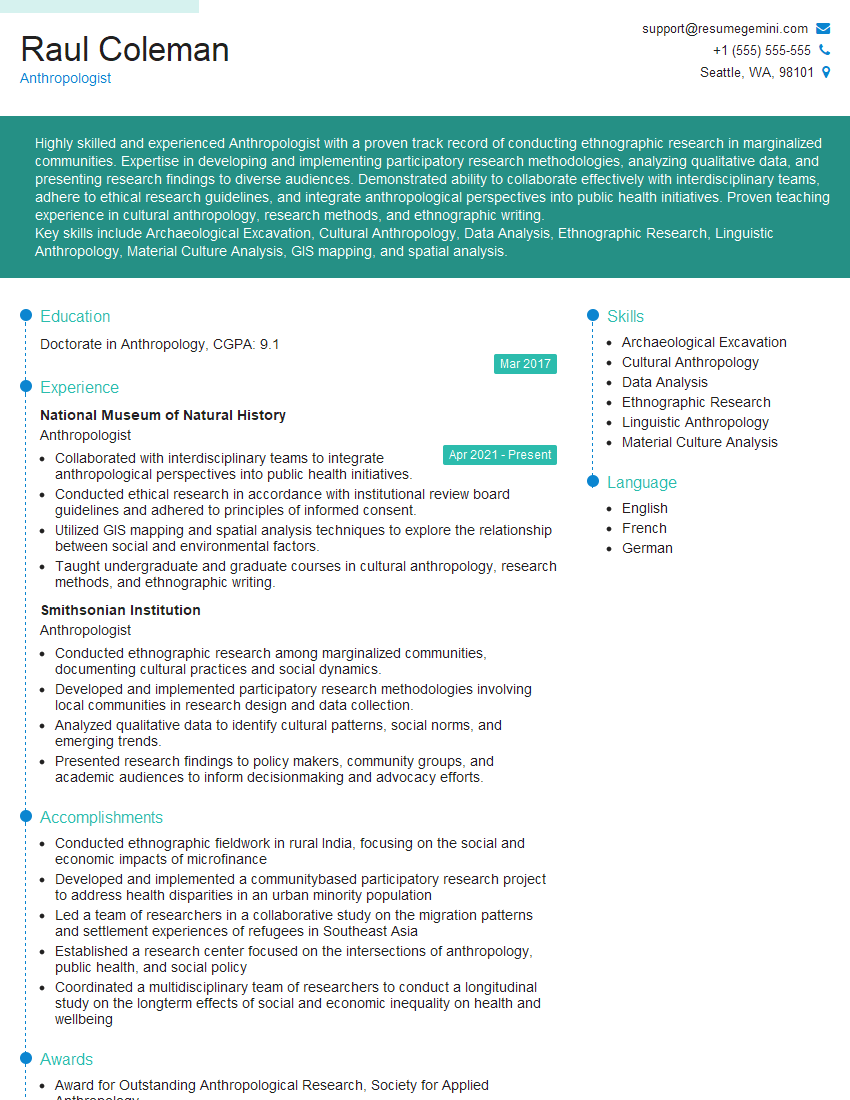
Anthropologist Resume Sample
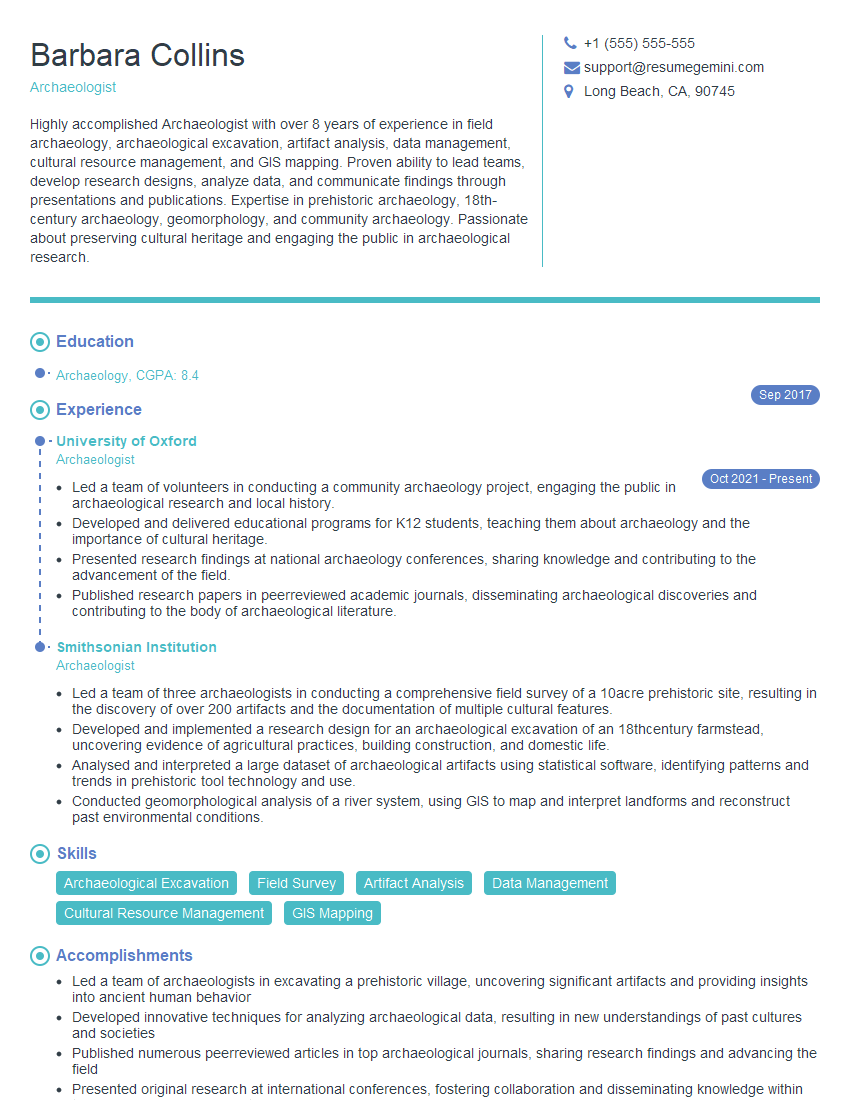
Archaeologist Resume Sample
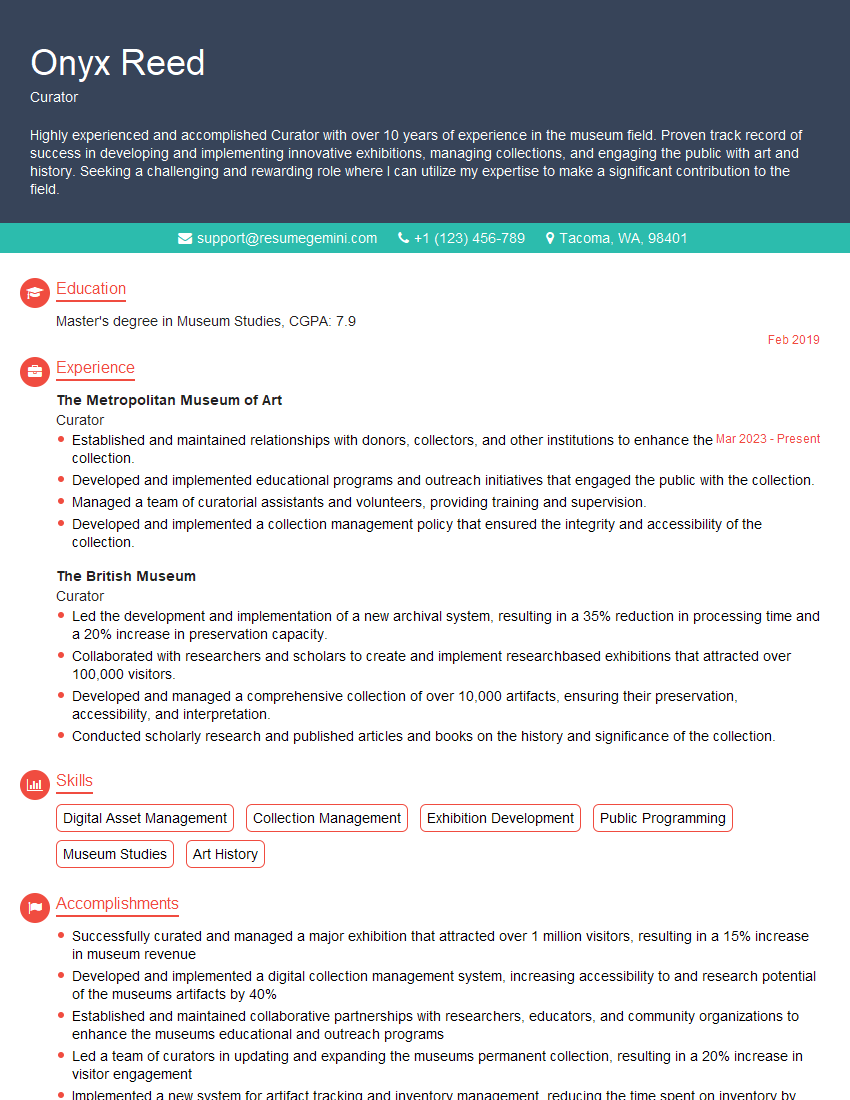
Curator Resume Sample
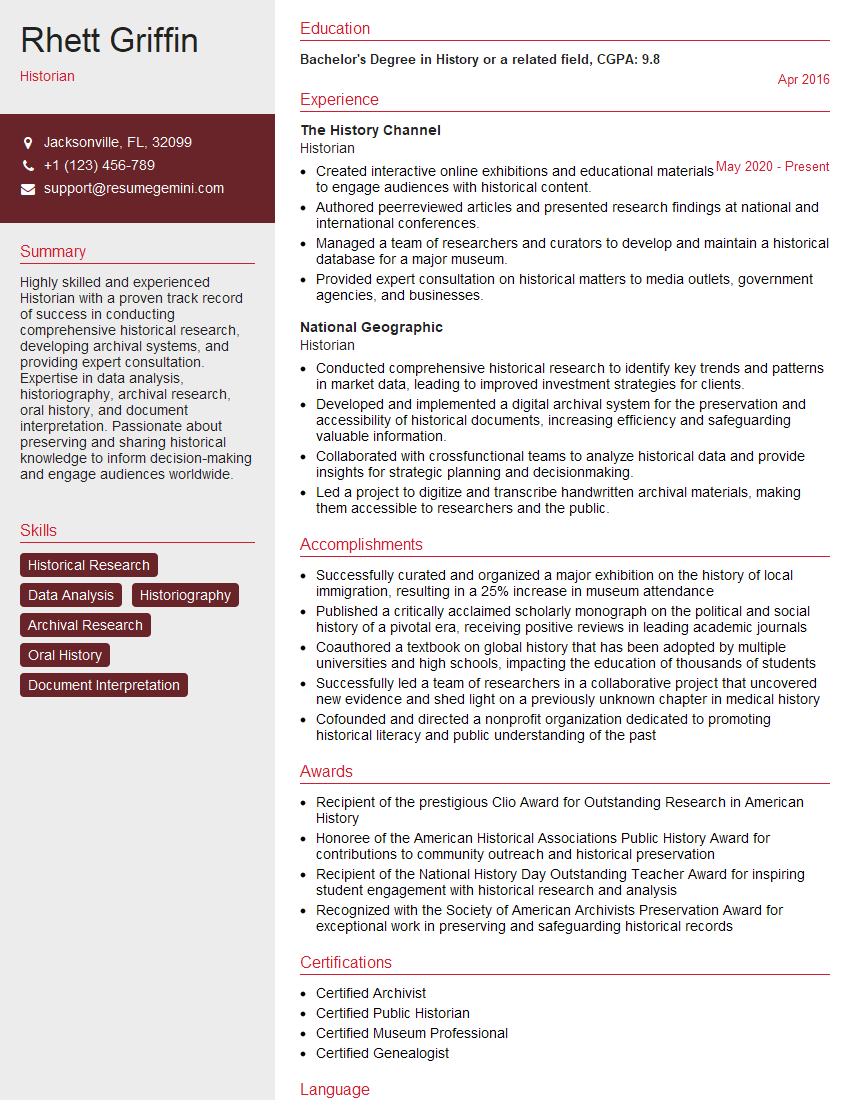
Historian Resume Sample
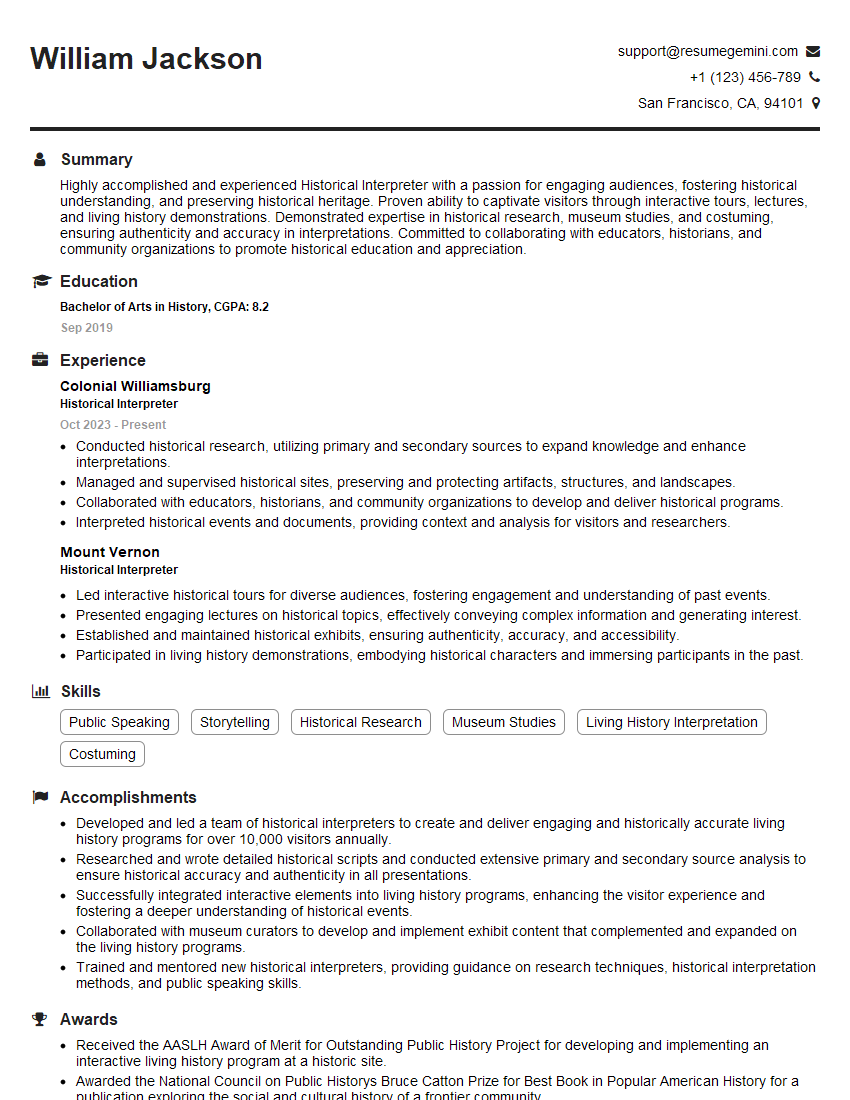
Historical Interpreter Resume Sample
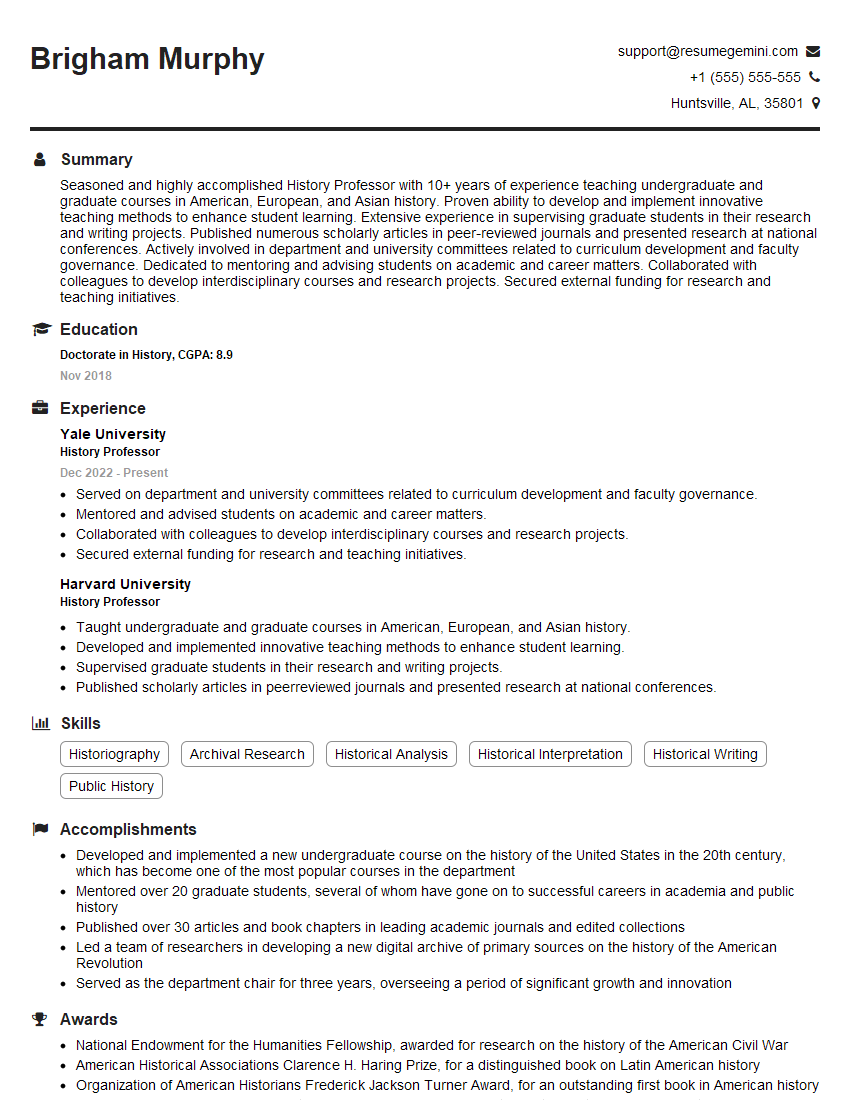
History Professor Resume Sample
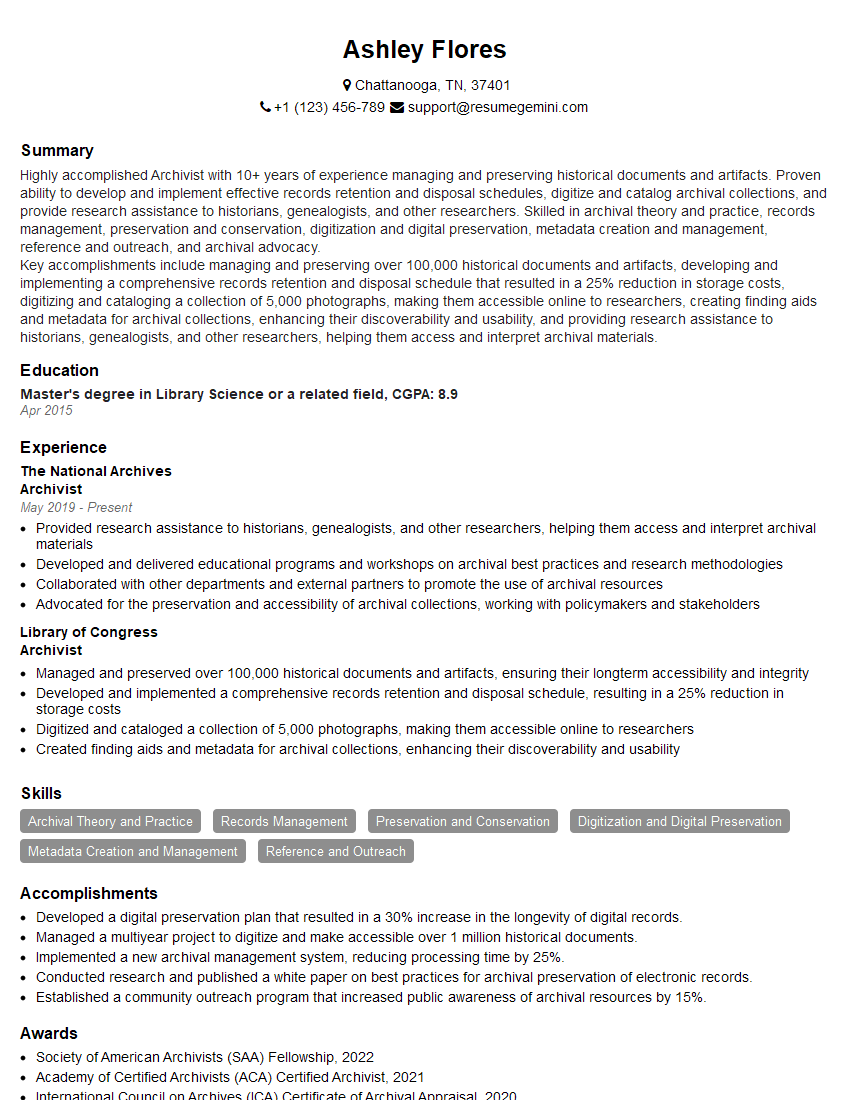
Archivist Resume Sample
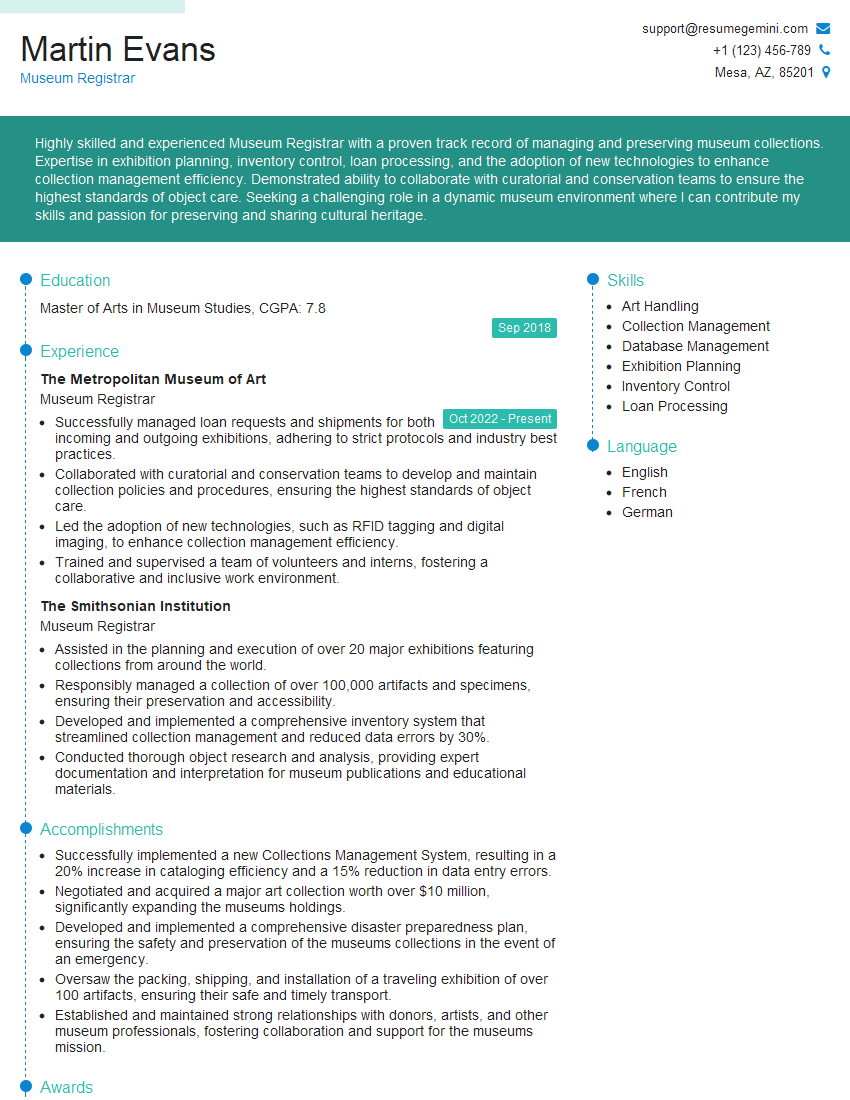
Museum Registrar Resume Sample
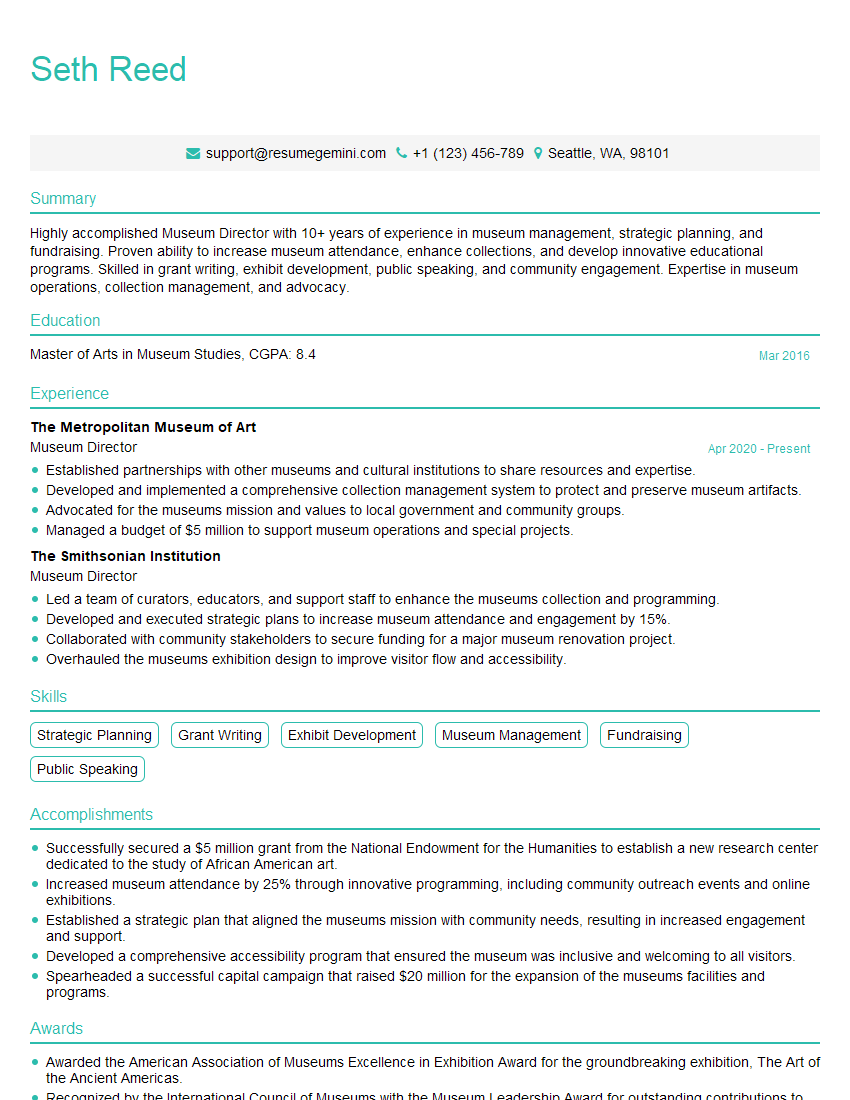
Museum Director Resume Sample
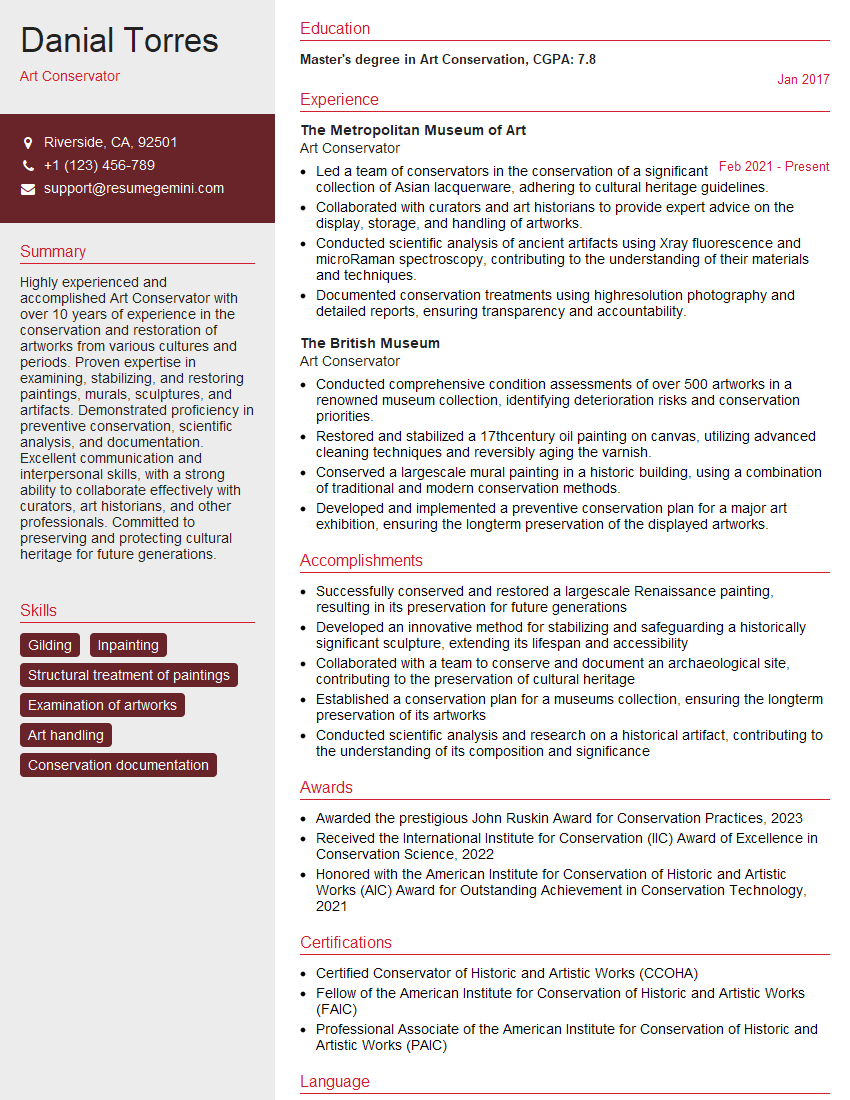
Art Conservator Resume Sample
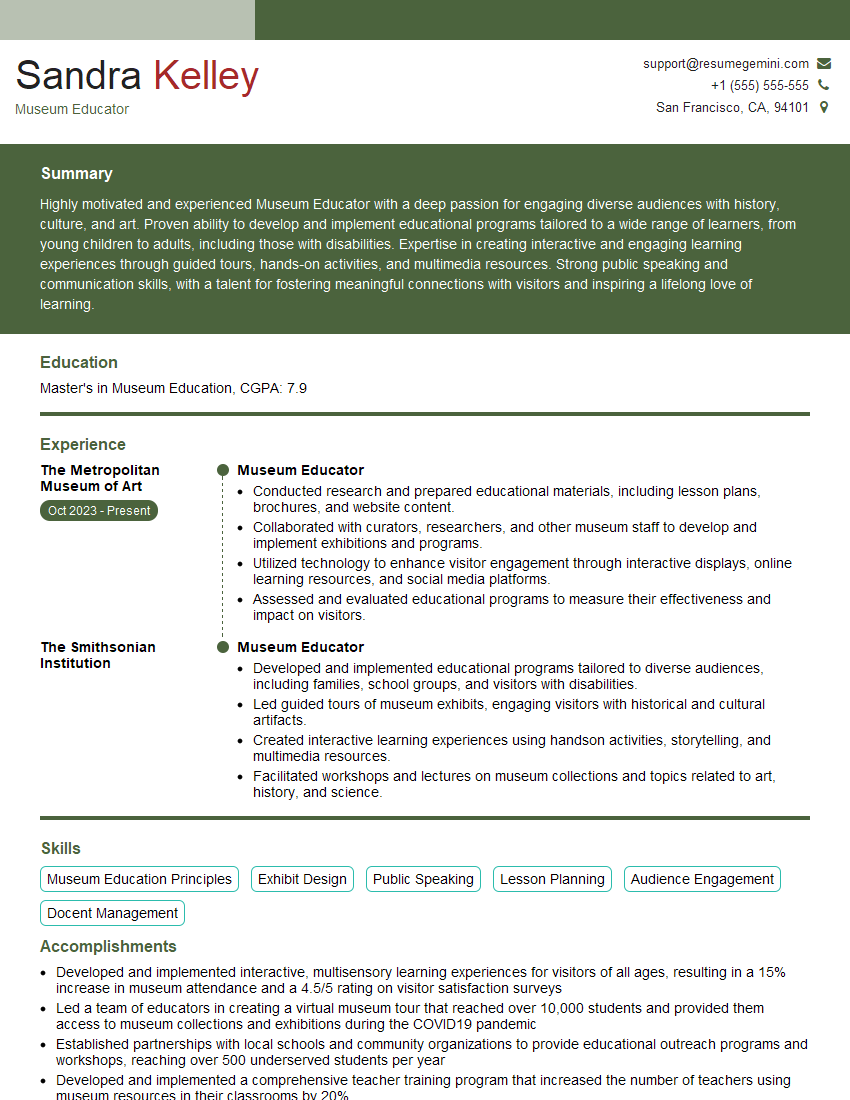
Museum Educator Resume Sample
Explore more articles
Users Rating of Our Blogs
Share Your Experience
We value your feedback! Please rate our content and share your thoughts (optional).
What Readers Say About Our Blog
Very informative content, great job.
good