Unlock your full potential by mastering the most common Passion for the Equine Industry interview questions. This blog offers a deep dive into the critical topics, ensuring you’re not only prepared to answer but to excel. With these insights, you’ll approach your interview with clarity and confidence.
Questions Asked in Passion for the Equine Industry Interview
Q 1. Describe your experience with different horse breeds and their unique needs.
My experience spans a wide range of equine breeds, from the powerful draft horses like Clydesdales and Percherons, requiring careful management due to their size and strength, to the agile and sensitive Thoroughbreds and Arabians, demanding a nuanced approach to training and care. I’ve also worked extensively with warmbloods, known for their versatility in various disciplines, and stock breeds like Quarter Horses and Mustangs, each with unique temperaments and physical attributes. Understanding these differences is crucial. For example, a Clydesdale’s nutritional needs differ significantly from those of a Thoroughbred, requiring careful attention to dietary fiber and caloric intake. Similarly, training methods must be adapted; a gentle, patient approach works best with a sensitive Arabian, while a more assertive technique might be necessary for a stubborn Mustang. This includes understanding their conformation, as certain breeds are predisposed to specific orthopedic issues. For instance, Thoroughbreds are prone to certain types of leg injuries due to their build.
- Draft Horses: Require high-fiber diets, careful hoof management, and strength-based training.
- Thoroughbreds: Need specialized care for their high energy levels and predisposition to certain injuries. They require tailored feeding schedules and advanced training methods.
- Arabians: Known for their sensitivity and intelligence, they respond well to positive reinforcement and gentle handling.
- Quarter Horses: Versatile and adaptable, they often excel in various disciplines and are fairly straightforward to care for.
Q 2. Explain your understanding of equine locomotion and common gait abnormalities.
Equine locomotion is a complex interplay of musculoskeletal structures and nervous system coordination. The four main gaits are walk, trot, canter, and gallop, each with specific limb movements and patterns. Understanding these normal gaits is essential to identify abnormalities. Common gait abnormalities include lameness, which can manifest in many ways, from subtle stiffness to severe limping. These can stem from various causes, such as joint inflammation (arthritis), tendon or ligament injuries, fractures, and hoof problems. Another common gait issue is ataxia, characterized by incoordination and stumbling, often indicative of neurological problems. Short-strided gait can be an indication of pain, and altered foot placement, like winging or paddling, are clear signals of underlying problems.
For instance, a horse with a subtle lameness in a front leg might display a shortened stride and head bobbing on that side during the trot. A horse with navicular disease (inflammation of the navicular bone in the hoof) often shows a characteristic toe-first landing to reduce stress on the affected area. Accurate diagnosis requires a thorough examination, which may involve visual assessment, palpation, flexion tests, and advanced imaging techniques like radiography and ultrasound.
Q 3. How would you handle a horse exhibiting signs of colic?
Colic, a general term for abdominal pain in horses, is a veterinary emergency. Symptoms can vary widely, from mild discomfort and pawing at the ground to severe pain, rolling, and kicking. Immediate action is critical. My approach involves:
- Assessment: Observe the horse carefully for signs of pain, including restlessness, sweating, flank watching, and changes in behavior. Note the severity and duration of symptoms.
- Contacting a Veterinarian: This is paramount. Colic can rapidly become life-threatening.
- Immediate Care: Keep the horse quiet and in a safe area. Avoid feeding or giving water to prevent further complications. Depending on the severity, I might start with some gentle walking to encourage bowel movement, but never force it, as this can cause further damage.
- Monitoring Vitals: If possible, monitor the horse’s heart rate and respiratory rate to track its condition while waiting for the veterinarian. Note any changes in symptoms.
- Assisting Veterinarian: Cooperate fully with the veterinarian during their examination and treatment. This includes preparing the horse for any procedures.
Early diagnosis and intervention greatly improve survival rates. The underlying cause of colic can range from simple impaction to life-threatening conditions like twisted intestines, requiring varied treatment approaches, from fluid therapy to surgery.
Q 4. What are the common causes of lameness in horses, and how would you approach diagnosis?
Lameness in horses has numerous causes, broadly categorized as:
- Musculoskeletal Issues: These include injuries to tendons, ligaments, bones, joints, and soft tissues. Examples are osteoarthritis, tendonitis, and fractures.
- Hoof Problems: Issues like abscesses, laminitis (inflammation of the laminae that attach the hoof wall to the coffin bone), and thrush (a bacterial infection) can cause significant lameness.
- Neurological Problems: Conditions affecting the nerves can lead to gait abnormalities. Examples include nerve damage and spinal cord injuries.
My diagnostic approach is systematic and follows a structured protocol:
- History and Observation: Detailed information about the horse’s work history, recent injuries, and the onset and progression of lameness are crucial.
- Physical Examination: This involves carefully assessing the horse’s gait at various speeds and on different surfaces, observing any asymmetries or abnormalities.
- Palpation: Thorough examination of the legs, joints, and back to detect heat, swelling, or pain.
- Flexion Tests: Passive flexion of joints to induce temporary lameness if an underlying issue is present.
- Diagnostic Imaging: Radiography, ultrasonography, and nuclear scintigraphy to identify bony lesions, soft tissue injuries, and other structural problems.
- Nerve Blocks: Local anesthetic injections to identify the source of lameness by temporarily desensitizing specific areas.
Accurate diagnosis requires a careful, systematic approach, combining clinical examination with advanced imaging and diagnostic techniques. Treatment depends on the underlying cause and ranges from conservative management, like rest and medication, to more complex interventions like surgery.
Q 5. Detail your experience in equine first aid and emergency procedures.
My equine first aid and emergency procedure skills are extensive, covering a wide range of situations. I’m proficient in wound care, including cleaning, bandaging, and applying appropriate topical treatments. I can handle minor injuries like cuts, abrasions, and superficial wounds independently. However, I always emphasize the importance of veterinary intervention for severe or complex injuries.
Emergency procedures include recognizing and responding to colic, responding to respiratory distress (such as in cases of choke or pneumonia), managing bleeding, and stabilizing a horse in shock. I am trained in administering intravenous fluids in emergency situations, under veterinary direction. I understand the importance of maintaining a calm and controlled environment during emergencies to minimize stress on the horse. Crucially, I know my limitations and ensure veterinary consultation or intervention as soon as possible for anything beyond simple first aid.
I’ve handled several emergencies involving lacerations, minor fractures, and cases of severe colic, where rapid response and effective communication with the veterinary team were critical to successful outcomes. Practical experience alongside formal training is essential in this domain; theory must always be complemented by practical application.
Q 6. Describe your approach to training horses with different temperaments.
Training horses requires understanding their individual temperaments. A one-size-fits-all approach rarely works. My approach is based on positive reinforcement and building trust. I start by assessing the horse’s personality and responsiveness. Some horses are naturally more confident and eager to learn, while others are timid or even aggressive.
For confident horses: I can introduce more challenging exercises and progress quickly, using clear and consistent cues. For example, teaching a confident horse to jump will progress much faster than with a fearful one. With timid horses: I prioritize desensitization and building confidence through gradual exposure to new stimuli and positive reinforcement.
For aggressive horses: I use careful and experienced techniques. This approach involves clear communication, establishing dominance safely and respectfully, and avoiding any actions that could escalate aggression. I may utilize specialized tools if necessary, but always prioritize the horse’s well-being and safety, consulting a professional if needed.
Consistent, patient training, adapting to the individual needs of each horse, is key. This may involve using different training tools and techniques to best suit their personality and responsiveness. Regular evaluation and adaptation of the training plan are also crucial.
Q 7. How would you manage a challenging horse in a stable environment?
Managing a challenging horse in a stable environment requires proactive strategies and a deep understanding of equine behavior. These strategies include:
- Individualized Management: Recognizing the specific challenges posed by the horse—is it aggressive, fearful, prone to cribbing, or exhibiting other behavioral issues?—and tailoring management strategies accordingly.
- Creating a Predictable Routine: Maintaining a consistent schedule for feeding, grooming, and turnout helps reduce stress and establishes a sense of predictability for the horse.
- Safe Handling Techniques: Utilizing appropriate equipment, such as halters and leads, and maintaining a safe distance while ensuring control. Always prioritize safety for both horse and handler.
- Addressing Underlying Issues: Investigating whether the challenging behavior stems from pain, boredom, or underlying health conditions. Veterinary consultation may be necessary.
- Positive Reinforcement: Rewarding calm and desirable behaviors, rather than focusing solely on punishment for unwanted actions.
- Creating a Safe and Comfortable Environment: Ensuring the stable is well-maintained, clean, and provides adequate space and enrichment for the horse. A stall that’s too small or an environment devoid of stimulation can contribute to undesirable behaviors.
- Professional Help: Don’t hesitate to seek help from a certified equine behaviorist if necessary. A professional can offer tailored solutions and effective strategies.
Managing challenging horses effectively is about prevention and proactive strategies. Recognizing the root cause of the problem and using appropriate handling techniques are key elements of a successful and safe approach.
Q 8. Explain your knowledge of equine nutrition and feeding practices.
Equine nutrition is a complex field, crucial for maintaining a horse’s health, performance, and well-being. It involves understanding the horse’s digestive system, nutrient requirements, and how to tailor a feeding plan to individual needs. A horse’s digestive system is designed for continuous grazing, meaning they need frequent, small meals. Their diet should consist primarily of forage (hay or pasture), providing essential fiber for gut health and preventing digestive upset like colic.
Forage is paramount: The type and quantity depend on the horse’s age, workload, and body condition. Older horses might need softer hay, while performance horses require higher-quality forage. The quality of the forage – its nutrient content and palatability – is critical. Regular hay testing can reveal deficiencies and inform supplement decisions.
Concentrates (grains) are supplemental and used to provide extra energy for working horses or those in hard training. However, overfeeding concentrates can lead to obesity, laminitis, and other metabolic issues. The type of grain—oats, barley, corn—and the amount should be carefully considered based on the horse’s energy needs.
Supplements are used to address specific deficiencies identified through blood work or to support specific needs, such as joint health or immune function. These should be prescribed by a veterinarian or equine nutritionist based on individual assessments. Never add supplements without professional guidance.
Water is essential: Horses need access to clean, fresh water at all times. Dehydration can severely impact health and performance.
Practical Application: I’ve successfully managed the nutrition of a range of horses, from retired broodmares on low-energy diets to high-performance athletes requiring customized energy and nutrient profiles. This involved close monitoring of their body condition score, regular weight checks, and adjusting their feed based on their individual responses and the changing seasons.
Q 9. What are the common signs of equine illness or injury, and how would you respond?
Recognizing signs of illness or injury in horses requires keen observation and understanding of their normal behavior. Subtle changes can indicate significant problems. Common signs include:
- Lethargy or depression: A horse that is unusually quiet, less interested in its surroundings, or unwilling to move is a cause for concern.
- Changes in appetite or water intake: Reduced food intake or excessive thirst often signal illness.
- Respiratory issues: Coughing, nasal discharge, or difficulty breathing should be promptly evaluated.
- Lameness: Any limping, stiffness, or reluctance to bear weight on a leg needs immediate attention.
- Fever: Elevated temperature indicates infection or inflammation.
- Colic (abdominal pain): This can manifest as pawing, rolling, kicking at the abdomen, or restlessness. Colic is a life-threatening emergency.
- Abnormal droppings: Changes in consistency, color, or frequency can indicate digestive problems.
Response: My immediate response to any unusual sign would be to:
- Assess the situation: Carefully observe the horse, noting all symptoms and circumstances.
- Isolate the horse (if necessary): To prevent the spread of disease or injury to other horses.
- Contact the veterinarian immediately: Especially in cases of colic, lameness, or severe respiratory distress. Providing detailed information about the symptoms will assist in prompt diagnosis and treatment.
- Provide supportive care: This may include offering water, ensuring a comfortable environment, and monitoring vital signs until the vet arrives.
Example: I once noticed a subtle lameness in a young horse. While not immediately obvious, it led to early detection of a mild tendon strain, which was successfully treated with rest and appropriate therapy, preventing long-term damage.
Q 10. Describe your experience with different riding disciplines.
My experience spans various equestrian disciplines, giving me a comprehensive understanding of horsemanship and horse management. I’ve worked with horses in:
- English riding: Including dressage, which emphasizes precision and balance, and jumping, requiring strength, coordination, and courage. I’ve competed in local dressage shows and assisted in training young jumpers.
- Western riding: I’ve spent time working with western pleasure horses, appreciating the subtle nuances of their gaits and responsiveness to the rider’s cues. I understand the importance of a relaxed and confident seat in this style.
- Trail riding: I’m a strong proponent of trail riding for building horsemanship skills and appreciating horses’ athleticism in varied terrain. The focus is on navigating various terrains, managing obstacles, and maintaining the horse’s well-being.
This diversity allows me to adapt my approach to different horses and riding styles, emphasizing safety, proper technique, and building a strong partnership between horse and rider.
Q 11. How would you address a conflict between riders or stable staff?
Addressing conflict within a stable requires a calm, fair, and impartial approach. My strategy focuses on open communication and conflict resolution skills. I would:
- Listen to all sides: Gather information from each person involved without interrupting or making judgments.
- Identify the root cause of the conflict: Is it a misunderstanding, personality clash, or a specific issue related to work or horse care?
- Facilitate open communication: Create a safe space for each person to express their feelings and perspectives respectfully.
- Seek compromise: Help the parties find a mutually agreeable solution. This may involve adjusting work assignments, setting clearer expectations, or providing additional training or support.
- Enforce rules and consequences: If necessary, to ensure a professional and respectful work environment. This should be done consistently and fairly.
- Follow up: To ensure the resolution is effective and lasting. If needed, arrange a mediation session with a qualified mediator.
Example: I once mediated a conflict between two stable hands regarding cleaning duties. By facilitating open communication and clarifying expectations, I helped them develop a schedule that worked for both, resolving the tension and improving teamwork.
Q 12. How do you maintain a safe and clean stable environment?
Maintaining a safe and clean stable environment is essential for both horse and human well-being. My approach includes:
- Daily cleaning: Regular removal of manure, hay, and soiled bedding prevents the build-up of ammonia, which can cause respiratory problems. Stalls should be cleaned thoroughly at least once daily, with a deep cleaning at least once a week.
- Proper bedding: Using clean, dry bedding in appropriate amounts provides a comfortable environment for horses and absorbs moisture. The type of bedding should be selected based on the individual horse’s needs and the stable’s conditions.
- Disinfection: Regular disinfection of surfaces, especially watering troughs and feed buckets, minimizes the risk of bacterial or viral spread.
- Pest control: Implementing effective strategies to control flies, rodents, and other pests reduces the risk of disease transmission.
- Regular inspections: Checking for hazards such as protruding nails, broken fencing, or loose equipment is vital. Proper stable maintenance and regular repairs can prevent many safety issues.
- Proper ventilation: Adequate airflow prevents the buildup of harmful gases and helps maintain a comfortable temperature.
Practical Application: I developed and implemented a comprehensive cleaning schedule for a large stable, resulting in a significant reduction in cases of respiratory infections and improved overall hygiene. This approach involved training staff on proper cleaning techniques and the importance of preventative measures.
Q 13. What are your strategies for preventing common equine health problems?
Preventing common equine health problems is a proactive approach involving several key strategies:
- Vaccinations: Regular vaccination against common diseases like tetanus, influenza, and equine herpes virus is critical for herd immunity and individual protection.
- Parasite control: Regular deworming, utilizing a fecal egg count (FEC) test to customize deworming strategies, minimizes the impact of internal parasites.
- Dental care: Regular dental checkups and floating (removing sharp points on teeth) prevent dental issues that affect feeding and overall health.
- Foot care: Regular hoof trimming and shoeing (if needed) are essential for maintaining healthy hooves and preventing lameness.
- Proper nutrition: Providing a balanced diet appropriate for the horse’s age, workload, and individual requirements helps prevent metabolic disorders and deficiencies.
- Safe handling and management practices: Safe handling and training techniques minimize the risk of injuries during riding, handling, and transport.
- Biosecurity: Strict biosecurity measures limit the introduction and spread of infectious diseases.
Example: By implementing a preventative deworming program based on individual FEC testing, I successfully reduced parasite burdens in a large horse population, minimizing the risk of colic and poor performance.
Q 14. Explain your understanding of equine reproductive cycles.
Understanding the equine reproductive cycle is essential for successful breeding programs. The mare’s cycle is characterized by predictable hormonal changes and behaviors. The key elements include:
- Estrus (heat): This is the period of sexual receptivity, lasting approximately 5-7 days. During estrus, the mare will display behaviors such as frequent urination, winking (opening and closing the vulva), and standing to be mounted.
- Diestrus: This is the non-receptive phase of the cycle, lasting around 15-21 days. Hormonal changes during diestrus prepare the mare for ovulation and the next estrus.
- Ovulation: The release of the egg from the ovary, usually occurring 24-48 hours before the end of estrus. Successful breeding should occur around ovulation.
- Gestation: The period of pregnancy, lasting approximately 11 months (335-345 days).
Practical Application: Knowing these parameters is critical for timing breeding, using various reproductive technologies to maximize the chances of conception, and monitoring the mare’s health and pregnancy progression through veterinary checkups, ultrasound scans, and hormone monitoring. Careful management of the mare’s nutrition and environment during gestation is vital for foal health.
Q 15. Describe your experience with different types of horse tack and equipment.
My experience with horse tack encompasses a wide range, from basic bridles and saddles to specialized equipment for various disciplines. I’m familiar with English and Western tack, including different types of saddles (dressage, jumping, western pleasure, etc.), bridles (snaffle, double bridle, hackamore), bits (various materials and designs), and other equipment like breastplates, martingales, and reins. I understand the importance of proper fit and function of each piece of equipment, and how the wrong fit can lead to discomfort and even injury for the horse. For example, a saddle that’s too narrow can cause sores on the horse’s back, while a bit that’s too harsh can damage the horse’s mouth. I’ve worked extensively with saddles, ensuring proper fitting to prevent pressure points and promote the horse’s comfort and performance. I’ve also handled specialized equipment such as therapeutic boots and bandages for injury management and rehabilitation.
- English Tack: Includes saddles designed for specific riding styles (dressage, jumping, eventing), bridles with various bits, and specialized reins.
- Western Tack: Encompasses saddles like pleasure saddles, roping saddles, and cutting saddles, along with specialized bridles, bits, and cinches.
- Specialized Equipment: This includes items like therapeutic magnets, boots, and wraps used for injury prevention and treatment.
Career Expert Tips:
- Ace those interviews! Prepare effectively by reviewing the Top 50 Most Common Interview Questions on ResumeGemini.
- Navigate your job search with confidence! Explore a wide range of Career Tips on ResumeGemini. Learn about common challenges and recommendations to overcome them.
- Craft the perfect resume! Master the Art of Resume Writing with ResumeGemini’s guide. Showcase your unique qualifications and achievements effectively.
- Don’t miss out on holiday savings! Build your dream resume with ResumeGemini’s ATS optimized templates.
Q 16. How would you select and care for horseshoes?
Selecting and caring for horseshoes is a crucial aspect of equine hoof care. The process begins with assessing the horse’s hooves – their shape, wear patterns, and overall health. This helps determine the type of shoe needed. Factors like the horse’s discipline (e.g., racing, trail riding), conformation, and the terrain they’ll be working on all play a role. Different shoe types exist, including standard shoes, therapeutic shoes (for lameness issues), and specialized shoes for different hoof shapes. After shoeing, regular inspection is critical. I’d check for any signs of wear, cracks, or looseness at least every 4-6 weeks, adjusting or replacing shoes as needed. Proper hoof care also involves keeping the hooves clean and trimmed, preventing any potential problems before they arise. Ignoring hoof care can lead to lameness and other serious issues. For instance, a poorly fitting shoe can cause bruising and abscesses, while neglecting regular trimming can lead to overgrown hooves and imbalances.
Process Summary:
- Assessment: Evaluate hoof shape, wear, and overall health.
- Shoe Selection: Choose appropriate shoes based on the horse’s needs and activity.
- Shoeing: Have a qualified farrier apply the shoes properly.
- Regular Inspection: Check for wear, cracks, or looseness frequently (every 4-6 weeks).
- Maintenance: Clean and trim hooves regularly.
Q 17. Explain your knowledge of equine leg conformation and its impact on performance.
Equine leg conformation significantly impacts performance and soundness. Ideal conformation minimizes stress on joints and tendons, allowing for efficient movement and reducing the risk of injury. For instance, straight legs (from the point of the shoulder/hip to the fetlock) are generally preferred for soundness. However, slight deviations are common, and their impact depends on the severity. Common conformational faults include knock-knees (knees turned inward), bowlegs (knees turned outward), and toed-in or toed-out stances. These can lead to uneven weight distribution, increased strain on specific joints, and a higher susceptibility to injuries like bowed tendons or suspensory ligament desmitis. Analyzing conformation involves a visual assessment from different angles, coupled with the horse’s movement analysis (watching them walk, trot, and canter). This helps identify potential problems early on, allowing for preventative measures like corrective shoeing or specialized exercises. For example, a horse with knock-knees might benefit from corrective shoeing that helps to align the leg, while a horse with long toes and low heels might require trimming to improve balance and reduce stress on the joints.
Q 18. What is your experience with equine dental care?
Equine dental care is essential for a horse’s overall health and well-being. I have experience recognizing and addressing common dental problems, such as sharp points on the teeth (which can cause discomfort and make it difficult for the horse to chew properly), wave mouth (irregular tooth alignment), and hooks (overgrown points on the molars). I can identify signs of dental issues, such as quidding (dropping food from the mouth), weight loss, head tossing while eating, and changes in chewing behavior. A veterinarian specializing in equine dentistry, or an equine dentist, should be consulted for diagnosis and treatment. Procedures can include floating (filing down sharp edges), extractions, and other corrective measures. Regular dental check-ups are crucial; the frequency depends on the horse’s age and individual needs, but usually at least once a year is recommended. Neglecting dental care can have severe consequences, including nutritional deficiencies, difficulty eating, and ultimately, compromising the horse’s overall health and performance.
Q 19. How would you handle a horse exhibiting aggressive behavior?
Handling an aggressive horse requires a calm, patient, and methodical approach, prioritizing safety for both the horse and handler. First, I’d assess the situation to understand the cause of the aggression. Is it fear-based, pain-related, dominance behavior, or something else? Once the cause is understood (or at least suspected), I’d employ techniques that address the underlying issue. This might involve creating a safe and predictable environment, desensitization and counter-conditioning exercises (for fear-based aggression), careful handling to avoid triggering the horse, and working with an equine behaviorist for more complex cases. For example, a horse fearful of certain objects may require gradual exposure therapy to reduce its anxiety. Physical handling should always be done with caution, ensuring adequate space and using appropriate tools like a lunge whip for maintaining distance and setting boundaries. It’s crucial to avoid any actions that could escalate the situation. Ignoring or punishing the aggression is not effective in the long term, and can worsen the behavior. Working with a professional is essential in many cases, particularly if the aggression poses a significant risk.
Q 20. Describe your experience with equine transportation and safety procedures.
Equine transportation requires careful planning and execution to ensure the safety and well-being of the horse. I have experience loading, securing, and transporting horses in various types of trailers, adhering to all safety regulations. This includes properly securing the horse within the trailer using appropriate equipment like breast bars and butt bars. I also know the importance of providing adequate ventilation, space, and preventing any potential hazards during transport. I carefully monitor the horse during the journey, ensuring they are comfortable and haven’t sustained injuries. Before, during and after transportation appropriate bedding should be used, preventing slipping and injury. The trailer must be regularly maintained to prevent mechanical failures, and adherence to speed limits is crucial for a safe journey. Overloading a trailer can also negatively impact the horses’ safety, while improper ventilation can lead to overheating and respiratory issues. Experienced drivers should be used who understand how to handle various road conditions, while regular inspections of the trailer are equally important. Pre and post transport checks are an essential part of safe practice.
Q 21. What are the ethical considerations involved in caring for horses?
Ethical considerations in equine care are paramount. It’s our responsibility to ensure the horse’s physical and psychological well-being at all times. This encompasses providing adequate nutrition, shelter, and veterinary care; recognizing and addressing any signs of illness or injury promptly. Ethical treatment also involves avoiding practices that cause unnecessary pain or suffering, such as harsh training methods, or improper handling and riding. Respect for the horse as a sentient being is crucial. We must consider their natural behaviors and needs when making decisions about their care and management. This includes avoiding situations that cause undue stress or fear. Ethical breeding practices, which prioritize the health and well-being of both the mare and foal, are also a significant concern. Responsible ownership involves providing a suitable environment and ensuring the horse is placed in an appropriate home if it can no longer be cared for. In short, ethical equine care revolves around compassion, understanding, and commitment to the horse’s best interests above all else.
Q 22. How would you manage a budget for an equine facility?
Managing an equine facility’s budget requires a meticulous approach, balancing operational costs with revenue generation. It’s akin to running any small business, but with the added complexity of caring for live animals. Firstly, you need a comprehensive budget template encompassing all income streams and expenses.
- Income: This includes boarding fees, training fees, lesson charges, sales of horses or equipment, and any additional revenue streams like breeding services or merchandise.
- Expenses: Expenses are categorized into fixed and variable costs. Fixed costs include property taxes, insurance, loan payments, salaries (for staff), and utilities. Variable costs fluctuate depending on usage; feed, veterinary care, farrier services, medications, and repairs are all examples.
Secondly, regular monitoring and forecasting are crucial. You need to track income and expenditure closely, comparing actuals to your budget monthly. This allows for timely adjustments to address overspending or revenue shortfalls. For example, if hay prices rise unexpectedly, you might need to increase boarding fees slightly or explore more cost-effective hay suppliers. Finally, financial software can greatly assist in budgeting, forecasting, and reporting, providing valuable insights into the financial health of the facility.
Q 23. What are your strategies for marketing equine services?
Marketing equine services requires a multi-pronged approach that leverages both traditional and digital channels. Think of it like building a strong brand identity and then strategically showcasing it to your target audience.
- Website: A professional website is essential, showcasing your facilities, services, and testimonials. High-quality photos and videos are key here.
- Social Media: Platforms like Instagram, Facebook, and even TikTok are ideal for sharing engaging content – photos and videos of happy horses, behind-the-scenes glimpses, and client success stories. Run targeted ads to reach potential clients within your geographical area.
- Local Networking: Attend local equestrian events, sponsor competitions, and build relationships with other equine professionals. Word-of-mouth referrals are incredibly valuable.
- Print Marketing: Although less prevalent now, flyers and brochures distributed at local tack shops or veterinary clinics can still reach a targeted audience.
- Email Marketing: Build an email list to share newsletters, special offers, and updates with existing and potential clients.
Remember to track your marketing efforts and measure their effectiveness. Analyze website traffic, social media engagement, and lead generation to optimize your strategies over time.
Q 24. Explain your experience with equine insurance claims and procedures.
Experience with equine insurance claims involves a thorough understanding of policy details and claim procedures, much like any other insurance claim, but with the added complexity of veterinary evaluations. Firstly, I would ensure accurate record-keeping. This includes maintaining detailed veterinary records, farrier bills, and any other relevant documentation related to the incident leading to the claim.
- Accurate Documentation: Thorough documentation is paramount. This goes beyond just the incident; it also includes the horse’s history, pre-existing conditions (if any), and any preventative measures taken.
- Prompt Reporting: Most insurance policies have time limits for reporting claims, so acting quickly is crucial.
- Veterinary Involvement: A veterinarian’s report detailing the injury, treatment, and prognosis is essential for substantiating the claim.
- Communicating with the Insurer: Open and clear communication with the insurance provider is essential to avoid delays or disputes.
I’ve handled numerous claims involving lameness, colic, and injuries sustained during training or competition. In one case, a horse sustained a leg injury during a show. By promptly reporting the incident, providing detailed veterinary reports, and maintaining thorough records, the claim was processed efficiently, ensuring full coverage for treatment and rehabilitation.
Q 25. Describe your understanding of equine biomechanics.
Equine biomechanics is the study of the mechanics of the horse’s body in motion. It’s crucial for understanding how a horse moves, identifying potential issues that can lead to lameness or injury, and optimizing performance. Consider the horse’s skeletal structure, muscular system, and the intricate interplay between the two. For example, understanding the biomechanics of a horse’s stride helps in recognizing subtle imbalances that could eventually cause injury.
- Conformation: The horse’s physical structure greatly influences its movement. Deviations from ideal conformation can predispose a horse to certain types of lameness.
- Gait Analysis: Analyzing a horse’s gait – walk, trot, canter, gallop – provides insights into its movement patterns. High-speed video analysis is often used to identify subtle asymmetries.
- Muscle Function: Understanding how different muscle groups contribute to locomotion is key in identifying muscle imbalances that may lead to injury.
- Joint Function: Analyzing the function of the joints is essential in diagnosing lameness issues, including arthritis and other joint diseases.
A deep understanding of equine biomechanics informs the design of saddles and riding equipment, the training of horses, and the treatment and prevention of lameness. For example, recognizing early signs of a biomechanical issue through gait analysis can prevent further damage and expensive treatments down the line.
Q 26. How would you assess and address a horse’s behavioral issues?
Addressing a horse’s behavioral issues requires patience, understanding, and a systematic approach. It’s crucial to first identify the root cause of the behavior. Is it fear, frustration, pain, or learned behavior?
- Observation: Start with careful observation. Note the context in which the behavior occurs, such as specific situations or interactions. Keep a detailed log.
- Veterinary Examination: Rule out any underlying medical conditions that might be contributing to the behavior. Pain can significantly alter a horse’s demeanor.
- Professional Help: Consult an equine behaviorist or certified equine professional. They can provide a tailored plan addressing the specific problem.
- Positive Reinforcement: Focus on positive reinforcement techniques, rewarding desired behaviors. Avoid punishment, as it can worsen the problem.
- Desensitization and Counter-Conditioning: Gradually expose the horse to the stimuli that trigger the unwanted behavior in a controlled, safe environment, associating it with positive experiences.
For example, a horse that kicks when being groomed might be doing so because of past negative experiences. Systematic desensitization and the use of positive reinforcement would help the horse associate grooming with positive experiences, leading to a change in behavior.
Q 27. What are the key considerations in breeding horses for specific disciplines?
Breeding horses for specific disciplines requires a thorough understanding of genetics, conformation, and the specific demands of each discipline. It’s like selecting specific traits for a high-performance machine. For example, a dressage horse needs specific conformational traits and temperament, while a racehorse needs speed and stamina.
- Pedigree Analysis: Carefully studying the horse’s lineage is essential to identifying desirable traits and potential genetic flaws.
- Conformation Evaluation: Assessing the horse’s physical structure is paramount. Certain conformations are advantageous for particular disciplines.
- Temperament and Trainability: Temperament plays a crucial role in a horse’s ability to perform in a specific discipline. A calm, willing horse is essential for dressage, while a more spirited horse might be better suited to racing.
- Specific Discipline Requirements: Understanding the unique demands of each discipline is essential. A western pleasure horse needs a different set of traits than a hunter jumper.
For instance, breeding for endurance racing necessitates selecting horses with exceptional stamina, sound conformation, and a strong constitution. Detailed record-keeping and careful selection of breeding pairs are essential to achieving the desired outcome.
Q 28. How would you implement a preventative health program for a horse herd?
Implementing a preventative health program for a horse herd is similar to implementing wellness programs for humans – it’s proactive rather than reactive. A comprehensive program focuses on minimizing the risk of disease, injury, and ensuring optimal health and well-being.
- Vaccination and Deworming Schedule: Establish a strict vaccination and deworming protocol based on the local disease prevalence and individual horse needs.
- Dental Care: Regular dental check-ups are essential to prevent dental problems that can affect eating and overall health.
- Foot Care: Regular farrier visits to maintain proper hoof trimming and shoeing.
- Nutritional Management: Providing appropriate feed and supplements to meet each horse’s nutritional requirements.
- Parasite Control: Implementing a parasite control program that includes regular fecal egg counts to tailor deworming strategies.
- Environmental Hygiene: Maintaining clean and well-drained stalls and paddocks to minimize the risk of infectious diseases.
- Regular Health Checks: Conducting regular health checks by a veterinarian to detect and address potential health problems early on.
Regular monitoring and adapting the program based on changes in the herd’s health status are critical for the long-term success of this proactive approach. This ensures the entire herd stays healthy and productive.
Key Topics to Learn for Passion for the Equine Industry Interview
- Equine Health and Welfare: Understanding common equine diseases, preventative care, recognizing signs of illness or injury, and appropriate handling techniques. Practical application: Describe your experience managing a horse’s health issue or contributing to a preventative health program.
- Equine Husbandry and Management: Daily care routines (feeding, grooming, stable management), pasture management, and understanding different equine breeds and their specific needs. Practical application: Explain your experience with stable management, feeding schedules, or handling various breeds.
- Riding and Training Techniques: Knowledge of different riding disciplines (dressage, jumping, western, etc.), training methodologies, and understanding horse behavior and psychology. Practical application: Discuss your riding experience and describe a successful training experience with a horse.
- Equine Nutrition and Diet: Understanding the nutritional needs of horses at different life stages and activity levels, recognizing nutritional deficiencies, and formulating appropriate feeding plans. Practical application: Explain how you would assess and address a horse’s nutritional needs based on its individual circumstances.
- Equine Facility Management: Understanding the design, maintenance, and safety aspects of equine facilities (stables, paddocks, arenas). Practical application: Describe your experience with maintaining or improving the safety and efficiency of an equine facility.
- Business and Financial Aspects: (If applicable to the role) Understanding aspects like budgeting, client management, marketing, and the financial implications of running an equine business. Practical application: Describe your experience in managing a budget or interacting with clients in an equine context.
Next Steps
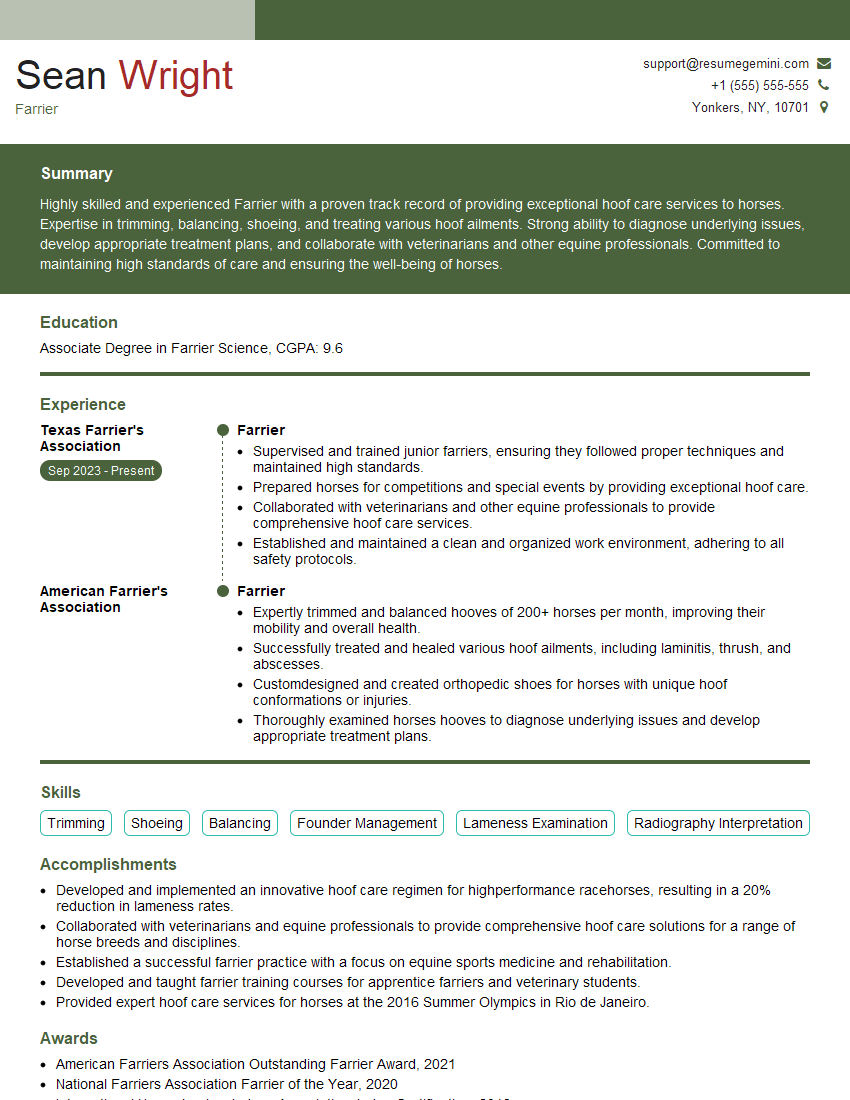
Mastering these key areas will significantly boost your career prospects in the equine industry. A strong understanding of equine welfare, management, and relevant skills demonstrates your commitment and expertise. To maximize your chances, create an ATS-friendly resume that highlights your achievements and skills. ResumeGemini is a trusted resource that can help you build a professional and effective resume tailored to the equine industry. Examples of resumes tailored to various roles within the Passion for the Equine Industry are available to guide you. Invest time in crafting a compelling resume – it’s your first impression and a crucial step in securing your dream job.


Explore more articles
Users Rating of Our Blogs
Share Your Experience
We value your feedback! Please rate our content and share your thoughts (optional).
What Readers Say About Our Blog
Very informative content, great job.
good