Every successful interview starts with knowing what to expect. In this blog, we’ll take you through the top Pathogen Testing interview questions, breaking them down with expert tips to help you deliver impactful answers. Step into your next interview fully prepared and ready to succeed.
Questions Asked in Pathogen Testing Interview
Q 1. Explain the difference between sterilization and disinfection.
Sterilization and disinfection are both processes aimed at reducing or eliminating microorganisms, but they differ significantly in their scope and outcome. Sterilization is the complete elimination or destruction of all forms of microbial life, including bacteria, viruses, fungi, and spores. Think of it as achieving absolute cleanliness on a microbial level. Disinfection, on the other hand, reduces the number of viable microorganisms to a level considered safe for a particular purpose. It doesn’t necessarily kill all microorganisms, especially resistant spores. For example, sterilizing surgical instruments requires complete elimination of all microbes to prevent infection, whereas disinfecting a kitchen counter aims to reduce harmful bacteria to a safe level.
Analogy: Imagine cleaning your home. Sterilization is like a deep clean where you remove *everything*, including dust mites and other microscopic organisms. Disinfection is like wiping down surfaces to eliminate most germs, leaving the house generally clean but not perfectly sterile.
Q 2. Describe various methods for pathogen detection (e.g., PCR, ELISA, culture).
Pathogen detection employs a variety of methods, each with its strengths and weaknesses. Culture-based methods involve growing microorganisms on specific growth media. This allows for visual identification and isolation of pathogens, providing valuable information about their characteristics. Polymerase Chain Reaction (PCR) is a molecular technique that amplifies specific DNA sequences, enabling highly sensitive and specific detection even with minute amounts of pathogen DNA. Enzyme-Linked Immunosorbent Assay (ELISA) is an immunological method that detects the presence of specific antibodies or antigens. It’s widely used for rapid detection of various pathogens and is particularly useful for detecting viral infections.
In a real-world scenario, culturing might be used to identify bacteria in a food sample, PCR to detect a specific virus in a patient’s blood, and ELISA to screen for antibodies indicating past exposure to a pathogen.
Q 3. What are the limitations of each method?
Each method has limitations. Culture-based methods can be time-consuming, requiring several days to weeks for results, and may fail to detect non-culturable organisms or slow-growing pathogens. PCR, while sensitive, can be prone to false positives due to contamination or non-specific amplification, and it doesn’t provide information about the viability of the detected pathogen. ELISA can have lower sensitivity compared to PCR, and the results can be affected by the quality of antibodies used and the presence of interfering substances in the sample.
For example, a fastidious bacteria that needs a very specific growth medium may not grow well in a standard culture, leading to a false negative. Similarly, PCR can produce a false positive if there is contamination of the sample with DNA from a related species.
Q 4. How do you ensure the quality control of pathogen testing results?
Quality control in pathogen testing is crucial to ensure accurate and reliable results. This involves several steps: using positive and negative controls in every test run to validate the assay’s performance, regularly calibrating and maintaining equipment, employing rigorous sample handling procedures to prevent contamination, ensuring proper training and competency of personnel, and participating in proficiency testing programs to compare results with other labs. Documentation of all steps is essential to maintain a detailed audit trail.
A positive control confirms the test works correctly, while a negative control ensures there is no contamination. If either control fails, the entire batch of tests needs to be repeated.
Q 5. What are the common pathogens found in food and water?
Common food and waterborne pathogens include Salmonella spp., E. coli (particularly pathogenic strains like O157:H7), Listeria monocytogenes, Campylobacter spp., Staphylococcus aureus, Norovirus, and Rotavirus. The specific pathogens present can vary depending on the source, handling, and storage of food and water. For example, Listeria is often associated with ready-to-eat foods, while Salmonella can be found in poultry and eggs. Contaminated water can harbor various bacterial and viral pathogens depending on the source and level of treatment.
Q 6. Explain the principles of bacterial identification using biochemical tests.
Bacterial identification using biochemical tests relies on the principle that different bacteria possess unique metabolic characteristics. These tests assess the bacteria’s ability to utilize specific substrates, produce certain enzymes, or react to various chemical reagents. The patterns of reactions observed are then compared to known profiles in databases to identify the bacterium. Examples include tests like the catalase test (detecting catalase enzyme), oxidase test (detecting cytochrome c oxidase), fermentation tests (assessing sugar fermentation), and indole test (detecting tryptophanase enzyme). These tests, often performed in a battery, provide a biochemical fingerprint for the organism.
For example, a positive catalase test indicates the presence of the catalase enzyme, which breaks down hydrogen peroxide. This is a useful distinguishing characteristic between Staphylococcus (catalase-positive) and Streptococcus (catalase-negative) species.
Q 7. Describe your experience with different types of media used in pathogen cultivation.
My experience encompasses a wide range of culture media, each tailored for specific purposes. I’ve extensively used nutrient agar, a general-purpose medium supporting the growth of many bacteria; blood agar, enriched with blood to support fastidious organisms; MacConkey agar, a selective and differential medium used for identifying Gram-negative enteric bacteria; and Sabouraud dextrose agar, specifically designed for fungal cultivation. I’ve also worked with specialized media, such as selective media containing antibiotics to inhibit the growth of certain bacteria while allowing others to grow, and differential media that visually distinguish different bacterial species based on their metabolic characteristics. The choice of media depends heavily on the suspected pathogen and the purpose of the investigation. For example, selecting the right media is essential for isolating and identifying a specific bacterial pathogen from a clinical sample.
Q 8. How do you interpret and report microbiological test results?
Interpreting microbiological test results involves a systematic approach that combines understanding the methodology, evaluating the data, and considering contextual factors. It’s not simply about reading a positive or negative result; it’s about assessing the significance of that result within the broader context of the sample and the potential implications.
For example, a positive result for E. coli in a water sample might indicate fecal contamination, requiring further investigation into the source and potential public health risks. The level of contamination (e.g., colony-forming units or CFU/ml) is crucial. A high CFU count indicates a severe contamination event, requiring immediate action, while a low count might be within acceptable limits depending on regulatory standards and the intended use of the water.
Reporting typically follows established guidelines and templates. It includes details such as the sample identification, the test method used, the results obtained (quantitative or qualitative), and an interpretation of the findings in clear, concise language. It also usually includes the date and time of testing, the name and credentials of the personnel who performed and interpreted the test, and quality control information.
- Qualitative Results: Positive/Negative, presence/absence of a specific pathogen.
- Quantitative Results: Numerical values (e.g., CFU/ml, ng/ml) indicating the concentration of the pathogen.
In cases of ambiguous results, further testing, such as confirmation tests or additional analyses, may be necessary. Quality control measures throughout the testing process ensure the reliability and validity of the results. Proper documentation of each step is paramount for maintaining the integrity and traceability of the testing process.
Q 9. What safety precautions are essential when handling pathogens?
Safety precautions when handling pathogens are paramount to protect lab personnel and the environment. These precautions fall under the broad umbrella of biosafety, and the specific level of precaution depends on the pathogen’s risk group (e.g., BSL-1 to BSL-4). A BSL-4 lab is for the most dangerous pathogens.
- Personal Protective Equipment (PPE): This includes gloves, lab coats, eye protection, and respirators as appropriate. The specific type of PPE depends on the pathogen and the procedure being performed.
- Biological Safety Cabinets (BSCs): These cabinets provide a contained environment for handling infectious materials, protecting both the user and the environment. Different classes of BSCs exist to accommodate varying levels of risk.
- Sterile Techniques: Aseptic techniques are critical to prevent contamination. This includes using sterile equipment, working in a designated sterile area, and properly disposing of contaminated materials.
- Waste Disposal: Infectious waste must be properly decontaminated and disposed of according to local and national regulations to prevent accidental exposure or environmental contamination.
- Training and Competency: Personnel must receive adequate training on safe handling procedures and the specific risks associated with the pathogens they are working with.
For example, when working with highly infectious pathogens like Mycobacterium tuberculosis, a BSL-3 lab is necessary with stringent PPE protocols, including respirators and negative-pressure environments to prevent airborne transmission. Regular training and competency assessments are also essential.
Q 10. What is the role of PCR in pathogen detection and quantification?
Polymerase Chain Reaction (PCR) is a powerful molecular biology technique used to detect and quantify pathogens by amplifying specific DNA or RNA sequences. It’s exceptionally sensitive, allowing the detection of even minute amounts of pathogen genetic material in a sample.
In pathogen detection, PCR targets specific genes unique to the pathogen. If the target sequence is present, PCR amplifies it, producing millions of copies that can be easily detected. A positive result indicates the presence of the pathogen. The absence of amplification suggests the pathogen is not present, although it’s important to consider the limitations of the test, such as the potential for false negatives.
PCR can also be used for quantification by employing quantitative PCR (qPCR), which measures the amount of amplified product in real-time. This allows for the determination of the initial concentration of the pathogen in the sample, expressed as copies per milliliter or similar units. This is critical for assessing the severity of infection or contamination.
For instance, qPCR is used extensively in monitoring viral load in patients with HIV or Hepatitis C, guiding treatment decisions and tracking disease progression. In food safety, qPCR can detect low levels of pathogenic bacteria, even before they reach a concentration that would cause illness.
Q 11. Explain the concept of Limit of Detection (LOD) and Limit of Quantification (LOQ).
The Limit of Detection (LOD) and Limit of Quantification (LOQ) are crucial parameters in analytical testing, including pathogen detection, defining the assay’s sensitivity and reliability.
The LOD is the lowest concentration of analyte (pathogen in our case) that can be reliably detected by a given method. It’s the point where the signal from the analyte is significantly different from background noise. A result below the LOD is considered negative or not detectable, but it does not necessarily mean the analyte is absent—it simply means the method cannot detect it reliably.
The LOQ is the lowest concentration of analyte that can be reliably quantified with acceptable accuracy and precision. It’s usually higher than the LOD. Results below the LOQ can be reported as detected, but the quantitative value is unreliable. The LOQ ensures that measurements are not only detected but also accurately measured. Concentrations below the LOQ are often reported as ‘ Think of it like this: The LOD is like seeing a faint star in the night sky—you know it’s there, but you can’t determine its size or distance precisely. The LOQ is like seeing a bright planet—you can clearly see it and measure its size and position with accuracy.
Q 12. How do you handle a contamination event in the laboratory?
Handling a contamination event in a microbiology lab is a serious matter that requires prompt action to prevent further spread and ensure the validity of future results. The steps involved are:
- Identify the contamination source: This involves meticulous investigation to determine the source, be it a reagent, equipment, or personnel. This often requires review of lab logs, testing of reagents, and assessment of work practices.
- Isolate the contaminated area: Immediately quarantine any suspected contaminated areas, equipment, or materials to prevent further spread. This might involve closing off specific sections of the lab.
- Decontaminate affected areas: Use appropriate disinfectants or sterilization methods to thoroughly clean and decontaminate the affected areas. This may require specialized decontamination procedures depending on the nature of the contaminant.
- Dispose of contaminated materials properly: Follow established protocols for the disposal of contaminated materials, ensuring they are handled and disposed of safely.
- Investigate the cause of contamination: A root cause analysis is essential to determine the source of contamination and implement corrective measures to prevent recurrence. This might involve reviewing standard operating procedures, improving training, or upgrading equipment.
- Retest samples and controls: All affected samples and controls must be retested to ensure the validity of the results.
- Document the event: Thorough documentation of the event, including the source of contamination, steps taken to address it, and the corrective actions implemented, is vital for future reference and quality control.
This systematic approach minimizes the impact of the contamination and ensures the continued reliability of the laboratory’s work. Proper record-keeping is crucial for traceability and regulatory compliance.
Q 13. Describe your experience with automated pathogen testing systems.
My experience with automated pathogen testing systems spans several years, encompassing both routine diagnostic testing and research applications. I’ve worked with various automated platforms, including those utilizing ELISA (enzyme-linked immunosorbent assay), flow cytometry, and automated microbial identification systems.
These systems offer several advantages over manual methods. They increase throughput, reduce human error, provide standardized results, and often offer built-in quality control features. For example, in a high-volume clinical microbiology lab, an automated system for blood culture identification significantly speeds up the process, allowing for earlier diagnosis and treatment.
However, automated systems also have limitations. They require careful calibration and maintenance, may be costly to acquire and operate, and may not be suitable for all types of testing. It’s crucial to have trained personnel to operate and maintain these systems, as well as to interpret the results within the context of the limitations of the technology. Manual review and validation are often still required to ensure accuracy and quality.
I am proficient in the troubleshooting and maintenance of these systems, ensuring optimal performance and reliability. My experience covers a wide range of platforms, enabling me to adapt to new technologies quickly and effectively.
Q 14. What are the regulatory requirements for pathogen testing in your field?
Regulatory requirements for pathogen testing vary depending on the specific field, the type of pathogen, and the geographical location. However, several overarching principles and guidelines apply.
- Good Laboratory Practices (GLP): These guidelines ensure the quality and integrity of non-clinical laboratory studies, including pathogen testing. GLP covers aspects such as personnel training, equipment calibration, documentation, and quality control procedures.
- Quality Control (QC) and Quality Assurance (QA): Robust QC and QA programs are vital to ensure the reliability and accuracy of test results. This includes using appropriate positive and negative controls, proficiency testing, and regular review of testing procedures.
- Clinical Laboratory Improvement Amendments (CLIA) (USA): CLIA regulations in the United States govern the quality of clinical laboratory testing. These regulations specify requirements for personnel qualifications, laboratory procedures, and quality control measures.
- ISO 15189 (International Organization for Standardization): This standard specifies the requirements for quality and competence in medical laboratories. It is widely adopted globally and promotes consistent quality across clinical testing facilities.
- National and Regional Regulations: Specific regulations might apply at national or regional levels, governing issues such as the testing of food, water, and environmental samples. These regulations often establish acceptable limits for pathogen contamination.
Compliance with these regulations is crucial not only to ensure the quality and reliability of testing results but also to maintain the legal and ethical standards of the laboratory. Failure to comply with these regulations can lead to significant penalties.
Q 15. Explain the importance of proper sample collection and handling in pathogen testing.
Proper sample collection and handling are paramount in pathogen testing because the accuracy and reliability of the results directly depend on the integrity of the sample. Imagine trying to bake a cake with spoiled ingredients – the final product will be compromised. Similarly, a contaminated or improperly handled sample can lead to false-positive or false-negative results, potentially causing misdiagnosis, inappropriate treatment, and even outbreaks.
Aseptic Techniques: Strict adherence to aseptic techniques – methods to prevent contamination – is crucial throughout the entire process, from sample collection to transportation and processing. This involves using sterile equipment, gloves, and appropriate disinfection procedures.
Appropriate Sample Type: Selecting the correct sample type (e.g., blood, urine, stool, tissue) is essential. The choice depends on the suspected pathogen and the site of infection. An incorrect sample type may yield inconclusive or misleading results.
Proper Transportation and Storage: Samples must be transported to the laboratory promptly and stored at the appropriate temperature to prevent the growth or death of the target pathogen. Some pathogens are highly sensitive to temperature changes and require immediate processing or specialized transportation systems (e.g., ice packs, refrigerated containers).
Chain of Custody: Maintaining a detailed chain of custody, a documented trail of who handled the sample and when, is vital for legal and quality assurance purposes. This prevents any ambiguity or dispute regarding the sample’s integrity and origin.
For instance, in a suspected foodborne illness outbreak investigation, improper sample handling could lead to the inability to isolate the causative agent, delaying intervention and potentially prolonging the outbreak. Precise procedures are vital to ensuring accurate and reliable results that inform critical public health decisions.
Career Expert Tips:
- Ace those interviews! Prepare effectively by reviewing the Top 50 Most Common Interview Questions on ResumeGemini.
- Navigate your job search with confidence! Explore a wide range of Career Tips on ResumeGemini. Learn about common challenges and recommendations to overcome them.
- Craft the perfect resume! Master the Art of Resume Writing with ResumeGemini’s guide. Showcase your unique qualifications and achievements effectively.
- Don’t miss out on holiday savings! Build your dream resume with ResumeGemini’s ATS optimized templates.
Q 16. What is your experience with validation and verification of microbiological methods?
Validation and verification are integral parts of ensuring the reliability and accuracy of any microbiological method. Validation establishes that a method consistently produces accurate and reliable results, while verification confirms that a validated method continues to perform as expected over time. I have extensive experience in both.
Validation: This involves a rigorous process of evaluating the method’s precision, accuracy, specificity, and sensitivity. For example, I’ve participated in the validation of several PCR assays, which required demonstrating the method’s ability to detect specific pathogens at various concentrations and under different experimental conditions. This includes determining the assay’s limit of detection (LOD) and limit of quantification (LOQ).
Verification: This is an ongoing process that involves regularly checking the performance of validated methods. This includes performing quality control (QC) checks, such as using positive and negative controls with each test run, and participating in proficiency testing programs to compare results with other labs. Regular recalibration and maintenance of equipment are also critical aspects of verification.
One particularly challenging validation project involved developing a novel method for detecting a newly emerged pathogen. We had to establish the method’s performance characteristics from scratch, which required meticulous attention to detail and a robust experimental design. Successful validation involved extensive testing, statistical analysis, and thorough documentation, culminating in a method that was highly accurate and reproducible.
Q 17. How do you interpret and troubleshoot unexpected results in pathogen testing?
Unexpected results in pathogen testing demand a systematic approach to troubleshooting. The first step is to carefully review all aspects of the testing process, from sample collection and processing to the performance of the assay.
Review Sample Handling: Confirm the sample was properly collected, transported, and stored. Was there any delay? Were appropriate preservation techniques used? A compromised sample can easily lead to unexpected results.
Assess Assay Performance: Check for potential issues with reagents, equipment, or the assay itself. Were controls used? Did they behave as expected? Were there any issues with the instrumentation or calibration? A malfunctioning instrument or degraded reagents can lead to inaccurate results.
Repeat the Test: Repeat the test using a fresh aliquot of the original sample. If possible, test with an alternate method to validate the findings. If inconsistencies persist, investigate further.
Consider External Factors: Could there be interference from other substances in the sample? Certain compounds can inhibit the detection process, leading to false negatives. This can happen in assays with high specificity.
Consult with Experts: If the problem persists, consult with other experienced microbiologists or laboratory personnel. A second pair of eyes can often identify subtle errors that might be easily missed.
For example, a false-negative result in a PCR assay could be due to the presence of PCR inhibitors in the sample, an inadequate DNA extraction process, or insufficient amplification. Through methodical investigation of these potential issues, we can pinpoint the reason for the unexpected results and ensure their accuracy.
Q 18. Describe your experience with different types of antimicrobial susceptibility testing.
Antimicrobial susceptibility testing (AST) determines the susceptibility of a bacterial isolate to various antimicrobial agents. This is crucial for guiding treatment decisions and preventing antimicrobial resistance. My experience encompasses several techniques:
Broth Dilution Methods: These involve diluting antimicrobial agents in liquid broth and inoculating them with the bacterial isolate. Minimum inhibitory concentration (MIC) is determined by the lowest concentration of the agent that inhibits visible bacterial growth. This is a gold-standard method, though it is labour intensive.
Agar Dilution Methods: Similar to broth dilution, but the antimicrobial is incorporated into the agar before inoculation. It’s less labor-intensive but requires specialized media.
Disk Diffusion Method (Kirby-Bauer): This is a simpler, more widely used method. Antibiotic disks containing varying concentrations are placed onto agar plates inoculated with bacteria. The zones of inhibition around the disks indicate susceptibility.
Automated Systems: Automated systems provide faster and more standardized results, reducing human error and improving efficiency. These systems often utilize various technologies, such as fluorescence or turbidity detection.
I’ve used all of these methods extensively, adapting the choice of technique based on the specific organism, the available resources, and the urgency of the situation. For instance, the Kirby-Bauer method is frequently used for routine screening, while broth dilution is preferred for more precise MIC determination when dealing with critical infections.
Q 19. What is your understanding of standard operating procedures (SOPs) in a microbiology lab?
Standard Operating Procedures (SOPs) are documented, step-by-step instructions for performing specific tasks within a microbiology laboratory. They ensure consistency, reproducibility, and quality control across all tests and procedures. SOPs are the backbone of a well-functioning lab, ensuring that everyone follows the same standardized methods, regardless of experience or individual preferences. They are designed to minimize errors and maximize the reliability of the results.
Detailed Instructions: SOPs provide comprehensive instructions for each procedure, including equipment setup, reagent preparation, sample handling, data analysis, and quality control measures.
Safety Protocols: They incorporate safety protocols for handling potentially hazardous materials and equipment, thereby minimizing the risks to laboratory personnel.
Quality Control Measures: SOPs detail the quality control checks that should be performed to ensure accuracy and reliability of the test results. This includes using positive and negative controls, verifying equipment calibration, and monitoring reagent stability.
Record Keeping: SOPs outline requirements for proper record keeping, including sample tracking, data entry, and result reporting, ensuring accurate and auditable records.
Without well-defined SOPs, a microbiology laboratory would be chaotic and unreliable. Imagine a kitchen where each chef follows their own recipe – the consistency and quality of the food would be questionable at best. SOPs maintain standardized workflows, ensuring uniformity and reliability.
Q 20. How do you maintain accurate records and documentation in a microbiology lab?
Maintaining accurate records and documentation is essential in a microbiology lab for several reasons, including quality control, legal compliance, and research purposes. Accurate records provide traceability for all samples and tests, allowing for verification of results and identification of potential errors. My approach involves a multi-pronged strategy:
Laboratory Information Management System (LIMS): We utilize a LIMS to manage all aspects of sample tracking, test results, and data analysis. This system ensures data integrity and facilitates easy retrieval of information.
Electronic Documentation: All lab notebooks, procedures, and results are electronically documented and stored securely. Electronic systems provide easier access to data and allow for better version control and auditing.
Unique Sample Identifiers: Each sample is assigned a unique identifier, maintaining traceability throughout the entire testing process, from collection to disposal.
Regular Audits: Regular audits are performed to ensure accuracy and compliance with regulations. These audits verify that all documentation is complete, accurate, and consistent with established SOPs.
Data Backup and Security: Regular backups of all electronic data are performed to prevent data loss. Secure access controls are in place to protect confidential patient information.
In one instance, meticulous record-keeping helped us identify a batch of contaminated reagents early on, preventing potential misdiagnosis and further issues. Without careful record-keeping and adherence to SOPs, tracing the source of the contamination would have been substantially more difficult, highlighting the importance of accurate documentation.
Q 21. Explain the principles of ELISA and its applications in pathogen detection.
Enzyme-Linked Immunosorbent Assay (ELISA) is a powerful and versatile technique used for detecting and quantifying substances, such as antigens or antibodies, in a sample. It relies on the specific binding of an antibody to its target antigen.
Principles: An antigen or antibody is immobilized on a solid surface (e.g., a microplate well). Then, a detection antibody conjugated to an enzyme is added. After washing away unbound material, a substrate is introduced which reacts with the enzyme, producing a measurable signal (colorimetric, fluorometric, or chemiluminescent). The signal intensity is directly proportional to the amount of target substance present.
Applications in Pathogen Detection: ELISA finds extensive use in pathogen detection by targeting specific pathogen antigens or antibodies in patient samples. For example:
Direct ELISA: Detects pathogen antigens directly in a sample (e.g., detecting viral antigens in a blood sample).
Indirect ELISA: Detects antibodies against the pathogen in a patient’s serum, indicating prior exposure or infection.
Sandwich ELISA: Uses two antibodies to capture and detect the pathogen antigen, increasing the sensitivity and specificity of the assay.
ELISA is relatively simple to perform, cost-effective, and can be adapted to detect a wide range of pathogens. However, it’s important to note that the sensitivity and specificity of an ELISA depend heavily on the quality of the antibodies used and the optimization of the assay conditions. For instance, in diagnosing infectious diseases, ELISA can provide a quick and relatively inexpensive screening tool, though further confirmatory tests might be needed in some cases.
Q 22. Describe your experience with different types of microscopy used in microbiology.
Microscopy is a cornerstone of pathogen identification in microbiology. I have extensive experience with various types, each offering unique advantages for different applications.
- Bright-field microscopy: This is the most basic type, providing a clear image of stained specimens. I’ve used it routinely for visualizing bacterial morphology, size, and arrangement, for example, distinguishing between cocci (spherical) and bacilli (rod-shaped) bacteria. A Gram stain, viewed under bright-field microscopy, is crucial for initial bacterial identification.
- Dark-field microscopy: Ideal for visualizing unstained, living specimens, particularly spirochetes like Treponema pallidum (the causative agent of syphilis), which are too thin to be easily seen with bright-field microscopy. The specimen appears bright against a dark background, enhancing contrast.
- Phase-contrast microscopy: This technique allows visualization of unstained, living cells by enhancing the contrast between different parts of the cell. This is invaluable for observing cellular motility and internal structures, without the need for potentially damaging stains. I’ve used it to study the motility of various protozoa.
- Fluorescence microscopy: This technique utilizes fluorescent dyes or antibodies to label specific structures within a cell, enabling the identification of particular pathogens or cellular components. For example, I’ve used fluorescence microscopy with fluorescently labeled antibodies to detect specific bacterial antigens in clinical samples, aiding in rapid identification.
- Electron microscopy (Transmission and Scanning): For higher resolution imaging, electron microscopy is essential. Transmission electron microscopy (TEM) provides detailed images of internal cellular structures, while scanning electron microscopy (SEM) provides high-resolution surface images. I have used TEM to visualize viral particles and SEM to study the surface morphology of fungal spores.
My experience spans across diverse applications, from routine diagnostic testing to more advanced research projects, allowing me to select the optimal microscopy technique based on the specific pathogen and the available resources.
Q 23. How do you assess the risk associated with different pathogens?
Assessing pathogen risk involves a multi-faceted approach, considering several key factors. I utilize a framework that incorporates:
- Infectivity: How easily the pathogen spreads. Highly infectious pathogens, like measles virus, pose a greater risk than those with lower infectivity.
- Pathogenicity: The ability of the pathogen to cause disease. Highly pathogenic organisms like Yersinia pestis (plague) are obviously more dangerous than those with lower pathogenicity.
- Virulence: The severity of the disease caused by the pathogen. For instance, highly virulent strains of E. coli can cause life-threatening hemorrhagic colitis.
- Host susceptibility: The vulnerability of the population to infection. Immunocompromised individuals are at a much higher risk than healthy individuals.
- Environmental factors: The context where the pathogen exists plays a key role. A pathogen in a healthcare setting presents a higher risk than the same pathogen in the environment.
I also leverage risk assessment tools and guidelines from organizations like the CDC and WHO to contextualize the risk. For example, when working with a newly discovered pathogen, I might use a combination of in-vitro and in-vivo studies to assess its risk profile before handling it in the lab.
Q 24. What is your familiarity with various laboratory information management systems (LIMS)?
I’m proficient in several LIMS (Laboratory Information Management Systems), including [mention specific LIMS like LabVantage, Thermo Scientific SampleManager, etc.]. My expertise encompasses all aspects, from sample management and tracking to instrument interfacing, data analysis, and reporting.
I understand the importance of data integrity and traceability within a regulated environment. I’m capable of designing and implementing LIMS workflows, ensuring compliance with regulatory standards (e.g., 21 CFR Part 11). For example, I’ve been involved in projects where we integrated the LIMS with automated liquid handling systems, reducing manual intervention and minimizing errors in high-throughput testing. This improved efficiency and significantly reduced human error in data entry, making it easier to trace any issues back to their origin.
Q 25. Describe your problem-solving approach when faced with unusual test results.
Unusual test results demand a systematic and methodical approach. My strategy involves:
- Verification: First, I meticulously re-check the entire testing process – from sample collection and handling to the assay itself. This includes reviewing the instrument calibration logs, reagent quality control data, and technician notes.
- Repeat testing: If possible, I repeat the test using a fresh sample and a different batch of reagents. This helps rule out random errors or reagent issues.
- Alternative methods: I explore the possibility of using an alternative testing method to confirm the initial result. If the initial test was an ELISA, for example, I might employ PCR to obtain an independent confirmation.
- Investigate pre-analytical factors: I would investigate any potential pre-analytical variables that might have affected the test result. For example, was the sample collected, processed, or stored correctly? Any deviation from the standard procedures needs to be identified and analysed
- Consult colleagues: If the issue persists, I consult with experienced colleagues, particularly those with expertise in the specific pathogen or testing method. This collaborative approach often provides fresh perspectives and insights.
- Document thoroughly: Every step of the troubleshooting process is meticulously documented, including the initial observations, the steps taken, and the conclusions drawn. This is crucial for maintaining data integrity and transparency.
One time, we had inconsistent results with a particular bacterial identification test. After rigorous troubleshooting, we discovered a minor issue with the temperature control of the incubator. This small detail had a significant impact on the test’s reliability, highlighting the importance of attention to detail throughout the testing process.
Q 26. How do you stay current with advancements in pathogen testing technologies?
Staying updated in this rapidly evolving field is crucial. I utilize several strategies:
- Professional journals and publications: I regularly read peer-reviewed journals like the Journal of Clinical Microbiology and Applied and Environmental Microbiology to keep abreast of the latest research and technological advancements.
- Conferences and workshops: Attending conferences and workshops allows me to network with other professionals, learn about new technologies firsthand, and participate in discussions about current challenges.
- Online resources: I actively utilize reputable online resources such as the CDC website, WHO guidelines, and various professional organizations’ websites to access the latest information and guidelines.
- Continuing education: I actively participate in continuing education courses and webinars to maintain my professional license and stay up-to-date on the latest techniques and regulations.
- Industry newsletters: Subscribing to industry-specific newsletters allows me to receive updates on the newest technologies, products, and regulatory changes.
Continual learning is essential for maintaining the high standards required in pathogen testing. It ensures that I can always offer the best and most accurate results.
Q 27. What are the ethical considerations related to pathogen testing and reporting?
Ethical considerations are paramount in pathogen testing and reporting. My practice adheres strictly to principles of:
- Confidentiality: Patient information is treated with utmost confidentiality, complying with HIPAA (in the US) or equivalent regulations in other jurisdictions. Results are only released to authorized individuals and institutions.
- Accuracy and reliability: I am committed to ensuring the accuracy and reliability of test results. Any limitations of the tests used are clearly communicated. Any potential sources of error are meticulously documented.
- Transparency and informed consent: Patients are informed about the purpose of the testing, the potential risks and benefits, and how the results will be used. Consent is obtained before initiating the testing process.
- Responsible use of technology: New technologies are employed responsibly and ethically, with a focus on minimizing risks and maximizing benefits.
- Data security and integrity: Data security and integrity are paramount, ensuring that results are protected from unauthorized access and manipulation.
- Conflict of interest management: Any potential conflicts of interest are declared and managed appropriately to maintain impartiality and objectivity.
In situations involving potential public health risks, ethical obligations extend to promptly reporting findings to relevant authorities, balancing individual privacy with the need to protect public health. This often necessitates careful consideration and adherence to established protocols and guidelines.
Q 28. Explain your experience working in a regulated environment (e.g., GLP, GMP)
I possess extensive experience working in regulated environments, specifically adhering to Good Laboratory Practices (GLP) and Good Manufacturing Practices (GMP) guidelines.
In my previous role at [mention previous employer], we conducted pathogen testing under strict GLP guidelines for environmental monitoring and safety assessment. This involved meticulous documentation of all procedures, maintaining detailed records of reagents, equipment calibration, and quality control measures. We consistently adhered to SOPs (Standard Operating Procedures), ensuring traceability and reproducibility of our results.
My experience also includes working with GMP-compliant manufacturing processes for diagnostic kits and reagents. This demanded adherence to stringent quality control protocols, ensuring the reliability and safety of our products. We meticulously tracked all aspects of production, from raw material sourcing to final product release, maintaining comprehensive batch records and complying with regulatory requirements for documentation and product labeling. My commitment to these standards ensures the quality and reliability of our work and products.
Key Topics to Learn for Pathogen Testing Interview
- Microbial Identification Techniques: Understanding various methods like microscopy, culture techniques, biochemical tests, and molecular methods (PCR, sequencing) for identifying pathogens. Consider the advantages and limitations of each.
- Sample Collection and Handling: Mastering proper aseptic techniques, understanding the importance of sample integrity, and knowing the best practices for transporting and storing samples to prevent contamination and degradation.
- Quality Control and Assurance in Pathogen Testing: Familiarize yourself with regulatory guidelines (e.g., CLIA, CAP), proficiency testing, internal quality control measures, and the importance of accurate and reliable results.
- Interpretation of Results and Reporting: Understand how to interpret laboratory data, identify potential sources of error, and communicate findings effectively in a clear and concise report. Consider the implications of false positives and false negatives.
- Specific Pathogen Assays: Develop a strong understanding of assays for relevant pathogens in your target field (e.g., ELISA, immunoassays, antimicrobial susceptibility testing). Be prepared to discuss their principles and applications.
- Emerging Technologies in Pathogen Detection: Stay updated on advancements like next-generation sequencing (NGS), mass spectrometry, and microfluidic devices, and their impact on pathogen testing.
- Problem-Solving and Troubleshooting: Be ready to discuss scenarios where test results are unexpected or inconclusive. How would you approach troubleshooting, and what steps would you take to ensure the accuracy of your findings?
- Safety and Biosafety Practices: Demonstrate a strong understanding of biosafety levels, personal protective equipment (PPE), and safe handling of potentially infectious materials.
Next Steps
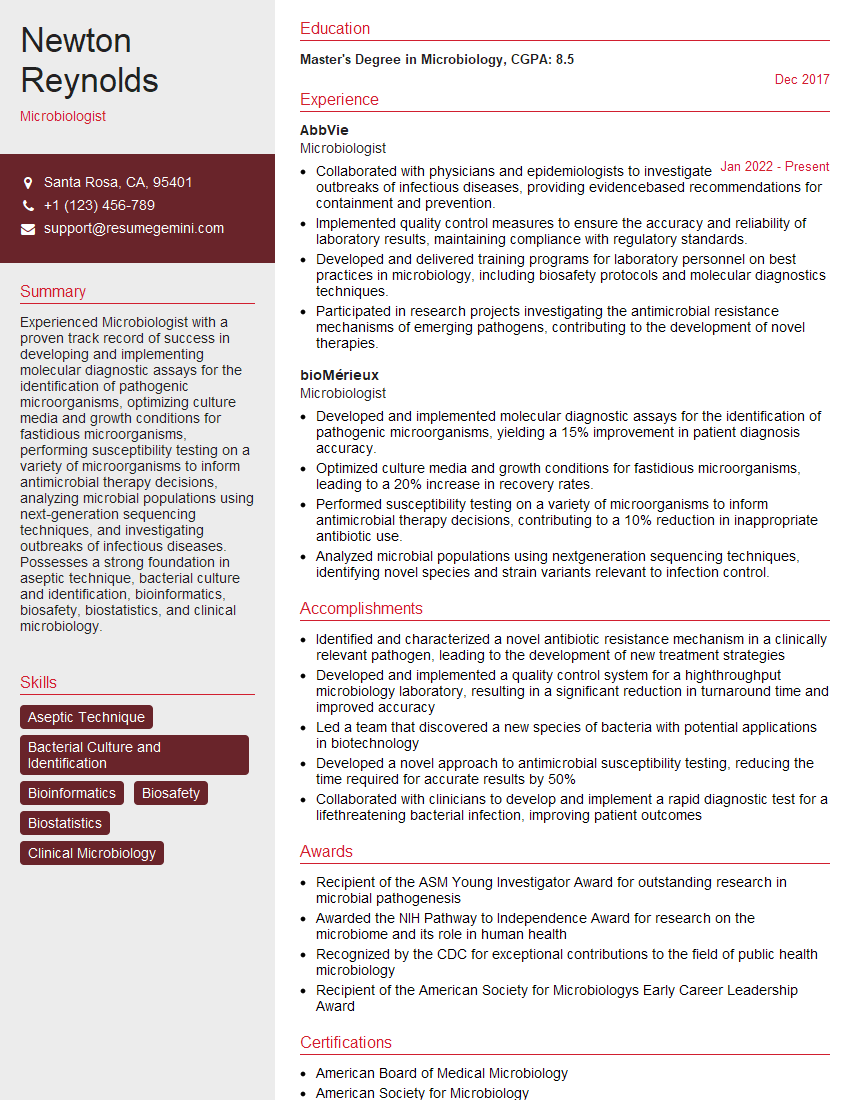
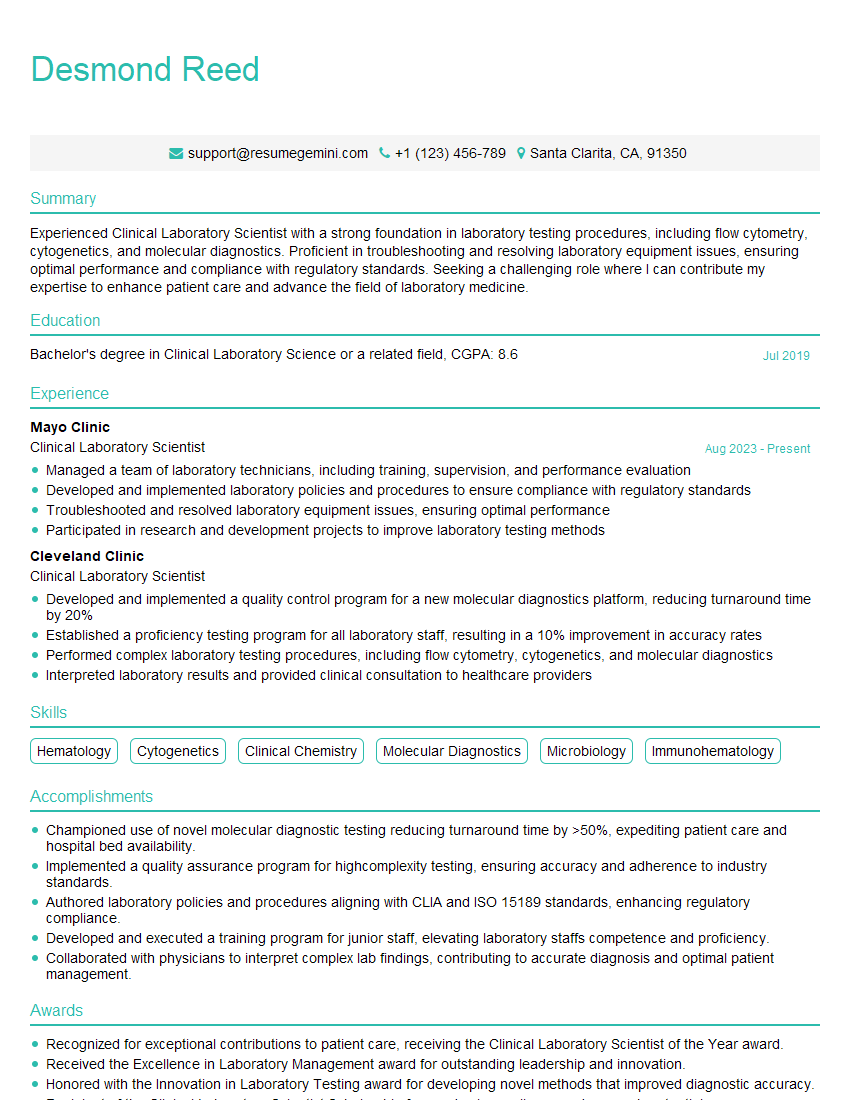
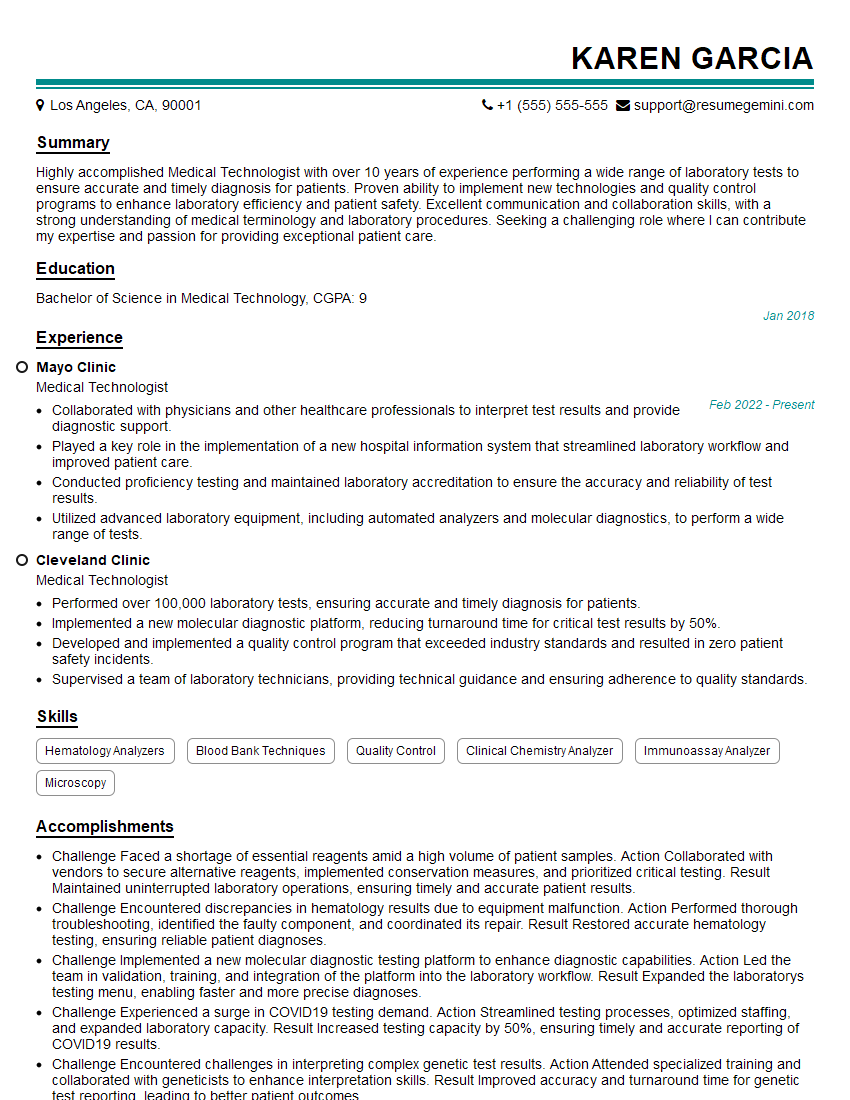
Mastering pathogen testing methodologies opens doors to exciting career opportunities in clinical diagnostics, public health, research, and the pharmaceutical industry. To significantly boost your job prospects, it’s crucial to have a compelling and ATS-friendly resume that highlights your skills and experience effectively. ResumeGemini is a trusted resource for building professional resumes, and we highly recommend leveraging its tools to create a document that showcases your qualifications in the best possible light. Examples of resumes tailored specifically to pathogen testing roles are available to help guide your resume creation. Investing time in crafting a strong resume is a critical step in securing your dream job.

Explore more articles
Users Rating of Our Blogs
Share Your Experience
We value your feedback! Please rate our content and share your thoughts (optional).
What Readers Say About Our Blog
Hello,
we currently offer a complimentary backlink and URL indexing test for search engine optimization professionals.
You can get complimentary indexing credits to test how link discovery works in practice.
No credit card is required and there is no recurring fee.
You can find details here:
https://wikipedia-backlinks.com/indexing/
Regards
NICE RESPONSE TO Q & A
hi
The aim of this message is regarding an unclaimed deposit of a deceased nationale that bears the same name as you. You are not relate to him as there are millions of people answering the names across around the world. But i will use my position to influence the release of the deposit to you for our mutual benefit.
Respond for full details and how to claim the deposit. This is 100% risk free. Send hello to my email id: [email protected]
Luka Chachibaialuka
Hey interviewgemini.com, just wanted to follow up on my last email.
We just launched Call the Monster, an parenting app that lets you summon friendly ‘monsters’ kids actually listen to.
We’re also running a giveaway for everyone who downloads the app. Since it’s brand new, there aren’t many users yet, which means you’ve got a much better chance of winning some great prizes.
You can check it out here: https://bit.ly/callamonsterapp
Or follow us on Instagram: https://www.instagram.com/callamonsterapp
Thanks,
Ryan
CEO – Call the Monster App
Hey interviewgemini.com, I saw your website and love your approach.
I just want this to look like spam email, but want to share something important to you. We just launched Call the Monster, a parenting app that lets you summon friendly ‘monsters’ kids actually listen to.
Parents are loving it for calming chaos before bedtime. Thought you might want to try it: https://bit.ly/callamonsterapp or just follow our fun monster lore on Instagram: https://www.instagram.com/callamonsterapp
Thanks,
Ryan
CEO – Call A Monster APP
To the interviewgemini.com Owner.
Dear interviewgemini.com Webmaster!
Hi interviewgemini.com Webmaster!
Dear interviewgemini.com Webmaster!
excellent
Hello,
We found issues with your domain’s email setup that may be sending your messages to spam or blocking them completely. InboxShield Mini shows you how to fix it in minutes — no tech skills required.
Scan your domain now for details: https://inboxshield-mini.com/
— Adam @ InboxShield Mini
Reply STOP to unsubscribe
Hi, are you owner of interviewgemini.com? What if I told you I could help you find extra time in your schedule, reconnect with leads you didn’t even realize you missed, and bring in more “I want to work with you” conversations, without increasing your ad spend or hiring a full-time employee?
All with a flexible, budget-friendly service that could easily pay for itself. Sounds good?
Would it be nice to jump on a quick 10-minute call so I can show you exactly how we make this work?
Best,
Hapei
Marketing Director
Hey, I know you’re the owner of interviewgemini.com. I’ll be quick.
Fundraising for your business is tough and time-consuming. We make it easier by guaranteeing two private investor meetings each month, for six months. No demos, no pitch events – just direct introductions to active investors matched to your startup.
If youR17;re raising, this could help you build real momentum. Want me to send more info?
Hi, I represent an SEO company that specialises in getting you AI citations and higher rankings on Google. I’d like to offer you a 100% free SEO audit for your website. Would you be interested?
Hi, I represent an SEO company that specialises in getting you AI citations and higher rankings on Google. I’d like to offer you a 100% free SEO audit for your website. Would you be interested?
good