Preparation is the key to success in any interview. In this post, we’ll explore crucial Experience with proofing and quality control interview questions and equip you with strategies to craft impactful answers. Whether you’re a beginner or a pro, these tips will elevate your preparation.
Questions Asked in Experience with proofing and quality control Interview
Q 1. Describe your experience with various proofreading styles (e.g., Chicago, APA).
My experience encompasses a wide range of proofreading styles, including Chicago, APA, MLA, and various house styles. Understanding these styles goes beyond simply knowing the formatting rules; it’s about grasping the underlying principles of consistency and clarity each style promotes. For instance, Chicago style prioritizes readability with its author-date citation system, whereas APA emphasizes precision and scholarly rigor in its approach. I’ve adapted my approach to each, ensuring not only correct formatting but also maintaining the intended tone and voice of the document. This adaptability is crucial, as different styles cater to different audiences and publication types. I’ve worked on everything from academic papers and journal articles requiring strict adherence to APA or MLA guidelines to marketing materials and corporate reports following specific house styles, demonstrating my proficiency in navigating diverse stylistic needs.
For example, in one project involving an academic journal, the authors were using an inconsistent citation style. I meticulously revised the manuscript, applying the journal’s specific APA style guidelines to ensure accuracy and conformity with the publication’s standards. This detail-oriented approach ensured that the article was published without any stylistic issues.
Q 2. How do you identify and correct grammatical errors?
Identifying and correcting grammatical errors is a multi-step process that involves more than just spell-checking. It requires a deep understanding of grammar rules, including subject-verb agreement, tense consistency, pronoun usage, punctuation, and sentence structure. My approach involves a combination of careful reading, active attention to detail, and the use of grammar-checking tools. I first read the document for overall flow and comprehension, flagging potential issues. Then, I perform a more meticulous review, focusing on individual sentences and phrases. Grammar checkers like Grammarly are helpful in highlighting potential errors, but I always cross-reference their suggestions with established grammar rules to ensure accuracy. It’s important to understand the *why* behind a grammatical error – not just the *what* – to effectively correct it and prevent similar mistakes in the future.
For example, a common error I often encounter is subject-verb disagreement. A sentence like ‘The group of students are going on a field trip’ is grammatically incorrect because ‘group’ is singular, requiring the singular verb ‘is’. Understanding the subject’s number is crucial for correction.
Q 3. Explain your process for reviewing documents for factual accuracy.
Reviewing documents for factual accuracy is crucial for maintaining credibility and avoiding misinformation. My process begins with a thorough understanding of the document’s subject matter. If necessary, I will conduct independent research to verify claims using credible sources, such as peer-reviewed journals, reputable websites, and authoritative books. I cross-reference information presented in the document with these sources, looking for inconsistencies or unsupported assertions. For numerical data, I carefully check calculations and ensure that data visualizations accurately represent the information. Where sources are cited, I verify the accuracy and relevance of the citations. Any discrepancies or unsubstantiated claims are carefully documented and flagged for the author’s attention.
Imagine reviewing a historical document. I would verify dates, locations, and individuals involved, consulting reliable historical sources to ensure factual accuracy. Any conflicting information would be investigated and appropriately addressed, preserving the integrity of the information.
Q 4. What software/tools are you proficient in for proofreading and quality control?
I am proficient in various software and tools for proofreading and quality control. My core tools include Microsoft Word, which offers robust spell-checking and grammar-checking capabilities. Beyond that, I utilize Grammarly for more in-depth grammatical analysis and stylistic suggestions. For managing larger projects, I often use project management software like Asana or Trello to track progress, deadlines, and feedback. Additionally, I am familiar with Adobe Acrobat Pro for reviewing PDFs and making annotations. These tools, combined with my meticulous attention to detail, allow me to deliver high-quality results efficiently.
Q 5. How do you manage multiple projects with competing deadlines?
Managing multiple projects with competing deadlines requires effective time management and prioritization skills. I utilize project management tools to create a clear overview of all projects, including their deadlines and individual tasks. I prioritize tasks based on urgency and importance, focusing on the most critical deadlines first. I break down larger projects into smaller, manageable tasks, making progress more visible and less overwhelming. Regular progress reviews and adjustments to the schedule are essential to stay on track. Open communication with clients and stakeholders is crucial to manage expectations and ensure everyone is aligned.
Think of it like juggling – each project is a ball. By prioritizing and organizing, I can keep all the balls in the air without dropping any.
Q 6. How do you handle conflicting feedback from different stakeholders?
Handling conflicting feedback requires careful consideration and diplomacy. I begin by documenting all feedback from different stakeholders, ensuring I understand the specific concerns and suggestions. I then analyze the feedback for common threads and inconsistencies. If the feedback is contradictory, I prioritize the feedback based on the stakeholders’ expertise and authority. If a resolution can’t be reached through analysis, I schedule a meeting to discuss the conflicting points directly with the stakeholders, fostering open communication and collaboration to find a mutually acceptable solution. The goal is to ensure all feedback is addressed, and the final product meets the overall objectives.
I view conflicting feedback as an opportunity for improvement and clarification, not as a problem. Through thoughtful mediation, I strive to transform conflict into consensus.
Q 7. Describe a time you had to identify and resolve a significant quality issue.
In a previous role, I was reviewing a technical white paper on a complex algorithm. During my review, I discovered a significant error in the mathematical derivation leading to an incorrect conclusion in a key section. The error was subtle, involving a misapplication of a mathematical principle. If published as is, the error could have led to misinterpretations and potentially incorrect implementations of the algorithm. I meticulously documented the error, including detailed explanations and suggestions for correction, providing the authors with specific examples illustrating the flawed reasoning. My findings were critically important, preventing the publication of inaccurate information and maintaining the integrity of the research. This experience highlighted the importance of thoroughness and critical thinking in quality control.
Q 8. How do you prioritize tasks when faced with a large workload?
Prioritizing tasks in a heavy workload is crucial for efficiency and meeting deadlines. I use a combination of methods, starting with a clear understanding of project deadlines and client priorities. I then employ a system like the Eisenhower Matrix (urgent/important), categorizing tasks into four quadrants: Do, Decide, Delegate, and Delete. This helps me focus on high-impact tasks first and strategically manage less critical ones. For example, if I have multiple proofing projects, I’d prioritize the one with the closest deadline and highest client impact. I also utilize project management tools to track progress and allocate time effectively. This allows me to visualize the workflow, identify potential bottlenecks, and adjust my schedule dynamically.
Q 9. What are some common quality control metrics you use?
Common quality control metrics I use include:
- Error Rate: This tracks the number of errors (grammatical, typographical, factual) per word or page, providing a quantifiable measure of accuracy.
- Consistency Score: I assess consistency in style, tone, and formatting across the document. This can be subjective but can be made more objective through the use of checklists and style guides.
- Turnaround Time: This measures the efficiency of the quality control process, ensuring timely delivery without compromising accuracy.
- Client Satisfaction: This is a crucial metric. Gathering feedback through surveys or direct communication helps to understand if the quality met expectations. It provides valuable insights into areas for improvement.
I regularly track these metrics to identify trends and areas requiring attention, whether it’s improving my own proofing skills or refining the workflow process.
Q 10. How do you ensure consistency in style and formatting across multiple documents?
Consistency is paramount in professional documentation. I employ several strategies to maintain consistent style and formatting across multiple documents. Firstly, a detailed style guide (discussed further below) is crucial. I use this as a reference point throughout the process. Secondly, I utilize template files for frequently used document types. This ensures consistent headers, footers, fonts, and formatting. For example, if I’m working with multiple reports, I’ll create a master template that can be easily reused and updated. Finally, I leverage the features of word processing software such as styles and find/replace functions to standardize formatting and ensure uniformity. This prevents inconsistent font sizes, headings, spacing and other style elements.
Q 11. What is your experience with using style guides?
My experience with style guides is extensive. I consider them essential tools for ensuring quality and consistency. I’m proficient in both using existing style guides and creating new ones, tailoring them to specific client needs or projects. I’ve worked with style guides ranging from simple, single-page documents to comprehensive manuals covering grammar, punctuation, terminology, and formatting. A well-defined style guide acts as a central reference for the entire team, minimizing discrepancies and ensuring a unified voice across multiple documents.
For instance, in one project I worked with a client who provided a detailed style guide, which included specific instructions on citation styles, figure captions, and even the type of punctuation they preferred. This detail helped in producing consistently high-quality materials.
Q 12. Describe your experience working with collaborative editing tools.
I have extensive experience with collaborative editing tools such as Google Docs, Microsoft SharePoint, and Adobe Acrobat. These tools are invaluable for teamwork, allowing multiple reviewers to work simultaneously on a document, leaving comments and revisions efficiently. I’m adept at navigating the version history, resolving conflicts, and ensuring everyone’s input is considered effectively. I also understand the importance of clear communication within the collaborative process. I actively use the commenting features to ask questions and suggest edits in a clear and constructive manner.
For example, I’ve used Google Docs for a large project involving several team members distributed across different locations. The comment and version history features were indispensable for tracking changes and ensuring everyone had access to the most updated version.
Q 13. How do you balance speed and accuracy in your work?
Balancing speed and accuracy is a constant challenge in quality control, but it’s crucial for efficient workflow. I approach this by employing a multi-stage process. First, I perform a quick initial read-through to identify glaring errors. Then, I move on to a slower, more detailed review, paying close attention to grammar, punctuation, style, and consistency. I leverage tools like grammar checkers and style checkers, but I always double-check their suggestions to ensure accuracy. This approach helps me to catch significant issues quickly and address finer details thoroughly. My speed improves with familiarity and experience. The more I work with a specific client or type of document, the quicker I can review it while maintaining accuracy.
Q 14. How do you handle feedback from clients/managers?
Handling feedback is crucial for improving the quality of my work and meeting client expectations. I receive feedback professionally and constructively. I always read feedback thoroughly, asking clarifying questions if needed. I view feedback not as criticism but as an opportunity for growth. I meticulously address each point raised, either by making the requested changes or explaining my rationale for not doing so if I have a valid counter-argument. I aim for a collaborative approach, engaging with the client/manager to ensure we’re both on the same page. I follow up to confirm that the feedback has been addressed and the revised version meets their expectations.
For instance, I once received feedback about inconsistency in heading styles. Instead of simply fixing the styles, I initiated a dialogue with the client to understand their preferred approach, leading to an update in their style guide for future consistency.
Q 15. How do you adapt to changes in project requirements?
Adapting to changing project requirements is crucial in my field. I approach this using a flexible, iterative mindset. First, I clarify the new requirements with the stakeholders, ensuring I fully understand the scope and impact of the changes. Then, I assess how these changes affect the existing quality control plan, identifying any potential risks or delays. This might involve re-prioritizing tasks, adjusting timelines, and updating checklists or automated checks. Finally, I communicate these adjustments clearly to the team, ensuring everyone is on board with the revised plan. For example, if a client suddenly decides to change the target audience for a document, I would need to adjust the style guide and focus of the proofreading process to reflect the new audience’s expectations. This might involve checking for different levels of technical jargon or reviewing the document for tone and style suitable for the new demographic.
Career Expert Tips:
- Ace those interviews! Prepare effectively by reviewing the Top 50 Most Common Interview Questions on ResumeGemini.
- Navigate your job search with confidence! Explore a wide range of Career Tips on ResumeGemini. Learn about common challenges and recommendations to overcome them.
- Craft the perfect resume! Master the Art of Resume Writing with ResumeGemini’s guide. Showcase your unique qualifications and achievements effectively.
- Don’t miss out on holiday savings! Build your dream resume with ResumeGemini’s ATS optimized templates.
Q 16. Describe your experience in quality control within a specific industry (e.g., healthcare, finance).
In the healthcare industry, I’ve worked extensively on quality control for patient education materials. This involves rigorous checks for accuracy, clarity, and compliance with regulations. Accuracy is paramount; even a small error in medication instructions can have severe consequences. We use a multi-stage process. First, subject-matter experts (SMEs), typically doctors or nurses, review the content for medical accuracy. Then, I perform a detailed proofread, checking for grammatical errors, typos, and inconsistencies in style. Finally, we conduct usability testing, often with patient focus groups, to ensure the materials are easily understandable and actionable for the intended audience. This multi-layered approach minimizes the risk of errors and ensures that patient safety and understanding are prioritized. For instance, I once identified an ambiguous sentence in a pamphlet about diabetes management that could have led to patient misunderstanding about medication dosage. Flagging and correcting this ensured that vital instructions were clear and concise.
Q 17. How do you track and report on quality control metrics?
Tracking and reporting quality control metrics is vital for continuous improvement. We utilize a combination of manual tracking and automated tools. Manually, we track metrics such as the number of errors found, their severity (critical, major, minor), and the time taken for correction. For example, we might track the number of typos per 1000 words. Automated tools, such as grammar checkers and style guides, provide data on grammar and style inconsistencies. We consolidate this data into reports, showing trends in error types, areas needing improvement, and the overall quality of the output. These reports are then used to inform decisions about resource allocation, training needs, and process optimization. Visualizations like charts and graphs are very helpful to present this data to stakeholders.
Q 18. What is your process for identifying and resolving ambiguities in text?
Identifying and resolving ambiguities in text requires careful analysis and attention to detail. My process begins with identifying the ambiguous phrases or sentences. Then, I analyze the context of the text surrounding the ambiguous sections to determine the intended meaning. If the intended meaning is still unclear, I consult the author or relevant subject matter expert to clarify the intended meaning. Sometimes, a simple rewrite can clear up the ambiguity. Other times, a more in-depth discussion may be needed. For instance, if a document says ‘the client should respond within 24 hours’, it’s ambiguous whether that means 24 hours from when they received the notification or 24 hours from when the request was made. Clarifying this point is crucial for effective communication.
Q 19. How do you identify and correct inconsistencies in terminology?
Inconsistencies in terminology are a common issue that can significantly impair the clarity and professionalism of any document. My approach involves creating a style guide or glossary of terms. This style guide ensures consistent usage throughout the document. Before starting, I review the existing text to identify all terminology used. I then create a master list, standardizing spelling and ensuring each term has a clear definition. This master list becomes the reference point throughout the proofing process. Any deviations are flagged and corrected to maintain consistency. For example, if a document refers to ‘customer’ in some places and ‘client’ in others, the style guide would dictate the preferred term to use consistently.
Q 20. Describe a time you had to defend your quality control decisions.
In one project, I flagged a significant number of inaccuracies in a marketing brochure. My team initially resisted my suggested corrections, arguing that the changes were minor and wouldn’t significantly impact the effectiveness of the brochure. I presented data demonstrating the potential negative consequences of these inaccuracies – from misleading customers to harming the company’s reputation. I showed them concrete examples of how the incorrect information could lead to customer confusion and potentially legal issues. By demonstrating the potential risks and providing clear evidence, I was able to successfully advocate for the necessary changes, ensuring the final brochure was accurate and legally compliant.
Q 21. What are some common challenges you face in proofreading and quality control?
Common challenges in proofreading and quality control include tight deadlines, unclear instructions, subjective style guides, and inconsistent information provided by different sources. Tight deadlines often pressure you to rush through the process, increasing the risk of overlooking errors. Ambiguous instructions can lead to different interpretations, causing inconsistencies. Subjective style guides can cause confusion, making it difficult to maintain consistency. Inconsistent information from different sources necessitates thorough fact-checking and cross-referencing. These challenges can be mitigated by strong communication with stakeholders, a well-defined process, thorough planning and the appropriate use of technology.
Q 22. How do you ensure the accuracy of data within documents?
Ensuring data accuracy in documents is paramount. My approach is multi-faceted and begins even before the writing stage. I advocate for thorough source verification – confirming data from multiple reliable sources whenever possible. This could involve checking against official reports, reputable databases, or consulting with subject matter experts. I also meticulously cross-reference information within the document itself, looking for inconsistencies or contradictions. For instance, if a document cites different statistics for the same metric, I flag this for clarification and correction.
During the proofing process, I use a combination of techniques. I perform fact-checking using trusted sources. I also pay close attention to numerical data, scrutinizing for errors in transcription, calculations, or formatting. For example, I’d catch a misplaced decimal point or an incorrect unit of measurement. Finally, I leverage technology wherever applicable. Tools like data validation plugins in word processors or dedicated data comparison software can greatly assist in identifying discrepancies.
Q 23. How do you stay up-to-date on current style guidelines and best practices?
Staying current with style guidelines and best practices is an ongoing commitment. I subscribe to reputable style guides like the Chicago Manual of Style and AP Stylebook, depending on the project requirements. I actively participate in professional development opportunities such as workshops and webinars, often offered by organizations focused on writing and editing. Online resources, such as style guide websites and blogs written by experts in the field, are invaluable. I also regularly review updated versions of style guides and relevant industry publications to stay informed about evolving standards and emerging best practices. This ensures I’m not only aware of the rules but also understand the rationale behind them, allowing for more informed decisions during the editing process.
Q 24. Explain your experience with different types of quality control testing.
My experience with quality control testing encompasses various methodologies. I regularly perform proofreading to identify and correct typographical errors, grammatical mistakes, and inconsistencies in style and tone. Copyediting goes a step further, evaluating the clarity, accuracy, and flow of the writing while adhering to style guidelines. I also conduct fact-checking to verify the accuracy of data and information presented. Beyond these core methods, I’ve used structural editing to improve the overall organization and logic of documents, and have participated in blind testing where multiple editors review a piece independently before comparison to ensure objective evaluation. For instance, in a recent project, we used blind testing to compare different versions of a user manual, ultimately identifying inconsistencies in terminology and navigation.
Q 25. Describe your approach to identifying and preventing errors during the writing/editing process.
My approach to error prevention starts at the beginning. I encourage clear communication with authors regarding style guidelines and project expectations from the outset. I often advocate for a staged review process with multiple checkpoints along the way, rather than waiting until the final draft. During the editing process itself, I utilize a systematic approach, typically reading the document multiple times with different focuses. For example, one pass might concentrate on grammar, another on factual accuracy, and a third on overall style and consistency. I use tools like style checkers and grammar checkers, but always rely on my own critical judgment. I also employ techniques like reading aloud to catch awkward phrasing and reviewing printed copies to aid in visual identification of errors. Finally, maintaining a clean and well-organized workspace reduces distractions and helps improve focus.
Q 26. How do you handle situations where deadlines are tight and quality must be maintained?
Tight deadlines necessitate a strategic approach to maintain quality. Prioritization is key. I identify the most critical areas of the document that require the most rigorous attention to detail. I might delegate less critical tasks if feasible, or adjust my workflow to focus on high-impact areas first. Effective time management and the ability to work efficiently under pressure are essential. This means staying organized, setting realistic goals, and using time-saving techniques such as using keyboard shortcuts and template files. If absolutely necessary, I’ll proactively communicate potential risks or compromises to clients, offering transparency and realistic solutions. While some compromises might be unavoidable, maintaining open communication ensures that clients are informed and involved in making critical decisions.
Q 27. What strategies do you use to improve your proofreading skills?
Improving proofreading skills requires continuous practice and self-reflection. I regularly challenge myself by working on diverse types of documents – from technical manuals to creative writing pieces. I utilize various techniques, such as reading backwards to break ingrained reading habits and improve focus on individual words rather than phrases. I also keep a personal log of errors I’ve made, analyzing patterns to identify my weaknesses and focus on improvement. Participating in peer review sessions with other professionals provides valuable feedback and exposes me to different editing perspectives. Finally, I consistently review style guides and grammar resources to solidify my understanding of rules and best practices. Think of it like practicing an instrument – the more you practice and reflect, the better you get.
Q 28. How do you measure the success of your quality control efforts?
The success of quality control efforts isn’t solely measured by the absence of errors. I evaluate success through multiple metrics. First, I track the number and types of errors identified and corrected. This provides a quantitative measure of effectiveness. Equally important is client satisfaction – positive feedback from clients indicates that the final product meets their expectations and serves its intended purpose. Furthermore, I analyze the feedback received during the review process to identify areas for improvement in my own methods or workflow. A reduction in the number and severity of errors over time, along with positive client feedback, demonstrates the ongoing improvement of quality control processes.
Key Topics to Learn for Experience with Proofing and Quality Control Interview
- Understanding Different Proofreading Levels: Learn the nuances between copyediting, proofreading, and fact-checking. Understand when each is appropriate and the specific skills required for each.
- Mastering Grammar and Style Guides: Demonstrate proficiency in grammar rules, punctuation, and style guides (e.g., AP Style, Chicago Manual of Style). Practice applying these consistently and accurately.
- Identifying and Correcting Errors: Develop the ability to quickly and efficiently identify a wide range of errors, including grammatical errors, spelling mistakes, punctuation inconsistencies, and factual inaccuracies.
- Utilizing Quality Control Tools and Technologies: Familiarize yourself with various software and tools used for proofreading and quality control, such as grammar checkers, style checkers, and content management systems (CMS).
- Implementing Quality Control Processes: Discuss your experience designing or implementing quality control processes, including establishing checklists, defining quality metrics, and tracking results.
- Collaboration and Communication: Highlight your ability to effectively communicate with writers, editors, and other stakeholders to resolve quality issues and maintain consistent standards.
- Problem-Solving and Attention to Detail: Showcase examples of how you approached complex quality control challenges, demonstrating your analytical skills and attention to detail.
- Adaptability and Continuous Learning: Discuss your ability to adapt to new style guides, technologies, and project requirements, showcasing your commitment to continuous professional development.
Next Steps
Mastering proofing and quality control skills is crucial for career advancement in many fields, opening doors to higher-paying roles and greater responsibility. A strong resume is your key to unlocking these opportunities. Creating an ATS-friendly resume is essential to get your application noticed. ResumeGemini is a trusted resource that can help you build a professional and effective resume that highlights your expertise in proofing and quality control. Examples of resumes tailored to this field are available within ResumeGemini to guide your efforts. Invest the time to craft a compelling resume – it’s your first impression and a crucial step towards securing your dream job.
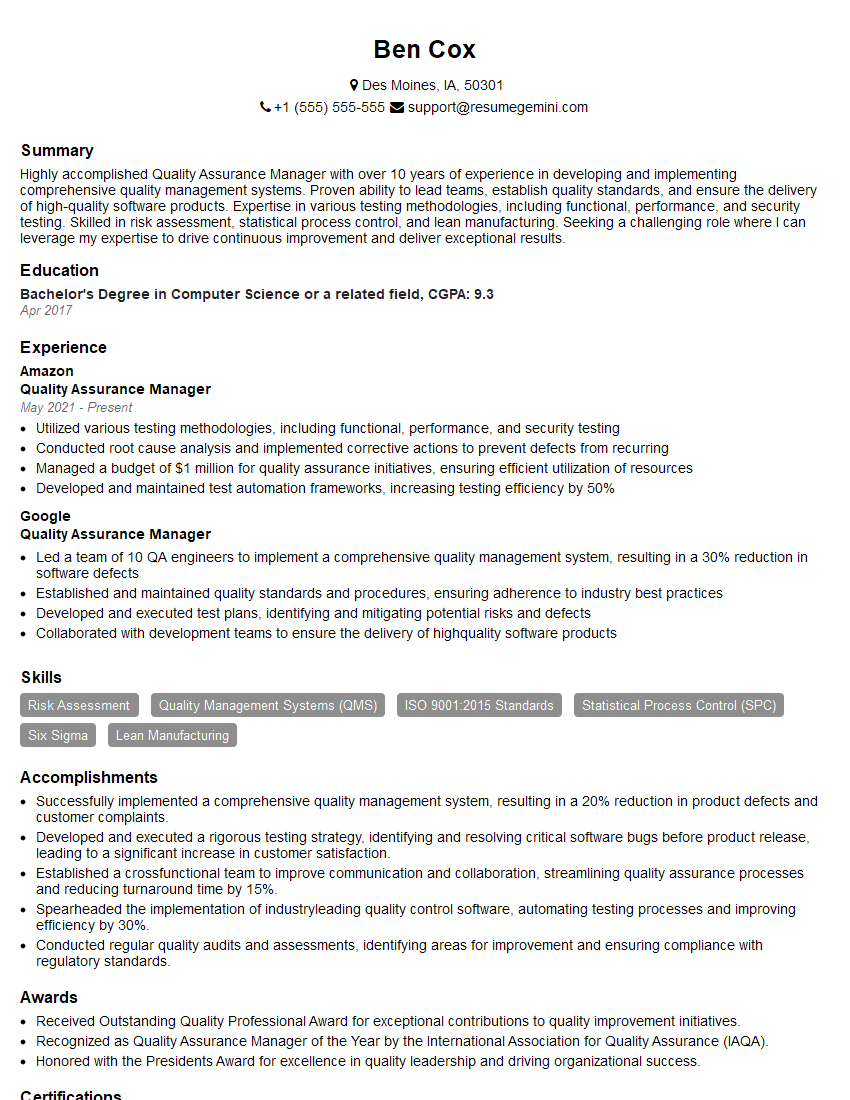
Quality Assurance Manager Resume Sample

Compliance Officer Resume Sample
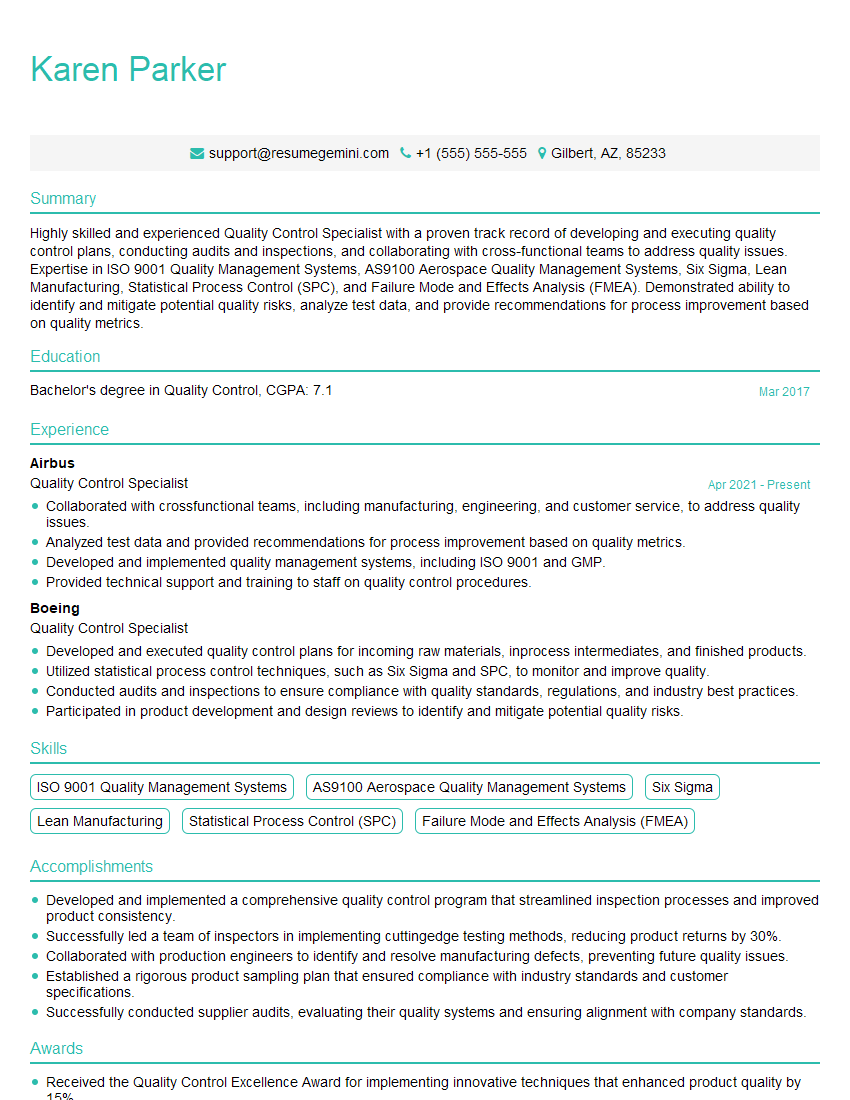
Quality Control Specialist Resume Sample
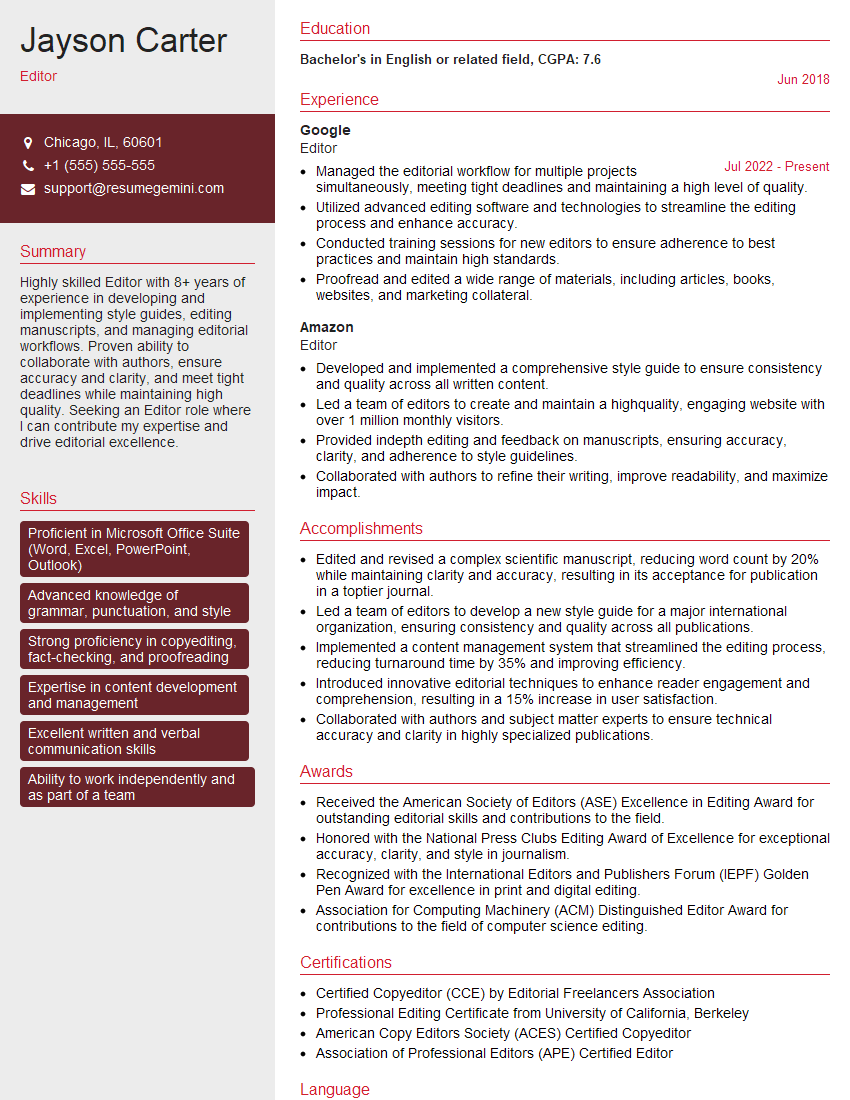
Editor Resume Sample
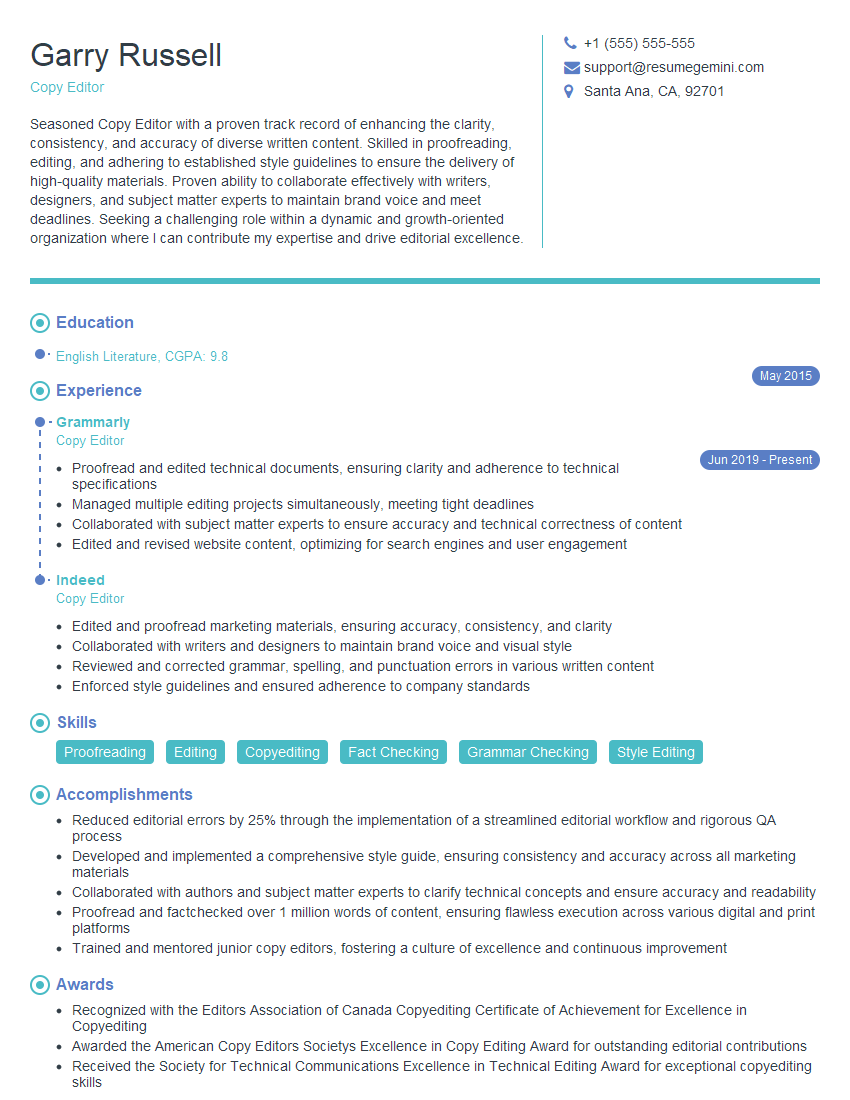
Copy Editor Resume Sample
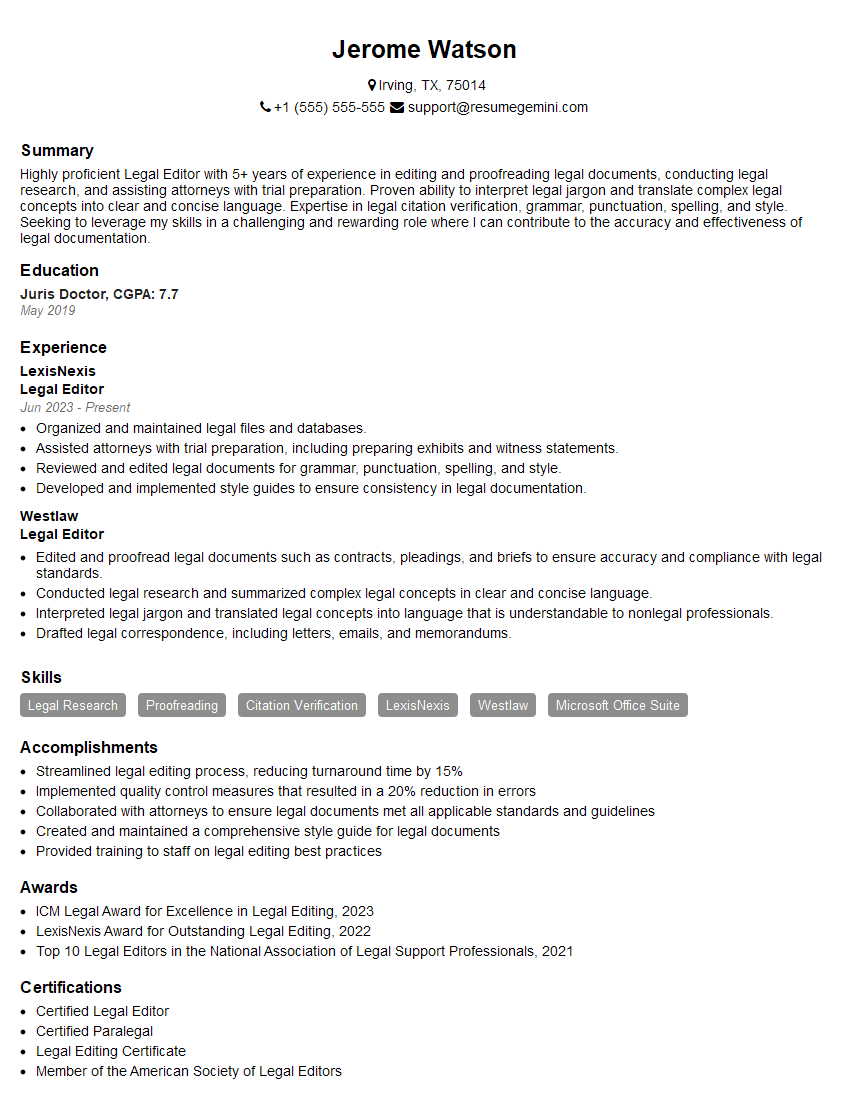
Legal Editor Resume Sample
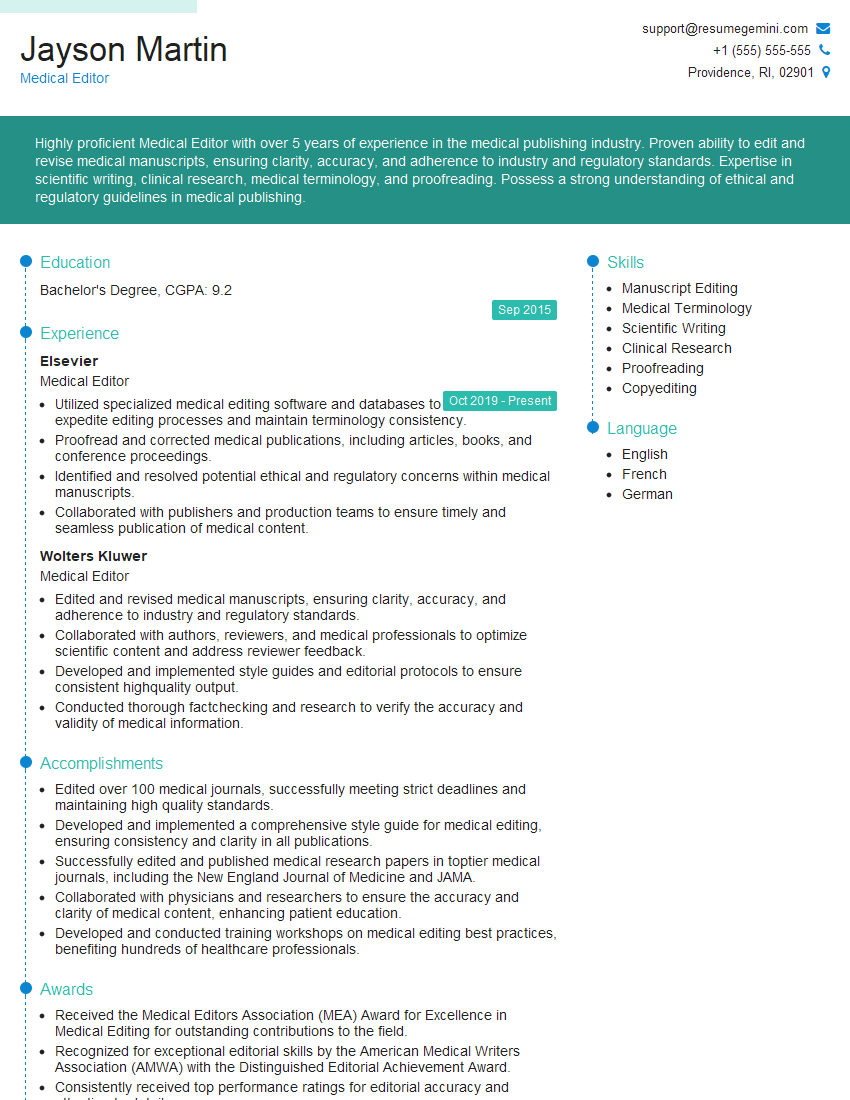
Medical Editor Resume Sample
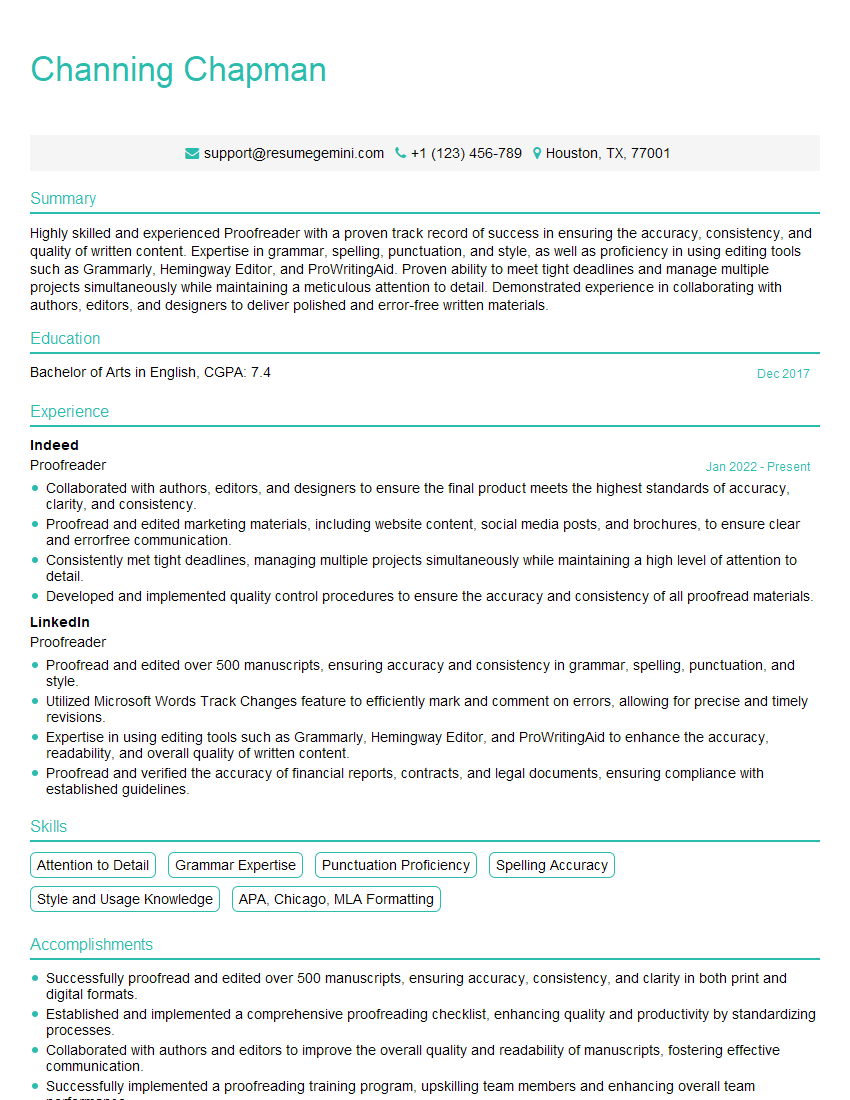
Proofreader Resume Sample
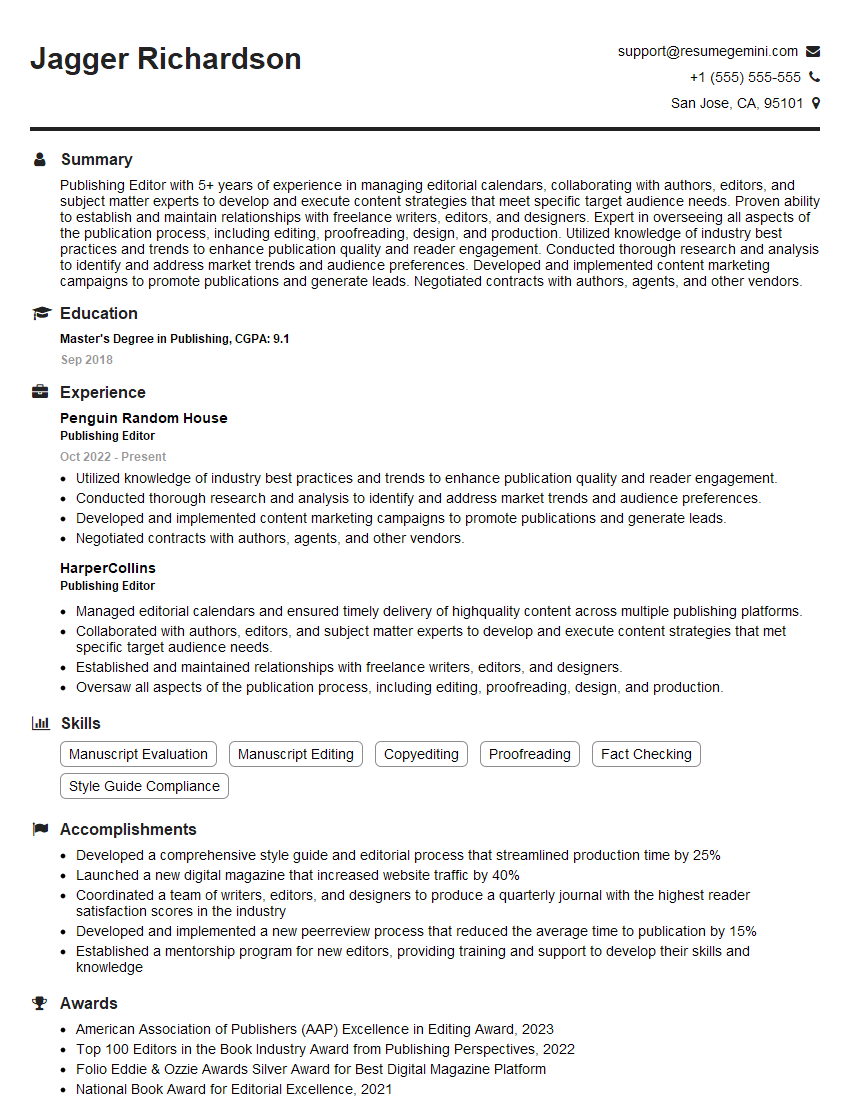
Publishing Editor Resume Sample
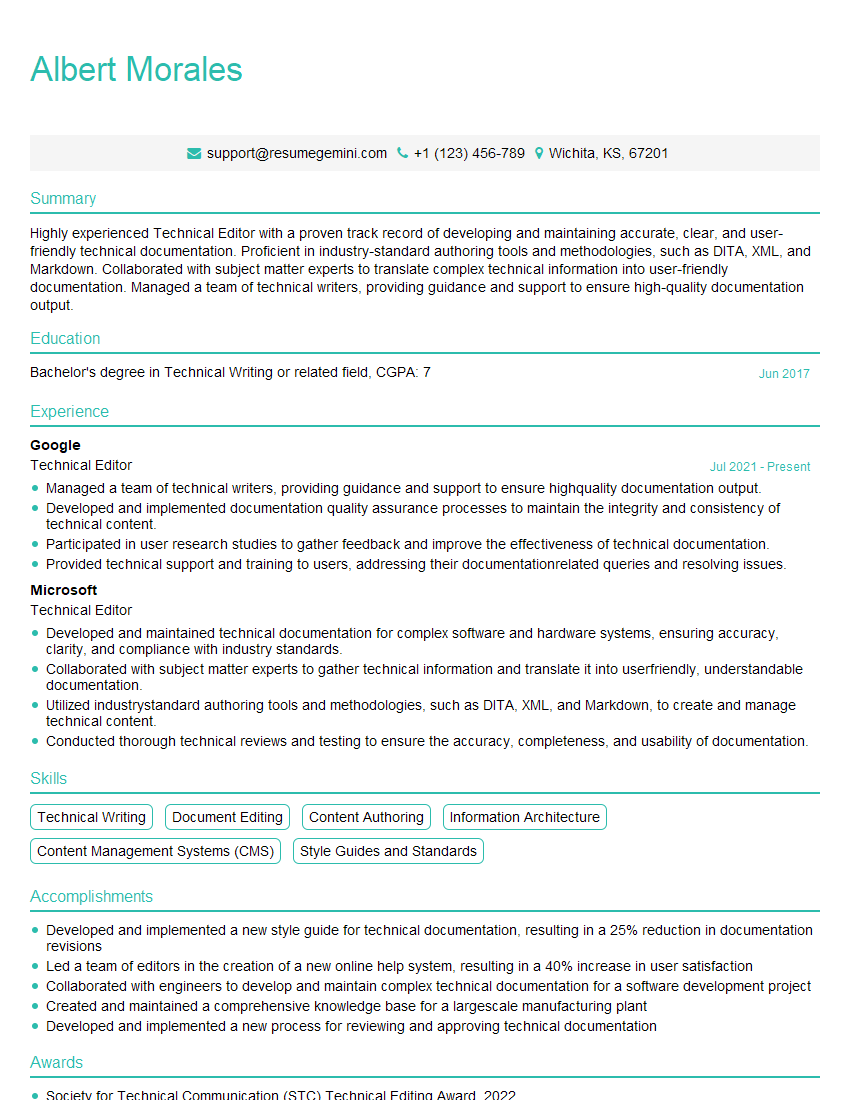
Technical Editor Resume Sample

Technical Writer Resume Sample
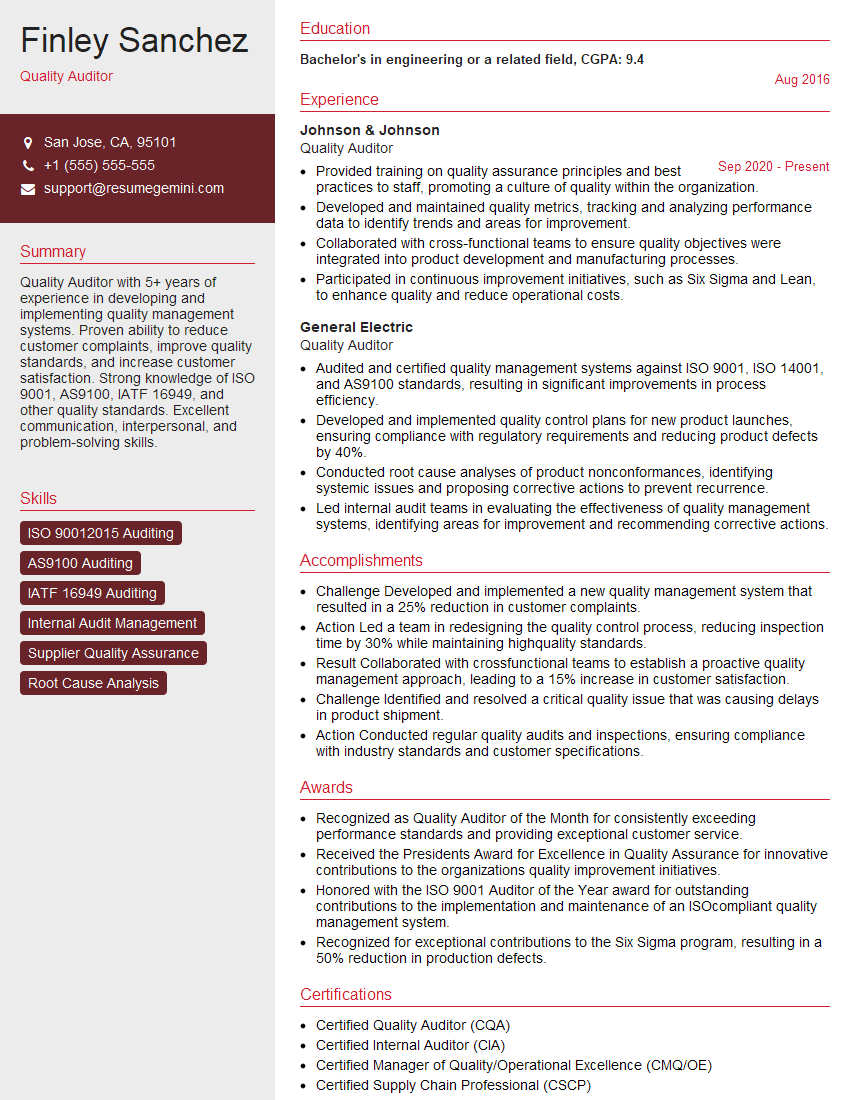
Quality Auditor Resume Sample
Explore more articles
Users Rating of Our Blogs
Share Your Experience
We value your feedback! Please rate our content and share your thoughts (optional).
What Readers Say About Our Blog
Very informative content, great job.
good