Every successful interview starts with knowing what to expect. In this blog, we’ll take you through the top Patience and Communication Skills interview questions, breaking them down with expert tips to help you deliver impactful answers. Step into your next interview fully prepared and ready to succeed.
Questions Asked in Patience and Communication Skills Interview
Q 1. Describe a situation where you had to remain patient despite facing significant delays or obstacles.
Patience is the ability to calmly endure delays or difficulties without becoming frustrated. In a project management role, I once faced a significant delay due to a third-party vendor’s failure to deliver crucial components on time. Initially, this was frustrating, as it threatened our project deadlines. However, I understood that reacting impulsively wouldn’t solve the problem.
My approach involved:
- Maintaining open communication: I immediately contacted the vendor to understand the root cause of the delay and explore potential solutions. I maintained a calm and professional tone, focusing on collaborative problem-solving rather than placing blame.
- Proactive planning: While waiting for the components, I identified alternative tasks my team could undertake to minimize the overall project impact. This included reviewing existing documentation, refining testing procedures, and preparing for the final integration phase.
- Realistic expectation setting: I communicated the revised timeline to stakeholders, explaining the reasons for the delay transparently. This helped to manage expectations and prevent unnecessary anxiety.
- Exploring alternative solutions: We explored sourcing the components from an alternative vendor, a contingency plan that proved vital in minimizing the overall project disruption.
Through this process, not only did we manage the delay effectively, but the team also strengthened its resilience and problem-solving abilities.
Q 2. How do you handle conflict with a coworker who has a different communication style than yours?
Effective communication is key to navigating conflicts, especially those arising from differing communication styles. I once worked with a colleague who preferred direct, even blunt, communication, while I favor a more collaborative, nuanced approach. This difference initially led to misunderstandings.
My strategy involved:
- Active listening: I made a conscious effort to listen attentively to his perspective, seeking to understand his reasoning rather than immediately judging his communication style.
- Clear and concise communication: I ensured my own communication was clear and unambiguous, minimizing potential for misinterpretations. I also made an effort to match his directness in certain circumstances to streamline communication.
- Empathy and understanding: I acknowledged his communication preferences without necessarily adopting them myself. I focused on finding common ground and shared goals.
- Finding common ground: We discussed our communication styles and reached a compromise that respected our differences. We agreed to use a combination of direct feedback sessions alongside more collaborative brainstorming sessions.
- Seeking mediation if necessary: If direct communication proved insufficient, I would involve a team lead or manager to facilitate a constructive conversation.
This process highlighted the importance of adapting to different communication styles to foster collaboration and mutual understanding.
Q 3. Explain your approach to communicating complex information to someone with limited technical knowledge.
Communicating complex information to a non-technical audience requires simplification and clear articulation. Imagine explaining the intricacies of a cloud-based database system to a group of non-technical stakeholders. My approach revolves around:
- Analogies and metaphors: Using relatable examples, like comparing a cloud database to a shared online file storage system, can make complex concepts easily digestible.
- Visual aids: Diagrams, charts, and flowcharts can significantly enhance understanding. A simple diagram illustrating data flow within the system would be far more effective than a detailed technical explanation.
- Avoiding jargon: Replacing technical terms with simpler language is crucial. Instead of saying ‘database normalization,’ I might say ‘organizing data efficiently to avoid duplication.’
- Breaking down information: Presenting the information in small, manageable chunks allows for better comprehension and prevents information overload.
- Interactive sessions: Encouraging questions and feedback during the explanation process helps to gauge understanding and address specific concerns.
By prioritizing clarity, simplicity, and engagement, I can ensure that even a non-technical audience can grasp the essence of complex information.
Q 4. Describe a time you had to patiently explain a procedure or concept multiple times.
Patience is crucial when training new team members. During a software training session, I had to patiently explain a specific coding procedure multiple times to one trainee who was struggling to grasp a particular concept.
My approach included:
- Identifying the root cause: Instead of just repeating the explanation, I first tried to understand *why* the trainee was having difficulty. Was it a lack of prior knowledge, a misunderstanding of a fundamental concept, or perhaps a learning style mismatch?
- Tailoring explanations: Once I understood the root cause, I tailored my explanation to address the specific area of confusion. I used different examples and analogies, and tried explaining the procedure from a different perspective.
- Providing hands-on practice: I encouraged hands-on practice, guiding the trainee through the procedure step-by-step. This allowed them to apply what they learned and receive immediate feedback.
- Positive reinforcement: I offered positive reinforcement and encouragement to build confidence and motivation. Recognizing their effort and progress is important to avoid discouragement.
- Seeking additional resources: If the trainee continued to struggle, I would seek additional learning resources, such as video tutorials or supplementary documentation, to reinforce the explanation.
Ultimately, the trainee mastered the procedure, demonstrating that patience and personalized instruction are key to effective training.
Q 5. How do you maintain composure when dealing with a frustrated or angry customer or client?
Maintaining composure when dealing with a frustrated or angry customer is paramount. I once had a customer who was extremely upset about a delay in a service delivery.
My response involved:
- Empathetic listening: I allowed the customer to vent their frustrations without interruption, demonstrating active listening through verbal and nonverbal cues. This showed I understood their anger and validated their feelings.
- Acknowledging their concerns: I acknowledged the validity of their concerns without making excuses. I refrained from getting defensive, which often escalates conflict.
- Offering sincere apologies: I offered a sincere apology for the inconvenience caused, even if it wasn’t directly my fault. This demonstrates accountability and shows that the customer’s experience is valued.
- Offering solutions: I presented clear solutions to resolve the issue, providing them with realistic timelines and options. This demonstrates that I’m taking active steps to rectify the situation.
- Following up: After resolving the immediate issue, I followed up to ensure they were satisfied and to gauge their overall experience. This shows a commitment to long-term customer satisfaction.
By responding calmly, empathetically, and proactively, I was able to de-escalate the situation and maintain a positive customer relationship.
Q 6. Have you ever had to deal with a difficult conversation? How did you approach it?
Difficult conversations are inevitable in any professional setting. I once had to address performance concerns with a team member who wasn’t meeting expectations.
My approach was to:
- Prepare thoroughly: Before the conversation, I gathered specific examples of the performance issues and documented them objectively. I also prepared potential solutions and action plans.
- Choose the right time and place: I scheduled a private meeting in a neutral and comfortable environment, ensuring privacy and minimizing distractions.
- Focus on behavior, not personality: I framed the conversation around specific behaviors and their impact on the team and projects, avoiding personal attacks or judgmental language.
- Active listening and open dialogue: I encouraged the team member to share their perspective and actively listened to their concerns. This collaborative approach fosters open dialogue and mutual understanding.
- Collaborative problem-solving: Together, we developed a clear action plan with specific goals, timelines, and support mechanisms to address the performance issues.
- Regular follow-up: I scheduled regular follow-up meetings to monitor progress, offer support, and make any necessary adjustments to the action plan.
This approach ensured the conversation remained constructive and resulted in a positive outcome, ultimately improving the team member’s performance and strengthening the team dynamic.
Q 7. How do you adapt your communication style to different audiences or personalities?
Adapting communication style is essential for effective interaction. I adjust my approach based on audience and personality, recognizing that a single style rarely fits all.
My adaptation strategies include:
- Audience analysis: Before communicating, I analyze the audience’s background, technical expertise, and communication preferences. For instance, a technical presentation to engineers would differ greatly from a report to senior management.
- Language and tone: I adjust my language and tone to match the audience’s level of understanding and expectations. I use more technical terms with experts, while opting for simpler language with non-experts.
- Communication channels: The choice of communication channel—email, meeting, phone call—is tailored to the message and audience. An urgent update might require a phone call, while a detailed report is best sent via email.
- Nonverbal cues: I am mindful of nonverbal communication, including body language and tone of voice, ensuring it complements the message and audience. Maintaining eye contact and using confident body language fosters trust and engagement.
- Feedback and iteration: I pay close attention to the audience’s response and adjust my approach as needed. Active listening allows me to gauge understanding and adapt my communication for better clarity.
By adapting my communication style to various audiences and personalities, I can ensure my message is understood effectively and build stronger relationships with diverse individuals.
Q 8. How do you prioritize tasks when multiple requests require your attention simultaneously?
Prioritizing tasks effectively when juggling multiple requests is crucial for productivity and minimizing stress. I utilize a combination of techniques, primarily focusing on urgency and importance. I employ a prioritization matrix, often visualized as a four-quadrant grid (Eisenhower Matrix).
- Urgent & Important: These tasks demand immediate attention and are tackled first. Think of a deadline looming or a critical client issue.
- Important but Not Urgent: These tasks are crucial for long-term goals but don’t have immediate deadlines. I schedule these strategically to prevent them from becoming urgent. An example would be proactively planning for a project’s next phase.
- Urgent but Not Important: These are often distractions. I delegate these whenever possible or batch them for efficient processing to minimize interruptions. Answering non-critical emails falls into this category.
- Neither Urgent nor Important: These can be eliminated or postponed. Examples include time-wasting activities or tasks with low value.
By using this framework, I ensure that the most crucial tasks receive the attention they need, while less important tasks are handled efficiently without compromising overall productivity. Regular review and adjustment of this matrix is essential to adapt to changing circumstances.
Q 9. Describe a time you had to patiently wait for information or results before making a decision.
Patience is a vital component of success, especially when dealing with information delays. During a recent project rollout, we relied on a third-party vendor for crucial data integration. The initial timeline was missed, and we patiently waited for several weeks, proactively checking in with the vendor for updates. Instead of escalating prematurely, we focused on tasks within our control. This patient approach prevented unnecessary conflict, and ultimately, the data arrived, allowing us to complete the project on time without compromising quality. This highlighted the importance of managing expectations and staying proactive, even in the face of delays.
Q 10. How do you handle interruptions that prevent you from completing a critical task?
Interruptions are inevitable, but their impact can be minimized with effective strategies. When faced with an interruption during a critical task, I use a few key techniques. First, I politely but firmly acknowledge the interruption, but request a brief delay. This indicates respect while protecting my focus. I then quickly jot down where I left off to facilitate a smooth return to the task. If the interruption requires immediate attention, I complete it efficiently, then consciously return to my original task using a timer to maintain concentration. It’s also helpful to communicate my current priorities to colleagues to minimize unnecessary interruptions.
Q 11. How do you ensure clear and concise communication in both written and verbal formats?
Clear and concise communication is paramount for effective collaboration. For written communication, I follow a structured approach: I start with a clear subject line, use bullet points for complex information, and proofread carefully before sending. For verbal communication, I ensure my message is structured logically, using simple language and avoiding jargon. I also actively seek confirmation that the message is understood, using questions such as, “Does that make sense?” or “Do you have any questions?”
Q 12. Describe your experience using active listening techniques.
Active listening is more than simply hearing; it’s about fully engaging with the speaker’s message. I use several techniques: I maintain eye contact, show genuine interest through body language, and ask clarifying questions to ensure understanding. I avoid interrupting and summarize key points to demonstrate my comprehension. For example, in a team meeting, I actively listen to each member’s contribution, asking questions to clarify their points and ensuring everyone feels heard. This promotes a collaborative and respectful environment, leading to better outcomes.
Q 13. How do you use nonverbal communication to enhance your message?
Nonverbal communication significantly enhances the impact of my message. I use open body language, maintaining appropriate eye contact to show engagement and confidence. My tone of voice reflects the message – a calm tone for reassurance, a firm tone for direction. In presentations, I use purposeful gestures to emphasize key points and maintain a positive and approachable demeanor. For instance, a slight nod reinforces understanding, while a thoughtful pause adds emphasis.
Q 14. How do you handle a situation where someone misunderstands your instructions?
Misunderstandings are opportunities for clarification and improved communication. When someone misunderstands my instructions, I patiently re-explain them using different words or examples. I avoid blaming or becoming defensive. Instead, I focus on identifying the source of the misunderstanding, perhaps through questioning. I also actively seek feedback to confirm comprehension. If necessary, I provide written documentation to support verbal instructions. This approach fosters a supportive and learning-oriented environment.
Q 15. Describe a time you had to be patient with someone learning a new skill.
Patience is crucial when guiding someone through a learning process. It involves understanding that everyone learns at their own pace and requires a different approach. I remember training a new team member on a complex software program. Initially, she struggled with some of the more advanced features. Instead of getting frustrated, I broke down the tasks into smaller, manageable steps, providing clear explanations and demonstrations. I also encouraged her to ask questions, no matter how basic they seemed. We practiced frequently, and I celebrated even small victories to build her confidence. This patient approach fostered a supportive environment where she could learn comfortably and ultimately mastered the software. It’s important to remember that patience isn’t passive; it requires active engagement and understanding of the learner’s progress.
Career Expert Tips:
- Ace those interviews! Prepare effectively by reviewing the Top 50 Most Common Interview Questions on ResumeGemini.
- Navigate your job search with confidence! Explore a wide range of Career Tips on ResumeGemini. Learn about common challenges and recommendations to overcome them.
- Craft the perfect resume! Master the Art of Resume Writing with ResumeGemini’s guide. Showcase your unique qualifications and achievements effectively.
- Don’t miss out on holiday savings! Build your dream resume with ResumeGemini’s ATS optimized templates.
Q 16. How do you remain calm and professional in high-pressure situations?
Maintaining composure under pressure is a skill honed over time. My strategy involves a three-pronged approach: proactive planning, mindful breathing, and focused communication. Proactive planning means anticipating potential challenges and creating contingency plans. In high-stakes situations, I employ controlled breathing exercises to calm my nervous system and refocus my attention. Deep, slow breaths help regulate my heart rate and reduce anxiety. Finally, clear and concise communication is paramount. Instead of reacting emotionally, I actively listen to others and express my thoughts calmly and professionally. For example, during a project launch with a critical deadline looming, I calmly addressed a sudden technical glitch by directing the team to our pre-planned backup system. My calm demeanor kept the team focused and productive, ultimately ensuring a successful launch.
Q 17. How do you handle criticism constructively?
Constructive criticism is a gift, an opportunity for growth. I approach it by first actively listening and seeking to fully understand the feedback. I avoid becoming defensive; instead, I ask clarifying questions to ensure complete comprehension. Once I fully grasp the criticism, I assess its validity. If the feedback is valid, I reflect on how I can improve. I might jot down specific action items to address the concerns raised. If I disagree, I politely explain my perspective, providing rationale and data to support my viewpoint. This approach encourages a dialogue instead of a confrontation. The key is to focus on the intent behind the feedback –improvement—not personal attacks. For instance, receiving feedback on a presentation that lacked clarity prompted me to restructure my delivery and use more visuals, resulting in better audience engagement.
Q 18. How do you build rapport with people from diverse backgrounds?
Building rapport with diverse individuals requires active listening, empathy, and cultural sensitivity. I start by showing genuine interest in their perspectives and experiences. This involves asking open-ended questions, allowing them to share their thoughts and feelings. I also make a conscious effort to understand and respect their cultural norms and communication styles. This might involve adapting my communication style to be more inclusive or learning a few basic phrases in their language. In a recent project involving an international team, I made an effort to learn about each team member’s cultural background and adjusted my communication style accordingly. This fostered trust and understanding, ultimately making the project more efficient and enjoyable. Showing respect and appreciation for diversity is fundamental to building strong relationships.
Q 19. Describe a situation where you had to negotiate a compromise.
Negotiation involves finding mutually acceptable solutions. I once had to negotiate a compromise between two departments with conflicting priorities regarding project timelines. Both departments had valid concerns: one prioritized a faster release, while the other emphasized thorough testing. I facilitated a meeting where each department presented their perspectives and concerns. I then helped them brainstorm potential solutions, exploring options that addressed both needs, such as a phased rollout or prioritized testing of key features. The compromise involved a slightly delayed release to accommodate more thorough testing on critical aspects of the software. This resulted in a better product and improved working relationships between the departments. Successful negotiation requires active listening, creative problem-solving, and a willingness to find common ground.
Q 20. How do you handle disagreements effectively and respectfully?
Handling disagreements respectfully involves focusing on the issue, not the person. I always ensure that I listen to all perspectives before forming my own opinion. I encourage open and honest communication, but I also maintain a calm and respectful tone. If the disagreement becomes heated, I might suggest taking a short break to allow everyone to calm down. Then, I try to reframe the discussion, focusing on finding common ground and identifying shared goals. Using “I” statements helps to avoid blaming language and maintain a professional demeanor. For example, instead of saying “You’re wrong,” I might say, “I see it differently because…” This approach helps to de-escalate tension and encourages collaborative problem-solving.
Q 21. How do you provide constructive feedback to others?
Constructive feedback is about helping others improve. I ensure the feedback is specific, actionable, and focused on behavior, not personality. I start by highlighting positive aspects of their work to create a positive context for the feedback. Then, I clearly and concisely articulate the areas needing improvement, providing specific examples. Finally, I offer suggestions for improvement, outlining concrete steps they can take. The feedback should be delivered privately and in a respectful manner, ensuring a safe space for open discussion. I follow the “Situation-Behavior-Impact” framework to structure feedback, explaining the situation, the specific behavior, and its impact. This helps the recipient understand the context and implications of their actions and make informed changes. For example, instead of saying “Your report is messy,” I would say, “In the last report, the data tables weren’t clearly labeled, which made it difficult to interpret the key findings. For future reports, consider using clearer headings and consistent formatting.”
Q 22. How do you ensure your communication is understood and received clearly?
Ensuring clear communication involves a multi-faceted approach that goes beyond simply conveying information. It’s about understanding your audience, choosing the right medium, and actively seeking feedback. I prioritize clarity through careful word choice, avoiding jargon unless absolutely necessary and defining it when used. I tailor my message to the recipient’s level of understanding and their preferred communication style. For instance, a technical explanation for a software engineer would differ significantly from an explanation for a client with limited technical knowledge.
I also utilize various techniques to check for understanding. This includes asking clarifying questions such as “Does that make sense?”, summarizing key points, and actively listening to responses. Nonverbal cues are also crucial; maintaining eye contact and observing body language can signal whether the message is being received as intended. Finally, I often employ visual aids like charts or diagrams to enhance comprehension, especially when dealing with complex information.
For example, when presenting a project plan to a team, I would first provide a high-level overview, then break down the details using a Gantt chart. I would then actively solicit questions and feedback to confirm that everyone understands their roles and responsibilities.
Q 23. How do you manage your time effectively when faced with competing demands?
Effective time management, especially when juggling competing demands, requires a structured approach. I employ several strategies, starting with prioritization. I use methods like Eisenhower Matrix (urgent/important) to categorize tasks and focus on high-priority items first. I also break down large tasks into smaller, manageable chunks to avoid feeling overwhelmed. This allows for better progress tracking and a sense of accomplishment as individual tasks are completed.
Effective scheduling is another key element. I use digital calendars and to-do lists to schedule tasks, allocate time blocks, and set realistic deadlines. I also build buffer time into my schedule to accommodate unexpected delays or interruptions. Furthermore, I learn to delegate tasks where appropriate, recognizing that not everything needs to be handled personally. This frees up my time to concentrate on higher-level priorities.
For example, if I have a critical deadline approaching alongside multiple meetings and emails, I’ll prioritize the deadline task by allocating dedicated time blocks and delegating less critical tasks to colleagues. I’ll also use time-blocking techniques to schedule specific times for responding to emails and attending meetings, preventing them from disrupting my focus on the urgent task.
Q 24. Describe a time you had to be patient with a process that was taking longer than expected.
During a recent software development project, the integration with a third-party API took significantly longer than anticipated due to unforeseen technical challenges. Initially, frustration was natural, but I understood that rushing the process would likely lead to more significant problems down the line. Instead of panicking, I focused on maintaining a positive attitude and proactively communicating with stakeholders about the delays and the reasons behind them.
I implemented regular status updates to keep everyone informed of progress (or lack thereof), highlighting the steps being taken to resolve the issues. This transparency helped manage expectations and prevent misunderstandings. My patience paid off; the team successfully navigated the challenges, and the final product met the required quality standards, albeit with a slightly delayed launch. This experience reinforced the importance of patience in complex projects where unforeseen obstacles are inevitable.
Q 25. How do you proactively identify and address potential communication barriers?
Proactively identifying and addressing communication barriers is essential for effective collaboration. My approach begins with understanding the potential barriers. This includes considering factors like language differences, cultural nuances, differing communication styles (some prefer direct, others indirect), technological limitations, and physical distance. I actively seek feedback to understand any misunderstandings or difficulties in communication.
To address these barriers, I use a variety of strategies. For language barriers, I might utilize translation tools or employ bilingual team members. For cultural differences, I make an effort to understand and respect varied communication norms. Where technological limitations exist, I explore alternative communication channels or technologies. Finally, I often encourage open dialogue and feedback to ensure everyone feels comfortable expressing concerns and seeking clarification.
For example, in a cross-cultural project, I would initiate a team meeting to discuss preferred communication styles and establish clear guidelines for feedback and conflict resolution. This proactive approach helps to build a strong foundation for clear, effective communication.
Q 26. Describe a time you had to persuade someone to adopt a different perspective.
In a previous project, a team member was resistant to adopting a new project management methodology that I believed would improve efficiency. Their resistance stemmed from a preference for their established methods and a concern about the learning curve. I didn’t directly challenge their perspective but instead focused on building a collaborative environment.
I started by actively listening to their concerns and acknowledging the value of their experience. I then presented the benefits of the new methodology, focusing on how it could address their specific concerns, such as improving task visibility and streamlining workflows. I also offered hands-on training and support to ease their transition to the new system. Through patience, empathy, and a demonstration of the tangible benefits, I successfully persuaded them to adopt the new methodology, leading to increased team productivity.
Q 27. How do you demonstrate empathy and understanding in your communication?
Demonstrating empathy and understanding is crucial for building strong relationships and fostering effective communication. It involves actively listening to understand the other person’s perspective, even if you don’t necessarily agree with it. This means paying attention not only to the words being spoken, but also to the speaker’s tone, body language, and emotional state. I strive to create a safe and supportive environment where people feel comfortable expressing themselves without fear of judgment.
I show empathy by acknowledging and validating their feelings, even if I don’t share them. For example, I might say something like, “I understand that you’re frustrated by this delay.” I also avoid interrupting or offering unsolicited advice until I’ve fully understood their perspective. By focusing on understanding and validating their experience, I build trust and rapport, making it easier to address the issue at hand constructively.
Q 28. How do you use technology to enhance communication and collaboration?
Technology plays a significant role in enhancing communication and collaboration in today’s professional world. I utilize various tools to improve efficiency and effectiveness. For example, project management software like Jira or Asana helps to centralize information, track progress, and facilitate collaboration among team members, regardless of their location.
Video conferencing tools such as Zoom or Google Meet enable face-to-face communication even when working remotely, fostering a stronger sense of connection and facilitating more engaging discussions. Instant messaging platforms like Slack or Microsoft Teams allow for quick and easy communication for urgent matters or casual updates. Cloud-based document sharing platforms like Google Drive or Dropbox allow for real-time collaboration on documents and facilitate version control.
The choice of technology depends on the context and the specific needs of the situation. But, by strategically using these tools, I ensure that communication remains seamless, efficient and effective, even across geographical boundaries.
Key Topics to Learn for Patience and Communication Skills Interview
- Active Listening: Understanding the nuances of verbal and nonverbal cues, demonstrating empathy, and summarizing key points to ensure comprehension.
- Effective Questioning: Formulating clear and concise questions to gather information, clarify ambiguities, and guide conversations towards productive outcomes. Practical application: Prepare examples of how you’ve used effective questioning to resolve workplace challenges or misunderstandings.
- Nonverbal Communication: Recognizing and managing your own body language, interpreting others’ nonverbal cues, and ensuring consistency between verbal and nonverbal messages. Consider how maintaining composure during stressful situations showcases patience.
- Conflict Resolution: Employing strategies to de-escalate tense situations, mediating disagreements, and finding mutually agreeable solutions. Practice describing scenarios where you’ve successfully resolved conflicts through calm and patient communication.
- Stress Management & Self-Regulation: Techniques for managing stress and maintaining composure under pressure, crucial for demonstrating patience in challenging situations. Explore mindfulness or other stress-reduction strategies.
- Empathy and Emotional Intelligence: Understanding and responding appropriately to the emotions of others, building rapport, and fostering positive relationships. Consider how empathy helps in resolving disagreements patiently.
- Clear and Concise Communication: Structuring your communication effectively to ensure your message is understood clearly and efficiently, avoiding ambiguity and unnecessary complexities. This demonstrates respect for the other party’s time and patience.
Next Steps
Mastering patience and communication skills is paramount for career advancement. These skills are highly valued across all industries and contribute to stronger teamwork, increased productivity, and improved client relationships. To maximize your job prospects, creating an ATS-friendly resume is crucial. ResumeGemini is a trusted resource that can help you build a professional and impactful resume showcasing your abilities. We provide examples of resumes tailored to highlight patience and communication skills, ensuring your application stands out.
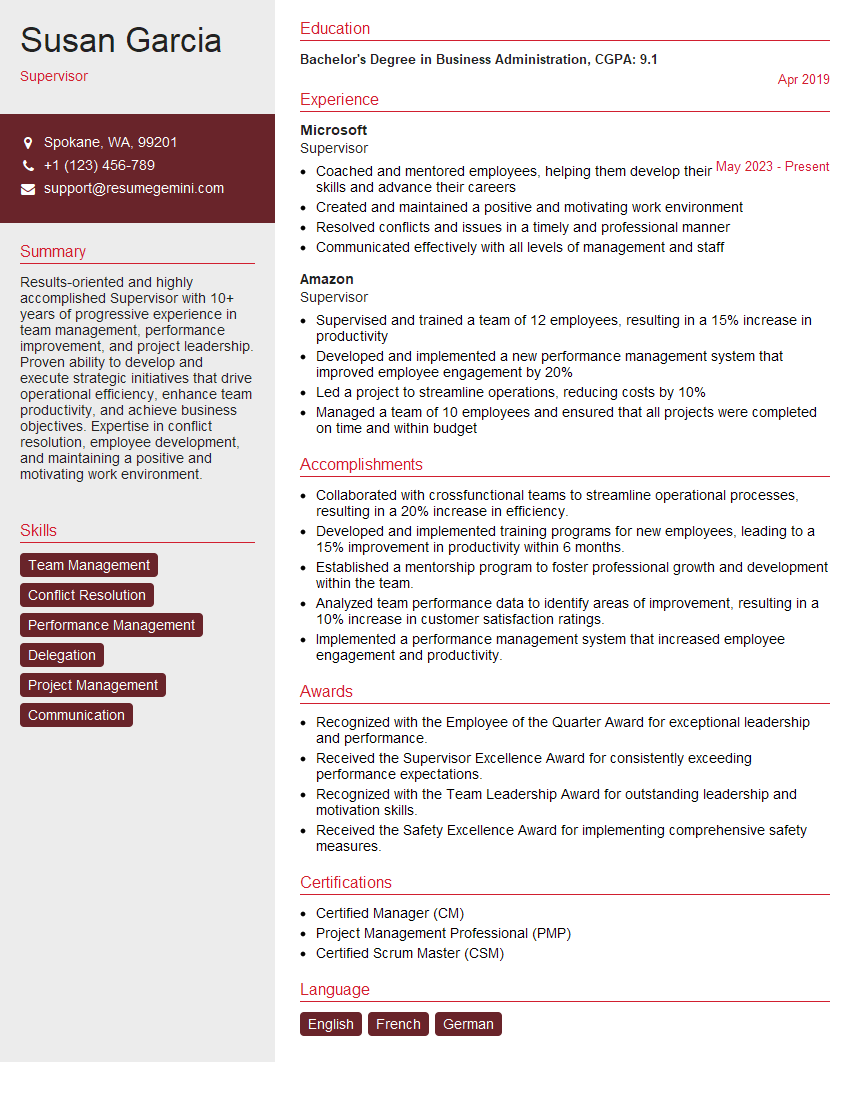
Supervisor Resume Sample
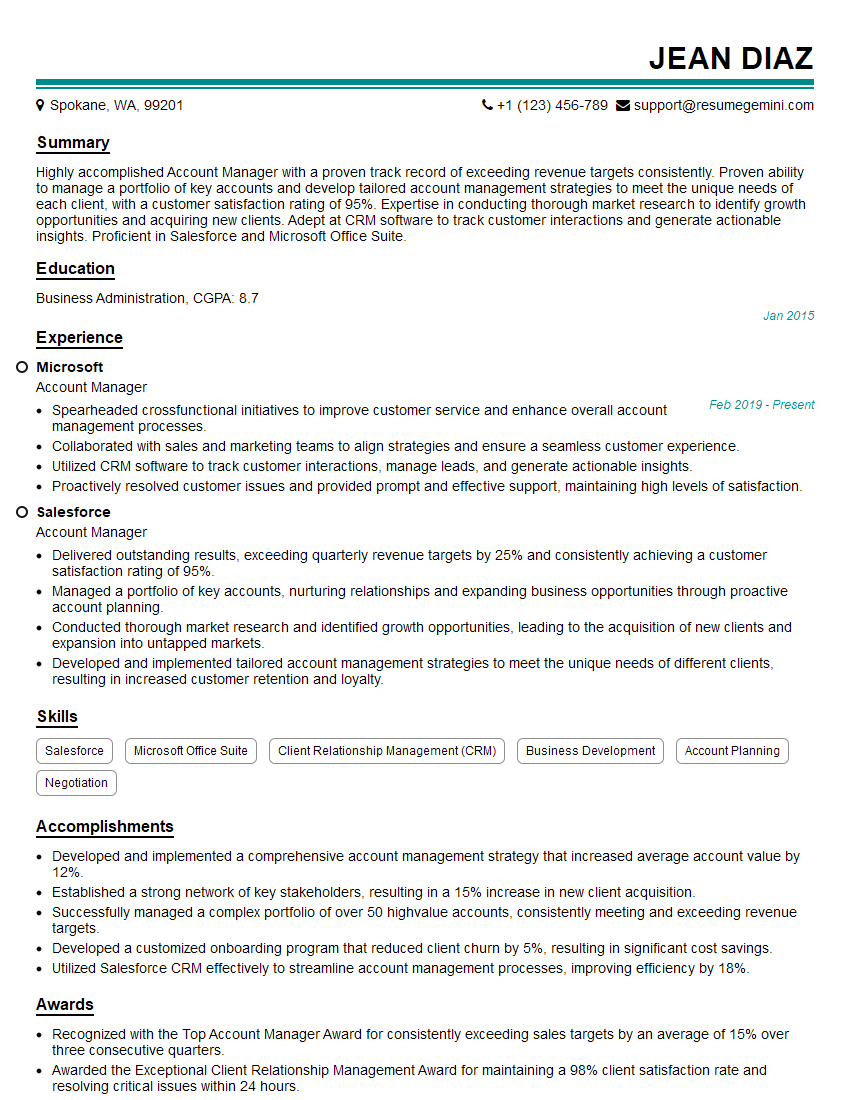
Account Manager Resume Sample
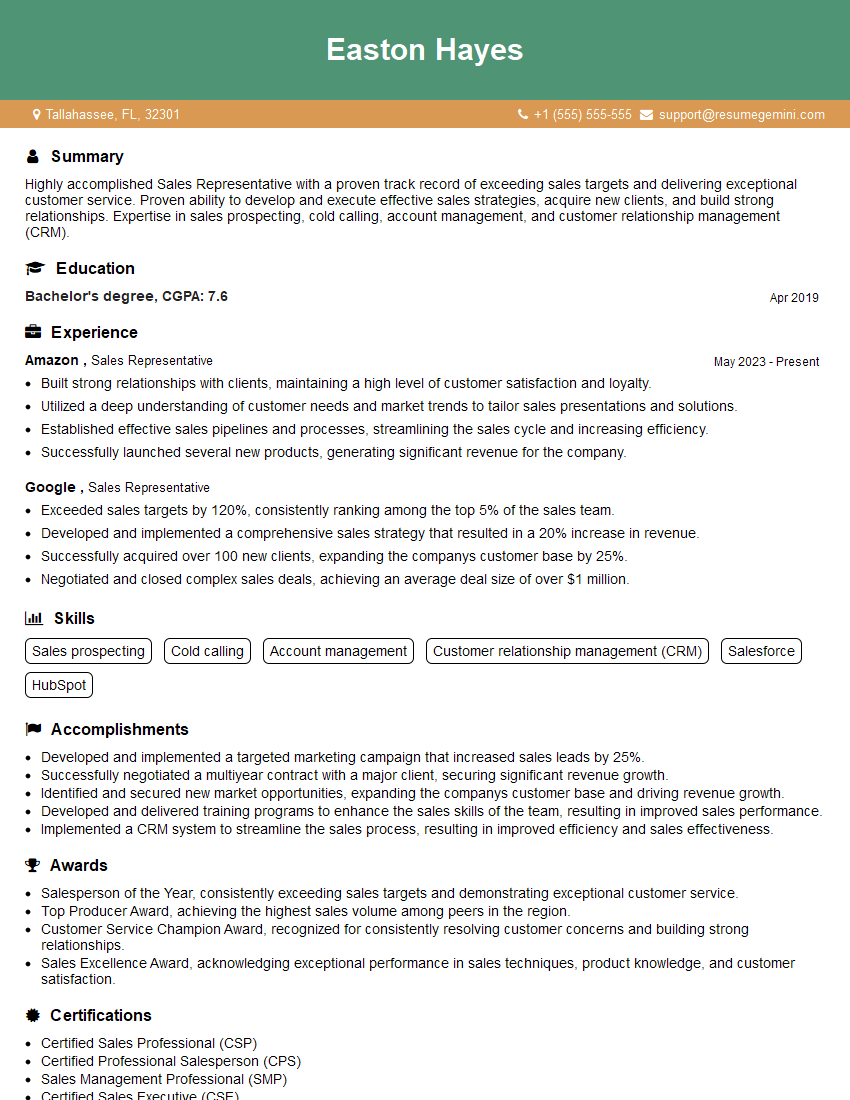
Sales Representative Resume Sample
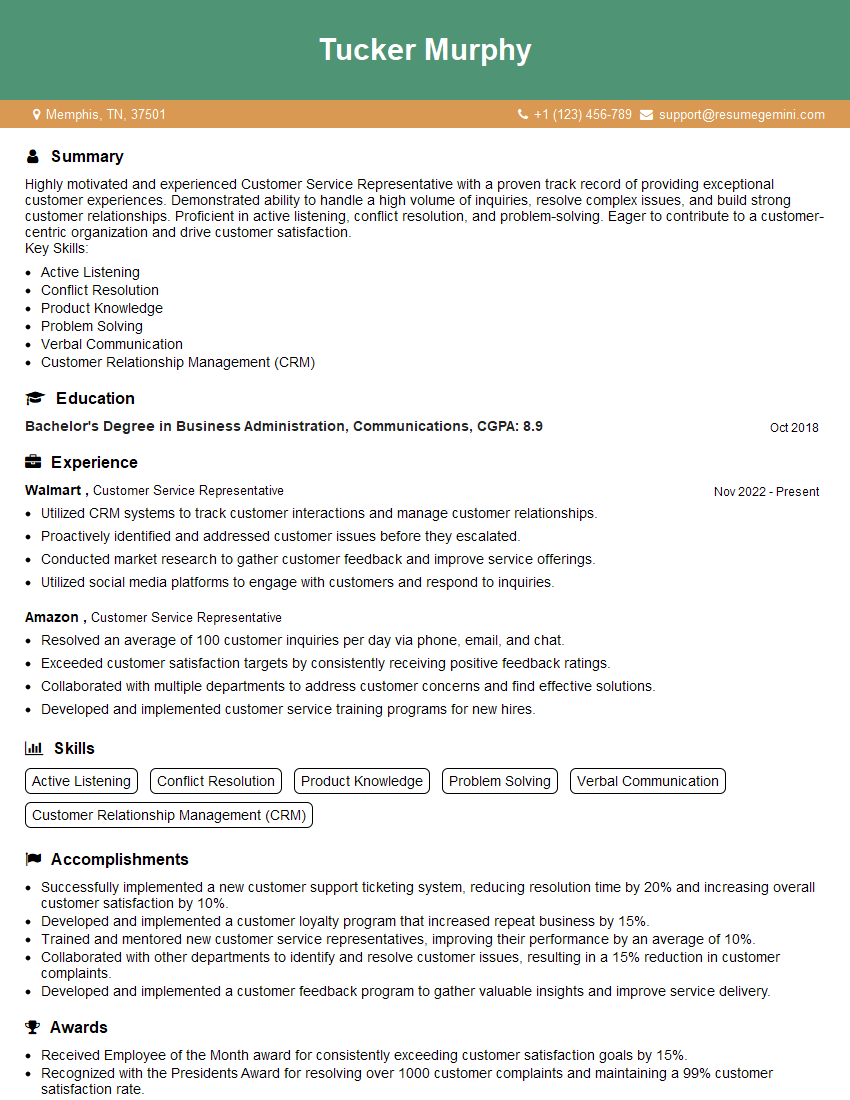
Customer Service Representative Resume Sample
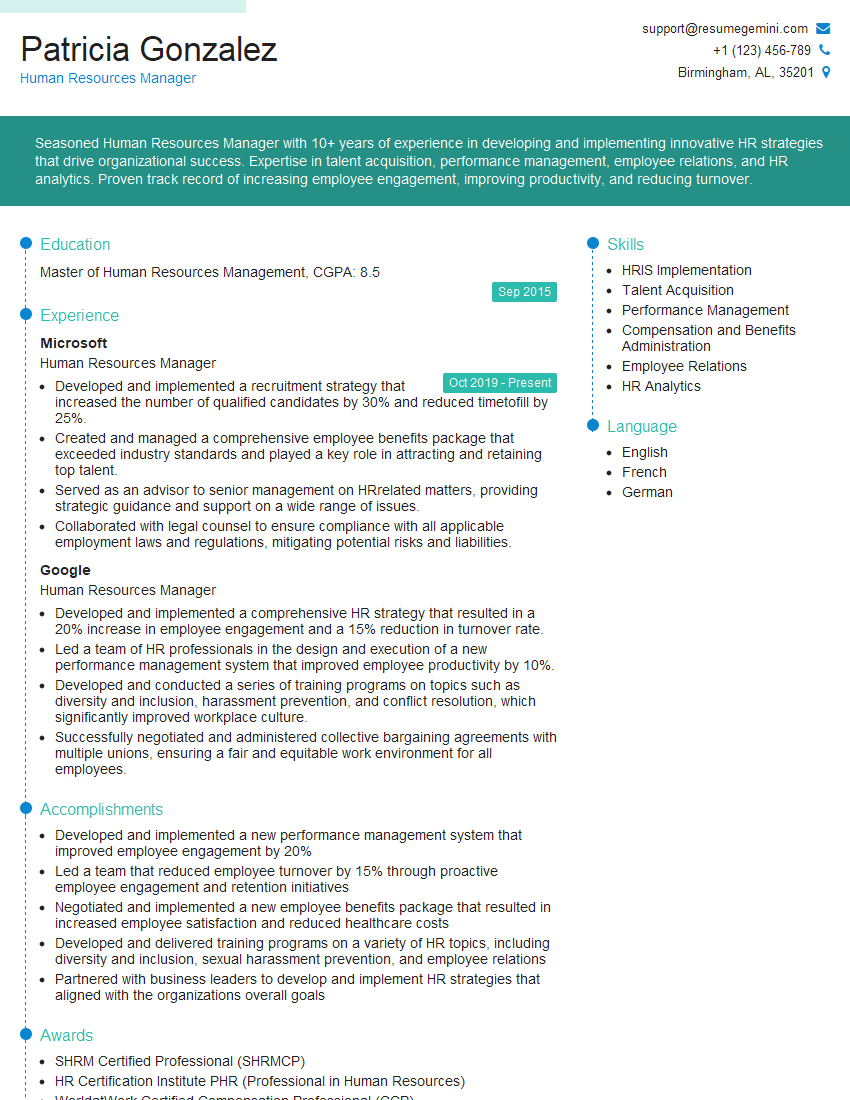
Human Resources Manager Resume Sample
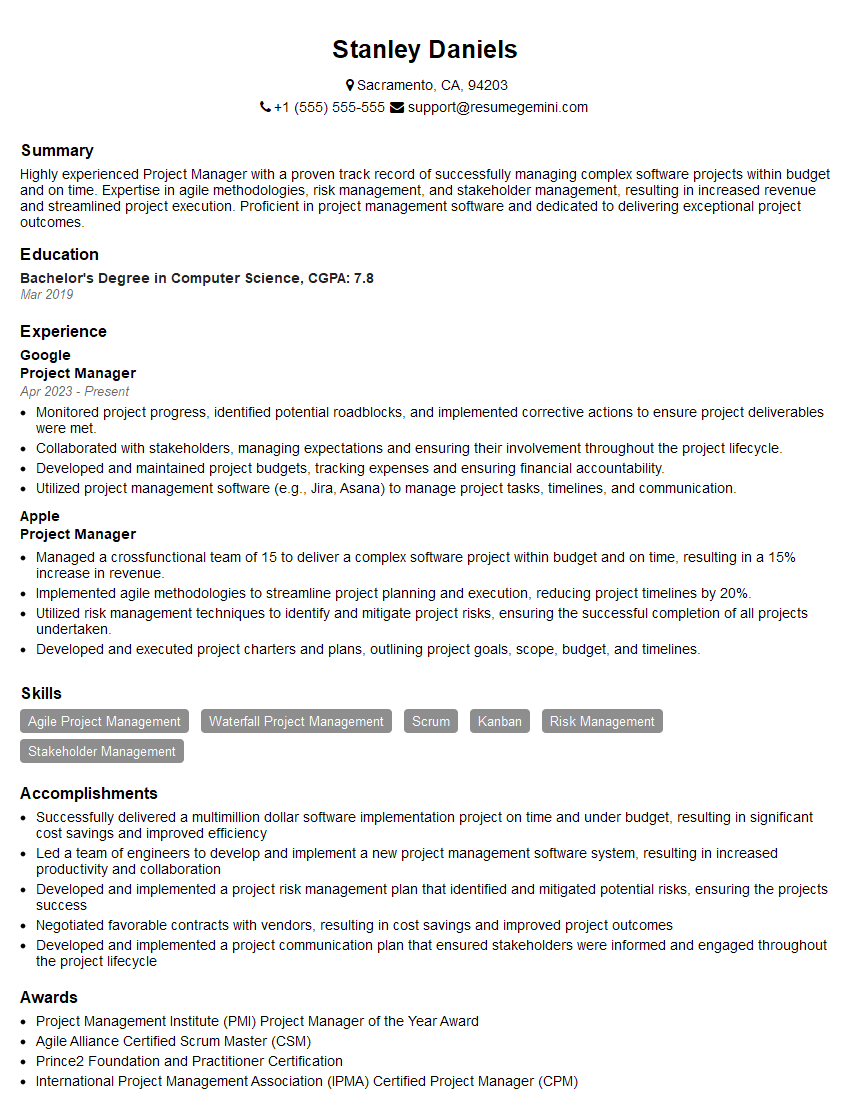
Project Manager Resume Sample
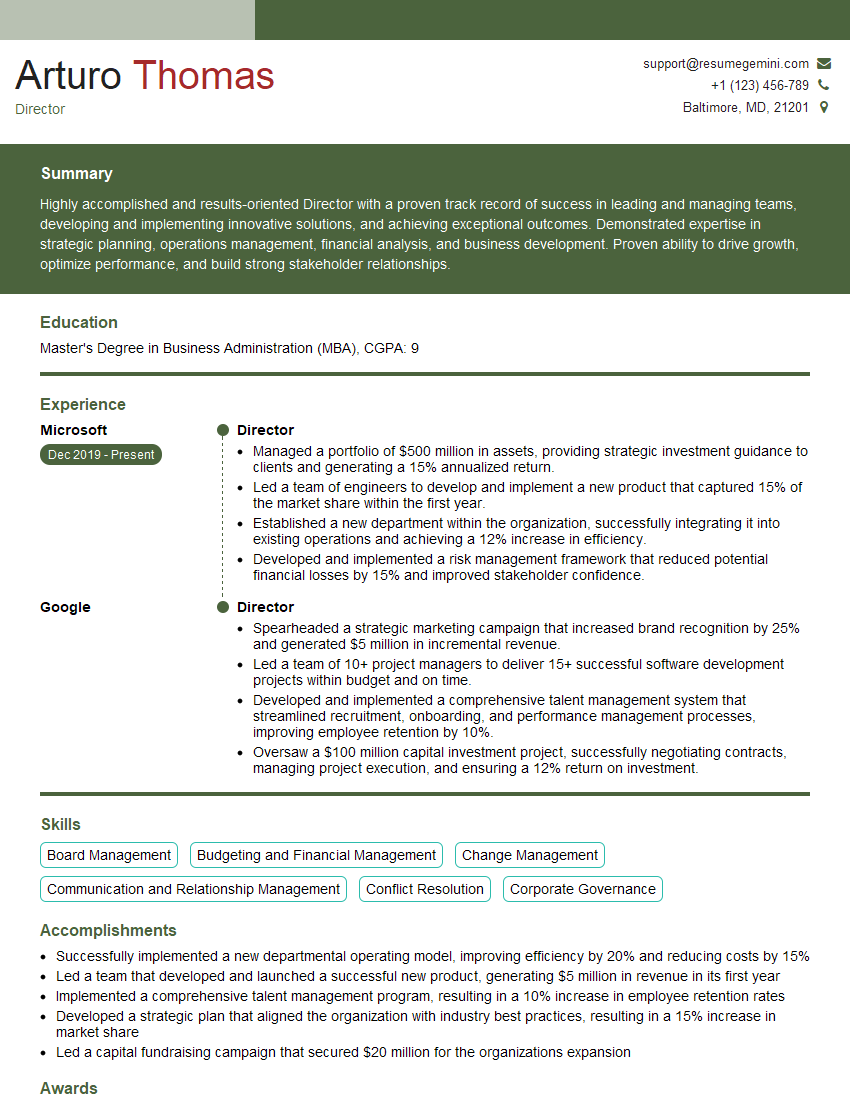
Director Resume Sample
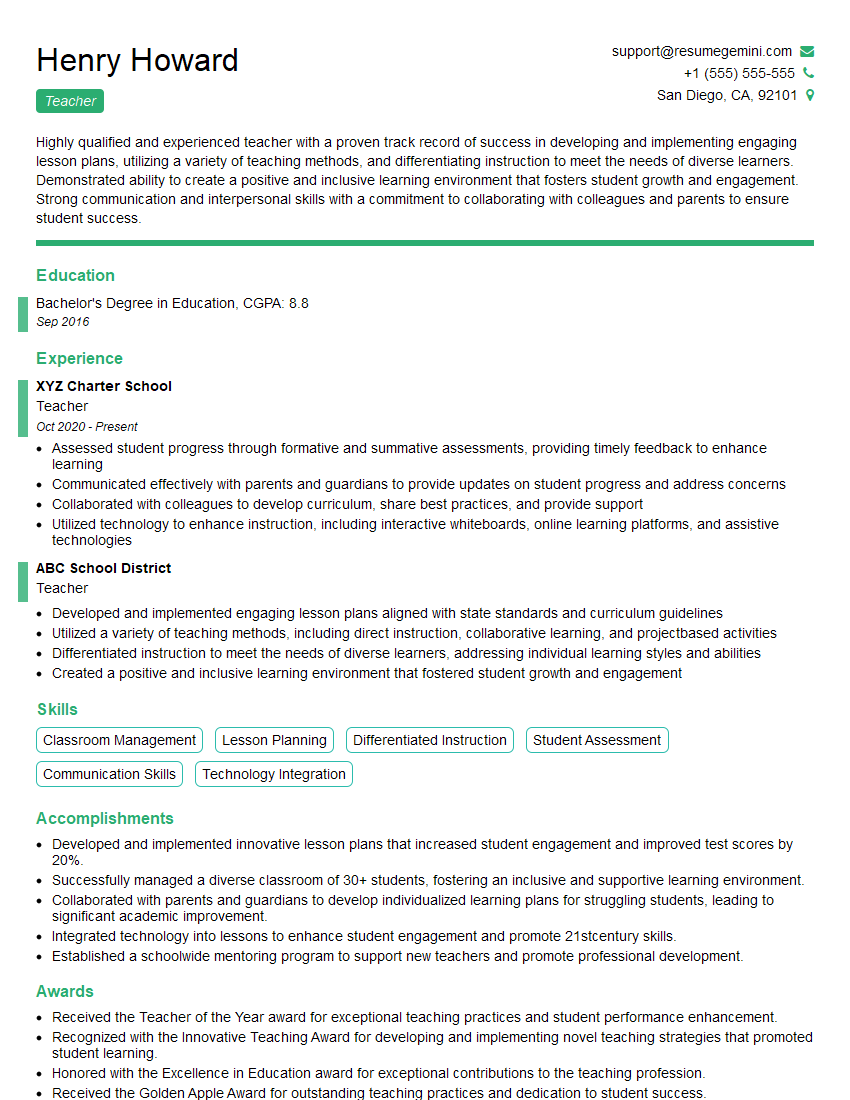
Teacher Resume Sample
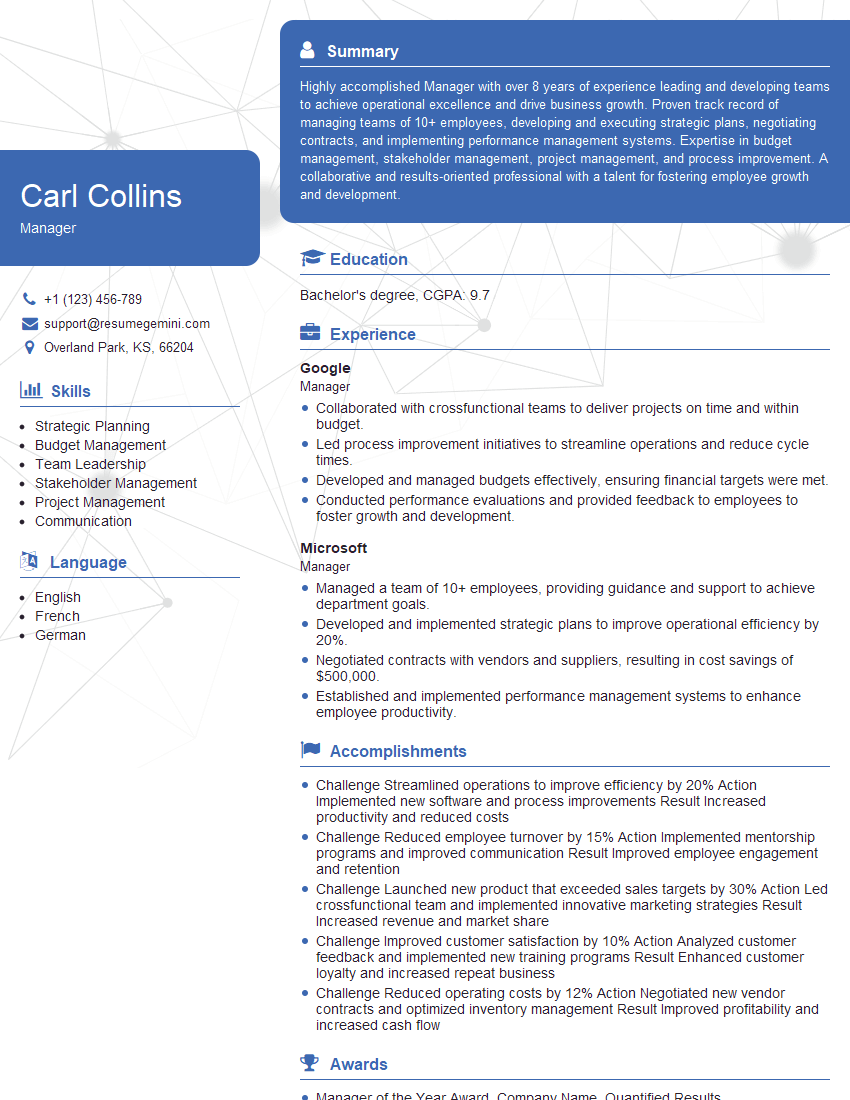
Manager Resume Sample
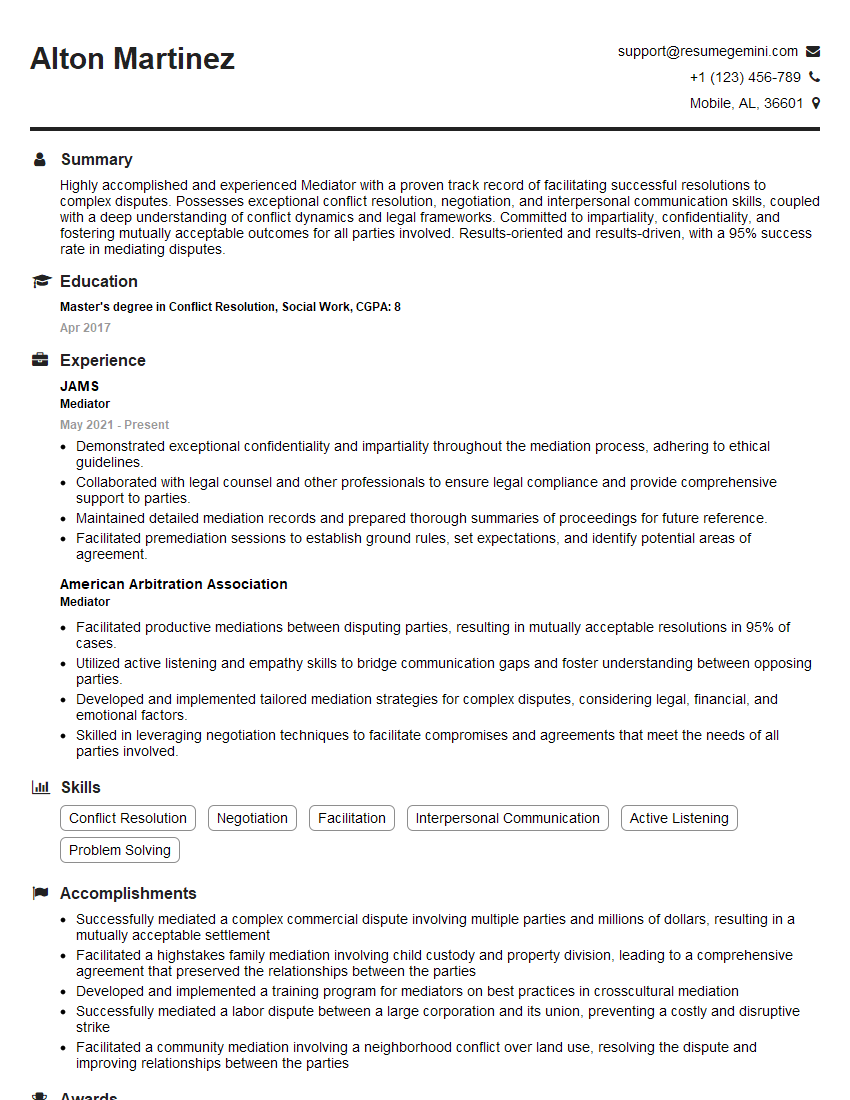
Mediator Resume Sample
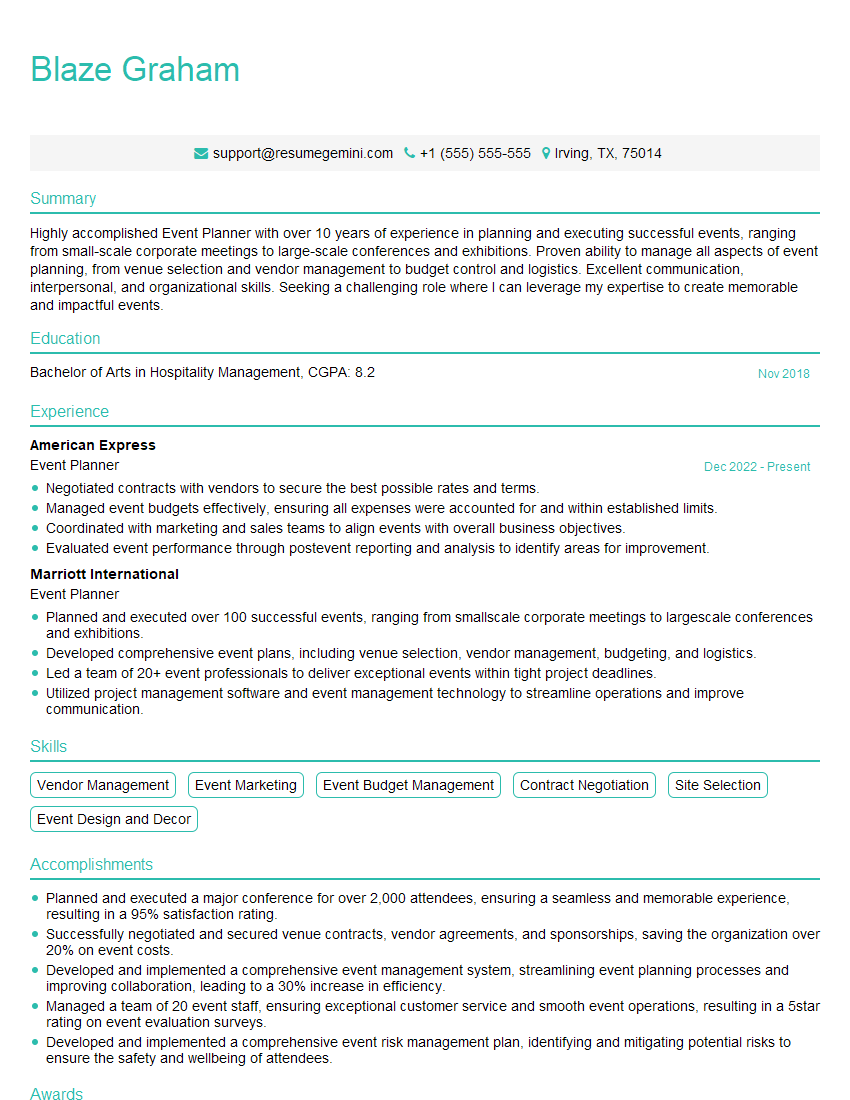
Event Planner Resume Sample

Training Specialist Resume Sample
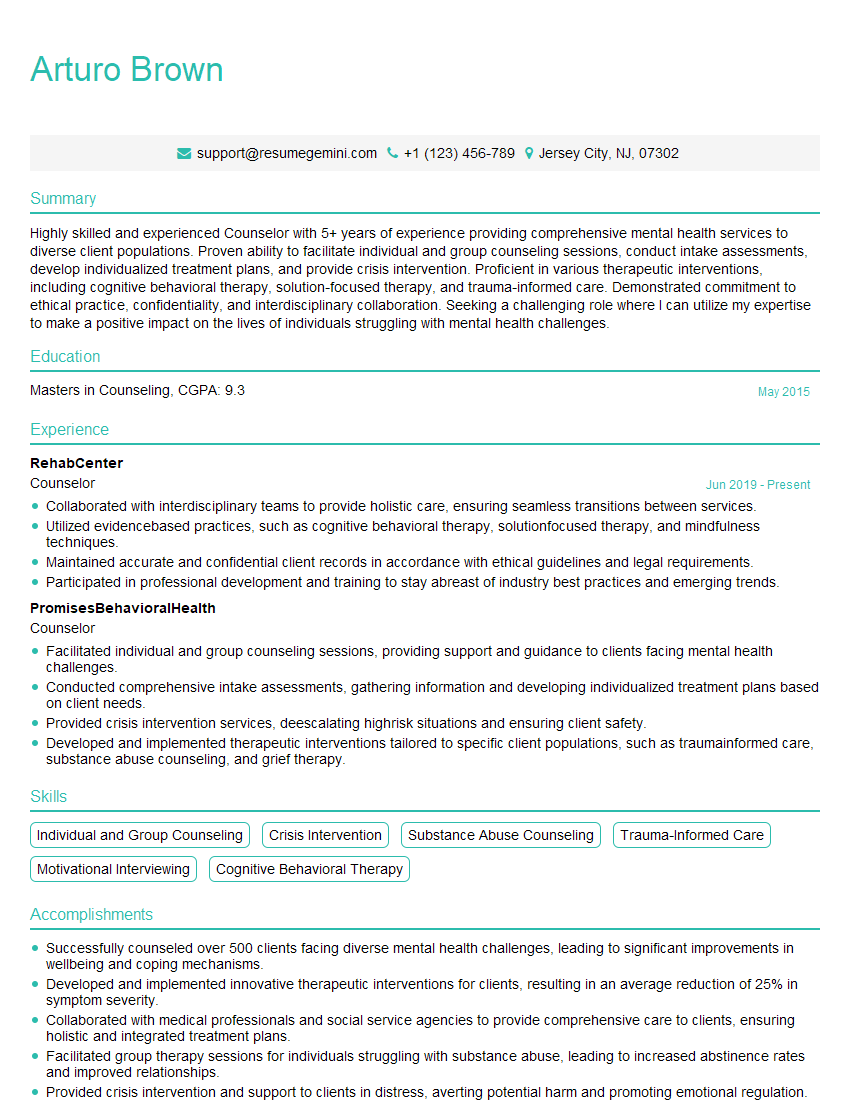
Counselor Resume Sample
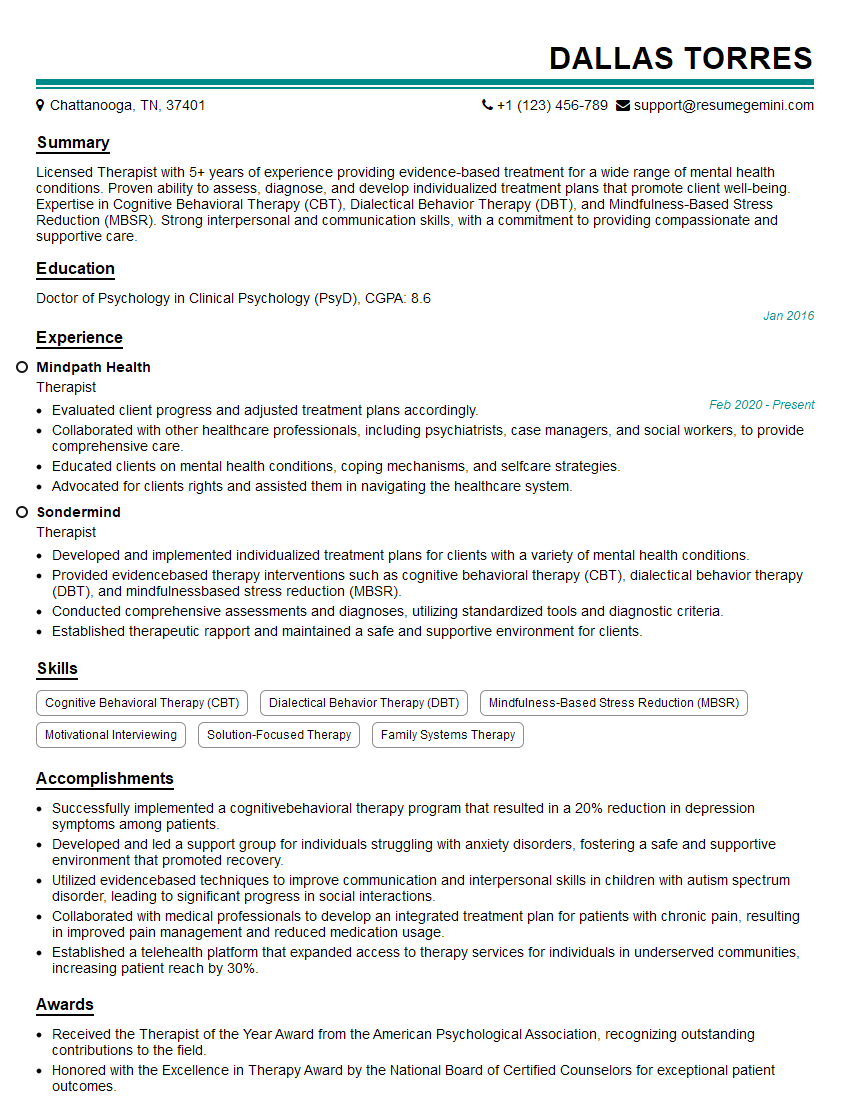
Therapist Resume Sample
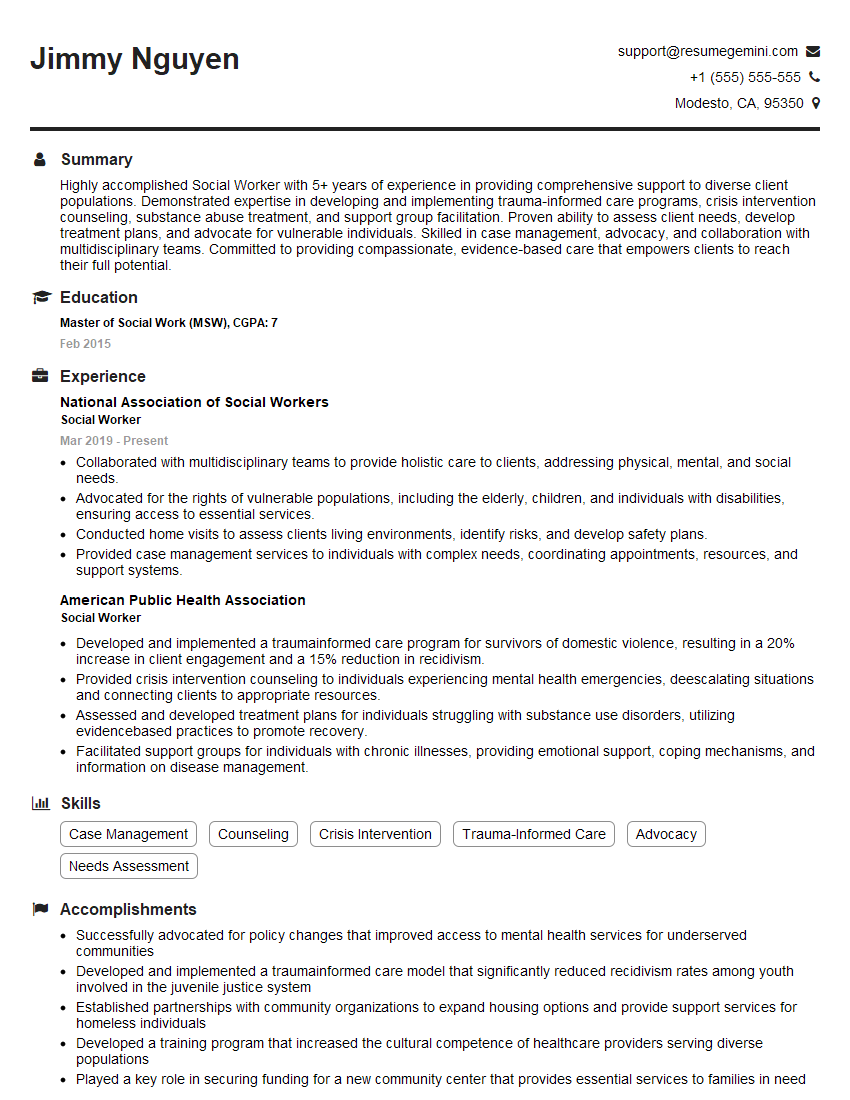
Social Worker Resume Sample
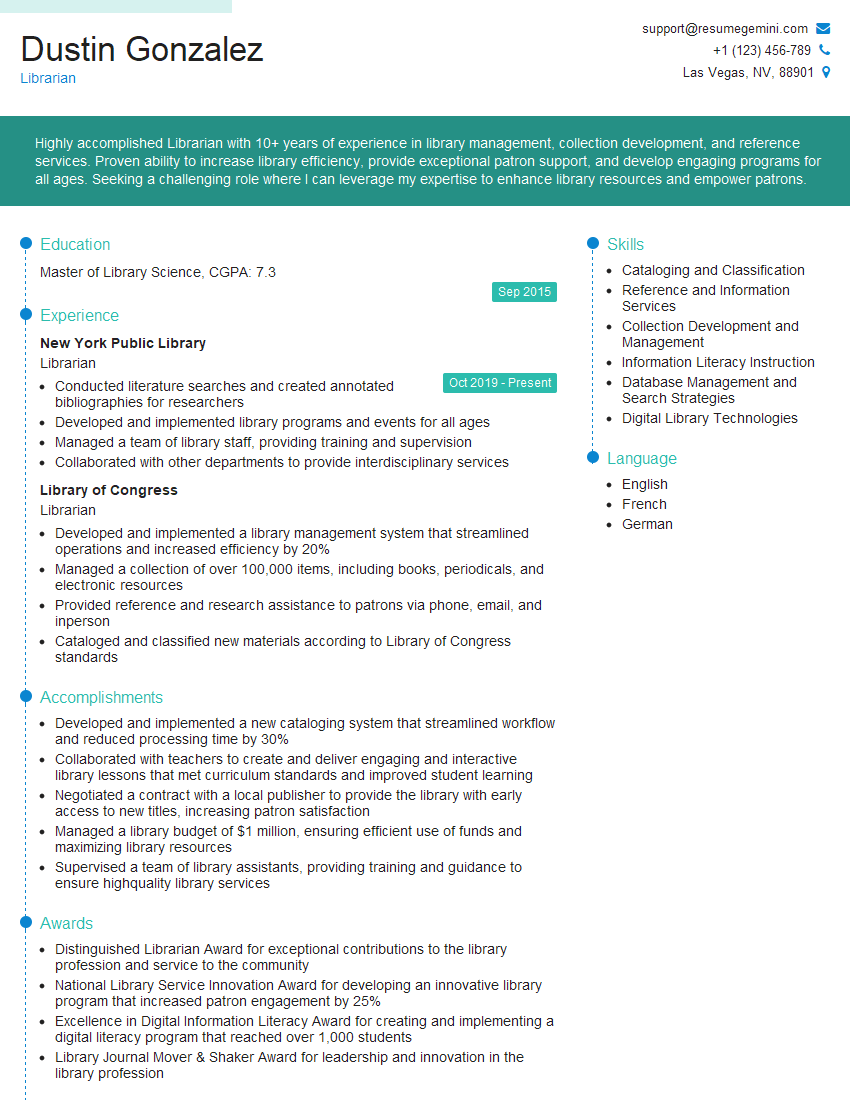
Librarian Resume Sample
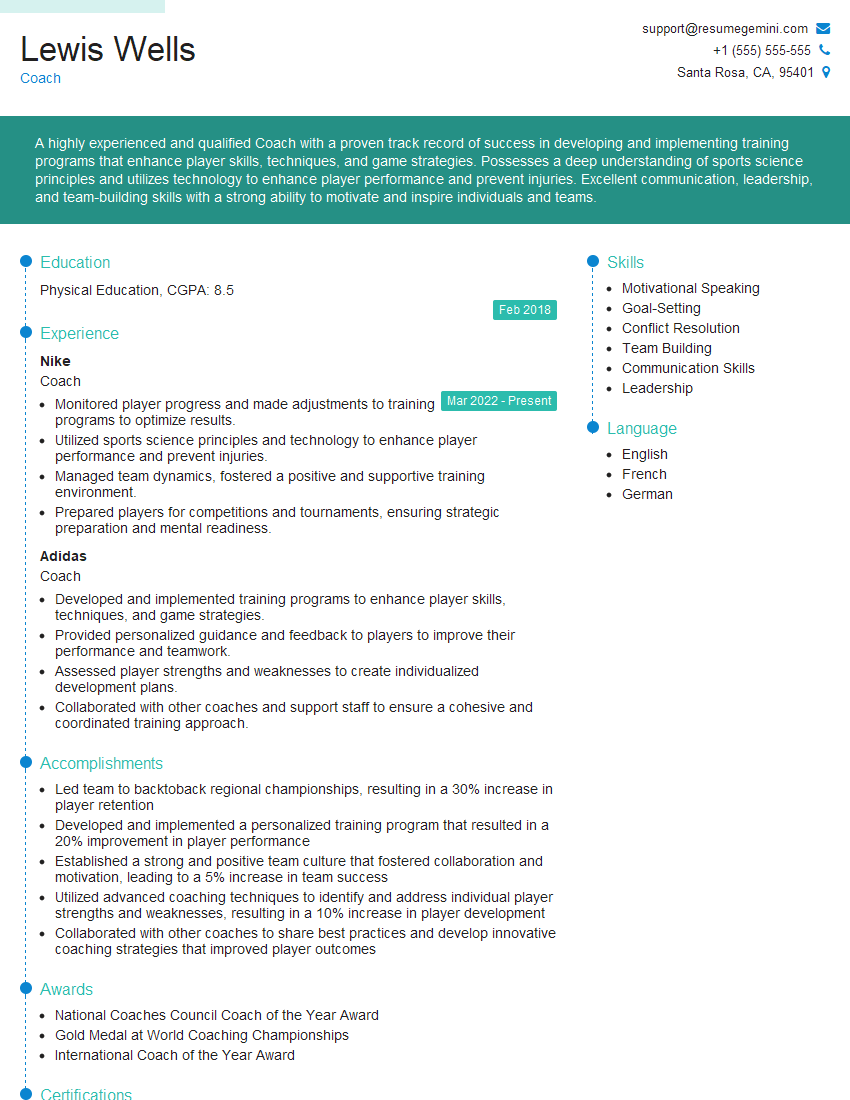
Coach Resume Sample
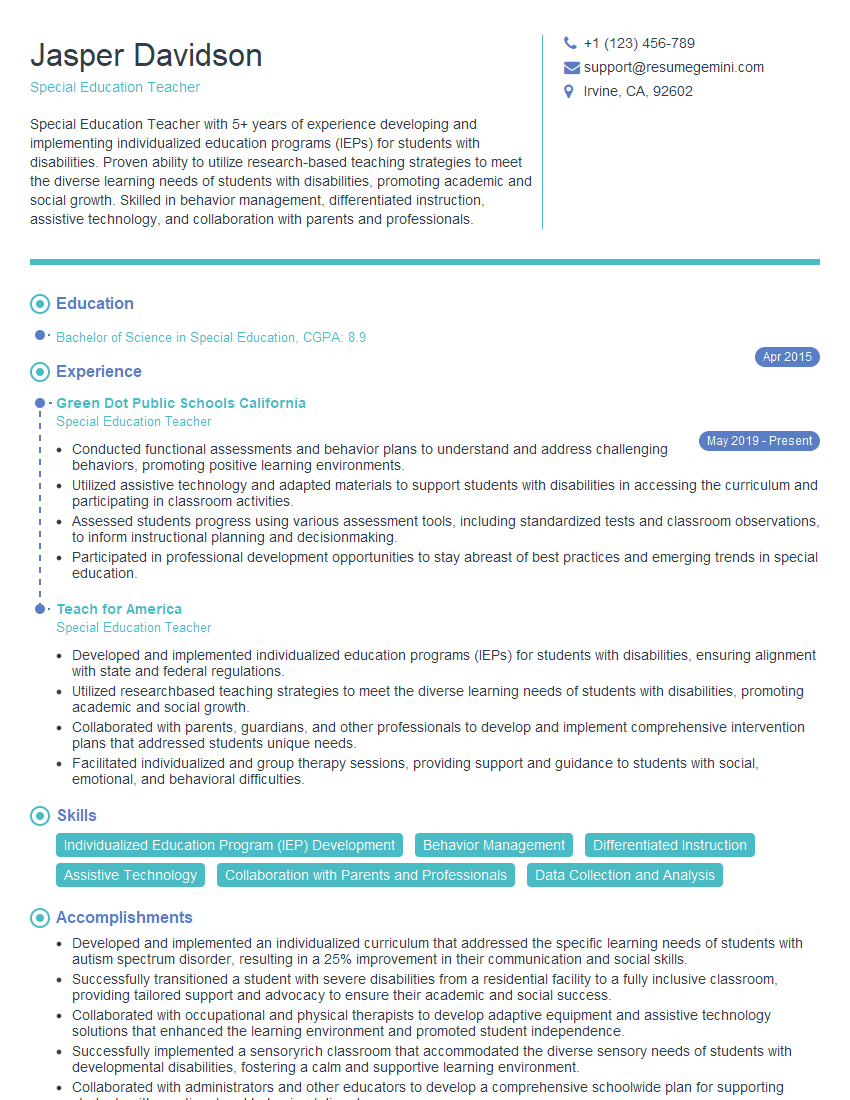
Special Education Teacher Resume Sample

Technical Writer Resume Sample
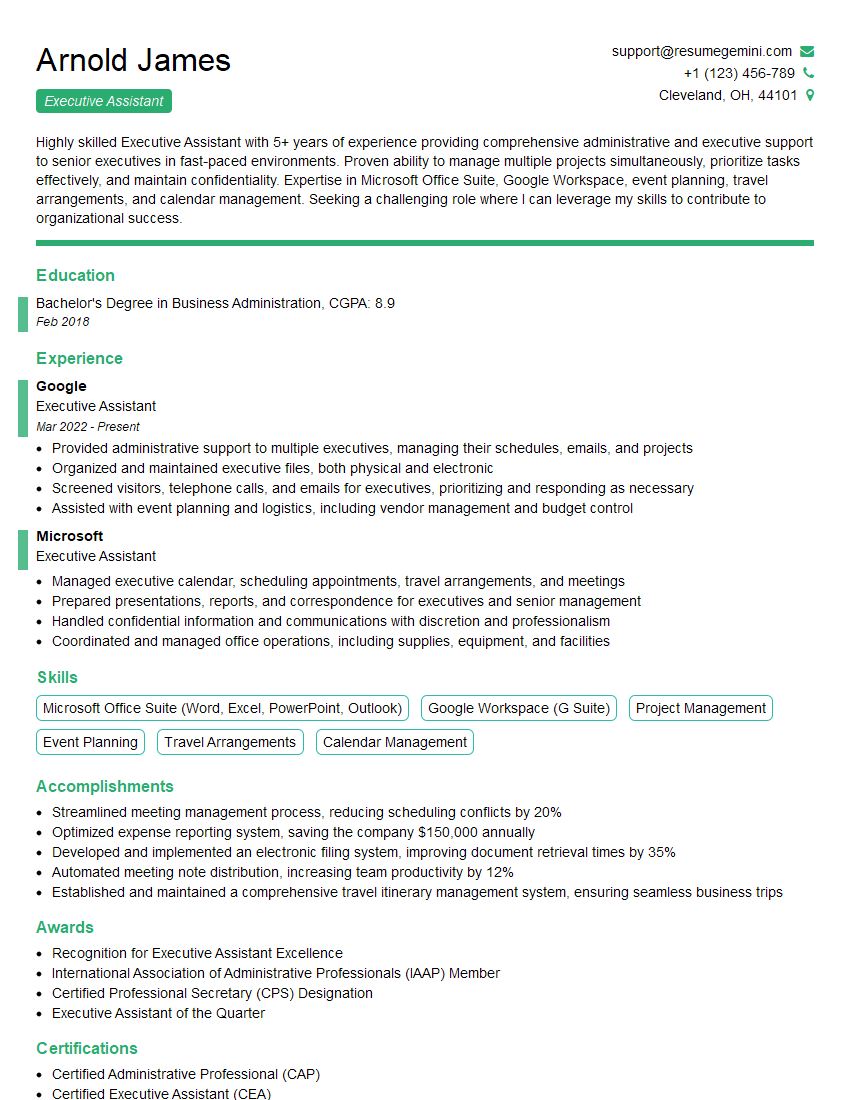
Executive Assistant Resume Sample
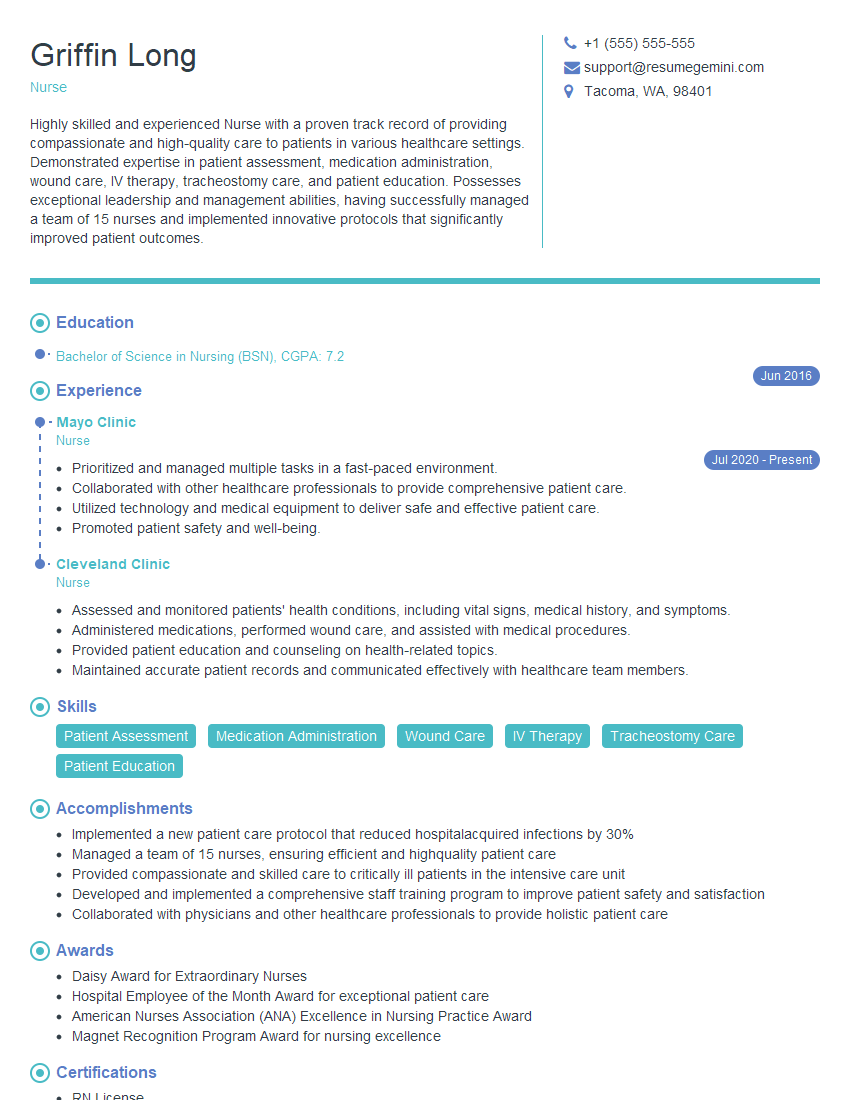
Nurse Resume Sample
- Supervisor
- Account Manager
- Sales Representative
- Customer Service Representative
- Human Resources Manager
- Project Manager
- Director
- Teacher
- Manager
- Mediator
- Event Planner
- Training Specialist
- Counselor
- Therapist
- Social Worker
- Librarian
- Coach
- Special Education Teacher
- Technical Writer
- Executive Assistant
- Nurse
Explore more articles
Users Rating of Our Blogs
Share Your Experience
We value your feedback! Please rate our content and share your thoughts (optional).
What Readers Say About Our Blog
Very informative content, great job.
good